Best 80s Detective & Private-Eye Shows
Best 80s Detective & Private-Eye Shows
Before every mystery could be paused, searched and solved with a phone in your hand, we had Magnum following a hunch, the Simon brothers arguing through a case, Maddie and David talking over each other, Laura Holt doing the real work and Jessica Fletcher quietly noticing the one thing everybody else missed. These were the 80s detective shows and private-eye hours we actually waited for — when a Ferrari, a phone book, a suspicious client and one good clue could carry an entire night of television.
What Were the Best 80s Detective Shows?
If you want the short list, start with Magnum, P.I., Moonlighting, Simon & Simon, Remington Steele, Hart to Hart, Spenser: For Hire and Riptide. Those shows cover almost the whole decade: glamorous private eyes, brother teams, romantic tension, hard-boiled crime, coastal adventure and the wonderfully 80s habit of giving investigators better cars than most of us would ever own.
Then keep going. Matt Houston, Mike Hammer, Crazy Like a Fox, Jake and the Fatman, The Equalizer and a shelf full of short-lived 1980s detective shows made the dial much deeper than the handful of titles that still dominate nostalgia.
Why 80s Detective Shows Were Perfect Prime-Time TV
The best detective shows of the 80s understood something simple: the mystery got us into the episode, but the investigator got us back the next week. We wanted to know who committed the crime, sure. But we also wanted to hang around Magnum’s guest house, listen to Rick and A.J. bicker, watch Laura Holt try to keep Remington Steele under control or see how long Maddie Hayes could go before David Addison drove her completely insane.
That made the decade different from the older image of the lonely private eye sitting behind frosted glass. The office door opened up. Detectives had partners, ex-spouses, friends, dogs, helicopters, Ferraris, beachfront houses and romantic problems. The genre could be funny without giving up the mystery and glamorous without forgetting the body on the floor.
For Gen X kids, these shows were often the bridge into grown-up TV. We might not have understood every motive, divorce, business deal or affair, but we understood clues. We understood that the guy who seemed too helpful was probably hiding something. We understood that Higgins was furious, that David was flirting and that Jessica Fletcher was already three steps ahead of the sheriff.
Inside the larger 1980s TV lineup, detective shows had a special advantage: they could reset every week and still feel familiar. New client, new mystery, same people we trusted to figure it out.
How 80s Detective & Private-Eye Shows Changed Across the Decade
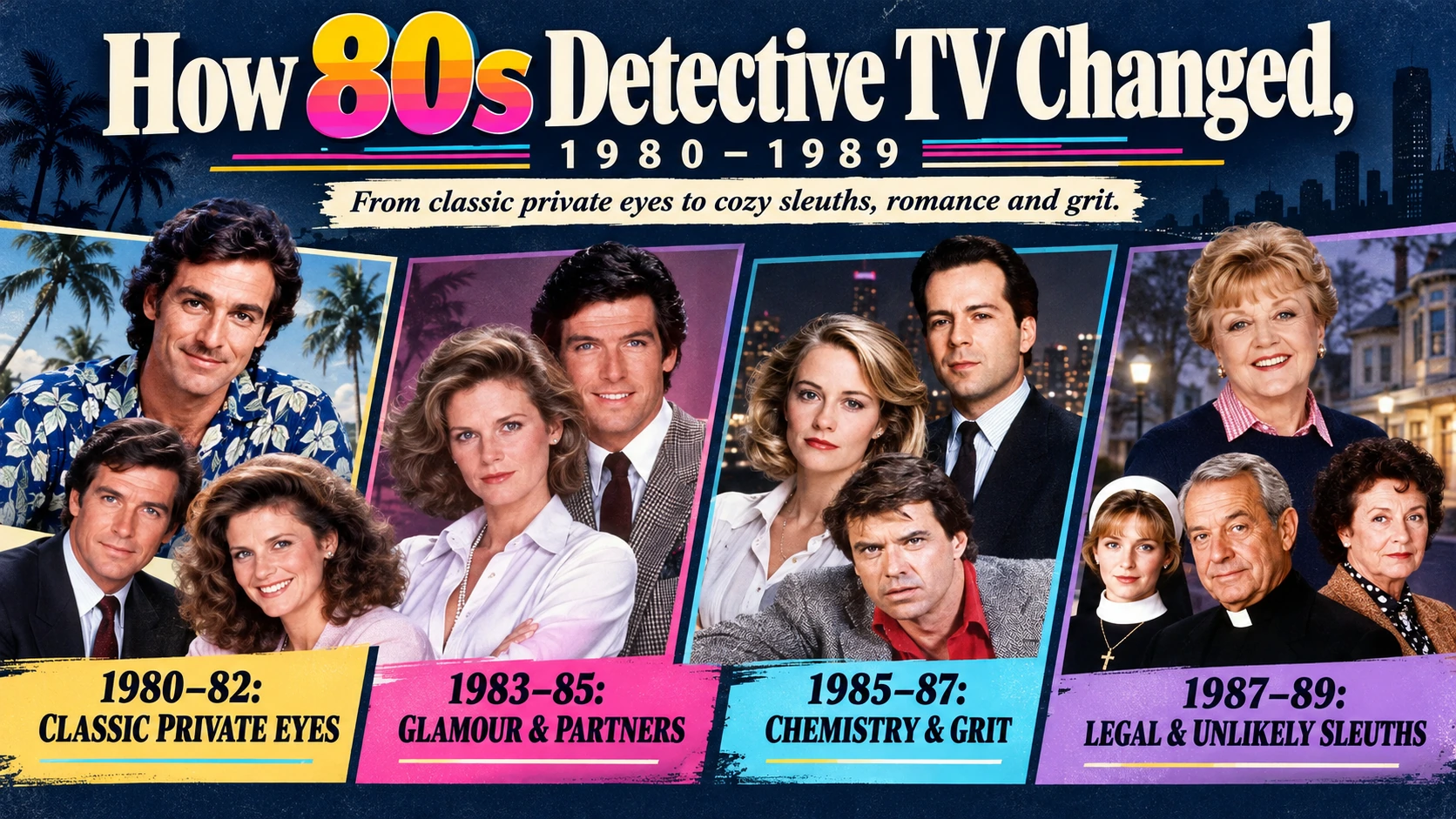
The detective genre did not stay in one lane. Early in the decade, television still carried a lot of 70s DNA: traditional private eyes, wealthy amateur sleuths and classic mystery structure. By the middle, the shows became brighter, funnier and more romantic. By the late 80s, crime television was getting darker again and starting to point toward the more serialized 90s.
25 Best 80s Detective & Private-Eye Shows Gen X Loved
This is not a strict ratings countdown. It is a memory map of the decade: the giants, the cult favorites and the short-lived shows that still trigger an instant “I remember that.” Some are pure private-eye series. Some lean legal, mystery, spy or action. What connects them is the pleasure of watching somebody notice what the rest of the room missed.
If police procedurals are more your lane, head to the best police shows of the 1980s. For whodunits and amateur sleuths, there is Mystery Shows of the 1980s. If you came for chases and hardware, the 80s action shows are waiting. Here, we are following the investigators.
Magnum, P.I.
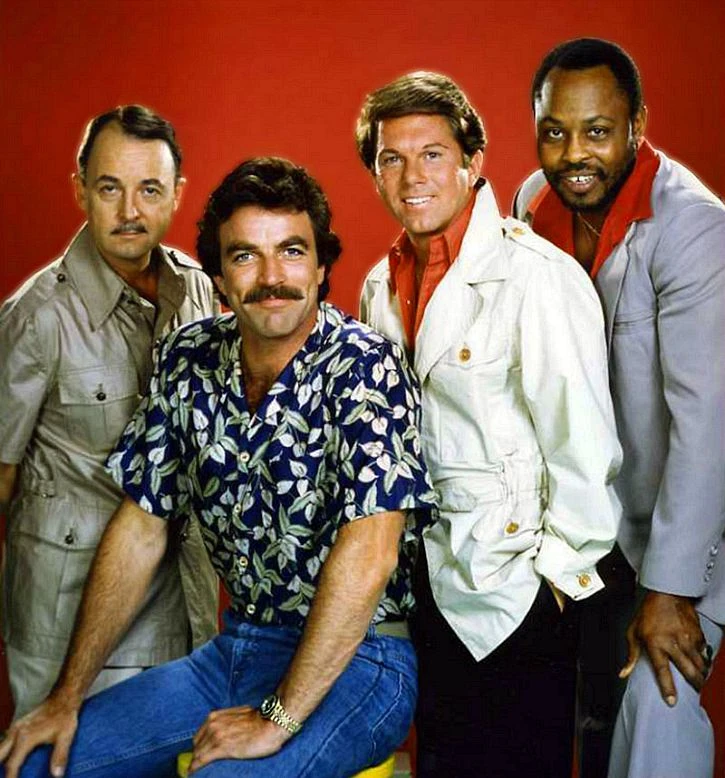
If you grew up with Magnum, P.I., the red Ferrari is probably the first thing your brain throws onto the screen. Then comes the Tigers cap, the mustache, the Hawaiian estate, Higgins glaring from a doorway and that feeling that Thomas Magnum had somehow found the best possible version of adulthood. He was a private investigator, but the fantasy was bigger than the cases. He had friends, freedom, ocean, cars and just enough chaos to make the whole thing feel lived in rather than polished.
What made Magnum different from the hard-boiled detectives who came before him was how often the show let him be human. He could be funny, petty, scared, nostalgic, wounded and stubborn. His Vietnam past mattered. His friendship with T.C. and Rick mattered. Higgins was not just an obstacle; he became one of the relationships that gave the show its heart. The mysteries were the engine, but the people were why we kept coming back.
For Gen X, Magnum became one of those shows you could recognize from another room. The opening music hit, the Ferrari appeared and you knew exactly where you were. That is the real test of an 80s television icon: you did not need to see the title card. A few seconds were enough.
The show also taught us that a detective could have a life beyond the case. Magnum played volleyball, borrowed the Ferrari, ducked Higgins and leaned on friends who knew exactly when he was full of it. That looseness made the danger hit harder because the world felt like somewhere people actually lived. It was not just a crime puzzle with palm trees pasted behind it.
Moonlighting
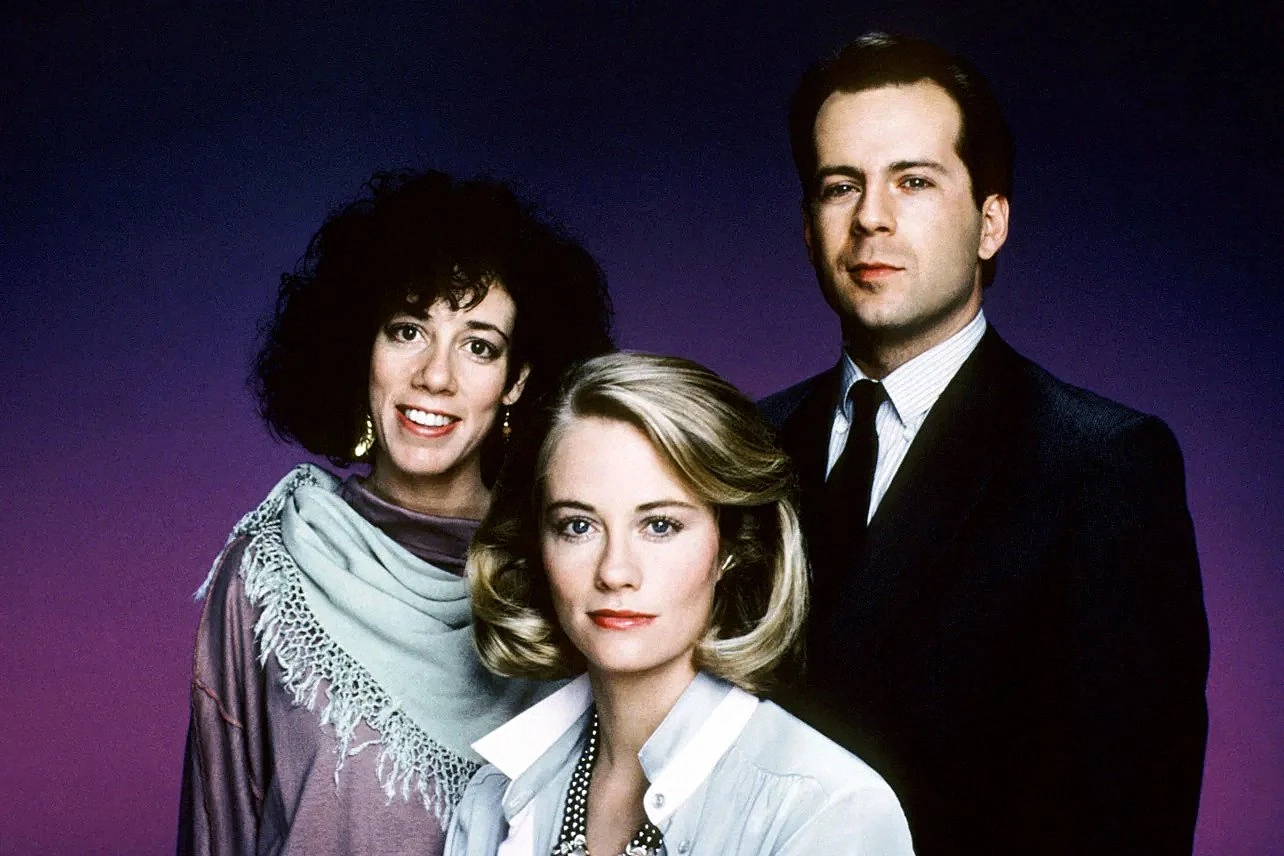
Moonlighting looked like a detective show and then spent half its time arguing with the idea of being a detective show. Maddie Hayes and David Addison could investigate a case, insult each other, flirt, fight, break the fourth wall and somehow turn an ordinary scene into something that felt like live television might collapse at any second. For those of us watching then, it was unpredictable in a way network TV usually was not.
The mystery plots mattered, but the chemistry was the event. Cybill Shepherd brought cool control; Bruce Willis brought noise, timing and the kind of grin that told you David Addison had already decided the rules did not apply. The show could go noir one week, screwball comedy the next, then suddenly get serious enough to remind you that both characters were hiding behind the banter.
That willingness to mess with format is why Moonlighting still feels modern. Plenty of 80s detective shows aged into comfort television. Moonlighting still feels like somebody sneaked into the control room and started pressing buttons. We watched because the case might be good. We really watched because Maddie and David could make a conversation feel more dangerous than the crime.
There was also the feeling that the show might break its own format just because it was bored. Musical numbers, fantasy sequences, weird narration and jokes about television itself could show up without warning. For kids used to shows staying inside the lines, that was part of the thrill. Moonlighting felt like prime time had discovered caffeine.
Simon & Simon
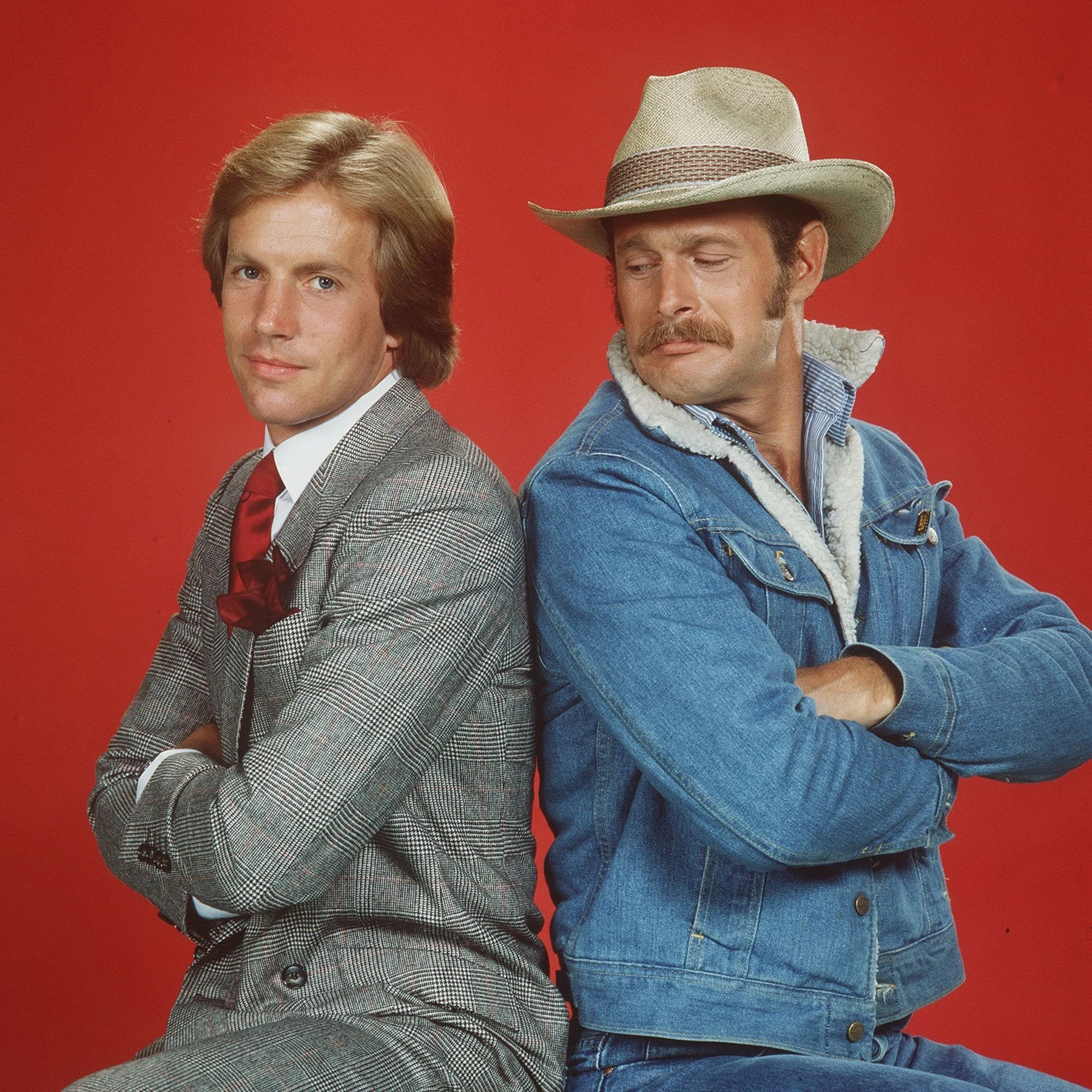
Rick and A.J. Simon were brothers who looked like they had been cast from opposite ends of the same family argument. Rick was rough, loose and comfortable getting dirty. A.J. was cleaner, calmer and much more interested in looking like the private investigator whose name actually belonged on the office door. The cases worked because the personalities never stopped colliding.
The series had action, but it never lost the private-eye rhythm. Somebody walked in with a problem. The brothers asked questions, followed people, annoyed the wrong people and usually ended up in more trouble than the original job should have required. San Diego helped. So did Rick’s pickup. The whole show had a relaxed, sun-baked quality that made danger feel like part of the scenery.
What I remember most is how easy it was to watch. Simon & Simon did not need to reinvent itself every week. It needed Rick, A.J., a case and enough time for both brothers to prove the other one was doing it wrong. That reliability is exactly why reruns worked so well later.
The brother dynamic also made the show unusually easy to identify with. Most of us understood the idea of one sibling doing something the wrong way simply because it was not our way. Rick and A.J. could turn a tailing job, a stakeout or a client interview into a family argument, which made the detective work feel less distant and more personal.
Remington Steele
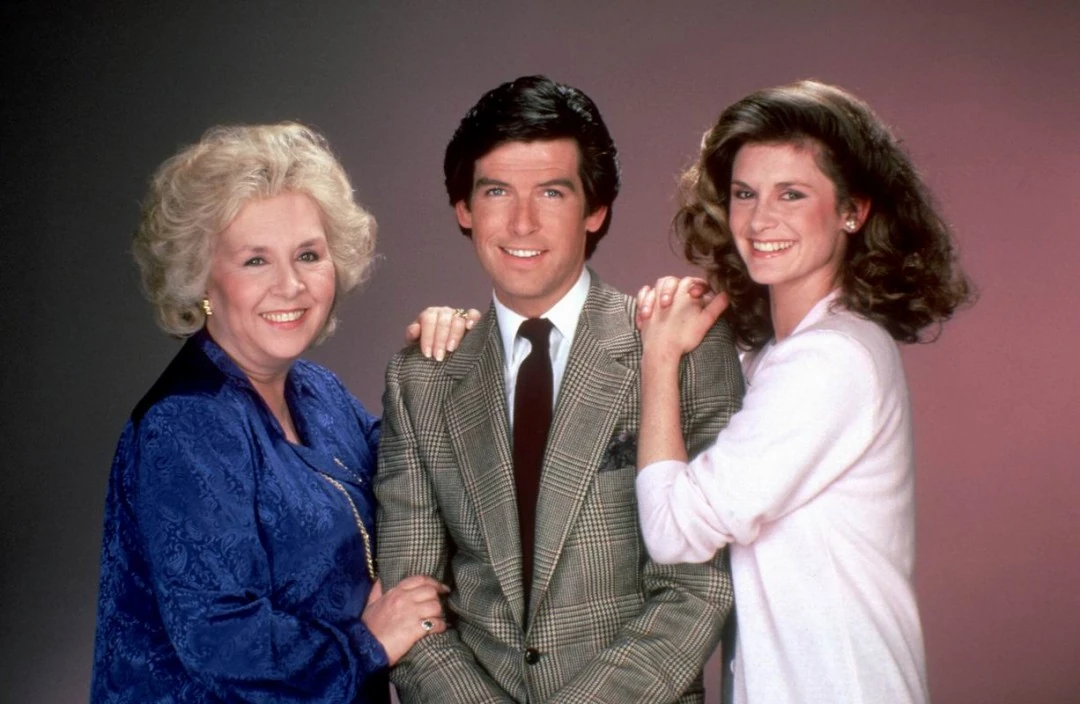
The setup of Remington Steele was brilliant before the first mystery even started. Laura Holt was the real detective, but clients took her agency more seriously once she invented a male boss who did not exist. Then a mysterious, charming thief walked into the fiction and started living under the name she had made up. Suddenly the fake boss was real enough to create twice as many problems.
Stephanie Zimbalist gave Laura the competence the whole premise depended on. Pierce Brosnan supplied the charm, movie-star looks and improvisational energy that made Steele feel dangerous and useful at the same time. Their relationship worked because the show never let the audience forget who actually knew how to run the agency. The chemistry came from watching Laura try to control a situation she had accidentally made impossible to control.
For Gen X viewers, this was detective TV with polish. Clothes mattered. Apartments mattered. Movies mattered. Steele loved old films and the show loved using them. Long before Brosnan became James Bond, the series had already figured out exactly what kind of old-school glamour he could sell.
Laura’s frustration was a huge part of the pleasure because we knew she was right. She built the agency, knew the business and kept solving the cases, while the fictional man she invented became the face clients trusted. The show could play that for romance and comedy without losing the sting underneath it.
Hart to Hart
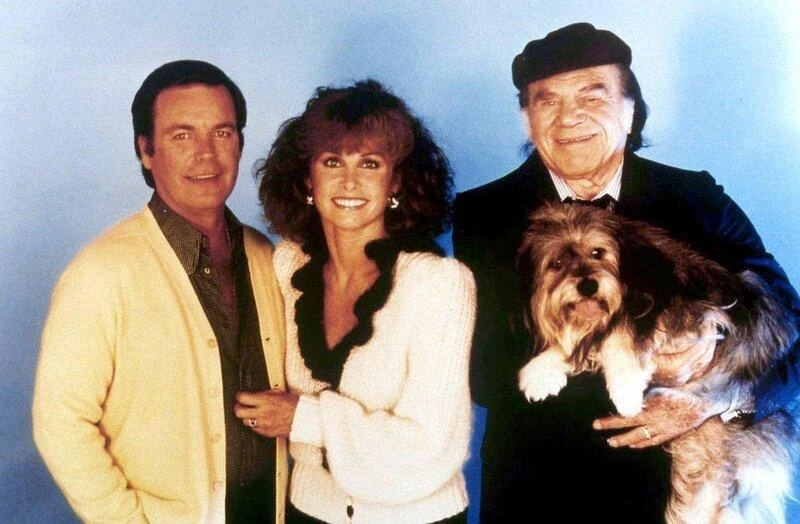
Jonathan and Jennifer Hart had money, style, a loyal butler, a dog, great clothes and a strange habit of stumbling into murder. That should have felt ridiculous. Instead, Hart to Hart made it look like married life simply came with the occasional body near the yacht.
The real secret was that Jonathan and Jennifer actually liked each other. Television couples often run on friction; the Harts ran on partnership. They flirted, trusted each other and seemed delighted to be married. That warmth made the danger fun rather than exhausting. We were not watching a relationship fall apart under pressure. We were watching two people use the pressure as another excuse to work together.
The show also carried some 70s sophistication into the early 80s before the decade’s detective genre got louder, quirkier and more self-aware. Hart to Hart was glamorous without needing neon. The fantasy was simple: solve a murder, look incredible doing it and be home with the person you love before the credits.
There was also something quietly radical about how little the show needed marital misery. Jonathan and Jennifer had money and absurdly dangerous hobbies, but the relationship itself was not the weekly problem. For viewers surrounded by television couples who spent half their time arguing about whether they should stay together, the Harts simply enjoying each other was part of the fantasy.
Murder, She Wrote
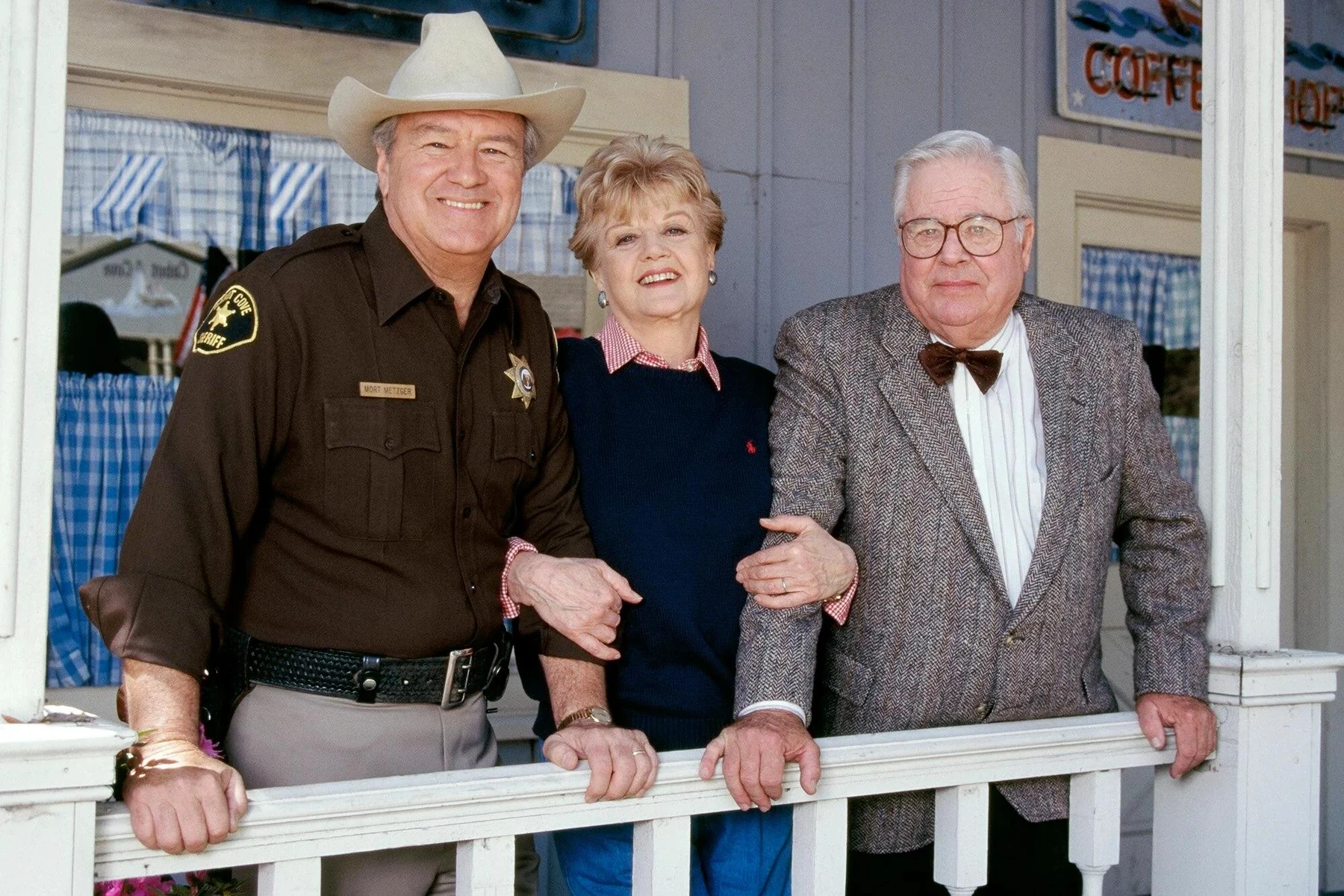
Jessica Fletcher was not a private eye, which is exactly why she changed the mystery landscape. She was a writer who paid attention. She listened when people underestimated her, noticed when stories did not line up and had the calm confidence of someone who did not need a badge to know she was right. By the middle of the decade, Sunday night television belonged to her.
For kids, Murder, She Wrote often felt like grown-up television we were allowed to sit through anyway. There were murders, obviously, but the show rarely felt ugly. Cabot Cove looked comfortable. Jessica looked sensible. Guest stars rotated through like a parade of familiar faces. The murder became a puzzle rather than a reason to turn the television off.
This one leans more toward the broader world of 80s mystery television than pure private-eye drama, but no honest conversation about 80s sleuthing can pretend Jessica Fletcher was not one of the decade’s defining detectives.
Jessica also made intelligence look calm. She did not need to dominate a room or raise her voice. She let people talk, remembered what they said and waited until the contradiction became obvious. That style made the show feel safe enough for a Sunday night while still giving the audience a real puzzle to chew on.
Spenser: For Hire
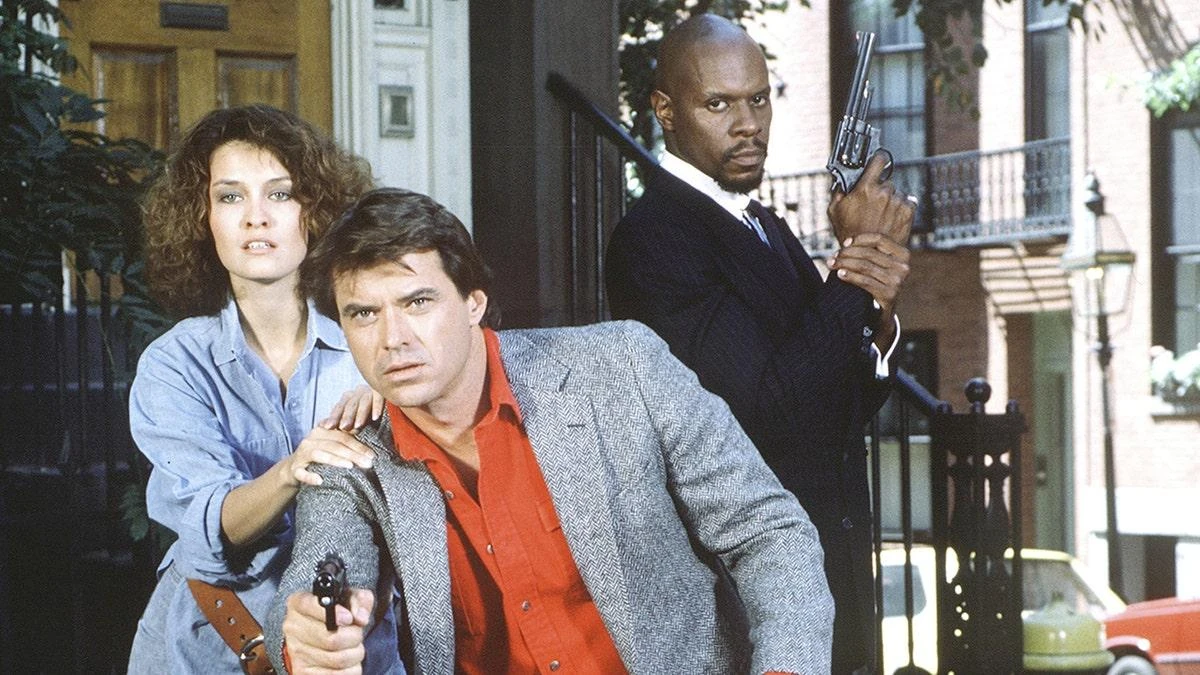
Spenser: For Hire felt tougher than the sun-soaked private-eye shows. Boston gave it brick, cold air, bars, narrow streets and a sense that the city itself could push back. Spenser was literate and thoughtful, but nobody confused that thoughtfulness with weakness. He could talk about morality and then handle himself when talk stopped working.
Hawk made the show even better. He was cool, dangerous and impossible to reduce to a standard sidekick. The friendship between Spenser and Hawk had history and mutual respect, and Avery Brooks could take over a scene by doing almost nothing. Their different codes made the series feel more grown-up than a simple weekly crime problem.
This was the detective show for nights when you wanted less fantasy and more weather. It did not have Magnum’s Hawaii or Remington Steele’s polish. It had Boston, bruises and the feeling that the people solving the case were carrying their own weight into every room.
The show also trusted silence more than many of its contemporaries. Spenser did not have to wisecrack through every confrontation, and Hawk did not need to explain why he was formidable. That restraint gave the series a grown-up quality that separated it from the more playful private-eye shows elsewhere on the schedule.
The Equalizer
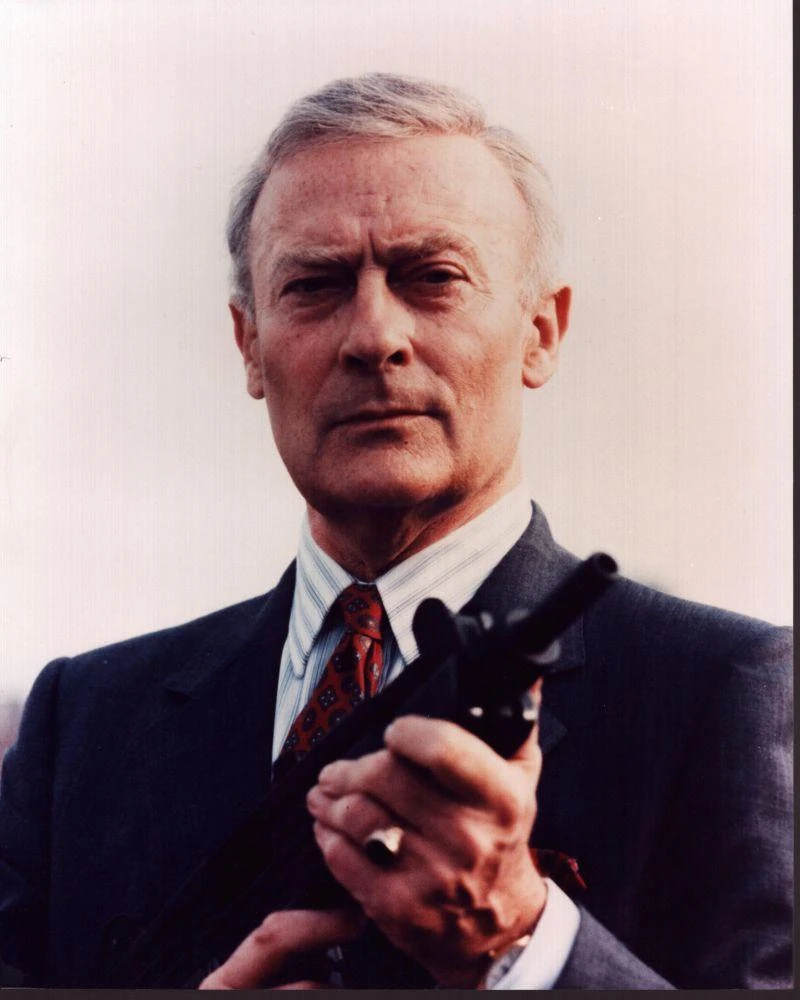
Robert McCall was not exactly a private investigator, but he lived in the same neighborhood of television: a skilled man helping people who had nowhere else to go. The Equalizer stripped away almost all of the sunny detective fantasy. New York was colder. McCall was older. The danger felt closer to the curb.
Edward Woodward made restraint look intimidating. McCall did not need to shout or perform toughness. His history in intelligence work gave him contacts and methods that ordinary people could not access, but the emotional hook was that he had decided to use those things for people who had been failed by everyone else.
For Gen X kids, the show could feel unusually adult. The opening alone had anxiety baked into it. Yet that seriousness is why it belongs here. The decade’s detective world was not only Ferraris and Hawaiian shirts. Sometimes the guy taking the case looked like he had already seen every bad ending once.
McCall’s age mattered too. He was not a young hotshot discovering his abilities. He was a man who already knew what he was capable of and understood the cost. That changed the tension. The question was rarely whether he could handle himself. It was what helping someone would force him to use again.
Riptide
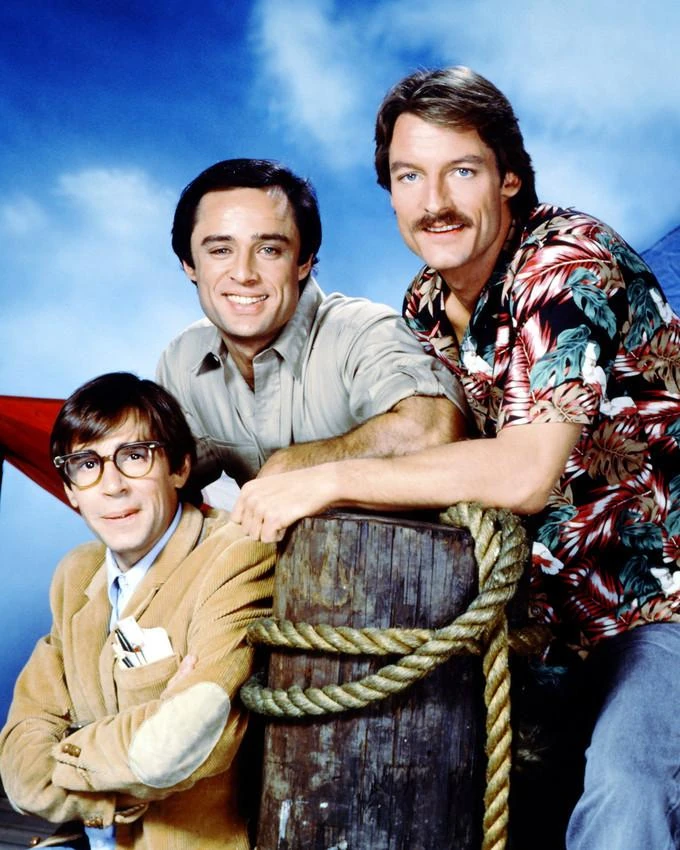
Riptide was what happened when private-eye television looked at the decade’s toy box and decided to use all of it. Cody and Nick brought the conventional investigator energy. Murray brought computers and brains. Then the show added the Riptide boat, the Screaming Mimi helicopter and a robot because apparently three detectives and Southern California were not enough.
That excess was part of the fun. The cases could be familiar, but the surroundings made the show feel busier than a standard office-and-interrogation series. This was a detective agency where the parking situation alone could become a poster. The technology now looks charmingly primitive, which only makes the show feel more 80s.
It never became the giant cultural brand that Magnum did, but it lived exactly where a lot of Gen X television memories live: reruns, summer evenings, local stations and the sudden recognition that you absolutely remember that pink helicopter.
The friendship among Cody, Nick and Murray kept all the machinery from taking over. Murray’s computer skills could solve a problem the other two would have tried to punch through, while the others protected him when his confidence lagged. The show was brighter and sillier than some detective dramas, but the team genuinely felt like a team.
Matt Houston
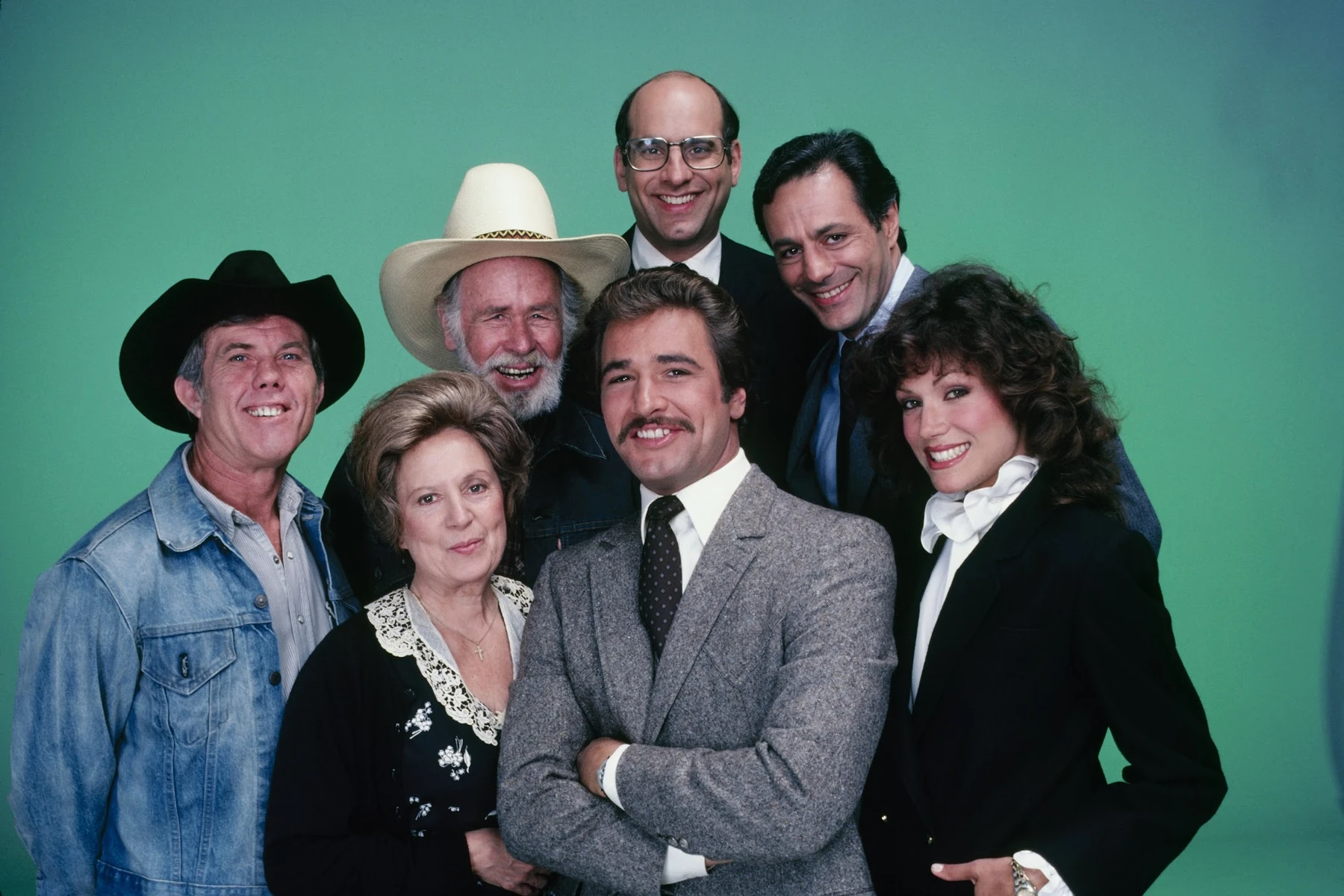
Matt Houston understood that a private investigator was more fun on television if he had money, confidence and no obvious reason to work for anybody. Lee Horsley’s Houston was a wealthy Texas oil heir living in Los Angeles, which meant he could approach a case with resources ordinary detectives would have killed for.
The series belonged to the glossy side of early-80s television. Big cars, expensive rooms and high-society clients made the mysteries feel tied to the era’s broader fascination with wealth. But Houston still had the boots-and-Texas identity underneath the polish, which gave him a little more flavor than a generic rich investigator.
This is one of those shows that tends to trigger recognition before details. Say the title to somebody who watched a lot of television in the early 80s and there is usually a pause, then the face lights up. That is exactly the kind of memory this list is for.
Houston also fit the decade’s fascination with protagonists who seemed to have already won life before the opening credits. He had money, access and confidence, so the fun came from watching him choose to get involved anyway. That made the mysteries feel less like survival and more like adventure.
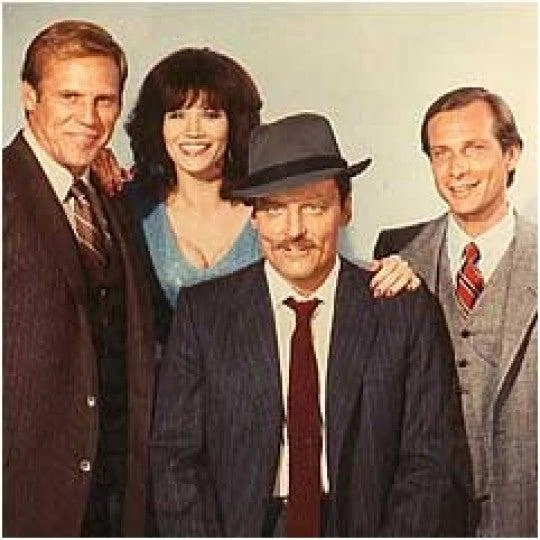
Mickey Spillane’s Mike Hammer
If some 80s detectives were getting lighter and more romantic, Mike Hammer was still wearing the old hard-boiled coat. Stacy Keach played Hammer like a man who had wandered out of another era and refused to apologize for it. The voice, the hat, the cigarettes, the fists — the character was deliberately old-school.
That contrast made the show interesting in the 80s. Around him, television was filling with computers, designer clothes and high-tech vehicles. Hammer’s world still ran on informants, instincts and walking into rooms where nobody was happy to see him. It was less about keeping up with the decade than proving there was still room for the classic private eye.
For viewers who liked their detectives a little rougher, Hammer was a reminder that the genre had roots older than Magnum’s Ferrari. The 80s did not replace noir. It put neon next to it.
The show was almost defiantly out of step, and that was its identity. Hammer was not trying to become an 80s man. The 80s had to come to him. Neon signs, new cars and modern criminals could crowd the frame, but he still seemed to operate by rules written decades earlier.
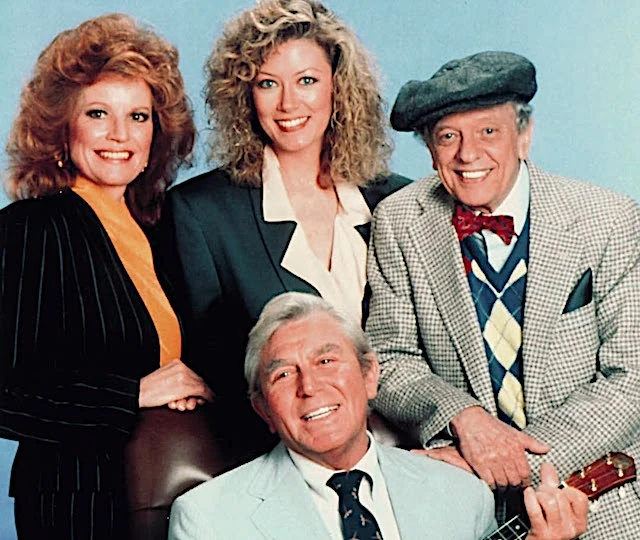
Matlock
Ben Matlock was a lawyer, but the pleasure of Matlock was always investigative. He asked questions, found the contradiction and kept pulling until the whole story came apart in court. By the time he started the final explanation, you knew somebody’s bad day was about to get much worse.
Andy Griffith’s greatest trick was making Matlock seem harmless right up until that harmlessness became a weapon. People talked around him. They underestimated him. He looked comfortable in a cheap suit, ate simple food and let suspects believe they were smarter. Then he walked them into the truth one piece at a time.
Like Jessica Fletcher, Matlock really belongs to the larger mystery side of the decade as much as the private-eye side. But Gen X watched him solve cases, and that makes him part of the detective memory whether or not he carried a license that said investigator.
The final courtroom turn was part of the ritual. You knew Matlock was going to find the flaw, walk somebody into a corner and make the truth impossible to avoid. The pleasure was not surprise alone. It was watching how patiently the trap had been built while everyone around him assumed the old guy in the gray suit was harmless.
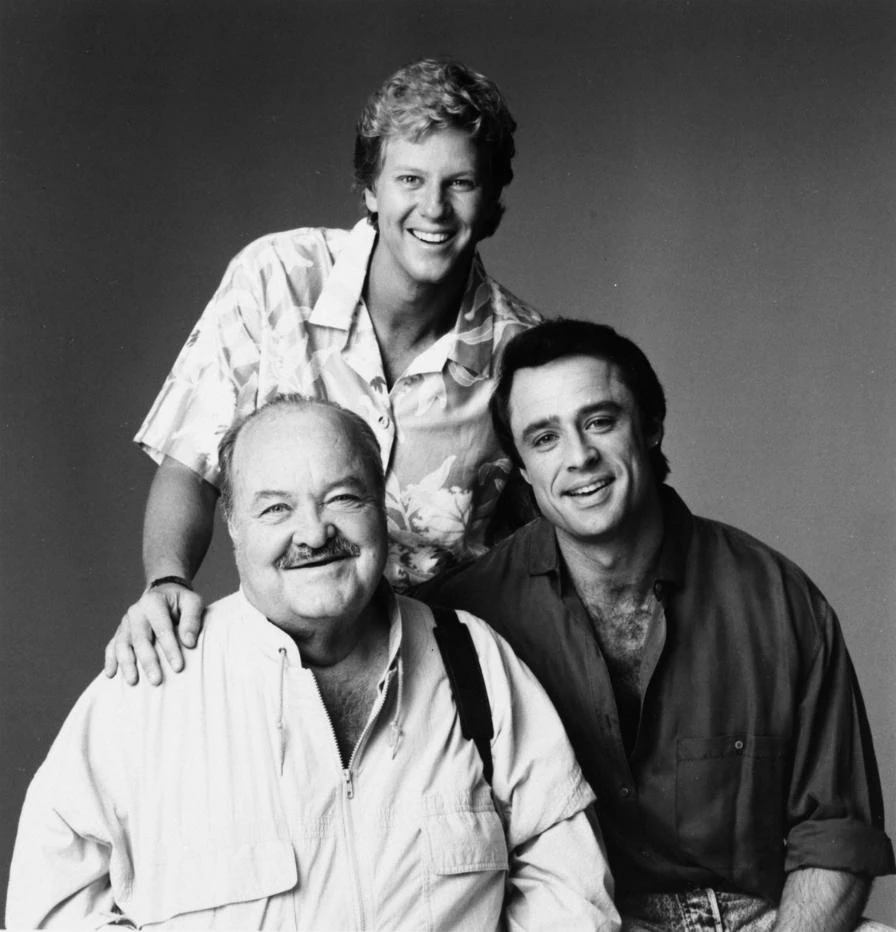
Jake and the Fatman
Jake and the Fatman paired two very different kinds of television authority. J.L. McCabe brought courtroom weight and old-school certainty. Jake Styles brought the field work, movement and younger energy. The partnership let the series move between legal investigation and street-level case solving without feeling trapped in either format.
William Conrad’s presence gave the show a gravity few detective series could fake. He did not need to move quickly. His voice and size made McCabe feel like a man who had already decided how the room was going to work. Joe Penny’s Jake provided the motion around that center.
It is also one of those late-80s shows that points toward the television of the 90s, when crime series would increasingly mix legal procedure, investigation and character drama. At the time, though, we just knew it was the show with the impossible-to-forget title.
The title sounded almost comic-book broad, but the show often played the work seriously. McCabe’s authority and Jake’s movement gave episodes two different energies, and the legal-investigative blend let the series move between offices, streets and courtrooms without feeling like it had changed genres.
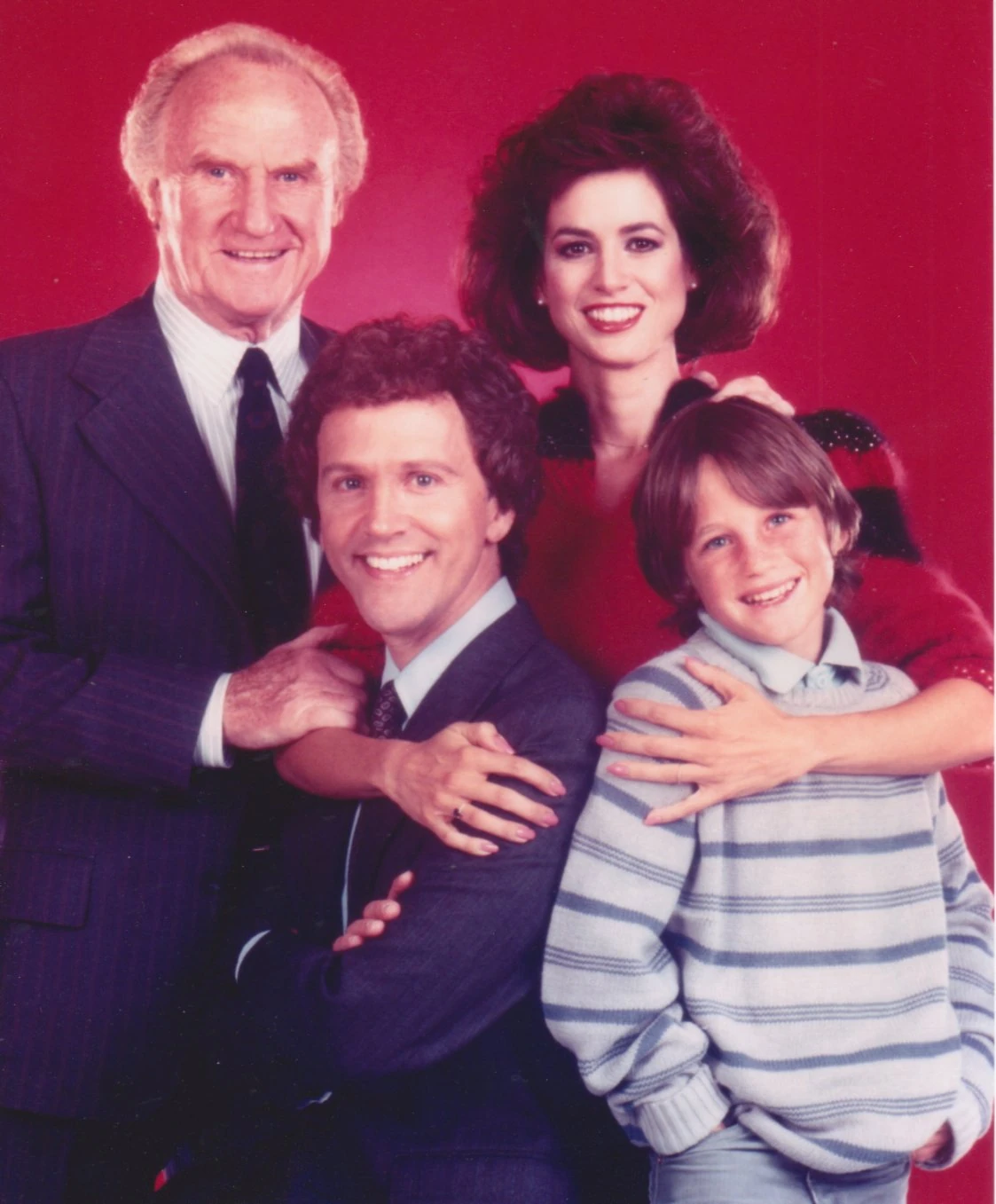
Crazy Like a Fox
Crazy Like a Fox worked because Harry Fox was the kind of private investigator who could make his own family nervous. Jack Warden played him as instinctive, pushy, experienced and perfectly willing to drag his lawyer son Harrison into situations Harrison had spent his entire professional life learning to avoid.
The father-son setup made the mysteries secondary to the weekly collision of personalities. Harry was the street-smart detective. Harrison wanted order, rules and ideally a little warning before somebody started chasing them. The more Harry improvised, the more Harrison had to deal with the consequences.
It did not run forever, but it had a very 80s comfort-show quality: recognizable star, clean premise, family friction and a new case every week. Sometimes that was all a series needed to become part of the furniture.
Jack Warden made Harry feel like the kind of investigator who had learned half his craft before anybody thought of writing it down. He pushed, guessed and annoyed people until the truth moved. Harrison’s exasperation was funny because Harry was so often right for reasons nobody else could explain.
Scarecrow and Mrs. King
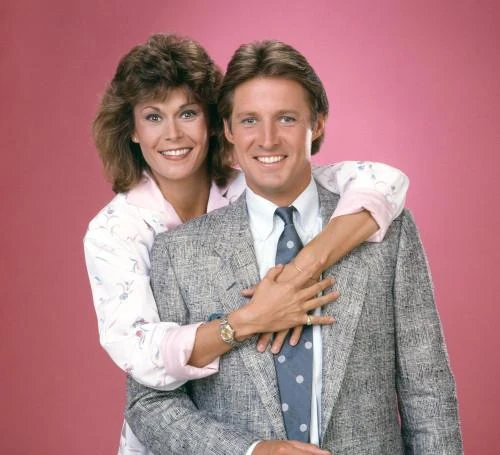
Amanda King was not a detective when the show started. She was a suburban mother who got pulled into espionage almost by accident. That is exactly what made Scarecrow and Mrs. King feel different. The secret world did not replace her ordinary life; it kept crashing into it.
Lee Stetson knew how spy work was supposed to function. Amanda knew how people actually behaved when they were not trained agents. That mismatch gave her an advantage more often than the professionals wanted to admit. She noticed social details, read people and improvised in ways the agency could not teach.
This series belongs more naturally with 80s action television, but it crosses into detective territory every time Amanda and Lee have to figure out who is lying and why. For those of us who watched it, the appeal was simple: suburban life on one side of the door, secret missions on the other.
Amanda’s double life also made the stakes weirdly relatable. She could be dealing with international trouble and still have to return to a normal household where nobody knew what had just happened. That gap between secret competence and ordinary appearance was a very different kind of detective fantasy.
Hardcastle and McCormick
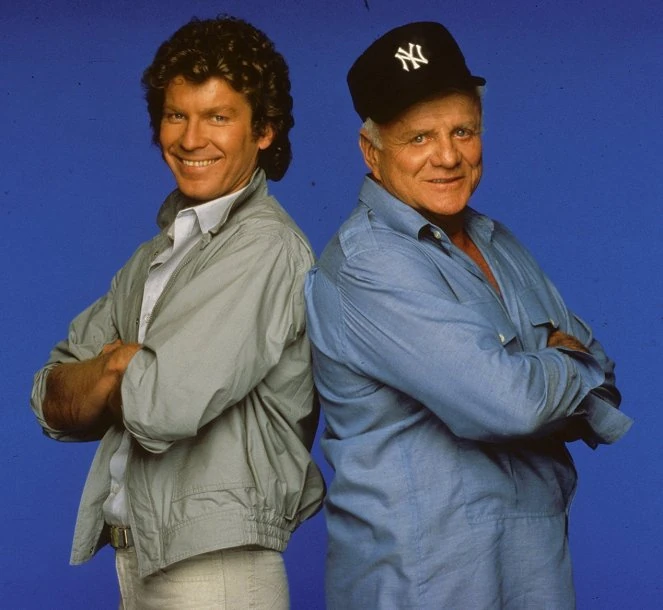
Judge Milton Hardcastle had spent too many years watching guilty people beat the system. Mark McCormick knew exactly how those people thought because he had lived on the other side of the law. Put them together and you had one of the decade’s strangest investigation teams — plus the Coyote, because this was still the 80s and apparently every problem improved with a wild car.
The cases gave Hardcastle the reason to keep going after people the courts had missed, while McCormick supplied the street instincts and driving. The relationship had built-in friction because neither man entirely trusted the other’s methods. That tension kept the show from being only a chase series.
It leans hard into action, but underneath the stunt work was always an investigator’s question: what actually happened, and how do we prove it? That is enough to keep it in the private-eye conversation.
Hardcastle’s obsession with the cases that got away gave the show more purpose than the vehicle-heavy advertising suggested. He was a retired judge who could not quite accept that legal innocence and actual innocence were always the same thing. McCormick became useful precisely because he understood the spaces the judge did not.
Stingray
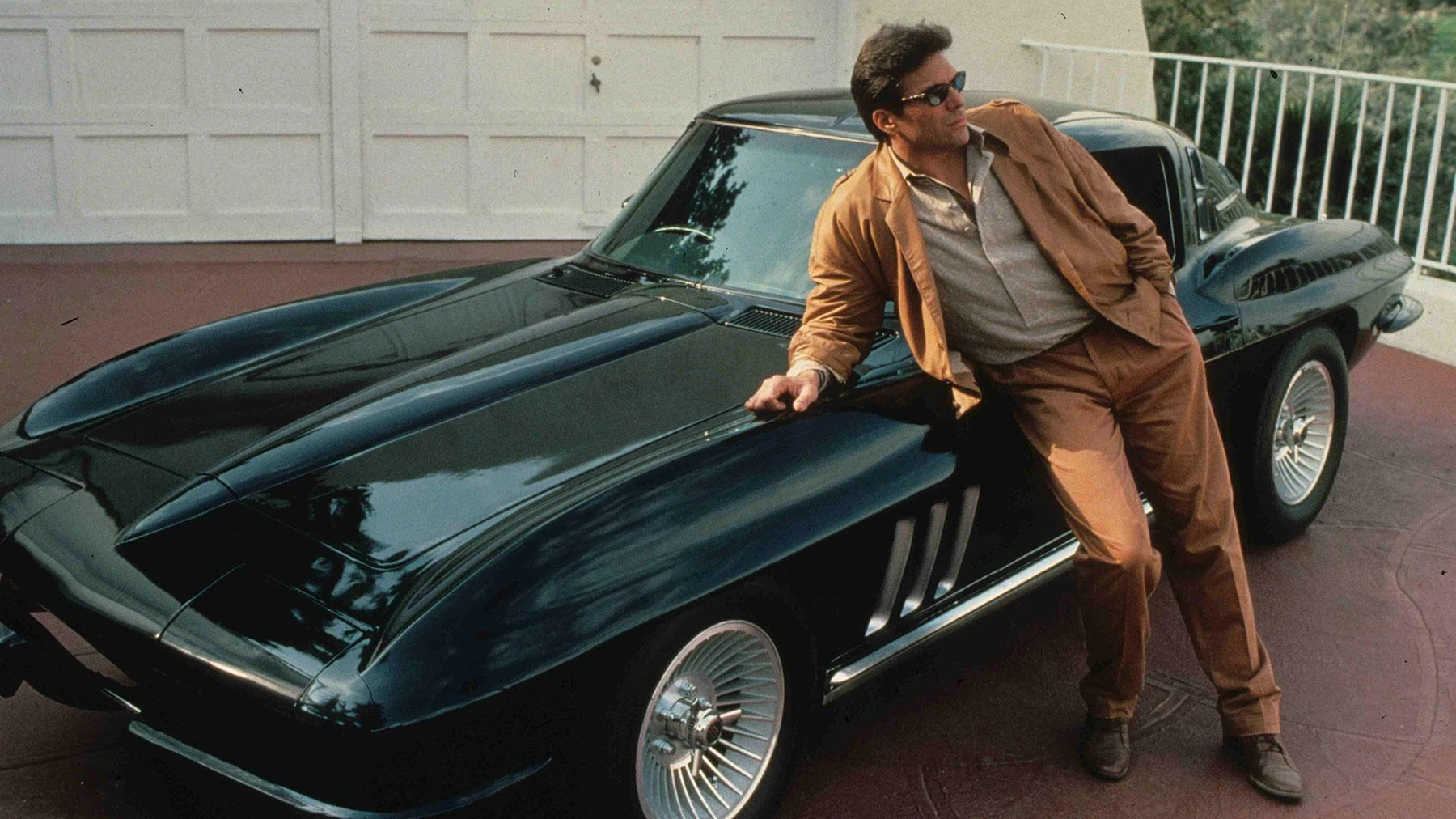
The hero of Stingray went by Ray, drove a black Corvette and helped people for a future favor instead of a normal fee. That alone made the show feel like a mystery before the weekly mystery even began. Who was this guy? Where did he come from? Why did he know how to do all of this?
The series deliberately refused to over-explain him. Ray had contacts, skills and enough confidence to walk into situations other people would avoid. The lack of a tidy biography made him feel closer to a television myth than a standard private eye.
It was stylish, short-lived and exactly the kind of show that sticks in Gen X memory because the hook was stronger than the episode count. You may not remember a single case. You remember the black Corvette and the guy who would one day ask for a favor.
The favor-for-a-favor premise gave every episode a little extra mystery. Ray was not building a conventional business; he was building a web of obligations. That made the series feel like each solved problem could quietly become part of another story we might never see.
Nero Wolfe
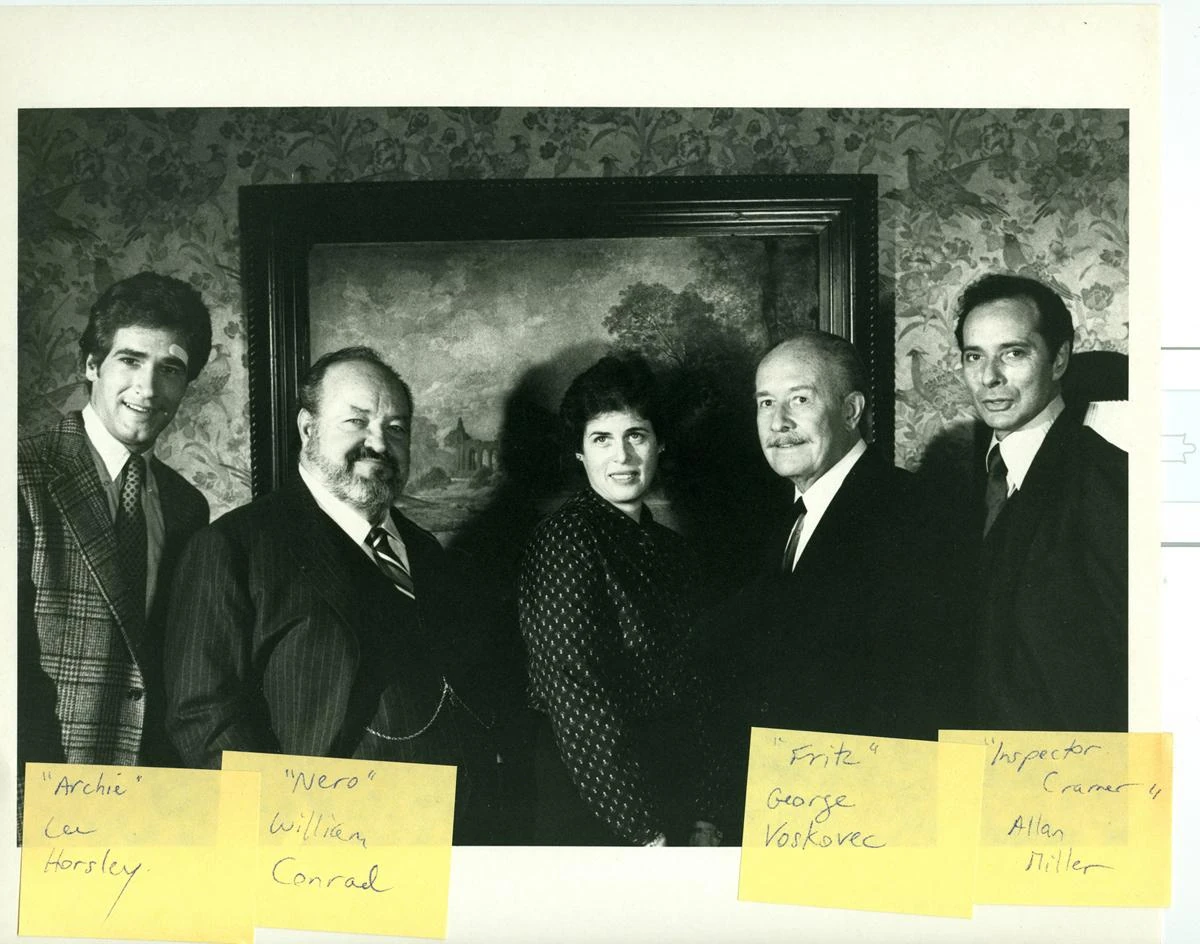
The 1981 Nero Wolfe brought Rex Stout’s famously immovable detective into an era that was quickly becoming obsessed with motion. Wolfe preferred his home, his orchids, his food and letting Archie Goodwin do the running around. That alone made the series feel different from the decade’s Ferraris and foot chases.
William Conrad gave Wolfe the weight and impatience the character needed, while Lee Horsley as Archie provided the legs and charm. The fun came from watching information flow back to a man who believed he could solve the case without chasing anybody across a parking lot.
The series was brief, but it is an important early-80s reminder that detective television still had room for the classic cerebral sleuth before the decade’s private-eye boom fully kicked in.
The pleasure was watching movement come to Wolfe rather than the other way around. Archie gathered the world and brought it back into the brownstone. Wolfe listened, judged and assembled the answer. In a decade racing toward faster cars and louder action, that stillness felt almost rebellious.
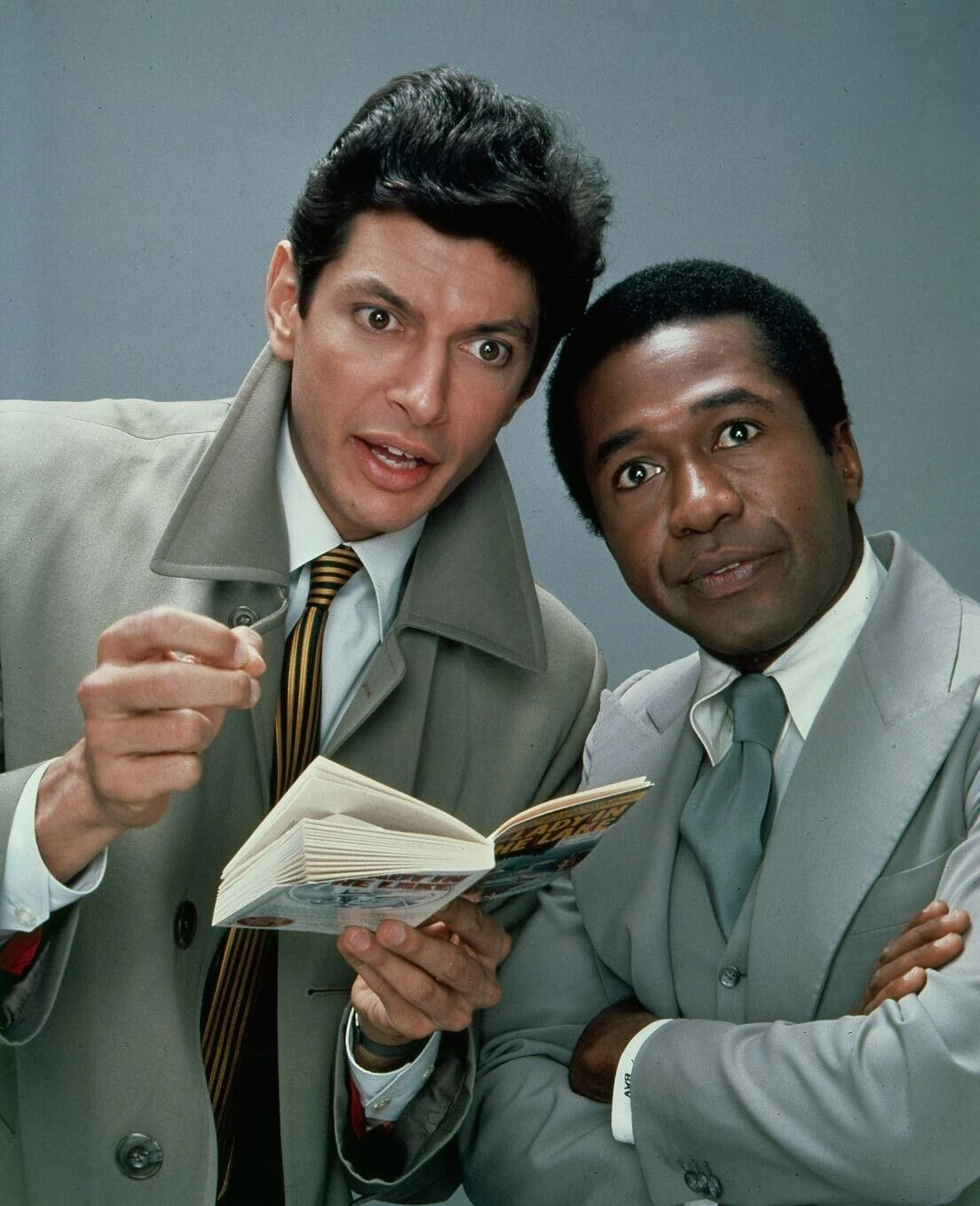
Tenspeed and Brown Shoe
Tenspeed and Brown Shoe only lasted a short time, but the premise was too good to disappear completely. Ben Vereen played E.L. “Tenspeed” Turner, a con man with confidence for days. Jeff Goldblum played Lionel Whitney, an accountant obsessed with detective fiction who wanted to become the kind of hero he had read about.
That contrast made every case funny before the plot even started. Lionel believed in the rules of detective stories. Tenspeed understood that real people lied, cheated and improvised. One man wanted to live inside the paperback. The other knew how the street actually worked.
It was quirky, ahead of its time and exactly the sort of short-lived series that became more interesting once television started recycling everything else. If you caught it, you remember that it did not feel quite like the other detective shows around it.
The show also caught an early version of the self-aware tone television would use much more later. Lionel knew detective stories as stories and kept trying to force real life to behave like one. Tenspeed knew better. That tension between fiction and reality gave the series a wit that was easy to miss if you only remembered the title.
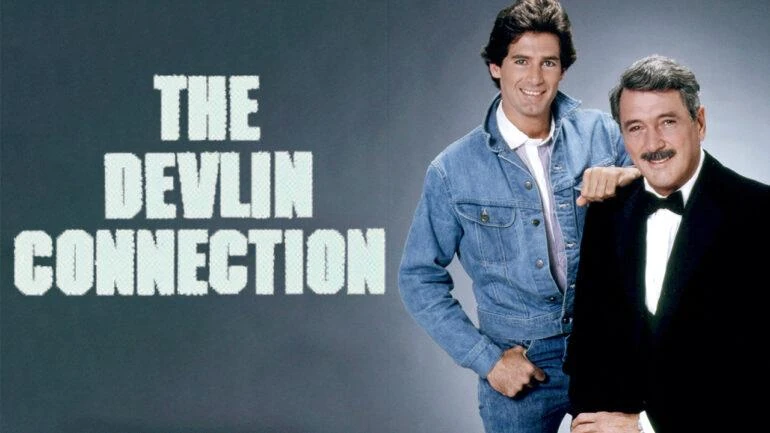
The Devlin Connection
Rock Hudson and Jack Scalia played father-and-son private investigators in The Devlin Connection, a setup that gave the show an instant generational divide. Brian Devlin had experience, polish and the weight of old-school television stardom. Nick Devlin brought youth and a more modern edge.
The cases were conventional enough, but the relationship gave the series its reason to exist. Two investigators could look at the same problem and arrive with different assumptions about how to handle it. The show lived in that tension between old and new detective styles.
It did not have the long run of the decade’s giants, but it fits the larger picture perfectly: early-80s television was trying every version of the private-eye partnership it could think of, and sometimes the hook was simply putting two generations in the same office.
Hudson’s old-Hollywood ease gave the show a different temperature from the younger private-eye series. He looked like he had been solving problems before the other detectives on television owned a decent jacket. The father-son setup let the show use that history instead of pretending a new generation had invented the job.
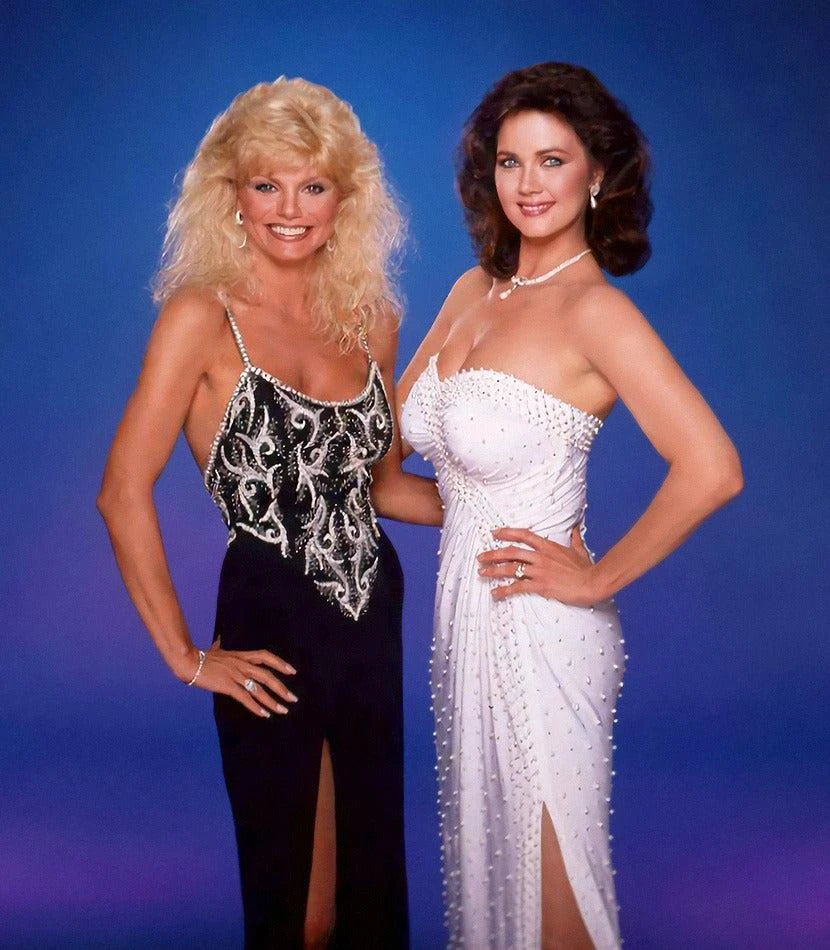
Partners in Crime
Partners in Crime paired Lynda Carter and Loni Anderson as women connected by the death of the private investigator they had both married. That premise sounds like somebody pitched it over lunch and refused to leave until the network said yes. In other words, it is wonderfully 80s.
The series leaned into glamour and chemistry rather than hard-boiled grit. The two women brought very different personalities to the agency, and the cases gave them a reason to keep testing whether the partnership could actually work.
It was short-lived, but that is part of the charm now. The decade was full of experiments like this — star power, a clean hook, a private-eye office and thirteen weeks to see whether America would bite.
Carter and Anderson were also recognizable enough that the series arrived with instant personality. Viewers already had expectations about both stars, and the show tried to turn that familiarity into detective chemistry. It was exactly the sort of network experiment the 80s kept attempting: take two known faces, give them a sharp hook and see whether the spark catches.
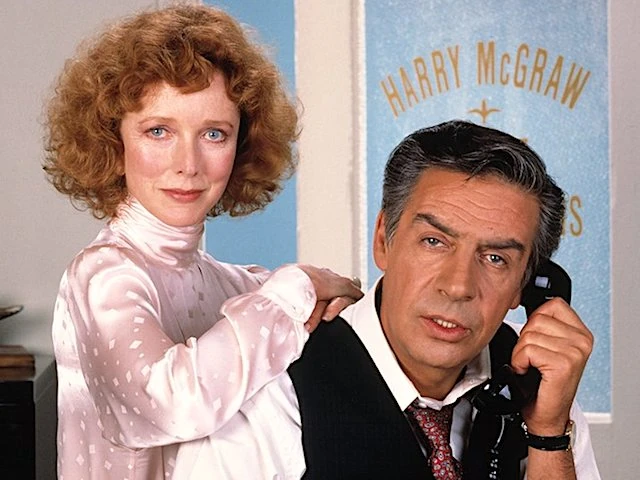
The Law & Harry McGraw
Harry McGraw started as a character in the world of Murder, She Wrote and eventually got his own series, which tells you how much audiences liked Jerry Orbach’s rumpled private eye. Harry was less polished than most of the decade’s glamorous investigators. That was the point.
He worked with attorney Ellie Maginnis, giving the show a nice legal-detective split. Harry could chase the truth from the street side while Ellie approached the same mess through the law. The contrast gave the series an old-fashioned detective flavor without making it feel completely removed from the late 80s.
It lasted only one season, but Orbach’s presence makes it worth remembering. Years before another generation knew him as Lennie Briscoe, Gen X viewers had already watched him walk around television with a case to solve.
McGraw’s connection to Jessica Fletcher gave the show a useful shortcut. We already knew what sort of man he was before his own series began. That familiarity made the spinoff feel like visiting a side street in a town television had already taught us to recognize.
Private Eye
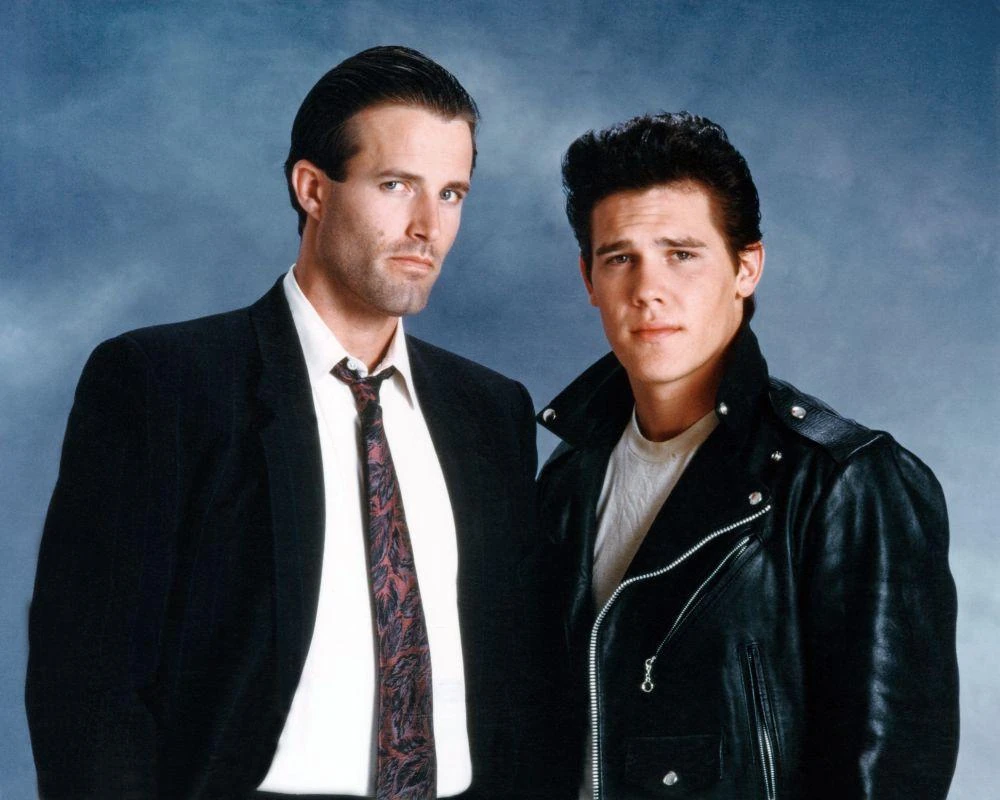
NBC’s short-lived Private Eye arrived in 1987 and leaned hard into period atmosphere, setting its story in 1950s Los Angeles. That immediately separated it from the contemporary Ferraris, computers and pastel suits around it. This was detective television looking backward while the rest of prime time was racing toward the future.
Michael Woods played Jack Cleary, a former cop turned private investigator, and the show tried to build a darker, more noir-influenced world around him. The visual mood was part of the pitch as much as the cases themselves.
It did not last, which makes it exactly the sort of title people forget until somebody says it out loud. Then the memory comes back: right, the 80s really did make a glossy network noir series called Private Eye.
The period setting also let the series indulge in classic noir imagery without pretending contemporary Los Angeles looked that way. Clothes, cars and shadows did a lot of the storytelling. It was less interested in making the detective glamorous than making the whole world around him feel like a crime novel cover.

Leg Work
Leg Work starred Margaret Colin as Claire McCarron, a private investigator trying to make a living in New York without the fantasy wealth or giant support system that surrounded many TV detectives. She had to hustle, improvise and keep moving because the job was still a job.
That working-person angle made the series feel grounded. Claire could be smart and capable without having a mansion, a Ferrari or a mysterious government past. The cases came with rent, clients and the constant practical problem of keeping the business alive.
The show had a short run, but it points to an interesting corner of the decade: private-eye television did not always need a gimmick. Sometimes the hook was simply watching a sharp person do difficult work in a city that did not care whether she made it home on time.
Claire’s lack of a giant safety net made her feel more modern than many 80s investigators. She was not wealthy enough to treat the work as a hobby and not powerful enough to make doors open automatically. She had to keep asking, keep moving and keep paying attention.
Father Dowling Mysteries
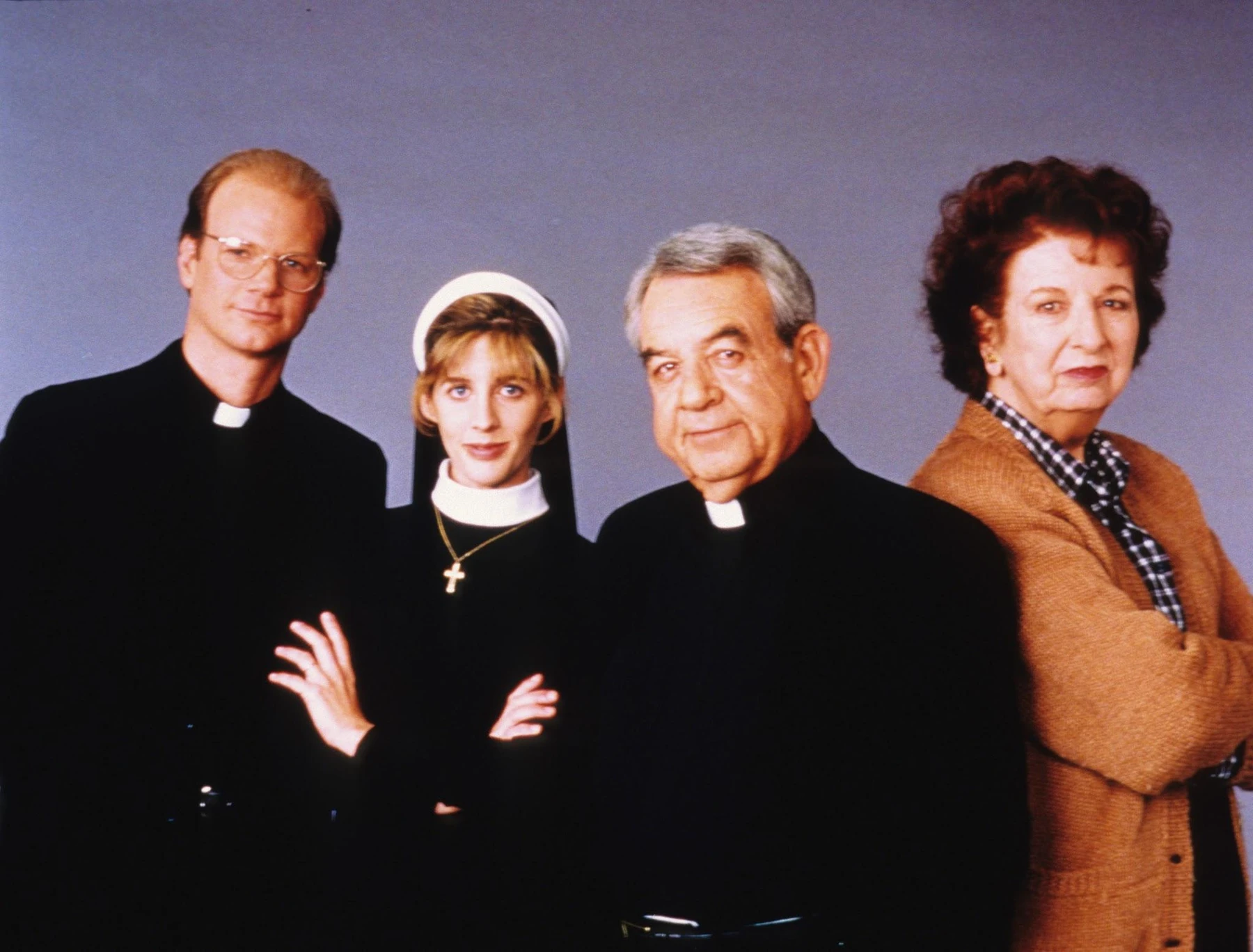
By the end of the decade, Father Dowling Mysteries offered another variation on the amateur-sleuth formula. Father Frank Dowling had no badge and no private investigator license. He had curiosity, observation and Sister Steve, who was often much better at getting into places nobody expected a nun to go.
The tone was comfortable rather than hard. Like Murder, She Wrote, the show turned murder into a puzzle the audience could work through without making the hour feel punishing. Tom Bosley brought warmth, and Tracy Nelson gave Sister Steve enough edge to keep the partnership lively.
Its fuller run belongs to the early 90s, so the 80s piece is really the launch. Still, it belongs at the end of this list because it shows where television mystery was heading: less private-eye office, more unlikely sleuth, same basic pleasure of watching somebody notice what everyone else missed.
Sister Steve was a big reason the formula worked. She had street smarts, nerve and the ability to go places Father Dowling could not. The partnership kept the series from becoming only a gentle priest mystery and gave the show a quicker, more playful rhythm.
What Made an 80s Private-Eye Show Different From a Mystery Show?
We did not sit there with genre charts in the 80s, but we could feel the difference. A private-eye show usually started with the investigator as the job: somebody had an office, took clients, followed people, asked uncomfortable questions and expected trouble as part of the paycheck. Magnum, P.I., Simon & Simon, Riptide and Remington Steele all lived comfortably in that world even when they borrowed action, comedy or romance.
Mystery television was wider. Jessica Fletcher did not need a detective agency. Father Dowling did not need a license. Ben Matlock could investigate from inside a legal case. That is why the decade’s mystery shows overlap with this list without being exactly the same thing. The common pleasure was the clue; the difference was how the person solving it entered the story.
And then there were the badge shows. Once the investigator answered to a precinct, department or official chain of command, the rhythm changed again. Those belong more naturally with the police shows of the 1980s. The 80s loved all three versions, and half the fun was how freely they borrowed from one another.
Why the Weekly Detective Formula Kept Us Coming Back
The structure was comforting because we knew the rules. Somebody arrived with a problem. The story they told was incomplete. Our detective started asking questions. A witness lied. Somebody warned them to stop digging. Around the forty-minute mark, the pieces that looked unrelated suddenly started pointing at the same person.
We did not consider that repetition a flaw. It was the reason to watch. The best shows gave us the same rhythm with different personalities. Magnum followed instinct. Laura Holt did actual detective work while Steele improvised. Jessica Fletcher listened. Matlock let people underestimate him. Spenser pushed until somebody pushed back. David Addison talked until the room cracked.
That predictability also made these shows perfect family-room television. You could miss ten minutes because someone was on the phone, come back and still understand the case. You could miss an episode and not need a recap. The detective had a new client next week, and so did we.
Why Partners and Chemistry Made 80s Detective Shows Better
One detective alone can solve a mystery. Two people who annoy each other can carry a series for years. The 80s figured that out and never looked back. Rick and A.J. Simon were brothers who disagreed about everything except showing up. Maddie and David could turn a client meeting into foreplay and combat at the same time. Laura Holt and Remington Steele spent half the series negotiating who was actually in charge.
Partnership gave the audience somebody to talk to. Instead of the detective narrating every thought, one character could challenge the other. The friction exposed personality. It also made exposition less painful because the clues arrived inside arguments, jokes and flirtation.
Even shows without romantic tension used the same trick. Spenser and Hawk had respect forged by very different lives. Harry Fox drove his lawyer son crazy. Jake Styles and J.L. McCabe attacked problems from different generations. The case could change every week because the relationship was the ongoing story.
The Cars, Cities and Offices That Made 80s Private-Eye Shows Cool
Detective television lives or dies on where the detective works. The 80s understood that better than most decades. Hawaii was not background on Magnum; it was part of the fantasy. Boston gave Spenser weight. Los Angeles could look glamorous on Remington Steele, sun-baked on Riptide or retro-dark on Private Eye.
The offices mattered too. A private-eye show needed a place where trouble could walk through the door. Sometimes it was polished and professional. Sometimes it looked like the rent was already late. The set told us who the detective was before the client sat down.
And then there were the cars. Magnum’s Ferrari, Riptide’s equipment, the Coyote in Hardcastle and McCormick, Stingray’s Corvette — detective television borrowed freely from 80s action TV because a great vehicle could tell you just as much about a character as a monologue.
How Women Changed the 80s Detective Show
Laura Holt is one of the best examples because the entire premise of Remington Steele was built around a truth television understood perfectly: she could do the work, but clients wanted to believe a man was running the agency. The joke only worked because Laura was obviously the competent one.
Jessica Fletcher changed the image another way. She was older, calm and socially underestimated. She solved cases by listening and thinking, not by chasing anybody down an alley. Amanda King brought suburban motherhood into spy investigation. Claire McCarron in Leg Work made private investigation feel like actual work instead of a male fantasy with an office sign.
Even when the decade still carried plenty of old habits, the investigator was no longer one fixed type. That expansion matters because it opened mystery television to people who had never looked like Sam Spade and did not need to.
How Hard-Boiled Noir Survived the Neon 80s
The decade loved shiny surfaces, but detective television still carried a lot of noir DNA. Mike Hammer looked like he had stepped out of another era. Private Eye literally moved backward to 1950s Los Angeles. Spenser: For Hire kept the streets rough and the moral choices complicated.
Even the lighter shows borrowed noir structure. Somebody came looking for help. The client was not telling the whole truth. Money and romance made motives messy. The detective had to decide whether solving the case and doing the right thing were actually the same thing.
The 80s did not kill the old private eye. It gave him better lighting, better music and sometimes a Ferrari.
How 80s Detective Shows Held Their Own in the Nielsen Era
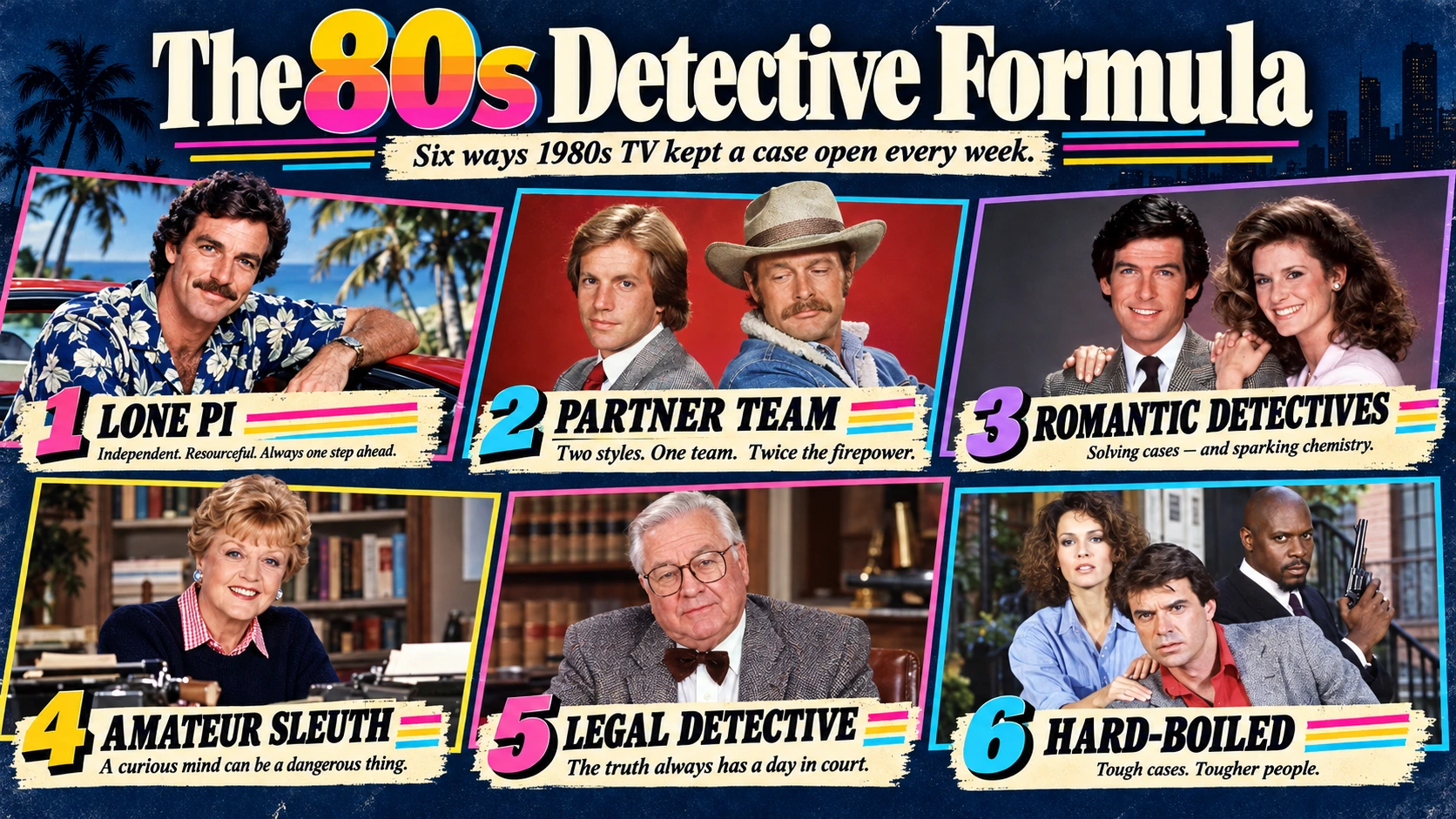
The 80s schedule was brutal. Family sitcoms exploded. Prime-time soaps became events. Action shows had helicopters and talking cars. Yet detective television kept surviving because it could be both familiar and flexible. One week could be funny. The next could be dark. The audience knew the basic structure even when the tone changed.
Simon & Simon became a major CBS success. Moonlighting broke into the top tier at its peak. Murder, She Wrote became a Sunday-night institution and stayed one of television’s strongest performers through the second half of the decade. That success kept proving there was an audience for solving something instead of simply blowing it up.
For the broader ratings picture, these year pages show what the detectives were up against:
The rankings also explain why memory can be deceptive. Some shows we remember as enormous were never the biggest thing on television. Syndication, cable and local reruns did the rest of the work.
Why 80s Detective Shows Were Made for Reruns
A mystery with a reset button is almost perfect syndicated television. Most episodes had a clean beginning and end. You did not need the previous week. You did not need a season recap. If you landed on the show after school or late at night, the only question was whether you had caught enough of the case to solve it before the detective did.
That is why shows such as Riptide, Matt Houston and Crazy Like a Fox can feel bigger in memory than their original Nielsen footprint. We saw them again and again. The same offices, cars and theme songs became familiar long after first-run prime time had moved on.
The larger story of after-school reruns and syndicated television is a huge part of Gen X memory. Sometimes we did not meet a detective when the case was new. We met them at 4:00 on a Tuesday three years later.
Why Gen X Still Loves 80s Detective & Private-Eye Shows
Part of it is rhythm. These shows gave us time to watch somebody think. A clue could sit there for a scene without a graphic telling us it mattered. A suspect could be charming enough that we wanted to believe them. The detective could be wrong for a while.
Part of it is the world around the case. Magnum had Higgins. Simon had Simon. Laura had Steele. Maddie had David. The relationships turned solving crimes into comfort television because we knew who we were spending the hour with.
And part of it is simply when we watched them. We saw these shows before phones answered every question and before television expected us to study every frame. We could sit on the carpet, watch a mystery unfold and argue with whoever was in the room about who did it. When the detective finally explained the answer, being wrong was part of the fun.
80s Detective Shows: Frequently Asked Questions
What were the best detective shows of the 1980s?
Magnum, P.I., Moonlighting, Simon & Simon, Remington Steele, Hart to Hart, Spenser: For Hire and Riptide are among the decade’s defining detective and private-eye series.
Was Murder, She Wrote a detective show?
Jessica Fletcher was an amateur sleuth rather than a professional detective, so the series fits more naturally with 80s mystery shows. But she was one of the decade’s most famous case solvers, so she belongs in the broader conversation.
Was Magnum, P.I. more action show or detective show?
Both. Thomas Magnum was a private investigator, and the cases were the weekly structure, but the show used action, adventure and friendship heavily. That overlap is one reason it became such a defining 80s series.
Why were there so many detective partnerships in the 80s?
Partnerships made the cases more entertaining because the characters could argue, joke, explain clues and reveal personality through each other. It also gave shows an ongoing relationship even when the mystery reset every week.
What was the biggest romantic detective show of the 80s?
Moonlighting is the clearest answer, with Remington Steele close behind. Both used the unresolved chemistry between their leads as heavily as the actual mysteries.
Why do forgotten detective shows still feel familiar?
Reruns. Local stations and cable kept self-contained detective episodes in circulation for years. A show could be modest in first run and still become part of Gen X memory through repetition.