Remington Steele in the 80s: Mystery, Chemistry and a Future Bond
Laura Holt built the agency. A charming stranger borrowed the name. The trouble looked excellent in a suit.
Stephanie Zimbalist and Pierce Brosnan turned an unfair assumption into a very entertaining arrangement.
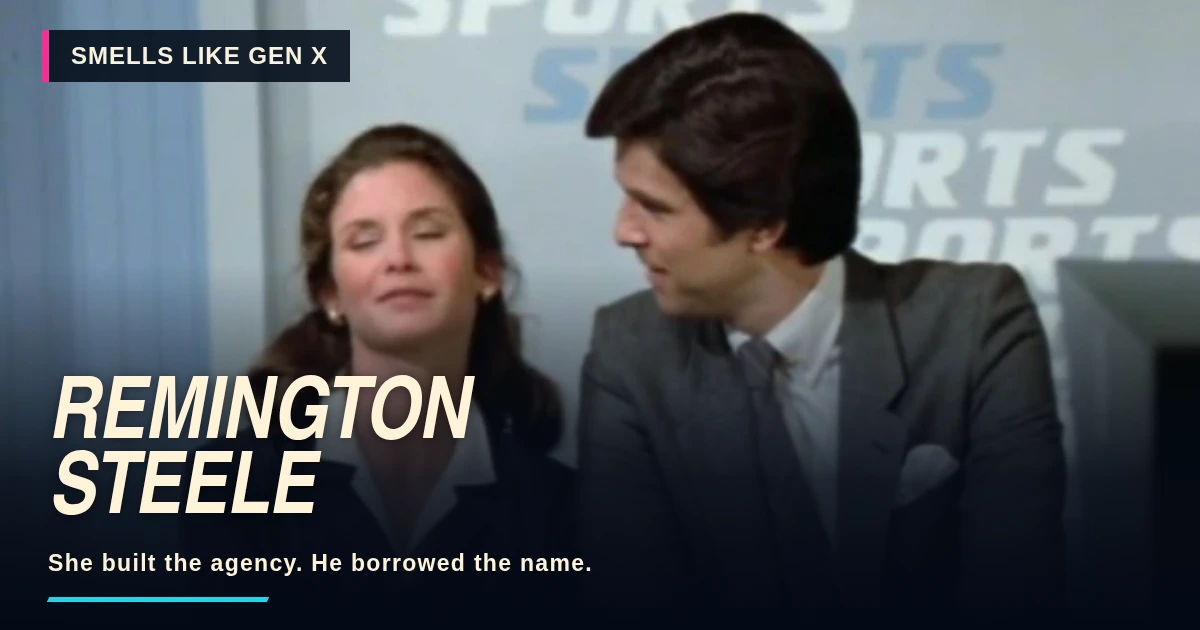
Laura Holt did something wonderfully practical and completely ridiculous. When clients would not take a woman detective seriously, she invented a male boss. Remington Steele had a handsome name, an impressive reputation and the excellent business advantage of never actually being in the office. Then Pierce Brosnan walked in and made the imaginary man a problem Laura could no longer solve by saying he was out.
That is a television premise with the engine already running. Laura needs the name because other people are being foolish. The man using it needs an identity because his own is less convenient. Both have something to gain, neither has full control, and the audience gets to enjoy the arrangement coming apart whenever someone asks an entirely reasonable question.
I remember the appeal as more than a nice suit and a familiar smirk. Stephanie Zimbalist made Laura a capable investigator whose annoyance had a point. Brosnan made the stranger sufficiently entertaining that you understood why the program kept him around, even while Laura had every reason to demand a much better explanation. The attraction was obvious. The distribution of credit was the interesting part.
The original NBC series ran from 1982 to 1987. The 1982–83 TV rankings give a feel for the season it walked into, with Magnum, P.I. already making the private-eye life look enviable. Created by Robert Butler and Michael Gleason and produced by MTM Enterprises, it put romantic comedy inside a detective show without forgetting that somebody still had to do the work. It belongs in our eighties TV collection because it captures a particular kind of network pleasure: a case to follow, two adults to argue with and enough polish to make the hour feel like going somewhere.
Yes, the future James Bond connection is part of the story. We will get there. But Laura did not build an agency so we could spend the entire visit talking about a movie that would arrive in 1995. First, let us give the woman behind the fictional boss her due.
Inside This Article
- The name on the door was the first mystery
- Stephanie Zimbalist gives Laura the authority
- Pierce Brosnan makes the impostor hard to dismiss
- The opening case knows what a shiny object can do
- Murphy Michaels belonged to the first arrangement
- Bernice Foxe gives the office another observer
- Mildred arrives in season two and makes herself at home
- Movie memories are part of Steele’s equipment
- The suits are doing more than looking expensive
- Laura’s wardrobe belongs to a working woman
- Tempered Steele gives the agency something to lose
- Hearts of Steele makes the cover relationship awkward
- Steele in the News has an especially familiar workplace joke
- A Good Night’s Steele puts the pair in unequal disguises
- Vintage Steele knows a body can ruin the atmosphere
- A painting can make the partners disagree before the theft
- When an honorary title gets ahead of the investigation
- The office equipment brings back its own rhythm
- The attraction works because Laura can say no
- The agency is not Laura’s punishment for having ambition
- A stranger’s past can help and still be a problem
- The episode titles practically wink from the listings
- Why the weekly case still needs to matter
- The future Bond story needs its dates attached
- The final season is shorter than the memory of the show
- How the show differs from Moonlighting
- The other partnerships make the difference clearer
- What shows its age, and what still has a pulse
- A sensible route back into the agency
- Questions people still ask about Remington Steele
The name on the door was the first mystery
Remington Steele is a detective story in which the title is already a deception. The agency’s apparent authority comes from somebody who does not exist. That is a terrific joke, but it is also an irritation built directly into Laura’s working day. She can produce results and still find that the client would rather discuss them with the invented man in the next room.
The stranger’s arrival makes the joke harder to manage. Laura cannot simply expose him without exposing the arrangement that helped her get the business. He cannot occupy the role convincingly without drawing on the work and knowledge of the person who created it. The apparent boss and the actual expert become dependent on each other for very different reasons.
That creates a richer problem than a charming man teaching a tightly wound woman to relax. Laura has a legitimate complaint, and the show needs us to keep seeing it. Her frustration is funny because the situation is absurd, not because doing her own job properly is some personal failing. Zimbalist gives the comedy enough resistance to stop Steele from taking over the entire moral argument with a smile.
I enjoy how quickly the premise lets a routine office question become loaded. Who is in charge? Who should meet the client? Who deserves the compliment? A private investigator already works with concealed information. Here, the agency itself is built on an explanation its two central people cannot comfortably offer. The case begins before anybody brings in the first missing jewel.
Stephanie Zimbalist gives Laura the authority
Zimbalist makes Laura convincing by treating the work as something the character knows how to do. She is not perpetually astonished by a clue or waiting to be invited into her own investigation. That grounding is essential. If Laura did not seem competent, the premise would accidentally support the clients who refused to believe in her.
The performance also leaves room for vanity, impatience and attraction. A capable person does not become less capable because she wants a little recognition or has complicated feelings about an inconvenient colleague. Laura’s contradictions keep her human. She can be absolutely right about the unfairness of the arrangement and still have a less defensible reaction to the person benefiting from it.
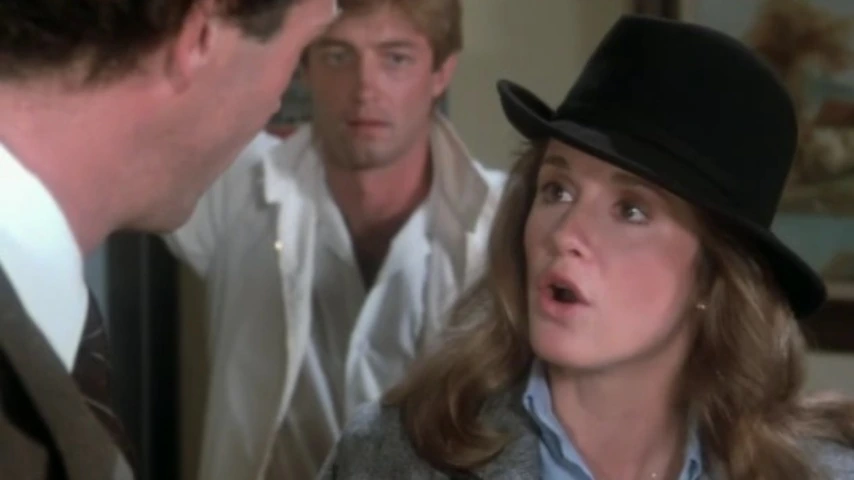
I like the energy Zimbalist brings to an objection. Laura often seems to have already done the practical calculation while Steele is enjoying the presentation. The difference gives a scene direction. Someone wants to move the work forward; someone else is turning the current moment into a performance. The best exchanges allow both instincts to reveal something useful, rather than treating one as permanently superior.
There is also pleasure in watching Laura defend the boundaries of what she has built. The agency matters to her. It is not merely a room where a romance can happen. That gives the series a continuing stake outside the question of when the leads will admit their attraction. A case can threaten her reputation, her judgment or her livelihood, and Zimbalist lets us feel why those things deserve attention.
Pierce Brosnan makes the impostor hard to dismiss
Brosnan’s Steele has the confidence of a man who expects an introduction to do some of the work for him. That is useful when the introduction happens to be borrowed. The charm is not incidental decoration. It is a working tool, and the viewer is allowed to enjoy it while noticing how often Laura must supply the structure underneath.
A good impostor needs adaptability. Steele cannot simply repeat one polished gesture and hope every room responds. The character becomes entertaining when his apparent assurance is tested by practical demands: a client expects expertise, Laura expects cooperation, or the case requires something that cannot be handled through social ease. Brosnan can let a little uncertainty show without collapsing the attractive surface entirely.
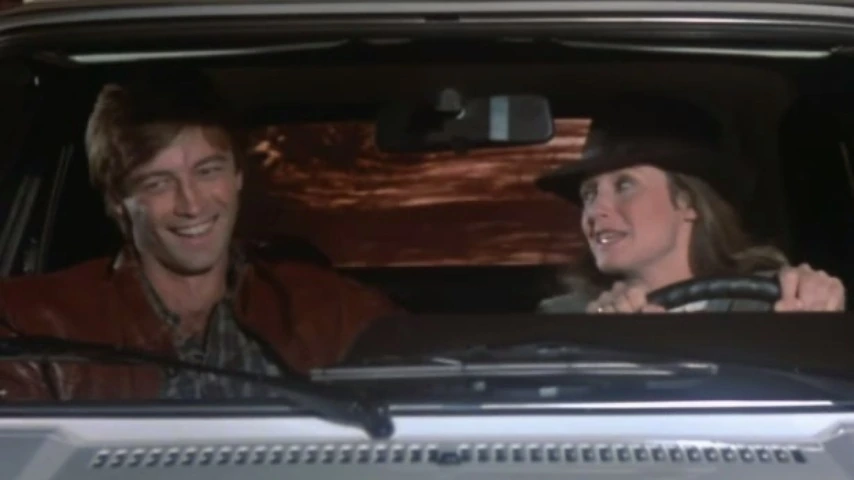
I particularly enjoy the difference between confidence and knowledge. A person can look completely at home in a room while having only a partial idea of what is happening there. That is a useful comic position, especially beside Laura’s more grounded authority. The audience has information the client may lack, so a simple approving glance can carry an extra joke.
It would be unfair, though, to freeze Steele as a useless fraud for the whole series. The arrangement develops, and he contributes. What keeps it interesting is that his resources are different. Performance, improvisation and a less conventional past can become useful without making Laura’s expertise disappear. The partnership has somewhere to go when neither person can supply every answer alone.
The opening case knows what a shiny object can do
License to Steele starts with valuable jewels and a stranger whose claimed interest in protecting them deserves closer inspection. It is a suitable introduction because the object and the man both arrive with an impressive surface. The episode gives Laura a professional responsibility and then puts a suspiciously attractive complication directly beside it.
I like jewels as a starting point for this particular show. They suit its polished appearance while giving the characters something tangible to protect, steal or misidentify. The stakes can be explained without a long briefing. People want the valuables; the important question is which explanation for wanting them can be trusted.
The pilot also establishes why Laura cannot solve the central problem by simply being sensible once. She has built a working fiction in response to an unfair market. Now somebody else can exploit it. That is not a one-off misunderstanding waiting for a final scene to clear everything up. It is a continuing arrangement that can complicate the next case as easily as the first.
For a returning viewer, the opening is worth seeing because later familiarity can make the setup feel inevitable. It was originally a gamble inside the story. Laura had to decide what this man’s presence meant for her agency, and the audience had to decide whether his behavior was enjoyable enough to keep watching. Brosnan and Zimbalist make the negotiation feel like entertainment rather than a form that needs completing before the show can begin.
Murphy Michaels belonged to the first arrangement
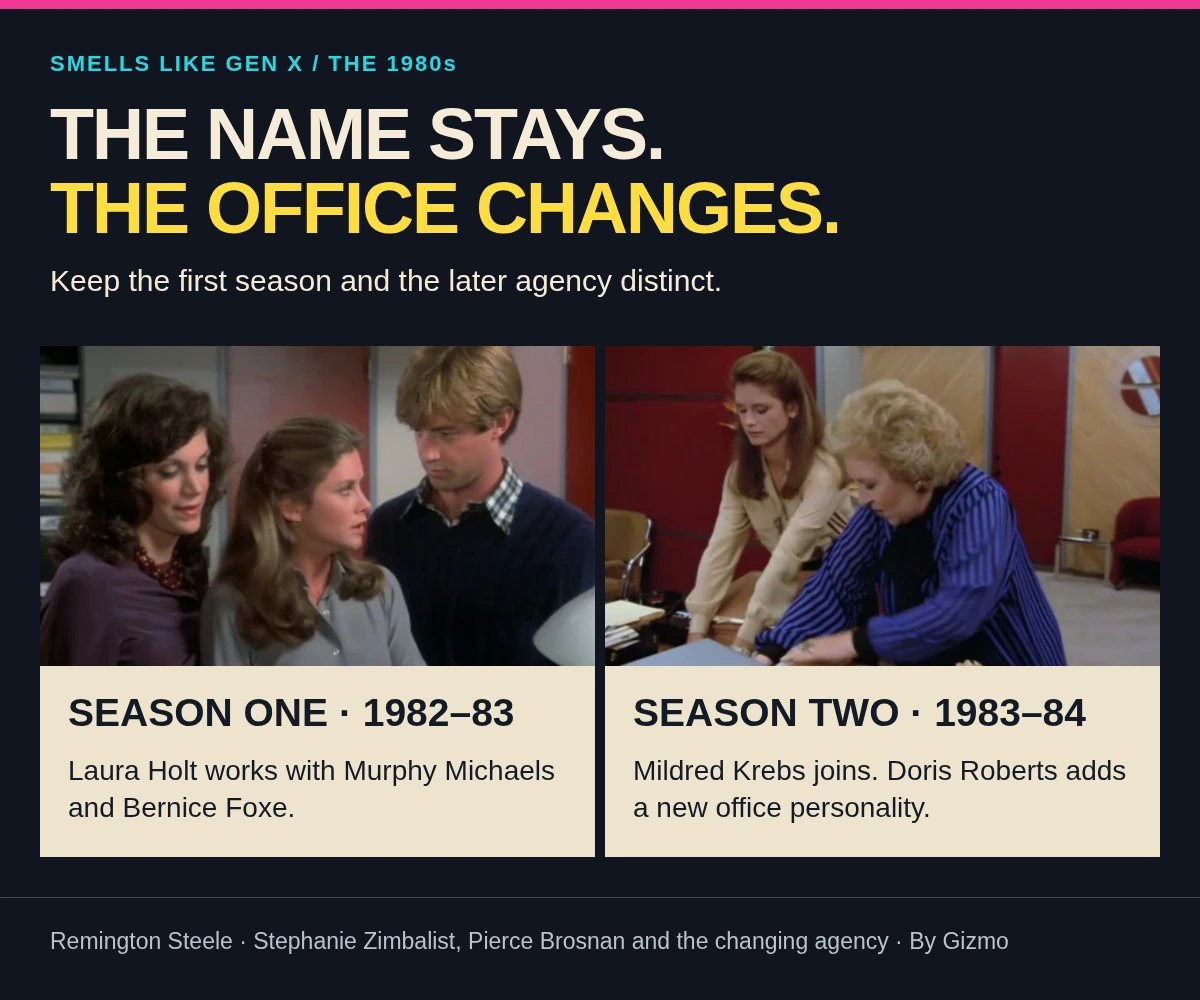
James Read’s Murphy Michaels is important to remembering the first season accurately. He is part of Laura’s working agency before the later combination with Mildred becomes the picture many viewers carry around. If your memory has blended several years into one familiar office, the early episodes can come as a small, pleasant correction.
Murphy gives Laura someone who understands the practical business from inside. That changes the way Steele’s arrival reads. The supposed boss is not entering an empty office where everyone has been patiently waiting for him to make it interesting. There are established relationships, habits and legitimate work to interrupt. A newcomer benefits from a structure he did not create.
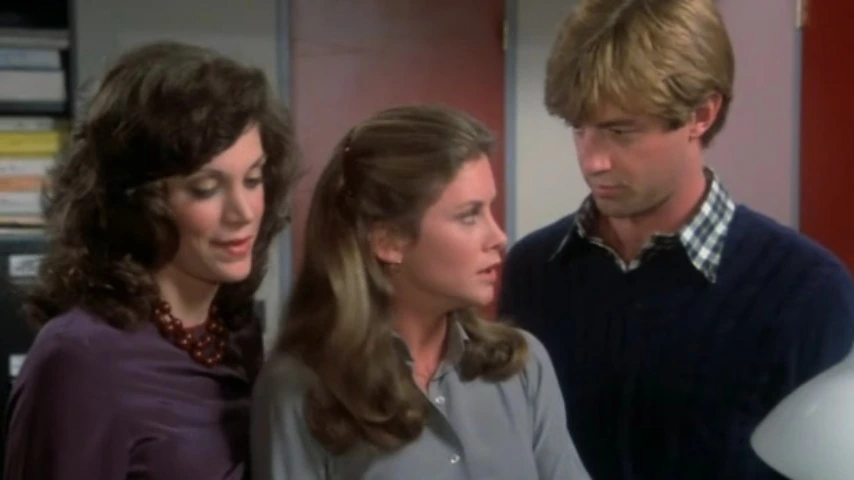
That is useful to the drama as well as the joke. The viewer can see different degrees of trust and recognition around the same man. A client may be impressed by the name; someone who knows the agency has a better reason to be skeptical. The scene gains another point of view without needing a new mystery every time somebody walks through the door.
I would not dismiss the first season simply because the later ensemble is more familiar. Early versions of a show can offer pleasures the settled version no longer needs. Murphy helps make the workplace feel like Laura’s existing achievement. His presence reminds us that her story did not begin with the stranger, even though the stranger supplies the title that everyone remembers.
Bernice Foxe gives the office another observer
Janet DeMay’s Bernice Foxe also belongs to the first-season agency. A good office character can improve a central partnership by reacting to it from a different distance. Laura and Steele are busy maintaining their arrangement, defending their positions and dealing with the case. Someone else can notice the absurdity with a little less personal investment in how the argument turns out.
That outside angle matters in a show built around performance. Steele presents himself to clients, Laura manages what can safely be said, and the office has to keep functioning while both are happening. A person who sees the work behind the presentation changes the audience’s experience of it. The impressive entrance does not end the scene; somebody still has to deal with the consequences.
Bernice and Murphy also give the first year a different social balance from the one that follows. It is easy to write a retrospective as though all five seasons arrived in a single, polished package. Watching in order restores the changes. The office has a history, and the regular relationships are part of that history rather than interchangeable decoration around the two leads.
I enjoy the early group scenes for that reason. They allow the show to feel like a workplace that has acquired a very unusual problem, instead of a romance that happens to keep a desk nearby. There is a business to run, a story to maintain and an audience at home that knows the story is nonsense. A well-placed reaction can make all three things visible at once.
Mildred arrives in season two and makes herself at home
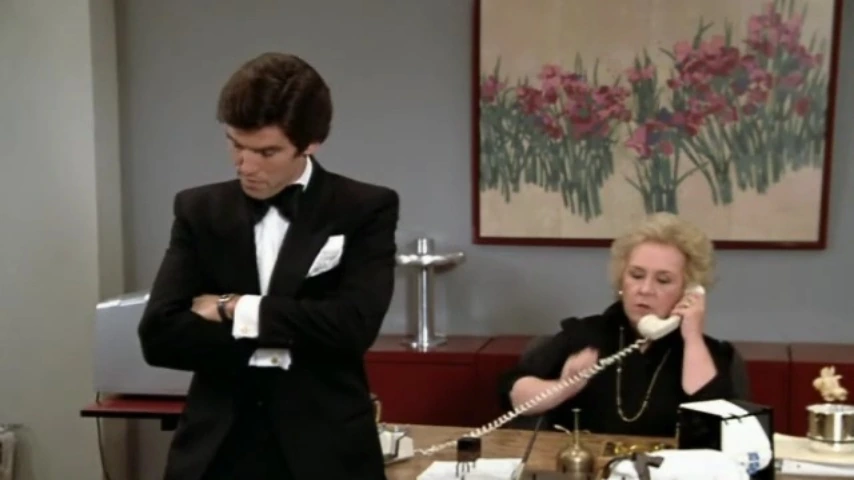
Doris Roberts joins as Mildred Krebs in the second season. Keep that date in mind if you are looking for her in the early episodes. Her arrival changes the office’s flavor, and the character quickly feels like somebody who will not be reduced to the person answering the telephone while the attractive people go out.
Roberts has a wonderful ability to make enthusiasm feel forceful. Mildred can be impressed, curious and eager to participate without seeming weightless. There is a person behind the response, someone with preferences and the determination to become involved. That gives Laura and Steele a different kind of audience inside the office: an observer who may also decide she has a contribution to make.
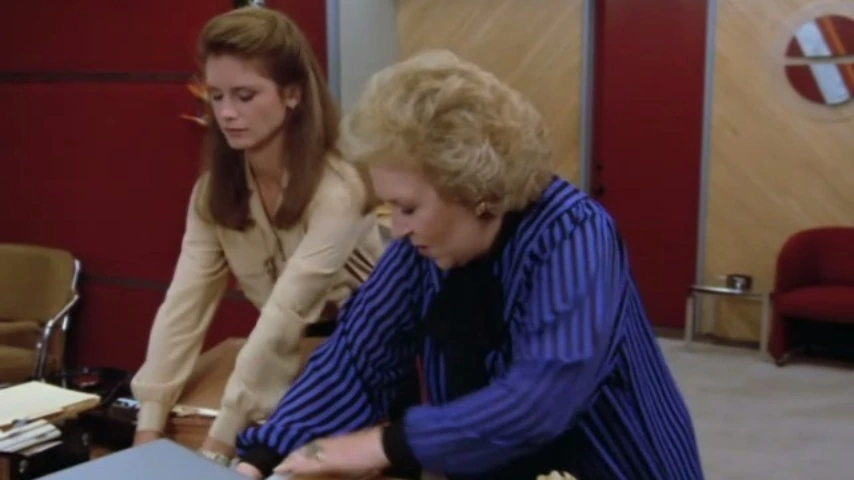
I like the way this addition changes the comic possibilities. A third regular can interrupt the rhythm between two people who have learned how to argue with each other. Mildred does not have to adopt either person’s position automatically. She can introduce another priority or react to the presentation in a way that makes the pair’s private understanding harder to maintain.
The Television Academy’s Remington Steele interview collection includes Roberts discussing the character and Butler discussing the show’s creation. The useful point on screen is immediate: the agency has acquired another personality with enough presence to claim a scene. Mildred is not simply a substitute chair in the first-season office. The show gets a different energy from letting Roberts make the place her own.
Movie memories are part of Steele’s equipment
One of Steele’s defining habits is looking at a current problem through the movies. He brings a screen history into the investigation, as though a familiar scene might provide a usable map for the present difficulty. For a series with this much interest in appearance and performance, that is more than a decorative character quirk.
The habit gives the show permission to enjoy the traditions it is borrowing from. Glamorous mysteries, romantic sparring and an elegant stranger all have earlier screen lives. Rather than pretending to have invented those pleasures, Remington Steele lets one of its central people be openly enchanted by them. The audience can recognize the affection even without identifying every reference.
It also produces a useful contrast with Laura. A film comparison can be clever, distracting or both. The current case still has actual people attached to it, and resemblance is not proof. That gap keeps the references from becoming a magical answer generator. I enjoy the moment when an entertaining theory has to face the untidy fact that real events are not obliged to follow a screenplay.
For viewers who grew up with movies arriving on television in whatever order the schedule offered, the habit has a familiar flavor. You collected fragments, faces and remembered endings. Steele turns that collection into part of his personality. The references add texture, but the series works best when Laura and the evidence keep pulling him back into the room he is actually standing in.
The suits are doing more than looking expensive
Steele’s clothes help the deception function. A client who already believes the agency needs a distinguished male authority is primed to accept the right-looking man as confirmation. The tailored appearance does not cause the client’s prejudice, but it makes the prejudice easier to satisfy. The joke becomes visible before the stranger has finished introducing himself.
That gives the wardrobe a practical role in the story. Looking like the boss can open a conversation. It can also create expectations that become inconvenient once the conversation requires detailed knowledge. The better the presentation, the more entertaining the gap can be when Laura must quietly keep the professional side of the meeting from sliding off the desk.
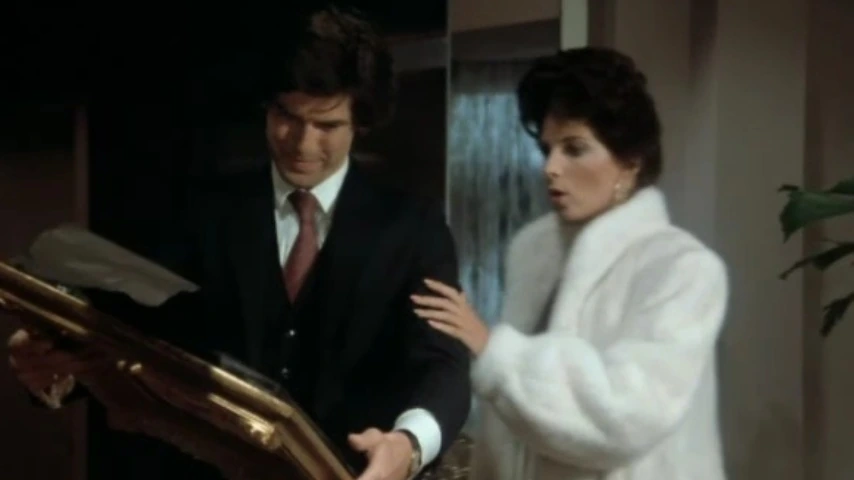
I enjoy the series’ polish because it belongs to the fantasy without entirely hiding how the fantasy is manufactured. Clothes, posture and timing all help Steele occupy an invented position. Laura knows the work beneath it. The viewer is invited to appreciate the handsome picture and keep track of the person making the picture possible.
There is pleasure in that double vision. You can admit Brosnan looks excellent in the part without deciding that appearance makes him the rightful center of the agency. The show would be much flatter if it asked you to choose between enjoying the glamour and understanding Laura’s complaint. The best scenes make both available: the entrance is terrific, and the woman behind the desk still deserves the fee.
Laura’s wardrobe belongs to a working woman
Laura has to move through several worlds: the office, a client’s environment, an undercover situation and the more private exchanges that complicate her relationship with Steele. Her appearance shifts with the job. The changes are enjoyable, but they matter most when they support the sense of a character using clothes to get something done.
A disguise or formal outfit can put Laura into a role she understands intellectually but still has to perform under pressure. That is fertile territory for Zimbalist. She can suggest the practical purpose and the emotional irritation together, particularly when the role requires a version of her relationship with Steele that neither person can discuss with complete honesty.
The series gets an extra charge when professional control and private feeling pull against each other. Laura may have the better plan and still dislike how a scene makes her feel. Being effective does not require her to become serene. I find that more convincing than a heroine who proves her competence by never having an inconvenient emotion within sight of the audience.
The clothes can date, of course. That is part of watching television from a particular decade, and I am happy to let the decade show. What matters more is the distinction between display and action. Laura can look striking while the scene remains about her observation, judgment or improvisation. The photograph is a pleasure; the character should still be doing the work inside it.
Tempered Steele gives the agency something to lose
An alarm system fails, and the agency faces a very expensive claim. Tempered Steele takes a familiar detective-show problem and attaches it to the reputation of the business itself. The case is not simply a puzzle somebody else has carried into the office. It threatens the credibility of the people expected to solve it.
I like that kind of pressure for Laura because the agency is her achievement. Professional trouble cannot be brushed away as an unpleasant assignment that ends when the client leaves. An allegation can follow the business, and money that sounds abstract in a glamorous setting becomes more concrete when it is attached to the possibility of losing what she has built.
For Steele, a case like this also tests the difference between occupying an impressive role and sustaining the organization behind it. A name on a door acquires obligations. The central deception may be funny, but the company cannot function on presentation alone. That is where the premise can generate stakes without abandoning the lightness that makes the pair enjoyable company.
The larger appeal is that a mystery can do two jobs at once. It gives viewers a problem to follow while exposing the fault lines in the continuing arrangement. If you enjoy eighties private-eye shows for the people as much as the answers, that is a useful combination. The case should change the temperature in the room, even if the office will be ready for business again next week.
Hearts of Steele makes the cover relationship awkward
Laura and Steele posing as an unhappy married couple is a premise practically designed to feed the central tension. Hearts of Steele lets them perform a relationship while the audience watches the relationship they actually have. The difference between those two things is where much of the pleasure sits.
A cover gives a character permission to say something that may have more than one use. A complaint can belong to the disguise and also sound suspiciously personal. A reaction can be justified as staying in character while revealing more than the speaker intended. The viewer gets to decide how much has escaped from the performance into the actual exchange.
That works especially well with a pair whose professional arrangement already contains a fiction. They are practiced at presenting a story to outsiders, but that does not mean they have solved how to speak plainly to each other. Another layer of pretending can make the situation funnier and more revealing instead of simply making it more complicated.
I would rather have an assignment create that pressure than watch two people stop in the office for a conversation obviously designed to delay a romantic decision. Give them a client, a role and a reason to stay in the room. Then let their habits collide with the role. The mystery keeps moving, and the relationship acquires a little more information, even if neither person would willingly write that information down.
Steele in the News has an especially familiar workplace joke
A station moving toward a more cheerful news presentation gives Steele in the News a nicely specific world to investigate. The tension between serious reporting and an upbeat television personality is already a source of conflict before the mystery adds a threat. It is an environment where the public appearance and the work behind it may be pulling in different directions.
That makes the setting unusually comfortable for this series. Remington Steele is constantly interested in presentation: the name the client believes, the role a stranger can perform, the competence the audience can see despite the surface. A newsroom with a changing on-air identity provides another place to ask who is controlling the picture and who is actually doing the job.
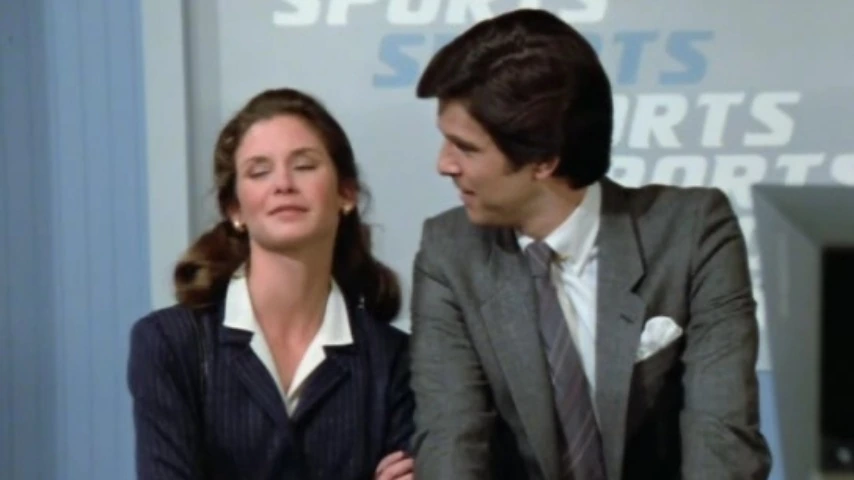
The period details are part of the fun. The newsroom belongs to a time when viewers encountered a station’s chosen personalities on a daily schedule. An on-air manner could feel familiar enough to become part of the household routine. Changing that manner was not merely rearranging an office; it changed what people expected to see when they turned on the set.
I enjoy an episode that uses a recognizable professional world instead of treating the guest setting as interchangeable scenery. You do not need to know broadcasting jargon to understand the conflict between what a program claims to value and what its presentation rewards. The detectives have their own experience with that gap. The assignment gives the continuing premise a different mirror without requiring the show to explain the resemblance out loud.
A Good Night’s Steele puts the pair in unequal disguises
An undercover hospital assignment lets Laura pose as a doctor while Steele poses as a patient. A Good Night’s Steele makes the contrast immediately readable. One role carries apparent authority; the other requires being examined, directed or confined. The setting can redistribute control before the mystery has supplied its next complication.
That is a useful variation for this pair. The central agency arrangement gives Steele the public title while Laura has the expertise. A different workplace can change the visible hierarchy. The audience already knows how much performance is involved in being taken seriously, so the disguise does not need a long explanation to become interesting.
I also like how an unfamiliar professional environment can expose the limits of charm. A role may demand details that cannot be improvised indefinitely. The funny part is not that trained work is easy to fake. It is the anxiety of keeping an appearance intact while trying to accomplish something else. The scene is best when the disguise creates practical restrictions rather than simply supplying a costume change.
For the larger series, assignments like this are useful because they prevent the partnership from remaining fixed in one arrangement. Laura and Steele can occupy different positions, discover different information and become responsible for different pieces of the problem. The attraction remains in the background, but the work determines the immediate shape of the scene. That gives the actors fresh material beyond another argument at the same desk.
Vintage Steele knows a body can ruin the atmosphere
A winery promises a certain kind of pleasant visit. Vintage Steele takes that expectation and adds a body that refuses to remain conveniently available. It is a good example of the series using an attractive setting as the beginning of a problem rather than a reward that protects the characters from one.
The disappearing-body device belongs to a long tradition of mysteries in which the witness’s credibility becomes part of the puzzle. Seeing something is not the same as being able to produce it for the next person. That gap invites doubt, embarrassment and the possibility that someone is deliberately controlling what other people can confirm.
For Laura and Steele, a case built around appearances has a natural extra flavor. Their own professional world depends on managing what a client believes. Put them in a situation where the evidence keeps refusing to cooperate and the audience gets another version of the same uneasy question: how much should an impressive explanation count when the facts are not staying where they were left?
I enjoy this sort of story most when I let the premise provide the fun without demanding that every turn resemble an actual investigation. The series has chosen a light mystery register. The setting, the actors and the inconvenience of maintaining dignity around a very undignified problem are part of the attraction. An agreeable afternoon can become a case quickly. Steele should probably know that by now, but the clothes still suggest he was expecting a more elegant itinerary.
A painting can make the partners disagree before the theft
Thou Shalt Not Steele puts an expensive painting between two different responses to risk. Laura sees a security job; Steele is troubled by the painting’s supposed curse. The premise gives the show an argument before the crime has done all its work, which is a pleasingly economical way to use this particular partnership.
I enjoy the collision because it separates a professional obligation from a story someone brings into the room. Laura has to assess the assignment in terms that could justify taking it. Steele has another interpretation attached to the object. The audience can find his concern entertaining without needing the show to turn the supernatural claim into a reliable investigative method.
An object with a reputation is useful mystery material. People behave differently around it, and those responses can be more revealing than the reputation itself. A curse might frighten someone, provide an excuse or divert attention. The practical question remains what an actual person is doing while everyone is discussing the story attached to the painting.
That gives Laura a good reason to insist on the present facts. It also gives Steele a reason to keep talking, which is rarely a hardship for him. The best version of the argument allows the charm to continue while the investigation keeps its feet on the floor. An elegant warning can improve the evening. It still needs to survive contact with the work Laura has agreed to perform.
When an honorary title gets ahead of the investigation
Steele Flying High gives the borrowed authority another twist: Steele discovers that he has become honorary chairman of a conservation organization. A public title can create obligations even when the person receiving it has not carefully considered what is being handed over. That is an especially fitting complication for a man already living inside a name he did not invent.
I like the comic possibilities of a role that appears flattering until the practical questions arrive. Being honored is pleasant. Being expected to know what is going on is more demanding. The audience can enjoy the impressive introduction while anticipating the moment that Laura will have to distinguish useful information from the good feeling surrounding it.
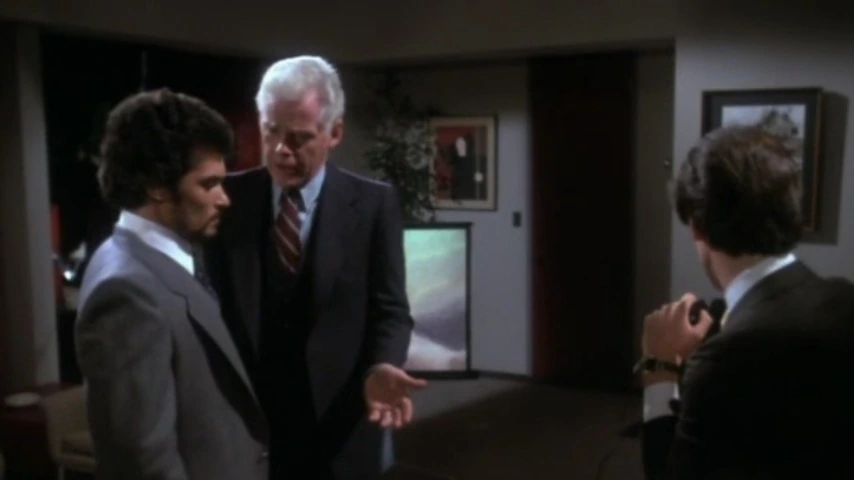
The setting also broadens the kind of institution the detectives encounter. A mystery does not need to live only among private fortunes and visibly suspicious businesses. Respectable organizations contain people with interests, disagreements and information they would rather manage carefully. A worthy public purpose does not automatically explain every private action taken in its name.
For the series, that variety matters. Different clients should produce different kinds of pressure. A flattering appointment is not the same problem as a threat to the agency, even if both ultimately require investigation. Steele’s appetite for an attractive role can become part of the case, and Laura’s skepticism gets a fresh object. The program keeps its familiar personalities while changing the situation that makes them entertaining.
The office equipment brings back its own rhythm
A telephone, a desk and a file can seem like neutral background until you return to a series after several decades. Then you notice how much the physical office controls the pace. People have to arrive, call, wait and ask. Information is attached to places and conversations instead of appearing silently on a personal screen.
That helps this show because the office is where the public fiction meets the private working arrangement. A client entering the room can change what Laura is able to say. A call can require Steele to sustain an appearance without preparation. Somebody else may hear enough to become curious. The practical limits of the equipment make the people more exposed to one another.
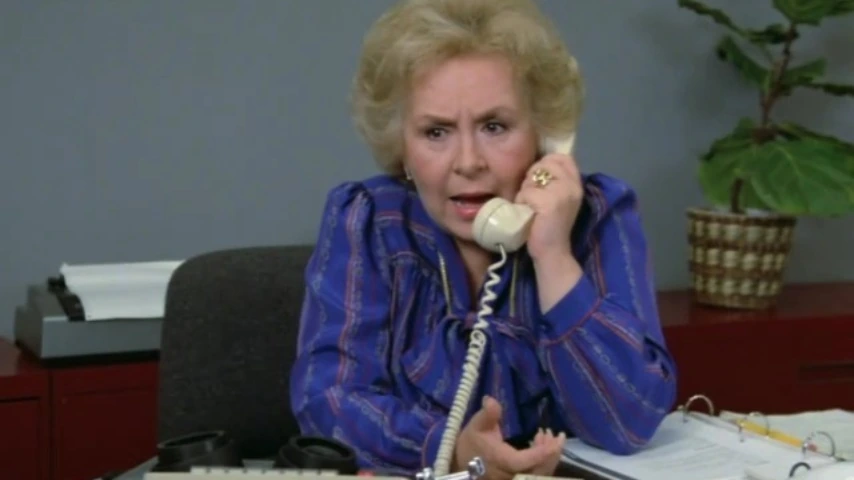
I find that texture enjoyable without needing to pretend it was convenient. Waiting for information can be frustrating in life and useful in a mystery. It lets the characters reveal themselves while the answer is elsewhere. Laura may want a precise fact; Steele may use the interval to offer an interpretation; an office colleague may have a less glamorous problem that still needs solving.
Those little interruptions help make the agency feel occupied. The desk is not a display stand for two photogenic people. It is part of a business that has to remain plausible to whoever comes through the door. The series gets an extra layer of comedy from the gap between an impressive professional image and the ordinary effort required to keep the telephone answered and the story straight.
The attraction works because Laura can say no
The romantic chemistry depends on resistance that has a reason. Laura is attracted to Steele, but attraction does not erase the questions surrounding his identity, his reliability or the way he occupies her agency. If she simply forgot those concerns every time he smiled, the show would undermine the capable character it needs her to be.
Zimbalist can make that tension enjoyable. Laura is not conducting a neutral assessment from a safe distance. She is involved, irritated and sometimes less objective than she would like. The audience can recognize those feelings while still understanding why she wants an answer. A person can be charmed and unconvinced at the same time.
Brosnan’s part of the bargain is equally important. Steele needs to be worth the continued argument. Charm alone has a limited shelf life when the other person is doing all the emotional and professional labor. The series becomes more satisfying as his involvement acquires substance and the partnership gives Laura reasons to revise her judgment without apologizing for having standards.
That is the kind of tension I want from a romantic mystery. The question is not merely whether two attractive people will kiss. It is whether they can build an arrangement that deserves the affection already visible between them. The detective work provides repeated tests. Watching the pair pass, fail and try again is more interesting than treating a delayed declaration as an achievement all by itself.
The agency is not Laura’s punishment for having ambition
There is a version of this premise that would be much less enjoyable: a woman works too hard, a glamorous man arrives, and the story teaches her that wanting professional recognition was the problem all along. Remington Steele is strongest when it avoids that trap. Laura’s ambition makes sense. The unfairness she encounters does not become imaginary because the response has comic consequences.
The arrangement can expose the limits of her plan without dismissing the reason she made it. Inventing a boss is risky. Clients preferring an invented man to an actual woman remains ridiculous. Both ideas can be true, and holding them together gives the series more bite than a simple lesson about loosening up.
I also appreciate that the business provides a continuing source of pride. Laura has something to defend besides her romantic position. A client who praises Steele for work she has done is not simply setting up a jealous reaction. The moment touches the premise’s original unfairness. Zimbalist’s annoyance can carry a real claim beneath the banter.
That is worth remembering when the glamour threatens to take over the memory of the show. The title belongs to the fiction Laura created, but the program works because we can see the woman creating and sustaining the reality around it. Giving Steele the entertaining entrance does not require giving him ownership of every useful idea in the room. The series needs that difference to remain visible.
A stranger’s past can help and still be a problem
Steele’s history supplies mystery beyond the weekly client. He has knowledge and contacts that do not arrive with a tidy professional résumé. That gives him resources Laura may not have, while also giving her good reasons to remain cautious. An unconventional past can be useful without becoming automatically reassuring.
The show gets tension from how much an explanation should settle. A person may tell a true story and still omit the part that matters to the listener. A charming anecdote can answer one question while encouraging three others. Brosnan’s ease makes that sort of evasion enjoyable to watch, but the audience needs Laura’s skepticism to keep the imbalance in view.
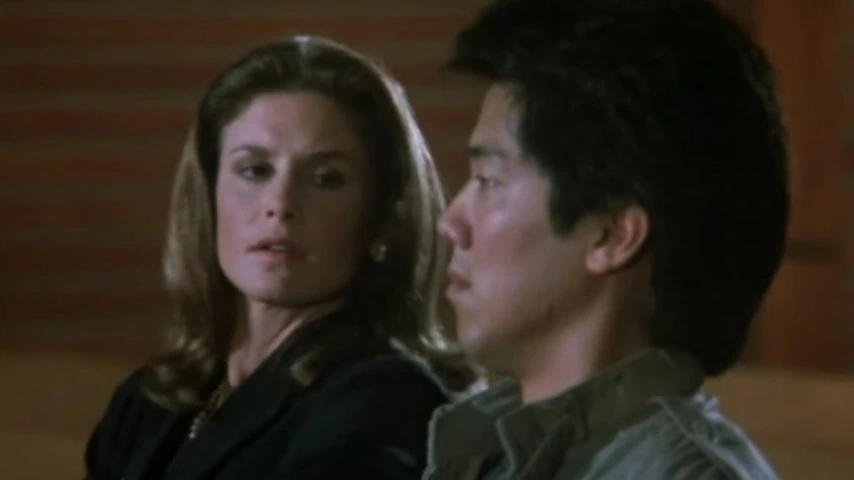
Sting of Steele brings Daniel Chalmers and a con into that territory. The attraction of such an episode is not merely meeting someone from the stranger’s earlier life. It is seeing what that connection does to the current partnership. Laura has built something in the present; a figure from the past can change the assumptions under which she has agreed to work.
I like that the uncertainty can be both romantic and practical. Trusting a colleague affects a case. Trusting a person affects much more. The series places those questions close enough that an answer in one area can disturb the other. A secret is not interesting forever simply because it has been withheld, but it can remain useful when each revelation changes what the characters owe one another.
The episode titles practically wink from the listings
Remington Steele commits to its title joke with impressive determination. Tempered Steele, Hearts of Steele, Steele in the News, Vintage Steele: the wordplay is part of the show’s signature. It tells you something about the intended evening before the first scene. This program expects the viewer to enjoy a little style with the investigation.
The titles also make the fictional surname feel wonderfully overqualified for the job. Laura invented a name, and the entire series seems delighted by how many directions that name can be bent. It is a small pleasure, but weekly television is partly made of small pleasures that become familiar through repetition.
I find the approach more appealing when the episode’s setting gives the pun a second use. A title can hint at a profession, a disguise or a relationship complication without summarizing the answer. It helps you remember a particular hour, especially in a show where the central office and the two leads remain stable while the guest world changes.
There is a limit, naturally. A clever title does not guarantee an elegant mystery, and some of the wordplay works harder than the story underneath it. That is fine. The signature still contributes to the tone. You are being invited into a polished detective comedy, not warned that an hour of unrelieved misery is about to begin. The name on the door is a joke inside the story and a promise outside it.
Why the weekly case still needs to matter
It is tempting to remember a romantic detective show as though the mystery were merely something to occupy the leads between meaningful looks. That sells the format short. A case gives them a reason to disagree, split up, trust a judgment or discover a strength that has not been visible in the office.
Without that work, a continuing romantic argument can become circular. The characters return to the same objections because nothing in their shared life forces a new response. A good assignment interrupts the circle. It gives one person information the other lacks or creates a risk that makes a familiar habit feel different.
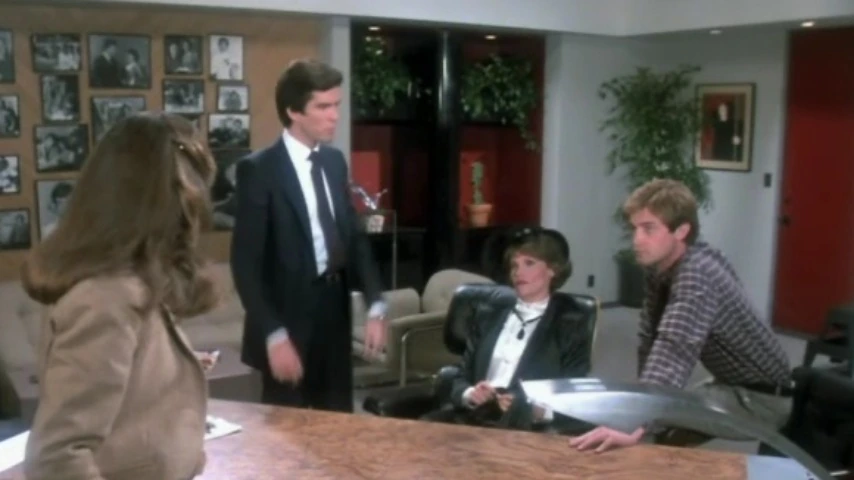
Remington Steele benefits from letting Laura and Steele solve problems with different tools. If they simply duplicated one another, the agency’s unusual arrangement would become cosmetic. Their backgrounds should affect what they notice and how they proceed. That is what allows the romance to grow from the partnership rather than hovering over it like a separate program waiting for airtime.
When I revisit the series, I am happiest with episodes that provide both kinds of satisfaction. I want the case to have a shape, and I want the investigation to leave the relationship slightly more particular than it was before. The answer does not have to rewrite their lives. Sometimes a small adjustment in trust or a grudging acknowledgment is enough to make a familiar office feel changed when they return.
The future Bond story needs its dates attached
Brosnan’s Bond connection is real, but compressing it into one sentence can scramble the history. The Remington Steele debut came in 1982. The original television series continued through its short final run in 1987. GoldenEye, Brosnan’s first Bond film, arrived in 1995. The famous suit did not lead directly from one set to the other.
There was an earlier Bond opportunity in 1986. In his GQ interview recalling that period, Brosnan describes being offered Bond after Steele’s cancellation and then being unable to escape the television commitment when the show was revived. That recollection explains the missed opportunity without requiring us to invent a private motive for every executive involved.
The effect on a rewatch is interesting. Knowing the later role can make Brosnan’s elegance seem like an audition we are privileged to recognize. I understand the impulse. But Steele is not Bond with a smaller budget. The character’s authority is compromised from the beginning, and the woman beside him has a claim on the business he is publicly representing.
That difference is a large part of what makes the television role enjoyable. Steele can be caught performing authority he has not earned in the conventional way. Laura can expose the gap and require him to become more useful. If you watch only for a future movie star, you miss a comic arrangement that depends on the star not being allowed to control the whole room.
The final season is shorter than the memory of the show
The original series’ last run in 1987 is a short one. It should not be imagined as another full-length season with the same volume of weekly cases as the earlier years. That distinction matters if you are settling in for a chronological rewatch and wondering why the end of the catalog looks different from the middle.
A long-running television relationship can leave viewers remembering a general atmosphere more clearly than the size of each production year. We keep the office, the faces and the attraction. The precise distribution of episodes becomes less important to memory. That is understandable, but it can make a retrospective sound more uniform than the actual experience.
For me, the later complications are best approached after the central arrangement has had time to work. A summary of romantic milestones cannot reproduce the accumulation of ordinary cases. The partnership gains meaning through repeated behavior: who listens, who improvises, who conceals something and who finally admits that the other person had a point.
I would rather preserve that development than turn the ending into the only verdict on the whole series. A show can have uneven later decisions and still have offered years of enjoyable company. The question on a return visit is which parts continue to give you pleasure. With Remington Steele, I keep finding mine in Laura’s authority, Steele’s performance and the moment those two forces make the case more entertaining than either could alone.
How the show differs from Moonlighting
The comparison with Moonlighting is natural: a detective workplace, an attractive pair and romantic conflict that becomes part of the reason people tune in. But treating one as merely a quieter version of the other misses the distinctive joke at the center of Laura’s agency. Her professional authority and Steele’s public authority are deliberately out of alignment.
That makes the disagreement about more than incompatible temperaments. Laura has created the role the stranger is using. Their relationship keeps returning to questions of credit, ownership and trust because those questions are built into how the business functions. The romantic tension grows inside that practical imbalance.
Moonlighting often makes the form of the television show itself part of the entertainment. Remington Steele gets more of its flavor from earlier movie pleasures, the elegance of a performed identity and the collision between a romantic image and an actual working problem. Both can be funny without requiring the same pace or the same degree of noise.
I do not need to declare a winner to enjoy the distinction. Some evenings call for fireworks; some call for the pleasure of watching a polished explanation acquire a crack while Laura waits for the speaker to finish. The eighties had room for both. Remembering the differences makes a return visit more rewarding than lining up every romantic detective pair and asking which one argued loudest.
The other partnerships make the difference clearer
Scarecrow and Mrs. King starts with an experienced operative and a civilian whose everyday intelligence becomes unexpectedly useful. Remington Steele starts with a qualified professional and an impostor who occupies the position her clients insist must belong to a man. The attraction matters in both, but the direction of the learning is different.
Hart to Hart offers another contrast. Jonathan and Jennifer do not have to establish whether they enjoy being together. The marriage is already part of the pleasure. Laura and Steele keep negotiating an arrangement whose professional and personal meanings refuse to remain separate. A client can complicate the romance simply by believing the wrong person is in charge.
There is also a contrast with Magnum, P.I.. Magnum’s friendships and obligations give his investigations a larger continuing life. Laura’s agency provides that continuity through work and the unusual identity at its center. A good private-eye show needs somewhere recognizable to return to, even when the current case has taken the lead into a different social world.
These are variations on a rich television pleasure: people you know dealing with people they do not know well enough. The weekly mystery creates the encounter. The continuing cast determines why you want to see this particular group handle it. Steele’s contribution is the name that opens the door and the woman who knows why the door needed that name in the first place.
What shows its age, and what still has a pulse
The series carries its period in the clothes, the office equipment, the social assumptions and some of the shorthand used for strangers. A rewatch should not require pretending those details are invisible. Some conventions are delightful; others deserve the raised eyebrow Laura would probably give a weak explanation.
The most durable part is the imbalance between appearance and credit. People still mistake confidence for expertise. A convincing presentation can still divert attention from the person who has actually done the work. The show turns that irritation into an entertaining arrangement without needing every viewer to share Laura’s exact profession or decade.
Some cases are sturdier than others, and a fond memory can make the routine connective material feel longer when it returns. That is part of watching an entire old episode instead of a highlight reel. The program was built to provide a continuing hour, not a collection of the six exchanges we have kept in our heads.
I find the pulse in the actors. Zimbalist’s resistance and Brosnan’s ease remain a productive combination. Roberts adds a different kind of confidence once Mildred arrives. The office can feel familiar without the people becoming interchangeable. When the mystery gives them a useful situation and the dialogue lets each keep a distinct point of view, the show still supplies the pleasure its premise promised.
A sensible route back into the agency
Start with License to Steele. The title character’s arrival is the event that makes the arrangement clear, and Laura’s problem deserves to be understood before the viewer settles into the charm. A later episode can show you the chemistry, but the opening shows you what the chemistry is complicating.
Then sample a few different professional worlds. Tempered Steele tests the agency itself; Hearts of Steele puts the pair into a cover relationship; Steele in the News changes the workplace around them. You will learn more about the show’s range by varying the kind of assignment than by watching only a string of romantic milestones.
When you move into the second season, enjoy the office changing around Mildred. Do not expect the earlier group to have secretly been the later group all along. Television ensembles acquire different balances, and part of the pleasure of watching in sequence is noticing which possibilities a new regular brings into the room.
I would also give the cases a little breathing room. The show does not need to be consumed as though you are completing a task. One agreeable mystery can be enough for an evening. The office will still be there, Laura will still have an objection worth hearing, and Steele will almost certainly still be presenting himself as the sort of man whose explanation ought to end the discussion. It rarely does. That is why I keep listening.
Questions people still ask about Remington Steele
Who was the real detective in the original premise?
Laura Holt, played by Stephanie Zimbalist, was the trained private investigator who built the agency. She invented the male boss Remington Steele after struggling to get clients to take a woman seriously. Pierce Brosnan’s character then assumed that fictional identity. His contribution develops, but the premise begins with Laura’s professional skill and a false public impression.
When did Doris Roberts join the cast?
Roberts joined as Mildred Krebs in season two. The first-season agency included James Read as Murphy Michaels and Janet DeMay as Bernice Foxe. Watching from the beginning makes the change clear and lets you enjoy the different office arrangements instead of blending the entire run into one cast photograph.
Was Pierce Brosnan already James Bond?
No. Remington Steele began in 1982 and finished its original run in 1987. Brosnan’s first Bond film was GoldenEye in 1995. An earlier Bond opportunity in 1986 was affected by his television commitment, a sequence he later described in an interview. The two roles have a real connection, but they do not belong to the same production period.
Does every episode depend on knowing old movies?
No. Steele’s film references add personality and another layer of fun, but the central attraction is understandable without recognizing every title. Laura has a case to solve and a partner whose imagination sometimes runs ahead of the evidence. You can enjoy that relationship, the office and the mysteries while letting an unfamiliar reference pass.