Hardcastle and McCormick in the 80s: Judge, Ex-Con and One Wild Car
The judge has a list. McCormick has the keys. They’ll talk about the rest on the way.
Give McCormick a minute to ask what it is before they get in the car.
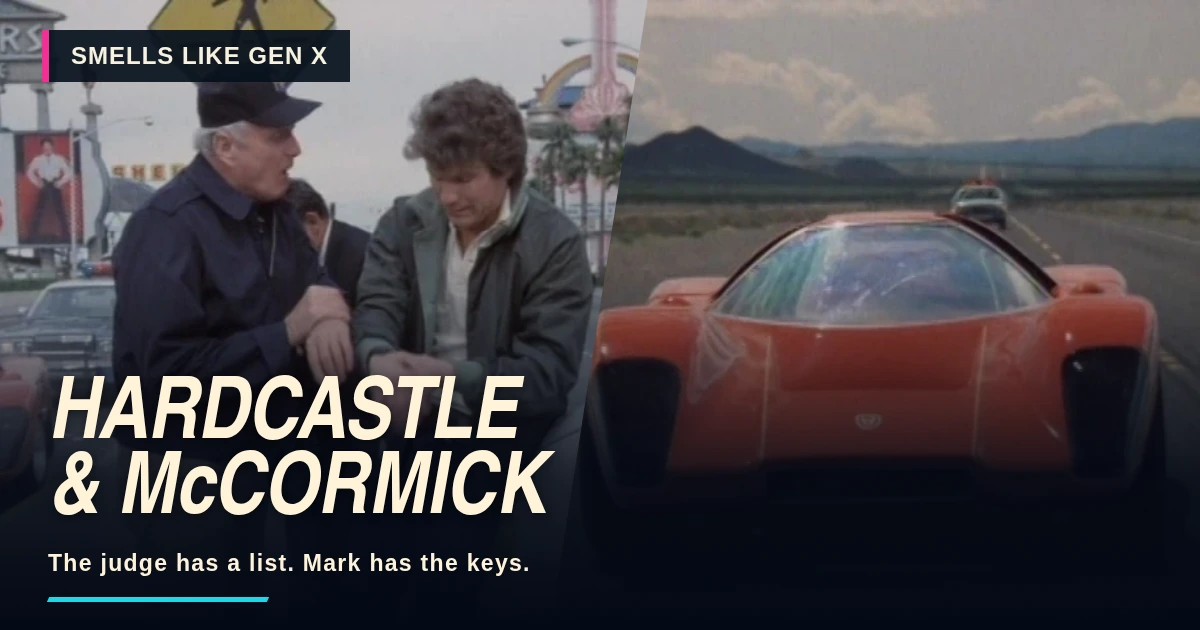
The car is usually the first thing anybody remembers. Low, red, and close enough to the road that you could practically feel the asphalt from the couch. Then comes the voice. Brian Keith sounds like a man who’s been waiting for you to finish telling him what you can’t do. Daniel Hugh Kelly sounds like somebody who knows that voice well enough to keep talking anyway. Put the two of them in the same room and the Coyote can stay in the driveway a little longer.
Hardcastle and McCormick began on ABC in September 1983. Keith was retired judge Milton “Hardcase” Hardcastle. Kelly was Mark “Skid” McCormick, an ex-con and a race driver with reason to worry about another trip to prison. The judge had old cases he wanted to look into. The driver had a strong preference about what he’d be doing with his time. You can see why each man would have liked to find a partner who was a little easier to get along with. You can also see why we got three seasons out of the pairing they wound up with.
A lot of the fun was in watching each of them discover that the other one had been paying attention. Hardcastle had a good memory for people who’d found their way through his courtroom. McCormick could read a room, get a car moving, and recognize when the judge’s plan left out the person expected to carry it out. The show had somewhere to go whenever either man found out what the other had already done.
Inside This Article
The judge had a few things left on his desk
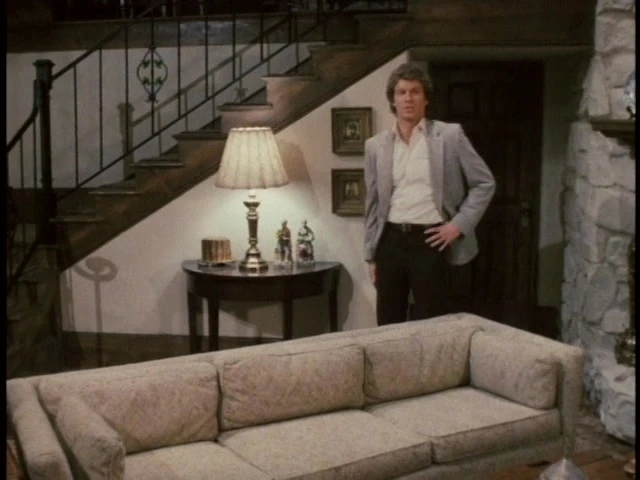
“Rolling Thunder” puts McCormick in court over an experimental sports car. He’s a driver who has gotten mixed up in a theft, and Hardcastle is close enough to retirement to start thinking about the work he wants to take home. The judge offers him a choice between prison and working with him. It’s a partnership with very little room for McCormick to pretend that he took it on because he liked the man.
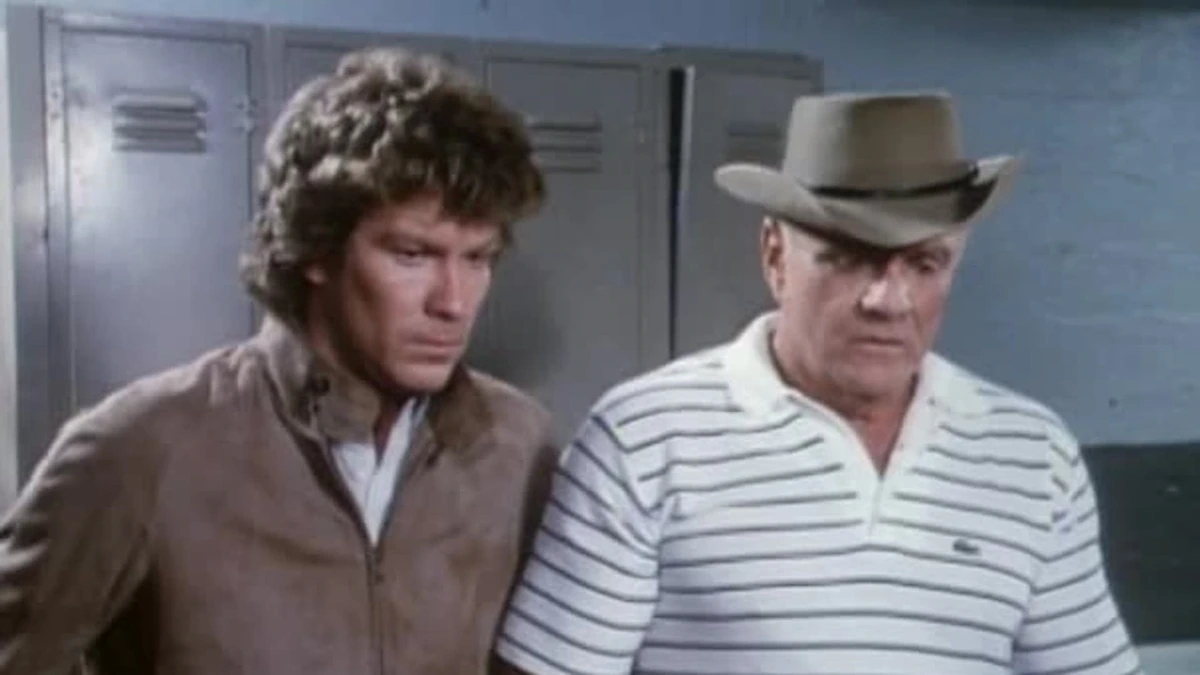
I like the pilot for how long it lets the two of them sound like people who met in a courtroom. The older guy can tell the younger guy what’s going to happen. The younger guy can say what he thinks of that, and he usually does. Then they have to go somewhere together. It’s one thing to make a ruling in a room where you know who’s allowed to talk. It’s another to spend the rest of the afternoon hearing from the person you made it about.
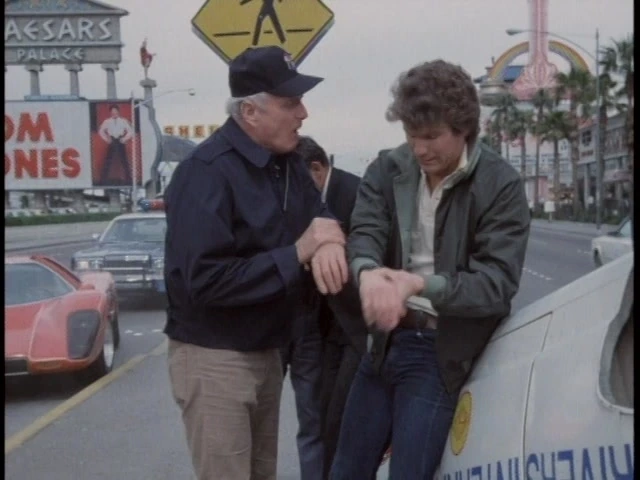
The cases came from Hardcastle’s years on the bench. He believed people had escaped consequences and wanted to revisit the ones he couldn’t put away. There’s something recognizable about a person retiring and having a clearer idea of what he’d like to do on Monday than anybody else does. There’s also something distinctly prime time about how quickly the judge’s retirement plans start involving another man’s driving.
Stephen J. Cannell and Patrick Hasburgh created the show. Cannell had already co-created The Rockford Files, another good reason to turn on a television and watch somebody with a prison record figure out what a job was going to cost him. Jim Rockford could usually tell you why it was a bad idea to get involved. McCormick is working with a man who has kept a long list of reasons to do it anyway.
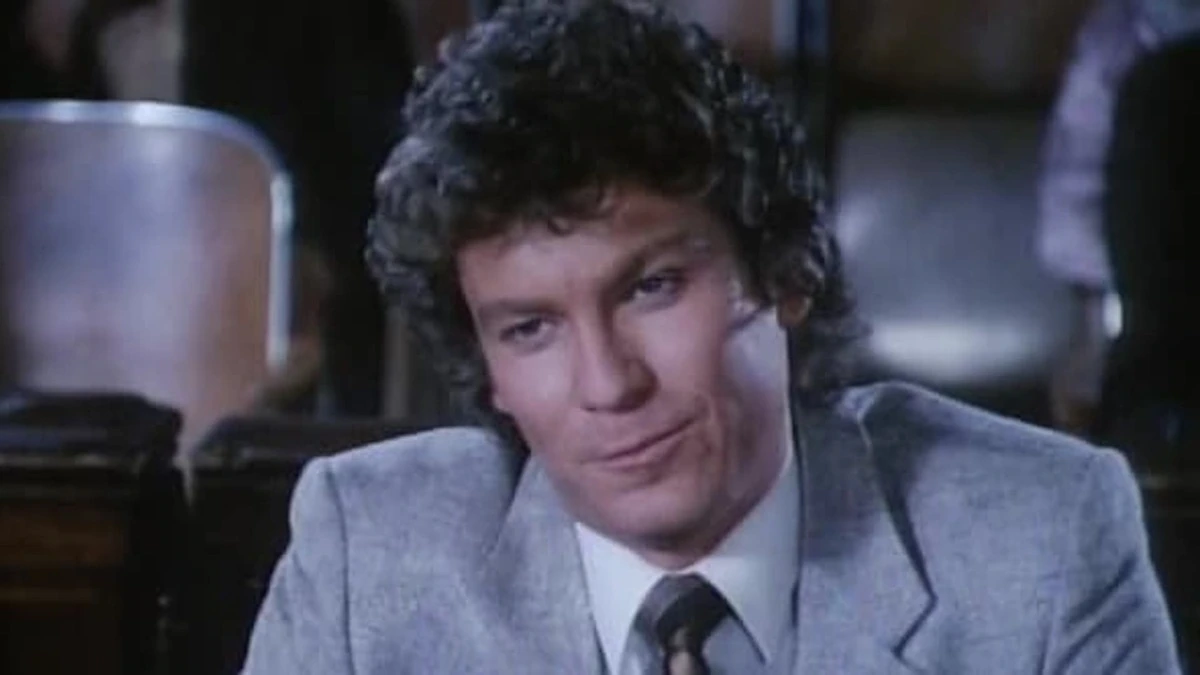
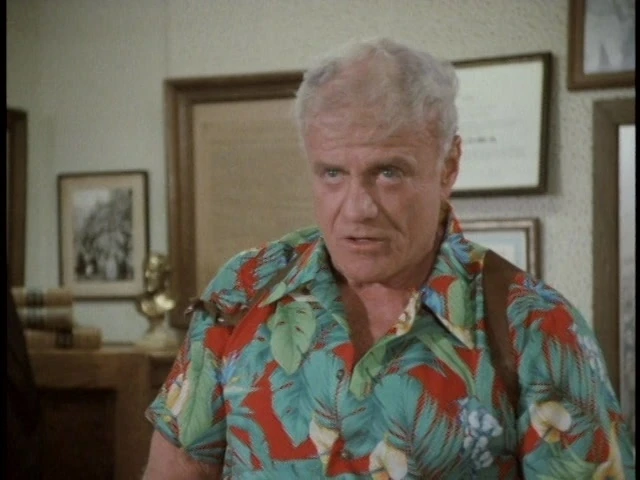
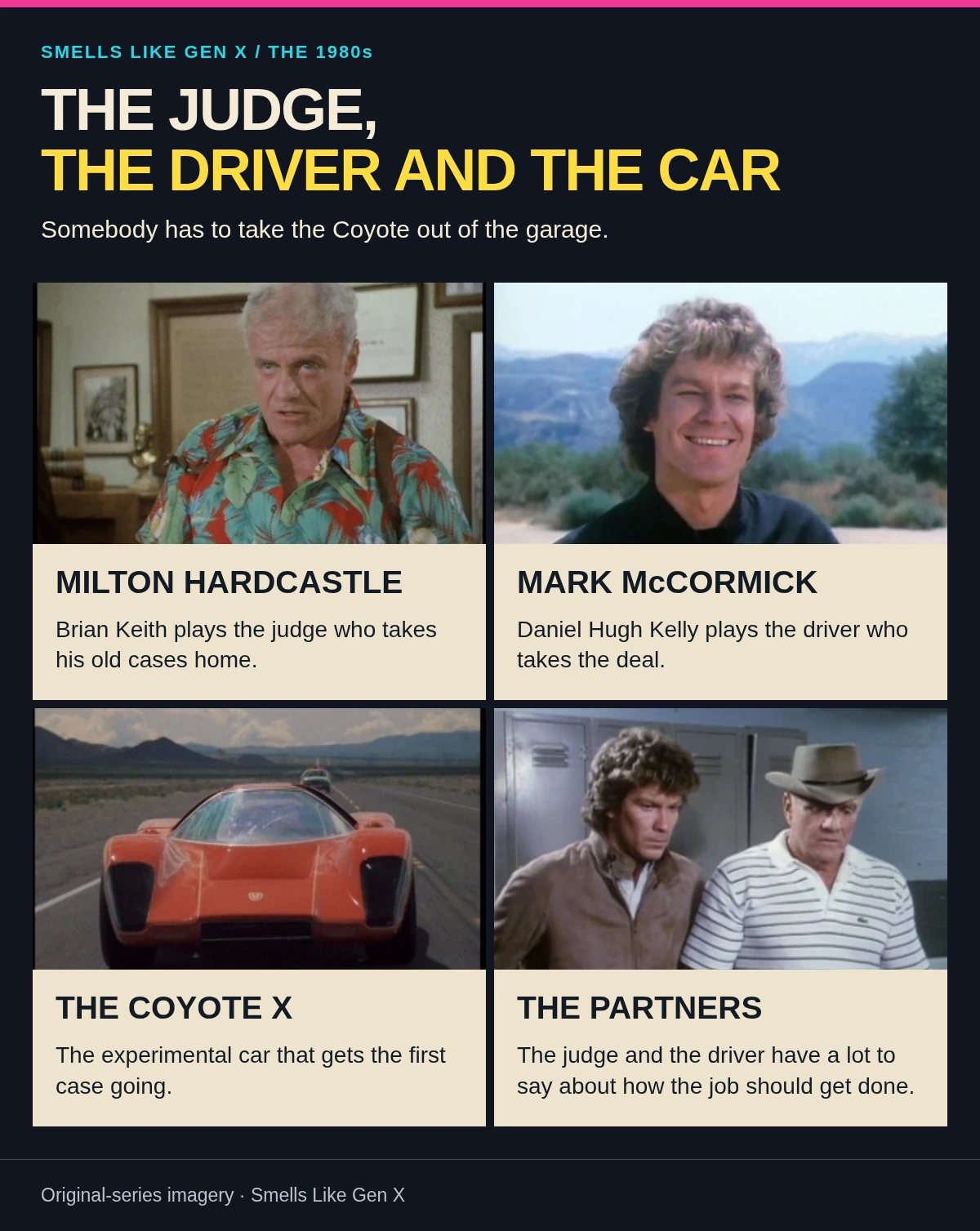
Brian Keith could get a lot done without raising his voice
The first thing I hear from Hardcastle is that gravelly delivery. Keith has a way of making the next sentence sound as if it took him years to arrive at it, even when the thing on his mind is whatever McCormick has just done. Hardcastle knows where he stands on almost everything. He’s willing to make room for another opinion just long enough to tell its owner what he thinks of it.
McCormick’s part in the conversation is worth coming back for. Kelly gives him a quick answer and enough patience to wait for the judge’s reaction. He can sound genuinely put out without making you wonder why the two men will be back in a car together. He can see that the judge has an idea worth following. He also sees the part where he’s the person likely to get out of the car first.
That distinction makes the conversations about the work feel different from the ones about the house. Take away a case for a minute and there are still two people trying to figure out who gets to make a decision about the afternoon. I like seeing Keith get a little lost for words when he realizes McCormick has managed to get an answer without asking permission to go find it.
“Man in a Glass House” is a good early place to watch the bargain settle in. The pilot has already told us why the men are together. The next job lets us see how much work it’ll take for each of them to make that arrangement feel normal. There’s a particular satisfaction in seeing somebody’s attention drift off the issue he’s insisting is important because he can hear his partner making a decent point.
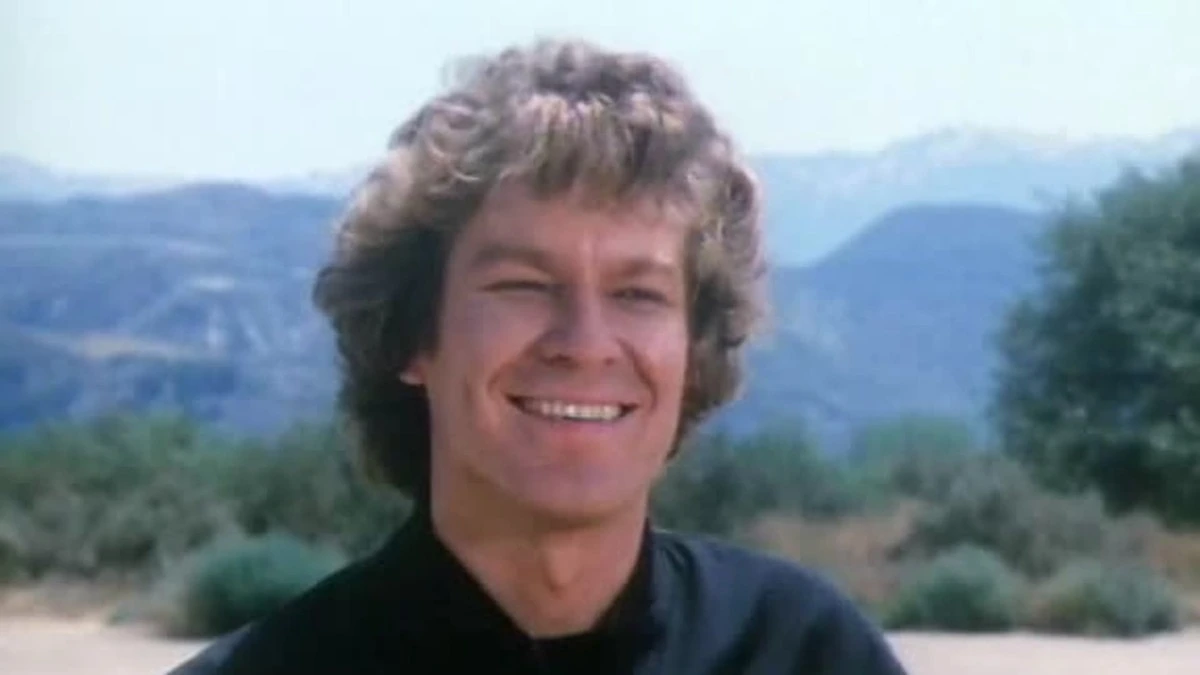
I also like the little bit of arithmetic a person at home could do on the deal. The judge had enough unsolved business to keep the car out of the garage for years. Mark had gotten through one day in court and picked up a job that might require him to live by somebody else’s rules every day after that. Imagine telling a friend you’d found work and having to explain both the judge and where you’d be staying before you could get to the part about the car.
The Coyote looked fast at the curb
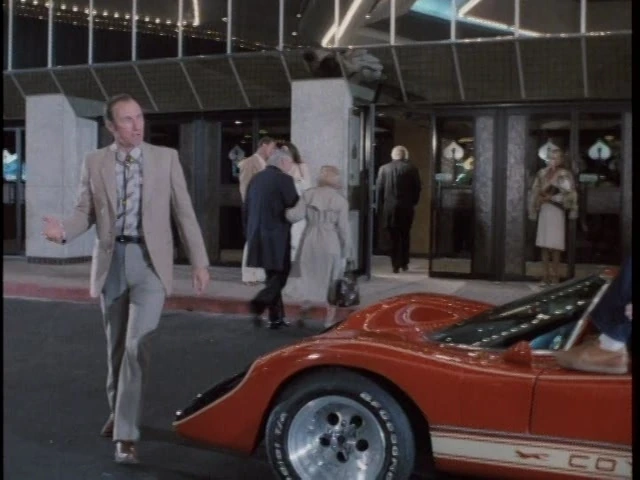
The Coyote had a nose that seemed to be a few feet ahead of the driver even when it was standing still. That long red shape could buy the show time in a living room before anybody even knew what the case was about. You wanted to see somebody open it up. On a show that also gives two men a reason to argue every time they have to be somewhere, the car gets a little peace and quiet as soon as it comes into view.
On screen it’s the Coyote X. Behind the scenes the original was built from a modified Manta Montage kit. Later episodes used a different version built from a DeLorean. If you go looking for pictures, the shape changes between versions, especially around the windshield and roof. I enjoy the fact that the show kept calling it the Coyote. By then that name belonged to the way the car entered an episode, and you could still recognize what everybody was waiting for it to do.
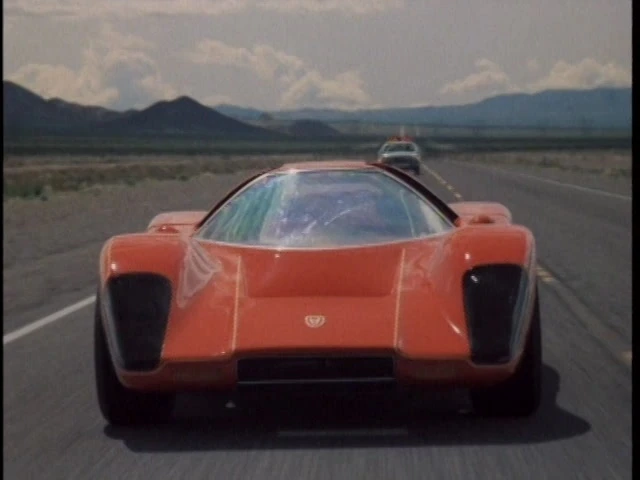
I’d seen plenty of ordinary cars on television before this one. A station wagon going past the house looked like the thing you’d just seen go past on television. I never looked out a living-room window and saw anything shaped like the Coyote. There was a whole category of car you might have gotten to stand near for thirty seconds at an auto show. Here was one of them getting taken out for the same kind of afternoon trouble every week.
“Goin’ Nowhere Fast” and “Hot Shoes” are two early titles that send me right back to what the series looked like in the listings. Even before you watched, you could guess why somebody might want McCormick involved. Go back to “Rolling Thunder” for the car’s place in the story. The Coyote gives McCormick a reason to care who gets their hands on it, and the first case makes it clear why it matters that he can drive.
The house was part of the deal
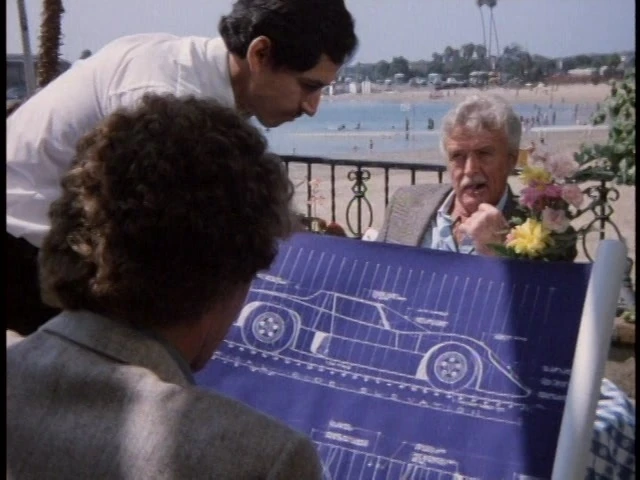
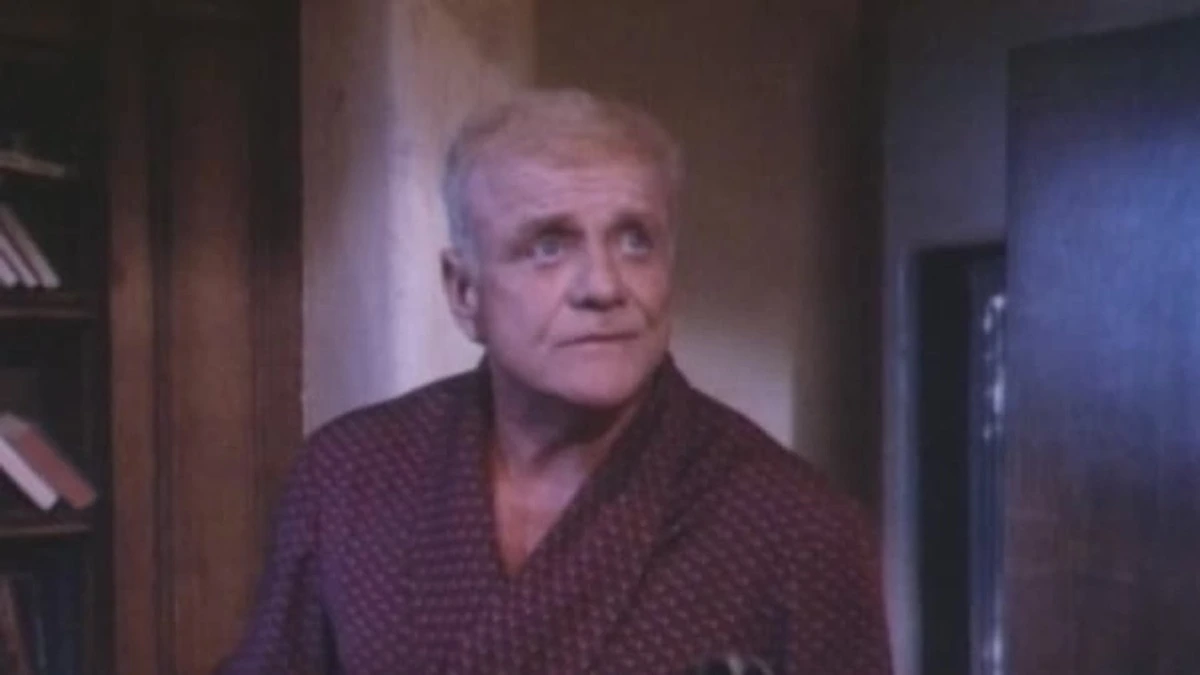
There’s something funny about the judge having a house called Gull’s Way and still managing to make McCormick’s life feel more crowded. The house gave the show a place to spend the time between cases. It’s where you could hear two people decide how much explaining a particular thing was going to require. There could be a whole job to do outside and a perfectly good argument waiting inside before anybody left.
Mary Jackson played Sarah Wicks in the first season. Later the police contacts included John Hancock’s Lt. Michael Delaney and Joe Santos’s Lt. Frank Harper. Santos is particularly familiar if you’d spent some time with Jim Rockford and his police friend Dennis Becker. He could make a detective sound as if he’d already given the people on the other side of a desk about as much time as he had to give them. If your business that day happened to involve Hardcastle, there was a good chance you were going to need a little more.
“The Black Widow” gives the men an unsettling connection between a woman and several dead mob leaders. “The Crystal Duck” and “The Boxer” give you entirely different things to look for. One week could have a new group of people and a new reason to drive across town. The two regulars could still get home and put you right back in the middle of a conversation you’d heard some version of the week before.
I have a soft spot for a show where the quieter set is easy to picture after the moving parts have gone by. Somebody has to set the keys down. Somebody has a question about where you’ve been. Somebody knows perfectly well you can hear them from the next room and is going to wait for an answer. With Keith and Kelly you could put the keys anywhere in the house and get a scene out of the person who expected to find them there.
The opening told you there’d be time for a drive
“Drive” is the theme I associate with the Coyote. That opening knows what you came to see and gets on with the business of showing it to you. It’s got the kind of energy that can make you stop whatever you were doing before the show began. There was an alternate theme, “Back to Back,” during part of the second season. I can understand having one lodged in your head and coming across the other years later with a feeling you’d accidentally found a version from a slightly different week.
The original run reached May 1986. The last episode was “A Chip Off the Ol’ Milt.” I can read the title and hear the kind of remark the judge might have something to say about. I also like going back to the 1983–84 TV season to remember how many other reasons there were to stay on the couch when this one was new. It’s a good way to put the car in the same evening as the programs you’d been waiting for before it came along.
The thing I want to see now is usually a smaller part of the hour than the thing I’d have picked as a kid. I still want the car to get going. I also want to hear what Mark says when the judge tells him why they have to go. The younger guy has worked out that there’s an answer the judge is expecting him to give. It gives him a few seconds to think of a different one.
It helped that McCormick could drive something else when the job called for it. The Coyote is the one that belongs on the lunchbox in my head, but the way Kelly walks up to a car is usually enough to make me interested in who has the keys. He gives the impression there’s a difference between seeing a way out of a place and seeing how he’d get a car through it. That’s something he knows how to do better than the judge. It’s a small pleasure every time Hardcastle has to count on it.
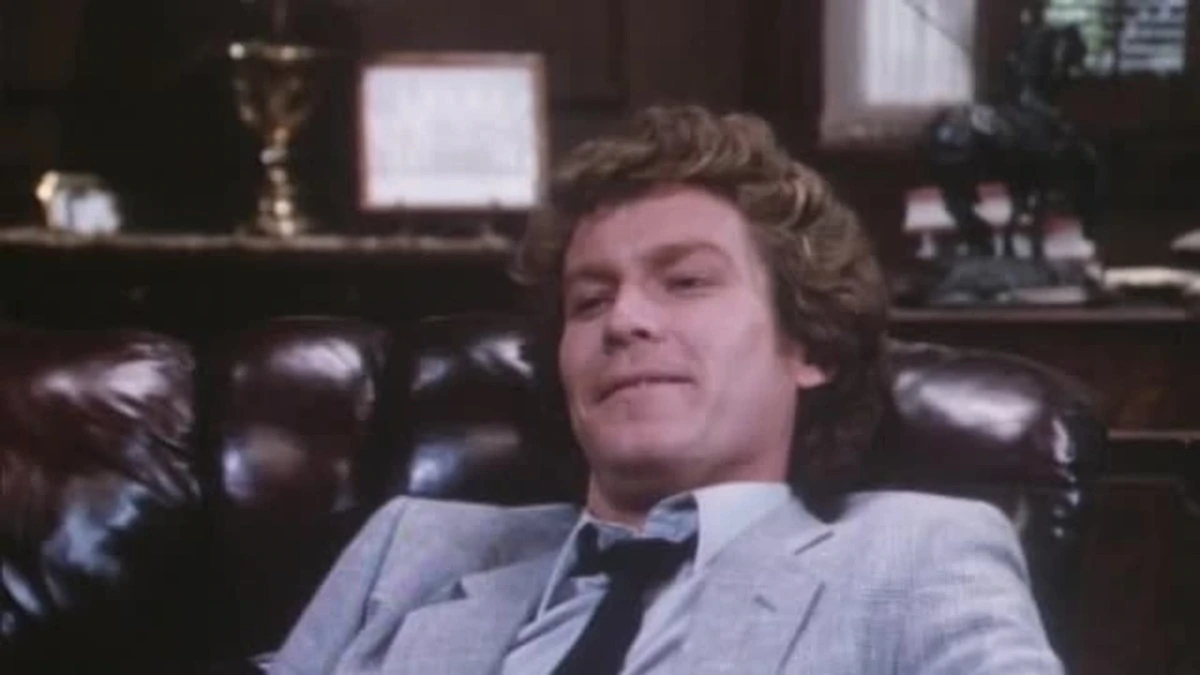
Where I’d start on a rewatch
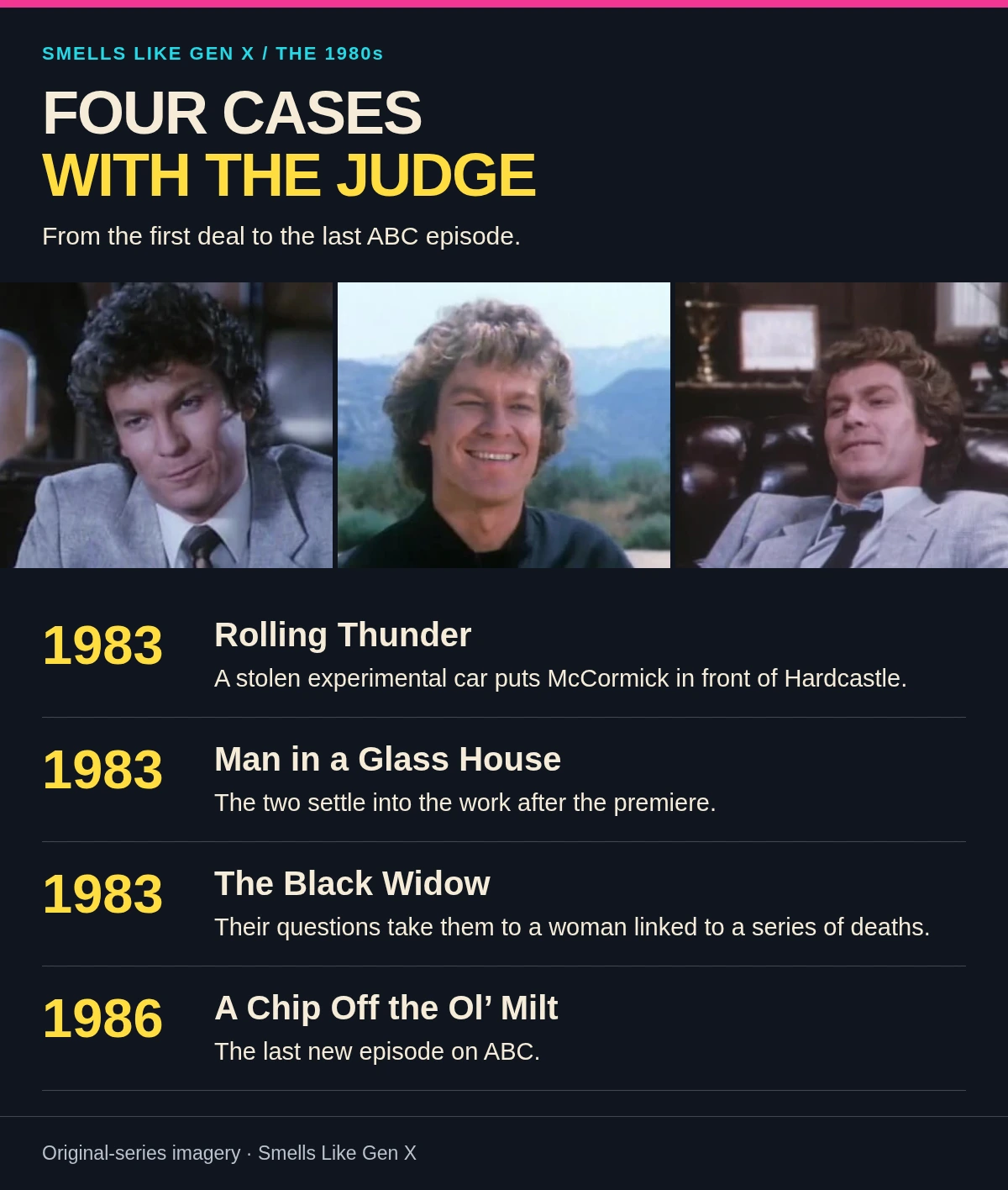
Start with “Rolling Thunder.” It gives the Coyote a job in the story and lets the judge and the driver have a little time to figure out what sort of company they’ve landed in. Watch “Man in a Glass House” next if you want to hear how they get through an ordinary job after the big introduction. “The Black Widow” gives you an idea of the kinds of people an old case can lead the two of them to.
If the thing you remember is the sight of a machine pulling away from a curb, there’s more of that in Street Hawk. The bike goes out for a different reason, and its driver has somebody back at the controls who’d like him to listen once in a while. I can imagine a good night of television on either side of that conversation. I’d keep a little extra time for the man from Gull’s Way to tell me what McCormick was supposed to do when he got there.
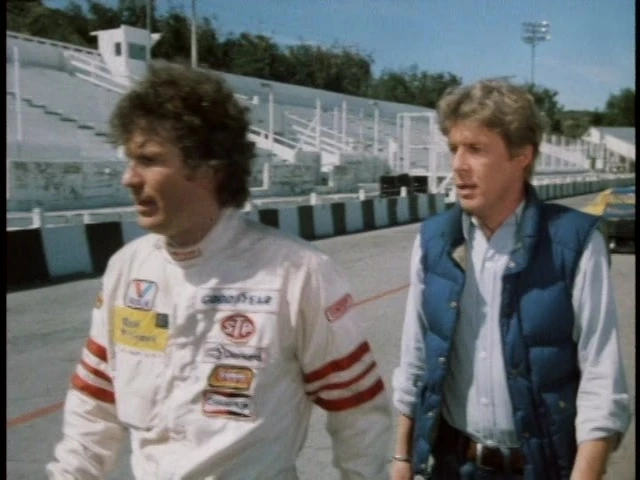
Questions about Hardcastle and McCormick
When did Hardcastle and McCormick air?
ABC aired the series from September 18, 1983, to May 5, 1986. It ran for three seasons, starting with “Rolling Thunder.”
Who played Hardcastle and McCormick?
Brian Keith played retired judge Milton C. Hardcastle. Daniel Hugh Kelly played Mark “Skid” McCormick, an ex-con and race driver who worked with him.
What was the red car in Hardcastle and McCormick?
The fictional car was the Coyote X. The original screen car was built from a modified Manta Montage kit. A later version used a modified DeLorean.
Who created the series?
Stephen J. Cannell and Patrick Hasburgh created Hardcastle and McCormick. The setup paired a retired judge reviewing old cases with a driver who had a reason to take the deal he was offered.