Journalism Won
60 Minutes outranked every soap, sitcom, detective show and action series in prime time.
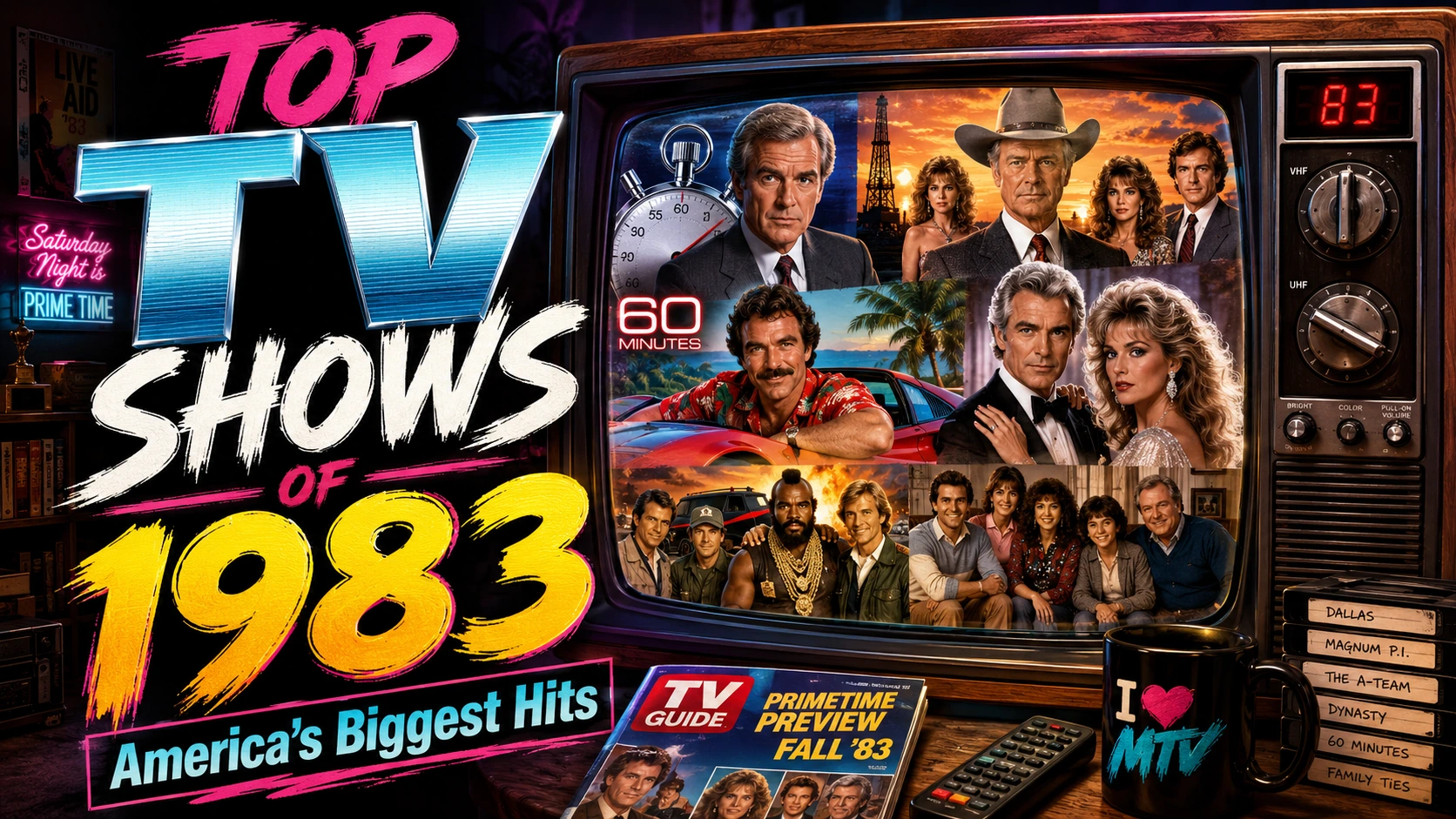
According to the Nielsen rankings for the 1982–83 television season, 60 Minutes was America’s most-watched program. Dallas finished second, while M*A*S*H and Magnum, P.I. tied for third.
Dynasty completed the top five, while NBC’s brand-new The A-Team tied for tenth overall with Monday Night Football. This countdown keeps the ten entertainment shows while clearly preserving the official tie.
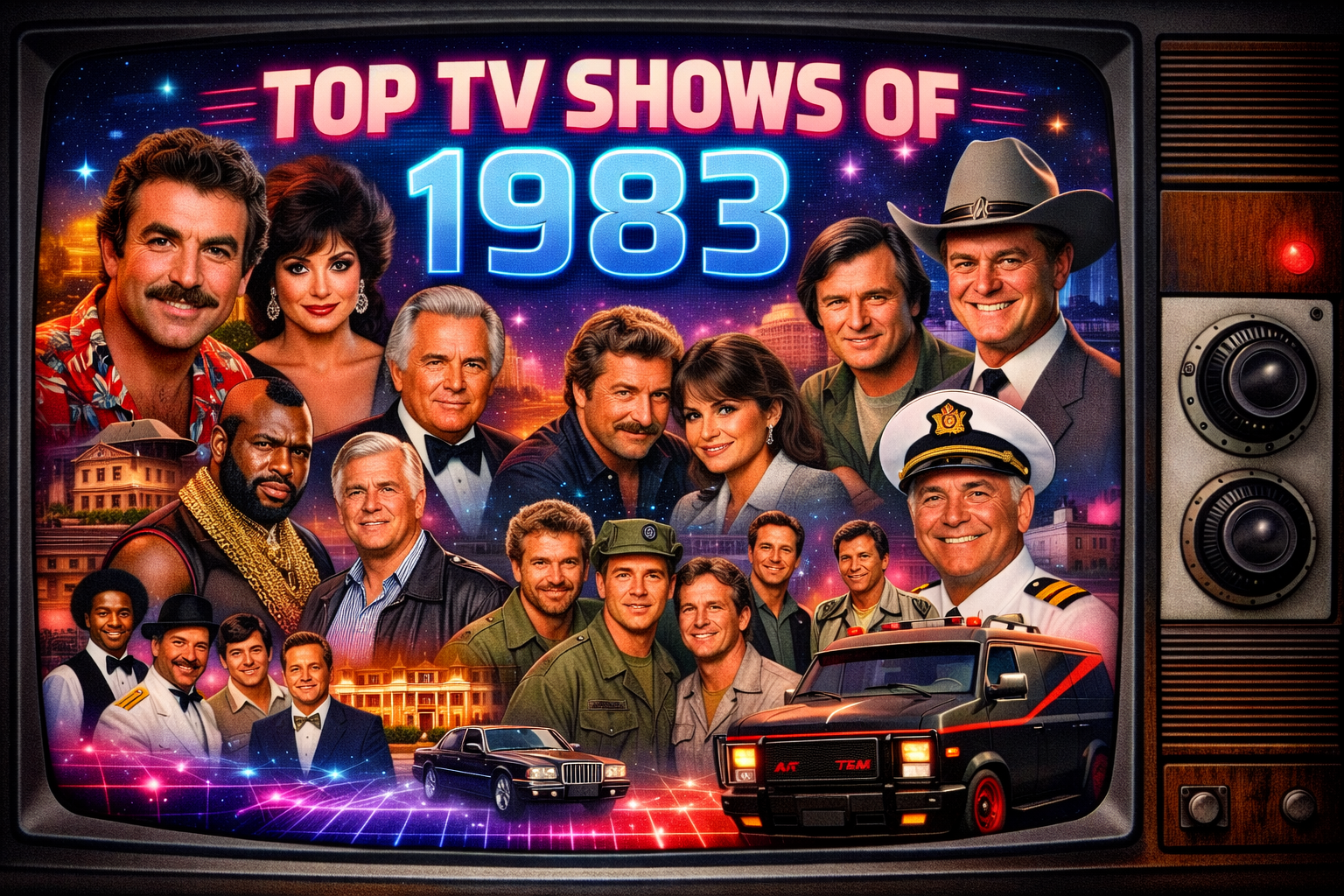 Now Broadcasting
60 Minutes ranked number one during the 1982–83 Nielsen season with a 25.5 rating. Dallas followed with a 24.6 rating. M*A*S*H and Magnum, P.I. both earned a 22.6 rating and officially tied for third.
Dynasty ranked fifth at 22.4. The A-Team earned a 20.1 rating and tied for tenth overall with Monday Night Football. Because this article covers entertainment shows, the A-Team fills the tenth countdown position while the official overall tie remains clearly identified.
CBS controlled six of the ten entertainment-show positions, including the first four countdown entries. ABC supplied three established hits, while NBC broke through with one of the decade’s most instantly recognizable new action shows.
By 1983, the biggest shows did more than tell stories. They arrived with instantly recognizable visual identities, signature characters, catchphrases and entire moods that followed viewers beyond the living room.
60 Minutes outranked every soap, sitcom, detective show and action series in prime time.
CBS held the first four countdown positions and placed six entertainment shows inside the top ten.
Dallas, Dynasty and Falcon Crest made wealth, image and betrayal a major prime-time ecosystem.
NBC launched a first-season action phenomenon with a van, a catchphrase machine and enough identity to own recess.
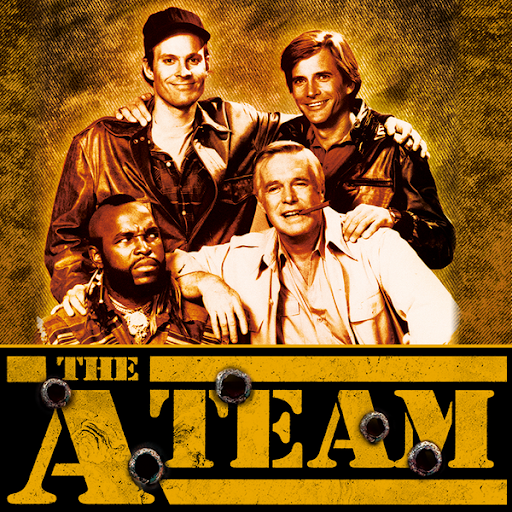
The A-Team crashing into the top tier in its first season tells you almost everything you need to know about 1983 television. This was big, loud, hyper-stylized action TV built for instant recognition. Four ex-soldiers, one van, one impossible mission, a mountain of explosions, and enough attitude to power an entire decade — it was practically engineered to become a phenomenon.
What made the show feel fresh in 1983 was how aggressively it embraced its own comic-book energy. The action was oversized, the heroes were larger than life, and the violence somehow stayed in that impossible TV zone where everything blew up but most people emerged more rattled than ruined. George Peppard brought old-school lead gravitas as Hannibal, while Mr. T turned B.A. Baracus into an icon almost immediately. The show did not ask for subtlety. It asked whether you liked cool people doing ridiculous things in a black-and-red van. America answered yes.
In the 1983 lineup, it marks a genuine tonal shift. A lot of earlier top-10 TV was grounded in sitcom ensembles, soaps, or journalism. The A-Team represented the rise of high-concept action branding — a show that felt built not just to succeed, but to become part of playground mythology.

By 1983, The Love Boat was no longer the hot upstart of ABC’s weekend lineup. It was something arguably harder to achieve: an institution. Viewers knew exactly what the show was going to deliver — romance, comedy, guest stars, mild melodrama, and the warm reassurance that the Pacific Princess would somehow solve everybody’s emotional mess before the credits rolled.
What makes the 1983 version of the show worth emphasizing is its reliability as comfort television. In a period where prime time was getting glossier, more aggressive, and more obsessed with cliffhangers or attitude, The Love Boat kept thriving by offering the opposite: a friendly, self-contained world where the conflicts were temporary and the vibes were immaculate. Captain Stubing and the crew gave the series its familiar anchor, while the rotating parade of guest stars made it feel fresh without ever truly changing the formula.
For Gen X viewers, the appeal of The Love Boat was often less about any individual plot and more about the atmosphere. It felt like TV vacation mode. Even if you didn’t care about cruise ships in real life, the show sold the fantasy that every week came with a new destination, a new cast of lovable weirdos, and at least one story your parents were more invested in than they wanted to admit.
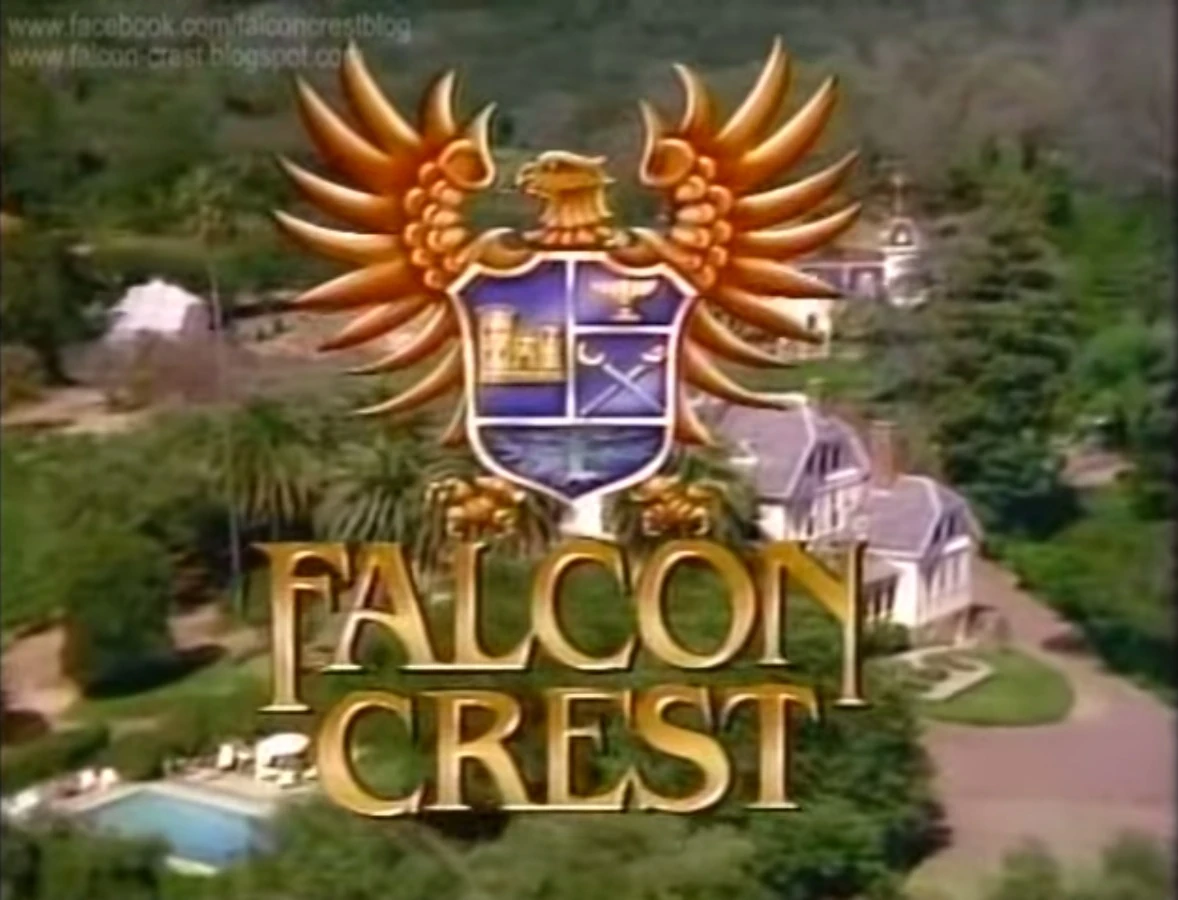
If Dallas owned the oil-money end of prime-time soap warfare, Falcon Crest was one of the clearest signs that the format had become contagious. Set in California wine country, the series wrapped family conflict, ambition, inheritance fights, and glamorous nastiness inside a more vineyard-soaked visual package, then let viewers decide which rich people they hated most.
What makes Falcon Crest feel specifically 1983 is how fully it embraced the second-wave prime-time soap boom. By this point, audiences had learned to love serialized wealth-driven drama, and the networks were happy to supply more of it. The show’s strength came from its mix of setting and scheming. California wine country gave it a different texture than the Texas power games of Dallas, but it was still built on the same satisfying engine: family tension, strategic betrayal, old resentments, and the knowledge that nobody at the top of the food chain was entirely trustworthy.
Falcon Crest shows how the decade’s television success stories were becoming ecosystems. One hit didn’t just stay a hit. It created appetite for cousins, competitors, and imitators.
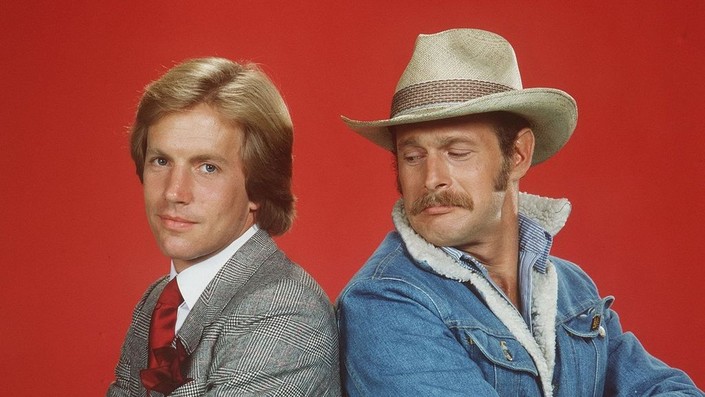
Simon & Simon landing at #7 shows how strong the private-eye and buddy-investigator lane still was in 1983, especially when a show found the right personality split. The series followed brothers Rick and A.J. Simon, whose differences were the whole point. One was more polished and conventional, the other more scruffy and instinctive, and that friction gave the show its weekly spark.
What makes the show feel different from a lot of the earlier titles in this series is tone. Simon & Simon lived in that likable zone between procedural, comedy, and brotherly annoyance. It was not as broad as a sitcom, not as self-consciously stylish as some action shows, and not as melodramatic as the soaps. Instead, it offered viewers a case-of-the-week structure with just enough character texture to keep things warm and fun.
That matters because the year was not made entirely of glossy excess and giant concepts. Not everything in America’s top 10 was flashy excess. Some of it was simply very good weekly television built around appealing leads, solid structure, and enough chemistry to turn another detective case into a habit.
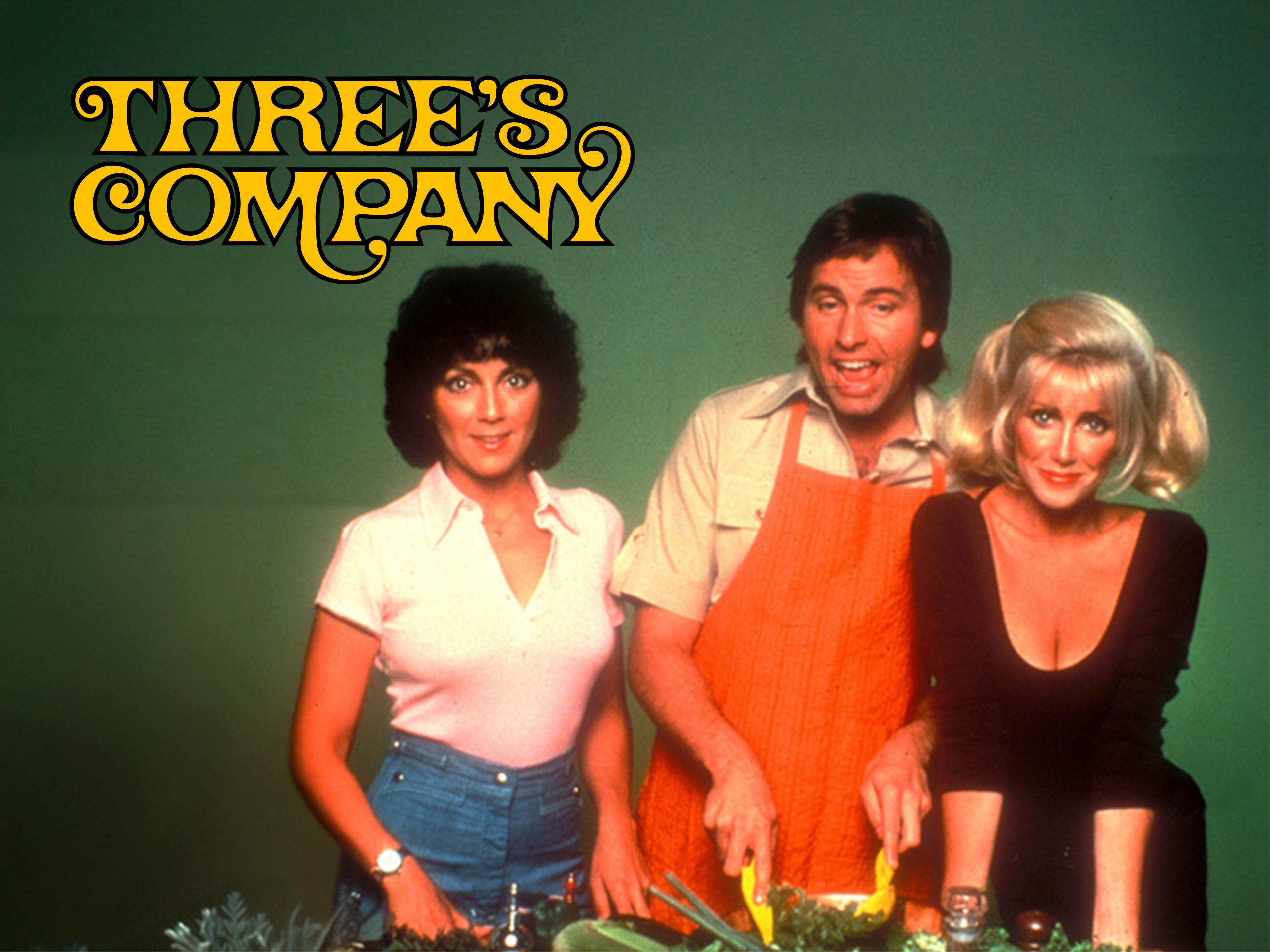
In 1983, Three’s Company was doing something fascinating: surviving long enough to become a veteran hit without losing the core appeal that made it famous. At this point it was no longer just “that risqué roommate sitcom.” It was one of the defining comedy brands of the era, still capable of drawing huge audiences even as television around it continued to evolve.
The staying power came from craft as much as premise. The show’s misunderstandings, double meanings, fake explanations, and escalating panic were all classic farce mechanics, but those mechanics only worked because John Ritter was brilliant at making them look spontaneous. He could turn a simple misunderstanding into a full-body emergency. The apartment setting, the landlords, and the whole orbit of Jack Tripper’s social acrobatics had by now become a universe viewers knew intimately.
Its real 1983 story is durability. Plenty of sitcoms hit big for a moment. Fewer remain near the top once the novelty wears off. Three’s Company was still doing huge business because it understood rhythm, star power, and the age-old truth that audiences will keep coming back if you can make chaos look graceful.
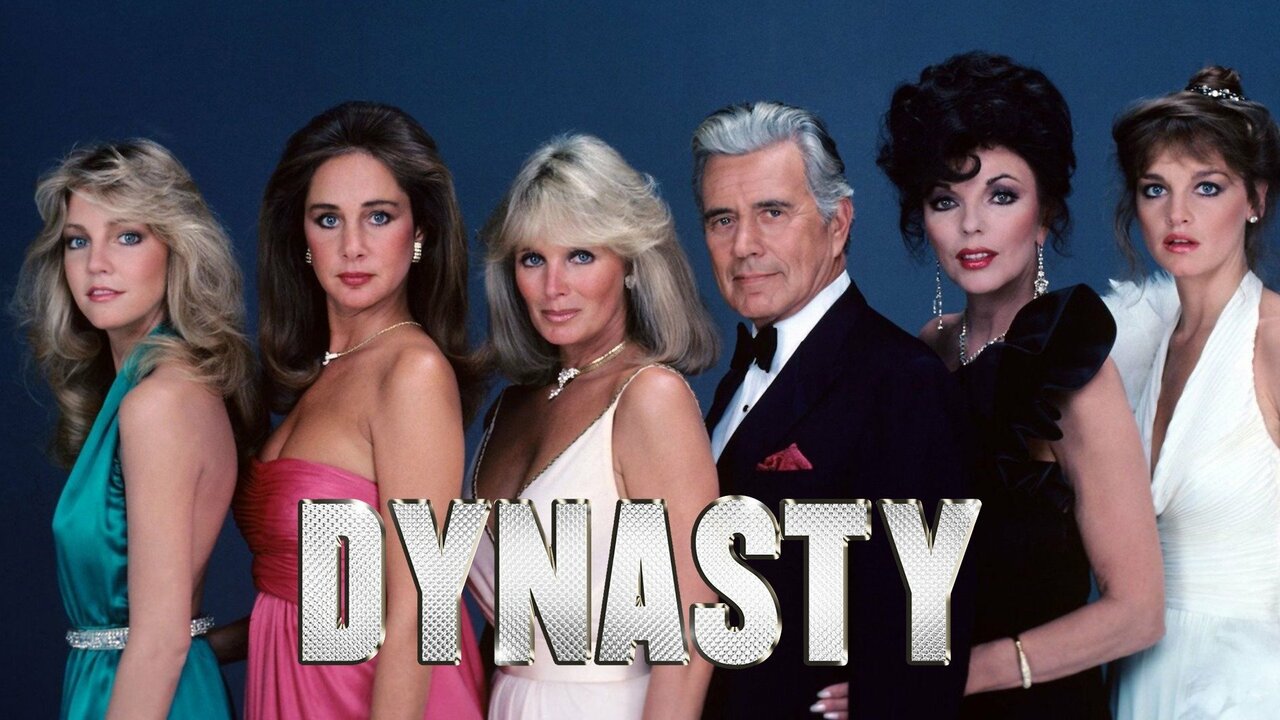
Dynasty hitting the top five in 1983 is one of the clearest signs that television had fully embraced glamour warfare as a national pastime. If Dallas turned wealthy family conflict into addictive TV, Dynasty took that formula, added more shine, more style, more visual attitude, and enough over-the-top elegance to make every confrontation look like it should be taking place near a chandelier.
What made Dynasty feel distinct was not just the money. It was the display of money. The clothes, the interiors, the posture, the image management — the show understood that power on television is often a matter of presentation. Characters were not merely rich; they were performing wealth, and the audience was invited to enjoy both the fantasy and the backstabbing that came with it. That combination made it one of the decade’s defining style engines.
By 1983, Dynasty marked the point where television excess became even more self-conscious. The early 80s were no longer just about stories. They were about image, and Dynasty knew how to weaponize image better than almost anything else on the schedule.
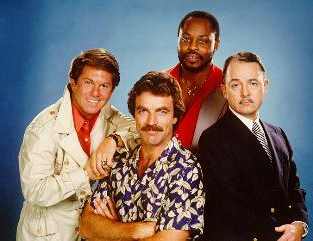
Magnum, P.I. tying for the third-highest rating in the country is one of the most 1983 things on this list. The show had style, confidence, tropical visual identity, and a lead whose mustache probably had more brand value than some entire network lineups. Tom Selleck’s Thomas Magnum was charming, competent, slightly chaotic, and impossible to confuse with anybody else on television.
Set in Hawaii, the show used the private-investigator format as a delivery system for a much broader fantasy: a little danger, a little comedy, a little mystery, a lot of scenery, and a hero who looked as if he had discovered the exact right ratio of cool to effortlessness. That mattered in 1983 because television was becoming increasingly image-driven, and Magnum, P.I. absolutely understood the assignment.
What keeps it from feeling shallow is that the character relationships gave it warmth. Magnum was not floating in a vacuum. Higgins, T.C., and Rick helped make the world feel specific and personal, which is a big part of why the show connected so strongly. For a Gen X audience, this is one of those series that instantly evokes a whole vibe, not just a plot.
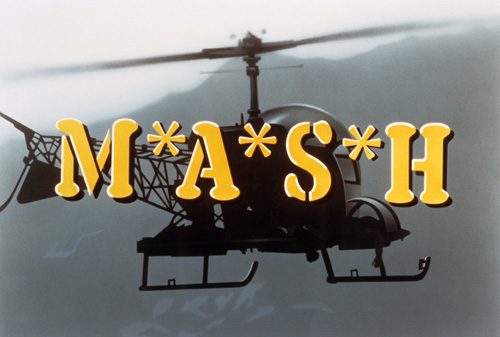
If 1983 gave M*A*S*H a slightly different feeling from earlier years, it is because by this point the show was no longer just an enduring hit. It was approaching the end of something major. That gave the series an extra layer of cultural weight. Audiences were not simply tuning in out of habit; they were increasingly aware that one of the defining programs of the era was entering its final act.
The show’s long-term greatness came from its refusal to simplify itself. It was funny, yes, but its comedy was always shadowed by pressure, grief, absurdity, and the moral exhaustion of working inside a war zone. Hawkeye Pierce remained the emotional and philosophical center because Alan Alda could make irreverence, pain, wit, and compassion all seem like parts of the same person rather than separate settings on a character dial.
In a 1983 context, M*A*S*H represents prestige before television spent decades overusing that word. It was critically respected, emotionally intelligent, and still a massive ratings draw. That combination is rare in any era, and even rarer in network prime time.
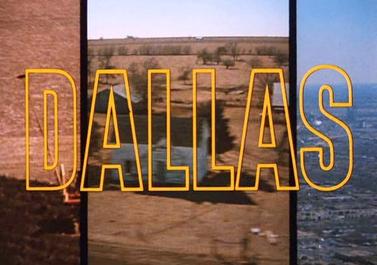
By 1983, Dallas was no longer just a hit. It was a standard. Other shows were now measured against the kind of prime-time dominance it had made possible. That alone makes its #2 finish impressive, because it was no longer carrying the advantage of novelty. It was carrying the burden of being the show everyone else wanted a piece of.
The reason it remained so powerful was momentum. Dallas understood serialized appetite better than almost anything else on TV. Every marriage, business deal, sibling rivalry, and strategic smile felt like setup for future damage. J.R. Ewing stayed at the center because he made viewers complicit in the fun. He was selfish, manipulative, and almost impossible to resist as a screen presence. Larry Hagman knew exactly how to make a monster charismatic without ever softening him into a hero.
For 1983 specifically, the show also matters because its influence was everywhere. You can feel Dallas echoing through the rest of the list — especially in the rise of other glamorous conflict-driven dramas. It was still near the top because it had built the lane and still knew how to drive in it better than most of its imitators.
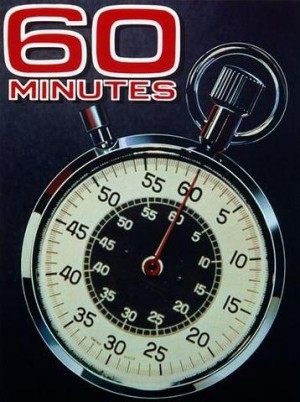
The biggest show tied to 1983 was 60 Minutes, and that fact remains one of the most revealing things about the network era. In a landscape full of glossy soaps, action fantasies, and star-driven escapism, a serious newsmagazine still topped the chart. That is not a quirky trivia nugget. That is a statement about what television audiences once expected prime time to be capable of.
The show’s dominance came from credibility and craft. It did not simply present information; it packaged serious reporting in a form that felt urgent, watchable, and culturally important. Interviews mattered. Investigations mattered. Correspondents mattered. The program had authority, but it also had pace, confidence, and the kind of editorial polish that made viewers treat it as required viewing rather than medicine.
It also keeps the memory of 1983 television honest. The early 1980s were not only about pop spectacle. They were also about the continued power of journalism in mass culture. 60 Minutes hitting #1 in the 1982–83 season is a reminder that millions of viewers still turned up for substance when it was delivered well enough.
The top TV shows of 1983 capture a television industry becoming more conscious of image and identity. 60 Minutes had the stopwatch and authority. Dallas had J.R. and the oil empire. Magnum, P.I. had Hawaii, the Ferrari and the mustache. Dynasty had shoulder pads and chandelier-level conflict.
At the same time, M*A*S*H was ending a landmark run, Three’s Company remained a comedy machine, The Love Boat kept selling comfort and The A-Team arrived looking like it had already been turned into a toy aisle.
For Gen X, these programs announced themselves before the opening credits finished. The theme, the silhouette, the vehicle or one familiar face could tell you exactly what kind of night the family television was about to deliver.
Television shared the year with Thriller, Return of the Jedi, Cabbage Patch chaos, breakdancing, Mr. T mania and an MTV-driven pop explosion.
Michael Jackson, David Bowie, Eurythmics and every song that reached number one during the year.
Watch the Countdown → MusicThe Billboard year-end hits that made MTV-era pop feel bigger, sharper and fully visual.
Explore the Songs → MoviesReturn of the Jedi, Flashdance, Trading Places and peak early-80s movie energy.
Explore the Movies → ToysCabbage Patch Kids, He-Man, Care Bears, Atari and one of the decade’s most dangerous Christmas lists.
Explore the Toys → FadsBreakdancing, Mr. T mania, Valley Girl talk, Swatches, Jellies and Jheri curls.
Explore the Fads → The Full DecadeMusic, movies, toys, television and the rest of the decade’s Gen X pop-culture overload.
Enter the 80s →Move through the decade one Nielsen season at a time, from 1980’s network comfort to the shifting prime-time landscape at the end of 1989.
Clear answers about the 1982–83 Nielsen season, the tie at third, The A-Team’s tenth-place tie and CBS’s dominance.
60 Minutes ranked number one during the 1982–83 Nielsen television season with a 25.5 rating.
The top five positions were 60 Minutes, Dallas, the third-place tie between M*A*S*H and Magnum, P.I., and Dynasty at number five.
Yes. Both programs earned a 22.6 Nielsen rating and officially shared third place during the 1982–83 season.
The A-Team and Monday Night Football both earned a 20.1 rating and tied at number ten overall. This entertainment- show countdown uses The A-Team while clearly noting the tie.
Network television popularity was measured by season, not by January-through-December calendar year. The season ending in 1983 is therefore the standard reference.
CBS dominated the top of the ranking with 60 Minutes, Dallas, M*A*S*H, Magnum, P.I., Simon & Simon and Falcon Crest.
New articles, countdowns, videos and whatever other corner of the Gen X television schedule gets unlocked next.