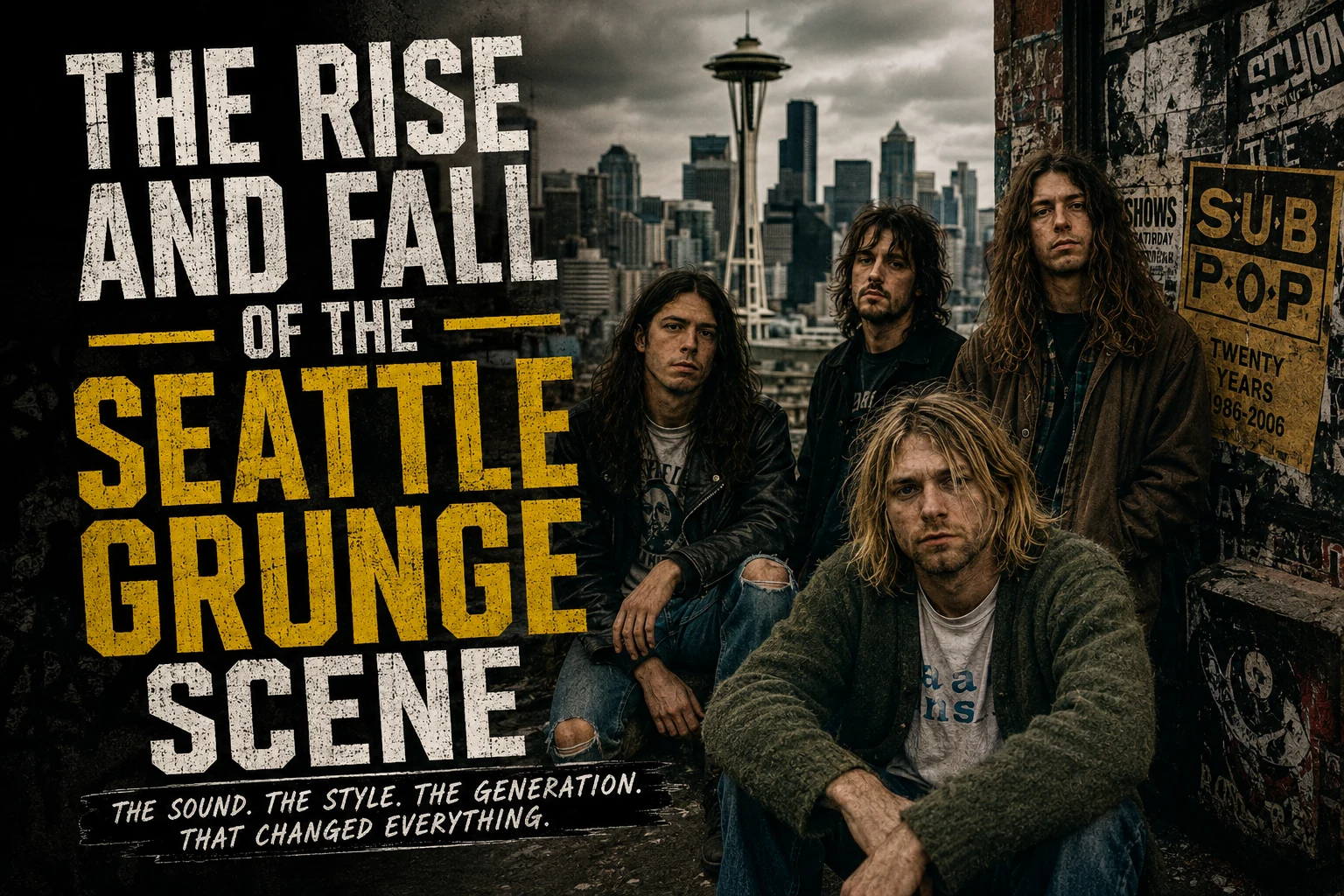
The Rise and Fall of the Seattle Grunge Scene
Before grunge became a word every network news anchor could say with mild confusion, it was a local Seattle mess: cheap gear, loud rooms, rainy-city boredom, punk attitude, metal weight, thrift-store clothes, photocopied zines, college radio, basement shows, broke musicians, and bands who looked like they had absolutely not planned to become the face of an entire decade.
Then the door blew open. Nirvana detonated the mainstream. Pearl Jam turned grunge into communal catharsis. Soundgarden made it heavy, weird, and art-metal dangerous. Alice in Chains dragged the darkness into the center of rock radio. MTV, major labels, magazines, fashion brands, copycats, and mall stores all showed up like somebody had yelled “free flannel” into a megaphone.
What Was the Rise and Fall of the Seattle Grunge Scene?
The Seattle grunge scene rose from a messy local underground in the 1980s and early 1990s, then exploded nationally when Nirvana, Pearl Jam, Soundgarden, and Alice in Chains turned Seattle’s heavy, punk-influenced sound into the center of 90s rock culture. Its fall came from fame, tragedy, oversaturation, major-label pressure, media simplification, fashion commercialization, and the fact that a real local scene could not survive unchanged once the entire entertainment industry tried to package it.
Grunge did not begin as a single clean sound. It was a collision: punk’s suspicion of polish, metal’s weight, garage rock’s mess, classic rock’s muscle, hardcore’s volume, indie-rock economics, and the kind of Pacific Northwest isolation that makes people start bands because there is only so much rain a person can stare at before buying a distortion pedal.
- Before the boom, Seattle had bands like Green River, the Melvins, Soundgarden, Mudhoney, TAD, Screaming Trees, Mother Love Bone, and early Nirvana building the foundation.
- Sub Pop helped package the sound and myth, turning local noise into a recognizable regional identity.
- 1991 changed everything when Nevermind, Ten, and Badmotorfinger pushed Seattle into the national rock conversation.
- The Singles soundtrack helped turn Seattle into something fans outside Washington could hold in their hands.
- MTV and modern rock radio turned grunge from a local scene into a mainstream visual and musical language.
- Flannel and thrift-store style were swallowed by fashion culture, turning anti-style into a costume.
- The fall came when the scene became too famous, too marketable, too tragic, and too imitated to remain what it had been.
Need the Bigger Grunge Map?
This is the Seattle scene story. For the full visual command center, jump to the 90s Alternative & Grunge Hub. For the big editorial story of the whole movement, go to the 90s Alternative & Grunge pillar post.
Before the Boom: Seattle Was Not Trying to Be Cool
The funniest thing about Seattle becoming the center of rock culture is that it did not begin as some polished master plan. There was no boardroom where a bunch of guys in expensive shoes decided, “Gentlemen, the future is damp.” Seattle’s grunge scene came from a place that felt geographically and culturally removed from the major music-industry centers. It was not Los Angeles. It was not New York. It was not Nashville. It was a city with rain, isolation, cheap rooms, working-class grit, weird art kids, metal fans, punk lifers, record-store obsessives, and a local scene that had time to mutate away from the spotlight.
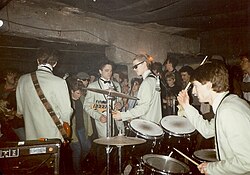
That distance mattered. When a scene grows far enough from the main industry machine, it can become strange before anyone tries to make it useful. Seattle bands did not have to look like Sunset Strip bands. They did not have to sound like glossy radio. They could be too heavy for indie rock, too punk for metal, too ugly for pop, too sarcastic for classic rock nostalgia, and too suspicious of everything to become easily promotional.
Grunge did not show up fully formed. It was a slow, messy blending of local ingredients. Punk gave it a distrust of rock-star polish. Metal gave it weight. Hardcore gave it volume and aggression. Garage rock gave it dirt. Classic rock gave some of the bands a sense of riff and scale. The Pacific Northwest gave it weather, isolation, thrift-store practicality, and the kind of boredom that does not produce polite music.
Before the mainstream noticed, this was not “the Seattle sound” in the way magazines would later describe it. It was just bands trying to be loud, strange, funny, heavy, miserable, or all of those things at once. There were overlapping crowds, shared members, local clubs, small labels, cheap recordings, and a sense that the music did not need to explain itself to the rest of America.
That is why the early scene matters so much. Once grunge became mainstream, everyone wanted the simplified version: flannel, distortion, sad dudes, rainy city, done. But the real pre-boom scene was more interesting. It had humor. It had ugliness. It had ambition and anti-ambition. It had bands that were serious and bands that were ridiculous. It had people building a sound before anyone realized the sound could be sold back to every teenager with a mall nearby.
Seattle was far enough from the industry center to grow weird before the machine arrived with a clipboard.
Grunge mixed punk suspicion, metal heaviness, garage mess, indie economics, and classic-rock muscle.
Thrift-store layers and flannel made sense before fashion magazines pretended they had discovered sleeves.
The bands existed before “grunge” became a national shorthand and a marketing category. grunge fashion and flannel how grunge killed hair metal
Clubs, Record Stores, Zines, College Radio and the Pre-Internet Grind
The Seattle grunge scene grew in a world where music discovery was physical, local, and annoyingly inconvenient in a way that somehow made it feel more meaningful. There was no algorithm politely recommending “because you listened to emotional sludge at 2:13 a.m.” You found bands through flyers, zines, college radio, friends, opening acts, record-store clerks, dubbed tapes, local shows, and the one person in every group who somehow knew about a band six months before everyone else and acted like that was a moral achievement.
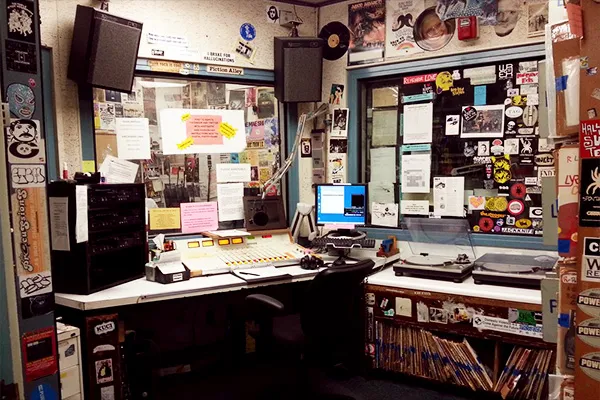
Clubs mattered because scenes need rooms. Not perfect rooms. Usually not even good rooms. Just rooms loud enough, cheap enough, weird enough, and tolerant enough to let bands become themselves in public. Seattle had those spaces. Bands could share bills, swap members, test songs, annoy people, build followings, and learn what worked without being immediately processed by a national audience.
Record stores mattered because they were information centers disguised as retail. You could discover music through album covers, staff picks, overheard arguments, imports, flyers, and the sacred ritual of pretending you had more money than you did. A record-store recommendation in 1989 carried more weight because there was risk involved. You might buy the wrong thing. You might blow your limited cash on a record that sounded like a garbage disposal losing a fight. Or you might find the band that changed your whole internal weather.
Zines mattered because they gave the scene its own voice before mainstream media arrived with the usual toolbox of misunderstanding. Photocopied pages, local reviews, interviews, show listings, sarcastic commentary, and ugly layouts helped create a sense of community. It was messy, direct, and very far from the polished nostalgia filter that would later turn the entire era into a mood board.
College radio and independent stations mattered because they gave strange music oxygen. A band did not need a corporate radio campaign to get heard locally. It needed the right DJ, the right show, the right listener taping something off the air, and the right friend saying, “You need to hear this,” which was the pre-internet version of a push notification except with more static and worse handwriting.
That slow discovery process shaped how grunge felt. It made music tribal. It made knowledge valuable. It made a band’s name on a flyer feel like a clue. By the time MTV turned Seattle into a national visual language, the local scene already had years of real-world infrastructure underneath it.
Sub Pop and the Art of Turning Local Noise Into Myth
Sub Pop did not invent Seattle’s heavy underground, but it helped give the outside world a way to see it, hear it, and misunderstand it at scale. Founded by Bruce Pavitt and Jonathan Poneman in 1988, the label became closely tied to early releases by Nirvana, Mudhoney, Soundgarden, TAD, and the broader grunge movement. That association mattered because scenes do not become mythology through music alone. They need stories, images, labels, jokes, branding, records, photos, and somebody willing to sell the chaos with just enough confidence to make people believe the chaos had a name.
Sub Pop understood regional identity. That was part of the genius. Seattle was not just a place where bands happened to live. It became a sound, a mood, a logo, a threat, and a joke with distortion. The label leaned into the idea that something was happening in the Northwest. It was not subtle, but subtlety was not the assignment. The goal was to make distant listeners, journalists, and record buyers believe Seattle had a scene worth chasing.
The early Sub Pop image was scrappy but clever: black-and-white photos, heavy local bands, deliberate regional attitude, and enough self-awareness to keep the whole thing from feeling like a corporate campaign. The label could hype the scene while also mocking the hype. Very Gen X, obviously. Sell the thing, roll your eyes while selling it, and make everyone wonder whether they were in on the joke or part of it.
Mudhoney became central to that early Sub Pop identity. “Touch Me I’m Sick” sounded like the scene coughing directly into the microphone. It had fuzz, attitude, humor, ugliness, and the kind of title that made parents wonder if rock music had finally stopped pretending to be healthy. Mudhoney never became the biggest grunge band commercially, but they were crucial to the scene’s DNA because they captured the sound before it had been cleaned up for wider consumption.
Nirvana’s Bleach also mattered as a Sub Pop document. Before Nevermind turned Nirvana into the band that changed everything, Bleach placed them inside the heavier, rougher underground context. That early sound was sludgier, cheaper, and more tied to the local ecosystem than the later mainstream breakthrough. It is part of why the Nirvana story cannot be separated from the Seattle and Sub Pop story, even though their fame quickly became much bigger than both.
Sub Pop’s role in the rise of grunge is complicated in the best way. The label promoted the scene, shaped the myth, benefited from the attention, and helped preserve the early sound. It also became part of the story of how underground culture gets packaged. That tension is not a flaw. It is basically the whole grunge story in miniature: real local energy meets self-aware hype, then the world shows up and takes the joke very seriously.
The label helped turn local Seattle noise into a recognizable Northwest identity.
Mudhoney sounded like the scene before it had been cleaned up, softened, or explained by people in nicer jackets.
Nirvana had underground roots. Before NevermindBleach connected Nirvana to the heavier, rougher Sub Pop world before the major-label explosion.
The label sold the scene while also mocking the idea of selling the scene, which is painfully on-brand. 25 essential grunge songs how Nirvana changed 90s music
The Pre-Boom Family Tree: Green River, Mudhoney, Mother Love Bone and More
The Seattle grunge scene makes more sense when you stop treating it as four giant bands suddenly falling out of the sky in 1991. The Big 4 mattered, obviously, but they came out of a tangled family tree of earlier bands, shared members, dead ends, side projects, friendships, rivalries, grief, and accidents. The scene was not a straight line. It was a pile of cables behind a stereo system nobody wanted to untangle because the music was still playing.
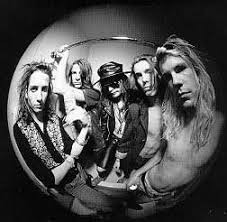
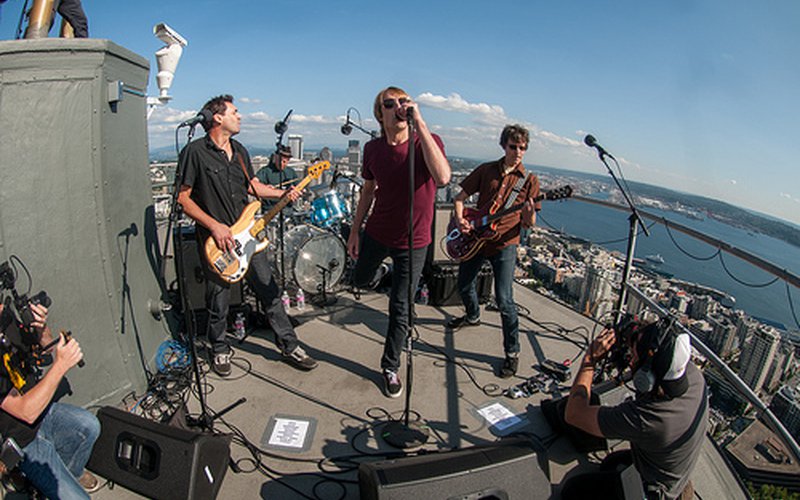
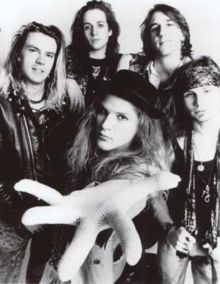
Green River is one of the key names in that family tree. The band did not become a massive mainstream act, but its members fed directly into later Seattle history. Mark Arm and Steve Turner went on to Mudhoney. Stone Gossard and Jeff Ament became part of Mother Love Bone and then Pearl Jam. That makes Green River less like a finished destination and more like an early fault line where multiple futures split apart.
Mudhoney became the band that carried the raw Sub Pop spirit most clearly. They had the humor, the fuzz, the looseness, the sneer, and the refusal to become easily heroic. If later grunge sometimes got heavy with tragedy and mythology, Mudhoney kept the garage-punk filth alive. They were essential because they sounded like the joke and the threat at the same time.
Mother Love Bone represented a different possibility. With Andrew Wood at the front, the band had glam, personality, melody, and ambition. They were connected to the Seattle scene, but they also pointed toward a more theatrical and emotionally open version of rock. Wood’s death in 1990 became one of the scene’s defining early tragedies, and the grief around it shaped Temple of the Dog and the path toward Pearl Jam.
The Melvins also belong in the foundation because their slow, heavy, sludgy approach influenced the environment Nirvana and others emerged from. They were not grunge in the later MTV sense, but they were part of the region’s heavy underground vocabulary. Their influence is especially important because it reminds us that grunge’s heaviness did not come from nowhere. It had roots in sludge, punk, metal, and noise.
Screaming Trees added another layer: psychedelic, rootsy, heavier than college rock, and fronted by Mark Lanegan’s deep, sandpaper voice. They were from Ellensburg rather than Seattle proper, but they were part of the broader Northwest ecosystem. Their story shows that the “Seattle scene” was really a regional network, not a neat city-limit box with a flannel dress code at the door.
TAD brought sheer physical heaviness and Sub Pop ugliness to the mix. They were part of the early label identity and the sound of grunge before it became marketable. They also remind us that for every band that became a household name, there were crucial scene bands that shaped the atmosphere without becoming the face on every magazine cover.
Temple of the Dog sits at the emotional center of the family tree. Formed as a tribute to Andrew Wood, it brought together Chris Cornell, members connected to Mother Love Bone, future Pearl Jam musicians, and Eddie Vedder before Pearl Jam had fully become Pearl Jam. It was not just a side project. It was a bridge between grief, friendship, and the next stage of the Seattle explosion.
An early Seattle band whose members helped lead toward Mudhoney, Mother Love Bone, and Pearl Jam.
The raw, funny, noisy Sub Pop band that captured grunge before it became polished mythology.
A glam-tinged, melodic Seattle band whose story shaped Temple of the Dog and Pearl Jam.
A crucial heavy underground force whose slow, crushing sound influenced the broader Northwest scene.
A Northwest band that brought a deeper, rootsier, more psychedelic shade to the alternative-rock explosion.
A tribute project that connected Soundgarden, Mother Love Bone, and the future Pearl Jam story. Big 4 of Grunge Pearl Jam’s grunge story
Temple of the Dog and the Grief Before the Explosion
Temple of the Dog is one of the most important emotional bridges in the Seattle story. It sits between Mother Love Bone, Soundgarden, and Pearl Jam, but it also sits between the local scene and the mythology that followed. Before the mainstream turned grunge into a generational headline, the scene had already experienced loss. Andrew Wood’s death in 1990 was not a footnote. It changed the people around him and became part of the emotional weather of what came next.
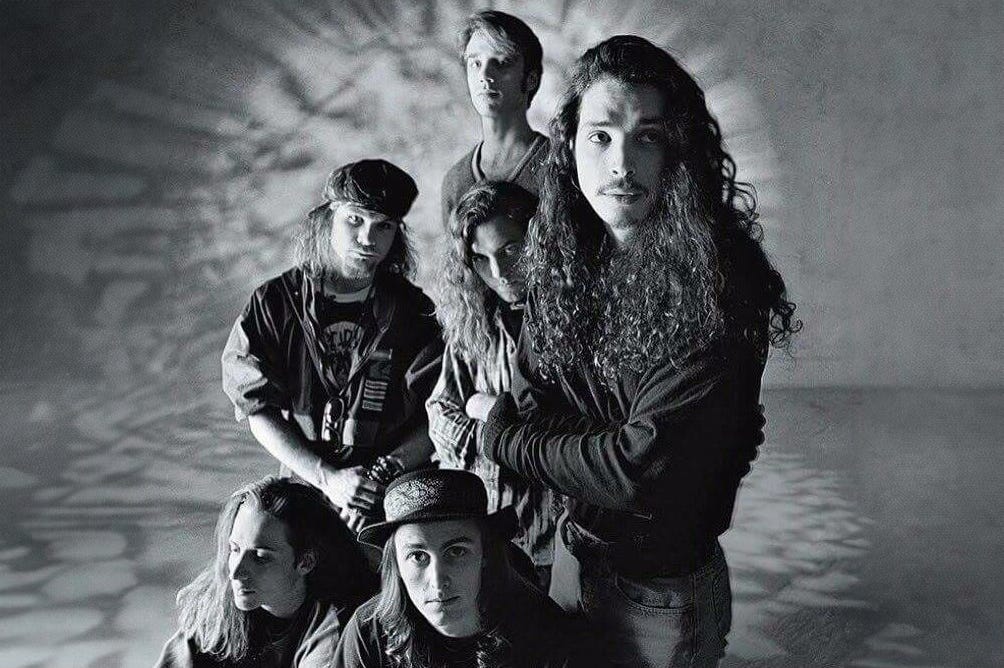
Chris Cornell wrote songs in response to that grief, and Temple of the Dog became the vehicle for them. The project included Cornell, Soundgarden drummer Matt Cameron, and musicians connected to Mother Love Bone and the soon-to-form Pearl Jam: Stone Gossard, Jeff Ament, Mike McCready, and Eddie Vedder. That lineup alone makes Temple of the Dog feel like a ghostly crossroads in Seattle history.
The album did not initially arrive as a giant mainstream event in the way later grunge records would. Its later significance grew as the members became famous through Soundgarden and Pearl Jam. That delayed recognition makes it feel even more powerful. Temple of the Dog was not a calculated supergroup cash-in. It was grief before the gold rush.
“Hunger Strike” became the song most casual listeners remember, partly because Cornell and Vedder’s voices together feel like two different Seattle futures sharing the same room. Cornell sounds huge, soulful, and mournful. Vedder enters with that raw, earthy presence that would soon define Pearl Jam. Hearing them together now feels like watching the decade take shape in real time.
Temple of the Dog matters because it reminds us that the Seattle scene was human before it was iconic. These were not just band logos and album covers. These were friends, losses, tributes, rehearsals, grief, and the complicated intimacy of a local music community before the world arrived and started calling everything “grunge” like it had solved a puzzle. Soundgarden’s heavy, weird side Pearl Jam’s other side of grunge
How the Big 4 Broke Through in Four Different Ways
The easiest way to misunderstand the Seattle grunge scene is to treat the Big 4 of Grunge as interchangeable. They were not. Nirvana, Pearl Jam, Soundgarden, and Alice in Chains all came from the same broader moment, but each band broke through differently, sounded different, handled fame differently, and gave the decade a different emotional language.
Nirvana became the rupture. When Nevermind exploded, it did not just make one band famous. It changed what the industry believed could sell. “Smells Like Teen Spirit” turned underground-derived alternative rock into a mainstream emergency. Suddenly, the old hierarchy looked unstable. Hair metal looked ridiculous. Major labels started sniffing around anything with distortion and regional credibility. Every A&R department in America seemed to develop a sudden interest in damp weather.
Pearl Jam became the catharsis. Ten made grunge feel huge, emotional, and communal. Pearl Jam were less punk detonation than arena-sized release. Their songs gave listeners something to shout, feel, and carry. They also became the band that wrestled most visibly with fan loyalty, ticketing battles, fame, and the question of how to remain connected when success becomes a machine.
Soundgarden became the heavy weirdness. They brought Sabbath-sized riffs, odd time signatures, art-metal intelligence, and Chris Cornell’s impossible voice. They were one of the earliest Seattle bands to matter nationally, and their success showed that grunge could be technically strange, heavy, psychedelic, and still capable of producing a massive MTV hit like “Black Hole Sun.”
Alice in Chains became the shadow. They gave grunge its darkest, most metallic emotional weight. With Layne Staley and Jerry Cantrell’s harmonies, Dirt, Jar of Flies, “Man in the Box,” “Would?,” “Rooster,” and “Down in a Hole,” Alice in Chains made the movement feel haunted, heavy, and almost uncomfortably honest.
Together, the Big 4 made Seattle impossible to reduce. They shared geography, timing, and cultural atmosphere, but they did not share a single formula. That is why the movement hit so hard. It was not one band with three clones. It was four different versions of rock reality arriving at the same time and making the old mainstream look like a bad commercial.
1991: The Year Seattle Stopped Being a Secret
The Seattle grunge scene did not become famous in one day, but 1991 is the year the door stopped pretending it was closed. Pearl Jam released Ten. Nirvana released Nevermind. Soundgarden released Badmotorfinger. Those records did not all explode at the exact same speed, but together they made 1991 feel like the year the old rock order started losing its grip.
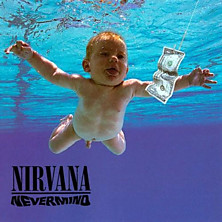
Nevermind became the cultural earthquake because Nirvana’s success was so unexpected and so visibly disruptive. “Smells Like Teen Spirit” was catchy enough for mass radio but still felt like a prank on the entire system. The video looked like a school assembly mutating into a riot. Kurt Cobain became a spokesperson for a generation partly because he clearly did not want the job, which of course made the media want to hand him an even larger microphone. Very efficient cultural punishment.
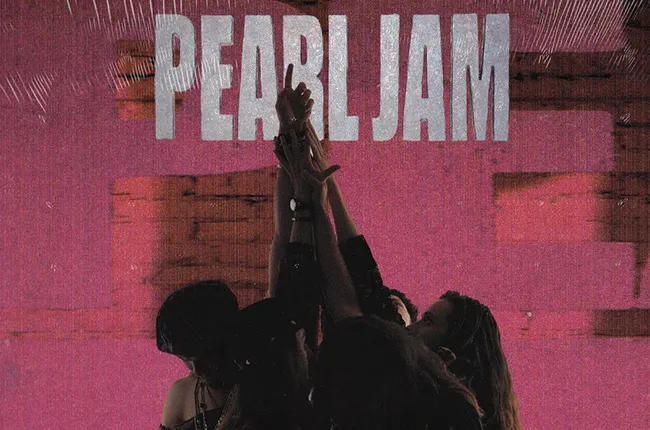
Ten took a different path. Pearl Jam did not detonate quite the same way at first, but the album kept building. “Alive,” “Even Flow,” “Jeremy,” and “Black” gave the band a deep emotional connection with listeners. Pearl Jam made grunge feel less like a blast of sarcasm and more like a communal reckoning. By the time their momentum fully caught fire, they were not just another Seattle band. They were a movement inside the movement.
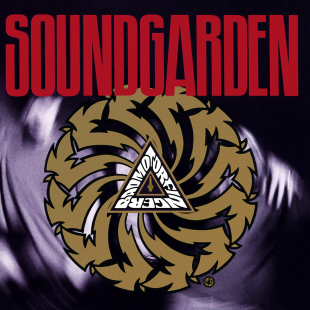
Badmotorfinger made Soundgarden impossible to dismiss as merely underground weirdos. The album was heavy, complex, and aggressive, with “Rusty Cage,” “Outshined,” and “Jesus Christ Pose” proving that Seattle’s rise was not only about punk-pop hooks or emotional arena rock. Grunge could be muscular, brainy, metallic, and strange without becoming old-school metal cosplay.
The broader music of 1991 was still full of other sounds, of course. Pop did not vanish. Hip-hop was moving. R&B was evolving. Metallica’s Black Album was enormous. But the rock narrative shifted because Seattle made the industry reconsider what young listeners wanted. The answer, apparently, was fewer glossy fantasies and more songs that sounded like someone had finally admitted the room was on fire.
That is why 1991 remains central to the rise of grunge. It was the year the underground became legible to the mainstream, and once that happened, there was no stuffing Seattle back into the basement.
The album that turned alternative rock into a mainstream emergency.
Ten Pearl JamThe slow-building emotional giant that made grunge feel communal and arena-sized.
Badmotorfinger SoundgardenThe heavy, weird, riff-driven record that showed the movement’s metallic muscle. best 90s grunge albums 25 essential grunge songs
1992: The Scene Becomes a National Identity
If 1991 was the explosion, 1992 was the year the smoke became a shape. Suddenly Seattle was not just producing bands. It was producing an identity. MTV was playing the videos. Magazines were writing the profiles. Major labels were searching for the next band with regional credibility. Teens nowhere near Washington were buying flannel, combat boots, and albums that made their parents wonder if everyone in the Pacific Northwest needed vitamin D.
Alice in Chains released Dirt in 1992, and it pushed grunge’s darkness into one of its most powerful forms. Dirt was not just heavy; it was haunted. The album dealt with addiction, shame, death, anger, trauma, and emotional collapse without sanding down the edges. It gave the grunge era one of its most unflinching documents.
The film Singles and its soundtrack also helped turn Seattle into a wider pop-cultural setting. The movie presented the city, the dating scene, the apartments, the clubs, the coffee, the bands, and the atmosphere to audiences who may not have understood the local reality but could understand the vibe. The soundtrack became a snapshot of the moment, pulling together Pearl Jam, Soundgarden, Alice in Chains, Mudhoney, Screaming Trees, Mother Love Bone, and more.
That soundtrack mattered because it made the Seattle scene portable. You did not need to live there. You could buy the CD and feel like you had a map, even if the map mostly led to emotional damage and excellent guitars. For fans outside the Northwest, Singles turned the scene into something they could hold in their hands.
Meanwhile, Pearl Jam’s Ten kept growing. Nirvana were already enormous. Soundgarden were gaining more attention. Alice in Chains had become unavoidable. Seattle was now a national mood, and once a local scene becomes a mood, every industry with a budget starts looking for a way to put that mood on a shelf.
This is where the rise starts to become dangerous. The scene’s success brought opportunity, money, audiences, and recognition. It also brought simplification. The more famous grunge became, the easier it was for outsiders to flatten it into a costume: flannel, angst, distortion, Seattle. That simplification helped sell the movement, but it also began to detach the image from the messy human scene that created it. 90s movie soundtracks and alternative rock Alice in Chains’ darkest sound
The Singles Effect: Seattle Becomes a Soundtrack
Singles did not create the Seattle scene, but it helped export the Seattle mood. Cameron Crowe’s film captured a version of the city at exactly the moment when the rest of America was becoming curious about what was happening there. The movie itself is a romantic comedy about young adults, apartments, relationships, and early-90s uncertainty, but its lasting cultural power comes from the way it wrapped Seattle music into a recognizable atmosphere.
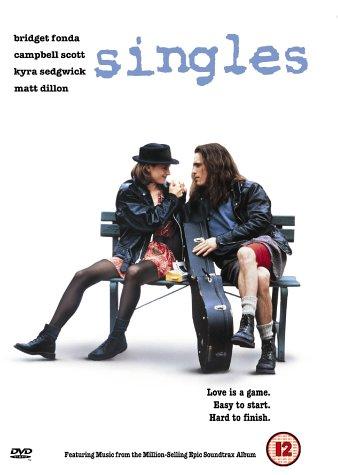
The soundtrack is the real time capsule. It includes major Seattle names and adjacent sounds, and it arrived when many of those bands were either breaking through or about to become much bigger. For listeners outside Seattle, the soundtrack functioned like a scene sampler. It put the bands into conversation with one another, even if the real local history was more complicated than a tracklist could explain.
“Would?” by Alice in Chains became one of the defining songs connected to the film. Pearl Jam members appeared in the movie as part of Citizen Dick, which is still one of the great fake-band jokes of the era because 90s irony required at least three layers and a flannel shirt. Soundgarden, Mudhoney, Screaming Trees, Mother Love Bone, and others helped give the soundtrack its regional weight.
The Singles effect matters because it shows how quickly a scene can become a cultural package. A local world of clubs, bands, grief, jokes, and friendships becomes an aesthetic. A city becomes a soundtrack. A soundtrack becomes a souvenir. A souvenir becomes mythology. And mythology, once sold, does not always ask permission from the people who lived it.
Still, the soundtrack remains essential because it captured something real, even if it also helped package it. That tension is pure grunge history. The scene was authentic. The packaging was real too. The moment lived in both places.
MTV and Modern Rock Radio Turned a Local Scene Into a National Mood
Grunge did not become a national force on sound alone. It became a national force because MTV and radio made it visible, repeatable, and unavoidable. The songs mattered first, obviously. But the videos gave the music a face, a wardrobe, a city, a lighting scheme, and a cultural posture. Once MTV got involved, Seattle was no longer only a place. It was something teenagers in every suburb could recognize from across the room.

Nirvana’s “Smells Like Teen Spirit” video became the definitive visual rupture: cheerleaders, gymnasium chaos, smoke, apathy, and a feeling that the school assembly had finally gone feral. Pearl Jam’s videos and live clips helped turn Eddie Vedder into one of the decade’s most intense frontmen. Soundgarden’s “Black Hole Sun” video made surreal suburban apocalypse into a mainstream image. Alice in Chains’ videos carried dread, symbolism, war memory, and darkness into heavy rotation.
This is why the MTV alternative rock takeover is inseparable from the Seattle story. MTV did not just play grunge. It helped translate it for a national audience. The camera made flannel, long hair, stage dives, thrift-store layers, and anti-glam body language feel like a new kind of rock truth.
Modern rock radio did its own version of the same work. It gave grunge a format, then helped turn that format into a broader alternative ecosystem. Songs by Nirvana, Pearl Jam, Soundgarden, Alice in Chains, Stone Temple Pilots, Smashing Pumpkins, R.E.M., Nine Inch Nails, and others started sharing space under the alternative umbrella. That helped the music spread, but it also turned “alternative” from a position outside the mainstream into a mainstream category. Very neat trick. Very suspicious. Very profitable.
The national mood shifted because grunge gave radio and MTV a new emotional palette. Rock could be angry without sounding cartoonish. It could be sad without becoming a power ballad. It could be sarcastic, heavy, wounded, sloppy, smart, ugly, melodic, and still commercially massive. The old rock-star fantasy suddenly looked like a commercial for cologne nobody wanted to smell.
But there was a cost. Once grunge became visible, it became copyable. Once it became copyable, it became marketable. Once it became marketable, the distance between real scene culture and packaged lifestyle started shrinking fast. 90s alternative videos on MTV 90s alternative songs that defined the decade
Flannel, Thrift Stores and the Moment Anti-Fashion Became Fashion
Nothing sums up the rise and fall of grunge quite like flannel. At first, the look was not a grand aesthetic manifesto. It was practical, cheap, regional, layered, and available. Seattle was not exactly begging people to dress like Miami Vice. Flannel, thermal shirts, thrift-store cardigans, boots, ripped jeans, old T-shirts, and unstyled hair made sense. It was working-class, local, weather-appropriate, and broke-kid realistic.
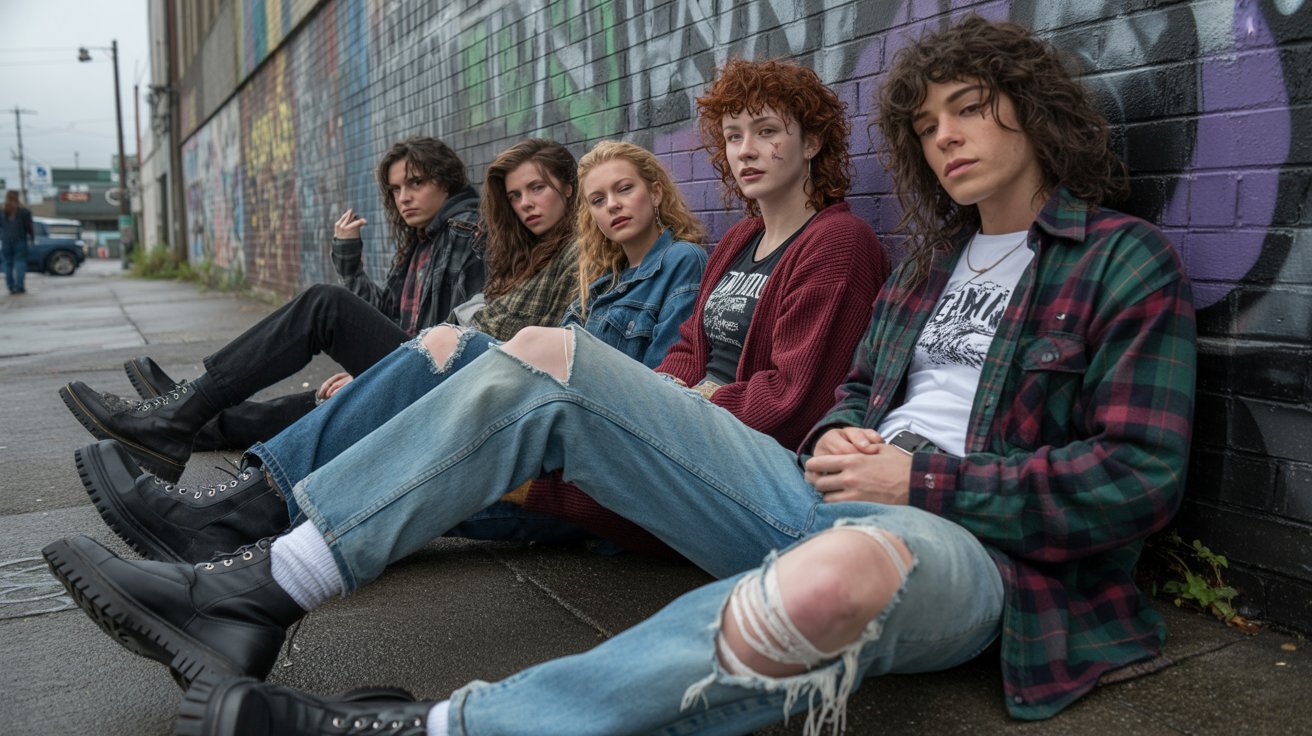
Then the cameras arrived. Suddenly the look became the look. Fashion magazines started explaining it. Stores started selling it. Designers started referencing it. Mall brands realized they could package anti-style as style and sell it at a markup. Nothing says “authentic outsider culture” like buying pre-distressed clothing under fluorescent lights next to an Orange Julius. Truly, the revolution had arrived.
The commercialization of grunge fashion is important because it shows how quickly authenticity can be flattened. The clothes originally signaled practicality and rejection of polish. Once sold back to the mainstream, they became a costume for rejection of polish. The difference is not small. One is lived; the other is purchased.
That does not mean everyone who wore flannel in 1993 was fake. Of course not. Fashion spreads because people see something that resonates and adopt it. The problem was not teenagers buying plaid shirts. The problem was the industry turning a local non-style into a trend narrative and pretending it had discovered a new youth tribe like it was studying wildlife.
That is why grunge fashion and flannel becoming a uniform deserve their own rewind. The look was part of the scene, but it also became one of the clearest examples of the scene being stripped for parts. The music had depth. The fashion industry saw layers. Literally.
Flannel and thrift-store clothes were cheap, regional, warm, and realistic before they became a national signal.
After the hype Mall grungeThe look became sellable once the mainstream realized anti-fashion could be fashion if priced confidently enough.
A style built from rejecting polish became a polished trend story. The decade was nothing if not committed to irony.
Flannel remains the lazy shorthand for grunge, even though the real scene was far more complicated than one shirt. grunge fashion and flannel becoming a uniform
The Fame Problem: When the Scene Became Too Big for the People Inside It
Fame did not just change the Seattle grunge scene from the outside. It put pressure on the people inside it. That pressure looked different depending on the band, but the pattern is obvious in hindsight: a local culture built on suspicion of mainstream polish suddenly became the mainstream. That is a deeply weird thing to survive.
Nirvana’s fame became almost unbearable because Kurt Cobain was turned into a generational symbol at a speed no one could reasonably process. The media wanted a spokesman. The industry wanted a product. Fans wanted meaning. Critics wanted interpretation. Cobain wanted, depending on the day, a lot of things that were not that. The mismatch between person and myth became one of the defining tensions of the decade.
Pearl Jam responded to fame by resisting parts of the machine. They pulled back from certain promotional expectations, fought ticketing battles, avoided easy video saturation after the early wave, and tried to define their relationship with fans on different terms. That made their path more difficult commercially in some ways, but it also deepened their identity as a band trying to protect something from the industry’s appetite.
Soundgarden had a different relationship with success. They had been around longer, had underground credibility, and broke through in a big way with Superunknown. Their fame felt less like sudden youth-culture martyrdom and more like the mainstream finally catching up to a band that had been weird for years. Still, even for them, success brought pressure, expectations, and the difficulty of following a massive record without becoming your own tribute act.
Alice in Chains carried fame into darker territory because their music was already tied to addiction, isolation, and emotional collapse. Their success did not make those themes safer. If anything, the contrast between mainstream visibility and internal struggle made the band’s story feel more painful. They were popular, but their songs never sounded like they had escaped the rooms they described.
Fame also changed the scene itself. Local bands became national stories. Private grief became public mythology. Clothing became costume. Clubs became landmarks. Journalists arrived with lazy questions. Major labels wanted the next Seattle band, then the next grunge-like band, then anything that could be sold as vaguely alternative with enough guitar noise.
The rise was thrilling, but it was not gentle. Scenes are not designed to carry that much weight. They are designed to let people make music, find community, and create meaning at human scale. The Seattle scene got pulled into a machine that wanted scale, and scale is not always kind to human beings. post-grunge and radio rock MTV Alternative Rock Takeover
The Tragedy Under the Myth
Any honest story about the rise and fall of the Seattle grunge scene has to talk about tragedy without turning it into a gloomy souvenir. The losses connected to the scene are real, and they should not be treated like edgy wallpaper for nostalgia. Andrew Wood, Kurt Cobain, Layne Staley, Chris Cornell, Mike Starr, Mark Lanegan, and others are part of the larger emotional history around this music. But the point is not to make a tragedy checklist. The point is to understand why the mythology feels so heavy.
The Seattle story was marked by grief before the mainstream fully arrived. Andrew Wood’s death in 1990 shaped Temple of the Dog and the emotional roots of Pearl Jam. Kurt Cobain’s death in 1994 became one of the defining cultural traumas of the decade and permanently changed how Nirvana’s music was heard. Layne Staley’s long struggle and death in 2002 deepened the haunting quality of Alice in Chains’ catalog. Chris Cornell’s death in 2017 added another devastating layer to Soundgarden’s legacy and the broader Seattle history.
These losses can make it tempting to describe grunge as doomed from the start, but that is too simple. The music was not powerful because people suffered. The music was powerful because talented people made extraordinary work in a scene that gave them room to sound honest, ugly, funny, heavy, strange, and human. The suffering is part of the history, but it should not swallow the artistry.
Still, the tragedy changed how the scene is remembered. Grunge nostalgia often carries a shadow that other 90s nostalgia does not. You can remember the fashion, the videos, the albums, the CD stores, the late-night MTV blocks, and the feeling of discovery, but underneath it is the knowledge that the story cost people something. The scene became myth partly because it burned bright, but also because so much of that brightness was tied to fragility.
That is why the fall of grunge cannot be explained only by trends changing. Yes, oversaturation mattered. Yes, post-grunge happened. Yes, the fashion moved on. But the emotional collapse of the myth mattered too. The scene that once felt like the antidote to fake rock started to feel like proof that authenticity itself could be consumed, pressured, and damaged. MTV Unplugged and the softer side of grunge
The Fall: How Grunge Burned Out, Got Copied and Became a Costume
The fall of the Seattle grunge scene was not one event. It was a slow pileup. Fame got too big. The media simplified everything. Major labels chased copies. Fashion turned anti-fashion into product. Tragedy reshaped the story. Bands changed, broke apart, resisted, disappeared, or moved on. The scene became a national brand, and once a scene becomes a brand, the original local energy has already been partly replaced.
One reason grunge fell is that it succeeded too well. The music that had made old rock polish look fake became the new commercial language. That meant the industry wanted more of it. Not necessarily more of the real scene, with its tangled relationships and inconvenient personalities. The industry wanted the usable parts: distorted guitars, serious faces, thrift-store clothes, emotional heaviness, and enough rebellion to sell but not enough to break the meeting.
That opened the door to copycats and post-grunge. Some later bands made good music. Some did not. The problem was not that influence spread; influence always spreads. The problem was that the surface became easier to copy than the substance. The low vocal tones, heavy guitars, angst, and seriousness could be replicated. The regional roots, community, humor, weirdness, and actual danger were harder to fake.
Another reason grunge fell is that the original bands were not designed to remain frozen. Nirvana ended. Pearl Jam changed their relationship with fame and moved into a long, evolving career. Soundgarden stretched into Down on the Upside and then broke up in 1997 before later reuniting. Alice in Chains became less active in the late 90s as internal struggles deepened. The Big 4 did not continue as a synchronized cultural wave because they had never actually been one.
The media also moved on because media always moves on. Once grunge had been explained, packaged, overexplained, mocked, imitated, and sold, it became less exciting as a headline. The industry needed the next thing. Britpop, pop-punk, nu metal, electronic music, teen pop, hip-hop’s expanding dominance, and post-grunge all shifted the late-90s landscape. The center could not hold because the center had never been stable.
But the biggest reason the scene fell is that local scenes are not meant to become national costumes. A real scene is made of specific people, places, economics, friendships, losses, jokes, rivalries, and rooms. A national costume is made of images. Seattle grunge became both. The real scene gave the world great music. The costume gave the world discount flannel and bad impressions.
A human-sized scene was pulled into a national industry machine that wanted repeatable product.
Later bands often borrowed the vocals, guitars, and seriousness without the local roots or weirdness.
Fashion ate the look. Mall flannelThrift-store practicality became a sellable aesthetic, which turned anti-style into style.
The original bands changed, resisted, broke apart, ended, or evolved beyond the first wave. post-grunge and radio rock 90s alternative one-hit wonders
Post-Grunge: When Alternative Became Radio Rock
Post-grunge is what happens when a musical revolution becomes a radio format and then starts wearing khakis to work. That is unfair to some bands, sure, but emotionally accurate enough to continue. After the Seattle explosion, major labels and radio programmers wanted more guitar-heavy seriousness, more accessible angst, more songs that felt alternative without being too dangerous, and more bands that could deliver the mood without making the meeting uncomfortable.
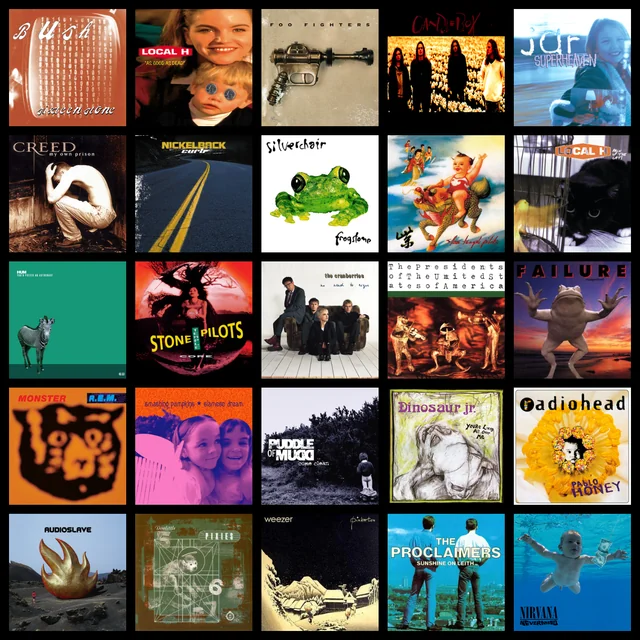
The transition from grunge to post-grunge was not instant, and it was not always bad. Some bands influenced by Seattle made strong records. But the broader shift changed the emotional texture. The early Seattle bands had sounded like local scenes, personal damage, punk suspicion, metal weight, and underground weirdness crashing into mainstream visibility. Post-grunge often sounded like the mainstream had studied the crash and built a safer version of the vehicle.
This is why post-grunge and the rise of radio rock are inseparable from the fall of the Seattle myth. The sound continued, but the meaning changed. The flannel remained. The guitars remained. The seriousness remained. But the sense of local accident, danger, and cultural rupture faded.
At the same time, alternative music itself grew broader. The 90s did not belong only to Seattle after the first wave. Smashing Pumpkins, Nine Inch Nails, Hole, Beck, Radiohead, R.E.M., Oasis, Blur, Garbage, Alanis Morissette, Green Day, The Offspring, No Doubt, and countless others expanded or redirected the decade’s alternative identity. That broader story matters, and it connects directly to the best 90s alternative albums and 90s alternative rock songs that defined the decade.
Seattle did not disappear. It became history, influence, and reference point. But the mainstream’s center of gravity moved. Grunge had changed the room. Then the room filled with people trying to sound like they had changed it.
The Story Was Bigger Than Four Bands and a Pile of Flannel
The simplified grunge story tends to orbit the Big 4, and for understandable reasons. Nirvana, Pearl Jam, Soundgarden, and Alice in Chains are the giant names. But the broader 90s alternative moment was bigger than four bands, bigger than Seattle, and definitely bigger than a pile of flannel shirts photographed like archaeological evidence.
Women were central to 90s alternative rock, even when the grunge shorthand often pushed them to the side. Bands and artists like Hole, L7, Babes in Toyland, Bikini Kill, 7 Year Bitch, The Gits, Veruca Salt, Liz Phair, PJ Harvey, Alanis Morissette, Garbage, The Breeders, and many others reshaped the decade’s sound, attitude, and emotional vocabulary. Some were directly tied to punk, riot grrrl, or alternative scenes adjacent to grunge; others expanded the broader 90s rock conversation in different directions.
That matters because the grunge myth can get weirdly narrow if left alone too long. It becomes four bands, a city, a tragedy arc, and a shirt. The real 90s alternative landscape was more chaotic and more interesting. It included women screaming, sneering, writing, producing, confronting, mocking, confessing, and refusing to let guitar culture remain only one kind of male angst parade.
That is why women of 90s alternative rock deserve a central place in the wider rewind. Seattle’s rise changed the industry’s appetite for alternative music, but the decade’s full story includes many scenes, many cities, many sounds, and many artists who did not fit the standard flannel myth.
The Seattle grunge scene was a major engine of the 90s shift, but it was not the whole decade. It broke open the mainstream door. A lot of other people walked through and wrecked the room in their own ways.
How Seattle Grunge Felt in Real 90s Life
For people who lived through it from outside Seattle, grunge often arrived as a mix of songs, videos, magazines, rumors, T-shirts, record-store finds, and the sudden feeling that mainstream rock had changed its clothes and stopped smiling. You might not have known the local club history. You might not have understood the Green River family tree. You might not have known which bands were on Sub Pop first or which members played in what project. But you knew the mood had shifted.
In real 90s life, grunge lived in CD binders, mixtapes, bedrooms, car stereos, locker doors, cheap posters, late-night MTV, radio countdowns, and record-store arguments. It was the soundtrack to driving nowhere, sitting in basements, avoiding homework, pretending not to care, caring intensely, and trying to figure out why the clean version of adulthood looked so fake.
The music also changed how people organized taste. A Nirvana CD said one thing. A Pearl Jam bootleg said another. A Soundgarden deep cut said another. An Alice in Chains Jar of Flies obsession said something else entirely. Mudhoney in the collection meant either you were ahead of the curve or friends with someone who worked at a record store. Screaming Trees meant you had range. Temple of the Dog meant you were emotionally prepared for at least three layers of Seattle backstory.
The fashion spread because it was easy to adopt, but the deeper lifestyle was about discovery. You learned through friends. You waited for videos. You read liner notes. You bought magazines. You copied tapes. You watched 120 Minutes if you could stay awake. You treated a new album like an event because it actually required effort to get it, hear it, and live with it.
That is why grunge nostalgia still hits harder than simple fashion nostalgia. It is not just “remember flannel?” It is remember when music discovery felt physical? Remember when a band could feel like a secret even after they were famous? Remember when a scene from a rainy city made every suburban room feel less alone and more suspicious of authority?
Why the Seattle Grunge Scene Still Matters
The Seattle grunge scene still matters because it changed what mainstream rock could look like, sound like, and emotionally admit. Before the explosion, glossy rock spectacle still held a lot of cultural power. After grunge, the old performance of perfection felt less convincing. The mainstream had to make room for discomfort, distortion, thrift-store realism, irony, vulnerability, ugliness, and the possibility that a rock star might look like he had accidentally wandered into fame while trying to find the exit.
It also matters because it changed the business of alternative music. Major labels started chasing scenes more aggressively. Independent labels became cooler and more visible. College-radio sounds became commercially valuable. MTV and radio learned that audiences would respond to music that did not look polished in the old way. The word “alternative” became both a promise and, eventually, a format. That contradiction shaped the entire decade.
The music itself has lasted because the best songs were never only about trend. Essential grunge songs still work because the riffs, melodies, voices, and emotions remain powerful. “Smells Like Teen Spirit,” “Alive,” “Black Hole Sun,” “Would?,” “Man in the Box,” “Rooster,” “Outshined,” “Jeremy,” “Down in a Hole,” “Rusty Cage,” “Nutshell,” and so many others still hit because they were built from real songwriting, not just historical timing.
The albums have lasted too. Nevermind, Ten, Badmotorfinger, Dirt, Superunknown, Jar of Flies, Vs., Vitalogy, Down on the Upside, and other records still define the sound because they each captured a different angle of the movement. Grunge was never one emotion. It was rupture, catharsis, heaviness, dread, sarcasm, grief, and weird beauty.
The Seattle scene also matters because it remains a warning. Authentic culture can become a product. A local scene can become a costume. A sound built partly against the mainstream can become the mainstream. That does not erase the power of the original music. It just makes the story more honest.
The rise and fall of Seattle grunge is not just a rock-history chapter. It is a case study in what happens when underground culture wins too loudly.
Seattle Grunge Timeline: From Local Noise to National Myth
The Seattle grunge timeline is messy because the scene was messy. Still, these moments help trace the arc from underground foundation to mainstream explosion to myth, burnout, and legacy.
Seattle’s punk, metal, hardcore, garage, and underground scenes begin cross-pollinating in ways that later feed the grunge sound.
Green River forms, becoming one of the key early bands in the Seattle family tree that later leads toward Mudhoney, Mother Love Bone, and Pearl Jam.
Soundgarden forms, eventually becoming one of the earliest Seattle bands to gain broader national attention.
Sub Pop becomes central to the Seattle myth, promoting early releases by bands connected to the grunge movement. Seattle grunge scene.
Mudhoney’s early records help define the raw, fuzzy, messy Sub Pop version of grunge before the sound becomes mainstream. Seattle grunge scene.
Nirvana releases Bleach on Sub Pop, placing the band inside the heavier local underground before the major-label breakthrough. Nirvana’s early rise.
Andrew Wood’s death shapes the emotional path toward Temple of the Dog and the formation of Pearl Jam. Pearl Jam’s roots.
Alice in Chains releases Facelift, with “Man in the Box” helping establish the band’s heavy, dark identity. Pearl Jam’s roots.
Ten, Nevermind, and Badmotorfinger help make Seattle impossible to ignore. Rewind the broader year with 1991 Songs. Big 4 of Grunge.
Alice in Chains releases Dirt, and the Singles soundtrack helps turn Seattle into a national cultural setting. See more with 1992 Songs. 90s movie soundtracks and alternative rock.
Pearl Jam releases Vs., Nirvana records MTV Unplugged, and grunge is fully embedded in mainstream 90s rock culture. Keep rewinding with 1993 Songs.
Superunknown, Jar of Flies, and Vitalogy show the movement branching into different moods, while Kurt Cobain’s death changes the decade forever. See the wider year with 1994 Songs. MTV Unplugged and the softer side of grunge.
Alice in Chains releases its self-titled album, and the original grunge wave feels darker, murkier, and less like a simple youth-culture celebration. Rewind 1995 Songs.
Soundgarden releases Down on the Upside, and Alice in Chains’ MTV Unplugged becomes one of the scene’s most haunting documents. Rewind 1996 Songs.
Post-grunge, alternative radio, pop-punk, nu metal, Britpop, electronic music, and teen pop shift the mainstream away from the original Seattle-centered moment.
Keep Rewinding the 90s Alternative and Grunge Story
The Seattle grunge scene is the mythology hub, but the full rewind needs the bands, albums, songs, videos, radio shifts, fashion fallout, unplugged moments, and post-grunge aftermath around it.
Keep Rewinding the Seattle Grunge Story
The Seattle scene is the origin room. Keep going through the hub, the Big 4, the albums, the essential songs, MTV, soundtracks, flannel, hair metal’s crash and the post-grunge cleanup.
FAQ: The Rise and Fall of the Seattle Grunge Scene
What was the Seattle grunge scene?
The Seattle grunge scene was a local underground rock movement that blended punk, metal, garage rock, indie culture, and Pacific Northwest mood into the sound that later reshaped 90s alternative rock.
Why did grunge come from Seattle?
Seattle’s distance from major music-industry centers, its local underground culture, its weather, its clubs, its record stores, and its mixture of punk and metal scenes helped create conditions where grunge could develop before the mainstream noticed.
Who were the Big 4 of grunge?
The Big 4 of grunge are Nirvana, Pearl Jam, Soundgarden, and Alice in Chains. Each band represented a different side of the Seattle explosion.
What role did Sub Pop play in grunge?
Sub Pop helped promote and mythologize Seattle’s underground sound through early releases, regional branding, photography, publicity, and records by bands connected to the grunge movement.
Was Nirvana the first grunge band?
No. Nirvana became the band that broke grunge into the mainstream, but earlier Seattle and Northwest bands such as Green River, the Melvins, Soundgarden, Mudhoney, and others helped build the foundation.
Why was 1991 so important for grunge?
1991 was crucial because Nirvana’s Nevermind, Pearl Jam’s Ten, and Soundgarden’s Badmotorfinger helped push Seattle from underground scene to national rock force.
How did MTV help grunge become popular?
MTV helped grunge become popular by putting videos like “Smells Like Teen Spirit,” “Jeremy,” “Black Hole Sun,” “Man in the Box,” and “Rooster” into heavy visual circulation, turning the sound into a recognizable national image.
What was the Singles soundtrack’s role in grunge?
The Singles soundtrack helped package the Seattle scene for a wider audience by bringing together major Seattle and alternative acts during the moment grunge was becoming a national cultural identity.
Why did flannel become associated with grunge?
Flannel became associated with grunge because it was practical, cheap, layered, and common in the Pacific Northwest. Once the scene became famous, the look was turned into a mainstream fashion symbol.
Did grunge kill hair metal?
Grunge helped make hair metal’s glossy image feel outdated by shifting mainstream rock toward heavier, darker, less polished, and more emotionally direct music.
Why did the Seattle grunge scene fall apart?
The scene fell apart because of fame, tragedy, media simplification, major-label pressure, oversaturation, copycats, fashion commercialization, and the natural evolution or breakup of the original bands.
What is post-grunge?
Post-grunge is the radio-friendly rock style that followed the original grunge explosion, often borrowing the heavy guitars, serious vocals, and emotional tone while becoming more polished and formatted for mainstream rock radio.
Was grunge only a Seattle thing?
Grunge is most closely associated with Seattle and the Pacific Northwest, but the broader 90s alternative rock explosion included many cities, scenes, and artists beyond Seattle.
What bands came before the Big 4?
Important pre-boom and foundational bands include Green River, the Melvins, Mudhoney, Mother Love Bone, TAD, Screaming Trees, Malfunkshun, and others connected to the Northwest underground.
Why is Temple of the Dog important?
Temple of the Dog is important because it connected Soundgarden, Mother Love Bone, and future Pearl Jam members through a tribute project created after Andrew Wood’s death.
How did Pearl Jam fit into the Seattle scene?
Pearl Jam emerged from the post-Mother Love Bone family tree and became the emotionally cathartic, arena-sized side of the grunge explosion, building one of the most loyal fan bases of the era.
How did Soundgarden fit into the Seattle scene?
Soundgarden were one of the earliest major Seattle bands and brought a heavier, weirder, more art-metal side to grunge through albums like Badmotorfinger and Superunknown.
How did Alice in Chains fit into grunge?
Alice in Chains brought the darkest, most metallic side of grunge, with haunted harmonies, heavy riffs, and songs that dealt with addiction, trauma, isolation, and emotional collapse.
Why does grunge still matter?
Grunge still matters because it changed mainstream rock, made alternative music commercially powerful, challenged glossy rock imagery, and produced songs and albums that remain emotionally powerful decades later.
What is the best way to understand the Seattle grunge scene?
The best way to understand the Seattle grunge scene is to see it as both a real local underground community and a later mainstream mythology. The music was authentic, but the national image became simplified, packaged, and sold.
Keep the Grunge Rewind Going
Get more 70s, 80s, and 90s nostalgia, music rabbit holes, TV memories, toy chaos, and Gen X cultural therapy from Smells Like Gen X.