The Hook
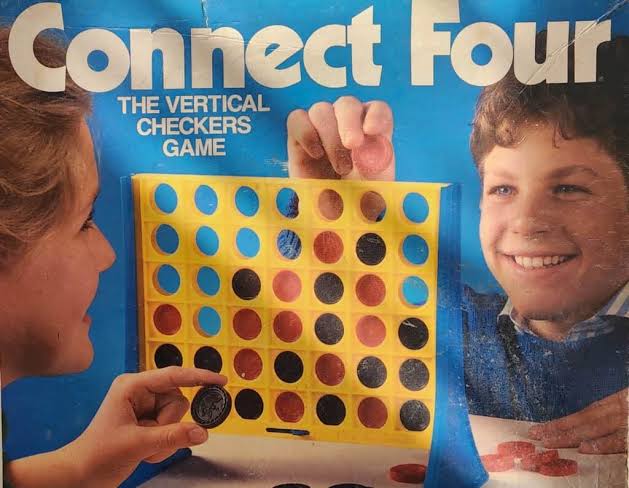
Reliable family-room staples with familiar rules, recognizable pieces, and enough conflict to survive decade after decade.
The Argument
Monopoly deals, Scrabble words, Clue accusations, Sorry! revenge moves, Trouble dice luck, and the phrase “that’s not a word.”
The Lifestyle
Closet stacks, holiday games, rainy days, cousin tournaments, missing instructions, and boxes held together with tape.
Monopoly was the long-form family feud.
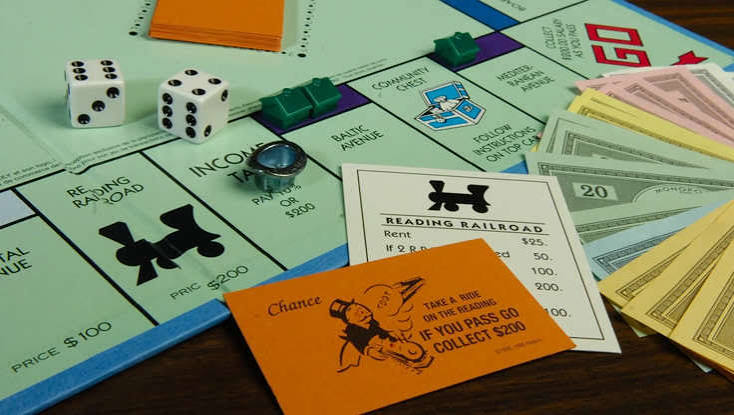
Monopoly was not a quick game. It was an event, a commitment, and occasionally a hostage situation. The board promised capitalism in pastel money form, and the result was often three hours of deals, rent, resentment, and someone quietly hoping the game would end through natural disaster.
In an 80s household, Monopoly often lived in the closet as the serious game. It had money, properties, tokens, houses, hotels, and enough rule confusion to keep families arguing across generations.
Scrabble and Clue made thinking competitive.
Scrabble was where vocabulary became combat. Every family had someone who challenged words too aggressively and someone who placed a suspicious two-letter word with the confidence of a person hiding behind the dictionary. It was quiet until it was not.
Clue brought mystery and accusation into the room. The appeal was not only solving the case. It was saying a sentence like “Colonel Mustard in the conservatory with the candlestick” and feeling like a tiny detective in a mansion full of deeply suspicious adults.
Sorry! and Trouble made luck personal.
Sorry! and Trouble were built for emotional damage. They looked simple and kid-friendly, but the core play involved sending people backward, blocking progress, and pretending luck had not turned you into a monster.
Trouble had the Pop-O-Matic bubble, which deserves its own shrine. Pressing that dome felt good even when the number betrayed you. That sound alone could summon a childhood afternoon.
The lifestyle memory
The classic shelf mattered because it gave 80s families continuity. New toys came and went, but these games stayed. They were pulled out on rainy days, holidays, sleepovers, and nights when someone said, “Let’s play a game,” as if that had ever been a peaceful sentence.
These games survived because they were simple, durable, familiar, and perfectly capable of turning relatives against each other.
The classic shelf sat beside dolls and plush toys, electronic gadgets, cartridges, figures, and every other object competing for closet space.