The Atari Era
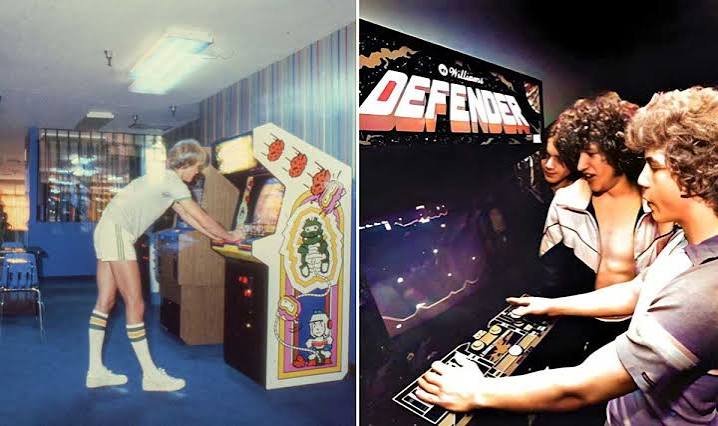
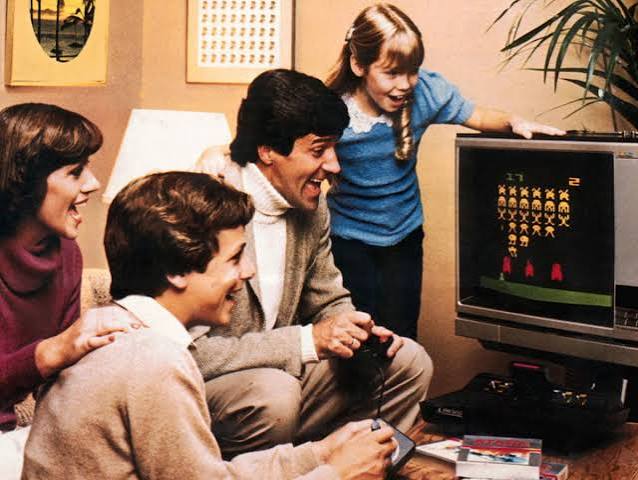
Atari made the idea of home gaming feel real. It turned the television into an arcade-like machine and made cartridges feel like tiny portals. For early-80s kids, that was enough to make the whole living room feel like the future had plugged itself in.
Atari made the screen playable.
The Atari era matters because it changed what kids expected from the TV. Instead of just watching cartoons or commercials, kids could control something. The graphics were simple, but that did not matter. The movement was the magic. A block became a spaceship. A dot became a ball. A line became a wall. Childhood imagination did the rest because kids are extremely forgiving when a joystick is involved.
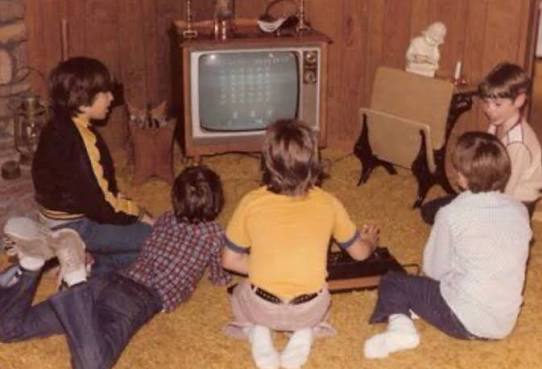
The console also changed the physical toy setup. You did not just pull a toy from a shelf. You connected wires, inserted a cartridge, grabbed a joystick, sat on the floor, and entered a different kind of play. That setup felt important. It felt technical. It made the game seem bigger than the plastic box it came in.
Cartridges became collectible objects.
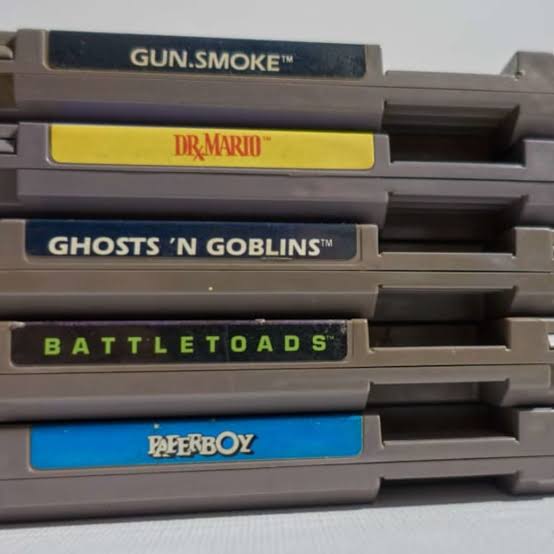
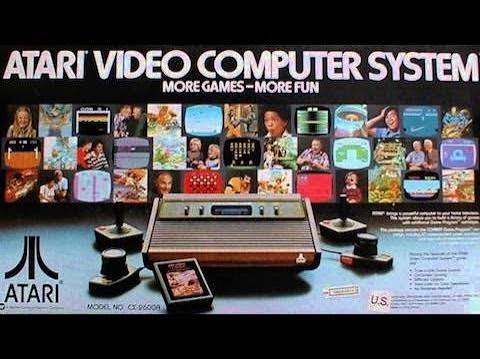
Atari cartridges were not just games. They were physical treasures. They had labels, boxes, manuals, and the power to make a kid’s collection feel larger. You could stack them, trade them, borrow them, brag about them, and quietly judge someone’s entire household based on which games they owned.
This was one of the first big ways video games behaved like toys. The console was the platform, but the cartridge was the thing kids wanted next. Another cartridge meant another world, another challenge, another reason to keep the system hooked to the TV.
The games were simple, but the imagination was not.
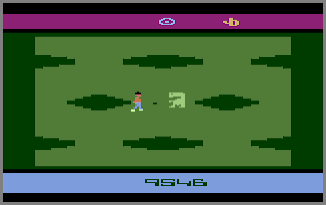
Early home games demanded a lot from kids. Box art looked dramatic. The game itself might be a handful of shapes moving across a plain background. But kids knew how to fill in the gaps. The spaceship was a square. The alien was a blip. The race car was basically a rectangle in distress. Fine. The brain did the graphics upgrade.
That imaginative labor is part of why these games remain so nostalgic. Kids were not just consuming a finished world. They were collaborating with the limitations. The screen suggested the action, and imagination inflated it into a full event.
The lifestyle memory
Atari play is remembered through woodgrain, joysticks, switches, simple sounds, and the feeling that the family room had become a tiny arcade. It was not smooth. It was not always pretty. It was sometimes barely recognizable as the thing on the box. But it was interactive, and that was everything.
The early-80s toy box never fully recovered. Once kids learned the TV could be controlled, ordinary plastic had competition.
Atari belongs in the decade-wide 50 most iconic toys of the 80s because the system changed the family room as completely as any figure line or doll craze. Its early-decade dominance also helps explain the top toys of 1980.