Masters of the Universe
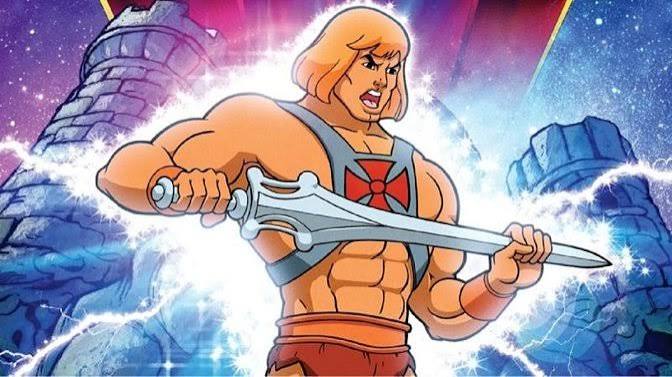
He-Man was one of the clearest examples of the 80s toy-cartoon machine. The figures had already been built for shelf impact, but the cartoon made Eternia feel like a place kids could visit every afternoon.
The cartoon gave the toy line a world.
Masters of the Universe had the perfect visual language for kids: huge muscles, skulls, swords, monsters, lasers, castles, beasts, and names that sounded like they were invented during a sugar rush. But the cartoon gave all of that noise a structure. He-Man was not just a strong guy on a blister card. He was the champion of Eternia. Skeletor was not just a skull-faced villain. He was the main event.
The show made Castle Grayskull feel important. It made Battle Cat feel like a companion, not just a tiger with armor. It made side characters memorable enough that kids wanted them even when their parents could not tell one weird plastic muscle man from another.
The commercial promise was enormous.
The ads made the figures feel heavier, louder, and more dramatic than reality could ever be. A kid watching at home saw a battle that looked like a fantasy movie staged on a tabletop. The playset seemed massive. The weapons looked essential. The villains looked like they would ruin your afternoon in the best possible way.
That is what the cartoon-and-commercial combo did best. The episode made you care. The commercial made you ask. The package made you want more. Masters of the Universe turned a toy shelf into a mythological checklist.
Keep the jawbridge down with the full He-Man and Masters of the Universe toys history. He-Man also sits near the center of the 80s Action Figure Wars, where fantasy muscle competed with military teams, robots, space figures, and every other plastic army fighting for the floor.