The Year the Toy Aisle Started Talking Back
Top 10 Toys of 1998: Furby, Pokémon & Game Boy Color Chaos
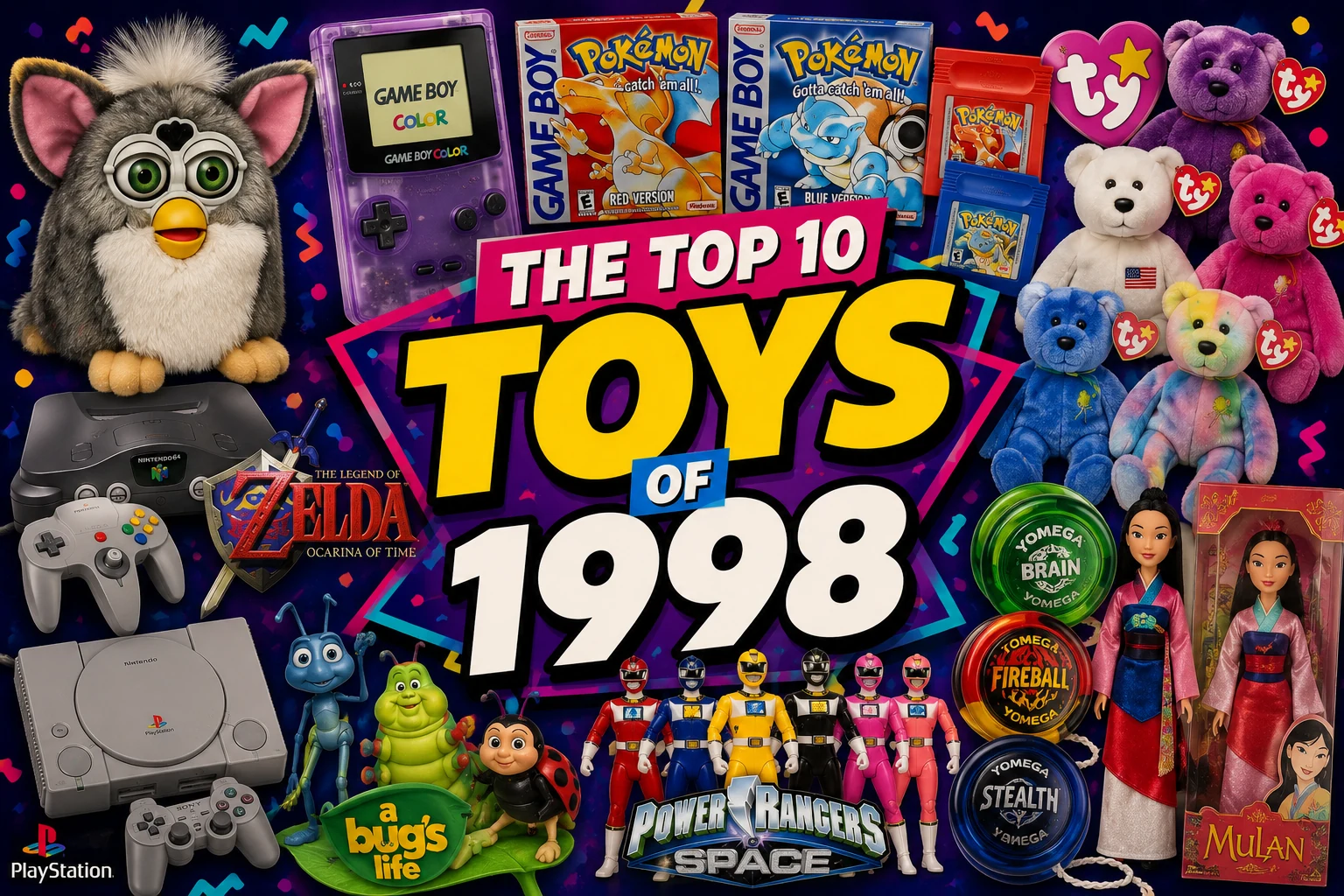
The top toys of 1998 were Furby, Game Boy Color, Pokémon Red and Blue, Beanie Babies, Nintendo 64 with The Legend of Zelda: Ocarina of Time, Sony PlayStation, A Bug’s Life toys, yo-yos, Power Rangers in Space toys, and Mulan dolls and merchandise.
This was the year the late-90s toy machine reached maximum volume. Furby blinked and babbled through the holiday shortage, Pokémon ignited its North American takeover, handheld gaming gained color, and Beanie Babies kept adults discussing plush animals as though quarterly earnings were involved.
The Short Answer
What Were the Most Popular Toys of 1998?
The most popular toys of 1998 included Furby, Game Boy Color, Pokémon Red and Blue, Beanie Babies, Nintendo 64 and Ocarina of Time, Sony PlayStation, A Bug’s Life toys, yo-yos, Power Rangers in Space and Mulan dolls and toys.
Furby ranks first because it best represents the year’s must-have holiday frenzy: interactive, strange, scarce, heavily discussed and instantly recognizable. Game Boy Color and Pokémon carried the larger long-term cultural shift, but Furby owned the emotional weather of Christmas 1998.
The Fast Rewind
Top 10 Toys of 1998 at a Glance
Start with the complete ranking, then jump directly to any toy for the full explanation.
- #1FurbyThe talking electronic plush that became the year’s holiday panic
- #2Game Boy ColorA perfectly timed color upgrade refreshes portable gaming
- #3Pokémon Red and BlueMonster collecting, battling and trading ignite a massive new ecosystem
- #4Beanie BabiesThe plush collector bubble keeps running on retirements and tag anxiety
- #5Nintendo 64 and Ocarina of TimeZelda gives the mature console one of the decade’s defining game events
- #6Sony PlayStationCD-based gaming gains mainstream momentum and older-kid cool
- #7A Bug’s Life ToysPixar proves its characters can keep moving directly into the toy aisle
- #8Yo-YosAn old-school skill toy returns through school demos and playground tricks
- #9Power Rangers in Space ToysThe franchise refreshes again with galactic suits, gear and Zords
- #10Mulan Dolls and ToysDisney animation brings a new heroine and adventure line to the shelf
How the List Came Together
How the Top Toys of 1998 Were Ranked
This is a transparent editorial ranking. No single complete public chart cleanly compares electronic plush, handheld hardware, video games, collectible plush, consoles, skill toys, action figures and movie dolls across the entire year.
Holiday demand and scarcity pressure
The ranking considers Christmas-list urgency, empty-shelf stories, retail visibility and whether finding the product became part of the memory. Furby scores especially high through this lens.
Technology and platform importance
Game Boy Color, Pokémon, Nintendo 64 and PlayStation mattered beyond one box. Each product created future demand for games, accessories, trades or continued play.
Collector and media strength
Beanie Babies relied on perceived scarcity, while Disney, Pixar and Power Rangers converted current entertainment recognition into merchandise children already understood.
How clearly each toy defines 1998
The strongest entries capture the year’s exact personality: talking plush, color handhelds, Pokémon ignition, Zelda event gaming, tag protectors and an old yo-yo suddenly becoming serious again.
The Final Late-90s System Comes Online
Why 1998 Changed Toy Culture
The year matters because several products no longer behaved like isolated toys. They belonged to interactive systems, portable game ecosystems, collector markets and entertainment franchises designed to create the next purchase.
Interactive toys could develop personalities.
Furby spoke, blinked, moved and appeared to change with continued interaction. The toy’s behavior gave the fuzzy body a strange sense of presence that ordinary plush could not match.
Portable gaming gained a collection engine.
Pokémon Red and Blue made one handheld game social through version differences, trading and team building, while Game Boy Color refreshed the hardware at the ideal moment.
Consoles became long-term gift infrastructure.
Nintendo 64 and PlayStation remained desirable because every major new release renewed the value of the hardware and created another holiday request.
Collecting and media stayed inseparable from the shelf.
Beanie Babies still ran on scarcity mythology, while Mulan, A Bug’s Life and Power Rangers arrived with stories and characters already established.
Five Demand Engines in One Blinking Aisle
What Actually Drove the 1998 Toy Market?
The year becomes clearer when the toys are grouped by the type of pressure they created. Each force receives a full-width horizontal card.
The Interactive Holiday Creature
Furby combined movement, sound, apparent learning, plush texture and limited holiday supply. The product looked alive enough to fascinate children and worry adults who heard it talking from another room.
Scarcity amplified the novelty. Every sold-out store made the strange electronic creature seem more urgent and more culturally important.
The Pokémon Ignition System
Red and Blue introduced a collecting game that required choices, teams, version differences and trades. Game Boy Color gave the craze a fresh hardware story.
The combination connected game progress to social behavior and laid the foundation for the cards, anime, toys and schoolyard economy that would explode next.
The Mature Console Ecosystem
Ocarina of Time renewed Nintendo 64 demand, while PlayStation continued building a broader CD library and older-kid identity.
The hardware was no longer the whole gift. The console created a long pipeline of cartridges, discs, controllers, memory and future releases.
The Collector Bubble
Beanie Babies remained powerful because retirements, tags, perceived scarcity and price guides made repeated buying feel like participation in a market rather than ordinary plush collecting.
Condition became doctrine, display became preservation and the possibility of future value competed directly with the idea of letting a child play.
The Screen-to-Shelf Pipeline
A Bug’s Life, Mulan and Power Rangers in Space used current media to supply names, characters, costumes and conflicts before the shopper reached the aisle.
The broader movie and television toy pipeline remained one of the easiest ways to make a product immediately legible.
From #10 to #1
The Top 10 Toys of 1998 Countdown
Ten products and one year where talking plush, color handhelds, monster collecting, console events and collector speculation all competed for the same holiday attention.
Disney Brings a Warrior Heroine to the Shelf
Mulan Dolls and Toys
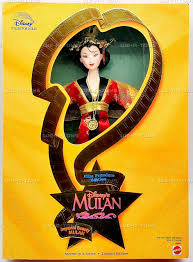
Mulan dolls and toys open the countdown because Disney animation still had enough cultural force to create a visible product lane around a new theatrical heroine.
The line included dolls, figures, character merchandise and promotional toys connected to Mulan, Mushu and the film’s visual world. The movie gave every package a story, costume and set of relationships before the toy entered the bedroom.
Mulan also offered a different kind of heroine for the doll aisle. The appeal included action, family, disguise, duty and adventure rather than relying only on romance or palace imagery.
That range made the merchandise useful across several play patterns. A fashion doll could still support costume play, while figures and characters connected to battles, travel and movie scenes.
The products rank below the electronic and collector crazes because 1998 had several stronger year-specific stories, but the Disney presence was too recognizable to leave out.
For Gen X adults, Mulan merchandise was another sign that Disney animation could still move directly from the multiplex into a large, carefully coordinated section of the toy aisle.
The Morphing Machine Goes Galactic
Power Rangers in Space Toys
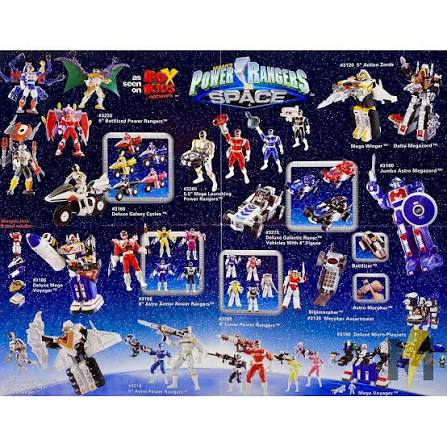
Power Rangers in Space toys rank ninth because the franchise remained remarkably effective at refreshing the same core fantasy through new suits, settings, weapons and combining machines.
The space theme gave the line a technological visual upgrade at exactly the moment kid culture was becoming more electronic and science-fiction heavy. New Rangers and equipment looked current without forcing children to learn an unfamiliar play pattern.
Weekly television still performed the explanation. Episodes introduced characters, conflicts, vehicles and Zords, while the shelf supplied the physical system needed to continue the story at home.
Role-play gear and individual figures offered accessible entry points, while larger Zord products remained the premium destination. One purchase could begin a team, but the structure made completion feel permanently unfinished.
Inside the broader 90s action figure wars, Power Rangers survived because the franchise understood reinvention as a regular feature rather than a desperate repair.
For Gen X parents and older siblings, “in space” was the latest official explanation for why last year’s robot had apparently completed its useful service.

An Old Skill Toy Spins Back Into the Playground
Yo-Yos
Yo-yos rank eighth because the late 90s briefly proved that an old mechanical idea could compete with talking electronics and game hardware if the schoolyard made it socially visible again.
Demonstrations were the engine. One skilled player could make loops, sleepers and string tricks look possible, and every nearby child could immediately imagine achieving the same result with much less practice than reality required.
The product was inexpensive, portable and easy to compare. Different shapes, bearings, clutch systems, colors and glow effects gave the category enough variation to feel updated without changing the basic motion.
The fad also benefited from performance culture. A yo-yo could be used alone, but its value increased when tricks were shown in front of other children. Skill became part of the product’s status.
Most owners eventually learned a few moves, created several knots and retired the toy to a drawer. That short lifecycle is not a failure; it is practically the operating model of a playground fad.
For Gen X, the 1998 revival was proof that the yo-yo had survived every technological upgrade by waiting patiently for another generation to underestimate string management.
Pixar Proves Toy-Story Shelf Power Was Not a Fluke
A Bug’s Life Toys
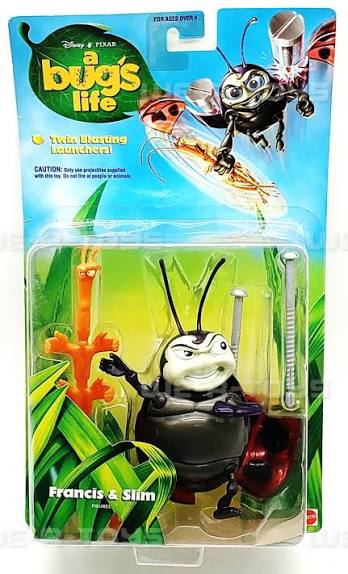
A Bug’s Life toys rank seventh because Pixar had already changed expectations with Toy Story, and the next major release arrived with real toy-aisle credibility.
Flik, Atta, Hopper, Heimlich and the circus bugs offered strong shapes, colors and personalities that translated easily into figures, plush, fast-food promotions and playsets.
The film’s tiny-world perspective also supported physical play. Ordinary environments could become giant landscapes, while ant colonies and insect characters made smaller figures feel appropriate rather than underwhelming.
The merchandise did not need to outrank Furby or Pokémon to matter. A major family movie still created immediate recognition, and Pixar was quickly becoming a trusted name capable of generating demand beyond one franchise.
A Bug’s Life represents the growing expectation that computer-animated features would arrive with a complete consumer world attached.
For Gen X adults, computer-animated insects becoming toy-store regulars felt like another reminder that Pixar had discovered an extremely efficient route into the family budget.
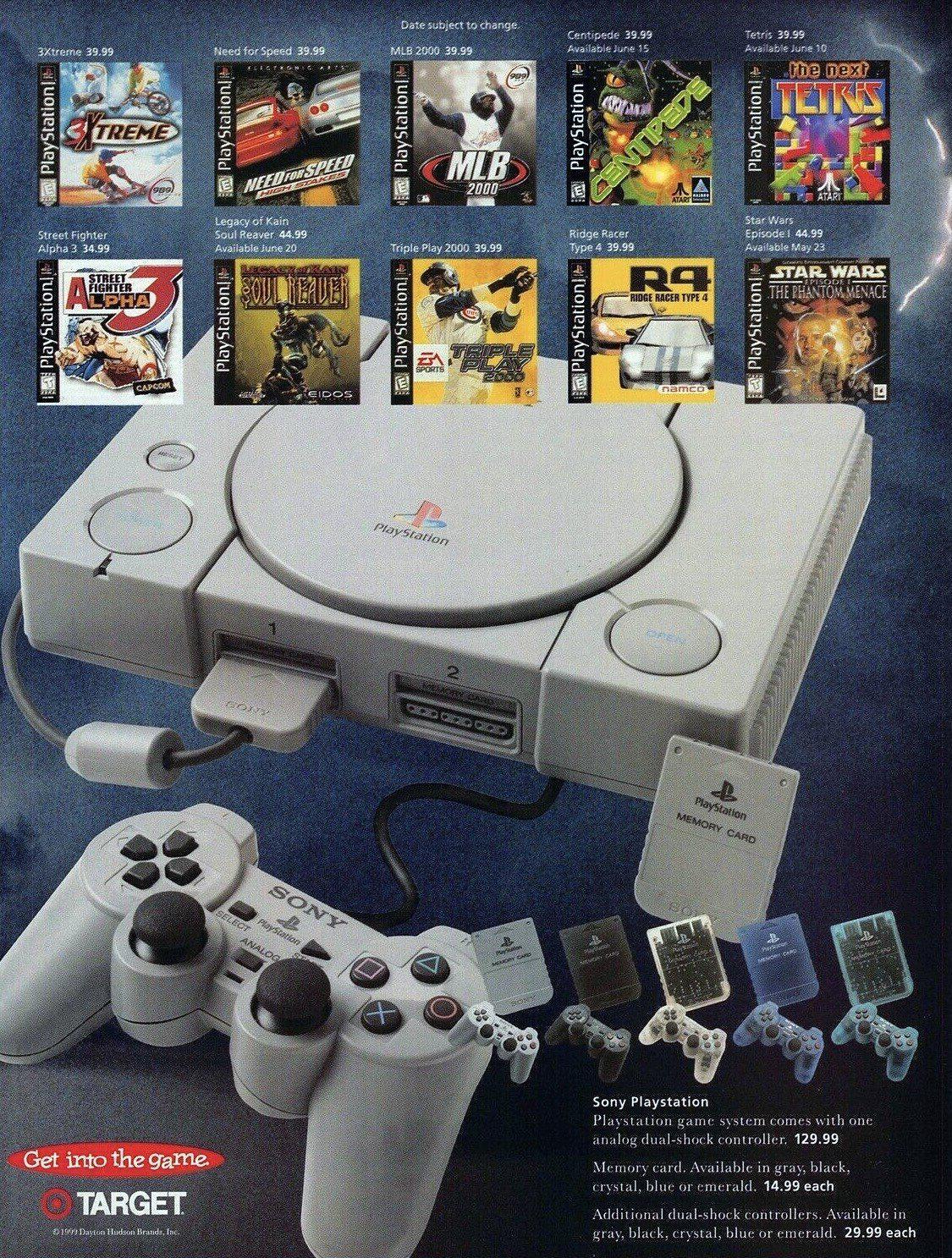
CD-Based Gaming Becomes Mainstream Entertainment
Sony PlayStation
Sony PlayStation ranks sixth because by 1998 the console had become one of the most important entertainment platforms in the house, especially for older children and teenagers.
The system’s CD format, branding and growing library made it feel distinct from the traditional cartridge world. Gaming was being presented less like one category inside the toy aisle and more like mainstream consumer entertainment.
That identity mattered to players beginning to age out of dolls and action figures without aging out of holiday gift requests. PlayStation offered a more mature visual language and a broad software catalog.
The hardware also created continuing demand. Memory cards, controllers and new discs meant the console remained relevant across several holidays rather than depending on one launch season.
Its position below Game Boy Color and Nintendo 64 reflects sharper 1998 moments for those systems, not a lack of importance. PlayStation’s strength was momentum and breadth.
For Gen X teenagers and young adults, PlayStation was the machine that made video games look increasingly comfortable beside music, movies and the rest of mainstream entertainment.
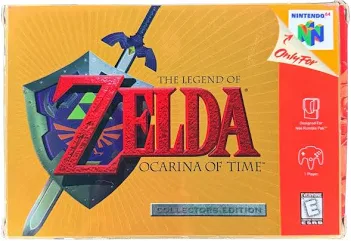
One Cartridge Turns Hyrule Into a Holiday Event
Nintendo 64 and The Legend of Zelda: Ocarina of Time
Nintendo 64 and Ocarina of Time rank fifth because 1998 showed how one major release could renew the entire platform’s holiday importance.
The game delivered a large three-dimensional adventure built around exploration, time, puzzles, combat and a world that felt unusually coherent. Existing N64 owners had a clear must-have cartridge, while non-owners gained another reason to want the hardware.
The platform also retained social power through earlier multiplayer successes. GoldenEye 007 and Mario Kart 64 kept the console active with groups even while Zelda offered a deeper single-player experience.
That combination made Nintendo 64 difficult to replace. One machine could support long solo adventures and loud living-room competition, extending its value across different kinds of play.
Ocarina of Time also helped turn major game releases into cultural events comparable to films or holiday toy launches. The cartridge itself became the object everyone discussed.
For Gen X households, the N64 remained the box capable of consuming both one person’s entire weekend and four people’s remaining patience.
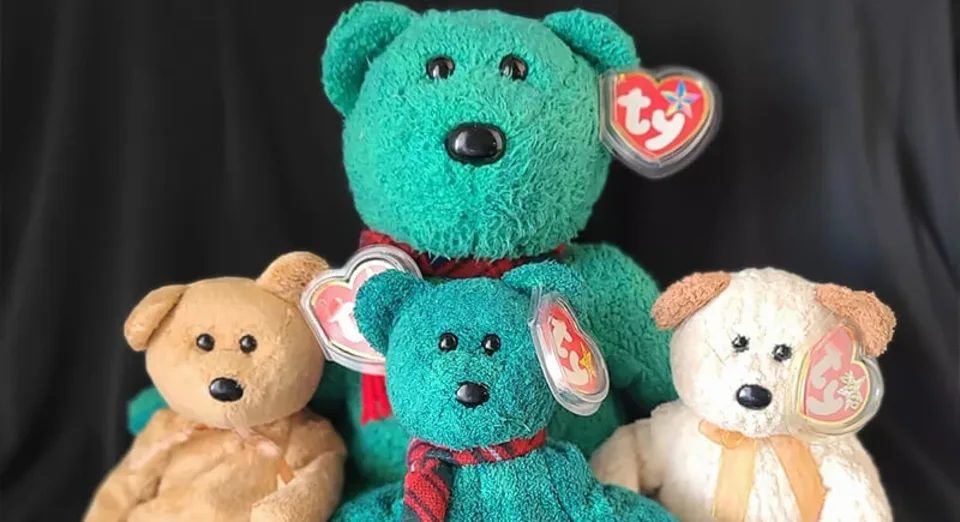
The Plush Market Bubble Keeps Inflating
Beanie Babies
Beanie Babies rank fourth because 1998 remained one of the strongest years of the plush collector frenzy.
Retirements, limited availability, tag generations and collector rumors kept the product line moving through repeated store visits and constant conversation about what might become difficult to find.
The low original price made participation feel reasonable, while the possibility of future value encouraged adults to purchase duplicates and preserve items that children might otherwise have played with normally.
Tags acquired extraordinary importance. A cardboard heart could be protected, inspected and discussed with the seriousness usually reserved for documents that actually affected a household.
The craze belongs inside the larger 90s collectible bubble because market mythology became inseparable from the product itself.
For Gen X adults, 1998 Beanie collecting was the point where a plush crab could occupy a display shelf and somehow acquire a retirement outlook.
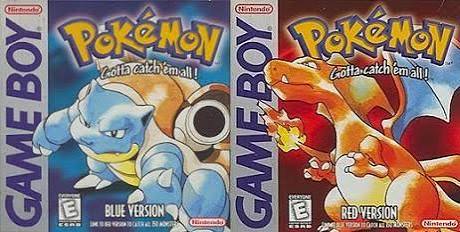
The Monster-Catching Takeover Ignites
Pokémon Red and Blue
Pokémon Red and Blue rank third because 1998 was the ignition year for one of the largest child-culture ecosystems of the decade.
The games combined exploration, battles, team building and collecting, but the version structure made trading essential to completing the full creature roster. Ownership became social rather than purely individual.
Starter choices, favorite creatures and team strategy gave children immediate subjects for comparison. A link cable turned progress into negotiation and gave the handheld game a schoolyard life beyond the screen.
The games also connected naturally to animation, toys, guides and the trading-card wave that would become even larger in the following year. Every part of the property advertised the others.
Pokémon ranks below Game Boy Color because the hardware refresh was one of the year’s largest gift objects, but the two products strengthened each other so effectively that the separation is almost editorial.
For Gen X adults, Pokémon was the moment learning one strange creature name became the first step toward learning more than a hundred against your will.
Portable Gaming Gets the Perfect Late-90s Upgrade
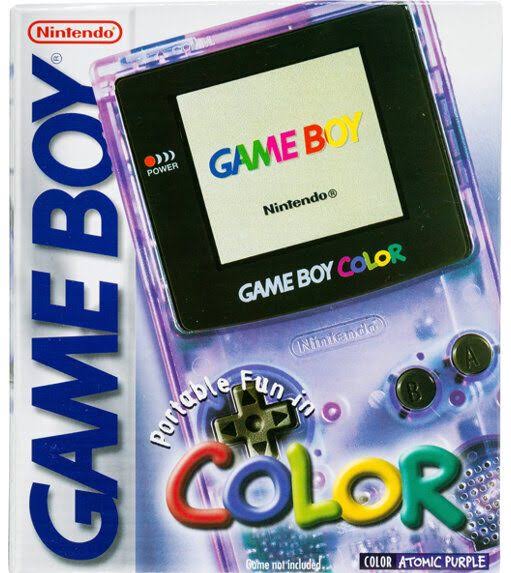
Game Boy Color
Game Boy Color ranks second because it refreshed one of the most durable portable gaming systems at exactly the moment Pokémon was creating a new reason to carry the hardware everywhere.
The color display made the device feel like a meaningful upgrade without abandoning the basic portability, cartridge format and broad software history that made Game Boy familiar.
Backward compatibility increased the value immediately. The new system could connect to an existing library while still offering a brighter and more current identity for the holiday season.
The hardware also benefited from visibility. Different shell colors made the system personal, while portable use turned ownership into something classmates and friends could see rather than a console hidden beneath one television.
Game Boy Color and Pokémon formed one of the year’s strongest pairings. The hardware made the games feel new, and the games gave the hardware a cultural purpose far beyond improved color.
For Gen X families, Game Boy Color was the device that made the back seat quieter, the battery drawer emptier and the meaning of “just one more minute” increasingly theoretical.
The Talking Holiday Gremlin Takes Over
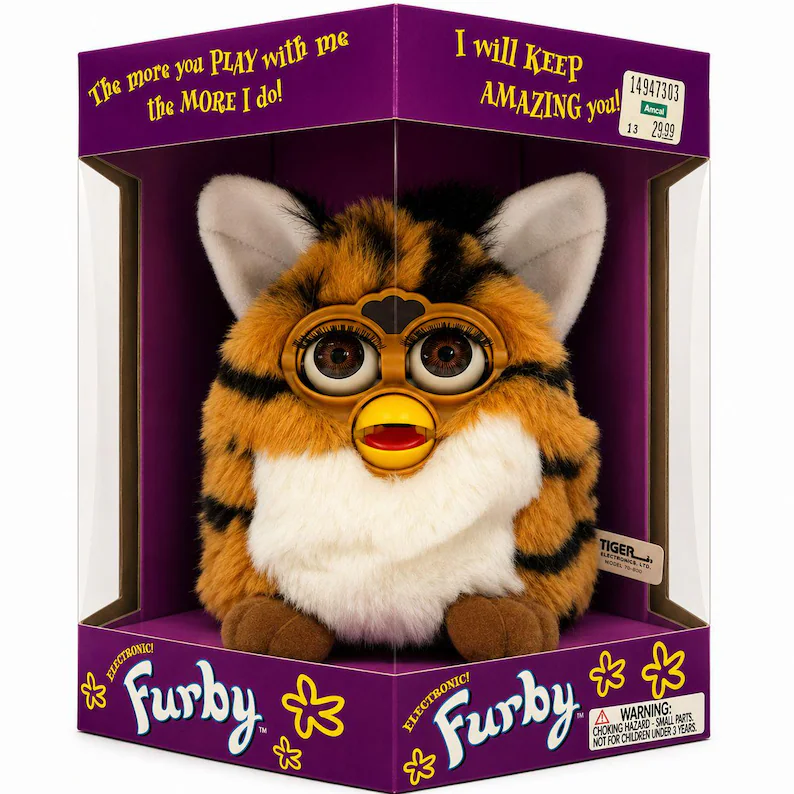
Furby
Furby takes the number-one spot because no other toy defined the public memory of Christmas 1998 with the same mixture of interactivity, scarcity, novelty and mild household unease.
The toy blinked, moved its ears and mouth, made sounds and appeared to shift from Furbish toward English through continued interaction. That behavior made the plush feel less passive than almost anything else on the shelf.
The design was strange enough to stand out immediately. Furby looked part owl, part gremlin and part electronic roommate, which gave the product personality before anyone understood what it was saying.
Holiday shortages amplified every feature. Once the product became difficult to find, the hunt joined the toy’s mythology and news coverage helped turn ordinary interest into panic.
Game Boy Color and Pokémon had larger long-term ecosystems, but Furby owned 1998 as the single most recognizable must-have toy event. The year’s number-one object is often the product that best captures how the season felt.
For Gen X adults and parents, Furby was a fuzzy reminder that the future had arrived, required batteries and might continue whispering after everyone else had gone to bed.
The Spark Before the Full Takeover
1998 Was the Pokémon Ignition Year
The games, handheld hardware and animated world established the habits that would soon expand into cards, toys, binders, movies and a schoolyard economy.
Why the Games Worked
Collecting Became Play Instead of a Side Activity
Pokémon made finding and organizing creatures part of the central game, then used trading to ensure one player could not complete everything alone.
Version Differences
Red and Blue created missing creatures and gave link-cable trading a practical purpose.
Personal Teams
Starter choices and favorite monsters made progress feel personal and easy to compare.
Media Reinforcement
The anime and growing merchandise world repeated names, characters and goals beyond the handheld screen.
The ignition argument: 1998 created the habits; 1999 turned them into an economy.
The Toy Box Afterlife
Collecting Toys From 1998 Today
Exact version, condition, completeness, working electronics, original packaging and verified completed-sale demand matter much more than age alone.
Furby needs mechanical and electronic testing.
Check movement, sound, sensors, battery contacts, corrosion, model, color, language, packaging and whether internal mechanisms operate without binding. A clean exterior does not guarantee a working electronic toy.
Handhelds and consoles depend on exact hardware condition.
Game Boy Color, Nintendo 64 and PlayStation should be tested for screens, cartridge or disc reading, controller inputs, ports, cables, battery compartments, analog sticks and original bundle contents.
Games require version, label and save verification.
Pokémon Red and Blue and Ocarina of Time should be checked for authentic cartridges, labels, boards, save functionality, packaging, manuals and whether the copy matches the claimed region or edition.
Plush, figures and dolls lose value through missing details.
Beanie Babies require exact tag identification. Power Rangers, A Bug’s Life and Mulan products may depend on weapons, clothing, accessories or package variants. The guides to 90s collectible crazes and forgotten 90s toys provide wider context.
What the Wish List Felt Like
Christmas Morning 1998 Was a Battery and Cartridge Audit
The room could contain a talking creature, a new handheld, monster-catching games, a premium console cartridge and collectible plush nobody was allowed to touch incorrectly.
The creature began talking before the family had established whether anyone understood its instructions.
A new shell and brighter screen made the back seat, couch and bedroom instantly more important.
One early choice became a personal identity discussed with entirely unreasonable confidence.
The plush arrived ready for affection; the collector rules arrived ready to prevent it.
Ocarina of Time could remove one player from ordinary household conversation for a significant period.
Someone attempted a trick, created a knot and quietly changed the subject to batteries.
The memory: Furby babbled, Pokémon demanded another trade, Zelda occupied the television and the entire room looked like the year 2000 had arrived two Christmases early.
Under Fluorescent Lights
What the 1998 Toy Store Looked Like
The store was divided between electronic demonstrations, handheld hardware, collector displays, media merchandise and one very visible shortage.
The empty Furby shelf
A blank space, purchase limit or handwritten stock notice could advertise the craze more effectively than a complete display.
The handheld case
Game Boy Color systems, cartridges and accessories turned portable gaming into a coordinated holiday purchase.
The Pokémon beginning
Games, guides and early merchandise made one new property feel larger every week.
The collector and movie lanes
Beanie Babies, Pixar, Disney and Power Rangers served different ages while using repeat characters and current visibility to keep products moving.
The full 90s Toy Store Culture guide follows the mall trips, catalogs, electronic displays, scarcity signs and holiday rituals that made the search for the toy part of the memory.
Commercial-Break Pressure
Watch the 1998 Toy Commercial Energy
Furby needed the blinking-and-talking demonstration. Game Boy Color needed the hardware-upgrade pitch. Pokémon needed children to understand collecting, battling and trading, while Disney, Pixar and Power Rangers used familiar screen worlds.
The strongest 1998 ads did not only show the product. They explained the larger system: how it reacted, what it connected to and why the current collection was incomplete.
The 90s Toy Commercials & Videos archive is the direct next stop for the advertising behind Furby, Pokémon, Game Boy Color, Beanie Babies, movie toys and Power Rangers.
The Rest of the Year
Keep Rewinding 1998
The toy aisle was only one part of a year filled with blockbuster ballads, glossy R&B, country-pop crossover, network television, asteroids, computer-animated insects, soldiers, Disney warriors and peak multiplex volume.
The 1998 Toy Aisle Verdict
Why These Toys Define 1998
The top 10 toys of 1998 capture the late 90s becoming fully interactive, portable and connected. Furby is a holiday event. Game Boy Color and Pokémon are an ecosystem. Beanie Babies remain a collector market.
Nintendo 64 and PlayStation prove that hardware stays relevant through software. A Bug’s Life, Mulan and Power Rangers keep entertainment tied directly to the shelf. Yo-yos prove one old mechanical toy can still become socially urgent for several months.
For Gen X, 1998 feels like the future becoming impossible to ignore. The mall, catalogs and commercial breaks remained familiar, but the products increasingly talked, saved progress, demanded trades and created entire worlds around the next purchase.
Questions From the Toy Aisle
Top Toys of 1998: Frequently Asked Questions
What were the most popular toys of 1998?
Popular toys of 1998 included Furby, Game Boy Color, Pokémon Red and Blue, Beanie Babies, Nintendo 64, PlayStation, A Bug’s Life toys, yo-yos, Power Rangers in Space and Mulan toys.
What was the biggest toy of 1998?
Furby takes the number-one spot because interactivity, holiday scarcity, strong media attention and an unforgettable design made it the defining must-have toy of Christmas 1998.
Why is Furby ranked above Game Boy Color and Pokémon?
Game Boy Color and Pokémon had the larger long-term ecosystem, but Furby more completely owned the year-specific holiday shortage and public conversation.
Why was Furby so popular in 1998?
Furby combined plush texture, electronics, speech, movement, apparent learning, a distinctive design and limited holiday availability. The shortage made the product feel even more urgent.
Was Game Boy Color released in 1998?
Yes. Game Boy Color became one of the major handheld gifts of the 1998 holiday season and refreshed portable gaming with a color display and compatibility with much of the existing Game Boy library.
Did Pokémon become popular in the United States in 1998?
Yes. Pokémon Red and Blue and the animated series helped begin the North American takeover in 1998, before the trading-card frenzy became even larger in 1999.
Why are Pokémon Red and Blue separate from Game Boy Color in the ranking?
The hardware and games were closely connected but represented different kinds of demand. Game Boy Color was the major system purchase; Pokémon was the collecting and trading ecosystem growing around it.
Were Beanie Babies still popular in 1998?
Yes. Beanie Babies remained one of the decade’s largest collector crazes through retirements, scarcity rumors, tag condition and adult participation.
Why is Nintendo 64 on the 1998 list?
Nintendo 64 remained a major gift system, and Ocarina of Time gave the console one of the decade’s most important year-specific software events.
Was PlayStation still a major Christmas gift in 1998?
Yes. PlayStation had strong momentum with a growing game library and a more mature identity that appealed to older children and teenagers.
Why are A Bug’s Life toys included?
The Pixar movie generated visible figures, plush, playsets and promotions inside the wider movie-to-toy pipeline.
Why did yo-yos become popular again in 1998?
School demonstrations, improved models, trick culture, portability and low price helped create a genuine playground revival around the classic skill toy.
Were Power Rangers toys still popular in 1998?
Yes. Power Rangers in Space refreshed the franchise with new suits, figures, role-play gear, vehicles and Zords.
Why are Mulan toys on the list?
The Disney movie created a recognizable heroine, characters, costumes and adventure world that translated naturally into dolls, figures and promotional merchandise.
What made 1998 toys different from earlier 90s toys?
The year was more interactive, portable, platform-driven and connected to larger media or collecting systems. Many major products created future purchases after the original gift.
What were the hottest Christmas toys of 1998?
Hot Christmas toys included Furby, Game Boy Color, Pokémon Red and Blue, Beanie Babies, Nintendo 64, PlayStation, A Bug’s Life toys, yo-yos, Power Rangers in Space and Mulan toys.
Are toys from 1998 valuable today?
Some can be, but value depends on exact version, working electronics, condition, completeness, packaging and verified demand. Use the 90s collectible toy guide for broader context.
Where can I watch commercials for 1998 toys?
The 90s Toy Commercials and Videos archive connects Furby, Pokémon, Game Boy Color, Beanie Babies, movie merchandise and Power Rangers with the advertising behind the demand.
Move Through the Decade
Explore the Top Toys From Every Year of the 90s
Follow the aisle from Turtle Power and Troll comebacks into digital pets, Furby, Pokémon and the final Y2K collector rush.