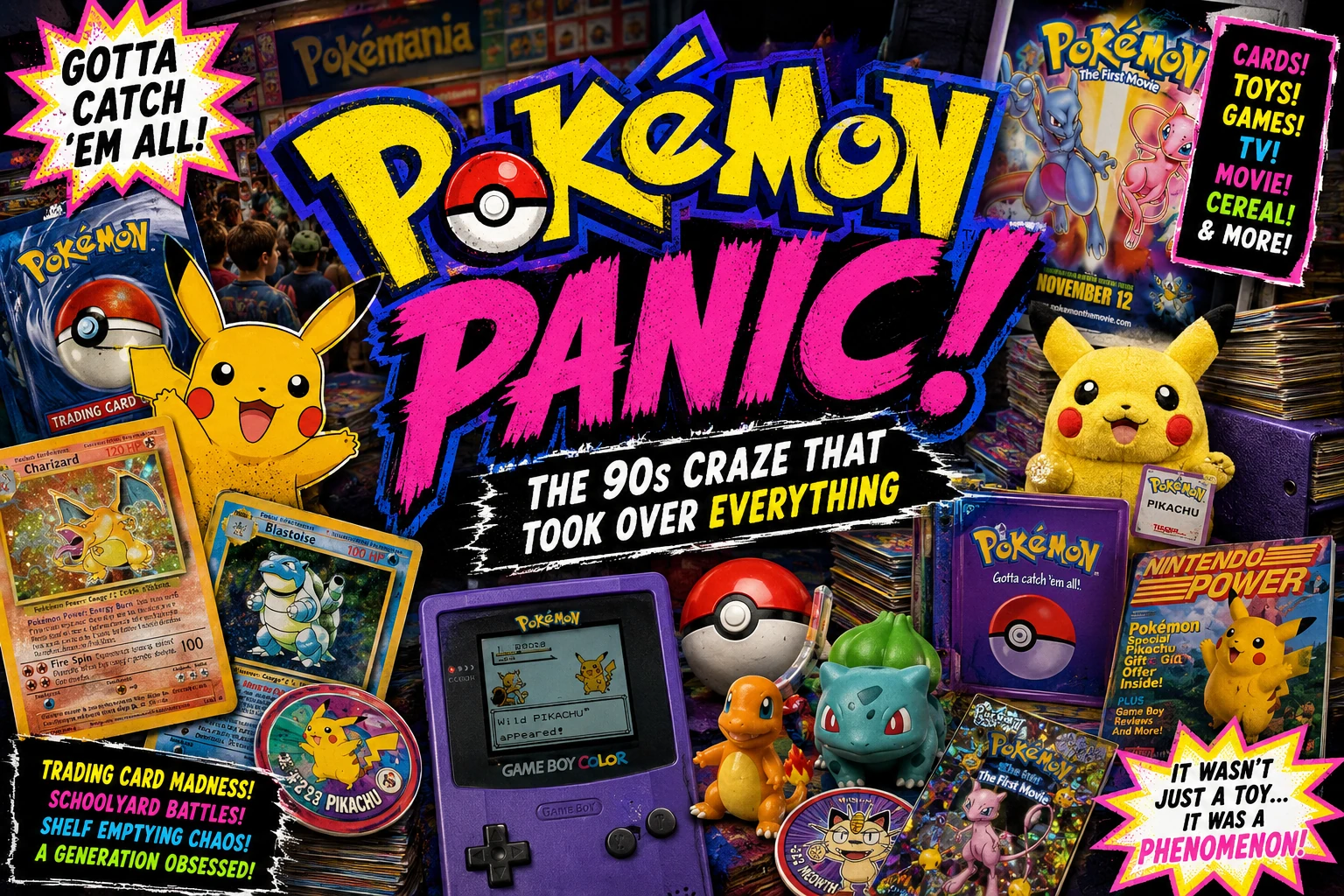
Pokémon Panic: How One Late-90s Craze Took Over Everything
There were 90s toy crazes, and then there was Pokémon Panic: the moment a Game Boy RPG, a trading-card binder, a TV theme song, a yellow mascot, playground trades, booster packs, link cables, fast-food promos, toy-store shelves, and school bans all fused into one giant late-90s kid operating system.
Pokémon did not just become popular. It became a language. Kids compared cards, traded creatures, argued over evolutions, protected holographics, begged for booster packs, carried binders like financial portfolios, hunted toys, watched the cartoon, played the games, and developed extremely strong feelings about cardboard rectangles with cartoon monsters on them. The adults were confused. The kids were locked in. The playground economy had found its final boss.
90s Toys
Head back to the full 90s Toys hub for action figures, collectibles, electronic pets, handhelds, dolls, plush, board games, backyard toys, commercials, and the rest of the decade’s plastic chaos.
Collector Economy90s Collectible Toy Crazes
Beanie Babies, Pokémon cards, Pogs, Crazy Bones, trading cards, Happy Meal toys, sealed action figures, and the schoolyard economy of “rare.”
Game Boy EnergyVideo Game Toys & Handhelds
Game Boy, Game Boy Color, Tiger LCD games, Nintendo 64, PlayStation, link cables, cartridges, rental cases, and the toy aisle’s slow slide toward screens.
Quick Answer: What Was Pokémon Panic?
Pokémon Panic was the late-90s explosion of Pokémon across Game Boy games, trading cards, the TV show, toys, fast-food promotions, schoolyard trades, magazines, playground rumors, and kid culture. It was not just one hit product. It was a perfectly connected craze where every part fed the next: the games made you want the cards, the cards made you talk at recess, the TV show made the characters emotional, the toys made it physical, and the link cable made the whole thing social.
The center of the panic was simple: collecting. Catch them in the game. Collect them in the binder. Trade for the one you did not have. Hunt for the holographic. Learn the names. Know the evolutions. Compare the decks. Carry the cards. Argue about value. Beg for one more booster pack at the checkout line because this time, obviously, the rare card was in there.
What made Pokémon different from other toy crazes was that it did not live in one aisle. It lived everywhere. Toy stores had figures and plush. Game stores had cartridges. Card shops had booster packs. Fast-food counters had promos. TV had episodes. School had trades. Backpacks had binders. Game Boys had saves. Parents had questions. Teachers had confiscated cards. Kids had opinions strong enough to damage friendships.
Why Pokémon Hit the Late 90s Like a Lightning Bolt
The late 90s were built for Pokémon. Kids already understood handheld gaming because Game Boy had been sitting in backpacks and car seats for years. They already understood trading because baseball cards, comic cards, Pogs, Beanie Babies, Crazy Bones, and lunch-table swaps had trained everyone in playground value. They already understood TV-to-toy hype because the 80s and early 90s had made cartoons, action figures, dolls, and movie tie-ins feel normal. Pokémon took all of that and compressed it into one monster-collecting machine.
The brilliance was that Pokémon gave kids multiple ways in. You could be a gamer. You could be a card collector. You could watch the show. You could own plush. You could collect figures. You could trade with friends. You could draw the characters. You could memorize names. You could argue about which starter was best like your family’s honor depended on it. You did not need every part of Pokémon to feel included, but every part made the world bigger.
Pokémon also understood kid psychology with terrifying precision. Kids love collecting, ranking, completing, trading, naming favorites, and feeling like they know a secret system adults do not understand. Pokémon gave them all of that. There were types, evolutions, attacks, levels, versions, rare cards, stage cards, energy cards, badges, gym leaders, trading rules, and just enough mystery to make every rumor sound possible.
The late-90s Pokémon formula
- Portable gaming: Game Boy made the Pokémon world personal, pocket-sized, and always nearby.
- Collectible cards: The trading card game turned characters into visible schoolyard currency.
- TV storytelling: The cartoon gave faces, voices, friendships, villains, and emotional stakes to the creatures.
- Social trading: Link cables and card trades made Pokémon something kids did together, not just alone.
- Rarity pressure: Booster packs and version exclusives created the constant feeling that the next thing you needed was just out of reach.
- Merch saturation: Toys, plush, fast food, school supplies, magazines, stickers, and shelves made Pokémon impossible to avoid.
That is why Pokémon felt bigger than a regular toy. A regular toy had a box. Pokémon had an ecosystem. It did not ask kids to buy one thing. It asked them to enter a world, learn the rules, collect the creatures, and then drag the whole thing to school in a binder that weighed as much as a small appliance.
Pokémon Panic Timeline
A fast visual map of how the late-90s craze escalated
Pokémon Panic built like a perfect late-90s storm: Japanese Game Boy success, U.S. Game Boy releases, the TV show, the trading card game, playground trades, school bans, toy aisles, fast-food promotions, movie hype, Game Boy Color energy, and the moment every kid with a binder started treating recess like a trading floor.
The Game Boy foundation
Pokémon begins as a handheld RPG built around collecting, battling, trading, and version differences.
Games and TV hit American kids
The Game Boy releases and animated series give the craze characters, story, music, and a reason to care.
The cards own recess
Booster packs, holographics, rarity symbols, and trades turn school into a cardboard marketplace.
Trading becomes a ritual
Link cables, version exclusives, battles, and trades make Game Boy gaming physically social.
Teachers enter the chat
Cards, trades, arguments, theft worries, and recess deals push schools to restrict or ban Pokémon activity.
Promos make it unavoidable
Restaurant toys and promo items move Pokémon from toy stores into family errands and drive-thru culture.
The movie turns it massive
Movie promos, special cards, and theater excitement make Pokémon feel like a full cultural event.
The craze mutates
New cards, games, toys, and characters keep the machine going beyond the first panic wave.
Pokémon becomes permanent
What looked like a 90s fad became one of the most durable kid-culture franchises ever.
The Major Waves of Pokémon Panic
Games, cards, TV, toys, fast food, and schoolyard chaos all feeding the same monster
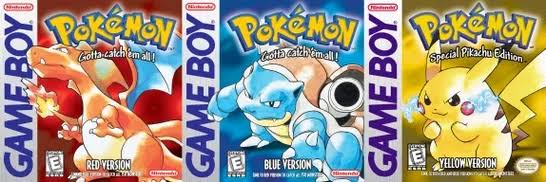
1. The Game Boy Games Made Pokémon Feel Personal
Pokémon’s first big trick was that it lived in your pocket. The Game Boy had already trained 90s kids to accept portable gaming as normal, but Pokémon gave that little gray brick a new purpose. It was not just a game you played for a few minutes. It was a world you carried. Your roster mattered. Your starter mattered. Your saved file mattered. Your progress felt personal.
The game loop was brutally effective: explore, battle, catch, train, evolve, repeat. It was simple enough for kids to understand and deep enough to make them obsess. Every new area suggested more creatures. Every battle promised improvement. Every evolution felt like a tiny payoff. Every empty spot in the Pokédex felt like an insult.
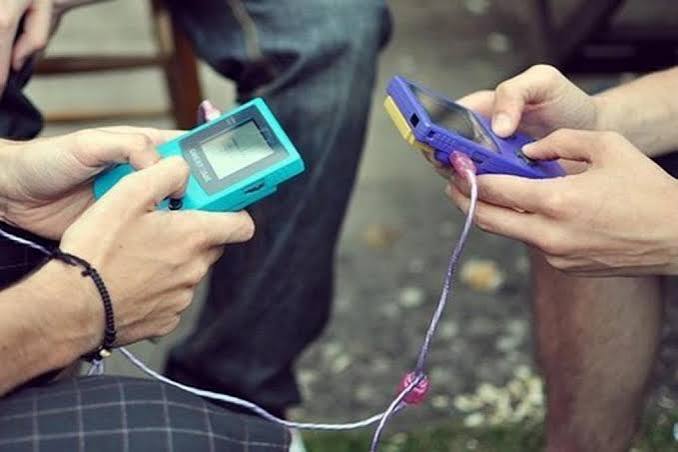
The link cable was genius
The link cable was not just an accessory. It was the wire that turned a single-player handheld into a kid-to-kid network. You could trade. You could battle. You could access creatures your version did not have. You needed another person. In an era before online play was normal for kids, Pokémon made handheld gaming social in the most physical way possible: two kids crouched together, connecting Game Boys with a cable like they were launching a shuttle.
Version differences made it worse in the best way. Having one version meant you needed someone with the other version. That turned ownership into collaboration, competition, and negotiation. Suddenly, a friend with the opposite cartridge had leverage. Pokémon did not just sell one game. It created a reason for two kids to compare, trade, argue, and keep playing.
The Game Boy games were the foundation because they made Pokémon feel like a living collection. The cards could show off the creatures. The TV show could dramatize them. The toys could put them on shelves. But the games gave kids the feeling that they were becoming trainers themselves, which is exactly the kind of identity hook that makes a craze go nuclear.
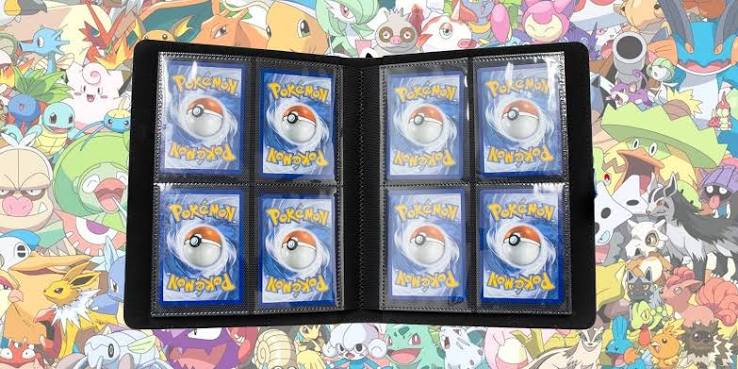
2. The Trading Cards Turned Pokémon Into Playground Currency
The cards were where Pokémon Panic became impossible to ignore. A Game Boy could be hidden in a backpack. A TV episode happened at home. But a Pokémon card binder was public. It opened on a desk, cafeteria table, bus seat, or playground bench and immediately announced your status. You either had the heat or you did not.
Booster packs created the addiction loop. You never knew what was inside. Maybe it was another duplicate. Maybe it was a card you needed. Maybe it was a holographic. Maybe it was the one card everyone was talking about. That tiny chance turned checkout lines into negotiations with parents who had no idea why cardboard had suddenly become urgent.
Holographics changed everything
Holographic cards were not just cards. They were events. The shine mattered. The condition mattered. The sleeve mattered. The binder page mattered. Kids held them differently. They showed them off differently. They traded around them carefully, suspiciously, and often terribly. A bad trade could become playground folklore by lunch.
The cards also created a vocabulary of value. Rarity symbols, evolutions, stage cards, energy cards, hit points, attacks, and types gave kids a whole system to learn. Some kids played the actual trading card game. Plenty of kids mostly collected. Either way, the cards worked because they turned knowledge into status. Knowing which cards mattered was part of the game.
The trading-card boom mattered because it made Pokémon physical, portable, and social. You could show your collection without a screen. You could trade in seconds. You could compare value. You could make deals. You could get ripped off. You could become the kid with the card everyone wanted. That is not just collecting. That is schoolyard economics with cartoon lightning.
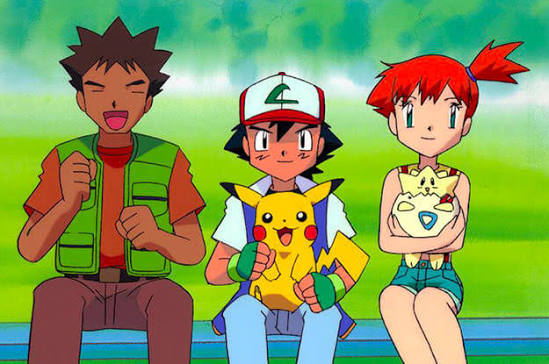
3. The TV Show Made the Monsters Feel Like Friends
The TV show made Pokémon feel bigger than mechanics. The games gave kids a world to play. The cards gave them objects to trade. But the cartoon gave Pokémon personality. Pikachu was not just an electric mouse on a screen. It was a character. Team Rocket was not just a villain concept. It was a weekly comedy routine. Ash was not just a trainer. He was the kid stand-in every viewer could follow.
That emotional layer mattered. Kids who did not fully understand the card game still understood the show. Kids who did not own every cartridge could still watch episodes. The TV series made Pokémon a shared language at school because everyone could talk about the same characters and moments, even if their collections were different.
The theme song did serious damage
A great 90s theme song could do more work than a marketing department wanted to admit, and Pokémon had one of the biggest. It told kids the mission, the mood, and the fantasy in under a minute. It made the whole franchise feel heroic, personal, and urgent. Suddenly “catching them all” was not just a slogan. It was a childhood assignment.
The show also made collecting feel meaningful. A creature in the game or on a card might be interesting, but once it had an episode, a voice, a battle, or a personality, it became memorable. That is how the franchise created attachment across formats. The same character could matter on TV, in a Game Boy battle, in a binder sleeve, and on a toy shelf.
This is why the cartoon was not optional background noise. It was one of the engines of Pokémon Panic. It kept the world alive between shopping trips, booster packs, and Game Boy sessions. Every episode was a reminder that the craze was still moving.
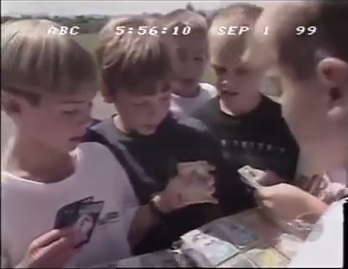
4. The Schoolyard Turned Pokémon Into a Trading Floor
Pokémon Panic did not truly become Pokémon Panic until it reached school. That is where it became daily. The playground made every card visible, every trade questionable, every rumor powerful, and every binder a social document. You could learn more about a kid’s priorities from their Pokémon binder than from a school biography worksheet.
The schoolyard gave the craze rules that were never written down but somehow everyone knew. Holographics stayed in sleeves. Duplicates were trade bait. Some cards were “not for trade” unless the offer was ridiculous. Someone always claimed their older cousin had a card nobody had seen. Someone always made a trade they regretted by the end of lunch. Someone always touched a card wrong.
Why schools started cracking down
Once cards entered school, so did arguments. Kids lost cards, claimed bad trades, accused each other of stealing, got distracted in class, and turned recess into negotiations. From an adult perspective, Pokémon was suddenly not just a toy craze. It was a classroom-management issue wearing a backpack.
Bans and confiscations only made the legend stronger. The more adults treated Pokémon like a problem, the more powerful it felt. Nothing says “this matters” to a kid like a teacher deciding the whole thing has become too disruptive to exist openly.
Schoolyard Pokémon mattered because it made the craze social every single day. The games were played at home. The show aired on TV. The cards came from stores. But school was where the economy happened. That is where Pokémon became status, rumor, drama, and memory.
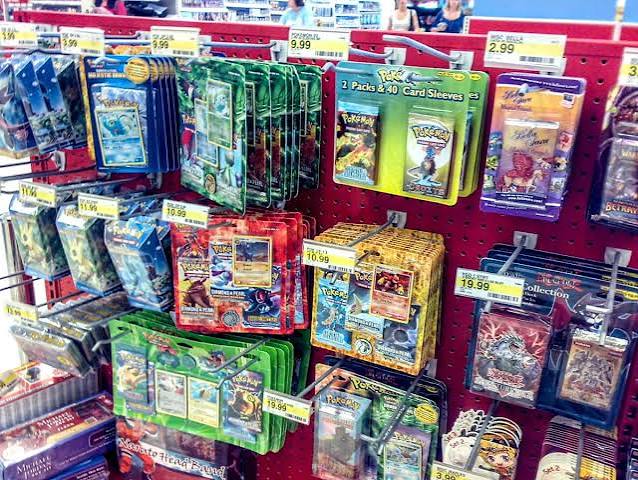
5. The Toy Aisle Turned Pokémon Into Stuff You Could Own
Once Pokémon hit the toy aisle, it became more than cards and games. Plush gave kids something soft. Figures gave them something displayable. Fast-food promos gave parents no safe errand. Stickers, school supplies, backpacks, lunchboxes, posters, and small collectibles made Pokémon feel like it could spread across every surface of a kid’s life.
The best toy crazes do not stay in one format. Pokémon understood that perfectly. The same kid might play the Game Boy game, carry cards, watch the show, own a plush, collect a toy, and ask for a fast-food promo because the character world felt connected. Every object pointed back to the same obsession.
Fast food made the panic unavoidable
Fast-food promotions were especially powerful because they moved Pokémon into a different part of family life. This was not just a toy-store trip anymore. A normal meal run could become a collectible hunt. Parents who had survived toy aisles now had to hear about promo toys from the back seat. The franchise had escaped containment.
Movie tie-ins and promo items pushed that energy even harder. Special cards, limited toys, themed packaging, and event-like releases made Pokémon feel bigger than a weekly cartoon. It became a cultural moment with merchandise attached to every doorway.
The toys mattered because they made the world tangible. Cards were collectible. Games were playable. TV was watchable. Toys were holdable. Together, they made Pokémon feel less like a product line and more like a full kid universe that had somehow taken over the mall.
6. Adults Didn’t Understand It, Which Made It Stronger
Part of Pokémon’s power was that adults did not fully understand it. Parents could recognize a Ninja Turtle. They could understand a doll, a board game, a squirt gun, or even a handheld console. But Pokémon came with layers: games, cards, types, evolutions, link cables, rarity symbols, deck rules, booster packs, TV lore, and creatures with names that sounded like someone sneezed into a Nintendo manual.
That confusion gave kids ownership. Pokémon felt like a kid-controlled world. Adults could buy the packs, drive to the store, and complain about the price, but they did not always know which card mattered, which trade was fair, why version exclusives mattered, or why losing one small piece of cardboard could cause a household incident.
The adult panic was part of the brand
Adults worrying about Pokémon made the craze feel bigger. News stories, school bans, store shortages, safety concerns around promotional items, and general parental confusion gave Pokémon an aura of importance. It was not just popular. It was causing reactions. For kids, that made it feel even more like a major cultural event.
The same thing happened with other 90s crazes, but Pokémon was different because it had staying power. Beanie Babies had adult speculation. Pogs had playground rules. Tamagotchi had classroom disruption. Pokémon had all of that plus a game system, a TV show, and a card economy. It was not one panic. It was several panics wearing one logo.
Adult confusion made Pokémon stronger because it created a boundary around kid knowledge. The kids knew the language. The adults were visitors. That is the secret ingredient behind a lot of the best childhood crazes: the feeling that your world has rules the grown-ups cannot quite follow.
The Pokémon Card Binder Economy
The binder was the shrine. You could keep cards loose in a stack if you were a chaos gremlin, but the real Pokémon kid had pages. Nine pockets per sheet. Holographics in the front. Favorites displayed like museum pieces. Energy cards and duplicates lurking in the back like unpaid interns. The binder turned a collection into a presentation, and presentation mattered.
A good binder did three things at once. It protected the cards, showed off status, and created trade leverage. Opening a binder was theater. Other kids leaned in. Someone asked if a card was for trade. Someone offered three cards that were absolutely not equivalent. Someone claimed a damaged card was still “basically mint.” Someone tried to touch the holo. Violence was avoided, but only barely.
Why the cards felt like money
Pokémon cards felt like money because kids treated them like money. They were portable, comparable, tradable, and socially understood. Even kids who did not know the formal rules knew certain cards had more power in the playground economy. Holographics had glow. Starters had emotional pull. Evolutions had hierarchy. Rare cards had mystery. Duplicates had trade value. Condition mattered because someone’s older brother said so.
The booster pack was the slot machine children were legally allowed to beg for. You could not know what was inside, and that uncertainty did half the work. Every pack came with possibility. Most packs were not life-changing, obviously, but the hope was enough. Maybe this one had the card. Maybe this one fixed the binder. Maybe this one gave you leverage Monday morning.
Bad trades became childhood trauma
Every Pokémon school had bad-trade stories. A kid traded a holographic for a stack of commons because the stack looked bigger. Someone gave up a favorite because a friend insisted it was “not even that rare.” Someone swapped cards and regretted it during the next class period. Someone’s parent got involved. Someone’s teacher confiscated the whole binder. The economy was messy because it was run by children with juice boxes and incomplete math skills.
That mess is why it is memorable. Pokémon cards taught kids value, scarcity, negotiation, regret, protection, status, and suspicion. That is a lot for cardboard monsters to carry, but they carried it beautifully.
Schoolyard Pokémon Rules Nobody Wrote Down
The unwritten law of late-90s recess economics
| Rule | What It Meant | Why It Mattered |
|---|---|---|
| Never touch someone’s holo without permission. | Holographic cards had invisible force fields made of kid anxiety. | Condition mattered, or at least everyone acted like it did. |
| A binder page was a status report. | The front pages told the whole room what kind of collector you were. | Card order became social strategy. |
| Duplicates were not worthless. | Duplicates were trade ammo, especially if somebody else needed them. | The economy ran on “I have extra.” |
| Never trust “my cousin said.” | Every school had rumors about fake values, secret cards, and impossible pulls. | Rumor was gasoline for the craze. |
| A bad trade could follow you. | Some trades were remembered longer than actual school lessons. | Pokémon taught regret early. |
| If teachers banned it, it became cooler. | Restrictions turned cards into contraband status objects. | Adult resistance made the craze feel bigger. |
Pokémon vs. Other 90s Toy Crazes
Pokémon did not happen in a vacuum. The 90s had already created the perfect toy-craze training ground. Pogs taught kids that small objects could become playground currency. Beanie Babies taught families that cute collectibles could trigger adult panic. Tamagotchi taught kids to carry needy digital things. Game Boy taught them to play in private. Trading cards taught them binder culture. Fast food taught them that a meal could become a hunt.
Pokémon combined all of it. It had the collecting of Beanie Babies, the portability of Pogs, the schoolyard trading of cards, the digital obsession of Game Boy, the character attachment of cartoons, the promotional reach of fast food, and the toy-store footprint of a full merchandise line.
That is why it outlasted most of the decade’s crazes. Pokémon was not a single product with a short fuse. It was a network. When one part cooled, another part could heat up.
Why Pokémon Still Feels So 90s
Pokémon still feels deeply 90s because the first wave belonged to a very specific world: Game Boy screens without backlights, link cables, TV blocks, physical cards, mall stores, school binders, fast-food toys, printed checklists, playground rumors, and kids learning value from cardboard before the internet flattened everything.
Today, Pokémon is everywhere and always available. In the 90s, it felt hunted. You had to find the pack. You had to know the kid. You had to bring the cable. You had to get to the store. You had to hear the rumor. You had to protect the binder. That friction made the memories stronger.
The first Pokémon wave was not clean or convenient. It was physical, loud, messy, and social. That is why it still hits.
Why Pokémon Panic Was Different From Every Other 90s Toy Craze
The 90s had plenty of toy crazes. Pogs were everywhere until they were suddenly embarrassing. Beanie Babies made adults behave like plush animals had a retirement plan. Tamagotchi turned keychains into emotional obligations. Furby stared into the void and somehow convinced America to buy batteries in bulk. But Pokémon was different because it did not rely on one object, one gimmick, or one holiday season.
Pokémon was a system. That is the whole trick. A kid could discover it through the Game Boy games, then watch the cartoon, then want the cards, then want the toys, then need a binder, then ask for a link cable, then beg for booster packs, then drag the entire obsession into school, where other kids made it stronger. Every entry point fed another entry point. The games made you care about collecting. The cards made collecting visible. The show made the creatures emotional. The toys made them physical. The schoolyard made them valuable.
Most toy crazes burn hot because everyone wants the same item at the same time. Pokémon burned hotter because it gave kids a reason to keep moving through the world: catch more, trade more, watch more, learn more, buy more, argue more, and protect the binder from anyone with Cheeto fingers. It was not just “I want that toy.” It was “I need to complete this world.”
The difference between a fad and a universe
A fad gives you one thing to chase. A universe gives you a reason to keep chasing. Pokémon had goals everywhere. In the game, you wanted the next badge, the next evolution, the next trade, the next rare creature. In the card binder, you wanted the next holo, the missing starter, the complete evolution line, the card everybody else kept asking about. On TV, you wanted the next episode, the next battle, the next character moment. In stores, you wanted the plush, the figure, the promo, the pack, the thing near the register your parent hoped you would not notice.
That made Pokémon feel bigger than the sum of its parts. You could take away one piece and the machine still worked. No Game Boy for the afternoon? The cards were still there. No booster pack? The show was still on. No new toy? A friend had a link cable. No link cable? Someone had a binder. The craze had backup systems, which is frankly more planning than most of us had for high school.
The kid-knowledge advantage
Pokémon also gave kids something adults did not fully understand. That mattered. Every great childhood craze has a private language: names, rules, values, rumors, symbols, rare pieces, and unwritten laws. Pokémon had all of it. Kids knew which creatures evolved. Kids knew which cards were special. Kids knew which trades were insulting. Kids knew which version had what. Kids knew that a holographic card was not just shiny; it was social power in laminated form.
Adults could buy the stuff, but kids interpreted it. That created a gap. Parents saw cards. Kids saw value. Parents saw a Game Boy game. Kids saw a world. Parents saw “another little yellow thing.” Kids saw a character with emotional weight, TV presence, card status, and playground recognition. That gap made the craze feel owned by kids, and kid ownership is rocket fuel for nostalgia.
The Five Engines That Powered Pokémon Panic
Not one craze — five connected machines running at the same time
The Game Boy Loop
The games gave kids a personal mission: catch, train, battle, evolve, trade, and complete. That loop made Pokémon feel deeper than a regular toy because the collection lived inside a save file first.
The Binder Flex
Cards moved Pokémon from private gaming into public schoolyard status. A binder was not storage. It was a portable trophy case, trade table, and social ranking system.
The TV Emotion Machine
The animated series gave the monsters faces, voices, personalities, jokes, rivals, and emotional stakes. It made kids care about creatures before they ever pulled the card.
The Toy-Store Spread
Plush, figures, school supplies, fast-food toys, stickers, posters, and promo items turned Pokémon into something that could cover a bedroom, backpack, lunchbox, and birthday list.
The School Ban Effect
Once teachers started confiscating cards and schools started cracking down, Pokémon felt even more powerful. Nothing makes a kid craze legendary faster than adults treating it like contraband.
The Rumor Network
Every playground had stories: secret cards, impossible trades, fake values, mystery pulls, rare promos, and a cousin who definitely knew the truth. The rumor mill kept the panic breathing.
The Commercial Machine Behind Pokémon Panic
Before kids could scroll past ads, commercials hit them when they were already emotionally vulnerable: Saturday morning, after school, during cartoons, before dinner, or while sitting on the floor too close to the TV. Pokémon commercials did not have to explain the whole franchise. They just had to make the next thing feel urgent. Booster packs. Game Boy games. Toys. Movie promos. Fast-food items. If it had a logo and a lightning-bolt vibe, it became part of the hunt.
The strongest Pokémon ads worked because they sold participation. They were not just saying “buy this toy.” They were saying, “This is the thing everyone is doing, and you are about to be behind.” That is the exact pressure point 90s toy commercials loved to jab with a plastic fork. The ads showed kids trading, battling, collecting, reacting, yelling, opening packs, and acting like every product was the missing piece of childhood.
Why Pokémon commercials were so effective
- They were fast: The ads moved like recess gossip — quick cuts, big reactions, bright packaging, and instant urgency.
- They showed groups: Pokémon was usually framed as something kids did together, which made it feel social instead of solitary.
- They sold discovery: Booster packs, new creatures, hidden cards, mystery promos, and evolving teams all made the next purchase feel like a reveal.
- They connected formats: Games pointed to cards. Cards pointed to TV. Toys pointed to characters. Promos pointed back to the whole world.
- They made adults irrelevant: The commercials spoke kid language. Parents were mostly there to provide transportation and money. Harsh, but accurate.
That is why Pokémon commercials are perfect for a 90s toy-commercial countdown. They capture the exact late-decade shift from “here is a toy” to “here is a whole ecosystem you need to join immediately before the cafeteria economy moves on without you.”
What Pokémon Did to Toy Stores
Pokémon changed toy-store energy because it did not belong neatly in one section. Cards could be near the register, in a card aisle, behind a counter, at a hobby shop, in a mall kiosk, or locked up if the store had already seen enough chaos. Toys and plush could sit in the main aisle. Game Boy cartridges lived with video games. Promo items lived wherever the current marketing tornado dropped them.
That made the hunt feel bigger. You did not just walk to one shelf. You scanned the whole store. Were there booster packs? Were they sold out? Was there a new plush? Did the glass case have anything? Did the register have packs? Was there a display? Did another kid already get the last thing? Was the employee about to say the most devastating phrase in 90s retail: “We just sold out”?
The late-90s toy-store Pokémon route
- Check the card section first because panic has priorities.
- Look near the register because stores knew exactly what they were doing.
- Scan the video-game area for cartridges, guides, link cables, and Game Boy accessories.
- Hit the plush and figure aisle for anything with a familiar face.
- Ask a parent for “just one pack,” a phrase that never meant one pack emotionally.
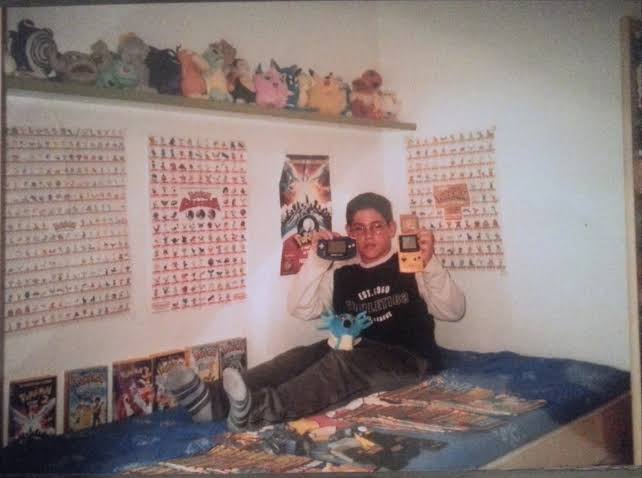
What Pokémon Did to Kids’ Bedrooms
Pokémon also spread into bedrooms like a very organized infestation. A kid’s room could have a Game Boy on the dresser, cards in a binder, loose duplicates in a drawer, a poster on the wall, a plush on the bed, school supplies in the backpack, stickers on something that was not supposed to have stickers, and a strategy guide with pages bent from panic research.
This mattered because the craze became ambient. Even when you were not actively playing or trading, Pokémon was around. It was on the desk, in the backpack, on the floor, near the TV, in the toy box, or hidden somewhere because a sibling had no respect for binder law.
The bedroom evidence pile
- A Game Boy with batteries that were always somehow dying.
- A binder that made a weird plastic-sheet sound when opened.
- Loose cards that should have been better protected but childhood is chaos.
- A plush or figure from a favorite character phase.
- A checklist, magazine, guide, or notebook full of names and wishes.
- At least one duplicate card used as emotional trade bait.
The Complete Pokémon Panic Ecosystem
Every part of the craze had a job
| Part of the Craze | What It Did | Why Kids Cared |
|---|---|---|
| Game Boy Games | Created the trainer fantasy and gave kids a personal collection to build. | Your team felt like yours. Your save file mattered. Your starter choice was basically personality testing. |
| Trading Cards | Made Pokémon visible, tradable, collectible, and instantly comparable at school. | Binders became status. Holos became currency. Bad trades became emotional damage. |
| Animated Series | Gave characters personality, story, humor, conflict, villains, and weekly momentum. | Kids cared about the creatures, not just the stats or card art. |
| Link Cable | Turned handheld gaming into a face-to-face social ritual. | You needed friends, timing, trust, and a cable that was never where you left it. |
| Booster Packs | Added mystery, chance, rarity, and checkout-line begging. | Every pack could be boring or legendary. That tiny possibility did dangerous work. |
| Plush & Figures | Made the characters physical and bedroom-display friendly. | Favorite creatures could finally leave the screen and binder. |
| Fast-Food Promos | Moved Pokémon into family errands and made meals part of the hunt. | Even dinner could now be a collectible opportunity. Parents were not safe anywhere. |
| Movie Promos | Turned the craze into an event with special cards, toys, and theater excitement. | It made Pokémon feel bigger than TV — like a full cultural takeover. |
| School Bans | Made cards feel disruptive, valuable, and slightly forbidden. | Being banned by adults only confirmed that Pokémon had power. |
| Rumors | Kept kids talking about secret values, rare pulls, fake cards, and impossible stories. | The mystery made the world feel larger than what you actually owned. |
The Movie, Fast Food, and Promo Explosion
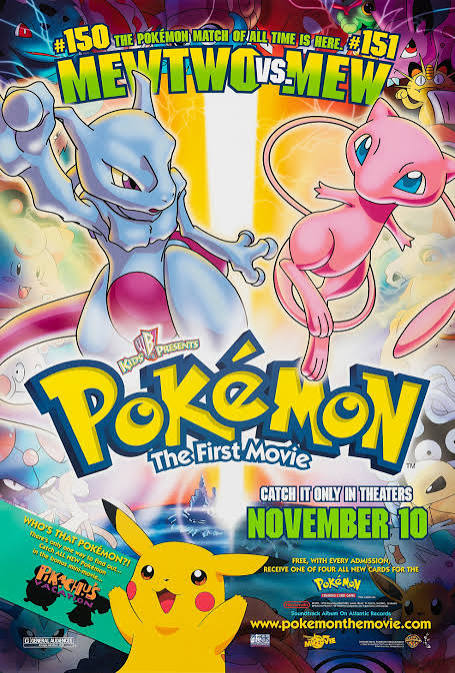
By the time Pokémon reached the movie-and-promo phase, the craze had escaped normal toy boundaries. It was no longer just something kids played, watched, or traded. It was something families encountered while doing regular life. Go to a restaurant? Pokémon. Go to the movies? Pokémon. Walk past a store display? Pokémon. Try to avoid a checkout lane? Good luck, there are booster packs within begging distance.
Movie promos made the craze feel like an event. Special cards, theater excitement, character hype, and the sense that everyone was going made Pokémon feel larger than television. For a kid, a movie connected to your favorite game/card/show universe did not feel like “brand expansion.” It felt like the whole thing had leveled up.
Fast-food promotions were even more dangerous because they turned routine errands into collectible hunts. A parent might think they were buying dinner. A kid knew they were entering a limited-time acquisition window. That is a very different emotional contract.
Why promo toys hit so hard
- They felt temporary: Limited-time promos made kids think, “If I miss this, it is gone.”
- They were tied to normal errands: You did not need a toy-store trip. The promo could appear during lunch, dinner, or a weekend drive.
- They were collectible: One promo item was nice. A full set was the trap.
- They created parent pressure: Adults thought it was a meal. Kids thought it was an urgent collecting mission.
- They kept Pokémon everywhere: Even outside the toy aisle, the franchise kept tapping kids on the shoulder.
This is why Pokémon’s late-90s spread felt so total. A lot of franchises had toys. Pokémon had touchpoints. It could reach kids through games, cards, TV, toys, theater trips, restaurant counters, school, magazines, and friend groups. Once a craze has that many doors, it stops feeling like marketing and starts feeling like weather.
Why the Characters Worked
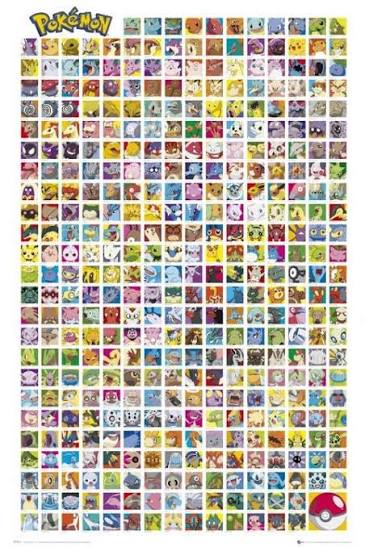
Pokémon had a ridiculous advantage: the characters were simple enough to recognize instantly but varied enough to give every kid a favorite. Some were cute. Some were tough. Some were weird. Some looked like they had been designed during a fever. That variety gave kids choice, and choice gave them identity.
A favorite Pokémon said something about you, or at least kids acted like it did. Were you a Pikachu kid? A Charizard kid? A Squirtle kid? A Mewtwo kid? Did you like the cute ones, the powerful ones, the weird ones, the scary ones, or the ones nobody else seemed to care about? The character roster let kids build little personal alliances inside the larger craze.
The designs also worked across formats. A creature could be a sprite, a card illustration, a TV character, a plush, a sticker, a figure, and a lunchbox graphic. That flexibility made the franchise incredibly merch-friendly without losing recognition.
Why Pikachu Became the Face of the Panic
Every massive kid craze needs a mascot that can survive outside its original context. Pikachu did that perfectly. Cute enough for plush. Recognizable enough for commercials. Expressive enough for TV. Simple enough for kids to draw badly in notebook margins. Bright enough to pop on packaging. Memorable enough that even confused adults could identify it.
Pikachu made Pokémon approachable. The larger franchise had rules, stats, evolutions, types, and a lot of names to remember. Pikachu gave the whole thing a friendly front door. Kids could go deeper, but adults and casual viewers had a mascot to grab onto.
That mascot power mattered in toy stores. A shelf full of unfamiliar creatures could be overwhelming, but a recognizable face pulled everything together. Pikachu was the lightning rod — literally, because the 90s loved being on the nose.
Fake Cards, Playground Rumors, and “My Cousin Has One” Energy
Every schoolyard economy creates a black market of nonsense, and Pokémon was no exception. Fake cards, suspicious trades, weird rumors, impossible values, and “my cousin has one” stories floated through the late-90s playground like pollen. Some of it was misinformation. Some of it was exaggeration. Some of it was a kid trying to make a card sound more valuable than it was because negotiation is apparently a life skill we learned through monsters.
The rumor network was part of the fun because Pokémon already felt huge and mysterious. There were so many creatures, cards, versions, episodes, promos, and releases that almost anything sounded possible to a kid. Secret cards? Maybe. Ultra-rare pulls? Sure. A card worth a fortune? Someone said so. A kid in another class had one? Conveniently impossible to verify.
Classic playground rumor categories
- The impossible card: A card nobody had seen but everyone had heard about.
- The fake value: A kid claiming a card was worth an absurd amount because an older sibling allegedly knew.
- The suspicious trade: A deal that seemed fair until three people gathered around to explain that it definitely was not.
- The secret source: A cousin, neighbor, card-shop employee, or “guy at the mall” who supposedly knew everything.
- The fake card panic: Cards that looked wrong, felt wrong, smelled wrong, or were printed with the energy of a mall kiosk printer giving up.
Rumors mattered because they made the world feel alive. Pokémon was already a collection game, but the stories around the collection gave it mythology. The cards were physical objects. The rumors gave them ghosts.
How Pokémon Outlasted the 90s Toy Graveyard
The 90s toy graveyard is packed. Some crazes burned hot and disappeared. Some survived as nostalgia. Some became punchlines. Pokémon did something rare: it became a permanent part of pop culture. That does not happen by accident.
Pokémon lasted because the core idea was flexible. New games could introduce new creatures. New cards could reset collecting. New shows could bring in younger viewers. New toys could refresh shelves. Nostalgia could pull older fans back in. Competitive play could keep serious fans engaged. The franchise had room to grow without abandoning the original fantasy: collect creatures, build a team, and feel like the world is bigger than what you have already found.
It also lasted because the first wave created emotional infrastructure. That sounds dramatic, but it is true. Kids did not just remember owning Pokémon products. They remembered trades, friends, recess, car rides, store hunts, TV blocks, movie trips, binder pages, bad deals, school bans, and the feeling that everyone was speaking the same language for a little while. Products fade. Shared rituals stick.
Why the first wave still hits
- It was physical: Cards, cartridges, cables, binders, plush, figures, and promo items were objects you handled.
- It was social: Trades, battles, school talk, and shared TV viewing made it communal.
- It had scarcity: Booster packs, rare cards, version exclusives, and promos created chase energy.
- It had identity: Favorite creatures, starters, teams, and collections let kids personalize the craze.
- It kept evolving: The franchise could add more without breaking the original appeal.
That is the difference between Pokémon and so many 90s fads. A lot of crazes were moments. Pokémon became a memory system. It tied itself to places, objects, routines, friendships, and tiny emotional disasters. That is why the first wave still feels powerful decades later, even to people who have not touched a link cable since the Clinton administration.
How This Connects to a 90s Toy Commercial Countdown
If you are building a 90s toy-commercial video, Pokémon deserves its own stretch because it represents the late-decade shift from standalone toys to connected kid ecosystems. The best Pokémon commercial clips are not just about showing cards or games. They show the panic machine: trading, collecting, battling, opening packs, movie excitement, promo hunting, and kids treating a brand like it had taken over recess.
For a countdown, Pokémon works best near the top because it was not a side craze. It was the final boss of 90s toy marketing. Put it after Beanie Baby/Furby/digital pet energy and before the biggest action-toy anchors if you want the video to feel like the decade is escalating.
The strongest search targets are Pokémon trading card commercials, Pokémon Game Boy commercials, Pokémon movie promo commercials, Pokémon fast-food promo commercials, and Pokémon toy commercials from 1998–2000. That cluster gives you the full panic: cards, games, promos, toys, and the “every kid is doing this” energy.
Pokémon Panic FAQ
What was Pokémon Panic in the 90s?
Pokémon Panic was the late-90s explosion of Pokémon across Game Boy games, trading cards, TV episodes, toys, fast-food promos, schoolyard trading, and playground culture. It became more than a toy craze because it connected gaming, collecting, TV, and social trading into one kid-driven ecosystem.
Why were Pokémon cards such a big deal?
Pokémon cards were portable, tradable, collectible, and visible. Kids could bring binders to school, compare collections, trade duplicates, chase holographics, and turn recess into a small economy. The cards made Pokémon social in a way that games alone could not.
Why did schools ban Pokémon cards?
Many schools restricted or banned Pokémon cards because they caused distractions, arguments over trades, lost-card drama, theft concerns, and classroom disruption. Naturally, this made them feel even more legendary to kids.
Was Pokémon bigger than Beanie Babies?
Beanie Babies were a massive adult-and-kid collector craze, but Pokémon had a broader system behind it: video games, cards, TV, toys, movies, fast-food promos, and schoolyard trading. Pokémon became less like a fad and more like a permanent franchise.
Where does Pokémon fit in 90s toy history?
Pokémon sits at the end of the 90s toy decade as the bridge between classic physical toys and the screen-connected future. It used cards, toys, and collectibles, but it also leaned heavily on handheld gaming, media tie-ins, and social systems that pointed toward modern kid culture.