Pokémon Trading Cards
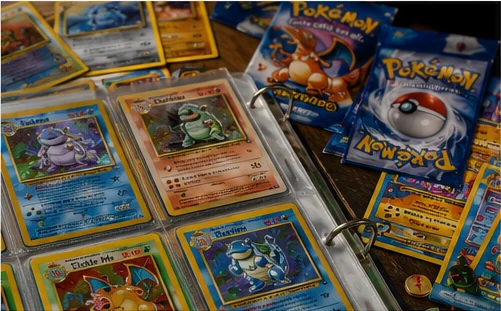
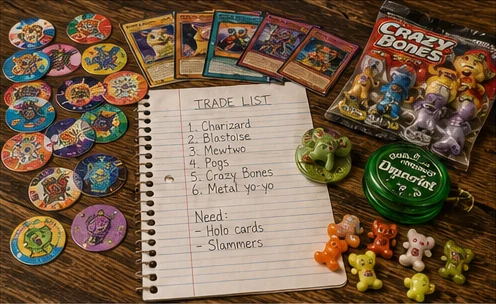
Pokémon cards did not merely become popular in 1999. They reorganized recess. Suddenly every binder had an economy, every booster pack had suspense, and every kid knew somebody who claimed to have a holographic Charizard protected like a family deed.
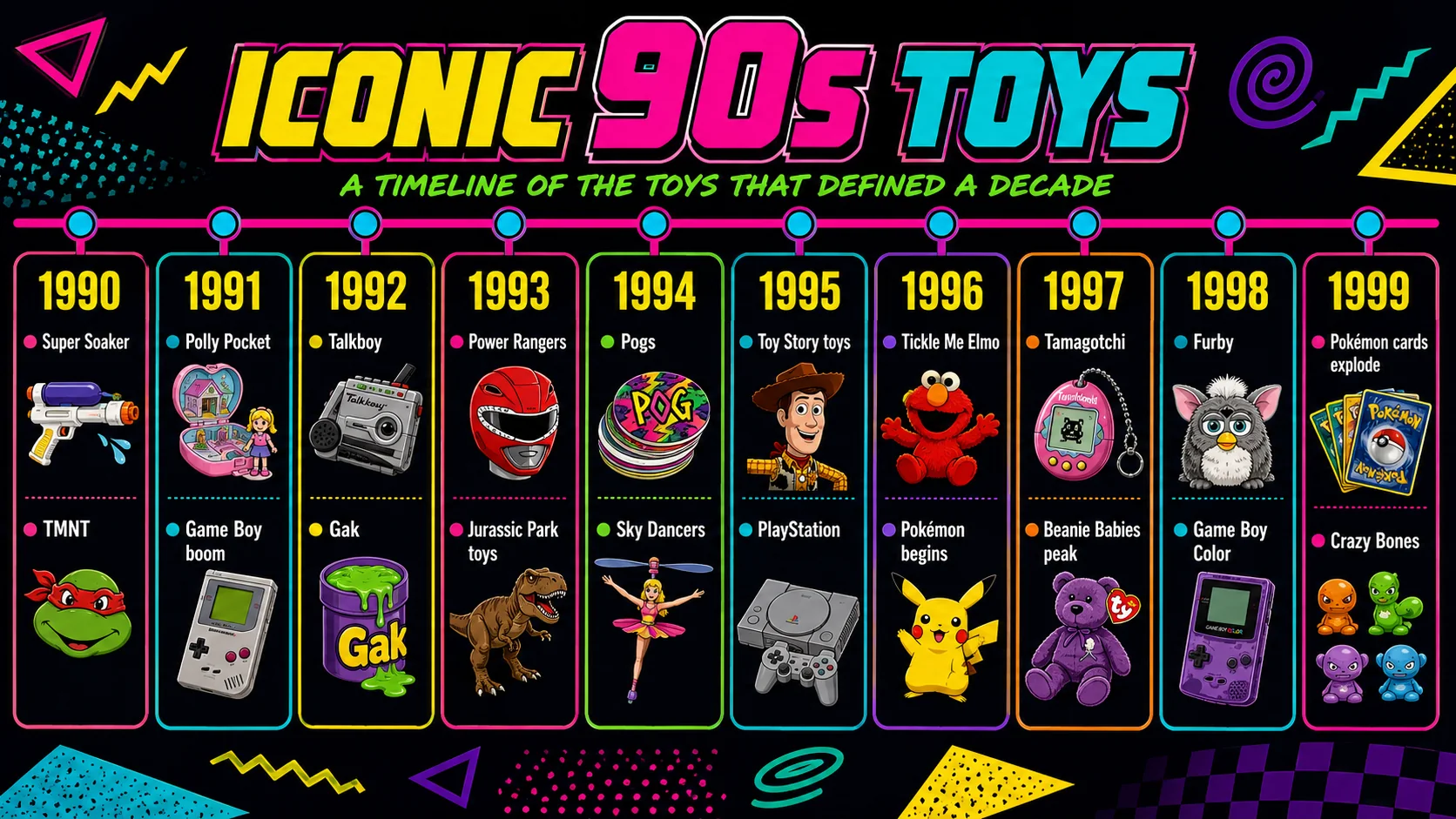
The cards worked because they were attached to everything else: the Game Boy games, the cartoon, the character designs, the trading culture, the rumors about rarity, and the basic human need to prove that your stack of cardboard was better than somebody else’s. Pokémon turned collecting into a daily social ritual. You could play the game, trade the cards, organize them by number, argue about condition, or just stare at the holograms under classroom lights. By the end of the decade, the franchise had fused toys, games, television, movies, fast-food promotions, and schoolyard status into one giant machine. No other 90s toy craze connected that many parts of kid culture at once.
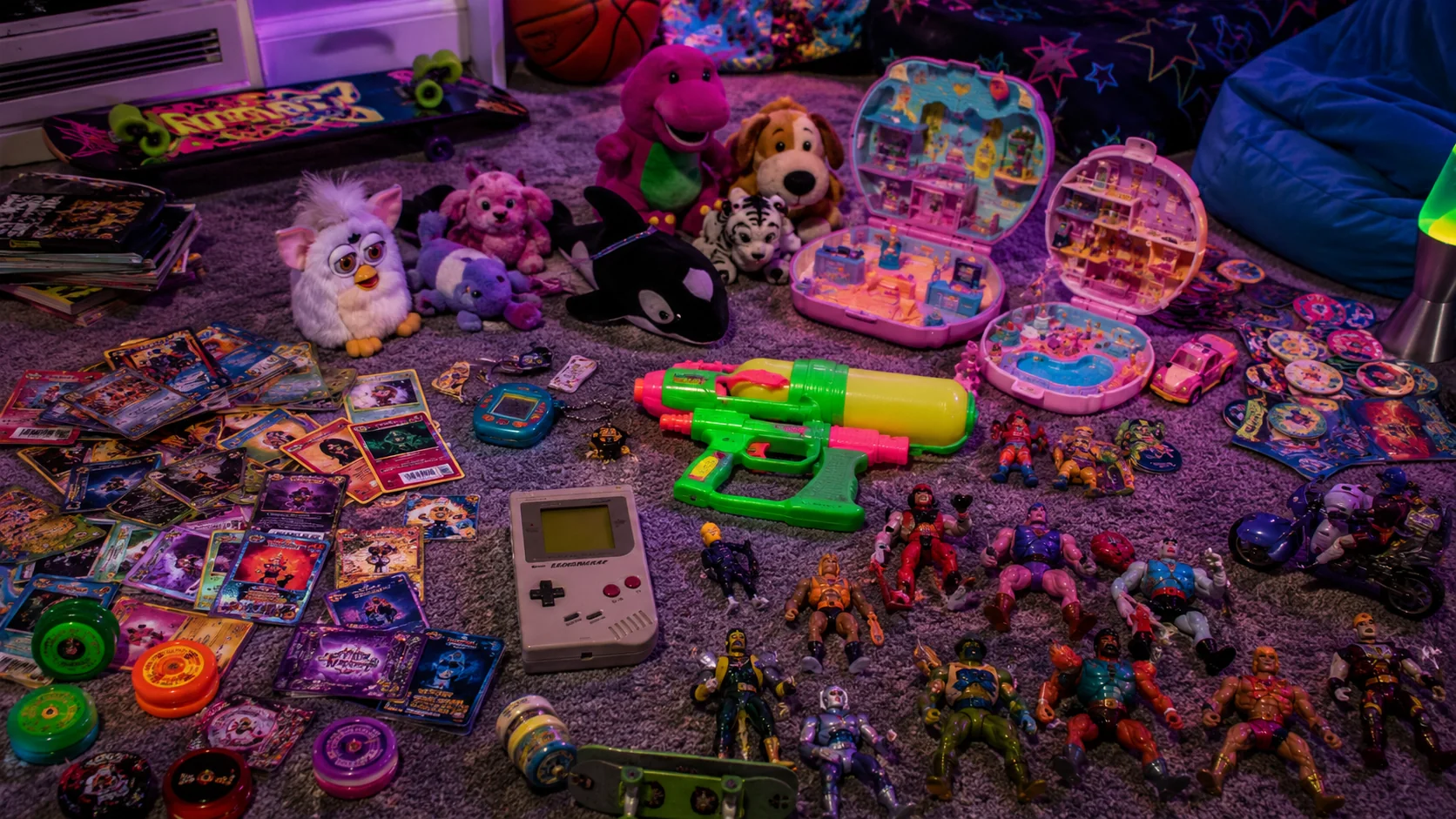
The cards also changed the physical geography of school. Binders stayed zipped until lunch, trades happened under desks, and every rumor about a rare pull traveled faster than anything the teacher was saying. That social side is why Pokémon belongs beside the biggest schoolyard toys and recess crazes of the 90s, not just in a collectible guide. The craze also spilled into convenience stores, movie promotions and the kind of fast-food giveaways that made an ordinary family meal feel like a limited-time mission. Pokémon was not one toy on one shelf. It was a whole ecosystem that followed kids everywhere.