NBC Owned the First Four
The network controlled the four highest positions with three comedies and one giant spin-off.

According to the Nielsen rankings for the 1987–88 television season, The Cosby Show remained America’s most-watched program with a 27.8 rating. A Different World ranked second, followed by Cheers, The Golden Girls and Growing Pains.
ALF and The Wonder Years both earned an 18.8 rating and officially tied for tenth. The result is ten ranking positions containing eleven programs.
 Now Broadcasting
The Cosby Show ranked number one in the 1987–88 Nielsen season with a 27.8 rating. A Different World ranked second at 25.0, Cheers ranked third at 23.4, The Golden Girls ranked fourth at 21.8 and Growing Pains completed the top five at 21.3.
Who’s the Boss?, Night Court, 60 Minutes and Murder, She Wrote ranked sixth through ninth. ALF and The Wonder Years tied for tenth at 18.8.
NBC controlled the first four positions and placed six programs among the eleven tied entries. ABC supplied three family and coming-of-age hits, while CBS held the leading newsmagazine and comfort mystery.
The biggest shows now offered recognizable places and repeatable emotional routines: homes, a college campus, a Boston bar, a night court, a cozy mystery and even one suburban house hiding an alien.
The network controlled the four highest positions with three comedies and one giant spin-off.
Family homes, college life, older friendship, adult hangouts and courtroom chaos all became major hits.
60 Minutes and Murder, She Wrote remained massive because viewers trusted their formats.
ALF and The Wonder Years represented two opposite but equally powerful forms of late-80s nostalgia.
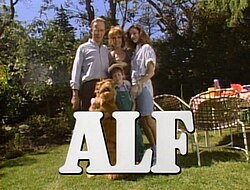

The final position contains two very different programs with the same 18.8 Nielsen rating. Rather than inventing an eleventh rank, this page preserves the official tie and gives each series its own full treatment.
ALF earning a share of the final top-10 slot says a lot about how broad late-80s family viewing still was. The premise was pure high-concept network TV: Gordon Shumway, nicknamed ALF for “Alien Life Form,” crash-lands into the garage of the suburban Tanner family and spends the rest of the series hiding from the government, insulting everyone in sight, and turning normal domestic life into a running emergency. The show’s entire engine depended on contrast: ALF was chaotic, sarcastic, selfish, and unpredictable, while the Tanners were structured, middle-class, and trying desperately to keep the house functioning like a normal home.
What made the show more than a puppet gimmick was that it understood the value of family structure. ALF himself was the disruption, but the Tanners gave the series an emotional frame that kept it from becoming random. Willie and Kate had to absorb constant crisis. The kids had to normalize the absurd. That made the comedy more sustainable, because every joke played against a recognizable family unit trying to preserve order. It also made the show highly marketable in the classic 80s way: kids could latch onto the alien and the catchphrases, while adults could enjoy the sitcom rhythms built around exasperation, concealment, and weekly domestic collapse.
ALF matters because it captures a distinct branch of late-80s television: family entertainment that was broad enough for kids, sarcastic enough for adults, and weird enough to feel unmistakably of its era. It also shows that comfort television didn’t always have to be realistic. Sometimes it was a suburban household trying to keep an alien from eating the cat and exposing the family to federal capture.
The Wonder Years tying at the last slot points in almost the opposite direction. Where ALF was broad and openly comic, The Wonder Years was reflective, memory-driven, and emotionally observant. Set in the late 1960s and early 1970s and framed through adult recollection, the show centered on Kevin Arnold’s coming-of-age story and used memory as a storytelling device instead of just a nostalgic filter. That gave the series an unusual texture right away: it wasn’t only about adolescence in the moment, but about how adolescence looks when you finally have enough distance to understand it.
What made the show distinctive was its willingness to let small moments matter. Crushes, embarrassment, family arguments, friendship shifts, school pain, and social change were all given emotional weight without being inflated into melodrama. Kevin’s relationship with Winnie Cooper became one of the series’ defining threads, but the show’s deeper power came from its ability to treat memory itself as story material. It wasn’t just asking what happened. It was asking what it felt like to be young while history, family life, and personal identity were all changing at once.
That made The Wonder Years especially valuable in the 1988 top 10. It suggested that viewers were ready for a more inward, more literary, more emotionally detailed kind of mainstream television. For a Gen X audience, it also lands differently than most of the other hits on the list because it isn’t simply a show you watched. It’s a show that recreates the texture of looking backward.

Murder, She Wrote staying in the top 10 shows how strong the comfort-mystery lane had become by 1988. Jessica Fletcher wasn’t flashy, edgy, or chaotic. She was observant, patient, intelligent, and perpetually more competent than the emotional mess orbiting around her. That made her one of the most stable lead figures in all of prime time, which is a bigger asset than television executives often realize.
The brilliance of the series was tonal discipline. Every episode promised a puzzle, a social setting, a list of possible suspects, and the quiet reassurance that somebody capable would eventually put the whole thing in order. Angela Lansbury’s performance was central to that promise. Jessica Fletcher was never overplayed into quirk or superiority. She was simply the adult in the room, and in an era of louder, shinier, or more gimmick-driven hits, that steadiness became a form of luxury.
In the context of 1988, the show matters because it proves that audiences weren’t only chasing novelty. They were also rewarding reliability, completion, and the pleasure of resolution. That made Murder, She Wrote more than a successful drama. It made it one of the great habit-forming series of the decade — television you didn’t just like, but trusted.

The fact that 60 Minutes still ranked eighth in 1988 is one of the best reminders that network television once supported an enormous shared culture. In a schedule full of family sitcoms, campus comedy, cozy mystery, and ensemble comfort worlds, a serious newsmagazine still sat near the top. That isn’t just a trivia item. It tells you something fundamental about what prime time still meant.
What made the program so durable was that it knew how to package seriousness as an event. The interviews mattered, the investigations mattered, and the correspondents mattered, but the larger structure mattered too. The program gave viewers the sense that staying informed was not an obligation separate from entertainment, but one of television’s most compelling forms of engagement. It moved with authority, but it didn’t feel inert. That’s a very hard balance to maintain over time.
This entry also widens the story beyond sitcom dominance. One of the biggest shows in America was still built on journalism, public accountability, and the social power of national attention. That made the television culture of the late 80s broader and more layered than a pure nostalgia reel might suggest.
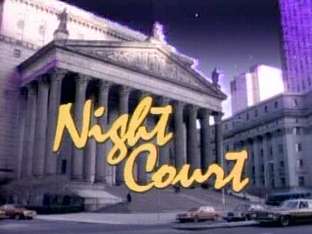
Night Court reaching seventh says a lot about how diverse NBC’s comedy power had become. This wasn’t a family sitcom, a bar hangout, or a romance-driven dramedy. It was a workplace comedy set during the night shift of a Manhattan criminal court, presided over by the young, unorthodox Judge Harry Stone. That setup gave the series a near-endless supply of oddball defendants, absurd legal situations, sleep-deprived authority figures, and civic weirdness elevated into comic culture.
The show worked because it embraced character extremes without letting the whole thing dissolve into nonsense. Harry Stone’s optimism kept the court from turning mean. Dan Fielding’s shamelessness created constant comic pressure. Bull’s sweetness and the rest of the ensemble gave the room its own internal emotional balance. The weirdness was never random; it was systemic. That’s why the show could be surreal and still feel dependable. Viewers weren’t just tuning in for chaos. They were tuning in for a very specific ecosystem of chaos.
In the 1988 top 10, Night Court matters because it widens the story of what “comfort television” meant by this stage of the decade. Comfort didn’t only mean wholesome families or polished mystery. It could also mean returning every week to a late-night legal circus full of lovable maniacs. That kind of tonal variety is a huge part of what made late-80s network TV so rich.
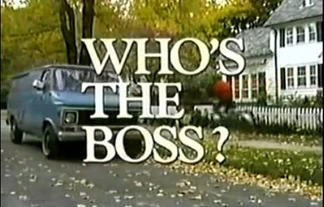
Who’s the Boss? at number six shows how successful the late-80s sitcom became at smuggling quiet cultural change into highly accessible entertainment. The show followed widowed former baseball player Tony Micelli and his daughter Samantha as they move from Brooklyn to Connecticut, where Tony becomes a live-in housekeeper for Angela Bower, a wealthy professional woman raising her son Jonathan with the regular interference of her mother Mona. That arrangement immediately created comedy out of class, routine, flirtation, parenting, and the question of who really held authority in the household.
What makes the series especially revealing in 1988 is that it handled role reversal with unusual smoothness. Tony was domestic, nurturing, and competent without being framed as weakness. Angela was successful, decisive, and career-oriented without being turned into a cold stereotype. That gave the show a quietly modern edge, even while it still played as mass-market comfort comedy. Add the long-running romantic tension between Tony and Angela, the energy from the kids, and Mona’s ability to ignite almost any room she entered, and the show had several layers of appeal operating at once.
By 1988, Who’s the Boss? mattered because it represented one of television’s most effective blends of warmth and tension. Viewers liked the house, liked the people, liked the rhythm, and liked that the emotional center was stable even when the romantic future was not. That’s one of the strongest long-term formulas in sitcom history.
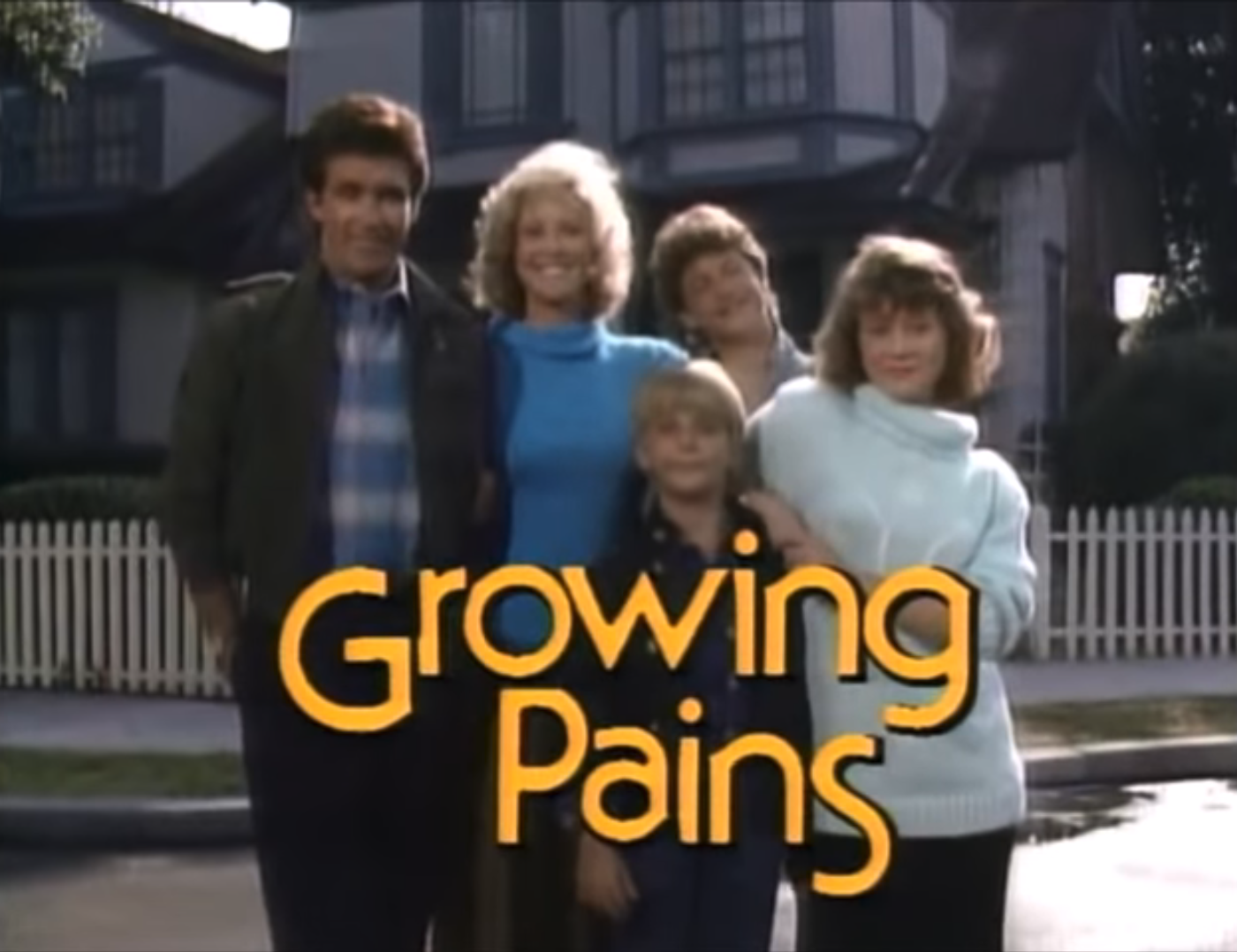
Growing Pains shows how fully the family-sitcom format had matured by the late 80s. The Seavers were not the Huxtables and not the Keatons. They offered something a little looser and a little more everyday. Dr. Jason Seaver, a psychiatrist working from home, and Maggie Seaver, a journalist, anchored the family as recognizably adult parents, while Mike, Carol, Ben, and later Chrissy generated the constant movement, friction, and comic mess that made the household feel active.
What made the show especially appealing was that it let youthful energy shape the series without sacrificing the parents’ role as the emotional frame. Mike Seaver’s charm, irresponsibility, and improvisational confidence gave the show a strong teen-centered comic engine, but the house never became pure adolescent fantasy. That’s a big part of why it remained so watchable. It wasn’t trying to be as ideologically pointed as Family Ties or as polished and aspirational as The Cosby Show. It was selling family life as affectionate, messy, funny, and familiar.
For 1988, Growing Pains is also useful because it shows how deep the family-TV ecosystem had become. A show no longer had to be the single defining sitcom of the moment to be a major ratings powerhouse. Viewers now had several hit families to choose from, each with its own mood, and ABC’s Seavers gave them one of the most casual, everyday-feeling versions of home life on the schedule.
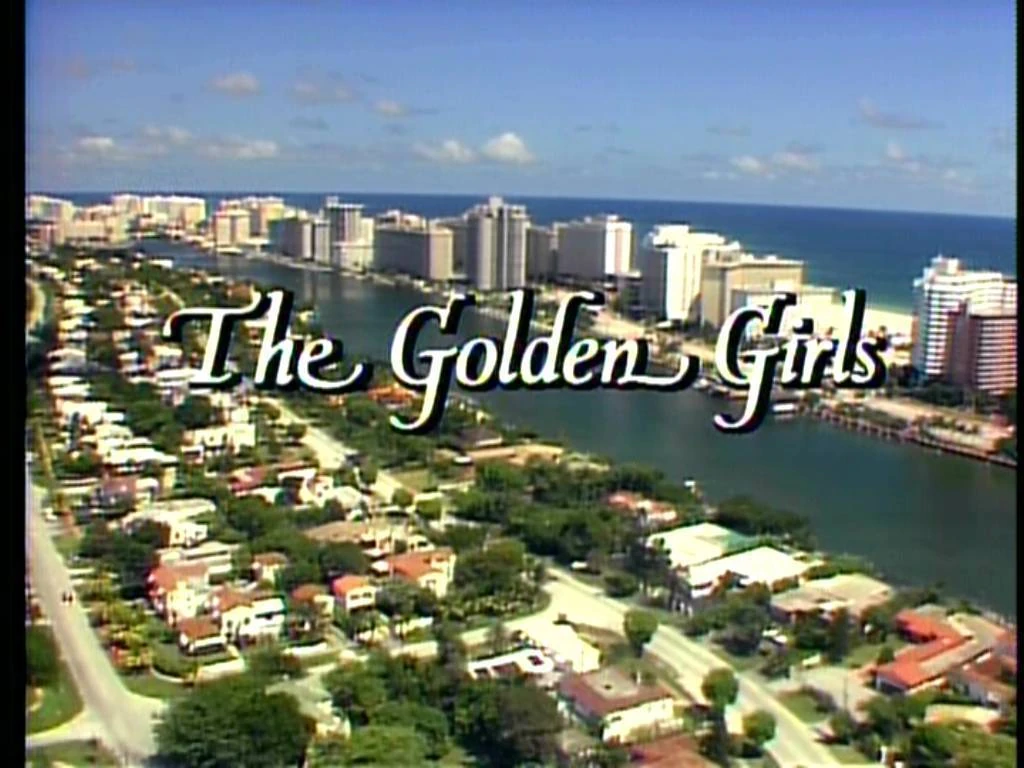
The Golden Girls at fourth place confirms that its success was not a novelty wave but a durable cultural shift. Dorothy, Rose, Blanche, and Sophia had become one of the strongest comic ensembles in television, and the series benefited from writing so sharply tuned to each character voice that scenes often felt musical in their timing. Every conversation already came loaded with rhythm before the plot had even done any work.
What made the series exceptional was its range. It could be cutting, sentimental, topical, ridiculous, emotionally honest, and surprisingly serious all inside the same half-hour. It talked about aging, friendship, health, family disappointment, loneliness, widowhood, money, and desire while still being unmistakably funny. That gave the series a depth many sitcoms never achieve. The show trusted older women with the full range of human experience instead of using them as decorations in somebody else’s story.
In the context of 1988, The Golden Girls matters because it expanded what counted as mainstream sitcom success. This was not a traditional family structure, and it didn’t need to be. It proved that friendship, maturity, candor, and female perspective could drive a blockbuster network hit. That makes it one of the essential shows of the year.

Cheers at number three makes perfect sense because by 1988 the bar had become one of the most fully realized social spaces in American television. The series wasn’t simply about Sam Malone, Diane Chambers, or a handful of Boston regulars. It was about repetition turned into belonging. People came in, sat in familiar places, repeated familiar patterns, and somehow made the whole room feel richer every week rather than more repetitive.
That worked because the series treated ensemble as structure, not filler. Sam Malone, Diane Chambers, Carla Tortelli, Norm Peterson, Cliff Clavin, and the wider bar world all contributed different rhythms to the room. The humor didn’t come only from punchlines. It came from accumulated history. Every interaction carried some trace of what had happened before, which made the bar feel less like a set and more like a place. That kind of character memory is one of the main reasons Cheers became so rewatchable.
In the 1988 television landscape, Cheers is especially important because it shows that NBC’s dominance wasn’t just about family-centered warmth. This was adult comfort TV — witty, social, romantic, messy, and deeply inviting. It gave viewers not just jokes, but a community they wanted to revisit, and that is one of the most powerful forms of long-term television success.

A Different World exploding straight to second place is one of the most important developments on the 1988 television chart. A spin-off of The Cosby Show, it debuted on NBC in 1987 and moved the center of gravity from a family home to college life. That shift mattered immediately. A campus setting opened the show up to independence, friendship, romance, social identity, experimentation, and a different kind of young-adult pressure than conventional family sitcoms usually allowed.
What made the series so powerful so quickly was that it worked on multiple levels at once. It still benefited from the broader NBC comedy ecosystem and the Huxtable connection, but it built a distinct identity around Hillman College and the emotional reality of emerging adulthood. Even in its first season, the show signaled that audiences were ready to follow younger Black characters into a world shaped by peers, campus life, and the first real experience of defining yourself away from home. That was commercially potent and culturally meaningful.
A Different World matters in 1988 because it shows how strong NBC’s comedy position had become. The network wasn’t just launching hits. It was launching ecosystems — worlds big enough to generate spin-offs that could immediately become major ratings forces on their own. That’s not just success. That’s cultural infrastructure.
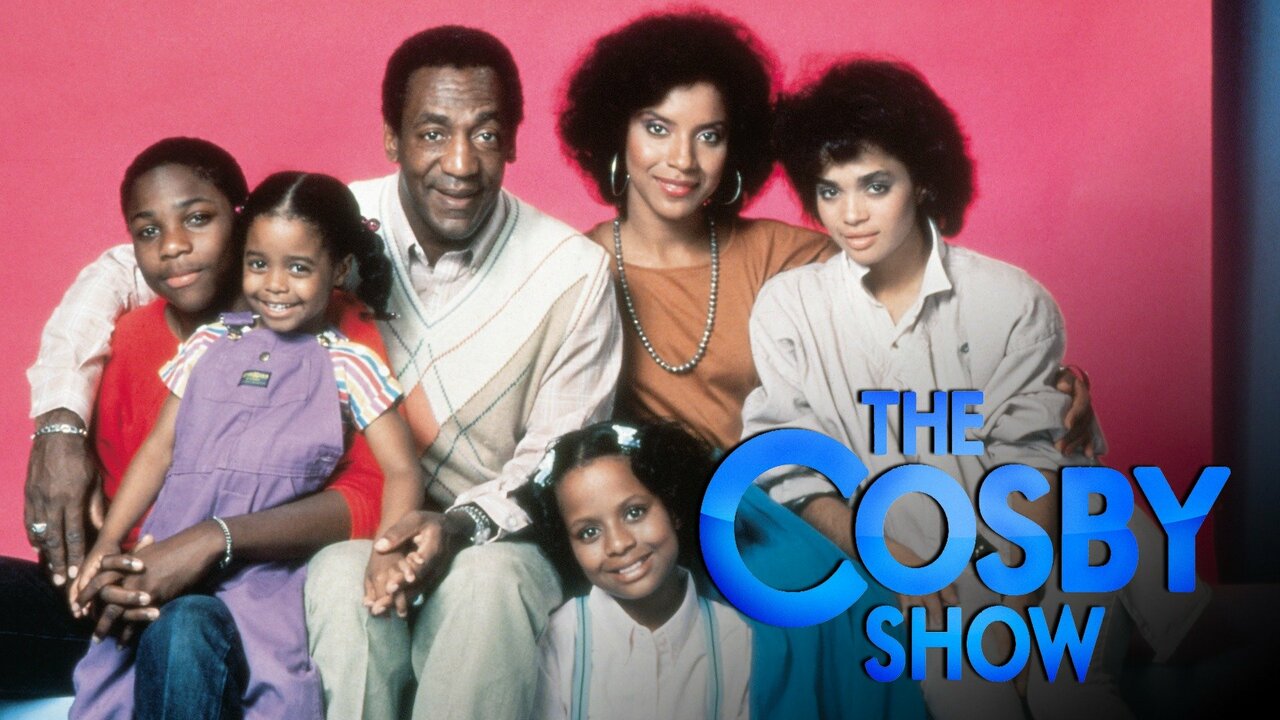
The Cosby Show staying number one in 1988 is not merely another victory lap. It’s proof that the late-80s television center had real staying power. The Huxtables weren’t a novelty and they weren’t only the beneficiaries of a powerful time slot. They were the gravitational center of a new idea of network success: family-centered, polished, repeatable, and broad enough to anchor an entire schedule.
What made the show so durable was its balance between aspiration and recognition. Cliff and Clair Huxtable were successful, stylish, and stable, but the comedy still came from deeply familiar domestic friction — school stress, sibling rivalry, parental embarrassment, overconfident kids, food, routines, and the tiny negotiations that make a household feel alive. The house wasn’t just attractive. It felt inhabited. That’s why viewers kept returning. They weren’t merely laughing at jokes; they were revisiting a home they wanted to spend time inside.
The show’s larger significance matters here too. The Cosby Show did more than top the ratings. It helped define NBC’s Thursday-night identity and proved that family-centered sitcoms could be sophisticated, aspirational, and massively popular all at once. In a decade that had started with soap-opera wealth and designer power games, the most watched show tied to 1988 was a family comedy built on rhythm, intelligence, and warmth. That tells you everything about how much the medium had changed.
The top TV shows of 1988 do not feel transitional. Comedy dominates, but not one kind of comedy. The chart includes families, college students, bar regulars, older women sharing a home, courtroom eccentrics and a suburban alien.
Even the major non-sitcom entries reflect the same larger mood. Murder, She Wrote offered elegant dependability, while 60 Minutes offered authority and seriousness. Both succeeded through trust and routine.
For Gen X, these shows shaped the week. They created characters to quote, places to revisit and small emotional rituals that made television feel like part of everyday life rather than spectacle parked in the living room.
Television shared the year with Rain Man, Die Hard, George Michael, Whitney Houston, Nintendo, TMNT, scrunchies, shoulder pads and Nike turning three words into a permanent slogan.
The full Billboard rewind from George Michael and Whitney to Guns N’ Roses, Bon Jovi and Poison.
Watch the Countdown → Commercial BreakThe advertising campaign that turned three words into a lifestyle slogan.
Revisit the Campaign → MusicThe Billboard year-end hits that made radio glossy, dramatic and completely unavoidable.
Explore the Songs → MoviesPrestige drama, animation spectacle, action reinvention and full late-80s movie-event energy.
Explore the Movies → ToysKoosh Ball, Nintendo, TMNT, Barbie, Transformers, Jenga and toy-aisle overload.
Explore the Toys → FadsTeen magazines, dance crazes, shoulder pads, scrunchies, slam books and Pocket Rockers.
Explore the Fads →Move through the decade one Nielsen season at a time, from the network-heavy opening of 1980 to the changing television landscape at the end of 1989.
Clear answers about the 1987–88 Nielsen season, NBC’s dominance and the official tie at number ten.
The Cosby Show ranked number one during the 1987–88 Nielsen season with a 27.8 rating.
The top five were The Cosby Show, A Different World, Cheers, The Golden Girls and Growing Pains.
Yes. Both earned an 18.8 Nielsen rating and officially shared tenth place during the season.
Yes. It ranked second during its first season with a 25.0 Nielsen rating.
Network television popularity was measured by season rather than by January-through-December calendar year. The season ending in 1988 is therefore the standard reference.
NBC controlled the first four positions and placed six programs among the eleven tied entries.
New articles, countdowns, videos and whatever other corner of the Gen X television schedule gets unlocked next.