The Biggest TV Spinoffs of the 1980s

The Biggest TV Spinoffs of the 1980s
Mrs. Garrett, Benson, the Ewings and the next wave of network departures: why some television branches flourished and others barely survived the move.
By Gizmo
HAD COMPLICATIONS.
INSIDE THIS ARTICLEExplore all 18 shows
Article guide
The 18 television spinoffs
- The Facts of Life: Mrs. Garrett finds the right room
- Benson: the smartest person in the building gets an office
- Knots Landing: Southfork’s relatives move next door
- Archie Bunker’s Place: the familiar voice after the house grows quieter
- Trapper John, M.D.: a familiar name, a different doctorly life
- Flo: a catchphrase leaves the diner
- Enos: Hazzard County exports its nicest deputy
- Checking In: Florence’s extremely brief promotion
- Gloria: a familiar daughter gets an unfamiliar future
- Joanie Loves Chachi: romance gets a microphone
- AfterMASH: the war ends, the adjustment doesn’t
- Three’s a Crowd: Jack Tripper grows up, somewhat
- The Colbys: everybody is overdressed for the emergency
- A Different World: Hillman stops being somebody else’s destination
- Empty Nest: the abandoned pilot isn’t the show
- Just the Ten of Us: Coach Lubbock gets more than a classroom
- Family Matters: the 1989 arrival before the Urkel legend
- Living Dolls: an impressive future cast can’t fix the present
Mrs. Garrett left the Drummonds and somehow ended up with a more demanding household. Benson escaped the Tates and discovered that state government wasn’t necessarily staffed by brighter people. Gary Ewing moved away from Southfork, which sounded like a healthy decision until you met the neighbors. Eighties television offered plenty of fresh starts. Emotional stability was generally sold separately.
The biggest TV spinoffs of the 1980s weren’t all bigger, shinier copies of the programs that launched them. Some grew by changing almost everything. A supporting player became the person whose decisions mattered. A familiar teenager arrived in a place the original show barely understood. A secondary branch of a wealthy family developed enough trouble to support an entirely separate hour. Occasionally, a network mistook a good catchphrase for a complete television series. There were casualties.
For viewers, the connection was an invitation. You knew this person. You had already laughed at her, worried about him, or watched their disastrous marriage survive another dinner. A new title and a new theme asked you to follow that attachment somewhere else. The question was whether the new room contained anything worth staying for once the novelty wore off.
This is a guide to the decade’s consequential spinoffs: durable successes, ambitious continuations and a few spectacular warning signs. It isn’t a Nielsen ranking. “Biggest” here includes audience endurance, cultural presence, an important change of direction and the sheer scale of an attempted launch. That last category is where The Colbys enters wearing evening clothes and looking expensive.
Several essential examples premiered in 1979. They are identified as such, because pretending The Facts of Life began in 1980 doesn’t become accurate through sheer nostalgic determination. Those shows spent most of their original lives in the eighties and belong in the story. At the other end, Family Matters arrived in September 1989; its enormous nineties identity shouldn’t be projected backward onto that first autumn.
The broader 1980s television guide follows the whole landscape. Here, the fun is in the family connections: which characters traveled well, which shows found a stronger personality away from home, and which departures made everyone appreciate the original arrangement.
What counts as a spinoff here?
A straightforward spinoff carries an established character into a new regular series. Florence Johnston moving from The Jeffersons to Checking In is an exceptionally clear example, even if the new job lasted about as long as a probationary employment period. Mrs. Garrett, Benson and Enos Strate made similarly recognizable moves. Viewers didn’t need an organizational chart to understand the connection.
A continuation keeps more of the old world while changing its shape. Archie Bunker’s Place followed All in the Family with Archie still at the center, but a greater emphasis on his business. Three’s a Crowd followed Jack Tripper into a new romantic arrangement after Three’s Company ended. These are related-series stories even when “sequel” describes the transition more precisely than “supporting character gets promoted.”
Then there is the backdoor pilot: an episode of an existing program that spends unusually generous time introducing people and a setting the audience hasn’t previously needed. Sometimes that produces a viable new show. Sometimes everyone wonders why the regular cast has disappeared for twenty minutes. The Facts of Life and Living Dolls both have introductions inside their parent programs; Empty Nest demonstrates how extensively an idea can change between that introduction and the eventual series.
Shared actors alone don’t count. Marla Gibbs played Florence and later starred as Mary Jenkins in 227; those are different characters. Sherman Hemsley’s Deacon Frye in Amen isn’t George Jefferson after a religious conversion. Familiar production companies, similar sets and a suspiciously recognizable couch also fail the test. A spinoff needs a meaningful fictional or character connection, not simply somebody who once appeared on the same network.
Film adaptations complicate the family tree. Trapper John, M.D. belongs in the wider MASH lineage, but calling it a reunion with Wayne Rogers’ television performance blurs an important distinction. We’ll keep that branch separate. The point of tracing the connections is to see the television more clearly, not to win an argument by stuffing every vaguely related title into the same drawer.
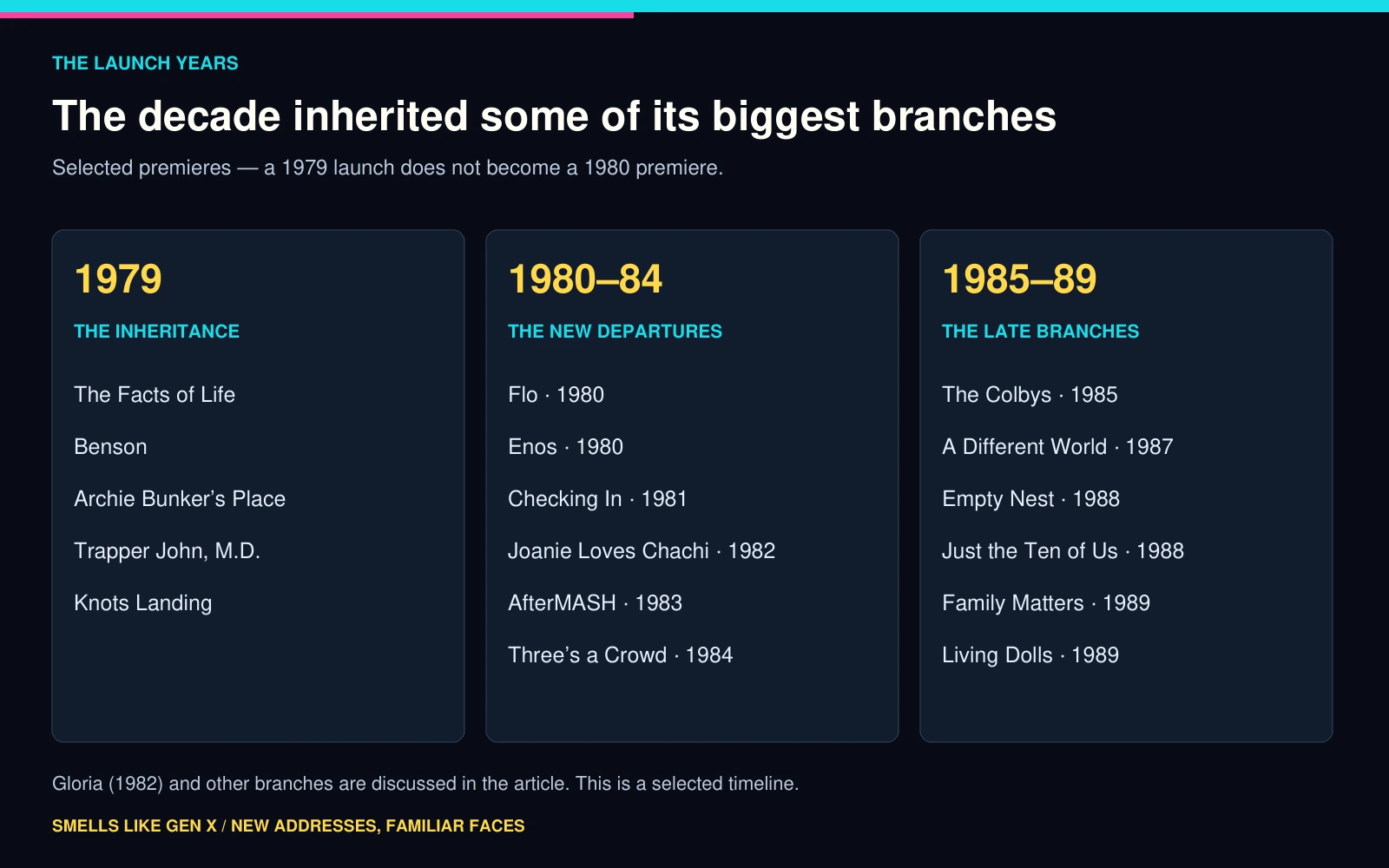
Eighteen branches of the television family tree
The Facts of Life: Mrs. Garrett finds the right room
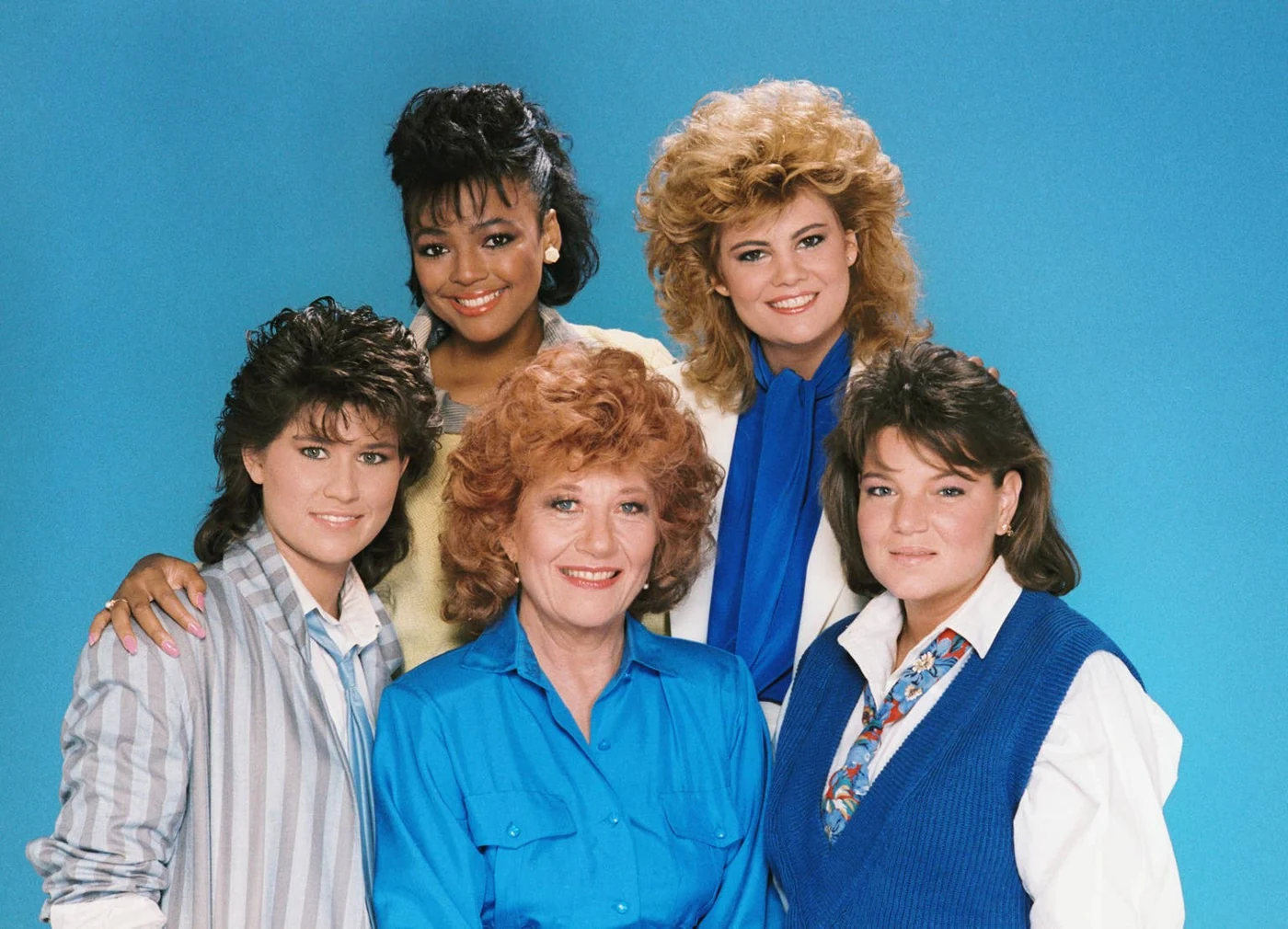
The opening theme promised good and bad together, and Eastland supplied both in bulk. Blair’s confidence entered a room several seconds before the rest of her. Jo regarded that confidence as something badly in need of repair. Natalie saw opportunities for a joke; Tootie saw opportunities to know everybody’s business. Between them stood Charlotte Rae, making Mrs. Garrett sound encouraging without suggesting she had been born yesterday.
The connection was Diff’rent Strokes, where Edna Garrett worked for the Drummond family. A school-centered episode introduced the new possibility, and The Facts of Life premiered on NBC in August 1979. Its first season had a larger group of students. Nancy McKeon’s Jo arrived with the second-season overhaul that concentrated the series around Blair, Natalie, Tootie and their sharp-edged new classmate. The Television Academy’s Charlotte Rae interview collection covers her move and the character’s development.
That narrowing mattered for reasons visible on screen. Four different reactions to the same humiliation were more interesting than a crowded room of girls waiting for their turn to deliver a line. Lisa Whelchel gave Blair a wonderfully polished defense against embarrassment. Mindy Cohn’s Natalie had comic confidence that didn’t depend on being glamorous. Kim Fields made Tootie’s curiosity feel active rather than merely cute. McKeon supplied an impatience that stopped the whole arrangement from becoming too precious.
Some episodes handled adolescence with care; others wheeled in a lesson so prominently you expected it to have its own dressing room. The show wasn’t above melodrama, and its treatment of weight, popularity and sexual behavior deserves a skeptical adult viewing. Yet it also gave girls’ friendships sustained room on network television. The arguments were often the point. Loyalty didn’t require everybody to become the same person.
The later businesses and new living arrangements altered the texture as the characters grew older. Mrs. Garrett’s departure and Cloris Leachman’s arrival as Beverly Ann changed it again. Across its 1979–88 run, the series kept asking a useful question: what happens when the young people outgrow the arrangement that originally brought them together? Its answer was sometimes awkward, sometimes funny, and more durable than the initial school premise suggested.
As a spinoff, its greatest achievement is easy to overlook. You can enjoy substantial stretches without thinking about the Drummonds at all. Mrs. Garrett carried an audience relationship into a new show, but the girls built the reason to return. That is a successful transfer, not a standing obligation to mention the old address.
Benson: the smartest person in the building gets an office
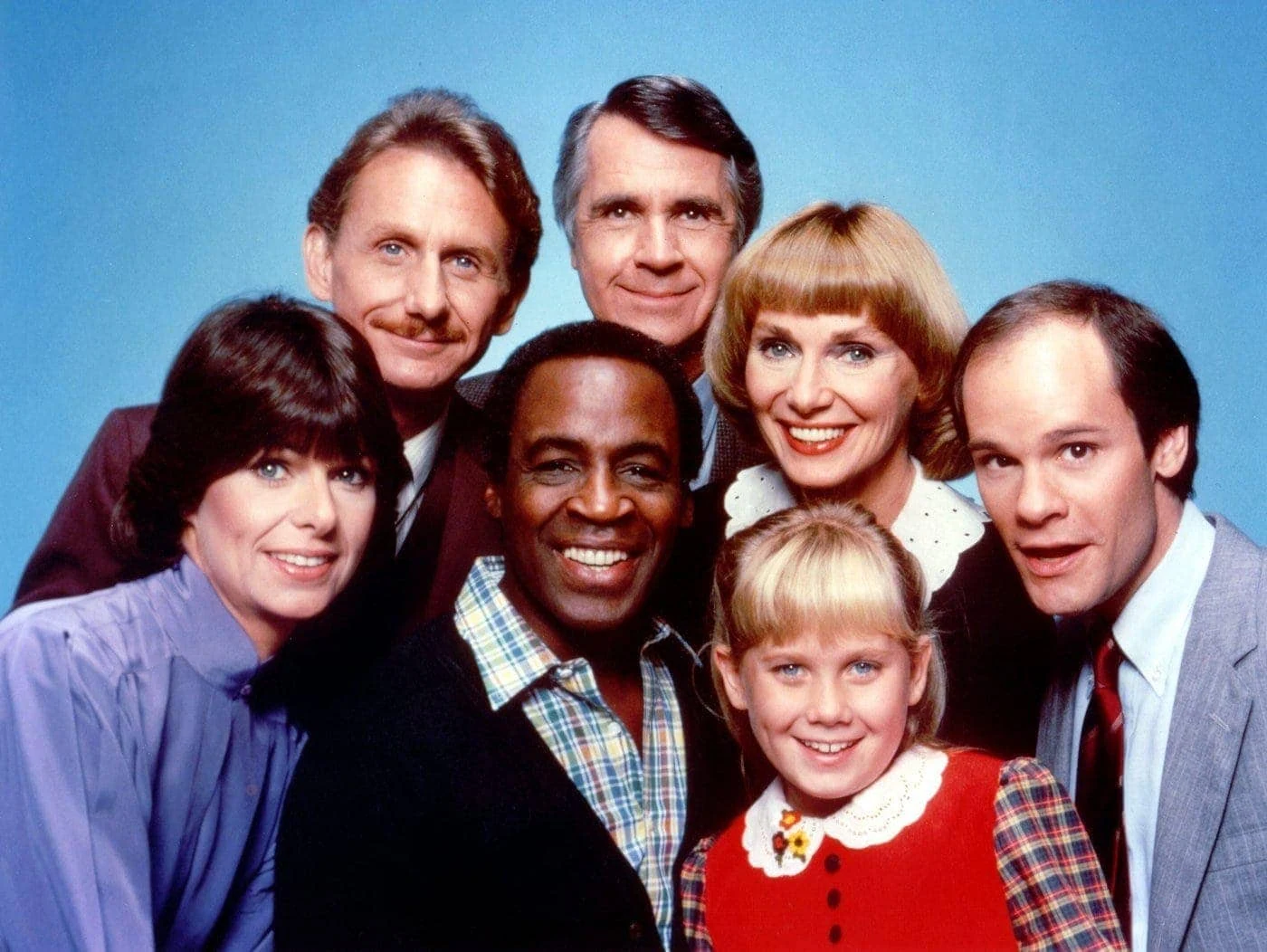
Robert Guillaume didn’t need to raise his voice to take a scene apart. A pause, a look and the smallest adjustment of his expression usually did the job. On Soap, Benson DuBois was surrounded by the extravagantly dysfunctional Tates. On Benson, the new surroundings included a governor’s mansion. The stupidity had acquired public funding.
ABC launched the series in September 1979, and it ran until 1986. Governor Gatling, played with airy sweetness by James Noble, wasn’t a conventional tyrant. His very pleasantness left space for confusion to multiply around him. Benson’s relationship with the governor’s daughter Katie supplied warmth; his battles with Inga Swenson’s Gretchen Kraus supplied verbal artillery. René Auberjonois’ Clayton added a beautifully cultivated species of professional resentment.
The genius of Guillaume’s performance was that competence never became dull. Benson noticed what everyone else missed, but he wasn’t floating above the show as an all-purpose lecturer. He had pride, irritation, affection and a thoroughly understandable reluctance to tolerate fools indefinitely. Watching him protect someone vulnerable and then puncture a pompous colleague gave the character more range than a collection of sarcastic one-liners.
His progression into government work made the spinoff more than a change of employer. The man once expected to serve the powerful gained authority of his own. That was satisfying dramatically and significant for a network comedy centered on a Black lead. It also gave the writers new situations instead of requiring seven seasons of people entering the kitchen to be insulted.
Guillaume’s 1985 lead-actor Emmy for Benson recognizes the performance at the center of that evolution. Across the seven-season run, his dry delivery stayed dependable while Benson’s professional circumstances changed. The character’s advancement felt satisfying because the ability had been there from the beginning. It was the job description that needed to catch up.
The unresolved election ending remains a particularly efficient way to annoy an audience that had followed a character for years. But the absence of a tidy final answer doesn’t erase the pleasure of the journey. Benson escaped Soap’s sensational whirl without losing the ability to recognize absurdity. He simply found an institution with a much larger supply.
Knots Landing: Southfork’s relatives move next door
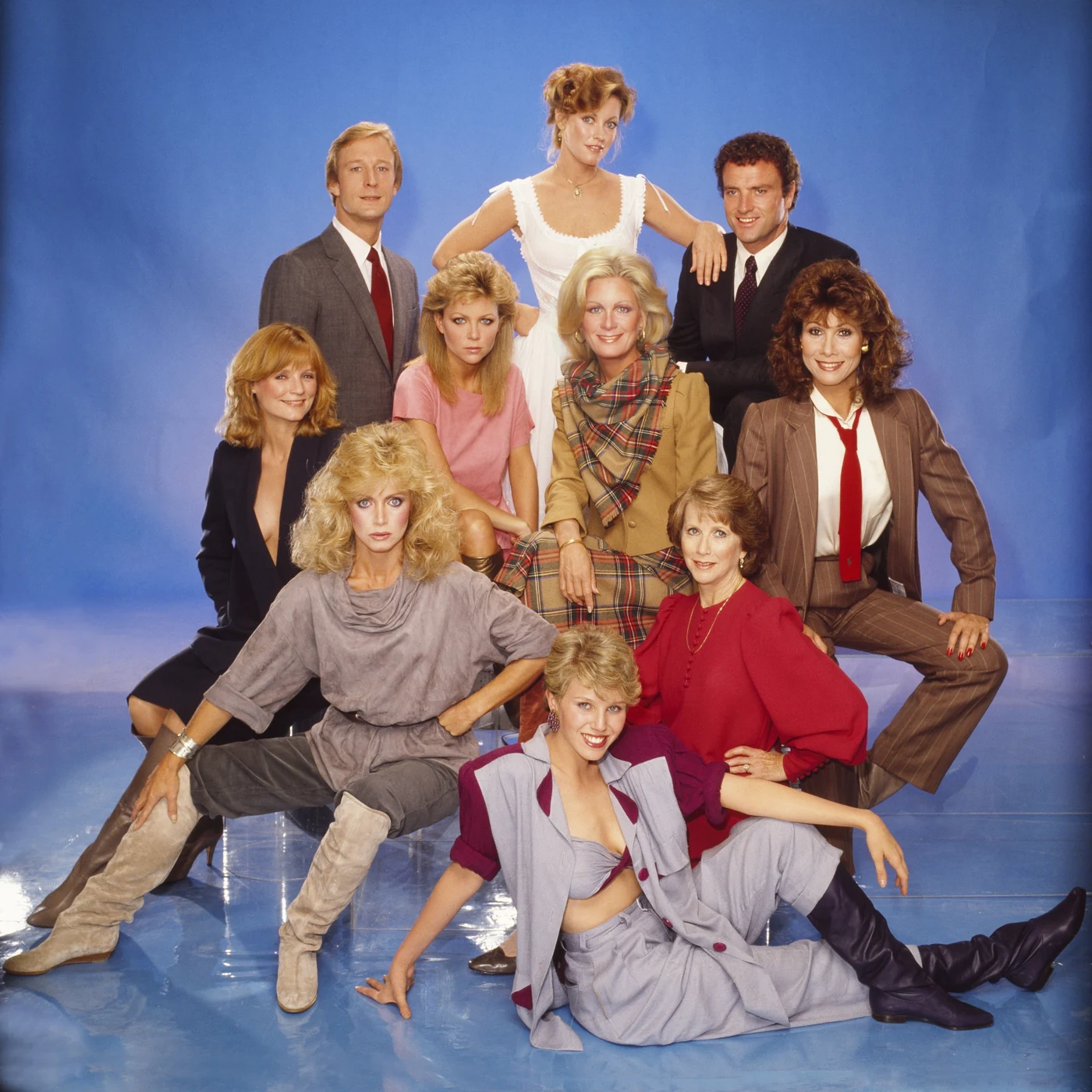
Before the cul-de-sac became a destination for kidnappings, betrayals and extremely motivated people in excellent clothes, there was a more intimate promise: Gary and Val Ewing might build a life away from the family machinery in Texas. Ted Shackelford and Joan Van Ark made that possibility fragile from the start. Gary’s problems didn’t stop at the California state line, and Val’s longing for security wasn’t something a nice house automatically repaired.
Knots Landing premiered on CBS in December 1979, connected to Dallas through Gary, J.R. and Bobby’s brother, and his wife Val. David Jacobs’ Television Academy interviews trace the development of both programs. The finished spinoff used its Ewing connection as a doorway into a different kind of neighborhood drama.
Michele Lee’s Karen supplied force, conscience and the ability to keep talking when lesser people might sensibly have gone home. Donna Mills’ Abby, introduced in the second season, brought a less community-minded approach to getting what she wanted. Abby didn’t need Southfork-scale acreage to make everybody else’s life more difficult. A nearby house was perfectly adequate.
The neighborhood setting gave dishonesty an unusual intimacy. People had to see one another after the affair, the lie or the disastrous decision. Running into the person who knows what you did is awkward at any income level; arranging a long-running soap around that fact was a remarkably productive choice. Later additions broadened the power games without making the original emotional attachments irrelevant.
It wasn’t always modest, and nobody should mistake “more grounded than Dallas” for documentary realism. The plots became outrageous, the secrets multiplied and certain reversals required viewers to be generous about plausibility. What protected the series was attention to aftermath. A betrayal changed the way a room felt. Val’s distress, Karen’s anger and Abby’s calculation weren’t interchangeable ways to deliver the next plot point.
Its run stretched to 1993, well beyond the eighties framework that shaped it. For the decade itself, Knots proved a spinoff didn’t need to imitate its parent’s scale to compete for attention. The Dallas story begins with a dynasty. The Knots Landing story keeps bringing the damage back to the front door.
Archie Bunker’s Place: the familiar voice after the house grows quieter
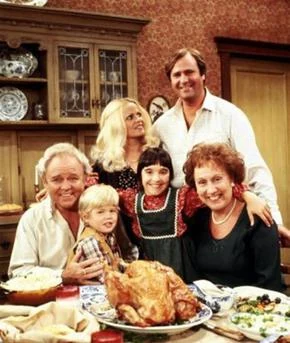
The scene with Edith’s slipper isn’t funny, and it shouldn’t be. In “Archie Alone,” Carroll O’Connor lets grief reach a man whose usual defense is to bark at anything he can’t manage. A continuation of a hugely familiar comedy briefly becomes an encounter with the absence of the person who made that comedy bearable.
CBS began Archie Bunker’s Place in September 1979, after All in the Family ended. Archie had already become involved in the bar on the parent series; the continuation moved more of the action there. Martin Balsam’s Murray Klein offered a business relationship with its own tensions. Danielle Brisebois’ Stephanie kept family responsibility in the picture rather than turning Archie into a man who existed only behind a counter.
Jean Stapleton made limited appearances during the first season. Edith’s death was addressed at the beginning of the second, with “Archie Alone” broadcast in November 1980. The episode chronology matters here: this wasn’t simply All in the Family continuing under a different sign with every familiar relationship intact. The most important emotional partnership had changed irreversibly.
O’Connor’s authority kept the program watchable, but the balance was different. Edith had disrupted Archie’s certainty without having to argue on his terms. Murray and the bar’s regulars offered resistance, yet they didn’t duplicate that particular magic. Comparing the shows makes Stapleton’s achievement clearer. The original wasn’t held together by one loud man, however brilliantly he was played.
There is something valuable in watching a familiar character carry on after a loss rather than disappear when the original format finishes. Archie remains difficult, limited and sometimes unexpectedly tender. That tenderness works because the performance doesn’t polish away the difficult parts. An abrasive man becoming responsible for Stephanie is more interesting than an abrasive man being declared secretly wonderful in every circumstance.
The series lasted until 1983. It doesn’t replace the sharper confrontations of its predecessor, and it shouldn’t be advertised as if nothing changed. Its place among the decade’s important continuations rests on the willingness to let the old world age. Sometimes the spinoff’s strongest reason to exist is the story the parent show wasn’t built to tell.
Trapper John, M.D.: a familiar name, a different doctorly life
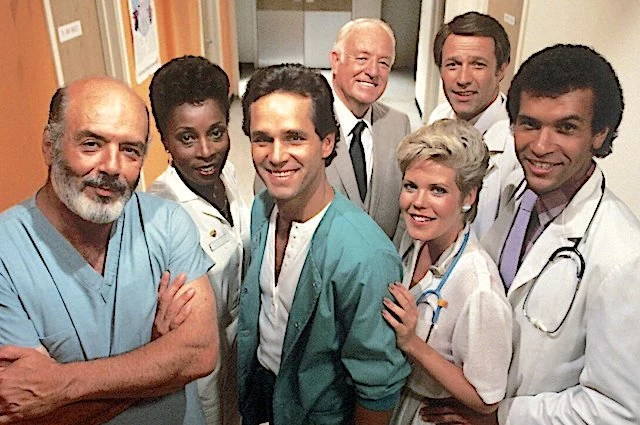
Pernell Roberts’ Trapper John isn’t Wayne Rogers with a later haircut. He’s older, established and accustomed to authority, standing inside a contemporary San Francisco hospital rather than a Korean War surgical unit. The contrast is the attraction. A man with a wartime past has become part of the institution that the next generation will question.
CBS introduced Trapper John, M.D. in September 1979. Roberts played John McIntyre opposite Gregory Harrison’s younger Gonzo Gates. The program ran into 1986, a substantial life for a medical drama whose lead character’s name arrived with so much prior recognition. Its episode and cast guide shows the hospital ensemble that developed around the two doctors.
This is a branch of the broader MASH family, including the film, rather than a simple return of the television cast. That distinction keeps the comparison honest. Roberts gives the character his own weight and rhythm; Rogers’ lighter, earlier television performance isn’t the performance this series continues scene for scene. The new program is interested in present-day medicine and professional authority, not in recreating the 4077th with better plumbing.
Harrison supplies youth and restlessness without reducing Gonzo to a permanently disobedient child. The pair work best when disagreement reveals different responsibilities. An experienced surgeon and a younger doctor may both care about the patient while seeing different obstacles. That is sturdier material than having one be right every week and the other exist to apologize.
The storytelling often occupies the reassuring territory of an established network hospital show. Viewers looking for the bitter comic precision of MAS*H may find it conventional. Viewers willing to meet Roberts’ doctor on his own terms get an accessible mix of cases, personalities and institutional friction. Familiarity was useful, but a famous name alone doesn’t fill seven seasons.
For the larger spinoff story, Trapper John demonstrates how far a recognizable character can travel in tone, casting and setting. It also explains why a family tree needs labels. The connection is real; treating every branch as the same creative experience is lazy. The wider 1980s medical-television guide places it beside the hospital dramas it actually resembled on a week-to-week basis.
Flo: a catchphrase leaves the diner
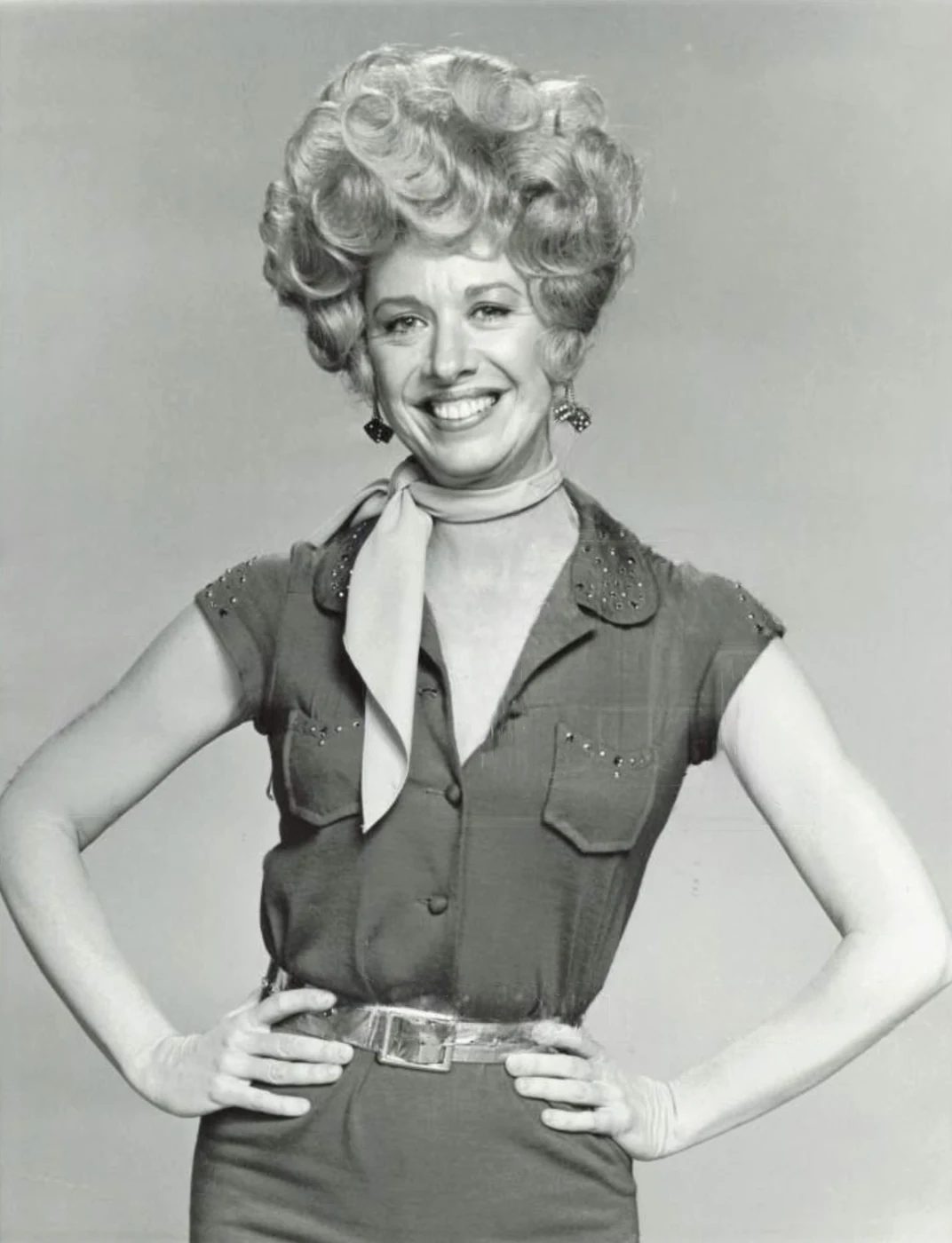
Polly Holliday’s Flo Castleberry had the voice, the hair and the confidence to end an argument before the other person realized it had started. Her famous instruction to kiss her grits wasn’t an abstract marketing invention. On Alice, it belonged to a waitress whose working day included Mel’s temper and an apparently inexhaustible supply of aggravation. The attitude had a job to do.
Flo gave her a different job. Beginning on CBS in March 1980, the series sent her to Texas and put her in charge of a roadhouse called Flo’s Yellow Rose. The move made sense for the character: the woman who had spent so much time answering back to an employer now had a place of her own. It also supplied a country-inflected environment in which Holliday looked entirely comfortable.
Her new circle included family and employees rather than Alice and Vera. Geoffrey Lewis’ Earl provided a particularly welcome sort of weathered comic presence. Holliday remained the center, playing appetite, irritation and pride without turning Flo into nothing but an applause cue. She was a resourceful performer doing more than repeating the line viewers already knew.
What didn’t automatically travel was the old combination. In Mel’s Diner, Flo’s bluntness bounced off particular personalities and the daily indignities of service work. A bar owner has different problems from a waitress, even when both spend substantial time managing unreasonable men. The new series needed to establish its own balance quickly rather than assume affection for Flo would make every new exchange equally effective.
The episode record for Flo covers a brief first-season spring launch and the following season, with twenty-seven episodes altogether. That is more than a one-night experiment but far less than the remaining life of Alice. Holliday’s performance deserved the attempt. Its limited duration demonstrates why an excellent character and a complete series aren’t the same commodity.
Revisiting it is useful for viewers who know only the catchphrase or the later shorthand that the spinoff failed. There is actual work here: a comic actress carrying scenes, a recognizable woman trying to change her circumstances, a new setting attempting to grow its own regulars. The early-eighties Alice feature follows the diner after the departure; Flo shows the other side of that split.
Enos: Hazzard County exports its nicest deputy
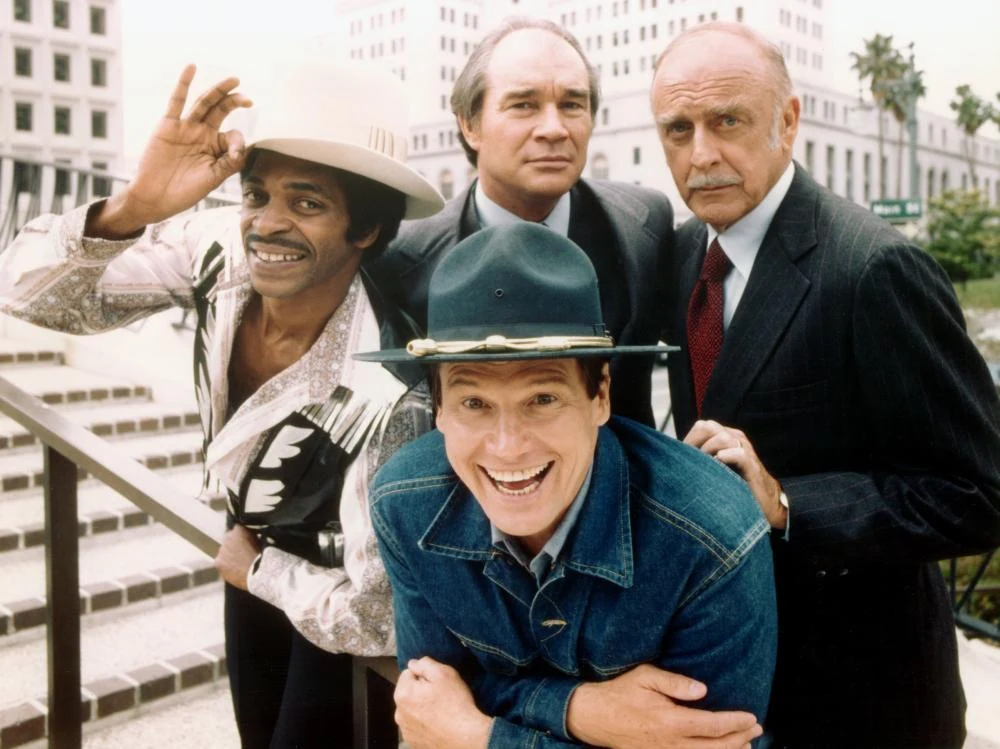
Los Angeles was an ambitious destination for Enos Strate. In Hazzard County, Sonny Shroyer’s deputy had been surrounded by schemes, car chases and people whose understanding of law enforcement was highly selective. Somehow he retained a sweetness that didn’t fit the official machinery around him. Moving him to a bigger police department offered a neat fish-out-of-water premise: same decent man, substantially more water.
Enos ran on CBS during the 1980–81 season, taking the character out of The Dukes of Hazzard. Samuel E. Wright played his partner Turk Adams. Their pairing provided the new show’s central human relationship; Los Angeles supplied the unfamiliar streets and larger-scale police environment. The series guide lists eighteen regular episodes as well as the parent-series pilot connection.
Shroyer had an unusually open presence. Enos didn’t look as if he were quietly preparing a cynical observation while someone else spoke. He looked as if he might actually believe them. That quality was funny against Hazzard’s dishonesty, and the spinoff had to preserve it without making a working police officer seem incapable of recognizing danger. Too much innocence and a character becomes implausible; too little and you’ve removed the reason people liked him.
Wright supplied contrast and professional steadiness. The best version of this partnership gives Enos room to be surprised while allowing Turk to be something other than a permanently assigned explainer. Buddy shows depend on mutual usefulness. The audience eventually needs to understand why each partner wants the other beside him when the joke is over and the situation turns serious.
The series didn’t develop the long life that the Dukes enjoyed. Its action-comedy ingredients were familiar, and a sympathetic supporting presence wasn’t enough to make the new setting essential. Shroyer’s eventual return to the parent show underlines one advantage of these shared worlds: a departure didn’t always require a permanent goodbye.
There is also a tonal lesson in the move. Enos had worked partly because the people around him were so extravagant. Removing a gentle character from an outsized environment can expose how much of his appeal came from that contrast. The 1980s action-show guide has plenty of louder heroes. Enos remains distinctive because the person inside the uniform seemed so determined to mean well.
Checking In: Florence’s extremely brief promotion
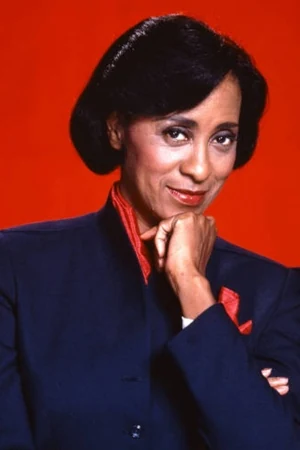
Florence Johnston was not short of opinions. On The Jeffersons, Marla Gibbs delivered them with a timing that made George’s wealth look like a very inadequate defense. Florence knew the household’s vanity from the inside, and she rarely seemed impressed. Giving her a promotion was logical. Persuading viewers that a new workplace deserved her was the harder assignment.
Checking In made her executive housekeeper at Manhattan’s St. Frederick Hotel. CBS broadcast four episodes in April 1981. Larry Linville played Lyle Block, and the hotel staff supplied new colleagues, guests and problems. The Television Academy record confirms both the network and the unusually compressed run. Florence’s new series came from The Jeffersons, itself a branch of All in the Family.
That genealogy contains a small truth about the era. A character who began inside somebody else’s fictional household might become the center of her own workplace comedy a generation of television later. The opportunity was real, even when the result was brief. Florence wasn’t merely being loaned to a guest appearance; the new program asked her to carry the room.
Gibbs had already demonstrated the necessary command. What the hotel lacked was the accumulated friction of the Jefferson apartment. George and Florence had a relationship sharpened by years of exchanges, assumptions and status games. Replacing that with a new boss didn’t instantly supply the same texture. A hotel offers a lot of doors for people to enter; it still needs people worth opening them for.
The rapid cancellation makes sweeping judgments about what the series might have become difficult. Four broadcasts provide little time for a comedy to find its balance, and the Academy’s collection includes director Jack Shea’s retrospective argument that it wasn’t given enough of a chance. That opinion deserves a place beside the shorthand verdict. An unsuccessful run isn’t proof that every ingredient was wrong.
Florence returned to The Jeffersons, with the hotel written out through a fire. Television was very efficient at solving employment problems when it needed a favorite character back. Gibbs later led 227 as Mary Jenkins, but that was a separate character and a separate premise. The Jeffersons’ early-eighties story includes Florence’s restoration; it shouldn’t turn the later sitcom into an imaginary second spinoff.
Gloria: a familiar daughter gets an unfamiliar future
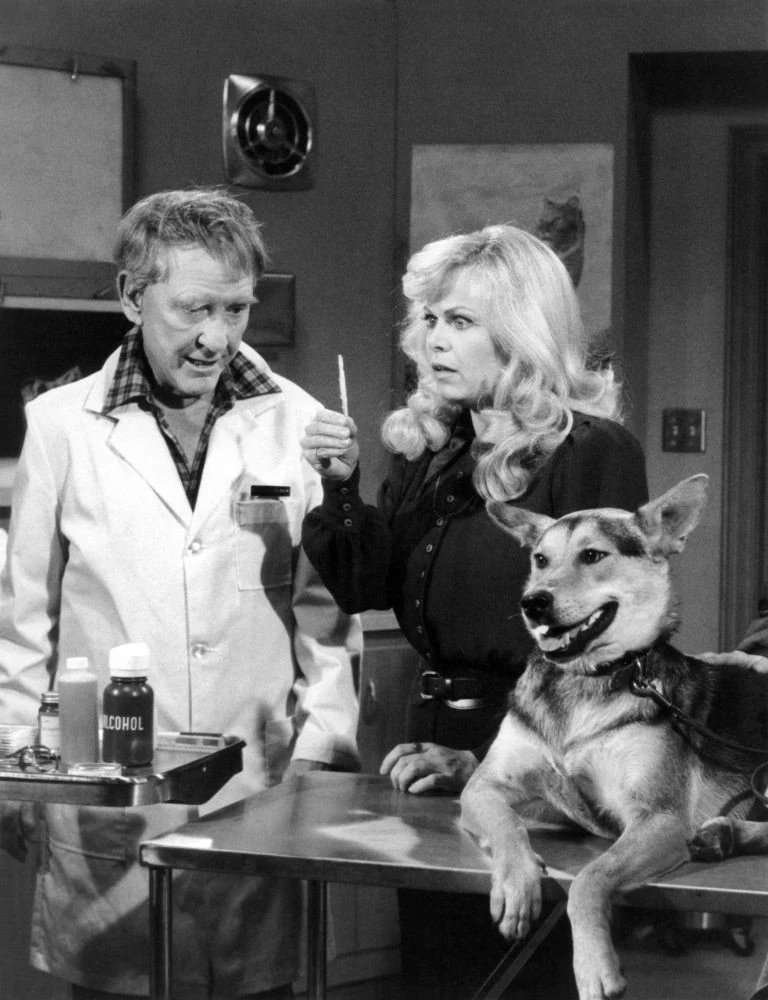
Gloria Stivic had spent years between a father and a husband who each believed he had a superior understanding of the world. Sending her out to earn a living without either man constantly defining the argument was a worthwhile idea. It also meant the writers had to decide who Gloria was when she wasn’t primarily reacting to Archie or Mike.
The CBS series followed Sally Struthers’ character after her marriage broke down, with young Joey in tow. She worked for veterinarians in upstate New York; Burgess Meredith and Jo De Winter provided the senior figures at the practice. The regular series ran during the 1982–83 season. Its link to All in the Family came through Gloria herself and the introduction connected with Archie Bunker’s Place.
There was room in that situation for an adult comedy about disappointment, work and starting over. Struthers had the necessary vulnerability as well as comic energy. Gloria’s old mixture of indignation and affection hadn’t vanished simply because the setting changed. A daughter who had argued about independence now had to practice it under less theoretical conditions.
The veterinary setting gave the program a workplace, though not an obvious replacement for the old show’s charged family relationships. Meredith was an appealingly eccentric presence; animals and clients supplied business. The risk was that Gloria would seem dropped into a different comedy rather than driving a story that grew from everything viewers already knew about her.
The production itself changed between the original pilot and the regular series. The Television Academy’s overview and O’Connor interview index preserve that complicated history. Those differences matter more than the easy myth that a familiar cast simply chose a new set and carried on. The old creative relationships didn’t all move with the character.
Gloria deserves a fairer look than a shrug at an unsuccessful spinoff, while still inviting criticism of how thoroughly the premise unsettled a marriage viewers had watched develop. A fresh start can create drama by breaking something familiar; it can also make the audience question whether the break serves the character. The series never had enough time to settle that tension into a convincing new normal.
Joanie Loves Chachi: romance gets a microphone
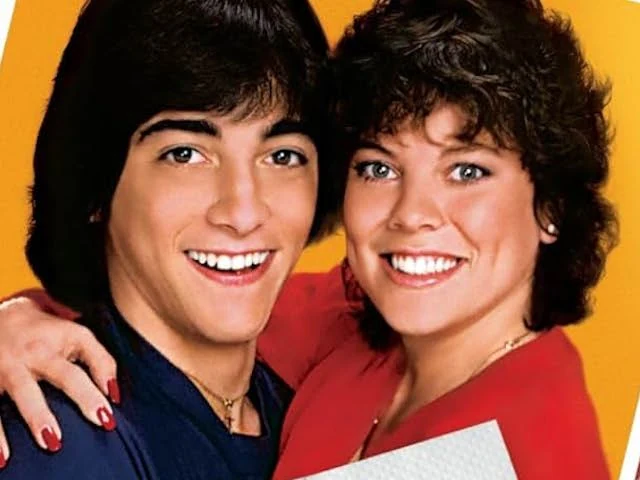
The title settles one issue before the opening scene. What it doesn’t settle is whether Joanie and Chachi have enough interesting business to fill a series once loving each other becomes the starting point rather than a complication inside Happy Days. Teen romance is wonderfully efficient at generating attention. Attention and weekly stories aren’t quite the same thing.
ABC launched Joanie Loves Chachi in March 1982. Erin Moran and Scott Baio took Joanie Cunningham and Chachi Arcola to Chicago, with music becoming a major part of their new lives. Al Molinaro’s Al and Ellen Travolta’s Louisa connected family and business around them. The seventeen-episode guide traces the short initial run and the following season through 1983.
The musical ambition gave the pair something to pursue together. It also pushed the show toward a very particular mixture of young romance, performance and adult interference. Moran and Baio had an existing audience connection that couldn’t be manufactured overnight, and the series was entitled to test whether viewers would follow it outside the Cunningham orbit.
What became more obvious away from Happy Days was how much the larger ensemble had supported them. Joanie’s place in a family and Chachi’s place in Fonzie’s world supplied contrasts the couple didn’t have to generate alone. A romance gains texture from people who see its participants differently. Remove too many of those people and every disagreement risks sounding like a variation on the same argument.
The new show’s lighter musical atmosphere wasn’t inherently foolish. The problem was that a series needs more than two appealing young performers and the assumption that the audience wishes them well. It needs situations that reveal something new. Too often the effort to build a complete setting felt less memorable than the affection imported from the parent series.
Both characters returned to Happy Days after the spinoff ended. That makes the experiment less like a permanent fracture than a side road taken and abandoned. The Happy Days guide to its early-eighties years shows how the parent program absorbed changing characters and departures. Joanie and Chachi’s trip is part of that history, not a reason to reduce two long-running performances to a punchline.
AfterMASH: the war ends, the adjustment doesn’t
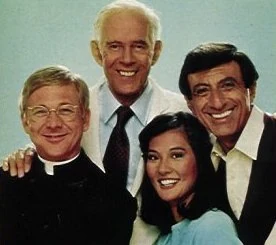
Colonel Potter working in a veterans’ hospital is a genuinely promising image. Harry Morgan’s familiar authority now belongs to a civilian institution where people are living with the consequences of war rather than treating casualties as they arrive. Jamie Farr’s Klinger and William Christopher’s Father Mulcahy bring their own unfinished adjustments. There is a show in that premise. The difficulty was persuading an enormous audience to accept the show it actually became.
AfterMASH began on CBS in September 1983, following the end of MAS*H. It gathered the three familiar characters at a Missouri veterans’ hospital. The old series’ balance of farce, professional skill, dread and companionship was extraordinarily specific. Reassembling part of the cast in a new building wasn’t enough to recreate it, nor was recreating it necessarily the best aim.
Potter’s practical kindness remained valuable. Klinger facing a different life gave Farr opportunities beyond the visual comedy that had originally introduced him. Mulcahy’s presence made sense in a setting where healing included more than surgery. Yet the new ensemble needed weight of its own. Familiar veterans can’t spend every scene quietly reminding the audience of the larger group that isn’t there.
The first season attracted a substantial audience: it finished fifteenth in the 1983–84 household rankings. That detail corrects the popular version in which everyone instantly rejected the series. Curiosity, affection and the old program’s place in the schedule gave it a real opening. The later collapse doesn’t erase the people who did turn up.
Its second season moved opposite NBC’s The A-Team, a particularly unforgiving place to discover that affection has limits. Cancellation followed in 1984, although one delayed episode aired in May 1985. The detailed broadcast history distinguishes actual transmissions from the printed schedules for episodes pulled at the last minute. For a series about an uncertain homecoming, even the departure became awkward.
AfterMASH is most interesting when considered as an attempt to stay with people after the event that had defined them. It is less persuasive when it seems to be searching for the old show’s rhythm in a room designed for something else. That mixed result deserves more thought than automatic ridicule. Sometimes television identifies a worthwhile question and still struggles badly with the answer.
Three’s a Crowd: Jack Tripper grows up, somewhat
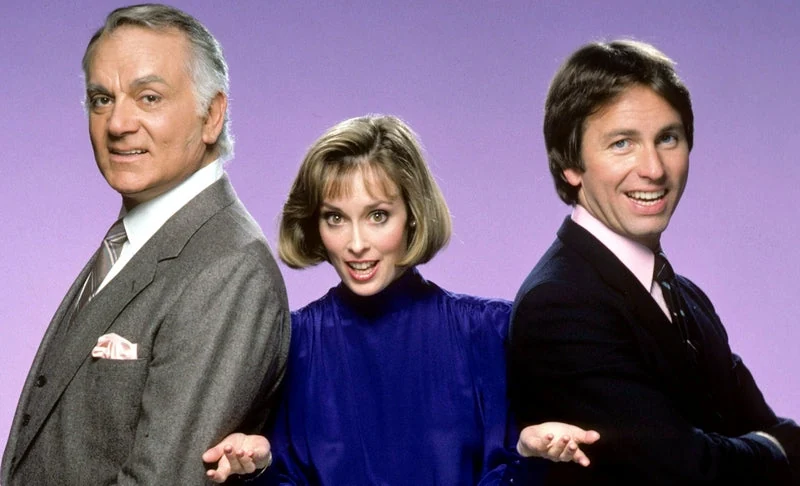
John Ritter’s body had its own comic vocabulary. A wrong turn, an effort to look dignified after a pratfall, a sudden realization arriving at precisely the wrong moment: Jack Tripper often said as much without dialogue as he did with it. Moving him into a new show didn’t remove that gift. It did remove an arrangement that had given the gift an extraordinary number of opportunities.
Three’s a Crowd began on ABC in September 1984, following Three’s Company. Jack was now living with Vicky Bradford, played by Mary Cadorette. Robert Mandan’s James Bradford was Vicky’s wealthy, disapproving father. The problem was no longer maintaining the old roommates’ arrangement but establishing a relationship under the sustained scrutiny of a man who didn’t think Jack was good enough.
That is a reasonable continuation for an adult character. It also makes a specific demand on the audience: accept the loss of the old roommates and invest in a romantic partnership that hasn’t accumulated the same history. A long-running comedy’s final rearrangement may look tidy on paper while feeling emotionally abrupt to people who liked the untidiness that preceded it.
Mandan understood how to make superiority funny. His objections provided resistance for Ritter rather than requiring Jack to trip over furniture entirely unprovoked. But the central triangle had fewer moving parts than the ensemble it replaced. The new series needed to make Vicky’s own choices as compelling as the conflict between the men, rather than letting her become the disputed territory between two comic performances.
The episode guide records twenty-two episodes in its single season. The Television Academy’s producer interviews connect the new series with the end of Three’s Company. Neither record supports treating the switch as eight more years of the same show. Its identity, and its limitations, came from the changed relationships.
Ritter remains a reason to watch. A gifted physical comedian doesn’t stop being gifted because a spinoff fails to become another institution. Yet Three’s a Crowd reveals the danger of calling a familiar character the whole formula. Jack needed people who misunderstood him, knew him too well, frustrated him and forgave him in different ways. Giving him a future required more than preserving his name at the top of the cast list.
The Colbys: everybody is overdressed for the emergency
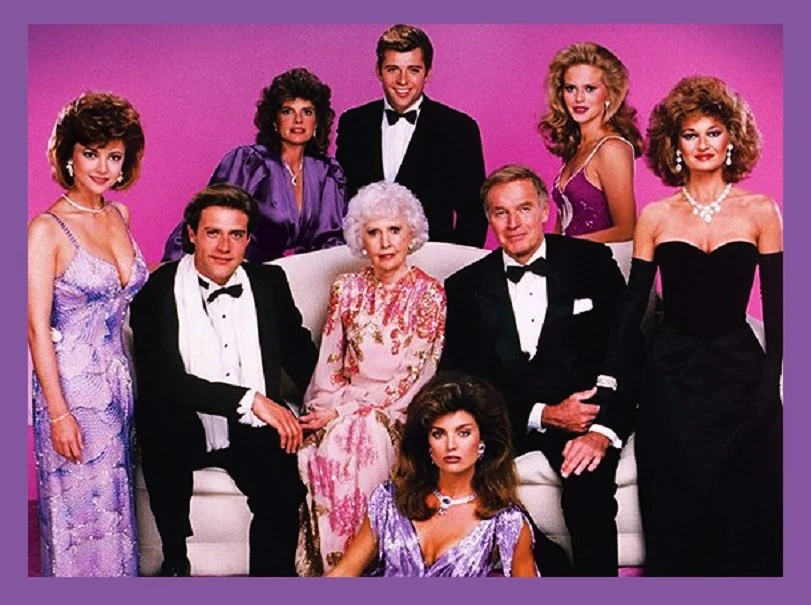
Charlton Heston, Barbara Stanwyck, Katharine Ross and Ricardo Montalban weren’t a modest investment in a promising new comedy pilot. They were a declaration. ABC and the producers of Dynasty wanted another grand family saga, and The Colbys arrived in 1985 with the resources and casting to make sure nobody mistook it for a small undertaking.
Jeff Colby and Fallon Carrington supplied the direct connection to Dynasty. John James continued as Jeff; Emma Samms played Fallon, whose tangled return and relationship with Miles Colby helped carry the story into California. Heston’s Jason and Stephanie Beacham’s Sable presided over the new household. There were businesses, siblings, rivalries and enough formal clothing to make an ordinary breakfast seem insufficiently committed.
Beacham is a major reason the enterprise remains enjoyable. Sable’s emotional temperature changes rapidly, but the performance gives her calculation and grievance a human pulse. Heston supplies a stern center of gravity. The supporting personalities don’t all emerge equally clearly, and the expensive surroundings sometimes work harder than the scene. Money is very good at furnishing a room. It doesn’t write the dialogue.
The series ran for forty-nine episodes, ending in 1987. The Television Academy’s production-interview collection includes the Shapiros discussing both the spinoff and its alien-abduction storyline. Yes, that storyline. The final image of Fallon encountering a spacecraft wasn’t a later parody someone accidentally filed with the episodes. The soap actually went there.
That ending is funny to describe, but it shouldn’t erase the creative problem beneath it. A second wealthy family needed a dramatic identity beyond being related to the first. Knots Landing found a different neighborhood scale. The Colbys often appeared determined to answer Dynasty with a slightly more elaborately engraved version of Dynasty. Recognizable luxury isn’t the same as a distinctive world.
Its place here is therefore about scale and consequence rather than a claim to lasting ratings supremacy. It is a major eighties spinoff because the attempt was so conspicuous, and because performers such as Beacham made portions of it more alive than a dismissive synopsis suggests. The Dynasty feature follows the original dynasty; this California branch shows what happened when the appetite for expansion outran the supply of fresh family trouble.
A Different World: Hillman stops being somebody else’s destination
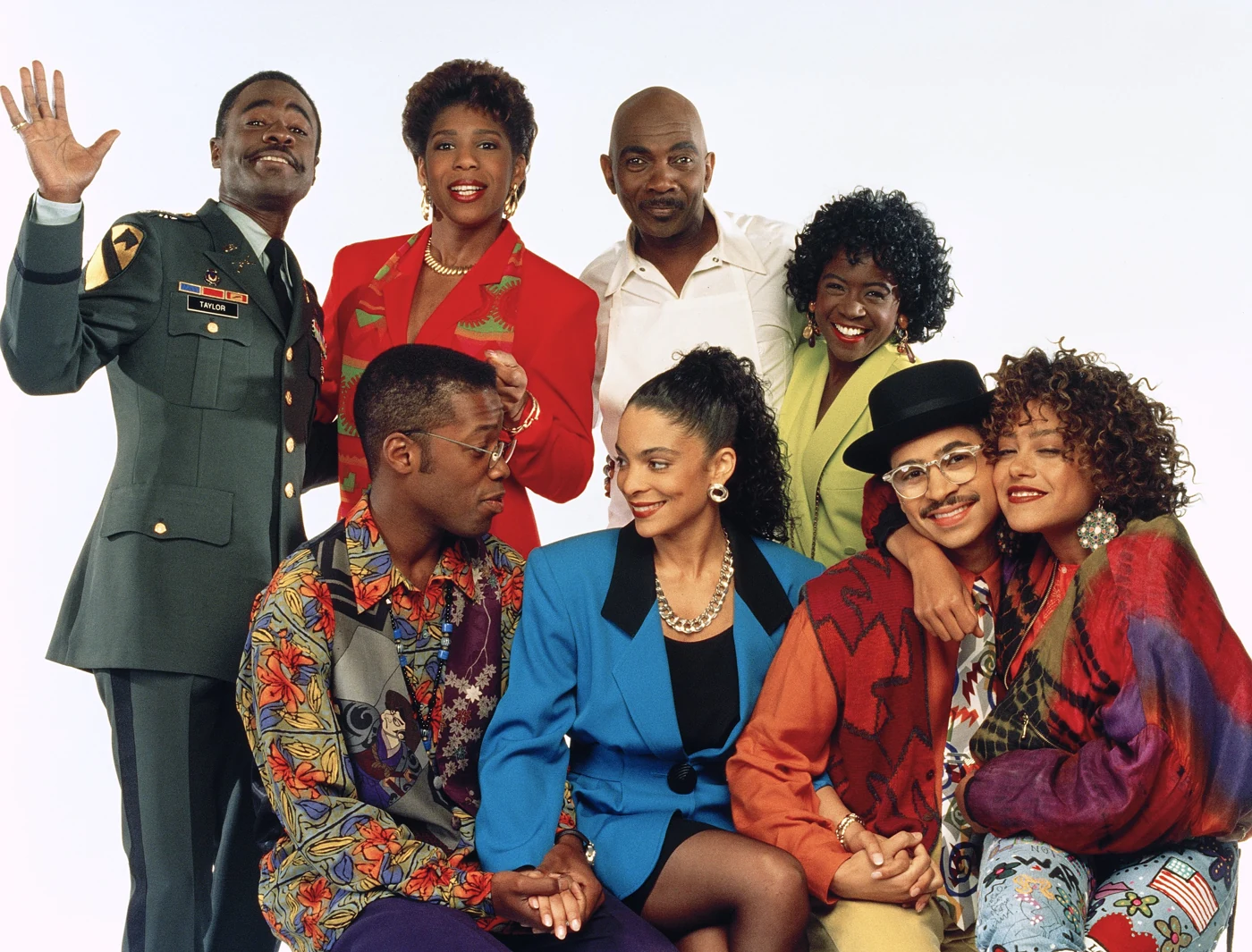
Denise Huxtable was a natural person to follow out of the family house. Lisa Bonet gave her a mixture of style, uncertainty and resistance that made college seem full of possibilities. When A Different World began on NBC in 1987, that connection to The Cosby Show offered an enormous introduction. What happened after the introduction is the more interesting achievement.
The first season built much of its life around Denise at fictional Hillman College. After Bonet’s departure, the series reorganized around a broader ensemble, with Debbie Allen becoming a crucial creative force. Jasmine Guy’s Whitley and Kadeem Hardison’s Dwayne grew increasingly important; Dawnn Lewis’ Jaleesa and the expanding campus circle helped turn a familiar daughter’s new address into a place with its own social life.
Allen’s Television Academy interview describes her commitment to bringing the experience of a historically Black college into the series. That matters because Hillman’s appeal wasn’t simply that its students had funny roommates. Their ambitions, differences and cultural surroundings gave the program material the parent household couldn’t supply in the same way.
Whitley’s hauteur was funny partly because it was so carefully maintained. Dwayne’s confidence had its own disguises, including those famous flip-up glasses. The pleasure came from watching people who seemed certain of their categories discover that other people refused to stay inside them. A campus allowed class, attraction, friendship and professional hopes to collide repeatedly without every encounter becoming a family discussion over dinner.
The change in the theme’s vocalist, from Phoebe Snow to Aretha Franklin, offers a wonderfully audible marker of the transformation. The program’s rhythm became more assured. The Academy-hosted history traces that early shift and the developing ensemble. Later milestone stories belong to its nineties life, but the decisive move away from dependence on Denise occurred before the eighties ended.
Not every serious subject sat comfortably inside a half-hour comedy, and later romantic machinery sometimes consumed more air than it deserved. Still, the show earned the right to have its own problems. That is a stronger verdict than calling it a successful copy. The Hillman feature follows that voice in depth; the spinoff story is how quickly the borrowed doorway opened onto something bigger.
Empty Nest: the abandoned pilot isn’t the show
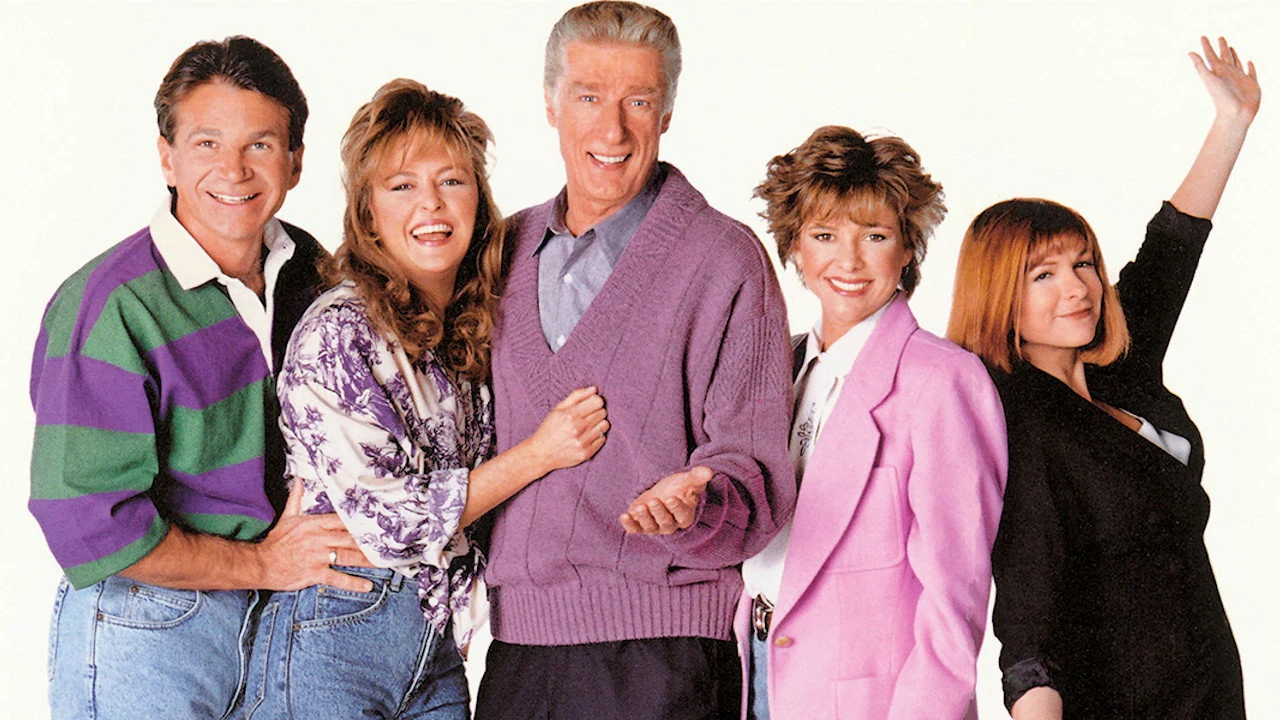
Richard Mulligan’s Harry Weston had a lovely capacity to look overwhelmed without losing his decency. His daughters were adults. This did not, to his mild surprise, eliminate the work of being their father. Carol’s anxious intensity and Barbara’s more direct manner ensured that the house was rarely as peaceful as its owner might have preferred. The dog generally seemed to have the most sensible priorities.
Empty Nest began on NBC in October 1988, created by Susan Harris and linked to The Golden Girls through its Miami neighborhood. Dinah Manoff and Kristy McNichol played Carol and Barbara. Park Overall’s LaVerne added a gloriously dry presence at Harry’s medical practice; David Leisure’s Charley was a neighbor whose self-regard required surprisingly little encouragement.
An earlier Golden Girls episode had tried a different version of the premise, involving characters played by Rita Moreno and Paul Dooley. That material isn’t a reliable synopsis of the eventual series. The Academy’s Empty Nest collection includes Moreno discussing the pilot; the familiar Harry Weston arrangement emerged after substantial reworking. Sometimes the useful result of a trial episode is discovering what to change.
The eventual cast had a rhythm of its own. Mulligan’s physical expressiveness made bewilderment active rather than passive. Manoff turned Carol’s complaints into a whole weather system; McNichol gave Barbara an opposing energy. Overall delivered lines as if she had already identified the nonsense and was waiting for everybody else to catch up. There was enough contrast to keep the household from becoming one prolonged fuss.
Contemporary reception wasn’t uniformly dismissive of the spinoff idea: the Los Angeles Times welcomed the premiere. Disney’s historical account records Mulligan’s 1989 lead-actor Emmy. These are useful reminders that a warm, conventional comedy can be well performed without needing to announce a revolution in television every week.
Its connection with The Golden Girls remained visible, but Harry’s grief, his daughters’ frustrations and the practice’s daily comedy provided independent reasons to return. The Empty Nest debut feature concentrates on that arrival. As an eighties spinoff, it is especially instructive because the finished show worked after the first version didn’t. A network allowed the idea to be repaired, rather than insisting the original pilot was sacred.
Just the Ten of Us: Coach Lubbock gets more than a classroom
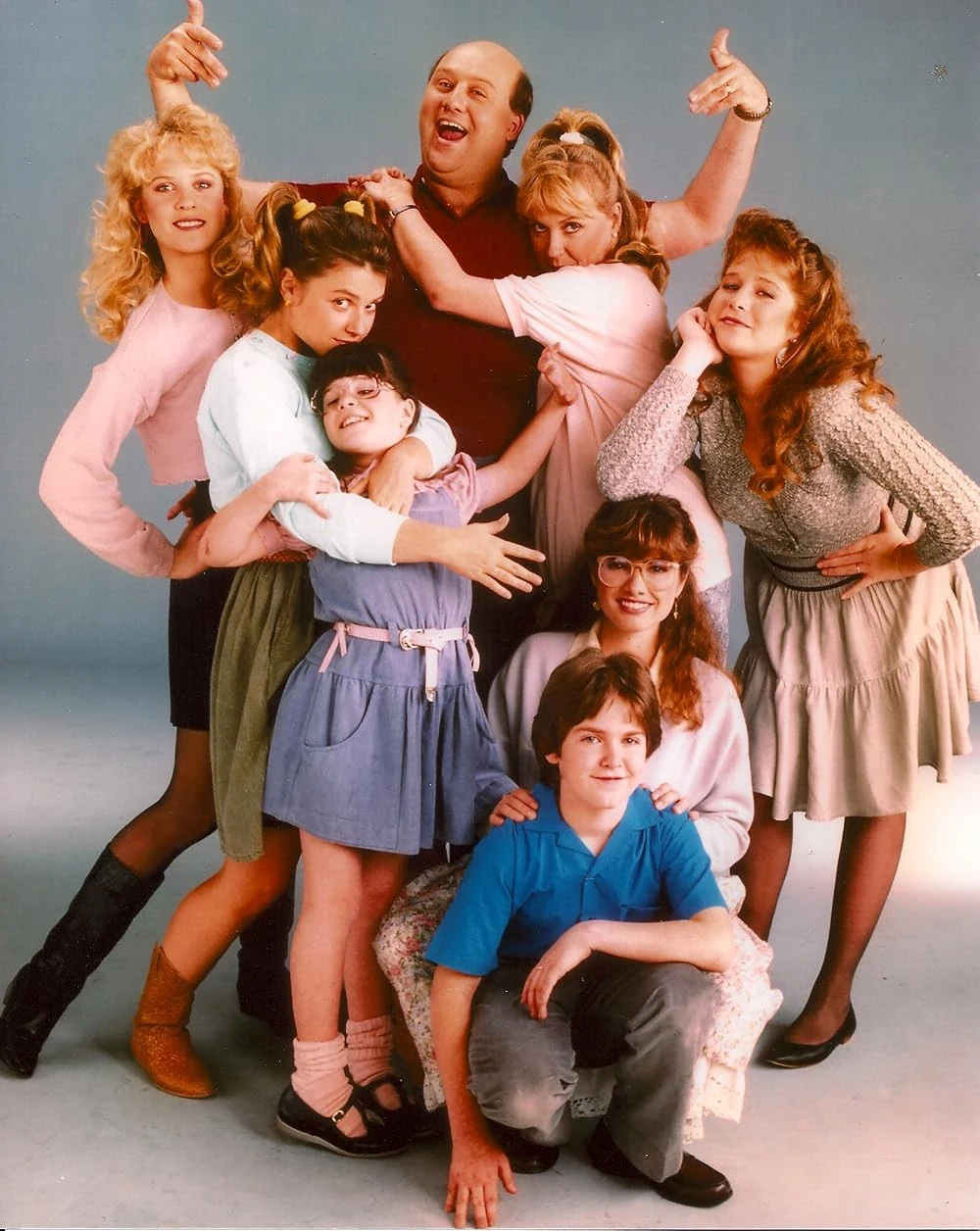
Bill Kirchenbauer’s Coach Lubbock looked like a man who expected discipline to be useful and kept receiving contrary evidence. Growing Pains had established him as a teacher in the Seavers’ orbit. Just the Ten of Us expanded the view to his own enormous household, where trying to maintain order was less a policy than an ongoing endurance event.
The spinoff began on ABC in April 1988 and ran until 1990. A move to California and a job at a Catholic school supplied the new setting. Deborah Harmon played Elizabeth, Lubbock’s wife, while the older daughters increasingly dominated the comic action. Heather Langenkamp, Jamie Luner, Brooke Theiss and JoAnn Willette gave the sisters different ways to resist being treated as a single inconvenient category called “the girls.”
That shift in attention is what makes the show interesting beyond its parentage. A character imported as a comic authority figure gradually became one part of a family ensemble. The daughters’ interests, social ambitions and arguments supplied material that wasn’t simply Coach Lubbock repeating his classroom manner at home. They had their own hierarchy, their own alliances and a very practiced ability to notice when somebody else was getting away with something.
The musical performances added another identity, though the program never stopped being a broad family comedy. Its Catholic-school setting supplied boundaries to test rather than guaranteeing subtlety. Some jokes are very much of their era, and a protective father fretting about daughters’ social lives isn’t automatically profound. The performers make the better scenes specific enough to rise above the inherited situation.
The forty-seven-episode record is a more useful starting point than online cancellation legends that assign a single villain without adequate evidence. The show had a short initial spring season and continued through two fuller seasons. Its disappearance doesn’t mean viewers had barely met the Lubbocks. There was enough time for the family to build an identity separate from the classroom visit that launched it.
Compared with the Seavers’ family comedy, the spinoff has a busier household, different constraints and a sharper concentration on sisters negotiating adolescence together. It is an example of expansion working sideways. The parent show lent it a familiar adult; the young women supplied much of the reason its small audience of devoted viewers kept the title in circulation afterward.
Family Matters: the 1989 arrival before the Urkel legend
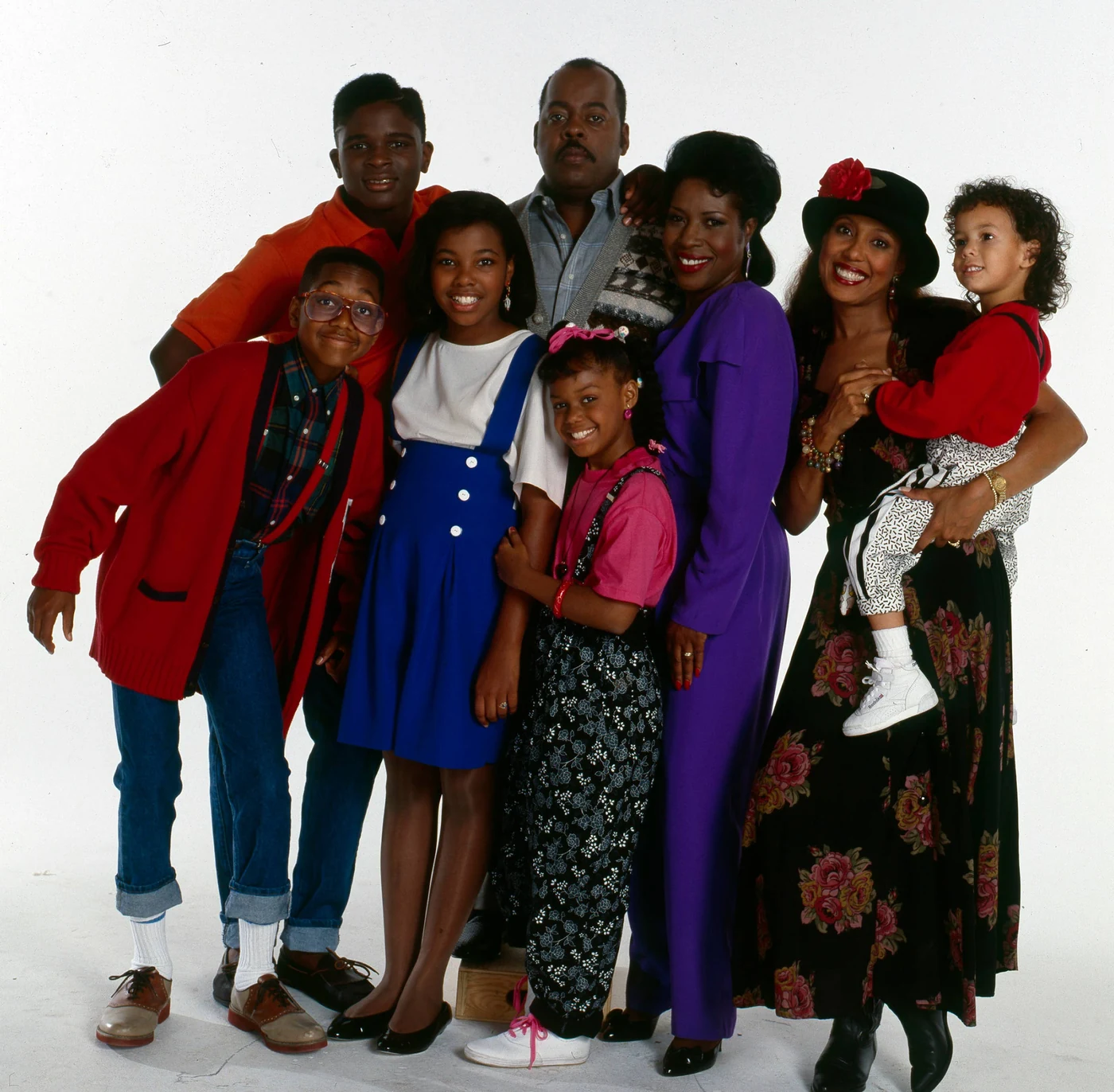
Harriette Winslow didn’t arrive in television history as “the woman from the Urkel show.” Jo Marie Payton had already played her on Perfect Strangers. Moving Harriette into a series about the Winslow household made that workplace acquaintance part of a much larger family story. Reginald VelJohnson’s Carl supplied the other central parental presence. Before a neighbor’s catchphrase took over the conversation, there was a marriage and a crowded home.
ABC launched Family Matters in September 1989. The initial arrangement included Carl and Harriette’s children, Harriette’s sister Rachel and Carl’s mother. Its opening-season episode record establishes a useful boundary: the show belongs to the eighties launch story, even though most of the run and much of its famous excess arrived in the following decade.
Payton gave Harriette a brisk authority. VelJohnson made Carl’s frustration funny without requiring him to be either a fool or a monster. A household comedy needs the adults to have a relationship when the children aren’t creating the current crisis. Their shared look of disbelief at a fresh complication often does more work than a speech about family values.
Steve Urkel’s arrival changes the long-term story dramatically, but that is precisely why the original setup deserves a fair account. A spinoff built through an existing character became famous for a different character introduced inside the new show. The branch grew another branch while keeping the same title. Television family trees aren’t always as tidy as a list of premiere dates.
It is also wise to separate the on-screen connection from competing accounts of the project’s development. Harriette’s continuity from Perfect Strangers is observable; claims that the entire enterprise was created exclusively for one performer are more complicated. The family relationship between programs doesn’t require pretending every later recollection of the business decisions agrees.
For eighties viewers, this was a new Black family comedy on an increasingly important Friday-night network lineup. For many later viewers, it became one of the defining experiences of 1990s television. Both descriptions can be true if the dates remain visible. The mistake is writing about September 1989 as if the audience already knew the next nine years of Winslow household adventures.
Living Dolls: an impressive future cast can’t fix the present
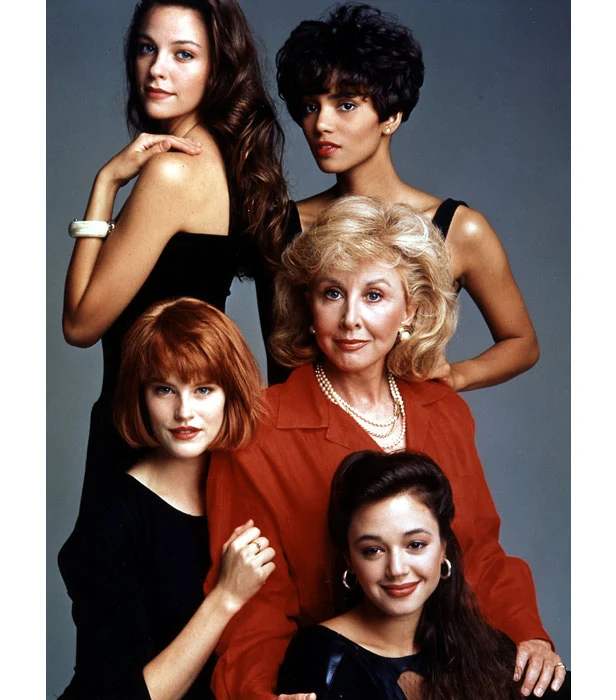
Seeing Leah Remini and Halle Berry in the same early television cast makes Living Dolls seem irresistible as a rediscovery. Then comes the less glamorous question: was the actual show any good? Future stardom is a terrific reason to be curious. It isn’t a retroactive script editor.
The 1989 ABC comedy grew out of Who’s the Boss? through Remini’s Charlie Briscoe, a friend of Samantha Micelli. Michael Learned played Trish Carlin, the adult guiding a group of young models. Berry, Alison Elliott and Deborah Tucker joined the regular ensemble. The setup combined professional ambition, young women living together and an older woman attempting to supply both protection and practical judgment.
There was potential in the distance between modeling’s polished image and a teenager’s untidy life. Charlie’s directness offered a useful challenge to that polished surface. Remini had an assertiveness that registers even when the material is slight; Learned’s presence brought experience and gravity. Those are real assets. They don’t automatically make a half-hour about aspiring models distinctive from every other half-hour about young people needing guidance.
The characters too often seemed organized around quickly legible types rather than surprising behavior. A comedy needs us to recognize people, but recognition shouldn’t be the end of the work. Once we’ve identified who is sheltered, who is ambitious and who delivers the sharp line, the next scene has to complicate those assumptions. Otherwise the series is displaying its cast instead of discovering it.
The Los Angeles Times’ premiere review was emphatically hostile. The episode guide records twelve installments and a run confined to the closing months of 1989. That is a small sample, but enough to understand why the series is now remembered chiefly through people who went on to stronger vehicles.
It is included among the decade’s major spinoff stories as a revealing late example, not as an unrecognized ratings giant. A successful parent program, a backdoor introduction and a capable cast still left the hardest part undone: making this particular set of people necessary. The forgotten-eighties-shows guide explores other short runs with stronger oddball identities. Living Dolls is a reminder that a sensible premise can be less memorable than a gloriously strange one.

What the best departures understood
The strongest spinoffs gave familiar people something new to do. Benson gained responsibilities instead of simply acquiring a different employer to mock. Mrs. Garrett’s influence survived because the girls developed into people with their own loyalties and arguments. Knots Landing let an Ewing marriage become part of a neighborhood rather than building a smaller Southfork with a more convenient beach.
That freedom sometimes required a less flattering view of the original formula. Denise was the reason A Different World existed, but Hillman became more alive when the program stopped treating her as its only organizing principle. A spinoff is allowed to discover that the person who got it through the door isn’t the only person worth watching. Television executives tend to enjoy familiar assets. Television audiences eventually need unfamiliar possibilities.
The weaker departures show the other side. Flo’s forceful personality wasn’t a replacement for all the relationships in Mel’s Diner. Joanie and Chachi’s romance wasn’t a complete substitute for their places inside Happy Days. The Colbys possessed nearly everything money might plausibly purchase, except a clear guarantee that viewers needed another version of the same quarrel. These aren’t identical failures. Each exposes something different about what had worked before.
There was no universal rule that a spinoff needed to sever its ties. Empty Nest benefited from a recognizable neighborhood, while AfterMASH depended on shared wartime history. The useful question was whether the connection helped the new story or continually reminded viewers of an absent one. When a familiar visitor arrived, did the episode feel enriched—or did the room suddenly seem more interesting than it had in weeks?
Looking back across 1970s television makes the inheritance clearer. The Jeffersons, Maude, Laverne & Shirley and Mork & Mindy had already demonstrated different versions of expansion. The eighties didn’t invent the technique. They inherited characters, established habits and an audience accustomed to following someone out of one opening-credit sequence into another.
The decade also makes the word “failure” less tidy than it sounds. A brief series may contain good performances. A long one may take years to become itself. A ratings disappointment may leave an image nobody forgets; a ratings success may slip almost completely out of conversation. The forgotten ratings-hits feature follows that last distinction. A show’s lifespan is evidence, but it isn’t the whole review.
Where to start watching the family branches
For a clear character transfer, begin with Benson or The Facts of Life and notice what the lead gains by moving. The joke isn’t merely that a familiar face has a different set behind it. Benson’s competence has larger consequences; Mrs. Garrett’s warmth operates inside a new collection of competing young personalities. Both shows offer a useful test of how much a character can change while remaining recognizably the person viewers followed.
For a stronger change of scale, put Dallas beside early Knots Landing. Listen to the conversations as well as looking at the houses. A family battle about power and inheritance isn’t quite the same experience as neighbors trying to remain neighbors after discovering something unforgivable. Neither show is shy about melodrama, but they bring the consequences into different kinds of rooms. The prime-time soap guide places those variations in the same busy landscape.
For a program finding itself, compare the early A Different World with the ensemble emerging in its second season. This isn’t an instruction to skip Denise or dismiss Bonet’s appeal. The contrast makes the creative decision visible. Hillman broadens from a student’s destination into a community whose tensions don’t require a Huxtable family connection to matter.
And for a good reminder that the past wasn’t a continuous victory parade, sample one of the short runs. Watch the performances without treating the cancellation as a laugh track. Holliday, Struthers, Gibbs and Ritter didn’t become less talented when a new arrangement failed to settle. The interesting question is what the missing relationships had been doing. Occasionally the answer is more illuminating than another evening of a favorite show’s greatest hits.
Questions about 1980s TV spinoffs
Why include shows that premiered in 1979?
Because The Facts of Life, Benson, Knots Landing, Archie Bunker’s Place and Trapper John, M.D. spent substantial portions of their original runs in the eighties. Their 1979 premieres are identified throughout. This feature examines the decade’s spinoff landscape rather than claiming that every entry first appeared between January 1980 and December 1989.
Were 227 and Amen spinoffs of The Jeffersons?
No. Marla Gibbs and Sherman Hemsley starred in both parts of that comparison, but Mary Jenkins and Deacon Frye weren’t Florence Johnston and George Jefferson. Checking In is the Florence spinoff. Reusing a gifted performer doesn’t automatically mean continuing the same fictional person, however familiar the voice may sound.
Was The Facts of Life a Diff’rent Strokes spinoff?
Yes. Mrs. Garrett moved from the Drummond household into the school-centered series. Its eventual Blair–Jo–Natalie–Tootie ensemble developed after the launch; the four-person student group most viewers recognize wasn’t the complete original setup. The spinoff’s famous identity was something the series grew into, rather than a finished formula copied out of the parent show.
Which of these shows lasted beyond the eighties?
Knots Landing, A Different World, Empty Nest, Just the Ten of Us and Family Matters continued into the nineties. Their later years help explain their endurance, but the relevant eighties story concerns their launches and early development. Family Matters is the clearest case: its September 1989 debut belongs here, while most of its best-known life belongs to the next decade.
Does a canceled spinoff mean the original character was weak?
No. A character’s appeal depends partly on relationships, circumstances and the other performers in the room. A new series has to create those conditions again or find convincing alternatives. Florence and Flo were formidable comic presences before their brief spinoffs, and they remained formidable afterward. The experiment tested a new arrangement, not the existence of the performers’ talent.
Sources and further reading
- Television Academy: Charlotte Rae and The Facts of Life, including interviews about the transition from Diff’rent Strokes.
- Television Academy: Robert Guillaume’s Benson award record.
- Television Academy: David Jacobs, Lee Rich and Knots Landing.
- Television Academy: Checking In, including the Marla Gibbs and Jack Shea interview indexes.
- Television Academy: Gloria and Three’s a Crowd.
- Television Academy: The Colbys, including the Shapiro production interviews.
- Television Academy: Debbie Allen interview, published December 2022.
- Museum of Broadcast Communications history of A Different World, hosted by the Television Academy.
- Television Academy: Empty Nest pilot and production interviews.
- Walt Disney Archives: Empty Nest’s debut and Richard Mulligan’s Emmy.
- Los Angeles Times: Empty Nest premiere review, October 8, 1988.
- Los Angeles Times: Living Dolls premiere review, September 26, 1989.
- MASH4077TV: AfterMASH’s broadcast history, including scheduled episodes that were replaced and the delayed May 1985 broadcast.
- Episode chronologies: The Facts of Life, Benson, Knots Landing, Archie Bunker’s Place, Trapper John, M.D., Flo, Enos, Checking In, Gloria, Joanie Loves Chachi, AfterMASH, Three’s a Crowd, The Colbys, A Different World, Empty Nest, Just the Ten of Us, Family Matters and Living Dolls.