Happy Days in the Early 80s: How a 70s Phenomenon Entered the New Decade
Richie went away, Joanie had plans, and there was still a place for Fonzie in the Cunningham house.
The sofa is in the same spot. There’s a lot to catch up on.
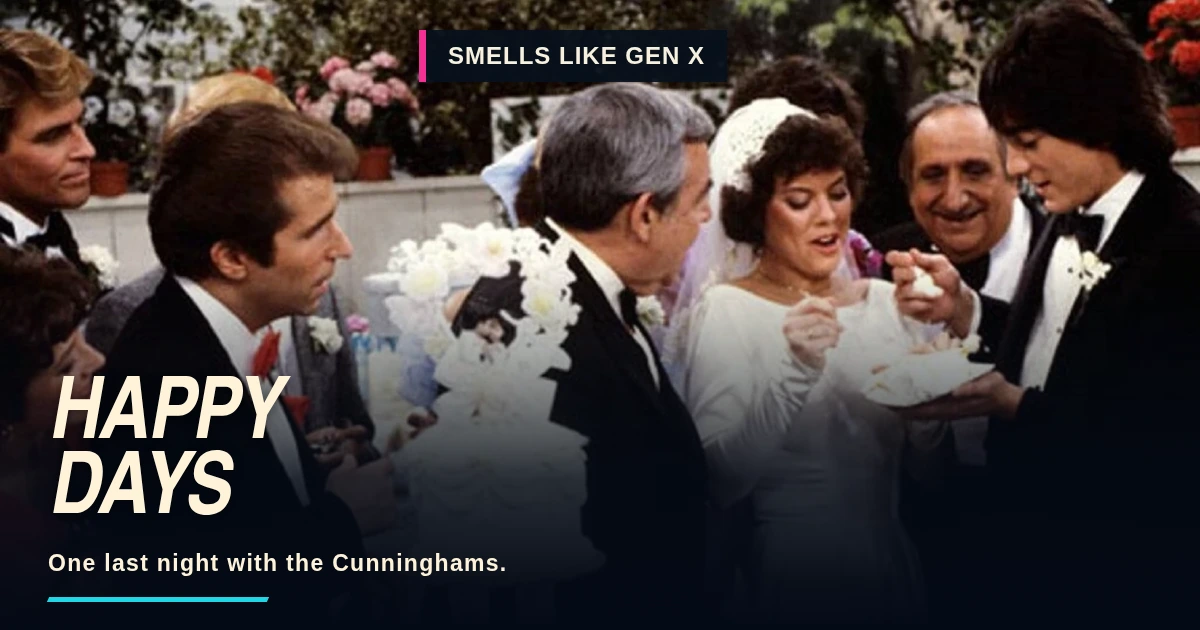
It takes me about one look at the Cunningham living room to know where I am. Then I start looking for Richie. There’s a stretch of Happy Days where the sofa, Marion and Howard are all right where you left them, and Richie Cunningham is somewhere else. The show had been around long enough for you to feel like somebody in the house ought to tell you when he was coming back.
If the Happy Days you remember is the one where Fonzie could get a reaction by walking through the door, our ’70s Happy Days feature takes you back to those years. There’s a second memory I like just as much. It’s sitting through a rerun and realizing the family you thought you knew had kept doing things after the show stopped making it into your week. Joanie had plans. Fonzie had a job at a school. Howard had a lot more to say about people growing up than I noticed the first time.
People often picture the late fifties when they hear the title. I also picture what an early-eighties television looked like while it was playing. By then the original ABC series was already old enough to bring back a version of your own childhood. I was watching people remember one decade while I was busy making memories of another.
Inside This Article
- Richie went away and the house was still there
- Fonzie still got a hand when he came in
- Joanie needed a life beyond the living room
- Richie’s homecoming was worth waiting for
- Marion and Howard made it feel like the same address
- The wedding felt like the night we said goodbye
- A few things from the later years
Richie went away and the house was still there
Ron Howard stepped away as a regular after the 1979–80 season. Don Most left the regular cast as well. Richie and Ralph were written into the Army, which gave the characters somewhere to be while the people at home kept living at the same address. If you watched regularly, you could feel the difference even while everybody in the scene seemed to know how they were getting through it.
Richie was the person I used to watch trying to decide whether to do something. He could explain why he was about to make a poor choice and make you think you might have made it yourself. When you take him out of a conversation with Fonzie, you lose the guy who would have been willing to ask for more information. The episodes that came afterward had to find other people who could get a different answer out of the Fonz.
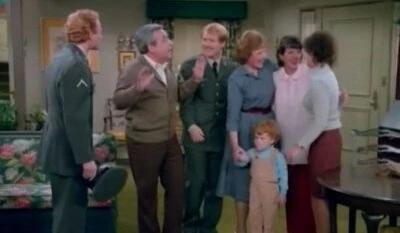
You can hear the change if you go from Happy Days near the top of the 1979 ratings to an episode from the next decade. Back then it was tied for third with Mork & Mindy. By the time Richie goes away, the familiar set is doing a lot of the work of welcoming you back. I understand why I could go for years thinking of late Happy Days as a different show and still want to see who was sitting in the kitchen.
Lori Beth kept Richie in the story as well. “R.C. & L.B. Forever” gets them married by proxy, with Richie overseas. A wedding ought to get all the people you came to watch in one place. This one has to make something happen for a person the show’s already sent away. That’s a very particular thing to remember about later Happy Days. You can miss somebody and still wonder what their life looks like.
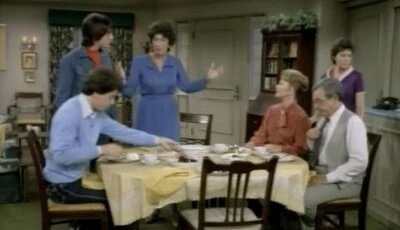
Fonzie still got a hand when he came in
Henry Winkler had already spent years finding ways for Fonzie to look perfectly at ease when he was making an effort. The leather jacket did a lot of work for him. So did the sound of an audience that could see him before the Cunninghams had finished whatever they were saying. In the eighties I like watching the moments when he knows the jacket can only get him so far.
Roger Phillips, played by Ted McGinley, is Marion’s nephew. Bringing in a younger adult who works at a school gives Fonzie different conversations to have. Fonzie starts teaching auto shop. That feels about right once you’ve seen him standing beside a car explaining a thing to someone who needs to know it. I might have sat up a little straighter in shop if Arthur Fonzarelli had been the one about to find out whether I’d been listening.
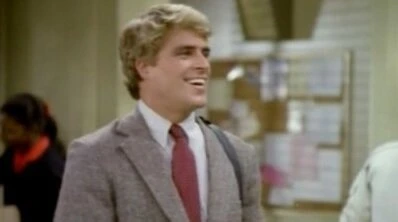
The episode called “Because It’s There” starts the final season with a reminder that the jacket has a whole life of its own in people’s heads. Fonzie finds a note in the cookie jar connected to the mother who left him. He throws out the jacket, to the surprise of people who’ve come to expect that piece of clothing to be there. It’s one of the times the late series asks you to watch his face a little longer than you planned.
The leather and the cool are probably why we still recognize him from three steps into a room. What lasts for me in the late episodes is the guy still trying to figure out how to tell the people he loves that he needs them. He’s been around those people for years. It can still take a whole half hour for him to come out with it.
Joanie needed a life beyond the living room
Erin Moran’s Joanie had spent a lot of years in the Cunningham house with a brother and two parents around. In the early eighties there was more time to see what she wanted for herself. Scott Baio’s Chachi could bring his own ideas about how their future was supposed to go. You could recognize the sort of argument they were about to have before either one remembered to ask the other what they thought.
For a while they got another address on television. Joanie Loves Chachi followed the pair to Chicago and gave their music its own series. The spinoff ran from 1982 into 1983. Both characters came back to Happy Days. If you remember seeing an ad for their show or wondering where they were on a particular Tuesday, that movement between the two series is part of what you’re remembering.
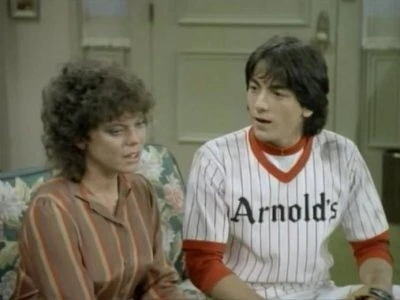
On “The Ballad of Joanie and Chachi,” early in the last season, Joanie has a lot of things to do and Chachi’s having trouble figuring out where he fits. You can watch it while knowing they’ll get married later and still feel the difficulty of getting them to the same place in the meantime. The show had watched them grow up in public. By the last season it was willing to let their history make a straightforward evening complicated.
I like the old 1982 TV lineup as a reminder of how easy it was for families on television to spill out of their original half hour. You’d hear a character might be headed somewhere else and expect to follow them. Then the regular show would turn up again and you’d still be looking to see if they’d come home.
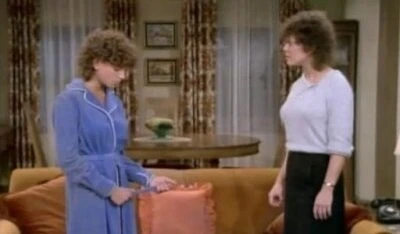
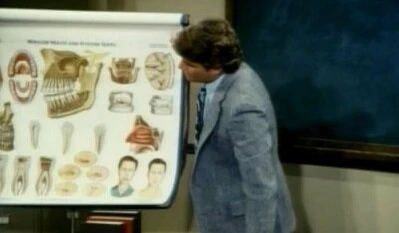
Joanie’s life at school gets its own episode in “Kiss Me, Teach,” from January 1984. She has a student teaching assignment and has trouble getting established in front of the class. After all that time seeing her as Richie’s little sister, I like being asked to think about what happens when she takes charge of a room full of people who have just met her. Getting home to Marion and Howard would feel a little different after a day like that.
It’s also the kind of story I’d have skipped past when I was younger if I saw the description in the TV listings. I would have been waiting for Fonzie to get into a difficult situation with a motorcycle. Now I get a little more out of watching Joanie get through an afternoon where the hard part is finding out whether anybody’s going to listen to her. She’s spent enough time on the other side of that conversation in her own house.
Richie’s homecoming was worth waiting for
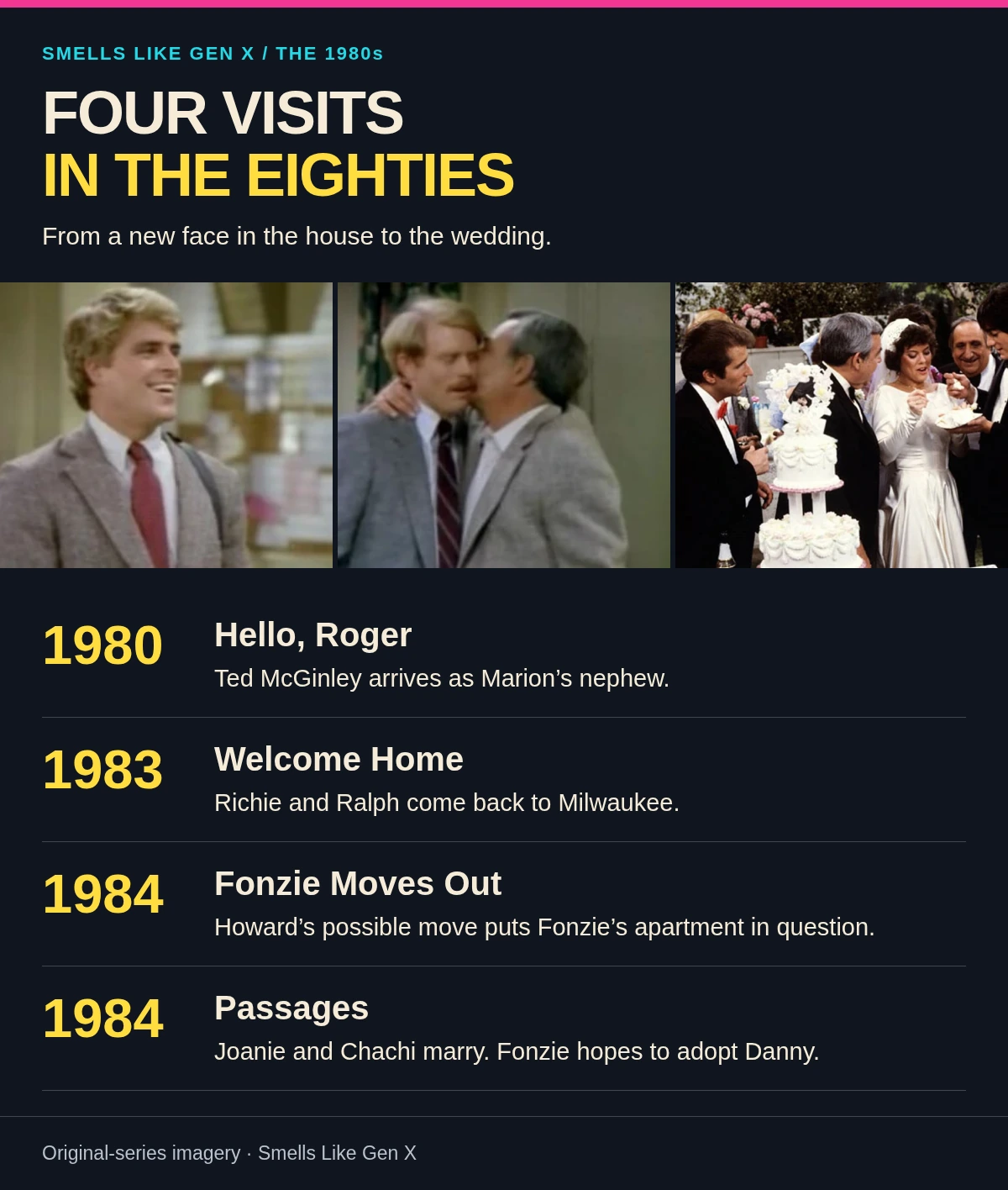
In October and November 1983, “Welcome Home” gives Ron Howard, Don Most, and Lynda Goodfriend a chance to bring Richie, Ralph, and Lori Beth back. After the greetings, there’s a good reason for Richie to have something to say. He wants to go to California and write. Howard Cunningham has his own ideas about what a son coming home is supposed to do with his life.
It’s fun to see Richie and Ralph back among familiar people. It’s even better to watch Ron Howard play Richie after years away. I can still see the kid who worried about upsetting his dad. I can also see somebody who’s been away long enough to know he’ll have to make a decision even if it bothers everybody. You don’t need to know anything about Howard’s career behind the camera to enjoy that. It’s a good homecoming story because he has to tell them why the trip back might be short.
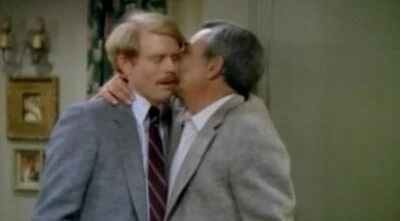
Fonzie and Richie still have the sort of friendship where an ugly conversation can do somebody good. There’s an old instinct to wait for the Fonz to settle things. Here he has to help Richie decide what to do, and Richie still has to be the one to go home and talk to his family. The scenes land because you remember both of them having easier conversations in the same town.
If you only have an hour to spend with the last season, “Welcome Home” is my pick before the wedding. It works even if you’ve skipped a lot of episodes. So has Richie. He knows the names of the people in the room. He’s learning what they expect from him at the same time you are.
Marion and Howard made it feel like the same address
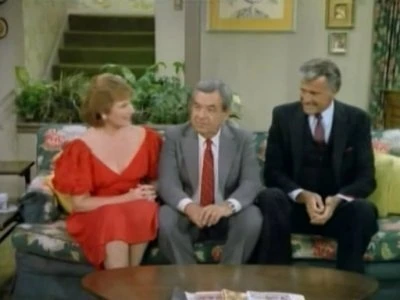
It would be easy to watch those late years just for the kids you grew up with. I find myself watching Marion Ross and Tom Bosley. There are jobs to go to, things to buy, somebody heading out the door. Marion has an idea about how to get everybody in the room to sit still long enough to hear her out. Howard can come down on one side of a question before the other person’s finished asking it.
In “Fonzie Moves Out,” Howard considers a job that could mean moving to New York. Fonzie hears enough to believe he ought to get out of the way. That’s an unusually good reason to think about what his apartment means. He’s been close enough to the family to walk into their life on a regular evening. He’s still capable of deciding he’s a guest who ought to leave before he gets asked.
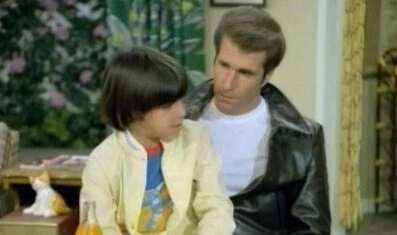
This is where Howard matters in the finale, too. Fonzie wants to adopt Danny. Howard has a chance to speak for the man he’s known for years. It makes sense for him to be the one to do it. He’s been watching how Fonzie acts when there’s nobody in the room giving him applause. It turns out he has a good idea of what kind of father he might make.
I’m glad the show kept a place for the adults to disagree with one another about what the kids ought to do. They’d been living in that town a long time. Their memories of the person coming down the stairs could be a few years out of date. One of the things the later years get right is the small surprise of finding that the person you’ve been giving advice to is already old enough to leave the house and decide for themselves. The couch is still there if they come back to tell you how it went.
The wedding felt like the night we said goodbye
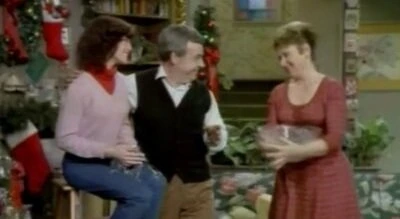
Joanie and Chachi marry in “Passages,” the two-part finale ABC aired on May 8, 1984. Fonzie’s adoption story runs alongside the wedding. There are two things to get through in one evening and two good reasons to get the familiar people back into the room. Once Howard’s speaking at the wedding, I’m happy to give him my attention. He’s had years of practice being the guy who says a thing the rest of the room needs to hear.
A few unaired episodes turned up afterward. Episode guides list summer broadcasts and “Fonzie’s Spots” in September. If you’re looking for the story meant to end the series, “Passages” is the one. A person can remember the big farewell in May and still have seen Happy Days listed as new a few months later. Television could get in the way of its own goodbye like that.
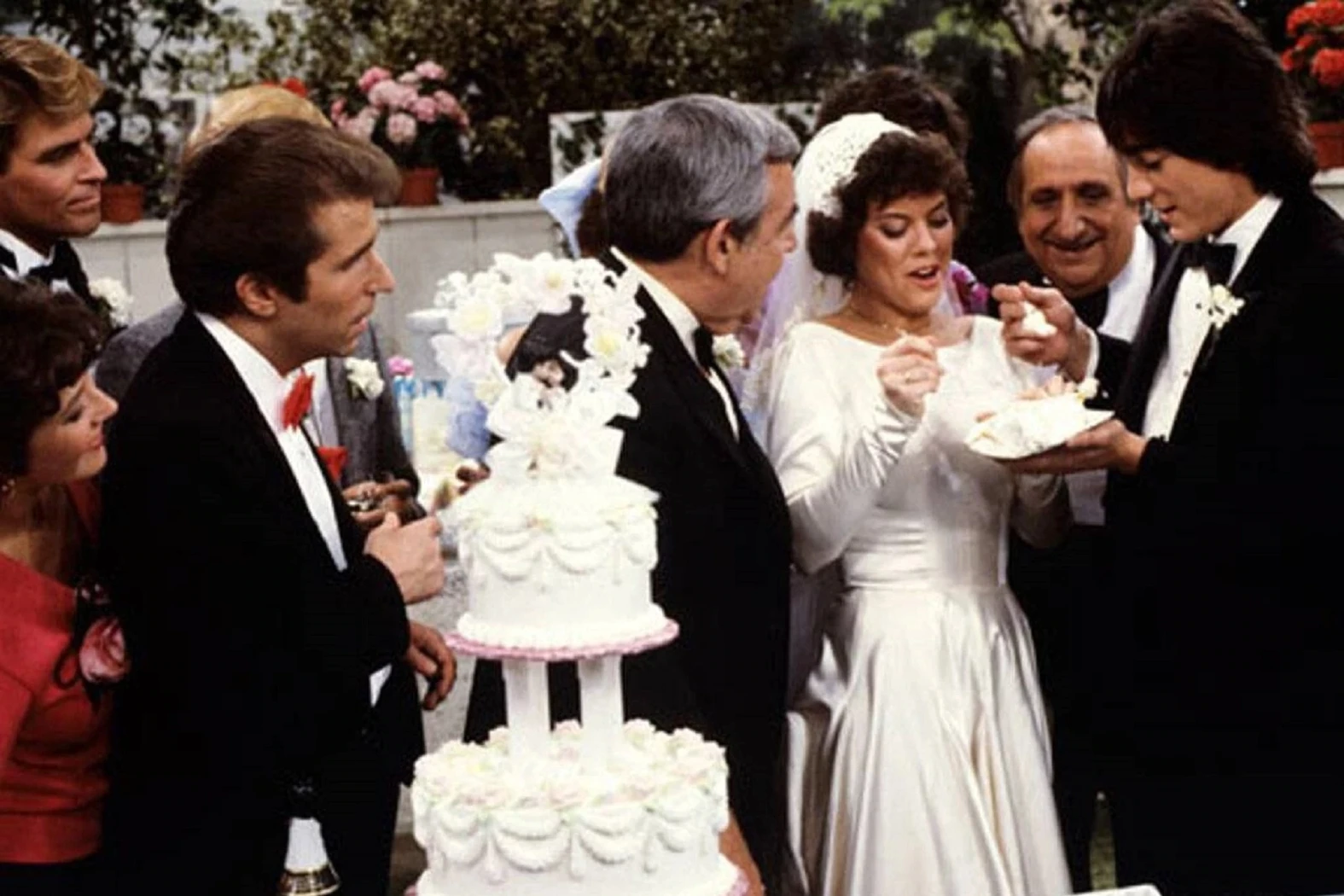
The other thing I remember is how familiar a wedding on that set still felt after all the departures. It was easy to imagine those people going right on living down the street after the set went dark. I think that’s what kept the later years from disappearing for me. The rest of the world knew exactly who Fonzie was. In that house, he could walk in and find somebody who knew him a little better.
At that wedding, I like looking for who’s standing behind the bride and groom. A long-running show can let a person be part of the occasion for reasons that barely need explaining. You know something about the other evenings they’ve spent together, even if you’re fuzzy on exactly which year you saw them.
A few things from the later years
Why did Richie leave Happy Days?
Ron Howard departed the regular cast after the seventh season. Richie and Ralph Malph went into the Army in the story. Howard returned as a guest in the last season.
When do Richie and Ralph come home?
The two parts of “Welcome Home” aired October 25 and November 1, 1983. Richie’s idea of a new life in California is one of the episode’s main stories.
When did Joanie and Chachi get married?
They married in “Passages,” which ABC broadcast May 8, 1984. It was the planned finale. Additional episodes were aired afterward.
What was Fonzie doing in the 1980s?
He worked as a mechanic and took up teaching auto shop. In the finale he pursues the adoption of Danny, a boy he’s been mentoring.
Sources & Further Reading
- TVmaze — the original ABC series and episode summaries
- TV Guide — the final season’s broadcasts and episode descriptions
- epguides — dates for the original run, homecoming, and finale
- Sitcoms Online — final-season credits and episode guide
- The Paley Center — “Welcome Home,” first broadcast October 25, 1983
- The Paley Center — the May 1984 finale and its cast
- epguides — Joanie Loves Chachi and its Chicago setting