The Jeffersons in the Early 80s: Still Moving On Up
You knew the theme, George’s walk and the exact moment Florence was about to get a word in.
Weezy, Florence and the company that made the apartment worth coming back to.
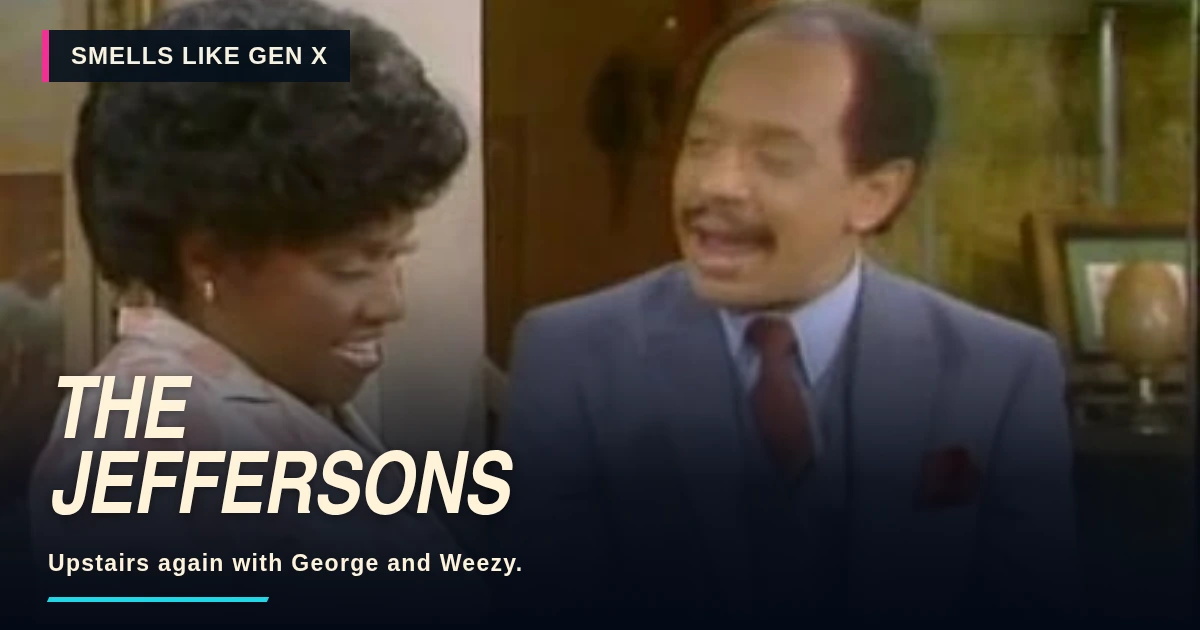
Put on the opening of The Jeffersons and see how long you can keep from joining in. I usually make it about as far as the first line. That voice comes out of the television with the confidence of somebody who knows the whole room is going to sing along. Then you’re in the apartment, and there’s a decent chance George has already found something to take personally.
George Jefferson coming through the door is the part that makes me grin before anything happens. Sherman Hemsley had a walk that could tell you the man had come home with news, a complaint, or news he was about to turn into a complaint. Isabel Sanford only needed to be there when he arrived. You got the feeling Louise had enough experience to know what the first version of the story would leave out.
We’d already watched George and Louise get to that East Side apartment in the ’70s. Our original Jeffersons feature takes you through the move, the early years, and where the family came from. For me the ’80s are the years when going back to that apartment felt like checking in with people who’d lived there forever. Florence could take on a job of her own, the kids could have problems big enough to fill two episodes, and George could still make a disaster out of the first thing he said when he walked in.
Inside This Article
- George always entered like there was an audience
- Weezy could end an argument with the way she said George
- Florence could hear an opening a mile away
- The spring Florence went to a hotel
- The people next door had a key to the fun
- Going to Hawaii with the neighbors
- The theme could bring people in from the other room
- Still in the Sunday-night picture
- Where I’d drop back in
- The details I’d look up before the next rerun
George always entered like there was an audience
There’s a physical pleasure in watching Hemsley cross the set. He can move with complete certainty toward a person who knows exactly how to take that certainty apart. The faster he gets there, the more time there is for the audience to enjoy the look he’ll have when the conversation takes a turn. Sometimes I’m watching his shoulders while the words catch up with him.
George owns a dry-cleaning business and takes immense pleasure in being able to tell you that he owns it. It matters where that pride comes from. He’s put in work and wants to know it counted. The funny part is that he might want an acknowledgment of this fact at a moment when Louise is trying to tell him something about a completely different person. He can turn a perfectly workable evening at home into a meeting he thinks he ought to chair.
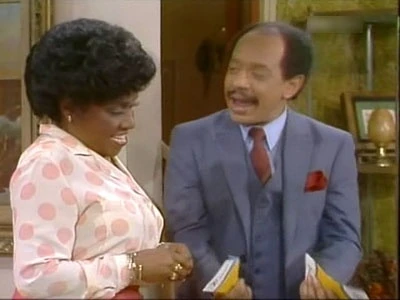
If you grew up around somebody who took great satisfaction in telling you how much a thing cost when they first bought it, you know the pleasure and the strain of hearing somebody tell a story they’ve earned. You can be happy for them and hope they get to the end before the food gets cold. Hemsley could play both reactions into the same room.
It’s why I still laugh when George has what he’s been asking for and immediately comes up with another thing to settle. He’s a guy who can be genuinely happy and still need another person to admit he was right. Louise has known him long enough to decide when it’s worth giving him the satisfaction.
Weezy could end an argument with the way she said George
Isabel Sanford won the comedy lead actress Emmy in 1981. If you want to see what that award was for, watch what she does in a scene where George is talking. She can let him have his pace, wait for a little opening and change what everybody thinks the conversation is about. The noise level hasn’t gone up. You can still feel who has hold of the room now.
Louise has her own friends and her own ideas about what the apartment ought to be like. She knows what George’s success took. She also knows what it feels like to be a person whose day has to go on after George has finished describing his. Sanford could give you affection and annoyance within one call of his name. I love that sound. You can almost hear the marriage in the amount of time she takes with it.
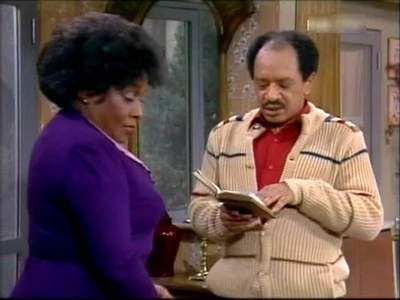
Take “Louise’s Father,” from the fall of 1981. A part of Louise’s family history is the thing that matters in that story. The family has all the furniture and familiar faces it usually has, but what she knows and what she wants to know about her father set the pace. I like revisiting that episode after one where George has made a grand display of whatever he thinks is going on. You get a fuller sense of the person he’s fortunate enough to have waiting for him at home.
For anyone who remembers the nickname and the theme more readily than a plot, she’s a good person to watch for an episode. Try looking at Louise when George says something he thinks is going to land well. Sanford often lets you see the joke coming in the time it takes him to finish.
Florence could hear an opening a mile away
Marla Gibbs made the sound of somebody being asked to do one more thing into a big part of the pleasure of The Jeffersons. George could come at Florence with a question that he thought had one possible answer. She could give him another one with the air of somebody who’d had plenty of time to think while he was talking.
The payoff is in how familiar they are. It takes time to know exactly what a person is trying to do when they start a sentence in a certain voice. Florence has spent enough of that time in the Jeffersons’ apartment to hear George getting ready to make a point. If she’s got something to say about it, I want to hear it before he gets to the part he thinks is important.
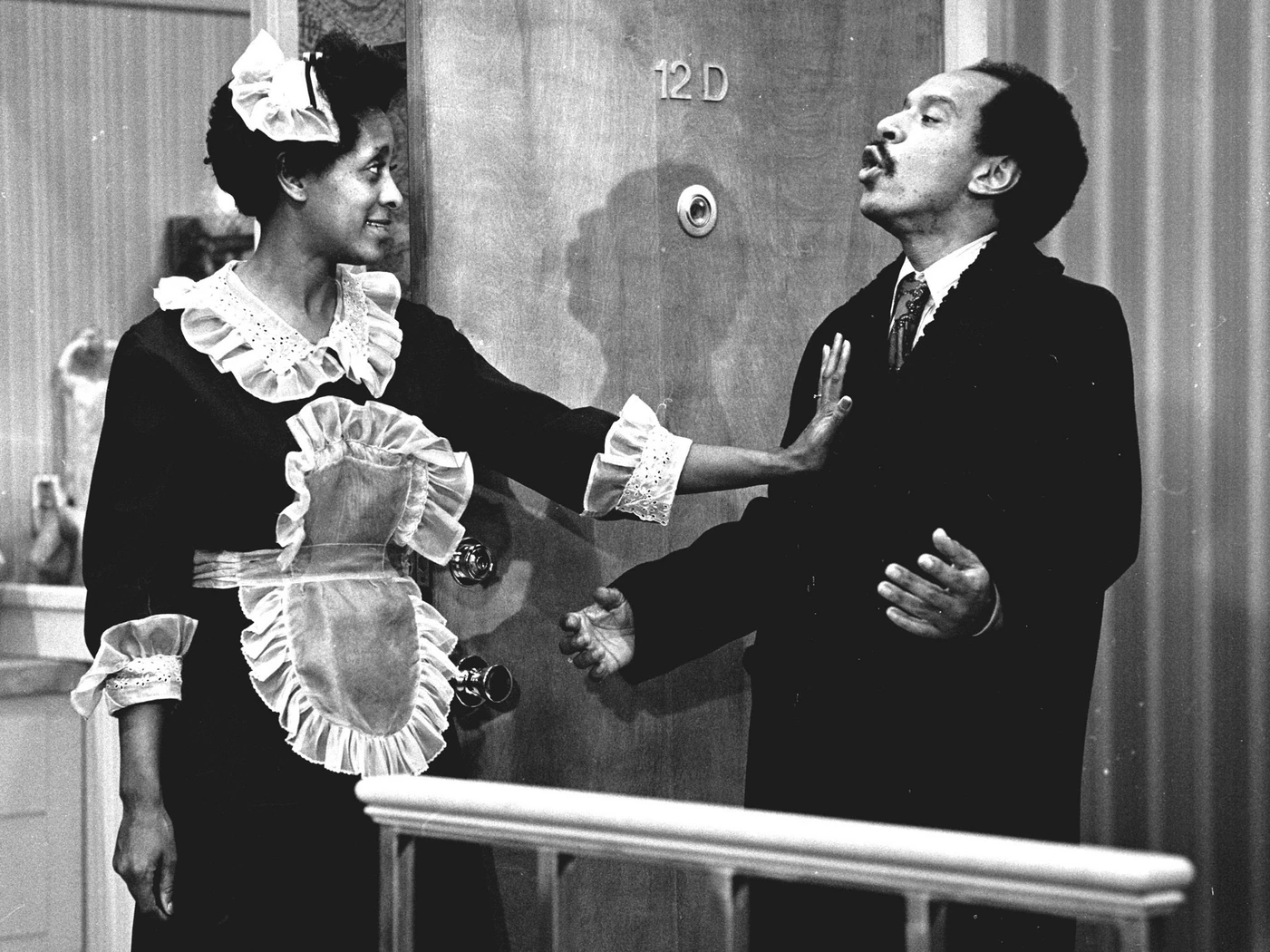
I like her with Louise, too. Two people can share an opinion about George and still have a different view of how much of it they need to tell him. Sometimes you get the little pleasure of watching a person think they’ve kept a feeling private and then discover the other woman had seen it ages ago. It’s familiar if you’ve ever had a friend who could read your mood from the way you put a cup down.
Florence’s work is part of every one of those conversations. There’s a paycheck involved, and a difference in who can decide what’s expected around the apartment. Gibbs gives Florence a sense of her own time that makes a lot of the jokes land. She knows the price of being asked to do something and she knows how much of it George is likely to notice.
The spring Florence went to a hotel
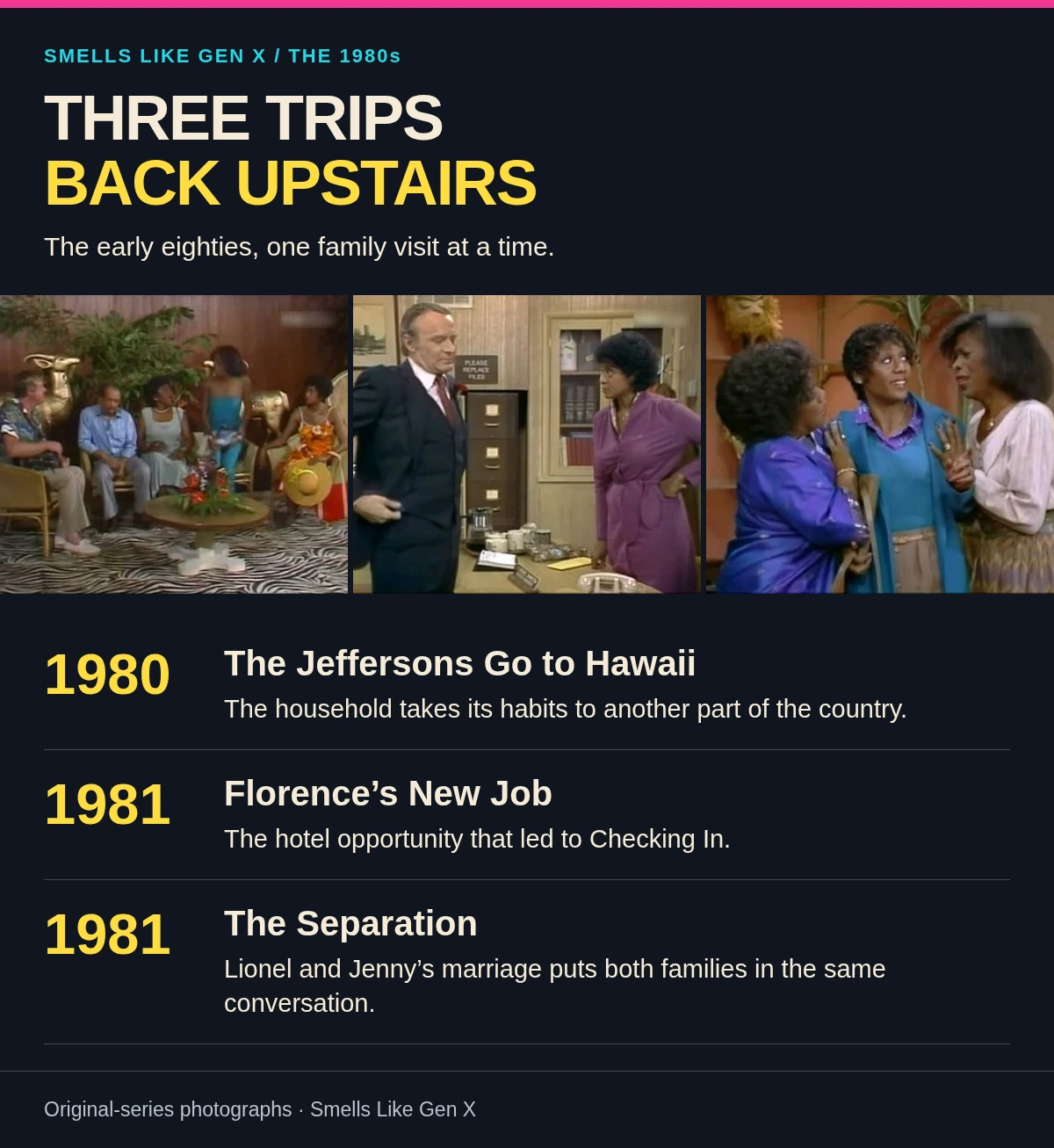
“Florence’s New Job” gives her the chance to run housekeeping at a hotel. Then there’s Checking In, the CBS spin-off that ran for four episodes in 1981. It’s one of those little branches of television memory where I can easily remember Florence and have to look up the name of the hotel show she got to lead.
Put yourself in the apartment for a minute. George has got his own idea of how well somebody new is going to work out. Louise knows how much it matters who’s in the house when the day gets long. And Florence has the chance to see what it feels like to be the person handing out assignments someplace else. You can enjoy the chance for her and still know there’ll be an unfamiliar silence the next time George tees up a line she would have answered.
“Florence Did It Different,” from the following season, is where I’d go back to see how the apartment handles that change. There’s a replacement and plenty of room for comparison. The episode makes me think about how quickly the way a person does a job can become part of the way everybody in the place understands their day. Somebody new comes in and the old routine suddenly becomes visible because you can hear which parts are missing.
Gibbs returns to the series. The short time away gives you a reason to notice how much the comedy at home depends on her coming through that door at exactly the right moment. I’d take a whole evening of her reacting to George trying to get the last word.
The people next door had a key to the fun
Roxie Roker’s Helen and Franklin Cover’s Tom Willis were part of the apartment’s everyday life. I like the way an argument could come through the door with a neighbor and settle in for an evening. Helen could hear George about to say something offensive and know there would be a point in answering him. Tom could get caught in the exchange and make things even more entertaining by trying to be perfectly reasonable.
Their daughter Jenny, played by Berlinda Tolbert, married Lionel Jefferson. By the ’80s there was a grandchild for the families to think about, and the show could ask what happens when the couple’s problems get big enough that everybody has a view on them. “The Separation,” the two-part start of the eighth season, puts Jenny and Lionel’s marriage in trouble. That gives the parents an excellent chance to discover how much help the couple actually asked for.
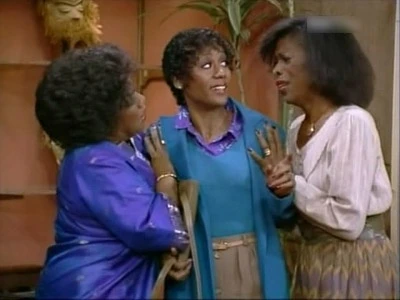
I’m partial to family sitcoms that have room for the reaction you get from the person who wasn’t supposed to hear the whole thing. In this apartment, a problem can land in one couple’s lap and quickly become something two sets of parents are trying to manage. A marriage counselor eventually enters the picture in “The Separation.” By then you’ve had a chance to hear what the relatives think before the two people in the marriage can get much space to work it out.
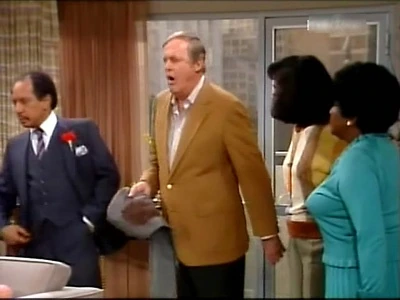
There’s plenty of company even when it’s a quiet week. Paul Benedict’s Harry Bentley lives down the hall. Ned Wertimer’s Ralph is downstairs, with a reliable interest in the tip. You could begin with George and Louise and spend the rest of the evening enjoying the fact that their building came with several people who felt entirely entitled to stop by.
Going to Hawaii with the neighbors
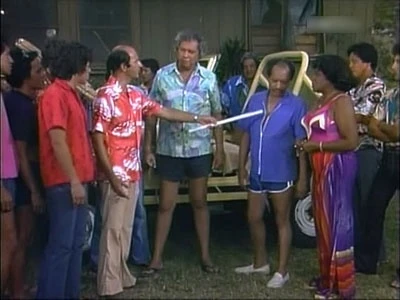
The early-’80s Hawaii episodes put the Jeffersons in a place that sounds like the last place a person would take his unfinished business. The trip runs in four parts over three Sunday nights in November 1980. There are travel clothes, different scenery and enough going on to make a viewer who had missed a week wonder how far the family had got while they were away.
I have a soft spot for the moment a familiar set disappears and a sitcom has to show you what the characters bring with them. George can still find something that needs his attention. Louise can still have a very good idea of whether she wants to give it hers. Some of the nicest holiday television works that way. You get to see a place you might like to visit and people you already know well enough to guess how much of the visit they’ll spend arguing.
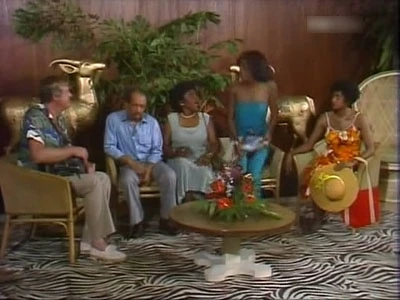
There’s a small pleasure in being able to put a multipart story on in order now. A trip like this used to occupy a few separate evenings. The first one might send you off to do the dishes with a question you couldn’t answer until the next week. Catching only the middle in reruns was another experience. You’d recognize the faces and have to work backward to why everybody suddenly had a lei.
Try an ordinary apartment episode before the trip. It gives you an evening with the usual door, couch and bar cart. Take those people out of their usual rooms and see which habits had enough of a life to travel.
The theme could bring people in from the other room
Ja’Net DuBois sang “Movin’ on Up” and wrote it with Jeff Barry. The song is one of those short pieces of music that feels like you’ve known the words forever. I can recognize it from a different room. Give me the first few seconds and I can remember what it looked like to be headed to that apartment before I can name a single story from the year I’m thinking about.
Our ’70s TV theme songs take it back to a period when a few bars could tell the whole house what had just come on. By the ’80s the Jeffersons could change almost anything that happened after the titles and still start the evening with the sound you’d been expecting. That’s a pleasant feeling when you’ve had a long day and want to spend half an hour with a show you already know how to enjoy.
Some sitcom themes send you into a room where the people are basically happy to see each other. This one has the lift of somebody who’s just found out a long stretch of work has paid off. George has every reason to enjoy it. The joke waiting upstairs is that the man who has moved on up has brought his personality along with him.
I’m glad the theme is so cheerful. It gives you a little more room to enjoy how many small things can still go wrong when George gets home. He’s had the big success already. Watching him deal with the next ten minutes is the part we kept showing up for.
Still in the Sunday-night picture
Have a look at the 1981 TV rankings and the 1982 TV rankings. It’s easy to forget how prominent this show still was once the decade had changed. It shared a season with the Dukes, Dallas, M*A*S*H and plenty of television you could recognize in a single line of music. A show that already knew the people in its own hallway could keep earning a place in the evening.
That’s also why I like keeping the early-’80s episodes distinct in memory. The ’70s have the excitement of getting the family to the apartment and finding out who’s going to make the most noise there. By the time we get to “The Separation” or Florence’s hotel, you’ve watched the kids grow up and seen the people in the building learn exactly how to push one another’s buttons. There’s something to lose if the company changes.
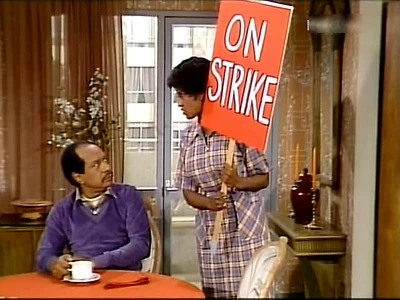
The original series continued until 1985. The last original broadcast, “Red Robins,” was an ordinary episode in July, without a specially written goodbye. For a show with an opening you can remember for forty years, it’s a strange way to stop hearing it on the network. I’m glad reruns kept giving us reasons to go upstairs again. The first time you turn one on after a long break, the elevator ride still feels short.
Where I’d drop back in
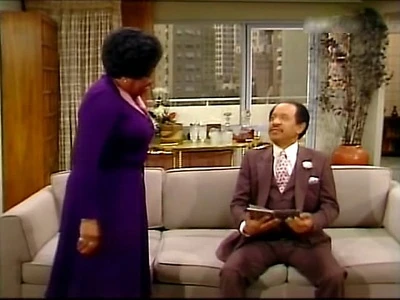
I’d take “Florence’s New Job” and “Florence Did It Different” for the feeling of a household having to learn what changed while one of its people was away. “The Separation” gives both families room to weigh in on something they can’t sort out in one conversation. If you’re in the mood for something lighter at the start, put on the Hawaii trip. You’ll know how much of the apartment they took along in a couple of minutes.
Then pick an episode you don’t remember. Watch the moment right after the theme, before somebody has told George what’s wrong with his idea. I’ve been away from the show for years at a time and can still feel the part of me that knows why Louise is looking at him like that.
The details I’d look up before the next rerun
When did The Jeffersons air?
The original CBS series began in 1975 and ended in 1985. It ran for eleven seasons.
Who won an Emmy for playing Louise Jefferson?
Isabel Sanford won the 1981 lead actress Emmy in a comedy series for playing Louise “Weezy” Jefferson.
What was Florence’s spin-off called?
Checking In. Marla Gibbs played Florence in the short-lived hotel sitcom, which aired four episodes in 1981. She returned to The Jeffersons.
Who sang the theme?
Ja’Net DuBois sang “Movin’ on Up,” which she co-wrote with Jeff Barry.