Best 80s Action TV Shows That Made Prime Time Feel Huge
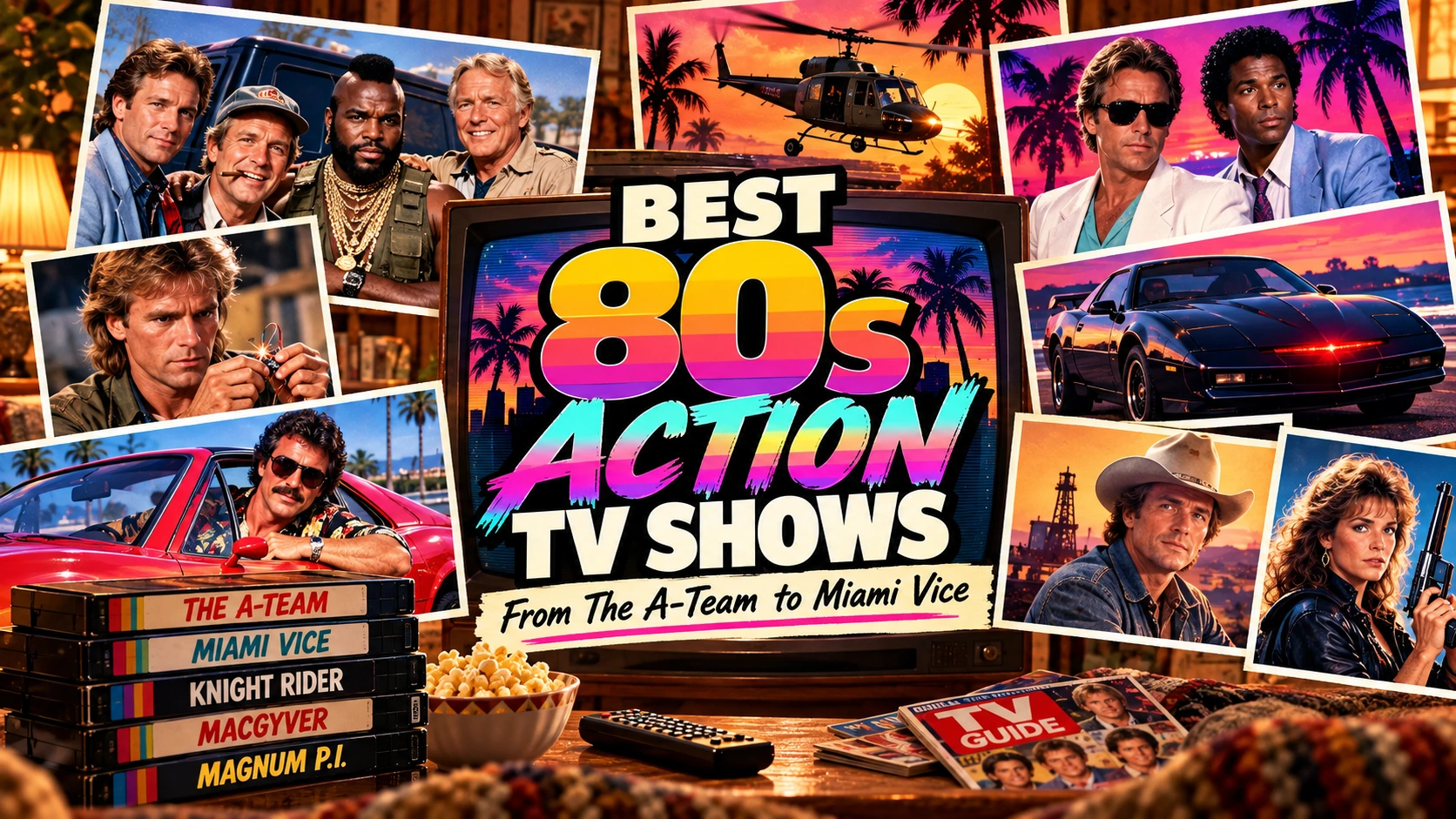
Best 80s Action TV Shows
Cars jumped. Helicopters skimmed canyons. Stuntmen crashed through boxes. A talking Pontiac could save your life, four wanted men could build a tank in a barn, and MacGyver could turn whatever was in the junk drawer into an escape plan. These were the 80s action TV shows we waited all week for — the kind of prime time that made a regular weeknight feel like somebody had slipped an action movie into the television schedule.
What Were the Best 80s Action TV Shows?
If you only want the short list, start with The A-Team, Knight Rider, MacGyver, Airwolf, The Fall Guy, Miami Vice, Magnum, P.I. and The Greatest American Hero. Those are the shows that could have us talking about a car jump, a helicopter run or some ridiculous escape plan at school the next morning. Together they cover almost everything that made 1980s action TV shows different: ensemble chaos, futuristic vehicles, improvised problem-solving, military hardware, practical stunts, MTV-era style and heroes who were allowed to be funny.
But stopping there misses how crowded the dial really was. The decade also gave us Hardcastle and McCormick, Riptide, Scarecrow and Mrs. King, Hunter, The Equalizer, Street Hawk, Automan and a whole second shelf of classic 80s action shows that could make one cool vehicle or one great opening sequence stick in your head for forty years.
Why 80s Action TV Shows Felt Bigger Than Television
The thing Gen X remembers is scale. Not necessarily budget — television budgets were television budgets — but ambition. An episode could open with a helicopter, cut to a warehouse fight, send a car through a fence and still have enough time left for a joke about B.A. refusing to fly. Producers were constantly looking for ways to make a weekly series feel like an event without actually spending movie money every seven days.
That limitation created style. A show needed a recognizable machine, team, location or trick. Knight Rider had KITT. Airwolf had the helicopter. The A-Team had the team itself and the inevitable construction montage. MacGyver had the solution. The Fall Guy had the stunt. Miami Vice had the look. Once the hook was clear, the audience knew what kind of ride it had bought a ticket for.
Action television also had a wider age range than the phrase suggests now. Adults could watch the crime story. Teenagers could watch the cool lead. Kids could wait for the car jump. Because the violence usually stopped short of movie brutality, the shows could live in the family room. That matters. A lot of us did not discover these series alone. They were simply on, in the middle of the house, while somebody folded laundry or yelled that dinner was ready.
The broader 1980s TV hub shows what else was competing for that same living room: sitcoms, soaps, prestige dramas, cartoons, miniseries and huge network events. Action survived because it offered something visual and immediate. You could walk into the room halfway through an episode and know exactly why everybody was watching.
How 1980s Action TV Changed Across the Decade
There was no single 80s action formula. The decade started with carryovers from the 70s, moved into supervehicles and mercenary teams, discovered slick urban style, then ended with darker crime stories and more serialized consequences.
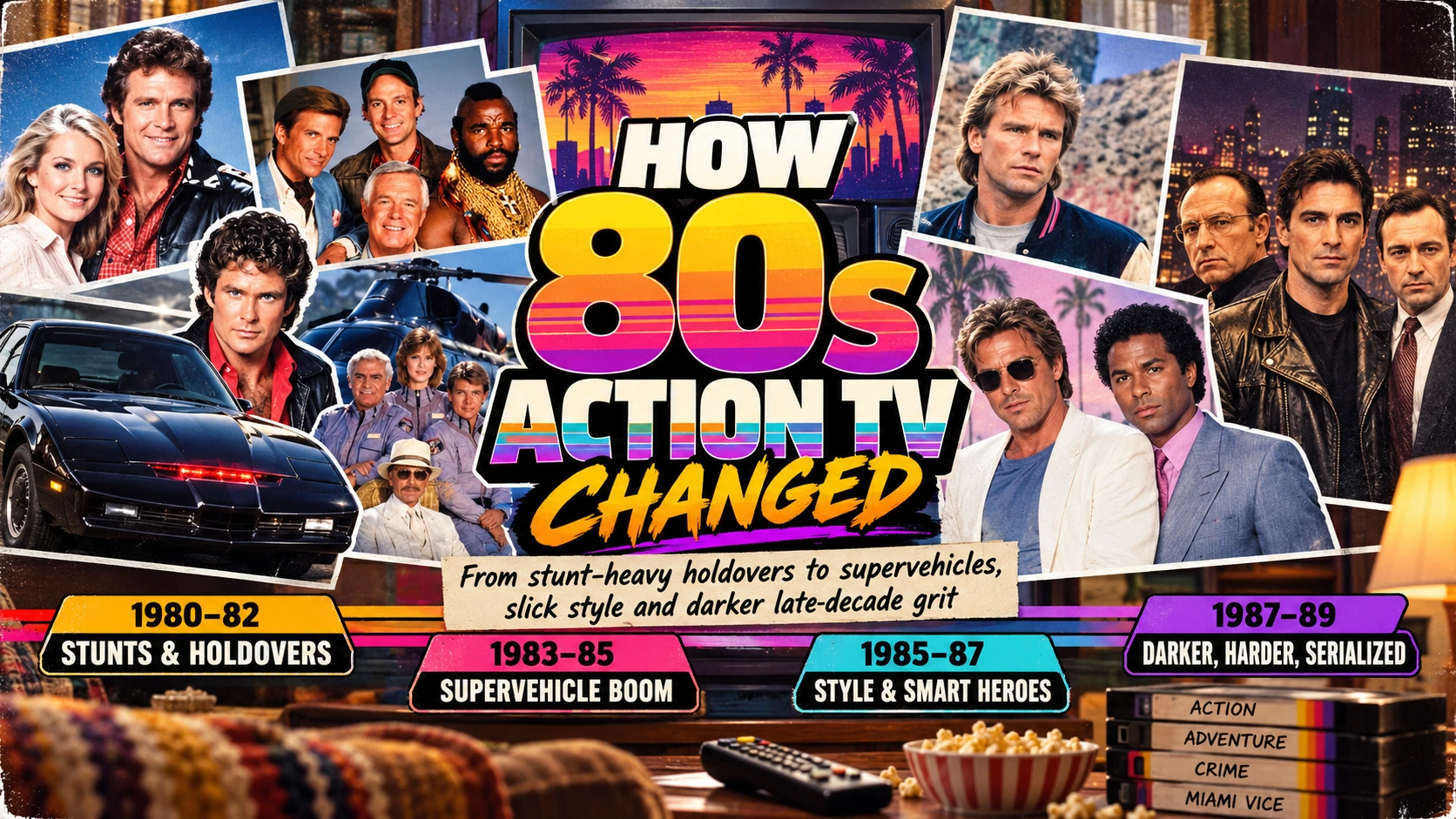
25 Best 80s Action TV Shows Gen X Loved
This is not a strict Nielsen ranking. Some of these shows were giant hits. Some were cult favorites. Some lasted barely long enough to burn themselves into memory. What connects them is that they explain how action television felt in the 1980s: physical, mechanical, colorful, slightly ridiculous and almost always more fun than it had any right to be.
There is some natural overlap with 80s detective shows, 80s cop shows, 80s dramas, fantasy television and 80s science fiction. Here we are looking at the action side of those shows — the chases, stunts, machines, missions and larger-than-life weekly adventure.
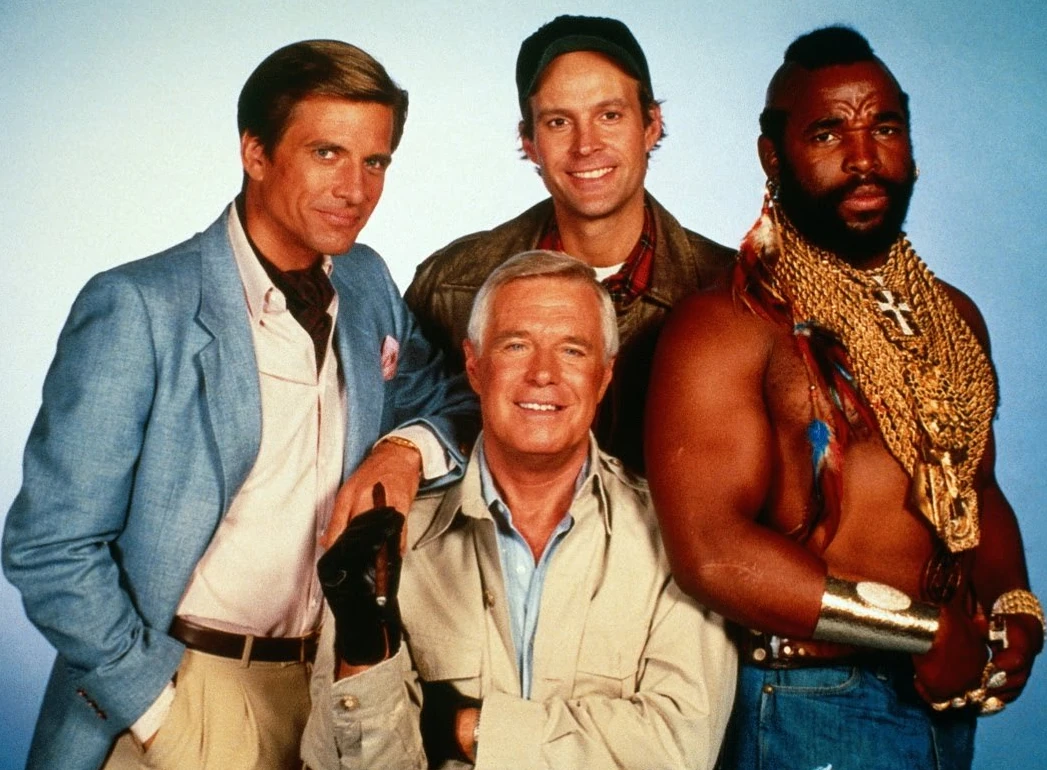
The A-Team
If you were a kid in the middle of the decade, The A-Team felt less like a television show than a weekly permission slip to wreck something. The premise was simple enough to explain on a playground in ten seconds: four former soldiers, framed for a crime they did not commit, survive as soldiers of fortune and help people who have nowhere else to turn. That setup gave the series a built-in reason to go anywhere, meet anybody and end up inside a warehouse full of welding torches, sheet metal and very nervous bad guys.
What made it work was the chemistry. Hannibal loved the plan, Face loved the angle, B.A. loved not getting on airplanes and Murdock loved making everybody wonder whether he was brilliant or completely out of his mind. The show knew exactly how recognizable those roles had become, and it leaned into them. You did not tune in to see whether the formula would change. You tuned in because you wanted to watch the machine start up again: problem, disguise, capture, escape, improvised armored vehicle, explosions, victory.
It is also one of the clearest examples of how network action could look enormous without feeling especially grim. Cars flipped. Bullets hit everything except the regular cast. Villains crawled out of wreckage shaking their heads. For Gen X kids, that was part of the bargain. The A-Team delivered the noise and hardware of an action movie while keeping the tone close enough to a comic book that it could still play as family-room television. For a lot of us, the best part was knowing the build montage was coming and still getting excited when the welding torch came out.
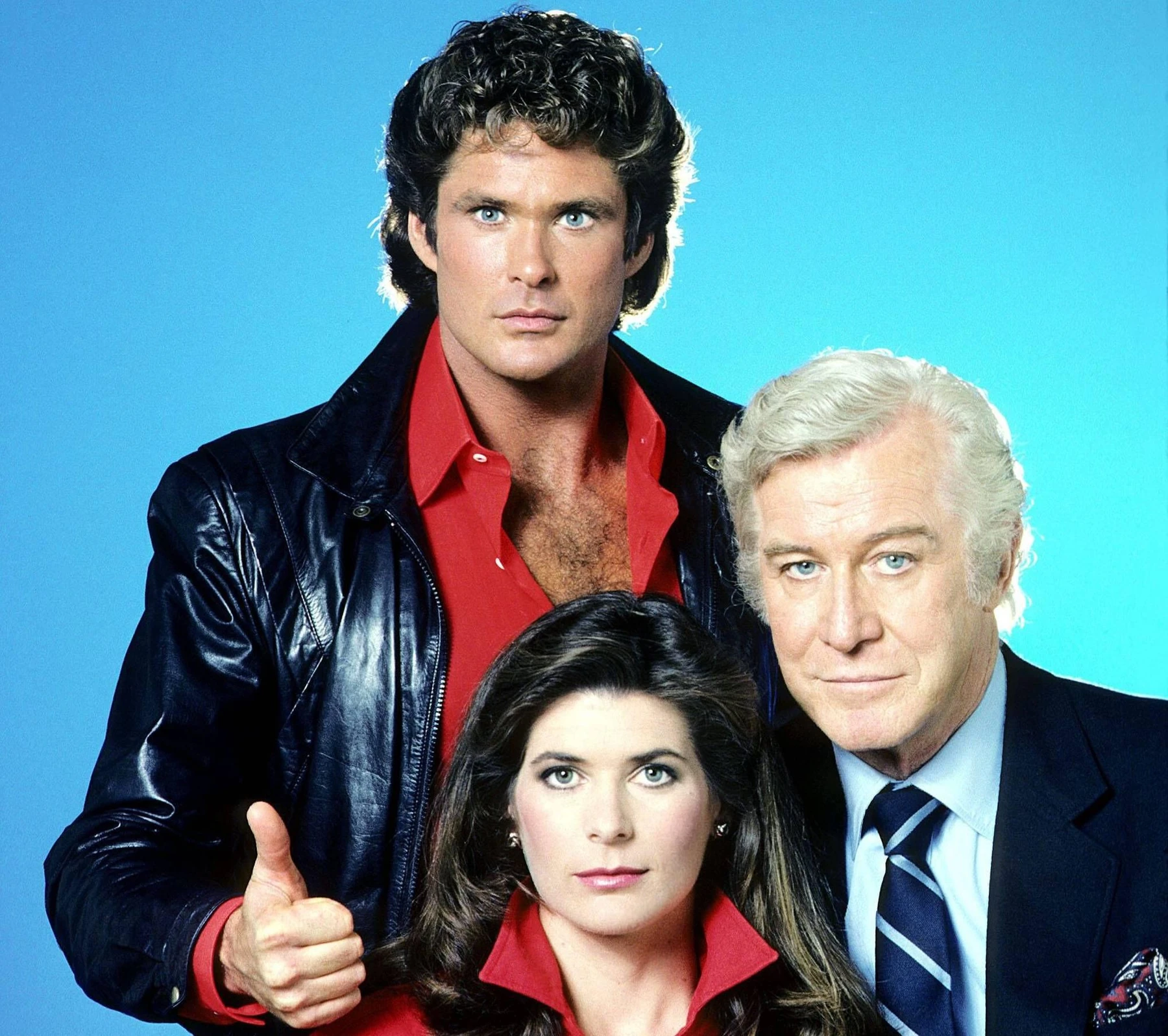
Knight Rider
Knight Rider took one of the oldest television fantasies — a lone hero driving from town to town helping people — and bolted the future onto the dashboard. Michael Knight was cool, capable and mysterious, but KITT was the piece every kid wanted to talk about the next morning. A car that could think, talk, scan, jump, lock its doors on command and make its driver look cooler than any human had a right to look was basically irresistible in 1982.
The show worked because it did not treat KITT as a gadget that happened to be in the garage. The car was Michael’s partner. Their arguments gave scenes personality, and KITT’s cautious intelligence played beautifully against Michael’s willingness to drive directly toward trouble. Long before voice assistants became ordinary, the idea of talking naturally to your car felt like pure science fiction. We did not need to understand how any of it worked. The red scanner moved back and forth. That was enough.
There was also something comforting about the weekly rhythm. Michael arrived somewhere that looked normal. Something underneath was rotten. KITT discovered what human eyes missed. Somebody made the mistake of underestimating the guy with the black Trans Am. Then came the turbo boost. That combination of technology, highway freedom and righteous problem-solving made Knight Rider one of the cleanest definitions of 80s action television. You did not need to own a black Trans Am to pretend the family car had a turbo boost button. Plenty of us found one on the dashboard anyway.
MacGyver
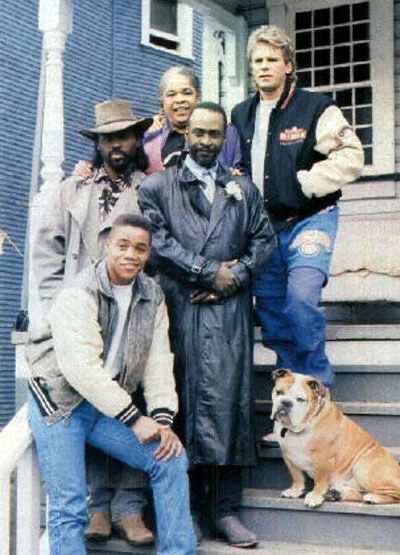
MacGyver entered the decade’s action lineup with an almost rebellious idea: maybe the hero did not need the biggest gun in the room. Angus MacGyver survived by noticing what everybody else ignored. A paper clip, a hose, a chemical reaction, a loose wire, a spring, a piece of gum — ordinary junk became possibility. For a generation of kids already taking apart radios and bicycles, that was practically a superpower.
The appeal was not just the famous improvisations. MacGyver’s whole personality fit the method. He watched, thought and tried to avoid making a situation worse before he made it better. That gave the series a different tempo from the explosion-first shows around it. There could still be chases, villains, international trouble and life-or-death stakes, but the big payoff often came from understanding a space instead of overpowering it.
That is why the name outlived the series as a verb. Plenty of television characters had signature cars or catchphrases. MacGyver had a way of thinking. When somebody in a garage or kitchen says they had to “MacGyver” something together, the reference still makes sense even to people who have never watched an entire episode. That is a pretty remarkable legacy for an action hero whose most important weapon was usually whatever happened to be lying nearby. It also permanently changed the way a generation looked at junk drawers: maybe the answer really was in there somewhere.
Airwolf
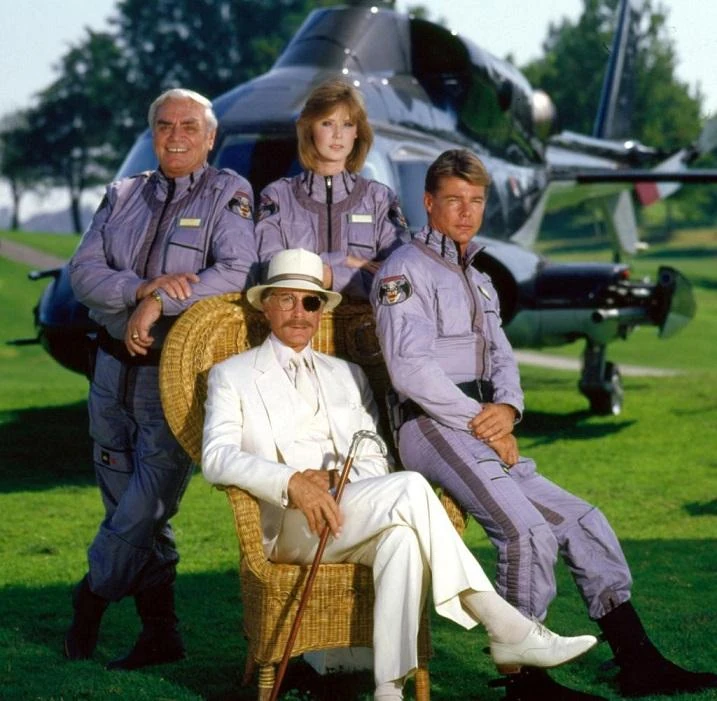
If Knight Rider was the fantasy car, Airwolf was the fantasy machine for kids who looked up every time a helicopter passed overhead. The aircraft was sleek, black, heavily armed and photographed like something halfway between military hardware and a secret spaceship. The opening music helped. So did the long shots of Airwolf racing low over desert and mountains. Before the story even got moving, the show had already sold the machine.
But Airwolf also had a mood that separated it from the brighter action shows. Stringfellow Hawke was not a grinning weekly adventurer. He was isolated, wounded and suspicious of the people who wanted to use both him and the helicopter. Ernest Borgnine’s Dominic Santini brought warmth, but the series could still feel lonely in a way The A-Team almost never did. The hardware was flashy; the emotional temperature was cooler.
That combination is why Airwolf has stayed lodged in Gen X memory even for viewers who could not summarize many plots now. We remember the silhouette, the sound, the hidden mountain lair and the sense that this was not an ordinary helicopter. In 80s action TV, a vehicle could become a star. Airwolf may have been the purest example. That opening theme and the first clean shot of the helicopter were enough to make you stop whatever else you were doing.
The Fall Guy
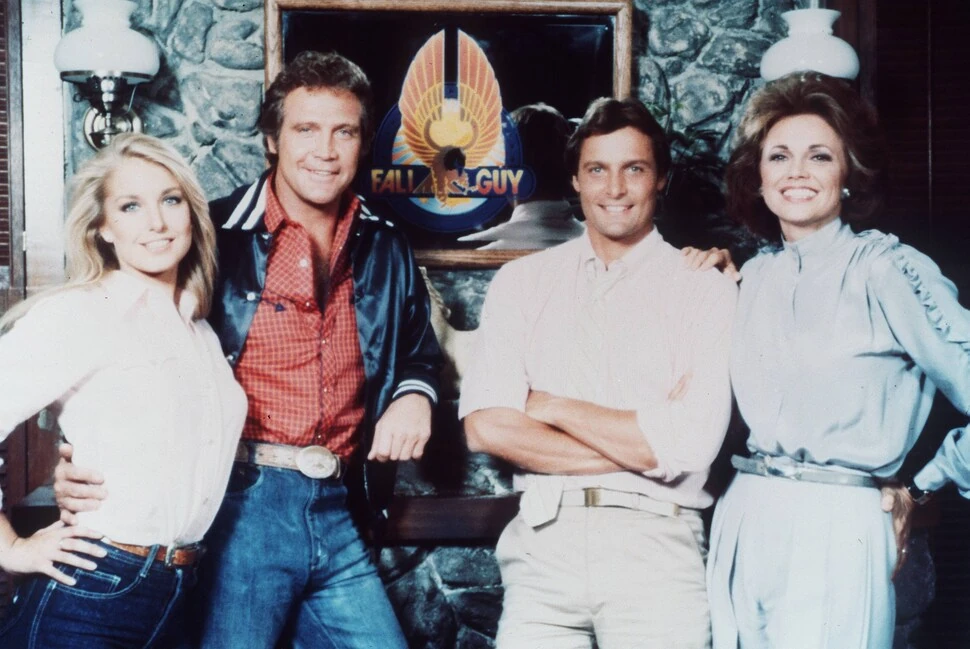
The Fall Guy was television action with the backstage door left open. Lee Majors played Colt Seavers, a Hollywood stuntman who also worked as a bounty hunter, which meant the show had a built-in excuse for car jumps, high falls, fights, chases and whatever else the stunt department could dream up that week. The premise practically announced: yes, we know you are here for the dangerous stuff.
For kids watching at home, Colt’s job made stunts feel like a profession instead of movie magic. Somebody really did have to jump that truck. Somebody really did fall through that awning. Somebody really did drive the car off the ramp. The show blurred the line between fictional danger and the real craft required to put danger on television, and that gave the action an extra layer even when the stories were straightforward.
It also had a relaxed, good-natured quality that makes it easy to remember alongside the louder 80s hits. Colt was not trying to save the world every week. He was doing a job, looking out for people around him and usually getting dragged into more trouble than the paycheck justified. The result felt like a working-man action series with a Hollywood grin. The show made us notice stunt work before most of us even understood there were whole crews whose job was to make television danger look that good.
Magnum, P.I.
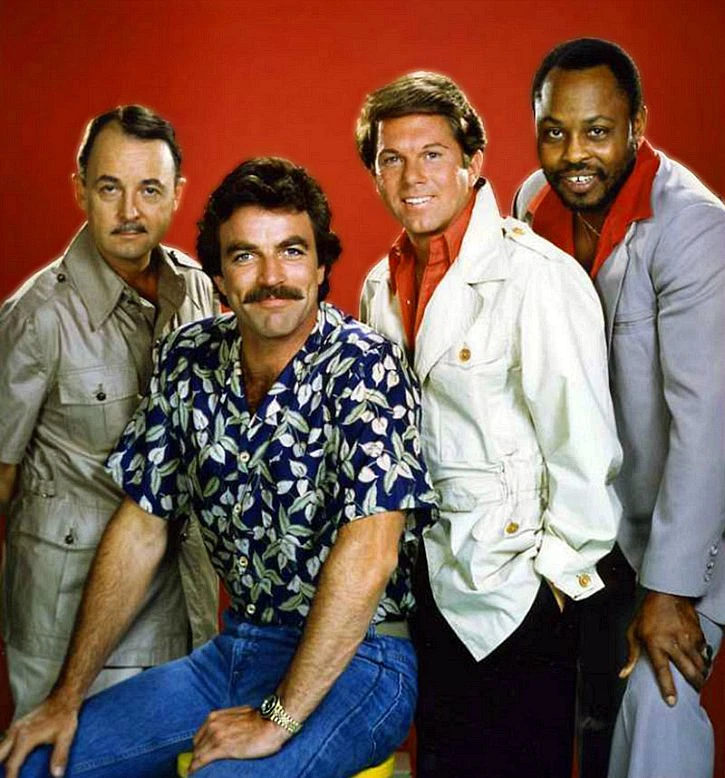
Magnum, P.I. technically lives just as comfortably in detective television, but the action side of the show is impossible to separate from its appeal. Thomas Magnum had the Ferrari, the Navy background, the Hawaiian locations, the helicopter-owning friend and the ability to turn a simple investigation into a chase across one of the most beautiful places network television had ever used as a weekly backdrop.
The secret was that Magnum himself did not act like an untouchable action god. He got frustrated. He got hurt. He argued with Higgins. He made mistakes. The famous mustache and Ferrari suggested cool, but the character was allowed to be funny, insecure and emotionally affected by his past. That humanity made the dangerous moments land harder because the hero still felt like a person instead of a stunt mannequin.
For Gen X, the show also helped define the idea that prime-time action could be aspirational without being futuristic. You did not need a talking car or secret helicopter. A red Ferrari, a Detroit Tigers cap and a guest house in Hawaii were plenty. Magnum made the weekly adventure feel sunny, loose and impossibly far from wherever most of us were watching it.
Miami Vice
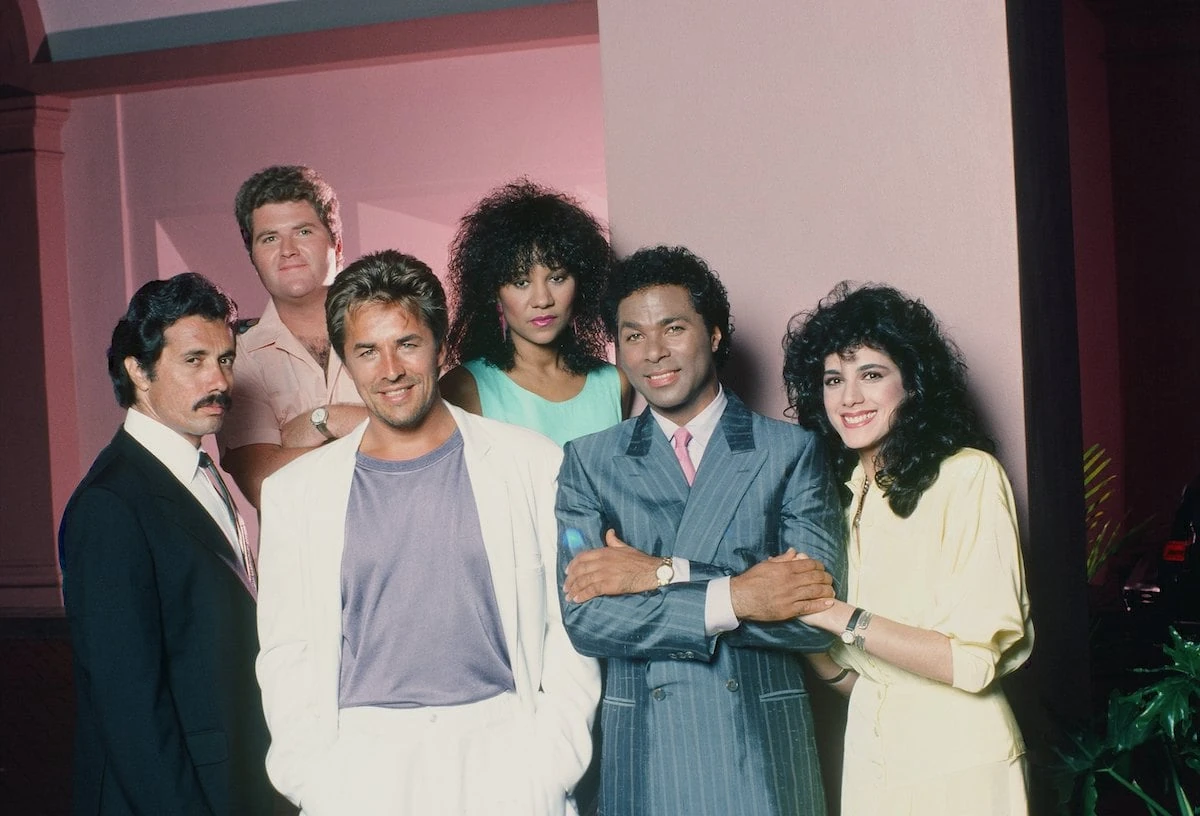
Miami Vice did not invent cops, car chases or undercover work. What it changed was the temperature of the picture. Suddenly an action show could care about color, music, clothes, architecture and mood as much as plot. Night streets glowed. Songs were allowed to run long enough to shape a sequence. Cars did not just transport characters; they entered the frame like celebrities.
That visual confidence could make the show look glamorous, but the stories often were not. Crockett and Tubbs moved through a world where victories could feel temporary and where undercover identities carried a cost. The series understood that style and darkness were not opposites. The beautiful surface could make the corruption underneath feel even worse.
For viewers coming of age while MTV was teaching television how much a song and an image could do together, Miami Vice felt like the walls between formats had suddenly dropped. Even people who rarely watched the show knew what it looked like. Few action series have ever owned an era’s visual shorthand that completely. Even if you were too young to follow every plot, you knew when Miami Vice was on. Nothing else on television looked or sounded quite like it.
Simon & Simon
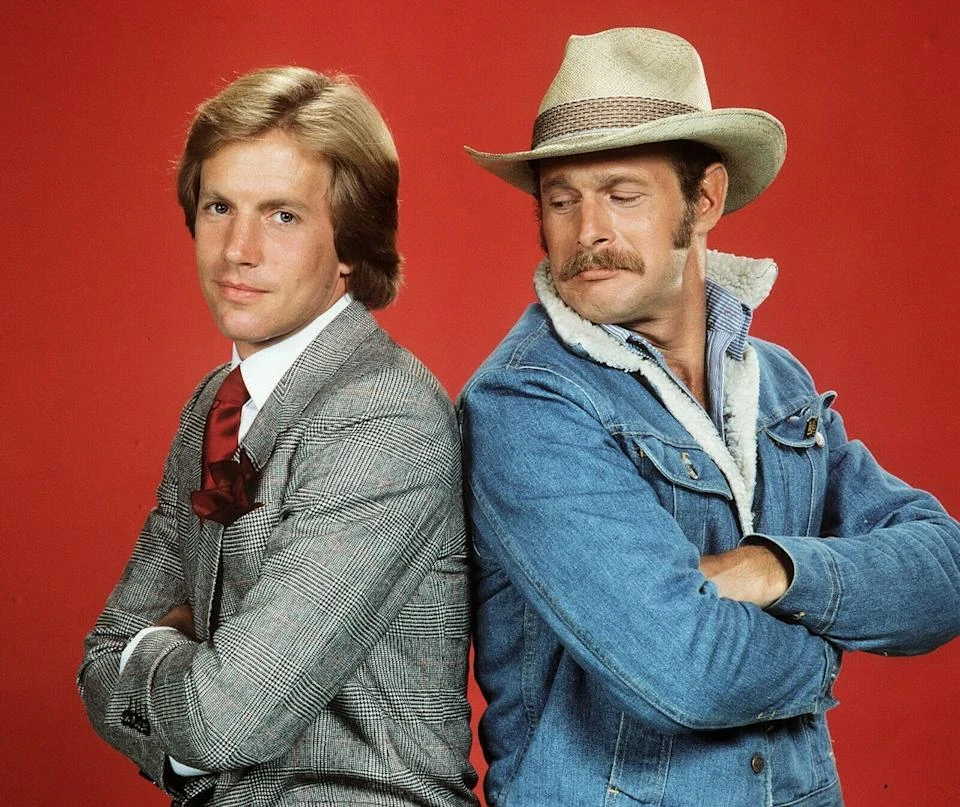
Simon & Simon sat in the sweet spot where detective television and action adventure overlapped. Rick and A.J. were brothers who looked at a problem, a client and each other in completely different ways. Rick was rougher around the edges; A.J. was cleaner, more conventional and usually more concerned about how the whole thing was supposed to work. The friction gave the show its engine.
The cases created room for chases and danger, but the brothers kept it from feeling mechanical. You could drop them into a mansion, a marina, a dusty back road or a ridiculous disguise and still recognize the same sibling argument underneath. That familiarity mattered. We were not only watching two investigators solve something. We were watching two brothers prove, again, that they would drive each other crazy and still show up when it counted.
The show’s long prime-time run also makes it a useful reminder that 80s action was not only about the handful of brands that dominate nostalgia today. Simon & Simon was part of the regular weekly fabric — one more hour where mystery, banter and physical action could share the same lane.
Hunter
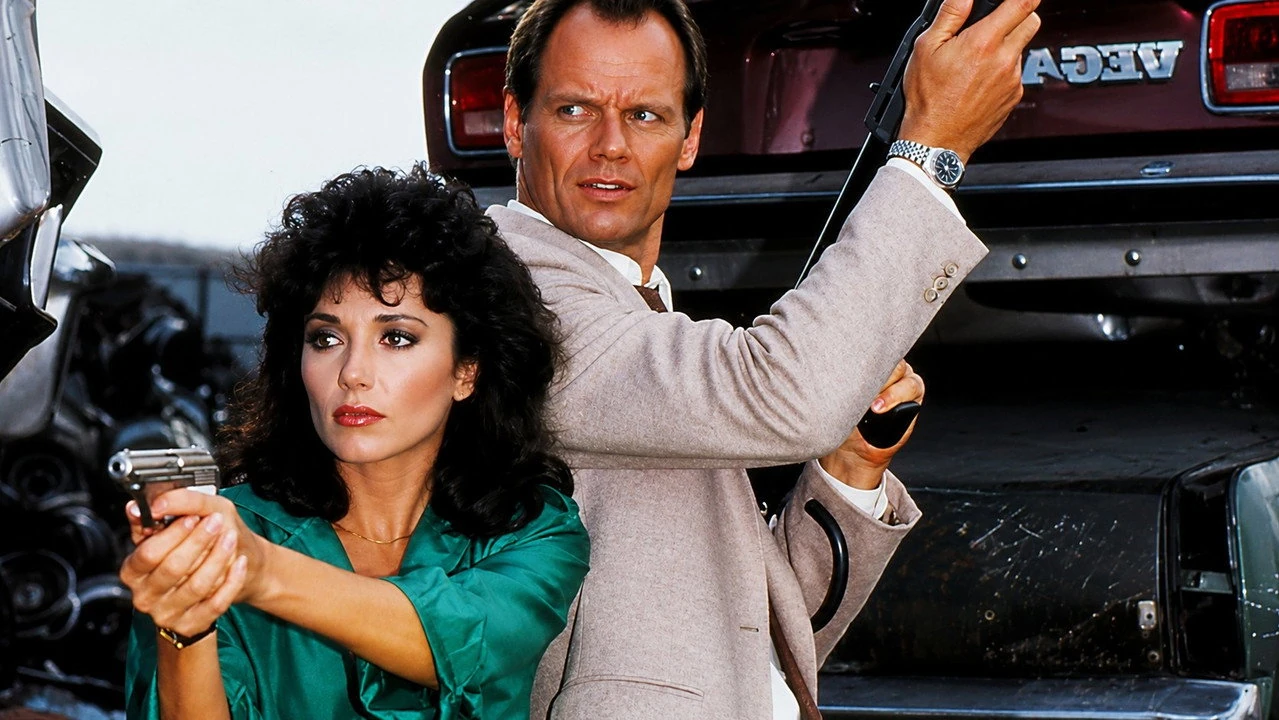
By the middle of the decade, some viewers wanted their action a little harder. Hunter delivered that. Rick Hunter was not built around a futuristic gimmick, and the show did not need a supervehicle to make its point. It leaned on a tougher police atmosphere, blunt confrontations and the sense that Los Angeles could turn ugly fast.
The partnership with Dee Dee McCall gave the series more balance than the title alone suggests. She was not simply there to react to Hunter; she was a cop with authority, judgment and her own way of reading a situation. Their partnership helped keep the show from becoming a one-man battering ram, even when the scripts clearly enjoyed letting Hunter push harder than most television cops.
If Miami Vice made police action sleek, Hunter often made it feel heavy. That difference is part of what made the 80s action landscape so broad. The same decade could give us neon, helicopters, wisecracking teams and a cop show that seemed determined to hit the brakes later than everyone else.
The Equalizer
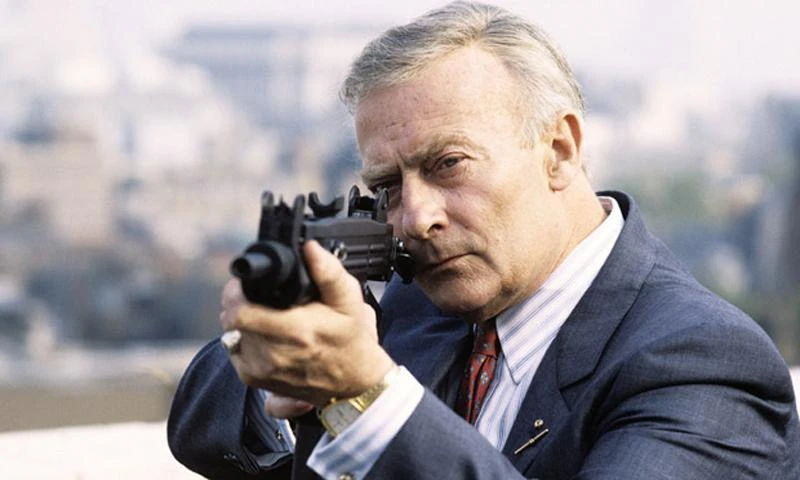
The Equalizer took the “helping ordinary people” setup and drained most of the sunshine out of it. Robert McCall was older, controlled and carrying the weight of a life spent in intelligence work. He did not look like the decade’s usual action hero, which was exactly the point. He looked like somebody who had already seen too much and had decided to use what he knew on behalf of people who had no leverage.
The New York setting mattered. The streets, apartments and night scenes gave the show a colder, more urban pressure than the desert roads and bright highways of other action series. McCall’s methods could involve surveillance, contacts, planning and intimidation as much as direct combat. The action came from competence and preparation rather than youthful swagger.
That made The Equalizer a bridge toward a different kind of television hero: damaged, professional, morally complicated and not especially interested in being charming. For a decade remembered for excess, the show could be surprisingly severe.
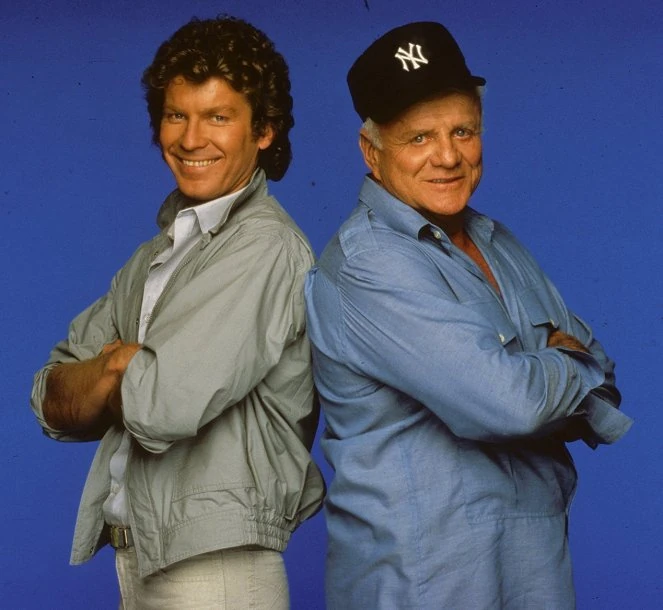
Hardcastle and McCormick
A retired judge, an ex-con race driver and one outrageous sports car: Hardcastle and McCormick sounded like somebody assembled an 80s action show from spare parts and accidentally made the pieces fit. Judge Milton Hardcastle had spent years watching criminals slip through cracks. Mark McCormick knew exactly how people on the other side of the law thought. Put them together and the show had instant conflict.
Then there was the Coyote. Like KITT, the General Lee and Magnum’s Ferrari, it understood the decade’s most important action rule: if you are going to chase somebody every week, the car needs a personality. The Coyote looked like speed even when it was sitting still. It gave the series an image you could recognize before you remembered the case.
The show never became the single defining hit of the decade, but it is exactly the kind of series that makes 80s television feel dense in memory. There was always another cool vehicle, another mismatched pair and another hour of prime time ready to turn a basic crime story into a reason to crash through a gate.
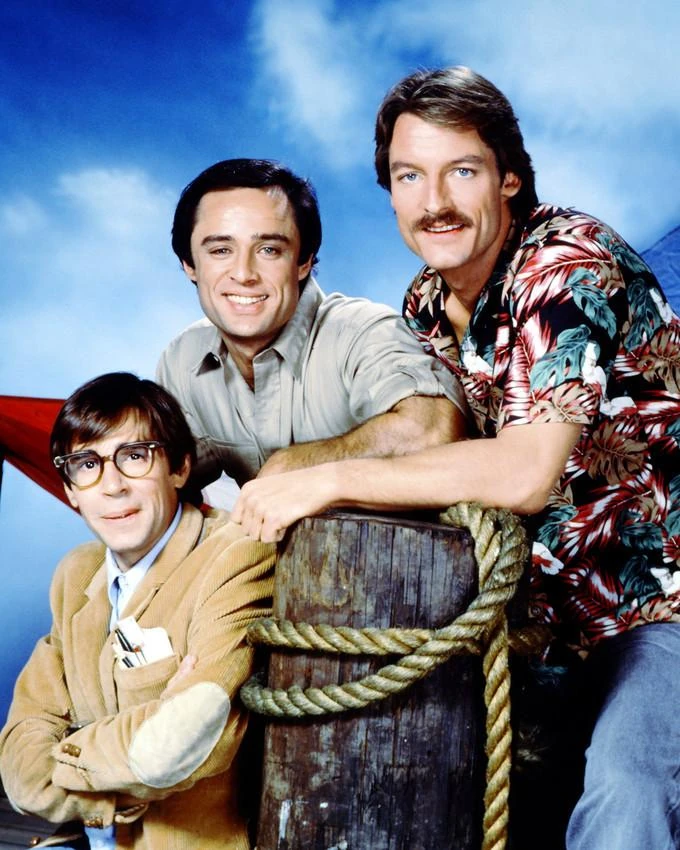
Riptide
Riptide threw together private investigation, beachside living, a helicopter, a boat and enough 80s technology to make the whole enterprise feel like a clubhouse with a business license. Cody, Nick and Murray were different enough to generate constant friction, but the mix also let the show pivot between muscle, machines and computer know-how.
The pink helicopter — the Screaming Mimi — did not hurt. Neither did the setting. Like a lot of action television then, Riptide understood that the location and equipment were part of the fantasy. The heroes did not work from a gray office under fluorescent lights. Their world had sun, water, engines and gadgets. Solving the case was only one part of why you wanted to hang around.
Today it is often remembered as a second-tier favorite, but that status is useful. It shows just how crowded the field was. A series could have a helicopter, a boat, a robot, action, comedy and a recognizable cast and still have to fight for attention against half a dozen other shows with equally outrageous toys.
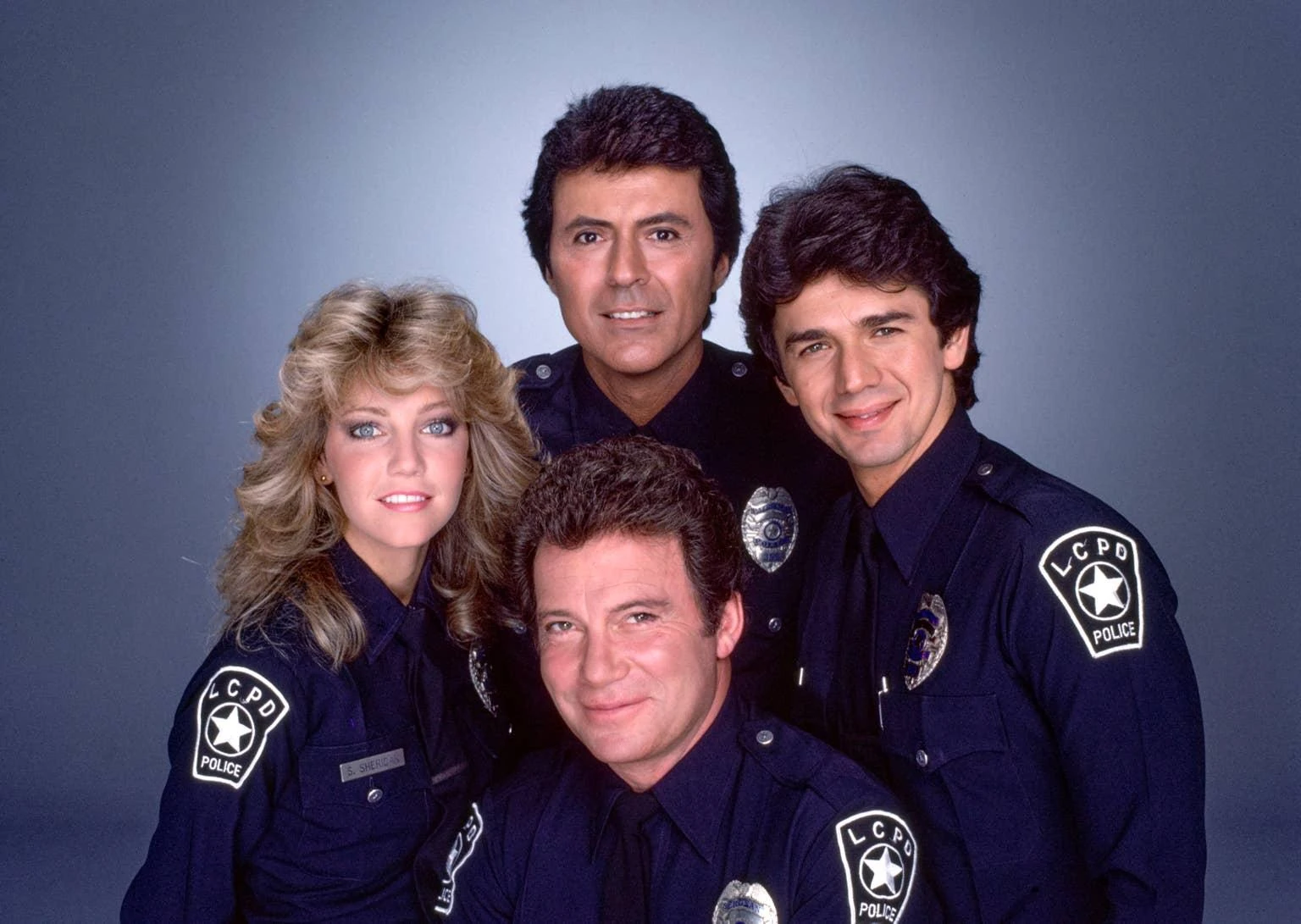
T.J. Hooker
T.J. Hooker brought William Shatner back to weekly television in a role that seemed determined to keep him moving. Hooker was a veteran cop working the streets with younger officers, and the show loved the physical side of police work: foot chases, rooftop pursuits, car action and confrontations that frequently required somebody to go over a fence.
The generational setup gave it more than movement. Hooker was the experienced guy who had seen what the job could do to people, while the younger cops were still learning where confidence ended and danger began. That let the series package its action inside a mentor story without slowing things down much.
It also belongs to the early-80s period when the line between cop show and action show was especially porous. If a police drama had enough chases, fights and stunt work, kids did not care which section of the TV Guide somebody filed it under. It was action because it moved.
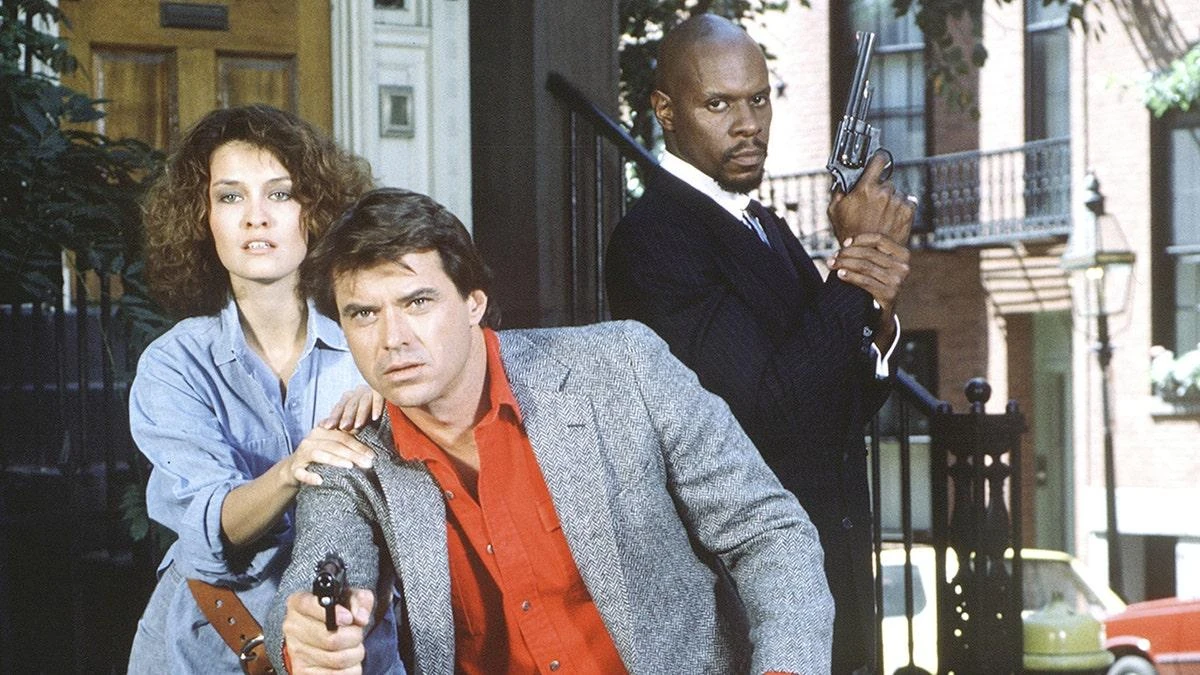
Spenser: For Hire
Spenser: For Hire gave mid-80s television a hero who could fight, investigate and still spend time thinking about why any of it mattered. Spenser was tough, but the show did not treat toughness as the absence of reflection. Boston gave the series texture, and Hawk gave it a second presence who could steal the air out of a room simply by standing there.
The action was grounded compared with the supervehicle shows. Fights hurt. Streets looked cold. The hero’s personal code mattered because there was no computer car or miracle gadget waiting to solve a problem for him. The series leaned closer to crime drama, but it still delivered enough physical danger to sit comfortably in the decade’s action conversation.
For Gen X viewers, Spenser is another reminder that 80s action did not have one tone. It could be bright and toyetic, or it could feel like a paperback crime novel brought to life on a weeknight.
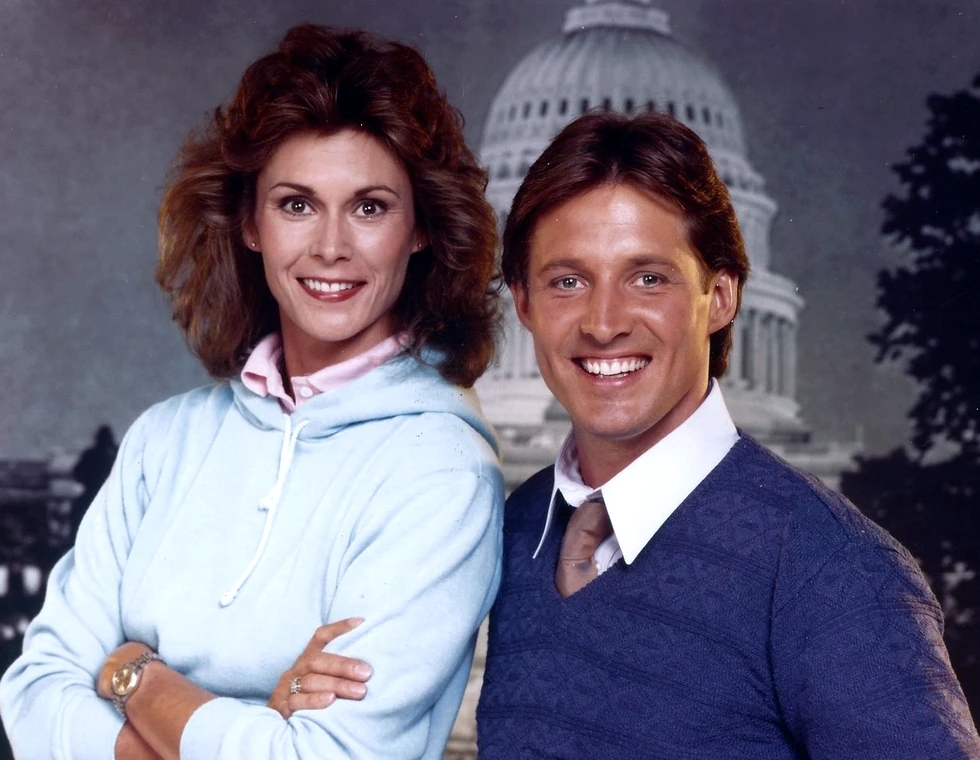
Scarecrow and Mrs. King
Scarecrow and Mrs. King began with one of the decade’s best “ordinary life collides with secret world” setups. Amanda King was a suburban mother who accidentally found herself pulled into intelligence work alongside agent Lee Stetson. The contrast was the whole charm. He knew the rules of espionage. She knew how normal people behaved when spies were not in the room.
Because Amanda did not arrive as a trained action hero, the danger had a different flavor. She had to learn, improvise and use instincts that professional agents could overlook. The series could play a chase or a kidnapping straight, then return to the fact that Amanda still had children, neighbors and a domestic life waiting for her. That double life gave the action a human scale.
It also widened the idea of who could occupy the center of an action-adventure hour. Not every hero needed to be a former soldier, cop or lone male drifter. Sometimes the person who looked least like the genre’s expected lead was the reason the show worked.
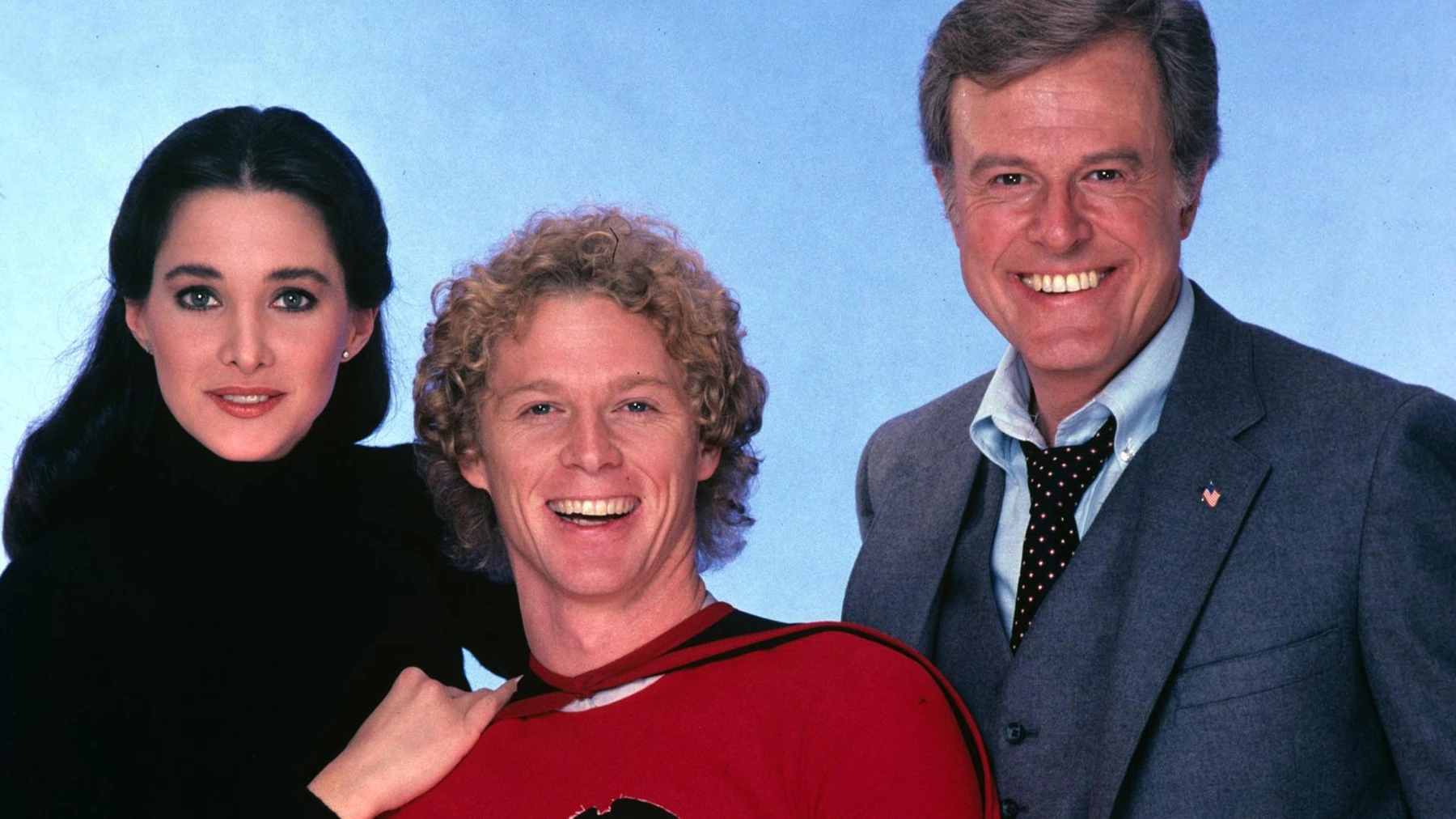
The Greatest American Hero
The Greatest American Hero turned superhero action into one long argument with the instruction manual. Ralph Hinkley received a suit with extraordinary powers, promptly lost the instructions and spent the rest of the premise discovering what the thing could do by trial, error and painful impact with walls. That joke never stopped being funny because the powers were real even when the competence was not.
Bill Maxwell, the FBI agent attached to the situation, gave the show its hard-edged counterweight. Ralph wanted to help people without becoming a weapon. Bill was much more comfortable treating the suit as the answer to every impossible problem. Their arguments let the series bounce between broad comedy, action and the occasional sincere question about what somebody should do with power they did not ask for.
For kids, of course, the suit was enough. Flying badly was still flying. The show’s mix of superhero fantasy and ordinary frustration made it a perfect early-80s bridge between family comedy and prime-time adventure. And yes, plenty of us tried the arms-out flying pose even though we knew exactly how badly Ralph usually landed.
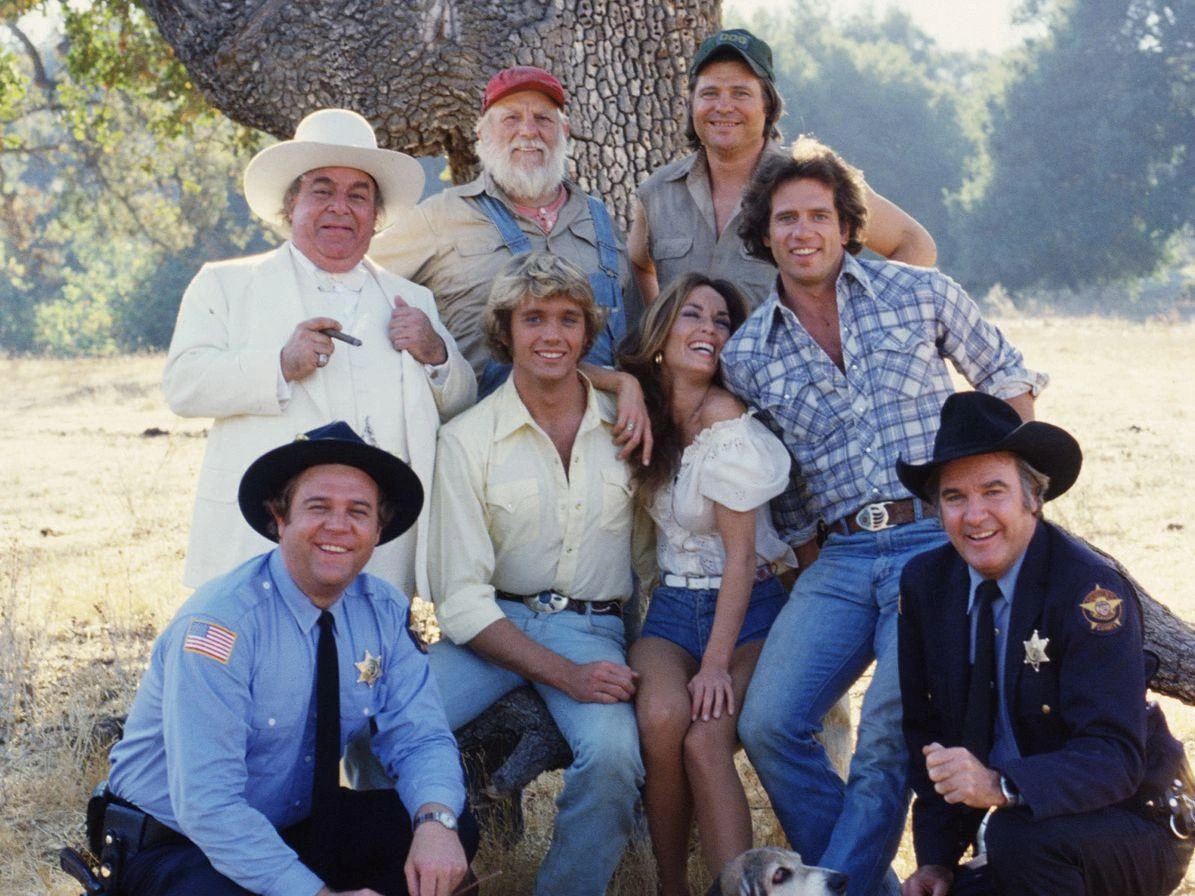
The Dukes of Hazzard
The Dukes of Hazzard began in the 70s, but its early-80s presence was too big to ignore in any memory of action television from the decade. The General Lee was everywhere. The horn was instantly recognizable. Every dirt road seemed to end at a ramp somebody had conveniently forgotten to remove.
Bo and Luke Duke were not urban crime fighters or secret agents. The action came out of rural chase comedy: Sheriff Rosco, Boss Hogg, blocked roads, questionable local schemes and a bright orange car that spent an unreasonable amount of its life airborne. The tone was broad enough for kids and physical enough to satisfy anybody waiting for a jump.
We are only talking about its early-80s run here, not retelling the show’s full 70s origin story. But as a bridge into the decade’s action style, it mattered. It taught network television that a vehicle, a stunt formula and a few instantly recognizable characters could become a weekly ritual.
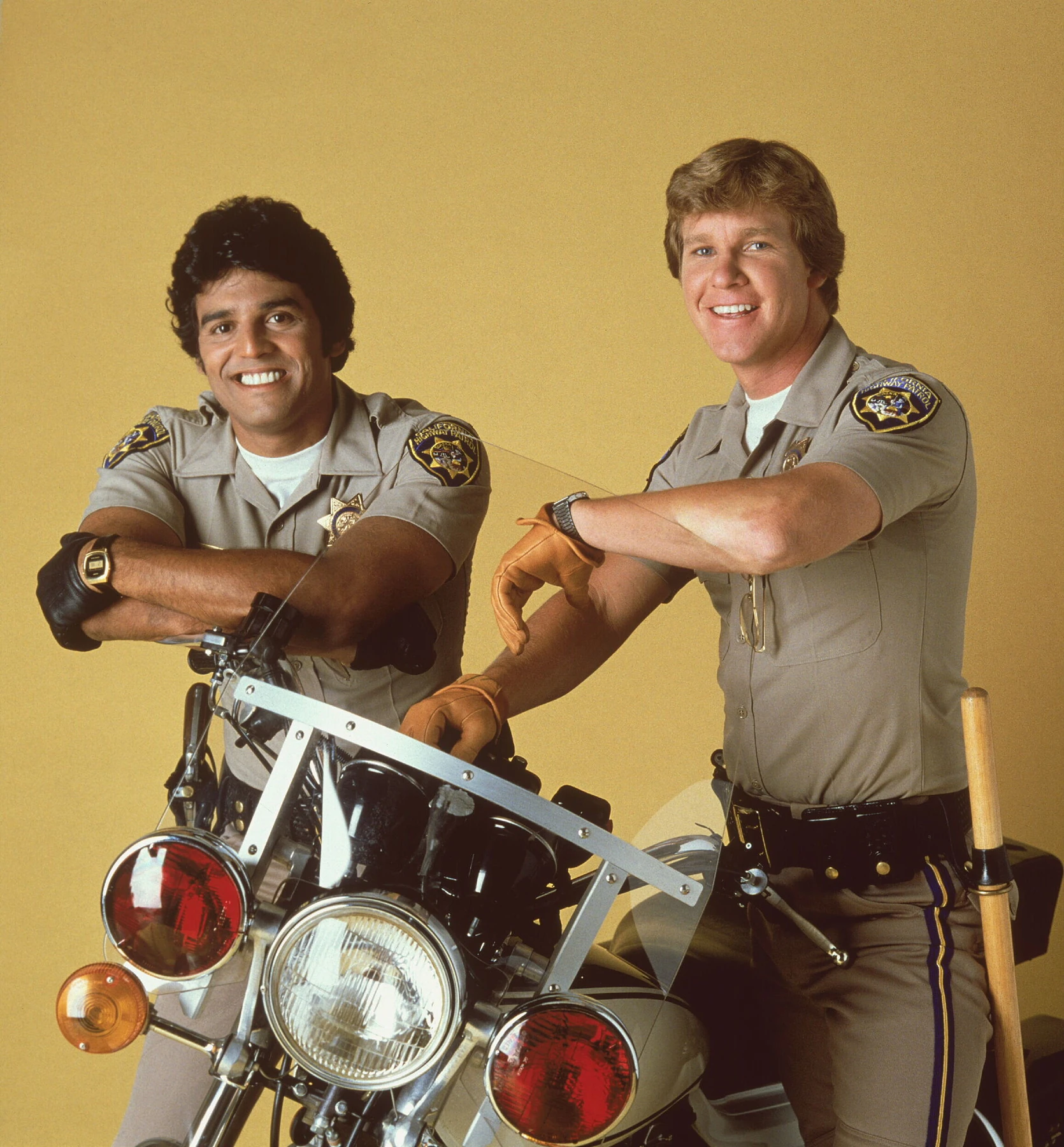
CHiPs
Like The Dukes of Hazzard, CHiPs carried over from the 70s and remained part of the early-80s action landscape. California Highway Patrol officers on motorcycles gave the show a built-in visual hook, and freeway trouble meant the cameras rarely had to wait long for twisted metal, runaway vehicles or somebody making a very bad driving decision.
Ponch and Jon were the center, but the highway itself was the machine. The series found action in pileups, rescues, reckless drivers and roadside emergencies as often as in conventional crime. That made it feel different from a precinct show. The action was open-air, sunlit and constantly moving.
For younger viewers, the motorcycles did a lot of the selling. CHiPs is another example of how the decade inherited some of its action language before it invented KITT, Airwolf and the other machines we now associate more directly with the 80s.
Street Hawk
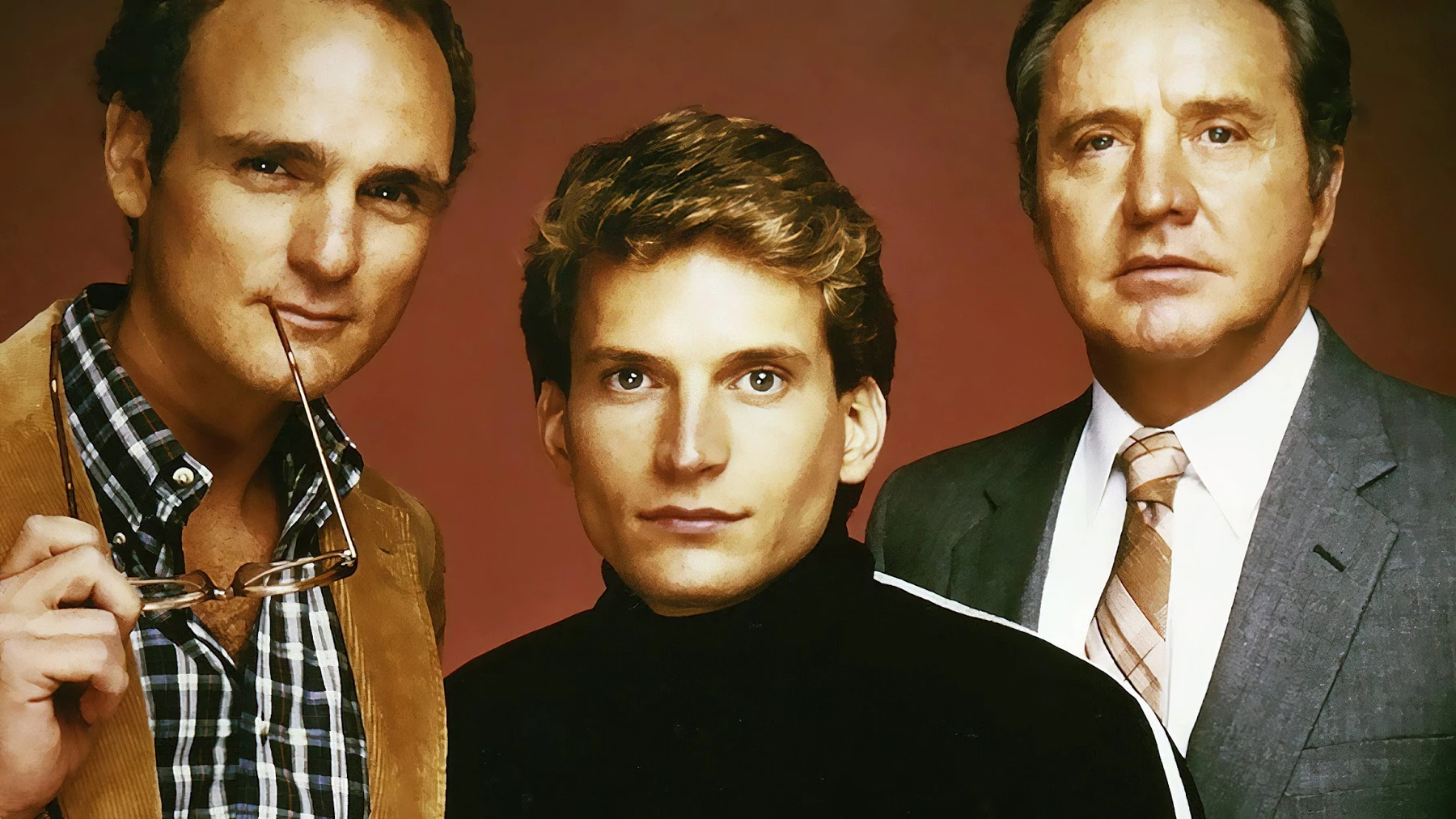
If Knight Rider made the supercar irresistible, Street Hawk asked the obvious follow-up: what if the impossible vehicle were a motorcycle? The result was a short-lived series built around speed, secrecy and a black high-tech bike that could make an ordinary commute look embarrassingly inadequate.
The show arrived at exactly the moment when network television seemed convinced that advanced vehicles could be their own genre. Secret tests, futuristic instrumentation and impossible performance mattered almost as much as the crime plot. The motorcycle was the reason the concept existed, and the series did not pretend otherwise.
Its short run is part of the appeal now. Street Hawk feels like a concentrated sample of mid-80s television thinking: make it black, make it fast, put glowing instruments on it and give the hero a double life. That formula could not last forever, but for a minute it was everywhere. For one brief stretch, a black motorcycle with a glowing dashboard seemed like the most advanced machine anyone could possibly invent.
Automan
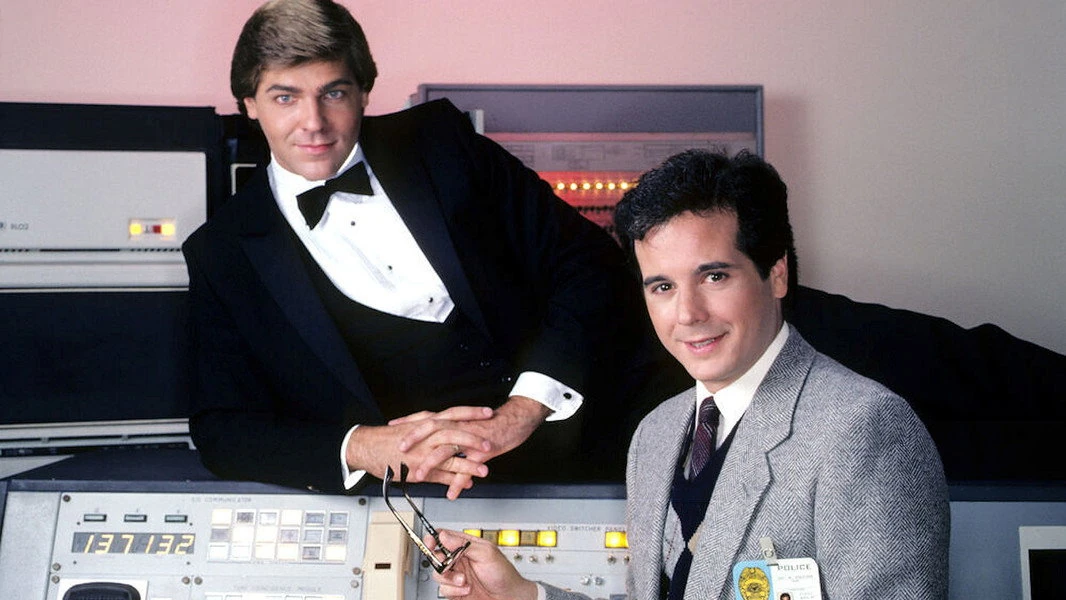
Automan may be the most unapologetically early-80s idea on this list. A computer-generated hero leaves the digital world to fight crime, complete with glowing outlines and a vehicle that appears to have learned traffic laws from an arcade cabinet. The debt to the era’s computer fascination was not subtle. That is exactly why it is fun to remember.
The visual gimmicks were the point. Television budgets could not reproduce movie-scale digital spectacle, so the show leaned into luminous effects, geometric turns and a world where computer logic became physical comedy. The infamous right-angle turns were ridiculous and memorable in equal measure.
It did not last, but short-lived experiments are part of the decade’s action story too. Network television was trying to figure out how computers, video-game imagery and science fiction could fit inside familiar crime-adventure structure. Automan is what that experiment looked like before anyone had a rulebook.
Sledge Hammer!
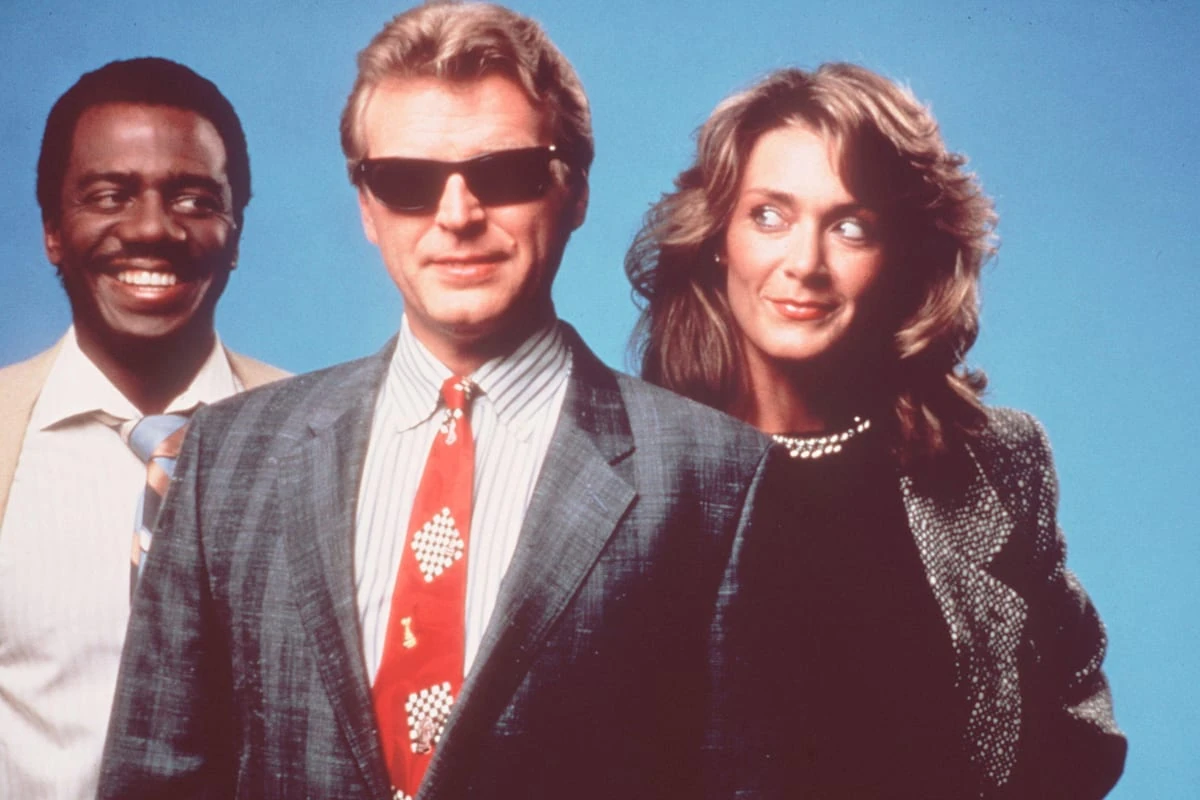
Sledge Hammer! was what happened when 80s cop-action excess became self-aware. The title character loved his gun, distrusted restraint and approached police work with the confidence of a man who had never once considered whether he might be the problem. The show was a parody, but it understood the genre well enough to hit very specific targets.
That matters because by the second half of the decade, the tropes were familiar enough to joke about. The hard cop. The enormous firearm. The property damage. The macho one-liner. Viewers already knew the language, which meant the series could exaggerate it without explaining the joke.
For Gen X kids who stumbled into it, Sledge Hammer! also felt slightly dangerous in the way late-night or off-center network comedy often did. It looked like an action show until somebody opened his mouth and reminded you that the whole thing was making fun of the action show you thought you were watching.
Wiseguy
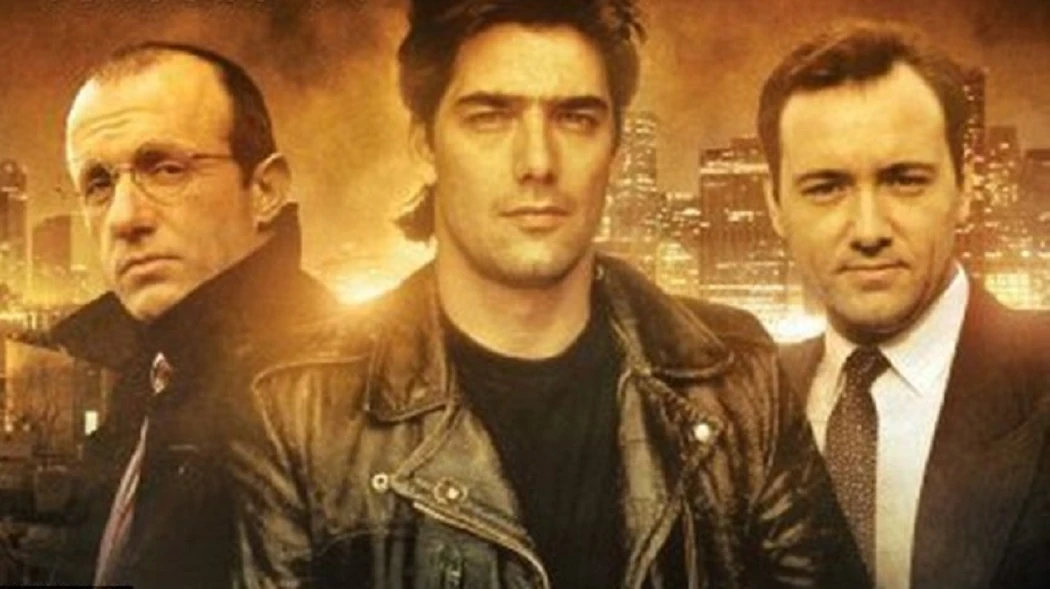
Wiseguy pointed toward where action and crime television were going next. Instead of resetting cleanly every week, the series used longer story arcs and put undercover agent Vinnie Terranova inside criminal worlds long enough for relationships to become complicated. The job did not end when the hour did.
That structure changed the tension. A chase or confrontation mattered because it could blow up weeks of trust. Villains had room to become characters rather than obstacles. Vinnie’s undercover identity could start to feel emotionally real even when everyone knew it was professionally false. The show asked the audience to remember what happened before and care about what might happen later.
Late-80s action increasingly allowed that kind of weight. The decade was not abandoning chases or danger; it was learning that action could become more powerful when consequences lasted longer than the commercial break.
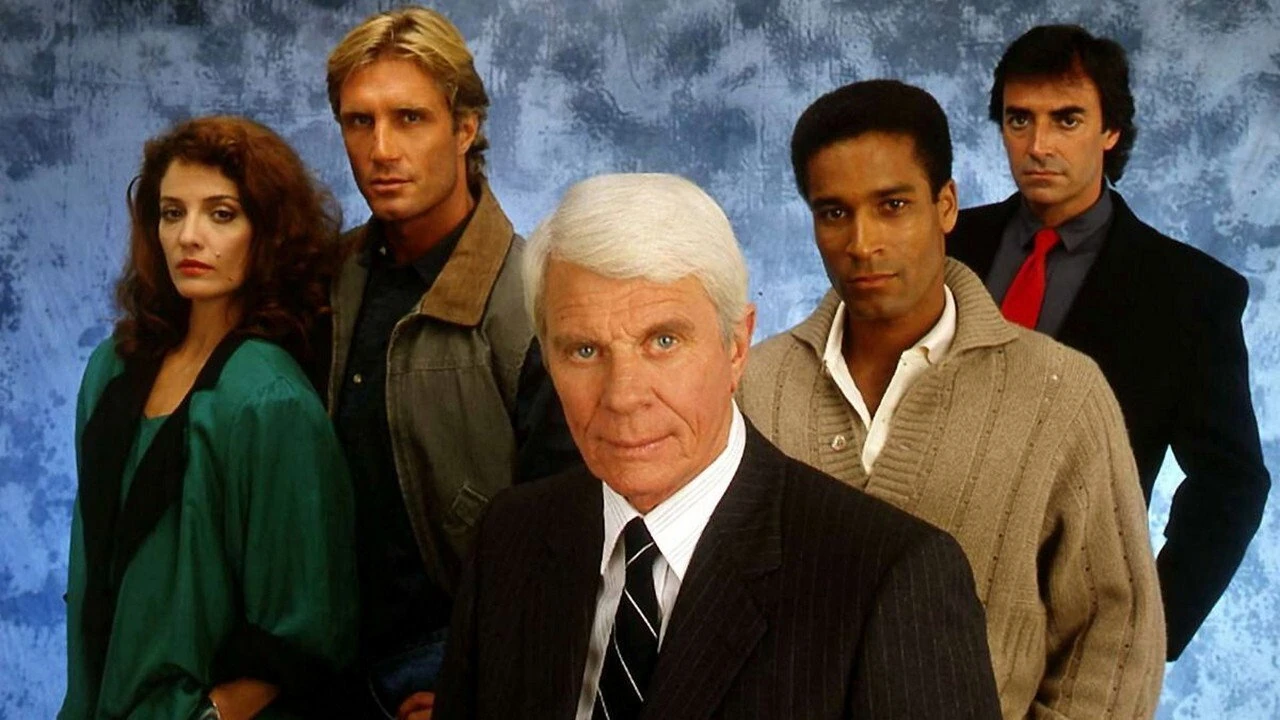
Mission: Impossible (1988 revival)
When Mission: Impossible returned in 1988, it brought an older television idea into a decade obsessed with technology, teams and elaborate plans. That turned out to be a pretty natural fit. The IMF format already understood gadgets, disguises, surveillance and the pleasure of watching specialists do their jobs without explaining every move in advance.
The revival did not need to imitate The A-Team or MacGyver. Its action came from precision. The fun was in the setup, the misdirection and the moment the audience realized the operation had been running on a deeper level than the target understood. Explosions could happen, but competence was the real spectacle.
Because this version continued into 1990, we are staying with its 1988–89 return here. Even in that short 80s window, it showed how easily classic spy structure could plug into the decade’s appetite for high-tech adventure.
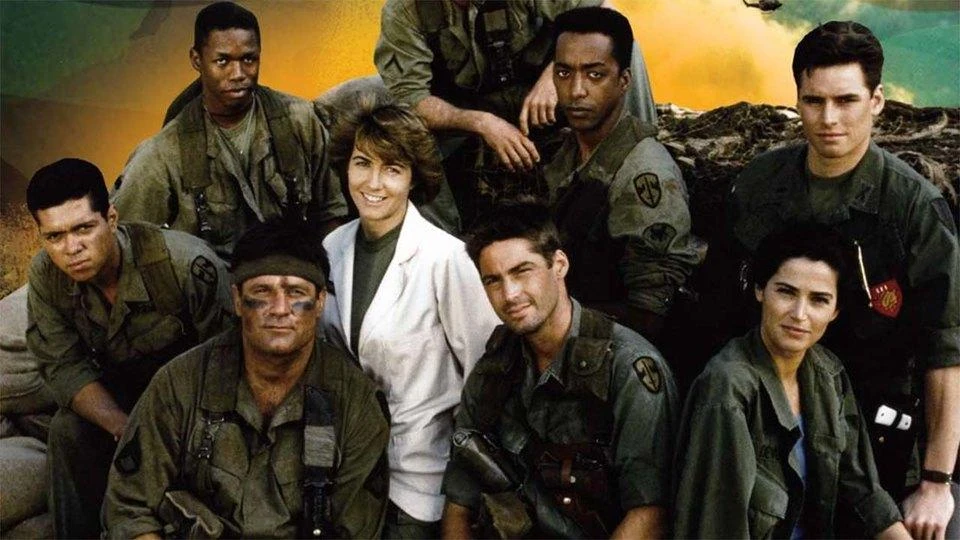
Tour of Duty
Tour of Duty brought Vietnam into prime time with a seriousness that separated it from the escapist machines and mercenary teams elsewhere on the dial. The combat was action, obviously, but the show’s purpose was not to make war look like a weekly playground. Missions carried emotional weight, and the soldiers’ relationships mattered because the danger did not disappear when a chase scene ended.
That made the series part of the late-80s shift toward more consequence-heavy drama. The ensemble allowed fear, exhaustion, loyalty and disagreement to sit beside the physical action. The war setting also connected television to the broader cultural re-examination of Vietnam that was happening in American movies and public conversation during the decade.
For a generation that was too young to remember the war itself, shows like Tour of Duty helped shape the first television images we associated with it. That is a very different kind of action memory from KITT or the General Lee, but it belongs in the same decade.
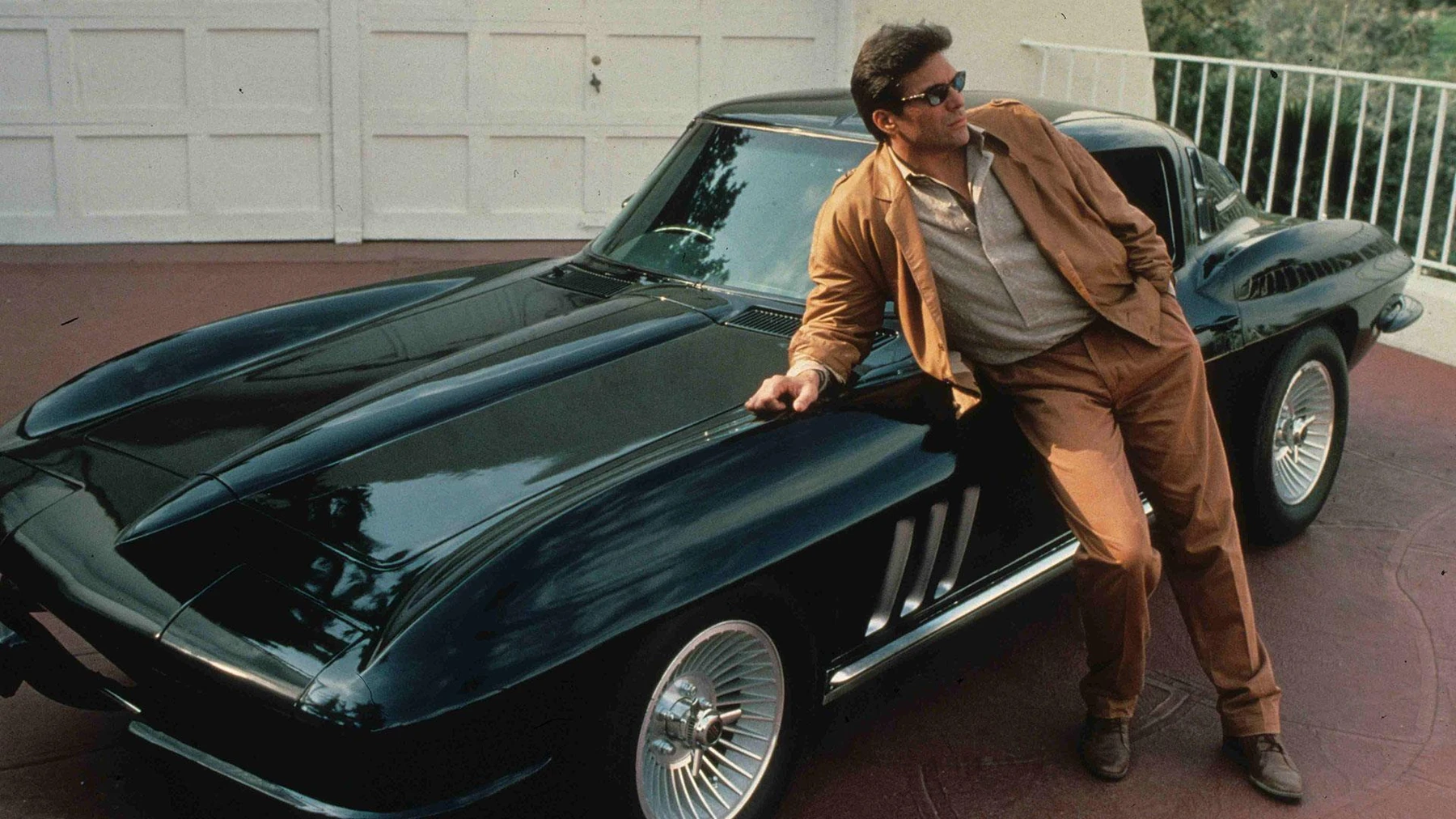
Stingray
Stingray was one of those series that felt built for viewers who liked the mysterious-man-with-a-car version of action TV but wanted the volume turned down. The hero called himself Ray, drove a black Corvette and helped people in exchange for a future favor rather than a normal fee. That alone gave the show a strange, almost mythic setup.
Ray was deliberately hard to pin down. He had skills, contacts and resources, but not the kind of biography the audience could neatly file away. The show used that mystery as part of the appeal. You watched him solve other people’s problems without ever feeling completely certain who had taught him to do all of this.
It never became one of the giant nostalgia brands, which is part of why it deserves a place here. The 80s action shelf was deeper than the handful of shows everybody puts on T-shirts. Stingray represents the stylish second layer — the series you remember instantly once somebody says the name.
The Cars, Helicopters and Supervehicles of 80s Action TV
Modern action shows have cool cars. Eighties action television often had the car. There is a difference. KITT had a voice and personality. The General Lee had a horn and an entrance. Magnum’s Ferrari was part of his fantasy life. Hardcastle’s Coyote looked like it had escaped from a concept sketch. Street Hawk existed because someone wanted a futuristic motorcycle on television. Airwolf barely needed a human in the poster.
The machine solved several problems at once. It gave the show an instantly recognizable image for promos. It made a cheap weekly setup feel expensive. It gave children something to draw, imitate and look for in toy aisles. Most importantly, it created action before a writer had to explain anything. A black Trans Am accelerating toward camera already told you what kind of scene was coming.
There was also a cultural reason this worked. Cars still represented freedom in a very physical way. Computers were exciting because most homes did not have powerful ones. Military technology looked mysterious because viewers could not pull up a thousand cockpit videos on demand. Television could make a scanner light, a digital dashboard or a black helicopter feel genuinely futuristic.
Why Practical Stunts Made 80s Action TV Feel Real
Part of the texture we miss is physical. Cars really hit ramps. Stunt performers really went through windows, over railings and onto moving vehicles. Explosions threw actual dirt into the air. Even when editing, miniatures or recycled footage helped stretch a budget, the images still had weight because so much of what we were seeing had happened in front of a camera.
The Fall Guy made that craft part of the premise, but every action series depended on it. A good stunt coordinator could make an episode feel much more expensive than the script probably was. A well-placed jump could become the promo shot. A vehicle roll could be repurposed in opening credits. A rooftop chase gave an hour a sense of scale without needing digital cities or impossible virtual sets.
The limitations were obvious if you look closely now. Different cars sometimes replaced the hero car during a jump. Landings did not always match takeoffs. Bad guys were remarkably good at crawling out of vehicles that had just exploded. But those imperfections are part of the charm. We could tell something physical had happened. The television might have been 19 inches wide, but the impact felt real.
The 80s Action Heroes We Couldn’t Stop Watching
The nostalgia shorthand says every 80s hero was a square-jawed guy with a weapon. Television was weirder than that. Hannibal Smith grinned because he already knew how the plan would end. Michael Knight treated a computer car like a partner. MacGyver avoided guns and solved problems with physics. Colt Seavers was literally a working stuntman. Thomas Magnum could be bruised, funny and emotionally vulnerable. Ralph Hinkley could barely fly straight.
That flexibility was useful because television needed a reason for us to invite the same hero back every week. Movies could get away with a character being intimidating for two hours. A weekly series needed personality. The hero had to argue, joke, flirt, fail, get annoyed and occasionally look ridiculous. Even the coolest shows understood that the audience was spending a lot of time with these people.
It is one reason the decade’s best action stars became so strongly associated with their roles. The hook might have been a car or a mission, but the personality kept the engine running. We did not only want to see KITT. We wanted to hear Michael and KITT bicker. We did not only want to see a plan. We wanted Hannibal to tell us he loved it.
Women Who Made 80s Action TV Better
There is no point pretending the decade was perfectly balanced. Many action shows still centered men, marketed themselves to boys and used women as glamour or motivation. But the actual schedule had more range than the poster-wall version of the 80s suggests.
Amanda King became a spy without abandoning the fact that she was a mother. Dee Dee McCall stood beside Hunter as a detective, not behind him as decoration. Miami Vice had women working inside the same dangerous world as Crockett and Tubbs. Tour of Duty and other ensemble dramas gave women roles that were tied to institutions and conflict rather than simply romance. Even Bonnie Barstow on Knight Rider mattered because KITT needed people who understood the technology as more than magic.
The strongest examples worked when the show let women have competence that was not just borrowed from the male lead. That evolution was uneven, but it was visible. By the end of the decade, the action hour had more room for women who could drive the plot rather than wait for it to happen to them.
Why 80s Action TV Loved Spies, Military Hardware and High Tech
The decade lived in two moods at once. Technology was exciting, and technology was scary. Computers were moving into schools and homes, but most people still did not understand what they could become. Military hardware looked sophisticated and dangerous. Intelligence agencies were perfect story engines because secrecy allowed writers to invent almost anything without needing to show the paperwork.
That is why the schedule filled up with secret vehicles, computer-enhanced missions, former soldiers, undercover agents and heroes with access to equipment nobody else could touch. Airwolf made military technology the fantasy object. Knight Rider made artificial intelligence friendly. Automan made the computer itself physical. Mission: Impossible made planning and devices part of the spectacle. MacGyver pushed the other direction and turned basic science into the advantage.
These shows are fun now because they preserve what the future looked like before the internet flattened everything into normal life. A glowing dashboard once looked advanced. A portable computer could be a plot point. Talking to a car was science fiction. The gap between what television imagined and what became ordinary is part of the nostalgia.
The 80s Action TV Themes We Still Hear in Our Heads
Action television needed intros that moved. The theme had to tell you what kind of hour was coming before the first scene did. The A-Team gave you the premise, the faces and the attitude. Knight Rider put KITT in motion under electronic music that sounded like the future. Airwolf made a helicopter feel mythic. Miami Vice turned its opening into pure rhythm and image.
Those themes became memory shortcuts because we heard them every week, then heard them again in syndication. There was no “skip intro” button. The opening was part of the show. It gave you time to get back from the kitchen, settle onto the floor and feel the switch flip from ordinary evening to whatever adventure the network had promised.
That repetition is one reason action themes remain so powerful at conventions, retro radio shows and YouTube compilations. A few seconds can pull up the whole room: carpet, television glow, somebody talking from another room and the certainty that we were not changing the channel yet.
How 80s Action Shows Won Prime-Time Audiences
Action had to compete in one of the most crowded television decades ever. Sitcoms were enormous. Soaps could dominate a night. Event miniseries drew whole households. Network schedules mattered because viewers could not simply watch an episode whenever they felt like it. If you missed Tuesday at eight, you might be waiting months for another chance.
That made recognizable action especially valuable. The A-Team became one of NBC’s breakout hits in the middle of the decade. Magnum, P.I. and Simon & Simon gave CBS dependable adventure and mystery. Miami Vice became a cultural force even beyond raw ratings because its image traveled everywhere. The point was not that every action series became a top-ten monster. It was that the genre gave networks distinct, promotable hours that could anchor a night.
For the full season-by-season Nielsen picture, these five year guides show where the big action shows sat inside the broader schedule:
That broader ratings context matters because memory and first-run popularity are not the same thing. Some shows became bigger for Gen X after their original run because reruns kept them alive in local schedules, cable packages and afternoon television.
How Reruns Turned 80s Action TV Into Gen X Comfort TV
Action was built for reruns. Most episodes could be watched out of order. The visual hook was immediate. The plots did not require you to remember six hours of mythology. That made the shows perfect for local stations and cable schedules that needed something recognizable at four in the afternoon or ten at night.
That is why a series such as Hardcastle and McCormick, Riptide or even a short-lived oddity such as Street Hawk can feel larger in memory than its original footprint suggests. Repetition did the work. The same opening. The same vehicle. The same heroes. The same kind of trouble. After enough viewings, the formula became comfort television.
The shows Gen X watched in after-school reruns and the larger story of syndicated television explain why our personal rankings can look very different from old Nielsen charts. We did not always meet a show when it was new. Sometimes we met it at 4:30 on a random Wednesday and never really stopped watching.
Action, Cops, Detectives, Spies and Sci-Fi All Shared the Same Highway
Trying to draw hard genre lines around 80s television can get silly fast. Magnum, P.I. was a detective show with action. Miami Vice was a cop show with action, music and style. Scarecrow and Mrs. King was spy television with romance and domestic comedy. The Greatest American Hero was superhero fantasy with action and sitcom DNA. Automan was science fiction wrapped around a crime show.
That overlap is why the rest of our 80s TV coverage separates the big themes without pretending the shows stayed inside neat boxes. If you want investigations and private eyes, head to Best 80s Detective & Private-Eye Shows. If you want police drama, use 80s cop shows. For the heavier dramatic side, there is Best TV Dramas of the 1980s. The action guide is where the physical thrill connects all of them.
Why Classic 80s Action TV Still Feels Bigger in Memory
Modern television can put movie-scale effects into an episode. That is impressive, but scale is no longer surprising. The 80s had the opposite advantage. A car jump felt big because television usually looked smaller. A helicopter banking through a canyon felt expensive because viewers understood, even as kids, that this was not something every show could do.
There was also more space for repetition. KITT could turbo boost again. Hannibal could love another plan. MacGyver could stare at a room and notice the one object the camera had quietly shown us thirty seconds earlier. The formula was not considered a flaw. It was the reason we came back. The ritual itself was satisfying.
And maybe that is the biggest difference. These shows were not embarrassed to be television. They wanted a hook you could describe in one sentence, characters you could recognize from across the room and an opening theme that could pull you back before you saw the picture. They were built to be remembered.
Why the Weekly Formula Made 80s Action Shows So Addictive
One of the easiest ways to misunderstand old action television is to treat repetition as a creative failure. We did not. Repetition was the contract. If The A-Team reached the point where the guys had been locked in a barn with a welding torch and several pieces of machinery, we knew what was coming and leaned forward anyway. If Michael Knight was trapped on the wrong side of an obstacle, we started waiting for the turbo boost. If MacGyver quietly looked around the room while the villain talked too much, the real scene had already started.
The formula created anticipation. First came the local problem: somebody was being cheated, threatened, hunted or framed. Then the hero entered a world that did not yet understand who it had invited in. There was usually a setback, capture or discovery in the middle. Then the show cashed the check: the escape, build, chase, con, stunt or final confrontation. Because the structure was familiar, writers could spend more time playing with personality inside it.
That rhythm also made the shows easy to join. You did not need a wiki. You did not need to remember what happened twelve episodes ago. You could miss three weeks because baseball practice ran late, come back and still know exactly who everybody was. For kids and families living around network schedules, that mattered more than modern viewing habits make obvious.
There were exceptions, especially late in the decade when shows such as Wiseguy pushed toward longer arcs. But the reset button was not automatically a weakness. It made the hero mythic. The road kept going. The next town had another problem. The next week the theme song started again.
How ABC, CBS and NBC Built 80s Action Nights
Network identity was never perfectly clean, but the 80s schedule still had patterns you could feel. CBS was comfortable with detective-adventure shows that mixed cases, locations and personality. Magnum, P.I. and Simon & Simon could be exciting without turning every episode into a military operation. ABC often leaned into high-concept adventure, family-accessible danger and stars with strong weekly hooks. NBC, especially as it rebuilt its prime-time strength, found room for loud concepts and visually distinctive series such as The A-Team and Miami Vice.
The important thing is that action was not a genre sitting in one isolated block. It was part of network strategy. A show with a clear visual identity was easy to promote during football, sitcoms or the nightly news. A thirty-second spot showing KITT jumping, B.A. throwing somebody, Airwolf banking or Crockett driving through neon could sell the hour even if you had never seen it before.
That promotion mattered because choice was limited and immediate. Viewers were not browsing an infinite library. They were deciding between the channels they had at that moment. A network action series had to communicate itself fast. Who is the hero? What is the toy? What is the attitude? What happens if I stay here instead of turning the dial?
Those old promos are why so many 80s shows remain visually crisp in memory. The networks kept reducing them to their strongest images until those images became the brand. The Ferrari. The van. The black Trans Am. The helicopter. The pastel jacket. Television advertising did not just sell episodes; it taught us how to remember the decade.
Why 80s Network Action Could Be Loud Without Going Too Far
Watch enough old network action and you notice a strange rule: the screen could be full of gunfire and overturned cars while the emotional tone stayed lighter than the same imagery would suggest today. That was partly the reality of broadcast standards and partly a deliberate style. The shows wanted danger, but they also wanted broad audiences. The easiest solution was to make destruction spectacular and consequences selective.
The A-Team became famous for this. Vehicles could roll down hills, crash through barriers or explode, and somebody often emerged seconds later bruised rather than dead. Knight Rider could stage a chase that looked enormous while keeping the fantasy of Michael and KITT fundamentally heroic. Even harder shows had to work inside the rules of broadcast television. The result was a strange, recognizable 80s language of safe danger.
For kids, that distinction mattered even if nobody explained it. We could watch a car go through a produce stand and understand it as excitement rather than horror. The stunt was the point. The violence was usually abstracted enough that the family room did not instantly become adults-only space.
Later television would become more graphic, more serialized and more interested in the psychological aftermath of violence. That can make 80s action look naive now. But the unreality was part of the design. These shows were not trying to simulate an actual firefight. They were trying to make Tuesday night feel bigger than Tuesday night.
How 80s Action TV Followed Us Off the Screen
Not every action series became a giant toy line, but the visual language of the decade was incredibly toy-friendly. A black talking car. A striped van. A futuristic helicopter. A stunt truck. A motorcycle with secret technology. Even when there was no exact plastic version in your house, the show gave ordinary toys new jobs. Any black Matchbox car could become KITT. Any model helicopter could become Airwolf if you made the right noise.
That is one reason action television took up so much space in Gen X childhood even when the shows were written for adults too. The episode ended, but the premise was easy to continue on the floor. You could build an A-Team fort from couch cushions. You could jump a toy car over books. You could turn a bicycle into a secret vehicle. Television gave the rules; imagination supplied the production budget.
The strongest concepts were almost modular. Vehicle. Hero. Mission. Catchphrase. Music. Color scheme. That made them ideal for magazines, trading cards, lunchboxes, model kits, Halloween costumes and bedroom walls whether or not every show had the merchandising machine of a cartoon franchise.
It also explains why the images survived. We did not only watch them. We replayed them ourselves. A television show that can turn the driveway into Hazzard County or a bicycle into a classified government prototype has a much easier time sticking around in memory.
80s Action TV Shows: Frequently Asked Questions
What were the biggest 80s action TV shows?
The A-Team, Knight Rider, MacGyver, Magnum, P.I., Miami Vice, Airwolf and The Fall Guy are among the decade’s most recognizable action series. Their impact came from a mix of first-run popularity, syndication and imagery that stayed attached to the decade.
Why did so many 80s action shows have special vehicles?
A signature vehicle gave a show instant identity, created action without much setup and made weekly television feel more expensive. KITT, Airwolf, the General Lee, Magnum’s Ferrari and the Coyote were marketing images, storytelling tools and fantasy objects all at once.
Was Miami Vice really an action show?
Yes. Miami Vice also belongs with 80s cop shows and dramas, but the action was impossible to separate from the experience: undercover danger, gunfights, boats, Ferraris, chases and that sense that anything could turn bad after dark. For the whole story, continue with the Miami Vice article.
Why are Magnum, P.I. and Simon & Simon here if they are detective shows?
Because 80s television genres overlapped constantly. Both shows used investigations as their framework but regularly delivered chases, fights, vehicles and adventure. Their detective-specific history is better explored in the 80s detective guide; their action DNA earns them a place here.
Do The Dukes of Hazzard and CHiPs count as 80s shows?
They began in the 1970s, so their origins belong there. But both remained visible in the early 80s and helped carry stunt-heavy, vehicle-driven action into the new decade. We are only looking at that early-80s continuation here.
What made MacGyver different from other 80s action heroes?
MacGyver’s defining advantage was observation and improvisation rather than firepower. The series still had danger and action, but the payoff often came from solving the physical problem in front of him with ordinary materials.
Why do some short-lived action shows feel so memorable?
A single great hook could survive longer than a run. Street Hawk had the motorcycle. Automan had glowing computer imagery. Local reruns, cable packages, promos and opening credits repeated those images until the show felt like a permanent part of the decade.