Street Hawk in the 80s: The Motorcycle Answer to Knight Rider
Jesse wants to see what the bike can do. Norman would like him to stay on the radio.
Jesse has a stretch of road ahead of him and a button he’s been waiting to try.
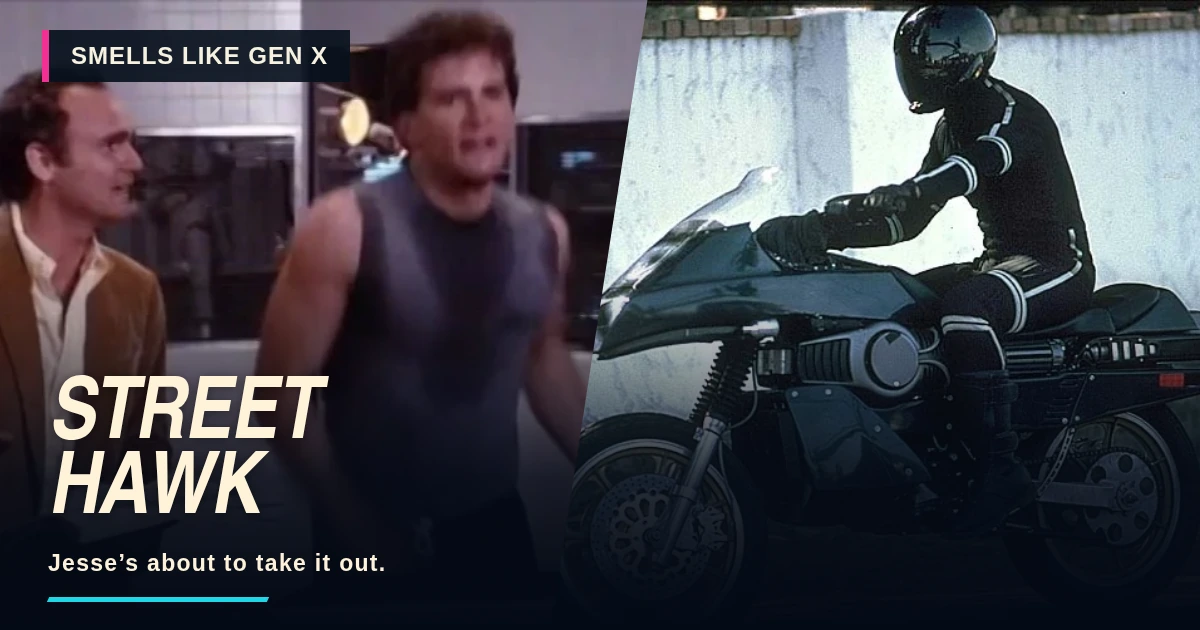
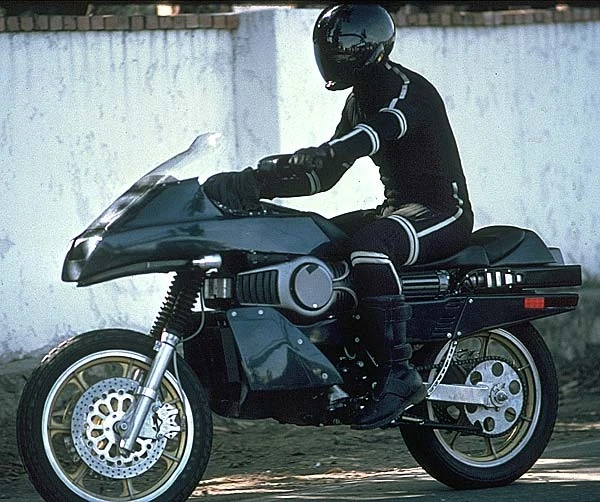
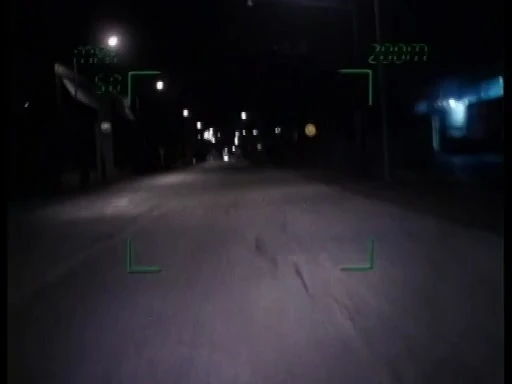
A motorcycle can look like it wants you to do something before you know where you’re going. The one in Street Hawk had that down from the first time you saw it in the dark. Black bodywork, a low front end, and just enough light to pick out where the road started. I remember the urge to see it come all the way into the picture. The guy riding it had an hour to tell us what he was doing out there.
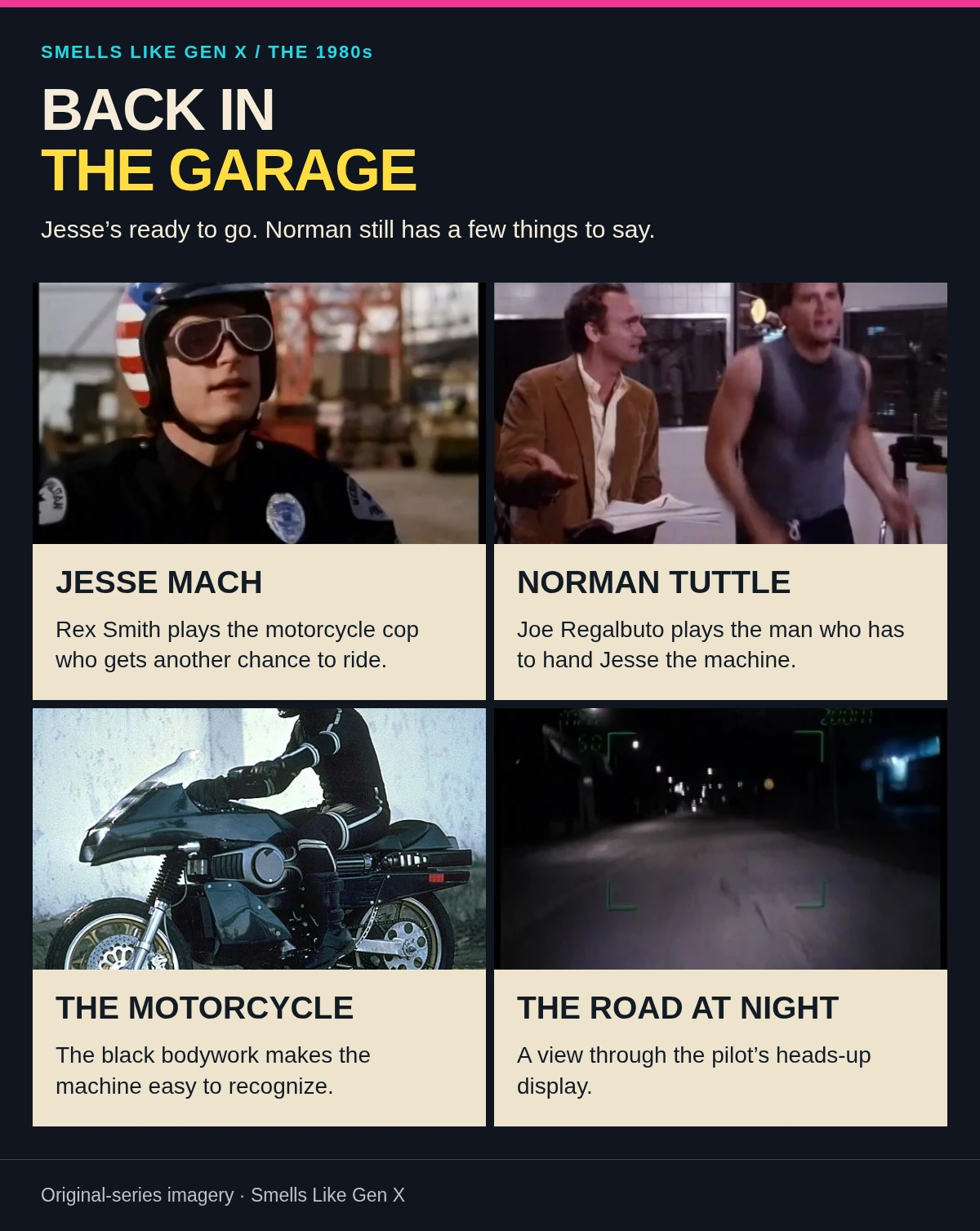
ABC started Street Hawk in January 1985. Rex Smith played Jesse Mach, a motorcycle cop who’d been hurt in a crash and wound up in a police public-relations job. Joe Regalbuto’s Norman Tuttle brought him a chance to get back on a bike through a secret program. On any given day Jesse had a place to be as an ordinary police employee and a man waiting to hear whether the extraordinary motorcycle was still in one piece. That gives him a nice amount of work to get through before the sun comes up.
The part I’d forgotten was how much time the show made for the guy back at the controls. Jesse got to be the man on the bike. Norman got to spend those minutes looking at screens and talking to the one person who could decide what happened to it. I can think of people who have trouble lending out a lawn mower. Tuttle had to hand Jesse a machine designed to get away from almost anybody, then ask him to keep in touch.
Jesse Mach already knew how to ride
The pilot has a way of getting you interested in Jesse before there’s an explanation for the bike. He’s had a serious crash. He’s back around police work, and the job he has now leaves him far enough from the riding to know what he misses. There’s something familiar in that first look at a guy who still feels like the person who used to do the job even when his day has started to look quite different.
Norman’s offer gives him a new way back to it. What I like about that choice is that you can believe Jesse’s interest in the bike before you find out what it can do. Of course he wants to see what it feels like to get on one again. By the time somebody explains what they expect the machine to do, he already has a reason to picture himself riding it.
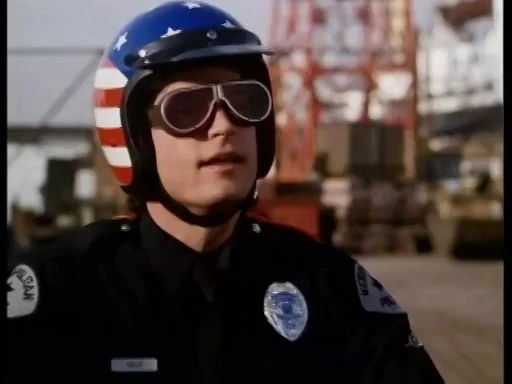
Smith can make Jesse look like a man trying to get out the door while the people around him still have things to discuss. He also knows how to make a short line sound as if Jesse has heard the concern and intends to do what he had in mind anyway. There’s a lot of that in the early episodes. It gives the show another beat to play every time there’s a choice between asking one more question and getting on the bike.
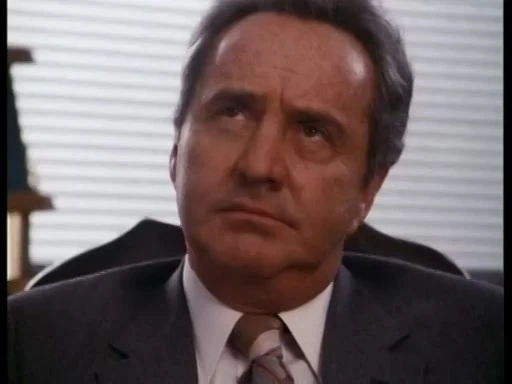
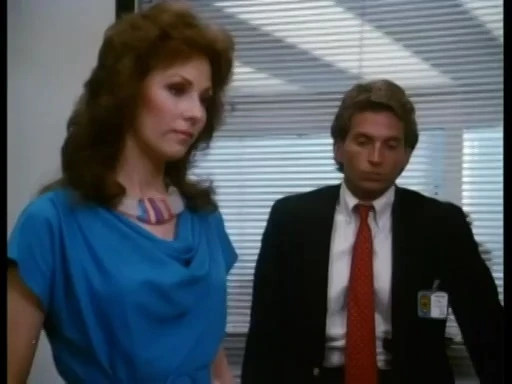
Rachel Adams was played by Jayne Modean in the pilot and Jeannie Wilson in the regular episodes. Richard Venture was Capt. Leo Altobelli. I like the police office scenes for reminding you how much of Jesse’s day still takes place among people who expect him to be available to do the job they gave him. He can ride away from a lot of people at night. He still has to show up in the morning.
Norman Tuttle had to watch the whole thing
Regalbuto is funny as Tuttle in a way that’s worth seeing again after you’ve remembered the machine. He can look at a screen and make you believe he has already thought of three things that could go wrong. Jesse only needs one reason to keep going. It’s a good way to keep both men involved when one of them is sitting and the other is rapidly leaving the part of town they were just talking about.
Jesse and Norman belong to two different kinds of garage conversation. One person wants to tell you how the thing works. The other wants to see whether it’s ready to go. The joke gets better when the person with the keys knows just enough to get himself into a fresh bit of trouble. It also gives the rider somebody worth coming back to when he’s had time to think about what he did.
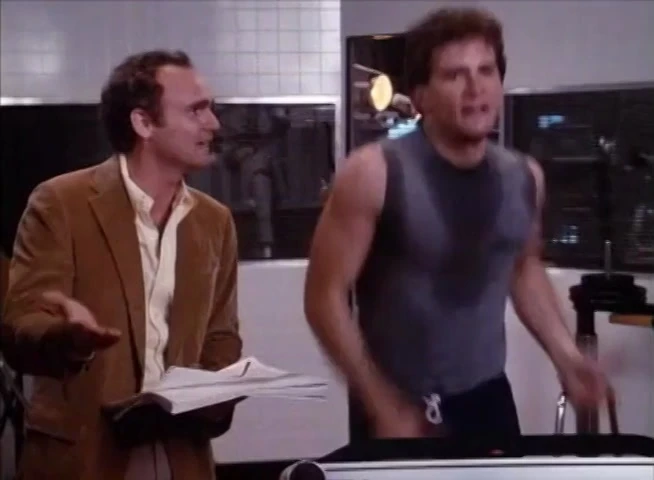
“Hot Target” makes room for Tuttle to have a history of his own. He reconnects with an old girlfriend and finds that the organization she works with is tied up in an arms case. The story lets a person who usually knows what he’s looking at take a minute to understand how much he’s involved. I’d give it a shot if all you can picture about Norman is where he sat while Jesse was riding.
I think I wanted the hidden room almost as much as I wanted the motorcycle. Screens with a reason to be on. Maps that could tell you where somebody was going. A friend you could talk to who knew what a button did. There’s a whole afternoon of pretending in that setup, even if the closest thing you had at home was a flashlight and a toy walkie-talkie.
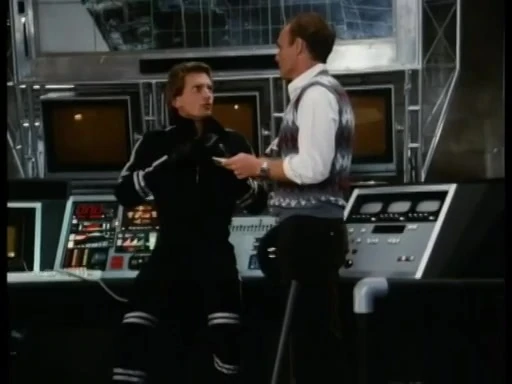
There’s a thing Regalbuto does with a short answer that helps sell all the equipment in the room. He looks busy enough to know the question deserves more time than he has. If Jesse is already moving, he has to give him the part that matters. The screen gives Norman something to look at while he works out the rest. It’s like trying to tell a driver where to turn while they’re already passing the gas station you were going to use as a landmark, except Norman has signed up to do it with a man who may be traveling several times as fast.
The bike and the sound of the thing
Street Hawk gives the motorcycle a speed the title sequence says can get up to 300 miles an hour. The bike has a special high-speed mode called hyperthrust. I like remembering the word from the part of the evening when it was all you needed to hear. Somebody had a reason to use it. There was a cut to the road. The ordinary space between here and wherever Jesse needed to be seemed to get a lot shorter.
For the actual filming, the machine started with Honda hardware under the bodywork. A Honda XR500 is documented among the production bikes, and the appearance changes from the pilot to the episodes that followed. The important bit for the show was being able to recognize the outline at night. The real hardware gives you a way to understand the riding once you’ve spent years remembering mostly the way the fairing looked.
Tangerine Dream gave it the theme. The title track on the band’s 1985 album Le Parc is tied to the show, right down to the “Streethawk” subtitle in its release history. I can hear the first few seconds and remember the dark road without a picture. The rhythm has time to get established, and then you can hear why a motorcycle was a good reason to keep it going.
A lot of eighties themes could make it feel as if the show was already halfway down the road by the time the title was on the screen. Our ’80s TV themes guide has plenty of that feeling. I’d let Street Hawk play all the way through before deciding whether I had time for the rest of the episode. By then the decision had usually been made.
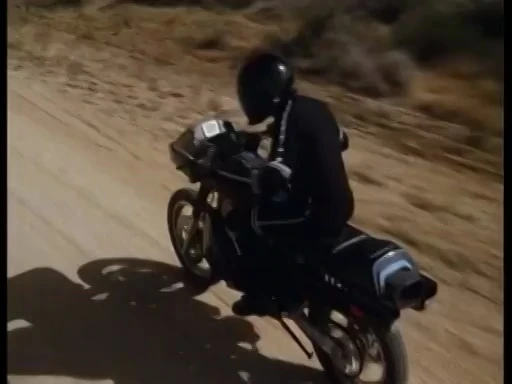
There’s a shot you can get with a motorcycle that I missed on the shows with cars. It’s the little movement of the rider’s shoulders before you see the bike take it into the next shot. You don’t have to know the model or understand what Norman just changed on a screen. You can see how close the rider is to everything the bike does. The show could put a camera low, leave a stretch of pavement out in front, and get a whole lot of attention from that one choice. Nothing says the two people making decisions about the bike have to agree about how much road is enough.
There was another black vehicle in the neighborhood
Everybody who remembers KITT understands the comparison in about five seconds. Knight Rider gives Michael a car that can answer him. Street Hawk gives Jesse a motorcycle and a voice coming in from a man who can see what he’s doing with it. The answer you get from Norman is usually the answer of somebody who expects to have to fix the machine if you keep going.
CHiPs gave us a different memory of a motorcycle on television. There was daylight, traffic, and a pair of highway patrol officers trying to work their way through the day. The bike was already enough to get you looking at the screen. Hear the CHiPs theme from the ’70s and you can practically see the bikes in the sun. By the time Street Hawk came along, TV had found room for a rider to leave the daytime job behind and be somebody else after dark. I’m glad there’s room in the same memory for both kinds of bike.
It’s easy to put the show next to Hardcastle and McCormick if you remember the Coyote from that same part of the decade. Both machines give you an immediate reason to stay with the first few minutes. One came with a retired judge who wanted a word with the driver. The other came with Norman watching a screen and hoping the man on the bike heard what he had just said. A fast vehicle could take you a surprising distance and still leave somebody close enough to tell you what they thought of the ride.
The sense of what a kid might have wanted out of one of these shows is easy to lose when you watch them back to back now. At the time, you might see the bike once that week. You might hear somebody tell you about the episode a day after you missed it. The next time it came on, you had a reason to get there before the music did.
A few Friday-night faces and a short run
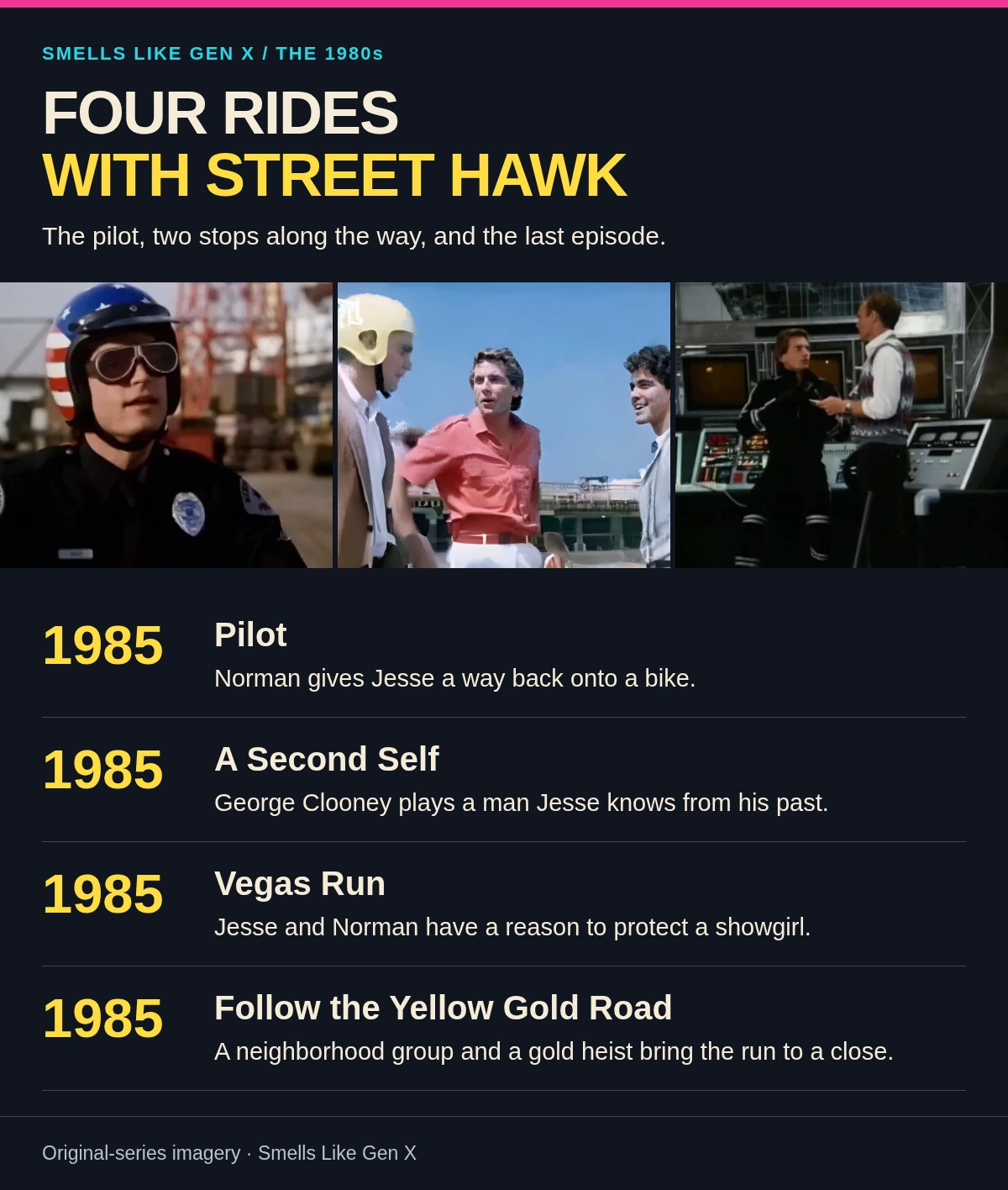
“A Second Self” brings in George Clooney as Kevin Stark, somebody Jesse knows from his past. Seeing Clooney show up now is a good reason to try it, and it’s still an episode about a guy Jesse already has a reason to trust. That’s a useful early test for a rider who’s busy keeping the details of his new work from the people he used to know.
“Vegas Run” sends Jesse and Norman to protect a showgirl who has trouble with the mob. I like the idea of watching those two have to do the work of keeping somebody out of harm’s way in a place where the bike has a long way to come from home. “Chinatown Memories” gives Jesse an old girlfriend and a case involving the man she’s planning to marry. He gets to work out how much he wants to know about their lives while he’s already on the job.
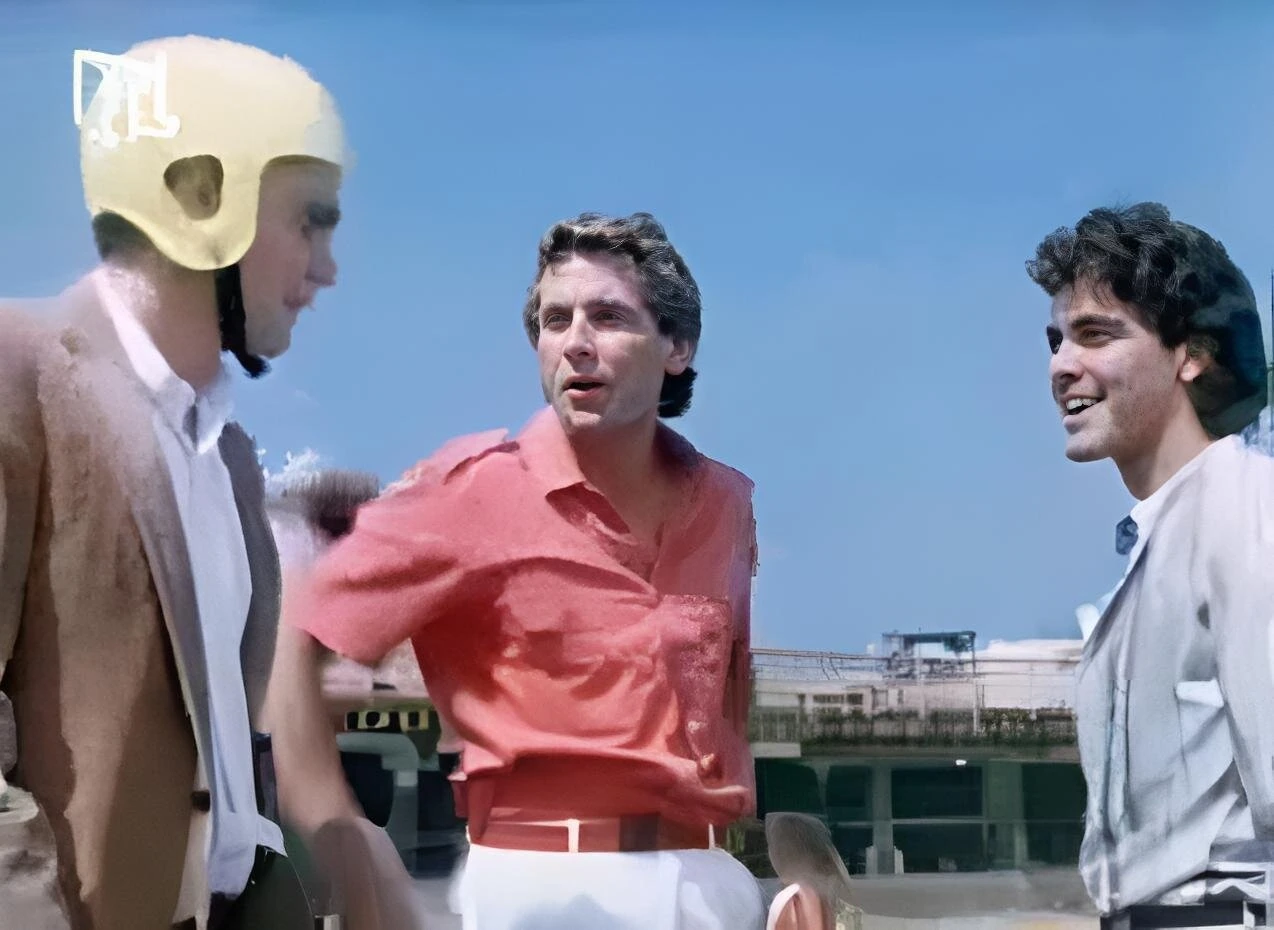
The pilot went out January 4, 1985. The series moved around the ABC schedule and made it to May 16 with 13 episodes. The 1984–85 TV season puts that short run back among the other things we could have been watching. If you have the feeling you only ever caught it a few times, that’s a very believable way to have met the show. It didn’t have years to get into everybody’s week.
The last episode, “Follow the Yellow Gold Road,” has a neighborhood vigilante group and a gang of gold hijackers. It’s the kind of plot that looks like it could have been followed by a new one the next week. I prefer coming back through the pilot, when the bike still has to be explained to the guy who’s about to get on it. Give Norman time to tell him what he’s going to need to know. Give Jesse the length of a scene to show you how much he intends to remember.
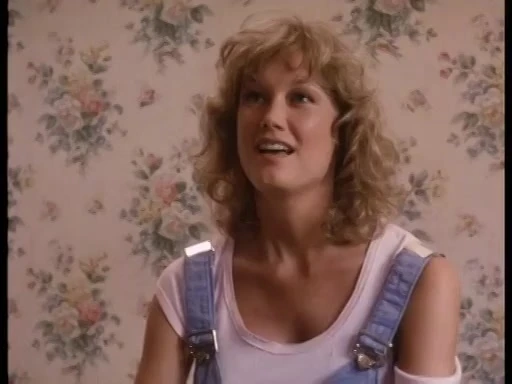
If you want to hear the theme again, let the opening play before you jump around looking for the bike. I’d forgotten that part of what made it work was how long the music had you looking at the night before there was anything you could do about it. The first clear look at the machine feels like a reward for showing up on time. The second episode gives you a person from Jesse’s old life to think about while the series is still showing you how the new one works. The combination makes for a pretty good double feature.
If you only had one evening to see it, there was plenty to remember from the way the headlight moved across the frame. It can take the length of a conversation to work out how often you actually saw the show. The bike looks familiar as soon as it comes around the corner.
Questions about Street Hawk
When did Street Hawk air?
ABC aired Street Hawk from January 4 to May 16, 1985. It ran one season of 13 episodes.
Who played Jesse Mach and Norman Tuttle?
Rex Smith played Jesse Mach, the rider. Joe Regalbuto played Norman Tuttle, who oversaw the secret motorcycle program and stayed in contact while Jesse was on the road.
Who did the Street Hawk theme?
Tangerine Dream made the theme. It is associated with “Le Parc,” the title track of the group’s 1985 album, with “L.A. – Streethawk” in its release listing.
Was George Clooney in Street Hawk?
Yes. He played Kevin Stark in the January 1985 episode “A Second Self.”