Automan in the 80s: When Network TV Tried to Become Tron
Walter made a program. Then it showed up in person and offered to drive.
Walter may want to hold on when it gets to the next corner.
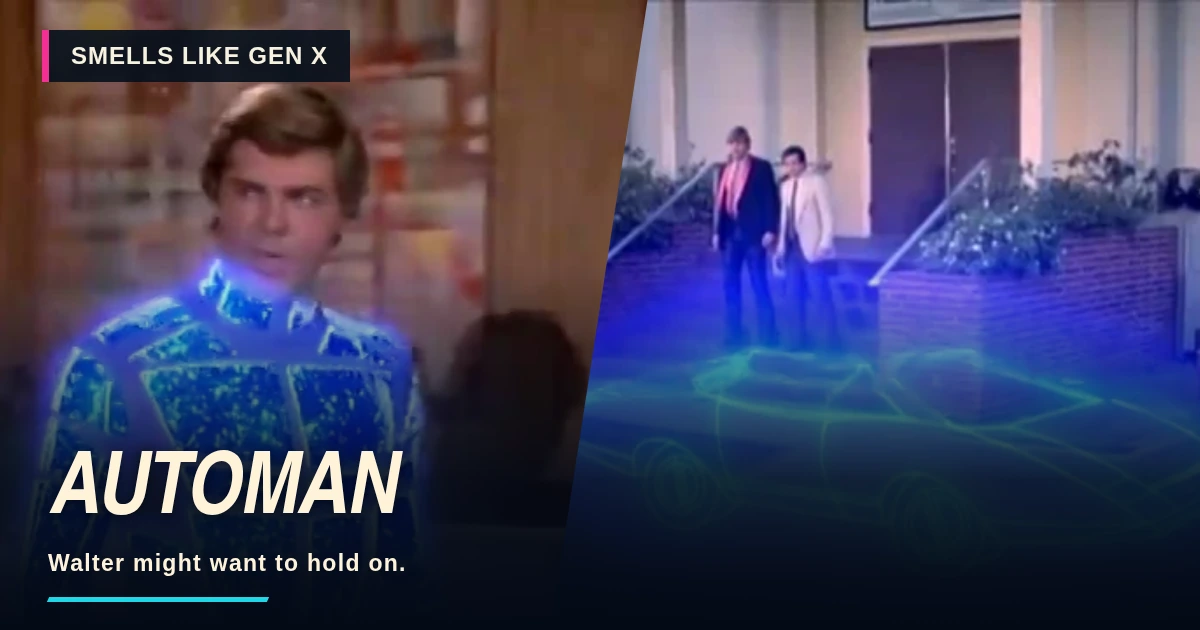
One of the things I remember about Automan is how a car could turn a corner without seeming to spend any time turning. It would be going one way, then it would be going the other way. Desi Arnaz Jr. would get a little time to show you what the experience felt like from inside. The guy driving could sit there looking as if he’d made the most natural decision in the world. A ride with somebody like that was worth leaving the set on for another few minutes.
ABC premiered the show in December 1983. Arnaz played Walter Nebicher, a police computer expert who wanted a chance to do more than his department thought a computer guy should be doing. Chuck Wagner played Automan, the program Walter made and then had to get used to meeting in person. He looked human until you got a good look at the suit. There was a flickering little companion called Cursor, and it could draw some surprisingly useful things into the world.
It’s a show I can almost bring back by thinking of the light it gave off. A lot of us were already familiar with the little glow a television put into a room when the rest of the lights were down. Automan could walk onto the screen and look as though somebody had found a way to make a person out of that glow. Then Walter would say something about where they had to be and both of them would go out and get to work.
Walter got to meet the guy he’d made
Walter’s the guy the department expects to be good with a computer. He has an idea about the sort of job he could do out in the world if somebody gave him a chance. I like that the series lets you meet him with that frustration already in place. It’s the part that makes sense even if you’ve never had a conversation with anyone who could turn into a shower of light.
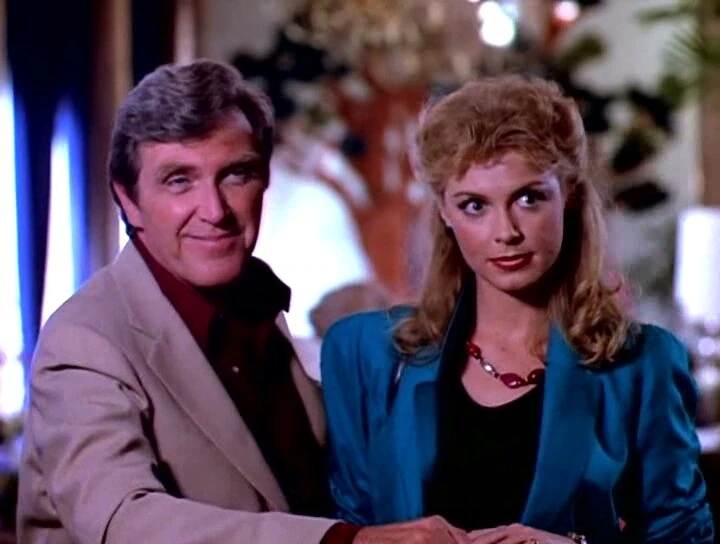
There was a familiar line between the person who knew what the machine did and the people who got to decide what it was for. The people who make that decision around Walter are Lt. Jack Curtis, played by Robert Lansing, and Capt. E.G. Boyd, played by Gerald S. O’Loughlin. Heather McNair’s Roxanne Caldwell gives Walter a little more room to be the man he thinks he is. The two can talk about a problem and leave room for the possibility that Walter will get to do something about it.
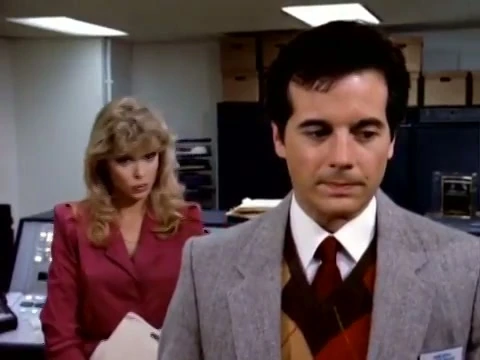
Then he makes Automan. Wagner looks completely at ease in a place where a man dressed like that could turn every head on the street. I like the sound of him asking about something people take for granted. Walter can explain. Then he has to see what Automan does with the answer. The person who’s been waiting for the police department to give him a little responsibility has a new reason to understand what it’s like to hand a decision to somebody else.
There’s a good stretch of the pilot for watching Walter find out how much his idea has grown beyond the machine he built it on. For anybody who had to share a home computer, just getting to the part where a program did what you wanted felt like a good way to spend the afternoon. Walter has made one that can look him in the face, say something about the situation, and suggest the next thing they ought to do.
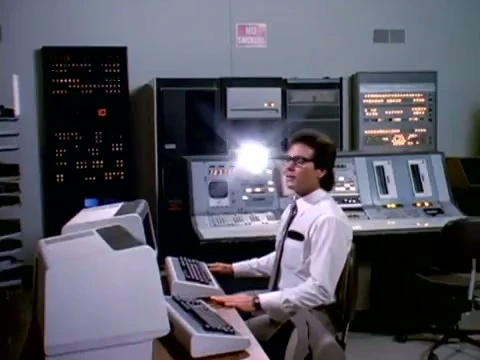
The joke gets a little sharper if you’ve ever been the person called over because a computer was doing something nobody else understood. The second you make it do the thing they wanted, everybody else can get on with the job. You get to stay there and answer the question about why it did that in the first place. On Automan the thing Walter made can also get on with the job. Walter may be right beside him, still trying to tell him why the people they’re about to meet will find some of what he’s doing unusual.
The blue suit needed a camera and a little patience
Tron was already out by the time Automan arrived. You can see why people put the two in the same conversation before you even get to the car. A person in bright electronic-looking lines walks into a dark image and you want to see where the edges go. On Automan, the glowing man has a reason to step out of the computer’s world and into the kind of street a television cop might already be looking for somebody on.
Chuck Wagner has described how the costume actually worked. It used highly reflective material and a beam splitter for the photography. More passes added the effect inside the suit. The person you saw was a performer wearing something the crew still had to photograph, with more work waiting once the shot was done. It makes me enjoy the glow more when I know how much of the work involved getting light to go where somebody wanted it.
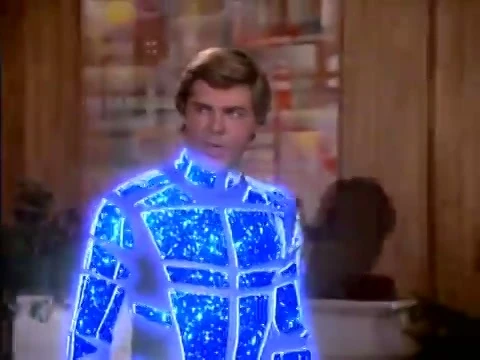
The suit had to work in scenes that had a reason to slow down. There’d be something Walter wanted to discuss, and there in the middle of the conversation was a man with a light show running across his chest. Wagner can make you get used to looking at it long enough to hear what Automan has to say. He could also stand there with a perfectly straight face while a person right next to him tried to make sense of what they’d just seen.
I like the idea of the crew getting the people and the furniture into the same shot as this thing everybody has come to see. They have to leave room for it. The camera has to leave enough of the person in the suit for us to recognize him. Somebody has to put the bright bit right on top of what they got when they photographed it. That’s a lot of separate jobs to make it look as if a man could walk out of a computer on Thursday night.
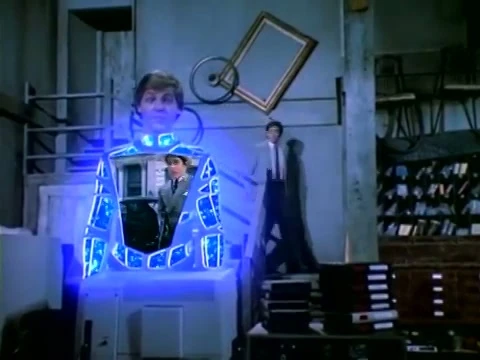
Cursor could draw you a ride home
Cursor is the piece of Automan I’m happiest to see when I go back. The little moving point already had a job on a computer screen, and here it could show up and start making something a person could use. A car is a good way to find out how much the show is willing to give that idea. For a second you can see the street through the outlines. Then somebody has a vehicle to drive.
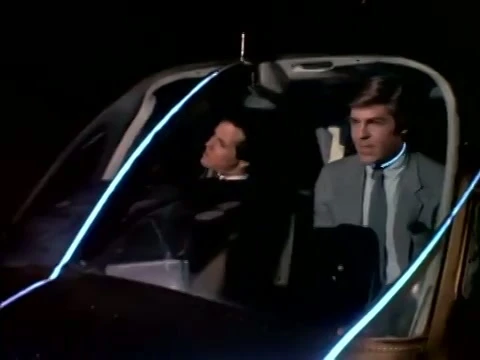
The Autocar looked like a Lamborghini Countach wearing the same kind of light as the guy at the wheel. That’s a nice combination to leave with a kid who already thinks a Countach looks like it came from somewhere the other cars in the parking lot can’t get to. The car gets its own reason to be unusual on the road. It takes a right-angle turn as if the only thing it has to decide is the new direction.
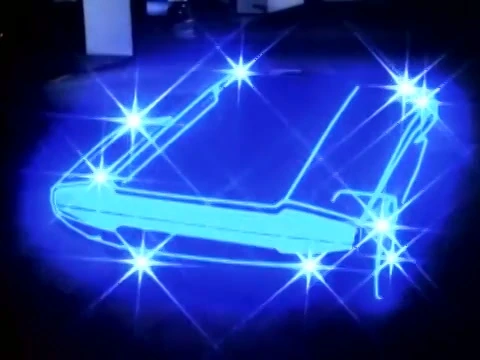
Cursor can make an Autochopper too, which is about the point where Walter has reason to wonder how many people he’s going to have to explain the two of them to. I appreciate how often the machine that gets you out of trouble gives the people next to you something they’ll be thinking about for the rest of the evening. The thing you were waiting to see is also a thing the show has to get the characters to live with.
That’s a nice companion to the electronic toys that started beeping at us in the ’70s. You could spend part of an afternoon getting a few lights to come on in the order you wanted and come away thinking the thing had known what you were up to. Automan took that little feeling all the way to the street. Cursor had a fair idea what somebody meant and the good sense to draw the vehicle before they had a chance to ask where it was coming from.
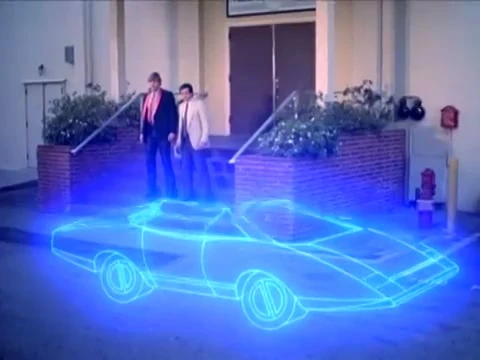
There’s a terrific difference between the way the car looks while it’s being drawn and the way it looks once there’s someone inside. The glowing outline leaves the road visible around it. When it fills in, there’s a windshield to look through, a seat where Walter has to hold on, and somewhere for the light to catch him when the car changes direction. If you’d ever driven a car around on a screen and then thought about what it would feel like to do that for real, the whole joke is on Walter’s face.
The computer had a place in an ordinary crime show
Glen A. Larson created Automan. A police department with a lot of doubts about the way Walter works gives the show a part of town it can come back to when it needs something familiar. “The Biggest Game in Town” gives Walter another computer expert to deal with. This one is disrupting city systems. I like the prospect of the man whose job gets him stuck at a desk finding out he’s the right person to understand what is going wrong outside the building.
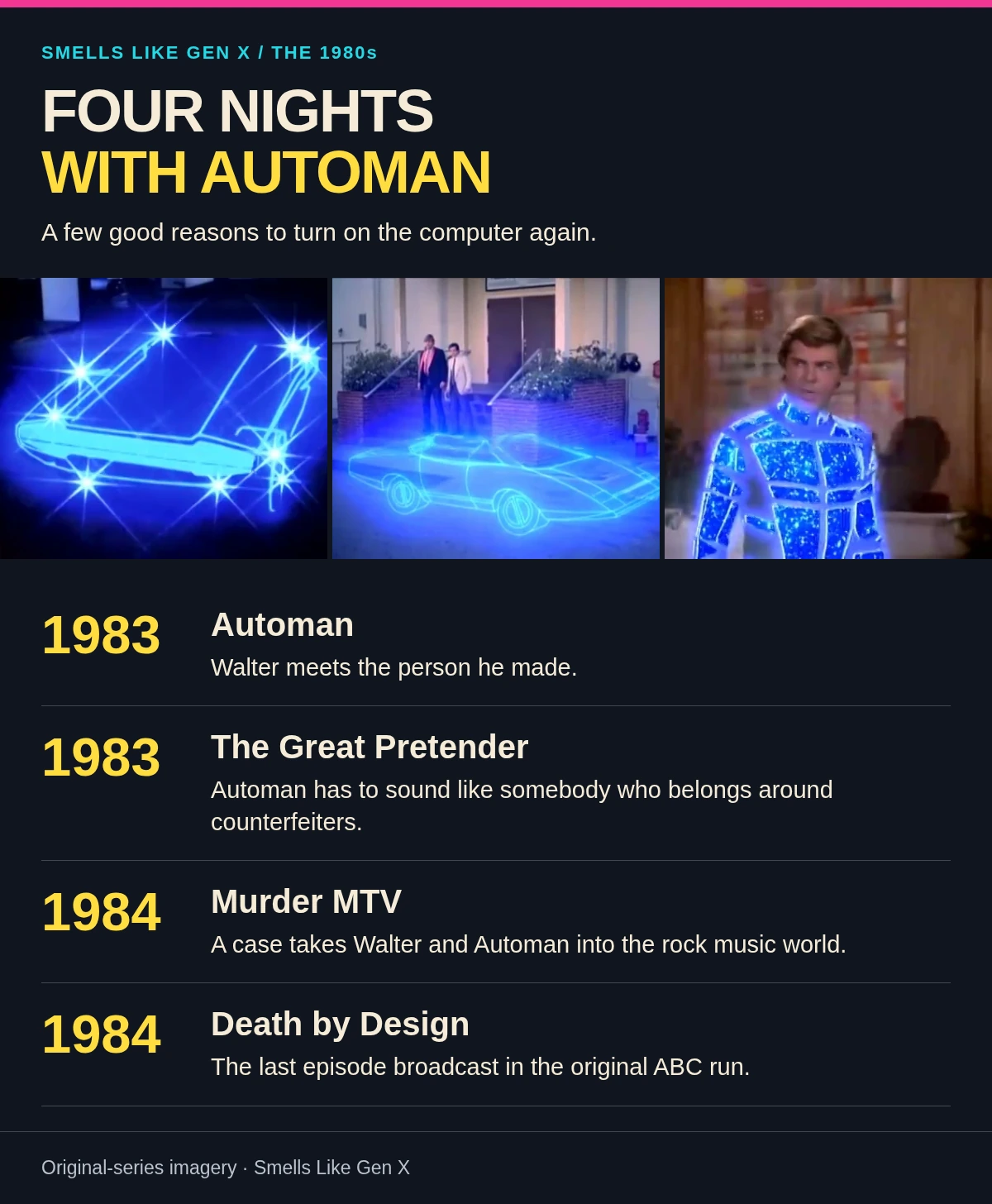
“Murder MTV” goes into the world of rock music and sends the team after an extortionist. The title takes about as much effort to picture as the blue suit does. Television in the middle of the decade could give you a case named for the place where you’d been watching videos, and the title alone could make you want to see how much of that world the police story could get into an hour.
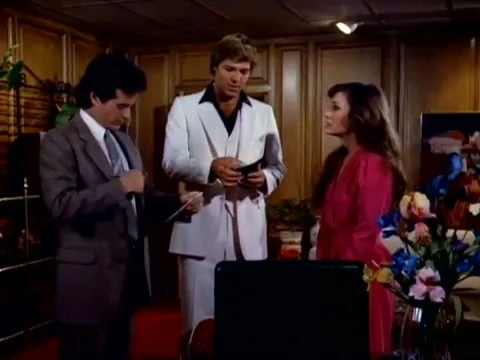
“The Great Pretender” makes Automan pass as a gangster to get close to a counterfeiting operation. There’s a good afternoon’s work in asking a program that’s still learning about people to spend time with a bunch of people who already think they can tell whether somebody belongs in the room. If you want to see what Wagner brings to the part when the suit has less to do, that’s where I’d go.
“Staying Alive While Running a High Flashdance Fever” deserves a moment just for how the title looks. It puts you right back in the year when you could spot the other things the words were asking you to remember. There’s a story about a judge being framed, along with enough time to send Automan into another place where he has to see how people act when they want somebody to notice them.
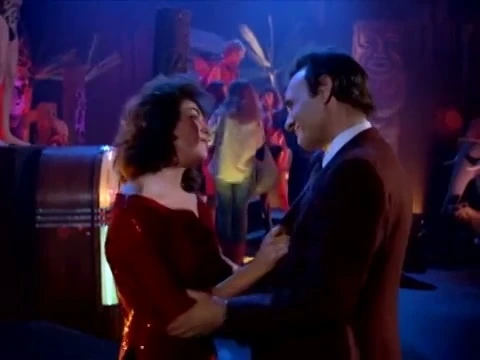
I’d also give Roxanne a little more credit than I remembered giving her when the show was new. “Ships in the Night” brings her and Jack Curtis into a case that takes Walter and Automan to the Caribbean. It’s fun to see what a different address can do for the balance of the hour. The two people in charge of the effects have to find the others before they can be much use to them. The people in the middle of the ordinary police work already know what they need done. You can enjoy the trip just from watching the two halves of that story get close enough to talk.
One winter on ABC
Automan premiered December 15, 1983, and its last original ABC broadcast was April 2, 1984. Thirteen episodes were made, including “Club Ten,” which the network didn’t air in that run. The 1983–84 TV season gives a sense of the company the show had. It had a season to turn that first look at the suit into something people would remember even if they lost track of when it came on.
I think of it beside Street Hawk for the moment when the vehicle makes the show’s argument for it. That bike gives somebody a reason to watch the road and ask how fast the rider can go. Automan’s car gives you time to see something happen at an intersection that your stomach knows it’s going to have an opinion about. It’s the sort of memory that lasts without keeping much of the case that got the driver there.

The pilot is where I’d start. Give yourself time to watch Walter realize the guy he’s talking to has ideas about being useful. Then go to “The Great Pretender” or “The Biggest Game in Town” and see how much of the show you can still recognize before anybody asks Cursor for a car. I want to hear Walter say something about where they need to go. The car can make the decision about the corner once it gets there.
There’s a reason to give “Murder MTV” a try after the pilot. By then you know how Walter sounds at work, and the music setting gives him something new to listen for. The man who began the series trying to get out of the office is all the way out there now.
Questions about Automan
Who played Automan and Walter?
Chuck Wagner played Automan. Desi Arnaz Jr. played Walter Nebicher, the police computer expert who created him. Robert Lansing, Heather McNair, and Gerald S. O’Loughlin also appeared in the regular cast.
What could Cursor do?
Cursor could create objects for Automan and Walter. The most recognizable ones were the glowing Autocar and the Autochopper.
How many episodes of Automan were made?
Thirteen were made. ABC aired twelve between December 1983 and April 1984. “Club Ten” was the installment left out of the original ABC run.
Was Automan based on Tron?
Automan was an original Glen A. Larson series. Its light-lined digital figure and vehicles invited comparisons to the 1982 film Tron. Wagner described how the series used reflective material, carefully arranged photography, and postproduction to make the suit work on film.