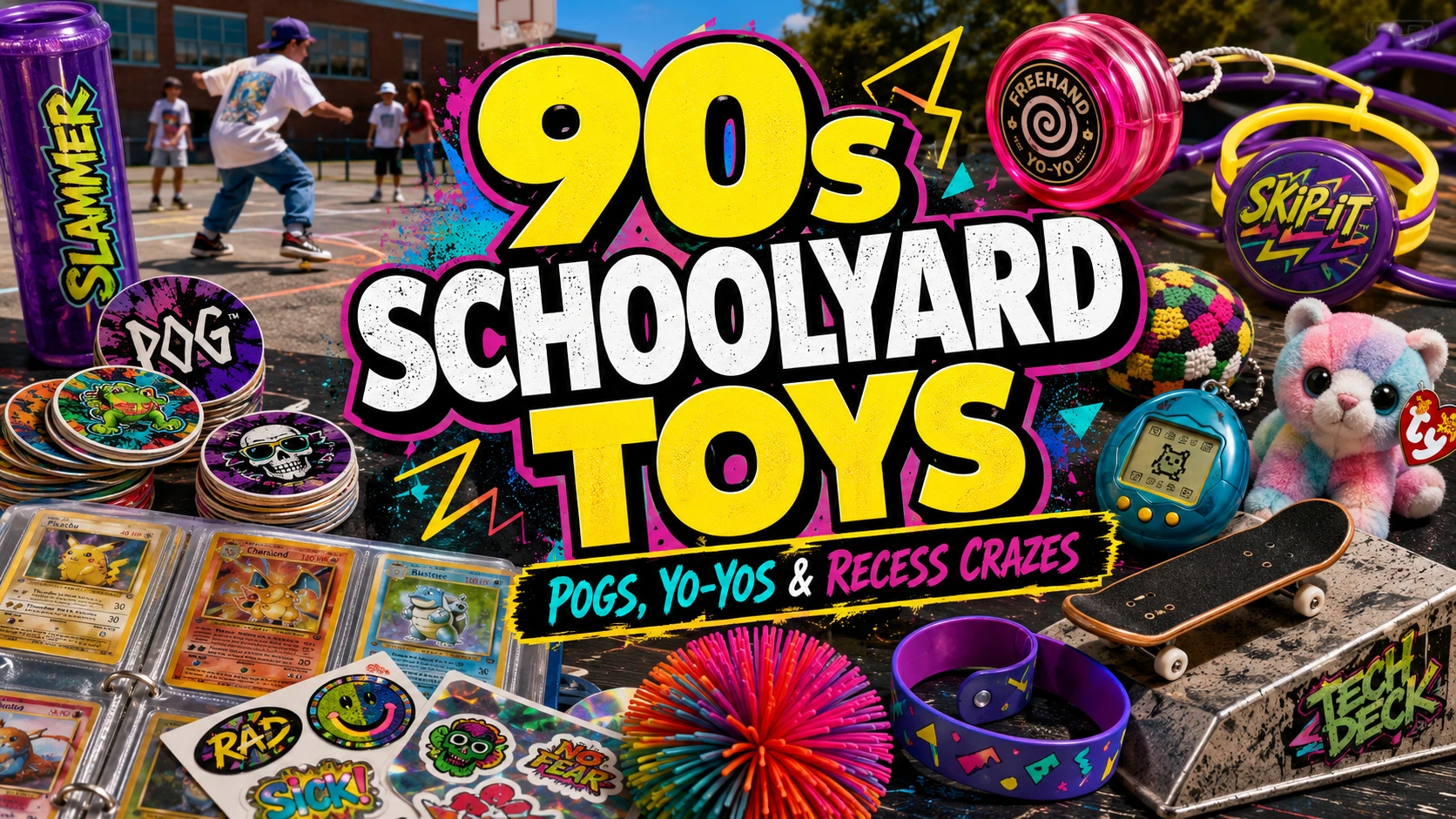
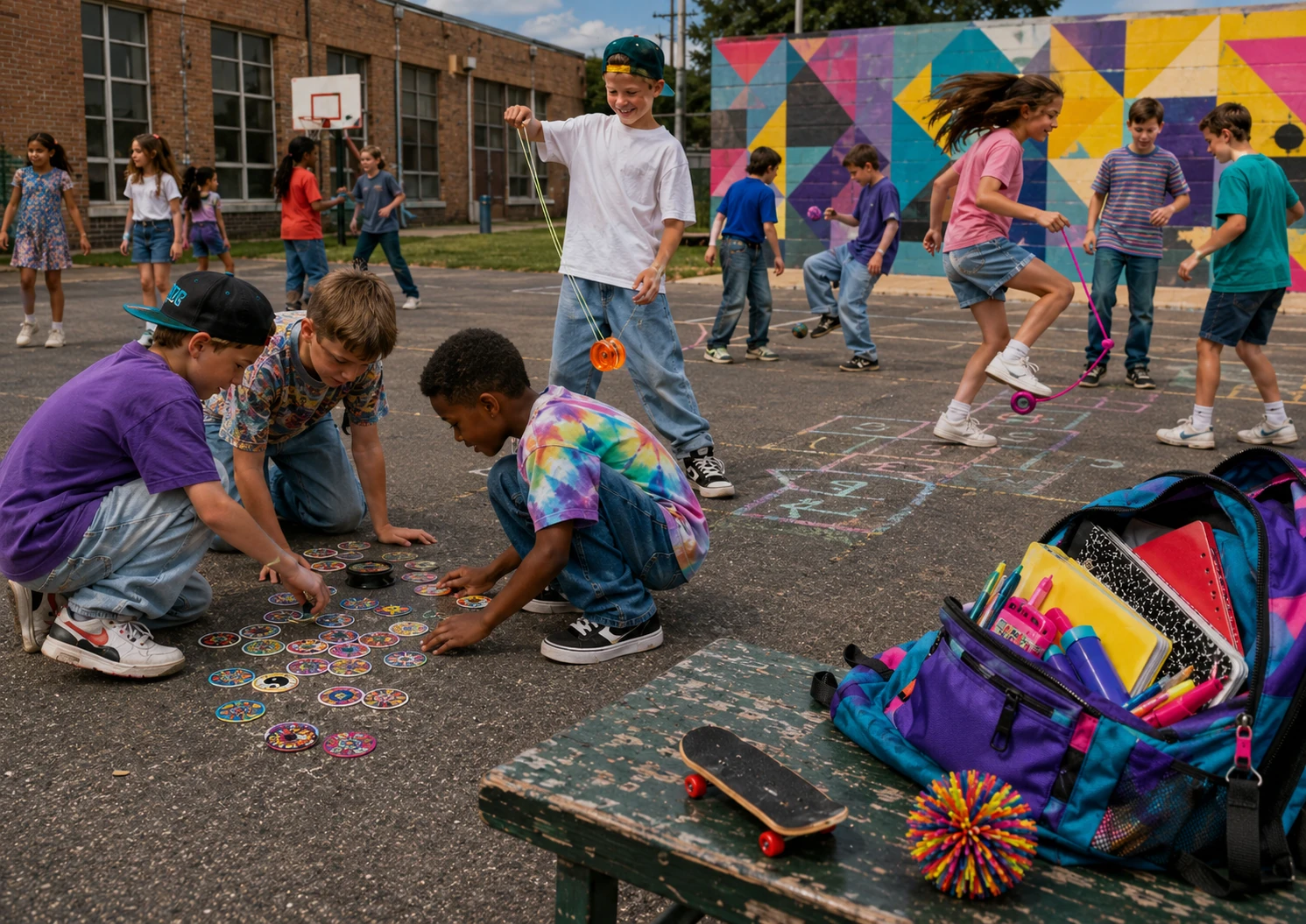
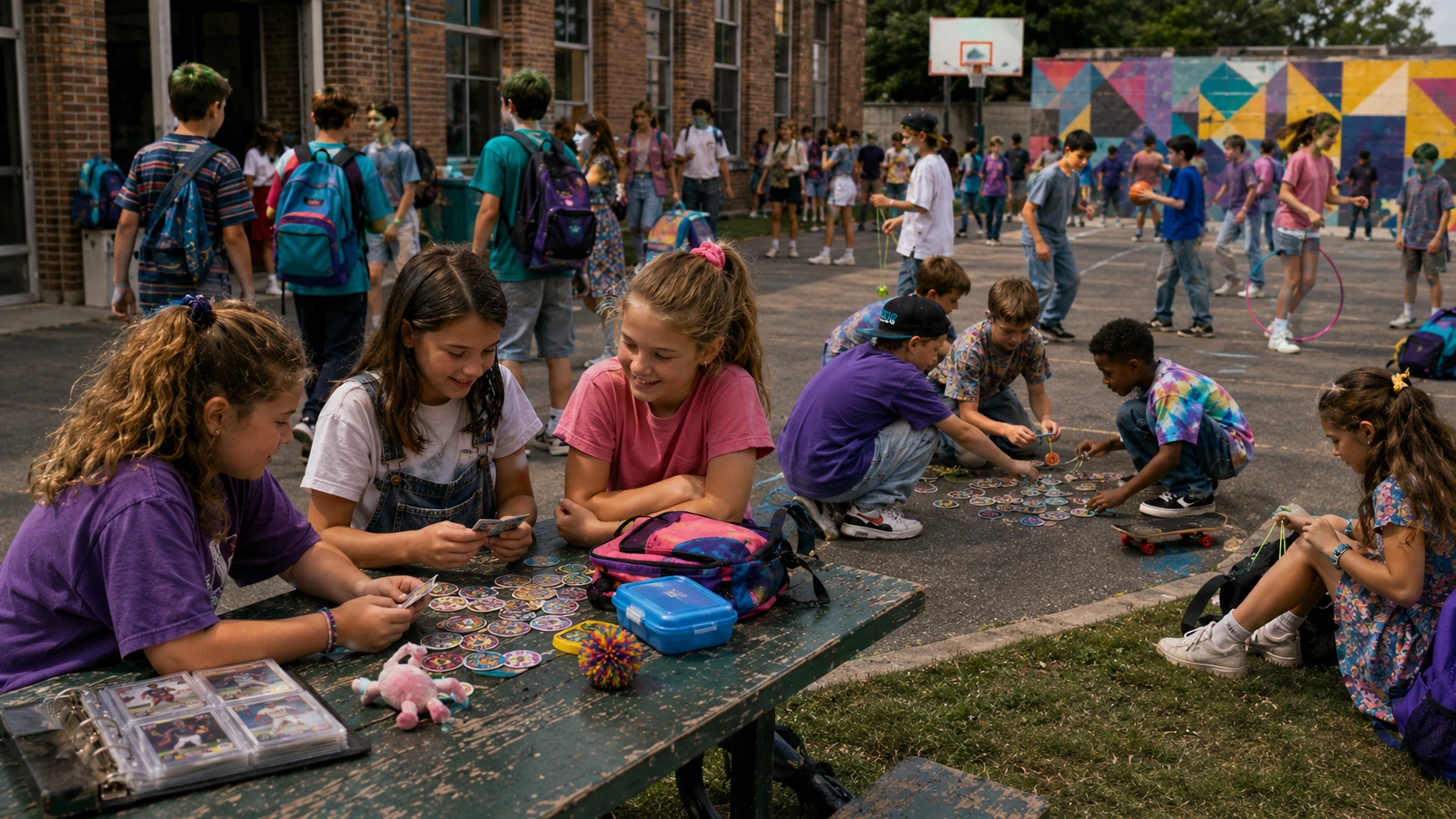
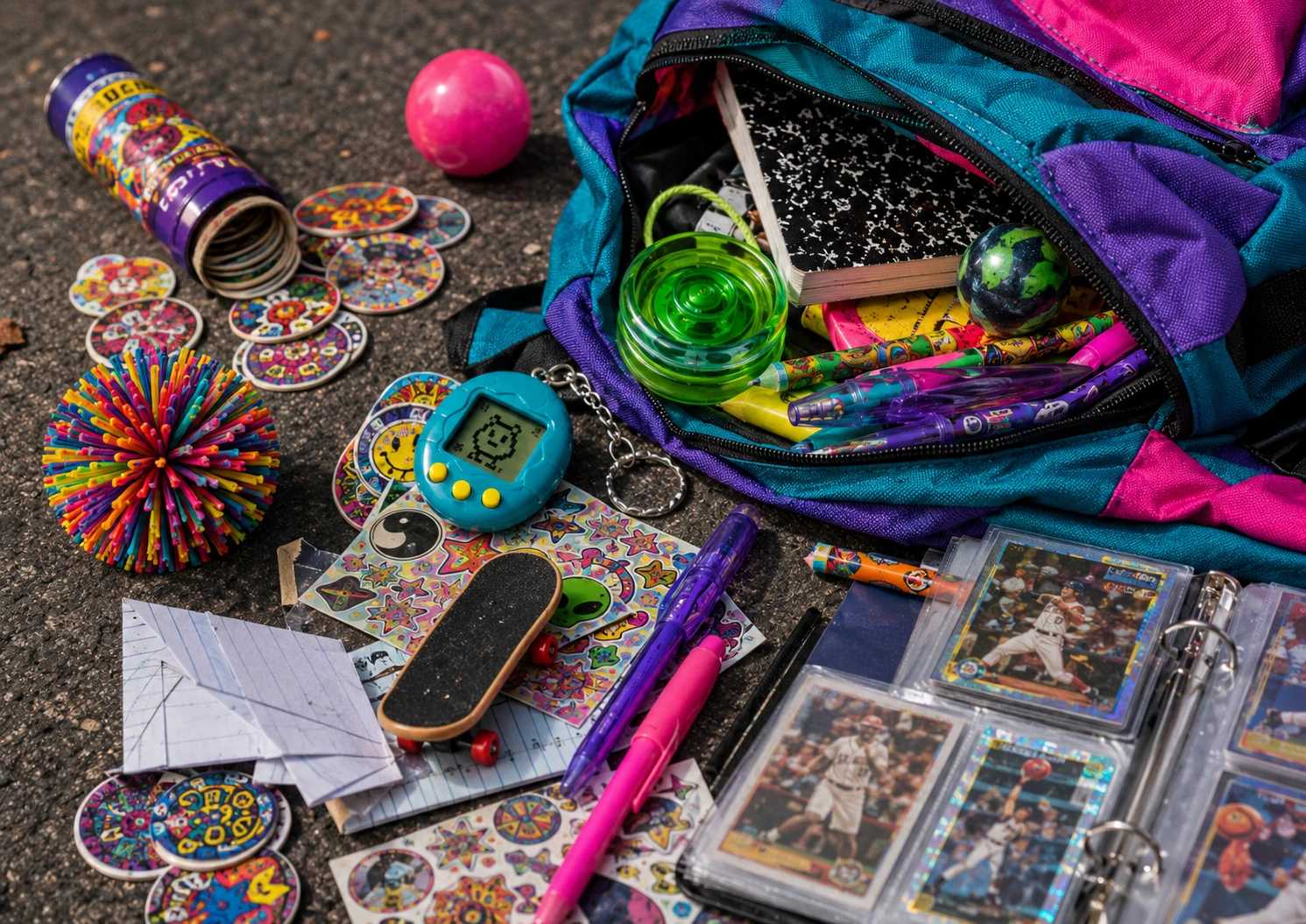
Pogs, yo-yos, Skip-It, hacky sacks, digital pets, Pokémon cards and all the pocket-sized junk we dragged to school like tiny entrepreneurs with no business license. The 90s playground was part sports arena, part trading floor, part talent show and part low-security detention center.
We did not need an app to tell us what was trending. We had one kid arrive on Monday with a new toy, three kids copy it by Wednesday, and a principal memo banning it by Friday. That was the algorithm.
Recess was part playground, part trading floor and part unofficial talent show.
What were the biggest 90s schoolyard toys?
The defining 90s schoolyard toys and recess crazes included Pogs and slammers, yo-yos, Skip-It, hacky sacks, Crazy Bones, Tech Deck fingerboards, Tamagotchi and other digital pets, Pokémon cards, Beanie Babies, Polly Pocket, Mighty Max, Koosh balls, slap bracelets, sticker collections and whatever tiny plastic object the entire fourth grade suddenly decided had value.
What made these 90s playground toys different from ordinary home toys was not where they were sold. They were portable, public and social—the kind of school fads you could perform with, trade, rank, argue over and lose before lunch.
This page is about the toys and fads that spread through school: the stuff in pockets, backpacks, pencil boxes, coat sleeves and confiscation drawers. For bikes, blasters and bigger outdoor gear, head to 90s Backyard Toys, Bikes & Blasters.
The Four-Part Formula
Why Some Toys Took Over the Entire School
A toy could be popular at home and still die a quiet death in the classroom. A real schoolyard craze needed four things: portability, public performance, a social economy and enough chaos to make adults nervous.
It Had to Travel
The best recess toys fit in a pocket, backpack or lunch bag. Nobody was carrying a six-foot playset through homeroom. Pogs, cards, yo-yos, tiny figures and digital pets traveled because they were built for movement and because childhood security consisted of a zipper that worked most of the time.
It Had to Be Seen
A schoolyard toy needed a public moment. A yo-yo trick, a Skip-It score, a rare Pokémon card or a slammer that could dent municipal property gave kids something to demonstrate. Recess was a live feed before live feeds existed.
It Needed an Economy
The craze got stronger when toys could be traded, compared or ranked. Duplicate cards became currency. A rare Crazy Bone became leverage. A shiny Pog became a small financial instrument managed by children who still forgot their multiplication tables.
Adults Had to Hate It
Nothing legitimized a craze faster than a school ban. Once teachers started confiscating items and parents received a photocopied warning, the toy had officially crossed from “thing kids like” into “cultural event.”
The Stuff That Owned Recess
The 90s Schoolyard Toy Hall of Fame
These were not always the decade’s biggest toys overall. They were the toys that became social once they crossed the school doors—the ones that turned ordinary blacktop into competition, theater, commerce and mild administrative panic.
Mid-90sCollecting + CompetitionPeak Confiscation Energy
Pogs and Slammers
Cardboard circles became currency because the 90s were not afraid to commit to a ridiculous idea and make it glorious.
Pogs turned a patch of blacktop into a trading floor, game table and argument waiting to happen.
What They Were
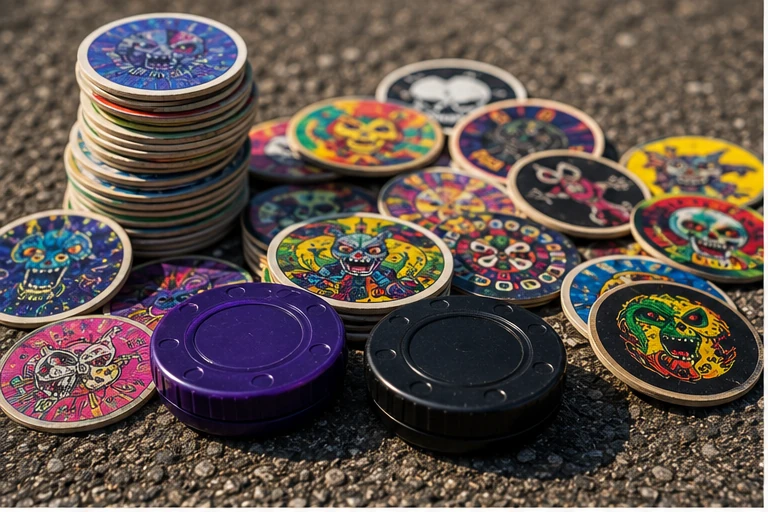
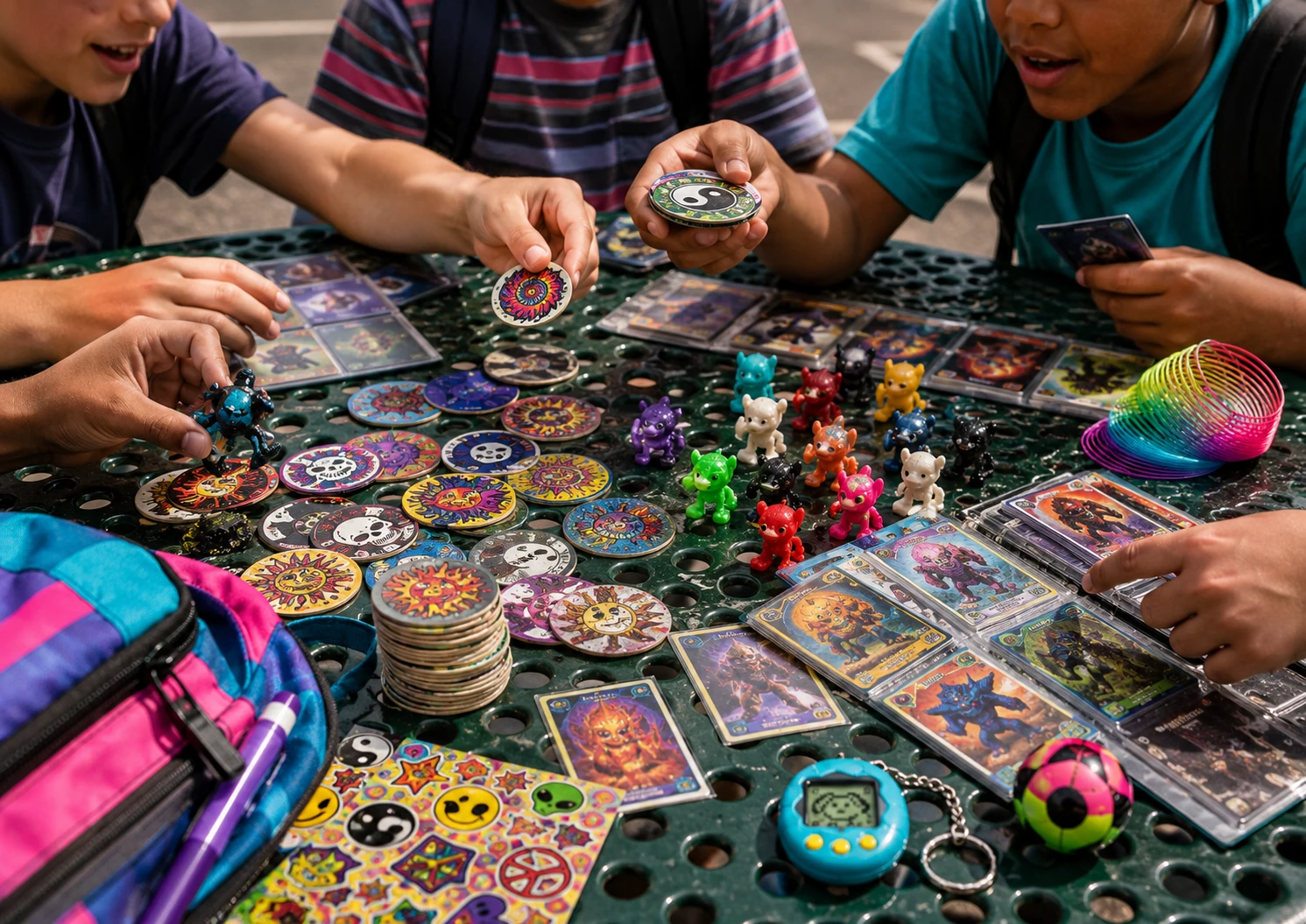
Pogs were small cardboard discs printed with logos, characters, skulls, flames, sports graphics, cheap jokes and every design a manufacturer thought could survive on an inch-and-a-half circle. The basic game was simple: stack the Pogs face down, hit the stack with a heavier slammer and keep whatever flipped over. Simple rules, cheap pieces and immediate results made the game perfect for recess.
The slammer mattered almost as much as the Pogs. Plastic slammers were common, but metal slammers carried status because they felt serious, sounded dangerous and looked like they belonged in a toolbox. Thickness, weight, edge shape and artwork all became part of the strategy. Every kid had an opinion about which slammer hit harder, flipped more Pogs or should have been banned under international law.
Why They Took Over School
Pogs spread because they combined several kinds of play at once. They were collectible like cards, competitive like marbles and cheap enough for kids to accumulate quickly. A single tube could hold dozens, and a new design created immediate demand even if nobody had any intention of using it in a game.
The game also created spectators. A crowd could gather around a stack on the blacktop, watch one throw and understand the outcome instantly. There was no setup screen, rulebook or lengthy explanation. Stack, slam, flip, argue. That speed matched recess perfectly.
Because the pieces were so small, Pogs could move through school almost invisibly. They appeared before the bell, at lunch, on the bus and in the back row of class. A whole collection could be carried in one tube, which was convenient until that tube opened inside a backpack and distributed forty discs through three textbooks and a half-eaten granola bar.
The Playground Economy
Pogs created a miniature economy with several levels of value. Some were valuable because they looked cool. Some seemed rare because nobody else had seen them. Some had licensed characters. Others were generic but had holographic foil, aggressive artwork or colors that made them feel important.
Trading was constant. Kids swapped duplicates, built themed collections and negotiated bundles. The logic was rarely consistent. One kid valued a Pog because it had a shark. Another valued it because it was shiny. A third announced that it was “retired,” a word that carried enormous authority even when nobody knew what company had made it.
Keepsies changed everything. Playing for keeps transformed a casual game into a risk. Suddenly the stack contained actual property, and every disputed flip mattered. Some schools allowed casual games but banned keepsies. Other schools banned Pogs completely because arguments over ownership followed kids back into class.
The Unwritten Rules
Every playground developed local rules. Some allowed a warm-up throw. Some required the slammer to hit the top of the stack. Some counted a Pog only if it landed face up and cleared the pile. Others treated any flipped disc as a win. The rules changed from school to school and sometimes from game to game depending on who was losing.
The most important rule was never to use a favorite Pog in a keepsies game. That lesson was usually learned once, painfully, after a treasured holographic piece disappeared into somebody else’s tube.
Why Adults Hated Them
From an adult perspective, Pogs combined distraction, gambling, arguments and small objects that scattered everywhere. Teachers saw games continue under desks. Parents saw children trading away purchases. Administrators saw fights over whether a flip counted. Metal slammers added a safety concern because children inevitably tested them on surfaces other than Pog stacks.
Confiscation did not kill the craze. It made the game feel more important. A teacher taking a tube created a story, and the story advertised the toy to anyone who had not already joined.
How the Craze Ended
Pogs faded quickly because their strength was also their weakness. They depended on shared attention. Once fewer kids played, the value of a collection dropped. New designs stopped feeling urgent, stacks became harder to organize and the social energy moved to another object.
The abrupt collapse is why Pogs remain such a perfect 90s memory. They went from everywhere to nowhere with almost no transition. One semester they were playground currency. Soon after, they were loose circles at the bottom of a drawer.
The memory: the clatter of a slammer on concrete, a tight circle of kids leaning over a stack and one argument continuing all the way back to class.
Why they mattered: Pogs turned collecting into a public game and made the schoolyard itself the marketplace.
For six weeks, every school had one kid who acted like “Walk the Dog” was a black-belt discipline.
For a few glorious weeks, every school had a yo-yo expert and thirty kids working on the same three tricks.
An Old Toy Gets a 90s Upgrade
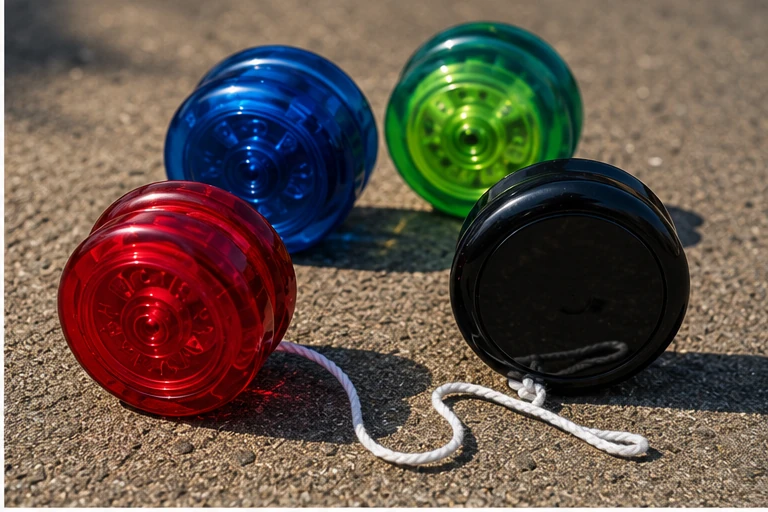
Yo-yos had existed for generations, but the 90s comeback made them feel new through bright colors, translucent plastic, aggressive packaging and designs that helped beginners keep the yo-yo spinning. Models such as the Yomega Brain became symbols of the revival because they promised easier returns and longer spins, which meant kids could move beyond dropping the toy straight down and watching it refuse to come back.
The technology mattered because traditional yo-yos punished beginners immediately. The 90s versions softened that learning curve. A child could buy the right model, learn to make it sleep and suddenly feel capable of tricks that looked impossible a week earlier.
Why the Schoolyard Loved Them
Yo-yos were portable, visible and skill based. One fit in a pocket, needed no batteries and could create a performance anywhere with a few feet of clearance. That made them ideal for recess and terrible for crowded hallways.
Unlike a purely collectible fad, the social hierarchy was not based only on ownership. The model mattered, but ability mattered more. A kid with a basic yo-yo could earn respect by landing tricks. A kid with an expensive model could still humiliate himself by sending it sideways into a fence.
The tricks gave the craze a built-in ladder. Sleeper came first. Walk the Dog looked impressive even when the yo-yo was simply grinding against concrete. Rock the Baby suggested control. Around the World suggested confidence and a willingness to endanger bystanders. More advanced tricks created local legends.
The Demonstration Effect
Store and school demonstrations helped the craze spread. A skilled performer could make a yo-yo look alive, and the gap between expert ability and beginner failure created desire. Kids did not only want the toy; they wanted the transformation from clumsy beginner to the person everyone watched.
Once one skilled kid appeared at school, the learning accelerated. Tricks passed through imitation. Advice spread about string length, hand position, tension and which model slept longest. Recess became an informal workshop led by children who had been practicing for three days and were already speaking like engineers.
The Gear Obsession
Strings became supplies. Extra strings signaled seriousness. Knots were repaired, loops adjusted and worn sections replaced. Some kids carried several yo-yos for different tricks. Others spent more time discussing equipment than using it.
Colors and shapes also created collecting behavior. Even though skill was central, kids still wanted different models, special editions and translucent shells. The craze blended performance with product desire, which made it stronger than a single-purchase toy.
Why Teachers Stepped In
A yo-yo is a weighted object attached to a string, and children immediately explored every possible radius. That meant tangled strings, swinging collisions, broken ceiling tiles and tricks attempted in spaces too small for them. The classroom version was worse: yo-yos rolled under desks, snapped against chair legs and appeared during lessons because someone “just wanted to fix the string.”
Many schools restricted yo-yos to recess or banned them after injuries and disruptions. The restrictions often became part of the mythology. A toy that adults considered dangerous felt more serious than one approved for quiet indoor play.
Why the Comeback Faded
Skill crazes require continued practice. That creates strong loyalty among the dedicated but rapid drop-off among everyone else. Once the initial excitement passed, many yo-yos ended up tangled, knotted or unused. The children who truly loved the skill continued, while the broader crowd moved to the next craze.
The comeback still left a permanent memory because it turned an old toy into a temporary schoolwide sport. For one stretch of the late 90s, every smooth patch of pavement looked like a competition zone.
The memory: a knot so bad that three kids spent all of recess trying to fix it while claiming they were still “playing.”
Why they mattered: yo-yos proved that a schoolyard craze could reward practice, not just buying and collecting.
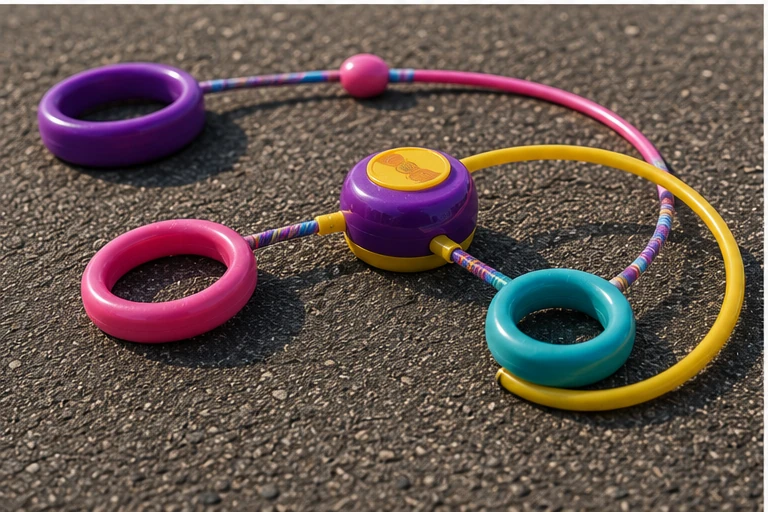
It was a fitness toy disguised as a plastic ankle trap, and somehow we begged for it.
Skip-It made exercise competitive, public and just dangerous enough to stay interesting.
How It Worked
Skip-It used a ring around one ankle connected to a plastic arm and weighted ball. The player swung the ball in a circle and jumped over the arm with the other foot. The motion looked simple until the toy hit an ankle, tangled a leg or stopped dead after three rotations.
Later versions emphasized counters and scoring, turning a repetitive movement into a measurable challenge. The score gave the toy purpose. Without it, Skip-It was exercise. With it, Skip-It became a record attempt.
Why It Worked at Recess
Skip-It had the same public-performance power as a yo-yo but required less technical vocabulary. Everyone could understand the goal: keep going and make the number higher. A successful run drew a crowd because the rhythm was obvious and the failure point was dramatic.
The toy also created quick competition. One child set a score, another tried to beat it and a third insisted the counter had skipped. Recess did not need official tournaments. A group could create one in seconds.
Space mattered. Skip-It belonged on blacktop, pavement and driveways. It was not a hallway toy unless someone wanted immediate adult intervention. The need for open space made it highly visible, which helped spread the craze.
The Physical Reality
Skip-It was sold as fun movement, but the toy demanded timing, balance and stamina. Beginners often discovered that the plastic arm had no interest in protecting feelings. Ankles took hits. Shoes caught the loop. The ball bounced into nearby legs.
Once the rhythm clicked, however, the experience became hypnotic. The repetitive motion and rising score created a personal challenge. Kids could practice alone and then bring the result into a group setting.
The Social Side
Skip-It was less collectible than Pogs and less customizable than yo-yos. Its value came from performance. The best player did not necessarily own the fanciest version; that player simply had better rhythm and endurance.
That made the craze relatively accessible. One toy could pass among several kids, and each attempt created a new score to chase. The group did not need everyone to own one at the same time.
Why It Did Not Last Forever
The toy had a limited trick vocabulary. You could improve speed, endurance and control, but the experience did not expand endlessly. Once the score challenge lost urgency, the toy became repetitive.
Skip-It also competed with weather, space and other outdoor activities. It thrived during stretches when blacktop play was possible and disappeared during winter, rain or the arrival of a more portable fad.
The memory: hearing the counter click, trying not to look down and knowing the run would end the moment somebody yelled your score.
Why it mattered: Skip-It turned solo exercise into a public scoreboard and made the blacktop feel like an arena.
A circle formed, one kid said “keep it up,” and suddenly everyone was pretending knees had fine motor skills.
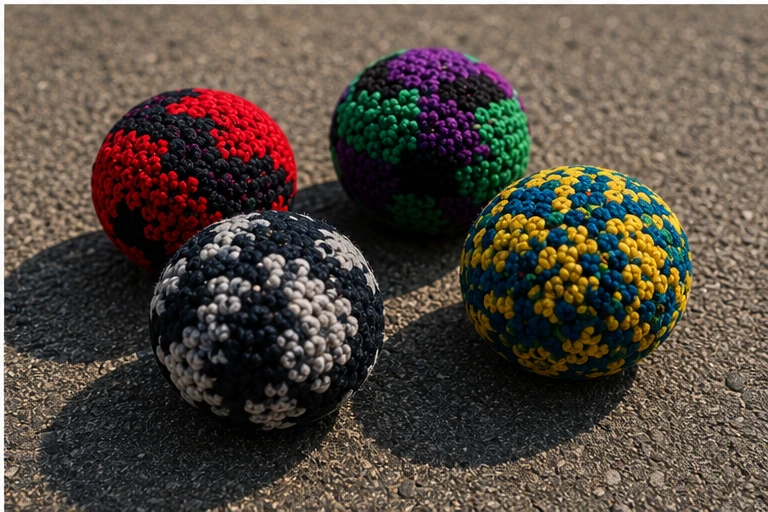
One footbag, one circle and endless confidence that the next rally would finally be the good one.
The Simplest Group Toy on the Playground
A hacky sack required almost nothing: one small footbag, a little open space and a group willing to keep it off the ground without using hands. There was no board, no battery, no official score and no need for every player to own equipment.
That simplicity made it one of the most social schoolyard toys of the decade. Anyone could join the circle. Skill mattered, but the group still benefited when a beginner managed one clean kick instead of sending the bag directly into somebody’s chest.
Why the Circle Mattered
The physical arrangement shaped the culture. Players stood facing one another, which made the game conversational. Unlike a race or one-on-one competition, hacky sack allowed people to talk while playing. The toy became a reason to gather.
The circle also created informal etiquette. Do not hog the bag. Do not use your hands. Try to pass toward another player. Apologize when the footbag flies into someone’s face. Celebrate a long rally even if your personal contribution was one accidental knee bounce.
Skill Without Formal Rules
Basic play involved keeping the footbag in the air. More experienced players used stalls, inside kicks, outside kicks and controlled passes. Local groups invented their own goals, records and acceptable techniques.
Because the game lacked one universal competitive structure, it could be casual or serious. Some circles counted total hits. Others tried to include every player before the bag dropped. Some focused on individual tricks. The toy adapted to the group instead of forcing the group into one format.
The Lifestyle Connection
Hacky sack carried more cultural identity than its simple construction suggested. It overlapped with skate style, alternative music, festival culture and the relaxed anti-sport posture of kids who wanted an activity without uniforms or coaches.
The footbag could be clipped to a backpack or carried in a pocket. Owning one signaled that a circle might form anywhere: before school, during lunch, after practice or outside a concert. It was a social object disguised as a toy.
Why Adults Usually Tolerated It
Compared with metal slammers, swinging yo-yos and noisy electronics, hacky sacks looked relatively harmless. The toy was soft, quiet and usually played outdoors. Adults tended to intervene only when the circle blocked a walkway or the bag appeared during class.
That tolerance may explain why hacky sack never experienced the same dramatic ban-driven peak as Pogs or digital pets. It spread more slowly and lasted longer because it did not trigger the same administrative response.
Why It Endured
Hacky sack did not depend on collecting new pieces or following a media franchise. The core activity remained useful as long as a group wanted to play. That gave it a longer cultural life than many short-lived fads.
Even when it was not the dominant craze, it remained available. The footbag stayed in backpacks, cars and bedrooms, ready to reappear whenever several people stood around with nothing to do.
The memory: one unexpectedly perfect rally followed by ten straight attempts where nobody touched the bag twice.
Why it mattered: hacky sack made recess cooperative, social and low-cost in a decade full of collecting pressure.
Late 90sPocket CollectiblesRules Optional
Crazy Bones
Tiny plastic weirdos became collectible because kids can create a functioning economy out of anything smaller than a grape.
Crazy Bones turned tiny plastic characters into trades, target games and playground status.
What Made Them Different
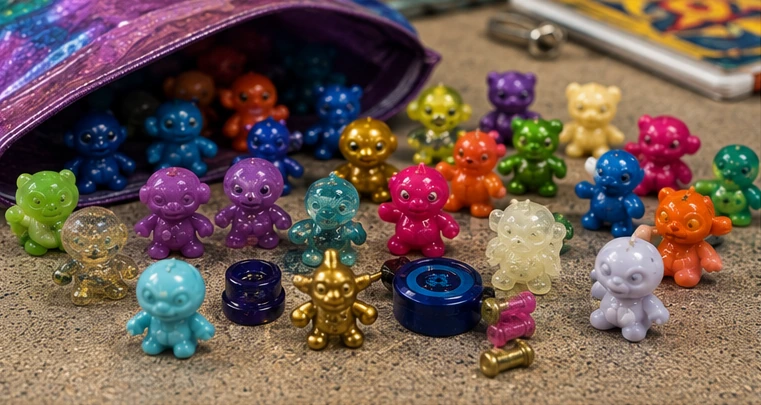
Crazy Bones were small molded figures with strange poses, exaggerated faces and enough variation to make each one feel like a character. Different shapes, colors and finishes encouraged collecting, while the figures could also be used in several simple games.
The figures had more personality than a plain game piece. Kids assigned favorites, invented names, ranked designs and treated certain molds as more powerful even when the rules did not officially support that conclusion.
Why They Belonged at School
Crazy Bones fit in pockets, pencil cases and small bags. A collection could be poured onto a desk or lunch table and become instantly social. The figures were durable enough to survive backpacks and cheap enough for children to build groups quickly.
They also worked in multiple settings. Kids could trade them, display them, flick them toward targets or create games using chalk lines and classroom objects. The lack of one dominant rule set helped rather than hurt. Every group could adapt the toys to available space.
Collecting and Rarity
Color and finish influenced perceived value. A common mold in an unusual color could become desirable. Translucent or metallic-looking pieces gained status because they appeared different, even if nobody had reliable information about production numbers.
Like many 90s collectibles, Crazy Bones benefited from uncertainty. Kids did not have instant databases or online checklists. Knowledge moved through packaging, friends and rumor. That made discovery exciting and misinformation extremely efficient.
The Games Kids Invented
Some games involved tossing figures toward a line or target. Others used flicking, knocking opponents down or assigning points to different positions. The figures could become mini bowling pins, projectiles or characters in improvised battles.
The best part was that the rules could change to fit the moment. Five minutes at lunch required a quick target game. A longer recess allowed a tournament. A classroom desk encouraged quieter flicking until the teacher noticed several plastic figures moving across a worksheet.
The Social Hierarchy
Collectors with large groups became authorities. Kids learned which molds other people wanted and used duplicates for trades. A rare-looking figure could anchor a deal involving several ordinary pieces.
Because the toys were tiny, losing one was easy. Ownership disputes followed naturally. A figure found on the floor could have three immediate claimants, all certain it had been theirs since birth.
Why They Faded
Crazy Bones arrived late in a decade already crowded with cards, digital pets, fingerboards and electronic games. They created strong local crazes, but their universe was less connected to television and video games than Pokémon.
Once attention moved, the figures became easy to forget because they were physically small and scattered. Many collections dissolved one piece at a time into drawers, couch cushions and vacuum-cleaner history.
The memory: pouring a handful onto a table and immediately knowing which one everybody wanted.
Why they mattered: Crazy Bones combined character collecting with playground invention, letting every school create its own games.
Skateboarding shrank to three inches and immediately took over desks, textbooks and every smooth surface adults needed us to leave alone.
Tech Deck turned notebooks, rulers and desk edges into a miniature skate park.
A Miniature That Felt Real
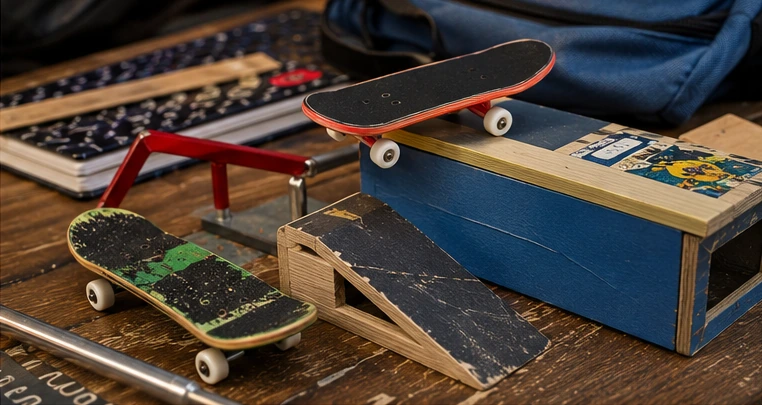
Tech Deck fingerboards succeeded because they captured details that made skateboards recognizable: shaped decks, grip tape, working trucks, tiny wheels and graphics connected to skate culture. They felt like scaled-down equipment instead of generic plastic toys.
That realism mattered to kids who already followed skateboarding, but it also opened the culture to kids who could not skate, did not own a board or had no interest in falling on concrete. Fingerboarding offered the image and vocabulary of skateboarding without the emergency-room potential.
School Provided the Skate Park
Desks, binders, rulers, textbooks and pencil cases became terrain. A stack of books formed stairs. A pencil became a rail. The edge of a desk became a ledge. The school building supplied an endless miniature city.
This made fingerboards unusually suited to classroom life. The toy could be used in a tiny space and hidden quickly. It was quiet compared with a yo-yo, but the repeated clicking of wheels and trucks against a desk eventually attracted attention.
Skill and Status
Simple pushing was easy. Controlled tricks were not. Ollies, flips and grinds required finger timing, pressure and repetition. The difficulty created local experts whose hands seemed to make the board ignore gravity.
Like yo-yos, fingerboards rewarded practice. A child could own a great deck and still fail every trick. That kept the toy from becoming only a collectible, even though graphics and brands encouraged kids to own several.
The Collection Side
Different deck graphics, shapes and branded designs gave the toys display value. Kids compared boards, swapped parts and carried favorites. The tiny hardware made customization feel technical, even when the actual modification involved losing one microscopic screw forever.
Collections also connected to identity. A deck graphic could reflect favorite brands, colors or skate styles. Choosing a board felt more personal than choosing a generic toy color.
Why It Spread Late in the Decade
By the late 90s, skate culture had strong visibility through clothing, music, television and video games. Tech Deck translated that larger cultural moment into a product small enough for school.
The toy also matched the decade’s movement toward miniature systems and branded worlds. It was not just a single object. Ramps, rails, multiple decks and replacement parts expanded the experience.
Why Teachers Disliked It
Fingerboards turned every flat surface into a play area. That meant desks during lessons, textbooks during reading and rulers during math. The toy was quiet enough to survive for a while but distracting enough to become a recurring problem.
Pieces also traveled. Wheels and screws disappeared. Boards shot off desks. A perfect trick could end underneath the teacher’s chair, which made retrieval politically complicated.
The memory: building an elaborate ramp from school supplies and landing exactly one trick before the whole structure collapsed.
Why it mattered: Tech Deck compressed skate culture, collecting and skill into something that could live inside a pencil box.
1997–1999Electronic PetsBeeping During Instruction
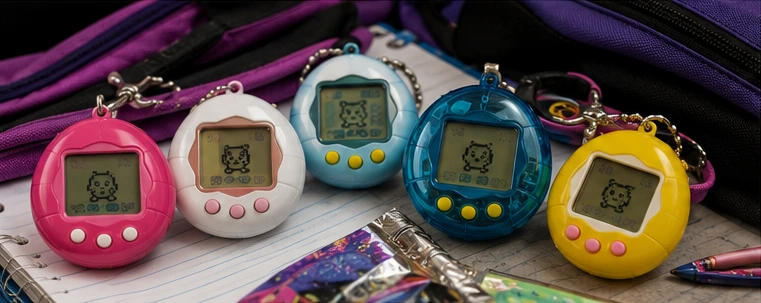
Tamagotchi, Giga Pets and the Digital Pet Panic
We carried pixelated responsibility on a keychain and learned that virtual creatures could die during social studies.
Digital pets kept beeping through class because virtual creatures did not respect the school schedule.
A Toy That Refused to Wait
Digital pets changed the schoolyard toy equation because they continued operating when the child was busy. A Pog did nothing inside a backpack. A digital pet became hungry, dirty, bored or sick. The device created a schedule, and that schedule did not care about spelling tests.
The keychain format made the toy easy to carry and display. Screens were small, graphics were simple and controls were limited, but the creature’s needs created emotional investment. Progress accumulated over time, giving the toy a story rather than a single play session.
The School-Day Problem
Classroom schedules conflicted directly with pet care. Children wanted to check status, feed the creature, clean messes and respond to beeps. Teachers wanted everyone to stop staring at a plastic egg during instruction.
Some kids muted devices when possible. Others hid them under desks. Some gave them to parents during the day, creating an entire generation of adults temporarily responsible for digital creatures they had not requested.
The constant attention made digital pets socially visible even when they were not actively used. A beep announced ownership. A dead pet created conversation. A successful evolution became a status symbol.
Why Kids Became Attached
The creature depended on the player, which gave ordinary button presses emotional weight. Feeding and cleaning were simple actions, but neglect had consequences. The toy created a feeling of responsibility without the cost, smell or household negotiation of a real pet.
Children compared age, health and development stages. Some treated the pet like a companion. Others treated it like a score. Both approaches created reasons to discuss the device with friends.
Tamagotchi vs. the Rest
Tamagotchi became the name most closely associated with the craze, but competing digital pets expanded the category. Giga Pets, Nano Pets and other devices offered different animals, interfaces and designs.
The competition strengthened the schoolyard ecosystem because children could compare brands and creatures. One kid had a dinosaur. Another had a dog. Another insisted a particular version was harder to keep alive, which gave failure a heroic explanation.
The Rumor Network
Digital pets generated endless rumors about hidden characters, secret button combinations, rare evolutions and ways to extend life. Some tips were accurate. Others were playground folklore delivered with complete certainty.
Because the devices recorded progress over time, rumors felt plausible. A different feeding pattern might create a different result. A hidden function might exist. The mystery encouraged experimentation and made every unusual outcome worth discussing.
Why Adults Pushed Back
The devices were not physically dangerous, but they were designed around interruption. Beeps demanded attention. Children checked them repeatedly. Schoolwork competed with a toy whose entire premise was that neglect caused harm.
Many schools restricted or banned digital pets because the distraction was continuous rather than occasional. That made them different from toys used only at recess. The craze entered the classroom every hour of the day.
How the Craze Changed Toys
Digital pets helped normalize the idea that a toy could remember progress, require ongoing care and evolve over time. The relationship did not reset when play ended. The device carried history.
That idea pointed toward later digital games, connected toys and mobile experiences. The graphics were primitive, but the emotional loop was modern: check, respond, improve, worry and repeat.
The memory: opening a backpack after lunch, seeing the screen and realizing the creature had experienced a complete tragedy while you were learning long division.
Why they mattered: digital pets brought persistent virtual life into school years before phones made constant checking normal.
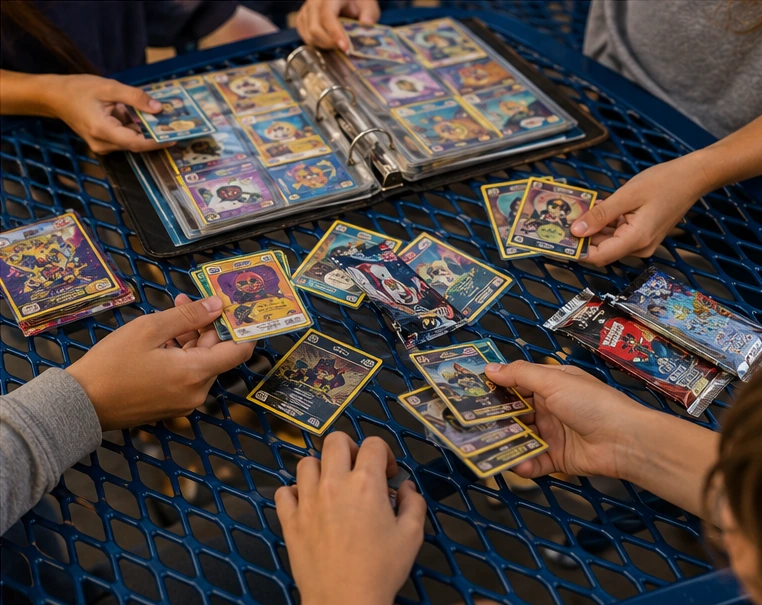
The lunch table became a trading floor, the binder became a portfolio and a shiny card could ruin a friendship before dessert.
The lunch table became a trading floor where binders opened, offers flew and bad deals followed kids back to class.
Why the Cards Hit Differently
Pokémon cards arrived with an advantage most schoolyard collectibles never had: children already knew the characters through games and television. The cards were not abstract designs. They represented creatures with names, powers and personalities.
That recognition gave every pack emotional potential. A card could be useful in the game, valuable to a collector or personally important because the character was a favorite. Several kinds of value operated at once.
The Binder Era
Binders turned collections into public displays. Plastic pages organized cards by type, number, rarity or personal preference. A well-kept binder created status before a single trade happened.
The binder also changed how children moved through school. It could be carried to lunch, opened on a table and inspected page by page. Other kids pointed, asked questions and made offers. The collection became a social object and a conversation map.
Condition mattered immediately. Cards went into sleeves. Corners were inspected. Bending a card was almost a moral failure. Children who treated every possession like a crumpled worksheet suddenly developed museum-level handling procedures.
Trading as a Social Skill
Pokémon trades required knowledge. Kids learned names, rarity symbols, evolution lines and which characters other people wanted. A fair trade was not always equal in official value; it depended on personal goals and local demand.
That flexibility created both excitement and conflict. Older or more experienced kids sometimes understood value better than younger collectors. Regret followed bad trades. Parents and schools became involved when children exchanged cards considered expensive or emotionally important.
The phrase “no trade-backs” carried real weight because a child could realize ten minutes later that the deal had been terrible.
The Game and the Collection
Not every child played the official card game. Many collected only. Others created simplified rules or used cards as character rankings. The product succeeded because it did not require one form of participation.
Players cared about card abilities and deck construction. Collectors cared about completeness, artwork and rarity. Fans cared about favorite Pokémon. The same card could serve all three groups.
How Pokémon Connected Everything
The cards were part of a larger system. The Game Boy titles encouraged catching and trading. The television show made characters familiar. Toys and merchandise filled stores. The cards gave children a portable version of the universe that could enter school.
This cross-format connection made the craze durable. A child could watch an episode, discuss it on the bus, trade cards at lunch and continue the adventure in a handheld game after school. Each part strengthened the others.
The School Response
Cards created distraction, theft accusations and trade disputes. Some schools limited trading to certain times. Others banned cards after repeated conflicts. The small size made enforcement difficult because a deck could disappear into a pocket instantly.
Bans also increased the sense that the cards mattered. A prohibited binder became more exciting, not less. Children simply moved the market to bus stops, sidewalks and after-school programs.
Why the Craze Lasted
Unlike many 90s fads, Pokémon continued because the underlying universe kept expanding. New games, creatures, card sets and generations gave the system fresh material.
The original schoolyard experience remains powerful because it was the moment many kids first understood that a collection could connect people across games, television and physical objects. The binder was not just storage. It was identity.
The memory: a crowd around one open binder, everyone speaking at once and one child holding a card by the edges like it belonged in a vault.
Why they mattered: Pokémon cards turned the schoolyard into the meeting point for games, television, collecting and trade.
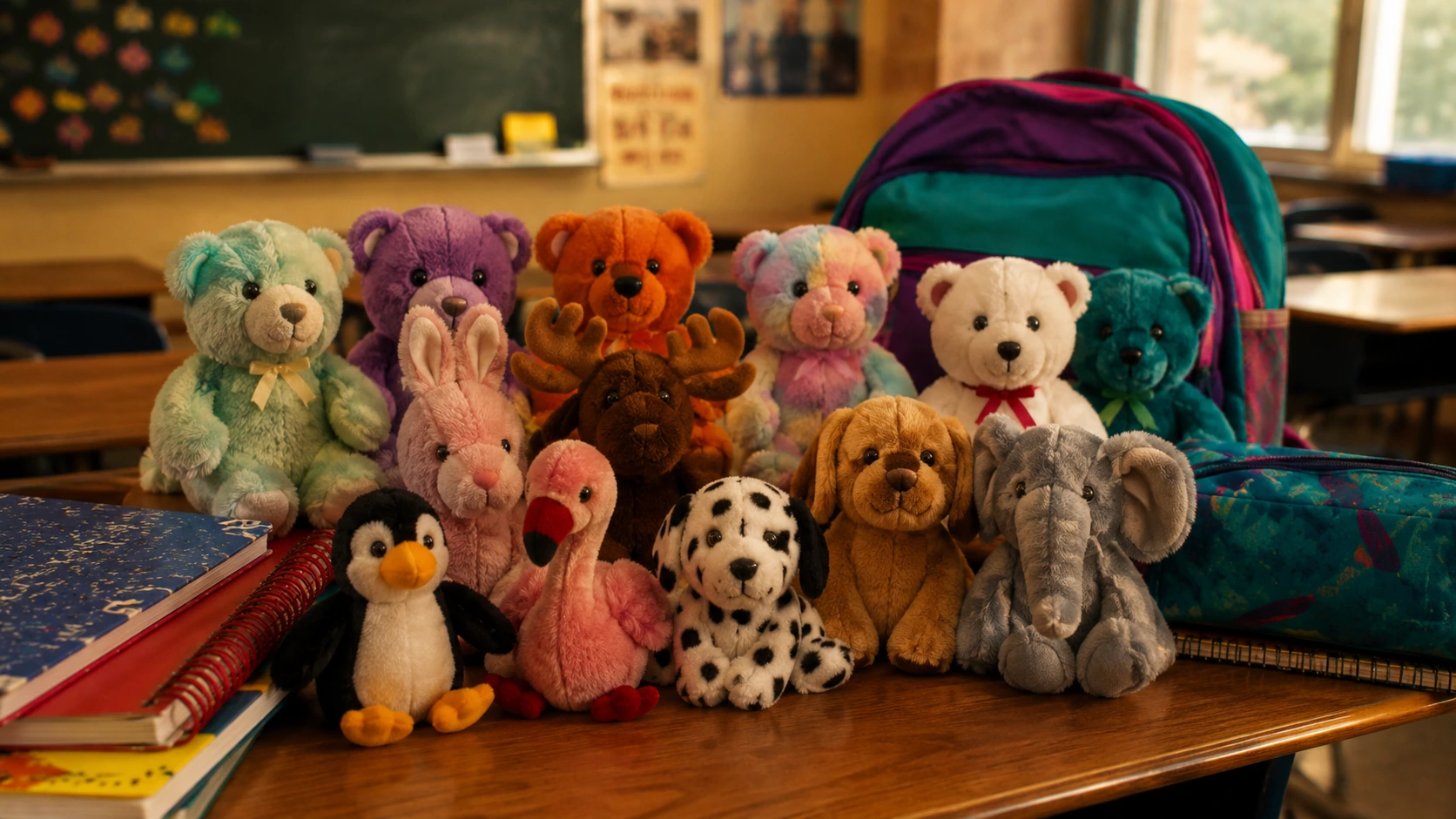
A tiny plush animal with a heart-shaped tag somehow made adults and children equally irrational, which was honestly impressive.
Beanie Babies turned classroom desks into tiny display shelves and made a paper tag feel like a financial document.
Cute Toy, Serious Collection
Beanie Babies looked simple: small plush animals filled with pellets and given individual names. Their softness made them approachable as toys, while limited availability, retirement announcements and tag details encouraged collecting.
That combination was powerful. A child could love one as a stuffed animal and still care about condition, rarity and future value. Emotional attachment and market thinking occupied the same shelf.
How They Entered School Culture
Beanie Babies were not always active recess toys, but they became school objects through show-and-tell, collection comparisons and rumor. A child brought a favorite, another child recognized it and a conversation began about tags, retirements and which store might receive the next shipment.
Their small size made them portable, but portability created risk. Dirt, spilled drinks and rough handling threatened the condition. Bringing one to school could feel like carrying a valuable artifact through a construction site.
The Tag Obsession
The heart-shaped tag became almost as important as the plush. Kids learned not to bend it, tear it or remove it. Tag protectors appeared because apparently childhood required archival supplies.
Condition language entered ordinary conversation. A toy could be loved or preserved, and collectors had to choose. Some children kept favorites pristine. Others removed tags and played with them, horrifying anyone who believed the toy would fund college.
Rumors and Value
Schoolyards spread stories about rare versions, mistakes, retired animals and enormous resale prices. Most children lacked reliable information, which made every rumor possible.
A particular color or tag difference could become legendary. Someone always knew a family member who had sold one for a fortune. The story rarely included proof, but proof was not necessary when everyone wanted to believe a stuffed animal might be financial security.
Trading and Display
Beanie Baby trades were more emotional than trading cards because each item felt like a character. A child might reject a technically favorable trade because one animal had a favorite name or face.
Collections were arranged on beds, shelves and nets. At school, discussion often replaced actual trading. Kids compared numbers owned, favorite animals and which pieces seemed impossible to find.
Why the Bubble Deflated
The craze depended on the belief that scarcity and value would continue. As more products appeared and attention shifted, the emotional market cooled. Many collections remained lovable toys but failed to become investments.
The disappointment became part of the memory, but it should not erase the genuine appeal. Beanie Babies were well suited to collecting because they were affordable, recognizable and emotionally distinct.
The memory: watching someone touch a tag with bare hands and reacting as though they had damaged a historical document.
Why they mattered: Beanie Babies taught an entire generation that a toy could be cute, collectible and supposedly valuable all at once.
All-DecadeMiniature PlaysetsLost Piece Probability: High
Polly Pocket, Mighty Max and Pocket-Sized Worlds
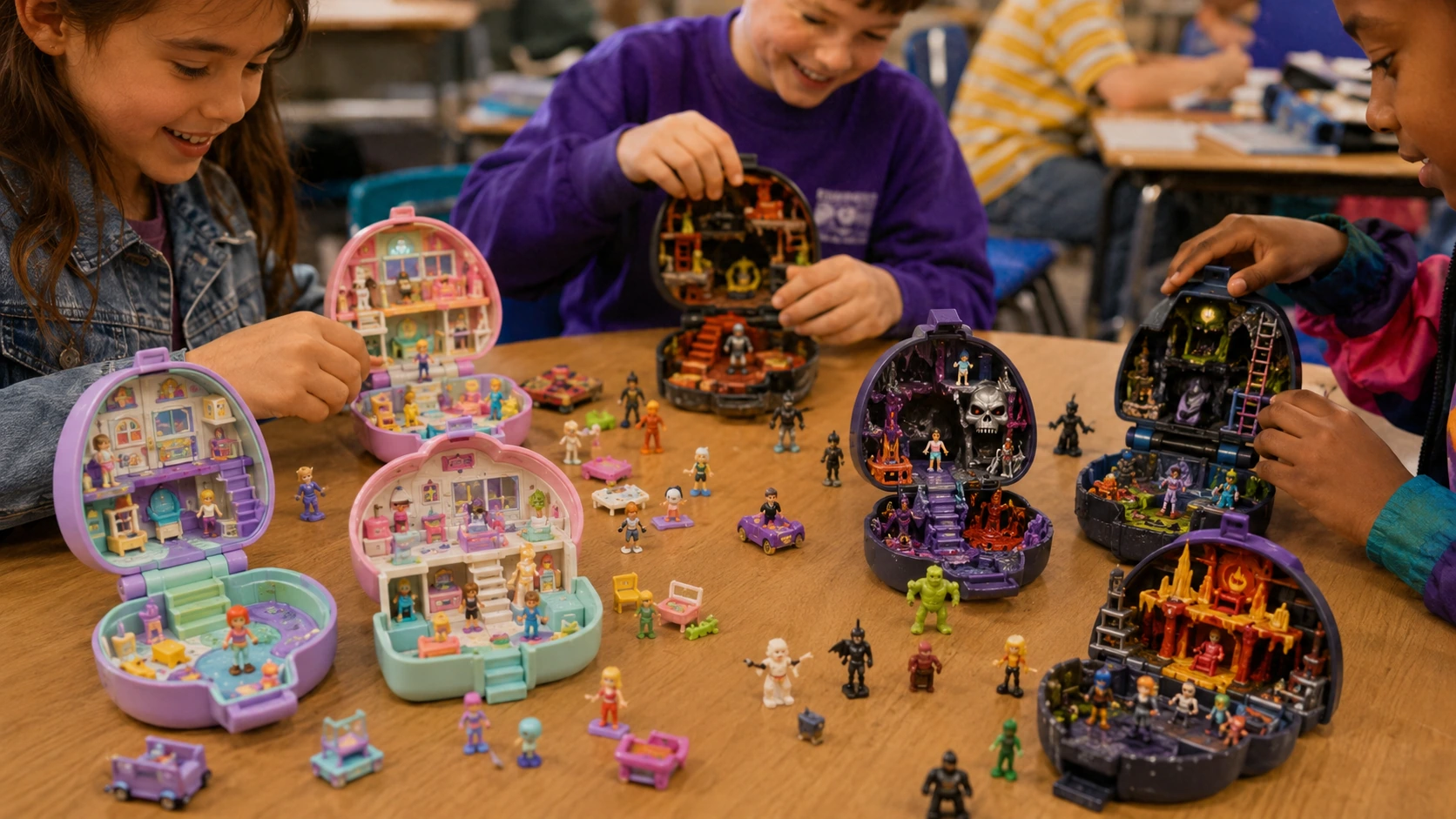
Entire universes fit inside a plastic case, which was convenient because desks had limited square footage and attention spans had even less.
Polly Pocket and Mighty Max fit entire worlds into cases small enough to vanish inside a backpack.
Why Miniature Worlds Worked
Polly Pocket and Mighty Max condensed playsets into portable cases. Open the shell and a complete environment appeared: rooms, platforms, hidden areas, tiny accessories and figures small enough to vanish through a heating vent.
The cases created instant setup. A child could open one on a desk or lunch table and begin playing immediately. When the bell rang, the world snapped shut and returned to a backpack.
Polly Pocket at School
Polly Pocket sets encouraged storytelling, character play and collection. Different cases created different places, and combining sets allowed larger stories. The toy did not need a wide audience to work; two or three kids could build an entire social world in a corner.
The tiny scale also encouraged trading and borrowing. A figure from one set could visit another. Accessories moved between cases. Ownership became complicated because every piece looked important and several were almost impossible to identify once separated.
Mighty Max and the Monster Side
Mighty Max used a similar compact format but leaned into monsters, danger and adventure. The cases opened into caves, laboratories, skulls and other dramatic locations. The formula proved that miniature play was not tied to one style or audience.
At school, the sets could become battlegrounds, story environments or display pieces. The cases themselves looked distinctive even when closed, which gave them collectible appeal.
The Quiet-Recess Advantage
Unlike Skip-It or yo-yos, pocket playsets did not require open space. They worked on benches, tables and classroom floors. That made them useful during indoor recess or bad weather.
The play was less public, but it could be more sustained. A small group might return to the same story over several days. The set became a portable stage rather than a single trick.
The Missing-Piece Crisis
Miniature scale created constant risk. Figures fell into backpacks, under desks and between bus seats. A missing piece could stop an entire story and trigger a search involving several children and one increasingly impatient adult.
Kids developed storage rituals: figures stayed in the case, accessories went in small bags and the set was counted before closing. These systems lasted until someone opened the case upside down.
Why the Format Endured
Pocket worlds offered something larger toys could not: a complete environment that traveled. The appeal survived beyond one brand because miniature play combines collection, storytelling and convenience.
Even after specific lines changed, the core idea remained strong. A child could carry a private universe into a public place and open it whenever there was time.
The memory: hearing a tiny figure hit the floor and watching everyone freeze because nobody knew where it went.
Why they mattered: pocket playsets turned desks and lunch tables into entire worlds without requiring a toy box.
If it bounced unpredictably or had rubber strands, somebody brought it to school and somebody else launched it somewhere stupid.
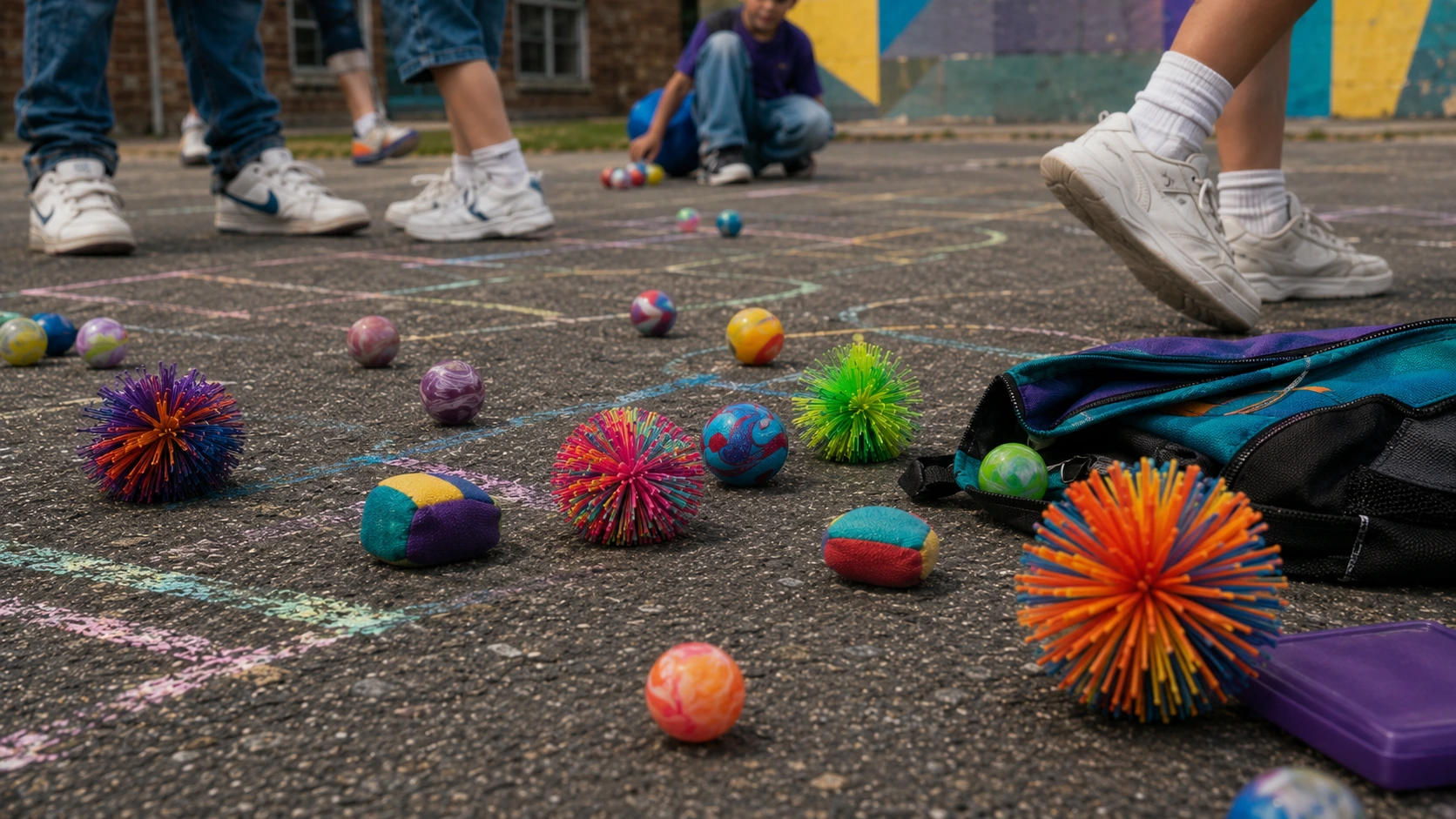
Koosh balls and pocket projectiles were cheap, bright and always one bad bounce away from disappearing forever.
The Appeal of Touch and Motion
Koosh balls were soft bundles of rubber strands that felt unusual, looked colorful and could be squeezed, tossed or carried. They were toys, fidget objects and conversation starters before anyone regularly used the word “sensory.”
Bouncy balls offered the opposite experience: hard, smooth and unpredictable. A strong throw against concrete could produce a rebound nobody could track. The uncertainty was the entertainment.
Why They Appeared Everywhere
These toys were inexpensive and widely available through prize bins, vending machines, checkout displays and small gift shops. Kids did not need a holiday or major toy-store trip to acquire one.
The low price reduced the fear of damage, which encouraged experimentation. A child would not throw an expensive electronic toy against a wall. A rubber ball existed for exactly that kind of poor decision.
The Recess Games
Koosh balls worked for catch, target games and improvised group play. Their soft construction made them easier to use around other kids, although accuracy remained optional.
Bouncy balls created solo challenges and chaotic group games. Kids bounced them against walls, tried to catch them after one impact or created informal records for height and distance.
The Classroom Problem
Small balls rolled. Koosh strands caught on objects. Both toys disappeared under furniture. A single bounce inside a classroom could interrupt everything as the ball traveled through desks and stopped beneath a cabinet nobody wanted to move.
The toys were also difficult to ignore because handling them became repetitive. Squeezing, tossing and bouncing continued without a formal play session. Adults saw distraction; kids saw something to do with their hands.
Why They Never Needed a Giant Craze
Koosh balls and bouncy balls did not always dominate the school at one moment. They survived by being useful, cheap and instantly understandable.
That gave them a different legacy from Pogs or Tamagotchi. They were not one explosive trend. They were background objects that kept reappearing across the decade. That same low-cost, high-chaos energy runs through the site’s forgotten toys of the 90s.
The memory: one impossible bounce that sent a ball into a part of the school building no child had ever seen.
Why they mattered: these simple toys proved that instant physical feedback could compete with the decade’s biggest franchises.
Early 90sFashion + FidgetInstant Ban Material
Slap Bracelets, Stickers and Wearable Fads
A strip of metal wrapped in fabric could become jewelry, a toy and a disciplinary issue before first period.
Slap bracelets and sticker collections turned ordinary school supplies into personal billboards.
Slap Bracelets as Toy and Fashion
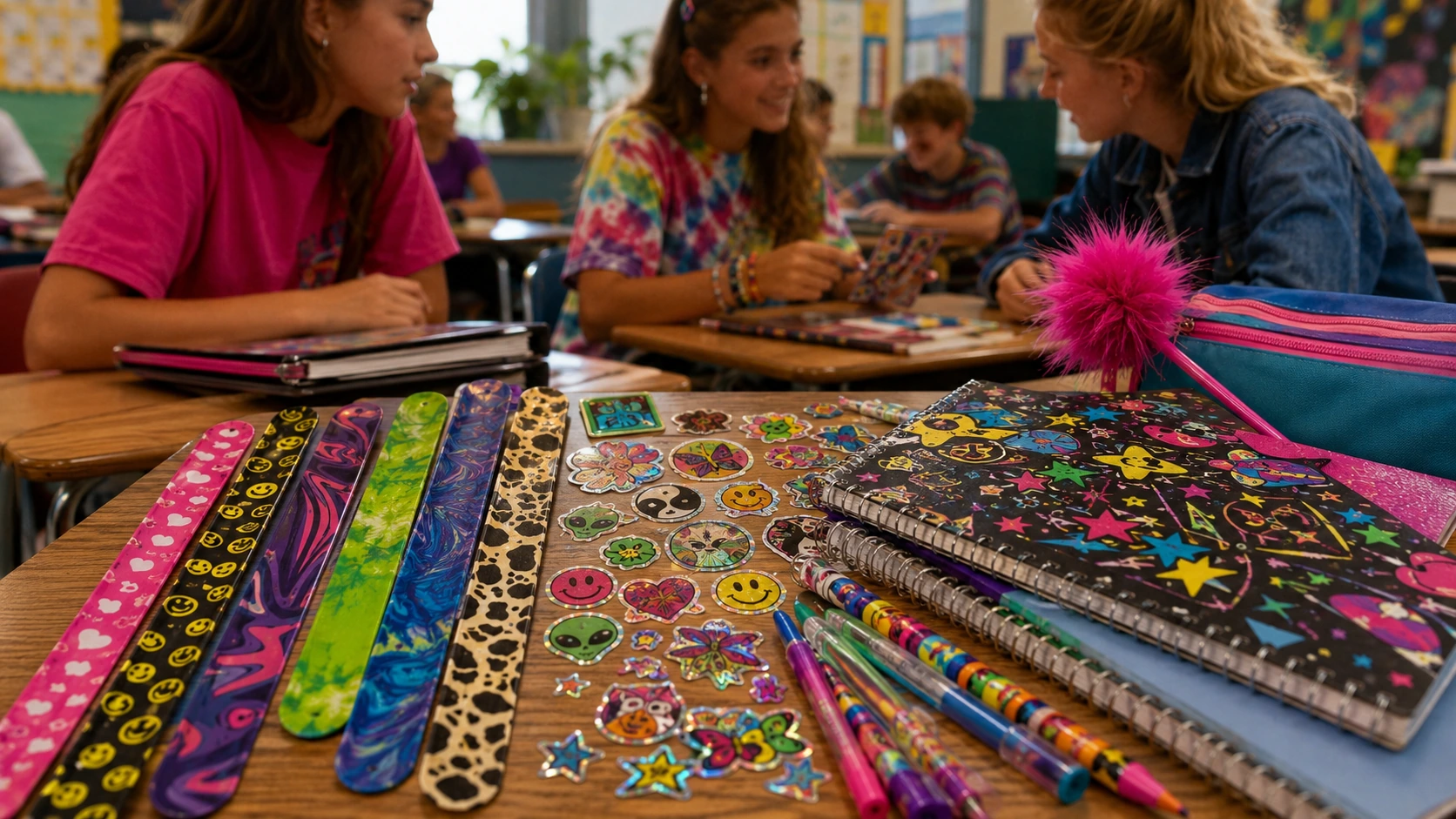
Slap bracelets began as flat bands that curled around the wrist when struck against the arm. The transformation was quick, satisfying and repeatable, which made the action more important than the bracelet itself.
Colors, patterns and fabrics turned the toy into a fashion accessory. Kids stacked several on one arm, matched them to outfits and traded designs. The bracelet stayed visible throughout the day, advertising the fad from across the classroom.
Why the Slap Never Stopped
The motion invited repetition. Kids slapped bracelets onto wrists, pencils, backpack straps and anything narrow enough to trigger the curl. The sound and movement were satisfying in the exact way teachers found exhausting.
The metal core also created concern when coverings split or edges became exposed. Stories about injuries spread, and schools restricted or banned the bracelets. As usual, adult concern made the product seem more interesting.
Stickers as School Currency
Sticker collections created a quieter but equally visible culture. Puffy stickers, holographic designs, scratch-and-sniff sheets and licensed characters filled notebooks, binders and dedicated albums.
Unlike cards, stickers carried a permanent decision. Once used, the item changed from collectible to decoration. That made trading more emotional. A child had to decide whether a sticker was worth keeping pristine, exchanging or committing to a page forever.
The Display Culture
Binders and notebooks became personal galleries. Sticker placement communicated taste, fandom and access. A rare-looking holographic design could become the center of a page.
Slap bracelets did the same thing through clothing. Both fads turned ordinary school materials and bodies into display space. The toy was always visible, which helped it spread without organized play.
Trading and Personal Style
Wearable and decorative fads were less about winning and more about identity. Kids chose colors and designs that felt personal. A collection could be cute, loud, sports-themed, glittery or aggressively neon.
Trading allowed those identities to evolve. The deal was not always about rarity. Sometimes one sticker simply matched a notebook better, or one bracelet fit the exact color combination a child had decided represented an entire personality.
Why These Fads Faded
Fashion cycles move quickly because visibility creates saturation. Once everyone had the same designs, the object lost novelty. New patterns extended the life briefly, but the school eventually moved on.
The items still lingered as decorations and accessories after the craze cooled. A sticker page could survive for years, preserving a snapshot of what mattered during one semester.
The memory: hearing the snap from three desks away and knowing somebody had ignored the teacher’s final warning.
Why they mattered: slap bracelets and stickers turned school fashion into play and made every hallway part of the display.
The Geography Mattered
Every Part of Recess Had Its Own Toy Culture
The playground was not one place. It was a map of territories, each with different rules, surfaces and levels of adult visibility.
The Blacktop
Speed, Scores and Impact
Skip-It, yo-yos, bouncy balls and anything requiring a hard surface lived here. The blacktop was where performance toys became public and where a bad decision could travel fifty feet.
The Grass
Hacky Sack Territory
Footbags, Koosh balls and low-stakes group games worked better away from concrete. Grass reduced consequences but increased the odds of wet socks, which was its own form of punishment.
The Lunch Table
Trading Floor
Cards, Pogs, Crazy Bones, stickers and Beanie Baby gossip belonged here. Every flat table became a marketplace, display case and courtroom.
The Bus
Mobile Negotiations
Small collections thrived on bus seats because there was time, proximity and almost no usable floor space. The bus also guaranteed that one important piece would roll under someone else’s backpack.
The Back of the Classroom
Low-Visibility Play
Digital pets, fingerboards and pocket playsets survived here. The objective was to keep the toy active while appearing to understand fractions.
The Fence Line
The Semi-Secret Market
The edge of the playground was where serious trades happened, rules were rewritten and kids conducted business with the quiet urgency of people who had seven minutes before the whistle.
The lunch table became a market, a museum and a courtroom whenever a trade went bad.
Economics, but With Fruit Snacks
The Schoolyard Trading System
Kids did not need formal markets. We built them from duplicates, perceived rarity and confidence. A toy gained value when other kids wanted it, when it looked different, when a commercial said it was special or when one loud classmate claimed it had been discontinued.
Trades were rarely one-for-one. Three ordinary Pogs might equal one holographic Pog. Several common cards could become one favorite character. A Beanie Baby rumor could turn an ordinary plush into a retirement plan for twenty minutes.
The system taught negotiation, bluffing, regret and the important life lesson that “my cousin says it is rare” is not reliable evidence. It also taught kids to inspect condition. Bent cards, scratched slammers, missing tags and chewed plastic lowered value long before anyone knew the phrase “collector grade.”
For the bigger picture, the 90s Collectible Toy Crazes page follows how this behavior spread from playground pockets to adult speculation.
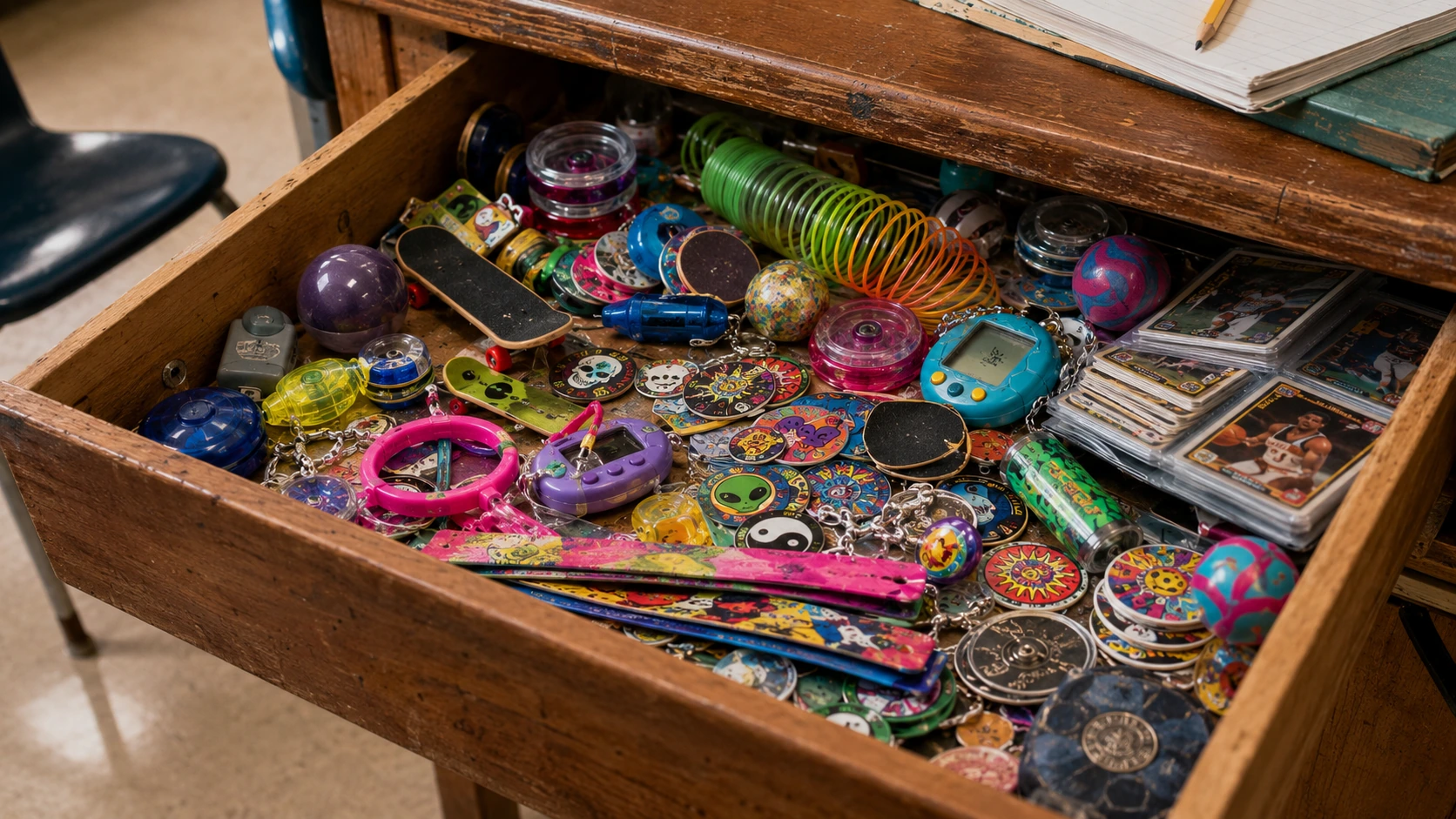
The confiscation drawer was a museum of whatever the school had decided was ruining civilization that week.
The Principal Has Entered the Chat
Why Schools Banned Every Toy the Minute It Became Fun
School bans were not always irrational. Popular toys created arguments, theft accusations, classroom distractions, gambling concerns, noise and injuries caused by children using products in ways no responsible engineer had imagined. Pogs inspired disputes over keepsies. Yo-yos became swinging objects. Digital pets beeped through lessons. Trading cards caused negotiations that continued long after the bell.
But bans also amplified the craze. A forbidden object gained status. Confiscation made ownership feel dangerous. A note sent home told every parent exactly which toy mattered. The school intended to reduce interest and accidentally launched a targeted marketing campaign.
The confiscation drawer became a museum of current culture: yo-yos with tangled strings, slammers with suspicious weight, cards in plastic sleeves, electronic pets begging for food and one lonely slap bracelet curled like it had accepted defeat.
The funniest part was how quickly the cycle repeated. Adults would finally contain one fad, the playground would go quiet for several days, and then a new object would appear. Childhood always found another loophole.
From Rubber Strands to Pocket Screens
How Schoolyard Crazes Changed Across the 90s
The decade moved from tactile and physical toys toward collecting systems and electronics. Recess started with slaps, skips and bounces. It ended with trading-card binders, digital pets and miniature branded worlds.
1990–1992: Movement and Tactile Toys
Slap bracelets, Koosh balls, Skip-It, Troll Dolls, tiny cars and portable playsets fit the early decade. The toys were colorful, physical and easy to understand. You could show someone how they worked in seconds.
The early 90s still carried plenty of 80s toy logic: bright plastic, obvious gimmicks and products that did one thing loudly. Schoolyard value came from motion, texture and visibility.
Explore the annual toy aisles through 1990, 1991 and 1992.
1993–1996: Collecting Takes Over
Pogs, slammers, stickers, miniatures and character-driven collectibles turned the playground into a marketplace. Kids increasingly wanted sets, variations and rare pieces instead of one complete toy.
This was also the age of giant franchise pressure. Power Rangers toys dominated the larger toy aisle, while small figures, cards and portable merchandise carried that energy into school.
Tamagotchi, Giga Pets, yo-yos, Crazy Bones, Tech Deck and Pokémon cards defined the late decade. Toys still needed to travel, but now they also carried progress, data, rarity systems and connections to larger media universes.
A digital pet could change while you were in class. A card collection could connect to a television show and a Game Boy adventure. A fingerboard could borrow the identity of skate culture. The toy was no longer always a standalone object; it was an entry point.
A fad did not live only at recess. It followed you from the bus stop to homeroom, lunch, class changes and the long walk home after the teacher had confiscated your best stuff.
A craze followed kids from the bus stop to class, lunch and recess until the whole school seemed to be participating.
The Bus-Stop Reveal
One kid shows up with the new thing. Nobody knows where it came from. Everyone immediately understands that life has changed.
Homeroom Inspection
The toy moves from desk to desk under a level of secrecy normally reserved for classified documents. The teacher notices nothing because attendance is still being taken.
First Trade Offer
Somebody offers two ordinary items and a snack for the new one. The owner refuses. Market demand is established.
Lunch-Table Expansion
Three more kids now have versions of the toy. Rules are invented. Rarity levels emerge. One person claims an item is banned in another state.
Recess Peak
The entire grade gathers around a game, trick or trade. Nothing else matters. The whistle is ignored because the final round has legal significance.
Teacher Intervention
A disagreement spills into class. The toy is collected “until the end of the day,” which everyone understands may mean June.
The After-School Debrief
Kids walk home discussing who cheated, who has the rare version and which store might still have one. Tomorrow, the craze doubles.
How the Signal Spread
Commercials Started It. School Finished It.
Television could introduce a toy, but school made it real. A commercial showed perfect lighting, expert tricks and twelve children behaving like the product had solved human loneliness. The schoolyard showed whether an ordinary kid could actually use it.
That peer demonstration was powerful. Watching a classmate land a yo-yo trick or open a rare card created more urgency than any adult review. The toy came with proof, status and immediate social context.
Schoolyard crazes did not always begin in giant toy aisles. Many spread because they were inexpensive enough to appear at drugstores, mall kiosks, convenience counters and checkout racks. A child could buy one small item, bring it to school and advertise it to hundreds of potential customers for free.
Bigger toy-store trips still mattered. The 90s toy-store experience supplied the larger sets, cases and accessories. Holiday shortages added mythology, which is why the hottest Christmas toys of the 90s often became school status symbols in January.
Fast-food giveaways worked the same social system from another direction. A small promotional toy could arrive at school the next day and turn lunch into a comparison session. That story continues with 90s Happy Meal toys and fast-food giveaways.
Not Every Craze Was the Same
Performance Toys vs. Collection Toys
Schoolyard fads usually leaned toward one of two rewards. Performance toys asked, “What can you do?” Collection toys asked, “What do you have?” The strongest crazes blended both.
Yo-yos, Skip-It and hacky sacks rewarded practice. The object could be common, but skill created status. Pogs, Crazy Bones and cards rewarded acquisition, knowledge and trade strategy. Tech Deck and digital pets sat in the middle: owning mattered, but progress and ability mattered too.
This difference shaped social groups. Performance toys created spectators and informal teachers. Collection toys created traders, experts and gatekeepers. Both created the kid who took everything much too seriously and somehow became necessary to the entire operation.
The Crossover Nobody Talks About
Schoolyard Toys Were Lifestyle Objects
These toys communicated identity. A fingerboard connected to skate culture. A hacky sack suggested alternative style. A Pokémon binder showed fandom and organization. A virtual pet showed dedication or at least an impressive tolerance for beeping.
Even color choices mattered. Slammers, yo-yos, bracelets and decks became personal. Kids decorated cases, customized collections and arranged binders with more care than most adults give tax documents.
That lifestyle layer is why the toys remain memorable. We do not only remember what they did. We remember where we stood, who we traded with, which teacher hated them and how it felt to be briefly good at something the entire school cared about.
No Notifications Required
Why 90s Schoolyard Crazes Still Hit So Hard
Modern trends move faster, but 90s schoolyard crazes felt physical. You carried the object. You watched it get scratched, bent, lost or confiscated. A trade changed what was in your hand. A trick failed in front of actual people. The consequences were immediate and local.
The school created a shared audience. Hundreds of kids moved through the same hallways on the same schedule. A craze could spread across grades because everyone saw it during lunch, recess and dismissal. No recommendation engine was required. Repetition did the work.
There was also more mystery. We had incomplete information, rumors and no instant price lookup. Nobody could settle an argument by opening a browser. That uncertainty made collecting feel bigger. It also made us incredibly easy to fool.
Most importantly, schoolyard toys gave ordinary days a plot. Tuesday was not just Tuesday if somebody brought a new slammer. Lunch was not just lunch if a card trade was underway. Recess was not just fifteen minutes outside if a yo-yo championship had been declared by children with no authority to declare championships.
That is why this stuff lives beyond nostalgia for plastic. The toys organized friendships, rivalries and routines. They gave kids a language adults did not fully understand. They made school temporarily ours.
A 90s backpack was half school supply storage and half evidence locker for whatever craze had taken over that week.
The Backpack Test
What Turned an Ordinary Toy Into a School Toy?
A toy did not become part of school culture simply because a child owned it. It had to survive transportation, limited time, crowded spaces and the constant possibility that an adult would decide it had become a problem. The backpack test separated bedroom toys from true playground material.
Size came first. The toy had to fit beside folders, a lunch bag, a crushed permission slip and at least one pencil with no eraser. Large playsets stayed home. Consoles stayed near the television. The schoolyard belonged to compact objects that could be revealed quickly and hidden even faster.
Setup time mattered too. Recess was short. Nobody wanted to spend ten minutes assembling something while the whistle waited in the distance. Pogs needed a stack and a flat surface. A yo-yo needed string. Cards needed a binder or two hands. Crazy Bones needed whatever rules the group invented that day.
Durability was the final filter. School was brutal on possessions. Backpacks were dropped, kicked, overfilled and used as furniture. Lunch leaked. Markers escaped their caps. A toy that survived two weeks without cracking, bending or disappearing earned veteran status.
Could it fit in a pocket, pencil case or backpack?
Could a game or trick begin in less than a minute?
Could other kids understand the appeal by watching?
Could it be traded, compared, scored or customized?
Could it survive concrete, cafeteria tables and bus floors?
Could it be hidden when a teacher said, “Put that away”?
Every Playground Had Them
The Eight People Inside Every 90s Toy Craze
The products changed, but the cast stayed remarkably consistent. Every school had the collector, the performer, the rule lawyer and the child whose mysterious retail connections made everyone suspicious.
The First Kid
This person arrived before the trend had a name. Maybe an older sibling found it. Maybe an aunt traveled. Maybe the family simply shopped somewhere better. For forty-eight hours, the First Kid controlled the future.
The Demonstrator
The Demonstrator could actually use the toy. Yo-yo tricks, fingerboard moves and impossible Skip-It scores turned ownership into performance. Everyone watched, copied and pretended the skill looked easier than it was.
The Dealer
The Dealer carried duplicates, understood everyone’s wants and could turn three average items into one good item plus a snack. This child did not play much. Inventory management was the game.
The Rule Lawyer
No game could continue until the Rule Lawyer explained why the last move did not count. Rules appeared suddenly, usually when this person was losing. Appeals were denied because there was no higher court.
The Collector
The Collector kept everything arranged by color, character, series or personal mythology. Touching the binder without permission was a diplomatic incident. Condition mattered. Order mattered. Recess dirt was the enemy.
The Confiscation Magnet
This child could turn a harmless object into a safety briefing. A yo-yo became a flail. A bouncy ball reached the ceiling. A fingerboard crossed the teacher’s desk during a quiz. Innovation had consequences.
The Rumor Source
The Rumor Source knew which item was retired, recalled, banned, rare or worth “like a thousand dollars.” The information came from a cousin, a commercial or nowhere at all. Confidence did the rest.
The Kid Who Lost Everything
Every collection ended up under this child’s desk, in the lost-and-found or scattered across a bus floor. Ownership was temporary. The phrase “Has anyone seen my…” became a daily opening statement.
Close, but Not Quite
The 90s Toys That Almost Count as Schoolyard Crazes
Some toys shaped school conversations without regularly surviving the front doors. They belong near the story, but their real territory was the living room, driveway or backyard.
Super Soakers and Nerf Blasters
These toys absolutely created neighborhood status, summer competition and escalating plastic hardware. They rarely belonged at school for obvious reasons involving water, foam darts and administrators who enjoyed calm hallways.
The social energy felt similar to a schoolyard craze—comparison, performance and constant upgrading—but the main arena was outside school. Follow that lane through the Super Soaker backyard arms race and the broader 90s outdoor-toy page.
Game Boy and Handheld Games
Handheld systems traveled beautifully, but they were expensive, easy to steal and difficult to share with a crowd. They generated school conversation more often than open recess play.
When one appeared on a bus or field trip, everyone leaned over the same tiny screen. The device was portable, but the experience was less trade-based and more spectator-based. Explore the hardware side through 90s Video Game Toys & Handhelds.
Action Figures
Small figures sometimes made the trip, especially during the height of TMNT, Power Rangers, X-Men and Batman. But most action-figure play needed vehicles, accessories and enough floor space to build a world.
The schoolyard version was usually one favorite figure carried in a pocket, not the full toy line. The larger plastic war belongs in 90s Action Figure Wars.
Gak, Slime and Gross-Out Toys
Slime could travel. That did not mean it should. Gak and similar compounds fascinated kids because they were tactile, noisy and mildly disgusting. Those same qualities made them a threat to desks, clothing and carpet.
A container might appear for one unforgettable afternoon, then disappear after somebody pressed it into a textbook. The full mess lives in 90s Gross-Out, Science & Craft Toys.
Bop It and Electronic Group Games
Bop It created public performance, score chasing and panic, all classic schoolyard ingredients. Its size and volume made it more natural in family rooms, sleepovers and after-school gatherings.
It could visit school for a party or free period, but it was not the kind of toy that quietly lived in a pocket. Bop It’s home turf remains 90s Board Games & Family-Room Toys.
Fast-Food Toys
Kids-meal prizes were small, portable and highly visible, which made them natural school arrivals. Most did not create structured games, but complete sets encouraged comparison and trading.
A promotion tied to a popular movie could flood classrooms within days. The toys were less about recess performance and more about who had which figure. The complete story continues in 90s Happy Meal Toys and Fast-Food Giveaways.
The Weather Changed the Meta
Recess Crazes Had Seasons
Schoolyard toys followed weather, holidays and the academic calendar. The same playground could support completely different crazes depending on temperature, daylight and whether everyone had just opened gifts.
January: The Christmas Upgrade
The first week back after winter break was a product launch. New toys arrived all at once, and children compared what Santa, parents and relatives had delivered. January could reset the entire social order.
This was when a holiday hit moved from commercials into real school life. The larger pattern is all over the hottest Christmas toys of the 90s.
Spring: Blacktop Season
Warmer weather created room for Skip-It, yo-yos, balls and hacky sack circles. Toys that needed space came back out, and every scraped knee was accepted as normal operating cost.
Late Spring: The Ban Wave
By the time a craze reached peak school saturation, adults had usually noticed. The toy became too distracting, too competitive or too likely to fly across a classroom. Restrictions arrived just before summer ended the argument.
Fall: The New Mystery Object
A new school year mixed students, rumors and summer discoveries. One child arrived with a toy nobody else had seen. The cycle restarted before everyone learned the locker combination.
Accidental Life Skills
What the Playground Taught Us
Nobody put schoolyard toy economics on the curriculum, but the lessons were real. The toys taught social behavior in a setting where mistakes happened publicly and appeals rarely reached an adult.
Negotiation
You learned how to make an offer, read hesitation and decide whether an item mattered more than the possibility of a better deal later.
Condition Matters
A bent card, cracked case, dirty plush or scratched slammer taught that objects change value through use. We discovered depreciation before algebra.
Public Failure Is Survivable
A failed yo-yo trick or Skip-It attempt happened in front of everybody. Then someone else failed worse, the bell rang and civilization continued.
Scarcity Can Be Manufactured
Sometimes an item was truly hard to find. Sometimes one child simply said it was rare. The emotional response looked almost identical.
Rules Need Agreement
Games collapsed when nobody shared the same expectations. Every keepsies argument was a tiny lesson in contracts, enforcement and why clear rules matter.
Never Bring the Best One
The favorite card, rare Pog or pristine plush belonged at home. School was where objects acquired marker stains, mystery moisture and complicated ownership histories.
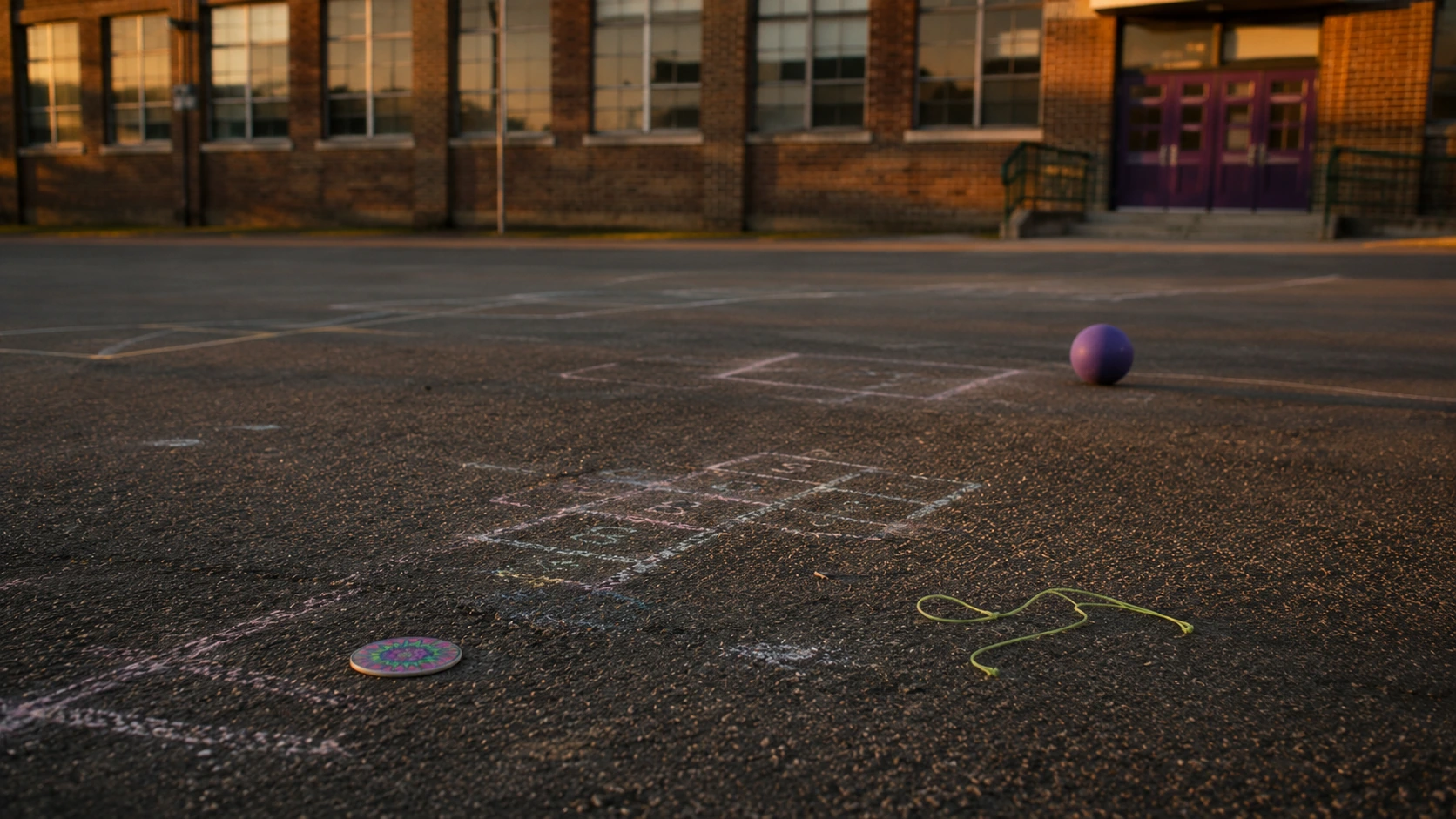
Then the bell rang, the playground emptied and the evidence of the day’s obsession stayed behind.
Then One Monday, It Was Over
How a Schoolyard Craze Died
The end rarely arrived with an announcement. A toy simply stopped appearing. The circle around the Pog game shrank. Yo-yos stayed in backpacks. The digital pets went silent. A new fad occupied the same social space, and yesterday’s obsession became clutter.
School bans could accelerate the decline, but novelty was usually the real killer. A craze depended on shared attention. Once enough kids moved on, the object lost its audience, market and urgency at the same time.
The leftovers went everywhere: desk drawers, closet bins, yard sales, younger siblings and the bottom of backpacks discovered during summer cleaning. Some toys survived because they still worked. Others became artifacts that triggered instant memory years later.
Why the Memory Stayed
The Object Left. The Story Did Not.
We remember these toys because they were attached to places and people. A Pog is not only a cardboard disc. It is a blacktop game, a disputed rule and the kid whose slammer looked like industrial equipment. A Tamagotchi is not only a screen. It is a beep during class and the panic of checking it after lunch.
That context gives schoolyard toys unusual emotional power. The objects were witnesses to ordinary childhood: bus rides, lunch tables, wet coats, school bells and afternoons that felt endless.
Some of the individual products deserve their own long stories. Others belong together because the schoolyard itself was the main character. The toys changed. The behavior repeated.
Pogs, yo-yos, Skip-It, hacky sacks, Crazy Bones, Tech Deck fingerboards, Tamagotchi and other digital pets, Pokémon cards, Beanie Babies, Polly Pocket, Mighty Max, Koosh balls and slap bracelets all became recognizable schoolyard or recess crazes during the decade.
Why were Pogs so popular at school?
Pogs were cheap, portable, collectible and playable. They created instant trades, status and competition, which made them ideal for recess. The dedicated Pogs page covers the slammers, rules and rise-and-fall story.
Why did schools ban Pogs and other toys?
Popular toys could create classroom distractions, arguments, accusations of theft, keepsies disputes, noise and safety concerns. Policies varied by school, but bans often made the toys seem even more important.
Which yo-yos were popular in the late 90s?
Yomega Brain models became strongly associated with the late-90s yo-yo comeback because their automatic-return design helped beginners learn. The broader craze included many models, demonstrations, trick culture and schoolyard competition.
Was Skip-It a schoolyard toy or a backyard toy?
It was both. Skip-It was portable enough for recess but needed open pavement, making it equally at home on the blacktop, driveway or sidewalk. Larger outdoor products are covered in 90s Backyard Toys, Bikes & Blasters.
What did kids trade at school in the 90s?
Kids traded Pogs, cards, Crazy Bones, stickers, small figures, duplicate collectibles and occasionally snacks used as unofficial deal sweeteners. Value was based on rarity, popularity, condition and schoolyard rumor.
What were the biggest late-90s school fads?
Late-90s school culture included Tamagotchi and other digital pets, the yo-yo comeback, Pokémon cards, Crazy Bones, Tech Deck fingerboards and continuing Beanie Baby collecting.
Why were Tamagotchis such a classroom problem?
Digital pets required attention throughout the day and could beep during lessons. Kids wanted to feed, clean and check them, while teachers wanted everyone to stop managing a pixel creature during math.
Were schoolyard toys only for certain groups of kids?
No. Marketing often tried to divide toys into narrow audiences, but actual schoolyard play overlapped constantly. Cards, yo-yos, Pogs, digital pets, stickers, miniatures and skill toys moved between groups depending on the school and the week.
What made a toy become a schoolwide craze?
The strongest fads were portable, easy to demonstrate, affordable enough to spread, social enough to trade or compete with and visible enough for other kids to discover. A school ban often accelerated the process.
How were schoolyard toys different from the biggest toys of the decade?
The biggest home toys included consoles, large playsets, dolls and action-figure systems. Schoolyard toys needed to travel. This page focuses on portable play and recess behavior, while the 50 Most Iconic Toys of the 90s covers the wider decade.
Where can I find more 90s toy lists by year?
The 90s Toys hub connects all ten annual toy lists from 1990 through 1999, plus the major toy categories and individual craze stories.
The Bell Rang. Nobody Stopped Playing.
Recess Was Our Social Network
The toys were small, but the culture around them was enormous. We learned what was popular by seeing it in somebody else’s hand. We learned the rules from other kids. We learned scarcity from empty store hooks, negotiation from bad trades and risk management from bringing a favorite collectible to school.
Then the whistle blew, everything went back into a backpack and we returned to class pretending none of it mattered. It mattered. That was the whole world until 3:00.