ABC
The network has turned comedy into a full production system.Laverne & Shirley, Three’s Company, Happy Days, Mork & Mindy, Angie, The Ropers and Taxi gave ABC broad comedy, spinoff logic, nostalgia, high concept and ensemble depth.
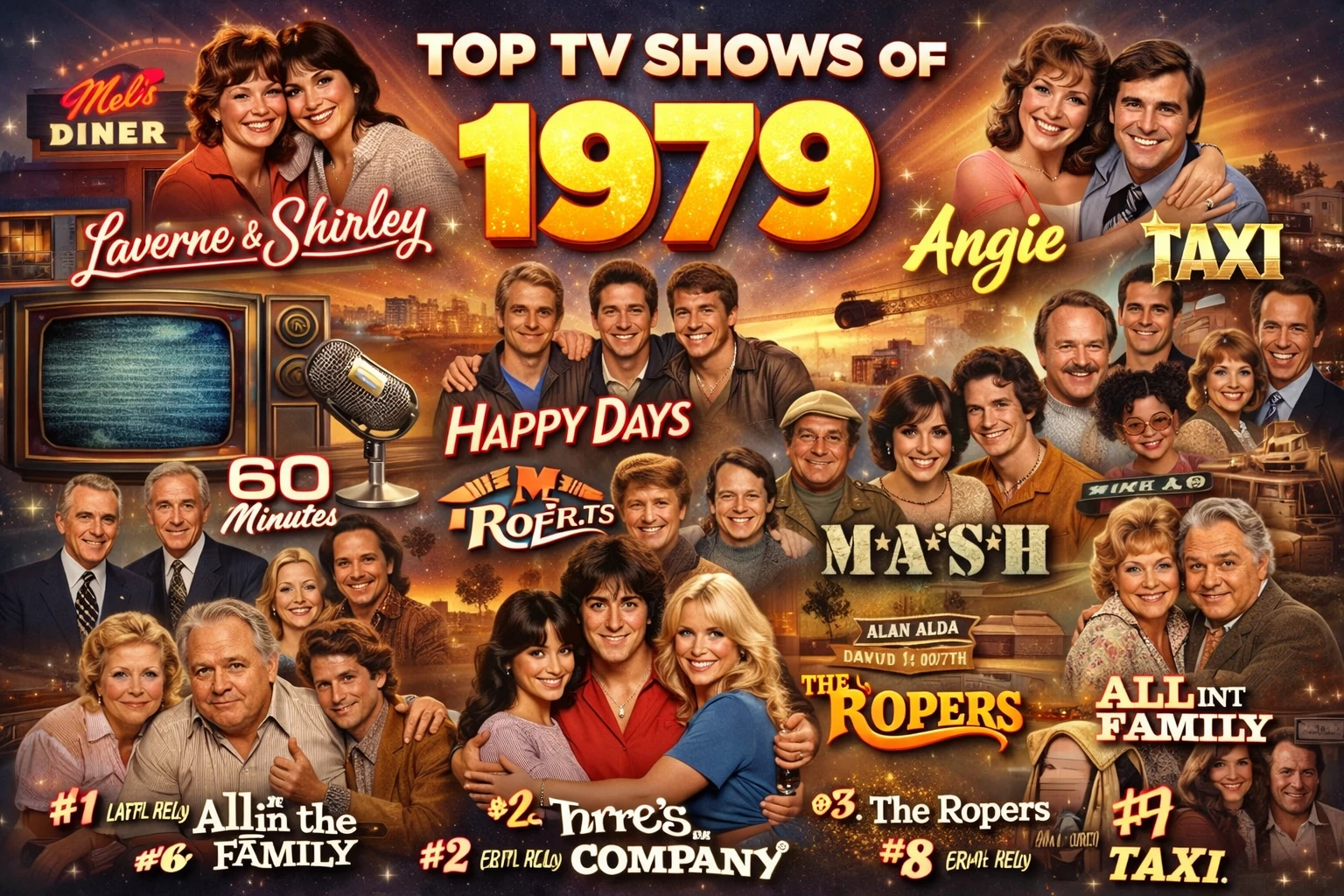
The top TV shows of 1979 look like the late-70s network machine running at maximum efficiency. ABC fills the board with broad 70s sitcoms, spinoffs, high-concept comedy and familiar characters designed to become weekly habits.
This countdown uses the 1978–79 Nielsen season, the site’s season-ending-year method for the 1979 rankings. Laverne & Shirley holds #1, Three’s Company reaches #2 and Happy Days shares #3 with Mork & Mindy. ABC places seven entries, while CBS keeps authority and emotional weight inside the top tier.
Laverne & Shirley ranked #1 in the 1978–79 Nielsen season. Three’s Company finished #2, while Happy Days and Mork & Mindy tied at #3. ABC placed seven entries in the top 10, CBS placed three and NBC had none. Jump to the complete ranking or begin the full show-by-show countdown.
The ranking moves from two #9 ties through spinoff comedy, M*A*S*H and 60 Minutes to a new hit, a #3 tie and ABC’s two biggest sitcoms.
ABC places seven entries through sitcoms, spinoffs and high-concept comedy. CBS holds three shows that represent journalism, emotional complexity and the social-comedy revolution that began the decade.
Laverne & Shirley, Three’s Company, Happy Days, Mork & Mindy, Angie, The Ropers and Taxi gave ABC broad comedy, spinoff logic, nostalgia, high concept and ensemble depth.
60 Minutes, M*A*S*H and All in the Family kept journalism, emotional complexity and the decade’s earlier social-comedy revolution inside the top tier.
NBC did not place a show in the 1978–79 top 10, leaving the season as a direct ABC–CBS contrast.
From the #9 tie between All in the Family and Taxi to Laverne & Shirley at #1, the final 70s countdown shows a comedy machine operating at full speed—spinoffs, high-concept hits, familiar sitcom worlds and a few CBS institutions still carrying some of the decade’s older weight.
All in the Family tying at #9 in 1979 is one of those placements that feels almost architectural. Earlier in the decade, this show did not just sit near the top of television. It helped redefine what television comedy could say, how sharp it could be, and how openly it could drag American anxieties into prime time. By 1979, it is no longer the disruptive shockwave. It is the institution that used to be the shockwave.
That is what makes the ranking so interesting. The schedule around it is now much more ABC-shaped: broader, smoother, more explicitly built around easy-entry entertainment and brand-friendly comic rhythms. Yet the earlier moment when 1970s sitcoms started talking about real life still had enough force to keep All in the Family in the top tier.
In the larger 1979 story, the show acts like a bridge between two versions of the decade. On one side is the more confrontational, realism-heavy middle 70s. On the other is the highly optimized late-70s television machine that turns familiarity and packaging into ratings engines. All in the Family remains on the board because true cultural force does not vanish the second shinier things arrive.
It also reminds you that CBS still had something ABC could not fully duplicate: legacy power. ABC had the hotter bench, but CBS still had shows that carried historical weight as well as audience loyalty.

Taxi tying at #9 is one of the best clues that late-70s television was not just getting broader. It was getting smarter about how to package character ensembles without flattening them. On paper, a sitcom about cab drivers and dispatch chaos does not sound like a glossy mass-market triumph. In practice, it turned a workplace into a compact ecosystem of frustration, aspiration, dead-end comedy and people who all feel trapped in the same fluorescent holding cell.
That is part of why the show matters so much in 1979. ABC did not just dominate with nostalgia comfort and broad farce. It also showed that there was room within its lineup for sharper ensemble comedy with a slightly more urban, adult texture. Taxi feels like the machine getting more sophisticated. It is still accessible. It is still network television. But it has more wear on it, more melancholy under the laughs, and more room for character disappointment.
In the broader season picture, the show helps keep 1979 from becoming a one-note story about pure sitcom sugar. It shows exactly why the decade’s workplace sitcoms could turn character density and working-life frustration into a mainstream hit when the ensemble was strong enough.
It also says something about ABC’s programming depth. The network was no longer just winning with bright mood and easy hooks. It was building a bench with different flavors of comedy, which made the whole lineup feel stronger.

The Ropers at #8 is one of the cleanest signs of how franchise-minded television had become by 1979. A spin-off landing in the top 10 tells you the networks had learned an extremely valuable lesson: once viewers latch onto a comic world, you do not always need a wholly new concept. Sometimes you just move the furniture, spotlight secondary characters, and let familiarity do the heavy lifting.
That might sound cynical, but in network terms it is just efficient. ABC understood that the audience was already invested in the texture surrounding Three’s Company . The Ropers took that residual attachment and turned it into a separate product. That is not just a creative move. It is a programming strategy. And in 1979, it clearly worked.
In the larger story of the year, the show matters because it proves television was no longer simply about finding hits. It was about extending hits, multiplying hits, and wringing more value out of established comic ecosystems. That is a big structural change in how prime time operates. The networks were starting to think more like brand managers.
It also captures the late-70s taste for broad, instantly legible comedy. The characters were familiar, the appeal was easy to sell, and the network knew exactly where the audience overlap lived. In other words, this is pure machine-era television.
M*A*S*H at #7 is what it looks like when a genuinely great series keeps surviving in a landscape increasingly optimized for easier pleasure. By 1979, the show is no longer the insurgent force proving television can carry grief, fatigue and moral complexity. That victory had already happened. Now it is the veteran still holding serious commercial ground while the rest of prime time gets shinier and more modular.
That endurance matters because M*A*S*H is not competing on the same terms as much of the rest of the chart. It is not pure nostalgia comfort. It is not just an instantly marketable comic hook. It is tonally mixed, emotionally layered, and willing to leave viewers in stranger places than most network hits would dare. That kind of series remaining top 10 in 1979 says a lot about how powerful it had become.
In the larger season story, the show works like a counterweight to ABC’s dominance. While ABC is flooding the room with broad hit-making efficiency, CBS still has a show that gives the lineup depth, intelligence, and a little emotional scar tissue. That makes the year more interesting than a simple comedy rout.
It also reinforces one of the 70s’ strongest truths: television could still be humane, funny, and commercially giant without sanding away everything complicated inside it.

60 Minutes at #6 remains one of the most revealing facts on the whole board. A news magazine is still running with the sitcom juggernauts. That tells you late-70s audiences had not fully surrendered to fluff, even as the rest of television got much better at selling comfort and branded amusement. They still wanted seriousness — provided it came with shape, urgency, and television instinct.
That is what the program had mastered by 1979. It did not just deliver information. It delivered it as appointment television. The reporting had personality, the segments had narrative tension, and the whole package felt authoritative without feeling academic. That is an incredibly valuable formula in a mass medium: seriousness with pace, prestige with recognizability.
In the broader 1979 lineup, 60 Minutes helps keep CBS from looking like a network simply defending older territory. It shows the network still had a living, active claim on television that felt important. While ABC was filling the room with comedy velocity, CBS still owned one of prime time’s strongest signals that viewers wanted more than pure diversion.
It also points toward a future where nonfiction would continue competing as prime-time entertainment rather than just informational obligation. In a schedule increasingly built around habits, 60 Minutes had become one of the most powerful habits on TV.
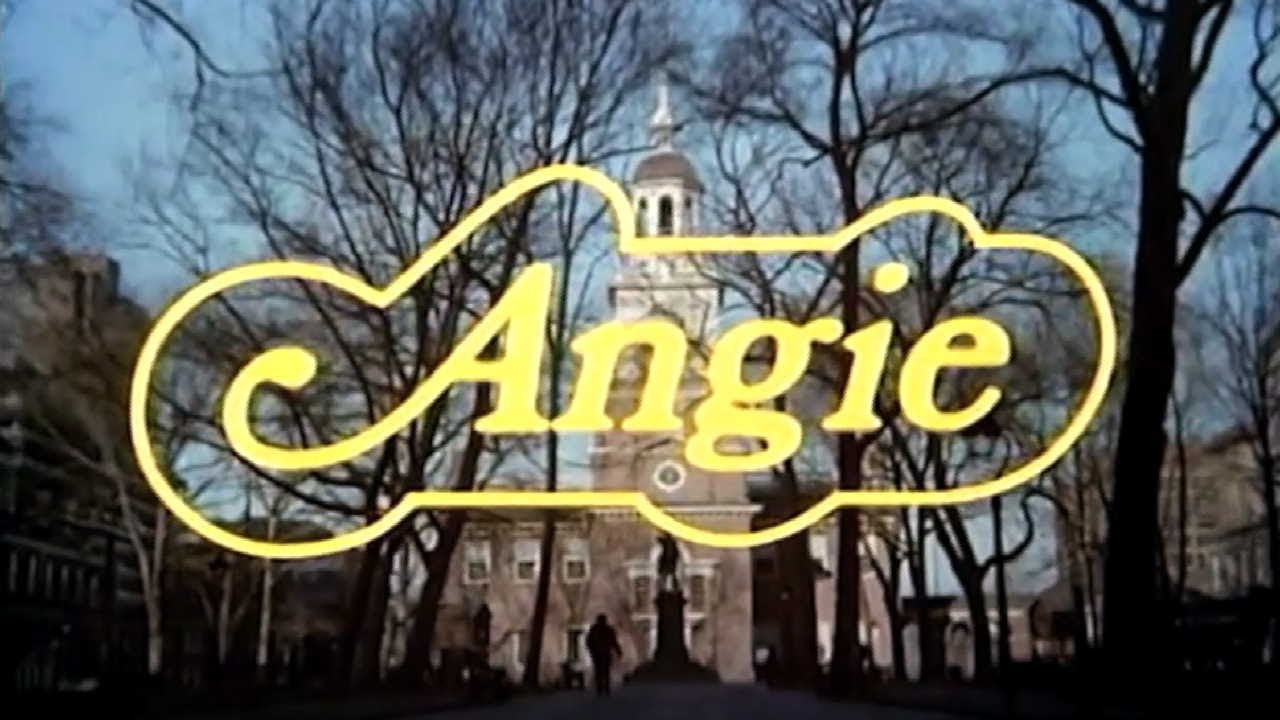
Angie at #5 is one of the best examples of how insanely efficient ABC had become by 1979. A relatively new sitcom sliding this high onto the chart tells you the network was not just milking existing giants. It was still capable of introducing fresh hits that felt instantly compatible with the broader tone of its lineup.
That is a bigger deal than it looks. By the end of the decade, audiences were rewarding familiarity, repeatability, and clear emotional packaging. New shows did not break through just by being different. They had to feel easy to absorb while still offering enough charm or angle to justify their existence. Angie clearly found that lane. It fit the era’s appetite for accessible, relationship-centered comedy without feeling like a blunt copy of the existing giants.
In the larger 1979 story, the show matters because it shows ABC’s bench strength extending beyond its flagship properties. The network was not riding only on Happy Days , Laverne & Shirley , and Three’s Company . It was building a wider comedy ecosystem where even newer arrivals could hit hard if they matched the network’s tuning fork.
It also reinforces the season’s broader point: prime time had become very good at converting warmth, romance, and easily legible interpersonal tension into reliable mass-market television.

Happy Days tying for #3 in 1979 is what durable network comfort looks like after it has fully become a system. The show is no longer just a hit sitcom. It is part of a larger ABC architecture. It supplies familiarity, nostalgia, stability and the kind of weekly re-entry viewers barely have to think about. You do not watch it because the premise is surprising. You watch it because the world already feels installed in your head.
That is what makes the show so revealing in this season. Earlier 70s television often got its energy from confrontation, social argument, or tonal roughness. Happy Days gets its power from ritual. By 1979, that ritual had become one of the strongest things network television could sell. The series had helped prove that reassurance, retro mood, and a reliable character ecosystem could function as major ratings technology.
In the larger story of the year, the show also helps explain how ABC kept dominating without needing every hit to reinvent the form. Sometimes dominance comes from not being surprising at all. It comes from becoming automatic. Happy Days had reached that level. It was a habit, a mood, and a dependable piece of the network’s weekly machinery.
That made it especially important as the decade closed out. Television was increasingly about what people could return to without friction, and this series was one of the best examples of that design.
Mork & Mindy tying at #3 is one of the most perfect late-70s ratings stories on the board. Here is a show with a high-concept hook, broad mainstream accessibility, and enough comic weirdness to feel distinct without ever drifting too far from the network center. That is basically the dream formula for 1979.
What makes the show especially important is how neatly it captures the era’s appetite for novelty that still feels safe. The alien premise gives it instant marketing value. The comedy gives it repeatability. The structure keeps it rooted firmly enough in familiar sitcom rhythms that viewers never feel like they are wandering into experimental television. It is eccentricity with guardrails, which is exactly the kind of thing a major network can scale.
In the bigger season picture, Mork & Mindy helps explain why ABC’s lineup felt so formidable. The network was not just good at comfort. It was good at packaging oddness into comfort. That is a more advanced skill. It meant ABC could introduce something that looked newer, stranger, or more high-concept and still make it play like mass entertainment.
It also says a lot about where TV comedy was going. Personality, premise, and instant recognizability were becoming as important as old-school structure. The medium wanted hooks you could advertise in a sentence.
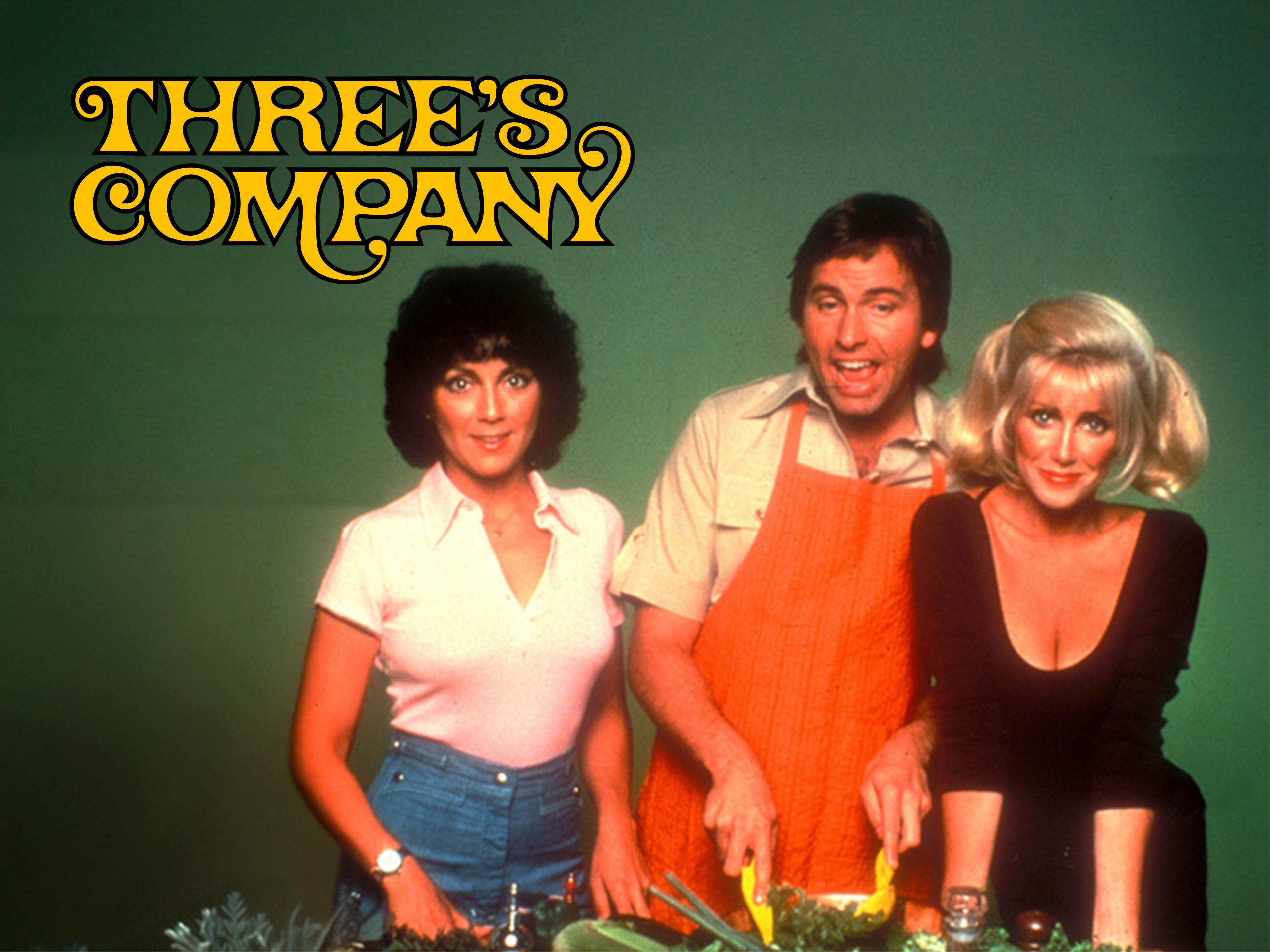
Three’s Company reaching #2 in 1979 shows just how perfectly ABC had tuned its broad-comedy engine. The series took a premise with enough sexual tension and social unease to feel current, wrapped it in old-school farce, and turned it into one of the most audience-friendly products in prime time. It was television’s ability to flirt with change while keeping everybody comfortable.
That is why it worked so well. The show promised just enough naughtiness to feel modern, but never enough to feel genuinely threatening. Misunderstandings, innuendo, cohabitation anxiety, landlord suspicion — everything was calibrated for maximum comic churn and minimum actual disruption. It gave the audience the thrill of something mildly transgressive while making sure nobody had to seriously rethink anything on the way to the commercial break.
In the larger 1979 story, the show matters because it represents television learning how to weaponize social change as pure entertainment. Not social commentary. Not cultural conflict. Just friction converted into laughs. That is a very late-70s move, and network TV got exceptionally good at it.
It also helps explain why ABC dominated the year. The network understood that instant readability was gold. Three’s Company was easy to market, easy to enter, and easy to repeat. That is a blockbuster formula.
Laverne & Shirley holding the top spot in 1979 is the clearest possible sign that late-70s television had settled into its most efficient commercial form. The show is bright, broad, character-first and powered by chemistry strong enough to carry an entire network identity on its shoulders. This is not just a popular sitcom. It is one of the defining products of the era.
What makes the series so revealing is how many late-70s strengths it combines at once. It has warmth, familiarity, rewatchability, and a strong comic bond at the center. It is nostalgic enough to feel comforting, fast enough to feel lively, and accessible enough that viewers barely need an on-ramp. That is exactly the kind of show a network wants at the top of the board when it is trying to own the entire room.
In the context of 1979, the show also says something important about what audiences were most rewarding. They wanted personalities they already loved, comic energy that hit immediately, and a world that could deliver quick pleasure without demanding much setup. Laverne & Shirley does all of that, which is why it feels less like a fluke and more like the perfect end-of-decade champion.
There is also something fitting about a female-led sitcom sitting at #1 during a year otherwise defined by aggressive network engineering. It won not by seeming prestigious, but by being instantly likable, fully promotable, and impossible to overcomplicate. In late-70s television, that was nearly unbeatable.
The ranking shows television becoming more modular, brand-driven and spinoff-friendly while a smaller group of CBS institutions preserves some of the decade’s earlier depth.
The top TV shows of 1979 look like the late-70s machine running at full speed. Laverne & Shirley and Three’s Company keep ABC on top. Happy Days , Mork & Mindy , Angie , The Ropers , and Taxi prove the network is no longer winning just with a couple of giants. It is winning with an entire bench built around familiarity, spin-off logic, high-concept comedy, and audience-friendly repeatability.
That is what makes 1979 such a useful year in the series. Earlier in the decade, television often felt like a medium arguing with the culture in public. By now, it feels more packaged, more branded, and more modular. Prime time is becoming less about one big statement and more about creating a reliable weekly ecosystem of hits.
CBS still matters — a lot. 60 Minutes , M*A*S*H , and All in the Family keep seriousness, emotional depth, and older cultural authority inside the top tier. But the directional arrow is obvious. The future belongs to networks that know how to turn personality, premise, and familiarity into scalable entertainment.
For a lot of us who knew these shows from first runs, reruns or both, 1979 feels like the final warm-up before television tips fully into the even bigger, shinier, more aggressively branded 80s version of itself.
Move from the prime-time dial to the toy box, radio and movie theater, revisit the decade’s theme songs, then continue into the first television year of the 1980s.
Follow the ratings from the western-heavy opening of the decade through topical sitcoms, event television, network turf wars and the comedy machine that hands the remote to the 1980s. For the whole decade beyond the rankings, explore the complete 70s TV guide.
Quick answers about the #1 show, both ties, ABC’s seven entries, the Nielsen-season method and why 1979 matters.
According to the 1978–79 Nielsen season, Laverne & Shirley was the #1 TV show tied to 1979.
Three’s Company ranked #2.
Yes. Commonly cited season rankings show a tie at #3 between Happy Days and Mork & Mindy , plus a tie at #9 between All in the Family and Taxi .
ABC dominated the season. It owned the #1 and #2 spots and placed the majority of the featured entries in the top 10, showing just how completely its late-70s comedy machine had taken over the board.
Because television popularity was measured by season rather than calendar year. For year-based nostalgia rankings, the standard reference is the Nielsen season ending in that year.
Because it shows network television becoming more brand-driven, spin-off friendly, and systematized — a bridge between the late 70s and the even bigger entertainment logic of the 1980s.
Using the 1978–79 Nielsen season, the top three were Laverne & Shirley at #1, Three’s Company at #2 and a tie at #3 between Happy Days and Mork & Mindy.
ABC placed seven of the ten entries in the 1978–79 top 10: Laverne & Shirley, Three’s Company, Happy Days, Mork & Mindy, Angie, The Ropers and Taxi.
New television countdowns, decade guides, videos and exactly the kind of woodgrain-fueled memory damage you came here for.