CBS Owned the Dial
Eight of the ten entries aired on CBS, including the number-one show and every program from fourth through tenth.
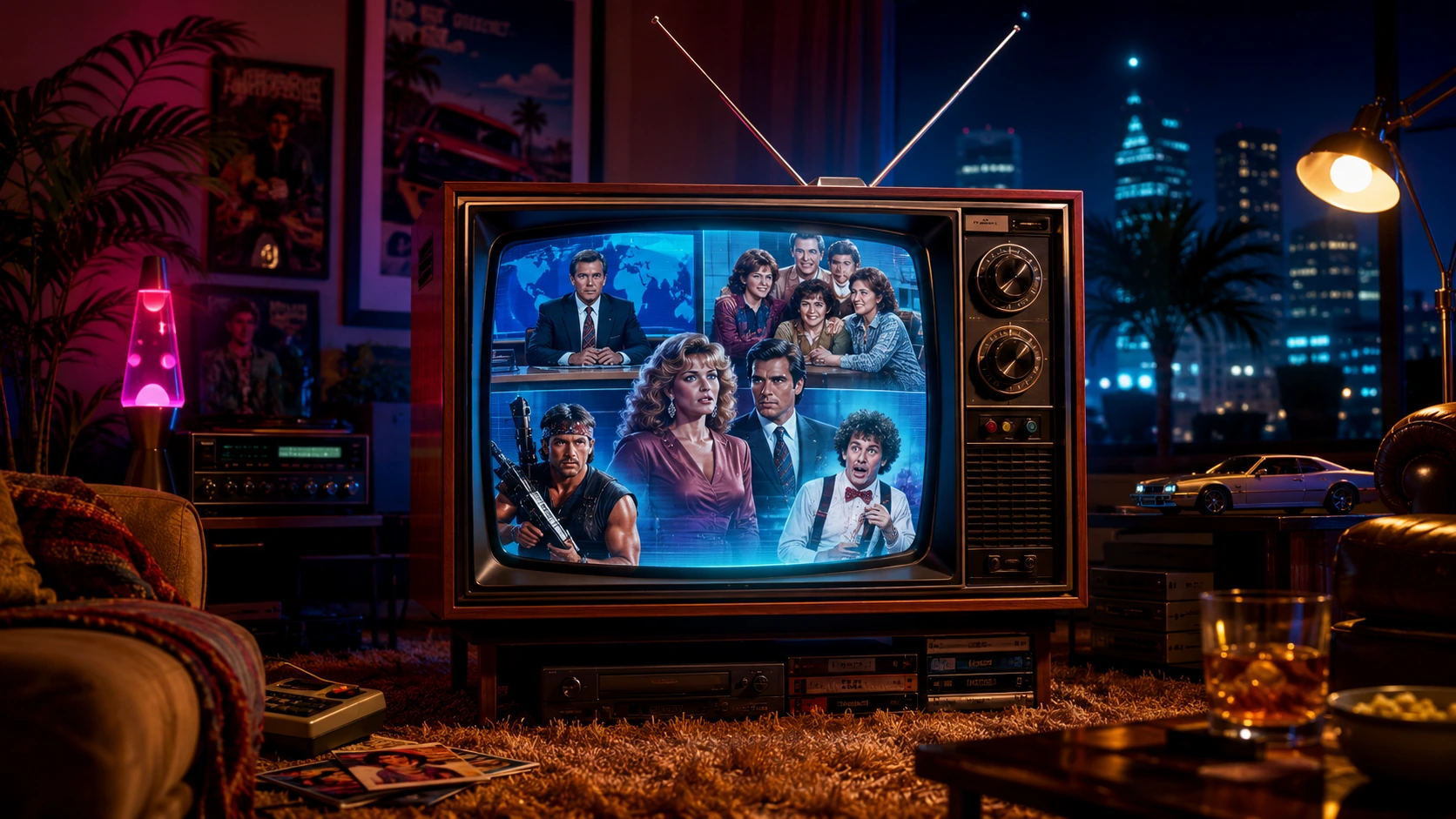
According to the Nielsen rankings for the 1979–80 television season, 60 Minutes was America’s most-watched show, followed by Three’s Company and the wonderfully strange That’s Incredible!. Alice and M*A*S*H officially tied at number four.
Before streaming, DVRs and “watch whenever,” one glowing television set controlled the evening. Miss an episode and it was simply gone. No pause button, no instant replay and no mercy.
 Now Broadcasting
60 Minutes ranked number one in the 1979–80 Nielsen season. Three’s Company was second, That’s Incredible! was third, and Alice and M*A*S*H tied for fourth.
Because Nielsen measured television by season rather than calendar year, this countdown uses the season that ended in 1980. Ten programs are presented for readability, while every snapshot preserves the official rank—including the tie that means there was no separate official number-five position.
CBS dominated the list, ABC owned two of the top three positions, and the shows ranged from hard news and family sitcoms to prime-time soap opera, backwoods action and televised human oddities.
The list captures the last stretch when three networks could make much of the country feel as if it were watching the same handful of programs.
Eight of the ten entries aired on CBS, including the number-one show and every program from fourth through tenth.
Family stress, workplace friction and roommate misunderstandings remained central to mass-audience television.
Dallas helped prove that viewers would return every week for continuing stories, glamour and betrayal.
That’s Incredible! turned unusual people and outrageous stunts into top-three television decades before viral clips.
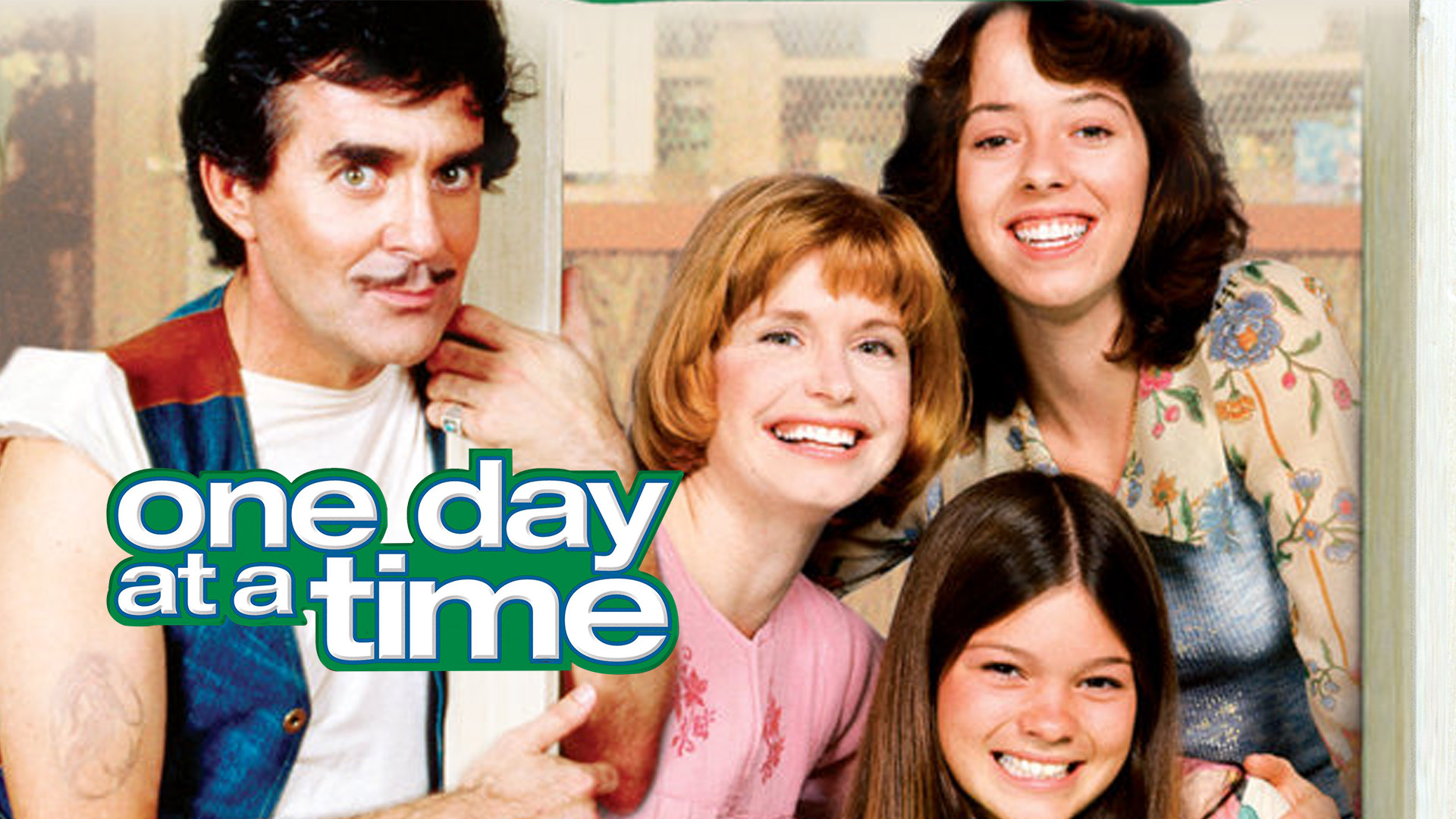
One Day at a Time earned its place in the 1980 top 10 because it felt closer to real life than a lot of the glossier shows around it. The series centered on Ann Romano, a divorced mother trying to hold together work, bills, parenting, and her own sanity while raising teenage daughters Julie and Barbara. In other words: not exactly fantasy television, but absolutely recognizable television for a lot of families.
That relatability mattered. The show could be warm and funny, but it also carried the Norman Lear habit of sneaking serious social reality into the sitcom format. Ann wasn’t a cartoon mom. She was stressed, flawed, capable, and constantly juggling adulthood with two daughters who were old enough to have opinions and young enough to blow up her peace on a weekly basis.
Bonnie Franklin anchored the whole thing, while Valerie Bertinelli and Mackenzie Phillips gave the show a lived-in family rhythm that didn’t feel fake. And then there was Schneider, the superintendent with boundary issues and a giant personality, whose pop-ins became part of the show’s charm.
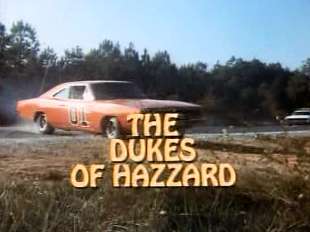
The Dukes of Hazzard was pure movement. Fast cars, crooked local authority, impossible jumps, and a tone that never once asked to be taken too seriously. In a TV era when a lot of hits were family sitcoms or glossy dramas, this thing came barreling in like a sugar rush with a horn on it.
The setup was simple and durable: cousins Bo and Luke Duke spend each episode outsmarting Boss Hogg and Rosco P. Coltrane while Hazzard County behaves like the least efficient local government in America. The stories were broad, silly, and endlessly repeatable, which is exactly why the show was such a hit. It was easy to drop into, easy to root for, and easy for kids to turn into backyard make-believe the next day.
The real icon, of course, was the General Lee. That orange Charger became the kind of TV object kids remembered as vividly as the cast. Add Daisy Duke to the mix and the show had a pop-culture footprint far bigger than its plot complexity ever needed to be.
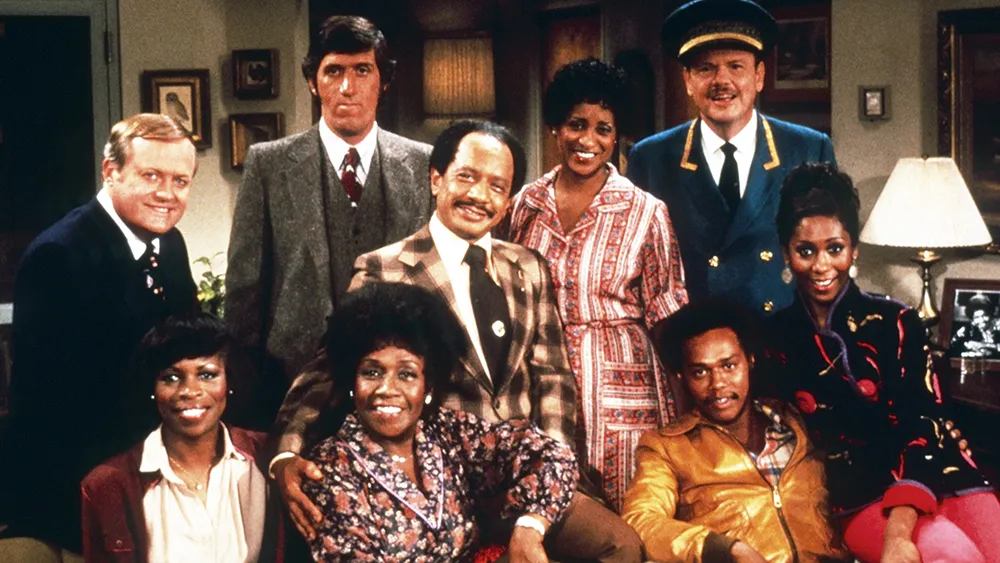
By 1980, The Jeffersons was already an institution. George and Louise Jefferson had “moved on up” years earlier, but audiences were still showing up because the show had more going on than a catchy theme. It was funny, sharp, and built around one of TV’s most unforgettable married couples.
Sherman Hemsley’s George Jefferson was loud, proud, cranky, ambitious, and almost impossible to ignore. Isabel Sanford’s Louise was the balance wheel — smarter, steadier, and more emotionally intelligent without ever fading into the background. That contrast gave the show its engine. George could bluster all he wanted, but Weezy usually understood the room before he did.
The sitcom also mattered culturally in a bigger way than a lot of old-network comedies get credit for. It came out of the Norman Lear universe, dealt with class and race without pretending those issues didn’t exist, and still managed to be broad enough for primetime mainstream success. That is not an easy trick.
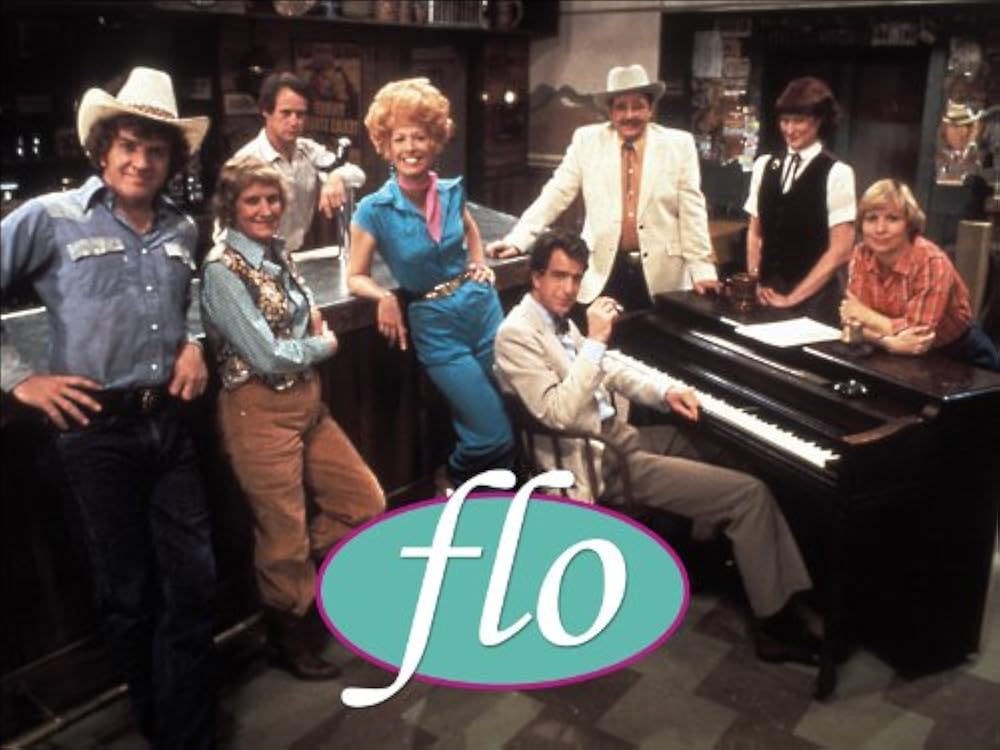
This is the sleeper entry on the list, and honestly, that makes it more interesting. Flo was a spin-off from Alice, built around Polly Holliday’s breakout waitress character Florence Jean Castleberry. That alone tells you how huge Holliday’s impact was. You don’t get your own show in 1980 unless America really, really noticed you.
The series moved Flo back to Texas, where she took over a battered roadside bar and grill and turned it into her own operation. Compared with Alice, it had a little more frontier grit and small-town swagger. It also rode the momentum of Flo’s pop-culture catchphrase era, when “Kiss my grits” was somehow both network-TV safe and everywhere at once.
The crazy part is how fast it hit. Premiering in March 1980, it still finished the season ranked this high. That says the audience arrived immediately. It didn’t become a decade-defining long-run juggernaut, but in the moment it was absolutely hot.
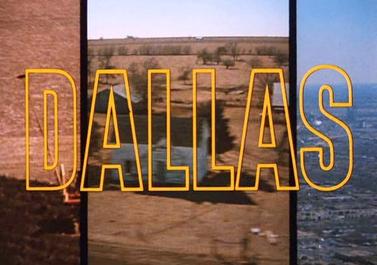
Dallas had not yet reached its full “Who Shot J.R.?” nuclear level by the close of the 1979–80 season, but the machine was already humming. The show centered on the wealthy Ewing family at Southfork, mixing oil money, family warfare, marital disaster, and business scheming into a primetime soap that felt bigger, shinier, and meaner than a lot of what TV drama had been before.
Larry Hagman’s J.R. Ewing was the secret sauce. He was not a lovable rogue. He was manipulative, selfish, ruthless, and magnetic — exactly the kind of villain audiences claim to hate while making absolutely sure they don’t miss an episode. Around him, the rest of the Ewing family created a pressure-cooker world where loyalty and betrayal changed by the week.
What made Dallas so important is that it helped redefine primetime drama as serialized event television. You watched because you wanted the glamour, but you came back because you needed to know what happened next.
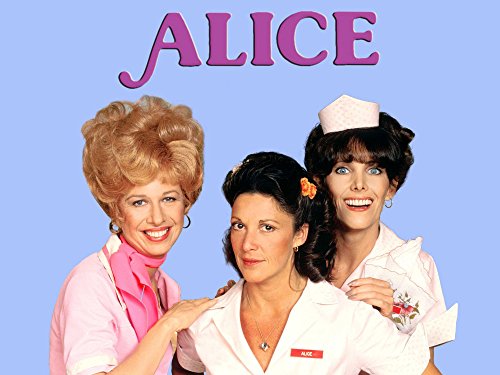
Alice was one of those sitcoms that looked deceptively modest. No giant action hook, no high concept, just a waitress, her son, a cranky boss, and a diner. But that was exactly the point. Mel’s Diner felt lived in, and the cast turned that familiarity into comfort TV with personality.
Linda Lavin gave Alice Hyatt an appealing mix of toughness and weariness, while Beth Howland and Polly Holliday helped make the workplace banter feel like the real attraction. Flo, especially, became a breakout presence because she had the kind of sitcom attitude that could cut through the screen. “Kiss my grits” didn’t just land — it escaped the show and entered the culture.
The appeal of Alice was working-class rhythm. Customers came and went, Mel barked, the waitresses pushed back, and the show found humor in the grind of everyday life. For viewers, it felt less like fantasy and more like hanging out somewhere everybody knew your usual order.
By 1980, M*A*S*H was already deep into legendary status. Set in a Mobile Army Surgical Hospital during the Korean War, the show managed an almost impossible tonal balance: broad comedy, melancholy, antiwar skepticism, and character depth, all in the same half hour.
Alan Alda’s Hawkeye Pierce was central to that alchemy. Smart, funny, rebellious, and deeply human, he turned what could have been a stock TV smart-aleck into one of the defining characters of the era. Around him, the ensemble kept the 4077th feeling like a pressure-cooker workplace where wit was both entertainment and survival mechanism.
What made M*A*S*H different from so many network hits is that it trusted its audience to handle emotional whiplash. One scene could be hilarious, the next quietly devastating. That gave the show staying power beyond simple ratings dominance. It didn’t just entertain viewers; it respected them.
Here’s the most wonderfully bizarre entry in the 1980 top three: That’s Incredible! A reality-format show built around stunts, oddities, unbelievable claims, unusual talents, and the kind of “you have got to see this” material that would now spread online in about six minutes.
Hosted by John Davidson, Fran Tarkenton, and Cathy Lee Crosby, the series basically weaponized curiosity. It packaged human weirdness, minor miracles, daredevil acts, and paranormal-adjacent spectacle into primetime family viewing. That sounds chaotic because it was chaotic — and viewers loved it.
In hindsight, the show feels like a primitive ancestor of viral media culture. Before clips, before feeds, before algorithm bait, network television had already figured out that audiences will absolutely stop what they’re doing to watch somebody attempt something outrageous on camera.
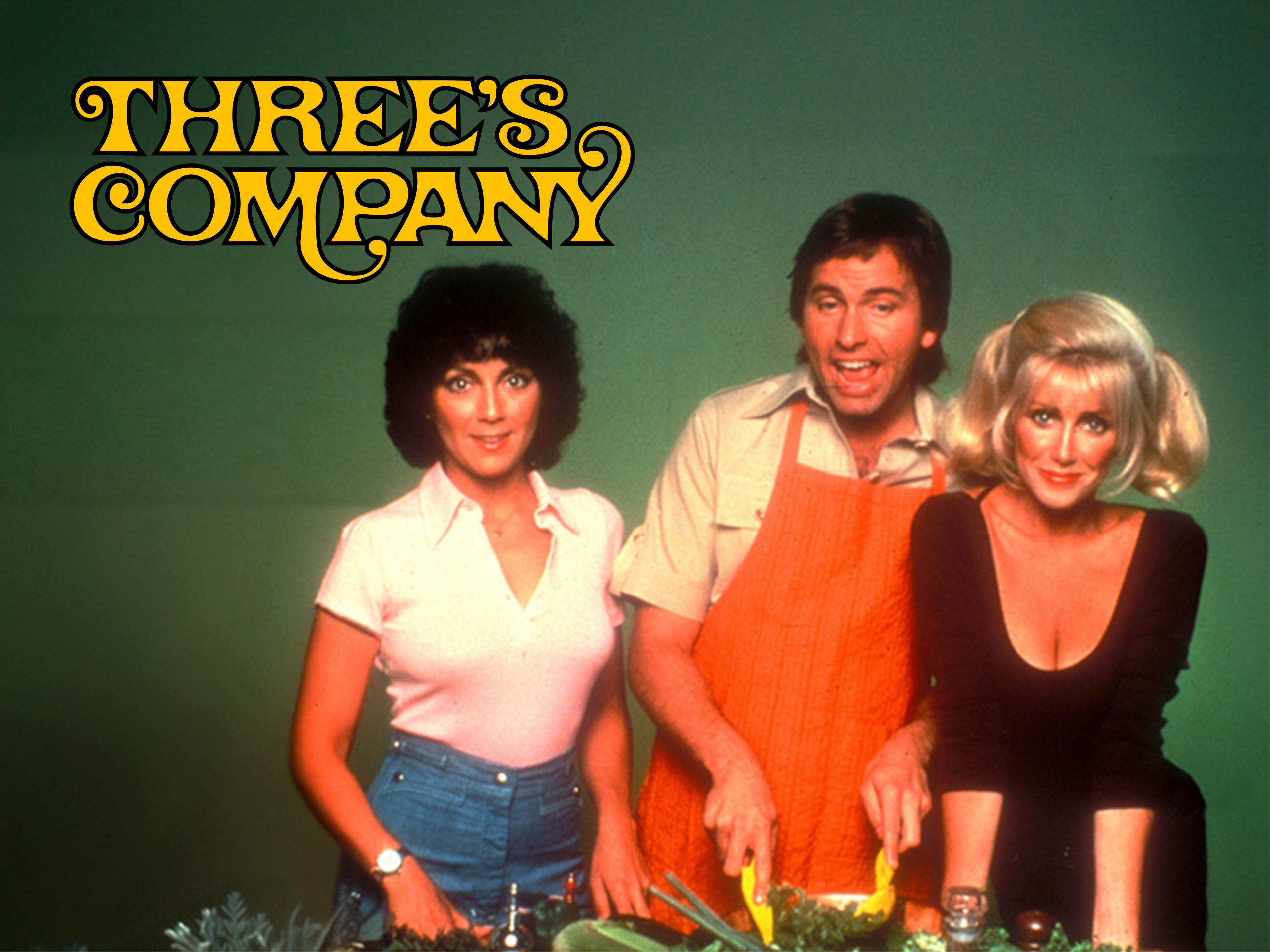
Three’s Company was one of the defining sitcoms of the era because it understood the ancient power of one reliable comedy formula: misunderstanding piled on top of misunderstanding until somebody is hiding, somebody is panicking, and John Ritter is falling over furniture in ways that should probably have required medical supervision.
The setup was famously “edgy” for network TV at the time: Jack Tripper living platonically with Janet and Chrissy while pretending to be gay to keep the arrangement socially acceptable to the landlords. That premise now feels almost quaint, but in the late ’70s into 1980 it gave the show just enough taboo energy to feel mischievous while still being broad mainstream entertainment.
Ritter, Joyce DeWitt, and Suzanne Somers were the core image of the series, and the show thrived on timing. It wasn’t subtle. It didn’t need to be. It was bright, flirtatious, silly, and built for mass appeal.
The biggest show of 1980 was not a sitcom, not a soap, and not a drama. It was 60 Minutes, which says a lot about what network television still was at the time. Created as a primetime newsmagazine, the show had already become one of the most successful and influential programs in broadcast history by the time it topped the Nielsen list.
Its power came from seriousness with style. Investigative reporting, sharp interviews, strong correspondents, and the sense that what you were watching mattered. Mike Wallace, Morley Safer, and the rest of the team brought a level of authority that made the program feel like appointment television in the strongest sense. This wasn’t background noise. This was “be in the room when it starts.”
It’s easy to forget now how dominant a news program could be in the network era. But 60 Minutes thrived because Americans treated it as both journalism and Sunday-night ritual. It was credible, compelling, and important — and in 1980, that was enough to beat everything else.
The number-one show was a hard-news institution. Number two was a roommate farce built on innuendo and physical comedy. The rest of the top ten offered family stress, diner sarcasm, rich-people backstabbing, backwoods car chases, social satire, wartime comedy-drama and one beautifully strange reality show that predicted internet-era “can you believe this?” content.
That variety is the story. In the network era, a hit did not have to resemble every other hit. It only needed to capture enough of America at the same time.
For Gen X, these shows were not merely programming. They were routine, shared reference points, school-next-day conversation and the soundtrack of parents saying, “Shhh, this is on.”
Television was only part of the year. Continue into the songs, movies, toys, fads and video countdown that helped 1980 feel like a decade changing clothes.
The Billboard hits that launched the decade, presented as a complete video countdown.
Watch the 1980 Video → MusicThe year-end hits that owned radio while disco, rock, pop and new wave changed places.
Explore the Songs → MoviesThe box-office hits from a year of sci-fi, comedy, horror, sequels and blockbuster momentum.
Explore the Movies → ToysThe toy shelf before the decade went fully neon, electronic and cartoon powered.
Explore the Toys → FadsThe looks, crazes and cultural leftovers that made 1980 feel caught between decades.
Explore the Fads → The Full DecadeMusic, toys, movies, television and the rest of the decade’s Gen X pop culture.
Enter the 80s →Move through the decade one Nielsen season at a time, from the network-heavy opening of 1980 to the changing prime-time landscape of 1989.
A few quick answers about the Nielsen season, the tie at fourth place and the networks represented in the countdown.
60 Minutes ranked number one in the Nielsen ratings for the 1979–80 television season.
Television ratings were reported by season rather than calendar year, so a list of the biggest shows associated with 1980 normally uses the season that ended in 1980.
The two CBS programs officially tied at number four. The page presents ten show sections for readability while preserving the tie in the ranking details.
No. Dallas ranked sixth in the 1979–80 season, though it became an even larger ratings force shortly afterward.
CBS placed eight programs in this top ten. ABC supplied the number-two and number-three shows, Three’s Company and That’s Incredible!
The list includes sitcoms, a newsmagazine, a prime-time soap, an action comedy-drama, a wartime comedy-drama and an early reality-style spectacle series.
New articles, countdowns, videos and whatever other corner of the Gen X television schedule gets unlocked next.