The TV Shows That Defined Gen X Childhood
The TV Shows That Defined Gen X Childhood
Patient neighbors, sarcastic cars, blue villages and families with problems: the overlapping television childhoods that gave Gen X so much of its shared shorthand.
By Gizmo
DIFFERENT CHILDHOODS.
Inside This ArticleJump to a section or show
At a glance
Find a show
- Sesame Street
- Mister Rogers’ Neighborhood
- The Electric Company
- Reading Rainbow
- 3-2-1 Contact
- Mr. Wizard’s World
- You Can’t Do That on Television
- Double Dare
- Fraggle Rock
- The Muppet Show
- He-Man and the Masters of the Universe
- The Transformers
- DuckTales
- The Smurfs
- Punky Brewster
- Diff’rent Strokes
- Family Ties
- Knight Rider
- The A-Team
- The Wonder Years
- The Brady Bunch
- Little House on the Prairie
There was a time when the television told you what time of day it was. If Big Bird was talking, you were probably still in the little-kid part of the schedule. If the afternoon turned into talking cars, sword-wielding heroes and a bunch of guys building a tank out of lawn equipment, school was over and somebody had better start thinking about homework. And if J.R. Ewing or Alex P. Keaton showed up, chances were the adults had reclaimed the couch.
Except those were never hard rules, were they? A whole generation learned to operate the television dial, then the remote, around whatever was available. One house had cable and Nickelodeon. Another had three networks, PBS and a UHF station that seemed determined to run The Brady Bunch until Greg was old enough to collect Social Security. The picture might be fuzzy, the antenna might need adjusting, but the show was on, and that was enough.
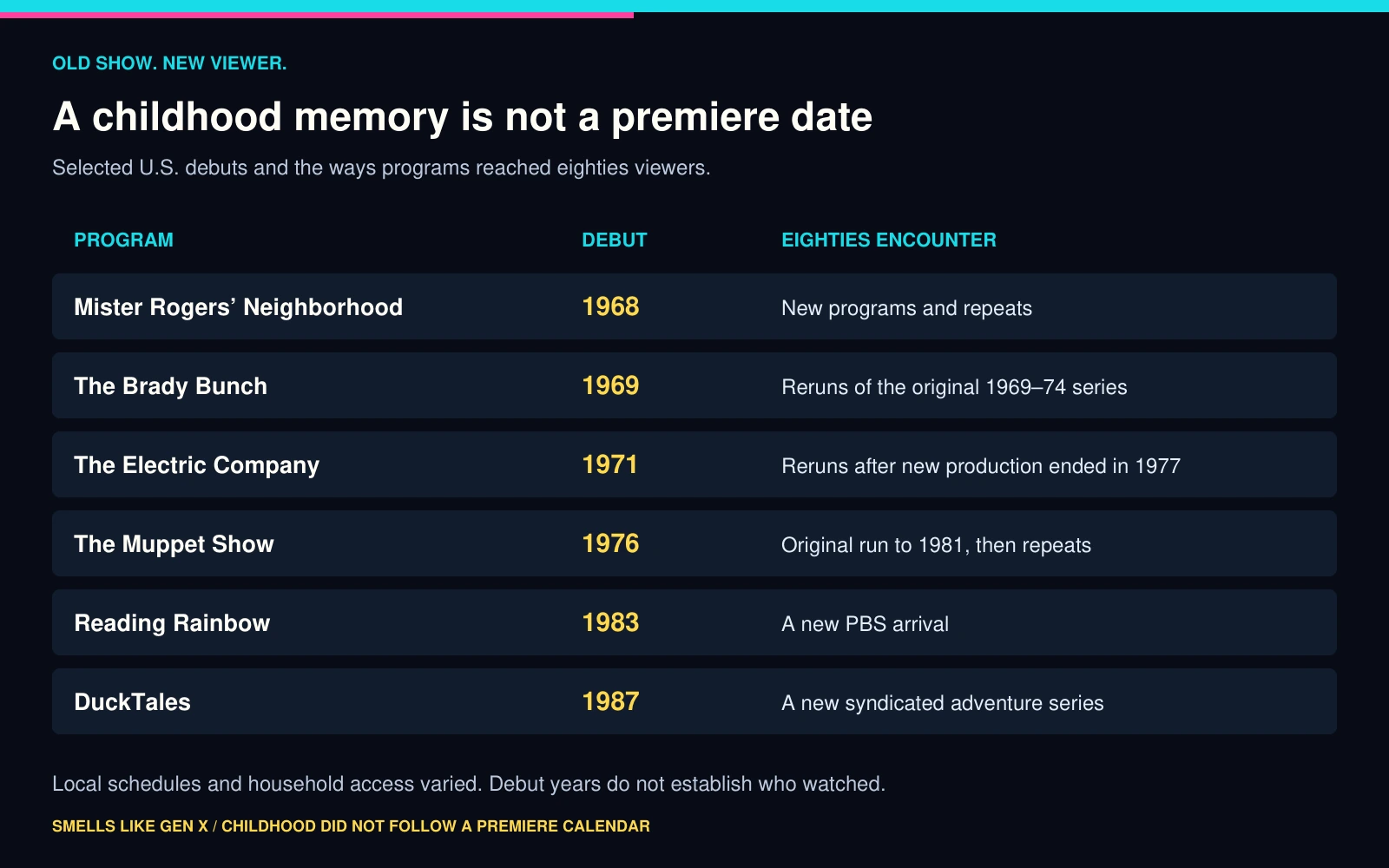
The TV shows that defined Gen X childhood didn’t all premiere in the eighties. Some were seventies reruns that lived practically rent-free on the afternoon schedule. Others were new cartoons with a suspicious number of action figures waiting in stores. There were kindly adults who treated children like people, game-show hosts who covered them in unidentified goo and prime-time families whose problems made your own household look relatively peaceful.
Think of the sounds. The trolley from Mister Rogers’ Neighborhood. The opening rush of 3-2-1 Contact. KITT speaking in that perfectly calm voice while Michael Knight did something questionable. The A-Team theme kicking in just as the bad guys were about to make the terrible mistake of leaving B.A. alone with power tools. Those weren’t abstract cultural milestones. They were the background noise of an actual childhood.
And Gen X was never one age group gathered around one TV. Using the usual 1965–1980 birth range, some of us were teenagers when the decade began; others barely had their eyes open. There was room for a kid who watched The Electric Company first-run and a younger kid who had no idea what life was like before DuckTales. Both could recognize the theme to The Muppet Show. Television did an excellent job of making yesterday feel like today.
So this isn’t a claim that every Gen Xer watched every show. Nobody’s house received the same channels, obeyed the same bedtime or had the same older sibling controlling the remote. It’s a trip through 22 very different television worlds, remembered for what they actually gave us: laughs, surprises, strange little lessons, a few genuine scares and enough theme music to fill the rest of our lives. For the wider decade, there’s our look at the eighties and the grown-up hits in the 1980s television guide. Right now, the floor in front of the television belongs to the kids.
Childhood television didn’t obey premiere dates
The Brady Bunch originally went off the air in 1974. Try explaining that to anyone who found it at 4:30 on a Tuesday in 1983. Marcia was still popular, Jan was still underappreciated, and Peter was still capable of making an ordinary family problem dramatically worse. An old episode wasn’t old when you had never seen it before. It was the one that came on after school.
That’s one of the peculiar things about growing up before everything had a neat on-demand menu. Our viewing schedules were stitched together by local stations, network reruns, PBS, syndication, and eventually cable. The Muppet Show could be a recent memory for one kid and a rerun discovery for another. If you watched an early Electric Company episode beside a brand-new He-Man, nobody appeared onscreen to tell you that the programs came from different eras. You just went from Morgan Freeman to Skeletor and carried on with your day.
The schedule was a strange but effective education. The grown-ups in the seventies shows often seemed more cheerful, the clothes were different, and some effects were so obviously handmade that a kid could imagine recreating them with cardboard. None of that necessarily mattered. A good character crossed the decade line without asking permission. Fred Rogers was Fred Rogers, whether he was appearing in a new broadcast or one made before you could read.
What changes when we revisit these programs is the person watching. As kids, we thought Arnold had the best comeback, Kermit ought to fire somebody, and Alex Keaton’s parents were frequently making his life difficult. As adults, it’s hard not to notice that Kermit was running the world’s least manageable workplace and Steven Keaton deserved an uninterrupted vacation. That’s part of the fun. The TV stayed the same, but the person holding the remote grew up.
Twenty-two familiar worlds
Sesame Street: the neighborhood that didn’t talk down
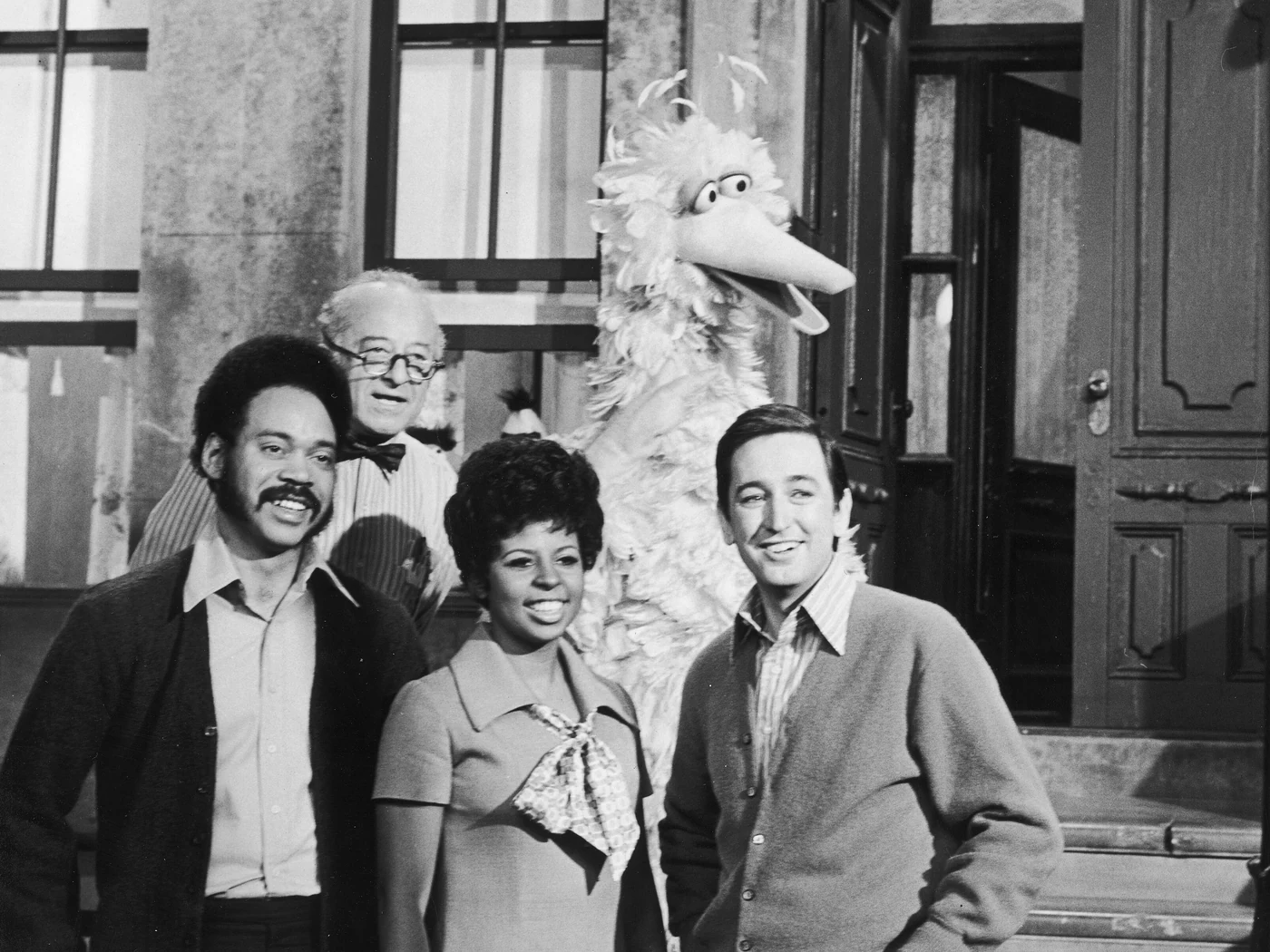
The quickest way to explain Sesame Street to someone who missed it is to tell them that a giant yellow bird could ask a very serious question and nobody laughed at him for asking. Big Bird was curious, confused and occasionally convinced that the grown-ups had misunderstood something important. Most of the time, they treated him like a neighbor, not a problem to be managed. That’s a pretty good place to start a children’s show.
By the eighties, Sesame Street was already an institution. It began in 1969, before PBS itself, and had built a neighborhood where Muppets and human neighbors moved through the same little world. Oscar lived in a trash can and seemed entirely satisfied with the arrangement. Grover could turn one trip to a restaurant into an international emergency. Cookie Monster had a single dietary objective. You might forget the lesson about the letter B, but you remembered the blue guy trying to get a waiter to cooperate.
There was a rhythm to it: a number, a song, a street scene, a sketch that made no sense at first and then made perfect sense. The repetition wasn’t an accident. Kids wanted to get the answer right before the character did. And for every educational moment, something gloriously ridiculous happened. The show knew a child could learn to count while laughing at a monster who wasn’t especially good at counting himself.
Then came the Thanksgiving 1983 episode about Mr. Hooper’s death. Will Lee, the actor who played him, had died, and the show didn’t pretend Mr. Hooper had gone on an indefinitely long vacation. Big Bird wanted him back. The adults explained that he wasn’t coming back and stayed with Bird while that sank in. It was gentle, and it was devastating in the way only the truth can be when you’ve never had to hear it before.
That’s why the old Sesame Street is worth more than a montage of puppets. It made room for jokes, songs, mistakes, difficult feelings and the ordinary business of living next to people. Long before anybody called a television program a safe space, there was a street where Oscar could be grouchy, Big Bird could be sad and everybody still belonged.
Mister Rogers’ Neighborhood: an adult willing to slow down
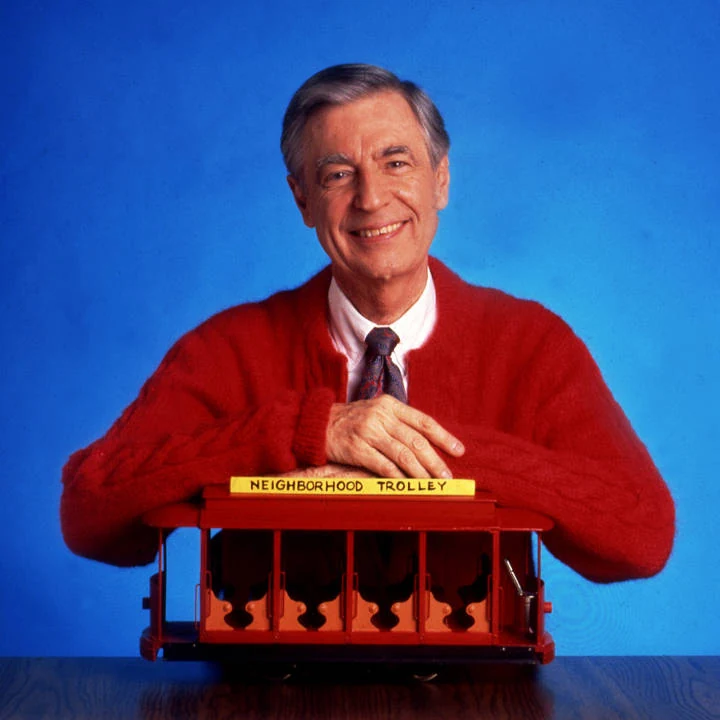
Some grown-ups on television arrived with a crash, a punch line or a lot of noise. Fred Rogers came through the door, changed his sweater, changed his shoes and talked to you as though whatever was on your mind deserved a minute. For a kid accustomed to being told to hurry up, that was a pretty radical half-hour.
Mister Rogers’ Neighborhood began nationally in 1968 and remained a fixture through the eighties. The trolley went into the Neighborhood of Make-Believe, where King Friday was every bit as convinced of his own importance as certain real-world authority figures. Daniel Striped Tiger could be frightened, shy or uncertain, and no one rushed in to tell him to stop being silly. There was time for the feeling and time for the conversation afterward.
The real-world visits were their own pleasure. Rogers would watch somebody make something, listen to a musician, or see how an ordinary job was done. He wasn’t pretending to be amazed by every bolt and button; he seemed genuinely interested. That enthusiasm made the rest of us interested, too. A factory floor could be just as fascinating as a puppet kingdom if someone bothered to look closely.
In 1981, the show tackled divorce, an enormous subject for any child whose family was changing. Rogers didn’t promise that families always stayed together or suggest that a child had caused the trouble. He chose his words carefully and said what could be said. That care is easy to mistake for simplicity until you’ve tried explaining something painful to a small person who’s listening to every word.
Maybe you were the kid waiting for a faster show to come on. Maybe the pace felt impossibly slow. Revisit one episode now, when the entire world seems to be shouting and flashing and demanding your reaction immediately. There’s Fred, looking straight at the camera and allowing the silence to last. Turns out the man in the cardigan may have been the coolest adult on television all along.
The Electric Company: reading arrives with a comedy troupe
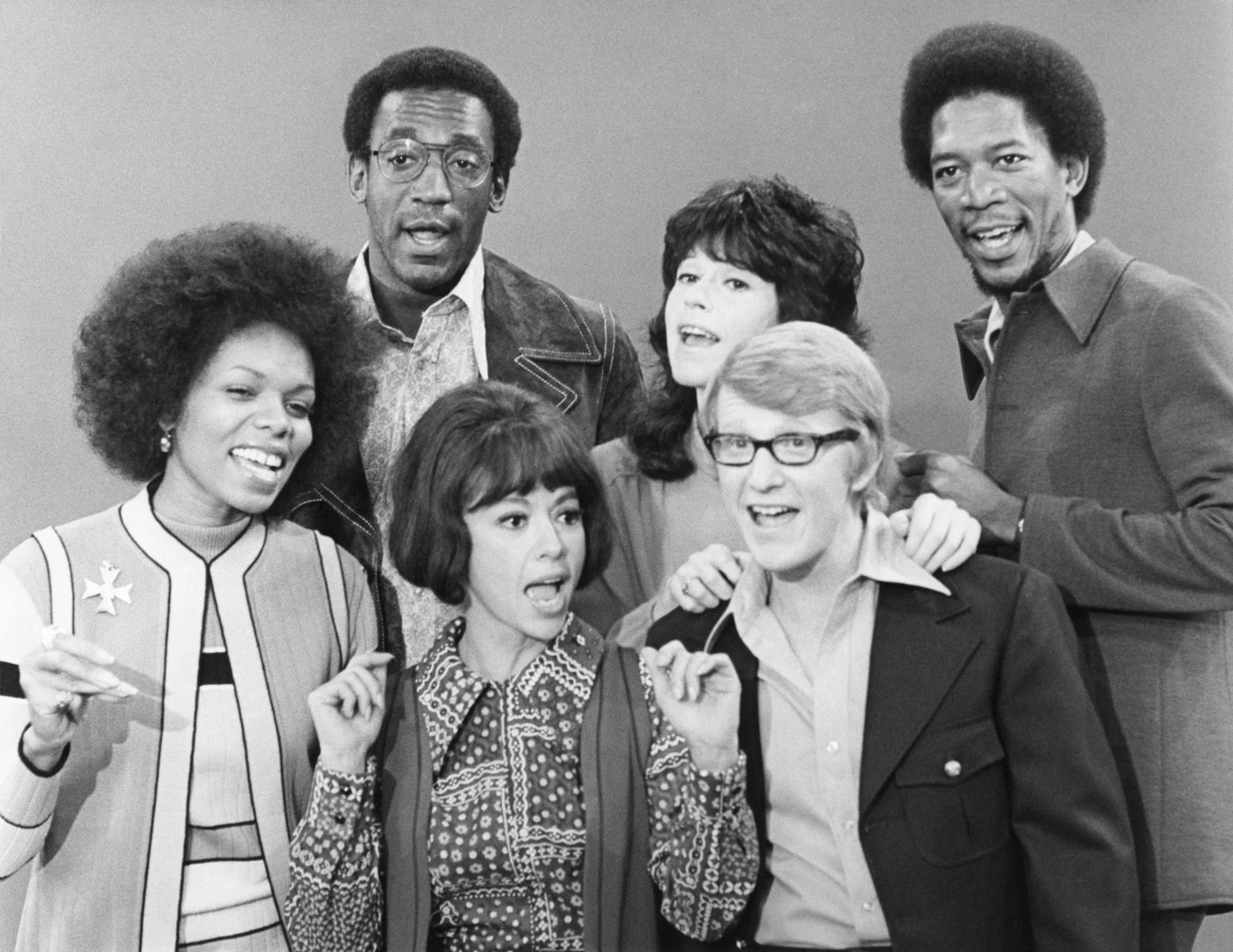
Before Morgan Freeman became the voice of authority in practically every serious movie trailer, he was the Easy Reader, making reading look like something you could do with a grin and a little swagger. The Electric Company had that kind of energy. It didn’t ask kids to sit politely while somebody explained the alphabet. It put on a show and dragged the alphabet along for the ride.
The original program ran from 1971 to 1977, but reruns kept it in the lineup for plenty of eighties kids. Rita Moreno could blast into a sketch with the force of a marching band. The performers played with words, sounds and nonsense as though literacy were a strange new toy everybody wanted to try. When the silhouettes on opposite sides of the screen put sounds together, you could almost feel the little click in your head when the word arrived.
And yes, Spider-Man turned up. Not a solemn lecture about reading Spider-Man comics, but actual short adventures with the web-slinger. That mattered. The show had figured out something parents and teachers occasionally seemed to forget: children were not going to stop enjoying superheroes merely because an educational program had something to teach them.
Looking at it now, the hair, the clothes and the occasional visual effect are gloriously seventies. You can practically hear the studio lights humming. But the performances have real spark. They were doing comedy, music and sketch work, not just delivering homework with a laugh track.
Maybe the most memorable lesson was one nobody said aloud: reading could be funny, quick, surprising and useful. You didn’t have to become a tiny serious adult to enjoy it. Some of those clips were probably the first time a child felt the satisfaction of figuring out a word before the TV did. Hard to beat that, even with a pretty limited special-effects budget.
Reading Rainbow: a book opens into the wider world
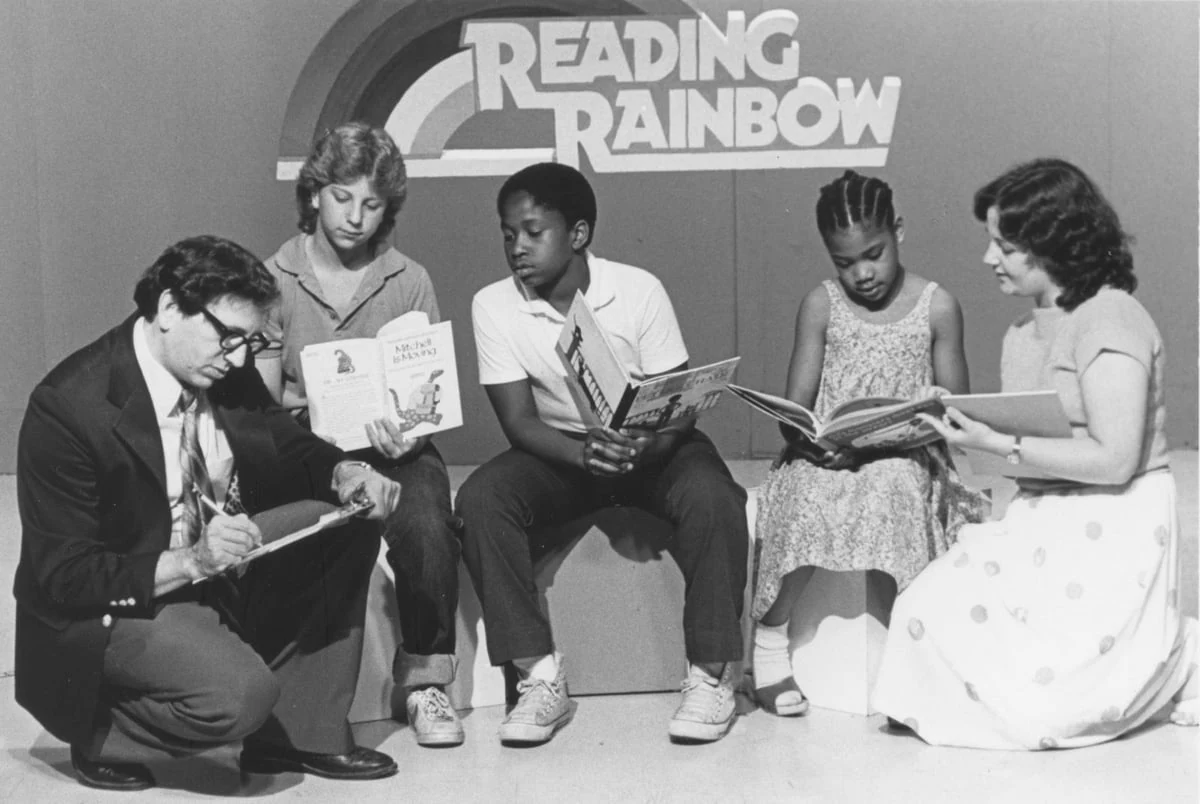
LeVar Burton had a wonderfully simple pitch: here’s a book, and here’s the world waiting inside it. Reading Rainbow didn’t need a quiz, a race or an adult leaning over your shoulder asking what happened on page six. Burton liked stories and was apparently delighted to show you where they could lead. That made a big difference.
The PBS series began in 1983, just in time for the younger stretch of Gen X. Each episode used a book to open a door into something else: an animal, a place, a person, a job you’d never imagined doing. Burton could look at a museum or a workshop with the curiosity of a kid who had just discovered it. Nobody had to tell him to act interested. He sounded as though he actually was.
One of its smartest ideas came near the end, when kids recommended books to other kids. Not a principal, not a celebrity, not a committee of adults who had decided which titles were good for you. Children said what they’d enjoyed and why. That gave their opinions some weight. You could disagree, of course, but at least the person recommending the book might also have homework waiting at home.
The opening theme made reading seem like taking flight, but the show kept one foot on the ground. Libraries existed. Books could be borrowed. You didn’t need a plane ticket to visit a place you couldn’t find on the map. For a child in a small town, or one whose family wasn’t taking vacations every summer, that was quite an offer.
It’s also a show the older Gen X crowd might associate with a younger brother or sister. Fair enough. A generation fifteen years wide wasn’t raised from one identical television tray. But for the kids who caught Reading Rainbow at the right age, Burton was a familiar friend saying that curiosity didn’t have to stop because school was over.
3-2-1 Contact: science had people in it
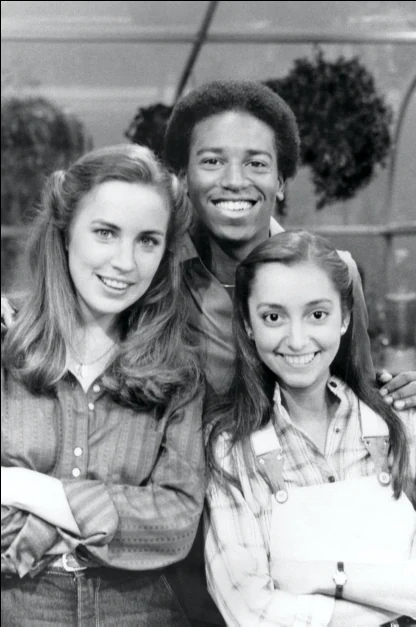
That opening wasn’t trying to lull anybody into educational compliance. It practically jumped out of the television: energy, movement, and the word “contact” sounding like somebody had just thrown a switch. 3-2-1 Contact made science feel like something already happening all around you, which, inconveniently for anyone hoping to avoid it, was true.
The Children’s Television Workshop launched the PBS program in 1980. Its young presenters talked to scientists, looked at animals, investigated machines and explored the kinds of questions that start with “what happens if” and end with an adult suggesting you stop experimenting near the furniture. It showed the work, not just the answer. Watching someone figure something out was often better than receiving the finished explanation.
Then there was the Bloodhound Gang, the mystery segment that gave the show a completely different pulse. A clue, a problem, a bit of danger and kids using observation instead of waiting for a grown-up detective to take charge. It was a terrific way of smuggling scientific thinking into a story you might have watched even if the word “science” had never appeared.
What stands out now is how busy the program was. It could move from the natural world to an industrial process to a human body and still somehow feel like one conversation. The pace respected children who were ready for more than preschool counting but not yet interested in sitting through a university lecture. A segment you didn’t care for might be followed by one that blew your mind.
It didn’t need a superhero or an expensive toy line. The actual world was supplying more than enough oddities. Look a little closer at a spiderweb, a magnet, a machine or the stuff going into your garbage, and something astonishing appeared. For an eighties kid, that was a pretty useful thing to learn between cartoons.
Mr. Wizard’s World: the experiment happens right there
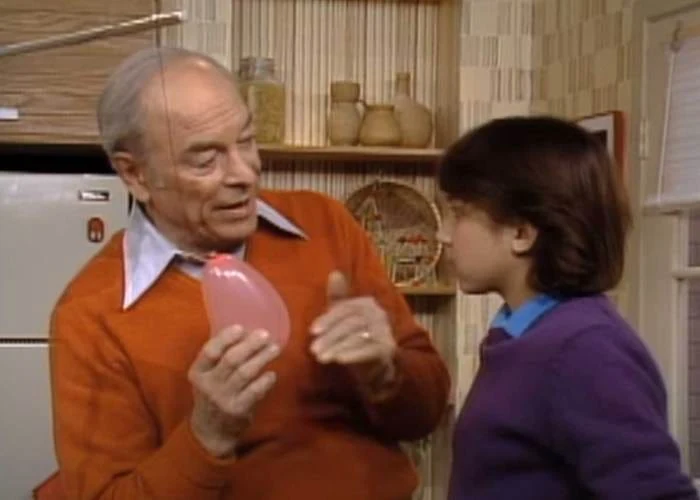
Don Herbert, better known as Mr. Wizard, could take an ordinary balloon and turn it into a reason you suddenly needed to pay attention. He didn’t arrive with a computer-generated laboratory or a crew of performers in lab coats. There was a table, a young helper, a question and the very real possibility that the first guess was going to be wrong.
Mr. Wizard’s World premiered on Nickelodeon in 1983, although Herbert had been showing children science on television since well before Gen X existed. If you encountered him in the cable years, he wasn’t television history. He was the guy explaining why something floated, fell, stretched or behaved in a way that seemed personally unreasonable.
He could be a little brisk. Mr. Wizard wasn’t always the gentle reassuring voice of a neighborhood host. He expected the child beside him to think. He asked for a prediction and then made the prediction face reality. Sometimes the answer was obvious once you’d seen it. Before that? Not necessarily. That was the fun.
The experiments often used ordinary objects, which made every kitchen drawer look like a possible laboratory. Parents may not have been quite as enthusiastic about this side effect. A balloon, a bottle or some water suddenly had potential beyond its assigned household job. The clever part was getting viewers to ask a better question without encouraging them to do anything unsafe or unsupervised.
Today, when educational videos can summon a galaxy in three seconds, it’s oddly satisfying to watch Herbert and a child get interested in what air does inside a simple object. No dramatic countdown, no overly excited narration, no flashing reminder to subscribe. Just something happening right there, and the sense that understanding it might be more rewarding than the fancy introduction.
You Can’t Do That on Television: the adults weren’t in charge of dignity
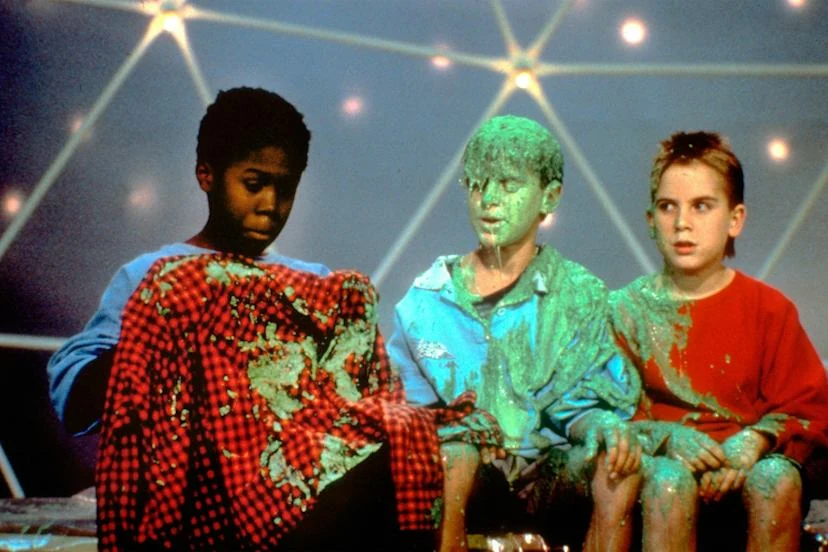
There were two things you learned pretty quickly on You Can’t Do That on Television: don’t say you don’t know, and be extremely careful when discussing water. Otherwise something awful was coming down from above. Usually green. The kids watching might have known the trap ten seconds before the kid on screen, which only made the moment better.
The show started in Ottawa in 1979 and became a Nickelodeon fixture during the eighties. Its cast of children and teenagers occupied a world in which adult authority was often spectacularly undeserved. Les Lye played an assortment of grown-ups who could be foolish, greedy, threatening or just plain weird; Abby Hagyard joined him in making the supposed responsible people look like the ones who needed watching.
Barth’s burgers were not an inspiring advertisement for food safety. The dungeon was a place nobody should have been sending children. The locker sketches worked like tiny jokes passed between classmates while the adults weren’t listening. Christine McGlade and the changing cast gave the whole thing the feeling of a slightly rebellious club that happened to have access to television cameras.
For many kids, that attitude was the draw as much as the slime. Children’s programming often sounded as if it had been approved by everybody’s parents. This was a show that suspected the adults might be making a mess of things. It was rude, silly and occasionally gross in a way that felt designed to make a disapproving parent say, “What are you watching?”
Some of the jokes look rougher now; not every sketch deserves a standing ovation. But the show had a point of view that children’s television didn’t always allow. It treated kids as people with sarcasm, annoyance and the occasional justifiable complaint about the world. The early Nickelodeon years didn’t get their green-splattered identity out of nowhere. It came from an afternoon when somebody said the wrong word and the ceiling got involved.
Double Dare: knowing the answer wasn’t your only option
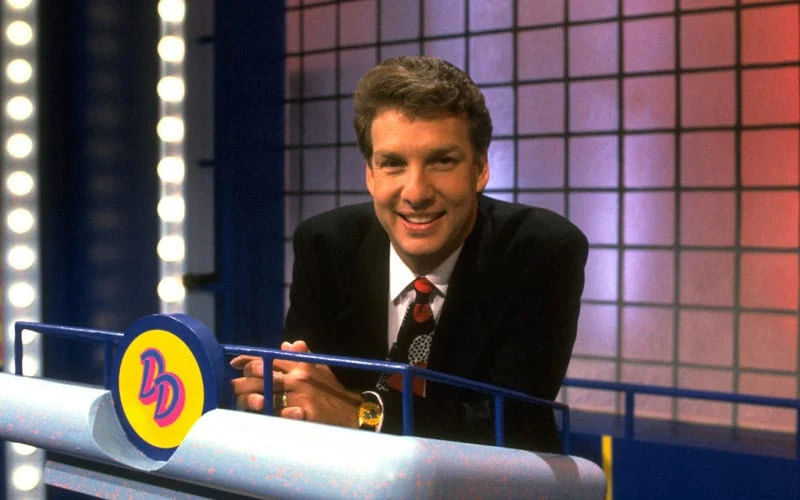
Every kid watching Double Dare had a theory about where the flag was hidden. Every kid watching Double Dare was also safely at home, dry, and under no pressure to crawl through a disgusting tunnel while a clock counted down. This made all of us outstanding obstacle-course strategists. Marc Summers had to deal with the actual contestants.
Nickelodeon’s original Double Dare began in 1986, pairing trivia with the option of taking a dare or accepting a physical challenge. That was the brilliant twist. Didn’t know the answer? You might still have a way back into the game, provided you were willing to put your face somewhere sticky. The risk was often more entertaining than the question itself.
The show had the beautifully organized chaos of a school carnival designed by someone who had found an unusually generous cleaning budget. Slime, foam, enormous household objects, awkward costumes and hidden flags kept children moving while Summers tried to maintain the impression that everyone understood the rules. He was calm enough to run a game and amused enough to acknowledge when the game got completely ridiculous.
The obstacle course gave you things no ordinary adult game show offered. Nobody was discussing a retirement account or a luxury vacation. Contestants were racing to get through a mess while trying not to embarrass themselves in front of the entire country. At home, you could practically feel the clock winding down as somebody reached past the flag for the third time.
It was commercially savvy and deliberately messy, sure. But it also let kids be the stars rather than sit quietly while adults demonstrated how much smarter they were. On Double Dare, a bright kid might win with a correct answer. A fearless kid might win by diving into a giant fake dessert. That’s a kind of fairness eighties television didn’t always offer.
Fraggle Rock: the neighbors were a whole ecosystem
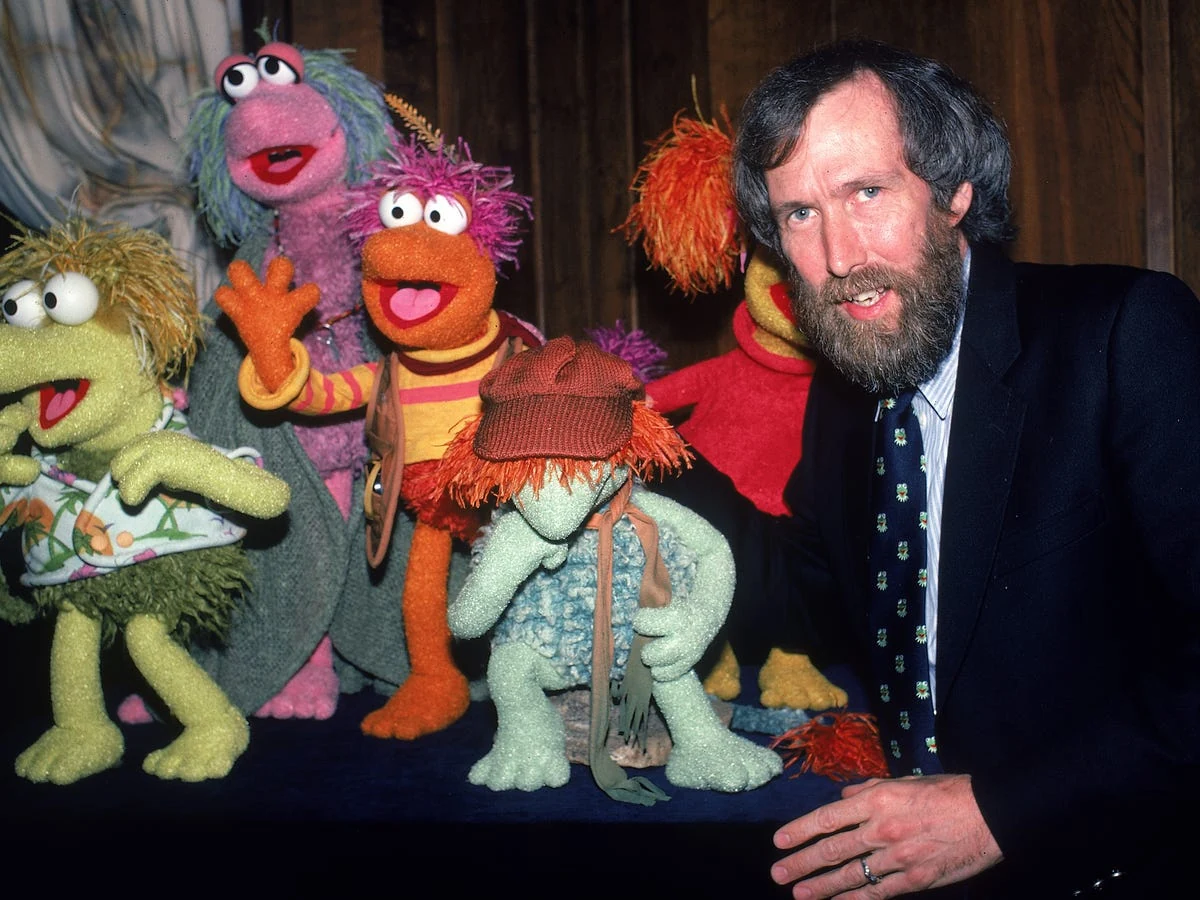
If you had HBO in 1983, Fraggle Rock could feel like an entire secret world that the rest of the neighborhood didn’t know existed. If you didn’t have HBO, you might have had to wait until the Fraggles found their way into your living room through another channel. Either way, once you met them, there were an awful lot of personalities to keep track of in those tunnels.
Jim Henson wasn’t content to make five cheerful puppets with different hair. Gobo wanted to explore. Red was competitive and impulsive. Boober worried about approximately everything. Wembley could have trouble choosing a side in an argument between two people who agreed. Mokey seemed to live a little closer to poetry than practical decision-making. Their disagreements sounded familiar even if the surroundings most definitely didn’t.
Then the show got stranger. The Doozers were hard at work building tiny structures that the Fraggles kept eating. The Gorgs lived on the other side of the scale problem, towering over the little creatures while having their own family quarrels. And Marjory the Trash Heap was somehow the wise figure everybody went to for answers. You had to appreciate a program confident enough to put its oracle on a pile of garbage.
The songs helped make all of it stick. Fraggle Rock could stop the plot for a tune without feeling as if someone had pushed the educational music button. The characters sang because they were worried, excited, hopeful or confused, and the music sounded like it belonged to the world. It was a show with an actual community, where nobody’s habits made complete sense from anybody else’s point of view.
You can see the lesson about depending on one another, but the series didn’t require every kid to explain it afterward. Some of us just liked the creatures and the caves. Later, it’s hard not to notice how cleverly Henson turned a bunch of incompatible neighbors into a world that would collapse if they ever got what they wanted and stopped bothering one another. Sounds suspiciously like a neighborhood association, with better music.
The Muppet Show: children got the chaos, adults got the workplace
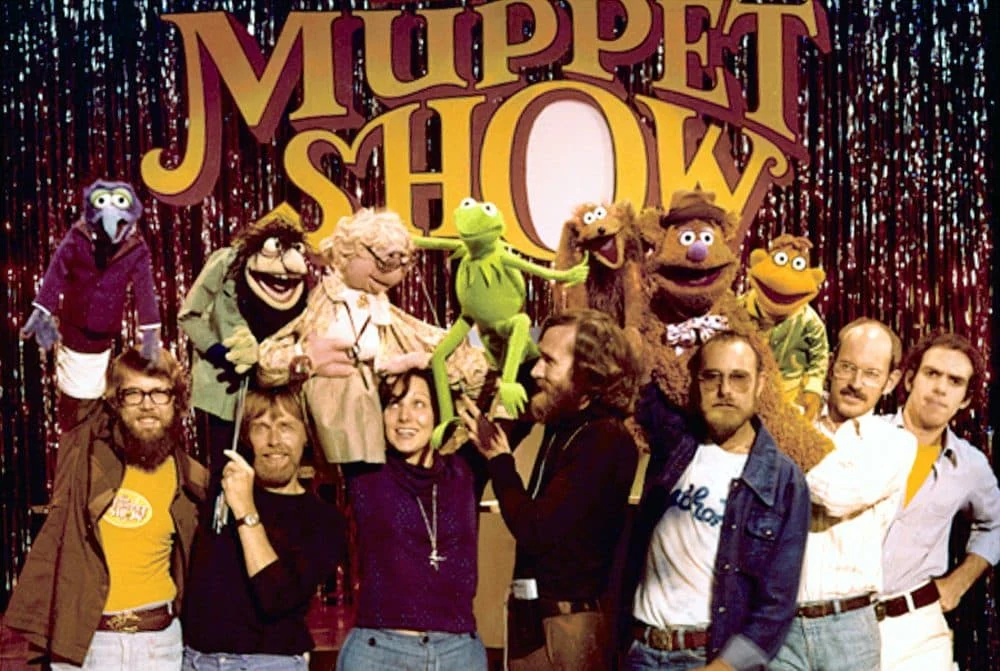
Kermit the Frog was trying to put on a variety show. That was the plan, anyway. Unfortunately, he employed Fozzie Bear, Miss Piggy, Gonzo, Animal and an assortment of performers who appeared to consider a rehearsal merely a suggestion. Watching The Muppet Show as a kid was a glorious series of things going wrong. Watching it as an adult is discovering that Kermit had the most stressful management job in television.
The original series ran from 1976 to 1981 and kept showing up through syndication. It was built to entertain adults and children at once, which explains how a child could laugh at a monster eating a prop while a parent laughed at a joke the child wouldn’t understand for another decade. The human guest stars were part of the fun, but the Muppets never behaved as though the visiting celebrity was the only person who mattered.
Miss Piggy could treat the entire production as a delivery system for her talent and romantic expectations. Fozzie could walk onstage already needing encouragement. Gonzo had the confidence of an artist whose next act absolutely should have been reviewed by a safety inspector. The Swedish Chef was apparently operating a kitchen in a state of permanent emergency. And Statler and Waldorf turned heckling into a spectator sport with excellent balcony seating.
Jim Henson and the performers around him made these felt-and-foam characters feel like people. Frank Oz, Dave Goelz, Richard Hunt, Jerry Nelson and others gave them timing, jealousy, embarrassment and very specific ways of moving. A tiny pause could make a puppet’s expression funnier than a room full of carefully written dialogue. That’s why the material still plays after the surprise of a talking frog has worn off.
The funniest thing might be that the show never really solved its workplace problems. Kermit would begin the next episode convinced it could all go smoothly this time. The band would be there, the guest would arrive, the curtain would go up, and the backstage chaos would resume business as usual. Gen X got a lot of useful introductions to adulthood on TV. This may have been the most accurate one.
He-Man and the Masters of the Universe: power with a sales department
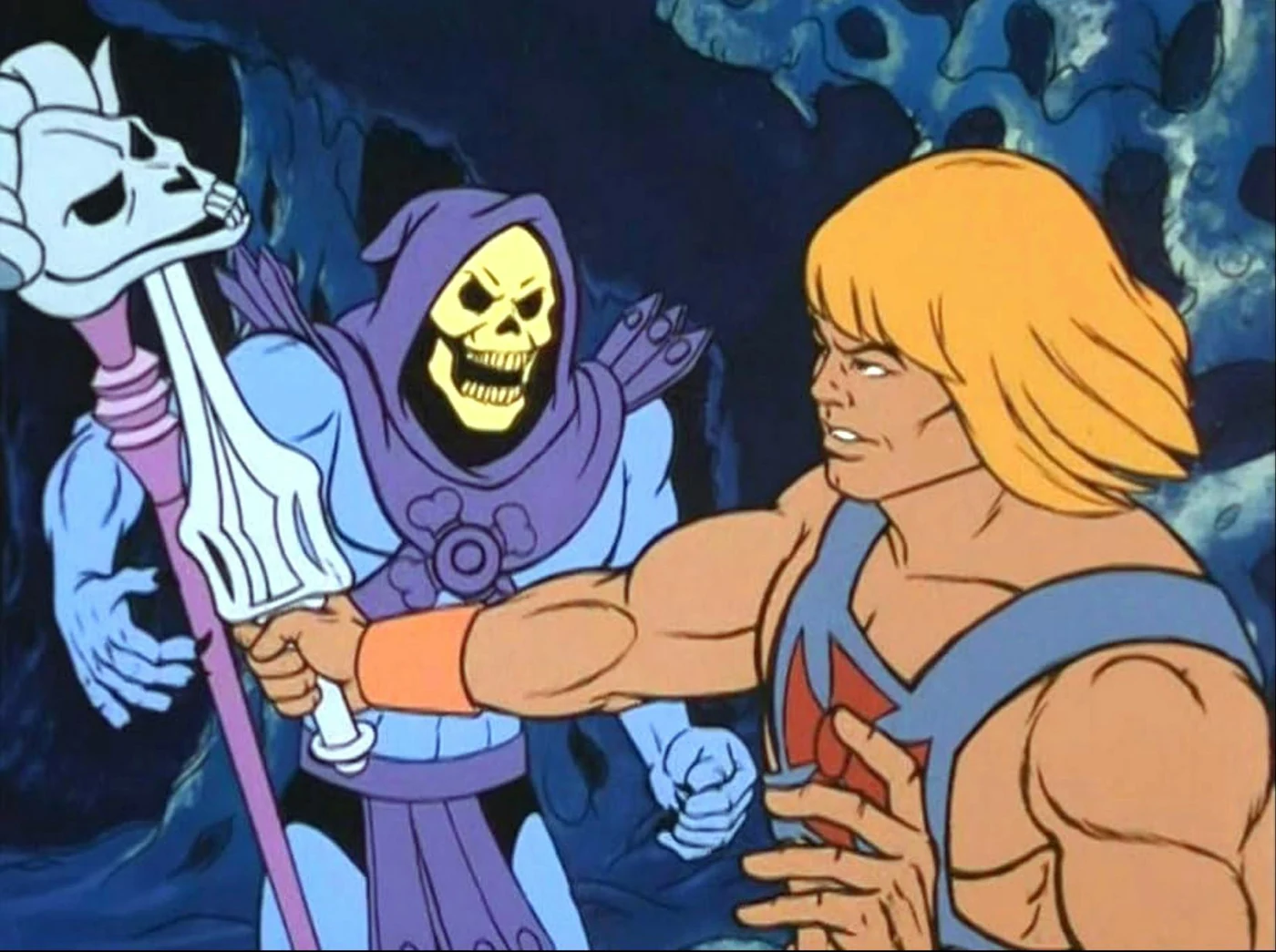
Prince Adam had a secret identity that required the people of Eternia to be remarkably poor at recognizing a man’s face. Nobody minded. Once he raised that sword and became He-Man, there were far more interesting things to discuss, such as why Skeletor kept hiring the same hopeless employees and what exactly Castle Grayskull’s security policy involved.
He-Man and the Masters of the Universe arrived in syndication in 1983, bringing together swords, spaceships, magic, monsters and the sort of architecture that looked terrific in plastic. Teela could take care of herself. Man-At-Arms generally seemed to know what was going on. Orko could make a simple situation substantially less simple. Cringer had entirely reasonable concerns about a job that occasionally required becoming Battle Cat.
And Skeletor! Alan Oppenheimer gave that blue-faced villain the voice of a supervisor who had spent the entire day surrounded by idiots and had not ruled out the possibility of firing everybody. He was forever planning the takeover of Eternia, and the plans were forever spoiled by the same people he’d spent the previous episode threatening to destroy. No performance review ever appeared to improve the organization.
Yes, the toys were part of the business from the beginning. Parents knew it, too, especially when an episode introduced another character who just happened to have a distinctive weapon and vehicle. But there was a difference between the company selling an action figure and a child turning that figure into a hero in a completely new adventure on the bedroom floor. The toys were tools. The imagination did most of the unpaid work.
The animation could repeat itself, and the closing morals sometimes arrived as though the adult supervision department had suddenly remembered it was supposed to exist. Still, the original He-Man cartoon gave children a big, noisy fantasy world with recognizable friends and enemies. Best of all, Skeletor was so perpetually furious that you could enjoy his defeat before He-Man had even finished stretching.
The Transformers: even the vehicles had loyalties
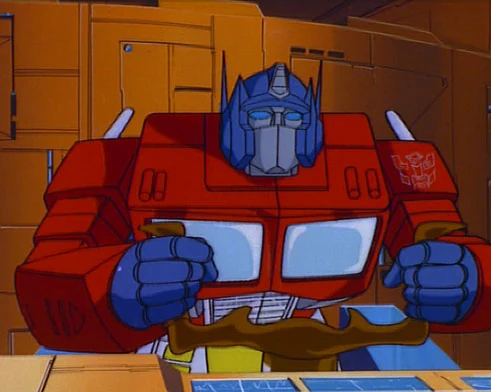
A car that became a robot was already a perfectly reasonable way to separate an eighties child from allowance money. A car that became a robot, joined a faction, developed a personality and got into an argument with another robot? Now you had a Saturday-morning obsession. Transformers made the family driveway look as though it might be concealing three separate wars.
The original animated series arrived in 1984 alongside Hasbro’s transforming toys. Optimus Prime was the kind of leader who sounded as if every decision mattered. Peter Cullen’s voice gave a giant robot truck more gravitas than several human television presidents. Megatron brought the menace, while Starscream spent so much time plotting against his own boss that he made you wonder how the Decepticons ever found time for the Autobots.
There were gadgets and battles everywhere, but it was the personalities that made the characters stick. Bumblebee felt approachable. Soundwave sounded like technology itself had decided to become intimidating. Starscream’s ambition was hilariously transparent. Even as a kid, you could understand the difference between a good team and a collection of loud personalities who didn’t actually trust one another.
The toy aisle was a big part of the picture, of course. Some figures were easy to transform. Others made you suspect the instructions had been written by someone who had never seen the actual toy. Still, finding a new configuration without breaking anything felt like solving a private puzzle. The animated adventures then gave your carefully transformed object a voice, a history and a reason to be heroic or unpleasant.
The 1986 movie introduced losses that could shock a child expecting another safe adventure with familiar favorites. That story wasn’t an ordinary TV episode, but its impact belongs to the childhood memory of the franchise. You could learn that a character mattered the hard way, even when the character was made of metal. Our Transformers television feature goes deeper; here it’s enough to remember the ridiculous thrill of looking at an ordinary truck and imagining it had a secret.
DuckTales: after school suddenly looked expensive
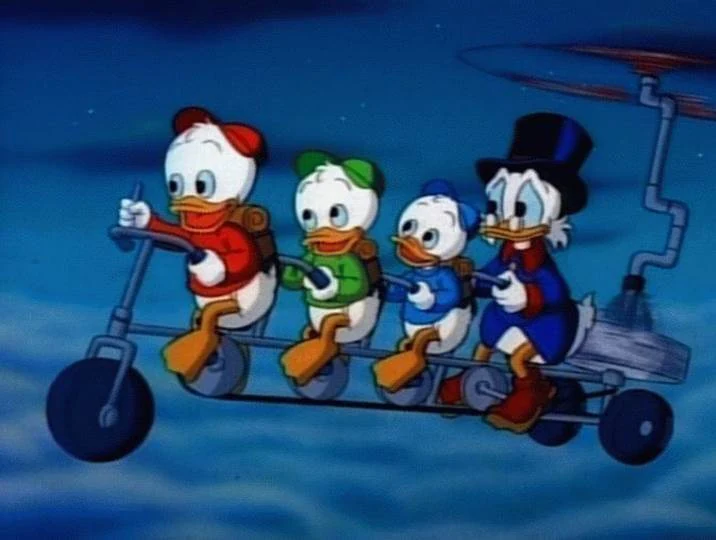
You heard the theme and you knew an adventure was coming. DuckTales didn’t sound like the kind of after-school cartoon in which everybody was going to sit around an ordinary living room and discuss how the day went. Scrooge McDuck had a fortune, a collection of relatives and an uncanny ability to turn a perfectly good vacation into an international treasure hunt. The kids were along for the ride, generally because the adults had lost control of the itinerary.
The original syndicated series arrived in 1987, before the Disney Afternoon became the familiar larger block of the following decade. That means some older Gen Xers remember it as the cartoon their younger siblings suddenly couldn’t stop singing about. For the kids at the right age, it was a remarkably satisfying weekday adventure. One day there was a mysterious artifact; the next, somebody was doing something inadvisable with a flying machine.
Alan Young gave Scrooge the sound of a man who loved money but might love the hunt even more. Huey, Dewey and Louie were resourceful enough to improve his plans and curious enough to wreck them. Launchpad McQuack remained serenely convinced that landing an aircraft was an optional part of flying it. Webby and Mrs. Beakley brought different kinds of sense to a household that seemed alarmingly short of it.
The animation was colorful, the locations changed, and the stories often felt larger than the typical half-hour cartoon premise. DuckTales took the world seriously enough to be adventurous while leaving its characters plenty of room to be ridiculous. Scrooge might be rich, but money alone rarely prevented the current mess. In fact, it had an impressive habit of helping cause it.
After school, that was a great bargain: twenty-something minutes in a world where the next mysterious place was always around the corner and the music never suggested you ought to settle down. All you needed was a television, the right station and the ability to ignore somebody yelling that homework wasn’t going to do itself.
The Smurfs: a village with entirely too many job titles
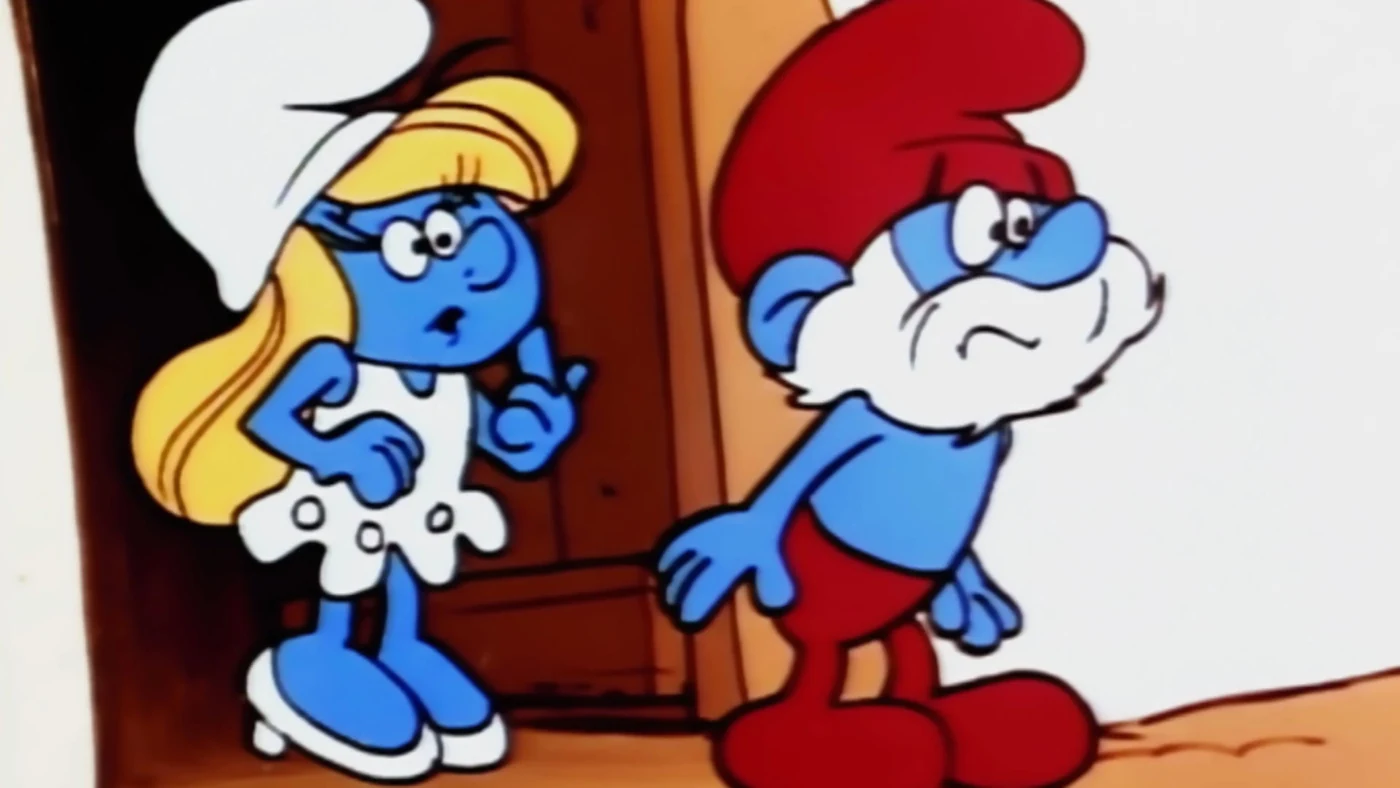
There were Smurfs for nearly every personality you could imagine, which raised the obvious question of whether you became a Brainy Smurf because you were brainy or whether being named Brainy had ruined any chance of behaving normally. He always had advice. He was usually very pleased to offer it. The other Smurfs tended to have their own opinions about whether anybody had asked.
The Hanna-Barbera cartoon started on NBC in 1981 and became a major Saturday-morning presence through the decade. Papa Smurf was in charge, Smurfette occupied a strangely lonely position in the original lineup, and Gargamel seemed to spend an astonishing percentage of his life chasing little blue people who lived in mushrooms. Azrael, his cat, occasionally looked like the one member of that household capable of recognizing a bad plan.
The village was cozy enough that you might have wanted to visit, provided you could survive the amount of communal supervision. Everybody knew everybody else’s business. If Clumsy fell over something, word presumably traveled immediately. If Handy built anything, somebody was bound to find a way to make it more complicated. Even without a conventional family structure, the place had all the familiar arguments of a very crowded home.
One of the show’s cleverest tricks was making the characters easy to identify. A name, a hat and a behavior did the work in seconds. The disadvantage was that the same joke could come back before you had finished remembering the previous one. Rewatch a long stretch now and the repetition is obvious; watch a single episode and the village can still feel inviting.
There were toys, storybooks and an awful lot of blue merchandise, but the TV series was the thing that made the personalities vivid. It offered a small world that a young viewer could understand and then rearrange during play. The Smurfs cartoon deserves its own deep dive. For childhood memories, though, one irritated Gargamel and a village full of tiny opinions are usually enough to get the theme playing again in your head.
Punky Brewster: mismatched shoes, very serious stakes
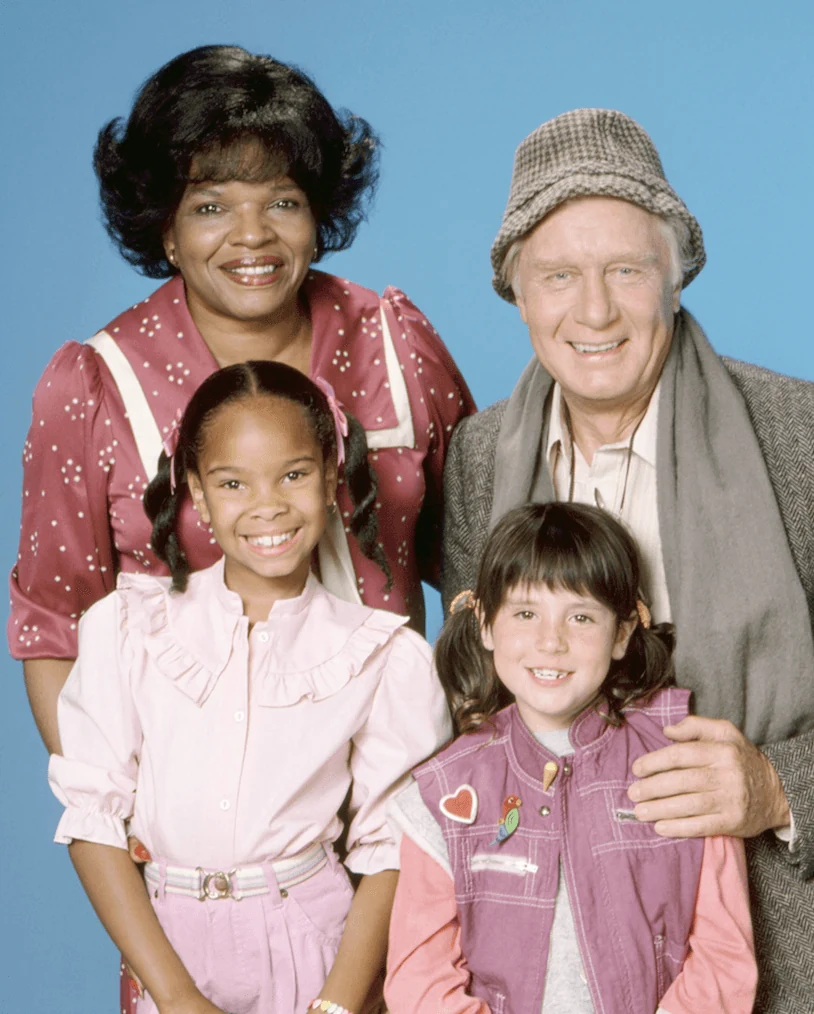
Punky Brewster dressed the way an eighties kid might have dressed if nobody had been allowed to say, “Those don’t match.” The colors clashed, the shoes disagreed and the confidence was magnificent. Soleil Moon Frye made Punky seem like a little force of nature, but the bright outfits were only half of it. Underneath them was a girl who’d been left behind and needed somebody to stay.
The sitcom began on NBC in 1984 and continued in syndication after its network run. George Gaynes played Henry Warnimont, the grumpy older man who suddenly had a child rearranging his orderly life. Henry wasn’t a magical TV guardian who knew exactly what to do from the first episode. He worried, resisted, made mistakes and slowly became the person Punky could count on. The friction made their affection much more convincing.
Cherie Johnson’s Cherie gave Punky a best friend, and Susie Garrett’s Betty provided another caring adult. Those relationships mattered because the show wasn’t simply about one lonely kid winning over one cranky landlord. Punky needed a community, and building one was an ongoing job. Her optimism could brighten a scene without making abandonment disappear as a serious fact.
And then there were the episodes that went much darker than you expected. The one where Cherie gets trapped in an abandoned refrigerator could scare the daylights out of you. A show that had just been making jokes about colorful clothes was suddenly dealing with a genuine emergency. The stakes landed because these were children we’d spent time with, not anonymous characters introduced for a cautionary lecture.
Punky Brewster could lay the lesson on thick; it was the eighties, and nobody had quite discovered subtlety in the very-special-episode department. But Frye and Gaynes made something real underneath the sweetness. What stayed wasn’t just the wardrobe or the catchphrase. It was the sight of a child testing whether a grown-up would be there tomorrow—and learning that he would.
Diff’rent Strokes: Arnold could stop a room with a look
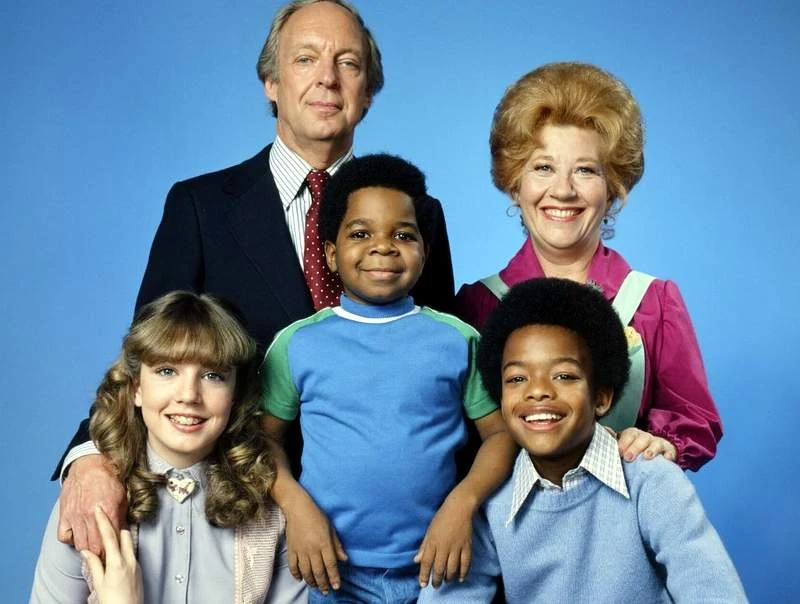
Gary Coleman had a way of looking at an adult that said the adult had just presented an argument with several serious defects. By the time Arnold Jackson asked what somebody was talking about, the face had often landed the joke already. Diff’rent Strokes might have been built around a big family premise, but Coleman could turn one small pause into an entire scene.
The show debuted on NBC in 1978 and remained a familiar eighties sitcom, eventually finishing on ABC. Arnold and his older brother Willis, played by Todd Bridges, moved into the wealthy Manhattan household of Philip Drummond, played by Conrad Bain. Dana Plato’s Kimberly completed the original group of kids. There were class differences, racial differences and a remarkable number of situations in which an adult believed a quick explanation ought to settle everything.
Willis made an important counterweight to Arnold. Older, more cautious and not nearly as interested in turning every irritation into a public performance, he gave the brothers a recognizable sibling bond. Drummond meant well but sometimes seemed to think having money and good intentions would be enough. It was usually Arnold’s job to demonstrate that a few questions remained.
Then the show would throw in something unexpectedly serious. The infamous bicycle-shop episode involving a predatory adult was frightening precisely because audiences were used to the reassuring apartment and quick jokes. Other very-special episodes could be clumsy or preachy, but they made a real impression on children who weren’t expecting that turn from a favorite sitcom.
As adults, we can see the limits of the premise more clearly. A rich man’s kindness didn’t magically solve every problem, and not every episode allowed the characters the complexity they deserved. Still, the chemistry and Coleman’s timing explain why the show was so big. Arnold was a kid calling out grown-up nonsense, often with the exact look we’d have liked to use ourselves if we hadn’t been afraid of getting sent to our rooms.
Family Ties: the teenager had a financial plan
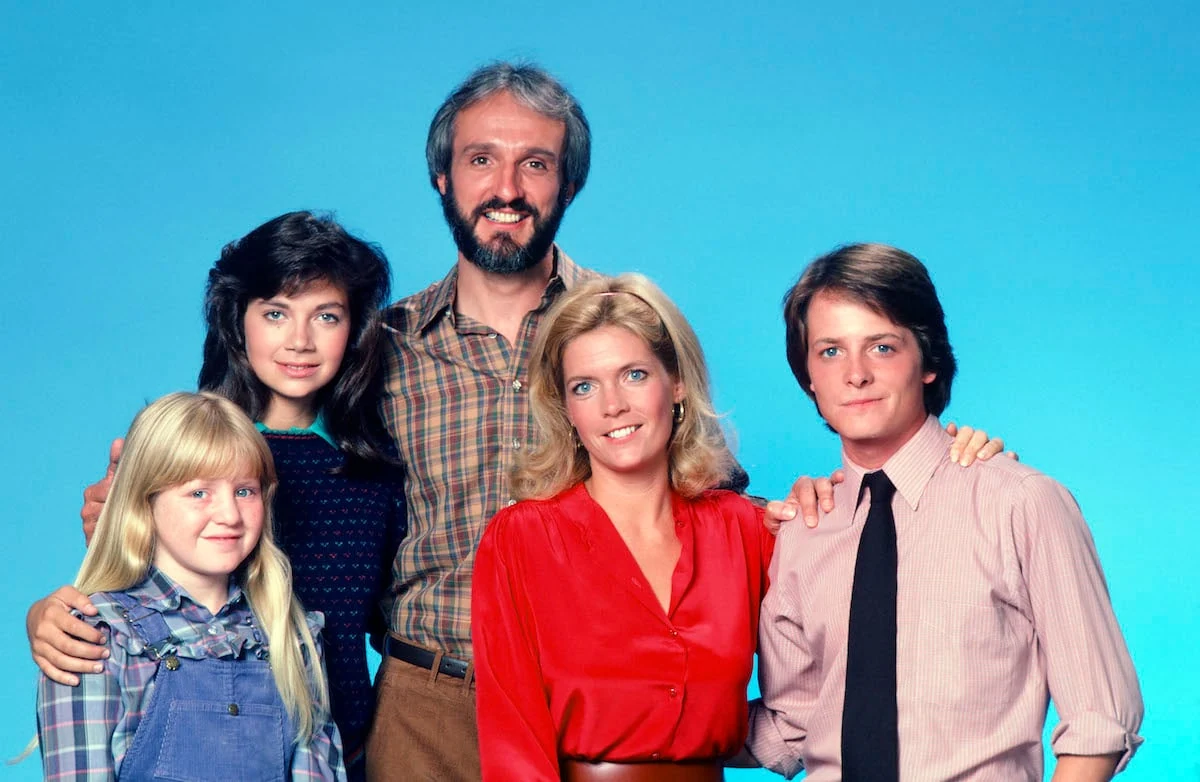
Alex P. Keaton was a teenager with a business plan, a necktie and the distinct impression that the grown-ups could use his advice. Unfortunately, the grown-ups were his parents, who had survived the sixties, believed in liberal causes and had somehow produced a son who thought Ronald Reagan was an excellent topic for dinner. Michael J. Fox could make the collision funny before Alex had finished his first sentence.
Family Ties debuted on NBC in 1982, created by Gary David Goldberg. Meredith Baxter and Michael Gross played Elyse and Steven, parents who believed in talking things through and discovered that their oldest son could talk long enough to qualify as a separate utility bill. Justine Bateman’s Mallory had her own priorities. Tina Yothers’ Jennifer was frequently the sibling smart enough to say less. The whole family seemed to have memorized each other’s most annoying habits.
Fox was the engine. He could look absolutely convinced he had the correct answer and then betray his panic with a tiny movement when somebody challenged him. Alex’s charm depended on the fact that he wasn’t always charming. He could be snobbish, exhausting and terribly wrong. But he could also fall in love, be hurt, need his family and discover that the future wasn’t going to arrive exactly as planned.
The show had terrific serious moments, too. Ellen and the Billy Vera song could turn an ordinary sitcom romance into something surprisingly painful. Tom Hanks as Uncle Ned exposed trouble inside the family circle. A, My Name Is Alex took the character to a place where his usual ability to argue his way through a problem didn’t work at all.
If you were a kid, Alex was the fast-talking teenager who made adults sputter. Rewatching now, his parents look like people who probably needed a very quiet room. That’s one of the pleasures of our Family Ties deep dive: the joke changes as you get older, but the Keatons are still a family worth visiting.
Knight Rider: the car was the sensible partner
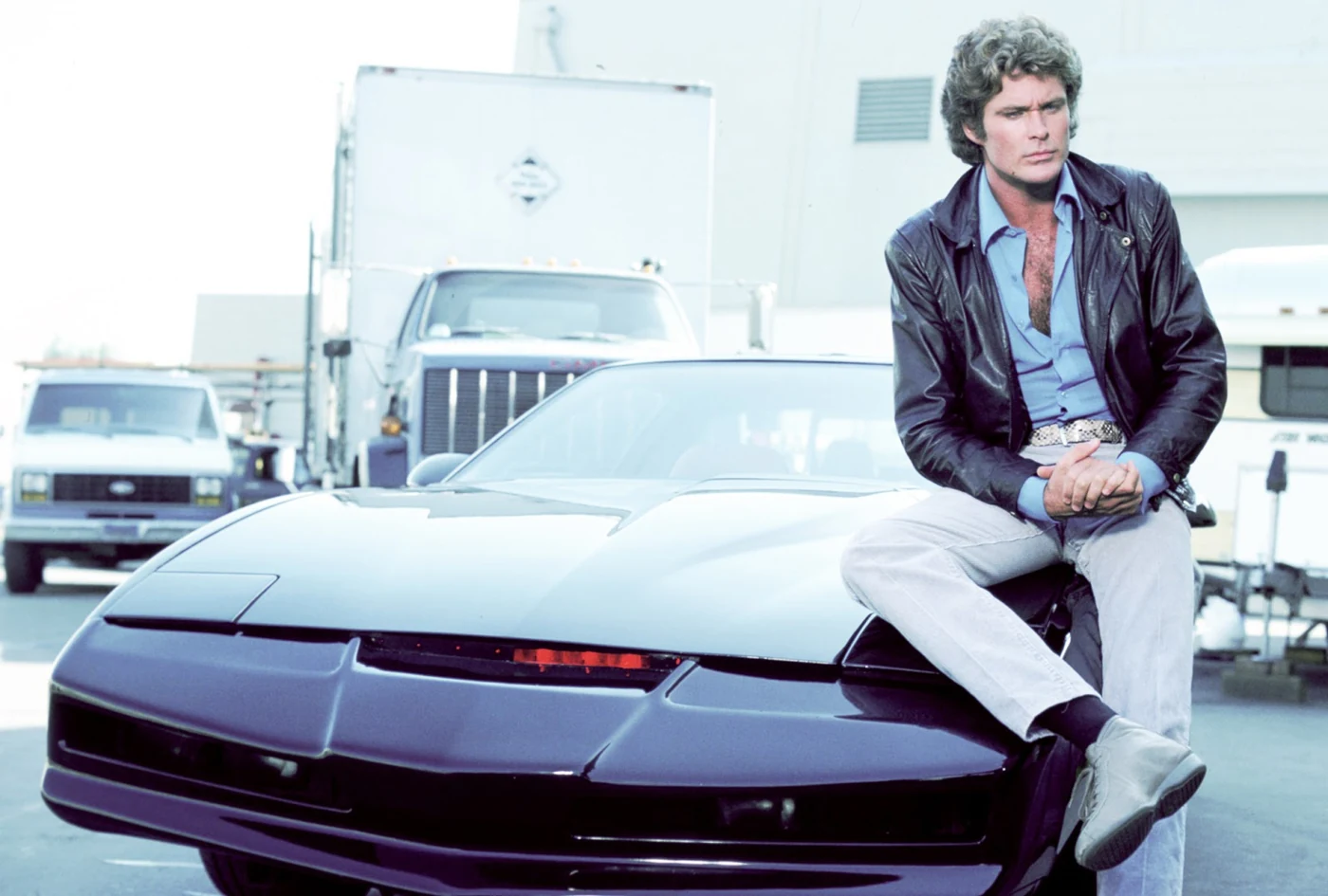
Michael Knight was good-looking, brave and capable of jumping into trouble with the confidence of a guy who knew his car would probably rescue him. KITT, meanwhile, had the voice of an extremely patient adult trying to talk a younger man out of an avoidable mistake. Somehow the talking Trans Am was frequently the most sensible member of the partnership.
Knight Rider arrived on NBC in 1982, a Glen A. Larson action series built around David Hasselhoff and a black Pontiac Trans Am loaded with fictional technology. William Daniels gave KITT the dry, polished voice that made the whole thing work. The red scanner across the front was enough to identify the car from halfway down the street. You didn’t need to know much about the Foundation for Law and Government. You needed to know the car could talk, drive itself and perform Turbo Boost.
That last trick was especially important to a kid. The show made ordinary driving look terribly disappointing. Your parents’ station wagon didn’t have an intelligent dashboard, wouldn’t greet you when you opened the door and was definitely not going to launch itself over a truck. Even the car’s red light seemed like a feature no sensible automotive engineer should have omitted.
Edward Mulhare’s Devon provided an authority figure who preferred not to see everything end in a car chase, while Bonnie and April handled the work that made KITT possible. The human supporting cast sometimes seemed doomed to explain why Michael’s latest plan needed careful thought. KITT usually supplied a similar explanation, only with better comedic timing.
A lot of plots were formulaic, and the future technology looks wonderfully optimistic now. But the relationship remained the point. Michael and KITT could argue like longtime friends, with the machine occasionally showing more patience and wisdom than the guy in the leather jacket. For a kid growing up around cars that could barely tell you when a door was open, Knight Rider made the future seem like something you might be able to park in your driveway.
The A-Team: a workshop was all the planning department needed
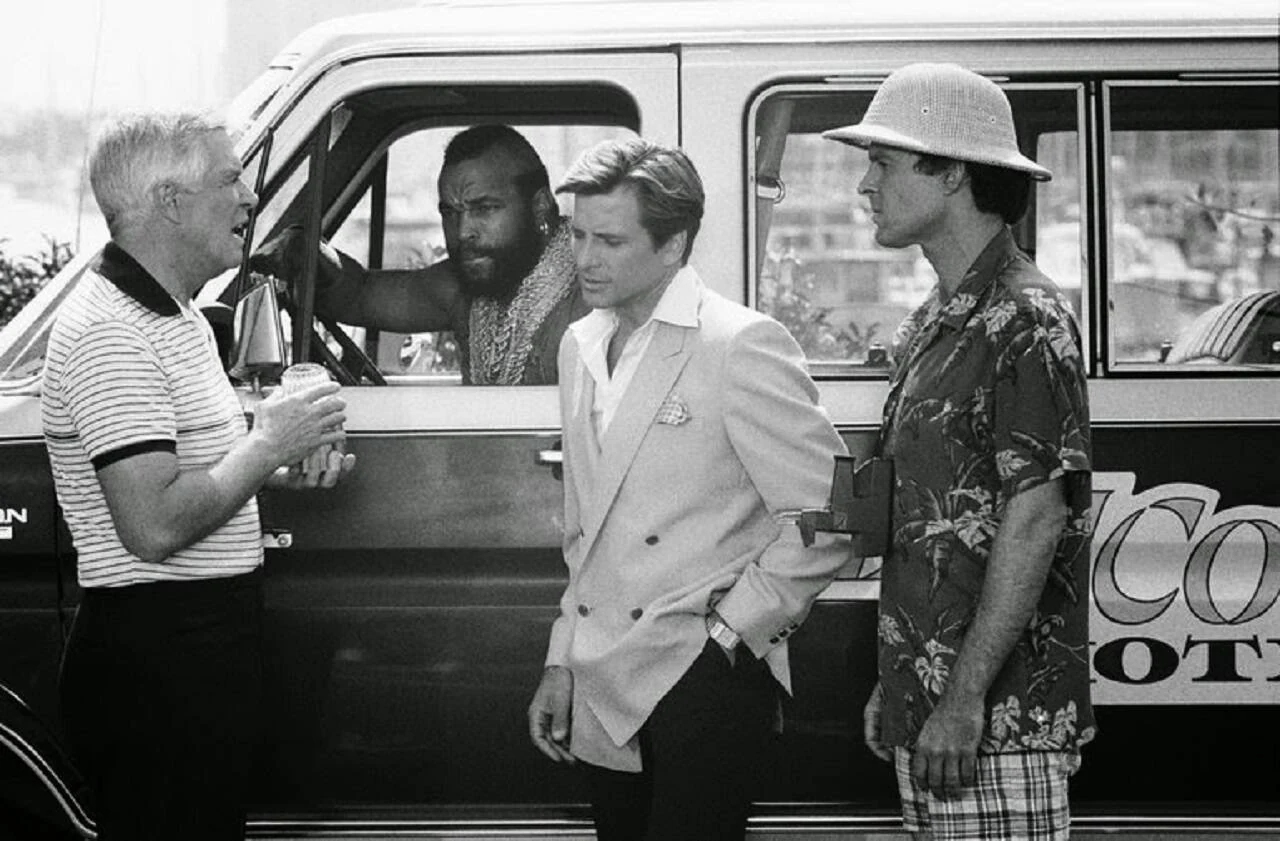
If a gang of villains ever locked you inside a shed full of tools, your first thought should have been, “Are you sure the A-Team isn’t in here?” On NBC’s The A-Team, handing B.A. Baracus a pile of spare parts was practically an invitation to rebuild the entire neighborhood into a moving weapon. Hannibal usually looked delighted. Face was already wondering how he’d managed to get talked into it.
The series debuted in 1983, created by Stephen J. Cannell and Frank Lupo. George Peppard played Hannibal Smith, the cigar-smoking leader who loved watching a plan come together. Dirk Benedict’s Face could acquire almost anything with a smile and a convincing story. Dwight Schultz’s Murdock supplied the flying skills and the possibility that the next conversation would veer into a completely different universe. Mr. T’s B.A. brought mechanical ability, muscle and very strong views about getting on an airplane.
The van was its own celebrity: black, red stripe, the kind of vehicle that made a child look at every ordinary family minivan with disappointment. The theme music told you trouble was about to get fixed, usually with a great deal of noise. The bad guys could threaten anybody they wanted, but if the heroes were given enough time with a welding torch, it was probably over.
It was all wildly improbable, of course. Cars flipped, shots were fired and most people climbed out looking far better than real-world physics would have allowed. B.A.’s unwillingness to fly also became a joke that the others handled in ways much less funny when you think about them as an adult. The formula could get tired. The last season tried changing it, and not necessarily for the better.
But when it worked, it was a glorious fantasy about friends who were good at different things coming together to help somebody being pushed around. Our A-Team retrospective covers the bigger history. The childhood appeal was simpler: four guys, one van, one impossible problem, and a very bad day coming for the man who thought he’d trapped them.
The Wonder Years: childhood becomes something you can look back at
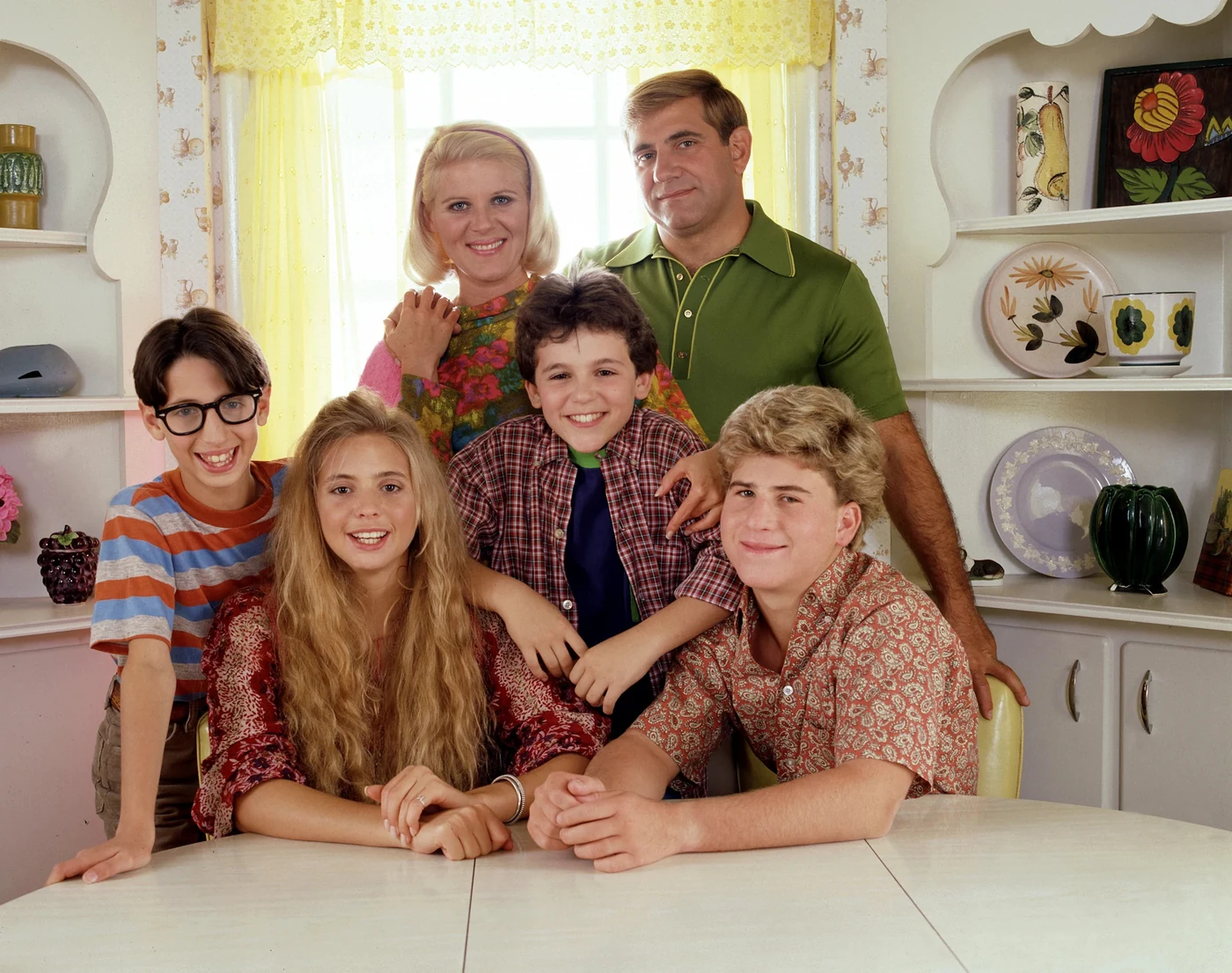
Kevin Arnold’s problems could fill his entire world. A look from Winnie Cooper, a humiliation at school, a fight with his father: none of it needed an explosion to feel enormous. Then the grown-up Kevin’s narration would arrive and remind us that the boy on screen was going to remember the moment differently someday. That’s a pretty remarkable trick for a television show about growing up.
The Wonder Years premiered on ABC in January 1988, created by Neal Marlens and Carol Black. Fred Savage played Kevin, Danica McKellar was Winnie, and Josh Saviano made Paul Pfeiffer the loyal friend you could count on until social embarrassment complicated the arrangement. Dan Lauria’s Jack Arnold was a father who often seemed to have brought the entire weight of a workday home with him. Alley Mills’ Norma carried family tensions the children were still too young to recognize.
Although the series was an eighties arrival, its story began in the late sixties. For younger viewers, that didn’t make much difference. School crushes and sibling cruelty weren’t historical artifacts. Wayne could make Kevin miserable in a way that transcended decade, location and the invention of better home entertainment systems.
The pilot made it clear that this wasn’t going to be all warm recollections and funny haircuts. Winnie’s older brother died, and childhood suddenly had to share space with loss. The show trusted the audience to understand that a kid could feel two things at once: embarrassment about talking to a girl and genuine fear about what was happening outside the comfortable edges of his neighborhood.
Sometimes the voiceover leaned too hard on the importance of an ordinary moment. But at its best, The Wonder Years gave Gen X an odd little preview of its own future. We were still kids, or not very far removed from being kids, while someone on television was already explaining what it felt like to miss childhood. Turns out he was getting a head start.
The Brady Bunch: yesterday’s family kept turning up today
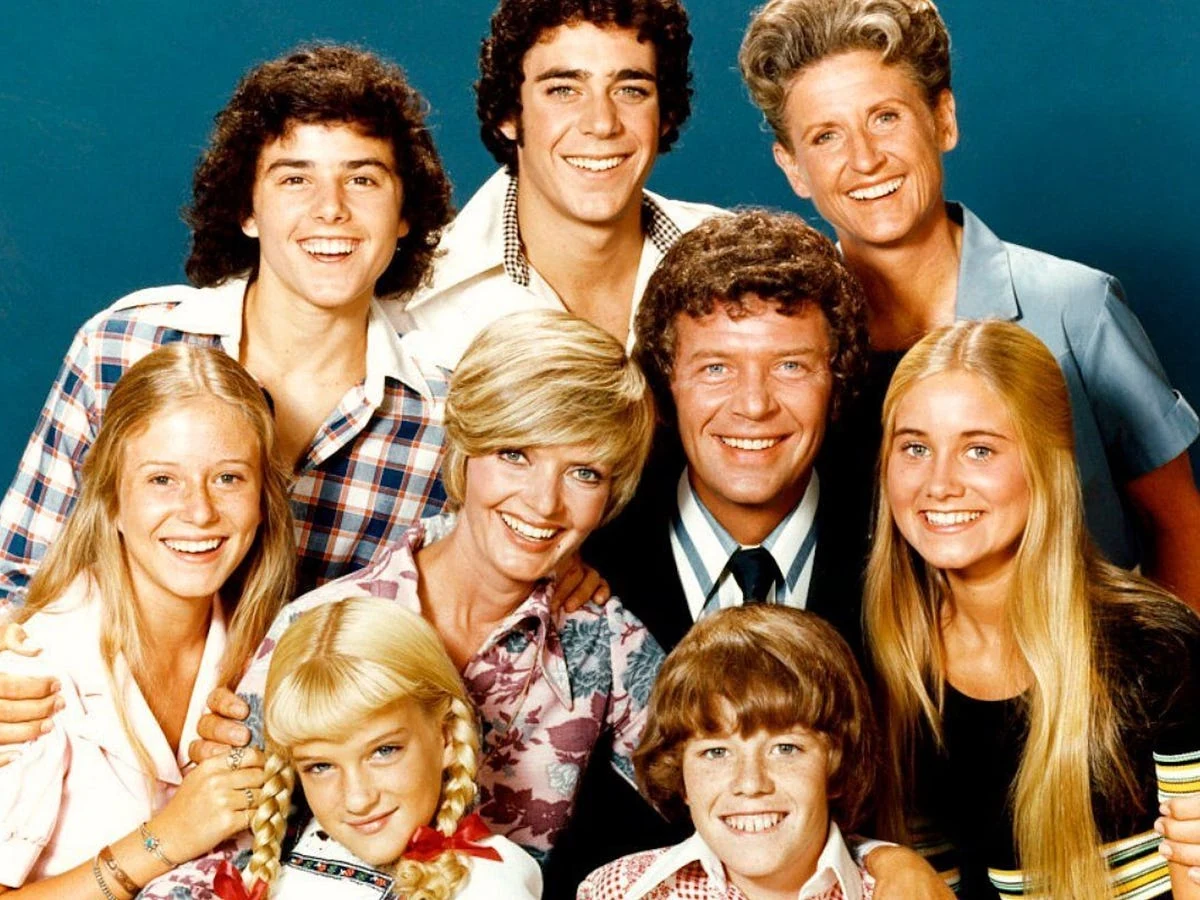
The Brady kids had been off network television for years by the time some Gen X children met them. Nobody told the kids this. Greg was still trying to act older than he was, Cindy still had kid-sister problems, and Jan remained convinced the entire universe had chosen Marcia as its official favorite. If you caught the show after school, it was just part of the afternoon, regardless of what year the episode had originally aired.
The Brady Bunch ran on ABC from 1969 to 1974, but syndication made it an unofficial eighties fixture. Sherwood Schwartz’s blended-family idea was instantly understandable, thanks partly to the opening grid that arranged everyone into neat little boxes. There were six children, two parents, Alice, a very comfortable house and a remarkable amount of time available for talking through a problem.
The fun often came from sibling politics. Marcia appeared to have everything figured out until she absolutely didn’t. Jan wanted people to notice her without doing all the humiliating things necessary to force the issue. Peter could make a small idea into a large mistake. Bobby and Cindy were forever being reminded that age was a serious obstacle to being taken seriously. None of that needed to be realistic in every detail. If you had brothers or sisters, you already understood the general problem.
Florence Henderson and Robert Reed supplied parents who seemed unusually willing to drop what they were doing to hold an excellent family meeting. Ann B. Davis’ Alice took care of the actual household, which becomes more impressive every year you spend doing your own dishes. Looking back, the family’s spacious home and constantly available adults seem almost as fantastical as KITT’s dashboard.
The show was sentimental, repetitive and frequently corny. It was also entertaining enough to survive its original cancellation by becoming part of another generation’s routine. Our Brady Bunch retrospective follows the bigger afterlife. For the kid watching reruns, there was just another afternoon at the Brady house and another perfectly ordinary crisis threatening to become the end of the world.
Little House on the Prairie: family viewing wasn’t always gentle
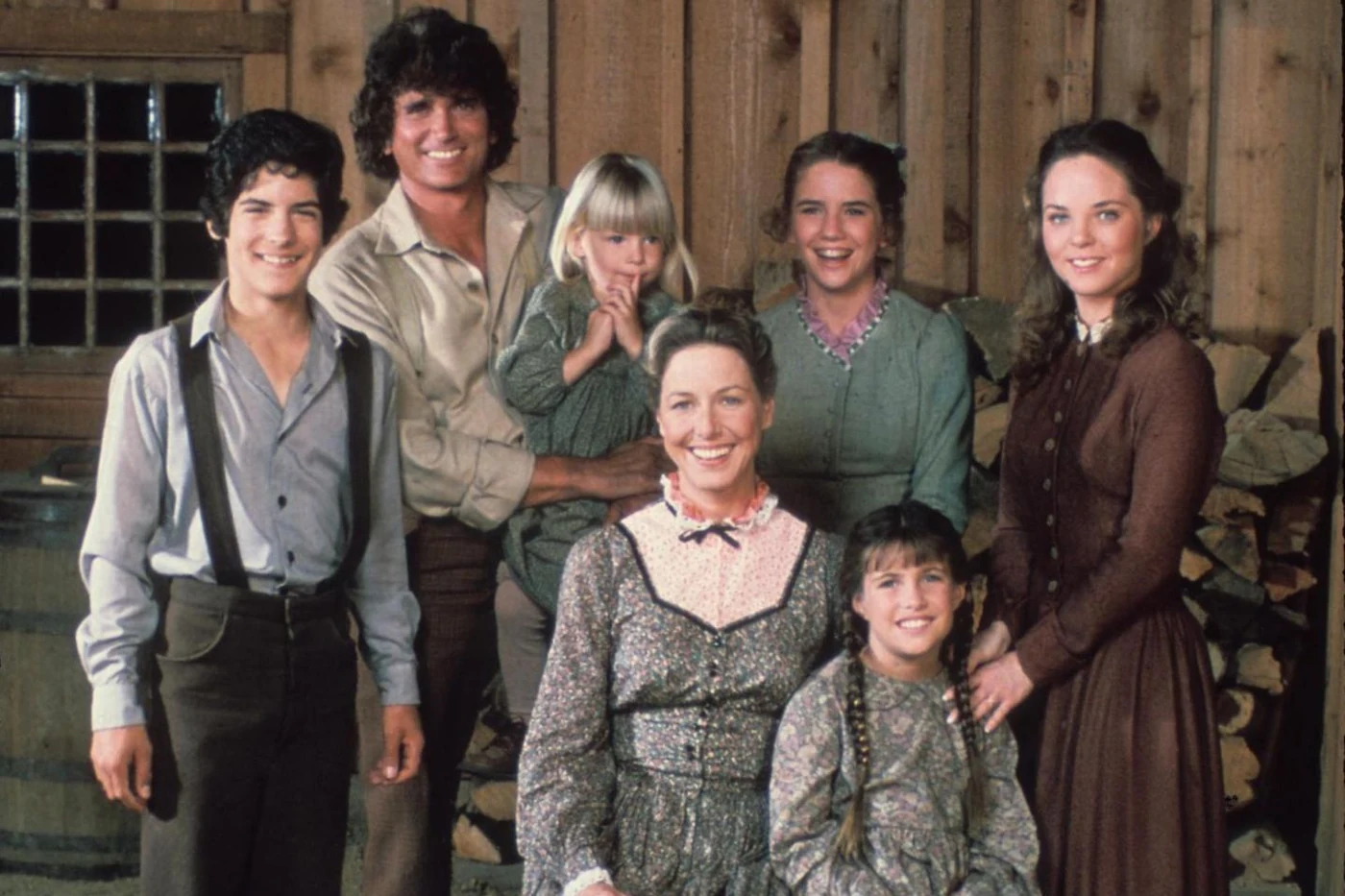
Little House on the Prairie had the kind of opening that made you think you were in for a pleasant hour watching a family live among fields and sunshine. Then somebody would get sick, a child would suffer a terrible injustice, a fire would start, or a respected adult would behave as though good sense had gone out of fashion. This show could send an entire living room to bed in tears and still be described as wholesome family entertainment.
The NBC series began in 1974 and continued into the early eighties, with reruns keeping it around much longer. Michael Landon played Charles Ingalls, Karen Grassle was Caroline and Melissa Gilbert was Laura, whose independence and temper made her far more interesting than a permanently obedient child would have been. Walnut Grove had its usual local characters, its friendships and its enemies, and it never seemed to run short of trouble.
Nellie Oleson was a magnificent nightmare. Alison Arngrim gave her the kind of smug confidence that made Laura’s irritation feel like the most reasonable emotion on television. Harriet Oleson, played by Katherine MacGregor, was a whole adult version of the same problem, complete with a store and strong opinions about everybody else’s business. Their scenes could be very funny, right up until the show decided it was time to devastate you.
The school fire in May We Make Them Proud is one of those moments people still remember with a wince. Other episodes dealt with illness, cruelty, poverty, grief and decisions that no child would have known how to make. The real history of frontier life and the program’s moral lessons deserve scrutiny, but the performances made the emotional stakes hit hard regardless of the idealized setting.
As children, we might have focused on Laura’s battles, Nellie’s schemes and Charles arriving with an explanation. As adults, Caroline’s work and the sheer exhaustion of keeping a family alive come into sharper view. Our Little House deep dive follows the series in full. The childhood memory is often a strange mix of prairie sunlight and the unsettling realization that family television could be the most upsetting thing on that night’s schedule.
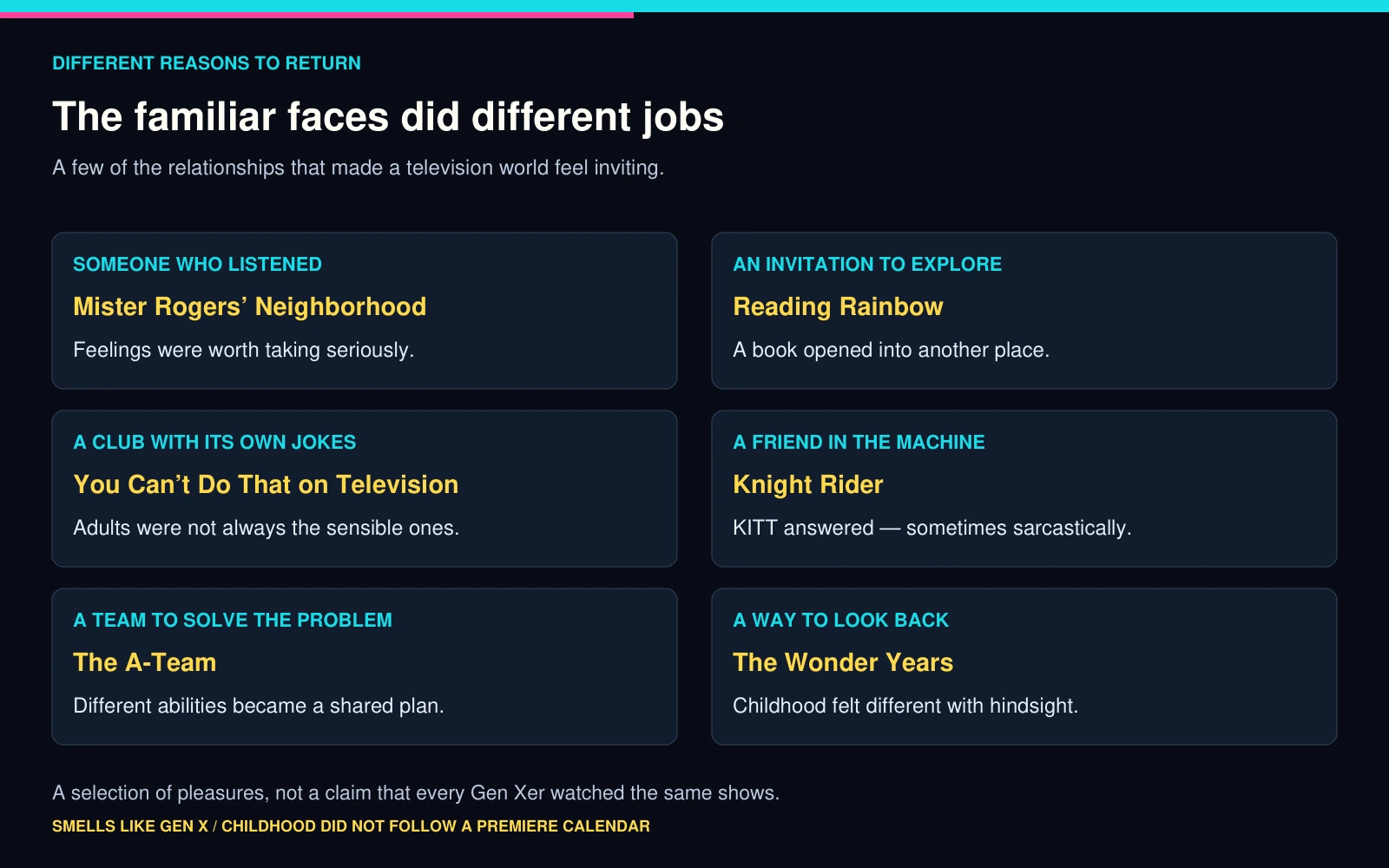
The different jobs these shows did
Put these 22 shows side by side and they don’t look much like a carefully organized childhood curriculum. One afternoon you could be learning how a vacuum works. Later you might be watching a man whose car could talk help somebody escape from criminals. By the weekend, you could be worrying about whether a blue creature would get caught by a wizard who appeared to have made this his full-time occupation. Somehow it all belonged to the same childhood.
Some programs spoke directly to us. Fred Rogers said our feelings counted. LeVar Burton made us curious about the next book. Don Herbert wanted us to make a prediction and see whether it survived the experiment. Others were just supposed to be fun. Nobody needed to write an essay about Skeletor’s leadership failures in order to enjoy them. He was a villain who couldn’t keep his staff in line, and that was funny enough.
The big action shows offered a different fantasy. KITT was a companion who always answered; the A-Team was a group of friends who could solve a problem when the authorities couldn’t. The toy-based cartoons gave us worlds we could continue on the floor with plastic figures after the episode ended. The commercial intent was obvious to our parents and largely beside the point to a child busy defending Castle Grayskull from the latest invasion.
The family shows did something else. Punky wanted someone who wouldn’t leave. Alex Keaton wanted to prove he was right, preferably in writing. Arnold Jackson wanted the adults to explain themselves. Kevin Arnold simply wanted not to embarrass himself in front of Winnie Cooper, a task for which the entire universe appeared poorly equipped. When the laughter paused and a genuinely serious problem came along, those familiar characters made it matter.
And then there were the reruns. Seventies television was not tucked away in a historical archive. It was arriving daily in the family room, often right beside the newest thing on the schedule. That’s why a list of children’s eighties memories can’t be made only from eighties premieres. The television set didn’t care about filing systems. It cared what the local station was broadcasting at four.
Revisiting without pretending nothing changed
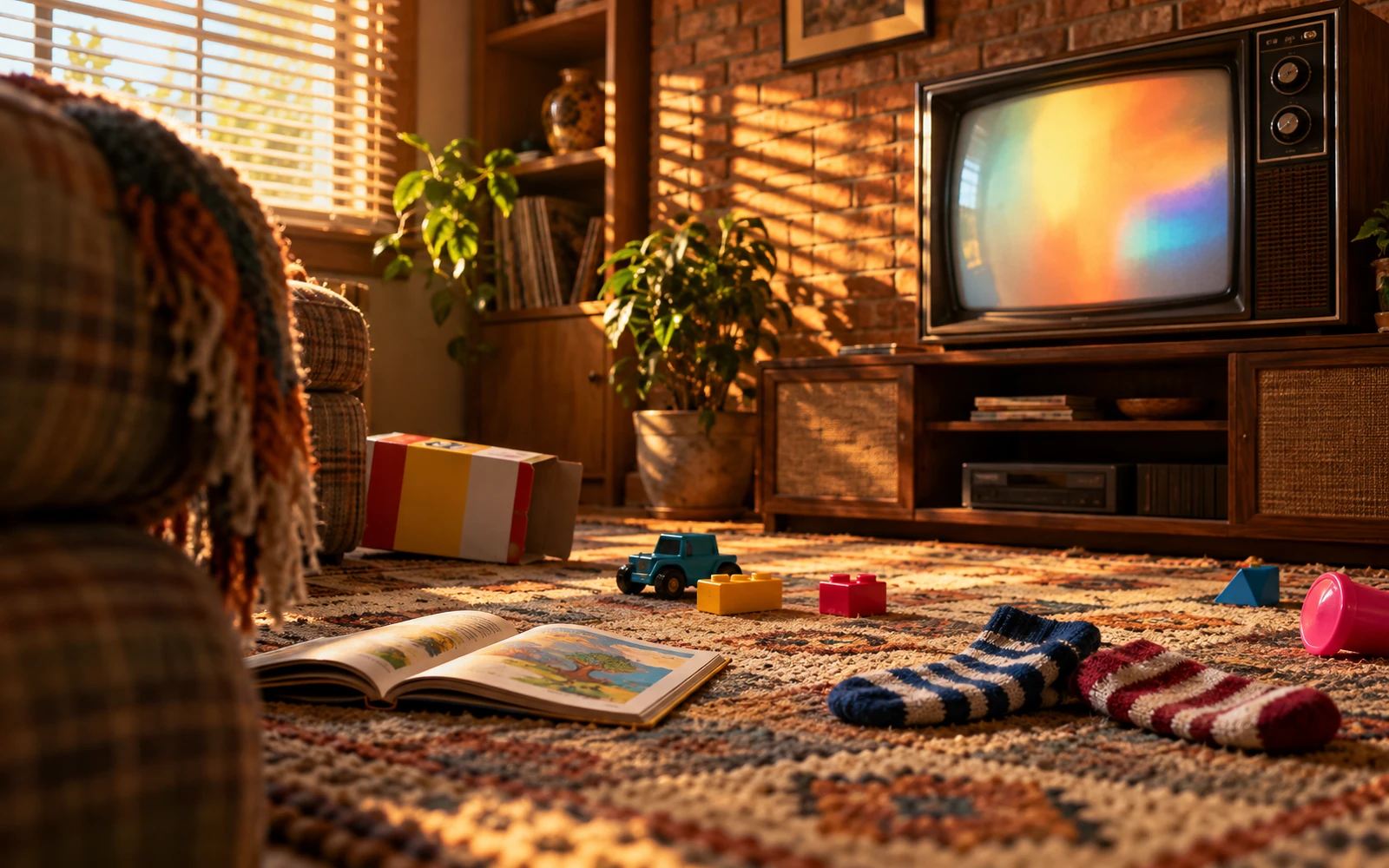
The odd thing about going back to these shows is how quickly the music does its job. You might not remember the entire plot of a single episode, but a few notes bring back the room, the furniture and the part of the day when you used to watch. Maybe it was the living room floor. Maybe the TV sat in a cabinet with doors that had to be opened. Maybe somebody would walk past and insist you turn it down just as the interesting bit started. The memories attach themselves to ordinary things.
The shows themselves don’t always cooperate with nostalgia. Some cartoons are rougher than you remembered. Some jokes look meaner. The special effects that once seemed amazing may now resemble something assembled during a rushed school project. Good. They were television programs made by people, not sacred objects sealed in a vault. You can love The A-Team and still think the bad guys had amazingly poor aim. You can admire Mister Rogers and admit you were impatient for the next show when you were seven.
The biggest surprise is often who you sympathize with now. Alice on The Brady Bunch was doing the work of a small army. Henry Warnimont deserved a little peace. Steven and Elyse Keaton had already spent a long day before Alex began his latest lecture. Even Kermit’s exhausted expression starts looking less like comedy and more like a perfectly reasonable response to running a business full of Muppets.
The eighties weren’t one big, perfectly shared television moment. An older Gen Xer may have been watching adult prime time while a younger one was just getting interested in Saturday-morning cartoons. Another family might have been watching the same seventies rerun for the fifteenth time. The 1980s cartoons guide covers a different piece of that picture, while 1990s television picks up the story as younger viewers moved on to the next set of favorites. Younger Gen X viewers would eventually make Saved by the Bell another after-school habit. The boundaries are fuzzy because real childhoods were fuzzy.
But these 22 shows offer a pretty good starting point. They were funny, messy, comforting, ridiculous and occasionally frightening. They taught us things when we weren’t paying attention and entertained us when we were supposed to be doing something else. We grew older, the programs turned into reruns, and the channels eventually changed. Yet put on the right theme song and for a minute you can still hear somebody from the other room asking whether your homework is finished.
Questions about Gen X childhood television
Did every Gen Xer grow up with these shows?
No, and anybody claiming otherwise has forgotten just how different the viewing schedules were. Gen X covers people born across roughly fifteen years. Cable availability, local stations, public television and household rules made an enormous difference. A child who watched Double Dare on Nickelodeon and one who spent the afternoon with a fuzzy UHF Brady Bunch rerun were both having entirely legitimate Gen X childhoods. This is a collection of familiar experiences, not a membership test.
Why are seventies programs included in an eighties guide?
Because a rerun doesn’t introduce itself by announcing how old it is. The Brady Bunch stopped producing its original episodes in 1974; The Electric Company finished new episodes in 1977. Both kept appearing on televisions during the eighties. Children who were seeing those shows for the first time usually cared more about what the characters were doing than when a network had first shown it. Our seventies educational-TV guide covers that earlier history.
Were these all made specifically for children?
Not even close. Sesame Street, Reading Rainbow and other educational favorites were intended for younger viewers, but The Muppet Show had a broad family audience. Family Ties, Knight Rider, The A-Team and Little House on the Prairie were general-audience television that plenty of children watched along with older siblings or parents. Childhood viewing was never confined to the timeslots labeled “for kids,” especially when there was one television in the house and the adults had opinions.
Is this the same as a list of the best eighties cartoons?
No. He-Man, Transformers, DuckTales and The Smurfs are part of the story, but this feature also includes educational television, sketch comedy, game shows, reruns and prime-time favorites. A child could move from learning about science to watching KITT jump a truck without changing the TV set. For a cartoon-only trip, see our eighties cartoons and Saturday-morning favorites features.
Sources and further reading
- Pew Research Center: The Whys and Hows of Generations Research, for the commonly used Gen X birth range.
- Smithsonian National Museum of American History: Will Lee’s Mr. Hooper costume and the 1983 Sesame Street episode.
- Smithsonian National Postal Museum: Fred Rogers’ approach to children’s emotional lives.
- Fred Rogers Productions: Talk about divorce, 1981.
- Television Academy: The Electric Company, its original production history and performer interviews.
- National Endowment for the Humanities: LeVar Burton, including Reading Rainbow’s launch.
- Paley Center: 3-2-1 Contact education materials.
- Mr. Wizard Studios: Don Herbert’s official history.
- Television Academy: You Can’t Do That on Television.
- Nickelodeon: Double Dare anniversary history.
- The Jim Henson Company: Fraggle Rock and Henson’s Red Book on its 1983 launch.
- Television Academy: The Muppet Show, including performers and production history.
- Original He-Man episode archive.
- Hasbro: The Transformers’ original 1984 television series.
- Walt Disney Archives: DuckTales debut.
- Punky Brewster episode chronology and Peacock’s original-series episode descriptions.
- Paley Center: The Wonder Years premiere.
- Little House on the Prairie official sixth-season guide.
- Additional broadcast and cast chronologies: The Smurfs, Diff’rent Strokes, Family Ties, Knight Rider, The A-Team, The Brady Bunch and Little House on the Prairie.