The Wonder Years in the 80s: When TV Started Looking Back
Revisit The Wonder Years in the 80s: Kevin, Winnie, Paul, the Arnold family, the 1988 debut, early episodes, music, and the moments that still hit home.
The shows, the moments, and the nights we were there for it.

Wayne Arnold had a gift for making an ordinary afternoon feel like a hostage situation. A look, a shove, one perfectly timed crack about a girl: that was usually enough. Kevin hadn’t even reached the interesting part of adolescence and already had an older brother providing hostile commentary. Then there was Paul, offering advice with the authority of a boy who knew approximately as much as Kevin did. Between them, they were almost one functioning teenager.
That was the neighborhood The Wonder Years invited viewers into in 1988. The lawns were familiar, the kitchen looked lived in, and the adults seemed to possess a private language involving bills, work, and being disappointed in you. Somewhere outside, Winnie Cooper was becoming the most important person in Kevin’s universe. He was not especially well equipped to handle this development.
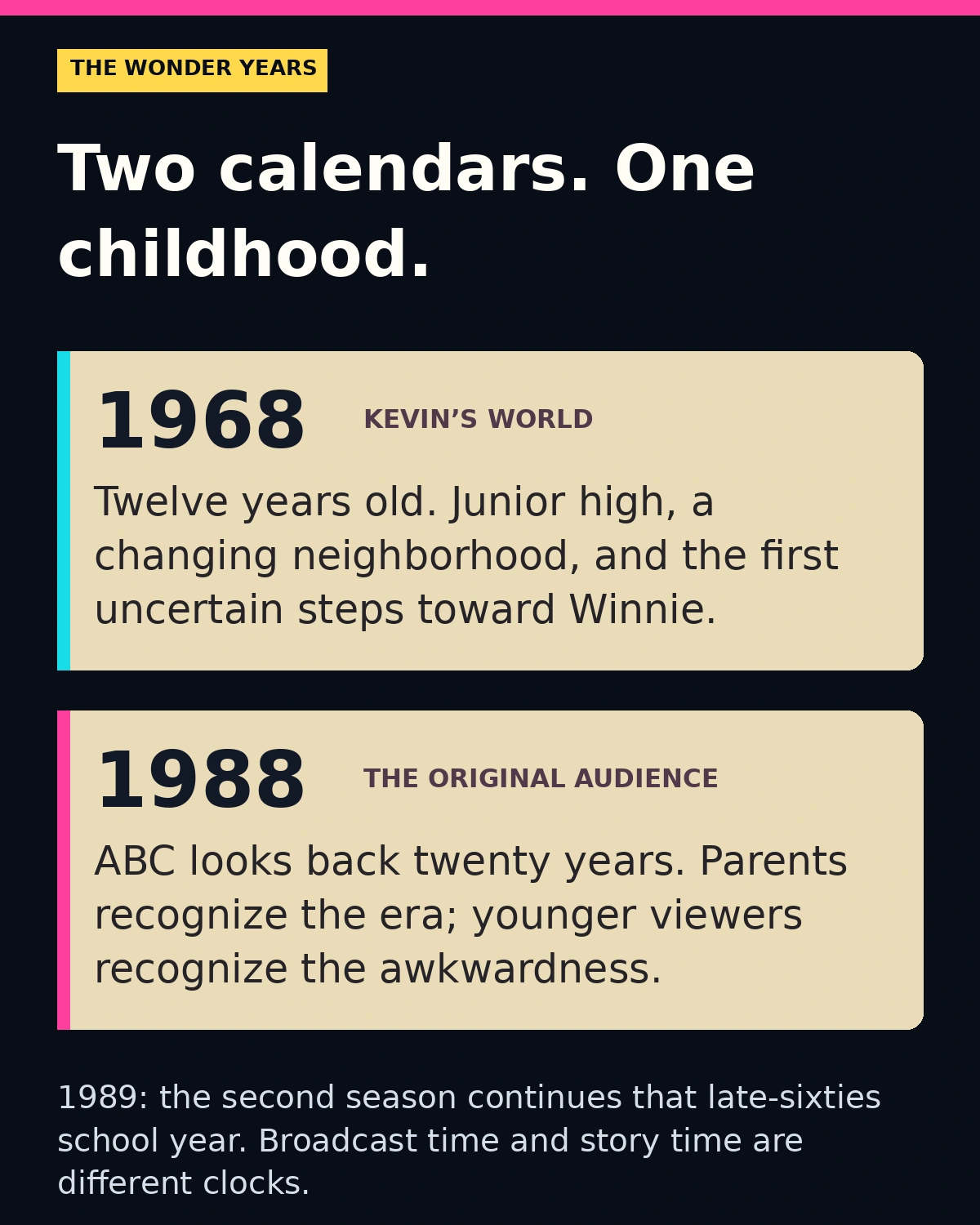
Creators Neal Marlens and Carol Black set their story in 1968, giving an audience near the end of the 1980s a childhood already twenty years down the road. Parents recognized the clothes and the music. Younger viewers recognized the stomachache before school. Neither group needed a history lecture to understand an awful haircut, an impossible crush, or the sudden discovery that Dad was a person before he became Dad.
The remarkable thing about those first two seasons is how quickly the show earned its reputation. Six episodes introduced a small world with room for sex education, Vietnam, a school dance, and a father’s abandoned dream. The next season found a smoking piano teacher and a gym instructor who looked as if he regarded sensitivity as a medical condition. Some episodes were lovely. Some leaned too hard on the soft lighting of memory. The best ones still sneak past your defenses before you’ve finished making fun of Kevin.
Inside This Article
- A Super Bowl audience, then a very different game
- 1968 on screen, 1988 on the sofa
- Fred Savage makes overthinking look exhausting
- The older Kevin knows better. Usually.
- Winnie Cooper enters the story carrying more than a crush
- Kevin and Winnie: the trouble with assuming a kiss explains everything
- Paul Pfeiffer, indispensable co-conspirator
- “Swingers” and the confidence of the completely uninformed
- Jack Arnold doesn’t need to raise his voice. It helps, though.
- “My Father’s Office”: the man behind the bad mood
- Norma Arnold has a life outside the laundry
- Karen brings the sixties home for dinner
- Wayne Arnold, the household’s least helpful employee
- “The Phone Call”: one girl, one telephone, several emergencies
- A school dance, where excellent plans go to die
- Teachers are people. This is deeply inconvenient.
- Coach Cutlip takes charge. Nobody relaxes.
- “Loosiers” puts friendship on the basketball court
- “Birthday Boy”: Paul gets a milestone, Kevin gets jealous
- “Coda” refuses to hand Kevin a victory he hasn’t earned
- Christmas at the Arnolds: peace on earth, negotiations at home
- Joe Cocker opens the door
- Television already knew nostalgia. This childhood had different edges.
- Six episodes, one very quick Emmy
- The episodes change when you’re old enough to be Jack
- A few Wonder Years questions, answered
A Super Bowl audience, then a very different game
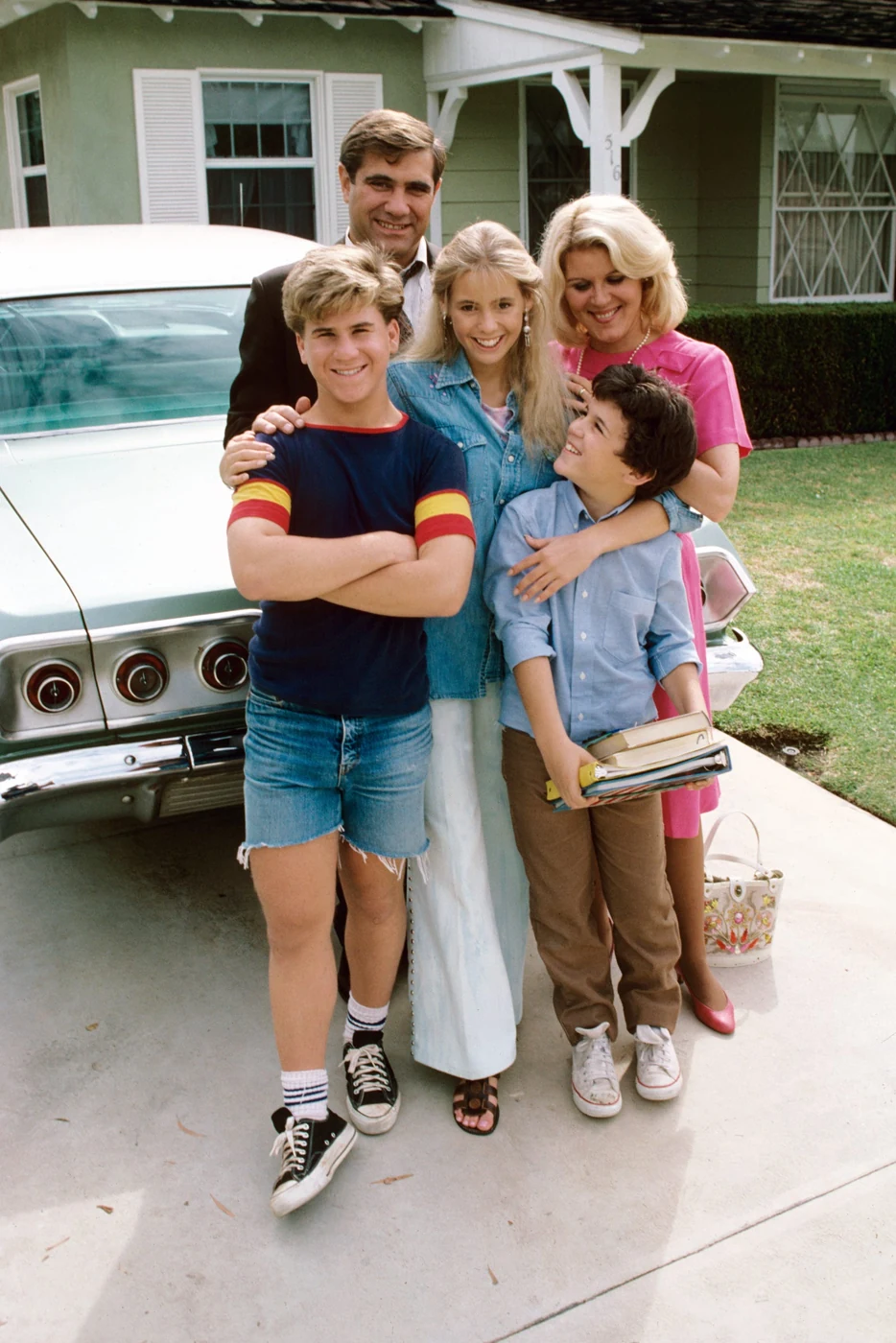
ABC introduced The Wonder Years on January 31, 1988, after Super Bowl XXII. Following a football championship with a boy’s first day of junior high was certainly a change of pace. The game supplied spectacle. Kevin Arnold supplied the terror of discovering that a place full of children was somehow organized like an institution for public embarrassment.
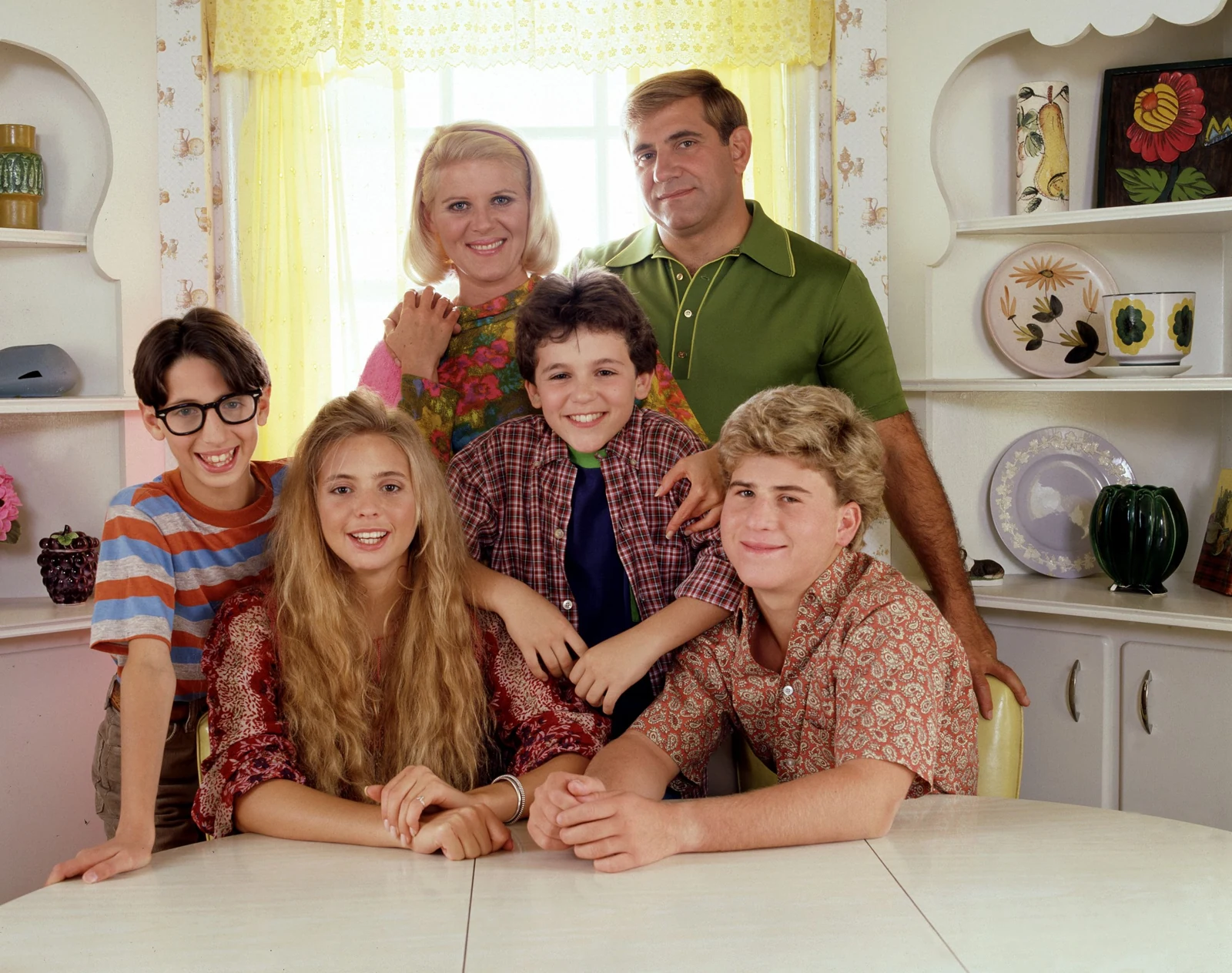
Fred Savage was the center of it, playing Kevin at twelve. Around him were Dan Lauria as Jack, Alley Mills as Norma, Olivia d’Abo as Karen, and Jason Hervey as Wayne. Josh Saviano’s Paul Pfeiffer and Danica McKellar’s Winnie completed the small circle that made the neighborhood seem enormous. Savage didn’t have to act like a miniature stand-up comedian. His job was harder: let a thought cross his face before Kevin found a socially disastrous way to express it.
The pilot starts with a recognizable family and gradually removes the reassurance that familiarity promises. The school has been renamed for Robert F. Kennedy. The older kids are moving into a world Kevin doesn’t understand. Winnie looks different. A television audience accustomed to tidy half-hour arrivals had to adjust to a story in which even the first kiss arrived carrying grief.
Place it alongside the television season ending in 1988 and the gamble becomes clearer. This was a late arrival, with a six-episode first season, asking viewers to follow a period childhood without the comfort of a studio audience telling them where the jokes were. The launch borrowed a massive stage; the show then asked everyone to lean closer.
It helped that the Arnolds didn’t look like a family created to demonstrate a concept. Wayne was immediately annoying. Norma was immediately busy. Jack looked as if he had already been irritated for several hours before the camera arrived. There was very little ceremonial introduction. You got the feeling the family had been carrying on perfectly well, or imperfectly well, before television decided to drop by.
1968 on screen, 1988 on the sofa
For younger viewers, the series involved a peculiar double vision. Kevin’s clothes belonged to an earlier generation. His embarrassment did not. An adult might notice the national upheaval humming behind a scene; a child might notice that Kevin had said something incredibly stupid in front of Winnie and was now obliged to remain alive afterward.
The show used that difference beautifully when it trusted the audience. A family argument didn’t require everyone watching to agree about the sixties. Jack heard a challenge to his authority. Karen heard an attempt to run her life. Kevin heard an opportunity to stare at an older girl’s boyfriend and wonder how anyone acquired that much confidence. One table accommodated several entirely different evenings.
There was an obvious temptation to turn 1968 into a display case: famous songs, recognizable headlines, everybody wearing the correct jacket. The early episodes sometimes brushed against it. But the camera kept returning to awkward human business. What should Kevin say? Where should he stand? Why had a friendship that worked yesterday become complicated today? Those questions kept the setting from taking over the people.
The period also gave younger viewers a useful surprise. Their parents had apparently been confused, romantic, petty, frightened children once. This was awkward information. Adults had spent years presenting themselves as the people who understood everything. Here was a television show suggesting they had once required considerable supervision simply to make a phone call.
That generational handoff makes The Wonder Years a distinctive stop in the 1980s television landscape. It wasn’t depicting a Gen X childhood in its original setting. It was giving Gen X viewers access to someone else’s childhood through feelings that refused to stay politely inside one decade. The distance made the clothes interesting. The closeness made the silences hurt.
Fred Savage makes overthinking look exhausting
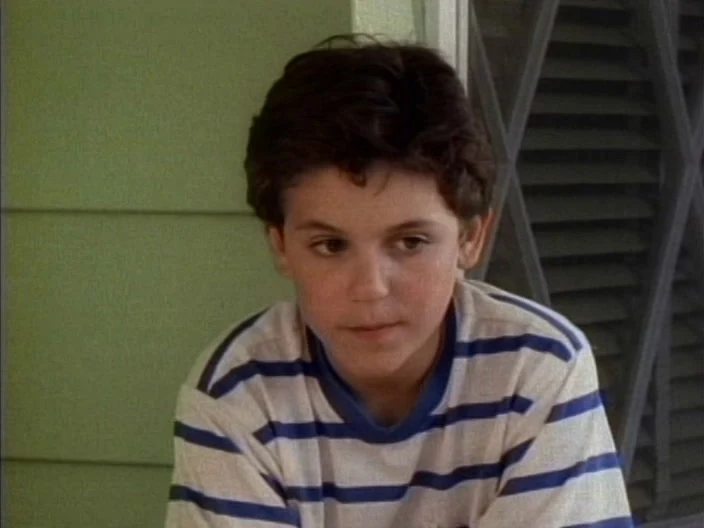
Kevin is most appealing when he is least impressed with himself. Savage gives him a face that registers hope quickly and humiliation even faster. A conversation begins as a perfectly manageable exchange between two children. Then Kevin starts evaluating his performance while he is still giving it. By the time he has worked out a strategy, the conversation has gone somewhere else.
That is an unusually good foundation for a television lead. Kevin doesn’t need a spectacular personality quirk. His problem is the ordinary adolescent belief that everyone is watching him, paired with the equally ordinary inability to notice what other people are actually experiencing. He is observant until his own feelings get involved. Then the observation department closes for repairs.
Savage understands the comedy of a delayed response. He lets Kevin stare, swallow, and try again. Because the show doesn’t insist on a punch line every few seconds, those tiny adjustments become events. A smile that arrives too late can be funnier than a speech. A look held a little longer can tell you that the confident plan Kevin brought into the room has just died.
He also allows Kevin to be selfish. The boy wants romance, admiration, and loyalty, preferably delivered without any corresponding inconvenience. He resents being treated like a child while regularly producing evidence for the prosecution. This is part of what makes the early episodes enjoyable to revisit. Kevin isn’t a wise adult in a young actor’s body. He is a bright child with a limited view and very strong feelings about that view.
The adult narration gives us enough distance to enjoy the mess without making Savage’s performance a joke. Kevin feels things completely. The older voice knows that completeness is temporary. Watch the boy trying to preserve his dignity and the balance becomes clear: the series finds him funny, but it rarely treats his distress as disposable.
The older Kevin knows better. Usually.
Daniel Stern’s familiar narration has the easy intimacy of somebody telling a story after everyone else has gone home. It can enlarge an embarrassment, then puncture the heroic version Kevin would prefer. The younger boy thinks an encounter has cosmic importance. The older man supplies a little perspective, though he remains suspiciously willing to remember the lighting as perfect.
That voice is a major reason the show doesn’t feel like a conventional sitcom with period costumes. An expression on Savage’s face and a sentence from Stern can pull in different directions. Kevin appears calm; the narration reveals panic. Kevin appears convinced of his own righteousness; the narration leaves space for the audience to notice he was being a pill. Neither performance works quite the same way without the other.
The arrangement also lets the show acknowledge how memory edits. Adult Kevin has kept some ridiculous details with remarkable care. Other things have acquired the shape of a lesson. That feels believable. People don’t remember a childhood afternoon with equal attention to every minute. They remember the insult, the weather, the person who walked away, and perhaps a song that was playing somewhere nearby.
There are times when the narration does too much. A scene has already landed, and the voice returns to underline what the actors just made clear. The series occasionally seems unwilling to let a beautiful ending leave the room without a small escort of Meaning. It is an understandable weakness, and still a weakness. Lauria doesn’t always need a sentence explaining the face he has just shown us.
At its best, though, the voice supplies affection without acquittal. Adult Kevin can understand the boy while admitting that the boy was wrong. That’s a lovely kind of company for a coming-of-age story: someone who knows where the bruises came from, and who also remembers who started the argument.
Winnie Cooper enters the story carrying more than a crush
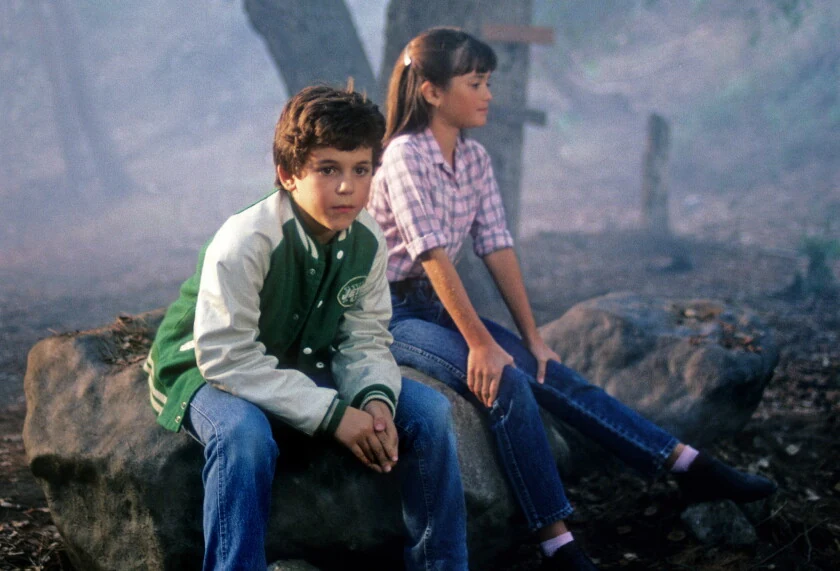
The pilot’s first kiss is remembered as a romantic landmark. It is also a scene about a child whose brother has died in Vietnam. Forget that and the episode becomes much smaller than it is. Winnie isn’t simply the girl Kevin has finally noticed. Her family has been hit by a loss he has no idea how to address.
Brian Cooper belongs to the older world visible from Kevin’s neighborhood: old enough to have a different kind of freedom, and old enough to be sent somewhere dangerous. His death changes the pilot’s temperature. Suddenly the distance between an adolescent’s private worries and the news on television collapses. War has a familiar surname.
McKellar gives Winnie a reserve that helps the scene. She doesn’t have to announce everything she feels. Kevin is drawn toward her, but attraction doesn’t give him expertise in grief. The moment works because he has so little to offer beyond being there. A boy who has spent much of the episode worrying about how he looks finds himself facing something his usual worries cannot solve.
The woods provide shelter, not a cure. The kiss belongs to two children at an uncertain edge of their lives. It carries tenderness and confusion together, which is why reducing it to a famous television romance misses so much. The show has barely introduced Winnie before insisting that she has a life Kevin cannot see completely.
That was a strong opening statement for a series often remembered through its warmest images. The neighborhood could be comfortable. It could also be interrupted. Kevin’s first important romantic memory was inseparable from a family’s terrible news. The series didn’t need to make him understand all of that at twelve. It needed to let the audience understand what he couldn’t.
Kevin and Winnie: the trouble with assuming a kiss explains everything

Television viewers have had decades to turn Kevin and Winnie into a single phrase. In the beginning, they are two children trying to interpret something neither has experienced before. A kiss doesn’t arrive with operating instructions. Kevin would very much like it to. Preferably instructions he can consult privately before anyone asks him a follow-up question.
McKellar and Savage make their early scenes work through hesitation. They know each other, which should make things easier. Instead, familiarity creates an additional problem: the person who used to belong to the neighborhood’s ordinary furniture now has the power to ruin an afternoon by choosing where to sit.
The second episode, “Swingers,” is particularly good at exposing Kevin’s confusion. His interest in Winnie collides with the boys’ newly urgent curiosity about sex. There is a huge gap between collecting information and knowing how to behave kindly with another person. Kevin and Paul are enthusiastic information collectors. Their practical judgment remains less impressive.
The series gets more mileage from that gap than from simply declaring the pair destined for each other. Kevin’s feelings can be sincere and badly handled. Winnie can be important without being permanently available to him. When he expects an encounter to settle the relationship once and for all, the show usually has other plans. Junior high is generous that way. It offers unlimited opportunities to discover you have misunderstood the arrangement.
It is worth keeping these early versions of the characters in view. Later seasons would have more years and larger complications to work with. In 1988–89, the fascination was smaller and fresher: two familiar children finding that their friendship now included questions they couldn’t ask without blushing. The romance mattered because it remained awkward enough to resemble a first one.
Paul Pfeiffer, indispensable co-conspirator
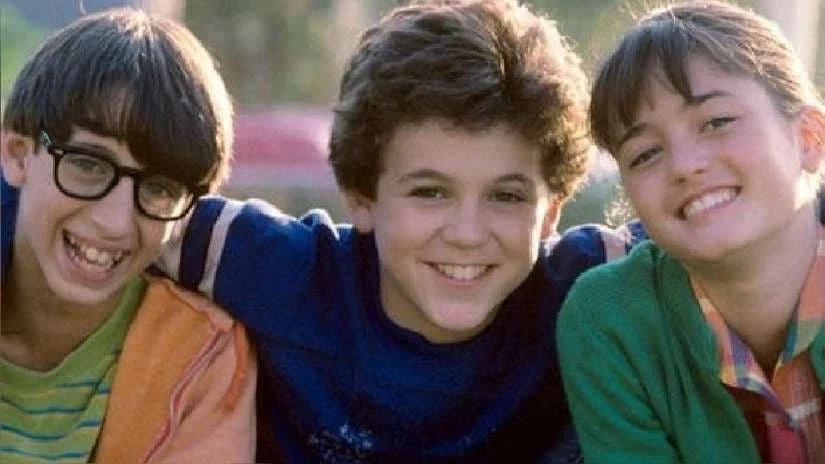
Paul has the look of a child who has read the instructions and is about to discover that nobody else is following them. Josh Saviano gives him alertness, nerves, and an appealing seriousness. Put him next to Kevin and the show acquires the particular energy of two boys preparing to do something foolish while each assumes the other has thought it through.
His glasses make him instantly recognizable, but the friendship works through more than a visual shorthand for the smart kid. Paul is somebody Kevin expects to be there. That expectation is comforting until Kevin treats it as a permanent service. Best friends at this age have an enormous amount invested in one another and almost no vocabulary for discussing the investment.
They compare notes about girls, school, and their bodies with great conviction. Their exchanges capture the strange authority of another child. An adult can offer careful information and still be dismissed as hopelessly out of touch. A friend can confidently deliver nonsense and receive the undivided attention of the room. Kevin and Paul are not immune to this system.
Saviano is especially useful when Kevin gets carried away. Paul can be anxious without sharing the exact same anxiety. He has his own loyalties, pride, and limits. The pair don’t become interesting because one is the normal boy and the other is a walking gag. They become interesting because their closeness makes small shifts in attention feel like betrayals.
There is also relief in a friendship that doesn’t need a grand entrance every week. Paul belongs on Kevin’s route through the day. He is there for the conversation before the significant event and the confused assessment afterward. A series about growing up needs somebody who remembers the version of you from last Tuesday. Paul has the evidence.
“Swingers” and the confidence of the completely uninformed
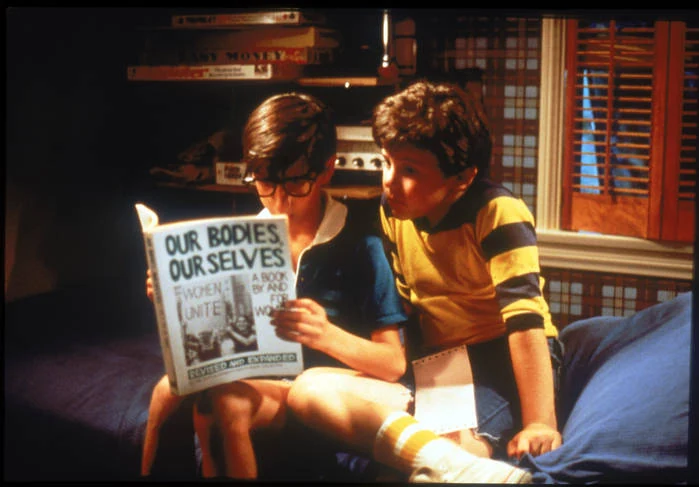
“Swingers” followed the pilot as the first new weekly episode on March 22, 1988. That gap is easy to miss when a modern episode menu places everything neatly in a row. ABC had shown the pilot after the Super Bowl, then brought the series into its spring schedule. Viewers returning in March found that the boys’ curiosity had become a full-time occupation.
School sex education places Coach Cutlip in front of a subject that requires more finesse than his usual approach to physical activity. Robert Picardo makes the adult’s discomfort part of the comedy. Kevin and Paul don’t receive a miraculous delivery of wisdom. They go looking for their own answers, which creates fresh opportunities for panic.
The book business works because the boys want adult knowledge while remaining terrified of being seen acquiring it. The transaction is as frightening as the information. That combination is much funnier than a script congratulating itself for mentioning sex. They want access to a secret world, but first they must survive the possibility of a girl noticing them in a store.
The episode also follows the pilot’s grief. Kevin’s desire to get closer to Winnie exists beside Brian’s death, not in a separate romantic compartment. The boy’s thoughts don’t always behave respectfully. They behave like the thoughts of a young adolescent. The show allows that uncomfortable mixture without pretending it is an especially admirable one.
As an early demonstration of the series’ range, “Swingers” is valuable. It is broad enough to enjoy the ridiculousness of frightened boys and restrained enough to leave some emotional business unresolved. Kevin doesn’t graduate into sophistication. He remains a child who has obtained a few new ideas and is now making a considerable mess of arranging them.
Jack Arnold doesn’t need to raise his voice. It helps, though.
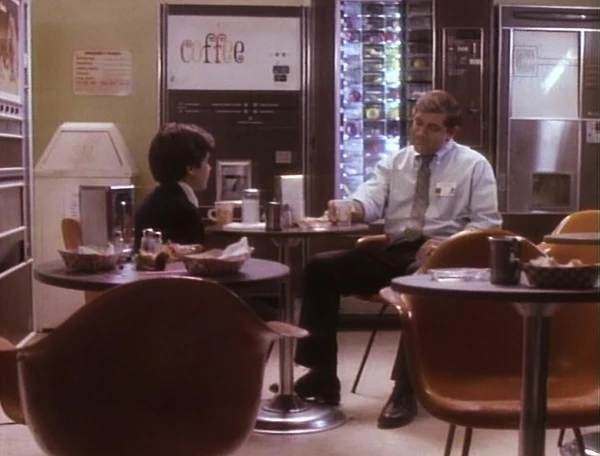
Dan Lauria makes Jack’s arrival home a change in the weather. The family notices him before he has delivered an explanation. There is weariness in the shoulders and irritation close to the surface. A child sees a father who is hard to please. An adult sees somebody bringing a bad day through the front door because he hasn’t found anywhere else to put it.
Jack’s economy is the pleasure of the performance. Lauria doesn’t fill every silence. He lets a look carry the complaint. The character’s authority feels habitual: this is his house, these are his children, and he would appreciate it if everyone stopped presenting new problems while he was trying to recover from the old ones.
That can be funny, especially when Wayne or Kevin misjudges the available room for negotiation. It can also be unpleasant. Jack isn’t improved by pretending his temper is always secretly charming. The series becomes richer when it lets his family be irritated or hurt by him. Love doesn’t make living with a person effortless.
Lauria gives him enough softness to keep the character from becoming a household alarm system. The softness is often reluctant. Jack might offer help through a correction, or reveal affection while sounding mildly annoyed that affection has become necessary. That feels specific to him. He isn’t waiting for a musical cue before turning into the perfect television dad.
Set beside the smoother household performances in 1980s family sitcoms, Jack brings a useful roughness. He has a provider’s pride and a provider’s resentment. He wants his family to appreciate what he does without requiring him to describe how it feels. Unfortunately for Jack, he is living in a television series determined to look at his face.
“My Father’s Office”: the man behind the bad mood
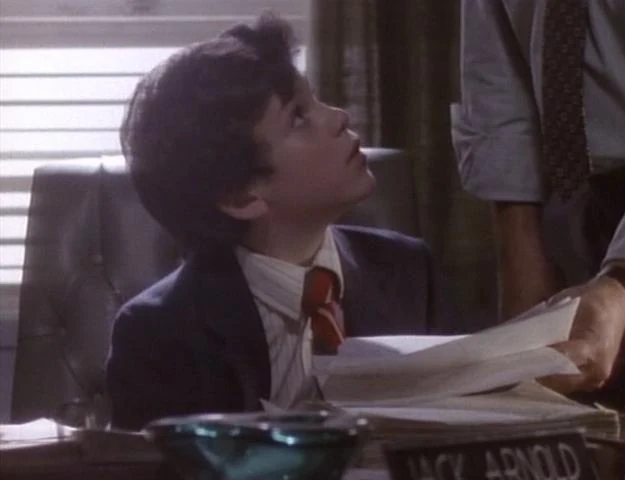
In “My Father’s Office,” first broadcast March 29, 1988, Kevin visits Jack at NORCOM. At home, his father occupies the top of the chain of command. Work reveals a less comfortable arrangement. The man who can silence a dinner table has people above him, demands he doesn’t control, and a working day that doesn’t organize itself around preserving his dignity.
The episode understands the shock of seeing a parent in a second setting. Jack has a job title: manager of distribution and product support services. To Kevin, that sounds like an adult identity, something fixed and official. Then Jack explains that it wasn’t the life he imagined when he was young. He once wanted to captain a ship.
That detail opens a door. Jack, the man of household rules and practical objections, had pictured himself somewhere large and open. Kevin doesn’t suddenly understand his father’s marriage, career, or finances. He sees one surprising thing: the adult in front of him also has an unlived version of his life.
Lauria keeps the admission modest. The episode doesn’t need a grand confession or a speech indicting office work. A short conversation changes how Kevin sees the man. Jack still has a temper. He still goes to work. But the bad mood has acquired a history, and the father has acquired an imagination.
This is where the early show earns a place among the most memorable dramas of the 1980s, even while it competed for comedy awards. Its ambition fits inside a break room. Kevin went looking for an explanation of his father’s job and came back with the much stranger discovery that his father had once wanted something. For a boy who thought adults arrived fully assembled, that is quite an afternoon.
Norma Arnold has a life outside the laundry
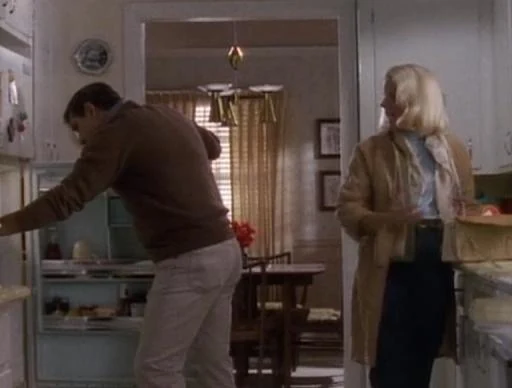
Alley Mills gives Norma a warmth that never has to become vacant cheerfulness. She knows the household’s routines, recognizes the children in several different kinds of trouble, and frequently has to translate between Jack’s mood and everybody else’s needs. That is skilled work, even when the family treats it as the atmosphere.
Norma also lives with the assumption that her interests can wait. The younger children need things. Jack has had a day. Karen has an argument ready. There is always a reason to postpone a private ambition when a family has become accustomed to your availability. The show is perceptive about that arrangement without making Norma deliver a weekly statement about it.
“Pottery Will Get You Nowhere,” broadcast February 1, 1989, gives the issue something concrete to sit on the table. Norma takes a pottery class. Jack’s response to her efforts exposes how casually a household can reduce an interest to an object worth judging. She has made something. He sees the result and misses the courage and pleasure involved in making it.
Mills makes the hurt register without turning Norma into a visitor from a more instructive television show. These are people who know one another. That makes a careless response sting more, not less. Norma isn’t asking to be declared a genius. Some curiosity from the man she lives with would be a reasonable start.
The episode gains force as viewers get older. A younger Kevin may notice that his parents are upset. An adult can recognize the particular loneliness of trying something new while everyone around you behaves as though your established usefulness should be enough. Norma’s pottery is modest. Her wish to have something of her own isn’t.
Karen brings the sixties home for dinner
For Kevin, the older generation isn’t only his parents. Karen is already out there in a different world, listening to music, choosing company, and behaving as though the family’s rules are open for discussion. Olivia d’Abo gives her an impatient assurance. Kevin might be struggling to understand how attraction works. His sister appears to have skipped several chapters and started making her own arrangements.
“Angel,” from April 1988, brings a boyfriend named Louis into the Arnold household. John Corbett plays the young man whose presence gives Jack an immediate supply of things to dislike. Karen and her father don’t simply disagree about one visitor. They disagree about who has the right to decide what sort of person belongs at the table.
The dinner setting is useful because nobody can escape easily without making the situation worse. Jack has a house to defend. Karen has a chosen companion to defend. Kevin has a privileged view of a confrontation he doesn’t have to conduct himself. A family meal offers nourishment, conversation, and occasional opportunities to watch two relatives attempt to win a war using cutlery-adjacent remarks.
D’Abo keeps Karen from becoming a decorative collection of beads and period opinions. She has the impatience of an older teenager who has begun to suspect her parents are fallible and is keen to distribute the findings. Jack, meanwhile, hears contempt where she might hear independence. Their arguments work because each is reacting to more than the words currently being said.
Kevin’s position makes the episode funnier and less tidy. He is curious about the adult freedom Karen represents, but curiosity doesn’t make him an ally in every argument. He is watching his sister test the walls of the house. He still depends on those walls. The show lets both feelings exist, even when Kevin would prefer the situation to be less complicated and significantly more informative.
Wayne Arnold, the household’s least helpful employee
Wayne is not an elaborate mystery. He sees an opening and takes it. Kevin is worried about Winnie? Excellent. Kevin wants privacy? Even better. Jason Hervey plays the older brother with the cheerful readiness of somebody who has discovered a hobby requiring no equipment beyond a younger sibling.
The performance is wonderfully economical. Wayne doesn’t need a complicated scheme to be a problem. He needs access. Living in the same house gives him that, and the family arrangement supplies an audience. Kevin cannot simply avoid the person best qualified to make his day worse; the person is likely to be at dinner.
That domestic confinement matters to the humor. At school, Kevin can imagine a more impressive version of himself. At home, Wayne remembers the actual one. Brothers have a talent for preserving information their siblings would prefer retired. Hervey’s grin suggests an extensive and efficiently maintained collection.
The early series doesn’t spend every appearance explaining a hidden nobility beneath the teasing. That’s a wise choice. Wayne is often just irritating, and the irritation has a recognizable texture. The younger child doesn’t always get a balancing speech about how much the older one really cares. Sometimes he gets interrupted again.
It also keeps Kevin from owning the family stage. His feelings may fill the narration, but they don’t automatically outrank everyone else’s entertainment. Wayne treats his brother’s private epic as material. Savage’s injured expression and Hervey’s satisfaction make an excellent comic pairing, particularly because Kevin is rarely able to retaliate with equal efficiency.
A little Wayne goes a long way. The show knows that best when it uses him as a sudden disruption, a reminder that Kevin’s carefully managed mood has no protection inside the house. He isn’t a grand television villain. He is something much more plausible: a teenager with time on his hands and a brother within reach.
“The Phone Call”: one girl, one telephone, several emergencies
The title of “The Phone Call” is beautifully unambitious. No catastrophe, no spectacular adventure. Kevin wants to call Lisa Berlini. That is enough plot for a half hour because the person attempting the call is Kevin Arnold, whose internal preparations are extensive and whose practical progress is poor.
A household telephone makes the situation wonderfully exposed. A call is an event with a beginning, an answer, and the possibility of somebody else being nearby. Kevin cannot quietly compose a version of himself, edit it five times, and send it after consulting a committee. At some point he has to speak to a person.
Savage plays the disproportion accurately. From outside, the action is tiny. From inside, it involves the possible destruction of a social life Kevin has barely begun to establish. He rehearses because rehearsal feels productive. Unfortunately, the girl has not been issued the same script. There is no guarantee she will perform the lines necessary to make his plan work.
Lisa, played by Kathy Wagner, is useful precisely because she doesn’t inhabit Kevin’s fantasy with complete obedience. He has given her enormous importance. She has her own day. The distance between those two positions supplies much of the episode’s comedy and a good deal of its ache.
“The Phone Call,” which aired April 12, 1988, is one of the clearest examples of the show’s confidence in small stakes. The episode doesn’t need to announce that the telephone represents modern communication, adolescence, and the national condition. It needs a boy, a receiver, and the dreadful knowledge that silence on the other end will have to be filled by him.
Revisiting it as an adult produces two reactions at once. The problem is absurdly manageable. The fear is entirely recognizable. The series gets both right. You can want Kevin to get on with it while knowing exactly why he hasn’t.
A school dance, where excellent plans go to die
By “Dance with Me,” the first-season finale on April 19, 1988, Kevin has accumulated enough experience to become even more confidently confused. He wants to take Lisa to the dance. The prospect creates a flattering story about himself, and he invests in that story before checking how securely it is attached to reality.
When Lisa’s attention goes elsewhere, Winnie doesn’t become a conveniently empty space waiting for him. She has a date of her own. The episode is sharp about this. Kevin’s feelings are real, but the fact that he is disappointed doesn’t entitle him to rearrange everyone else’s evening.
School dances are unusually efficient settings for this kind of comedy. Nothing about them is as casual as the adults pretend. Choosing whom to ask becomes public information. Arriving with somebody becomes public information. Standing alone somehow becomes more public than either. The room is full of children trying to appear as though none of this requires effort.
The show lets the event have the scale its participants give it. A disappointment doesn’t shrink simply because an older viewer knows there will be other dances. That is one of the advantages of Kevin’s limited perspective. He can’t use the future to excuse the present. He has to stand in the gym and endure the evening currently available.
It is a strong way to finish six episodes. The series hasn’t married off its young leads, solved their families, or given Kevin mastery of junior high. It has introduced people worth returning to and demonstrated that the next apparently minor event might be funny, mortifying, or unexpectedly tender. The dance ends. Kevin remains a work in progress, with no reassuring estimate for completion.
Teachers are people. This is deeply inconvenient.
A schoolchild’s view of teachers allows for very little off-duty existence. They teach, they grade, they occasionally ruin your afternoon, and presumably they wait somewhere until school opens again. The Wonder Years repeatedly gets good material from the moment that arrangement stops being believable.
Miss White, played by Wendel Meldrum, brings another complication: Kevin has feelings about an adult who is performing her ordinary professional duties. The teacher’s kindness can become evidence in a case he is building entirely by himself. Savage makes that private interpretation funny without requiring Miss White to behave as though the fantasy has any basis.
The attraction also gives the narration useful work. The boy experiences an enormous emotion and has only the most optimistic account of what it means. The older voice can remember the feeling while leaving the mismatch visible. A teacher who encourages a student is not necessarily conducting a secret romance. Kevin’s imagination is prepared to review that conclusion.
What helps is the ordinary school environment around it. Lessons continue. Other children exist. Kevin’s internal drama doesn’t cancel the timetable. The series is particularly good at allowing a private emotional event to take place inside a public routine that refuses to acknowledge its magnitude.
That makes the classroom different from the household. At home, Kevin is stuck being the youngest Arnold boy. At school, he has access to other possible identities: a better student, an impressive athlete, a boy a girl might notice. Adults have the unfortunate ability to interrupt those experiments while thinking they are merely doing their jobs.
Among 1980s school shows, this one understands how much time a child spends watching adults for clues. Some clues are useful. Some are catastrophically misread. Kevin’s education includes both, and the unofficial curriculum is often the one keeping him awake.
Coach Cutlip takes charge. Nobody relaxes.
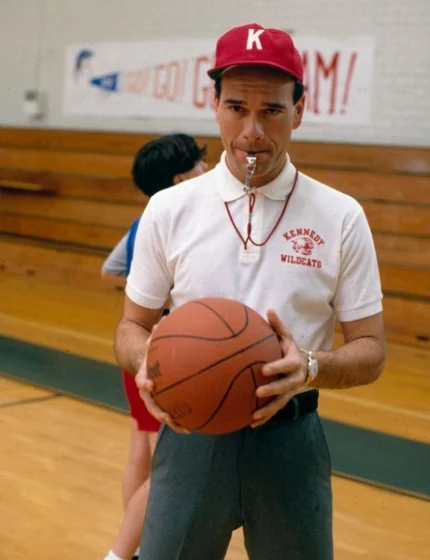
Robert Picardo gives Coach Cutlip a face built for disappointing evaluations. He can regard a child as though the child’s existence has complicated a perfectly adequate system. Put that expression in a gym and the room immediately feels less welcoming.
Cutlip’s comedy comes from certainty. His authority isn’t delicate, and his understanding of a student’s feelings is not always his most highly developed skill. He approaches school life with the assurance of somebody who has a whistle and considers that sufficient qualification for a broad range of human problems.
Picardo doesn’t need to make every appearance enormous. A pause, a stare, or a dry instruction can establish the imbalance. The coach has procedures. Kevin has objections. The procedures were here first. Children who are already worried about their bodies, their competence, and their place in the group now get to demonstrate all three under supervision.
The show uses him for broad humor without making school itself a carnival. His gym belongs to the same world as Kevin’s other anxieties. It is one more place where confidence is distributed unevenly and where an adult can make a difficult moment worse while remaining certain he is helping.
Picardo received an Emmy nomination for his guest performance in 1989. The recognition makes sense if you watch how quickly he establishes a relationship with a room. Cutlip doesn’t need a great deal of screen time to create a problem. He simply arrives with the expectation that everyone will participate.
That is a very specific childhood menace. Some television adults are villains. Some are mentors. Cutlip is often a man who thinks the activity would be going quite well if the children would stop having personalities. Picardo makes the gap between that ambition and the actual students reliably funny.
“Loosiers” puts friendship on the basketball court
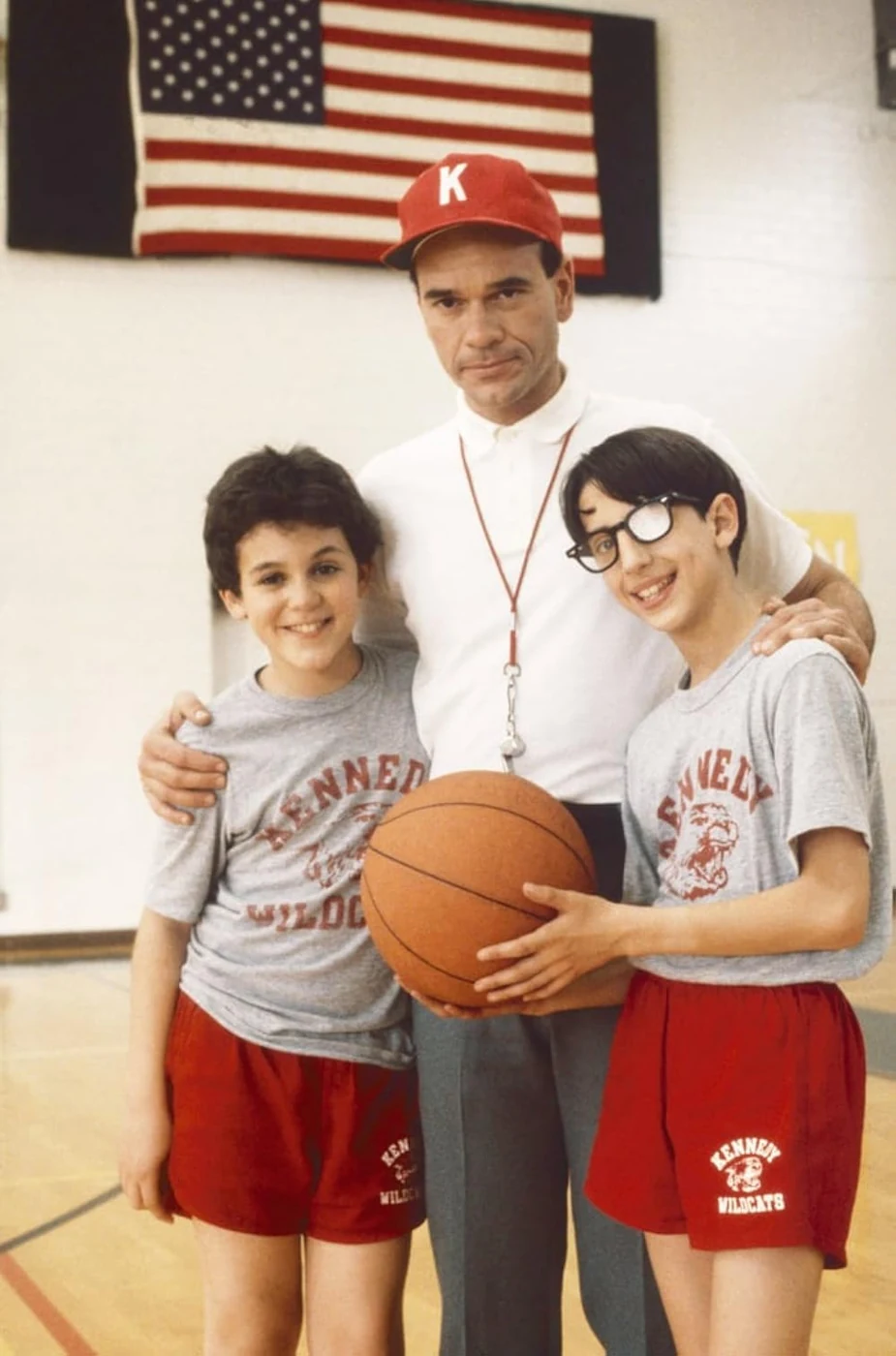
Team selection in gym class is a lovely institution if your aim is to take an insecurity and give it witnesses. “Loosiers,” from the second season in 1989, finds Kevin confronting the unfairness of the process while Paul is on the receiving end. Kevin objects. Cutlip gives him a captain’s responsibility. Principles become harder to manage when they come with a team sheet.
The episode finds something more interesting than a simple lesson about being nice. Kevin wants to be a good friend. He also wants to win, look competent, and avoid being embarrassed. These goals do not always agree about what he should do next. Paul has to live with the result of that disagreement.
Saviano’s presence helps keep the story from floating away into a generic inspirational exercise. Paul isn’t an abstract example of the excluded child. He is the friend Kevin knows. Watching somebody familiar get diminished in a public setting gives Kevin a more immediate reason to notice what the gym’s routine is doing.
The comedy remains physical and social. A basketball court makes ability visible with merciless speed. There is a limit to how much reputation can cover for the ball going somewhere unhelpful. The boys’ arguments about fairness are happening in a place where every attempted improvement can be followed by another awkward demonstration.
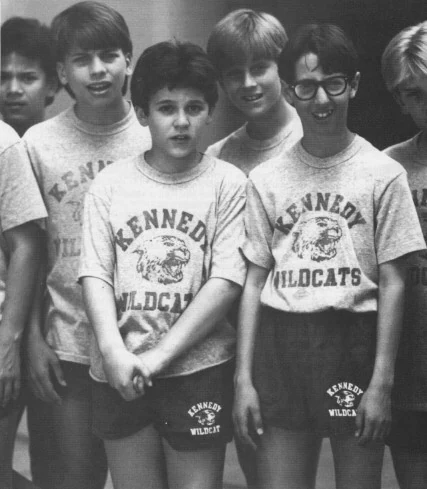
The title’s wink at Hoosiers sets up the possibility of a rousing sports story. The pleasures here are smaller and messier: pride, loyalty, the temptation to compromise, and the way a school activity becomes a test nobody announced in advance. Kevin doesn’t need to become a heroic athlete to have something at stake.
That is why “Loosiers” fits the series so well. It puts a familiar friendship under pressure in a different room. Kevin and Paul can talk endlessly about being friends. Eventually Kevin has to decide what that friendship requires when it isn’t convenient.
“Birthday Boy”: Paul gets a milestone, Kevin gets jealous
“Birthday Boy,” broadcast April 11, 1989, is an excellent reminder that Kevin can be both lovable and a considerable nuisance. Paul’s bar mitzvah coincides with Kevin’s birthday. Kevin doesn’t handle the competition for attention with radiant generosity.
The episode starts from a child’s accounting system. Birthdays are special. Best friends are supposed to recognize that specialness. Therefore, a best friend’s major family celebration arriving on the same day feels to Kevin like a personal scheduling offense. It takes him a while to notice that Paul’s life might contain events that aren’t organized around him.
The Jewish ritual gives Paul a family and tradition beyond the role he plays in Kevin’s daily adventures. That expansion is welcome. The familiar boy in glasses is also a son taking part in something important to people Kevin doesn’t know as well. Kevin is invited to see a larger picture and initially responds by inspecting how much space remains for Kevin.
Savage doesn’t soften the jealousy into an adorable quirk. There is something recognizably unattractive about the boy’s behavior, and that gives the eventual movement toward his friend weight. A child can learn something without having been pleasantly misunderstood for the entire episode.
The story also treats turning thirteen as a change with uneven equipment. Kevin wants the distinction of being older while approaching the problem with some very young assumptions. Paul has a ceremony marking his transition. Kevin has a grievance. The difference is funny, but the feeling underneath it is real: what happens when the person who has always been alongside you reaches an important moment on his own?
It is one of the early show’s best uses of Paul. He doesn’t have to become a different character to reveal a life Kevin has overlooked. He simply asks his best friend to be there for something that matters.
“Coda” refuses to hand Kevin a victory he hasn’t earned
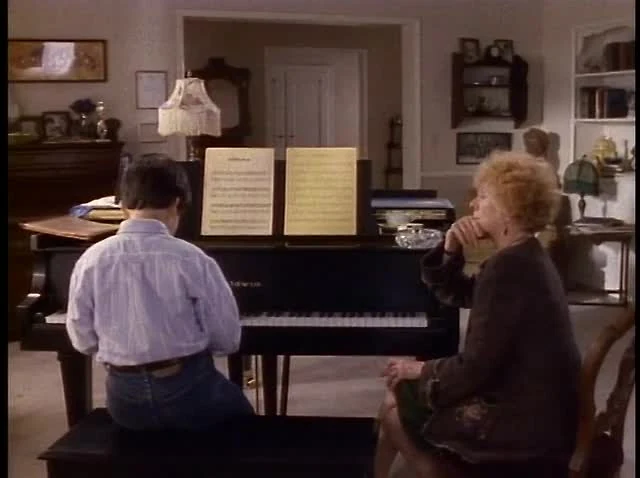
Mrs. Carples is not anybody’s idea of a glossy television mentor. Maxine Stuart gives Kevin’s piano teacher an extraordinary presence: exacting, smoky, and apparently uninterested in making the room more comfortable for him. She hears possibilities in the boy. The boy would like the possibilities to require less practice.
“Coda,” first broadcast February 8, 1989, has the ingredients for an easy triumph. There is a doubtful child, a teacher who sees promise, a recital, and another pupil who makes the child feel inadequate. A more obliging episode would arrange those pieces into a soaring performance and send everybody home with a pleasantly uncomplicated message about believing in yourself.
This one understands the unpleasant space between imagining success and doing the work. Kevin responds to the idea that he has talent. Who wouldn’t? Talent is flattering. Practicing is repetitive, and comparison with a stronger player is a much less agreeable experience than being told you might be good.
Stuart’s performance prevents the teacher from becoming a delivery system for encouragement. Mrs. Carples has standards. Her interest in Kevin doesn’t mean she is required to suspend them whenever he feels discouraged. She is offering him something that includes effort and the possibility of failure. He wants the nice part first.
The episode’s disappointment is what gives it staying power. Kevin withdraws instead of receiving the effortless public vindication that television has trained audiences to expect. The older voice can hear the lost possibility without pretending the child secretly became a brilliant pianist that evening. The fantasy of a perfect performance remains a fantasy.
That is a bracing choice for a series often accused of polishing childhood until it shines. Here, memory keeps a failure. No melodramatic catastrophe is necessary. A boy gives up something he might have continued, and the decision lingers. Adults recognize the category immediately: the instrument, the sport, the interest abandoned when being a beginner stopped feeling flattering.
“Coda” doesn’t need to claim that Kevin missed a grand destiny. Perhaps he would only have become a reasonably competent amateur. The loss is still real. Mrs. Carples heard a reason to keep going. Years later, Kevin can hear it too.
Christmas at the Arnolds: peace on earth, negotiations at home
The December 14, 1988 episode “Christmas” gives the Arnold household a wonderfully practical seasonal ambition: a color television. Kevin and Wayne want Jack to buy one. Jack is not immediately swept away by the spiritual beauty of purchasing an expensive appliance.
It is a small consumer argument with a whole family inside it. The children can imagine the improvement clearly. Jack sees the cost. Norma lives with the resulting campaign. The object matters differently to each person, which is why the episode has more to work with than a simple contrast between holiday generosity and a father’s bad mood.
Kevin has another problem when Winnie gives him a present. Gift-giving introduces a new form of romantic interpretation. A present is an object, a gesture, a possible message, and now an assignment. He has to choose a response without access to the confidential document explaining what the first gift meant.
The pairing is neat: Jack faces the family’s expectations, while Kevin faces Winnie’s. Both would prefer the requirements to be clearer and less expensive in their respective ways. Christmas has a talent for presenting ordinary relationships with additional tests, then decorating the tests.
The episode is especially enjoyable when it leaves the material world intact. Wanting a color television isn’t a moral collapse. Money isn’t an imaginary obstacle that disappears because the music becomes tender. Kevin’s uncertainty about a gift isn’t solved by being informed that love matters more than things. He still has to choose something.
There is affectionate comedy in a family that can share a house and disagree so completely about what would improve it. The Arnolds aren’t a holiday illustration waiting to happen. They are the same people they were last week, now with seasonal expectations and more opportunities to annoy one another.
Joe Cocker opens the door
The familiar opening pairs home-movie images with Joe Cocker singing “With a Little Help from My Friends.” The song, written by John Lennon and Paul McCartney, arrives in Cocker’s rough, expansive voice. It’s an inspired mismatch for a collection of apparently ordinary family moments. The pictures are small. The feeling is enormous.
That combination promises a show interested in what family footage leaves out. People smile for a camera. They move through a yard. They look like a group who belong together. An episode then supplies the arguments, the private fears, the thing a child didn’t know was happening beyond the edge of the frame.
The music inside the early episodes has a similar power. Familiar recordings give a scene emotional company. The audience doesn’t have to stop and identify every record to feel the change in temperature. Older viewers bring associations the children on screen haven’t acquired yet. Younger viewers hear a song attached to Kevin and Winnie, then carry that association into their own listening.
There is a risk, of course. A sufficiently evocative record can do an awful lot of emotional heavy lifting. Some moments lean on the soundtrack as though it has agreed to cover an extra shift. When the scene is already strong, though, the combination is formidable: a face, a pause, a song whose history reaches beyond the room.
In a decade full of memorable television themes, this opening occupies an unusual place. The music isn’t introducing a job, a mission, or a star entering a glamorous location. It is introducing people who have been remembered. The series gets to the business of making those people difficult, funny, and specific afterward.
Television already knew nostalgia. This childhood had different edges.
The title of this feature isn’t a claim that television discovered the past in 1988. Happy Days had long since turned an earlier adolescence into familiar television territory. The Fonz hardly needed Kevin Arnold to explain that viewers enjoyed revisiting an imagined neighborhood.
The distinction is easier to feel than to diagram. The Wonder Years spends a great deal of time inside the boy who hasn’t figured out how to look impressive. It doesn’t have a ready-made cool older friend available to stabilize the atmosphere. Wayne is there, which is almost the opposite service.
Its family also sits comfortably beside the messier traditions of 1970s television, where a household argument could carry social change into a living room. Karen and Jack bring that tension right to dinner. They disagree about the person she has brought home, and the audience hears what else is caught in the argument.
For a contemporary comparison, Family Ties found comedy in parents and children whose politics had taken unexpected turns. The Arnolds’ conflicts were rooted in a different household and an earlier moment. Kevin watched those conflicts from below, still trying to work out which rules were permanent and which ones his sister seemed to be successfully renegotiating.
Then there were the Seavers of Growing Pains, with teenage trouble unfolding in the television present. Kevin’s distance from that present gave his embarrassments a different afterlife: an adult was still remembering them. And when Roseanne arrived in 1988, its noisy kitchen offered another version of family intimacy. Jack Arnold and Dan Conner belonged to different households, but both brought practical worries into rooms where the children had more immediate concerns. Apparently families had not solved the problem of getting everyone to worry about the same thing at the same time.
The pleasure is in that child’s-eye uncertainty. The audience may know where the country is going. Kevin is hoping to survive next period. History presses against the story, but the boy’s immediate problem remains stubbornly personal. An awkward evening doesn’t become less awkward because a future adult will eventually explain the decade around it.
Six episodes, one very quick Emmy
The first season was over after six episodes, yet The Wonder Years won the Emmy for Outstanding Comedy Series in 1988. That is an unusually fast endorsement. The show hadn’t accumulated years of affection or a vast pile of familiar episodes. Its opening collection had made the case.
By the 1988–89 television season, it was also building a substantial regular audience, finishing twenty-second in the season rankings. That puts its breakout in useful proportion. The early reputation was exceptional; the show was still growing into its mass popularity. Its first full season wasn’t a top-ten finish.
The second season began November 30, 1988, and ran for seventeen episodes through May 16, 1989. More episodes meant more chances to discover what the characters could carry. Norma got her pottery. Paul got his bar mitzvah. Kevin got a piano teacher who expected him to practice. There was enough room for the show to become more than an outstanding pilot everybody kept talking about.

The 1989 Emmy recognition reflected that breadth. Savage was nominated for lead actor in a comedy. Picardo and Stuart received guest-performance nominations. Peter Baldwin won for comedy directing. These honors pointed toward different corners of the same small world: a child at its center, adults who unsettled him, and directors who knew how to hold a moment without turning every silence into dead air.
The production was changing too. Bob Brush joined the second-year leadership. In March 1989, Marlens and Black announced they would leave after the season, with Brush taking over. A series about looking back was already facing the ordinary television problem of moving forward.
What matters on screen is how much the early episodes had established before that handoff: the boy’s viewpoint, the older voice, the family’s friction, and the permission for a comic story to finish with something unresolved. Those ingredients were clear enough that a piano recital and a day at the office belonged to the same series without feeling like the same episode.
The episodes change when you’re old enough to be Jack
A younger viewer may follow Kevin into “My Father’s Office” and come away surprised that Dad has a boss. An older viewer may watch the same episode and spend more time with Jack’s embarrassment. The scene hasn’t changed. The person watching has acquired a working life.
Norma’s pottery produces a similar shift. At twelve, an argument over something your mother made might seem like one more adult complication. Later, the effort to start something private in a house full of other people’s needs is much easier to recognize. Mills doesn’t need a new performance to become more affecting. Time supplies the additional information.
That doesn’t make Kevin less interesting. It makes the limits of his attention visible. He tells a story about his childhood, but other people are having full lives around him. The series is at its strongest when their lives push back against his version. Paul has a family tradition. Winnie has grief. Karen wants a future. Jack remembers one he didn’t get.
The show can be too fond of its own tenderness. It can let a song explain a feeling already plain on an actor’s face. It can turn a small regret into a beautifully lit monument. A little skepticism is healthy. Childhood wasn’t a continuous parade of moments waiting to acquire a voice-over.
Yet the best early episodes survive that skepticism because their details are so unshowy. A father mentions a ship. A boy avoids a recital. A friend asks another friend to attend something important. The feelings arrive through choices people actually make, including poor ones.
The story would continue into the era of 1990s television, but these 1988–89 episodes had already found the series’ particular magic. Kevin is trying to grow up without embarrassment, which is a hopeless project. Around him, the adults are still improvising too. The show lets us see both at once. Then Wayne comes in and makes the situation worse.
A few Wonder Years questions, answered
Was The Wonder Years set in the 1980s?
No. The original series premiered in 1988 with Kevin Arnold beginning junior high in 1968. Its earliest audience was looking back roughly twenty years. The familiar childhood feelings helped connect the show’s period setting with viewers growing up in a different decade.
How many episodes were in its first two seasons?
The first season had six episodes, broadcast between January and April 1988. The second had seventeen, running from November 1988 through May 1989. Those are the early seasons behind the launch, first Emmy win, and episodes such as “Coda” and “Birthday Boy.”
Who plays the Arnold family and Kevin’s closest friends?
Fred Savage plays Kevin, with Dan Lauria as Jack, Alley Mills as Norma, Olivia d’Abo as Karen, and Jason Hervey as Wayne. Josh Saviano plays Paul Pfeiffer, and Danica McKellar plays Winnie Cooper. Daniel Stern supplies the familiar adult-Kevin narration.
Which early episodes are especially worth revisiting?
Start with the pilot for Kevin, Winnie, and the shadow of Vietnam. Follow with “My Father’s Office” for Jack, “Pottery Will Get You Nowhere” for Norma, “Birthday Boy” for Paul’s friendship with Kevin, and “Coda” for the series at its least willing to hand its young hero an easy victory.