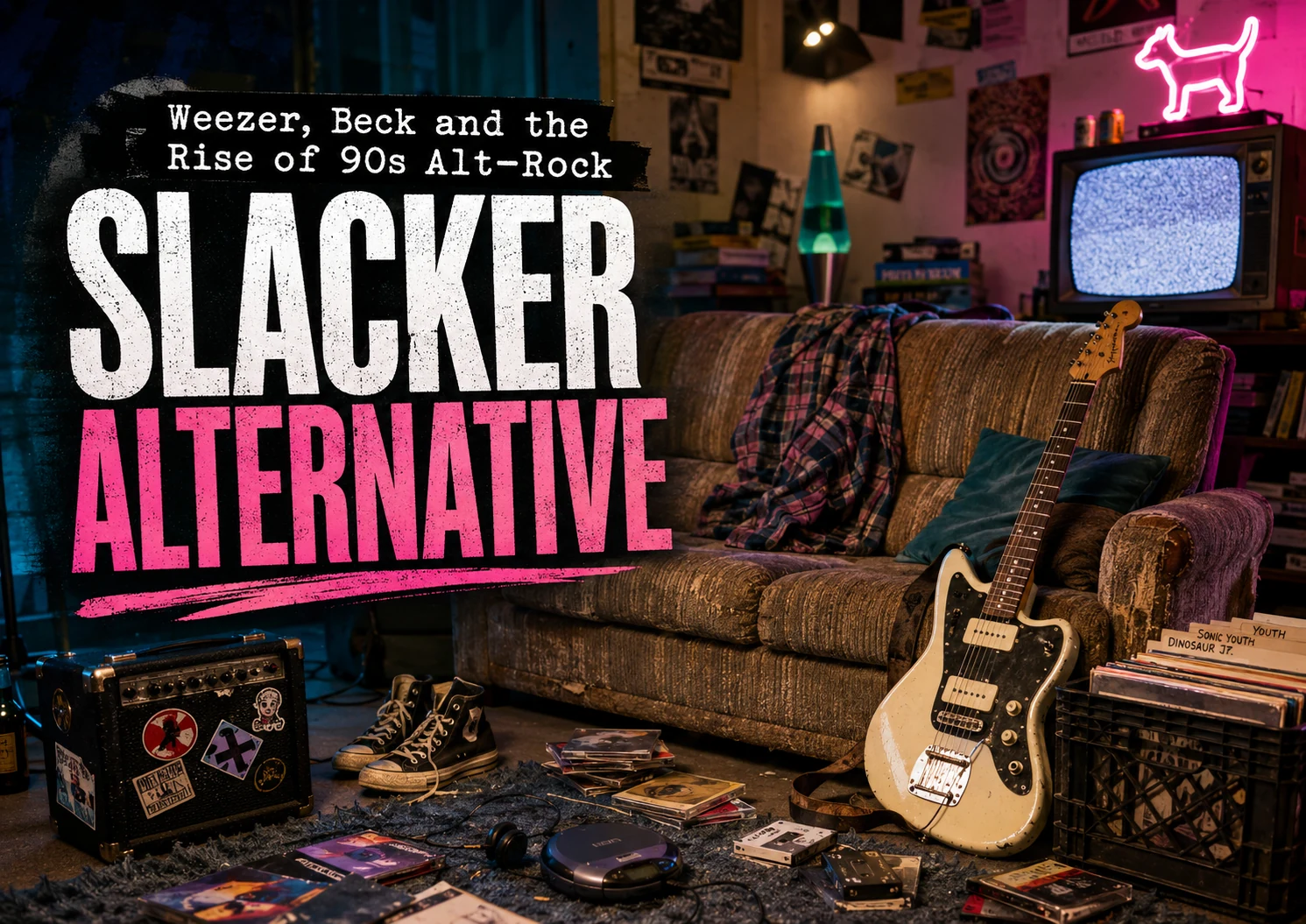
Weezer, Beck and the Rise of Slacker Alternative
Not every 90s alternative band wanted to look dangerous, tortured or ready to explain its pain under warehouse lighting. Some of them looked like they just rolled off a thrift-store couch, found a guitar with three good strings, wrote a weird hook, and accidentally gave Gen X a whole new flavor of anti-cool.
After the horns and checkerboard chaos of ska-punk’s bright side of 90s alternative, the decade took another left turn into awkward power pop, deadpan vocals, surreal lyrics, lo-fi guitars, slacker irony and songs that sounded like they were trying very hard to pretend they were not trying at all. Very healthy. Very 90s.
This was alternative rock with couch energy.
Slacker alternative was the awkward, ironic, thrift-store, CD-binder side of 90s alternative: Weezer making nerdy guitar rock huge, Beck turning junk-culture collage into hits, Pavement making not-caring sound artful, Cake deadpanning through trumpet hooks, and a whole wave of bands proving that weird could still get on the radio.
Quick Answer: What Was 90s Slacker Alternative?
90s slacker alternative was the awkward, ironic, low-effort-on-purpose side of alternative rock. It mixed indie rock, power pop, lo-fi attitude, deadpan vocals, surreal lyrics, thrift-store visuals, college-radio weirdness and Gen X anti-star energy into songs that sounded casual, strange and weirdly unforgettable.
The biggest names in this corner of 90s alternative included Weezer, Beck, Pavement, Cake, Eels, The Presidents of the United States of America and Nada Surf, along with orbiting acts like Local H, Superdrag, Soul Coughing, The Rentals and Ben Folds Five. Some were huge. Some were cult. Some were one weird single away from owning a semester of your life.
Slacker alternative matters because it gave 90s alternative and grunge a different kind of personality. It was not built on rock-god cool. It was built on awkwardness, sarcasm, strange details, messy apartments, weird videos, cheap-looking clothes and songs that landed somewhere between “brilliant” and “did they just make that up in a garage next to a broken futon?”
Need the Bigger Alternative Map?
This is the slacker/anti-cool corner of the decade. For the full visual command center, jump to the 90s Alternative & Grunge Hub. For the big editorial story of the whole movement, go to the 90s Alternative & Grunge pillar post.
Why Slacker Alternative Hit So Hard in the 90s
The 90s had a complicated relationship with effort. Trying too hard was embarrassing. Looking polished was suspicious. Acting like you wanted fame made people question your entire soul, even while everyone was buying CDs from bands signed to major labels. The decade was one giant authenticity trap, and slacker alternative learned how to live inside it.
This sound arrived at the exact moment when alternative had become mainstream enough to need more personalities. Grunge had already changed the rules. Post-grunge turned alternative into radio rock. Ska-punk gave the decade horns, motion and school-dance chaos. But slacker alternative brought the shrug. Not a lazy shrug, exactly — more like a defensive shield made from sarcasm, weird lyrics and a guitar tone that sounded like it came from a pawn shop with emotional problems.
It also fit perfectly with Gen X. This was a generation raised on basic cable, latchkey afternoons, mall culture, economic uncertainty, deadpan comedy, photocopied zines, used CDs, ironic T-shirts and the general suspicion that every adult system was probably broken but still expected you to show up on time.
Slacker alternative made that feeling musical. The songs did not always announce themselves like anthems. Some mumbled. Some smirked. Some sounded like a joke until the chorus drilled into your skull. Some had videos that looked like community theater, public access television, vintage educational filmstrips or a garage sale hallucination. MTV ate it up, because the 90s were weird enough that low-budget awkwardness could become a look.
Weezer, Pavement, Beck and others proved that not looking smooth could become the whole point. The anti-pose became the pose. Very 90s. Very suspicious. Very effective.
It fit MTV’s weird-video era. Spike Jonze energyThis sound thrived when videos could be strange, cheap-looking, surreal or intentionally uncomfortable. It belongs right next to the decade’s alternative videos that could only have happened on MTV.
It gave radio a different mood. Not grunge, not pop, not normalModern rock radio could jump from heavy post-grunge to weird slacker hooks without explaining itself. That was part of the charm of the 90s dial: chaos, but with station IDs.
It made “whatever” emotional. Detachment with damage underneathUnder the jokes and shrugging were songs about loneliness, self-doubt, alienation, bad relationships, boredom and not fitting anywhere cleanly. The couch had feelings. Annoying, but true. MTV Alternative Rock Takeover 90s Alternative Songs That Defined the Decade
What Slacker Alternative Actually Sounded Like
Slacker alternative was less a strict genre than a mood that kept showing up across 90s rock. It could be crunchy and melodic like Weezer, surreal and junk-shop funky like Beck, loose and crooked like Pavement, deadpan and rhythmic like Cake, bleakly funny like Eels, cartoon-simple like The Presidents of the United States of America, or sneaky and sharp like Nada Surf.
What tied it together was the refusal to sound like traditional rock heroics. These bands were not trying to out-scream grunge, out-glam the 80s, or out-metal anyone. They leaned into oddness. They made small details feel huge. They wrote choruses that sounded simple until they would not leave your brain. They made low-stakes presentation feel like high-level identity.
A lot of it came from indie rock and college radio, but the mainstream moment gave it a bigger stage. Suddenly, awkward songs about sweaters, losers, peaches, popular kids, deadpan romance and emotional static were sitting next to massive rock singles. Any real list of the 50 essential 90s alternative songs needs this stuff, because the decade was never just one guitar tone and a rainy video.
The couch was part of the sound.
Slacker alternative felt like thrift-store furniture, cheap amps, old TVs, weird posters, overdue video rentals, half-empty soda cans, notebooks full of nonsense and one friend who insisted Beck was the future while nobody understood what that meant yet. 90s Alternative & Grunge Hub 90s Alternative & Grunge pillar post
The Artists That Defined Slacker Alternative
Slacker alternative worked because it had range. Weezer made awkwardness an arena-sized guitar hook. Beck turned trash-culture surrealism into radio gold. Pavement made looseness feel like a philosophy. Cake turned deadpan delivery into a full operating system. Eels made sadness sound dry, strange and deeply human. The Presidents made nonsense catchy. Nada Surf made popularity sound like a survival manual written by someone already over it.
Weezer: The Blue Album, Awkward Hooks and Loud Guitars for Kids Who Were Not Cool Enough for Cool
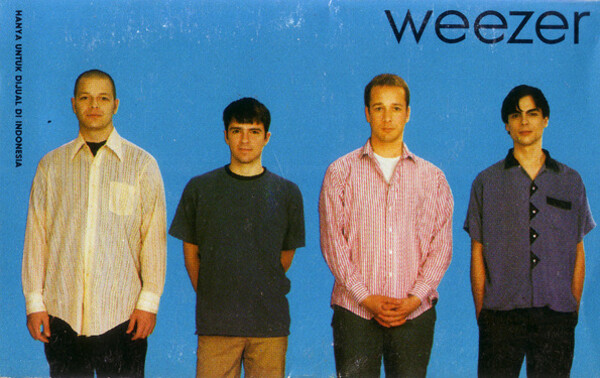
Weezer were not the band that looked like they were coming to save rock. That was the whole charm. They formed in Los Angeles in 1992 with Rivers Cuomo, Patrick Wilson, Matt Sharp and Jason Cropper, then came out of the same city that had recently given America a decade of hair-metal poses looking like the opposite of all that. No scarves on mic stands. No leather-pants prophecy. Just big guitars, plain clothes, weird feelings and songs that sounded like power pop got shoved through a stack of loud amps.
Their debut album, Weezer — the Blue Album — was released by DGC on May 10, 1994, and produced by Ric Ocasek of The Cars. That Ocasek connection matters because the record is not messy in the way people sometimes remember 90s alternative being messy. It is clean, tight and loaded with hooks, but it still feels awkward and human. The guitars are massive, but the songs are built like classic pop. Basically, it is nerd anxiety wearing a fuzz pedal and pretending it is fine.
“Undone — The Sweater Song” was the first big warning that Weezer were operating on their own frequency. The song had spoken bits, a slow-burn structure, a giant guitar payoff and a metaphor that sounded funny until it started feeling a little too accurate. It did not strut. It unraveled. Which, honestly, was much more useful to a lot of 90s kids than another guy in sunglasses pretending life was awesome.
“Buddy Holly” made the band unavoidable. The Spike Jonze-directed video dropped Weezer into a fake Happy Days episode, blending 70s sitcom nostalgia with 90s alt-rock awkwardness so perfectly that MTV basically had no choice but to keep playing it. Then the video ended up bundled with Windows 95, which meant a whole wave of people met Weezer while poking around a new computer like it was alien technology. Nothing says mid-90s like discovering a rock band through an operating system.
“Say It Ain’t So” is where the Blue Album stops being merely clever and gets heavy without changing its clothes. Under the melody and huge chorus is a song about family fracture, addiction anxiety and the kind of emotional landmine that does not need theatrical screaming to hit hard. That was Weezer’s real trick: the songs could look nerdy from across the room, but up close they had bruises.
The lineup also shifted during this era. Jason Cropper left during the Blue Album sessions, and Brian Bell joined before the band became the version most MTV viewers recognized. That little personnel footnote is part of the record’s weird history: this thing that sounds so perfectly locked-in was actually being assembled while the band was still becoming itself.
Then came Pinkerton in 1996, and the awkwardness got sharper. The album was rawer, more uncomfortable and much less interested in being everyone’s favorite dorm-room singalong. At the time, it confused a lot of people who wanted more Blue Album charm. Later, of course, it became a cult classic, because the 90s loved rejecting something first and then deciding it was genius after everyone had enough time to feel bad.
Weezer mattered because they made awkward guitar rock feel big without turning it into fake toughness. They were loud but not macho, catchy but not slick, funny but not empty, wounded but not theatrical. For Gen X and younger 90s listeners who did not see themselves in rock-star cool, Weezer made the uncool thing sound enormous. Best 90s Alternative Albums 90s alternative videos on MTV
Beck: “Loser,” Odelay and the Collage Brain of 90s Alternative
Beck was the sound of the 90s rummaging through a thrift store, a record crate, a broken answering machine and a stack of strange ideas, then somehow finding a hit single underneath. Beck Hansen came out of Los Angeles with a style that pulled from folk, hip-hop, blues, funk, country, noise, samples, street-corner weirdness and whatever else was lying around within reach. He was not easy to file, which was exactly the point.
“Loser” became his breakthrough because it sounded like nothing else on the radio and also like everything had been thrown into it: slide-guitar folk-blues, hip-hop cadence, slack-jawed delivery, nonsense poetry and a chorus that turned self-deprecation into a generational catchphrase. It was released into a world that had been primed by alternative rock to accept weirdness, but even then, “Loser” felt like an intercepted transmission from a junkyard with a beat.
The “I’m a loser” hook was easy to misunderstand as a novelty line, but it landed because it captured a very real 90s posture. Not heroic. Not polished. Not triumphant. Just weird, funny, broke, bored, overexposed to junk culture and suspicious of every success story. Beck did not sound like he was reaching for rock stardom. He sounded like he had accidentally found it behind a couch cushion.
Mellow Gold introduced that cracked universe, but Odelay made it explode. Released in 1996, Odelay took Beck’s collage instincts and built a whole world from them. With the Dust Brothers helping shape the sound, Beck turned samples, breakbeats, country fragments, funk, garage rock, hip-hop rhythms and surreal lyrics into something that felt both deeply strange and weirdly accessible. “Where It’s At,” “Devils Haircut,” “The New Pollution” and “Jack-Ass” all sounded like different radio stations bleeding into each other through a broken antenna.
Beck mattered because he made alternative feel wide open. He was not just a singer-songwriter, not just a rocker, not just a rapper, not just a folk weirdo, not just a postmodern prankster. He was a walking junk-drawer with excellent timing. In a decade where genre borders were already cracking, Beck kicked the door off the hinges and then used it as percussion.
His videos also shaped the visual memory of the era. They looked surreal, playful, dusty, retro and strange in exactly the way MTV could amplify. Beck did not need the moody warehouse. He had thrift-store futurism, deadpan dancing, odd props and a face that said, “Yes, this is ridiculous. Keep watching.”
If Weezer made awkward guitar rock huge, Beck made slacker alternative feel like a collage of everything Gen X had absorbed: TV, junk food, hip-hop, folk records, VHS static, irony, boredom, old clothes, bad jobs and the feeling that modern culture was mostly garbage but maybe you could build something brilliant from it. 50 Essential 90s Alternative Songs MTV Alternative Rock Takeover
Pavement: Crooked Guitars, Loose Genius and the Art of Not Trying Too Hard
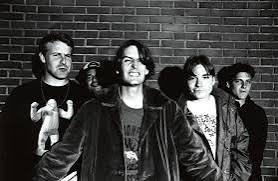
Pavement were the band every 90s indie person seemed legally required to mention if the conversation got serious enough. They formed in Stockton, California, in 1989, which already separates them from the obvious grunge geography and glossy industry machinery. They sounded like suburban boredom, college radio, inside jokes and cracked guitar amps had started a band that refused to stand up straight.
Pavement did not become mainstream in the same way Weezer or Beck did, but their influence on slacker alternative was massive. They made looseness sound like intelligence. They made imperfection feel like a choice. They made underplaying everything feel like a form of power. If grunge made authenticity sound heavy, Pavement made authenticity sound like it showed up late and forgot its notebook.
Stephen Malkmus sang like he was half-interested, fully amused and possibly reading the lyrics from a napkin he found in a jacket pocket. Scott Kannberg’s guitar presence and the band’s crooked arrangements helped create a sound that could be jangly, noisy, pretty, sloppy and weirdly precise in its sloppiness. The songs sounded casual, but there was real craft under the mess. Pavement were not loose because they could not play. They were loose because polish would have ruined the whole weather system.
Slanted and Enchanted, released in 1992, helped define the early 90s indie-rock language: lo-fi textures, crooked melodies, cryptic lyrics and an allergy to mainstream rock seriousness. It sounded like a record that had no interest in asking permission. That mattered, because the early 90s were already turning alternative into big business. Pavement gave the underground a different kind of swagger: smaller, stranger, more evasive and less desperate to be loved.
Crooked Rain, Crooked Rain arrived in 1994 and opened the door wider with “Cut Your Hair,” a song that mocked the music business while becoming Pavement’s closest thing to a mainstream hit. Of course. The 90s loved irony so much it kept accidentally monetizing it. The album also had “Gold Soundz,” one of those songs that sounds casually tossed off until it starts living rent-free in your head for the next 30 years.
Pavement’s influence lived in the attitude as much as the songs. They helped normalize the idea that a rock band could be smart, detached, funny, messy and emotionally evasive without sounding empty. They did not sell slacker culture as laziness. They made it feel like resistance to overproduction, overstatement and over-rehearsed sincerity.
They also gave the decade a different kind of cool: not MTV-glamorous, not grunge-tortured, not punk-confrontational, but sideways. The kind of cool that lived in college radio, record stores, zines, borrowed cars and conversations where someone said, “You probably haven’t heard this,” and everyone quietly hated them for being right. 90s Alternative Songs That Defined the Decade Best 90s Alternative Albums
Cake: Talk-Singing, Trumpet Hooks and Dry 90s Weirdness
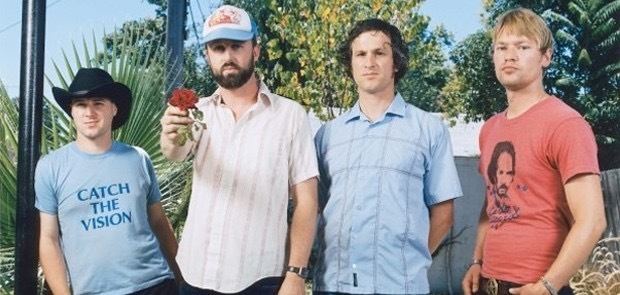
Cake sounded like a band designed specifically to confuse anyone trying to explain 90s alternative in a neat sentence. Formed in Sacramento, they did not fit the standard alt-rock template, which was a feature, not a bug. Were they rock? Funk? Country-adjacent? Lounge-punk? Deadpan trumpet-core? Nobody knew, and Cake did not appear interested in helping.
John McCrea’s voice was the center of it: dry, flat, talk-sung and weirdly commanding. He did not belt. He did not wail. He delivered lines like a man reading a ransom note at a DMV, and somehow it worked. Around that voice, Cake built a sound out of tight bass lines, clipped guitar, trumpet blasts, dry drums and choruses that felt both minimal and instantly memorable.
Their debut, Motorcade of Generosity, arrived in 1994 and already showed the band’s odd mix of sarcasm, groove and anti-rock-star restraint. “Rock ’n’ Roll Lifestyle” was an early warning shot, mocking consumer rebellion with the kind of deadpan bite that made Cake feel perfectly built for the decade. The song basically asked: how much does your anti-commercial identity cost, and did you use a credit card?
Fashion Nugget, released in 1996, became the essential Cake moment. It included “The Distance,” which turned them into a wider alternative-radio presence with its galloping rhythm, trumpet hook and lyrics about grim persistence that sounded heroic and ridiculous at the same time. The song was everywhere because it had motion, attitude and a chorus that felt like it was narrating a race nobody understood but everyone kept watching.
Their cover of “I Will Survive” was both funny and oddly serious, which is Cake in a nutshell. It stripped away disco gloss and turned the song into something dry, bitter and weirdly triumphant. Cake could make you smirk, then make you realize the arrangement was tighter than half the bands trying much harder.
Cake mattered because they expanded slacker alternative into rhythmic deadpan territory. They had no interest in grunge catharsis or post-grunge emotional release. Their whole thing was restraint, irony, groove and sideways commentary. They sounded like the house band for a generation that had learned to cope by making a joke before admitting anything hurt. 90s Alternative One-Hit Wonders 90s Alternative Songs That Defined the Decade
Eels: Sad Songs, Weird Hooks and the Bleaker Side of Slacker Alternative
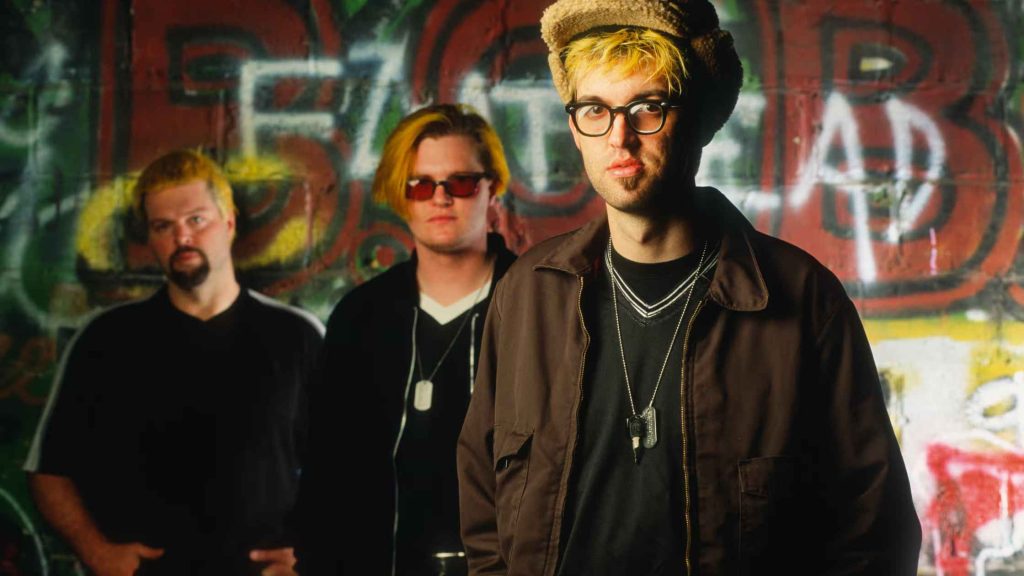
Eels brought a darker, more wounded version of slacker alternative into the late 90s. If Weezer made awkwardness loud and Beck made weirdness funky, Eels made sadness dry, strange and oddly catchy. Mark Oliver Everett, better known as E, had a gift for making bleakness sound conversational, like he was telling you the worst thing in the world while standing in line at a convenience store.
Before Eels, Everett had already released music under the name E, which helps explain why the band’s first record did not feel like a normal debut from a normal alt-rock group. Beautiful Freak, released in 1996, was the first album under the Eels name and one of the earliest releases associated with DreamWorks Records. That alone gives it a very specific 90s smell: major-label experimentation, alternative-radio hunger and a whole industry still trying to figure out what “weird but marketable” meant.
“Novocaine for the Soul” was the breakthrough, and the title alone feels like it should be engraved on a cracked 90s CD jewel case. The song had a woozy, off-kilter beauty, with lyrics that hinted at exhaustion, numbness and emotional disconnection without turning into melodrama. It sounded strange enough for alternative radio but melodic enough to stick.
The song was also a very specific kind of late-90s hit: polished enough to travel, strange enough to feel personal, and sad in a way that did not ask for a spotlight and a rain machine. The video, with the band floating through the air, matched the song’s emotional weightlessness. It felt detached because the whole point was detachment.
Beautiful Freak gave Eels their mainstream entry point, but the band’s deeper catalog would become more personal, tragic and emotionally direct. Electro-Shock Blues in 1998 moved into heavier personal territory and later became a crucial record for fans who wanted more than the quirky-radio-hit version of the band.
Eels fit the 90s because the decade had room for strange emotional textures. Not every sad song had to be a power ballad. Not every weird song had to be novelty. Eels could sound damaged, funny, pretty, grim and catchy in the same three minutes, which is exactly the kind of contradiction alternative radio briefly allowed before everything got filed into tighter formats.
They mattered because they showed the emotional range inside slacker alternative. The shrug did not mean nothing mattered. Sometimes it meant everything mattered too much, and sarcasm was just the cheapest available protective gear. 90s Alternative One-Hit Wonders 25 Forgotten 90s Alternative Songs
The Presidents of the United States of America: “Lump,” “Peaches” and Minimalist Alt-Rock Nonsense
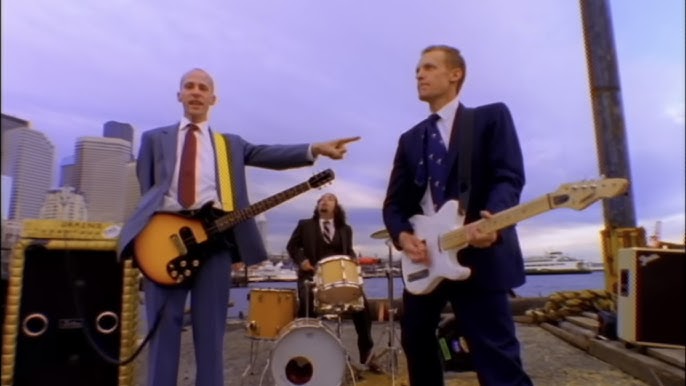
The Presidents of the United States of America were the kind of band that could only become huge in the 90s. They came out of Seattle, but they did not sound like the Seattle that rock radio had been obsessing over. No dark sludge. No haunted mountain weather. No tortured grunge mythos. Just fuzzy, stripped-down, absurd alternative rock built from modified instruments, strange stories and choruses that hit like cartoon anvils.
Their setup was part of the identity. Chris Ballew and Dave Dederer used modified two-string and three-string instruments, while Jason Finn kept the drums loose, punchy and playful. That minimalist approach gave the band a sound that was instantly recognizable: simple, bouncy, fuzzy and somehow huge without being heavy in the usual 90s sense.
Their self-titled debut was first released through Seattle indie label PopLlama in 1995, then picked up by Columbia as the songs started moving. That record produced “Lump,” “Peaches,” “Kitty” and “Dune Buggy,” which is a ridiculous amount of oddball staying power for an album that sounded like it had no interest in being serious for more than seven seconds at a time.
“Lump” was the first big blast, and it sounded like alternative rock had been stripped down to a cartoon skeleton. There was no tortured mystique. No heavy emotional weather. No grand statement. Just strange character writing, fuzzy riffs, bouncing rhythms and a chorus that permanently lodged itself in the same part of the brain that remembers old commercial jingles.
“Peaches” was even stranger. A song about peaches, delivered with absolute commitment, became a real hit because the 90s were apparently willing to reward absurdity if the hook was strong enough. The video’s orchard imagery and ninja weirdness made it even more impossible to forget. Was it dumb? Maybe. Was it secretly brilliant? Also maybe. That’s the entire point.
The band’s debut became a perfect snapshot of the decade’s tolerance for oddball hits. It was fun, but not slick. Silly, but not fake. Catchy, but not pop in the usual sense. The Presidents made nonsense feel strangely liberating because they refused to carry the burden of being important. In a decade where alternative was constantly negotiating authenticity, that refusal felt refreshing.
Their mainstream moment belongs beside 25 forgotten 90s alternative songs, because even if people now remember the band as quirky or goofy, those songs were not tiny. They were everywhere. Car radios, MTV, school hallways, CD players, bedrooms, probably the produce aisle if the universe had a sense of humor. 90s Alternative One-Hit Wonders
Nada Surf: “Popular,” Smart Sarcasm and the Band Behind the Punchline
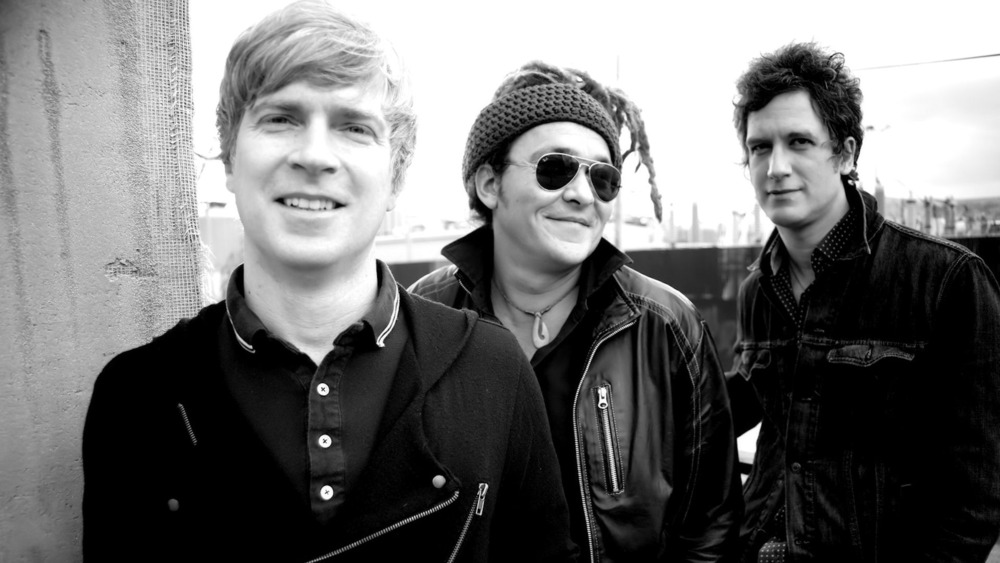
Nada Surf are often remembered through “Popular,” which is both fair and unfair. Fair because the song was a perfect 90s alternative hit: sarcastic, spoken-word strange, catchy, socially observant and built around the absurdity of popularity as a survival system. Unfair because the band had far more going on than one satirical single.
The band came out of New York City and released High/Low in 1996. The album was produced by Ric Ocasek, which gives Nada Surf a sneaky connection to the Weezer universe even before you hear the clean guitar-pop instincts. But where Weezer’s awkwardness felt bedroom-bound and emotional, Nada Surf’s breakthrough felt sharper and more socially observant, like a high-school survival guide being read by someone who already knew the whole system was insane.
“Popular” worked because it turned teenage social instruction into something creepy, funny and instantly recognizable. The spoken-word sections sounded like a self-help tape for surviving high school written by someone who understood exactly how ridiculous the whole system was. Then the chorus hit, loud and melodic, and suddenly the joke had teeth.
The song’s video and radio presence made Nada Surf part of the 90s alternative oddball universe, the same world that allowed weird, semi-novelty, semi-brilliant songs to become mainstream moments. That is why they belong near the larger conversation about 90s alternative one-hit wonders — but with the important warning that one mainstream hit does not mean one good song.
Nada Surf’s later career proved that point. The band developed into a much more melodic, emotionally direct indie-rock act, with records like Let Go earning long-term respect beyond the initial “Popular” moment. That later reputation matters because it shows how often 90s alternative trapped bands inside the first box MTV built for them.
In the mid-90s, though, Nada Surf fit slacker alternative perfectly because they used irony to expose something real. Popularity culture was absurd, but it also hurt. The song laughed because screaming would have been less radio-friendly.
Nada Surf mattered because they captured the social satire side of slacker alternative. Not everything was about couches and weird props. Sometimes the shrug was aimed directly at the rules people were pretending not to follow. 90s Alternative One-Hit Wonders 90s alternative videos on MTV
The Deeper Bench: Local H, Superdrag, Soul Coughing, The Rentals, Ben Folds Five and More
Slacker alternative was not limited to the biggest names. The deeper bench is where the mood spreads out: two-piece cynicism, beat-poetry grooves, Moog-heavy side projects, power-pop frustration, piano-based sarcasm and bands that never quite fit into the clean categories radio wanted.
This is the stuff that makes 90s alternative feel so deep in hindsight. Some bands had one massive moment. Some became cult favorites. Some were too weird for heavy rotation but perfect for late-night MTV, college radio, mix CDs and the friend who always had a band recommendation you were not emotionally prepared to receive.

Local H came out of Zion, Illinois, as a two-piece built around Scott Lucas and Joe Daniels, but they sounded much bigger than the setup suggested. Lucas used a modified guitar rig that let him cover bass and guitar territory at once, which helped give the band that thick, grinding punch. “Bound for the Floor,” from 1996’s As Good as Dead, turned “you just don’t get it” into one of the decade’s most useful complaints. Local H were heavier than a lot of the couch-slouch weirdness around them, but their boredom, sarcasm and blunt Gen X irritation fit perfectly.
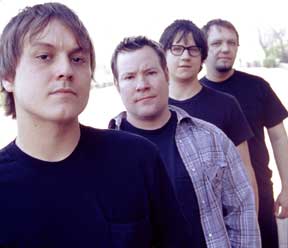
Superdrag came out of Knoxville, Tennessee, with a power-pop engine and a very 90s sense of music-industry exhaustion. Their 1996 major-label debut Regretfully Yours gave alternative radio “Sucked Out,” a bright, hooky song about being drained by the machine. It sounded cheerful enough to survive MTV, but the lyrics were basically a resignation letter with harmonies. That contradiction made Superdrag a perfect slacker-alt side character: catchy, bitter, melodic and already tired of the whole thing.
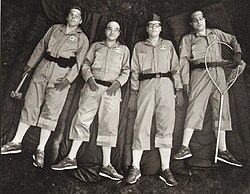
Soul Coughing formed in New York in the early 90s and sounded like nobody else on the dial. Mike Doughty’s spoken-word delivery, Sebastian Steinberg’s upright bass, Yuval Gabay’s drums and Mark De Gli Antoni’s samples made the band feel like beat poetry, hip-hop, jazz and alternative rock got trapped in an elevator and decided to groove. Ruby Vroom introduced the cult version; 1996’s Irresistible Bliss pushed songs like “Super Bon Bon” and “Soundtrack to Mary” toward wider modern-rock attention.
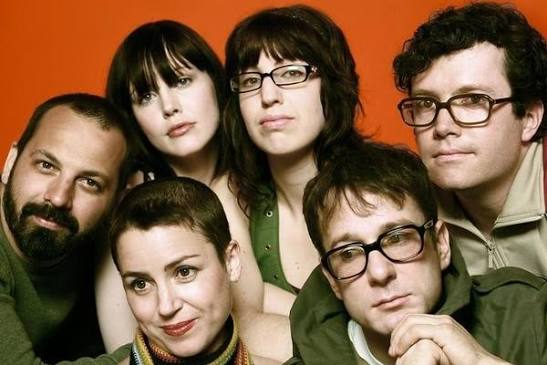
The Rentals were Matt Sharp’s side quest while he was still best known as Weezer’s bassist. Their 1995 debut Return of the Rentals leaned into Moog synths, boy-girl vocals, precise power-pop hooks and a nerdy retro-future mood. “Friends of P.” became the signature song, getting MTV and modern-rock attention while sounding like the Blue Album universe had moved into a smaller apartment with more keyboards. It was slacker-adjacent because it made side-project weirdness feel charmingly major-label for about five minutes.
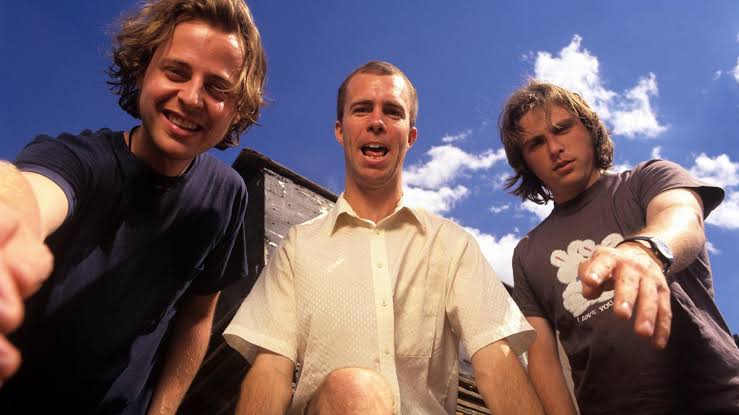
Ben Folds Five were not guitar slacker rock, but they absolutely belong near the anti-cool 90s conversation. A piano-bass-drums trio from Chapel Hill, they used piano like a percussion weapon and wrapped smart-ass lyrics around melodic songwriting. “Underground” poked fun at scene identity, while 1997’s Whatever and Ever Amen gave the decade “Song for the Dumped,” “Kate,” “One Angry Dwarf and 200 Solemn Faces” and eventually “Brick.” They brought sarcasm, vulnerability and theater-kid rage to the wider alternative table.

They Might Be Giants were already their own strange universe before the 90s alternative boom, but their brainy absurdity, odd hooks and alternative-adjacent presence helped make weirdness feel normal enough for the decade. Flood arrived in 1990 with “Birdhouse in Your Soul” and “Particle Man,” giving smart, strange, hyper-literate pop a bigger platform just before alternative culture fully cracked open. They were not slacker rock, but they helped teach the room that odd could be catchy, and catchy could still be deeply weird. 25 Forgotten 90s Alternative Songs 50 Essential 90s Alternative Songs
The Slacker Alternative Lifestyle: Thrift Stores, Couches, Old TVs and Whatever
Slacker alternative was as visual as it was musical. Not polished visual, obviously. More like “accidentally iconic because nobody cleaned the room.” It lived in old couches, thrift-store cardigans, messy apartments, pawn-shop guitars, weird posters, outdated technology, vintage TV references, public-access awkwardness and videos where the concept seemed to be “what if boredom had a budget?”
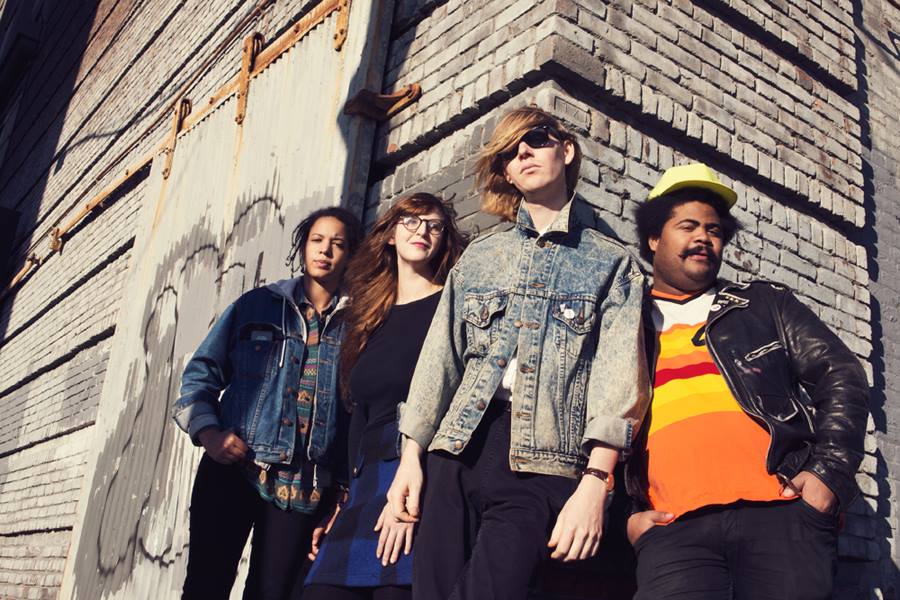
The look was anti-aspirational. Nobody was supposed to want to be rich, glossy or impossibly cool. Instead, the image was ordinary weirdness: people standing around in clothes that looked found, borrowed or worn because laundry was theoretical. That made it feel attainable. You did not need leather pants or arena lighting. You needed a guitar, a deadpan stare and possibly a couch someone left on the curb.
This connected directly to Gen X culture. The “whatever” pose was partly humor, partly defense mechanism and partly a way of surviving a world that kept selling rebellion back to everyone in shrink wrap. Slacker alternative made that contradiction audible. It sounded casual because caring too visibly was risky. It sounded funny because sincerity was embarrassing. It sounded weird because normal had already failed the vibe check.
The videos were essential. Weezer’s “Buddy Holly,” Beck’s surreal clip universe, Pavement’s sideways visuals, Cake’s dry presentation and Nada Surf’s social-satire weirdness all helped turn slacker alternative into a full aesthetic. It was not just songs. It was a whole visual language of awkward framing, retro references, strange props and low-gloss genius.
Cardigans, thrift shirts, plain tees, bad jeans, old sneakers, jackets that looked like they belonged to someone’s older brother and zero evidence of a stylist with authority.
Old TVs, messy apartments, half-broken furniture, posters, CDs, notebooks, amps and the kind of carpet that probably remembered several bad decisions.
Sarcasm was not decoration. It was a coping strategy. Slacker alternative used jokes, odd lyrics and dry delivery to sneak real feeling past everyone’s defenses.
This was the stuff you found between bigger records in the CD wallet: the weird disc, the borrowed album, the one song everyone knew, the cult favorite someone swore would change your life.
It was not apathy. It was armor.
The biggest misunderstanding about slacker alternative is that it was just laziness. Most of these songs are carefully built. The effort is there. The trick is that the effort is disguised, because the 90s treated visible ambition like a rash.
How Slacker Alternative Moved Through the 90s
Slacker alternative did not arrive as one clean movement. It bubbled up through college radio, indie scenes, MTV weirdness, major-label curiosity and the wider alternative explosion. By the mid-90s, the mainstream was flexible enough that a song like “Loser,” “Buddy Holly,” “Cut Your Hair,” “The Distance,” “Peaches” or “Popular” could make sense on the same general planet.
That was the magic of the decade. For a little while, 90s alternative radio had room to be heavy, sad, funny, surreal, nerdy, ironic, catchy and stupid-smart, sometimes inside the same hour.
Early 90s: Indie Weirdness Moves Closer to the Surface
Indie rock, college radio and lo-fi scenes help build the attitude. Pavement and other under-polished bands make looseness, irony and imperfection feel like an alternative to rock professionalism.
1994: The Awkward Breakthrough
Weezer’s Blue Album and Beck’s “Loser” make slacker alternative impossible to ignore. The same year also belongs in the larger songs of 1994 conversation because alternative was splintering in every direction and somehow all of it was on the radio. best 90s alternative albums.
1995–1996: The Weird Stuff Gets Wider
The Presidents of the United States of America, Cake and Eels push different versions of deadpan, oddball and anti-cool alternative into wider memory. Some songs are huge. Some become cult favorites. Some are both. 90s alternative one-hit wonders.
1996–1997: Slacker Alternative Becomes Part of the Radio Wallpaper
“Popular,” Odelay, “The Distance,” “Novocaine for the Soul” and other oddball singles prove that modern rock radio could still make room for strange, sarcastic and hard-to-classify songs. MTV Alternative Rock Takeover.
Late 90s: The Mood Splinters
Some artists move deeper into cult status, some keep evolving, and the mainstream starts shifting toward teen pop, nu metal, polished pop-rock and early digital anxiety. The next stop is Radiohead and the end of 90s alternative, where the couch gives way to the computer screen. Best 90s Alternative Albums MTV Alternative Rock Takeover
Why Slacker Alternative Still Holds Up
Slacker alternative still works because it was never only about irony. The irony was the wrapping paper. Underneath were great songs, strange ideas, real anxiety, smart arrangements and hooks that could survive decades of nostalgia playlists, used-CD bins and “oh yeah, I forgot how good this is” moments.
Weezer still hits because the songs are built like power-pop tanks wearing awkward sweaters. Beck still hits because his best 90s work sounds like the decade’s cultural junk drawer came alive and started dancing badly. Pavement still hits because imperfection feels more honest than polish. Cake still hits because nobody else sounds like Cake, which is helpful when everyone else keeps trying to sound like somebody. Eels still hit because sadness did not expire. The Presidents still hit because dumb-fun hooks are not actually dumb when they work. Nada Surf still hits because being “popular” was always more absurd than anyone wanted to admit.
This is also why slacker alternative connects so well to forgotten 90s alternative songs. The decade was full of weird singles that were huge for a minute, disappeared into memory, then came roaring back the second someone played the first five seconds. That is not nostalgia doing all the work. A lot of those songs were genuinely great, or at least genuinely strange enough to matter.
Slacker alternative also pushed back against the idea that rock had to be heroic. It could be small. It could be weird. It could be funny. It could be awkward. It could be built from samples, cheap amps, old references, bad posture and emotional evasiveness. That made it feel human in a decade where even anti-commercial music was becoming extremely commercial.
“Buddy Holly,” “Loser,” “The Distance,” “Peaches,” “Popular” and “Novocaine for the Soul” all stick because they are strange and catchy, not because nostalgia is doing charity work.
The fake-casual thing became a whole internet language later. The 90s slacker bands were already fluent before anyone had a profile bio to weaponize.
Slacker alternative understood that weird visuals could sell a song without making it look like a commercial for rebellion. MTV was the perfect chaos engine.
The weirdness was real. Not everything was market-tested yetSome of these songs got through because the 90s alternative boom briefly opened the gate wide enough for strange artists to sprint through before anyone fixed the lock.
The Legacy of Slacker Alternative
The legacy of slacker alternative is everywhere now, even when people do not call it that. The awkward frontman. The thrift-store visual language. The intentionally casual video. The genre-collage songwriter. The ironic lyric with real feeling underneath. The band that looks like it did not prepare but somehow wrote the best hook in the room. The internet did not invent anti-cool. It inherited it from a bunch of 90s weirdos standing near old furniture.
This music also proved that alternative rock did not need one emotional setting. It could be heavy, goofy, bleak, nerdy, deadpan, surreal, catchy and evasive. It could laugh and mean it. It could joke and still be sad. It could act like it was not trying while quietly building songs that lasted longer than plenty of louder, more serious bands.
That matters for the whole 90s alternative story. Without slacker alternative, the decade becomes too grim, too guitar-serious and too neat. Weezer, Beck, Pavement, Cake, Eels, The Presidents and Nada Surf remind us that the 90s were also weird, funny, messy, self-conscious and suspicious of clean narratives.
And honestly, that is why the music still feels so Gen X. It never fully trusted the spotlight, even while standing in it. It made jokes because sincerity was risky. It acted detached because everything was too much. It sounded casual because the alternative was admitting you cared. Absolutely exhausting. Extremely relatable.
From here, the decade starts looking less like a thrift-store couch and more like a glitchy computer monitor. The next turn is Radiohead and the end of 90s alternative, where guitar rock starts staring into the digital future and immediately regrets what it sees.
Keep Rewinding the Slacker Alternative Couch
Slacker alternative is the weird couch in the 90s alternative basement. Keep going through the hub, the main song maps, MTV, one-hit wonders, forgotten songs, post-grunge, Britpop, ska-punk and the bigger album shelf.
FAQ: 90s Slacker Alternative
What is slacker alternative?
Slacker alternative is the awkward, ironic, anti-polished side of 90s alternative rock. It includes bands and artists that used deadpan vocals, strange hooks, lo-fi attitude, indie-rock looseness, surreal lyrics and anti-rock-star presentation.
Who were the biggest slacker alternative artists of the 90s?
Major slacker alternative and slacker-adjacent artists included Weezer, Beck, Pavement, Cake, Eels, The Presidents of the United States of America, Nada Surf, Local H, Superdrag, Soul Coughing and The Rentals.
Was Weezer slacker alternative?
Weezer fit slacker alternative because their 90s breakthrough mixed awkward power pop, nerdy visuals, loud guitars and anti-cool presentation. The Blue Album made awkwardness feel huge without using traditional rock-star poses.
Was Beck slacker alternative?
Beck became one of the defining figures of 90s slacker alternative through “Loser,” Mellow Gold and Odelay. His music mixed folk, hip-hop, samples, junk-culture surrealism, deadpan vocals and genre collage into a uniquely 90s sound.
How is slacker alternative different from grunge?
Grunge was heavier, darker and rooted in punk, metal and Seattle underground scenes. Slacker alternative was usually more ironic, awkward, lo-fi, melodic, surreal or deadpan, with less emphasis on heavy catharsis and more emphasis on anti-cool personality.
Why did slacker alternative work so well on MTV?
Slacker alternative worked on MTV because its awkward, surreal and low-gloss visuals stood out. Videos by artists like Weezer and Beck used retro references, strange humor and deadpan presentation that matched the music perfectly.
Why does slacker alternative still matter?
Slacker alternative still matters because it captured a major part of Gen X culture: irony, awkwardness, thrift-store style, emotional evasiveness, weird humor and suspicion of polished mainstream rock. Its best songs still feel strange, catchy and oddly honest.
Keep the Rewind Going
Slacker alternative makes more sense when you hear it next to the rest of the 90s noise: the grunge blast, the post-grunge radio machine, the ska-punk party, the MTV weird-video era, forgotten alt songs, one-hit wonders and the essential tracks that made the decade feel like one giant CD binder with no filing system.