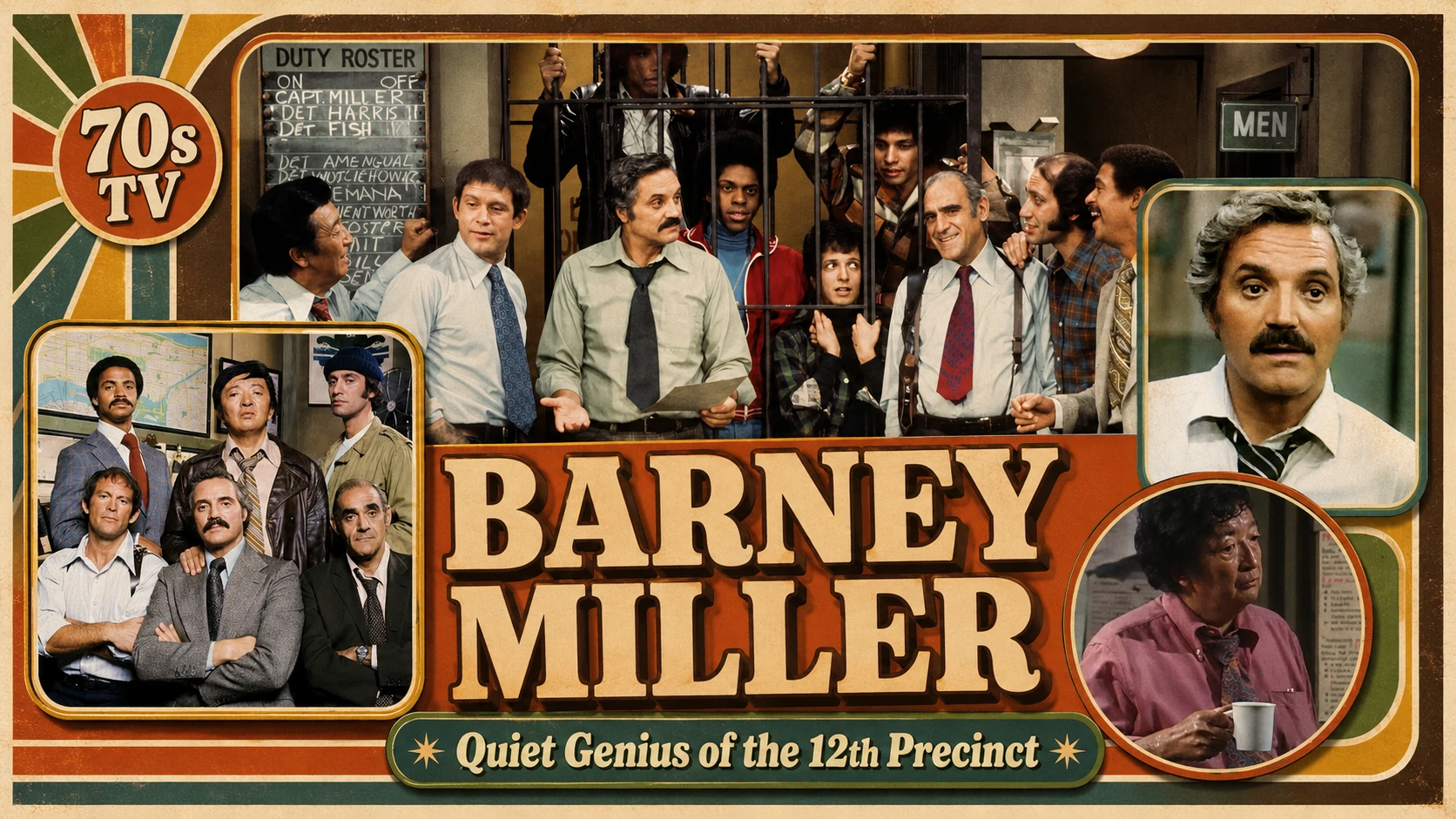
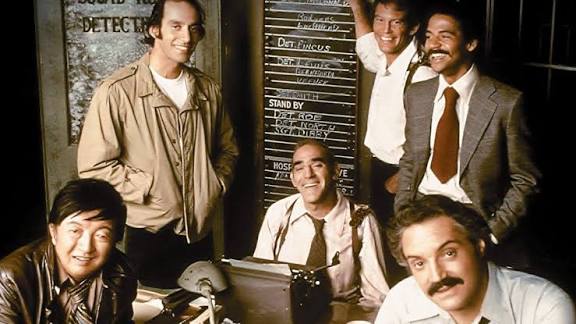
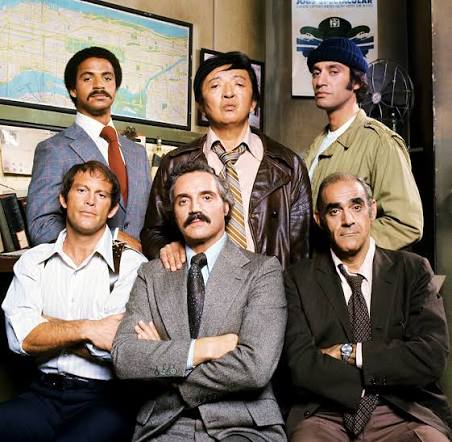
Barney Miller sits at the intersection of two major 1970s television traditions. Like
The Mary Tyler Moore Show and
M*A*S*H, it found family inside a workplace. Like the decade’s
detective series, it used a public institution to talk about the city,
authority and social change. It simply turned the volume down until we could hear the people.
The Television Academy archive includes former network executive Warren Littlefield recalling that Hill Street Blues began conceptually as an “hour-long Barney Miller.” That does not make the later drama a copy. It shows how powerful the model was: a precinct as ensemble ecosystem, multiple stories sharing space and police work understood as institutional life instead of one hero’s weekly victory.
It made intelligence look casual
Modern viewers sometimes use “smart comedy” to mean a show that advertises how smart it is. Barney Miller did the opposite. Dietrich might know everything, but the series itself never stood in the doorway waiting for applause. It let ideas emerge from conflict, conversation and the practical question of what to do with the person currently sitting at the desk.
That humility is one reason it has aged better than louder contemporaries. The show is not flawless, and some jokes carry the expiration date of their era. But the central ethic—listen carefully, distrust easy certainty, let people be complicated—has not expired.
Why Gen X keeps coming back
We first encountered the show in living rooms where the adults understood more than we did. The bassline got us. Fish’s face got us. The pot brownies definitely got us. Then syndication kept the precinct open long enough for the rest to arrive.
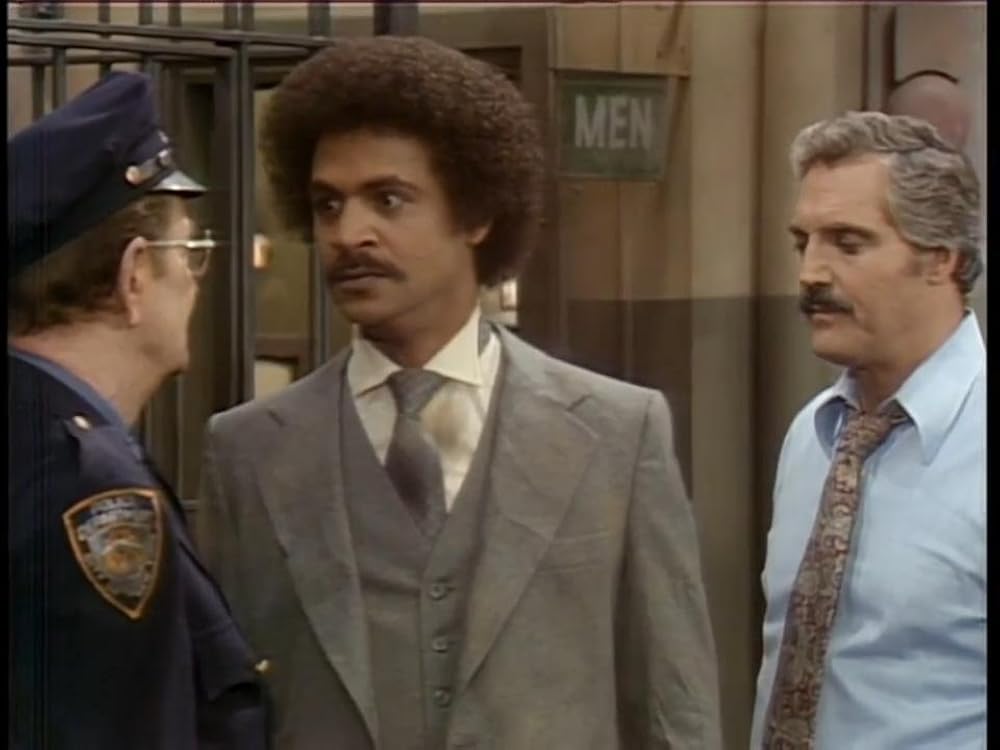
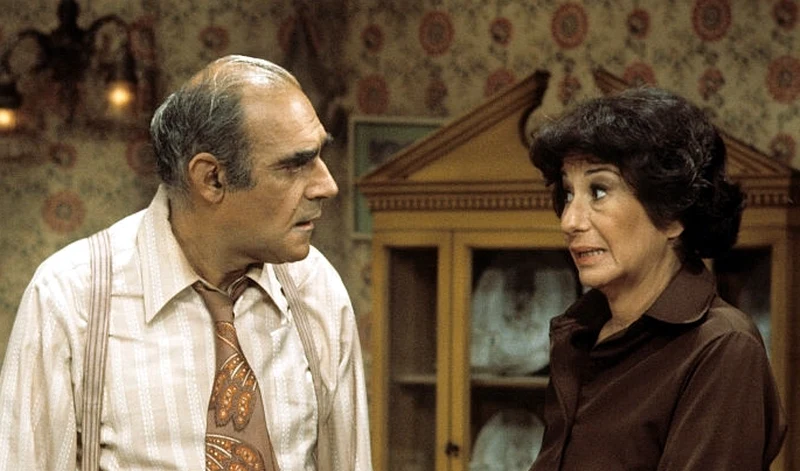
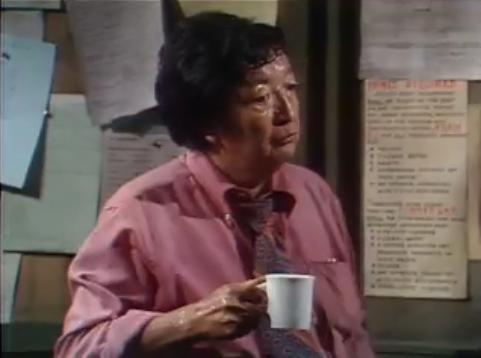
As adults, we recognize the workplace. Every office has a Wojo moving before the meeting is finished, a Harris writing a better life in his head, a Dietrich who somehow knows the obscure regulation, a Luger romanticizing the old system and a Barney trying to keep the day from becoming a reportable incident.
That is why Barney Miller remains more than another entry in the
best sitcoms of the 1970s. It is one of the most accurate comedies
ever made about what a job becomes after years: a room, a language, a set of people you did not choose
and a thousand tiny acts of patience nobody puts on the performance review.