CEREALCARTOONSMYSTERY VANSSUPERHEROESROCK BANDSMONSTERSNO REWINDONE MORE BOWLCEREALCARTOONSMYSTERY VANSSUPERHEROESROCK BANDSMONSTERSNO REWINDONE MORE BOWL
ON AIRCHANNEL 70s TV GUIDESATURDAY MORNING • CEREAL FIRST • ADULTS STILL ASLEEP
Smells Like Gen X • The morning belonged to us until somebody mentioned chores
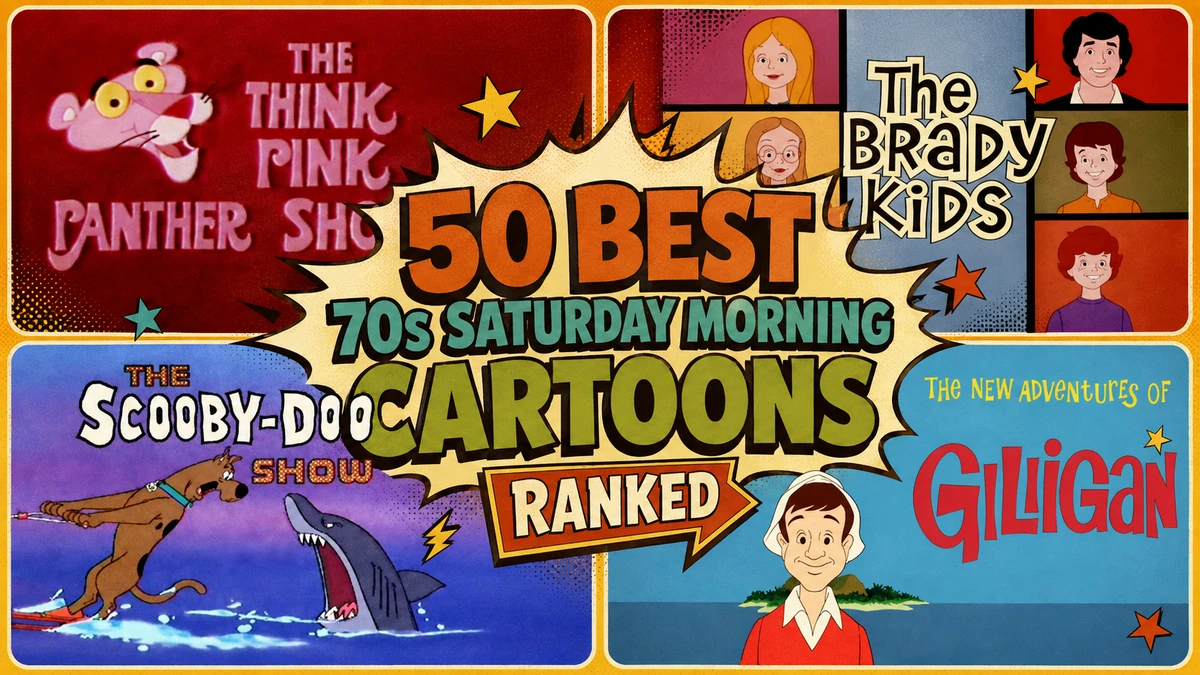
50 Best Saturday Morning Cartoonsof the 1970s, Ranked
Scooby mysteries, superhero teams, educational songs, talking cars, monster bands and one weekly lineup that disappeared the moment the adults finally woke up.
These classic Saturday morning cartoons include the permanent favorites, the shameless copycats, the one-season oddballs and the theme songs still stored somewhere beside multiplication tables and cereal jingles.
Quick Answer • Saturday Ranking Desk
Best 70s Saturday Morning Cartoons: The Top Five
Scooby-Doo ranks first. Schoolhouse Rock!, Super Friends, Fat Albert and the Cosby Kids and The Pink Panther Show complete the top five, followed by Hong Kong Phooey, Star Trek: The Animated Series, Josie and the Pussycats, Bugs Bunny/Road Runner and The New Scooby-Doo Movies.
One television. Three networks. Fifty reasons not to go outside yet.The bowl got soggy. The schedule did not wait.
The cereal-bowl answer
What Were the Best Saturday Morning Cartoons of the 1970s?
Scooby-Doo ranks first, followed by Schoolhouse Rock!, Super Friends, Fat Albert and the Cosby Kids and The Pink Panther Show. Hong Kong Phooey, Star Trek: The Animated Series, Josie and the Pussycats, the Bugs Bunny/Road Runner package and The New Scooby-Doo Movies complete the top ten.
The best 70s Saturday morning cartoons were not always the smoothest-looking or the most expensive. They were the shows with a voice, a silhouette, a song or a weekly promise strong enough to make us stop pouring cereal and look up.
Fifty means fifty here. The Jackson 5ive closes the countdown, not because the music was small, but because the songs have outlived the episodes by a mile. For the sitcoms, dramas and family shows that shared the decade, head back to the complete 1970s TV guide.
THE COUNTDOWN50cartoons, packages and unforgettable odditiesTHE TOP SHOWSCOOBYthe mystery engine nobody could stop copyingTHE MORNING3 NETWORKSand one television everybody had to shareTHE DEADLINENO REWINDmiss the opening and wait another week
Before the first bowl
How We Ranked the Best 70s Saturday Morning Cartoons
We ranked these cartoons from the 1970s the way a Gen X kid remembers them after growing up enough to be honest. Did the show have a hook? Could you recognize it from the kitchen? Did the characters still work once the cereal commercial ended? And can you watch it now without pretending every shortcut was a masterpiece?
Limited animation is not an automatic penalty. Plenty of these programs survived because the voices, designs and themes did more work than the movement. A one-season cartoon can beat a longer series when one character, one laugh or one opening song never really left the room.
A few shows that began in 1968 or 1969 qualify because they were central to the 1970s schedule or produced major new versions during the decade. The calendar mattered less to the kid on the carpet than whether the characters kept showing up after the bowl was poured.
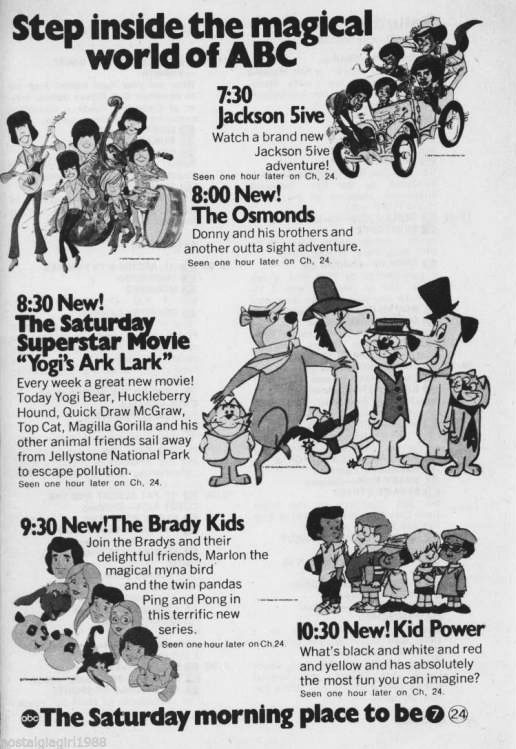
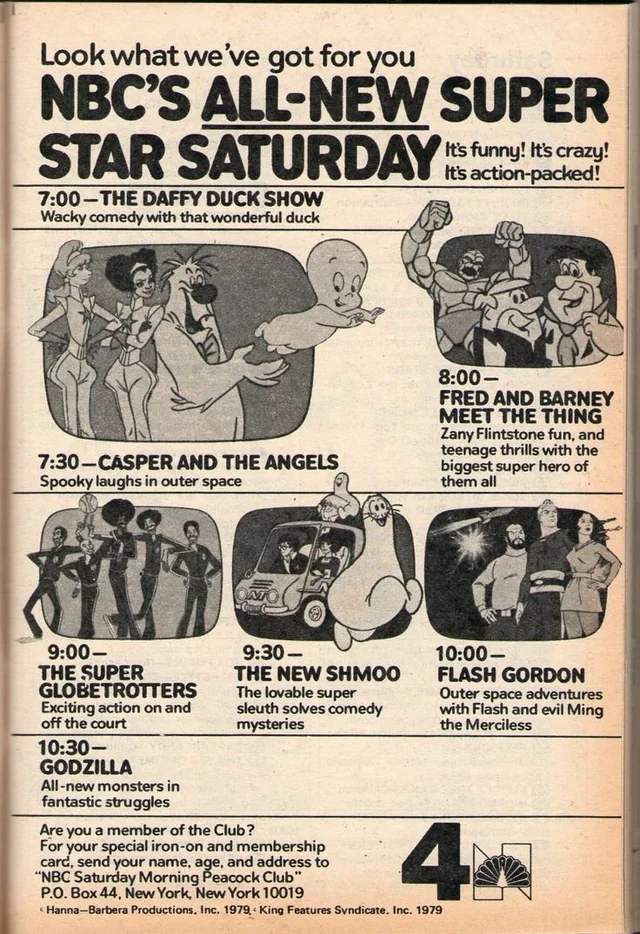
Before streaming and on-demand menus, the printed network schedule decided the order of the morning.
The whole lineup
All 50 Classic Saturday Morning Cartoons at a Glance
Use this quick dial to jump directly to any show. The top ten get the biggest treatment; ranks eleven through fifty keep the detail moving without turning fifty old Saturday morning cartoons into fifty separate biographies.
These are the shows that defined the ritual most completely—the Mystery Machine, the Hall of Justice, the songs that taught and the characters we could identify from the next room before the picture even settled.
The order is debatable. The size of their place in Gen X memory is not.
1
1969 onward
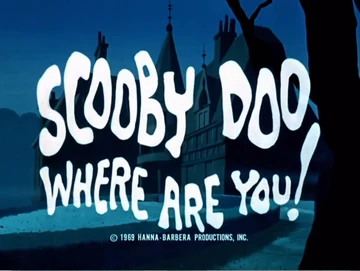
Scooby-Doo, Where Are You! and the 1970s Scooby shows
Scooby-Doo, Where Are You! and the 1970s Scooby shows
The original mystery machine rolled into the decade and kept changing formats without losing its essential promise: a monster, a chase, a trap and a human explanation. Scooby and Shaggy made fear funny enough for breakfast.
The genius was not simply the monster-of-the-week setup. It was the balance inside the van. Fred wanted a plan, Velma wanted evidence, Daphne kept the group moving, and Shaggy and Scooby wanted to be anywhere else. That gave every episode a rhythm children could understand before the first commercial break. The hallway chase and the unmasking were not tired repetitions when we were watching on the carpet. They were the payoff we came for. During the 1970s the franchise stretched into celebrity crossovers, new relatives, longer stories and changing packages, yet the basic promise survived every adjustment: the scary thing could be investigated, exposed and laughed out of the room.
What to watch for: Notice how quickly each member of the gang falls into a role—and how the chase sequence turns fear into a musical comedy before the mask comes off.
Why it ranks here: Nothing else shaped the decade’s cartoon schedule, spin-offs and mystery formulas as completely.
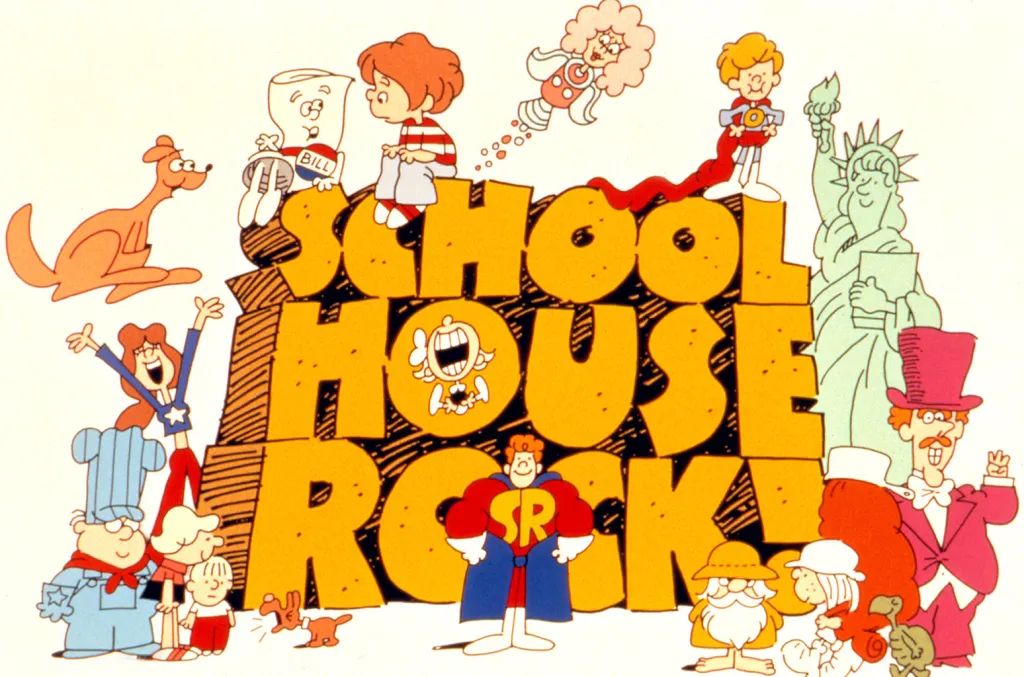
Three-minute songs turned multiplication, grammar, science and civics into melodies that lodged deeper than most classroom lectures. The animation was economical, but the hooks were permanent.
Schoolhouse Rock! did something almost impossible: it made the lesson feel like the treat between shows. The segments were short enough to hit before a child could decide that learning had entered the room, and the melodies did the rest. Multiplication, grammar and civics became pieces of music lodged beside cartoon themes and cereal jingles. The animation never needed to compete with a full half-hour adventure. A strong visual idea, a singer with personality and one unforgettable hook were enough. Decades later, many Gen X adults still hear the song before they remember the rule, which is about as complete a victory as educational television ever achieved.
What to watch for: Listen for how much information fits inside one hook. The best songs teach a rule, repeat it and still leave room for a joke or visual surprise.
Why it ranks here: It proved educational television could be clever, musical and genuinely wanted rather than merely tolerated.
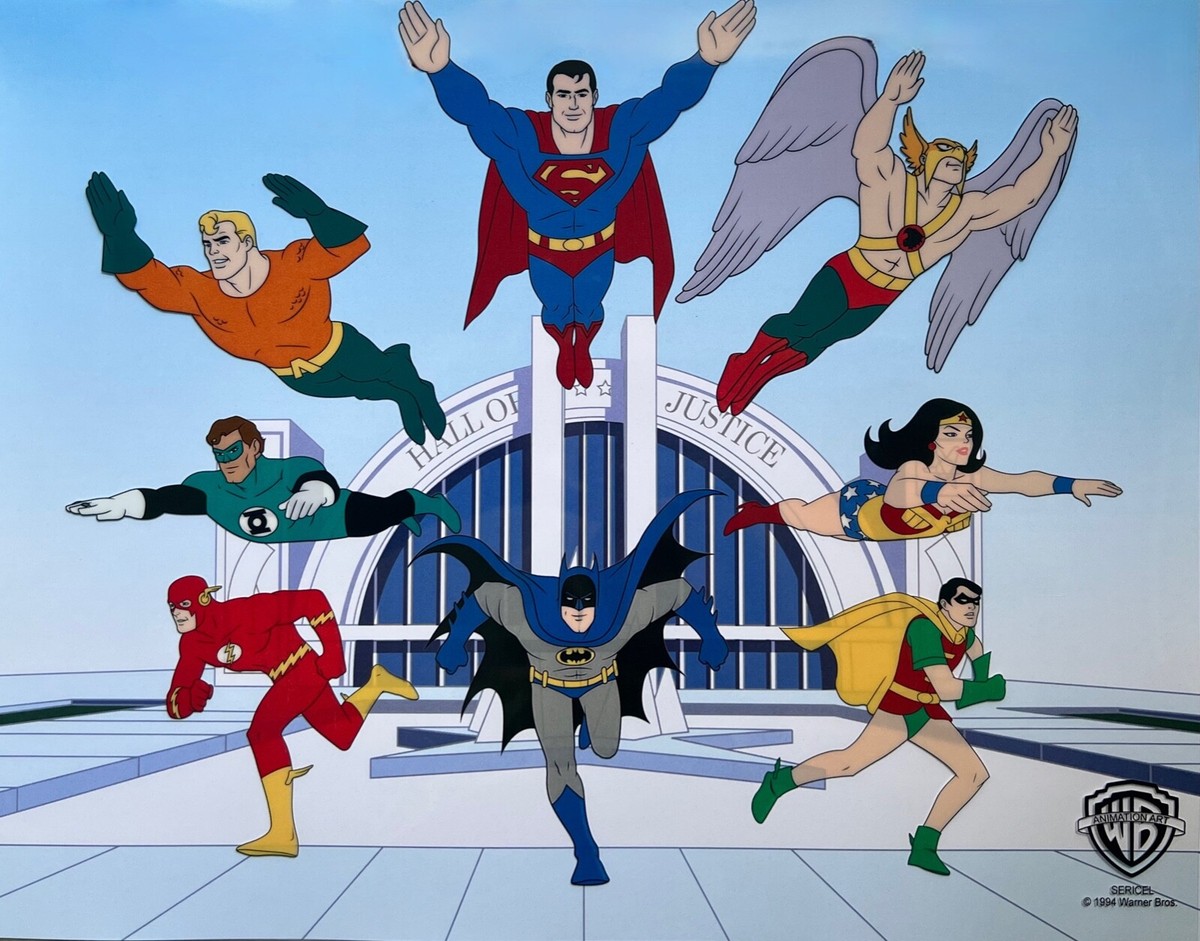
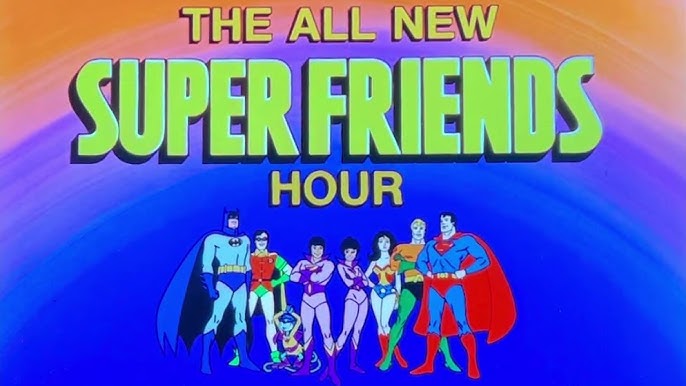
DC’s biggest heroes gathered in the Hall of Justice, first with Wendy, Marvin and Wonder Dog and later with the Wonder Twins and the Legion of Doom. The animation was limited; the ritual was enormous.
Super Friends was not the sharpest or most action-heavy version of DC’s heroes, but for millions of kids it was the version that counted. The Hall of Justice looked like the place where every important decision in the universe had to be made. Batman, Superman, Wonder Woman and Aquaman felt less like separate comic-book properties than members of one giant Saturday team. Format changes became part of the experience: Wendy and Marvin gave way to the Wonder Twins, short lessons gave way to larger threats, and the Legion of Doom finally supplied a villain lineup big enough to match the heroes. Limited movement could not shrink the size of the idea.
What to watch for: Watch the Hall of Justice briefing and the team split. The ritual of assigning heroes to different parts of the problem made the universe feel enormous.
Why it ranks here: For a generation, this was the shared television version of the DC universe.
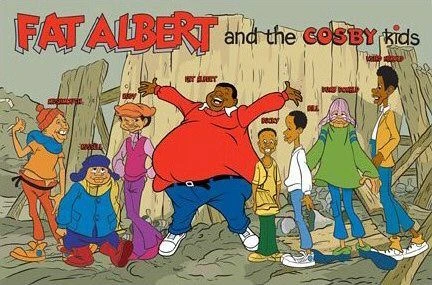
The junkyard gang mixed comic adventures, music and explicit lessons about childhood problems. Filmation’s style was recognizable, but the neighborhood voices and educational intent gave the series a distinct place.
Fat Albert stood apart because the neighborhood mattered as much as the lesson. The junkyard did not feel like a generic adventure backdrop; it felt like the place where this particular group made music, argued, improvised and learned how to get through a problem together. The show could be blunt about the message, but it usually earned that message by letting the kids make mistakes first. Its strongest episodes understood that childhood problems rarely arrive in neat educational packages. They show up through friends, family, embarrassment, fear and the need to admit that somebody needs help.
What to watch for: Pay attention to the adults and supporting kids around the gang. The strongest stories make the lesson grow from a real relationship instead of dropping it in at the end.
Why it ranks here: It made social lessons part of a popular recurring cartoon rather than a separate interruption.
The silent, elegant Pink Panther shorts gave Saturday morning a different rhythm from dialogue-heavy adventure cartoons. The cool theme, visual gags and theatrical polish survived repackaging after repackaging.
The Pink Panther changed the tempo of the morning. After a run of loud dialogue, superhero warnings and frantic mystery teams, the Panther could walk into a situation without saying a word and let the music carry the attitude. The theatrical roots showed in the timing, backgrounds and confidence of the visual jokes. Children did not need to know that the shorts came from a different production tradition. We only knew that the Panther looked cooler than almost everybody around him. The program’s many packages and companion segments changed, but that elegant pink silhouette remained instantly readable from across the room.
What to watch for: Watch the pauses. The Panther often gets a bigger laugh by waiting, looking and taking one careful step than another show gets from a full minute of dialogue.
Why it ranks here: It brought big-screen cartoon craftsmanship into the cereal-bowl lineup.
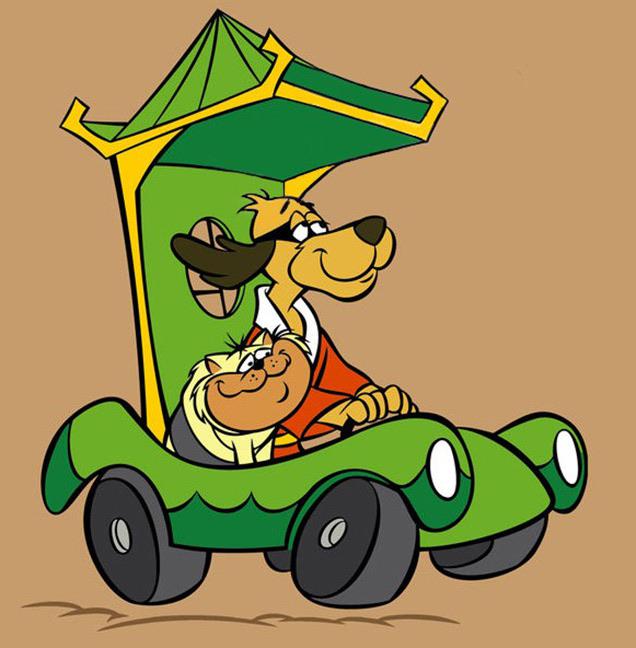
Penry the mild-mannered janitor became a martial-arts hero whose confidence always exceeded his competence. Scatman Crothers’ voice and the theme song did half the work before the first gag landed.
Hong Kong Phooey is proof that one voice, one theme song and one ridiculous premise can beat a much larger episode count. Penry believed completely in the hero version of himself, while Spot quietly did much of the useful work. That gap between confidence and competence made the joke durable. Scatman Crothers gave the character warmth and rhythm, turning even the clumsiest entrance into part of the performance. Kids could imitate the battle cry, the moves and the dramatic arrival without remembering the case. Sometimes that is exactly how Saturday morning immortality works.
What to watch for: Listen to Scatman Crothers sell every entrance. Penry’s confidence would be exhausting without the warmth in the voice and Spot quietly cleaning up the mess.
Why it ranks here: One season produced a character and opening theme that never really left Gen X memory.
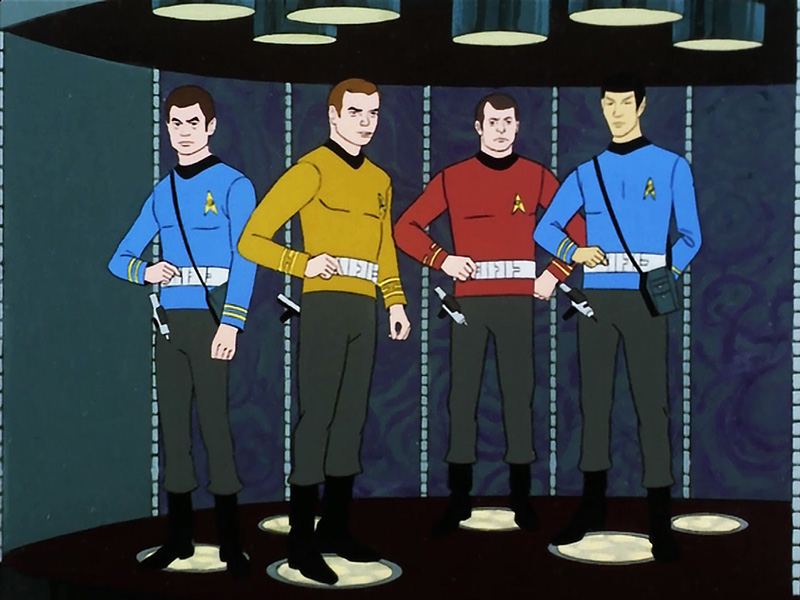
Filmation reunited most of the original cast and used animation to attempt aliens and worlds a live-action budget could not easily manage. The writing treated the audience seriously.
The animated Star Trek respected the idea that young viewers could follow real science fiction. It used animation to visit stranger worlds and design creatures that would have strained the live-action series, while the returning voices kept the Enterprise from feeling like a cheap imitation. The stories could be thoughtful, occasionally eerie and willing to trust the audience with concepts larger than a simple villain chase. That seriousness is why the series has aged better than many adaptations built around familiar actors. It was not merely Star Trek made smaller for children; at its best, it was Star Trek using a different set of tools.
What to watch for: Look for stories that animation could attempt more freely than live action—stranger aliens, larger spaces and ideas that do not need to stop for a set change.
Why it ranks here: It is one of the rare Saturday morning adaptations that genuinely expanded its parent series.
8
1970–1971
Josie and the Pussycats
Josie and the Pussycats
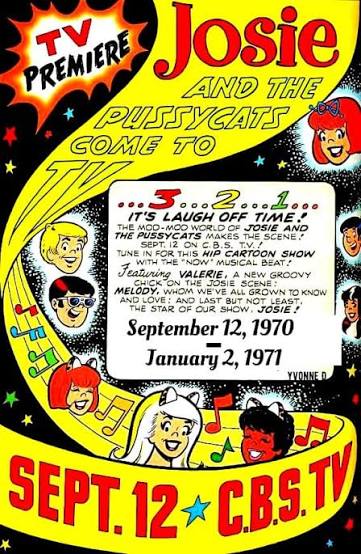
A pop band traveled into mysteries, spies and science-fiction trouble with songs built into the format. Josie, Valerie and Melody made the group visually and musically distinctive.
Josie and the Pussycats carried three powerful Saturday ingredients at once: a mystery team, a pop group and a visual identity strong enough to sell the whole premise in one image. Valerie gave the band real competence, Melody supplied comic unpredictability, and the songs created a reason for the group to keep moving from one adventure to the next. The series looked bright, modern and just a little more stylish than many of the teams chasing ghosts in nearby time slots. It also showed how naturally cartoons and pop records could share the same young audience.
What to watch for: Watch Valerie whenever the adventure needs somebody competent. The band’s cool image works because the group contains brains, comedy and music instead of one interchangeable personality.
Why it ranks here: It perfected the era’s combination of adventure cartoon, pop record and merchandising-ready identity.
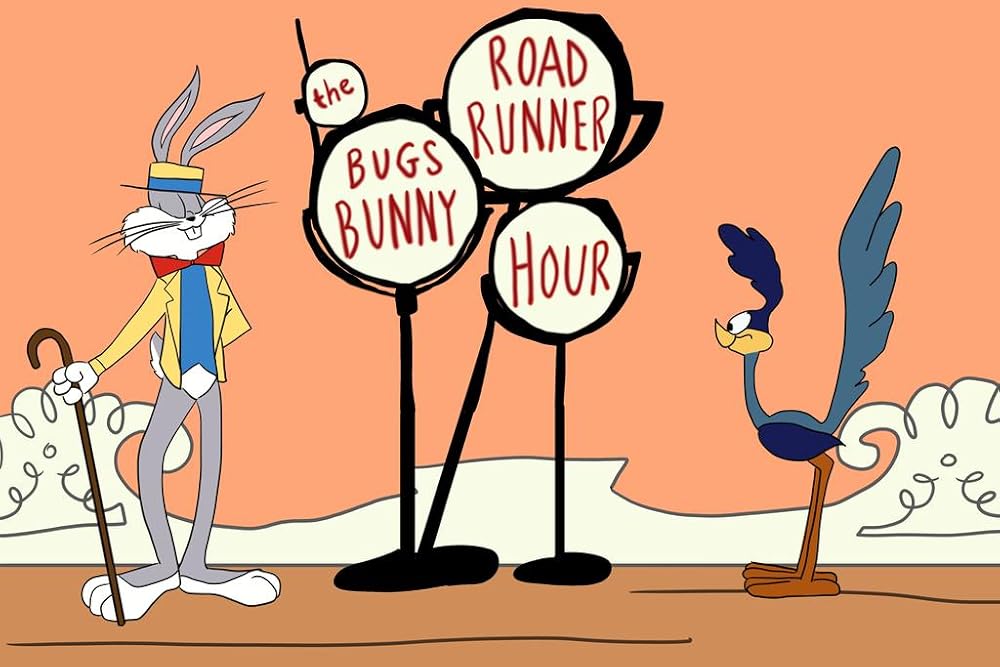
Warner Bros. theatrical shorts became a Saturday institution, teaching another generation the timing of Chuck Jones, Friz Freleng, Bob Clampett and their peers. The material was older; the viewing experience was completely 1970s.
These shorts were older than the children watching them, yet they never felt like homework from another era. Bugs, Daffy, Road Runner, Wile E. Coyote and the rest arrived with sharper timing, richer movement and jokes packed into every minute. Saturday morning made theatrical animation part of Gen X childhood without asking us to understand where it came from. We learned the rhythm of a Chuck Jones pause, the violence of an Acme plan and the difference between Bugs being calm and Daffy coming apart. The package was a rerun machine, but the material inside it was still operating at full speed.
What to watch for: Notice how much character can be communicated through timing alone. Bugs barely moves before taking control, while Daffy spends the same moment building his own disaster.
Why it ranks here: No original Saturday production could match the density of jokes and animation craft in the classic shorts.
10
1972–1973
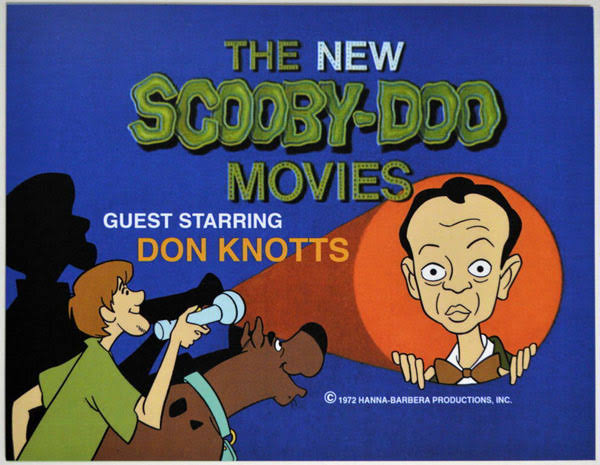
The New Scooby-Doo Movies
The New Scooby-Doo Movies
Hour-long mysteries paired the gang with guest stars ranging from Batman and Robin to the Harlem Globetrotters and celebrity caricatures. The episodes felt like television events compared with standard short segments.
An hour felt enormous on Saturday morning, and The New Scooby-Doo Movies used that extra room to turn each mystery into an event. The guest star might be a celebrity caricature, a comedy team, a sports group or another set of heroes, but the pleasure came from watching the familiar gang absorb somebody new into the formula. The crossovers could be wonderfully strange. Batman and Robin could stand beside Shaggy and Scooby without anyone stopping to explain the business arrangement. That cheerful lack of boundaries made the series feel like a shared television universe long before the phrase became common.
What to watch for: Enjoy the collision of worlds. The guest star does not merely appear; the entire Scooby formula bends around a new personality for one oversized Saturday event.
Why it ranks here: It expanded the Scooby formula into a giant crossover playground years before shared universes became routine.
This is where cartoons from the 1970s become gloriously strange: monster bands, teenage spies, talking cars, future families, giant apes and old television hits rebuilt for kids who were still in pajamas.
A lower rank does not mean disposable. Many lasted only a season and still left behind a voice, a catchphrase or one picture that returns the second somebody says the title. The truly deep shelf continues in Forgotten Saturday Morning Cartoons of the 1970s.
11
1977
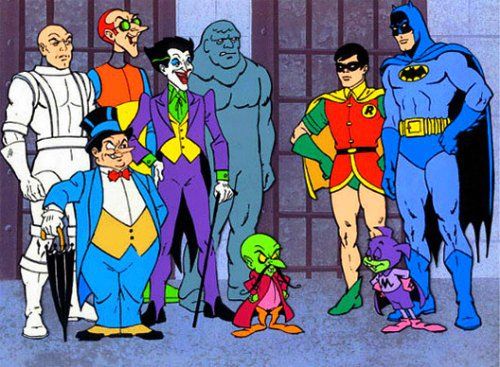
The New Adventures of Batman
The New Adventures of Batman
Adam West and Burt Ward returned as the voices of Batman and Robin in a Filmation series that carried some of the live-action show’s lighter spirit. Bat-Mite supplied a very Saturday-morning complication.
Hearing Adam West and Burt Ward again gave the cartoon an immediate connection to the live-action Batman that still filled rerun schedules. Filmation leaned into lighter adventure, bright designs and a version of Gotham where Bat-Mite could complicate a case without breaking the world.
What to watch for: Listen for the familiar live-action voices and watch how Bat-Mite changes the tone. The series sits halfway between a comic-book adventure and a friendly reunion.
Why it ranks here: The original stars and DC iconography make it one of the decade’s essential superhero revivals.
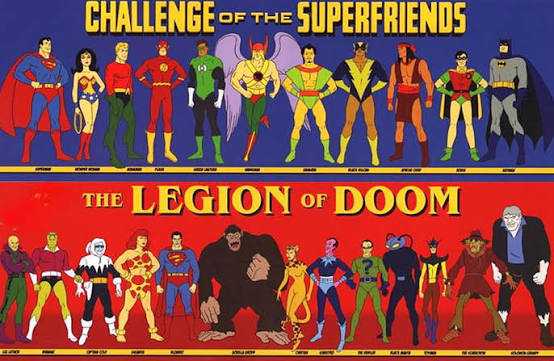
The Legion of Doom gave the heroes a recurring villain team and the series its most memorable identity. The swamp headquarters, villain roster and large-scale plots felt bigger than earlier formats.
The Legion of Doom changed everything. A recurring headquarters and a full bench of villains gave the show a season-long identity children could argue about at school. Even viewers who forget individual plots remember that swamp rising around the villain base.
What to watch for: Watch the villains plan together. The Legion of Doom gave the show a second team with its own rivalries, personalities and wonderfully overbuilt headquarters.
Why it ranks here: This is the version many viewers picture first when they hear Super Friends.
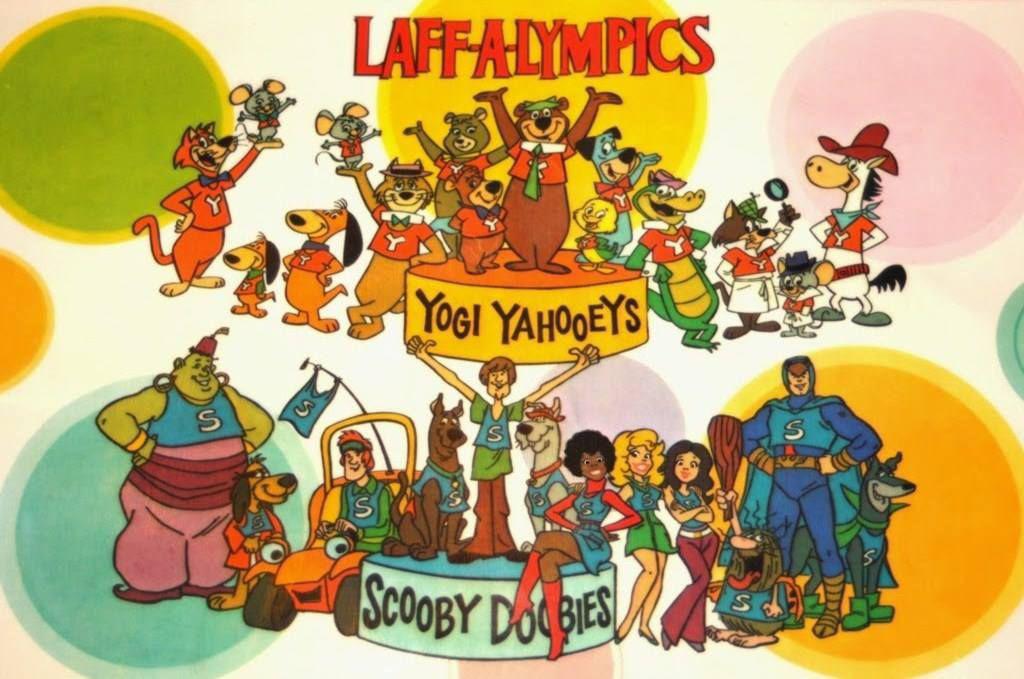
Hanna-Barbera turned its character library into a worldwide sports competition between the Scooby Doobies, Yogi Yahooeys and Really Rottens. The show was crossover television before the phrase was common.
Laff-A-Lympics understood that children already treated cartoon characters like teams. The show simply made the argument official, then let the Scooby Doobies, Yogi Yahooeys and Really Rottens compete across a globe that looked suspiciously ready for another reusable event.
What to watch for: Pick a team before the first event. The real fun is how quickly children begin treating cartoon characters like hometown athletes with permanent loyalties.
Why it ranks here: It transformed familiar characters into a giant Saturday morning event with endless team loyalty arguments.
14
1977–1980
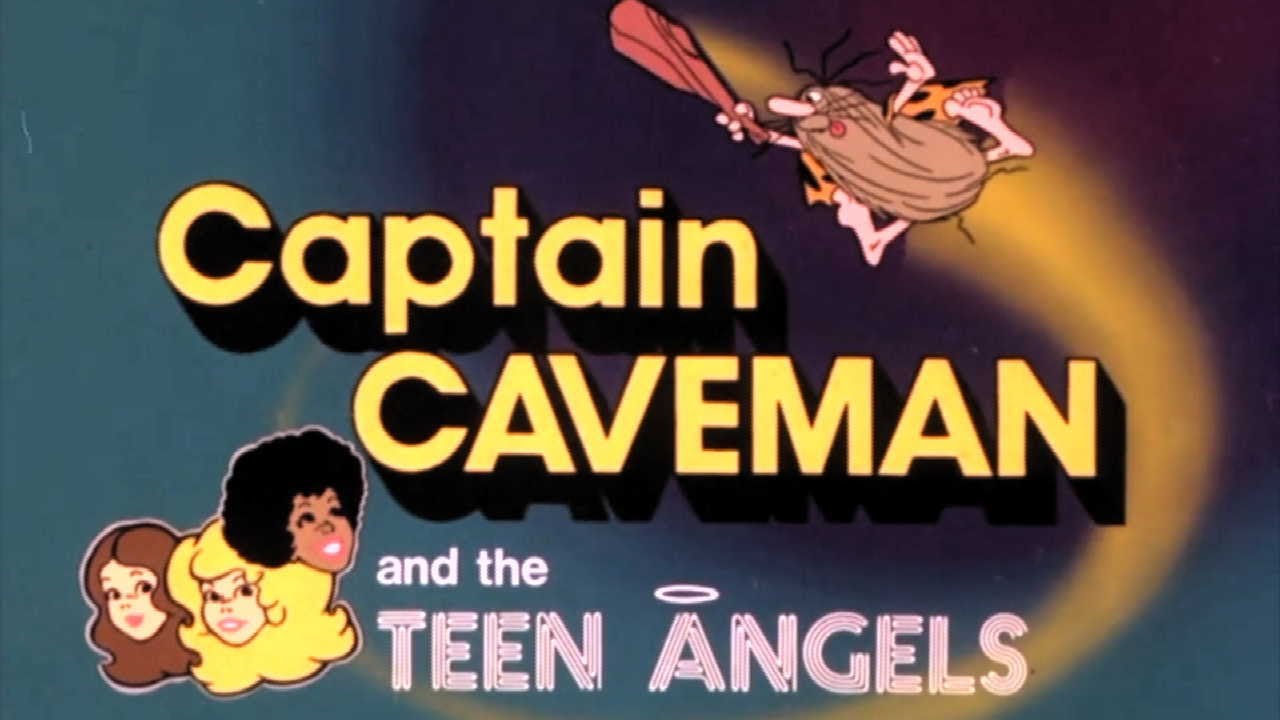
Captain Caveman and the Teen Angels
Captain Caveman and the Teen Angels
A prehistoric superhero joined three teenage mystery solvers, combining Charlie’s Angels energy with a character who could pull almost anything from his fur. Mel Blanc made the battle cry unforgettable.
Captain Caveman was built for imitation. The yell, the club, the impossible objects hidden in his fur and Mel Blanc’s voice made him feel larger than the mystery plots around him. The Teen Angels gave the chaos enough structure to keep moving.
What to watch for: Wait for the battle cry and the impossible object pulled from the fur. Captain Caveman works best when the mystery plot briefly loses control of him.
Why it ranks here: The premise is pure late-1970s Hanna-Barbera excess, and that is exactly why it works.
The Flintstones children became teenagers navigating school, music and friendships in Bedrock. The series let a familiar prime-time world age into a Saturday morning format.
Turning Pebbles and Bamm-Bamm into teenagers let Hanna-Barbera reuse Bedrock without simply replaying The Flintstones. School, music and friendships gave the familiar world a softer early-1970s youth-culture update.
What to watch for: Notice how Bedrock changes once the children become teenagers. Familiar prehistoric jokes now sit beside school dances, bands and early-1970s youth culture.
Why it ranks here: It showed how Hanna-Barbera could extend an existing universe by changing generation and genre.
Archie, Jughead, Betty, Veronica and Reggie moved through music, comedy and educational history formats while Sugar, Sugar remained the ultimate cartoon-pop success story.
Archie’s cartoon life kept changing because the characters could survive almost any package. Music, comedy, history and variety segments all fit around a cast children already recognized, while the songs turned the franchise into something that lived beyond the television set.
What to watch for: Listen for the moment a story becomes a song. Archie cartoons understood that a musical break could be the episode’s strongest advertisement and its best memory.
Why it ranks here: The franchise helped define the TV-to-record pipeline and Filmation’s Saturday identity.
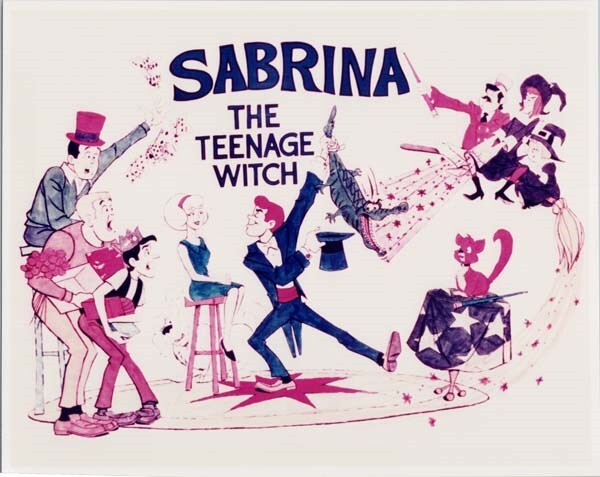
Sabrina the Teenage Witch / Sabrina and the Groovie Goolies
Sabrina the Teenage Witch / Sabrina and the Groovie Goolies
Sabrina’s magical high-school comedy crossed into the monster-filled world of the Groovie Goolies, where horror icons became friendly musicians and joke machines.
Sabrina worked because magic could enter an ordinary school problem without requiring a giant superhero threat. The Groovie Goolies added a monster-comedy world where horror characters behaved like musicians, neighbors and vaudeville performers.
What to watch for: Watch how casually magic enters ordinary teenage problems. Sabrina rarely needs a giant threat when one spell can make school, dating or family life much worse.
Why it ranks here: It captured Filmation’s ability to mix existing comic characters, music and supernatural comedy.
18
1970–1971
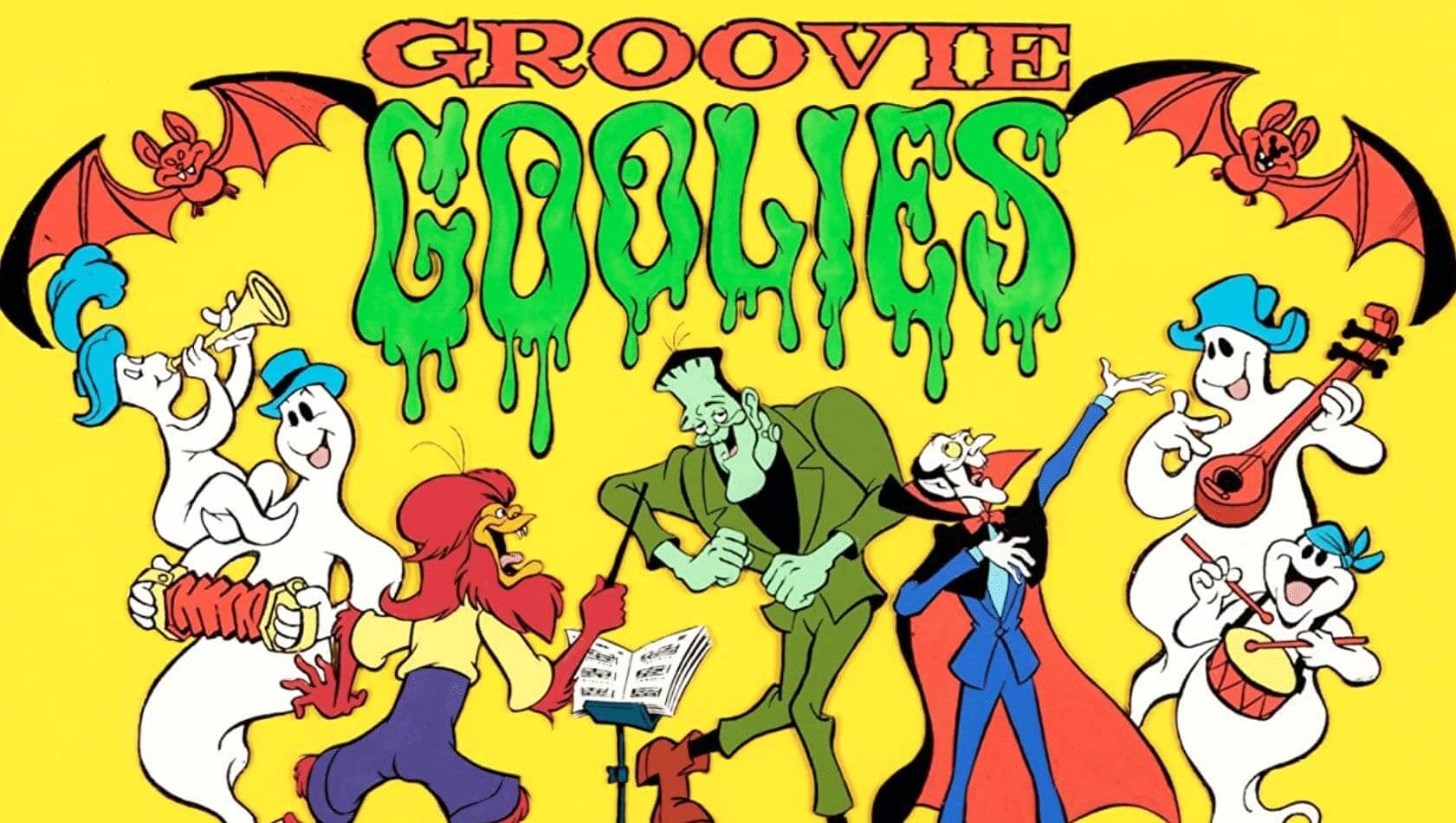
The Groovie Goolies
The Groovie Goolies
Dracula, Frankenstein’s monster and a werewolf ran a hotel, played in a band and delivered rapid-fire jokes. The design and songs were cheerfully loud.
The Groovie Goolies threw jokes, songs and monster puns at the screen so quickly that the show felt like a Halloween record played at the wrong speed. Its friendliness was the point: the creatures that once scared children had become the house band.
What to watch for: Count how many jokes, signs, puns and songs arrive in a few minutes. The show’s speed is part of its personality; quiet would have broken the spell.
Why it ranks here: The show turned classic monsters into safe, goofy companions long before Halloween branding became year-round business.
The Wonder Twins and Gleek joined short adventures, safety messages and team stories in a format built to fill an hour. The repeated transformations became instant playground language.
The Wonder Twins became playground language almost immediately. Every transformation began a small argument over who got the useful power and who had to become water, but the ritual itself was impossible to resist.
What to watch for: Wait for the Wonder Twins’ transformation. The exact shape matters less than the ritual, the pose and the immediate question of whether the power will be useful.
Why it ranks here: This is the version that made Zan, Jayna and Gleek permanent parts of the franchise.
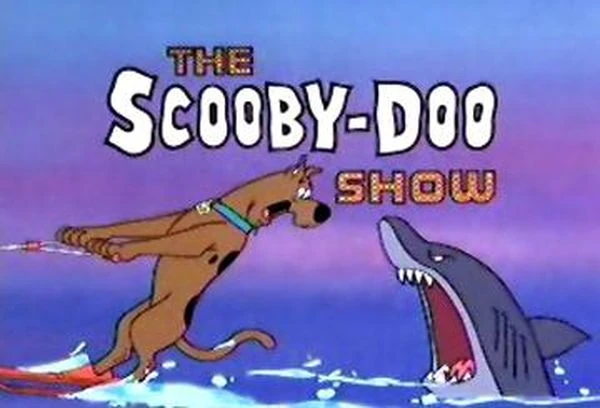
The gang returned to shorter mysteries with new monsters, new locations and the addition of Scooby-Dum. The episodes restored the basic formula after the celebrity-heavy movies.
The Scooby-Doo Show proved the original engine did not need celebrity guests to keep running. New locations, memorable monsters and the basic half-hour rhythm restored the feeling of a weekly appointment with the Mystery Machine.
What to watch for: Look at the monster designs. The later Scooby run succeeds when a new ghost or creature feels strong enough to sit beside the original gallery.
Why it ranks here: A strong second wave that kept Scooby central while the Saturday schedule changed around him.
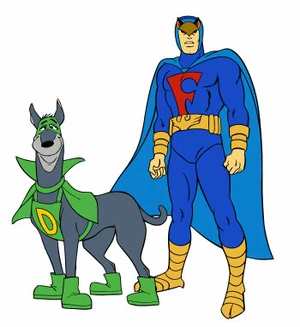
The mechanical dog sidekick malfunctioned his way through superhero cases beside the Blue Falcon. The show parodied caped adventure while remaining a real caped adventure.
Dynomutt’s broken gadgets made him the opposite of the sleek robotic sidekick. Blue Falcon tried to preserve superhero dignity while the dog stretched, spun and malfunctioned through the case. The tension between parody and real adventure gave the series its charm.
What to watch for: Watch Blue Falcon try to maintain dignity while Dynomutt turns every gadget into a physical problem. The straight man is doing nearly as much comic work as the dog.
Why it ranks here: Dynomutt’s elastic gadget failures and crossover life with Scooby made him more than a one-joke robot.
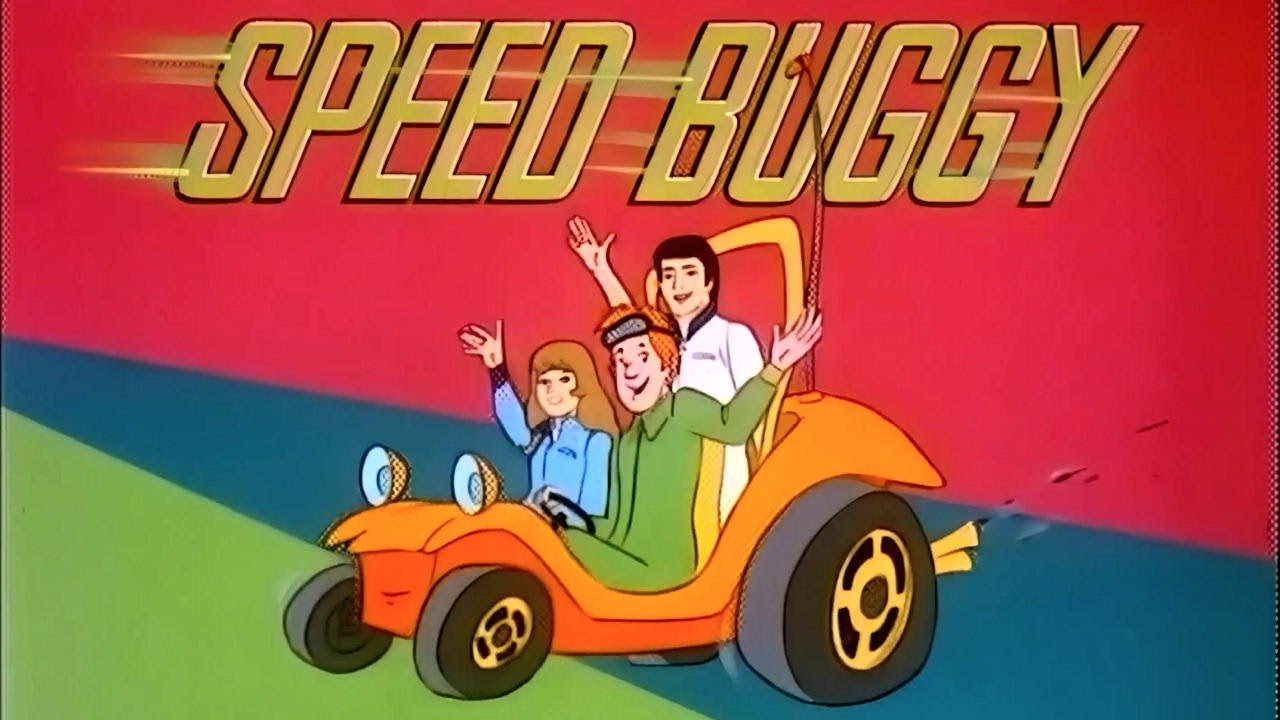
A talking dune buggy and three teenagers traveled to races and mysteries with a premise that openly borrowed from Scooby-Doo’s team chemistry. Speedy’s personality carried the vehicle beyond machinery.
Speed Buggy was an obvious cousin of the Scooby formula, but the talking vehicle gave the group a different center of gravity. Races, travel and mechanical personality kept the show moving even when the mystery pieces felt familiar.
What to watch for: Notice how the talking car changes the group’s chemistry. Speedy is transportation, mascot and comic lead at once, which keeps the familiar mystery setup moving.
Why it ranks here: It is one of the most successful examples of Hanna-Barbera rebuilding a proven formula around a new mascot.
23
1976
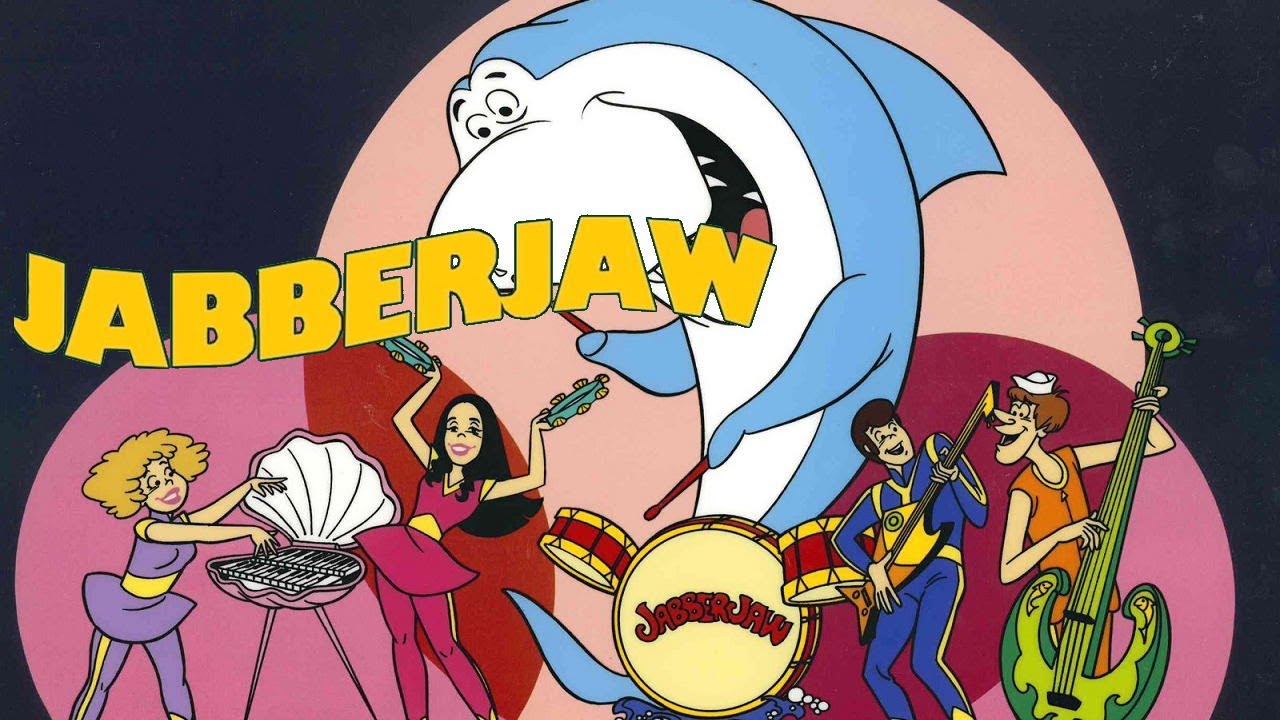
Jabberjaw
Jabberjaw
A talking great white shark played drums in a future underwater band and repeatedly reminded everyone that he did not get respect. The concept was ridiculous even by Saturday standards.
A giant shark playing drums in an underwater future should have disappeared as soon as the schedule changed. Instead, Jabberjaw’s voice, catchphrase and wounded pride made him one of the decade’s great examples of a mascot outliving the show built around him.
What to watch for: Listen for Frank Welker’s vocal rhythm and the wounded catchphrase. Jabberjaw becomes lovable because the giant shark is convinced nobody appreciates him enough.
Why it ranks here: The voice, catchphrase and undersea setting made a short run stick for decades.
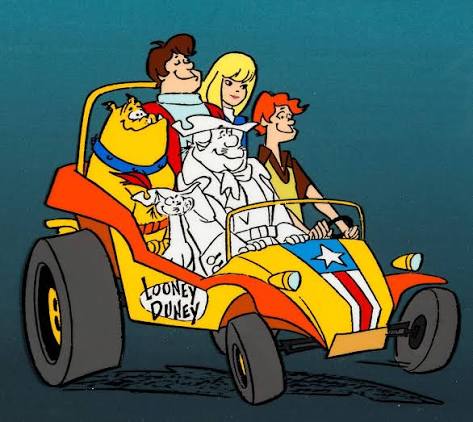
Teenagers and a dog solved mysteries with the ghost of a Revolutionary-era patriot and his cat. The resemblance to Scooby was obvious, but the historical ghost gave the team its own comic flavor.
The Funky Phantom is most interesting when you can feel the Scooby influence and still enjoy the strange variations. A Revolutionary-era ghost, a ghost cat, teenagers and a dune buggy created a copy that was too peculiar to be completely generic.
What to watch for: Compare the setup with Scooby-Doo, then enjoy the odd details that refuse to fit: the historical ghost, the ghost cat and the wonderfully unnecessary dune buggy.
Why it ranks here: A perfect artifact of the moment when every network wanted another mystery gang.
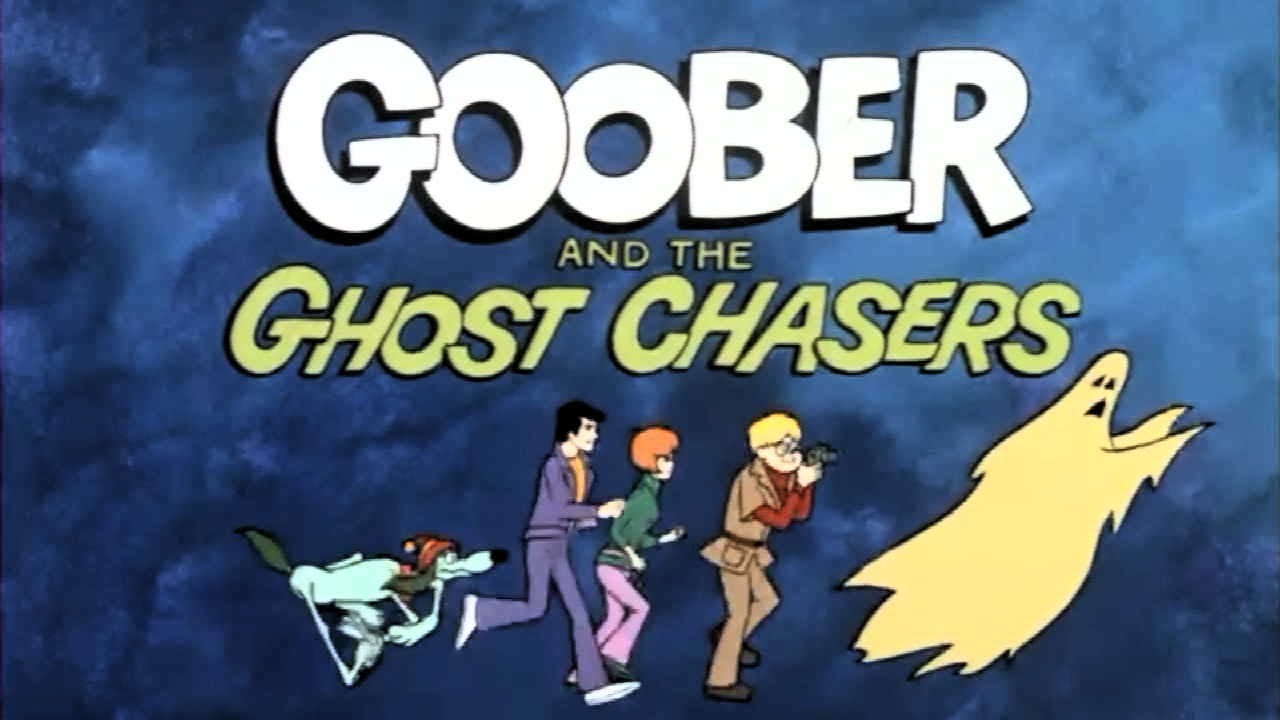
A dog who could turn invisible joined teenagers investigating hauntings, sometimes with celebrity guests. The transparent-Goober gag gave the series a visual hook.
Goober’s invisibility gave the series one clean visual trick and a reason for the dog to be useful as well as frightened. Celebrity appearances and supernatural cases kept the show close to the decade’s favorite mystery ingredients.
What to watch for: Watch how invisibility becomes both clue and gag. Goober can help solve the haunting while remaining just frightened enough to belong to the same family as Scooby.
Why it ranks here: It is a charming late entry in the mystery-team boom and an honest piece of Saturday morning comfort food.
26
1973
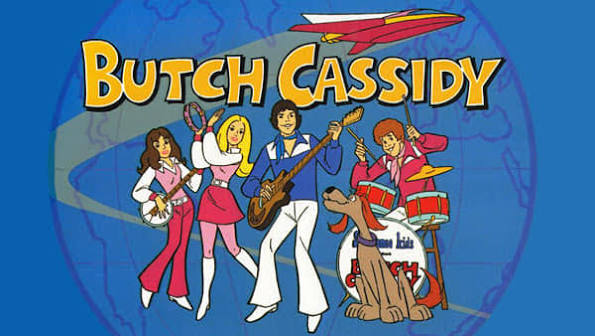
Butch Cassidy and the Sundance Kids
Butch Cassidy and the Sundance Kids
A teenage rock group secretly worked as agents under orders from a computer. Music, espionage and a dog named Elvis made the formula feel like several trends sharing one van.
This show felt like three programming ideas squeezed into one van: teenage rock group, secret agents and a dog named Elvis. That pileup is exactly what makes it such a pure 1973 artifact.
What to watch for: Notice the pileup of trends: secret missions, rock music, teenagers, travel and a celebrity-ready dog. The show is practically a network memo turned into animation.
Why it ranks here: It shows Hanna-Barbera’s talent for combining the decade’s popular ingredients into a clean half-hour package.
27
1973
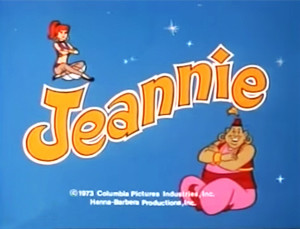
Jeannie
Jeannie
The sitcom’s magical premise became a cartoon with a younger master, new supporting characters and Mark Hamill in the voice cast. Jeannie’s powers supplied endless school-age complications.
Jeannie translated a prime-time fantasy into school-age problems and gave Mark Hamill an early voice role before another kind of adventure changed his career. The magic was broad, cheerful and perfectly suited to situations that could reset next week.
What to watch for: Listen for the young Mark Hamill and watch how magic turns simple school problems into visual chaos that the live-action sitcom could not attempt every week.
Why it ranks here: A memorable example of live-action television being reformatted for Saturday morning rather than simply repeated.
28
1972–1973
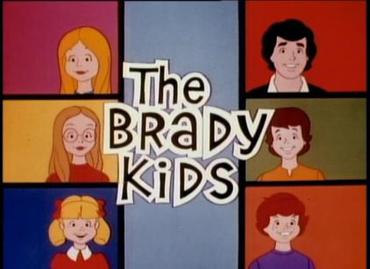
The Brady Kids
The Brady Kids
The six Brady children entered animated adventures with magical animals, music and situations impossible on the live-action sitcom. Several original young actors voiced their characters at first.
The Brady Kids took the most familiar television children in America and gave them magical animals, impossible travel and adventures the live-action house could never afford. It felt less like a continuation than a Saturday morning dream the sitcom had accidentally fallen into.
What to watch for: Enjoy the complete break from the Brady house. Once the children become animated, magical animals and impossible travel feel less like changes than overdue permissions.
Why it ranks here: It is a pure artifact of Brady popularity and the era’s belief that every hit could become a cartoon.
29
1974
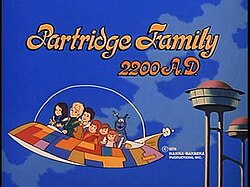
The Partridge Family 2200 A.D.
The Partridge Family 2200 A.D.
The musical family was moved into a Jetsons-like future, an idea that makes more sense as 1970s programming logic than as narrative logic. Songs survived the time jump.
Moving the Partridge Family into the future made almost no sense, which is exactly why it feels so perfectly 1974: familiar family, songs, Jetsons-style gadgets and a title an announcer could sell in one breath.
What to watch for: Watch how little explanation the future requires. The family sings, the gadgets malfunction and the show trusts the title alone to make the time jump acceptable.
Why it ranks here: Few cartoons better demonstrate how boldly networks repackaged familiar brands for Saturday morning.
30
1973
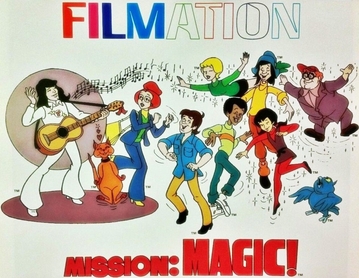
Mission: Magic!
Mission: Magic!
A teacher and students traveled through magical adventures with pop star Rick Springfield, whose songs were integrated into the episodes. The show blended classroom fantasy and music marketing.
Mission: Magic! surrounded a classroom with fantasy travel and Rick Springfield songs. The combination sounds invented after the fact, yet it captures the moment when pop music and educational settings could be joined without anyone asking for a quieter premise.
What to watch for: Listen for the Rick Springfield songs and notice how the classroom becomes a launchpad instead of a setting. The show wants school and fantasy to occupy the same space.
Why it ranks here: Its premise is a concentrated dose of early-1970s pop-cartoon ambition.
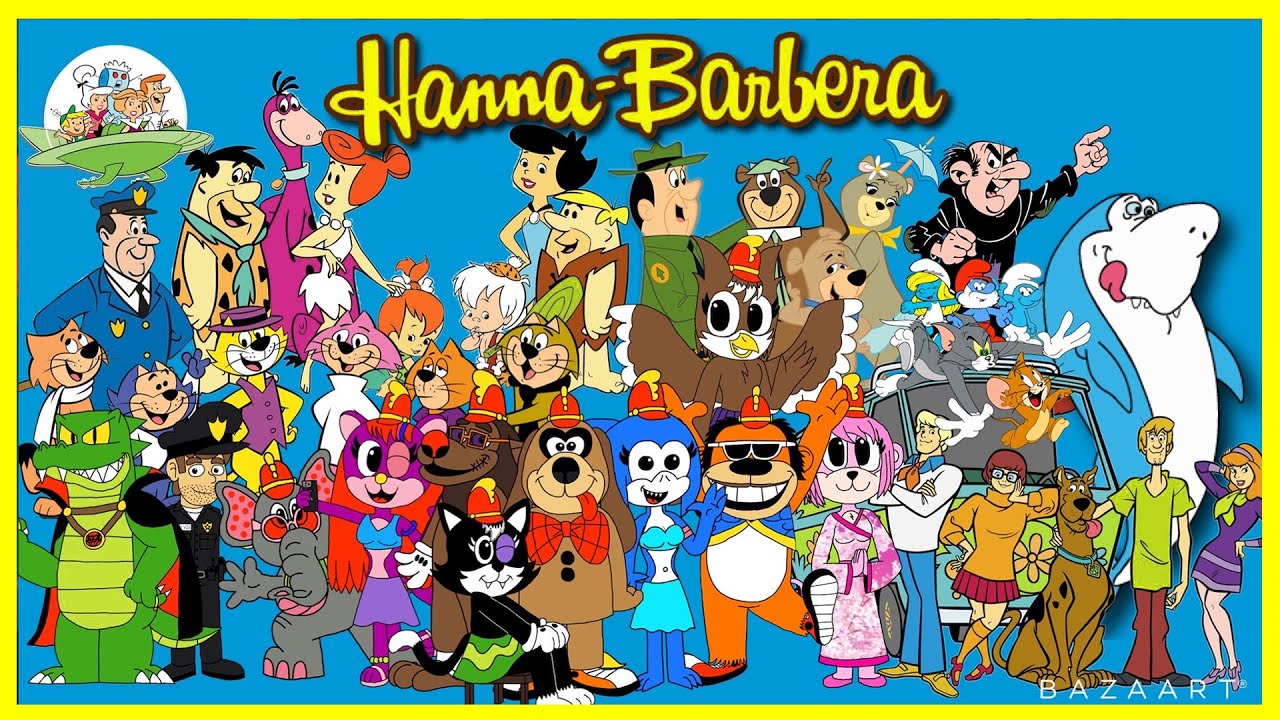
Hanna-Barbera supplied an astonishing share of the mystery teams, talking animals and superheroes remembered from the decade.
31
1974–1976
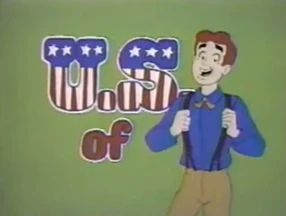
The U.S. of Archie
The U.S. of Archie
Archie characters were placed into stories inspired by American history, combining familiar teen personalities with explicit educational goals. The format was unusual but sincere.
The U.S. of Archie could be awkwardly earnest, but it treated familiar comic characters as guides into American history. That made the lessons easier to enter, especially for viewers who would never have selected a history program on purpose.
What to watch for: Watch how the Archie personalities are fitted around the history lesson. The familiar faces soften the educational purpose without making the format completely natural.
Why it ranks here: It stands at the crossroads of Filmation franchise extension and the decade’s educational pressure on children’s television.
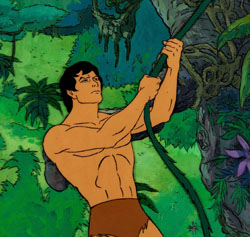
Filmation treated Tarzan as an adventure hero in a large fantasy world, using the character’s literary roots more seriously than many earlier adaptations. The landscapes exceeded the studio’s usual city or school settings.
Filmation’s Tarzan played the adventure more seriously than many viewers expected from Saturday morning. The jungle world felt large, the hero felt capable and the show trusted straightforward danger instead of adding a comic mascot to every scene.
What to watch for: Notice the lack of a constant joke machine. Tarzan’s seriousness, physical confidence and large jungle settings give the show room to feel like genuine adventure.
Why it ranks here: A durable action series that showed Filmation could deliver straightforward heroic adventure.
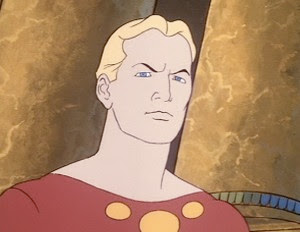
Filmation’s serial adaptation leaned into alien worlds, kingdoms and continuing adventure with a richer visual ambition than many of its contemporaries. It arrived near the decade’s end with genuine scope.
Flash Gordon arrived late in the decade with real serial momentum. Alien kingdoms, continuing danger and a larger visual canvas made the program feel like a preview of the fantasy-adventure cartoons that would become more common in the 1980s.
What to watch for: Watch for continuing momentum and world-building. Flash Gordon benefits from dangers that do not need to be completely forgotten when the end card appears.
Why it ranks here: One of Filmation’s strongest action achievements and a bridge toward the fantasy cartoons of the 1980s.
34
1974–1977
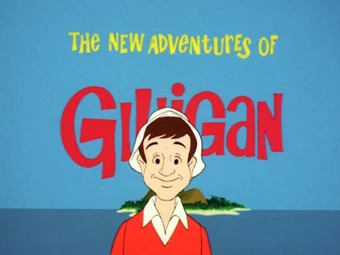
The New Adventures of Gilligan
The New Adventures of Gilligan
The castaways returned in animated form, with most of the original actors providing voices. The format let the island produce creatures and situations beyond a live-action budget.
Animation let Gilligan’s island produce any creature, invention or impossible corner the writers wanted. Most of the familiar voices helped the castaways feel like themselves even when the situations grew far beyond the live-action lagoon.
What to watch for: Listen for the returning cast voices. Even the most impossible animated creature feels connected to Gilligan’s Island when the familiar ensemble begins arguing.
Why it ranks here: It preserved the familiar ensemble while proving Gilligan’s Island could survive another medium.
35
1972
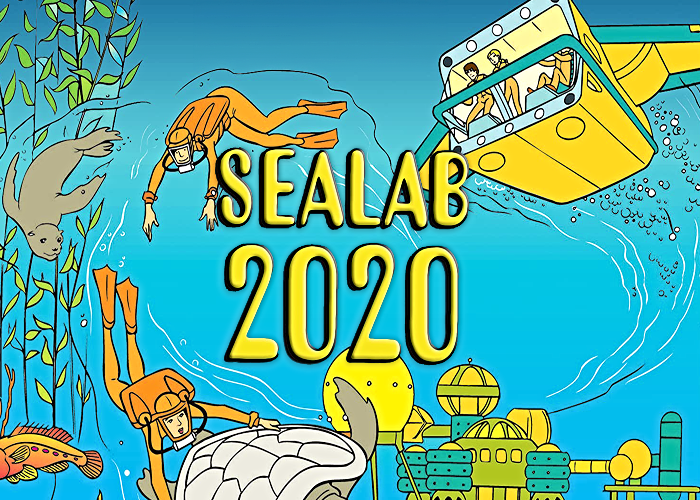
Sealab 2020
Sealab 2020
Scientists and families lived in an undersea research station, giving Hanna-Barbera a serious science-adventure setting. The tone was earnest rather than jokey.
Sealab 2020 took its future seriously. The undersea station, environmental concerns and family adventure gave it a calm science-fiction feel far removed from the louder mascot comedies around it.
What to watch for: Watch the station itself. Sealab feels memorable because the environment shapes every problem, from technology and pressure to the simple fact that the surface is far away.
Why it ranks here: Its environmental and technological ideas make it one of the studio’s more ambitious early-decade experiments.
36
1974
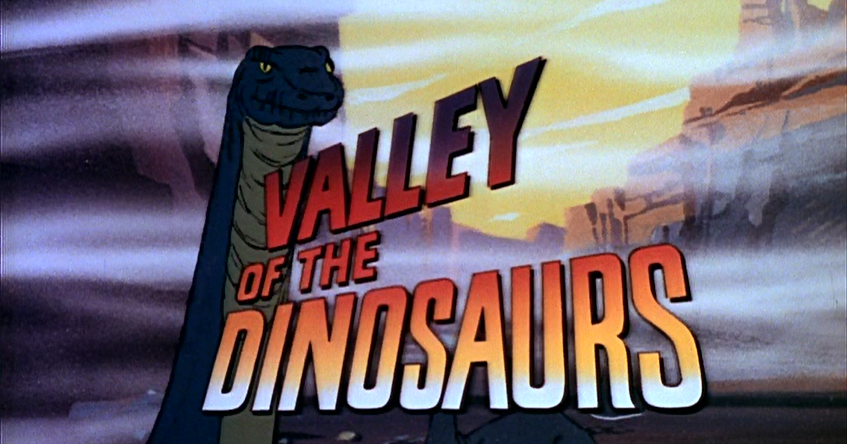
Valley of the Dinosaurs
Valley of the Dinosaurs
A modern family fell through a portal into a prehistoric world and adapted with the help of a local family. The survival premise gave the show ongoing stakes.
A modern family trapped in prehistory gave every episode a built-in survival problem. The local dinosaur-era family kept the world from becoming merely a weekly chase and made adaptation part of the continuing story.
What to watch for: Notice how both families solve problems together. The prehistoric setting supplies danger, but the continuing appeal comes from learning how to live in an impossible new home.
Why it ranks here: Dinosaurs, family adventure and lost-world danger made it a natural Saturday morning draw.
37
1974
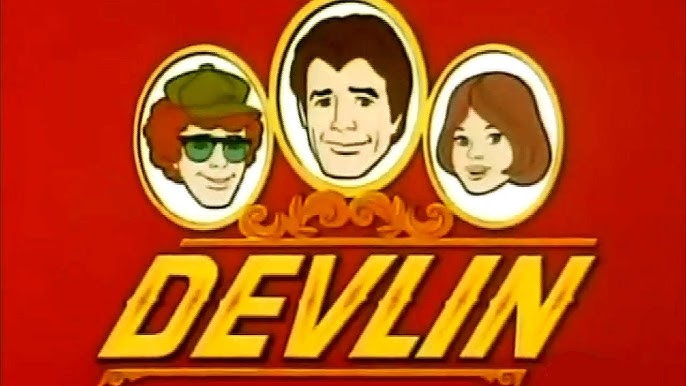
Devlin
Devlin
A motorcycle stunt family traveled from town to town, and the action focused on performance, danger and family loyalty. The realistic human premise was unusual among talking animals and superheroes.
Devlin’s traveling stunt family was unusual because the danger came from motorcycles and performance rather than ghosts or supervillains. The grounded premise gave the show a tone closer to a family adventure drama than a typical talking-animal block.
What to watch for: Watch the stunt setup before the action. Devlin is strongest when the danger feels connected to preparation, family trust and the possibility that the trick might genuinely fail.
Why it ranks here: A distinctive Hanna-Barbera experiment with a grounded, almost prime-time adventure tone.
38
1974
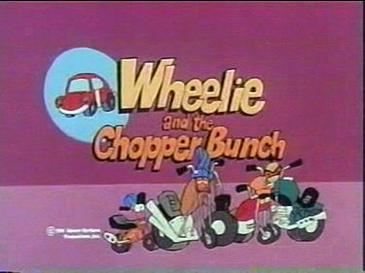
Wheelie and the Chopper Bunch
Wheelie and the Chopper Bunch
Anthropomorphic vehicles replaced human characters in stories about a heroic red car and troublemaking motorcycles. The visual premise was instantly readable.
Wheelie made the character design do almost all the explaining. A bright heroic car, a motorcycle gang and a world built from vehicle personalities were instantly readable, even before the first engine revved.
What to watch for: Look at how the designs replace exposition. The heroic red car and the threatening chopper gang tell children exactly whom to trust before anybody says a word.
Why it ranks here: It is strange, specific and unforgettable—the exact recipe for a cartoon that survives beyond its episode count.
39
1972
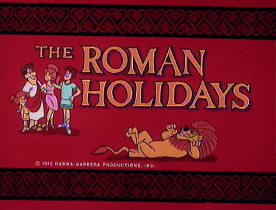
The Roman Holidays
The Roman Holidays
The Flintstones formula moved to ancient Rome, where a working family dealt with landlords, bosses and domestic frustrations. The historical jokes were broad but dependable.
The Roman Holidays moved the working-family sitcom machinery into ancient Rome and trusted puns, bosses, landlords and household frustration to do the rest. The resemblance to The Flintstones was part of the sales pitch.
What to watch for: Listen for the workplace and landlord jokes under the Roman puns. The ancient setting is decoration around a very familiar family trying to get through the week.
Why it ranks here: A clever reminder that Hanna-Barbera could relocate the family sitcom machinery almost anywhere.
40
1973
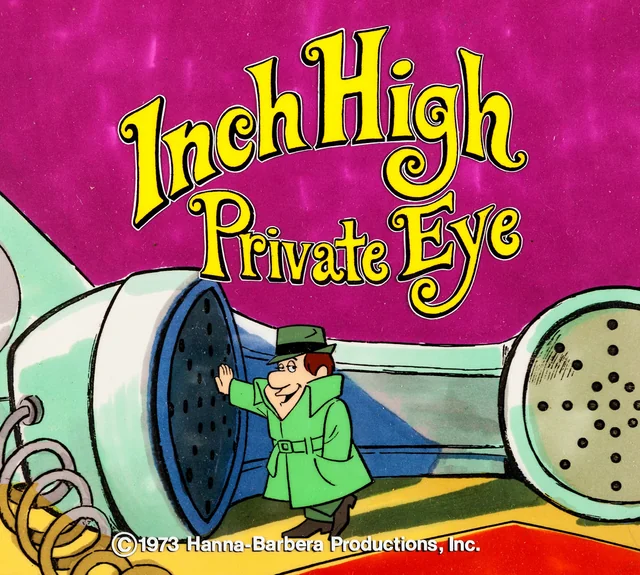
Inch High, Private Eye
Inch High, Private Eye
A one-inch detective solved cases for a large agency, using his size as both advantage and problem. The premise created visual gags unavailable to normal-sized investigators.
Inch High had one of the cleanest hooks in the entire decade. His size created hiding places, obstacles and sight gags automatically, while the private-eye setup gave every episode a reason to put that advantage to work.
What to watch for: Watch how every ordinary object changes scale around Inch High. A desk, shoe or ventilation grate can become a complete detective location.
Why it ranks here: A compact character with a clean hook and the voice talents to make it memorable.
41
1976–1977
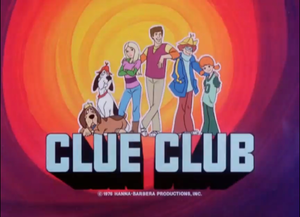
Clue Club
Clue Club
Four teenagers, two talking dogs and a computer solved mysteries with more emphasis on clues than some Scooby imitators. Viewers were often given a chance to follow the reasoning.
Clue Club gave its mysteries slightly more attention than many of the copycat teams. The computer, two very different dogs and a real interest in following clues helped the show earn affection beyond the familiar teenage-sleuth setup.
What to watch for: Try to solve the clue before the explanation. Clue Club earns its name when it lets the audience follow evidence instead of waiting only for a chase.
Why it ranks here: It is one of Hanna-Barbera’s better mystery-team variations and deserves more than obscurity.
42
1975–1978
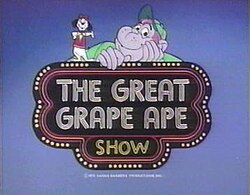
The Great Grape Ape Show
The Great Grape Ape Show
A forty-foot purple ape traveled with Beegle Beagle, creating size-based chaos wherever they went. The character’s name repetition was almost hypnotic.
Grape Ape was impossible to miss and easy to imitate. The show understood that a forty-foot purple character did not need a complicated explanation; he needed a small partner, a problem and room to accidentally lean on something important.
What to watch for: Watch Beegle Beagle react to the size difference. The small partner gives every giant accident a human scale and usually knows what is about to go wrong.
Why it ranks here: A giant mascot, a tiny partner and a color no one could miss—Saturday morning branding reduced to its purest form.
43
1976–1977
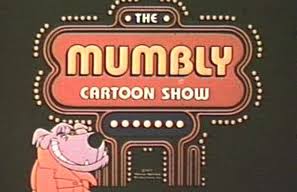
The Mumbly Cartoon Show
The Mumbly Cartoon Show
A trench-coated cartoon dog detective mumbled through cases with a laugh that made him sound suspicious even when he was solving the crime. The character was a canine Columbo parody by way of Hanna-Barbera.
Mumbly’s muttering laugh made him sound guilty while he was solving the case. The trench coat and shambling manner turned the dog into an affectionate cartoon echo of the decade’s rumpled television detectives.
What to watch for: Listen to the laugh before studying the mystery. Mumbly’s voice establishes the entire character faster than a conventional detective introduction ever could.
Why it ranks here: The vocal performance and detective spoof give Mumbly a stronger identity than his short run suggests.
44
1977–1978
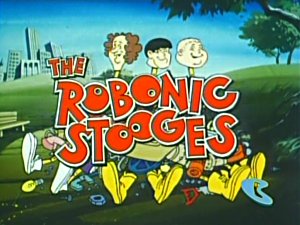
The Robonic Stooges
The Robonic Stooges
The Three Stooges became bionic superheroes in one of the decade’s most improbable brand combinations. Slapstick survived the science-fiction upgrade.
The Robonic Stooges is the kind of idea that makes the 1970s schedule feel like a dare. Turning the Three Stooges into mechanical superheroes was ridiculous, but the collision of old slapstick and new bionic fashion is exactly why anyone remembers it.
What to watch for: Enjoy the collision rather than demanding sense from it. The fun comes from watching old Stooges slapstick forced through the decade’s obsession with bionics and superheroes.
Why it ranks here: It is too bizarre to ignore and too representative of late-1970s cartoon recycling to leave out.
45
1978–1979
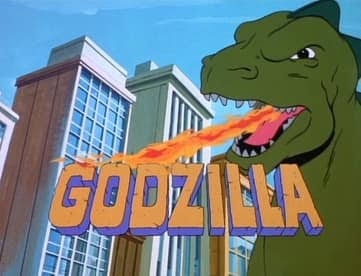
Godzilla
Godzilla
Hanna-Barbera brought the giant monster to Saturday morning with the Calico crew and the much smaller Godzooky. The action was softened for children but retained city-sized stakes.
Godzilla brought scale to the morning. Cities, monsters and the roar made the show feel bigger than a mystery-team adventure, while Godzooky supplied the softer comic element networks still expected beside all that destruction.
What to watch for: Watch the scale changes between the Calico crew, Godzooky and Godzilla. The series keeps shifting from child-friendly comedy to city-sized danger.
Why it ranks here: The famous roar and scale gave the schedule a monster show unlike the usual mystery gangs.
46
1978
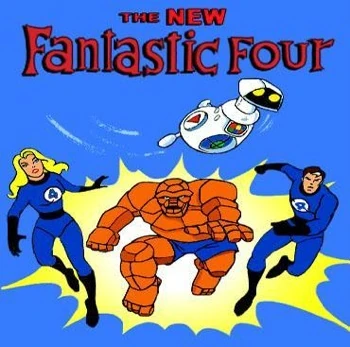
The New Fantastic Four
The New Fantastic Four
Marvel’s team returned to animation with H.E.R.B.I.E. replacing the Human Torch. The cosmic villains and family dynamics survived the change.
Replacing the Human Torch with H.E.R.B.I.E. remains the detail everybody remembers, but the series also carried Marvel’s family bickering, cosmic villains and strange science into a bright late-decade package.
What to watch for: Notice how the family arguments survive the adaptation. The Fantastic Four feel most like themselves when saving the universe is briefly interrupted by irritation with one another.
Why it ranks here: It kept Marvel superheroes on Saturday morning and remains a fascinating adaptation shaped by television constraints.
47
1979–1980
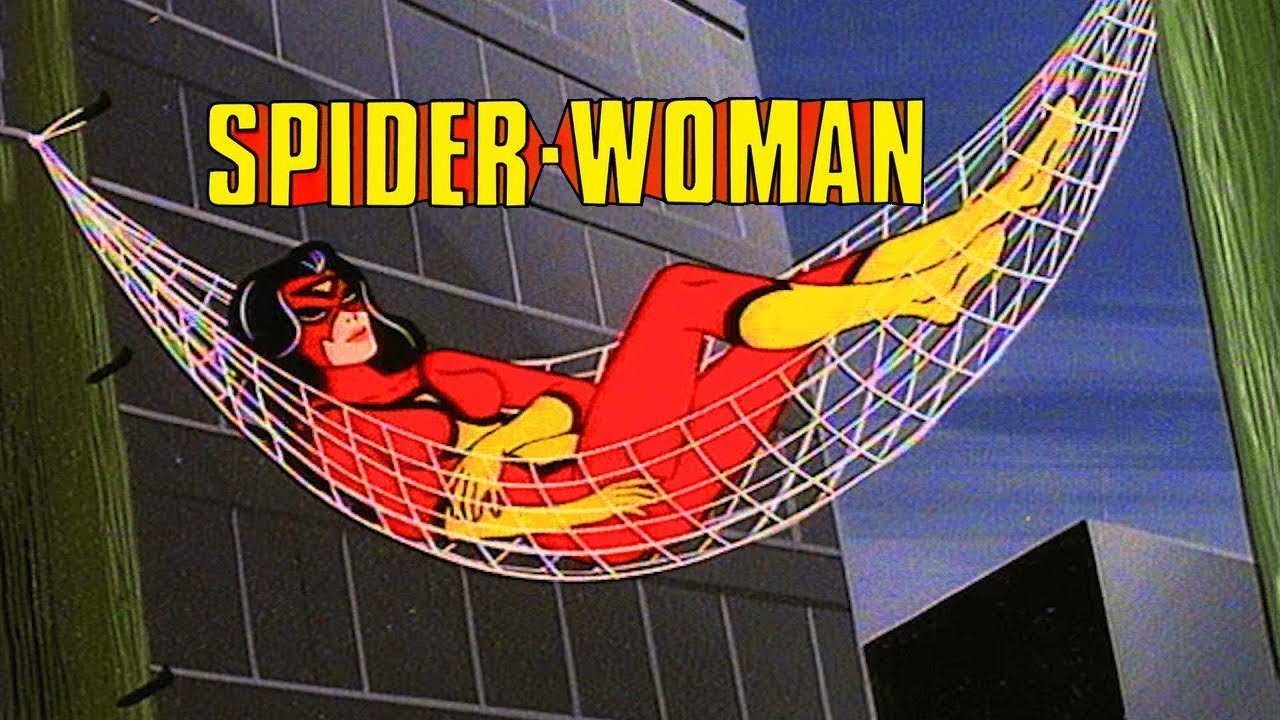
Spider-Woman
Spider-Woman
Jessica Drew starred in her own Filmation-produced adventure series with science-fiction threats and globe-spanning cases. The character was not simply a female copy of Spider-Man.
Spider-Woman gave Jessica Drew a globe-trotting animated identity that was not simply a gender-swapped copy of Spider-Man. The series helped widen the range of heroes who could carry an action show in their own name.
What to watch for: Watch Jessica Drew lead the investigation instead of waiting for another hero to define the episode. The globe-trotting threats give her a world of her own.
Why it ranks here: A late-decade superhero lead who widened the range of women centered in animated action.
48
1979–1981
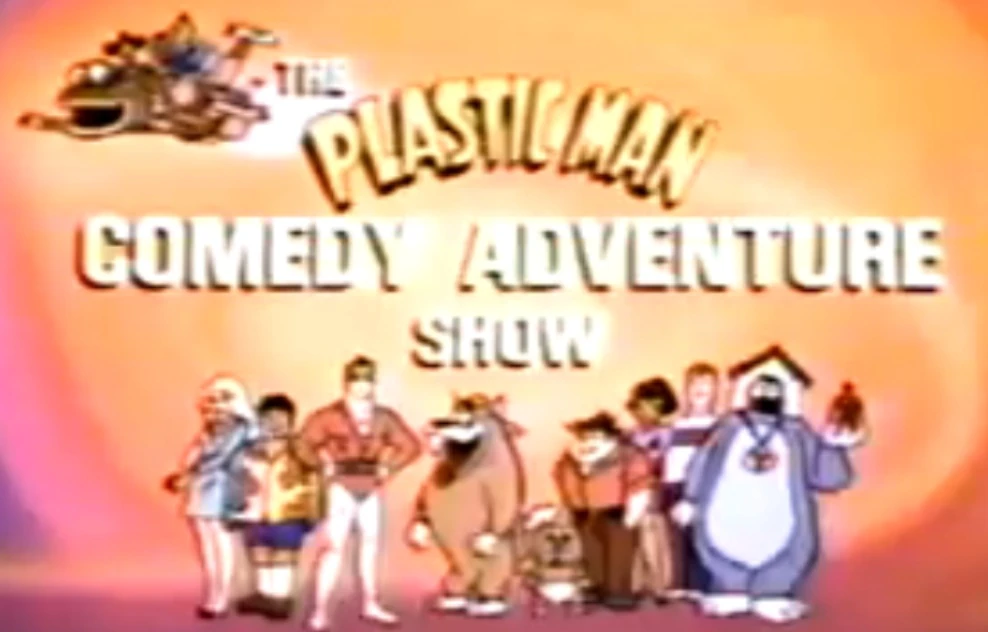
The Plastic Man Comedy/Adventure Show
The Plastic Man Comedy/Adventure Show
Plastic Man’s powers allowed constant visual invention, while the expanded show mixed superhero action with broad comedy segments. The tone was proudly elastic.
Plastic Man’s body could become almost anything, making him one of the rare comic heroes whose powers naturally improved when animated. The surrounding comedy could be broad, but the visual possibilities were exactly right for Saturday morning.
What to watch for: Look for shapes only animation can deliver. Plastic Man is funniest when a transformation solves one problem and creates a much stranger visual one.
Why it ranks here: It closed the decade with a character perfectly suited to animation and Saturday morning absurdity.
49
1979–1980
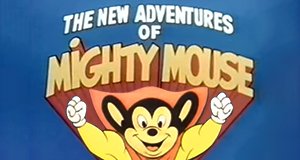
The New Adventures of Mighty Mouse and Heckle & Jeckle
The New Adventures of Mighty Mouse and Heckle & Jeckle
Filmation revived established theatrical characters with new segments and updated supporting material. The show linked older cartoon history to a new production era.
This revival connected theatrical cartoon history with Filmation’s late-1970s television style. Mighty Mouse and Heckle and Jeckle already belonged to earlier generations, but the new package placed them back into the same morning as superheroes and giant monsters.
What to watch for: Compare the older character rhythms with the late-1970s package around them. The revival works as a meeting between two different eras of children’s animation.
Why it ranks here: A useful reminder that Saturday morning was always built from both new creations and repackaged memory.
50
1971–1972
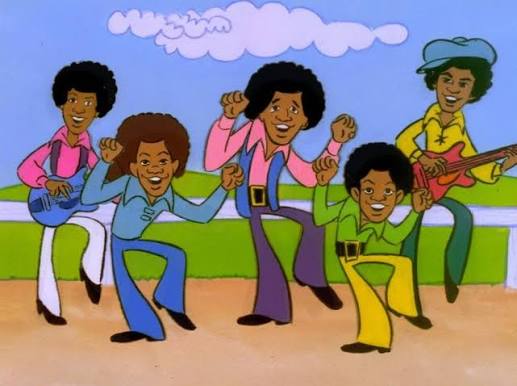
The Jackson 5ive
The Jackson 5ive
The Jackson brothers became animated adventurers in a music-driven ABC series that mixed tour-bus energy, comic trouble and songs from one of the biggest groups in America.
The Jackson 5ive looked and sounded like the pop explosion it was designed to extend. The animated adventures could never compete with the real group’s stage energy, but the series captured a moment when a hit act, a Saturday schedule and a cartoon identity could all feed the same excitement. It lands at number fifty because the songs had a much stronger afterlife than the episodes, not because the idea lacked impact.
What to watch for: Listen for how the music carries the group identity. The adventures may fade, but the show immediately reconnects with the excitement surrounding the Jackson brothers.
Why it ranks here: It completes the list because the cartoon itself had a shorter afterlife than the music, but it remains one of the clearest examples of Saturday morning turning pop stardom into animation.
What the countdown reveals
What the Best 1970s Cartoons Had in Common
Scooby-Doo built the decade’s most reusable machine. Teenagers, a mascot, a vehicle, a spooky location and a human unmasking could be rearranged endlessly. The best copycat story is in The Funky Phantom and the Scooby-Doo Copycat Boom.
Music could rescue almost any budget. A great opening made the show feel alive before the first held pose appeared. Hong Kong Phooey, Josie, Fat Albert, Archie and Schoolhouse Rock understood that melody could carry memory farther than plot. For the lessons that somehow survived breakfast, see Best Educational TV Shows and Cartoons of the 1970s.
Superheroes became one giant Saturday team. The action was softened, but the idea was enormous. Best 1970s Superhero Cartoons follows the capes, team briefings and comic-book worlds that took over before noon.
Hanna-Barbera and Filmation never felt quite the same. Hanna-Barbera moved like a crowded toy box. Filmation often felt like a comic-book panel being pushed into motion. The full lineups are in Hanna-Barbera Cartoons of the 1970s and Filmation Cartoons of the 1970s.
A short run could leave a long memory. Hong Kong Phooey, Jabberjaw, Wheelie and Captain Caveman did not need hundreds of episodes. They needed one idea, one voice or one yell children could repeat until an adult asked them to stop.
The schedule mixed generations. New shows ran beside theatrical shorts, late-1960s holdovers and constantly repackaged characters. To the child on the carpet, all of it belonged to the same Saturday morning.
The commercial break belonged to the ritual too. The shows gave us the characters;
the ads made the cereal, bikes, dolls and action figures look like urgent business.
How Saturday Morning Commercials Sold Toys to 1970s Kids
follows the part of the morning that sent us straight toward the toy aisle.
You did not need to see the screen to know what was on. A laugh, a battle cry, three notes or the sound of running feet in a hallway could identify the whole show from the kitchen.
Back to the carpet
How to Rewatch Classic Saturday Morning Cartoons Now
Start with the top ten, but do not binge them like modern streaming television. These shows were built for one episode, a commercial break, another program and a complete change of mood. A mystery, a song, a superhero rescue and a theatrical short could all occupy the same hour.
Give the animation a few minutes to reset your eyes. Reused backgrounds, repeated walks and held poses are part of the television language. Once you stop waiting for theatrical movement, the voices, music and designs take over.
Watch the opening credits all the way through. Saturday morning themes were not decoration. They were the front door. Some of the best shows explain the character, premise and tone before the first scene begins. The larger soundtrack continues in 70s TV Theme Songs.
Pay attention to the supporting voices. Mel Blanc, Scatman Crothers, Casey Kasem, Frank Welker and many others could make a limited drawing feel restless, frightened, pompous or alive. The acting often carried motion the budget could not.
A good first return includes one classic Scooby mystery, several Schoolhouse Rock! songs, an early Super Friends episode, a strong Fat Albert story, Star Trek: The Animated Series and one completely ridiculous mascot comedy. Hong Kong Phooey, Jabberjaw or Dynomutt will do.
Then go lower in the ranking. The middle and bottom reveal the real size of the decade: live-action hits turned into cartoons, rock groups sent into spy plots, cars given personalities and old characters fitted with new mechanical parts.
The point is not to pretend every episode is timeless. The point is to recover the feeling of a morning where almost any premise could appear after the next network bumper.
The bowl is empty, but the themes are still playing
Why 1970s Saturday Morning Cartoons Still Hit Gen X So Hard
Fifty titles look like a lot until you remember how long the morning felt when you were eight.
The lineup could move from a haunted amusement park to the Hall of Justice, stop for a multiplication song, visit an underwater rock band and end with a giant purple ape leaning on somebody’s building. Nobody asked the schedule to settle on one tone. The change was the attraction.
The top of the ranking belongs to shows that created their own gravity. Scooby-Doo did not merely survive the decade; the franchise reorganized part of the schedule around itself. Schoolhouse Rock! made three minutes feel permanent. Super Friends gave children a shared superhero world large enough to argue about. Fat Albert brought neighborhood problems into a format that could still make room for music and jokes.
The middle of the list may be the most revealing. That is where the networks kept trying variations: another mystery gang, another talking animal, another band, another animated version of a live-action hit. Some ideas were shameless copies. Others changed one ingredient and found a personality nobody expected.
The bottom is not a graveyard. It is the shelf where the weird artifacts live. A cartoon can rank forty-fourth and still be the only place anybody ever decided the Three Stooges needed robotic superhero bodies. That counts for something.
Gen X memory also ignores clean chronology. We watched late-1960s shows beside new 1970s episodes and theatrical shorts made before our parents were children. Network packages kept changing names and combinations. The morning was less a historical period than a pile of everything television thought might keep us seated for another half-hour.
That is why a ranking can be both argued over and instantly understood. We may disagree about whether Hong Kong Phooey belongs above Star Trek or whether Challenge of the Superfriends should outrank Laff-A-Lympics. We still recognize the evidence: the themes we can sing, the characters we can draw badly from memory and the openings that make us feel the texture of the carpet again.
The best cartoons did not need perfect animation. They needed a promise. A mystery would be solved. A hero team would assemble. A song would teach something. A frightened dog would run through the same hallway several times and somehow make it funnier on every pass.
By noon, the spell usually broke. Sports appeared. A live-action rerun took over. Somebody wanted the television back. Chores became unavoidable.
But for a few hours, the whole house operated around the schedule—and fifty years later, a few notes from the right theme song can still put the room back exactly where it was.
Saturday morning was not endless. It only felt that way—and television has been trying to recreate that feeling ever since.
Put it back on the schedule
Saturday Morning Cartoons From Every Year of the 1970s
The year guides put these cartoons beside the sitcoms, dramas and specials that shared the television set instead of leaving everything in the mixed-up chronology of reruns.
Follow the decade from the early mystery-team and pop-band boom through superhero revivals, giant crossover packages and the stranger late-1970s experiments.
Frequently Asked Questions About 70s Saturday Morning Cartoons
These answers cover the best 70s cartoons, eligibility, studios, repeated franchises, theme songs and the shows that still deserve another bowl.
What was the best Saturday morning cartoon of the 1970s?
Scooby-Doo ranks first because the franchise dominated the decade, changed formats repeatedly and created the mystery-team formula that other shows kept rebuilding.
Why is Schoolhouse Rock! ranked second when the segments were so short?
The songs had enormous staying power, taught real material and became part of the Saturday morning ritual without ever feeling like a full classroom period.
Why are shows that started in 1968 or 1969 included?
A few late-1960s programs became major fixtures of the 1970s schedule or generated important new versions during the decade. The ranking follows the viewing experience, not an artificial wall at midnight on January 1, 1970.
Why are there several Scooby-Doo and Super Friends entries?
The formats were different enough to create distinct viewing experiences. The original Scooby mysteries, the hour-long celebrity movies and the later Scooby-Doo Show did not feel identical, and neither did the early Super Friends and the Legion of Doom era.
Which studios made most of the cartoons?
Hanna-Barbera and Filmation supplied a huge share of the original programming, while DePatie-Freleng, Rankin/Bass, Ruby-Spears and older theatrical libraries added other styles.
Why are Bugs Bunny and Road Runner eligible if the shorts were older?
The theatrical cartoons became a defining Saturday morning package for a new generation. Their original production dates were older, but their place in the 1970s viewing ritual was enormous.
What is the most underrated cartoon on the list?
Clue Club, Sealab 2020, Devlin and The New Adventures of Flash Gordon are strong candidates because each had a clearer identity or greater ambition than its current visibility suggests.
Which cartoon had the best theme song?
Hong Kong Phooey is difficult to beat, but Scooby-Doo, Fat Albert, Josie and the Pussycats, Super Friends and The Pink Panther all announced their worlds within seconds.
Why is The Jackson 5ive number fifty?
The group’s music had a much larger afterlife than the animated episodes. The series still belongs because it captured the decade’s powerful connection between pop acts and Saturday morning cartoons.
Where can I read more about the history instead of the ranking?
The Complete History of Saturday Morning Cartoons in the 1970s covers network schedules, studios, advertising, regulation, live action and the full weekend ritual.
Keep Saturday going
More 1970s Cartoon History and Show Guides
Start with the part of the morning that still plays loudest in your memory: mystery vans, superhero teams, educational songs, studio lineups or commercials that made every toy look essential.