40 Best Family TV Shows of the 1970s, Ranked

40 Best Family TV Shows of the 1970s, Ranked
FAMILY HOUR CHANNEL 70s TV GUIDE 40 shows • one couch • one shared living room
Smells Like Gen X • One set, one couch, everybody watching

40 Best Family TV Shows of the 1970s, Ranked

Before every bedroom had its own screen, the best 70s family TV shows were the ones the whole house could agree to leave on. The Waltons, Little House on the Prairie, The Brady Bunch and Eight Is Enough gave adults real stories, kids characters to claim and everybody a reason to stay on the couch after the commercials.

This ranking covers family dramas, domestic comedies, variety shows and a few glorious oddballs that became shared viewing in the 1970s. For the bigger picture, start with the 1970s TV hub; for the comedy side of family night, revisit the best 1970s sitcoms. The entries stay focused here, with deeper show histories linked where they belong.

Quick Answer • Family Viewing Desk

What Were the Best 70s Family TV Shows?

The Waltons ranks #1, followed by Little House on the Prairie, The Brady Bunch, Eight Is Enough, Good Times, The Jeffersons and One Day at a Time. They lead because the families felt memorable, the stories worked across generations and the shows still bring the room back the minute the opening credits begin.

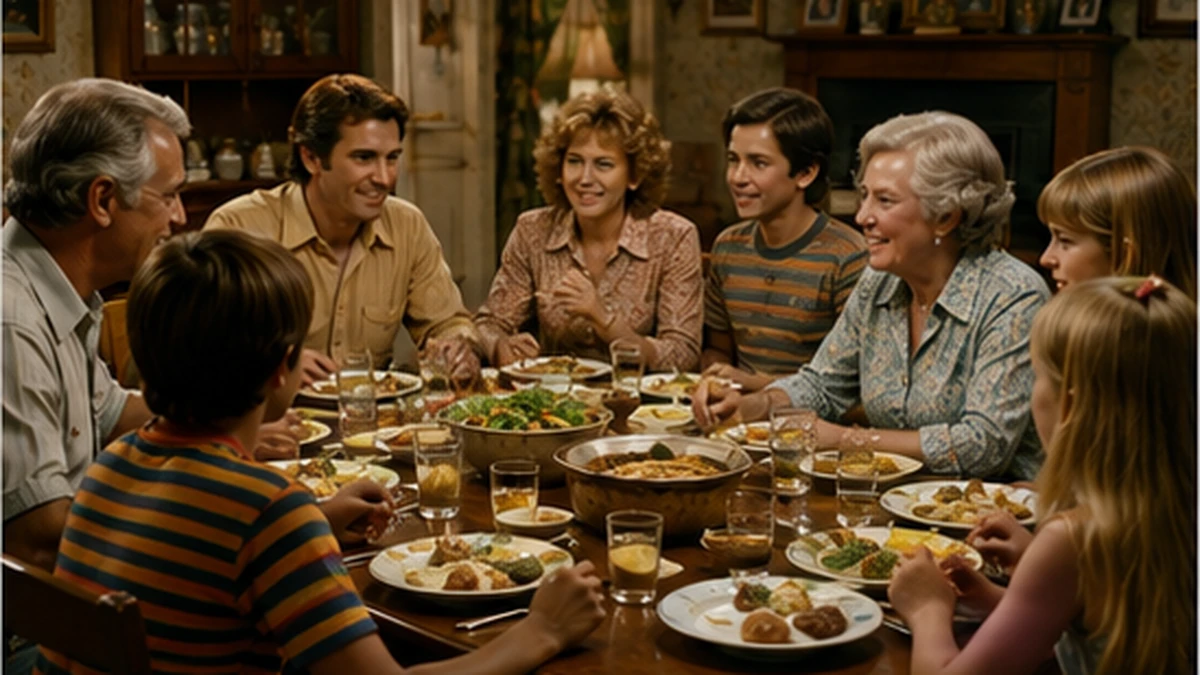
Multigenerational family sharing dinner in a warm 1970s home
One television belonged to the whole room. Parents, kids and grandparents often watched the same show because there was nowhere else for the screen to go.
One Set • One Household

Why 1970s Family Shows Belonged to the Whole Living Room

Family viewing did not mean every show was squeaky-clean or made only for children. It meant the adults had a reason to care, the kids had somebody to root for and nobody reached for the channel knob too quickly.

Changing Homes

Television Families Started Looking More Like Ours

Single parents, blended households, adoptive homes and working families moved into prime time without every rough edge being polished away. The broader story belongs in How the Television Family Changed During the 1970s.

Comfort Viewing

Comfort TV Could Still Have Calluses

The Waltons, Little House and Grizzly Adams offered warmth without pretending life was painless. Follow that trail through rural and small-town TV shows of the 1970s.

Growing Up

Teenagers Stopped Being Background Furniture

James at 15, Room 222 and Welcome Back, Kotter made adolescence more than a side plot or a lecture from the grown-ups. Continue with the best teen and coming-of-age shows of the 1970s.

TV to Turntable

Family Night Came With a Soundtrack

The Partridges, Osmonds and Jacksons blurred the line between family night and the record store. Revisit the crossover in Musical Families on 1970s Television.
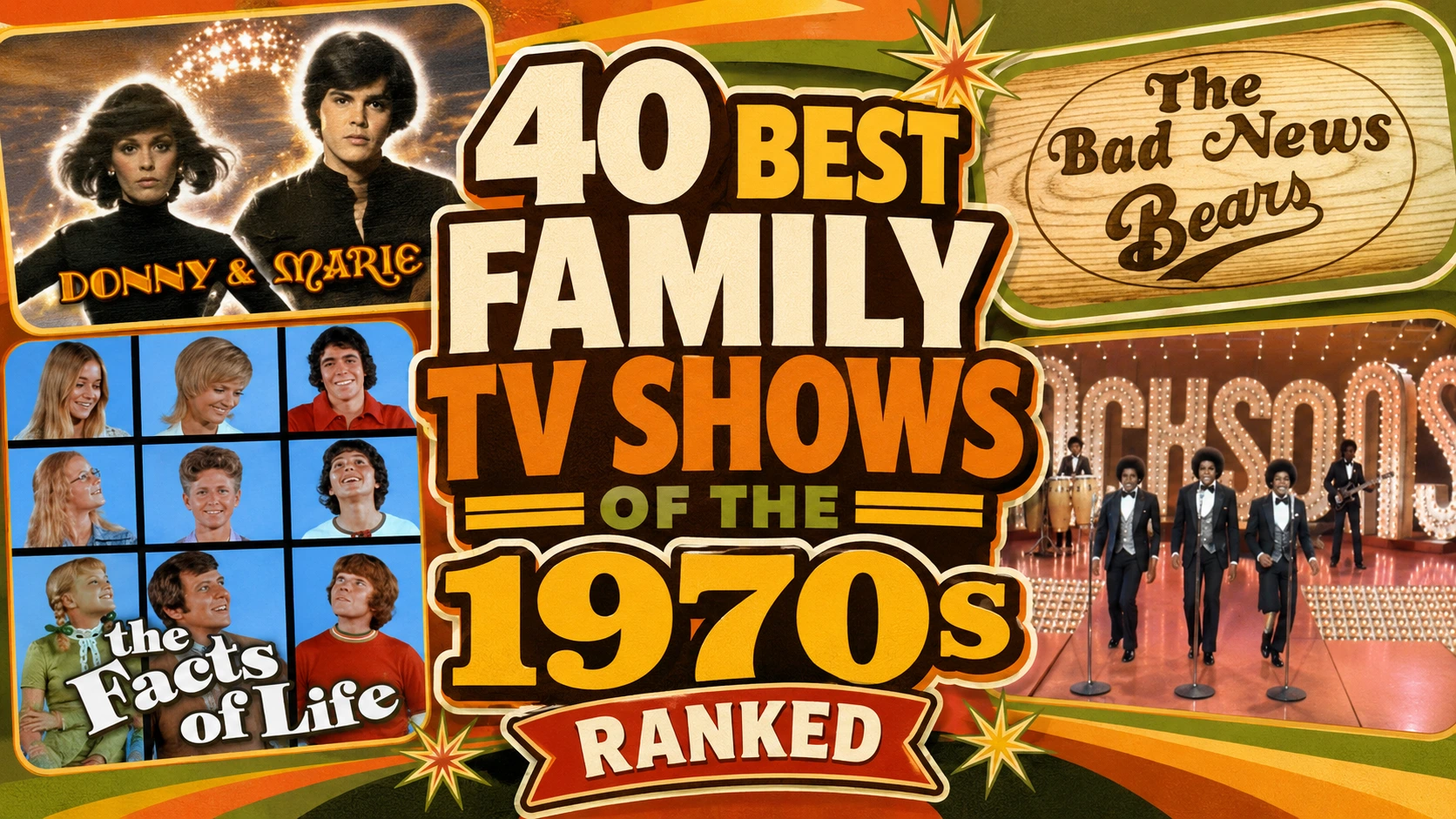
The Complete Countdown

The 40 Best 70s Family TV Shows, Ranked

The top of the list belongs to landmark family dramas and sitcoms; the bottom keeps room for short-lived shows that can still unlock a Saturday afternoon, a theme song or a living-room memory in about three seconds.

CHANNEL1
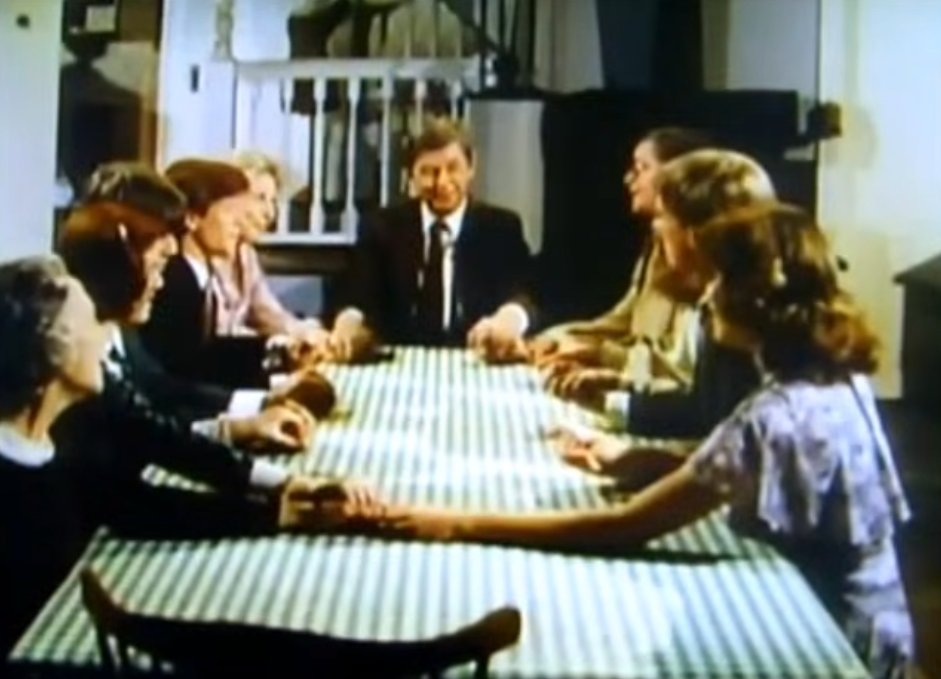
The Walton family gathered around the table in The Waltons
TOP 10

The Waltons

Few family shows ever made hardship feel this warm without sanding away the hard parts. The Walton household could be crowded, worried and short on money, yet the series kept returning to memory, loyalty and the comfort of knowing somebody would still be awake when you came home. For shared family viewing, it set the decade’s gold standard.

More of the story: John-Boy’s coming-of-age narration gave the series its memory-book quality, but the real strength was the full house around him: parents, grandparents and siblings all carrying a different piece of the family burden. The show could move from a small domestic disagreement to the Depression or World War II without losing the feeling that Walton’s Mountain was first and foremost a home.

Why it still lands: The series never confused gentleness with weakness. Its people endured because they worked, forgave, argued and kept showing up for one another. That steady emotional rhythm made the closing good-nights feel earned rather than sugary—and made the Waltons seem like relatives viewers had somehow inherited. That same pull runs through the decade’s rural and small-town television.
CHANNEL2
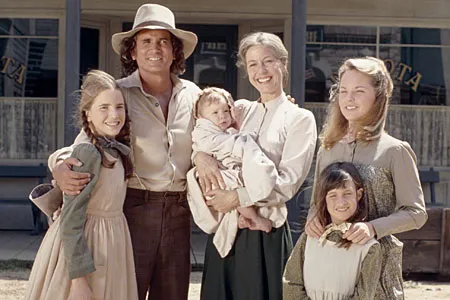
The Ingalls family cast from Little House on the Prairie
TOP 10

Little House on the Prairie

Frontier life was never presented as easy, but the Ingalls family made perseverance look like a habit rather than a speech. The series mixed childhood adventure, loss, illness, work and moral choices with enough heart to become comfort television for generations. It remains one of the clearest examples of a 1970s family drama that children and adults could watch together.

More of the story: Laura’s point of view kept the story close to childhood, while Charles and Caroline gave the Ingalls family its moral center. Walnut Grove also supplied one of television’s best supporting communities, from the schoolhouse and general store to Nellie Oleson’s talent for making a normal day considerably more irritating. That mixture of family intimacy and small-town life is why the show still plays like a weekly visit.

Why it still lands: The show could be sentimental, but it usually made the Ingalls family pay a real price before offering relief. That balance gave younger viewers adventure and reassurance while adults saw exhaustion, responsibility and sacrifice. Few programs made a simple family supper feel more deserved.

CHANNEL3
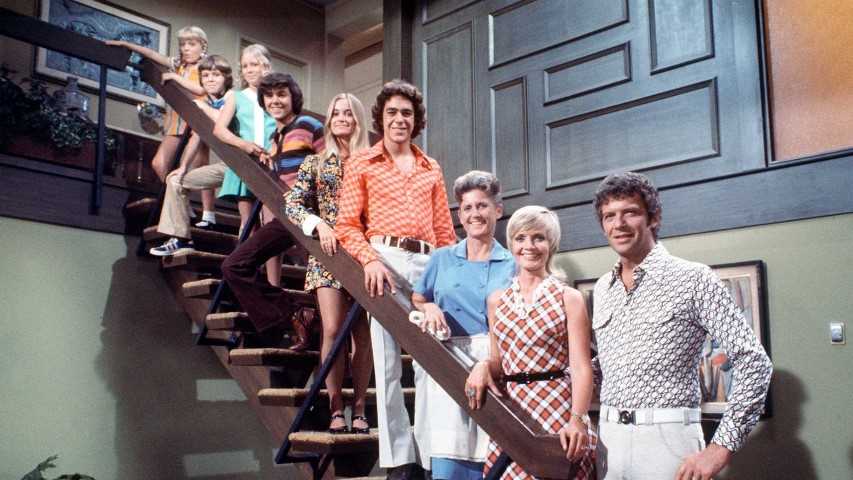
The Brady Bunch cast gathered on the family staircase
TOP 10

The Brady Bunch

The Brady household was bright, blended and suspiciously good at solving problems before the closing credits, but that polished fantasy became part of its power. Reruns turned the show into a permanent Gen X reference point: the staircase, the grid of faces, the sibling rivalries and the sense that every crisis could be fixed with a family meeting.

More of the story: Mike and Carol’s six children gave the writers an endless supply of school trouble, dating panic, bruised egos and sibling competition, while Alice often functioned as the only adult in the room who could see the whole problem clearly. The original run was only part of the story. Afternoon reruns turned the Bradys into an after-school institution for Gen X kids who could recognize that house before anyone spoke.

Why it still lands: The Bradys survive because the show turned ordinary childhood embarrassment into mythology. A bad haircut, a missed date or a sibling grudge could feel like a national emergency for half an hour. The problems were small, but to the kids watching after school, they never felt small.

CHANNEL4
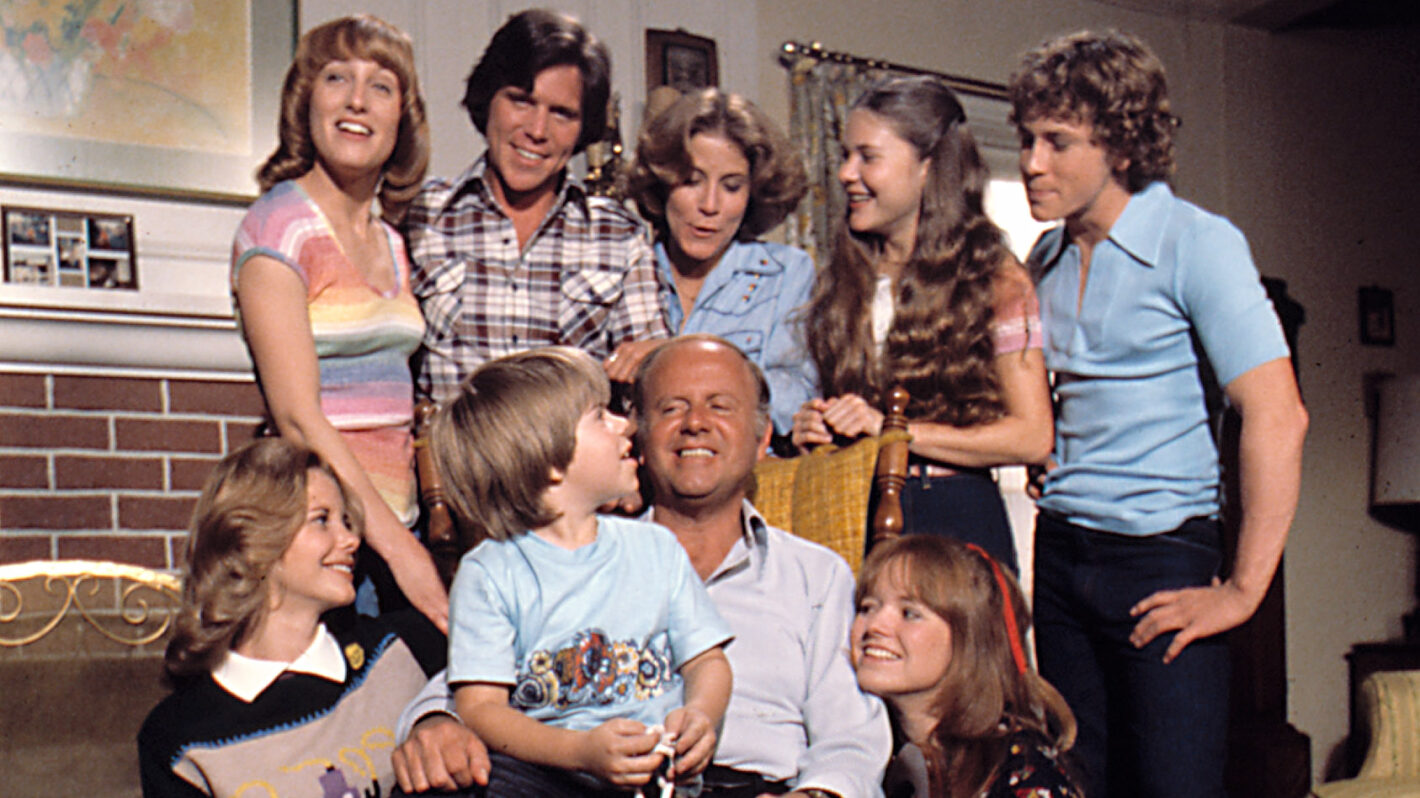
The Bradford family cast from Eight Is Enough
TOP 10

Eight Is Enough

The Bradfords felt less like a perfect television family and more like a real house where somebody was always interrupting somebody else. The series balanced comedy, grief, romance, growing pains and the daily logistics of a huge household. Its messiness gave late-1970s family television a more natural rhythm.

More of the story: The range of ages inside the Bradford family let the show cover childhood, college, careers, romance and marriage without leaving the same household. It also allowed grief and remarriage to reshape the family rather than reset it. That emotional continuity made Eight Is Enough feel less like a collection of weekly lessons and more like a family viewers were watching grow up in real time.

Why it still lands: What separates the Bradfords from tidier television clans is the constant sense of overlap. Several lives are always happening at once, and no parent can completely control the traffic. That busy, imperfect energy makes the family feel lived-in instead of arranged for the camera.

CHANNEL5
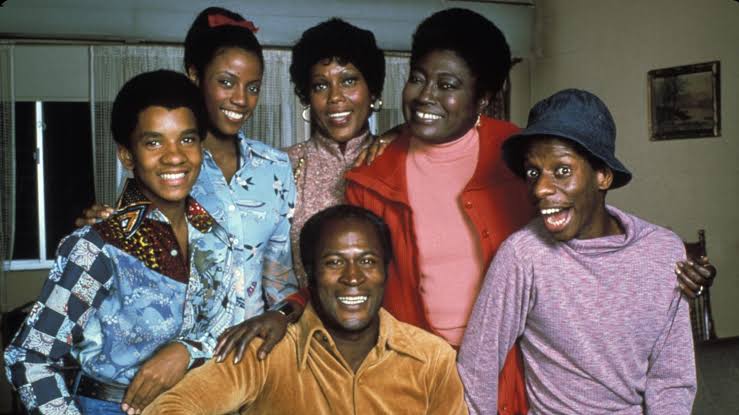
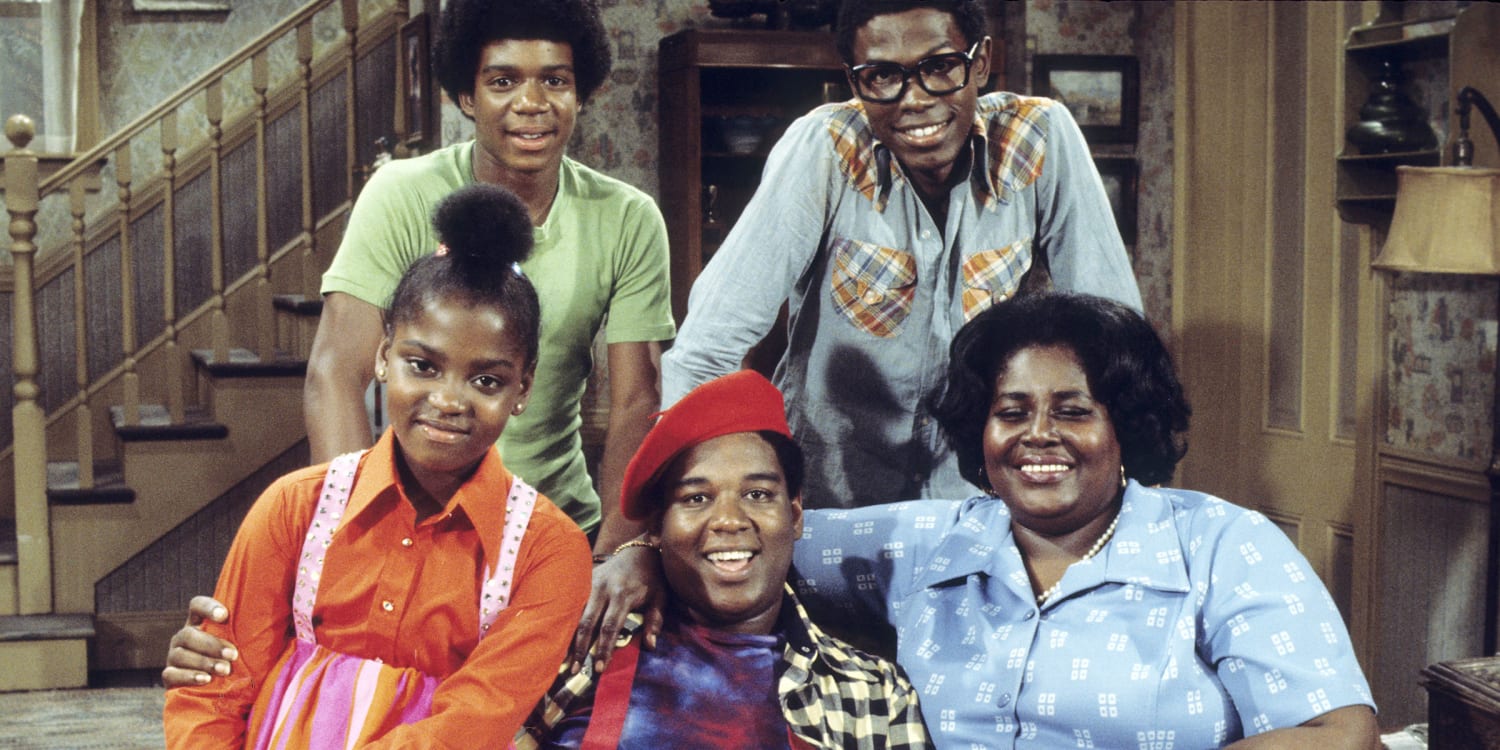
The Evans family cast from Good Times
TOP 10

Good Times

The Evans family faced pressure that most sitcom households never had to discuss, much less survive every week. What made the show family television was not that life was easy, but that Florida, James and their children kept choosing one another through money trouble, disappointment and change. The laughs were loud; the family bond was louder.

More of the story: James and Florida Evans tried to hold the line while J.J., Thelma and Michael pulled the family in three very different directions. The apartment and neighborhood gave the comedy a strong sense of place, but the series never let the audience forget the cost of unemployment, inflation and limited choices. Its best episodes found humor without treating the Evans family’s financial pressure as a joke.

Why it still lands: The Evans family’s victories mattered because the show never pretended one good week erased the larger struggle. Pride, humor and frustration could occupy the same room. That emotional honesty is why the family—not any single catchphrase—remains the strongest reason to return.

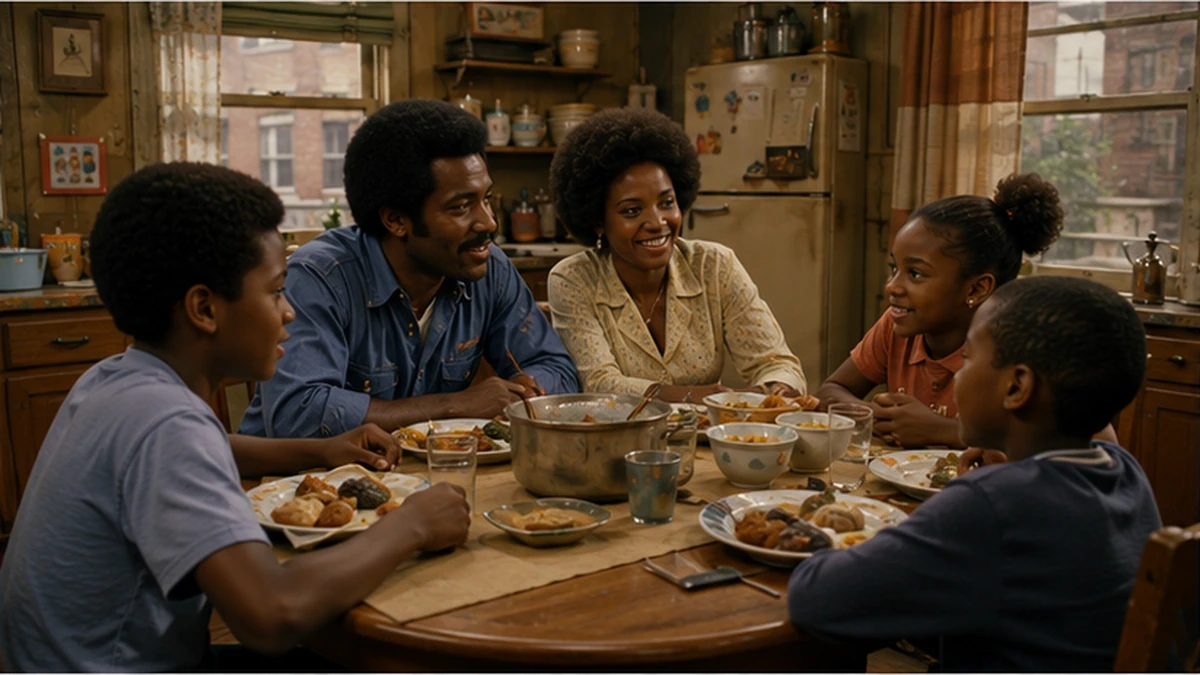
Working-class Black family gathered around the dinner table in a 1970s city apartment
Working-class families brought money pressure, ambition, humor and resilience directly into prime time.
CHANNEL6
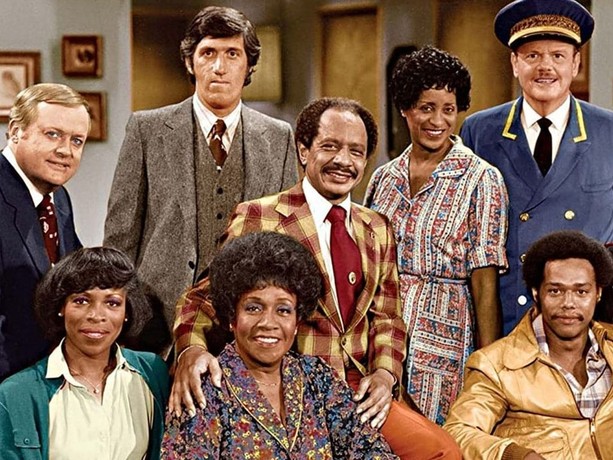
The Jeffersons ensemble cast in a publicity photo
TOP 10

The Jeffersons

Moving on up did not make the Jefferson household quiet. George, Louise and Lionel brought ambition, marriage, generational tension and social change into one of television’s most memorable homes. The show widened the picture of what a successful American television family could look like while never losing its sharp comic edge.

More of the story: George’s dry-cleaning success moved the Jeffersons from Queens into a Manhattan high-rise, but money did not erase the arguments that made the family recognizable. Louise, Lionel, Florence and neighbors Tom and Helen Willis kept challenging George’s certainty about nearly everything. The result was a family comedy about achievement, marriage, class and social change that could be broad, sharp and unexpectedly tender in the same episode.

Why it still lands: The Jefferson apartment became a stage for arguments about success, respectability, prejudice and marriage, but the comedy always came back to personality. George could be impossible, Louise could puncture him with one look, and their affection kept the sharpest exchanges from turning hollow.

CHANNEL7
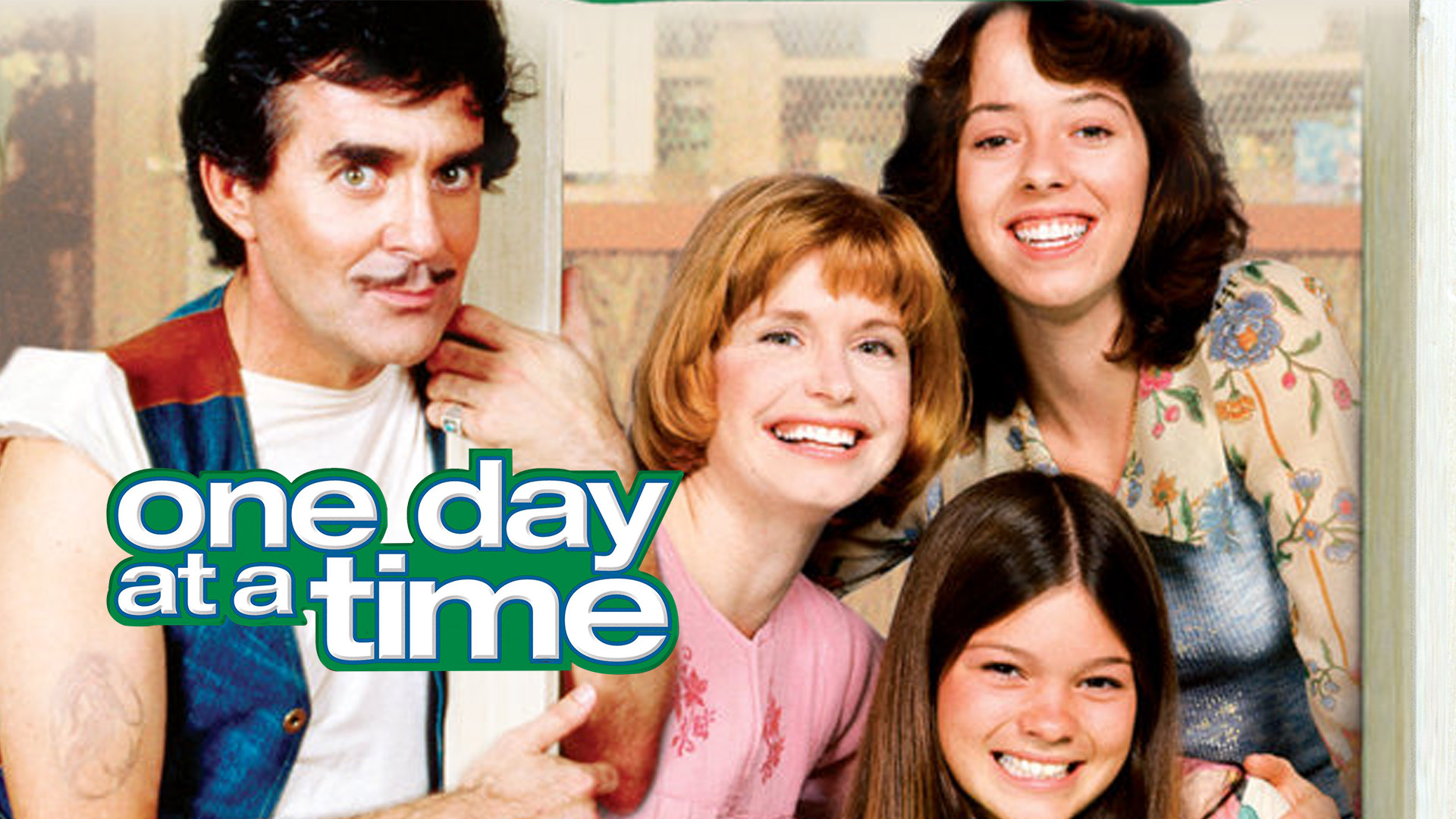
Ann Romano, her daughters and Schneider from One Day at a Time
TOP 10

One Day at a Time

Ann Romano and her daughters gave prime time a household that was loving, strained, funny and visibly figuring things out as it went. Divorce, work, dating, money and teenage independence were not background details; they were the fabric of the family. That honesty made the series feel unusually modern for its time.

More of the story: Ann Romano’s Indianapolis apartment became a believable home because the series let Julie and Barbara age, leave, return, marry and make mistakes instead of freezing them as sitcom teenagers. Building superintendent Schneider was comic relief, nuisance and emergency backup rolled into one. The show’s staying power came from treating single motherhood as daily life rather than a temporary premise waiting to be neatly solved.

Why it still lands: The series gave family television permission to leave problems partly unresolved. Ann did not become a perfect mother, and her daughters did not become perfect adults. They simply kept adjusting. That ongoing negotiation feels much closer to actual family life than a lesson neatly tied up before the credits, and it belongs to the larger story of how television families changed in the 1970s.

CHANNEL8
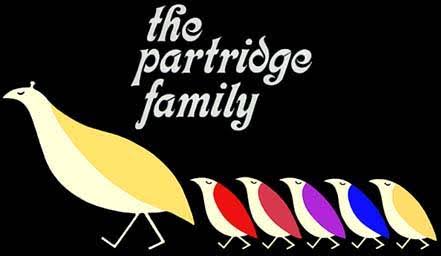
The Partridge Family bird logo from the television opening
TOP 10

The Partridge Family

A widowed mother, five kids, a psychedelic bus and a family band that somehow kept making the next gig: subtle it was not. But the series understood the fantasy perfectly. It mixed family comedy with pop music, teenage crushes and road-show escapism, giving the decade one of its most instantly recognizable television families.

More of the story: Shirley, Keith, Laurie, Danny and the younger Partridge kids turned the household into a touring act, with manager Reuben Kincaid usually trying to keep Danny from negotiating the next disaster. The painted bus, the records and David Cassidy’s teen-idol pull made the series bigger than the sitcom itself. It was family television with a built-in soundtrack and a direct route from Friday night to the record store.

Why it still lands: The fantasy was not merely having a cool family; it was having a family that could turn its chaos into a song. The Partridges made home life, teen-idol glamour and road-trip escape feel like parts of the same package. Their opening belongs on any tour through the decade’s 70s TV theme songs.

CHANNEL9
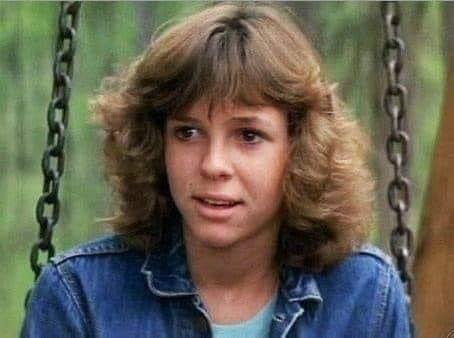
Buddy Lawrence from the 1976 television drama Family
TOP 10

Family

The title was plain; the drama was not. The Lawrence family dealt with marriage, identity, illness, grief and adulthood with a seriousness rarely allowed in domestic television. Instead of wrapping every conflict in a joke, the series let emotions linger. It helped prove that family stories could carry the weight of prestige drama.
More of the story: The Lawrence family’s Pasadena home looked comfortable, but the series was interested in what happened after the polite surface cracked. Parents Kate and Doug, teenage Buddy and the older Lawrence children faced consequences that often carried from one episode into another. That patience gave Family a novelistic quality and helped make Kristy McNichol’s Buddy one of the decade’s most emotionally convincing teenage characters.

Why it still lands: Its deliberate pace allowed silence, hesitation and hurt feelings to remain in the room. That can feel unusual beside faster modern drama, but it is also the source of the show’s power. The Lawrences were not solving an issue of the week; they were living with consequences.

CHANNEL10
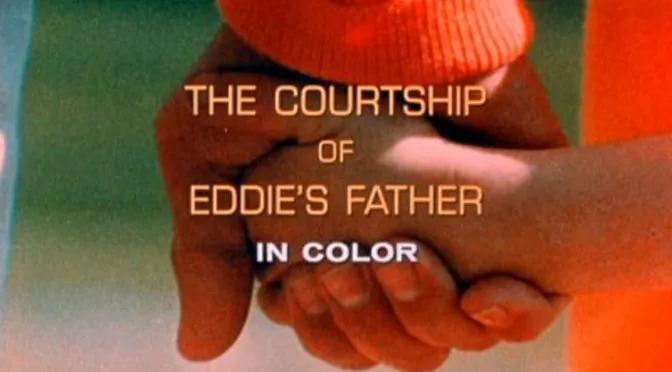
Title image from The Courtship of Eddie’s Father
TOP 10

The Courtship of Eddie’s Father

The warmest thing about Tom and Eddie was that they genuinely enjoyed one another. Their father-son relationship gave the series its center, while Mrs. Livingston added wisdom and gentle authority without turning the household into a conventional sitcom setup. It remains one of the decade’s most affectionate portraits of a single-parent family.

More of the story: Tom Corbett’s work, dating life and parenting decisions were usually filtered through Eddie, which kept the adult stories tied to a child’s sense of security. Mrs. Livingston brought calm, affection and an unusually dignified presence to the household. Even the theme song, built around the phrase ‘best friend,’ told viewers exactly what mattered: this was a father-son relationship before it was a dating comedy.

Why it still lands: What keeps the series from feeling like a dated matchmaking gimmick is the trust between Tom and Eddie. The boy is not simply an obstacle to adult romance, and the father is not a clueless sitcom parent. Their companionship gives every episode a warmth that survives the period styling.

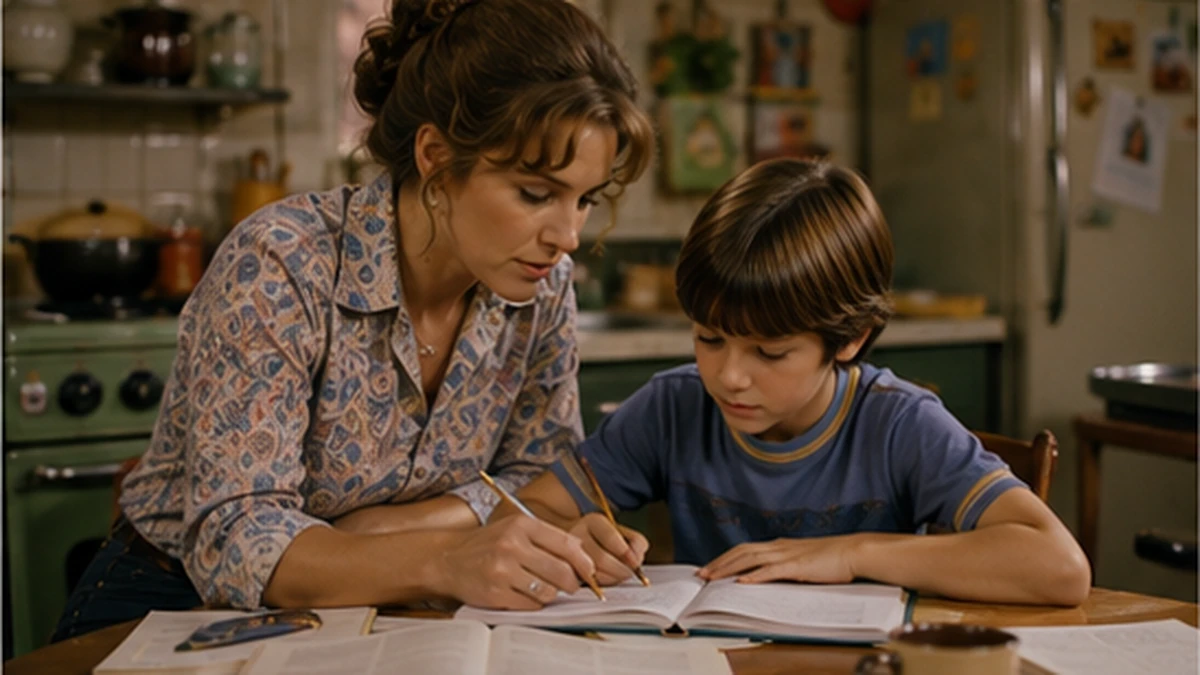
Single mother helping her son with homework at a 1970s kitchen table
Single-parent homes helped television move beyond one narrow picture of the American family.
CHANNEL11
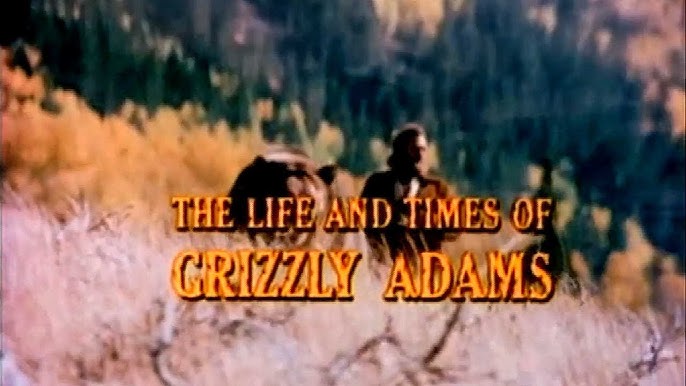
Opening title from The Life and Times of Grizzly Adams
FAMILY FAVORITE

The Life and Times of Grizzly Adams

For families tired of apartments, traffic and canned laughter, Grizzly Adams offered mountains, animals and a hero who solved problems without raising his voice. The wilderness setting made it feel like escape television, but its real appeal was kindness. It was gentle enough for children and sincere enough for adults.

More of the story: Dan Haggerty’s gentle performance made Adams feel less like a rugged action hero and more like the world’s hairiest neighborhood naturalist. Ben the bear, Mad Jack and the mountain setting gave the series a storybook simplicity that children could enter immediately. Its slow pace and respect for animals also made it stand apart from the louder adventure shows surrounding it on the schedule.

Why it still lands: For children, the animals and wilderness supplied the adventure. For adults, the attraction was the quiet refusal to make every conflict louder than the last. Grizzly Adams offered a rare hour in which patience, empathy and restraint were treated as heroic qualities.

CHANNEL12
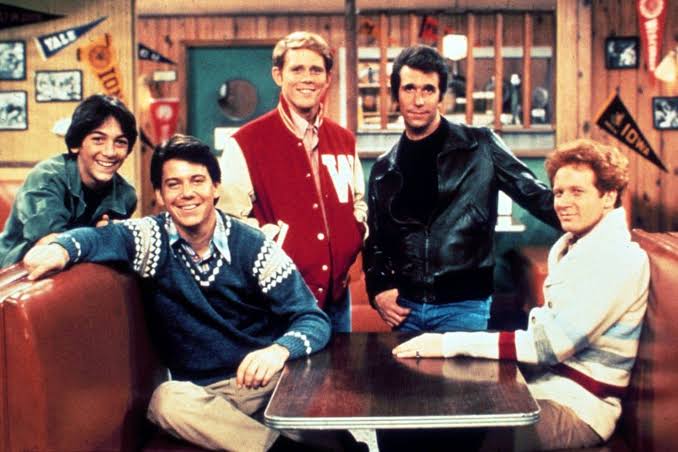
The Happy Days cast gathered at Arnold’s
FAMILY FAVORITE

Happy Days

Happy Days was built around teenagers and nostalgia, but the Cunningham home gave the show its emotional safety net. Howard and Marion were steady without being invisible, and even Fonzie eventually became part of the family orbit. The result was one of the decade’s most dependable all-ages hits.

More of the story: The Cunninghams—Howard, Marion, Richie and Joanie—gave the series a dependable family center even as Fonzie became its breakout star. Arnold’s Drive-In supplied the teenage hangout, but the Cunningham kitchen was where problems were usually translated into something useful. Happy Days changed considerably over its long run, yet its appeal remained rooted in the fantasy of a neighborhood where everyone eventually became part of the family.

Why it still lands: The series turned nostalgia into a place Gen X could visit after school, even though most of us had never seen the 1950s it was selling. Arnold’s, the jukebox and Fonzie’s jacket became shorthand for an easier-looking past. That appeal sits at the center of the 1950s nostalgia boom on 1970s television.
CHANNEL13
Raj, Rerun, Dwayne, Dee and Mabel from What’s Happening!!
FAMILY FAVORITE

What’s Happening!!

Raj, Rerun and Dwayne supplied the energy, but the show’s neighborhood warmth kept it grounded. Mabel’s household, Dee’s one-liners and the boys’ friendship created a world that felt bigger than a standard teen comedy. It was easygoing family viewing with enough personality to survive decades of reruns.

More of the story: Raj, Rerun and Dwayne carried the teenage plots, while Mabel and razor-sharp little sister Dee made sure Raj never mistook himself for the king of the household. The show’s Los Angeles neighborhood felt friendly, busy and lived in, with friendship often functioning as an extension of family. Its warmth is the reason the catchphrases never completely swallowed the characters.

Why it still lands: The show’s real strength was chemistry rather than premise. Raj, Rerun, Dwayne and Dee seemed to belong to the same neighborhood even when the plots wandered into pure sitcom trouble. Their teasing had affection underneath it, giving the series the loose comfort of friends dropping by after school.

CHANNEL14
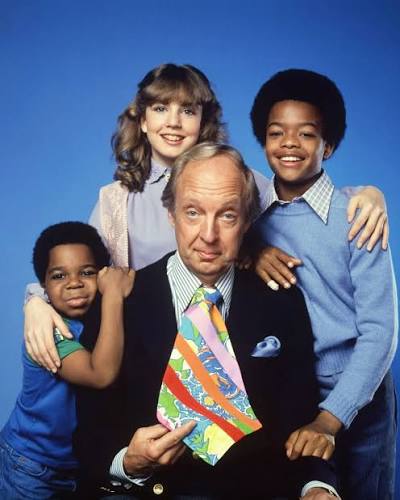
Philip Drummond with Arnold, Willis and Kimberly from Diff’rent Strokes
FAMILY FAVORITE

Diff’rent Strokes

The premise was unusual for network television: two brothers from Harlem joining the wealthy Drummond household on Park Avenue. The show used that new family to explore belonging, class differences and childhood misunderstandings, usually through broad comedy. Gary Coleman’s presence made it an immediate late-1970s phenomenon.

More of the story: Arnold and Willis entered the wealthy Drummond household with different expectations, while Kimberly and Mrs. Garrett helped turn the arrangement into a family rather than a permanent fish-out-of-water setup. Gary Coleman’s timing made Arnold the instant center of attention, but the series also became known for issue-driven episodes that tried—sometimes gracefully, sometimes with a very heavy hand—to speak directly to young viewers.

Why it still lands: The comedy was broad, but the household itself reflected a major change in television family structure. Arnold and Willis were not visitors; they became the center of a new family. At its best, the series used that setup to ask who gets to belong and what makes a home permanent.

CHANNEL15
Opening title from The Facts of Life
FAMILY FAVORITE

The Facts of Life

It began as a spin-off built around a housemother and a group of girls, then evolved into a show about the family people create away from home. Mrs. Garrett’s warmth and the girls’ sharply different personalities gave young viewers a dependable place to return each week. The series arrived at the decade’s end but carried its family-TV spirit forward.

More of the story: The Eastland school setting let Mrs. Garrett become a housemother to girls with very different personalities and backgrounds. Blair, Natalie and Tootie were present from the start, while the show’s later retooling and the arrival of Jo created the lineup most viewers remember. Although its lasting identity belongs largely to the 1980s, its 1979 debut makes it an important late signal of where family-friendly television was heading.

Why it still lands: The school setting gave the girls room to form a family largely on their own terms. Friendship, rivalry and guidance mattered as much as biology. Even in its earliest form, the appeal was clear: young women were allowed distinct personalities, mistakes and ambitions inside the same shared world.

CHANNEL16
Opening title from the television sitcom Alice
FAMILY FAVORITE

Alice

Alice Hyatt’s household did not end at her apartment door. Her son Tommy, the staff at Mel’s Diner and the friends she collected along the way formed a practical, working-class support system. The series understood that family could be biological, chosen or simply the people who showed up for your shift.

More of the story: Alice Hyatt’s trip west stalled in Phoenix, where a job at Mel’s Diner became the foundation for a new life with her son Tommy. Mel, Flo, Vera and the rest of the diner crew created a loud chosen family that could fight through an entire shift and still show up when somebody needed help. The series connected single-parent life with workplace comedy without making either side feel secondary.

Why it still lands: Mel’s Diner functioned as more than a workplace. It became the extra room where Alice, Flo, Vera and Mel carried frustrations they could not always solve at home. That chosen-family atmosphere gave the show warmth beneath the wisecracks and made the diner feel like a neighborhood institution.

CHANNEL17
Opening title from the high-school drama Room 222
FAMILY FAVORITE

Room 222

Set in a Los Angeles high school, Room 222 treated teachers, students and parents as members of one complicated community. It gave social issues room to breathe without abandoning character or warmth. Families could watch it together because the show respected both the adults making rules and the young people living under them.

More of the story: Room 222 centered on the students and staff of Walt Whitman High School, especially teacher Pete Dixon, counselor Liz McIntyre and principal Seymour Kaufman. The school functioned like a large, complicated family whose members did not always agree on what young people needed. By taking education, race, politics and generational conflict seriously, the series gave family audiences a way to discuss subjects that did not stop at the classroom door.

Why it still lands: By putting teachers, counselors and students in the same ongoing story, Room 222 treated school as a community rather than a collection of punchlines. The adults could learn, the students could challenge them, and family concerns followed everyone through the classroom door.

CHANNEL18
Opening title from Welcome Back, Kotter
FAMILY FAVORITE

Welcome Back, Kotter

The Sweathogs were not related by blood, but television rarely produced a more obvious substitute family. Kotter recognized intelligence and loyalty beneath the jokes, while the students turned detention-room chaos into belonging. The show’s catchphrases were famous; its affection for overlooked kids was the reason it lasted.

More of the story: Gabe Kotter returned to his old Brooklyn high school to teach the kind of students he had once been, creating a built-in bond with the Sweathogs. Vinnie Barbarino, Horshack, Washington and Epstein were comic types, but the show worked because Kotter saw ability beneath the performance. The catchphrases were everywhere, yet the deeper fantasy was that the teacher everyone needed might actually come back for them.

Why it still lands: The Sweathogs were exaggerated, but the bond between Kotter and his students gave the comedy a genuine center. He recognized their defenses because he had once used the same ones. That sense of being understood is what keeps the classroom from feeling like a simple parade of catchphrases.

CHANNEL19
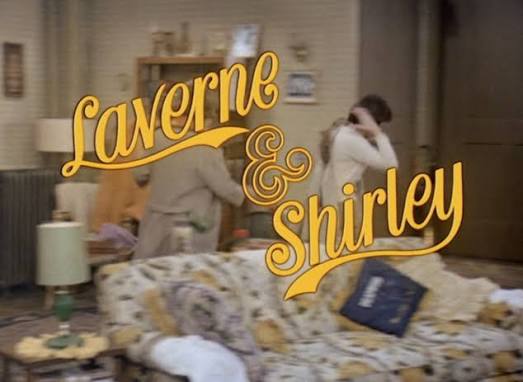
Opening title from Laverne & Shirley
FAMILY FAVORITE

Laverne & Shirley

Laverne and Shirley were roommates, co-workers and sisters in every way that mattered. Their Milwaukee circle turned working-class friendship into family comedy, complete with neighbors who never knocked and problems that arrived at full volume. It was not a traditional family series, but it absolutely felt like one.

More of the story: Laverne DeFazio and Shirley Feeney worked at the Shotz Brewery, shared an apartment and survived Milwaukee with help—or interference—from Lenny and Squiggy. Penny Marshall and Cindy Williams made the friendship feel physical, competitive and fiercely loyal. The show belongs on a family list because it understood that adulthood often begins with friends becoming the people who carry you through bad jobs, bad dates and very bad ideas.

Why it still lands: More than anything, this was a comedy about friendship as family. Laverne and Shirley could fight, embarrass one another and make terrible decisions, but neither had to face the fallout alone. That loyalty gave the slapstick weight and made the apartment feel as important as any traditional family home.

CHANNEL20
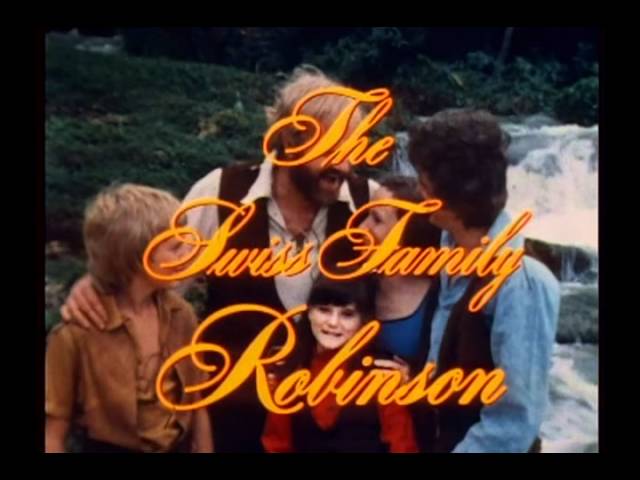
Opening title from The Swiss Family Robinson television series
FAMILY FAVORITE

The Swiss Family Robinson

This short-lived adventure series put family cooperation at the center of survival. Every shelter, danger and discovery required the Robinsons to work as a unit, giving children adventure while adults got a sturdy family drama. It never became a giant franchise, but it fit the decade’s appetite for wholesome escape.

More of the story: The Robinsons’ island life turned every episode into a lesson in cooperation: shelter, food, danger and discovery all required the family to combine skills. The survival setup gave younger viewers adventure while parents got a straightforward story about responsibility and self-reliance. It was never as culturally dominant as the shows above it, but its all-ages premise fit the family-hour idea almost perfectly.

Why it still lands: Its appeal came from watching a household turn danger into cooperation. Every new obstacle required the Robinsons to combine practical skills, patience and trust. The adventure mattered, but the deeper fantasy was that a family working together could build safety almost anywhere.

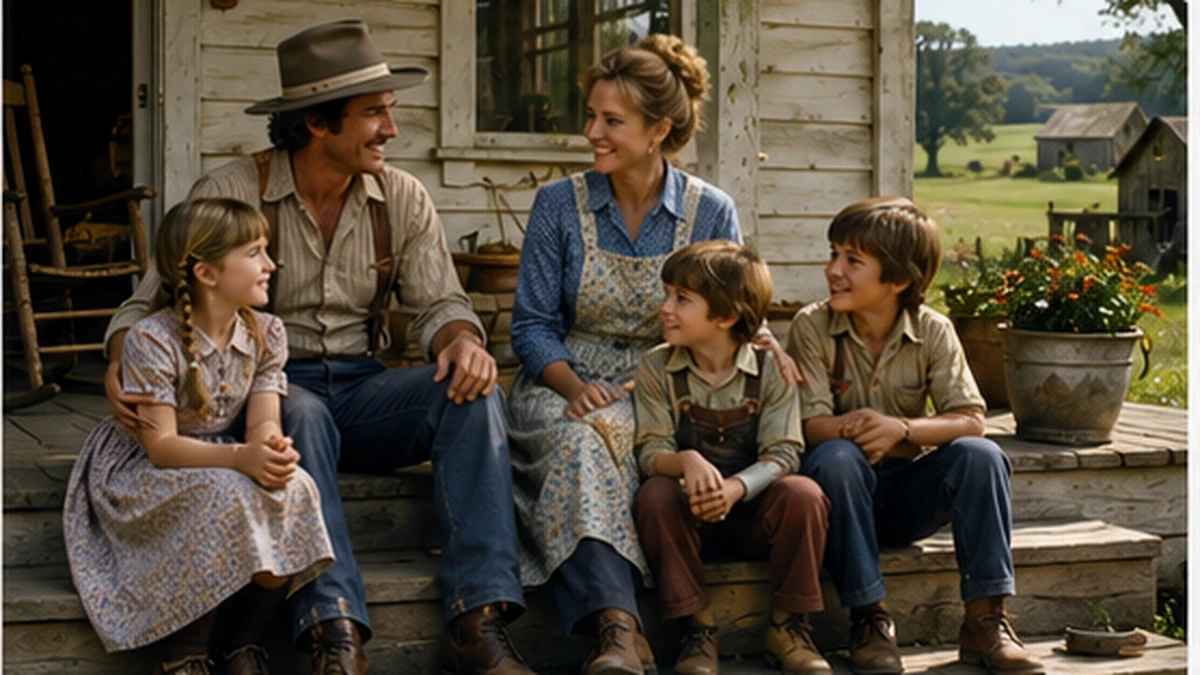
Rural family sitting together on the porch of a weathered farmhouse in the 1970s
Rural and small-town series turned hard work, open land and family loyalty into durable comfort television.
CHANNEL21
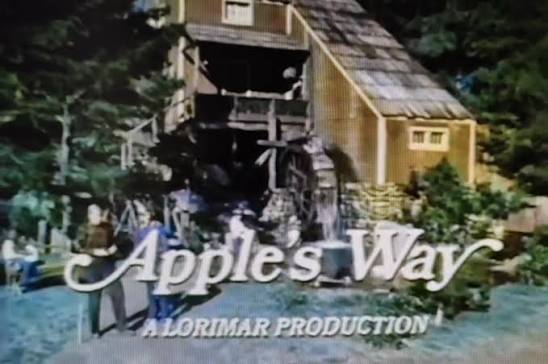
Opening title from Apple’s Way
DEEP CUT

Apple’s Way

A city family relocates to a small town hoping for a simpler life and discovers that scenery does not solve every problem. That tension gave Apple’s Way more bite than its wholesome surface suggested. The series belongs here because it treated family adjustment as a process, not a magical cure.

More of the story: The Apple family left Los Angeles for the father’s Iowa hometown expecting simplicity and instead found a community with its own tensions, obligations and secrets. That gap between the dream of small-town life and the reality gave the series more bite than its wholesome image suggested. Created by The Waltons’ Earl Hamner Jr., it carried a similar interest in place, memory and the pressure families put on one another.

Why it still lands: The show was earnest about the difficulty of starting over. The Apple family could not simply import an idealized past into a changing town; they had to decide what values were worth preserving and what habits needed to change. That tension gives the series more depth than its gentle reputation suggests.

CHANNEL22
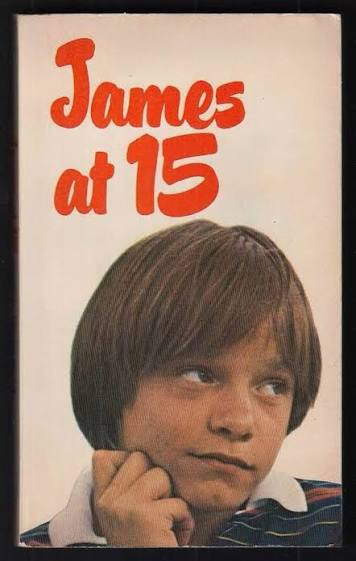
James Hunter in promotional artwork for James at 15
DEEP CUT

James at 15

James Hunter’s move to Boston gave the show a clear coming-of-age engine: new school, new friends, new pressures and no instruction manual. It took teenage uncertainty seriously and allowed family relationships to remain complicated. The result was thoughtful youth television that never talked down to its audience.

More of the story: James Hunter’s move to Boston gave the series a teenager’s-eye view of a new city, a new school and a family trying to adjust together. His interest in photography reinforced the sense that viewers were seeing the world through his frame. Lance Kerwin played uncertainty without turning James into a joke, and the title itself changed to James at 16 when the character reached his next birthday.

Why it still lands: James was allowed to be uncertain without being reduced to a punchline or a cautionary tale. The show treated teenage confusion as a real point of view, not background noise in an adult story. That seriousness is why it remains central to the decade’s teen and coming-of-age television.
CHANNEL23
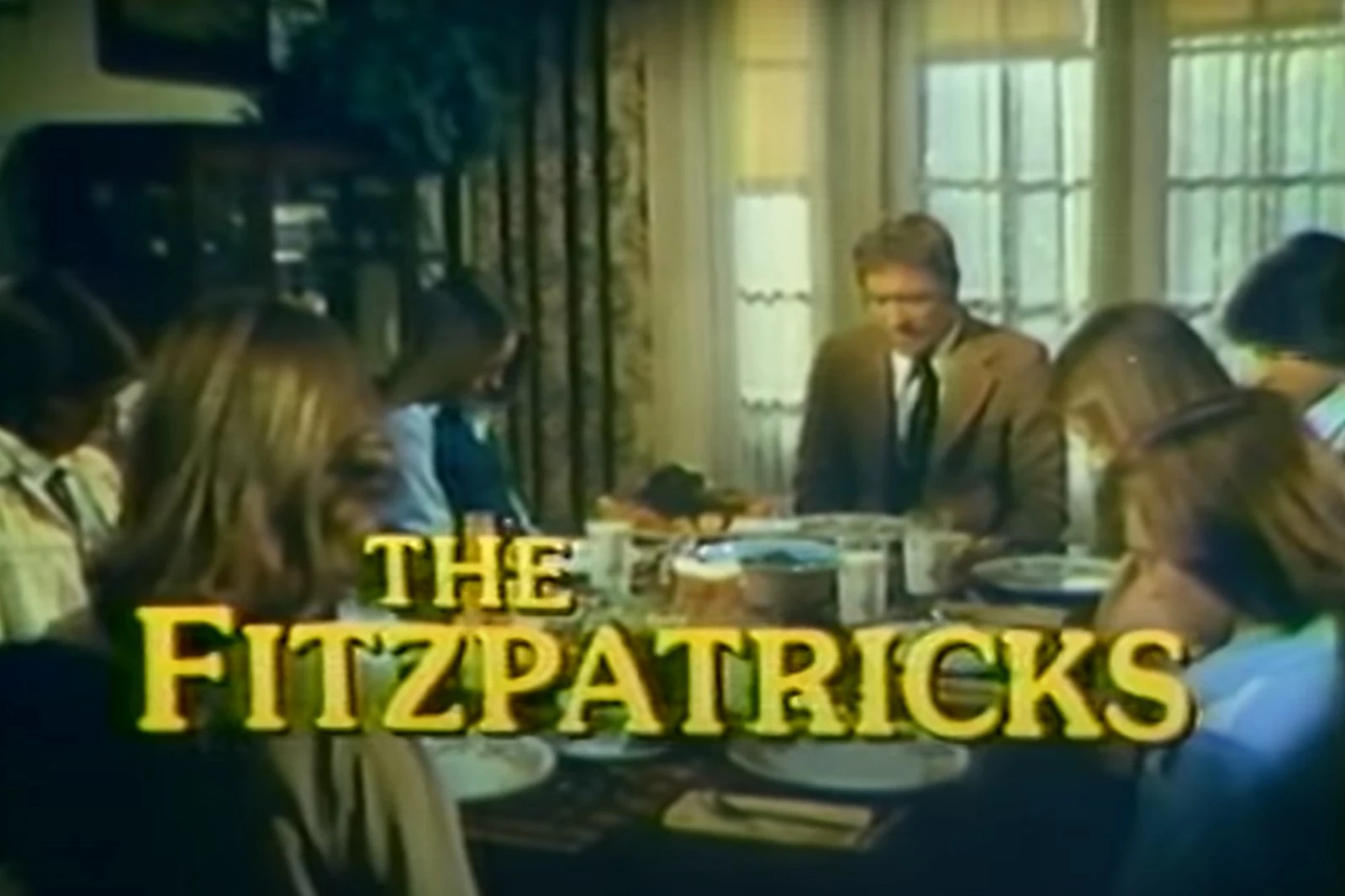
The Fitzpatrick family gathered at the breakfast table
DEEP CUT

The Fitzpatricks

The Fitzpatricks focused on a working-class family dealing with money, responsibility and sibling conflict without much decorative television gloss. Its grounded tone made the household feel recognizable, even when the drama was heavy. The series was brief, but it offered an honest alternative to the decade’s more polished families.

More of the story: The Fitzpatricks followed an Irish Catholic family of six in Flint, Michigan, where both parents worked and the children took part-time jobs to help a frequently strained household. The stories mixed school, first love and moral choices with the practical problem of making ends meet. Its short run prevented it from becoming a landmark, but the blue-collar specificity gives it unusual value as a snapshot of late-1970s family drama.

Why it still lands: Rather than treating teenagers as a single audience type, the series let the Fitzpatrick children want different things from school, work, romance and one another. The family could be loving without being harmonious, and that friction gave the quieter drama a believable pulse.

CHANNEL24
Opening title from The Bad News Bears television series
DEEP CUT

The Bad News Bears

The television version kept the movie’s ragged youth-team energy and turned a losing baseball club into a mismatched family. The players argued, the adults were imperfect and nobody looked ready for a motivational poster. That roughness was the appeal: teamwork arrived slowly and usually after somebody made things worse.

More of the story: Coach Buttermaker and his collection of misfit young players carried over the movie’s refusal to make youth sports look tidy. The team bickered, lost, embarrassed itself and slowly learned how to function together. In television form, the Bears became a weekly substitute family built through practice, frustration and loyalty—the rougher, less sentimental cousin of the decade’s inspirational sports stories.

Why it still lands: The mismatch between the team’s ambition and its actual ability made the comedy easy to enter, but the lasting appeal was the underdog family they formed. Players, parents and coach could all be difficult, yet the group kept returning because belonging mattered more than the scoreboard.

CHANNEL25
Opening title from the 1974 family drama The New Land
DEEP CUT

The New Land

An immigrant family trying to build a life in nineteenth-century America gave the series both historical scope and a strong domestic center. Survival, belonging and cultural adjustment were family problems before they were plot devices. Its short run did not erase the ambition of what it attempted.

More of the story: The New Land followed a Swedish immigrant family trying to establish a home in rural Minnesota in 1858. Survival depended on farming, endurance and learning how to belong in a country that was new to them in every sense. Loosely connected to the acclaimed films The Emigrants and The New Land, the series brought an immigrant-family perspective that was rare in network television, even if it disappeared before finding a large audience.

Why it still lands: Its obscurity is part of the fascination. The series belongs to a period when networks still gambled on serious family sagas built around migration, work and community rather than easy hooks. Even its brief run reflects how large the definition of family television once was.

CHANNEL26
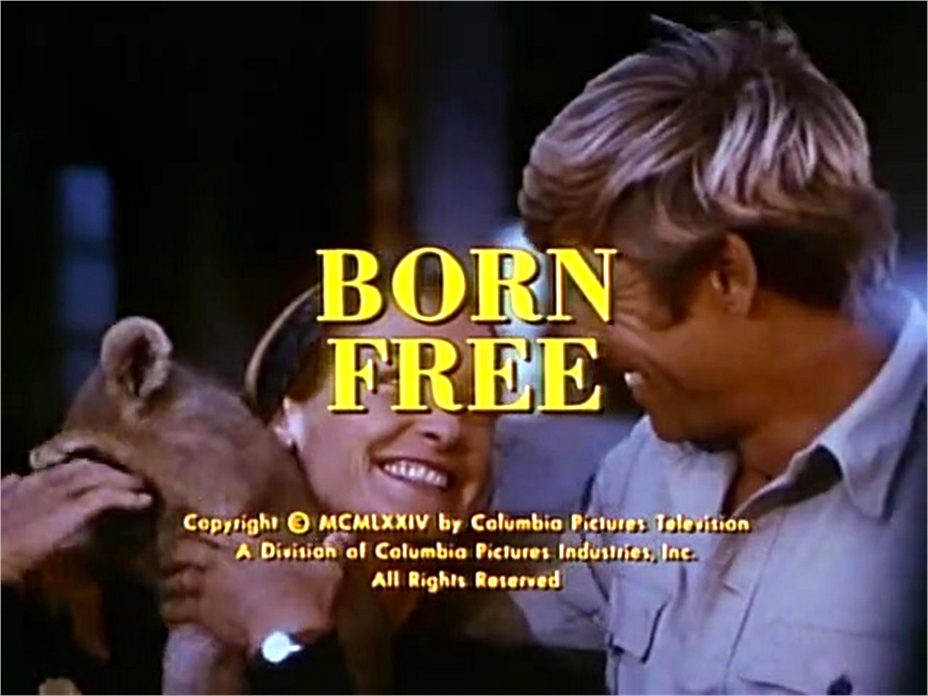
Opening title from the Born Free television series
DEEP CUT

Born Free

Born Free moved family adventure into wide-open landscapes where wildlife and human responsibility shared the story. The series offered danger without cynicism and conservation themes without turning every episode into a lecture. For 1970s families, it was the kind of program that made the living room feel temporarily larger.

More of the story: Gary Collins and Diana Muldaur played George and Joy Adamson, working to protect wildlife in Kenya while caring for Elsa the lioness. The series extended the emotional appeal of the book and film into weekly conservation stories involving poachers, injured animals and competing ideas about the natural world. Its brief run made it a deep cut, but the premise was built for parents and children to watch together.

Why it still lands: The show translated the emotional promise of the earlier story into weekly family viewing: people and animals can form bonds strong enough to change how both live. Its African setting offered visual escape, while the central relationships kept the adventure grounded in care rather than spectacle.

CHANNEL27
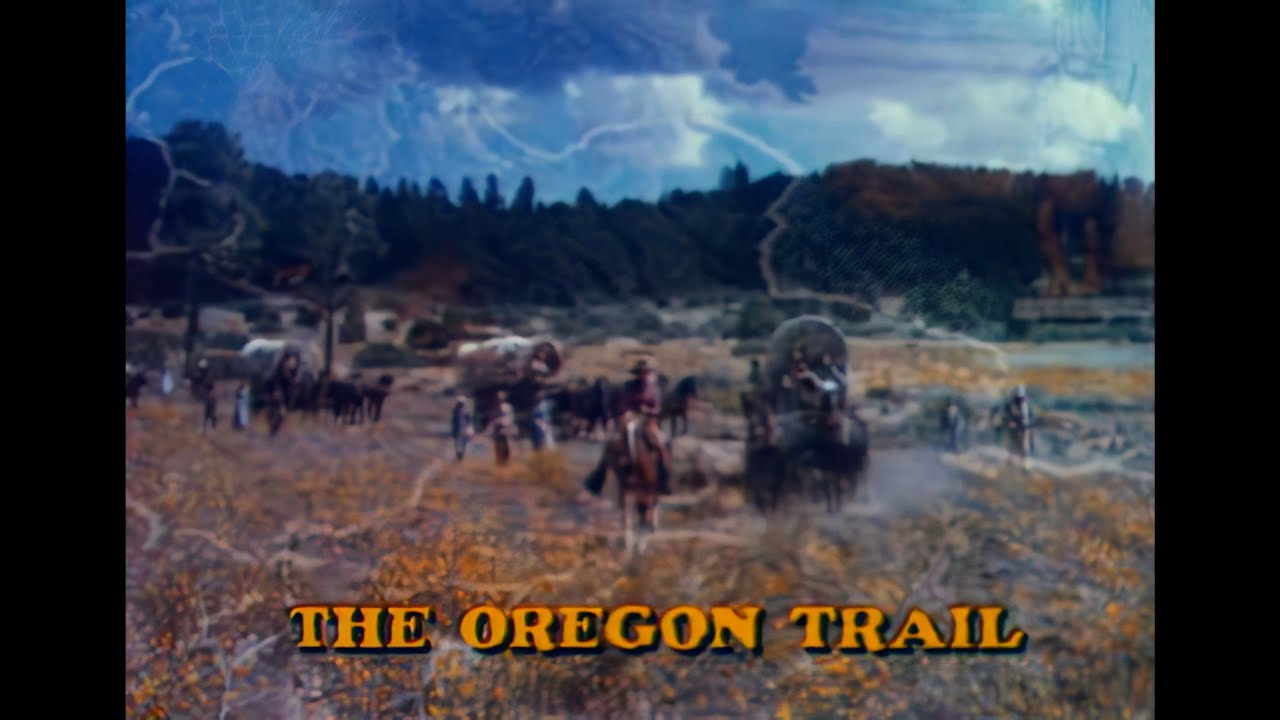
Wagon train and opening title from The Oregon Trail
DEEP CUT

The Oregon Trail

The western journey format made every episode a test of endurance, judgment and family loyalty. Food, weather, illness and distance mattered as much as villains. The series belonged to an older tradition of frontier television, but its emphasis on staying together made it natural family viewing.

More of the story: Rod Taylor played Evan Thorpe, a widowed father traveling west with his children and a small group of companions. The wagon-train format made danger unavoidable, but family responsibility remained the real engine of the story. Only a handful of episodes reached American television, which helps explain why the show feels less like a familiar rerun staple and more like a half-caught signal from the fall of 1977.

Why it still lands: The family was not merely traveling through the story; the journey continually tested what held them together. Every mile brought practical danger and moral pressure. That made the western setting feel less like scenery and more like a force reshaping the household.

CHANNEL28
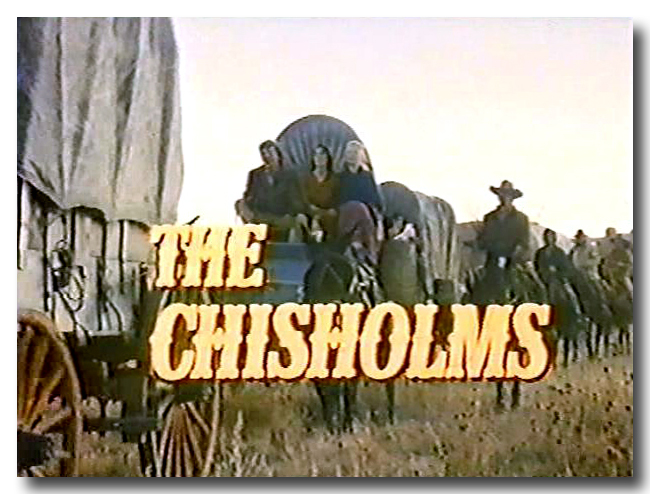
Wagon train and opening title from The Chisholms
DEEP CUT

The Chisholms

The Chisholms followed a family heading west through a country that did not care whether they were ready. The drama came from danger, loss and the strain of keeping a household intact on the move. It was a family saga first and a western second.

More of the story: The Chisholms began as a four-part CBS miniseries about a Virginia family heading west in 1844, with Robert Preston giving the original production a sturdy patriarchal center. The journey forced the family to face loss, violence and the practical cost of starting over. Its continuation into 1980 complicates its decade label, but the 1979 miniseries firmly belongs to the late-70s appetite for sweeping family sagas.

Why it still lands: The long-form journey allowed the family’s losses and decisions to accumulate instead of disappearing at the end of an episode. That continuity made westward travel feel costly. The Chisholms earned their place by treating the frontier as a family ordeal rather than a weekly playground.

CHANNEL29
Opening title from How the West Was Won
DEEP CUT

How the West Was Won

Large in scale and serious in tone, How the West Was Won made the Macahan family the thread holding its frontier stories together. The series offered adventure, conflict and sweeping scenery, but the emotional stakes were usually domestic. That combination made it an event families could gather around.

More of the story: James Arness anchored the story as mountain man Zeb Macahan, who became protector and guide to his brother’s children as the Civil War disrupted the family’s plan to move west. The television format allowed the Macahans to develop across a film, miniseries and regular episodes rather than racing through frontier history. That scale made the program feel like a household event instead of an ordinary weekly western.

Why it still lands: It gave the family saga the scale of an event movie without losing the intimate question underneath: how do people remain connected when history keeps pulling them apart? The answer was never simple, which gave the Macahan story a seriousness that ordinary western adventures rarely reached.

CHANNEL30
The Baxter family in the opening title for The Baxters
DEEP CUT

The Baxters

The Baxters built episodes around family disagreement, then invited viewers to think about the choices instead of merely waiting for a punchline. Its discussion-oriented format now feels like a time capsule, but it also shows how seriously television once took the idea of a family audience.

More of the story: The Baxters was unusual because the family story was only the first half of the program. After the scripted dilemma, a studio discussion invited people to debate the issue raised by the episode. The format could feel more like a community meeting than a sitcom, but that was the point: the show treated the television audience as part of the family argument rather than passive observers waiting for the laugh track.

Why it still lands: The format feels unusual now because it expected the audience to continue the argument after the scripted portion ended. That made viewing participatory in a way most family sitcoms never attempted. The Baxters was less about delivering answers than about making the household discuss the question.

CHANNEL31
Donny and Marie Osmond in the Donny & Marie television opening
DEEP CUT

Donny & Marie

Donny and Marie Osmond turned sibling chemistry into a polished weekly package of songs, sketches and harmless teasing. The show was designed for the entire household, right down to the matching costumes and clean-cut variety format. It was glossy, corny and completely at home in the 1970s.

More of the story: Donny and Marie’s brother-sister banter gave the variety show a built-in family dynamic before the guest stars, songs and sketches even began. The production leaned into costumes, themed numbers and the kind of polished wholesomeness networks still believed could unite the entire household. Whether viewers found it charming or unbearably square, it remains one of the clearest examples of 1970s family entertainment operating at full volume.

Why it still lands: The key was that Donny and Marie never seemed interchangeable. Their contrasting personalities gave the polished production a human center, and the sibling teasing kept the wholesomeness from becoming completely airless. The show sold family harmony while wisely leaving room for a little irritation.

CHANNEL32
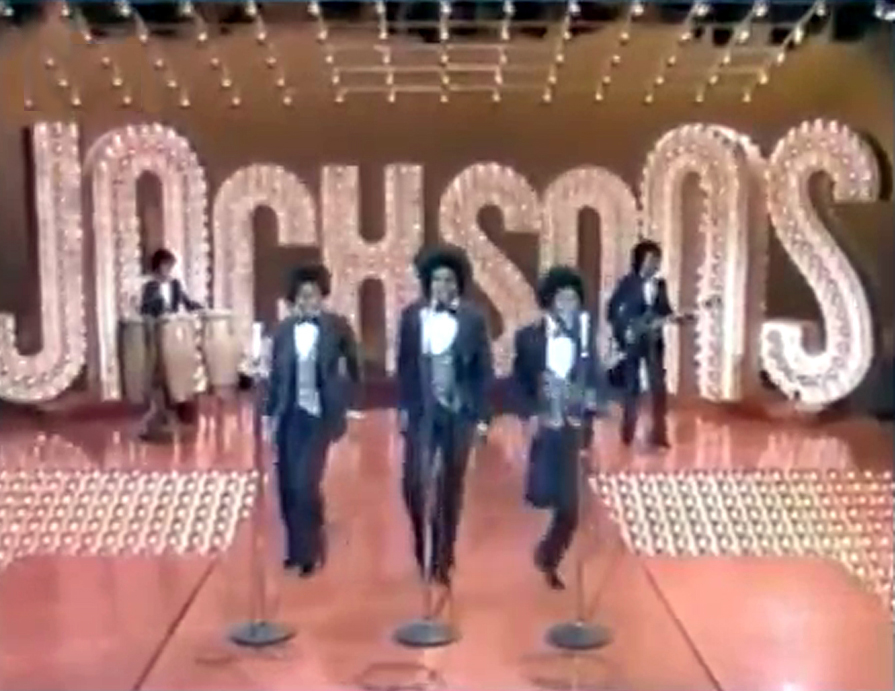
The Jacksons performing on their 1970s variety show
DEEP CUT

The Jacksons

The Jackson family brought real pop-star electricity to the television variety format. Music was the main attraction, but sibling interplay gave the show its family identity. It captured a moment when a network could build an evening around songs, comedy sketches and the appeal of seeing a famous family together.

More of the story: The Jacksons put Michael, Jackie, Tito, Marlon and Randy into a television-variety setting, with sisters including Rebbie, La Toya and Janet appearing as well. The family’s performance discipline gave the musical numbers real electricity, while the sketch-comedy format placed them inside the same glossy machinery used by other network variety shows. It was brief, but historically important and unmistakably tied to the decade’s family-band boom.

Why it still lands: Unlike a fictional television family, the Jacksons arrived with real history, talent and sibling dynamics already attached. That gave even the most manufactured sketches an extra charge. Viewers were not simply watching performers play relatives; they were watching a famous family negotiate the spotlight together.

CHANNEL33
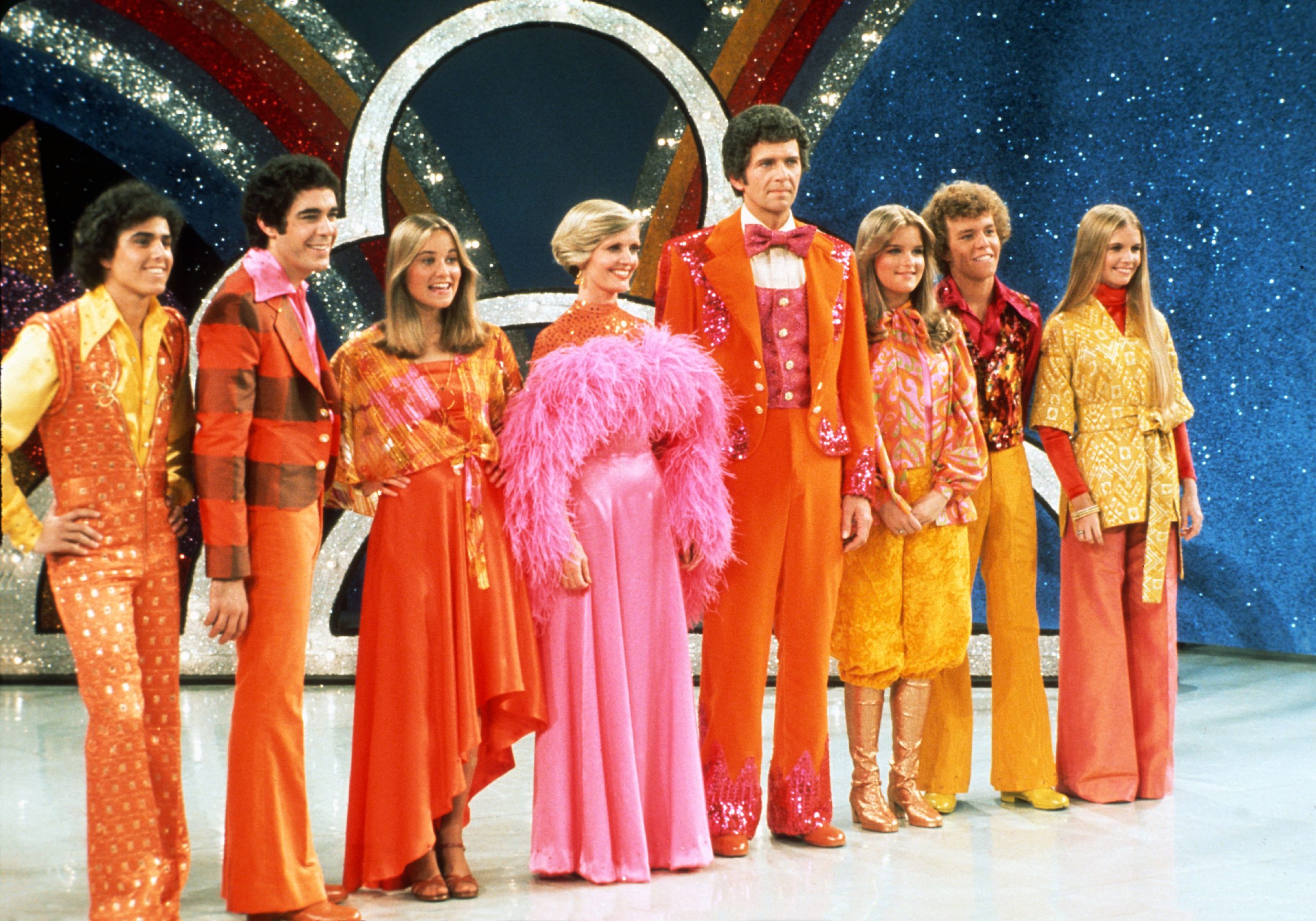
The Brady Bunch Hour cast in colorful variety-show costumes
DEEP CUT

The Brady Bunch Hour

This famously strange variety experiment put the Brady family into musical numbers, comedy sketches and a set dominated by an enormous swimming pool. It was not the family’s finest hour, but it may have been their most unmistakably 1970s one. As a cultural artifact, it is almost impossible to top.

More of the story: Produced with the over-the-top instincts of Sid and Marty Krofft, The Brady Bunch Hour relocated the family into a variety-show fantasy complete with songs, sketches, dancers and the infamous swimming-pool set. Eve Plumb did not return, leaving ‘Fake Jan’ Geri Reischl to join the spectacle. The result is less a continuation of the sitcom than a glitter-covered document of how confidently 1970s television could make a terrible idea unforgettable.

Why it still lands: Its low ranking is not a dismissal so much as an admission that the show works best as glorious evidence. It captures the exact moment when network confidence, variety-show excess and Brady nostalgia collided. The result may be awkward, but it is never anonymous.

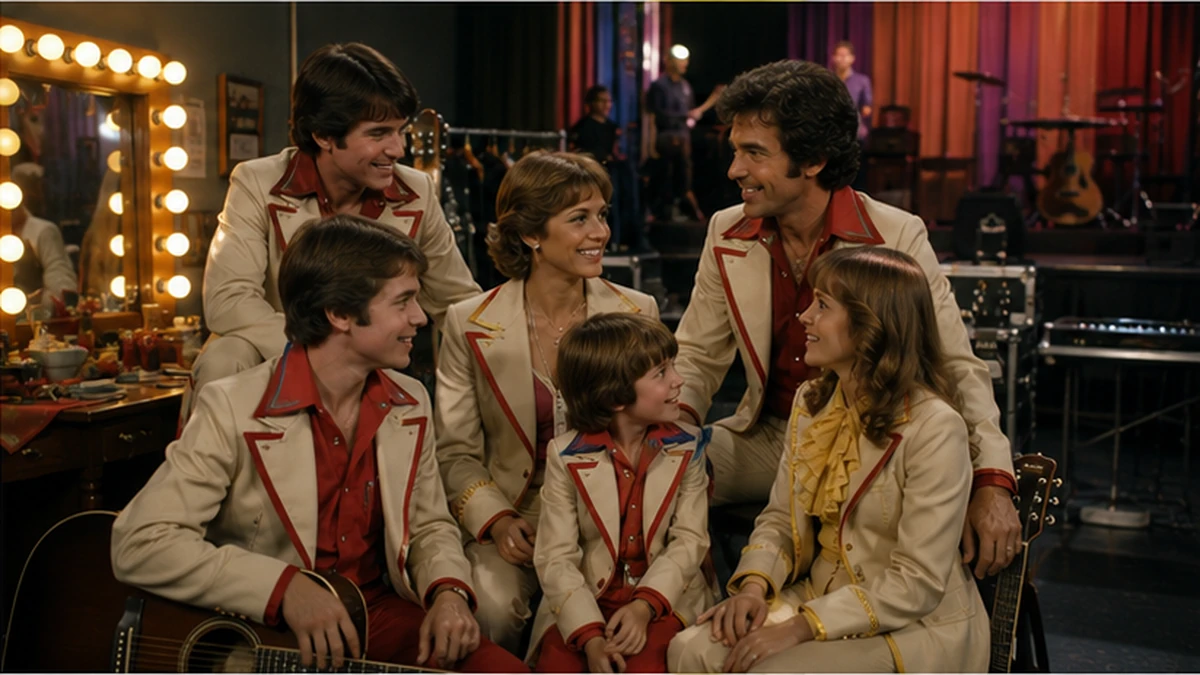
Musical family relaxing backstage before a 1970s television variety performance
Musical families carried sibling chemistry, matching outfits and record-store crossover into the living room.
CHANNEL34
Opening title from The New Adventures of Heidi
LOST SIGNAL

The New Adventures of Heidi

This reworking of the familiar Heidi story used family separation, resilience and belonging as the heart of its adventure. The series was aimed squarely at younger viewers but carried enough emotional seriousness for adults watching nearby. It represents the softer side of 1970s family programming.

More of the story: This updated Heidi story moved the familiar orphan into a contemporary family adventure built around separation, trust and the search for belonging. It did not have the cultural reach of the better-known literary adaptations on the list, but it fit the era’s willingness to turn classic children’s stories into gentle prime-time material. Today it survives mainly as one of those titles that can unlock a very specific childhood memory.

Why it still lands: For younger viewers, the story offered the reassurance that displacement did not have to erase identity. Heidi’s circumstances changed, but her need for affection, stability and belonging remained clear. That emotional simplicity is what gave the brief series its family-viewing value.

CHANNEL35
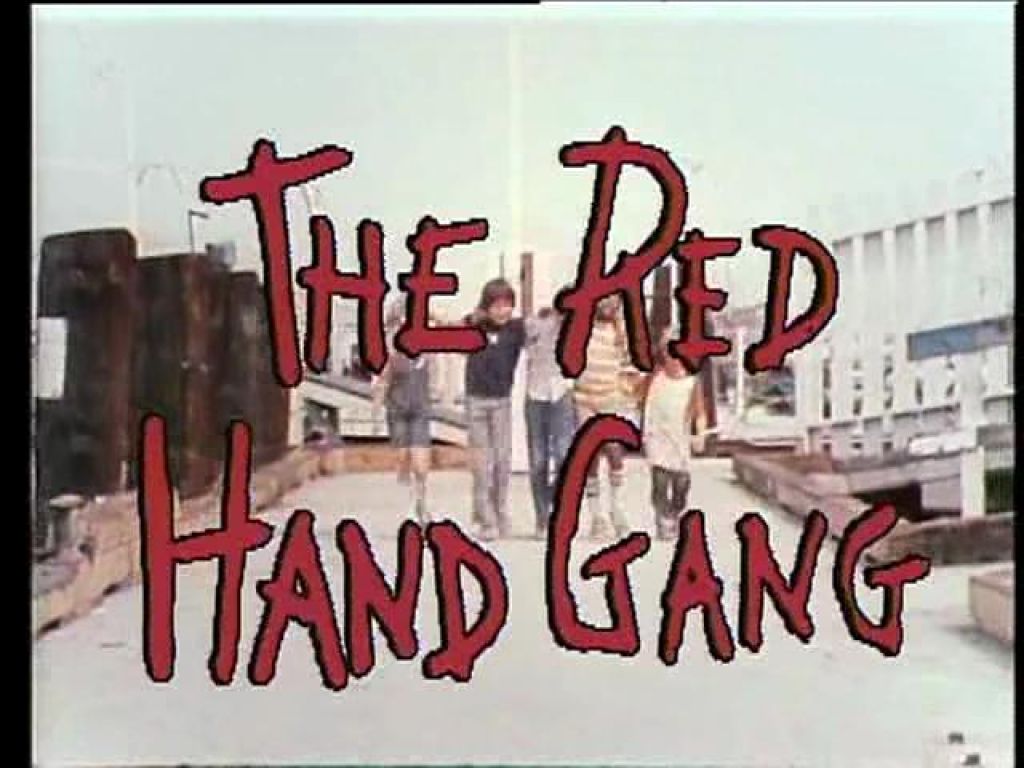
Opening title from The Red Hand Gang
LOST SIGNAL

The Red Hand Gang

A group of city kids solving mysteries gave young viewers heroes close to their own age. The show emphasized teamwork, nerve and friendship rather than adult rescue arriving on schedule. It was brief, energetic and exactly the kind of Saturday viewing that could turn into a childhood memory.

More of the story: The Red Hand Gang followed five city kids and a dog as they stumbled into mysteries and criminal schemes adults had failed to notice. The young heroes solved problems through observation, nerve and teamwork, giving children a rare chance to watch kids drive the action. Its run was short, but the combination of urban adventure and Saturday-morning energy makes it exactly the kind of forgotten show people are thrilled to rediscover.

Why it still lands: The series trusted children to be capable before adults recognized the danger. That was an irresistible setup for young viewers, who got to imagine that attention, loyalty and nerve could matter more than age. The gang’s teamwork turned every mystery into a small declaration of independence.

CHANNEL36
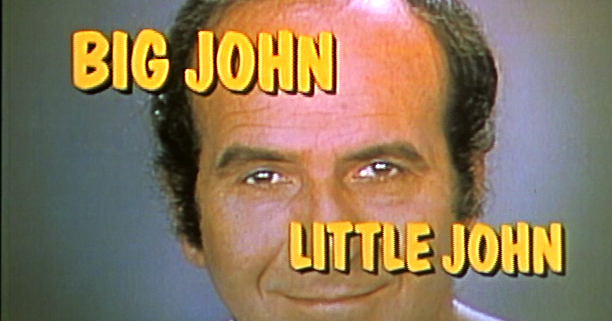
Opening title from Big John, Little John
LOST SIGNAL

Big John, Little John

A fountain-of-youth accident causes a middle-aged teacher to switch unpredictably between adulthood and boyhood. The premise was pure 1970s weirdness, but it created a playful way to compare how children and adults are treated. Family television was rarely more literal about seeing life from both sides.

More of the story: Herb Edelman played a middle-aged science teacher who periodically transformed into a twelve-year-old version of himself, played by Robbie Rist, after drinking from a fountain of youth. That setup created comic problems at work and at home, but it also let the show compare childhood and adulthood from both directions. It was a wonderfully strange premise even by 1970s standards, which is precisely why anyone who saw it tends to remember it.

Why it still lands: Under the transformation gimmick was a familiar family question: how differently would adults behave if they had to experience childhood again? The show answered with broad comedy, but the premise carried a real wish for mutual understanding between generations.

CHANNEL37
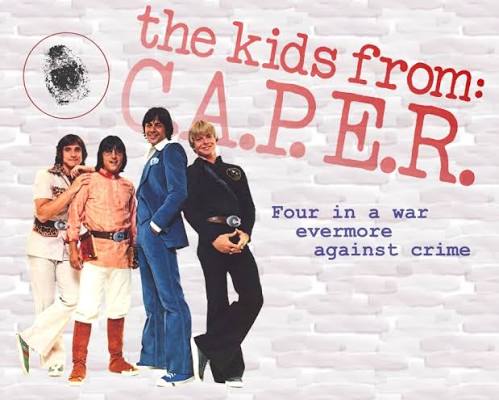
The young cast in promotional artwork for The Kids From C.A.P.E.R.
LOST SIGNAL

The Kids From C.A.P.E.R.

Part junior spy spoof, part musical comedy and part Saturday-morning fever dream, The Kids From C.A.P.E.R. was never in danger of being ordinary. Its young heroes worked as a team, solved problems and occasionally burst into song. The show earns a place for pure period personality.

More of the story: The Kids From C.A.P.E.R. mixed a teenage crime-fighting team with comedy, music and brightly colored action. The four young heroes had specialized personalities and operated in a world that felt halfway between a spy spoof and a live-action cartoon. It never found a lasting audience, but its cheerful refusal to choose one genre makes it a perfect example of the decade’s experimental children’s television.
Why it still lands: It belongs because it preserves a kind of cheerful television excess that no sensible development meeting would approve today. Music, espionage, comedy and youth adventure all competed for the same half hour. The confusion was not beside the point; it was the show’s personality.

CHANNEL38
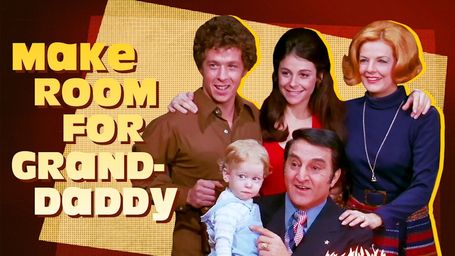
The family cast of Make Room for Granddaddy
LOST SIGNAL

Make Room for Granddaddy

Danny Thomas returned to family comedy with the household dynamics shifted toward grandchildren and generational friction. The show carried an older sitcom style into the new decade, making it a bridge between television eras. Its appeal rested on familiar rhythms and the comedy of a family still adjusting to one another.

More of the story: Danny Thomas returned as entertainer Danny Williams, now dealing with grandchildren and the generational friction that came with an older family. The series updated the domestic setup of Make Room for Daddy without abandoning its traditional rhythms. It feels like television from an earlier era walking into the 1970s and discovering that the children had grown up, the household had changed and grandparenthood created a new supply of arguments.

Why it still lands: The generational setup gave the comedy a built-in contrast between familiar authority and changing family expectations. Danny was no longer simply raising children; he was learning how to stay involved without controlling the next generation. That adjustment made the revival more interesting than a straight repeat.
CHANNEL39
Opening title from Nanny and the Professor
LOST SIGNAL

Nanny and the Professor

Phoebe Figalilly brought mystery, calm and a hint of magic into Professor Everett’s household. The series never explained her completely, which was part of the charm. Children got whimsy; adults got a warm domestic comedy built around the fantasy that the right person could quietly bring order to family chaos.

More of the story: Phoebe Figalilly entered Professor Harold Everett’s home to care for his three children and immediately seemed to know what everyone needed before they did. The show kept her possible magic deliberately vague, allowing coincidence, intuition and fantasy to occupy the same room. Juliet Mills and Richard Long gave the premise enough warmth that the mystery never overwhelmed the family comedy.

Why it still lands: The lack of explanation was the secret. Phoebe could be magical, unusually perceptive or simply better at reading people than everyone around her. By refusing to settle the question, the series let children and adults watch the same events through different lenses.

CHANNEL40
Opening title from The New Dick Van Dyke Show
LOST SIGNAL

The New Dick Van Dyke Show

Dick Preston’s television career supplied the workplace comedy, but home life gave the series its steadier center. The show was more conventional than many programs above it, yet its balance of marriage, parenting and professional frustration made it dependable family-era viewing. It closes the list as a solid piece of the decade’s texture.

More of the story: Dick Van Dyke played Dick Preston, a television personality balancing professional headaches with marriage and parenthood, opposite Hope Lange as his wife Jenny. The setting and supporting cast changed during the run, which kept the series from developing the single clear identity of Van Dyke’s earlier classic. Even so, his physical timing and easy family chemistry made it a polished, dependable bridge between older domestic sitcoms and the looser 1970s style.

Why it still lands: It may not have the instant identity of Van Dyke’s earlier series, but its ordinary professionalism is part of the appeal. The show reflects a decade full of competent family sitcoms that were neither disasters nor sensations—just dependable weekly company that quietly filled the schedule.

Questions From the Living Room

Questions About 1970s Family Television

The quick answers to the questions people still ask about shared family viewing in the 1970s.

What were the best 70s family TV shows?

The Waltons, Little House on the Prairie, The Brady Bunch, Eight Is Enough, Good Times, The Jeffersons, One Day at a Time, The Partridge Family, Family and The Courtship of Eddie’s Father make up this ranking’s top ten.
What made a show family viewing in the 1970s?

Family viewing did not mean the program was made only for children. It meant several generations could find something in it—a character, a joke, a problem or a story—while watching the household’s main television together.
Which 1970s shows featured changing family structures?

The Brady Bunch centered a blended family, One Day at a Time followed a divorced mother and her daughters, The Courtship of Eddie’s Father featured a single dad, and Diff’rent Strokes built an adoptive household. The full shift is explored in How the Television Family Changed During the 1970s.

Which 70s family shows were also sitcoms?

The Brady Bunch, Good Times, The Jeffersons, One Day at a Time, The Partridge Family, Happy Days, What’s Happening!!, Diff’rent Strokes and Alice all overlap strongly with the decade’s best 1970s sitcoms.

What were the best comfort TV shows of the 1970s?

The Waltons, Little House on the Prairie, The Life and Times of Grizzly Adams, Apple’s Way and The Swiss Family Robinson are among the strongest comfort-viewing choices here. More of that warm, weathered side of the decade appears in our guide to rural and small-town 1970s television.

How did we rank these 1970s family shows?

We weighed family focus, writing, characters, cultural influence, staying power, shared-viewing appeal and how strongly each show brings back the television experience of the 1970s. Ratings mattered, but so did the shows Gen X actually carried into reruns, school conversations and adulthood.

Keep the Set Warm

Keep Watching 1970s Television

Move from family night into comedy, crime, Saturday morning and the opening themes that could pull everybody back into the room.

How this ranking works: Family focus, writing, characters, cultural influence, staying power and shared-viewing memory all count. It is not a Nielsen chart, and no laboratory equipment was harmed while deciding whether the Bradys belong above the Bradfords.

Get the Weekly Gen X Drop

New videos, rewinds, and savage nostalgia — first.

SUBSCRIBE WATCH VIDEOS

MORE REWINDS