Missy Elliott and Late-90s Hip-Hop Weirdness
Missy Elliott made late-90s hip-hop feel like someone rewired the whole decade with a fish-eye lens, a trash-bag suit, Timbaland drums, cartoon confidence, R&B hooks, alien funk, and zero interest in looking normal for anybody’s comfort. Supa Dupa Fly did not just introduce a new rapper. It introduced a new temperature. By the time Missy moved through “The Rain,” “Sock It 2 Me,” “She’s a Bitch,” “Hot Boyz,” MTV rotation, radio crossover, and the whole glossy end-of-the-millennium circus, mainstream rap had learned something dangerous: weird could win.
Missy Elliott mattered because she made late-90s hip-hop futuristic, funny, surreal, body-positive, video-driven, and musically strange without losing radio power. With Timbaland’s sideways production, Hype Williams’ visual imagination, Supa Dupa Fly, Da Real World, “The Rain,” “Sock It 2 Me,” “She’s a Bitch,” and “Hot Boyz,” Missy turned weirdness into mainstream authority. Her story connects directly to Women of 90s Hip-Hop, Hip-Hop on MTV in the 90s, 90s Rap Radio Crossover, and the wider 90s Hip-Hop and Rap story.
Missy Elliott Made Weirdness Feel Like the Future, Not a Side Quest
Missy Elliott did not enter late-90s hip-hop politely. She did not knock, wait for approval, and ask if the room had space for one more rapper. She arrived like the room itself had been built wrong and needed to be bent into a better shape.
By the late 90s, hip-hop was huge, and huge things usually attract rules. Radio wanted hooks. Labels wanted marketable images. MTV wanted videos that could hold attention for four minutes before somebody flipped to a game show, a boy band, or a commercial for a product that promised frosted tips could solve your life. The industry had categories ready: street rapper, party rapper, shiny rapper, conscious rapper, sex-symbol rapper, R&B crossover rapper. Missy looked at those boxes and basically turned them into furniture.
That is why her place inside 90s Hip-Hop and Rap matters so much. The decade was already expanding through regions, subgenres, videos, fashion, radio, and album culture. But Missy expanded the emotional and visual language of rap. She made room for surreal humor, strange body movement, cartoon confidence, futuristic production, plus-size style, and videos that looked like your TV had taken something and decided to become art.
Missy’s late-90s run also arrived after Lauryn Hill, the Fugees, and Hip-Hop Soul had shown how rap, R&B, reggae, soul, and emotional authority could overlap. Lauryn made vulnerability and range feel massive. Missy took another route: humor, strangeness, body language, production weirdness, visual shock, and hooks that sounded like they had been smuggled in from tomorrow.
She did not sound like East Coast Hip-Hop in the 90s, even though she understood rap craft. She did not sound like West Coast Hip-Hop in the 90s, even though her records had enough bounce to make cars move. She did not sound like the Shiny Suit Era of Late-90s Rap exactly, even though her videos were big, glossy, expensive-looking, and impossible to ignore. Missy was adjacent to several late-90s trends and still somehow outside all of them. That is a rare trick. Most people who try to be “outside the box” just end up wearing a weird hat and annoying everybody.
The key was that Missy’s weirdness was musical. It was not random decoration. Timbaland’s production left empty spaces where other producers would have panicked and added strings, cymbals, explosions, and possibly a choir. Missy knew how to live inside those gaps. She turned pauses into jokes. She turned sound effects into rhythm. She turned hooks into playground chants from another planet.
Missy was also crucial to Women of 90s Hip-Hop because she gave the decade another model of female rap stardom. She did not have to fit the glam-sex-symbol box, the hard-only box, the conscious-only box, or the singer-who-raps-a-little box. She could be funny, sexy, strange, commanding, playful, stylish, and musically brilliant without shrinking herself into the version the industry already knew how to sell.
That is why Missy’s late-90s work still feels alive. It does not sound like an artist trying to keep up with the future. It sounds like an artist building the future out of drums, breath, rubber suits, empty space, cartoon logic, and a grin wide enough to make the entire decade nervous.
Late-90s Hip-Hop Was Already Huge — Missy Made It Stranger
Missy did not arrive during a quiet era. She arrived when hip-hop was exploding into radio, MTV, fashion, pop culture, and everybody’s CD binder. That made her weirdness even louder.
To understand why Missy felt so different, you have to remember the room she walked into. The late 90s were not short on rap spectacle. Bad Boy was turning hip-hop into glossy pop theater. Death Row’s shadow was still hanging over the decade. Southern rap was gathering force. East Coast lyricism still mattered. West Coast style still traveled. Rap and R&B were constantly crossing wires. MTV had made the music video a full-contact sport.
The whole decade had been building toward this. Early-90s rap had fought for space. Mid-90s rap had fractured into scenes, sounds, and huge personalities. By 1997, the question was no longer whether hip-hop could become mainstream. It already had. The question was what kind of mainstream it would become.
That is where Missy becomes essential. Some artists answered mainstream success by getting glossier. Some got harder. Some got more expensive. Some leaned into pop hooks. Missy got more surreal. She made records that could live beside 90s Rap Radio Crossover without behaving like standard radio product. She made videos that belonged inside Hip-Hop on MTV in the 90s while still looking like they came from a private dream journal with a budget.
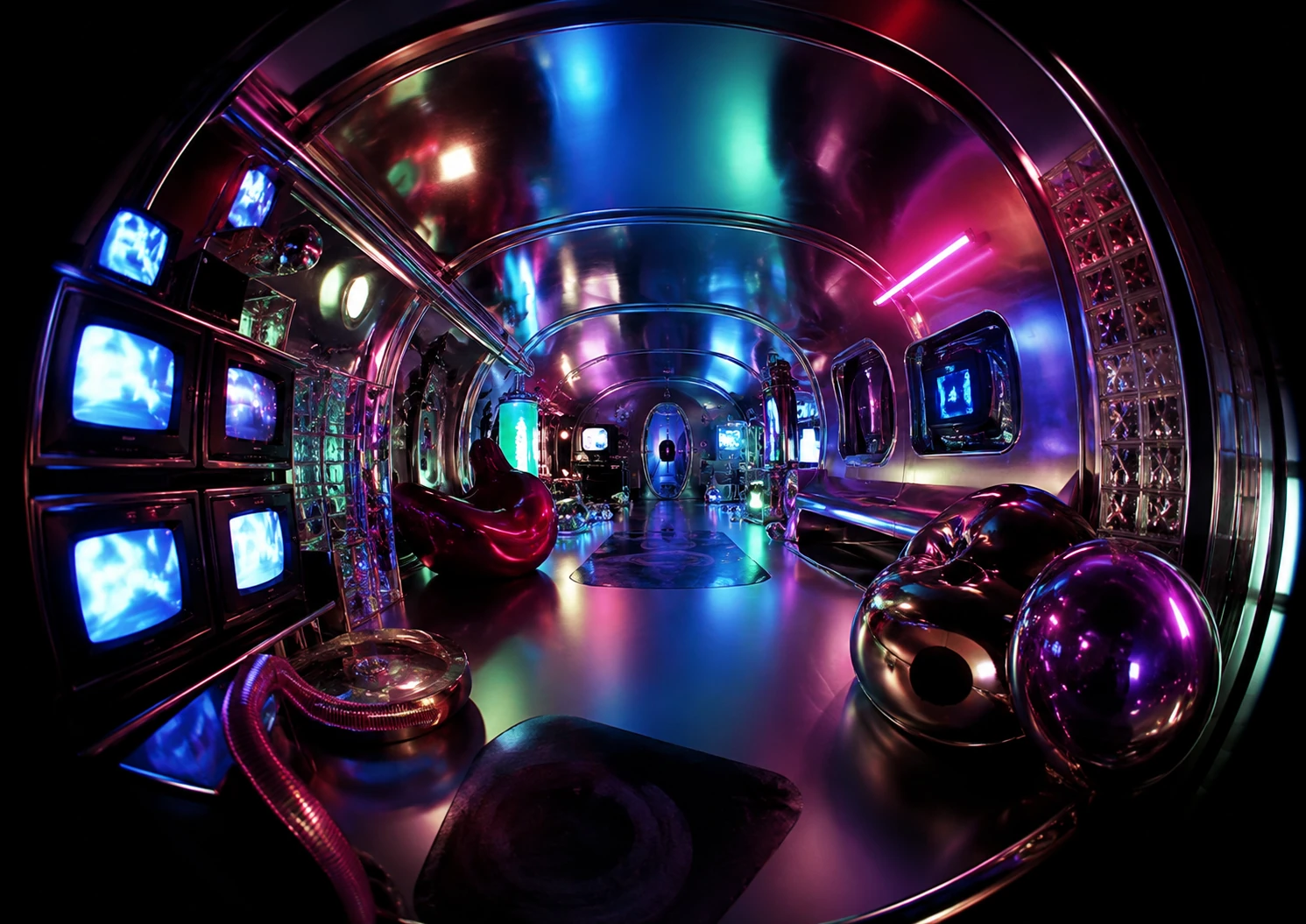
The late 90s were also obsessed with the future. Everybody could feel the millennium coming. Chrome was everywhere. Digital effects were getting weirder. Videos had tunnels, lenses, leather, lights, silver rooms, fish-eye distortion, and people pretending the year 2000 was going to arrive with a personal spaceship and matching sunglasses. A lot of that looks hilarious now. Missy’s version aged better because she was never trying to look realistic. She was already making cartoons out of the future.
She also arrived during a moment when 90s Music had stopped respecting walls. Rap had R&B hooks. R&B had rap drums. Pop had hip-hop remixes. Rock videos had hip-hop camera language. Dance records were everywhere. Everything was leaking into everything else. Missy did not just participate in that leak. She turned the leak into a fountain.
The result was a late-90s run that felt both completely of its time and ahead of it. Missy had the glossy video presence of the era, the rap/R&B crossover instincts of the era, the CD-era album ambition of the era, and the futuristic anxiety of the era — but she rearranged all of it into something more playful, stranger, and harder to copy.
Before Supa Dupa Fly, Missy Was Already Rewiring R&B From the Inside
Missy did not come out of nowhere. Before the solo videos blew everybody’s hair backward, she was already writing, arranging, producing ideas, and shaping the rap/R&B world around her.
The Pen Was Already Dangerous
Before the solo spotlight, Missy was building hooks, concepts, attitude, and R&B weirdness behind the scenes.
Missy Elliott’s solo debut felt sudden if you were only watching the TV screen in 1997. But behind the scenes, she had already been part of the machinery changing 90s R&B and hip-hop-adjacent pop. She was not some random novelty act who showed up in a giant inflated suit and got lucky. She had been sharpening the tools.
The Virginia creative orbit around Missy and Timbaland mattered because it did not sound like the usual New York or Los Angeles pipeline. That alone was important. The 90s were full of regional identity: East Coast Hip-Hop in the 90s, West Coast Hip-Hop in the 90s, and the rise of Southern Hip-Hop in the 90s all showed that rap was no longer one city’s conversation. Missy and Timbaland added another kind of regional weirdness: studio-lab Virginia funk.
Missy’s writing and production instincts helped shape the R&B side of the decade before casual listeners fully knew her face. She understood how a hook could be simple and strange at the same time. She understood that rhythm was not just drums; it was how a voice chopped, paused, whispered, stretched, laughed, and landed. She understood that a song could feel playful without being disposable.
That matters because the late 90s were a golden age for rap and R&B collisions. The earlier groundwork of New Jack Swing, Rap, and R&B in the 90s had already made those worlds comfortable together. Lauryn Hill and the Fugees had made hip-hop soul emotionally massive. Missy’s lane was different. She made the crossover stranger, funkier, more futuristic, and more rhythmically elastic.
She also had the advantage of thinking like a songwriter and a performer at the same time. Some rappers write bars and then look for a hook. Some singers find the melody and let the track decorate it. Missy heard the whole machine. She could write the chant, the rap, the bridge, the sound effect, the attitude, the video concept energy, and the part that made the school hallway repeat it until every adult begged for silence.
By the time she stepped fully into the spotlight, she had already learned how to make music that felt both accessible and bizarre. That is the trick. Bizarre by itself is easy. Just make something unlistenable and tell everyone they do not “get it.” Accessible by itself is easy too. Just sand off every edge until the song has the personality of a waiting room. Missy did both. She made weird stick.
Hooks with strange fingerprints
Missy understood that a hook could be catchy, funny, sparse, and weird without losing radio power.
Virginia lab energy
Her creative orbit with Timbaland felt outside the usual coastal templates, which helped the records sound like they had their own weather.
Performance before the camera
Even before the videos, Missy’s songs felt visual. You could hear gestures, jokes, movement, and attitude in the tracks.
Sista, Swing Mob, and the Weird School Before the Weird Breakthrough
Before Missy became the face of her own universe, she spent years learning how the machine worked — writing, arranging, collaborating, and watching what the industry did with talent.
Missy’s early path matters because it gave her a strange advantage. She was not just a rapper trying to become famous. She had already been through group dynamics, writing rooms, R&B structures, label politics, and creative camps where the songs mattered as much as the image. That kind of training shows up later in the solo work, even when the final product looks like a space cartoon.
Her time around Sista and the wider Swing Mob orbit helped sharpen the songwriter side of her brain. Those environments were messy, ambitious, talented, and full of people trying to figure out how R&B and hip-hop could evolve. The business side could be rough, because the music industry in the 90s treated young artists like interchangeable parts while pretending it was building families. Cute scam, honestly.
But creatively, that world gave Missy a laboratory. She absorbed melody, arrangement, vocal stacking, attitude, pacing, and the value of a hook that could carry a whole song without begging. She learned that the voice itself could be percussion. She learned how to make phrasing do more than fill space. She learned how to make a song feel like it had a personality before the video even existed.
That background is one reason Missy’s solo records never feel like “rapper plus producer.” They feel built from the inside out. Timbaland’s beats matter, obviously, but Missy’s writing instincts are what turn those beats into full songs. She knew where to leave space, where to add a chant, where to sing, where to laugh, where to whisper, and where to make the hook so simple that it sounded like everybody should have thought of it already. They did not. That was the point.
The apprenticeship also explains why Missy could move so easily through R&B collaborations. She was not visiting that world. She helped shape it. Her work connects to New Jack Swing, Rap, and R&B in the 90s because she picked up where the earlier rap/R&B fusion left off and made it more futuristic, more syncopated, and more video-ready.
Missy Was Not Just the Star in Front of the Beat — She Was Helping Design the Whole Machine
One of the biggest mistakes people make with Missy is treating her like a personality first and a craftsperson second. The personality was huge, obviously. You do not forget Missy in a video. You do not casually misplace that image in your brain like a set of keys. But the personality worked because the craft was serious.
Missy understood songs as architecture. A verse had to move. A hook had to land. A bridge had to change the temperature. An ad-lib could become a rhythmic event. A vocal tic could be a drum. A whisper could be louder than a shout if placed right. That is why so many Missy records sound playful without feeling careless.
She also had a deep sense of contrast. Funny lines could sit next to sleek production. Strange sound effects could sit next to R&B smoothness. A video could be ridiculous while the beat was dead serious. A hook could feel like a schoolyard chant and still work in a club. Missy did not see those contrasts as problems. She saw them as the fun part.
That songwriter architecture is why her records traveled through 90s Rap Radio Crossover. You can be as weird as you want, but if the song does not hold, radio will throw you into the bushes. Missy’s songs held. They had structure, hooks, replay value, and enough strangeness to make them feel fresher than the safer records around them.
This also matters for her place in Women of 90s Hip-Hop. Missy was not only challenging the expected image of a female rapper. She was challenging the expected role. She was not just the performer. She was the writer, the concept engine, the arranger, the collaborator, the video-world builder, and the person whose fingerprints were all over the final product.
The hook brain
Missy could make a hook sound obvious after the fact, which is one of the cruelest signs of great pop writing. Simple is not easy. Simple is usually where people expose themselves.
The concept brain
Her records often arrived with a world attached: sound, image, movement, catchphrase, video logic, and a mood you could recognize before the chorus was done.
Timbaland’s Bounce Made Empty Space Feel Funky Instead of Empty
Missy and Timbaland were one of the great late-90s creative partnerships because the beats were strange and the voice knew exactly how to ride them.
The Drums Had Elbows
The beats skipped, clicked, thumped, breathed, and left room for Missy to turn rhythm into personality.
Timbaland’s late-90s production did not behave like normal production. It did not always stack sounds until the beat looked busy enough on paper. It used space, odd percussion, rubbery bass, vocal noises, stutters, syncopation, and little empty pockets that made the whole thing feel like it was moving sideways.
That mattered because Missy knew what to do with the space. A lot of rappers would have filled those beats the boring way, just spraying syllables over every gap like they were afraid silence might send an invoice. Missy did the opposite. She left room for jokes, breaths, ad-libs, singsong phrasing, whispered hooks, and little rhythmic gestures that made the track feel alive.
The Missy-Timbaland partnership belongs in the larger story of 90s Rap Radio Crossover because it helped change what mainstream-friendly rap and R&B production could sound like. The songs were catchy, but they were not obvious. They were radio records with weird skeletons.
That was a major late-90s shift. Earlier crossover often meant smoothing rap’s edges or adding R&B gloss. Missy and Timbaland did not just smooth things out. They made the edges bounce. The drums sounded clipped, dry, funky, and futuristic. The tracks had negative space. The hooks were memorable because they felt like chants, jokes, commands, and playground taunts from a cooler planet.
Timbaland’s production also gave Missy a sonic identity that separated her from almost everybody else. In the same era where Bad Boy was polishing radio rap into glossy champagne-light spectacle and the Shiny Suit Era of Late-90s Rap was turning videos into luxury fever dreams, Missy’s records felt futuristic without just being expensive. They had a laboratory quality. Not sterile. More like someone spilled soda on the drum machine and accidentally invented 2003.
And yes, the beats were strange, but they still moved. That is the part people forget. Weird production only matters if the record works. Missy’s late-90s songs worked in headphones, cars, parties, MTV blocks, and radio rotation. They were experimental enough for music nerds, catchy enough for everyone else, and strange enough to make your parents ask if the CD was skipping. No, Mom. That was the beat.
The gaps mattered
Timbaland left air in the beat, and Missy turned that air into jokes, movement, and rhythmic personality.
The bounce was crooked
The percussion skipped and snapped in ways that felt futuristic without losing the groove.
The chants stuck fast
Missy’s hooks felt simple until they were trapped in your head for twenty-seven years.
She rode the weirdness
Missy did not fight the odd production. She made it feel like the only possible home.
The Missy/Timbaland Formula Was Not Really a Formula, Which Is Why Everybody Failed to Copy It
You can describe the ingredients — sparse drums, strange sounds, catchy chants, R&B melody, empty space — but the magic was in the timing.
Plenty of people heard Missy and Timbaland records and learned the wrong lesson. They thought the trick was just making beats weird. So they made beats weird. Congratulations, everyone hated them. The actual trick was making weirdness feel inevitable.
Timbaland’s beats often worked like little machines with missing panels. You could hear the spaces. The kick might not land where expected. The percussion might click like something from a toy drawer. A bass line might wobble in a way that felt more rubber than wood. A vocal sample might become a rhythm instead of a decoration. Everything felt minimal until you realized nothing was missing.
Missy filled those spaces with character. She did not simply rap over the production. She animated it. Her ad-libs, laughs, pauses, little melodic turns, and half-sung phrases acted like extra instruments. She understood that a song can groove because of what the voice does between the obvious parts.
This made the records unusually physical. Even when the beat was sparse, it made you move. The rhythm had joints. Elbows. Knees. Weird little shoulder pops. You could not always count it in the obvious way, but your body understood the assignment before your brain finished complaining.
That physicality is part of why Missy’s music fit the video era so well. The songs already moved like images. They had built-in gestures. They had camera angles hiding in the drums. They had jokes that felt visual before the video proved it.
In the larger 90s Music landscape, that was crucial. The decade was packed with memorable production identities: G-Funk synths, East Coast grit, Southern bass, new jack swing snap, R&B polish, alternative rock fuzz, big pop ballads. Missy and Timbaland added another signature: skeletal future-funk with jokes in the walls.
What the beats did
- Left empty space so the groove felt strange instead of overcrowded.
- Used odd percussion that clicked, snapped, bounced, and sometimes sounded like kitchen utensils got hired as session players.
- Made basslines elastic instead of heavy in the predictable way.
- Treated vocals as rhythm instead of saving the voice only for lyrics and hooks.
- Kept the mix dry so every weird sound had room to stare at you.
What Missy did
- Turned pauses into punchlines and made silence part of the performance.
- Made hooks feel conversational like somebody on the block invented a chant and the radio surrendered.
- Switched tone constantly from rapper to singer to comedian to alien dance captain.
- Made weird feel warm instead of cold or self-important.
- Kept the song human while the beat sounded like a machine learning to flirt.
Supa Dupa Fly Made the Future Look Like It Was Laughing at Us
Supa Dupa Fly was Missy’s arrival as a solo artist, but it felt bigger than a debut. It felt like the late 90s got hacked.
The Debut Bent the Room
The album made Missy feel playful, strange, confident, futuristic, and impossible to file under anybody else’s label.
Supa Dupa Fly landed in 1997 like a debut album that had already seen the next decade and come back to clown everybody’s furniture. It did not sound desperate to prove Missy could rap. It sounded like Missy had already decided what kind of universe she wanted and invited the listener to keep up.
The album works because it is loose without being sloppy. Missy sounds casual, but the construction is sharp. The hooks are memorable. The production is minimal but never thin. The guest energy fits. The R&B influence is everywhere, but the album still belongs firmly inside hip-hop’s late-90s expansion.
“The Rain” became the visual and sonic signature because it felt like everything at once: sample flip, futuristic production, surreal video, Missy’s voice, Timbaland’s bounce, and that giant black suit turning the entire idea of female rap image upside down. The song did not arrive trying to be sexy in the industry’s approved way. It arrived looking like a Michelin Man from another planet and somehow became cooler than everyone.
“Sock It 2 Me” leaned into playful sci-fi fantasy, melody, and a smooth hook that made the record feel like a cartoon space mission with better drums. That was Missy’s power. She could make a song funny and still make it hit. She could make it cute and still make it weird. She could make it radio-friendly without scraping off the personality.
The album also carried a strong R&B bloodstream, which made sense given Missy’s writing background. She did not treat singing and rap as separate planets. She moved between them naturally, helping connect her work to the bigger 90s Music moment when rap, R&B, pop, dance, and video culture were all bleeding into each other.
Inside the year of 1997 Songs, Supa Dupa Fly felt like a signal from the edge of the radio dial. The late 90s had plenty of huge music, but Missy sounded unusually new. Not just new artist new. New operating-system new.
The album also gave women in hip-hop another shape of power. Lauryn Hill was about emotional authority and range. Lil’ Kim was changing sexual agency and image. Queen Latifah had already built regal command. Missy brought surreal confidence, humor, production genius, and body-language weirdness. She made room for a version of female rap stardom that did not ask permission to be strange.
The most important thing about Supa Dupa Fly is that it did not feel like a compromise. The album was catchy, but not obedient. Funny, but not lightweight. R&B-friendly, but not soft in the boring way. Experimental, but not allergic to hooks. It was an album that could live in the car, the club, the bedroom, the video countdown, and the “what even is this?” part of your brain at the same time.
Supa Dupa Fly Track Moments: The Debut Was Weirder Than People Remember
The big singles carried the album, but the whole record helped build Missy’s world: playful, sparse, R&B-rooted, futuristic, and casually bizarre.
The obvious landmarks
- “The Rain” — The signature arrival. It made the beat feel spacious, the hook feel sticky, and the video feel like a new visual language had landed.
- “Sock It 2 Me” — Smooth R&B sci-fi bounce with enough cartoon confidence to make the whole thing feel like a spaceship with a pager.
- “Beep Me 911” — Peak 90s communication drama. Pagers, longing, R&B mood, and a title that instantly dates the song in the best possible way.
- “Hit Em Wit da Hee” — A sharper rap moment with Missy’s cool confidence sitting comfortably inside Timbaland’s off-kilter pocket.
The world-builders
- “Izzy Izzy Ahh” — The kind of strange hook logic that sounds silly until it lodges in your brain and starts paying rent.
- “They Don’t Wanna F*** Wit Me” — Confidence, attitude, and proof that Missy could sound playful without sounding harmless.
- “Pass da Blunt” — Loose, smoky, and tied to the album’s casually weird late-night energy.
- “Friendly Skies” — R&B atmosphere showing how Missy’s world could soften without becoming normal.
What makes the album more than a singles machine is its tone. Supa Dupa Fly feels like Missy inviting people into her private rhythm logic. The songs are not all trying to be the same kind of hit. Some are smoother. Some are stranger. Some are jokes with basslines. Some are R&B rooms with rap furniture. Some are just Missy making language feel percussive because apparently regular hooks were too easy.
The record also helped establish Missy’s control over mood. She could be playful without being childish, confident without being stiff, sensual without being flattened, and futuristic without acting like a robot. That balance is why the album still sounds more alive than plenty of records that tried much harder to be “serious.”
Missy Made Music Videos Feel Like Hip-Hop’s Funhouse Mirror
Missy’s late-90s videos were not just promotion. They were part of the art, part of the joke, part of the identity, and part of the takeover.
The TV Started Acting Strange
Fish-eye lenses, sci-fi costumes, surreal rooms, cartoon movement, and pure visual nerve made Missy impossible to ignore.
You cannot separate Missy Elliott from the video era. You can try, but the TV will throw a fish-eye lens at you. Her late-90s work belongs right in the middle of Hip-Hop on MTV in the 90s because her videos were not afterthoughts. They were world-building.
MTV in the late 90s was a strange beast. Videos had become expensive, glossy, and hyper-competitive. Everyone was trying to win the channel flip. Hip-hop videos were getting larger, brighter, more stylized, and more tied to fashion, dance, celebrity cameos, and pure visual branding. The remote control was a weapon, and if your video was boring, it got vaporized.
Missy solved that problem by making videos that looked like nothing else. Hype Williams’ visual style helped create the perfect environment for her: fish-eye distortion, bold colors, shiny surfaces, surreal rooms, wide-angle motion, cartoon exaggeration, and enough visual confidence to make normal rap videos look like they were standing in line at the DMV.
“The Rain” is the obvious landmark. The giant black suit is one of the great late-90s visual moments because it was funny, strange, stylish, and defiant all at once. It refused the expected female-rapper image without feeling like an anti-fashion lecture. It was fashion, joke, armor, silhouette, and statement. Also, it looked insanely cool. Annoying how well that worked.
Missy Elliott — “The Rain”
This is the moment where the whole Missy universe clicked on screen: the fish-eye lens, the giant suit, the futuristic weirdness, the beat that sounded like empty space learned to dance, and MTV suddenly looking less boring.
“Sock It 2 Me” turned sci-fi imagery into hip-hop playtime. It gave Missy a cartoon future where rap, R&B, video-game logic, and space-age visuals could all hang out without needing adult supervision. It also showed that Missy’s weirdness was not a one-video gimmick. This was the actual operating system.
By Da Real World, the visuals got darker and sharper. “She’s a Bitch” pushed the image into industrial, metallic, black-and-silver severity. “Hot Boyz” moved through the late-90s radio/video ecosystem with a slicker energy. Missy could be goofy, but she could also turn the temperature cold when needed.
Her videos also connect to 90s Hip-Hop Fashion because Missy understood image as performance. Clothes were not just clothes. Shapes, textures, scale, hair, goggles, suits, metallic surfaces, and movement all became part of the song. She did not dress to disappear into the decade. She dressed like the decade needed a software update.
Videos were part of the music
Missy’s visuals did not simply advertise the songs. They explained the songs’ world: futuristic, funny, surreal, rhythmic, and completely unbothered by normal expectations.
MTV made the weirdness travel
In the late 90s, a video could turn one song into a cultural event. Missy understood that better than almost anyone.
“The Rain” and “Sock It 2 Me” Made Missy’s Weirdness Unavoidable
The first big Missy moments were not just songs. They were complete statements: sound, look, rhythm, humor, and identity all landing at once.
“The Rain” is still the song people reach for first because it contains the whole Missy argument in one package. The beat is spacious and strange. The vocal is casual but commanding. The hook feels like it has been floating around your brain forever. The video turns the song into a visual myth. It is weird, but not alienating. It is funny, but not disposable. It is futuristic, but still funky.
That song also showed how Missy could make old material feel newly bent. The sample was familiar, but the track did not feel like nostalgia. It felt like the past had been melted down and poured into a late-90s machine with blinking lights. That is the difference between sampling as decoration and sampling as transformation.
“Sock It 2 Me” is Missy in a different mode: playful, melodic, space-age, and cartoon-slick. The song feels like R&B and rap got beamed into a Saturday morning sci-fi show that kids were absolutely not supposed to understand fully. It is catchy enough for radio, weird enough for MTV, and smooth enough to remind you Missy was never just a rapper standing beside a beat.
Together, those records made Missy impossible to reduce. Was she a rapper? Yes. A songwriter? Yes. A video artist? Basically, yes. A producer-brained performer? Absolutely. A comedian with rhythm? Sometimes. A futuristic R&B architect? Also yes. The late 90s loved categories, and Missy loved making those categories look exhausted.
These songs also belong in the larger conversation around 90s Hip-Hop Songs That Defined the Decade because they represent a specific late-90s turn: hip-hop as visual event, rhythm experiment, fashion statement, and mainstream pop force all at once.
Why “The Rain” hit
- The beat felt open — sparse enough to feel strange, funky enough to move.
- The hook stuck instantly — simple, playful, and built for repetition without wearing out fast.
- The video became mythology — the giant suit, the lens, the movement, the whole visual package.
- Missy looked untouchable — not because she followed the rules, but because she ignored the boring ones.
- The record sounded old and new — a sample-based track that still felt like it had arrived from somewhere ahead of schedule.
Why “Sock It 2 Me” worked
- The sci-fi mood fit — Missy’s weirdness was already futuristic, so the visual world made sense.
- The R&B side was smooth — the record had melody without losing the oddball bounce.
- The hook felt playful — catchy, funny, and a little ridiculous in the best way.
- The video expanded the brand — this was not one weird video. This was the Missy universe.
- The whole thing moved — even the cartoon elements had rhythm, which kept the joke from becoming a gimmick.
Hype Williams, Fish-Eye Lenses, and the Late-90s TV Fever Dream
Missy’s videos did not just look cool. They helped define how late-90s hip-hop imagined the future on screen.
The Hype Williams era of music videos was already visually loud: wide lenses, bold colors, shiny rooms, dramatic lighting, surreal perspectives, expensive sets, and a sense that every clip was trying to become a small movie before the next commercial break. But Missy was the perfect artist for that language because she did not look swallowed by it. She looked like she had ordered it custom.
The fish-eye lens is important because it made bodies, rooms, faces, and movement feel exaggerated. For a lot of artists, that could turn into gimmickry. With Missy, distortion felt honest. Her music was already bending rhythm and space. The camera was just catching up.
Her video style also pushed back against the late-90s obsession with perfection. Missy’s visuals were polished, but not sterile. They were expensive, but not boring. They were stylish, but also hilarious. That humor matters. A lot of futuristic pop culture takes itself so seriously it becomes furniture. Missy’s future had jokes in it.
In Hip-Hop on MTV in the 90s, the video became a second hook. If the song got in your ears, the image got in your head. Missy mastered both. You remembered the suit. You remembered the angles. You remembered the sci-fi. You remembered the movement. You remembered the feeling that the TV had suddenly become less boring.
The visual language also tied her to 90s Hip-Hop Fashion in a deeper way than “cool outfits.” Missy’s clothes altered her silhouette. Her hair, suits, textures, goggles, and metallic looks became part of the architecture. She was not just wearing fashion. She was changing the shape of the frame.
Da Real World Made Missy’s Future Darker, Slicker, and Meaner
Da Real World did not simply repeat Supa Dupa Fly. It sharpened the edges and moved Missy into a colder, more aggressive late-90s space.
The Future Got Colder
Missy’s second album kept the weirdness but made the atmosphere darker, slicker, and more confrontational.
If Supa Dupa Fly was playful alien funk, Da Real World was the sequel where the lights got dimmer and the hallway looked more expensive. Released in 1999, the album did not simply try to recreate the debut’s bounce. It pushed Missy into a darker, more industrial, more severe version of her late-90s universe.
That mattered because 1999 was a different room than 1997. Rap radio had gotten bigger. MTV was louder. TRL pressure was rising. R&B and hip-hop were overlapping constantly. The shiny-suit era had already made visual excess normal. Pop was about to go full millennium countdown. Everything felt expensive, glossy, and slightly overheated, like the entire culture had been left in a car with the windows up.
“She’s a Bitch” is the statement piece. The title alone had enough charge to make people react, but the record and video pushed beyond simple provocation. It sounded hard, metallic, controlled, and defiant. Missy was still strange, but now the strange had armor. The visuals were darker, sharper, and less playful than the first album’s most famous moments.
“All N My Grill” brought the R&B side back into focus with a smoother, more melodic attitude, reminding everyone that Missy’s weirdness was not disconnected from songcraft. She could still make a record feel radio-ready without turning predictable.
“Hot Boyz” became one of the key late-90s crossover records, sliding into radio and video spaces with a slicker, more crew-friendly energy. It connected Missy to the bigger sound of 1999 Songs, when rap and R&B were basically living in the same apartment and arguing over the remote.
Da Real World also showed that Missy’s first album was not a fluke. The videos, the production, the hooks, the persona, the strange comedic timing, the R&B instincts, and the refusal to become normal were all still there. But the mood shifted. The future was no longer just fun. It had teeth.
The album also connects naturally to 90s Rap Radio Crossover because Missy’s late-90s records proved that mainstream appeal did not have to mean straight lines. “Hot Boyz” could travel through radio, but it still belonged to a Missy universe where the beats, visuals, and attitude were slightly off-center.
“Hot Boyz” Proved Missy Could Go Big Without Going Normal
“Hot Boyz” was a late-90s crossover moment that pulled Missy into the radio/video bloodstream without draining the Missy out of it.
“Hot Boyz” matters because it shows Missy in full late-90s crossover mode. The record is slicker than “The Rain,” less openly bizarre than “Sock It 2 Me,” and more connected to the radio ecosystem around her. But it still feels like Missy. The rhythm, attitude, phrasing, and cool off-center confidence are still in the room.
By 1999, rap and R&B crossover had become unavoidable. You could not escape it, even if you tried to hide inside an alternative rock station for a few minutes. The worlds were overlapping everywhere: remixes, hooks, guest verses, video cameos, award-show performances, and CD singles with seven versions nobody knew how to organize.
“Hot Boyz” sits right inside that moment. It had radio shape, guest-driven energy, club appeal, and enough late-90s polish to feel at home beside the era’s biggest crossover records. But Missy did not disappear inside the gloss. She controlled it. That is the difference between an artist adapting to radio and an artist making radio adapt to them.
The song also belongs beside 90s Hip-Hop Songs That Defined the Decade because it represents the end-of-decade sound: rap and R&B fully braided, video presence built in, radio gravity unavoidable, and a star who could move between weird art and mainstream hit-making without acting like those were enemies.
Missy Took Weird Records Into Radio Space Without Cleaning Them Up
Missy’s late-90s run proved that radio crossover did not have to mean boring. It could be catchy, strange, funny, minimal, and still unavoidable.
The Weird Stuff Still Traveled
Missy’s records moved through cars, TV blocks, CD binders, clubs, and radio without becoming ordinary.
One of Missy Elliott’s greatest tricks was making songs that were bizarre and accessible at the same time. That sounds simple until you remember how many “weird” songs are just annoying and how many “accessible” songs have all the flavor of copy paper.
Missy understood radio not as a place to surrender, but as a place to smuggle in better ideas. Her hooks could be simple enough to stick instantly, but the production around them might be full of empty space, odd percussion, vocal weirdness, or sound effects that made adults wonder whether something was wrong with the speaker.
That is why her work belongs inside 90s Rap Radio Crossover. Rap was moving into broader rotation, but not every crossover record had the same personality. Some got smoother. Some got shinier. Some got poppier. Missy got weirder and somehow more unavoidable.
Her late-90s records also lived in the real places Gen X remembers: car stereos, bedroom CD players, mall record stores, MTV blocks, BET rotation, school buses, parties, clubs, and those giant plastic CD wallets that could destroy a disc just by existing. You did not only hear Missy. You saw Missy. You quoted Missy. You remembered the video even if you forgot what you walked into the kitchen for.
The 1997–1999 run matters because it sits at the moment when hip-hop, R&B, pop, and video culture were completely entangled. In 1997, Missy’s solo universe opened. By 1998, the late-90s rap/R&B overlap was everywhere. By 1999, Missy had a darker second album and radio was living inside the future she helped build.
Missy’s crossover also undercuts the lazy idea that mainstream success automatically flattens creativity. It can, sure. The 90s produced plenty of songs that sounded like a committee meeting learned to clap. But Missy kept her oddness intact because the oddness was the sell. The hooks got people in. The weirdness made them stay.
Missy Gave 90s Female Rap Stardom a Whole New Shape
Missy did not fit the industry’s favorite boxes, which is exactly why she mattered.
The 90s had no shortage of women changing hip-hop. Queen Latifah carried authority. Salt-N-Pepa brought pop-rap visibility and sex-positive confidence. MC Lyte had already set lyrical standards. Lil’ Kim and Foxy Brown pushed image, sexuality, luxury, and aggression into new territory. Lauryn Hill made rap, soul, vulnerability, and moral authority feel massive. Missy Elliott added something else: surreal control.
That is why her story belongs so strongly beside Women of 90s Hip-Hop. Missy was not the “female version” of anybody. She was not marketed as a simple counterpoint to male rap. She was not trying to squeeze into the same narrow lanes women were constantly shoved toward. She made the lanes look outdated.
Missy’s body image and visual presentation mattered too. In a decade where women in music were constantly measured, styled, judged, reduced, packaged, and sorted by how they fit somebody else’s fantasy, Missy made herself the center without playing by those rules. The giant suit in “The Rain” was funny, stylish, protective, futuristic, and disruptive all at once.
That did not mean Missy rejected sexiness. It meant she controlled the frame. She could be playful, suggestive, funny, commanding, strange, and stylish without needing to be flattened into one image. She understood that power could look like humor. Power could look like movement. Power could look like refusing to be easily consumed.
Missy also expanded the role of a woman behind the scenes. She was not only a front-facing performer. She was a writer, producer-minded creative, arranger, concept-builder, video-world architect, and collaborator. In other words, she was not just the person in the spotlight. She was helping design the room the spotlight was in.
That is why the late-90s Missy run still feels radical. Not because she gave speeches about being different. Because she made different commercially undeniable. The industry can ignore a lot of things. It has a gift for that. But it has a harder time ignoring weird when weird is on television every hour and selling records.
Missy’s Style Was Part Armor, Part Joke, Part Spaceship
Missy Elliott’s fashion was never separate from her music. It was rhythm you could see. Shape, size, shine, texture, hair, goggles, suits, inflated silhouettes, metallic moods, and video-set absurdity all worked like percussion. She looked like the beat sounded.
That is why she belongs inside 90s Hip-Hop Fashion. The decade had a massive visual vocabulary: oversized jerseys, tracksuits, Timberlands, designer labels, sunglasses indoors for reasons no adult could explain, shiny suits, leather, denim, streetwear, and video looks that ranged from rugged to rich to cartoonishly expensive. Missy took the vocabulary and started speaking alien.
The giant black suit from “The Rain” remains iconic because it did several things at once. It exaggerated the body, hid the body, turned the body into architecture, made a joke, made a statement, and created a silhouette you could recognize from across a mall food court. That is not just styling. That is image design.
Her late-90s style also pushed against the expectation that women in music had to be legible in a narrow way. Missy could be glamorous without being predictable. She could be funny without being dismissed. She could be strange without being marginal. She could be futuristic without sounding like a gimmick.
The visuals also helped her music age well. A lot of late-90s imagery looks hilariously trapped in the millennium panic now, all chrome and sunglasses and rooms that seemed designed by a screensaver. Missy’s visuals still feel intentional because they were already surreal. When you start from “what if the video is a cartoon dream about tomorrow,” aging gets easier.
That style also made her different from the Shiny Suit Era of Late-90s Rap even when she shared the same visual economy of gloss and scale. Missy’s world was shiny, but it was not just luxury shiny. It was sci-fi shiny, cartoon shiny, funhouse shiny, and occasionally “did the cable box just open a portal?” shiny.
Essential Late-90s Missy Elliott Songs
The essential late-90s Missy records are not just hits. They are proof of concept: weird beats, huge visuals, catchy hooks, R&B instincts, and a new kind of rap-star control.
The Supa Dupa Fly Era
- “The Rain” — The signature arrival. Sparse, strange, catchy, funny, stylish, and visually unforgettable.
- “Sock It 2 Me” — Sci-fi R&B bounce with a video that made the Missy universe feel even bigger.
- “Beep Me 911” — A perfect late-90s phrase, a smooth R&B mood, and a reminder that pager culture had us all acting ridiculous.
- “Hit Em Wit da Hee” — Missy’s rap side flexing inside a beat that feels both slick and sideways.
- “Izzy Izzy Ahh” — Hook logic that should not work as well as it does, which is basically a Missy specialty.
- “Pass da Blunt” — Loose, smoky, playful, and tied to the album’s anything-can-happen energy.
The Da Real World Era
- “She’s a Bitch” — Dark, metallic, confrontational, and one of Missy’s sharpest late-90s visual statements.
- “All N My Grill” — Smooth, melodic, radio-ready, and still sitting inside Missy’s off-center world.
- “Hot Boyz” — A late-90s crossover monster, slick enough for radio but still carrying Missy’s unmistakable identity.
- “You Don’t Know” — A reminder that Missy could make album cuts feel like strange little rooms inside a larger world.
- “Stickin’ Chickens” — Proof that even when the title sounded like nonsense, the groove knew what it was doing.
- “Crazy Feelings” — The R&B side of Missy’s world showing that the weirdness could still make space for feeling.
The Late-90s Missy Run: One Debut, One Darker Sequel, One Whole New Rulebook
Missy’s 1997–1999 run works because it does not stay in one mood. It goes from playful alien funk to darker millennium pressure.
Supa Dupa Fly
The debut that made Missy impossible to ignore. Sparse Timbaland production, R&B hooks, surreal humor, video-world imagination, and a personality that sounded fully formed from the first major moment.
Key songs: “The Rain,” “Sock It 2 Me,” “Beep Me 911,” “Hit Em Wit da Hee.”
Da Real World
The darker sequel. More metallic, more severe, more late-millennium, but still Missy: strange hooks, sharp visuals, R&B crossover, Timbaland bounce, and a refusal to become normal.
Key songs: “She’s a Bitch,” “All N My Grill,” “Hot Boyz.”
Missy Elliott Made the Future Feel Like It Had a Sense of Humor
Missy’s late-90s legacy is not just that she was different. It is that she made different work everywhere: radio, MTV, clubs, R&B, rap, fashion, and pop memory.
The Weirdness Traveled
Missy proved that futuristic rap could be funny, funky, strange, visual, body-conscious, radio-ready, and completely original.
Missy Elliott’s late-90s legacy is massive because she changed multiple things at once. She changed how rap could sound. She changed what a woman in hip-hop could look like. She changed what a music video could do. She changed how R&B and rap could share a beat. She changed how weird mainstream music was allowed to be before someone in a suit got nervous.
Her influence is easy to hear in later artists who treated the studio like a playground, the video like a world, and the hook like something that could be funny, strange, and still huge. But the harder thing to copy is her control. Missy was not weird by accident. She was precise. The records were built. The visuals were designed. The jokes landed because the timing was musical.
She also helped make space for a broader understanding of female rap power. Beside Lauryn Hill and the Fugees, Missy shows another route through the late 90s. Lauryn made emotional authority feel massive. Missy made surreal creativity feel massive. Together, they prove that women were not side characters in late-90s hip-hop’s expansion. They were redesigning the house.
Missy’s MTV legacy also matters because the video era shaped memory. Plenty of great songs from the 90s are remembered as sounds. Missy’s records are remembered as images, movements, colors, shapes, and camera angles too. That is why she belongs so naturally next to Hip-Hop on MTV in the 90s. She did not just use the medium. She bent it.
Her radio legacy is just as important. Missy proved that mainstream records could be spacious, quirky, minimal, and still irresistible. She brought strange sounds into everyday rotation without filing them down. That is the rare trick: getting the weird stuff into the car stereo without making it wear khakis.
The larger 90s hip-hop story needs Missy because she shows the decade’s refusal to settle. The 90s were not only gritty, gangsta, jazzy, Southern, shiny, or soulful. They were also surreal, funny, futuristic, and visually insane. Missy is the proof, and the evidence is still bouncing.
Her long-term influence is also why Supa Dupa Fly belongs in any serious conversation about Best 90s Hip-Hop Albums. Not because it sounds like every other classic, but because it does not. Some albums define an era by perfecting its rules. Missy’s debut defined the era by showing which rules were already too small.
Where to Go Next
Missy connects to the biggest late-90s threads: women in hip-hop, MTV, radio crossover, fashion, R&B, shiny visuals, albums, and the wider 90s soundtrack.
Missy Elliott and Late-90s Hip-Hop Weirdness FAQ
Why was Missy Elliott important to late-90s hip-hop?
Missy Elliott was important because she made late-90s hip-hop sound and look futuristic, funny, strange, and mainstream at the same time. Her work with Timbaland, her videos, her songwriting, and albums like Supa Dupa Fly and Da Real World expanded what rap could sound like on radio and MTV.
What made Missy Elliott’s music sound different?
Missy Elliott’s music sounded different because of Timbaland’s sparse, syncopated production, Missy’s playful vocal timing, strange hooks, R&B instincts, and willingness to use empty space, sound effects, chants, whispers, and humor as part of the groove.
Why was Supa Dupa Fly such a big deal?
Supa Dupa Fly was a big deal because it introduced Missy as a fully formed solo artist with a futuristic sound, unforgettable visuals, R&B crossover appeal, and a style that did not look or sound like anyone else in 1997.
Why did Missy Elliott and Timbaland work so well together?
Missy Elliott and Timbaland worked so well together because Timbaland’s beats left space for Missy’s voice, humor, timing, and hooks. His production was sparse and strange, while Missy knew how to turn those gaps into rhythm, personality, and radio-ready weirdness.
What were Missy Elliott’s essential late-90s songs?
Essential late-90s Missy Elliott songs include “The Rain,” “Sock It 2 Me,” “Beep Me 911,” “Hit Em Wit da Hee,” “She’s a Bitch,” “All N My Grill,” and “Hot Boyz.”
How did Missy Elliott change music videos?
Missy Elliott changed music videos by making them central to the song’s identity. Her late-90s videos used surreal sets, fish-eye lenses, futuristic fashion, bold movement, comedy, and visual exaggeration to make hip-hop feel like a full alternate universe.
How does Missy Elliott connect to women of 90s hip-hop?
Missy Elliott connects to women of 90s hip-hop because she offered a completely different model of female rap stardom. She was a rapper, writer, producer-minded creative, video visionary, and performer who controlled her image without fitting the industry’s narrow expectations.
What should I read next?
Start with Women of 90s Hip-Hop, then read Hip-Hop on MTV in the 90s, 90s Rap Radio Crossover, Lauryn Hill, the Fugees, and Hip-Hop Soul, and the main 90s Hip-Hop and Rap page.