90s Alternative Rock Songs That Defined the Decade

90s Alternative Rock Songs That Defined the Decade
Smells Like Gen X • 90s Music

90s Alternative Rock Songs That Defined the Decade

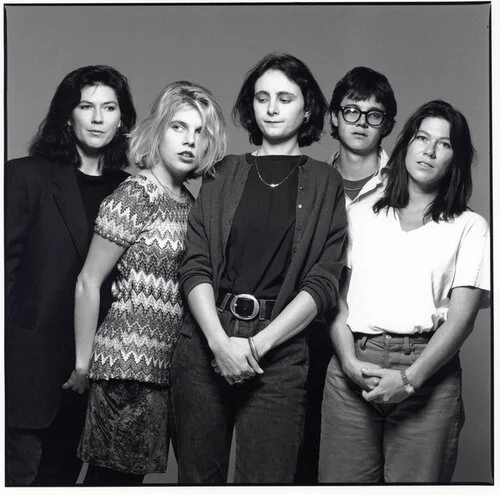
The 90s did not have one alternative sound. It had grunge blowing the doors off, Britpop sneering from across the ocean, industrial rock making everything feel dangerous, alt-pop sharpening its hooks, post-grunge filling radio, and college-rock veterans suddenly looking like they had predicted the future.

These are the 90s alternative rock songs that defined the decade — the songs that changed MTV, modern rock radio, CD binders, car stereos, bedroom walls and every kid who thought maybe a cheap guitar, a busted amp and one decent chorus could solve at least three problems.

Quick Answer: What 90s Alternative Rock Songs Defined the Decade?

The 90s alternative rock songs that defined the decade include Nirvana’s “Smells Like Teen Spirit,” Pearl Jam’s “Alive,” R.E.M.’s “Losing My Religion,” Alanis Morissette’s “You Oughta Know,” Soundgarden’s “Black Hole Sun,” Radiohead’s “Paranoid Android,” Beck’s “Loser,” No Doubt’s “Just a Girl,” Alice in Chains’ “Would?,” The Smashing Pumpkins’ “Today,” Oasis’ “Wonderwall,” Green Day’s “Basket Case,” Nine Inch Nails’ “Closer” and Weezer’s “Buddy Holly.”

A real decade-defining list has to go wider than grunge. The whole glorious mess runs through 90s Alternative & Grunge, but it also includes Britpop, industrial rock, ska-punk energy, post-grunge radio, alt-pop, college-rock crossover and songs that were not always the heaviest, but absolutely changed the room.

Listen While You Rewind

Hit play and let the decade do what it does best: make you remember a car stereo, a CD binder, a bedroom poster and at least one questionable haircut.

What Counts as a Defining 90s Alternative Rock Song?

For this list, “defining” does not simply mean biggest chart hit or most obvious classic. A song had to capture something essential about the decade: the sound, the attitude, the MTV memory, the radio shift, the genre expansion or the feeling of hearing alternative rock become the center of gravity.

That means the list includes grunge giants, yes, but also songs that widened the format. Some are louder. Some are stranger. Some are cleaner than old-school purists wanted. Some are so overplayed that they now live permanently inside grocery-store speakers. That does not erase what they did the first time.

The 90s alternative story was not one guitar tone. It was a whole messy CD binder: scratched discs, handwritten labels, missing booklets, cracked jewel cases and songs that still know exactly where your memory buttons are.

For the massive version of the rabbit hole, keep the 50 Essential 90s Alternative Songs list handy. This one is the decade-defining core: the songs that tell the story fastest and loudest.

90s Alternative Rock Songs That Defined the Decade

From Seattle shockwaves and college-radio breakthroughs to Britpop anthems, industrial nightmares and late-90s radio giants, these are the tracks that made alternative feel like the decade’s default setting.

1

1991

Nirvana — “Smells Like Teen Spirit”
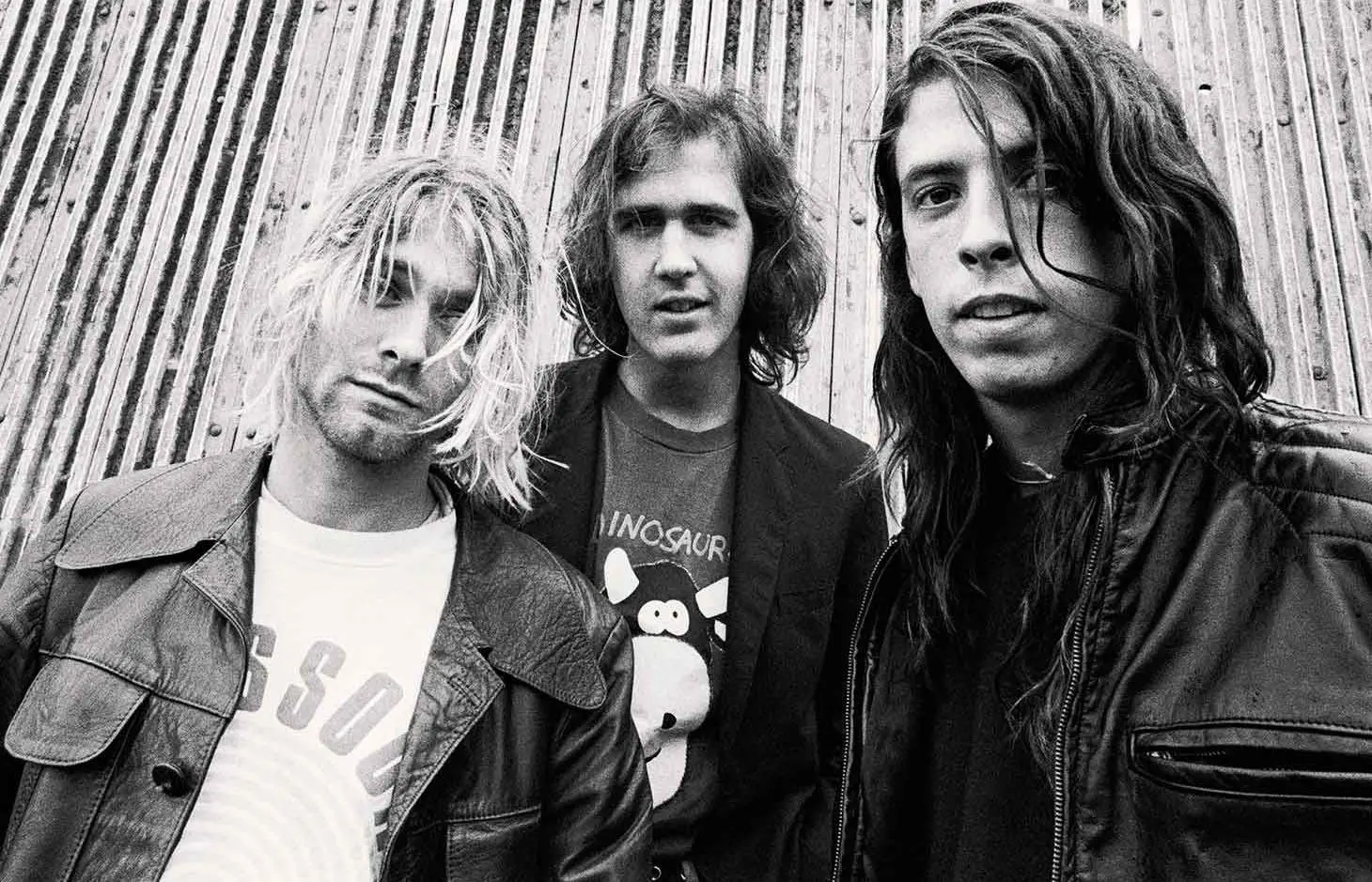
Grunge explosion MTV detonation Decade reset
Nirvana artist image for 90s alternative rock songs

There are bigger debates in 90s alternative, but this is not one of them. “Smells Like Teen Spirit” is the song that kicked the decade’s rock door off the hinges, stomped through the hallway, and made every major label suddenly pretend it had always loved noisy, uncomfortable guitar bands.

The wild part is that the song still hits beyond the cultural mythology. That opening guitar scrape, the quiet-loud blast, the muttered verses, the chorus that sounded like every school gym had finally caught fire — it all made mainstream rock feel instantly older, faker and wildly unprepared.

Before this, alternative could be huge in certain rooms. After this, alternative became the room. It turned underground tension into mall-rat language, made MTV look less glossy for a minute, and changed the way every kid with a cheap guitar thought about what a song could do.

The deeper rewind

Before “Smells Like Teen Spirit,” alternative rock was already loaded with history: college radio, punk, indie labels, weird late-night MTV slots, local scenes, and bands that had been building pressure for years. Nirvana did not invent that world, but this song made the pressure visible to everyone who had been ignoring it.

What made it so dangerous to the old order was not just the volume. It was the combination of melody and disgust. The song had a chorus big enough for arenas, but it did not sound like it wanted to be invited to the arena in the first place. That contradiction made it feel new, even to people who had been following underground rock for years.

Radio, MTV and the 90s moment

MTV turned the video into a cultural earthquake: a grimy gym, bored cheerleaders, exhausted kids, and a performance that looked like every pep rally had finally been exposed as a hostage situation. It was anti-glossy in a format built on gloss, which is why it hit so hard.

Radio had to adjust almost overnight. Suddenly the polished rock of the late 80s sounded like it belonged to a different species. The quiet-loud structure, the distorted guitars, the half-mumbled verses — all of it became a template that labels chased until the template itself became exhausted.

Why it still belongs here

The song survives because underneath the history lesson, it is still a monster hook. Strip away the myth, the endless think pieces, the T-shirts, the overplay and the bad cover versions, and the track still explodes exactly where it should.

It defined the decade because it made alternative feel less like a genre and more like a generational mood: bored, furious, funny, suspicious and absolutely done pretending the old version of cool still worked.

Why It Defined the Decade It made 90s alternative rock impossible to ignore and turned generational boredom into a cultural event.
Gen X Memory The moment every school hallway, basement band and flannel rack suddenly felt connected.
Legacy Still the starting gun for the decade’s alternative explosion, even after decades of overplay, mythology and T-shirt fatigue.
2

1991

Pearl Jam — “Alive”

Seattle anthem Arena grunge Emotional blast
Pearl Jam artist image for 90s alternative rock songs

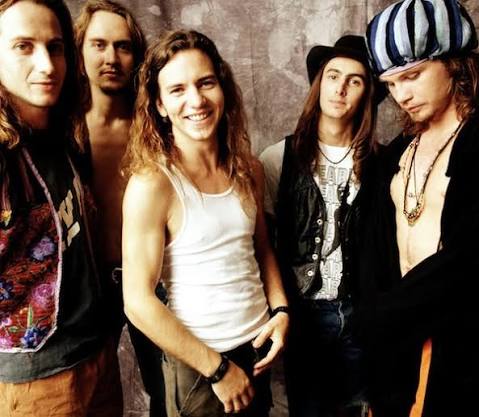
If Nirvana made alternative feel like a revolt, Pearl Jam made it feel like a mass confession. “Alive” was huge from the jump: dramatic, wounded, anthemic and built for crowds that wanted catharsis but did not necessarily want to explain themselves afterward.

Eddie Vedder’s voice turned the song into something bigger than a riff. It felt personal and mythic at the same time, like a family secret had been plugged into an arena PA. The guitar solo gave old-school rock listeners something to grab onto, while the emotional weight made it feel completely of the 90s.

This is the song that showed grunge did not have to be sarcastic, small or deliberately ugly to matter. It could be enormous and still carry damage. Pearl Jam helped make alternative rock feel human-scale and stadium-size at once, which is a tricky little magic trick.

The deeper rewind

“Alive” gave the alternative explosion a different emotional shape. Where Nirvana sounded like collapse and refusal, Pearl Jam sounded like survival with a stadium-sized echo. The song felt personal, but it also had the sweep of classic rock, which helped it reach listeners who might have been confused by the messier side of grunge.

That mattered because 90s alternative was never one emotional setting. Pearl Jam opened the door for big-hearted intensity: songs that were wounded but not ironic, heavy but not nihilistic, sincere without sounding like corporate inspirational rock. That sincerity became a huge part of the decade.

Radio, MTV and the 90s moment

The “Alive” video helped cement Pearl Jam as something different from the MTV machine around them. It was performance-heavy, sweaty, human and direct. No elaborate concept needed. Just a band looking like it meant every second of it.

On radio, the song gave alternative rock a heroic scale. The riff was accessible, the solo soared, and Vedder’s voice sounded instantly iconic. It helped make Pearl Jam feel like a band that could carry arenas without sounding like the old guard they were replacing.

Why it still belongs here

“Alive” still works because it is not embarrassed by its size. It wants to be huge. It wants the crowd. It wants the emotional release. But it earns that size by sounding rooted in something real.

It defined the decade by proving that alternative rock could be vulnerable, muscular and communal at the same time. It was not just rebellion. Sometimes it was catharsis with a guitar solo.

Why It Defined the Decade It proved grunge could be massive, emotional and serious without turning into empty arena rock.
Gen X Memory Trying to sing like Eddie Vedder and discovering your throat had filed a complaint.
Legacy A defining Pearl Jam anthem and one of the key reasons Seattle became more than one band’s story.
3

1991

R.E.M. — “Losing My Religion”

College-rock crossover Mandolin miracle Alt before alt exploded
R.E.M. artist image for 90s alternative rock songs

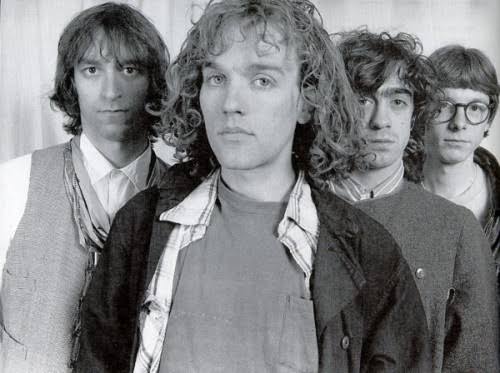
“Losing My Religion” is the strange, elegant reminder that alternative did not magically begin when flannel hit the mall. R.E.M. had been building the road for years, and then somehow their biggest crossover moment arrived with a mandolin-led song that did not sound like anything else on mainstream radio.

The song is tense, pretty and quietly anxious. Michael Stipe sings like someone circling a thought he cannot quite admit out loud, and the arrangement gives everything a haunted glow. It was not loud enough to scare parents, but it was weird enough to make pop radio feel temporarily smarter.

In the timeline of 90s alternative rock, this matters because it connects the college-radio 80s to the mainstream 90s. R.E.M. helped make alternative respectable before the word became a marketing category, and this song proved that oddness could go huge without putting on leather pants and pretending it was 1987.

The deeper rewind

R.E.M. are essential to the MTV alternative rock takeover story because they were alternative before “alternative” became a shiny record-store aisle. “Losing My Religion” did not arrive as a grunge bomb or a fashion reset. It arrived as the strange triumph of a band that had spent years making left-of-center music seem quietly inevitable.

The mandolin was the curveball. In a rock landscape obsessed with guitars getting louder, R.E.M. crossed over with something tense, elegant and almost old-world. That made the song feel both familiar and completely out of step with the mainstream around it.

Radio, MTV and the 90s moment

The video’s surreal religious imagery gave MTV one of its most distinctive early-90s clips, but the song did not depend on visual shock. It had atmosphere. It had mystery. It had Michael Stipe turning uncertainty into a vocal performance that felt intimate even when everyone was watching.

Radio embraced it because the song was memorable without being obvious. It was not a power ballad, not a dance track, not a hard-rock single. It was proof that alternative could reach the mainstream by staying odd rather than becoming louder.

Why it still belongs here

The song still holds up because it never feels trapped in a trend. Its emotional tension, unusual arrangement and nervous beauty make it feel like a permanent outlier.

It defined the decade by showing that alternative’s mainstream rise had roots. Before the flannel explosion, there were bands like R.E.M. teaching listeners how to hear strangeness as pop.

Why It Defined the Decade It carried college-rock credibility into the mainstream right before the alternative explosion went nuclear.
Gen X Memory That mandolin riff living rent-free in every VH1, MTV and radio memory from the early 90s.
Legacy A bridge between underground credibility and mainstream alternative acceptance.
4

1995

Alanis Morissette — “You Oughta Know”

Angry alt-pop Female rage Mid-90s takeover
Alanis Morissette artist image for 90s alternative rock songs

“You Oughta Know” did not politely ask for space on alternative radio. It stormed in, kicked over the coffee table and made everyone suddenly very aware that female anger was not going to be softened into something radio-friendly and harmless.

The song’s power comes from how exposed it feels. Alanis Morissette is furious, wounded, sarcastic and totally unbothered by whether anyone is comfortable. The guitars snarl, the bass stalks, and the vocal sounds like someone reading a diary entry directly into a lit match.

This was not grunge, but it belonged to the same alternative moment because it rejected polish-as-obedience. It opened the mainstream wider for women in 90s alternative rock and helped make the decade’s emotional vocabulary sharper, messier and a lot less apologetic.

The deeper rewind

“You Oughta Know” hit like a revenge fantasy with no interest in being sanitized. It was confrontational in a way mainstream radio often avoided from women artists: not coy, not decorative, not safely heartbroken. Alanis sounded furious, complicated and completely unwilling to smooth the edges.

That mattered because the mid-90s alternative world was opening space for women of 90s alternative rock who did not fit the old pop-star rules. The song was messy, funny, bitter, wounded and intense — which made it feel more honest than a decade of polished breakup songs.

Radio, MTV and the 90s moment

On radio, “You Oughta Know” was a jolt. It could sit next to grunge and post-grunge because it had rock bite, but it also brought a confessional directness that made it feel separate from the boys-with-guitars crowd.

MTV helped turn Alanis into a defining mid-90s presence, not because she looked like an untouchable pop machine, but because she looked and sounded like someone working through a very specific emotional file in public. That was the point.

Why it still belongs here

The song still works because its anger has texture. It is not just yelling. It is sarcasm, grief, humiliation, rage and self-awareness all tangled together. That is why people still know exactly what emotional room this song lives in.

It defined the decade because it helped make female emotional volatility commercially undeniable. The 90s were not always comfortable with that, which is exactly why the song mattered.

Why It Defined the Decade It made female rage, vulnerability and sarcasm unavoidable on mainstream alternative radio.
Gen X Memory The song that made car singalongs feel like group therapy with better hooks.
Legacy A central mid-90s alternative moment and one of the decade’s biggest pop-rock detonations.
5

1994

Soundgarden — “Black Hole Sun”

Heavy weirdness Surreal MTV Doom sunshine
Soundgarden artist image for 90s alternative rock songs

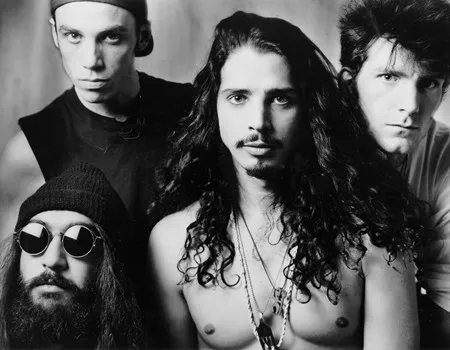
“Black Hole Sun” is the sound of a sunny day turning suspicious. Soundgarden took heavy, psychedelic grunge and wrapped it in one of the creepiest, most beautiful choruses of the decade, then MTV turned the video into a suburban fever dream nobody could unsee.

The song is not heavy in the obvious way. It drifts, swells and glows, but there is rot under the surface. Chris Cornell’s voice makes the melody feel enormous, while the music moves like something melting slowly in unnatural light.

This was the proof that grunge could be strange, widescreen and musically ambitious without losing mainstream force. Soundgarden were always heavier and weirder than the easy Seattle stereotype, and “Black Hole Sun” made that weirdness unavoidable.

The deeper rewind

Soundgarden were always too strange to be reduced to standard grunge shorthand, and “Black Hole Sun” proves it. This was not a simple loud-quiet anthem or a straightforward rocker. It was a heavy psychedelic dream with a chorus so beautiful it made the darkness more unsettling.

The song’s genius is the contrast. The melody glows, but the mood is diseased. Chris Cornell sings like he is watching the sky split open in slow motion, while the band gives the track a warped, almost liquid heaviness.

Radio, MTV and the 90s moment

The video made the song impossible to forget: melting suburban faces, fake smiles, surreal skies, and an entire visual world that felt like daytime television having a nightmare. It was one of the most iconic examples of 90s MTV turning a song into a full sensory memory.

Radio embraced it because the hook was huge, but the song never felt safe. It was one of those rare mainstream hits that sounded more mysterious the more popular it became.

Why it still belongs here

“Black Hole Sun” still sounds singular because nobody else owned that exact blend of doom, melody, psychedelia and technical weirdness. It is heavy without needing to stomp, pretty without becoming soft.

It defined the decade by showing that grunge could be expansive and surreal. Seattle was not just distortion and flannel. Sometimes it was cosmic dread with a perfect chorus.

Why It Defined the Decade It brought psychedelic darkness and surreal beauty into the center of 90s alternative rock.
Gen X Memory That video making suburban smiles look like a warning from another dimension.
Legacy Still one of the decade’s most distinctive grunge singles, because it sounds like no one else.
6

1997

Radiohead — “Paranoid Android”

Art-rock leap Future panic Late-90s dread
Radiohead artist image for 90s alternative rock songs

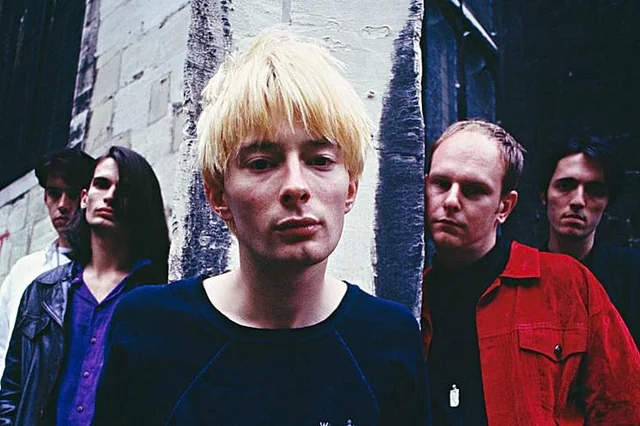
“Paranoid Android” is where 90s alternative stopped pretending the next problem was just another loud guitar band. Radiohead built a multi-part panic attack with guitars, harmonies, mood swings and a sense that the future had arrived already annoyed with us.

The song was too long, too strange and too fractured to behave like a normal single, which is exactly why it mattered. It sounded like classic rock ambition filtered through computer-age anxiety, airline fatigue and the emotional temperature of a fluorescent office hallway.

By the late 90s, alternative rock had already been sold back to everyone in several convenient formats. “Paranoid Android” pointed somewhere colder, weirder and more ambitious. It proved the genre could mutate instead of simply becoming another radio-rock costume.

The deeper rewind

“Paranoid Android” arrived when the first wave of 90s alternative had already been absorbed by the marketplace. Grunge had been packaged. Post-grunge was everywhere. The weird had become a format. Radiohead responded by making a song that refused to behave like a single at all.

Its multi-part structure felt like a miniature epic for a decade running out of easy answers. The song shifts from acoustic unease to electric violence to ghostly harmonies and back again, like a nervous system trying to reboot.

Radio, MTV and the 90s moment

MTV gave the song a bizarre animated video that matched its fractured mood perfectly. It was not built for casual channel surfers, but that was the appeal. It made alternative feel like it could still surprise people.

On radio, the track was a dare. It did not offer the usual clean chorus payoff every thirty seconds. It forced listeners into the shape of its anxiety, which helped make Radiohead feel like the band pushing beyond the decade’s first alternative boom.

Why it still belongs here

The song still feels modern because it was never chasing the sound of 1997. It was chasing dread, technology, disconnection and overload — unfortunately evergreen little topics.

It defined the decade by pointing to what alternative could become after the initial explosion: artier, colder, more ambitious and less interested in easy rebellion.

Why It Defined the Decade It pushed alternative rock toward artier, stranger, more anxious territory at the end of the decade.
Gen X Memory The song that made a rock single feel like a short film having a breakdown.
Legacy A defining late-90s pivot from guitar rebellion to future dread.
7

1993

The Smashing Pumpkins — “Today”

Dreamy damage Guitar glow Alt-rock grandeur
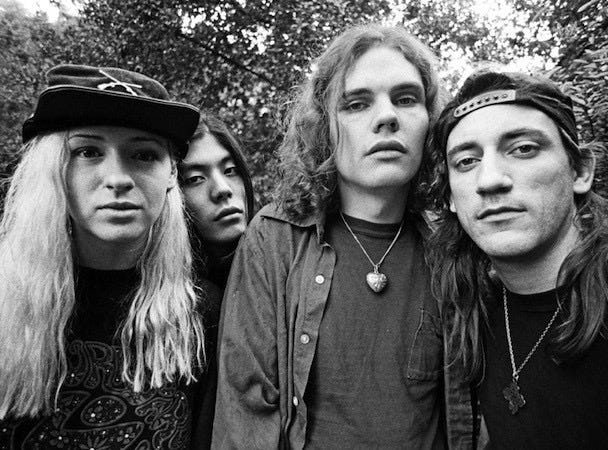
The Smashing Pumpkins artist image for 90s alternative rock songs

“Today” is one of the great 90s alternative fake-outs: bright melody, glowing guitars, sunny title, and underneath it all, emotional wreckage sitting very still in the corner. The Smashing Pumpkins were masters of making damage sound pretty enough to sneak onto radio.

The song’s guitar tone feels huge but weightless, like distortion floating instead of crushing. Billy Corgan’s voice adds that specific Pumpkins tension: wounded, nasal, dramatic and somehow perfect for songs that made teenage feelings feel architectural.

“Today” helped define the version of 90s alternative that was lush, ambitious and melodramatic without sounding like leftover arena rock. It was not grunge, not shoegaze, not metal, not pop — just a giant glowing cloud of feelings with fuzz pedals.

The deeper rewind

“Today” is built on contradiction, which makes it one of the most 90s songs imaginable. It sounds bright, glowing and almost celebratory until the emotional context starts bleeding through the walls. The Smashing Pumpkins loved that kind of tension, right in the wider 90s alternative and grunge swirl.

The band’s sound here is massive but not blunt. The guitars shimmer and roar at the same time, creating a kind of dreamy heaviness that set them apart from grunge and from standard alt-rock.

Radio, MTV and the 90s moment

The ice-cream-truck video gave the song a strange, colorful, slightly off-kilter visual identity. It did not look like the darker Seattle clips or the glossy pop videos. It looked like the Pumpkins had built their own little emotional carnival and invited nobody normal.

Radio loved it because the hook was immediate, but listeners stayed because the mood was complicated. It was catchy enough for casual fans and layered enough for anyone who wanted to make it their entire personality.

Why it still belongs here

“Today” holds up because it does not resolve the contradiction. It remains pretty and damaged, uplifting and uneasy, simple and overloaded. That is a hard balance to fake.

It defined the decade by making alternative rock feel grand and emotional without falling back into classic-rock bombast. The Pumpkins made drama weird again.

Why It Defined the Decade It made alternative rock feel dreamy, huge and emotionally overclocked.
Gen X Memory That deceptively bright song you loved before realizing it was not exactly cheerful.
Legacy A perfect example of the Pumpkins turning guitar layers and emotional contradiction into radio magic.
8

1993

Beck — “Loser”

Slacker anthem Genre collage Weird breakthrough
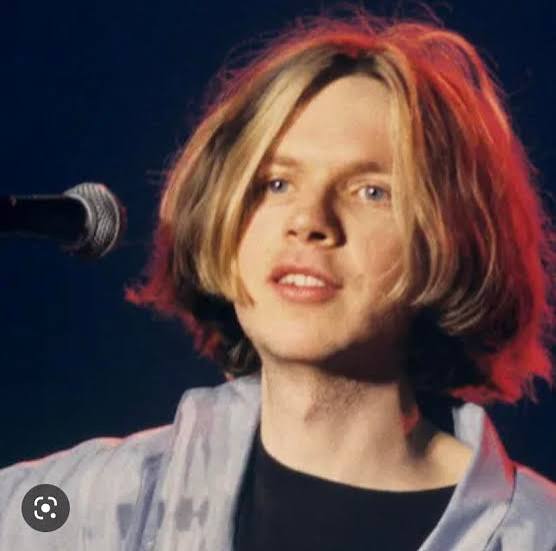
Beck artist image for 90s alternative rock songs

“Loser” arrived like someone had spilled folk, hip-hop, junk-shop samples, slide guitar and deadpan nonsense into one blender and somehow hit the exact setting marked 1994. Beck sounded like the patron saint of thrift-store confusion, and alternative radio was ready for it.

The song’s hook became a slogan almost instantly, partly because it sounded like a joke and partly because it felt completely true. The 90s loved irony, but “Loser” had more going on than a punchline. It captured the decade’s slacker pose while also revealing how smart the pose could be.

This was alternative rock stretching its definition in real time. It did not need to be a guitar-band anthem. It could be collage, drawl, beat, sample, nonsense and insight all at once. Beck made the genre feel loose enough to breathe.

The deeper rewind

“Loser” was not just a novelty fluke, even though plenty of people misunderstood it that way at first. Beck was pulling from folk, hip-hop, blues, junk culture and slacker irony, building a song that sounded like channel surfing through a thrift store radio.

The track captured a generation’s self-mocking pose without being empty. The famous hook sounded tossed off, but the production and wordplay revealed someone much sharper than the “whatever” posture suggested.

Radio, MTV and the 90s moment

MTV and radio made “Loser” feel like the official anthem of not trying too hard, which is funny because the song’s construction is smarter than half the sincere rock songs around it. The video’s oddball, low-budget energy matched the song’s junk-collage charm.

It also widened the definition of what alternative rock could be. This was not a band-in-a-room anthem. It was a sample-friendly, genre-bent, deadpan collage that somehow sat comfortably beside grunge and guitar rock.

Why it still belongs here

The song still works because its weirdness feels natural, not forced. Beck sounds like he is pulling from everywhere at once because that is exactly what the 90s were becoming: a messy cultural pileup.

It defined the decade by making slacker identity sound creative rather than lazy. The pose was “loser.” The execution was anything but.

Why It Defined the Decade It turned slacker irony and genre mashups into a defining alternative language.
Gen X Memory The song that made not caring sound suspiciously creative.
Legacy A doorway into the decade’s weirdest, smartest, most style-bending alternative instincts.
9

1995

No Doubt — “Just a Girl”

Ska-pop bite Gender sarcasm Bright rebellion
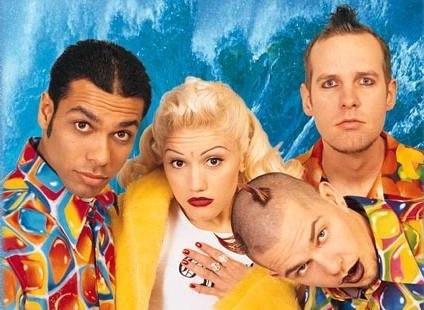
No Doubt artist image for 90s alternative rock songs

“Just a Girl” took ska-pop bounce, new wave color and very pointed gender frustration and turned it into one of the sharpest alternative hits of the mid-90s. It was bright enough for radio, but the sarcasm had teeth.

Gwen Stefani’s delivery made the song work because she did not sound like she was asking permission to be annoyed. She sounded like she had done the math, found the rules stupid and decided to make the complaint danceable. That is a very useful public service.

No Doubt helped widen the decade’s alternative palette beyond Seattle gloom and post-grunge gravel. “Just a Girl” proved the movement could be colorful, rhythmic and still politically sharp in the way everyday restrictions actually feel.

The deeper rewind

“Just a Girl” was a bright, sharp shock to the alternative system. No Doubt brought ska bounce, new wave color and punk-adjacent energy into a song about everyday sexism that sounded playful until you realized how pointed it was.

Gwen Stefani’s performance is what makes it land. She delivers the lines with exaggerated sweetness, frustration and sarcasm, turning the song into a character sketch of being underestimated and absolutely done with it.

Radio, MTV and the 90s moment

MTV gave No Doubt a huge visual platform, and “Just a Girl” made the band instantly recognizable: colorful, kinetic, stylish and different from the flannel-heavy mood around them. The song’s video leaned into performance and personality, which helped it cut through.

Radio embraced it because it was catchy and bright, but it carried enough edge to belong in the alternative rotation. It showed that rebellion did not always need distortion-first gloom, which is why the brighter side of 90s alternative mattered too. Sometimes it had horns, hooks and a very annoyed smile.

Why it still belongs here

The song still holds up because the complaint is unfortunately evergreen and the hook has not lost its snap. It feels playful and serious in the exact right proportions.

It defined the decade by expanding alternative’s emotional and sonic range. The 90s needed more than angst. It needed sarcasm that could dance.

Why It Defined the Decade It made ska-pop and feminist sarcasm part of the mainstream alternative conversation.
Gen X Memory A song that made every unfair rule sound even dumber when sung loudly.
Legacy A defining No Doubt hit and a major bridge between alternative rock, ska-pop and MTV-era style.
10

1992

Alice in Chains — “Would?”

Dark grunge Harmonic dread Seattle weight
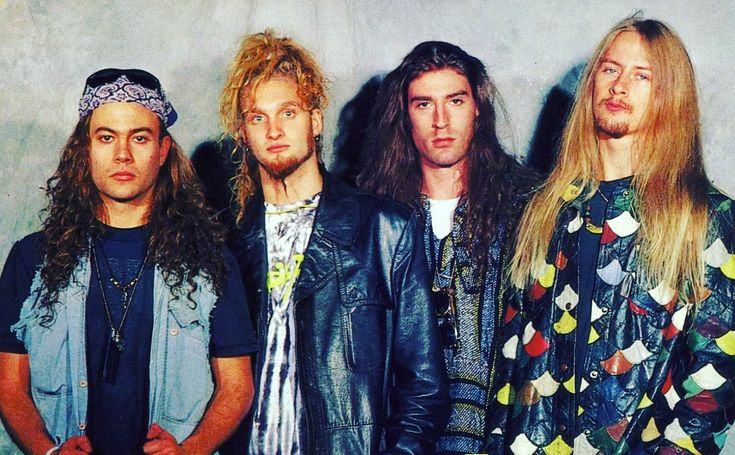
Alice in Chains artist image for 90s alternative rock songs

“Would?” is not just heavy; it feels cursed in the best possible way. Alice in Chains brought a darker, more metallic gravity to the grunge explosion, and this song captures their ability to make dread sound hypnotic.

Layne Staley and Jerry Cantrell’s harmonies are the whole haunted house here. The bassline creeps, the guitars grind and the chorus opens like a wound that has learned how to sing. It is bleak, but never cartoonish.

In the broader 90s alternative story, “Would?” matters because it showed how much emotional and musical range existed inside grunge. This was not Nirvana’s sarcasm or Pearl Jam’s uplift. This was something heavier, slower and more doomed.

The deeper rewind

“Would?” is one of the clearest examples of Alice in Chains’ power: heavy enough to crush, melodic enough to haunt, and emotionally dark without turning into costume-shop doom. The song feels like it is moving through thick air.

The track was written in the shadow of loss, and that grief gives it extra weight. But it is not only a tribute or a mood piece. It is a fully formed statement of the band’s sound: Cantrell’s riffing, Staley’s voice, and the harmonies that make everything feel doomed and beautiful.

Radio, MTV and the 90s moment

The song’s connection to the Singles soundtrack gave it a major place in the early-90s Seattle crossover moment. It was part of the broader cultural packaging around the rise and fall of Seattle grunge, but it did not feel packaged. It felt too heavy and haunted for that.

On radio and MTV, “Would?” stood apart from the more anthemic Seattle hits. It did not invite a big communal release in the same way. It pulled listeners downward, which was its own kind of power.

Why it still belongs here

The song still hits because the groove is hypnotic and the vocal presence is irreplaceable. Layne Staley could make darkness sound human rather than theatrical.

It defined the decade by proving grunge could be slow, metallic, grief-stricken and gorgeous. Alice in Chains gave the movement its deepest shadow.

Why It Defined the Decade It defined the darkest, most metallic edge of the Seattle sound.
Gen X Memory A song that made the room feel colder the second the bassline started.
Legacy One of the key tracks proving grunge could be heavy, beautiful and devastating at once.
11

1995

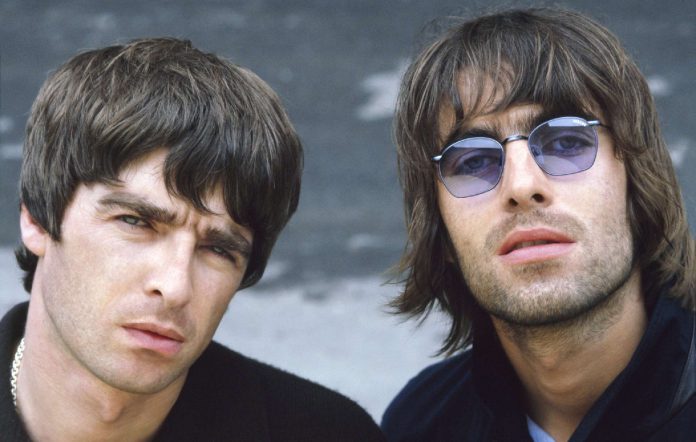
Oasis — “Wonderwall”

Britpop crossover Acoustic giant Mass singalong
Oasis artist image for 90s alternative rock songs

“Wonderwall” is the acoustic singalong that escaped Britpop, crossed the ocean and became part of every 90s dorm room, party, radio playlist and person with three guitar chords and too much confidence.

The song is simple, but that simplicity is the point. It turns longing into something massive without sounding too polished or too clever. Liam Gallagher’s vocal gives it attitude, while the arrangement leaves just enough space for everybody else to imagine they could play it too.

In 90s alternative terms, “Wonderwall” helped make Britpop feel like part of the same giant conversation, even if it came from a different scene with different clothes and a much stronger commitment to sibling combat.

The deeper rewind

“Wonderwall” is one of those songs so overplayed that people forget how strange its path was. A Manchester band turned an acoustic, mid-tempo longing song into a global alternative-era standard, and suddenly everyone with a guitar thought they were one capo away from destiny.

The song’s simplicity is its strength. It does not need a complicated arrangement or a lyrical puzzle box. It uses a direct melody, a memorable vocal and just enough emotional vagueness for listeners to project an entire life onto it.

Radio, MTV and the 90s moment

In the U.S., “Wonderwall” helped make Britpop feel accessible to listeners who were not following the Oasis-versus-Blur drama like it was a constitutional crisis. It crossed into alternative radio, pop culture and every dorm-room singalong zone imaginable.

MTV and radio made Oasis feel like the British answer to the decade’s guitar-rock hunger, even though their swagger came from a very different tradition than Seattle’s wounded introspection.

Why it still belongs here

The song survives because the chorus remains ridiculously durable. You can be tired of it and still recognize that it works. Annoying but true, like many things involving Oasis.

It defined the decade by bringing Britpop into the American alternative mainstream and proving that acoustic longing could be as culturally sticky as distortion.

Why It Defined the Decade It brought Britpop into American alternative memory with one unavoidable acoustic anthem.
Gen X Memory Someone at every gathering proving they knew the chords, whether invited to or not.
Legacy A global 90s rock standard and the song most casual listeners use as the Britpop shortcut.
12

1994

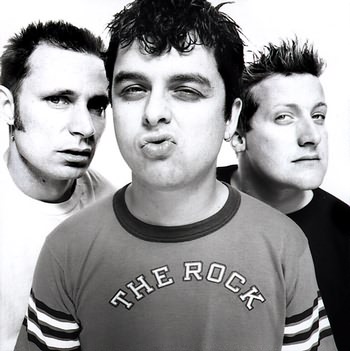
Green Day — “Basket Case”

Pop-punk explosion Anxiety sprint Mall-punk gateway
Green Day artist image for 90s alternative rock songs

“Basket Case” took panic, melody and punk velocity and made them sound like the most fun breakdown anyone had ever had. Green Day did not invent pop-punk, but they helped shove punk energy into the same decade-wide blast that reshaped 90s alternative and grunge, obviously, but they shoved it through the mainstream door with perfect timing and zero interest in asking nicely.

Billie Joe Armstrong sings anxiety like it has places to be. The song is fast, sharp and ridiculously catchy, turning neurosis into a sprinting chorus that made punk feel accessible without draining all the attitude out of it.

Alternative rock in the 90s was not only gloom and fuzz. “Basket Case” helped define the bratty, high-speed, hook-packed side of the decade — the lane that would explode even harder later, but never feel quite as fresh as it did here.

The deeper rewind

“Basket Case” turned anxiety into a sugar-rush sprint. Green Day took punk’s speed and bratty impatience, tightened the hooks, and made a song that sounded like a panic attack had discovered perfect pop structure.

The track is short, efficient and relentless. It does not waste time convincing anyone of its importance. It just kicks in, makes neurosis catchy and leaves with the confidence of a band that knew exactly how to turn basement energy into mass appeal.

Radio, MTV and the 90s moment

MTV made Green Day unavoidable, and “Basket Case” became one of the videos that brought punk-adjacent style into suburban living rooms at full speed. The institution setting in the video matched the song’s anxious chaos perfectly.

Radio embraced it because the hook was undeniable, even if the energy still felt scrappy compared with polished mainstream rock. It was a gateway song for countless kids who wanted punk attitude without needing a zine subscription first.

Why it still belongs here

The song still works because it is built with almost unfair precision. Every section arrives exactly when it should, and the chorus still feels like a release valve.

It defined the decade by dragging punk energy into the mainstream without making it feel completely housebroken. That changed the rest of the 90s and much of what came after.

Why It Defined the Decade It made punk energy mainstream without making it feel completely sanitized.
Gen X Memory The soundtrack to being anxious, sarcastic and very under-caffeinated.
Legacy A major pop-punk breakthrough and one of the decade’s most durable alternative radio staples.
13

1994

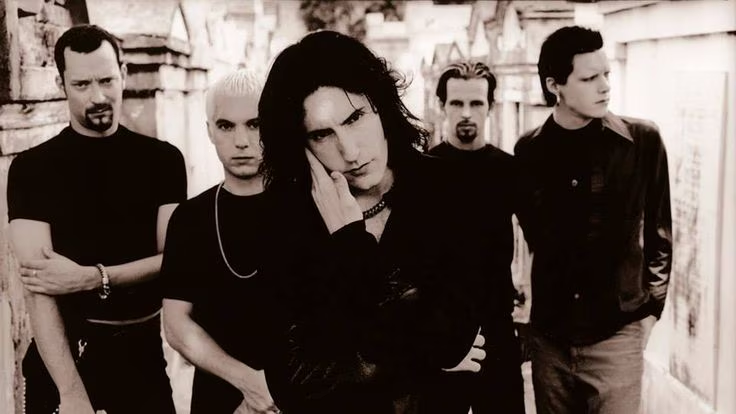
Nine Inch Nails — “Closer”

Industrial crossover MTV nightmare Mechanical desire
Nine Inch Nails artist image for 90s alternative rock songs

“Closer” is one of the strangest songs to become a genuine 90s alternative hit, which is saying something. Nine Inch Nails turned industrial machinery, obsession, control and discomfort into a single that somehow ended up everywhere.

The beat crawls. The production hisses and grinds. Trent Reznor sounds trapped inside the machine and also fully responsible for building it. The song was provocative, yes, but the bigger point is how expertly it turned cold mechanical texture into human unease.

This track made industrial rock impossible to dismiss as a side-room for goth kids and bad lighting. It put the darker, electronic edge of alternative directly into the mainstream and left a very weird dent in MTV history.

The deeper rewind

“Closer” is a reminder that the 90s mainstream was sometimes much weirder than nostalgia admits. Nine Inch Nails made a song that was mechanical, uncomfortable, obsessive and sonically filthy, and somehow it became a defining MTV and radio moment.

The song’s real power is production. The beat feels like machinery breathing. The textures scrape and pulse. Trent Reznor’s voice sounds trapped between control and collapse. It is not shock for shock’s sake; it is a fully designed atmosphere of unease.

Radio, MTV and the 90s moment

The video became one of the decade’s most notorious clips, packed with unsettling imagery and a visual language that felt closer to a damaged art installation than a standard rock video. MTV played a censored version, which somehow made the whole thing feel even more forbidden.

On radio, the song pushed industrial rock out of the dark corner and into everyday alternative consciousness. It made electronic textures feel central to rock’s future instead of decorative.

Why it still belongs here

“Closer” still sounds dangerous because it never relied only on taboo. The groove, arrangement and sonic detail are too strong for it to be dismissed as mere provocation.

It defined the decade by proving alternative could be cold, electronic, sensual, disturbing and still massively popular. The machine had feelings, unfortunately.

Why It Defined the Decade It brought industrial rock’s danger and machine-pulse tension into the center of alternative culture.
Gen X Memory The song that made parents suddenly concerned about what exactly was happening on MTV.
Legacy A defining industrial crossover and one of the decade’s most unsettling mainstream moments.
14

1994

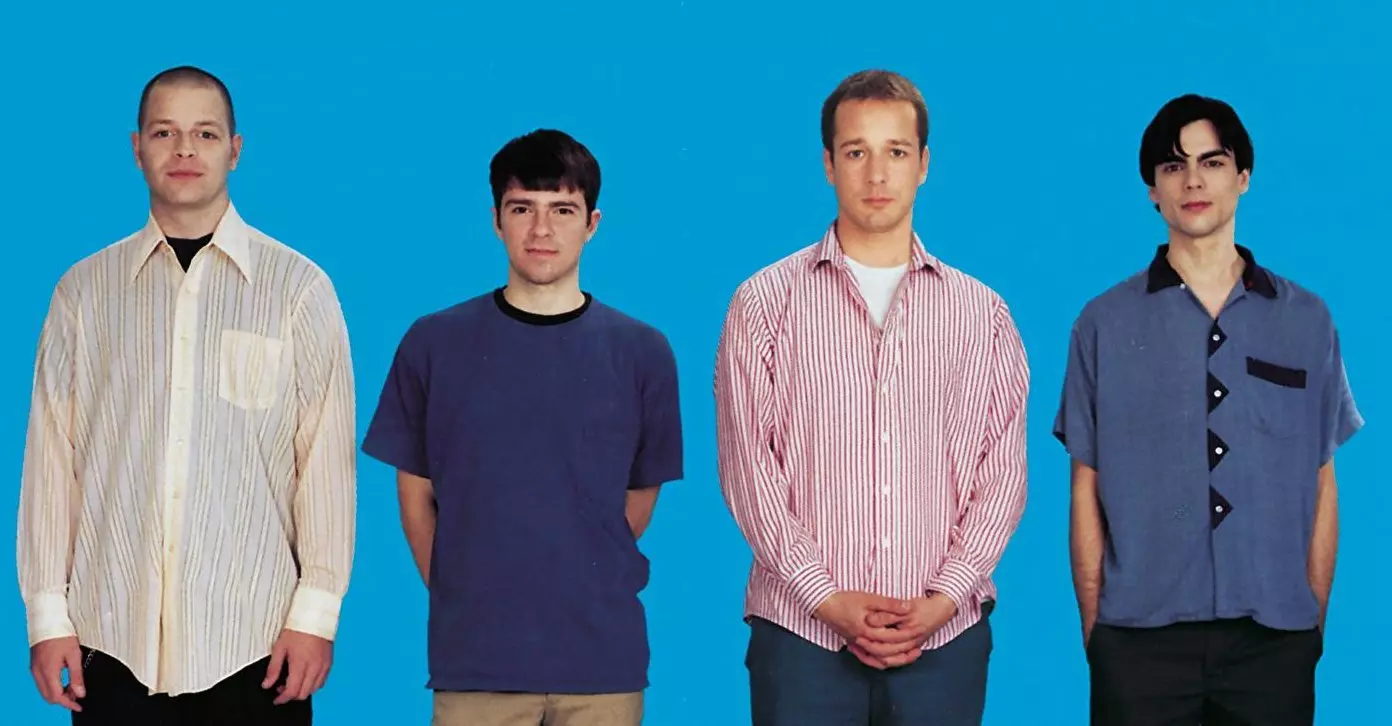
Weezer — “Buddy Holly”

Nerd-rock charm Power-pop hooks MTV classic
Weezer artist image for 90s alternative rock songs

“Buddy Holly” made awkwardness feel like a superpower. Weezer turned big crunchy guitars, power-pop melody and full nerd sincerity into a song that sounded both classic and completely out of step with everything trying to look dangerous.

The genius is how direct it is. The riff lands, the chorus snaps into place, and Rivers Cuomo delivers the whole thing like someone who has accepted social discomfort and decided to harmonize through it. Alternative did not always need to sneer. Sometimes it could just be weird and catchy.

The video helped seal the song into the decade’s memory, but the track stands on its own as a key moment in the rise of smart, melodic, self-conscious alternative rock. It made geekiness radio-friendly without making it feel fake.

The deeper rewind

“Buddy Holly” arrived like a bright blue sweater in a room full of black T-shirts. Weezer made awkwardness melodic, loud and weirdly triumphant, turning power-pop craft into a major 90s alternative lane.

The song is playful, but it is not empty. Its references, clean structure and giant guitars made it feel like nerd culture was sneaking into the rock mainstream before anyone had a good name for that.

Radio, MTV and the 90s moment

The Spike Jonze video turned the song into an MTV landmark by dropping Weezer into a fake Happy Days universe. It was nostalgic, surreal and perfectly matched to the band’s image: retro, awkward, clever and somehow cool despite itself.

Radio loved the song because it had everything: a crunchy riff, a clean chorus and a personality that did not sound like another grunge imitation. It helped carve out a lane for smart, melodic, self-conscious guitar bands.

Why it still belongs here

The track still works because the songwriting is airtight. It is short, catchy, funny and emotionally warmer than its geeky surface suggests.

It defined the decade by making nerdy guitar pop feel like a real alternative force. Not every 90s song had to brood. Some could adjust their glasses and still rock.

Why It Defined the Decade It made nerdy power-pop one of the decade’s most lovable alternative lanes.
Gen X Memory The Happy Days video making MTV nostalgia weirdly collide with 90s guitar fuzz.
Legacy A defining Weezer single and a blueprint for awkward guitar-pop that followed.
15

1993

The Breeders — “Cannonball”

Indie crossover Bassline chaos Alt-cool blast
The Breeders artist image for 90s alternative rock songs

“Cannonball” sounds like it was built out of a bassline, a sideways grin and several excellent bad decisions. The Breeders made one of the coolest alternative singles of the decade by refusing to smooth out the edges that made it interesting.

The song lurches, bounces and explodes in odd little bursts. It is catchy, but not in the obedient radio-single way. It feels like a band having more fun than everyone trying to look profound, which was badly needed in a decade that could occasionally take its gloom very seriously.

This track matters because it brought indie-rock looseness and female-led alt cool into the mainstream without sanding down the personality. “Cannonball” still sounds like a band beating the system by not acting impressed with it.

The deeper rewind

“Cannonball” is one of the decade’s great examples of a song becoming iconic without acting like it wants to be. The Breeders sounded loose, cool and slightly chaotic, like they had found the perfect groove by knocking something over.

The song’s opening alone is enough to identify it: the false start, the bassline, the off-kilter energy. It does not enter the room normally. It stumbles in with charisma, and that is much better.

Radio, MTV and the 90s moment

MTV helped “Cannonball” become a visual and sonic staple of alternative cool. The video’s low-key oddness matched the song’s personality: playful, unfussy and not remotely interested in overexplaining itself.

Radio embraced the song because it had a hook, but it never sounded like a track engineered by committee. It felt like indie-rock personality breaking through the mainstream filter intact.

Why it still belongs here

The song still feels fresh because it is not overbuilt. There is space, humor, weirdness and a groove that keeps shifting under your feet.

It defined the decade by proving that alternative’s mainstream moment could include women-led indie weirdness without turning it into something bland.

Why It Defined the Decade It made indie-rock oddness feel instantly cool and surprisingly radio-ready.
Gen X Memory That bass intro making every room feel like something strange was about to happen.
Legacy A perfect 90s alternative crossover: weird, fun, scrappy and impossible to replace.
16

1994

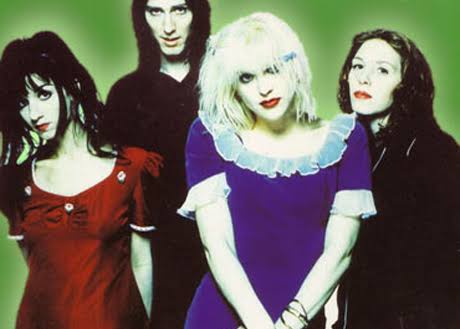
Hole — “Doll Parts”

Raw confession Messy alt-rock Female-led fury
Hole artist image for 90s alternative rock songs

“Doll Parts” is raw in a way that still feels uncomfortable, which is why it matters. Hole did not make alternative rock sound neat, safe or easily digestible. They made it sound wounded, sharp and fully aware of who was watching.

Courtney Love’s vocal sits right on the edge between vulnerability and attack. The song is quiet until it is not, pretty until it turns ugly, and emotionally exposed without becoming soft. It is a performance built on contradiction, which is exactly where a lot of the best 90s alt-rock lived.

The song helped define the messier, more confrontational side of women-led alternative. It was not polished empowerment-core. It was need, anger, insecurity and control all fighting in the same room.

The deeper rewind

“Doll Parts” strips Hole down to something raw and dangerous. It does not rely on speed or volume at first; it relies on tension. Courtney Love sounds vulnerable, resentful and powerful all at once, which is exactly why the song refuses to sit neatly in one emotional box.

The lyrics are full of image and injury, turning beauty, objectification, desire and insecurity into a song that feels exposed but never helpless. It is not asking for pity. It is daring the listener to look directly at the mess.

Radio, MTV and the 90s moment

On MTV and radio, “Doll Parts” gave Hole a defining crossover moment that was quieter than “Violet” but just as sharp. It helped show that the band’s power was not only in chaos; it was also in control, restraint and emotional precision.

The song landed in a culture that often wanted women in rock to be either easily digestible or easily dismissed. Hole made that impossible. The discomfort was part of the work.

Why it still belongs here

“Doll Parts” still holds up because it captures a feeling that has not gone out of style: wanting to be seen, fearing being seen, and being furious about the whole arrangement.

It defined the decade by making female vulnerability sound confrontational. In the 90s, that mattered a lot.

Why It Defined the Decade It brought raw female vulnerability and aggression into the center of alternative rock.
Gen X Memory A song that made quiet verses feel like they were hiding knives.
Legacy A defining Hole track and a crucial piece of the decade’s messy emotional honesty.
17

1995

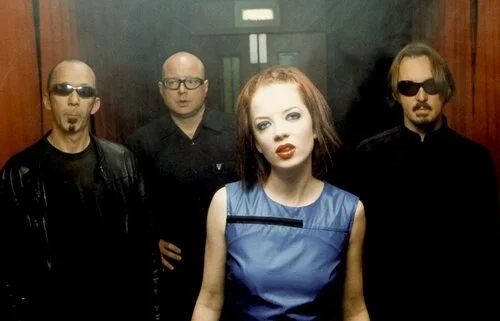
Garbage — “Stupid Girl”

Sleek alt-rock Electronic edge Cool detachment
Garbage artist image for 90s alternative rock songs

“Stupid Girl” sounded like alternative rock had discovered studio gloss, electronic texture and a very expensive bad mood. Garbage built a sleek, icy, sarcastic hit that felt completely different from the organic grit of early-90s grunge.

Shirley Manson’s delivery is the secret weapon: cool, cutting and just detached enough to make the song feel dangerous without raising its voice. The production gives everything a polished industrial-pop sheen, but the attitude keeps it from becoming sterile.

This track helped define the mid-90s moment when alternative started absorbing electronics, trip-hop-adjacent textures and sharper pop architecture. It was stylish without being empty, which is harder than everyone makes it look.

The deeper rewind

“Stupid Girl” sounded like the future of alternative production in 1995: polished, electronic, sarcastic and cold around the edges. Garbage were not trying to recreate the garage. They were building something glossy enough to reflect the damage back at you.

The song’s groove and samples gave it a different texture from the guitar-heavy songs around it. Shirley Manson’s vocal added the attitude: detached, cutting and smart enough to make the title feel like an accusation aimed in multiple directions.

Radio, MTV and the 90s moment

MTV made Garbage look and sound like a new kind of alternative band: stylish but not soft, produced but not empty, visual without becoming cartoonish. They arrived after the first grunge wave and helped define what came next.

On radio, “Stupid Girl” fit perfectly into a mid-90s moment when alternative was absorbing electronic and pop textures without fully surrendering its bite.

Why it still belongs here

The song still works because the production remains sharp. It does not sound like a band trying to be trendy; it sounds like a band that understood the studio as a weapon.

It defined the decade by showing that alternative could evolve past rawness. Sometimes the gloss made the knife sharper.

Why It Defined the Decade It showed that alternative could be glossy, electronic and still loaded with bite.
Gen X Memory A song that made cool detachment feel like a legitimate life strategy.
Legacy A key Garbage single and a major example of alternative’s mid-90s studio evolution.
18

1994

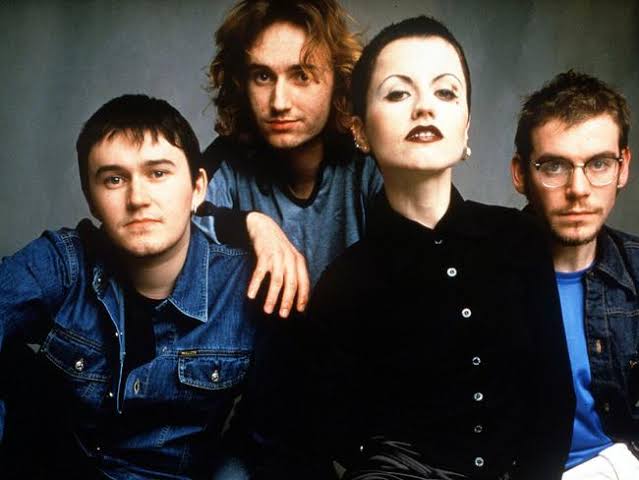
The Cranberries — “Zombie”

Political grief Heavy anthem Alt-rock lament
The Cranberries artist image for 90s alternative rock songs

“Zombie” is one of the decade’s most unmistakable alternative songs because it does not sound casual for even a second. The Cranberries took grief, protest and heavy guitar weight and turned them into a massive, aching anthem.

Dolores O’Riordan’s voice makes the song unforgettable. It bends, cracks and rises in a way that feels both beautiful and furious. The guitars are heavier than some listeners expected from the band, but that heaviness gives the song its force.

In a decade full of personal confession, “Zombie” reminded alternative radio that songs could also carry political pain and historical weight. It was not background angst. It was a direct, grieving roar.

The deeper rewind

“Zombie” is one of the heaviest songs in the decade’s mainstream alternative memory, even though its weight is not just musical. The Cranberries brought political grief into rock radio with a song that sounded like mourning turned into an alarm.

Dolores O’Riordan’s vocal is the reason the song becomes unforgettable. She bends words into cries, chants and wounds, making the chorus feel less like a hook and more like a public reckoning.

Radio, MTV and the 90s moment

On radio and MTV, “Zombie” stood apart from the band’s softer image. It was heavier, darker and more direct, giving The Cranberries a second identity beyond dreamy jangle and romantic melancholy.

The video and song together carried a seriousness that alternative audiences respected. It was not vague angst. It was tied to real-world violence and pain, which gave the track a gravity few radio hits could match.

Why it still belongs here

The song still hits because its emotion is not decorative. The anger and sorrow feel embedded in every part of the performance.

It defined the decade by expanding what a mainstream alternative anthem could carry: not just personal alienation, but public grief.

Why It Defined the Decade It brought political grief and unmistakable vocal power into mainstream alternative rock.
Gen X Memory That chorus cutting through radio like an alarm nobody could ignore.
Legacy One of the decade’s most powerful female-led alternative rock songs.
19

1996

Sublime — “What I Got”

Ska-punk chill Alt-radio crossover SoCal memory
Sublime artist image for 90s alternative rock songs

“What I Got” is the laid-back late-90s alternative hit that sounded sunny even when the story behind the band was anything but simple. Sublime blended punk, reggae, ska, hip-hop rhythm and SoCal looseness into a song that felt instantly lived-in.

The track is relaxed, but it is not empty. Its charm comes from how casually it moves between styles, like genre boundaries were just things other bands worried about. The chorus is simple enough to become universal, and the groove made it unavoidable.

Sublime helped define the bright, genre-blending side of 90s alternative — the side that could sit next to ska-punk, stoner jams, beach-town radio and punk-house chaos without asking for a clean label.

The deeper rewind

“What I Got” made genre boundaries feel like somebody else’s problem. Sublime blended reggae, punk, ska, hip-hop looseness and acoustic singalong energy into a song that sounded casual but was actually doing a lot of work.

The track arrived with an unavoidable sadness because Bradley Nowell died before the band could fully experience the album’s massive success. That history gives the song a bittersweet shadow beneath its laid-back surface.

Radio, MTV and the 90s moment

Radio made “What I Got” a late-90s staple because it fit almost anywhere: alternative stations, rock stations, beach-town playlists, backyard parties and car stereos that smelled faintly like sunscreen and bad decisions.

MTV helped turn Sublime into a posthumous phenomenon, but the song’s appeal was not just visual or biographical. It had a chorus that made the band’s genre-blending feel effortless.

Why it still belongs here

The song still works because it feels lived-in rather than manufactured. It sounds like it came from a scene, a place, a lifestyle and a mess.

It defined the decade by proving alternative could be relaxed, hybrid and sunlit without losing edge. Not every 90s breakthrough came from rain.

Why It Defined the Decade It made genre-blending SoCal alternative feel effortless and massively accessible.
Gen X Memory The sound of summer radio, car windows and questionable parking-lot decisions.
Legacy A huge crossover moment that pushed alternative beyond guitar-rock purity.
20

1997

Foo Fighters — “Everlong”

Post-grunge beauty Big emotion Modern classic
Foo Fighters artist image for 90s alternative rock songs

“Everlong” is one of the rare songs from the late-90s alternative wave that immediately felt built to last. Foo Fighters had already arrived, but this is the song that made Dave Grohl’s second act feel fully undeniable in the era after post-grunge became radio rock.

The song has drive, melody and emotional lift without slipping into cornball territory. The guitars churn forward, the vocal holds back just enough, and the chorus opens like a floodgate. It feels romantic, urgent and weirdly weightless despite all that motion.

In the larger 90s alternative timeline, “Everlong” matters because it points toward the genre’s future after grunge’s first wave. It is connected to that world, but not trapped by it. It is polished, powerful and still emotionally alive.

The deeper rewind

“Everlong” is the song where Foo Fighters stopped sounding like a promising post-Nirvana project and started sounding like a band with its own emotional center. It is urgent, romantic, heavy and melodic without tipping into melodrama.

The rhythm drives the song like a heartbeat with better timing. The guitars shimmer and churn, and Dave Grohl’s vocal carries a sense of wonder that made the track feel different from the decade’s more cynical hits.

Radio, MTV and the 90s moment

The video gave the song a surreal, funny, dreamlike MTV identity, but “Everlong” did not need the concept to last. Acoustic, electric, live, studio — the song proved durable in every form, which is usually how you know a classic is not bluffing.

On radio, it became a late-90s anchor: connected to grunge history but moving beyond it, emotional without being dreary, powerful without sounding like generic post-grunge.

Why it still belongs here

The song still feels alive because it never leans on nostalgia. Its sense of motion and longing remains immediate, like it is always happening right now.

It defined the decade by showing one possible future after the first alternative explosion: not imitation, not collapse, but renewal.

Why It Defined the Decade It turned post-grunge momentum into something timeless, melodic and deeply human.
Gen X Memory That song that could make a car ride feel like a movie scene without warning.
Legacy One of the decade’s most enduring alternative rock songs and a foundation for Foo Fighters’ long run.
21

1992

Stone Temple Pilots — “Plush”

Post-grunge bridge Radio muscle Velvet gloom
Stone Temple Pilots artist image for 90s alternative rock songs

“Plush” arrived in the grunge-era blast zone and immediately became one of the decade’s most recognizable rock-radio songs. Stone Temple Pilots were often argued over, filed, refiled and judged against Seattle bands, but the song itself was undeniable.

Scott Weiland’s vocal gave it slink and drama, while the guitars gave it enough weight to sit comfortably beside the heavier alternative hits of the moment. It was moody, melodic and built for radio without sounding fully domesticated.

The song helped define the broader grunge-adjacent mainstream: bands influenced by the alternative explosion but not strictly part of its original scenes. “Plush” is one of the key reasons that lane became enormous.

The deeper rewind

“Plush” put Stone Temple Pilots directly into the post-grunge radio rock conversation, even as arguments about authenticity followed them around like unpaid bills. Whatever people said about the band, the song’s craft was obvious.

The track has a sludgy elegance: thick guitars, a memorable vocal melody and Scott Weiland’s baritone giving everything a smoky, unstable drama. It sounded familiar enough for rock radio but stylish enough to stand out.

Radio, MTV and the 90s moment

MTV and radio made “Plush” a massive early-90s rock presence. Its acoustic performance versions also helped show the song’s bones, proving it was more than production or scene timing.

The song arrived when labels were scrambling for the next grunge-adjacent thing, but STP quickly became more than a trend-chase footnote. “Plush” was the gateway.

Why it still belongs here

The song holds up because its melody is stronger than the debates around it. It is moody, memorable and delivered with the kind of presence Weiland made look easy.

It defined the decade by helping turn grunge-adjacent radio rock into a dominant mainstream lane. Whether purists liked it or not, that lane shaped the 90s.

Why It Defined the Decade It helped turn grunge-adjacent radio rock into one of the decade’s dominant sounds.
Gen X Memory A song that sounded like every rock station suddenly owned the same moody lamp.
Legacy A defining STP hit and a major bridge between early grunge and post-grunge radio dominance.
22

1992

Rage Against the Machine — “Killing in the Name”
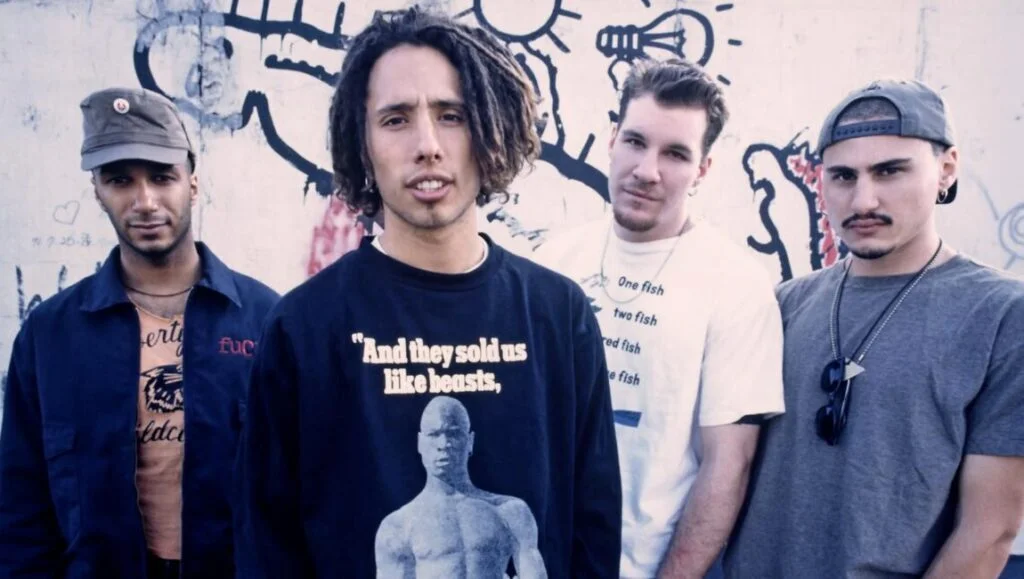
Rap-rock fury Political blast Heavy rebellion
Rage Against the Machine artist image for 90s alternative rock songs

“Killing in the Name” is less a single than a controlled explosion. Rage Against the Machine fused rap, metal, funk and political fury into a song that sounded like it was actively tearing the walls down while explaining why the walls deserved it.

Tom Morello’s guitar work made the song instantly recognizable, but Zack de la Rocha’s vocal attack gave it the ideological fire. It was not vague rebellion. It was specific, furious and impossible to turn into harmless background noise.

Alternative rock in the 90s had room for sarcasm, sadness and weirdness, but Rage brought confrontation at full volume. This song made heavy political music feel like a mainstream force without making it safe.

The deeper rewind

“Killing in the Name” did not ask to be included politely in alternative culture. It kicked the door open with a riff, a groove and a level of political rage that made vague rebellion look embarrassingly underprepared.

Rage Against the Machine fused rap phrasing inside a decade where alternative kept expanding its borders, metal weight, funk rhythm and radical politics into something that felt both musically innovative and physically confrontational. It was not background anger. It was a direct challenge.

Radio, MTV and the 90s moment

On MTV, Rage looked and sounded like no one else in the rotation. Their performances had the force of protest, not pose. The song’s censorship issues only added to its reputation as something dangerous to polite programming.

Radio could not fully domesticate it, which is part of its power. Even edited, the song carried a sense of confrontation that made it feel different from every other heavy alternative track around it.

Why it still belongs here

The song still works because the riff is unstoppable and the message has not exactly become irrelevant. Funny how that keeps happening.

It defined the decade by expanding alternative’s political and sonic range. The 90s were not just ironic. Sometimes they were furious for specific reasons.

Why It Defined the Decade It expanded alternative rock’s power by fusing heavy riffs, hip-hop rhythm and direct political rage.
Gen X Memory The song everyone knew they were not supposed to blast, which made blasting it mandatory.
Legacy A defining protest anthem and one of the most explosive genre collisions of the decade.
23

1997

Blur — “Song 2”

Britpop distortion Two-minute blast Woo-hoo chaos
Blur artist image for 90s alternative rock songs

“Song 2” is two minutes of Blur proving they could make American alt-rock bite its own tail. It was noisy, simple, sarcastic and somehow became the band’s biggest U.S. calling card, mostly because that “woo-hoo” hook could survive anything.

The track works because it is both a send-up and a genuinely great blast of fuzzed-out energy. It punches in, makes its point, and leaves before anyone can overthink it. That is rare discipline in a decade not always known for restraint.

For many American listeners, this was their Blur song, even though the band’s Britpop story was far bigger and more complex. That makes it a perfect defining 90s alternative moment: simple on the surface, loaded with context underneath.

The deeper rewind

“Song 2” is a fascinating little monster because it was partly a joke, partly a response to American alt-rock volume, and entirely effective as a two-minute blast. Blur made something simple enough to shout and sharp enough to smirk.

For American listeners who did not know the full Britpop backstory, this was often the Blur song. That is funny, because it is not the best representation of their catalog, but it is an incredible representation of how a band can weaponize simplicity.

Radio, MTV and the 90s moment

Radio loved it because there was no friction. The song arrived, yelled “woo-hoo,” detonated and left. MTV, sports broadcasts and trailers picked it up because it could inject instant energy into anything.

That overuse almost turned it into a sound effect, but the song’s core still works. It is built like a firecracker, and firecrackers do not need a thesis.

Why it still belongs here

“Song 2” still holds up because it never overstays. The distortion, the drums and the hook all do exactly what they need to do, then get out before the joke collapses.

It defined the decade by showing Britpop could cross into American alternative memory through pure, absurd, distorted impact.

Why It Defined the Decade It turned Britpop’s sharpness into a compact, distorted U.S. alternative radio explosion.
Gen X Memory The “woo-hoo” that launched a thousand sports clips, trailers and badly timed jumps.
Legacy A strange crossover monster that made Blur unavoidable for listeners who never bought the albums.
24

1995

Pulp — “Common People”

Britpop class war Sharp storytelling Dance-floor bite
Pulp artist image for 90s alternative rock songs

“Common People” is Britpop with a knife hidden in the sleeve. Pulp made a song that was catchy, dramatic and danceable while also delivering one of the sharpest class critiques of the decade.

Jarvis Cocker’s performance is theatrical without feeling fake. He sounds amused, disgusted, fascinated and completely in control, turning a story about slumming and privilege into a chorus that somehow feels enormous in a crowd.

Even if it was not a giant American radio hit in the same way some songs here were, it defined 90s alternative culture globally because it showed how smart, literate and socially pointed guitar pop could be. It is one of Britpop’s crown jewels for a reason.

The deeper rewind

“Common People” is one of Britpop’s sharpest moments because it turns class resentment into a massive, ecstatic anthem. Pulp did not just write a catchy song. They wrote a social takedown that people could dance to.

Jarvis Cocker’s storytelling is the engine. He turns a specific encounter into a broader indictment of privilege, performance and the fantasy of borrowing someone else’s struggle for style points.

Radio, MTV and the 90s moment

In the U.K., “Common People” was a cultural landmark. In the broader 90s alternative conversation, it represents the smarter, more literary edge of Britpop — the side that could be glamorous, funny and politically acidic at the same time.

Even if American radio did not make it as unavoidable as “Wonderwall” or “Song 2,” its importance to the decade’s alternative identity is massive. Not every defining song is defined by U.S. airplay.

Why it still belongs here

The song still feels alive because the target has not disappeared. Class tourism, image, privilege and cultural performance are still sitting right there, being annoying.

It defined the decade by proving that alternative anthems could be clever without losing their punch. Pulp made intelligence feel thrilling.

Why It Defined the Decade It made Britpop feel clever, biting, political and wildly anthemic at the same time.
Gen X Memory A song that could make a dance floor feel like a sociology lecture with better lighting.
Legacy A defining Britpop statement and one of the smartest alternative songs of the decade.
25

1994

Live — “Lightning Crashes”

Spiritual post-grunge Huge chorus Mid-90s radio
Live artist image for 90s alternative rock songs

“Lightning Crashes” was mid-90s alternative radio at its most solemn and enormous. Live turned spiritual imagery, swelling dynamics and a slow-burn arrangement into one of the decade’s most unavoidable serious-rock moments.

The song takes its time. It builds from quiet intensity into a chorus that feels designed for arenas, car radios and very intense people staring out of windows. Subtle? Not exactly. Effective? Absolutely.

It helped define the post-grunge side of alternative that leaned emotional, earnest and radio-ready. By the mid-90s, alternative had become big enough to include songs that sounded almost devotional, even when everyone still had bad posture and worse jeans.

The deeper rewind

“Lightning Crashes” sits at the center of mid-90s earnest alternative rock. Live took spiritual imagery into the post-grunge radio rock lane, life-and-death drama and slow-building dynamics and turned them into a song that felt enormous on radio.

It is easy to joke about the song’s seriousness now, but that seriousness is exactly why it connected. The 90s gave plenty of room to irony, but it also had a huge appetite for songs that stared directly into heavy feelings without blinking.

Radio, MTV and the 90s moment

Radio made “Lightning Crashes” inescapable. It was the kind of song that could stop a casual conversation in a car because everyone suddenly felt like they were in a meaningful scene, whether or not the moment deserved that much lighting.

MTV and live performances reinforced Live’s image as a band leaning into intensity without apology. They were not trying to be cool in the slacker sense. They were trying to be profound, which was very much part of the mid-90s mix.

Why it still belongs here

The song still works for listeners who can meet it on its own terms. It is big, earnest and dramatic, but it builds with real patience and lands with real force.

It defined the decade by showing how alternative radio could absorb spiritual weight and arena-sized emotion after the grunge breakthrough.

Why It Defined the Decade It showed how alternative radio could turn earnest, spiritual intensity into a massive mainstream moment.
Gen X Memory The song that made every room suddenly feel like it needed candles and consequences.
Legacy A defining mid-90s radio staple and one of post-grunge’s biggest emotional swings.
26

1994

Bush — “Glycerine”

Post-grunge ballad Minimal drama Radio takeover
Bush artist image for 90s alternative rock songs

“Glycerine” is the stripped-down Bush song that somehow became bigger than its simplicity. Just guitar, voice, strings and a whole lot of mid-90s emotional fog. It was dramatic without needing a full-band explosion every five seconds.

Gavin Rossdale’s delivery made the song feel bruised and stylish, which was basically the Bush formula at its most effective. The lyrics were vague enough for listeners to project onto, and the melody did the heavy lifting.

This song helped cement the post-grunge radio lane that took the texture of alternative and aimed it straight at mass feeling. It was not underground, but it was very much part of what alternative became once the major labels figured out there was money in beautiful gloom.

The deeper rewind

“Glycerine” is Bush at their most minimal, right in the middle of post-grunge’s radio takeover and most effective. Instead of the band’s bigger distorted attack, the song leans on a simple guitar progression, vocal mood and strings that make everything feel suspended in midair.

Gavin Rossdale’s lyrics are famously elliptical, which worked perfectly for 90s radio. The song gave listeners enough emotional fog to fill in their own story, and that vagueness became a feature rather than a flaw.

Radio, MTV and the 90s moment

MTV and radio made “Glycerine” one of the songs that defined post-grunge’s softer, moodier side. It was emotional but not explosive, polished but still carrying enough alternative texture to fit the format.

The track also helped Bush become one of the biggest bands of the mid-90s, especially for listeners who wanted grunge-adjacent feeling without the messier underground baggage.

Why it still belongs here

The song still works because the arrangement gives it space. It does not over-explain itself, which is why it still feels strangely intimate despite being massively familiar.

It defined the decade by capturing the moment alternative sadness became sleek enough for every radio format that wanted a piece of it.

Why It Defined the Decade It distilled post-grunge moodiness into one huge, minimal, radio-ready ballad.
Gen X Memory The sound of staring dramatically at absolutely nothing because the song required it.
Legacy A defining Bush single and a key example of alternative’s mid-90s mainstream softening.
27

1997

The Verve — “Bitter Sweet Symphony”
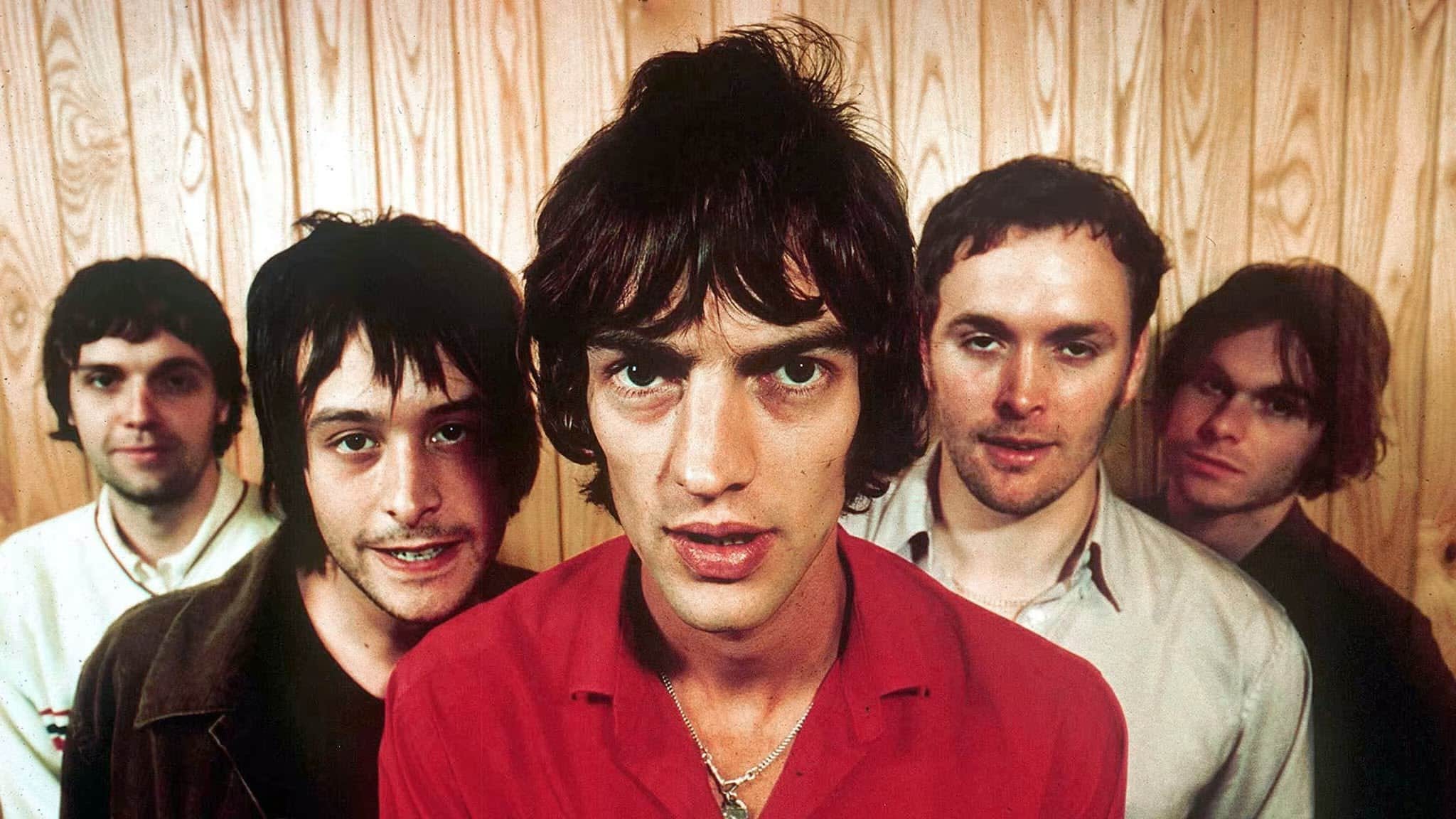
Orchestral Britpop Late-90s sweep Existential strut
The Verve artist image for 90s alternative rock songs

“Bitter Sweet Symphony” sounds like walking through life in slow motion while realizing adulthood might be a scam. The Verve built an orchestral, sweeping, hypnotic single that felt huge without needing standard rock-band bombast.

The song’s string loop gives it instant grandeur, but Richard Ashcroft’s vocal keeps it grounded in frustration and resignation. It is polished, but not shiny. Grand, but not triumphant. Basically, it is the 90s staring into the distance in a long coat.

As alternative crossed into the late decade, this kind of cinematic scale became part of the sound. “Bitter Sweet Symphony” helped prove that a defining alt-rock song did not need to be loud. It could be stately, bitter and completely inescapable.

The deeper rewind

“Bitter Sweet Symphony” is grand without being triumphant. The Verve took orchestral sweep and existential frustration and made a song that sounded like walking through life with the camera slowly pulling back.

The track’s famous string loop gives it immediate scale, but Richard Ashcroft’s vocal keeps it from floating away. He sounds resigned, frustrated and stubbornly present, which gives the song its emotional weight.

Radio, MTV and the 90s moment

The video, with Ashcroft walking straight down the street and refusing to move for anyone, became one of the decade’s most memorable visual metaphors. It was simple, arrogant, funny and weirdly perfect.

On radio, the song gave late-90s alternative a cinematic quality that sat apart from guitar-band aggression. It felt like the genre could be expansive, orchestral and still deeply annoyed.

Why it still belongs here

The song holds up because its mood is universal: ambition, frustration, repetition, identity, the sense of pushing forward while life keeps bumping into you.

It defined the decade by turning Britpop’s aftermath into something sweeping and existential. Very dramatic. Very effective.

Why It Defined the Decade It gave late-90s alternative a sweeping, orchestral anthem about frustration and identity.
Gen X Memory The song that made walking down a sidewalk feel legally required to be dramatic.
Legacy A global alternative-era classic and one of Britpop’s most cinematic crossover moments.
28

1996

The Wallflowers — “One Headlight”
Roots-alt crossover Late-night radio Quiet anthem
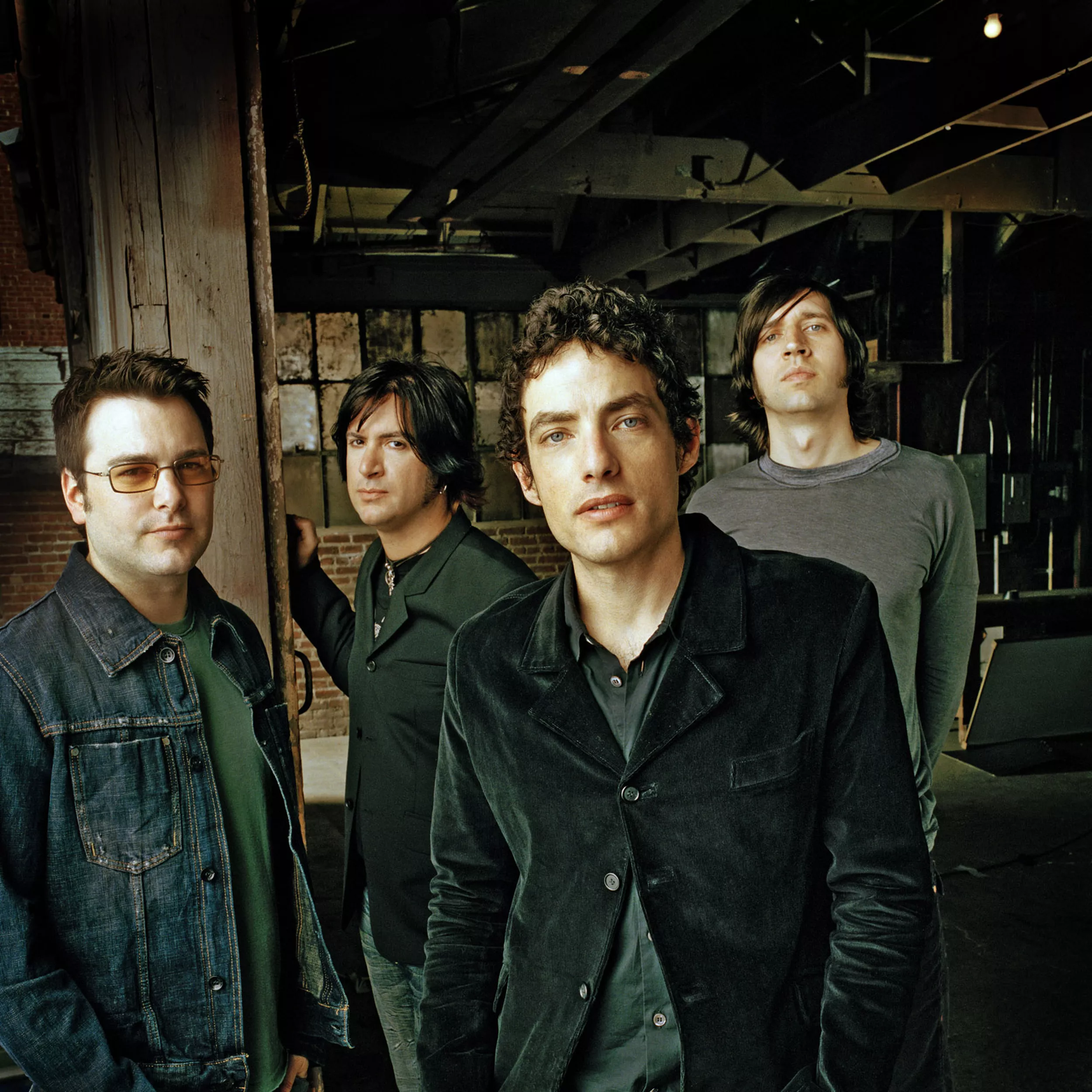
The Wallflowers artist image for 90s alternative rock songs

“One Headlight” brought rootsy, literary, late-night melancholy into the alternative mainstream. The Wallflowers did not sound like grunge, industrial, ska-punk or Britpop, but the 90s alternative tent was wide enough to fit them because modern rock radio was beautifully inconsistent like that.

The song is all atmosphere: highway lights, regret, steady drums and a chorus that feels bigger than it first lets on. Jakob Dylan’s vocal is understated, which makes the song’s emotional pull sneakier than the louder bands around it.

This track matters because it shows how broad 90s alternative became. It was not just distortion and weird videos. It could also be roots-rock with a modern-rock sheen, built for long drives and unresolved feelings.

The deeper rewind

“One Headlight” proved that 90s alternative radio could make room for rootsy, understated storytelling. The Wallflowers were not grunge or Britpop or industrial, which is exactly why the wider 90s Alternative & Grunge hub was such a weirdly broad format. They were something moodier, steadier and more adult-leaning, but still unmistakably part of the modern rock moment.

The song’s power is in its restraint. It does not scream for attention. It rolls forward with a steady drum groove, a worn-in vocal and a chorus that grows larger each time it returns.

Radio, MTV and the 90s moment

Radio made it enormous because it fit multiple lanes: alternative, adult rock, car stereos, late-night drives and every station that wanted something serious but not abrasive. It was everywhere without feeling frantic.

MTV supported the song’s moody, low-lit identity, but its real home was radio. It sounded best coming through speakers while the road looked longer than it probably was.

Why it still belongs here

The song still works because it feels lived-in. Its sadness is not theatrical; it is tired, observant and quietly resilient.

It defined the decade by showing how wide alternative had become. By the late 90s, the format could hold both Rage Against the Machine and The Wallflowers. That is chaos, but useful chaos.

Why It Defined the Decade It expanded alternative radio toward rootsy, adult-leaning rock without losing the decade’s mood.
Gen X Memory The sound of driving at night with no real destination and too much thinking.
Legacy A late-90s radio giant that proves alternative’s definition was wider than people remember.
29

1994

Mazzy Star — “Fade Into You”

Dreamy sadness Slow-burn classic Alt-radio haze
Mazzy Star artist image for 90s alternative rock songs

“Fade Into You” barely raises its voice, and that is exactly why it feels eternal. Mazzy Star made one of the decade’s most haunting alternative songs by refusing to chase volume, speed or obvious drama.

Hope Sandoval’s vocal sounds half-present, like a ghost singing from the other side of a dusty window. The slide guitar, slow tempo and dreamlike atmosphere create a mood so specific that the song feels less written than discovered.

In a decade full of loud breakthroughs, “Fade Into You” defined the quieter edge of alternative: intimate, mysterious, slow and devastating. It is the song that proves the 90s did not need distortion to feel heavy.

The deeper rewind

“Fade Into You” is proof that quiet songs can be heavier than loud ones. Mazzy Star built a slow, dreamlike track that barely moves, yet somehow carries an entire weather system of longing.

Hope Sandoval’s vocal is central to the song’s spell. She does not push. She drifts. That restraint makes the emotion feel private, like the listener has stumbled into a room they were not supposed to enter.

Radio, MTV and the 90s moment

On MTV and radio, “Fade Into You” became the decade’s slow-motion alternative ghost. It did not compete with grunge volume or punk energy. It simply created a mood so specific that nothing else could occupy the same space.

The song became a staple for late-night listening, mixtapes, movie-like personal drama and anyone who needed a track that sounded like longing through a dirty window.

Why it still belongs here

The song still feels timeless because it avoids most of the era’s obvious production fingerprints. It is atmosphere, voice, guitar and ache. That travels well.

It defined the decade by representing alternative’s dreamier edge: slow, intimate, mysterious and emotionally devastating without ever raising its voice.

Why It Defined the Decade It made dreamy, slow-motion melancholy part of the alternative decade’s emotional core.
Gen X Memory The song for late-night rooms, dim lights and feelings nobody was naming out loud.
Legacy A quiet classic that has outlasted louder hits through pure atmosphere.
30

1998

Hole — “Celebrity Skin”

Glossy bite Late-90s alt-rock Hollywood sneer
Hole artist image for 90s alternative rock songs

“Celebrity Skin” sounds like Hole weaponizing polish. By the late 90s, alternative rock had been through the machine, and this song stared directly at fame, beauty, image and damage with a big hook and a very sharp smile.

The guitars are bright and muscular, the chorus is huge, and Courtney Love’s vocal lands somewhere between invitation and accusation. It is sleeker than early Hole, but that sheen is the point. The song is about surfaces, so of course it glitters while biting.

As a late-decade statement, “Celebrity Skin” shows how alternative changed after becoming mainstream. It was no longer only reacting from the outside. Sometimes it was inside the machine, looking around, taking notes and setting something on fire anyway.

The deeper rewind

“Celebrity Skin” is Hole after the first alternative explosion had already changed the industry. The song understands the machine because it is standing inside it, looking at fame, image and beauty with a bright hook and a sharpened grin.

It is more polished than early Hole, but that polish is not a retreat. It is part of the attack. The song is about surfaces, so it makes the surface gleam while the lyrics keep poking holes in it.

Radio, MTV and the 90s moment

MTV was the perfect place for “Celebrity Skin” because the song was obsessed with image and performance. It arrived at the late-90s point when alternative stars were no longer outsiders looking in; many were now fully inside the celebrity apparatus.

Radio embraced it because the chorus was huge and the guitars were clean enough for late-decade playlists, but the attitude kept it from feeling like simple pop-rock gloss.

Why it still belongs here

The song still works because it is self-aware without losing power. It knows the game is ugly, but it also knows the hook is great.

It defined the decade’s final stretch by showing what alternative sounded like after fame changed it: shinier, sharper, more media-savvy and still capable of drawing blood.

Why It Defined the Decade It captured late-90s alternative’s collision with fame, image and polished radio power.
Gen X Memory The sound of Hollywood lights, expensive damage and a chorus that knows exactly what it is doing.
Legacy A late-90s alt-rock classic and proof that Hole could evolve without losing the blade.

Why These Songs Still Matter

The best 90s alternative songs did more than sell CDs or fill radio blocks. They changed what mainstream rock was allowed to sound like. Suddenly, a song could be ugly, sarcastic, anxious, political, dreamy, feminist, industrial, acoustic, weirdly funny or full of feelings nobody had been taught how to explain.

That is why this decade still has so many entry points. Want the heavier side? Go into 90s Grunge Songs That Still Hit Hard. Want the massive canon? Hit 50 Essential 90s Alternative Songs. Want the buried stuff that deserves better? That is where 25 Forgotten 90s Alternative Songs comes in.

90s alternative did not just replace hair metal or crash MTV. It changed the emotional temperature of rock radio.

FAQ: 90s Alternative Rock Songs

What are the most defining 90s alternative rock songs?

The most defining 90s alternative rock songs include Nirvana’s “Smells Like Teen Spirit,” Pearl Jam’s “Alive,” R.E.M.’s “Losing My Religion,” Alanis Morissette’s “You Oughta Know,” Soundgarden’s “Black Hole Sun,” Radiohead’s “Paranoid Android,” Beck’s “Loser,” No Doubt’s “Just a Girl,” Alice in Chains’ “Would?” and The Smashing Pumpkins’ “Today.”

Why did 90s alternative rock become so big?

90s alternative rock became huge because underground sounds collided with MTV, modern rock radio, major-label investment, Gen X culture, grunge, college-rock credibility and a public appetite for music that felt less polished than late-80s mainstream rock.

Is grunge the same as 90s alternative rock?

No. Grunge was one major part of 90s alternative rock, especially through bands like Nirvana, Pearl Jam, Soundgarden and Alice in Chains. But 90s alternative also included Britpop, industrial rock, ska-punk, alt-pop, college-rock crossover, post-grunge and other sounds.

Why are some softer or poppier songs included?

90s alternative radio was broad. Songs like “Fade Into You,” “Wonderwall” and “One Headlight” helped define the decade even though they were not heavy grunge tracks. Alternative rock in the 90s was a format, a mood and a cultural lane, not just one guitar tone.

Get the Weekly Gen X Drop

New videos, rewinds, and savage nostalgia — first.

SUBSCRIBE WATCH VIDEOS

MORE REWINDS