30 Best 90s Alternative Albums
The 90s did not have one alternative sound. It had grunge blowing out the speakers, Britpop acting cooler than everyone, industrial rock making parents nervous, ska-punk bouncing off the walls, alt-pop sharpening its hooks, slacker bands pretending not to care and modern rock radio trying to hold the whole beautiful mess together.
These are the best 90s alternative albums that defined the decade — not just the biggest sellers, not just the critic picks, and not just the same grunge records everyone already argues about. This is the full CD-binder version of the decade.
Quick Answer: What Are the Best 90s Alternative Albums?
The best 90s alternative albums include Nirvana’s Nevermind, Radiohead’s OK Computer, Pearl Jam’s Ten, Alanis Morissette’s Jagged Little Pill, The Smashing Pumpkins’ Siamese Dream, Nine Inch Nails’ The Downward Spiral, Soundgarden’s Superunknown, Alice in Chains’ Dirt, Green Day’s Dookie, No Doubt’s Tragic Kingdom, Weezer’s Blue Album and Beck’s Odelay.
But the decade goes deeper than the obvious monsters. A real 90s alternative and grunge rewind also needs Britpop, alt-pop, industrial, ska-punk, post-grunge, college-rock elders and cult records that sounded too strange to be fully appreciated the first time.
Need the Bigger Map?
This album list is the CD-binder shelf. For the big story, jump into the 90s Alternative & Grunge pillar post. For the cleaner visual command center, use the 90s Alternative & Grunge Hub.
What Counts as a 90s Alternative Album?
For this list, “90s alternative” means the broad world that sat outside traditional classic rock and mainstream pop while still crashing into MTV, CD collections, college radio, modern rock stations and suburban bedrooms with bad posters. That includes grunge albums, but it does not stop there.
The decade also gave us Britpop, industrial rock, slacker alternative, ska-punk, post-grunge radio albums, female-led alt-rock classics and cult records that did not dominate the charts but quietly outlived half the bigger names.
Quick List: 30 Best 90s Alternative Albums
The fast version, for anyone who wants the album stack before the deep dive.
30 Best 90s Alternative Albums That Defined the Decade
From obvious giants to cult classics that aged like stolen flannel, these are the records that made 90s alternative feel bigger than one scene, one city or one radio format.
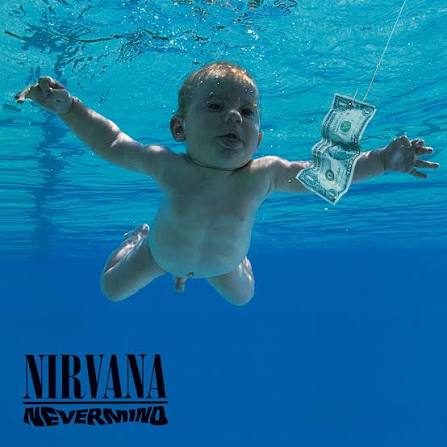
1991
Nirvana — Nevermind
There is no honest version of a best 90s alternative albums list that does not start with Nevermind. Plenty of albums were stranger, heavier, prettier or more complicated, but this is the record that kicked the door off the hinges and made the mainstream realize the kids were not waiting for permission anymore. It turned alternative from a thing you found through college radio, older siblings and weird record-store clerks into the center of the decade’s rock conversation.
The wild part is that Nevermind still works as an album, not just as a cultural event. The songs are melodic, ugly, funny, furious and strangely vulnerable. Kurt Cobain wrote hooks that could survive the noise, and the band made everything feel like it might collapse while somehow staying brutally direct. That tension is why it did not just sell a lot of flannel by accident. It changed what rock was allowed to sound like on the radio.
Keep rewinding: How Nirvana Changed 90s Music 90s Alternative & Grunge 25 Essential Grunge Songs The Big 4 of Grunge Seattle grunge
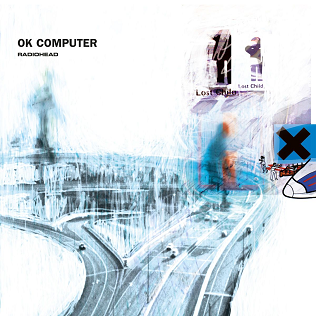
If Nevermind blew open the front half of the decade, OK Computer made the back half feel like the lights were flickering for a reason. Radiohead did not simply make a bigger version of The Bends. They made an anxious, cinematic, coldly beautiful album about technology, alienation, travel, exhaustion and the weird feeling that the future had arrived without asking if anyone was emotionally prepared.
What makes OK Computer such a massive 90s alternative album is that it pushed the genre out of the standard guitar-rock room. It still had guitars, but they sounded bent, haunted and suspicious of themselves. The album made alternative feel less like a scene and more like a condition. By the end of the decade, it was clear that the next version of rock was not just going to be louder. It was going to be stranger.
Keep rewinding: Radiohead and the end of 90s alternative 50 Essential 90s Alternative Songs 90s alternative songs that defined the decade MTV alternative takeover
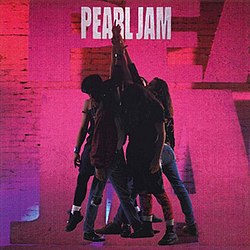
1991
Pearl Jam — Ten
Ten gave 90s alternative something different from Nirvana’s jagged blast. Pearl Jam made grunge feel huge, human and emotionally open without sanding away the pain. Eddie Vedder’s voice had that instant mythic quality, but the songs were not just vehicles for vocal drama. They were built like anthems from the start, with riffs, solos and choruses that could fill arenas while still carrying the weight of personal damage.
The album mattered because it proved alternative could become massive without losing every bit of its seriousness. “Alive,” “Even Flow,” “Jeremy” and “Black” were not small songs pretending to be underground. They were big, wounded, undeniable rock songs that happened to arrive at the exact moment the old rock order was cracking. Ten helped make 90s alternative feel like a movement instead of a one-band explosion.
Keep rewinding: Pearl Jam and the other side of grunge Best 90s Grunge Albums 90s Alternative & Grunge MTV Unplugged
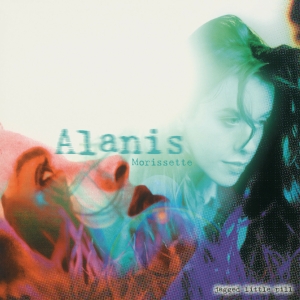
Jagged Little Pill was not grunge, but it absolutely belonged to the alternative era. It took confession, anger, sarcasm, pop hooks and rock-radio bite and turned them into one of the defining albums of the decade. Alanis Morissette sounded like someone had handed her a microphone at the exact moment she stopped being polite, and the result was a record that felt both massively commercial and emotionally unfiltered.
The album’s power is how many different versions of 90s feeling it captured: rage, confusion, irony, self-help exhaustion, romantic wreckage, spiritual searching and the very specific mid-90s habit of trying to process trauma through a chorus. It also blew open space for women’s voices on mainstream alternative radio in a way that made the decade broader, messier and better.
Keep rewinding: Women of 90s Alternative Rock 50 Essential 90s Alternative Songs 90s Music
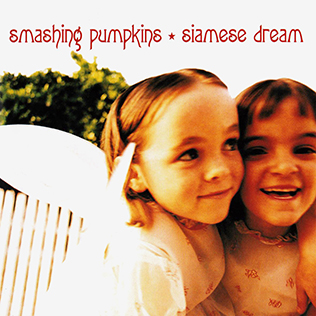
Siamese Dream is what happens when insecurity, perfectionism, huge guitars and dream logic all get locked in a studio together until the walls start glowing. The Smashing Pumpkins were not really grunge, not exactly shoegaze, not metal, not classic rock revival and not simple alt-pop. They were a whole mood: wounded, grand, dramatic and deeply committed to making guitars sound like weather systems.
The album’s best songs balance crushing volume with strange beauty. “Cherub Rock” sneers at the machine while using it beautifully. “Today” sounds bright until you listen too closely. “Disarm” strips everything down and still feels massive. Siamese Dream defined a version of 90s alternative that was emotional, ambitious and almost embarrassingly intense, which is another way of saying extremely 90s.
Keep rewinding: 50 Essential 90s Alternative Songs 90s Alternative & Grunge 90s Music 90s alternative videos on MTV
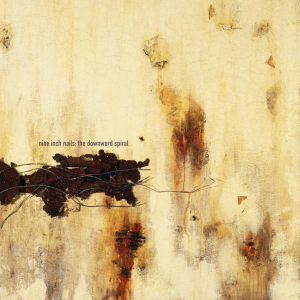
The Downward Spiral brought industrial rock into the center of 90s alternative’s darkest room. Trent Reznor made an album that felt mechanical, sexual, furious, broken and meticulously arranged, which is a ridiculous combination until you hear how completely it works. It was not just heavy. It was designed like a collapse you could dance to if you had made a series of questionable choices.
The album also mattered because MTV and modern rock radio somehow made space for something genuinely unsettling. “Closer” became a hit even though it sounded like a warning label. “Hurt” became one of the decade’s most devastating closers. The Downward Spiral expanded the alternative map beyond guitars and flannel into machines, decay, control and self-destruction.
Keep rewinding: Industrial Rock in the 90s 90s Alternative & Grunge 50 Essential 90s Alternative Songs 90s alternative videos on MTV
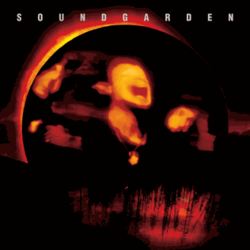
Superunknown is the grunge blockbuster that never felt simple. Soundgarden were heavier, stranger and more musically twisted than a lot of the bands that got filed beside them. They had Sabbath weight, psychedelic color, odd time signatures, Chris Cornell’s impossible voice and a talent for making darkness sound strangely beautiful. This album turned all of that into something huge without making it safe.
“Black Hole Sun” became the eerie MTV landmark, but the album is much deeper than one surreal video. “Fell on Black Days” is dread with a melody. “Spoonman” is groove and oddball percussion. “The Day I Tried to Live” is a full-body existential malfunction. Superunknown defined the heavy, weird, widescreen side of 90s alternative.
Keep rewinding: Soundgarden’s heavy, weird side Best 90s Grunge Albums 90s Alternative & Grunge 90s grunge songs that still hit hard
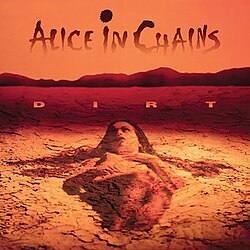
Dirt is not an easy album, and that is the point. Alice in Chains took the heavy end of grunge and dragged it into addiction, dread, trauma and doomed beauty. Layne Staley and Jerry Cantrell’s harmonies gave the band an instantly recognizable sound: bleak, haunted and weirdly gorgeous even when the songs were crawling through wreckage.
The album matters because it showed how dark 90s alternative could get without becoming cartoonish. “Would?” is hypnotic and heavy. “Rooster” is personal history turned into a battlefield dirge. “Down in a Hole” hurts in slow motion. Dirt is one of the decade’s defining albums because it refused to clean up the damage for easy consumption.
Keep rewinding: Alice in Chains and grunge darkness Best 90s Grunge Albums 90s Alternative & Grunge 90s grunge songs that still hit hard
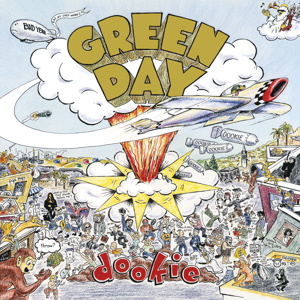
1994
Green Day — Dookie
Dookie made pop-punk feel like a national language for bored, anxious, under-stimulated kids who had no interest in pretending they were fine. Green Day took short, fast, bratty songs and packed them with hooks so strong that even people who claimed to hate punk ended up knowing every chorus. It was polished enough to explode, but still sounded like it had gum stuck to its shoe.
The album changed the alternative landscape because it widened the decade’s emotional vocabulary. Not everything had to be brooding or cosmic. Sometimes the 90s were about panic attacks, boredom, bad habits, cheap jokes and the feeling that adulthood looked like a scam. Dookie made that sound huge, funny and weirdly liberating.
Keep rewinding: 50 Essential 90s Alternative Songs 90s Music 90s Alternative & Grunge 90s alternative songs that defined the decade
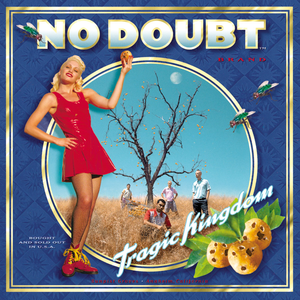
Tragic Kingdom brought ska, new wave, pop, punk energy and breakup drama into one bright, restless package. No Doubt sounded completely different from the gloomy middle of 90s alternative radio, and that contrast helped them take over. The album bounced, snapped and spun around heartbreak instead of just sinking into it.
Gwen Stefani’s presence was obviously huge, but the record works because the band behind her had serious movement. “Spiderwebs” and “Sunday Morning” have rhythmic life. “Just a Girl” became an anthem because its sarcasm came with a hook sharp enough to draw blood. “Don’t Speak” turned private band drama into a global slow-burn. Tragic Kingdom made alternative brighter without making it shallow.
Keep rewinding: Ska-punk and 90s alternative 50 Essential 90s Alternative Songs 90s Music Women of 90s Alternative Rock
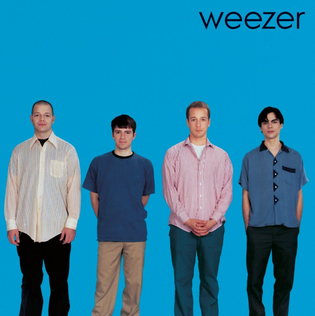
The Blue Album made awkwardness sound huge. Weezer took crunchy guitars, power-pop melodies, nerdy references and emotional discomfort and made an album that felt like it had been built in a garage by people who had very strong feelings about both KISS and not making eye contact. It was funny, sad, catchy and weirdly precise.
The album mattered because it created a different alternative archetype. You did not have to be dangerous, mysterious or tortured in a leather-jacket way. You could be uncomfortable, obsessive and still write a chorus that flattened the room. “Buddy Holly” had the MTV gimmick, “Say It Ain’t So” had the emotional gut punch, and “Undone” made sweater destruction a cultural act.
Keep rewinding: Weezer, Beck and slacker alternative 50 Essential 90s Alternative Songs 90s Alternative & Grunge Weezer, Beck and slacker alternative
1996
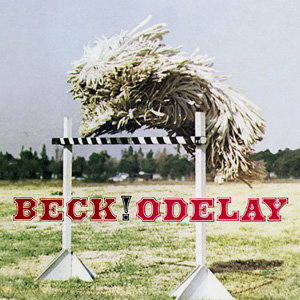
Beck — Odelay
Odelay made Beck feel less like the “Loser” guy and more like one of the decade’s great musical junk-shop architects. The album is built from samples, folk fragments, hip-hop rhythm, funk, noise, absurdist lyrics and slacker confidence, but somehow it never feels like a mess. It feels like the mess learned choreography.
This record defined a major part of 90s alternative because it rejected the idea that rock had to be a band in a room playing the expected instruments in the expected way. Beck made collage feel natural. He made irony groove. He made nonsense sound emotionally accurate. Odelay is one of the reasons the decade still feels inventive instead of just distorted.
Keep rewinding: Weezer, Beck and slacker alternative 90s Alternative Songs That Still Sound Modern 90s Music Weezer, Beck and slacker alternative
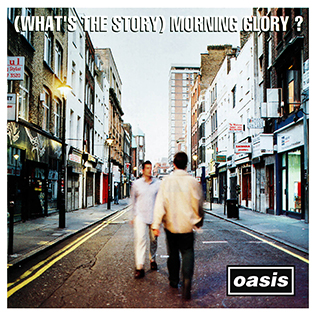
(What’s the Story) Morning Glory? was Britpop at its most unavoidable. Oasis did not sound tortured in the Seattle sense. They sounded enormous, cocky, sentimental, combative and weirdly communal. The album turned big choruses and classic-rock swagger into a 90s alternative phenomenon, especially for anyone who wanted guitars without the American gloom.
The songs became part of the decade’s wallpaper in the best and worst ways. “Wonderwall” became so overplayed that it almost hid how effective the album was. “Don’t Look Back in Anger” is built for mass singing. “Champagne Supernova” drifts into nonsense and still feels meaningful because the melody insists on it. This album made Britpop feel global.
Keep rewinding: Britpop in the 90s 50 Essential 90s Alternative Songs 90s Music Britpop in the 90s
1994
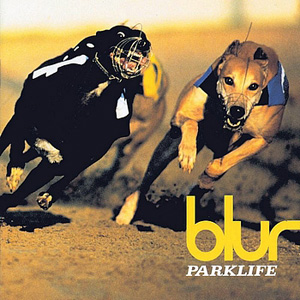
Blur — Parklife
Parklife is Blur turning British life, class anxiety, nightlife, sarcasm and pop history into a bright, restless album that helped define Britpop. It is less universal-singalong than Oasis and more observational, more clever and more willing to poke at the culture around it. The album feels like walking through a city full of characters you are not sure you want to know.
For American listeners, Blur might be remembered more through “Song 2,” but Parklife is the bigger album statement. It showed that 90s alternative did not have to come from the same emotional or geographic place. While American bands were processing alienation through distortion, Blur were turning social detail into hooks. Different mess, same decade.
Keep rewinding: Britpop in the 90s 90s Music 50 Essential 90s Alternative Songs Britpop in the 90s
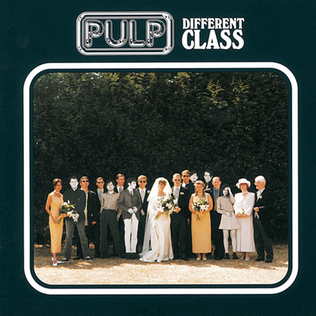
Different Class is Britpop with sharper teeth. Pulp made songs that were funny, bitter, sexy, sad and politically aware without turning into lectures. Jarvis Cocker did not sing like a standard rock frontman. He observed, judged, narrated and occasionally sounded like he had cornered you at a party to explain exactly why everyone there was doomed.
“Common People” is the obvious centerpiece, and it deserves every bit of its reputation. But the album is full of characters, scenes and class tension. Different Class matters because it made alternative music feel literary without becoming homework. It was smart, catchy and mean in ways that have aged extremely well, possibly because people remain ridiculous.
Keep rewinding: Britpop in the 90s 50 Essential 90s Alternative Songs 90s Alternative Songs That Still Sound Modern Britpop in the 90s
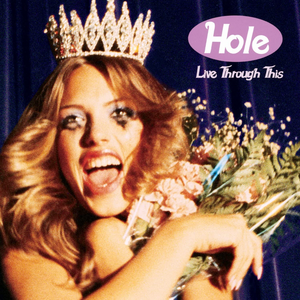
Live Through This is one of the decade’s most intense alternative albums because it feels both controlled and barely contained. Hole made a record full of beauty, rage, vulnerability and image warfare, and Courtney Love delivered it with a voice that could sound wounded one second and ready to burn down the set the next.
The album matters because it pushed female anger and survival into a guitar-rock space that was still too often filtered through male mythology. “Doll Parts” is devastating. “Violet” is explosive. “Miss World” turns performance and self-destruction into a hook. Live Through This is messy because life was messy. That is not a flaw. That is the voltage.
Keep rewinding: Women of 90s Alternative Rock 50 Essential 90s Alternative Songs 90s Alternative & Grunge
1995
Garbage — Garbage
Garbage sounded like a band and a machine had made a stylish bad decision together. The album blended guitars, electronics, loops, noir-pop attitude and Shirley Manson’s icy charisma into something that felt sleek without feeling fake. In a decade full of rawness, Garbage proved that polished could still be dangerous.
The debut matters because it helped define a more produced, modern version of alternative rock. “Only Happy When It Rains” turned misery into a smirk. “Stupid Girl” had bite and groove. “Vow” introduced the whole thing like a threat with a good haircut. This album still feels current because it was never relying on one narrow 90s guitar sound.
Keep rewinding: Women of 90s Alternative Rock 50 Essential 90s Alternative Songs 90s Alternative Songs That Still Sound Modern
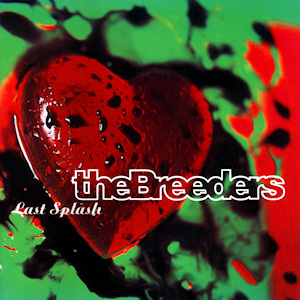
Last Splash is proof that 90s alternative did not need to be emotionally tidy or sonically obvious to connect. The Breeders made an album that was loose, strange, catchy and full of sideways charm. “Cannonball” became the unforgettable hit, but the whole record has that off-kilter quality that makes it feel handmade in the best possible way.
Kim Deal’s presence is key. The songs do not posture. They wander, snap, drift, grin and then suddenly hit you with a perfect hook. Last Splash defined the artier, weirder, less macho side of 90s alternative — the side that made the decade feel like you could stumble into a great song without it announcing itself with fireworks.
Keep rewinding: 25 Forgotten 90s Alternative Songs 90s Alternative & Grunge 50 Essential 90s Alternative Songs 25 forgotten 90s alternative songs
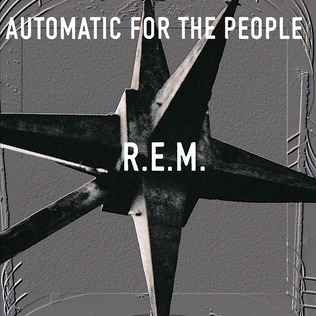
Automatic for the People is not loud, but it is absolutely part of the 90s alternative story. R.E.M. helped build the road that later alternative bands drove down, and this album showed how gracefully college-rock credibility could age into something deeper, slower and more emotionally direct. It is a quiet record, but not a small one.
The album gave the decade some of its most enduring reflective songs. “Everybody Hurts” became a comfort anthem, even if overexposure made people forget how effective it is. “Man on the Moon” has mystery and warmth. “Nightswimming” is pure memory ache. Automatic for the People mattered because alternative was not just youth rebellion. Sometimes it was growing older and realizing the feelings had gotten worse.
Keep rewinding: 90s Music 50 Essential 90s Alternative Songs 90s Alternative & Grunge 50 essential 90s alternative songs
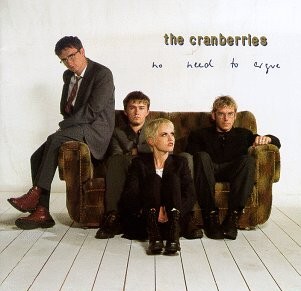
No Need to Argue gave 90s alternative one of its most unmistakable voices. Dolores O’Riordan could sound fragile, fierce, ancient and completely modern inside the same phrase. The Cranberries had plenty of melodic beauty, but “Zombie” made it clear that beauty could carry protest, grief and fury without turning into background prettiness.
The album sits in a different emotional space than the American grunge and Britpop records around it. It is gentler in places, but not weaker. It has atmosphere, ache and sudden force. That range made The Cranberries essential to the decade’s broader alternative identity, especially for listeners who wanted songs that felt personal and political without wearing the same old uniform.
Keep rewinding: 50 Essential 90s Alternative Songs Women of 90s Alternative Rock 90s Music
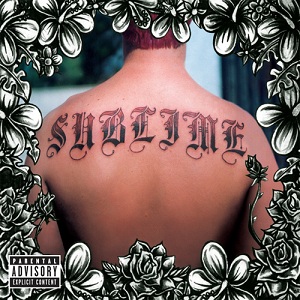
1996
Sublime — Sublime
Sublime is messy, catchy, sunburned, tragic and impossible to separate from the late-90s alternative landscape. The album blended ska, punk, reggae, hip-hop, dub, beach-town burnout and bad decisions into a sound that felt casual until you realized how many hooks were hiding in it. It was not clean, and it was not supposed to be.
The album’s afterlife is complicated because the band’s story is complicated, but the songs became part of the decade’s DNA. “Santeria” and “What I Got” were everywhere. “Wrong Way” was uncomfortable and unforgettable. Sublime helped define the SoCal side of 90s alternative — less flannel, more heat shimmer, still plenty of damage.
Keep rewinding: Ska-punk and 90s alternative 50 Essential 90s Alternative Songs 90s Music ska-punk in 90s alternative
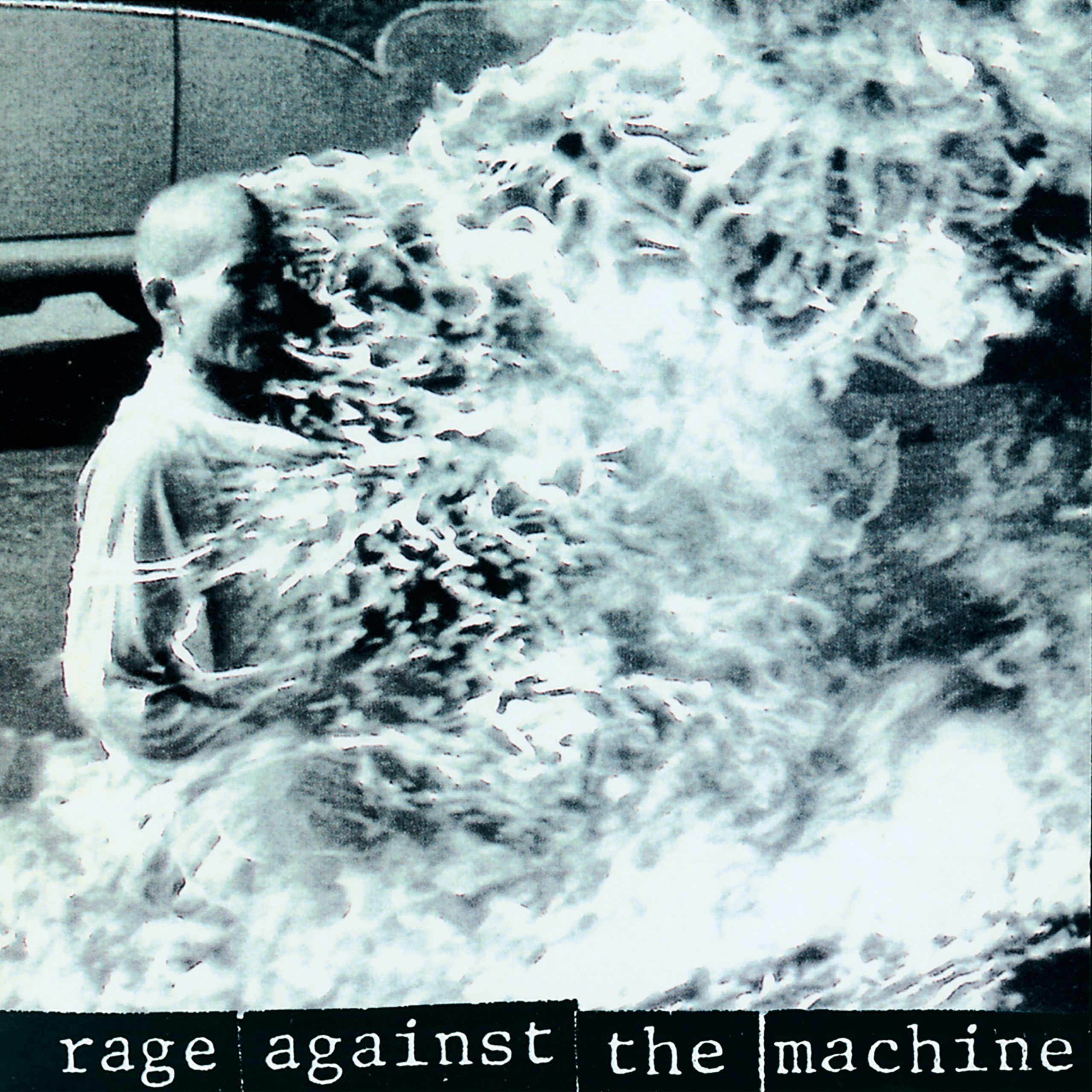
Rage Against the Machine did not politely enter the 90s alternative conversation. It kicked in the door, broke the frame and started yelling about the system while Tom Morello made a guitar sound like it had learned electronics out of spite. The album fused rap, metal, funk and political fury into something that felt completely new to a lot of mainstream rock listeners.
Its importance is bigger than genre labels. Rage showed that alternative could be confrontational not just emotionally, but politically. The songs were built on groove and force, with Zack de la Rocha’s vocals hitting like protest chants sharpened into verses. This album made a lot of other angry rock suddenly sound like it was mad about parking.
Keep rewinding: 90s Alternative & Grunge 90s Music 90s alternative songs that defined the decade industrial rock in the 90s
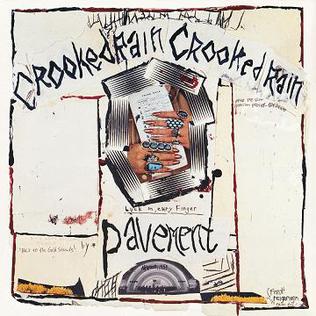
Crooked Rain, Crooked Rain is Pavement sounding almost accessible, which is a funny thing to say about an album that still feels like it is shrugging at the idea of accessibility. It has melody, wit, guitar looseness and enough indie-rock attitude to make polished ambition seem vaguely embarrassing. “Cut Your Hair” became the entry point, but the album runs deeper than the joke.
Pavement mattered because they gave 90s alternative its anti-rock-star conscience. They were smart, crooked, casual and suspicious of bigness. While other bands were making generational statements, Pavement sounded like they had misplaced the statement and found a better riff instead. That looseness became hugely influential, especially for the indie side of the decade.
Keep rewinding: Weezer, Beck and slacker alternative 25 Forgotten 90s Alternative Songs 90s Alternative & Grunge slacker alternative
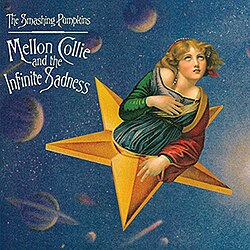
Mellon Collie and the Infinite Sadness is ridiculously ambitious in a way that only the mid-90s could have allowed. A sprawling double album from an alternative band became a mainstream event, which tells you how much the decade had shifted. The Smashing Pumpkins went bigger, moodier and more theatrical, moving from lullabies to rage spirals to orchestral drama like restraint had been legally banned.
The album matters because it captured 90s alternative at its most maximal. “1979” became a perfect memory song. “Bullet with Butterfly Wings” turned frustration into a slogan. “Tonight, Tonight” made the band feel cinematic. It is messy because double albums are messy. But the mess is part of the point. The decade was big enough for this kind of overreach, and somehow the overreach became iconic.
Keep rewinding: 50 Essential 90s Alternative Songs 90s Alternative & Grunge 90s Music 50 essential 90s alternative songs
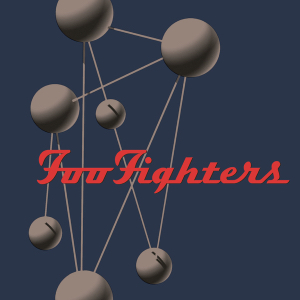
The Colour and the Shape turned Foo Fighters from a post-Nirvana question mark into a real band with its own identity. Dave Grohl did not try to recreate grunge mythology. He built a louder, cleaner, more melodic version of alternative rock that could survive the late-90s radio shift while still carrying emotional weight.
The album’s key is range. “Monkey Wrench” has frantic punch. “My Hero” became a big-hearted anthem. “Everlong” is one of the decade’s most durable songs because it feels urgent, romantic and haunted without tipping into cornball territory. This is where post-grunge and alternative radio rock found one of their best possible versions.
Keep rewinding: Post-grunge and radio rock 50 Essential 90s Alternative Songs 90s Alternative & Grunge post-grunge and radio rock
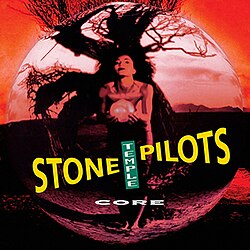
Core has always had a complicated place in the 90s alternative story, partly because Stone Temple Pilots were instantly accused of being too close to the Seattle sound. Time has been kinder than the initial arguments. The album has massive riffs, Scott Weiland’s magnetic presence and songs that were built for MTV and rock radio whether critics wanted to admit it or not.
What makes Core important is how it helped spread the grunge-adjacent sound beyond the original Seattle mythology. “Plush” became unavoidable because it had the vocal drama and guitar weight radio wanted. The album also pointed toward the post-grunge wave that would follow, where mood, melody and heavy guitars became the default language of modern rock.
Keep rewinding: Post-grunge and radio rock Best 90s Grunge Albums 50 Essential 90s Alternative Songs post-grunge and radio rock
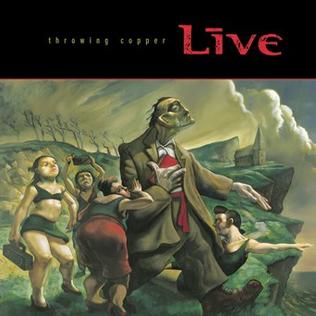
Throwing Copper is one of the major albums in the moment when alternative started becoming modern rock radio’s default setting. Live had huge emotional intensity, spiritual imagery, big choruses and a sound that felt serious in the way mid-90s radio often rewarded. The album was everywhere, even if later nostalgia sometimes underrates how dominant it was.
“Lightning Crashes” became the massive cultural memory, but “I Alone,” “All Over You” and “Selling the Drama” show the full radio power of the record. It is earnest to a degree that later listeners sometimes mock, but that earnestness was part of the decade. Not everything was irony and flannel sarcasm. Some bands stared directly into the big feelings and refused to blink.
Keep rewinding: Post-grunge and radio rock 50 Essential 90s Alternative Songs 90s Alternative & Grunge post-grunge and radio rock
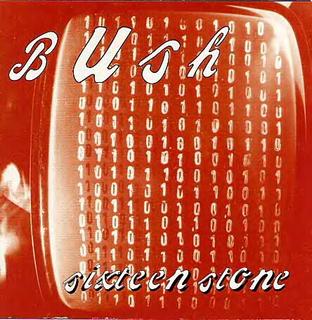
1994
Bush — Sixteen Stone
Sixteen Stone is one of the clearest examples of grunge’s sound becoming a radio-ready international language. Bush were not Seattle, and everyone knew it, but the album hit because it translated distortion, moodiness and wounded vocals into songs that were direct enough for constant airplay. It was polished angst with just enough grit to pass through the decade’s filter.
The singles are the story: “Glycerine,” “Machinehead,” “Comedown,” “Everything Zen.” That run made Bush a defining band of modern rock radio whether people want to admit it or not. The album may not have invented the sound, but it shows how quickly 90s alternative became a global style that could be adapted, packaged and still connect.
Keep rewinding: Post-grunge and radio rock 90s Alternative Songs You Forgot Were Huge 50 Essential 90s Alternative Songs post-grunge and radio rock
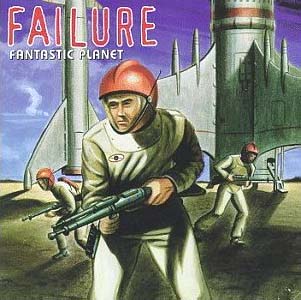
Fantastic Planet is the kind of album that makes people angry at history for not doing a better job the first time. Failure made a heavy, spacey, melodic, emotionally damaged record that did not fully fit the commercial categories around it. It was too sleek and strange to be basic post-grunge, too heavy to be dream-pop and too good to stay buried forever.
The album’s reputation has grown because it aged beautifully. The production feels spacious and modern, the songs have weight without bloat, and the addiction imagery gives the whole thing a sense of drifting danger. “Stuck on You” is the gateway, but the album works as a full atmosphere. It is one of the great 90s alternative records that more people discovered late than on time.
Keep rewinding: 25 Forgotten 90s Alternative Songs 90s alternative songs that defined the decade 90s Alternative & Grunge 25 forgotten 90s alternative songs
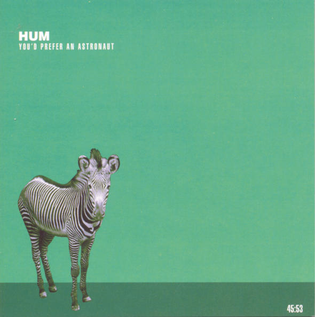
You’d Prefer an Astronaut is not the biggest 90s alternative album on this list, but it is one of the most important for understanding how deep the decade went beyond the obvious hits. Hum built a massive, dreamy, distorted sound that felt like shoegaze, grunge and science fiction had all decided to split rent. “Stars” gave the band a real modern rock moment, but the album has much more to offer.
The record still matters because it represents the hidden architecture of 90s alternative: the bands that did not become household names but quietly influenced the way heavy, atmospheric guitar music would evolve. It is loud without being blunt, dreamy without being weak and emotional without making speeches. That combination makes it feel more current now than some records that were much bigger at the time.
Keep rewinding: 25 Forgotten 90s Alternative Songs 90s alternative songs that defined the decade Modern rock radio in the 90s 25 forgotten 90s alternative songs
Keep Rewinding the 90s Alternative Album Shelf
The albums make more sense when you keep the rest of the basement humming: the songs, the videos, the scenes, the softer unplugged moments and the late-decade radio cleanup.
FAQ: Best 90s Alternative Albums
What are the best 90s alternative albums?
Some of the best 90s alternative albums include Nirvana’s Nevermind, Radiohead’s OK Computer, Pearl Jam’s Ten, Alanis Morissette’s Jagged Little Pill, The Smashing Pumpkins’ Siamese Dream, Nine Inch Nails’ The Downward Spiral, Soundgarden’s Superunknown, Alice in Chains’ Dirt, Green Day’s Dookie, No Doubt’s Tragic Kingdom, Weezer’s Blue Album and Beck’s Odelay.
What counts as a 90s alternative album?
A 90s alternative album can include grunge, Britpop, industrial rock, alt-pop, slacker rock, ska-punk, post-grunge, college rock, indie rock and modern rock radio albums that helped define the decade outside traditional mainstream pop and classic rock formats.
Is this the same as a best 90s grunge albums list?
No. A best 90s grunge albums list focuses mainly on Seattle and grunge-adjacent records. This broader list includes grunge, but also covers Radiohead, Alanis Morissette, No Doubt, Nine Inch Nails, Weezer, Beck, Oasis, Blur, Pulp, Garbage, The Breeders, R.E.M., Sublime and more.
Why are some huge albums ranked lower than expected?
This list balances popularity, influence, replay value, decade-defining impact and how well each album represents the wider 90s alternative world. Some albums were massive radio records, while others shaped the deeper sound of the decade.
What 90s alternative album should I start with?
Start with Nevermind for the cultural explosion, OK Computer for the late-decade future shock, Ten for arena-sized grunge, Jagged Little Pill for alt-pop anger, The Blue Album for nerdy power-pop and Odelay for the weird sample-heavy side of 90s alternative.