CBS Owned the Dial
Seven of the ten entries aired on CBS, including every program in the top three and five of the top six positions.
According to the Nielsen rankings for the 1981–82 television season, Dallas was America’s most-watched show. 60 Minutes, The Jeffersons, Three’s Company and Alice completed a top five that mixed serialized obsession, hard news and sitcom comfort.
The strangest part may be the eighth-place finisher: ABC Monday Night Movie. An entire movie slot outranked nearly every scripted program on television. That is the network era in one beautiful, slightly unbelievable statistic.
 Now Broadcasting
Dallas ranked number one in the 1981–82 Nielsen season with a 28.4 rating. 60 Minutes was second, The Jeffersons was third, Three’s Company was fourth and Alice was fifth.
The Dukes of Hazzard and Too Close for Comfort earned the same 22.6 rating and officially tied at number six. Because of that tie, the published Nielsen table has no separate number-seven position. Both programs remain in this ten-show countdown.
CBS placed seven programs in the ten entries shown here and controlled the first three positions. ABC supplied Three’s Company, Too Close for Comfort and a weekly movie showcase that somehow became one of America’s biggest programs.
The 1981–82 season was broad enough for a prime-time soap, investigative journalism, domestic sitcoms, a car-jumping action comedy and an entire movie block to become enormous at the same time.
Seven of the ten entries aired on CBS, including every program in the top three and five of the top six positions.
J.R. Ewing and the Ewing family remained the center of serialized prime-time obsession with a 28.4 rating.
60 Minutes finished only seven-tenths of a rating point behind Dallas, an astonishing result for a newsmagazine.
ABC’s branded Monday-night movie slot ranked eighth, proving that the feeling of an event could be as powerful as a continuing series.
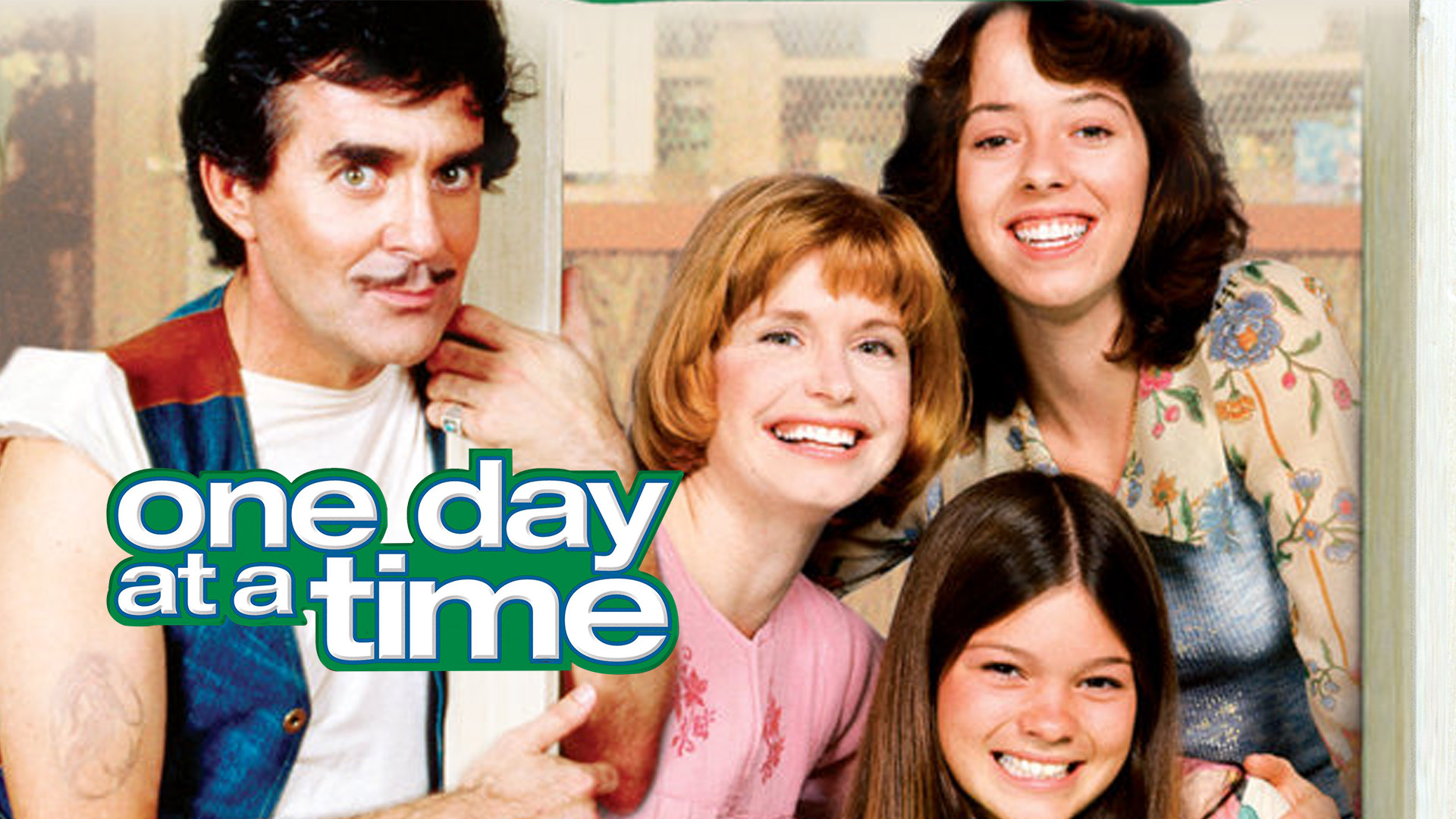
One Day at a Time landing in the 1982 top 10 shows how much room prime time still had for sitcoms that felt recognizably human. The series followed Ann Romano, a divorced working mother trying to manage adulthood, parenting, money, relationships, and the steady background hum of stress that comes with all of the above. That setup may sound ordinary compared with the flashier shows around it, but that was exactly the point. It felt close to home.
The show’s real strength was that it did not flatten family life into fantasy. Ann and her daughters did not exist in some sitcom dream world where problems reset after 22 minutes and nobody had bills, resentment, or a bad mood. Bonnie Franklin gave Ann a smart, capable, sometimes frayed energy that made her easy to root for. Valerie Bertinelli and Mackenzie Phillips made the mother-daughter conflict feel specific instead of generic. Schneider, meanwhile, functioned like a sitcom disruption machine, popping in with big personality and just enough chaos to keep everything from getting too earnest.
In the 1982 lineup, it represented the grounded side of the top 10. Not every major hit was a huge soap, a stunt-heavy action show, or a prestige institution. Sometimes America really did want a show that looked more like the real family mess waiting in the next room.

By the 1981–82 season, M*A*S*H had been around long enough that lesser shows would have been coasting on reputation alone. Instead, it was still ranking in the top 10 because it continued to do something network television rarely pulled off at that level: combine intelligence, emotional depth, and broad appeal without watering any of them down too much.
Set in a Mobile Army Surgical Hospital during the Korean War, the series never forgot that it was built around doctors and nurses working in a place where life and death were part of the daily routine. That gave the comedy weight. Alan Alda’s Hawkeye Pierce stayed central because he embodied the show’s dual nature so well — funny, subversive, exhausted, compassionate, and clearly aware that jokes were sometimes the only reasonable response to insanity. The rest of the ensemble helped make the 4077th feel like a real workplace rather than a TV premise.
In the context of 1982, M*A*S*H also represents the endurance of CBS’s smarter brand of hit television. It was not loud. It was not gimmicky. It just kept being good enough that millions of people kept watching. That is harder than it sounds.
One of the most gloriously network-era sights in the 1982 ranking is ABC Monday Night Movie. Not a traditional series. Not a sitcom. Not a drama with recurring characters. Just a weekly movie slot powerful enough to outrank most of prime time. That is such a specific early-1980s flex that it almost deserves its own trophy.
The appeal was straightforward but potent. A movie night felt like event viewing. Whether ABC aired a made-for-TV movie, a network premiere of a theatrical release, or some other heavily promoted movie package, the audience knew the pitch: tonight is different. Instead of another episode in an ongoing series, you got something self-contained, larger in scale, and often easier for a whole household to agree on. In a pre-streaming world, that mattered.
This slot ranking in the top 10 says something important about 1982 television habits. The networks were not just competing show versus show; they were competing on the feeling of the night. ABC was very good at turning its schedule into a weekly event calendar, and a branded movie slot was part of that strategy. For Gen X, the whole thing is a time capsule of when just seeing the word “movie” in prime time could feel like an occasion.
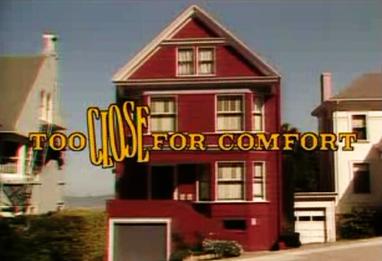
Too Close for Comfort is exactly the sort of hit that gets lost when people remember only the biggest titles. Today, it rarely gets mentioned in the same breath as the biggest early-1980s hits. In the ratings, though, it was absolutely there. Tied for sixth in the 1981–82 season is not a footnote. That is a real, mainstream, mass-audience success story.
Ted Knight played Henry Rush, a conservative cartoonist whose domestic peace was constantly under attack by proximity, family, and other people’s bad timing. His wife Muriel was more grounded, his daughters lived downstairs, and the premise basically weaponized closeness as a comedy engine. The title was not kidding. The series thrived on irritation, family boundaries, and the reality that adulthood has a way of staying in your house longer than you planned.
What made it work was Knight. He was very good at playing men whose authority felt both real and slightly ridiculous. That let the show mine his frustration for laughs without making him feel like a complete cartoon. Its sixth-place tie proves audiences still had a huge appetite for old-fashioned domestic sitcom structure, especially when the lead was strong enough to carry it.
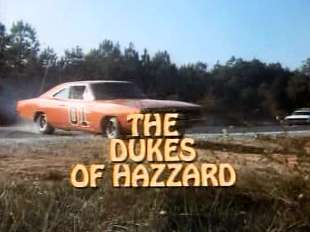
The Dukes of Hazzard was no longer in its absolute peak slot by 1982, but tied for sixth still means it was a huge hit. And honestly, that makes sense. The show had all the ingredients of a long-lasting mass-audience favorite: instantly recognizable heroes, villains so broad they might as well have been running for office in a Looney Tunes county, a car famous enough to count as cast, and a structure so reliable that viewers could jump in at almost any point.
Bo and Luke Duke were not complicated protagonists. They did not need to be. Their appeal was that they were easy to root for, fast on their feet, and always one step ahead of Boss Hogg and Rosco P. Coltrane. The show sold good-versus-corrupt with almost no ambiguity, which made it ideal family viewing. Kids loved the action. Adults got the jokes. Everyone recognized the General Lee before the opening narration was even finished.
By 1982, the series also had the advantage of being bigger than its scripts. It had become a toy-shelf phenomenon, a merchandising engine, and the kind of show people reenacted in driveways and backyards. That extra life outside the episodes helped keep it lodged in the culture even when the ratings started leveling off a bit.
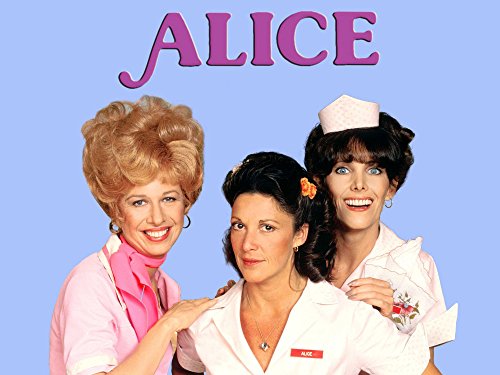
Alice hanging at #5 in 1982 is one of the best arguments for the power of familiarity done right. Mel’s Diner was a TV setting viewers could settle into instantly. It had the same appeal as a favorite booth at a local restaurant: you knew who would be there, you knew the moods, and you knew the arguments were going to start early.
Linda Lavin remained the anchor because Alice Hyatt was written and played as a recognizably adult person, not just a sitcom function. She was trying to keep her life moving, hold onto dignity, manage work, and survive the personalities around her. Mel brought grouchy chaos. Vera brought fluttery unpredictability. The whole show lived in that zone where irritation and affection were so entangled that one more argument somehow made the place feel warmer instead of colder.
In 1982, the series also benefited from its consistency. Viewers knew what they were getting, and that reliability was a strength. While other shows were selling cliffhangers or spectacle, Alice sold character rhythm and workplace comfort. That kind of stability matters a lot in a medium built around habits.
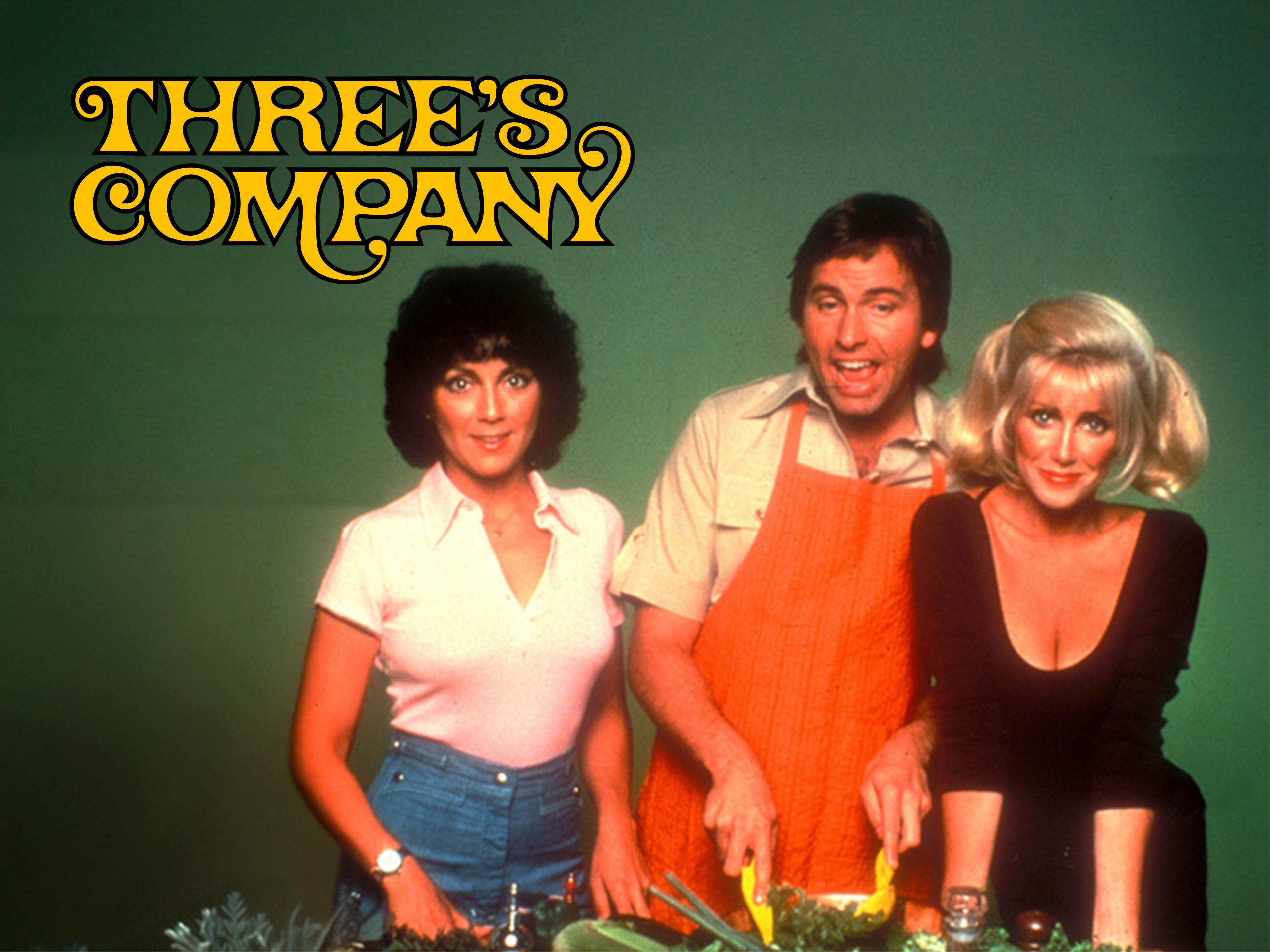
Three’s Company sitting at #4 in 1982 feels exactly right because it had perfected a type of sitcom very few shows could execute at that level: pure farce with mainstream reach. The premise — two women and a man sharing an apartment under socially suspicious circumstances — still had just enough edge for the time to make viewers feel like they were getting a tiny taste of scandal without actually leaving network-TV safety.
The secret, of course, was John Ritter. He made the mechanics of the show look effortless. Misunderstandings, double meanings, frantic cover stories, and physical panic were already baked into the scripts, but Ritter turned them into something special. Joyce DeWitt gave the show balance and intelligence, and by this point the series had built enough momentum that the apartment, the landlords, and the whole orbit of Jack Tripper’s chaos were instantly recognizable TV territory.
What helps distinguish the 1982 angle from earlier years is that the show was no longer just “that hot new slightly naughty sitcom.” It was an established giant. That is a different kind of success. It means the formula had survived long enough to become dependable without becoming stale, which is much harder than it looks.
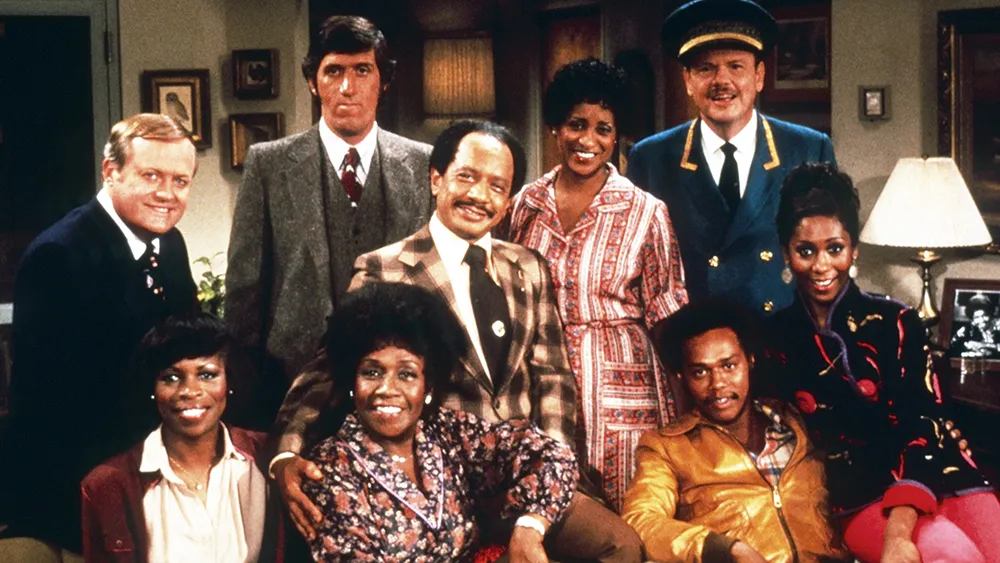
The Jeffersons rising to #3 in the 1981–82 season is one of the clearest signs that the show was not coasting on reputation. It was still fully competing. That matters because by this point it was already a fixture in American television, a spin-off turned institution, and still strong enough to outrank nearly everything else on the schedule.
George and Louise Jefferson remained one of the best central couples in sitcom history because they were built on contrast without becoming predictable. George was all ego, opinion, defensiveness, and ambition. Weezy was warm, composed, and usually operating with a clearer view of reality than everyone else in the room. Sherman Hemsley and Isabel Sanford made that dynamic feel effortless, which allowed the show to jump between domestic comedy and broader cultural commentary without losing momentum.
In 1982, the show’s importance also reads even more clearly in hindsight. This was a major network sitcom centered on a successful Black family, and it remained both culturally significant and wildly popular. That combination is part of what makes The Jeffersons more than just another hit. It is one of the key shows in the story of American television.

The fact that 60 Minutes ranked second among the most watched TV shows of 1982 is one of the best reminders that the network era ran on a very different kind of attention economy. This was not “the serious show people endured before the fun stuff came on.” It was the fun stuff for a huge adult audience — or at least the compelling, necessary, appointment-viewing stuff.
What made the show so powerful was that it combined substance with structure. Investigative reporting, sharp interviews, and high-stakes journalism can easily feel heavy in the wrong format. 60 Minutes turned them into prime-time television by making urgency watchable. It had authority, but it also had rhythm. It respected viewers without ever becoming dull, which is a much rarer trick than television executives have historically liked to admit.
In the context of 1982, this ranking is especially revealing. While the rest of the top 10 included sitcoms, soaps, and entertainment packages, a hard-news program still finished at #2. That tells you audiences were not just showing up for escapism. They were also showing up for credibility, and 60 Minutes had plenty of it.
Dallas staying at #1 in 1982 tells you everything about the grip it had on the culture. This was not just another prime-time soap. It was the prime-time soap — the one that taught a massive audience to keep coming back for betrayal, wealth, family warfare, and the very specific pleasure of watching terrible rich people smile at each other while plotting destruction.
Larry Hagman’s J.R. Ewing was central to that dominance. He was charismatic in the worst possible way, which made him perfect television. Viewers could hate him, admire his nerve, laugh at his cruelty, and still absolutely need to know what he was going to do next. Around him, the rest of the Ewing family gave the show its battlefield: old money, land, marriages, resentment, fragile loyalties, and just enough moral collapse to keep the whole thing humming.
The 1982 version of Dallas also matters because by now the show was more than a hit — it was a machine for serialized obsession. Cliffhangers, consequence, and narrative momentum were no longer just occasional treats. They were the whole point. If you wanted to know why prime-time soaps became such a force in the early 1980s, Dallas is the answer.
The top TV shows of 1982 make the network era look much stranger and more varied than the simplified version people remember. A glossy prime-time soap finished first. A serious newsmagazine nearly caught it. A socially important sitcom ranked third. An entire weekly movie slot landed in eighth place.
The same ranking also made room for physical farce, working-class diner comedy, family tension, Hazzard County car jumps and the intelligent melancholy of M*A*S*H. Mainstream audiences were still broad enough to make all of those things enormous at once.
For Gen X, these programs were not abstract ratings winners. They were household schedules, theme songs heard from another room, commercials memorized by accident and the shows that decided what the family television was doing that night.
Television was only one part of the year. Keep moving through the Billboard hits, blockbuster movies, toy aisles, fads, cola wars and the larger 80s archive.
Olivia Newton-John, Survivor, Joan Jett and the year-end hits that made early-80s radio sound enormous.
Explore the Songs → MoviesE.T., Tootsie, Rocky III and a blockbuster year that kept getting bigger.
Explore the Movies → ToysAtari, Strawberry Shortcake, G.I. Joe, Smurfs and an early- 80s toy aisle shifting into maximum power.
Explore the Toys → FadsE.T. mania, home computers, aerobics, Atari and Members Only jackets.
Explore the Fads → Commercial BreakHow blind taste tests helped turn soda into one of the decade’s loudest advertising battles.
Enter the Cola Wars → The Full DecadeMusic, toys, movies, television and the rest of the decade’s Gen X pop culture.
Enter the 80s →Move through the decade one Nielsen season at a time, from the network-heavy opening of 1980 to the changing prime-time landscape of 1989.
Clear answers about the 1981–82 Nielsen season, the official tie at sixth place, the top five and the network that dominated the rankings.
Dallas ranked number one in the Nielsen ratings for the 1981–82 television season with a 28.4 rating.
Network television ratings were reported by season rather than calendar year, so a ranking associated with 1982 normally uses the season that ended in 1982.
The top five were Dallas, 60 Minutes, The Jeffersons, Three’s Company and Alice.
The Dukes of Hazzard and Too Close for Comfort both earned a 22.6 rating and officially tied at number six.
Nielsen treated the recurring branded movie slot as a program. It earned a 22.5 rating and officially ranked eighth for the season.
CBS placed seven programs among the ten entries shown here and controlled the first three positions. ABC supplied the other three.
New articles, countdowns, videos and whatever other corner of the Gen X television schedule gets unlocked next.