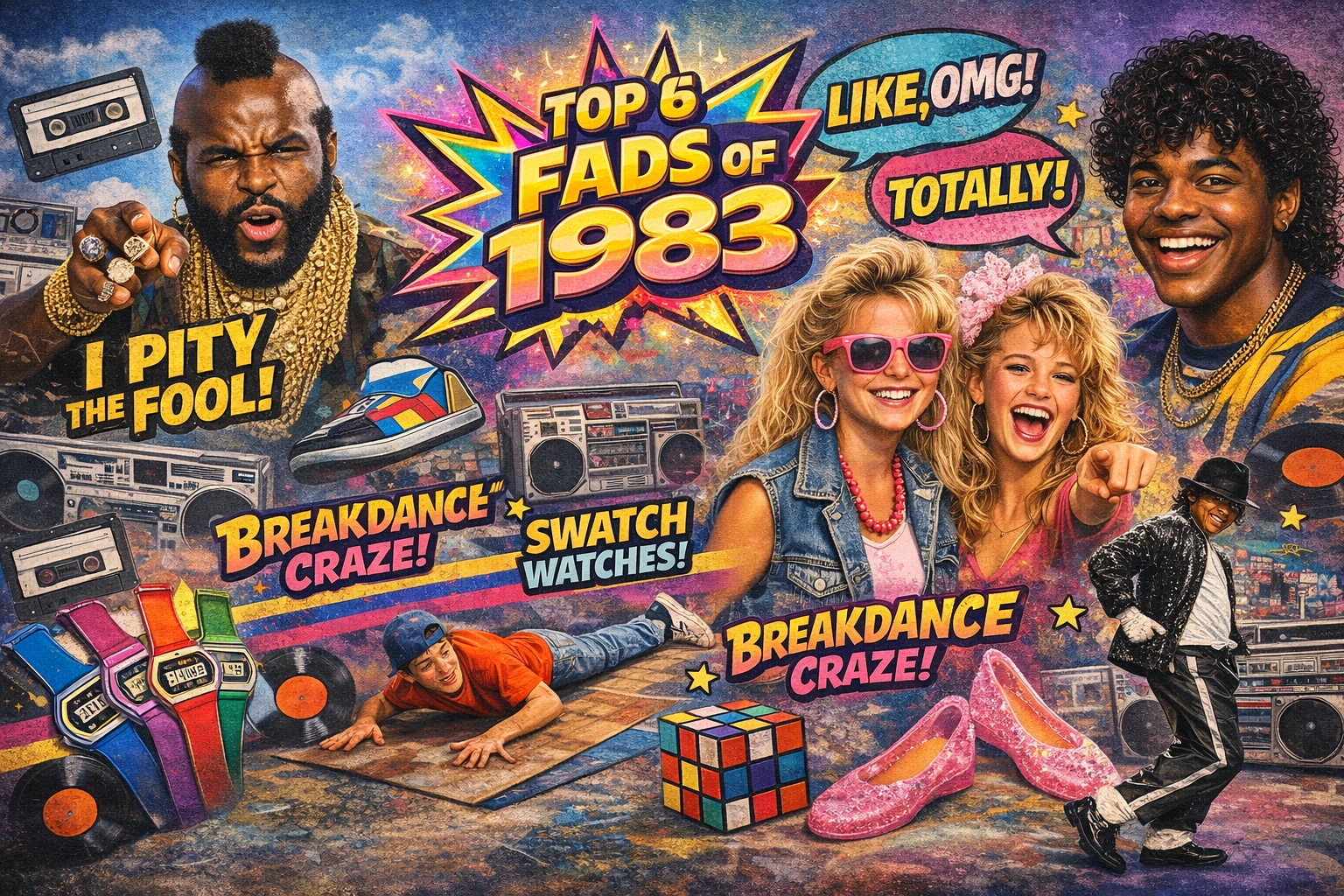
What Were the 6 Biggest Fads of 1983?
1983 was the year the early 80s stopped standing around and started performing. Sidewalks became dance floors, television characters became personality templates, a regional way of talking became national dialogue, and watches became small wearable billboards.
The trends were bright, public and easy to imitate. A cardboard square could create a crowd. A plastic watch could signal taste. A catchphrase could spread through a school before lunch. Even hair came with enough product and maintenance to qualify as a household system.
Basically, 1983 gave Gen X a boombox, a terrible Mr. T impression and the confidence to attempt a backspin on concrete.
The biggest fads turned public space into a stage.
The winning trends invited performance: dance it, quote it, wear it, copy it or build a temporary identity around it. Spectators became participants whether they were ready or not.
What Were the Six Biggest Fads of 1983?
The six biggest fads of 1983 were breakdancing, Mr. T mania, Valley Girl talk, Swatch watches, jelly shoes and Jheri curls. Together they capture a year when dance, television, slang, accessories, mall fashion and high-maintenance hair all became public ways to show exactly how current somebody believed they were.
Why 1983 Was Such a Public-Performance Fad Year
The strongest fads of 1983 were not quiet possessions. They changed how people moved, spoke, dressed and entered a room. Breakdancing required an audience. Mr. T mania required a voice. Valley Girl talk required commitment to the delivery. Jheri curls and jelly shoes were visible before anybody had explained them.
That made the year unusually performative. Even Swatch watches, the smallest item on the list, were designed to be seen. Color, novelty and attitude mattered as much as function.
Popular culture became easier to imitate
Television and music videos supplied complete characters instead of isolated products. Viewers could copy the voice, jewelry, movement, hairstyle or attitude without needing permission from the original source. A fad spread faster when it came with obvious instructions.
The audience became part of the trend
Breakdancing depended on the circle around the dancer. Mr. T catchphrases needed somebody to hear them. Valley Girl talk became funnier and more powerful when other people reacted. These were social fads built around witnesses.
How Fads Spread in 1983 Before Social Media
Trends moved through overlapping physical networks. A dance appeared on television, was attempted on a sidewalk, reached school and became local competition. A phrase from a movie became a joke, then a habit, then ordinary speech.
The process did not require an algorithm because people repeated what got a reaction. The crowd itself handled promotion.
How These 1983 Fads Were Ranked
The countdown weighs visibility, everyday participation, imitation, cultural reach and long-term Gen X memory. A fad ranks higher when ordinary people did more than recognize it—they attempted it, quoted it, wore it or built social activity around it.
Breakdancing takes the top spot because it converted public space into participatory culture. Mr. T mania ranks second because one personality crossed television, advertising, toys, cereal and everyday speech. Valley Girl talk required almost no equipment and spread nationally, while Swatch watches, jelly shoes and Jheri curls gave the year its wearable visual identity.
The Rest of 1983: Music, Movies, TV and Toys
The fads were only one part of the year. Michael Jackson’s Thriller dominated music and television, Return of the Jedi ruled theaters, network television still controlled the living room, and toy lines continued turning characters into entire childhood economies.
Why These Six Belong on the 1983 List
A real fad has to escape entertainment and move into behavior. It must affect what people wear, how they speak, what they attempt or the way they present themselves to other people.
Every item here crossed that line. Jheri curls required maintenance. Jellies turned plastic into fashion. Swatch made timekeeping social. Valley Girl talk changed conversation. Mr. T became a personality template. Breakdancing transformed ordinary pavement into a performance space.
The six trends also cover the year from multiple angles—hair, footwear, accessories, language, television and dance—without reducing 1983 to a single kind of nostalgia.
What 1983 Looked and Sounded Like From Inside the Crowd
Somebody unfolded cardboard while another person adjusted the boombox. A kid announced a move nobody had seen him land successfully. Somebody else wore plastic chains and said “I pity the fool” in a voice that sounded nothing like Mr. T but had been repeated often enough to become local tradition.
Bright watches appeared on wrists. Jelly shoes looked better than they felt. “Like” entered sentences several times before the actual point arrived. Hair product occupied enough space in the bathroom to qualify as shared infrastructure.
The 1983 Fad Countdown
- #6 Jheri CurlsGlossy, defined hair becomes a deliberate style statement with a serious maintenance plan.
- #5 Jelly ShoesBright plastic footwear turns mall novelty into a recognizable youth-fashion craze.
- #4 Swatch WatchesColorful watches transform timekeeping into collecting, coordination and wrist-level personality.
- #3 Valley Girl TalkA regional teen voice escapes California and becomes national parody, slang and performance.
- #2 Mr. T ManiaChains, catchphrases, cereal and attitude turn one television star into a full consumer universe.
- #1 BreakdancingCardboard, boomboxes, battles and risky imitation turn public space into a stage.
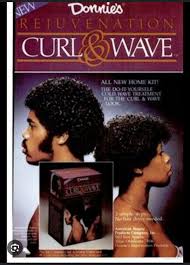
Jheri Curls
A Jheri curl was not accidental hair. It was a process, a product system and a visible commitment. The defined curls and glossy finish made the style one of the most recognizable looks of the early 80s.
The result had presence. It appeared in music culture, television, neighborhoods, clubs and family photographs with enough confidence to make ordinary hair seem unfinished.
Maintenance was part of the identity. Moisturizer, activator and regular care were required to keep the curl pattern and shine working together. The look demanded effort and made that effort visible.
That visibility is why the hairstyle belongs on a fad list. It did not remain limited to salons or performers. It moved into everyday life and became a recognizable part of the year’s visual language.
The style also represents an era when hair could function as a complete entrance. The shine, shape and movement communicated intention before the person had spoken.
The Maintenance Plan
Product, moisture and upkeep were not optional details. They were the operating system behind the finished look.
The Household Evidence
Towels, pillows and bathroom shelves occasionally carried reminders that the style’s shine came from somewhere.
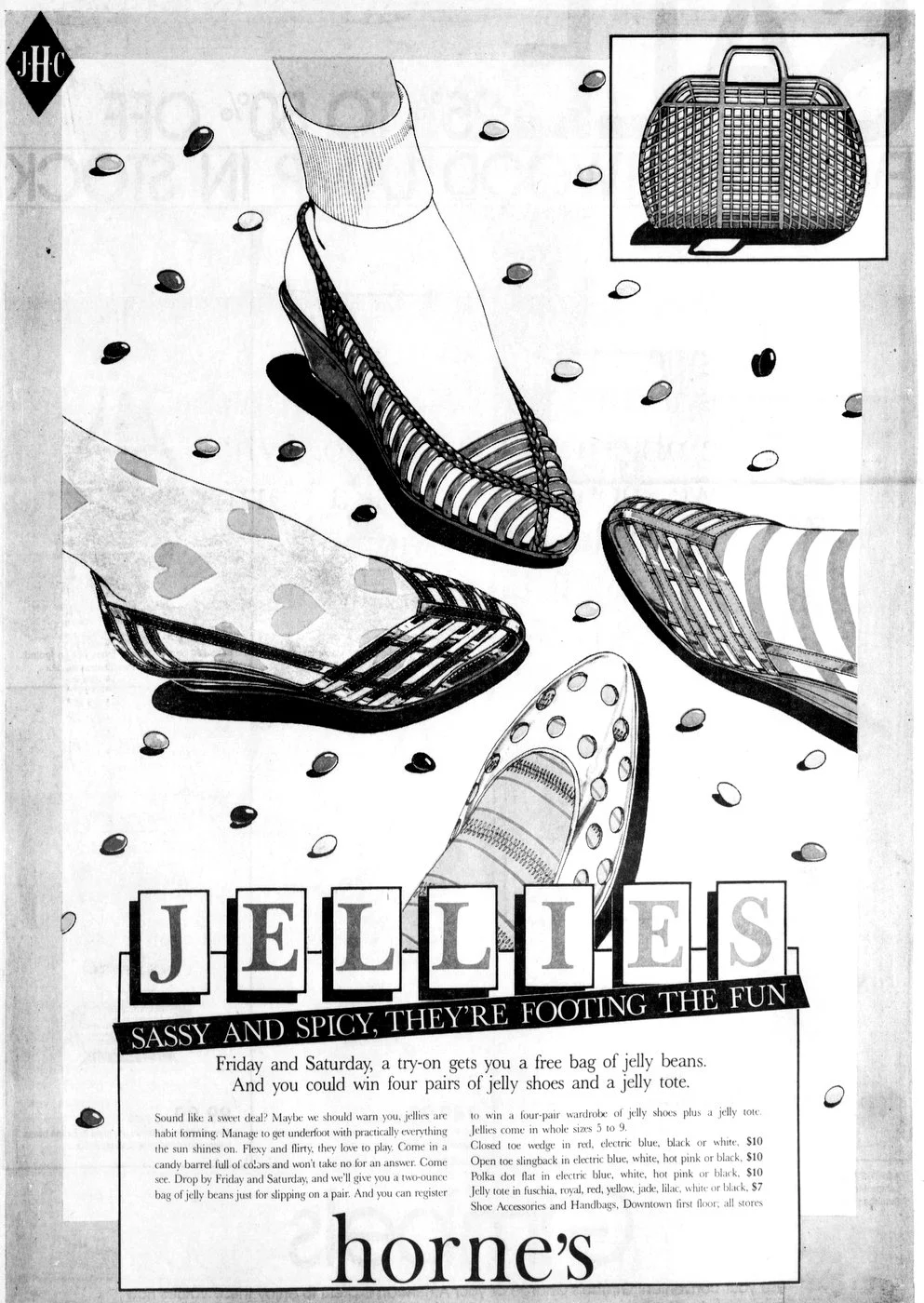
Jelly Shoes, or Jellies
Jelly shoes were absurd in exactly the correct way for 1983. Bright plastic footwear looked playful, inexpensive and slightly futuristic, which was enough to make a practical objection feel beside the point.
The shoes offered instant participation. No complete wardrobe change was required. One translucent pair could announce that the wearer had seen the trend and chosen a side.
Jellies benefited from color and visibility. They were immediately recognizable from across a hallway or mall store, especially when paired with the year’s broader appetite for bright accessories.
They also fit the classic fad formula: affordable enough to spread quickly, distinctive enough to become social proof and impractical enough to remain tied to a specific moment.
Anyone who wore them remembers the contradiction. The shoes looked light and fun while occasionally reminding the foot that molded plastic had not been designed through a lengthy comfort consultation.
The One-Item Outfit Update
A pair of bright jellies could make ordinary clothes look more current without replacing the rest of the closet.
The Comfort Negotiation
Heat, plastic and bare skin formed an alliance that looked better in the store than it sometimes felt by afternoon.
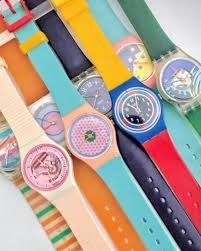
Swatch Watches
Watches had traditionally been quiet, practical and adult. Swatch made them playful. Bright cases, graphic faces and interchangeable-looking personalities turned the wrist into a small fashion display.
The watch could coordinate with an outfit, clash on purpose or become the beginning of a collection. Timekeeping remained available, but it was no longer the entire point.
Swatch worked because it refreshed an ordinary object without making it unfamiliar. Everybody already understood a watch. The brand simply gave people more reasons to notice one.
Color and variety encouraged comparison. Different models felt like different moods, which made buying another one seem less redundant than owning two ordinary watches.
Our complete history of Swatch watches in the 1980s digs deeper into the 1983 launch, colorful designs, collecting culture, double-watch styling and the brand’s larger 80s legacy.
The Wrist-Level Personality
A small accessory could add color, taste and currentness without requiring a complete fashion overhaul.
Why Collecting Made Sense
Different faces and bands felt more like design choices than duplicate tools, which encouraged repeat purchases.
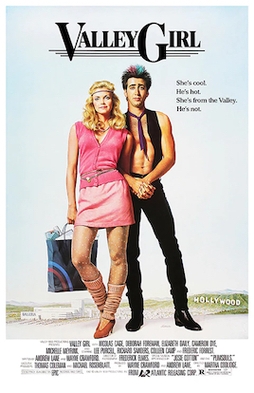
Valley Girl Talk
By 1983, Valley Girl talk had escaped California and was operating nationally. “Like,” “totally,” “for sure,” “grody” and “gag me with a spoon” reached people who had never been anywhere near the San Fernando Valley.
The fad spread because the voice was easy to recognize and easy to perform badly. Accuracy was never required.
A regional speech pattern became a character people could switch on for a joke, an impression or an entire conversation. The exaggerated rhythm mattered as much as the vocabulary.
Mockery accelerated the trend. Every parody repeated the words and delivery, which meant the people complaining about Valley Girl talk often handled free distribution.
Over time, parts of the fad became ordinary language. “Like” as a conversational filler and “totally” as an intensifier survived long after the original performance stopped feeling new.
The Zero-Cost Fad
No product, skill or trip to California was necessary. A person needed only a voice and the willingness to overuse it.
How Parody Became Adoption
People imitated the speech as a joke, repeated it often enough and eventually stopped noticing the difference.

Mr. T Mania
Mr. T was not merely famous in 1983. He was visually impossible to ignore. The haircut, gold chains, scowl, voice and catchphrases created a complete package that could be recognized instantly.
“I pity the fool” escaped its original context and entered everyday speech through millions of impressions, most of which were performed with confidence far beyond their accuracy.
The mania spread because every part of the character was copyable. Plastic chains could stand in for gold. A scowl required no budget. The voice could be attempted anywhere, regardless of talent or nearby requests to stop.
Merchandising expanded the presence into cereal aisles, toys, advertising and bedrooms. Mr. T felt larger than one show because the character appeared wherever products could support a picture and a catchphrase.
He also offered a clear attitude: tough, direct, protective and theatrical. Kids could borrow that personality for a few minutes and return it before dinner.
The Playground Version
Plastic jewelry, crossed arms, one scowl and a catchphrase delivered before anybody had actually created a fool to pity.
The Cereal-Aisle Proof
Once a celebrity face reached breakfast, the fad had crossed television and entered ordinary family routine.
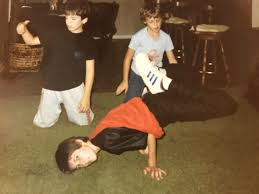
Breakdancing
Breakdancing reached full fad power when people began attempting it in places never designed for spins, freezes or emergency contact with the floor. Sidewalks, schoolyards, basements and parking lots became stages.
A cardboard square and a boombox could create an event. One dancer started, a crowd formed and several spectators immediately began overestimating their readiness.
The craze was visual, competitive and contagious. Even people who could not perform the difficult moves understood the language of backspins, freezes, popping, locking and the attempt to make the body appear mechanically impossible.
Public participation separated breakdancing from many other fads. It did not remain a product or costume. It reorganized space. A patch of pavement became a floor, a crowd became judges and a boombox became event infrastructure.
Most kids were not landing perfect windmills or headspins. That did not matter. The attempt itself became part of the fad, occasionally followed by a quick check to see whether anybody had noticed the impact.
The Cardboard Stage
Flattened boxes reduced friction, defined the performance area and gave a temporary dance floor to any available sidewalk.
The Spectator Recruitment System
Watching created the belief that one more attempt might be possible, turning crowds into a steady supply of new participants.
What Happened to the Biggest Fads of 1983?
The six fads had very different afterlives. Jelly shoes and Swatch watches returned as products. Valley Girl language dissolved into ordinary speech. Mr. T remained a cultural shorthand. Jheri curls became an unmistakable era marker.
Breakdancing had the deepest transformation because the dance continued developing long after the mainstream fad cycle moved on. What many suburban spectators treated as a temporary craze had roots, technique and a future much larger than the cardboard stereotype.
The Final Verdict on the Biggest Fads of 1983
1983 was a performance year. The strongest trends invited people to move, speak, pose, dress or enter a room differently. Even the small accessories carried enough color and identity to attract attention.
Breakdancing wins because it created active public participation. Mr. T mania follows because one personality crossed television, products and everyday speech. Valley Girl talk became a national voice, while Swatch watches, jelly shoes and Jheri curls supplied the year’s wearable visual identity.
Put a boombox beside a cardboard square, a bright watch, plastic chains and one aggressively stretched “totally,” and 1983 identifies itself without checking the calendar.
Keep Exploring 1983
Rebuild the rest of the year through the music, movies, television, toys and Swatch deep dive surrounding these trends.
Questions About the Biggest Fads of 1983
What were the biggest fads of 1983?
The six biggest fads were breakdancing, Mr. T mania, Valley Girl talk, Swatch watches, jelly shoes and Jheri curls.
What was the number-one fad of 1983?
Breakdancing ranks first because it turned sidewalks, schoolyards and basements into public performance spaces and inspired widespread imitation.
Why is breakdancing ranked above Mr. T mania?
Mr. T had enormous cultural reach, but breakdancing converted more spectators into active participants and changed how people used ordinary public space.
How big was Mr. T mania in 1983?
Mr. T crossed television, catchphrases, advertising, cereal, toys, clothing and playground impressions, making him one of the year’s most recognizable personalities.
Why was Valley Girl talk popular?
The voice and vocabulary were easy to imitate, highly recognizable and constantly repeated through movies, parody, schools and mall culture.
Did Swatch watches become popular in 1983?
Yes. Swatch launched in 1983 and helped turn watches into colorful, youthful fashion accessories that could be coordinated, compared and collected.
Why were jelly shoes a fad?
Jellies were affordable, colorful, instantly recognizable and easy to add to an outfit, giving them the classic qualities of a fast-moving mall-fashion craze.
Why were Jheri curls associated with the early 80s?
The defined curls, glossy finish and visibility in music, television and everyday style made the look one of the era’s strongest visual signatures.
How did fads spread in 1983?
They spread through music television, network TV, movies, malls, school hallways, older siblings and direct word of mouth.
Which 1983 fad had the longest legacy?
Breakdancing had the deepest cultural afterlife because it continued developing as a global dance culture rather than disappearing with the original fad cycle.
Could Swatch watches be ranked higher?
Yes. Swatch had major design and collecting impact. It ranks fourth because breakdancing, Mr. T and Valley Girl talk changed public behavior and speech more broadly.
What else defined pop culture in 1983?
Michael Jackson’s Thriller, Return of the Jedi, network television, new wave music and character-driven toys all helped define the year around these fads.