Top 10 Movies of 1972: Biggest Box Office Hits Ranked

Top 10 Movies of 1972: Biggest Box Office Hits Ranked
Smells Like Gen X • Top Movies of 1972

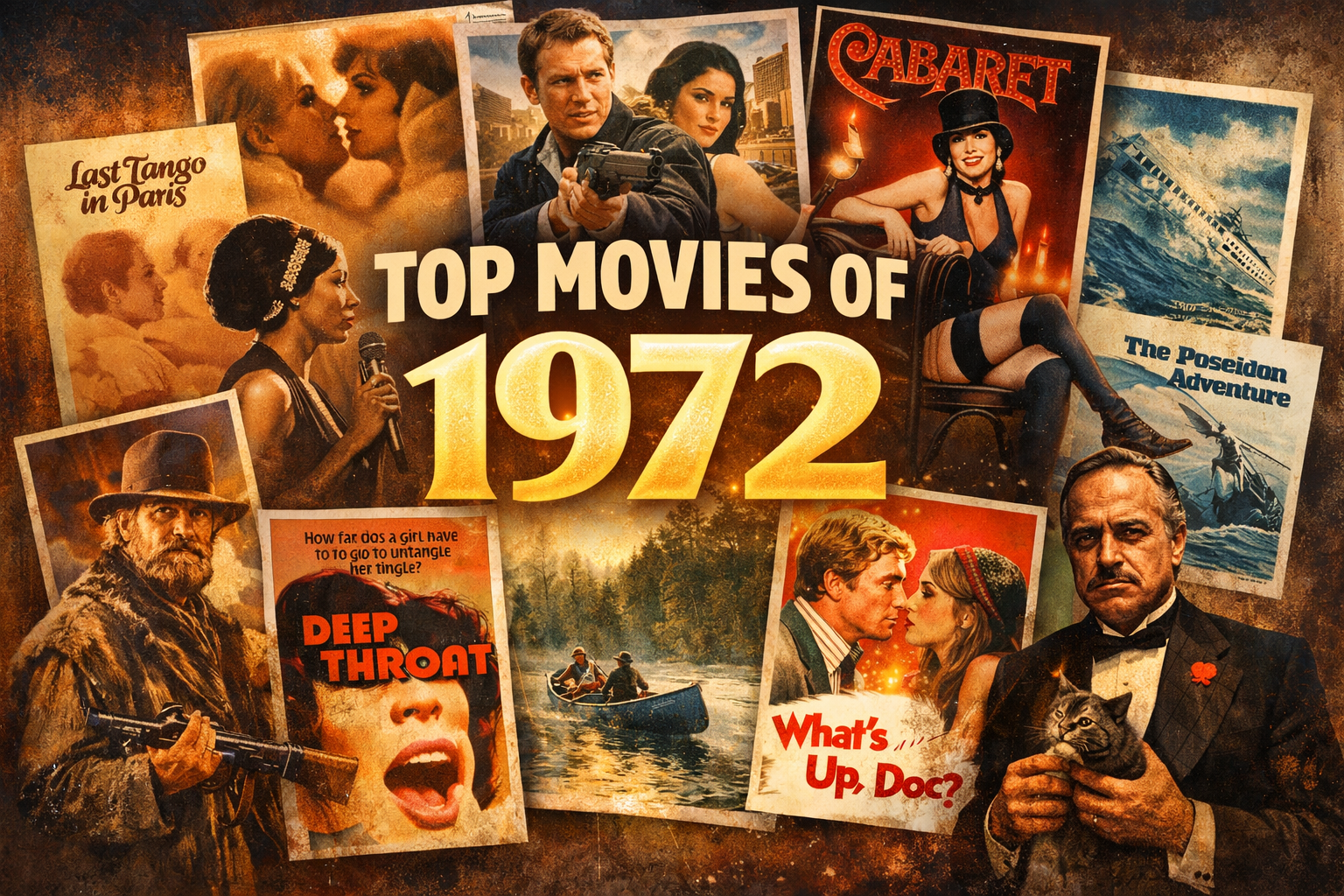
The Top 10 Movies of 1972

The top 10 movies of 1972 feel like the moment the 70s stop asking permission. The biggest hits are still capable of old-school scale and major audience appeal, but the year is now fully comfortable with crime dynasties, disaster panic, adult provocation, sexual candor, antihero drift, showbiz reinvention, and the kind of mainstream storytelling that knows America is no longer pretending to be emotionally tidy.

This countdown focuses on the biggest North American grosses for films first released in 1972. What emerges is a fascinating box-office map: a gangster epic that became a national monument, a disaster blockbuster that helped define a formula, a screwball throwback with modern speed, a backwoods nightmare, a frontier survival western, a Berlin musical of decadence and collapse, a major chase thriller, an art-house scandal, and an adult-market phenomenon that became impossible to ignore.

For Gen X, 1972 looks like one of those core origin years where mainstream movies become harder, stranger, more adult, and more willing to mix prestige with pulp. It’s a year where huge popularity no longer means safety.

Gen X Note: 1972 feels like the decade getting fully comfortable with adult nerves: family power, urban danger, social collapse, sexual candor, masculine drift, and spectacle with teeth.

Quick List: The Top 10 Movies of 1972

  1. Lady Sings the Blues
  2. Last Tango in Paris
  3. The Getaway
  4. Cabaret
  5. Deep Throat
  6. Jeremiah Johnson
  7. Deliverance
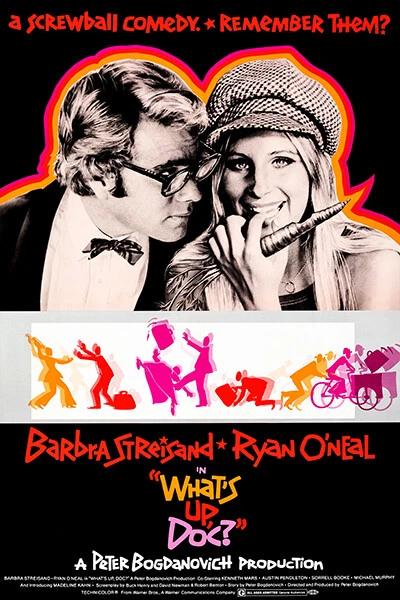
  8. What’s Up, Doc?
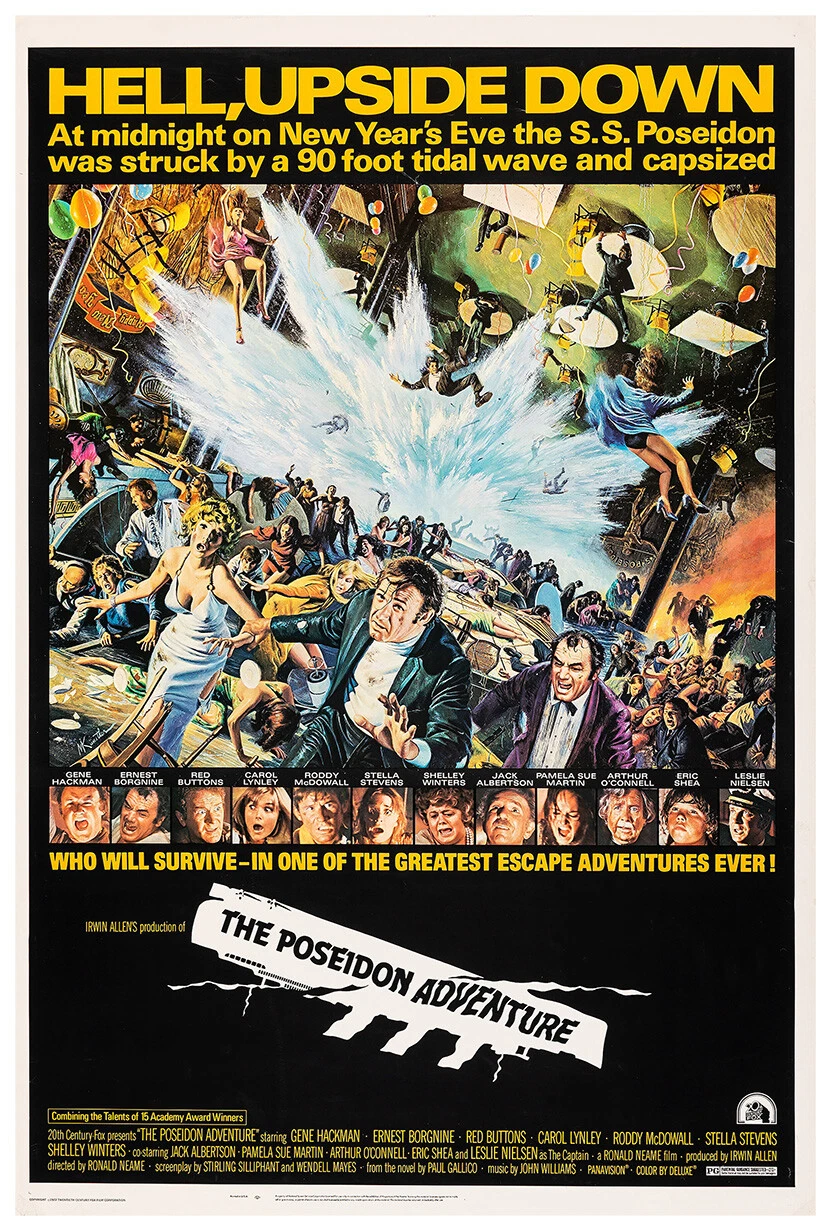
  9. The Poseidon Adventure
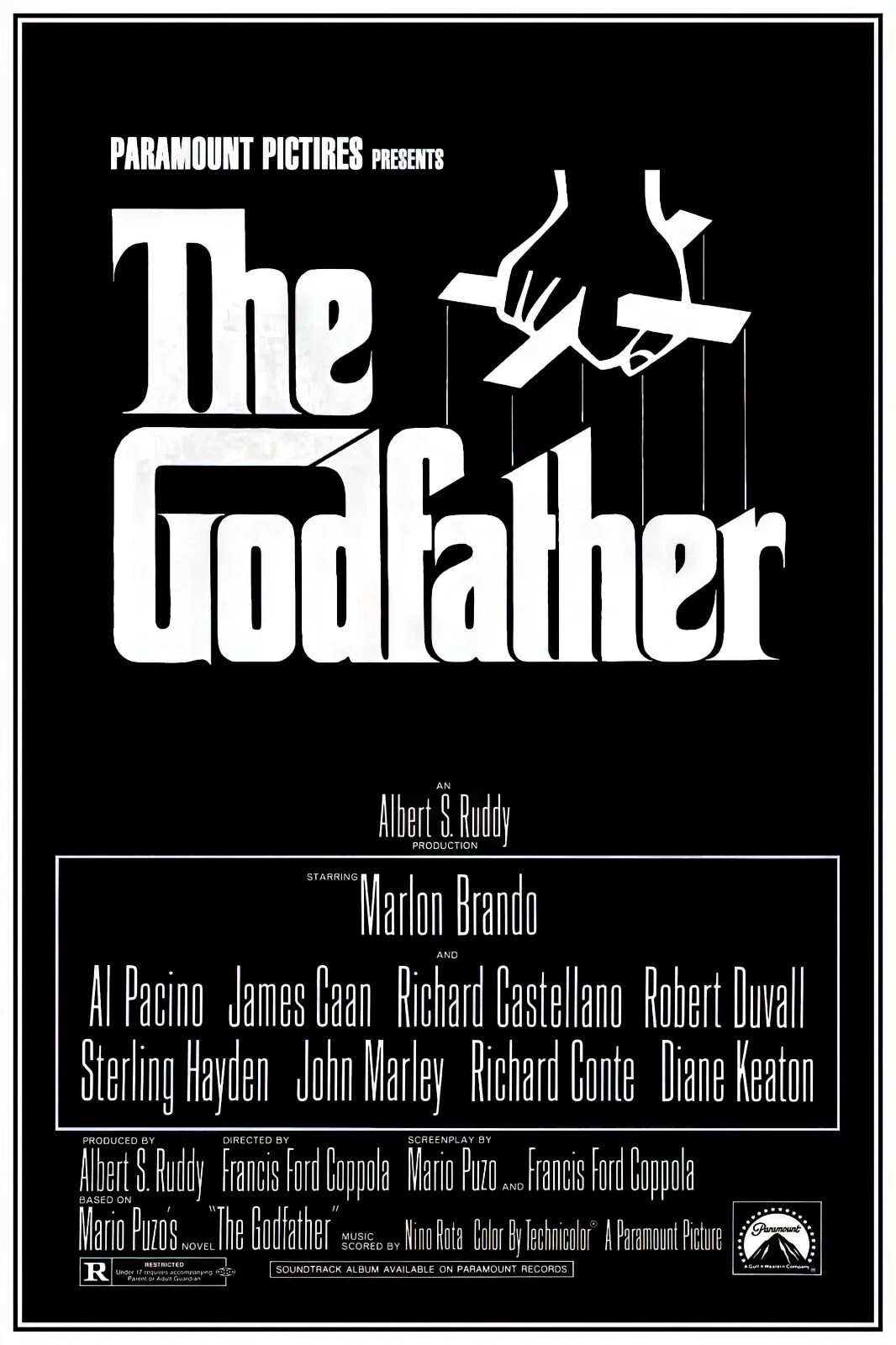
  10. The Godfather

Countdown: The Top 10 Movies of 1972

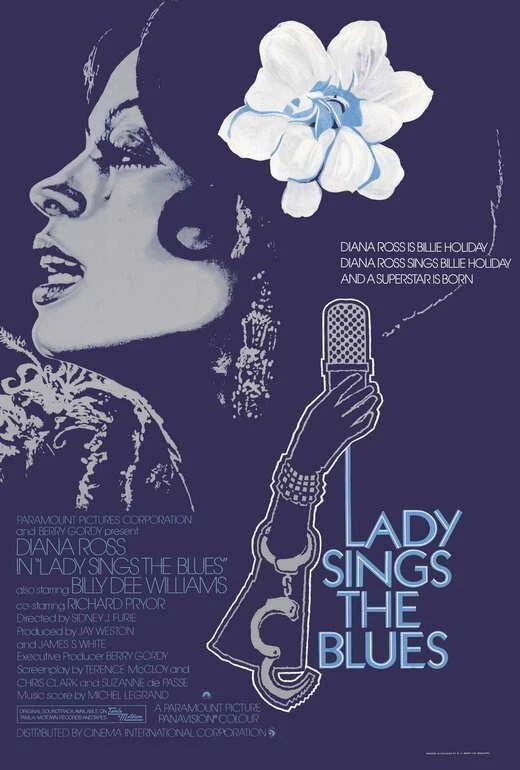
Lady Sings the Blues poster
1972

#10 — Lady Sings the Blues

Box Office: $19.7M
GenreBiographical musical drama
DirectorSidney J. Furie
1972 Rank#10
Main Cast
  • Diana Ross as Billie Holiday
  • Billy Dee Williams as Louis McKay
  • Richard Pryor as Piano Man
  • Scatman Crothers as Gerald

Lady Sings the Blues opens the 1972 top 10 as one of the year’s strongest examples of star reinvention becoming major box-office business. Diana Ross does not enter film gently here. She arrives carrying the weight of Billie Holiday, addiction tragedy, performance mythology, and the risk of asking a major music star to hold a full dramatic feature together.

What makes the movie commercially revealing is that it packages suffering, fame, music, and biography into something both prestige-coded and broadly accessible. The film understands that audiences are not only there for historical detail. They are there for emotion, transformation, glamour, pain, and the thrill of seeing a performer move into a larger artistic frame.

In the context of 1972, that matters because it shows how open the mainstream was to Black stardom operating at a more ambitious dramatic scale. The movie isn’t easy or casual, but it is still clearly designed to connect as a big theatrical event.

For Gen X, it remains one of the key “star becomes movie-star” origin points — a film where music, persona, and tragedy all fuse into something bigger than a conventional biopic.
Fun Fact / Why It Still Matters The film still matters because it turned Diana Ross’s screen debut into a genuine mainstream phenomenon and showed how musical iconography could drive serious adult box office.
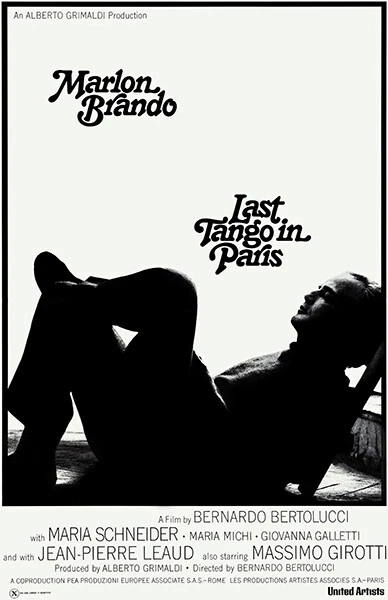
Last Tango in Paris poster
1972

#9 — Last Tango in Paris

Box Office: $36.1M
GenreErotic drama
DirectorBernardo Bertolucci
1972 Rank#9
Main Cast
  • Marlon Brando as Paul
  • Maria Schneider as Jeanne
  • Jean-Pierre Léaud as Tom
  • Massimo Girotti as Marcel

Last Tango in Paris becoming a major North American hit tells you how fully the mainstream conversation had changed by 1972. This is art-house provocation with major commercial spillover — a movie whose notoriety, seriousness, and sexual frankness became part of the event.

Marlon Brando is crucial because the performance carries bruised vulnerability, rage, and self-exposure in a way that feels both intimate and performative. The film’s power, and much of its controversy, comes from how little it wants to behave like conventional studio melodrama. It asks the audience to sit with emotional rawness instead of polished romance.

In the broader 1972 box-office picture, the movie matters because it proves adult-art scandal could become a major theatrical draw. This isn’t simply a hit in spite of discomfort. It’s a hit partly because discomfort itself had become marketable.

For Gen X, it stands as one of the decade’s most famous examples of adult cinema turning into public controversy and cultural currency at the same time.

Fun Fact / Why It Still Matters The film still matters because it helped define the era when art-house provocation, sexual candor, and cultural scandal could spill directly into mainstream moviegoing.
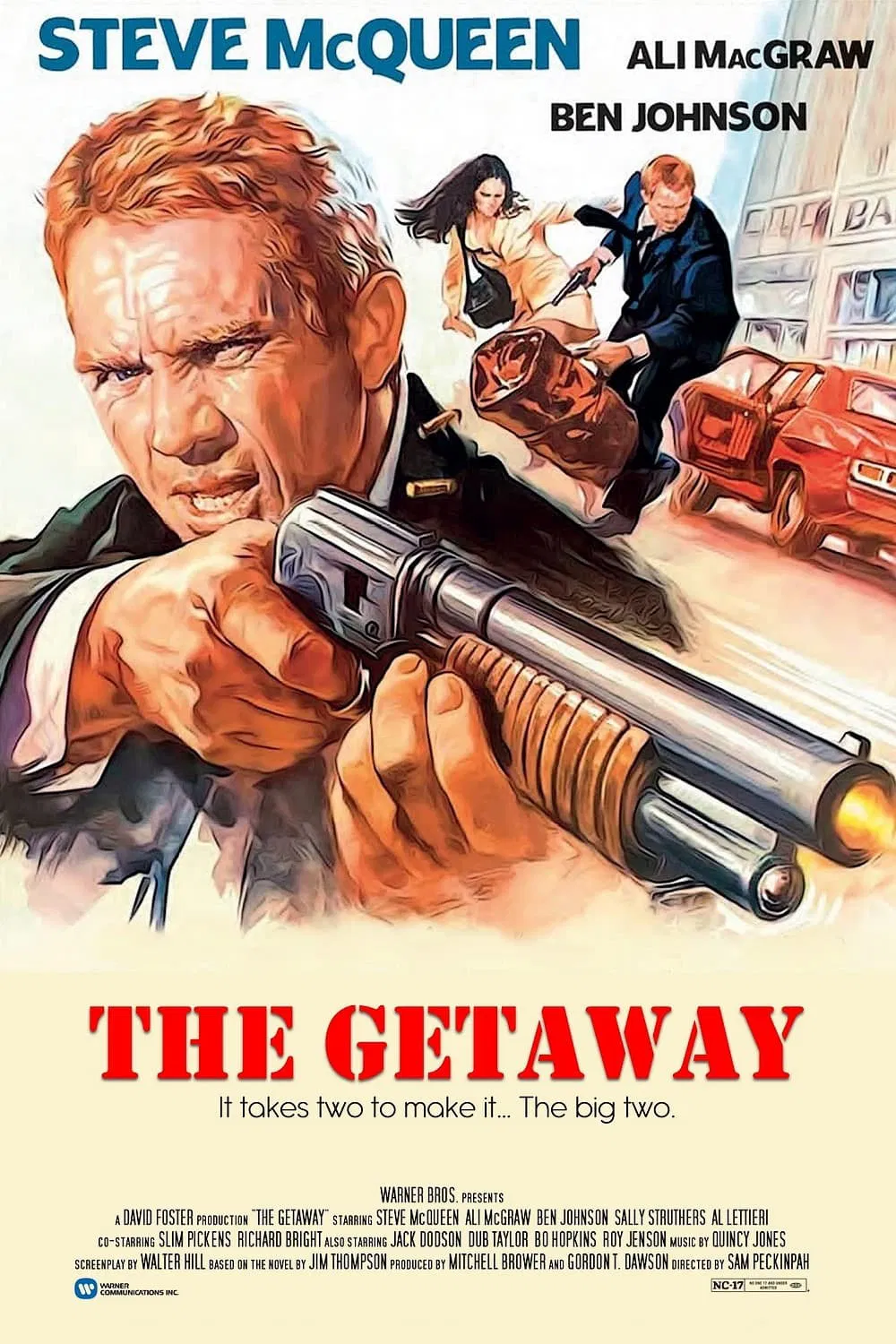
The Getaway poster
1972

#8 — The Getaway

Box Office: $36.7M
GenreCrime thriller
DirectorSam Peckinpah
1972 Rank#8
Main Cast
  • Steve McQueen as Doc McCoy
  • Ali MacGraw as Carol McCoy
  • Ben Johnson as Jack Beynon
  • Al Lettieri as Rudy Butler

The Getaway lands at number eight as one of the clearest examples of 1972 making crime feel sexy, doomed, and commercially irresistible. Sam Peckinpah doesn’t give the audience a neat caper. He gives them movement, tension, mistrust, and violence wrapped around a star pairing the culture could not stop looking at.

Steve McQueen’s cool is a huge part of the machine, but what makes the movie especially 1972 is how unstable the romance feels inside the thriller frame. The marriage, the money, the escapes, the betrayals — none of it settles into clean genre reassurance. That instability gives the movie more charge than a simple chase picture.

In the context of the year, The Getaway matters because it shows how crime cinema was becoming slicker without getting safer. Audiences wanted velocity, but they also wanted edge, adult tension, and a sense that desire and danger were always tangled together.

For Gen X, it remains a foundational “cool people in bad trouble” movie — one of those 70s crime hits where charisma and corrosion operate in the same key.

Fun Fact / Why It Still Matters The film still matters because it fused star heat, marital distrust, and violent chase mechanics into one of the decade’s most durable crime-thriller templates.
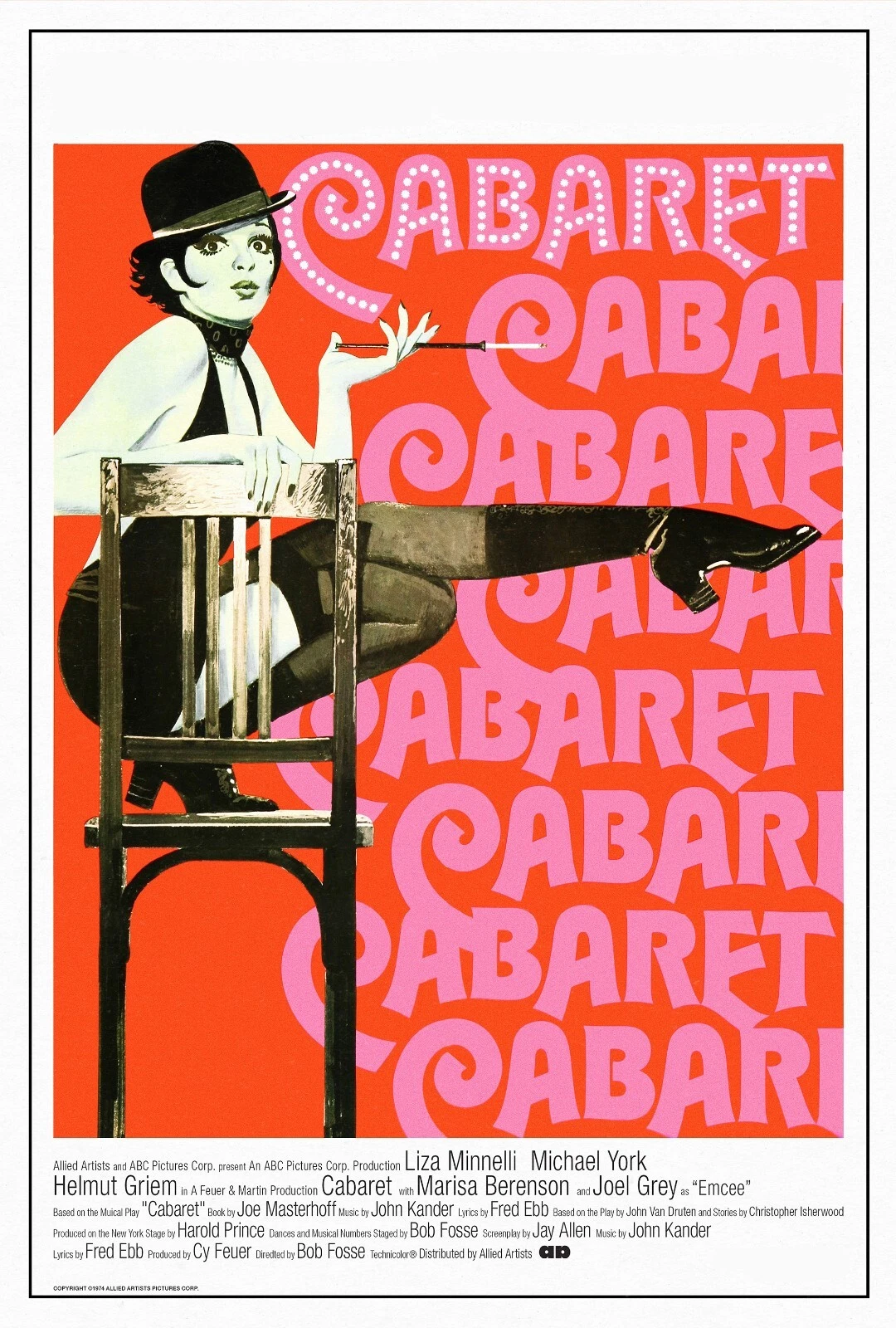
Cabaret poster
1972

#7 — Cabaret

Box Office: $41.3M
GenreMusical drama
DirectorBob Fosse
1972 Rank#7
Main Cast
  • Liza Minnelli as Sally Bowles
  • Michael York as Brian Roberts
  • Joel Grey as the Master of Ceremonies
  • Marisa Berenson as Natalia Landauer

Cabaret is one of the great clues that the movie musical didn’t have to die — it just had to mutate. Bob Fosse strips away a lot of the old form’s reassuring brightness and turns performance into something seductive, brittle, political, and edged with doom. The songs aren’t there to create comfort. They sharpen the mood.

Liza Minnelli is central because Sally Bowles is not built as a wholesome center. She’s alive, needy, magnetic, self-dramatizing, and moving through a world that is becoming historically dangerous in plain sight. That mix of glamour and decay is what gives the film so much power.

In the broader box-office picture of 1972, Cabaret matters because it proves major audiences would embrace a musical that felt adult, sexual, politically shadowed, and visually stylized rather than merely cheerful. It’s old form meeting new nerve.

For Gen X, it remains one of the quintessential examples of classic Hollywood machinery being rebuilt into something more seductive and far more unsettling.

Fun Fact / Why It Still Matters The film still matters because it showed the movie musical could survive by getting sexier, sadder, and politically darker instead of more innocent.
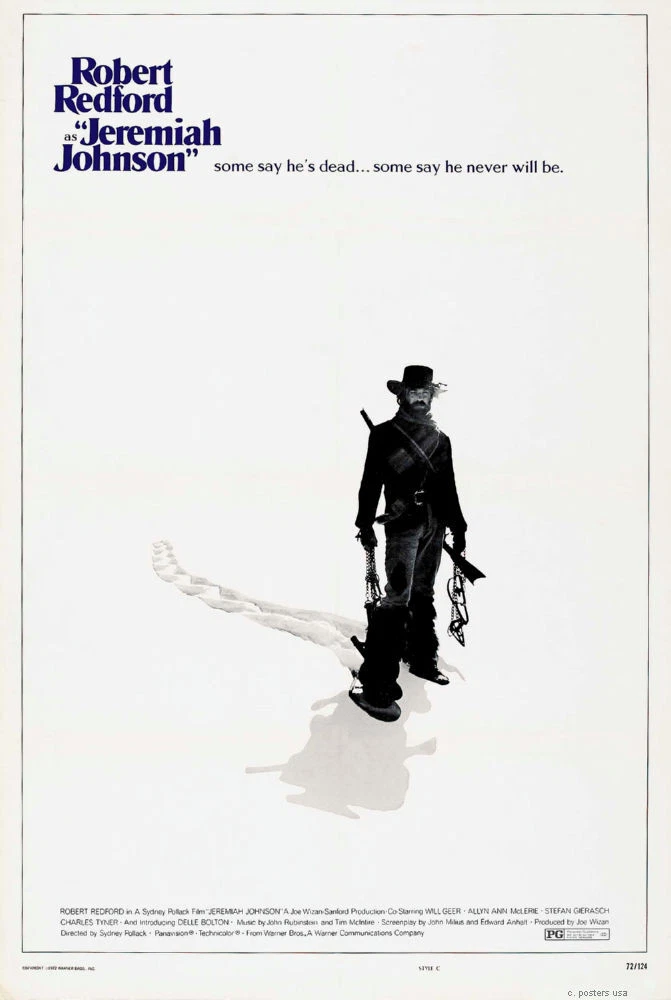
Jeremiah Johnson poster
1972

#6 — Jeremiah Johnson

Box Office: $44.7M
GenreRevisionist western
DirectorSydney Pollack
1972 Rank#6
Main Cast
  • Robert Redford as Jeremiah Johnson
  • Will Geer as Bear Claw Chris Lapp
  • Delle Bolton as Swan
  • Stefan Gierasch as Del Gue

Jeremiah Johnson is the kind of 1972 hit that shows the western had not disappeared — it had simply gotten lonelier. Sydney Pollack and Robert Redford turn frontier survival into something contemplative, harsh, and emotionally stripped down. This isn’t mythology as national reassurance. It’s mythology as isolation, adaptation, and cost.

Redford’s star image matters because he brings beauty and distance at the same time. Johnson is less a swaggering old-school western hero than a man trying to disappear into a landscape that keeps exacting a price. That makes the film feel deeply in step with the 70s: more suspicious of heroism, more open to sadness, and much more willing to let nature remain indifferent.

In the context of 1972, the movie matters because it proves audiences would still show up for a western if the genre was retooled into something moodier, more adult, and less certain about what conquest or self-reliance even mean anymore.

For Gen X, it remains one of the core “man alone in the landscape” films that helped redefine ruggedness as endurance rather than triumph.

Fun Fact / Why It Still Matters The film still matters because it helped transform the western from heroic legend into a melancholy survival tale built on solitude and loss.
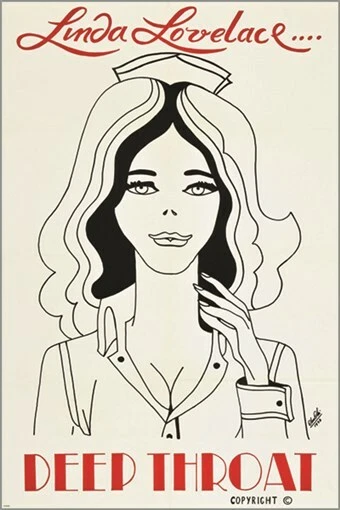
Deep Throat poster
1972

#5 — Deep Throat

Box Office: $45.0M
GenreAdult comedy feature
DirectorGerard Damiano
1972 Rank#5
Main Cast
  • Linda Lovelace as Linda
  • Harry Reems as the Doctor
  • Dolly Sharp as Nurse
  • Bill Harrison as Mr. Harrison

Deep Throat sitting this high in the 1972 release-year box-office order is one of those facts that instantly explains how unstable the era’s boundaries had become. This is less about celebrating the film as art than recognizing it as a cultural and distribution phenomenon. It broke out of an adult-market niche and became part of mainstream conversation in a way Hollywood could not ignore.

The significance here is industrial as much as cinematic. The movie became shorthand for “porno chic,” censorship anxiety, public curiosity, and the sudden visibility of material that older systems had kept compartmentalized. Its commercial footprint says as much about 1972’s culture — and the breakdown of old gatekeeping structures — as it does about the film itself.

In the box-office story of 1972, it matters because it proves the theatrical marketplace had become porous enough for scandal itself to become a draw. People weren’t only buying established genres anymore. They were buying access to whatever the culture had decided was forbidden, notorious, or impossible to ignore.

For Gen X, it remains one of those bizarre historical markers that tells you the 70s weren’t just loosening up aesthetically. They were blowing holes in older ideas about what could become public entertainment.

Fun Fact / Why It Still Matters The film still matters historically because its commercial breakout exposed how dramatically censorship, distribution, and public curiosity were shifting in the early 70s.
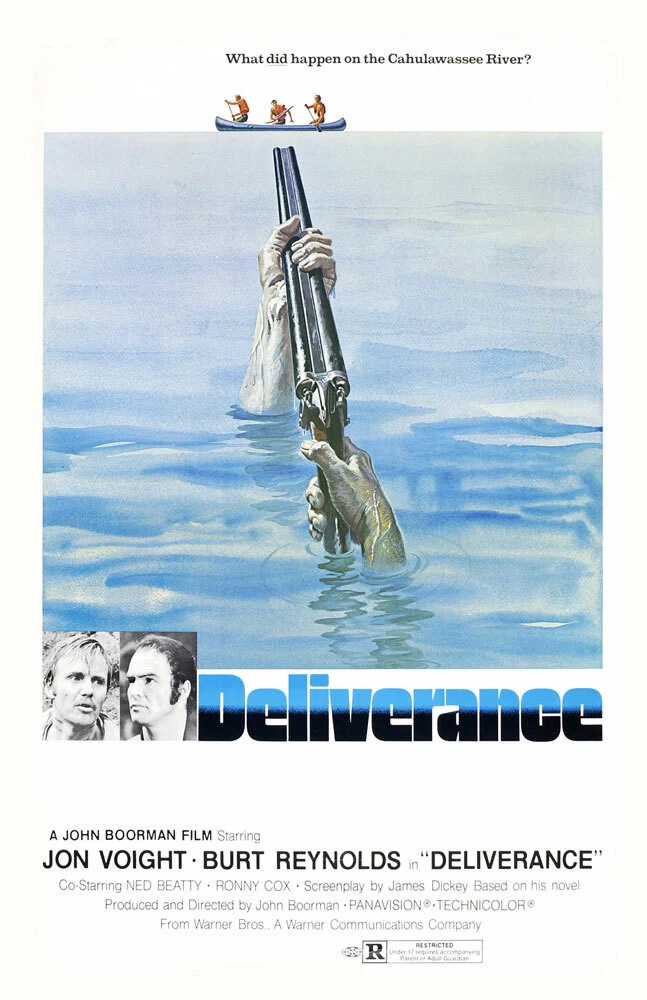
Deliverance poster
1972

#4 — Deliverance

Box Office: $46.1M
GenreAdventure thriller
DirectorJohn Boorman
1972 Rank#4
Main Cast
  • Jon Voight as Ed
  • Burt Reynolds as Lewis
  • Ned Beatty as Bobby
  • Ronny Cox as Drew

Deliverance is one of the defining movies of 1972 because it takes the male-adventure fantasy and turns it into a panic attack. What begins as outdoorsmanship and masculine bravado curdles into terror, humiliation, guilt, and a brutal stripping-away of civilized self-image. That transformation is exactly why the movie hit so hard.

Burt Reynolds gives the film a charged center, but what really makes it unforgettable is how quickly the whole idea of competence falls apart. John Boorman doesn’t simply pit men against nature. He pits them against their own fantasies about who they are once the social shell cracks.

In the context of 1972, Deliverance matters because it shows the mainstream fully embracing survival thrillers built around psychological damage instead of simple adventure payoff. This is not escapism. It’s confrontation sold as suspense.

For Gen X, it remains one of the central “the wilderness is not here to heal you” movies — a major turning point in how American masculinity and fear got filmed.

Fun Fact / Why It Still Matters The film still matters because it turned a rugged-adventure premise into one of the most psychologically scarring mainstream thrillers of the decade.
What’s Up, Doc? poster
1972

#3 — What’s Up, Doc?

Box Office: $57.1M
GenreScrewball comedy
DirectorPeter Bogdanovich
1972 Rank#3
Main Cast
  • Barbra Streisand as Judy Maxwell
  • Ryan O’Neal as Howard Bannister
  • Madeline Kahn as Eunice Burns
  • Kenneth Mars as Hugh Simon

What’s Up, Doc? is the great reminder that 1972 didn’t only belong to menace, scandal, and collapse. It also had room for speed, chaos, glamour, and old-school comedy mechanics revived with fresh energy. Peter Bogdanovich takes the screwball blueprint and proves it can still hit massively if the pace is right and the stars know how to play the game.

Barbra Streisand is the film’s secret weapon because Judy Maxwell isn’t a passive comic heroine. She’s disruptive force and momentum engine at the same time. Ryan O’Neal’s befuddled sincerity gives the movie its necessary counterweight, and the whole machine runs on collision, timing, and escalating public embarrassment.

In the broader box-office story of 1972, the film matters because it shows old forms could survive beautifully if they were re-energized instead of embalmed. This isn’t nostalgia as museum work. It’s nostalgia with a motor in it.

For Gen X, it remains one of the most joyful reminders that the early 70s weren’t all dread. Sometimes the decade also wanted a suitcase mix-up, a chase, and a star who could outrun every room she entered.

Fun Fact / Why It Still Matters The film still matters because it proved classic screwball comedy could be reborn as a major 70s hit with the right speed, confidence, and star energy.
The Poseidon Adventure poster
1972

#2 — The Poseidon Adventure

Box Office: $93.3M
GenreDisaster drama
DirectorRonald Neame
1972 Rank#2
Main Cast
  • Gene Hackman as Rev. Frank Scott
  • Ernest Borgnine as Mike Rogo
  • Shelley Winters as Belle Rosen
  • Red Buttons as James Martin

The Poseidon Adventure nearly taking the year tells you just how much audiences loved the disaster formula once it was properly charged. The movie turns an upside-down luxury liner into a giant machine for panic, conflict, sacrifice, and engineering problem-solving. It’s spectacle, yes, but it’s also social pressure cooker.

What makes it especially revealing is how completely it understands ensemble anxiety. The stars matter, but the film’s real appeal is watching different kinds of people react under impossible conditions. Courage, selfishness, faith, cowardice, class tension, and sheer endurance all get tested under one enormous premise.

In the context of 1972, The Poseidon Adventure matters because it locks in the 70s disaster movie as a premium mainstream product. It’s old-Hollywood scale retooled into fear architecture. That combination would dominate a huge part of the decade.

For Gen X, it remains one of the core catastrophe-event movies: big cast, giant gimmick, human panic, and the thrilling possibility that public order can flip upside down in one violent instant.

Fun Fact / Why It Still Matters The film still matters because it helped define the disaster blockbuster as one of the 1970s’ most reliable and crowd-pleasing commercial forms.
The Godfather poster
1972

#1 — The Godfather

Box Office: $133.7M
GenreCrime epic
DirectorFrancis Ford Coppola
1972 Rank#1
Main Cast
  • Marlon Brando as Vito Corleone
  • Al Pacino as Michael Corleone
  • James Caan as Sonny Corleone
  • Diane Keaton as Kay Adams

The Godfather finishing as the biggest release of 1972 is one of those box-office facts that feels larger than the year itself. This isn’t simply the top movie. It’s one of the central monuments of American cinema, and its dominance tells you a lot about where the culture had gone by the early 70s. Audiences were ready for an epic about family, business, violence, immigration, power, and moral decay — as long as it was told with enough grandeur and emotional gravity.

Marlon Brando gives the film myth. Al Pacino gives it transformation. That combination is why the movie feels so complete. It has the old-world weight of a major Hollywood saga, but it also has the chill of the new decade: power is intimate, corruption is normal, family is strategy, and the future belongs to the character willing to become colder than everyone around him.

In the context of 1972, The Godfather matters because it proved an adult crime epic could become not just a hit, but the hit — bigger than disaster spectacle, bigger than comedy, bigger than scandal, bigger than musical reinvention. It fused prestige and popularity so completely that later Hollywood would spend decades trying to recreate the alchemy.

For Gen X, it remains one of the definitive “before and after” movies. After this, mainstream crime, family power, and masculine drama all looked different. The ceiling had changed.

Fun Fact / Why It Still Matters The Godfather still matters because it turned a gangster saga into a national cultural epic and redefined how serious, adult, and commercially huge American movies could be.

Rewind Verdict

The top 10 movies of 1972 are one of the strongest arguments the 70s can make for themselves. This is a lineup where prestige, provocation, disaster spectacle, art-house scandal, adult-market controversy, screwball revival, western loneliness, musical reinvention, and gangster myth all coexist in the same commercial ecosystem.

What makes the year especially memorable is how little interest it has in being emotionally tidy. Even the lighter or more traditionally entertaining hits carry nerves underneath them. The funny movies are manic. The thrillers are bruising. The musicals are decadent. The westerns are lonely. The biggest movie in America is a family tragedy disguised as a crime saga.

For Smells Like Gen X, 1972 works as one of the major proof years that the early 70s were not just transitional. They were fully operational as a new kind of mainstream: riskier, rougher, more adult, and far more willing to let popularity and discomfort live side by side.

FAQ: Top Movies of 1972

What was the highest-grossing 1972 release at the North American box office?

The Godfather finished as the biggest 1972 release in North America.

Why is The Poseidon Adventure so high on the list?

Because it was one of the decade’s defining disaster blockbusters and became the second-biggest North American hit among films first released in 1972.

Was 1972 already fully in the New Hollywood era?

Yes. The mix of The Godfather, Deliverance, Cabaret, adult-provocation titles, and morally rougher mainstream hits shows the shift was not just underway — it was dominating the culture.

Why use release-year grosses instead of calendar-year totals?

Because release-year grosses give 1972 a cleaner identity and avoid mixing its actual newcomers with earlier holdovers that were still earning money during the same calendar stretch.

What makes the 1972 lineup so memorable?

Its range and nerve. The year’s biggest movies prove that huge audiences would show up for crime epics, disaster thrills, screwball speed, art-house scandal, adult-market controversy, and emotionally bruising drama all at once.

Get the Weekly Gen X Drop

New videos, rewinds, and savage nostalgia — first.

JOIN THE NEWSLETTER WATCH VIDEOS

MORE REWINDS