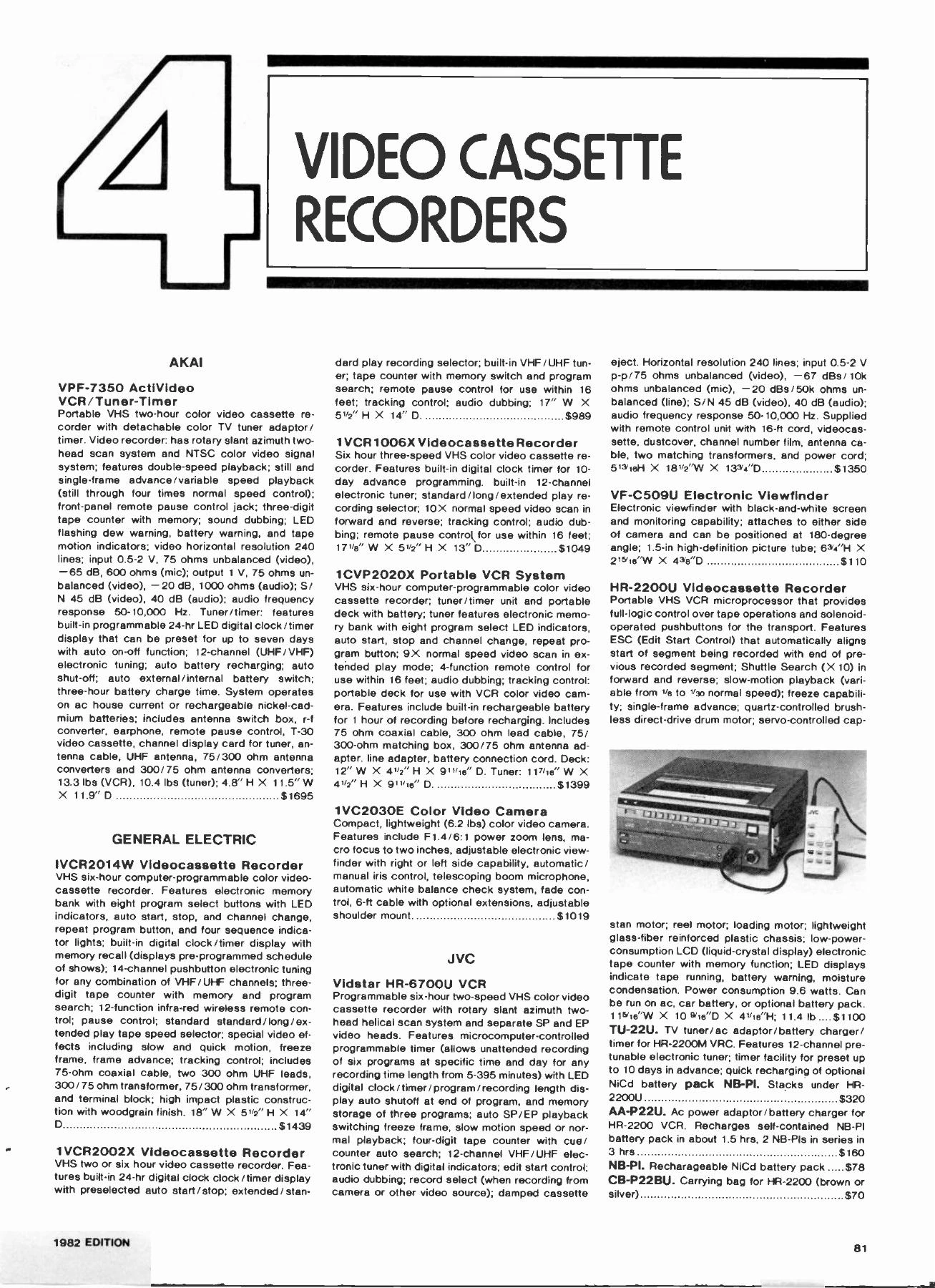
Recording TV on VHS in the 80s
Timer mistakes, tape speeds, tracking, handwritten labels, and the everyday miracle of making a television program wait for you.
A clock, a cassette, a channel, and the optimistic belief that the show would be there when the family got home.
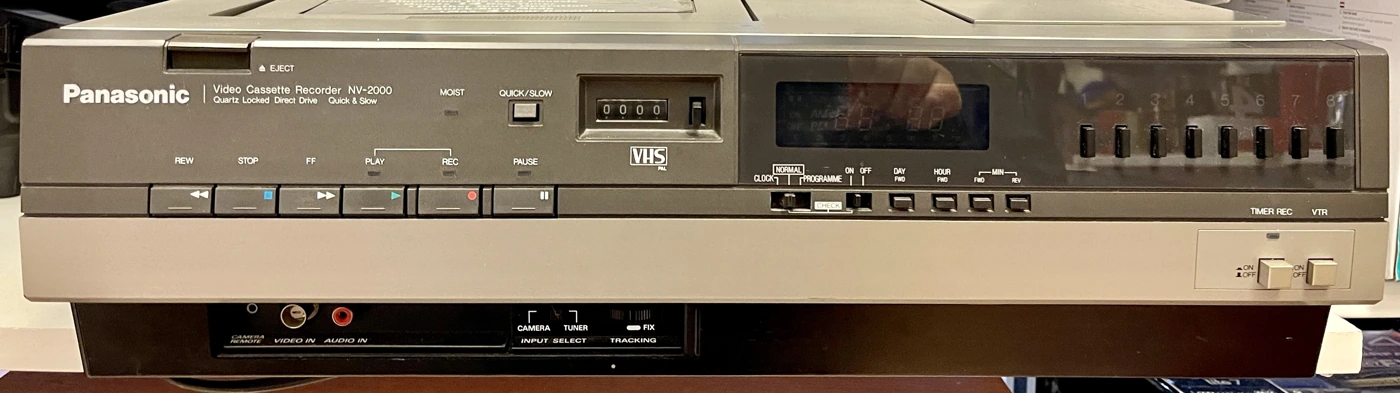

The program had been recorded. Somebody had checked. There was a tape in the machine, the little indicator had appeared, and the family had left the house with the confidence of people who had successfully arranged an evening with the future.
Then came playback. The television produced a perfectly clear picture of something nobody in the room had intended to save. An investigation began immediately. The cassette, the clock, the channel, and the person who had been very certain about the instructions were all placed under suspicion.
Recording TV on VHS in the eighties could feel miraculous when it worked. The show didn’t have to disappear because dinner ran late, a visit lasted too long, or two programs wanted the same hour. You could save one and watch it afterward, provided the right collection of decisions had reached the machine.
The practical life around that promise was wonderfully physical. A cassette had a label, a case, two reels, and a place on a shelf. It could contain something precious, something replaceable, or an uncertain amount of each. The person considering recording over it needed more information than the mysterious handwritten word on its spine was currently supplying.
Not every eighties household had a VCR, and not every VCR used VHS. But in homes that did record this way, television acquired a second schedule: the one the station broadcast, and the one somebody hoped the tape would let the family keep.
Inside This Article
- The show could finally stay home without you
- VCR described the machine; VHS described a format
- The cassette was a small object with consequences
- The clock had a job beyond telling you it was midnight
- Two, four, or six hours was a decision about the picture
- The number on a European tape wasn’t your U.S. timetable
- The channel on the television wasn’t necessarily the channel being recorded
- A cable box could add another person to the assignment
- The timer needed an evening, not just a number
- The remote might still have a wire attached
- The guide was a plan; the station could still change its mind
- A thirty-second test could save a two-hour disappointment
- Editing out the commercials was a small live performance
- A label was only as honest as its last update
- A missing plastic tab could be a very good thing
- The tracking control was an invitation to keep hoping
- The counter remembered a place, approximately
- Being finished with a program didn’t mean the tape was ready
- The tape still had your label when your show was gone
- A big television night could become a cassette worth guarding
- The regular week could require more planning than the special
- A mystery without its last minutes was a household emergency
- The recorder could negotiate with bedtime
- A favorite performance could be watched until the room knew it too
- Lending the cassette meant lending the only copy you had
- A television recording wasn’t automatically a family movie
- A collection could grow without anyone deciding to become an archivist
- The part you didn’t mean to keep can be the part that survives best
- The recorder arrived at different houses in different years
- The machine gave the evening another chance
- A few questions before anybody presses record
The show could finally stay home without you
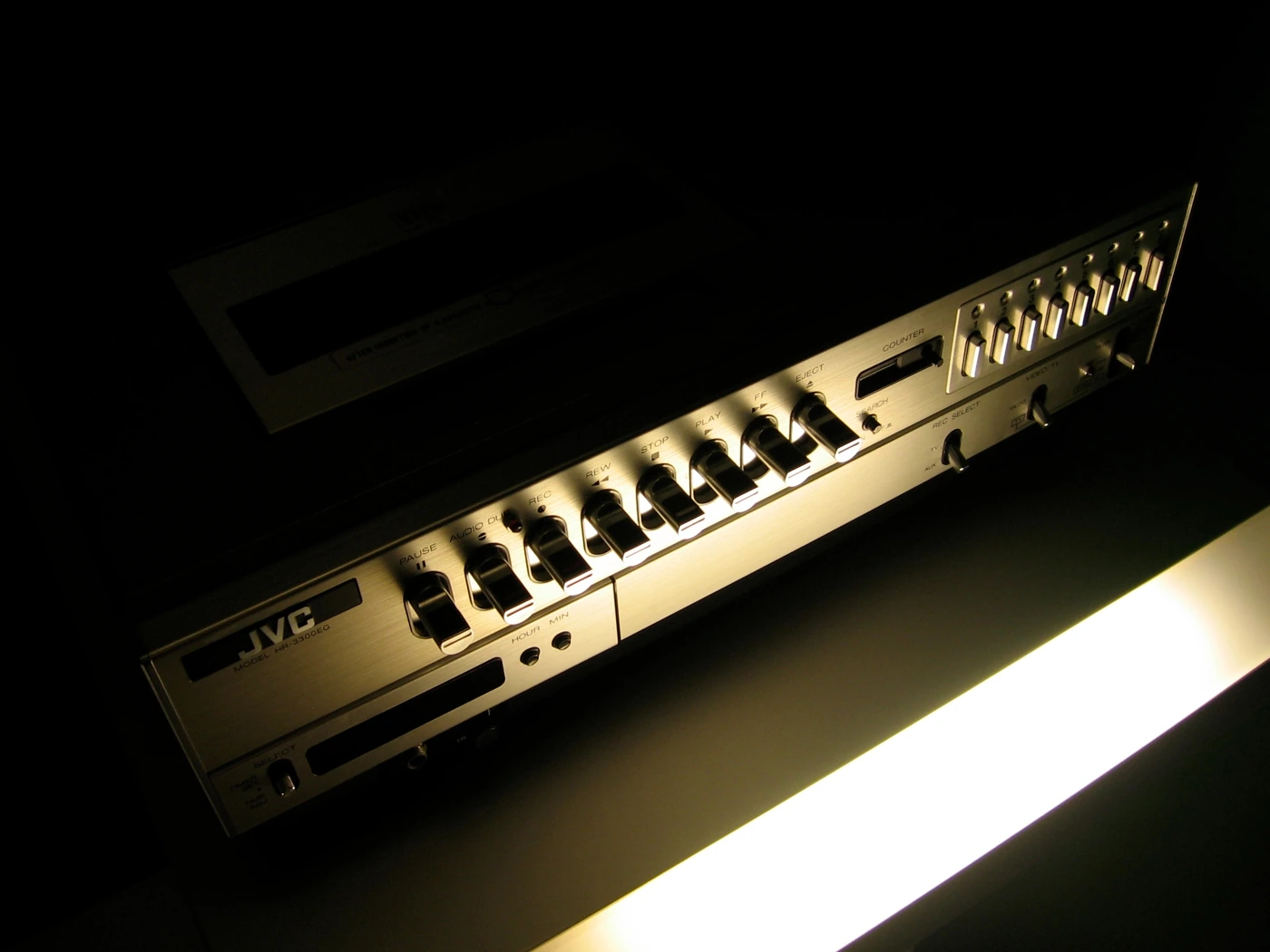

The VCR made a promise that still sounds pretty wonderful: your favorite show could wait until you got home. Before that, missing an episode meant pestering somebody at school for the plot, hoping for a rerun, or resigning yourself to never knowing exactly what happened. Now you had a cassette and a machine that claimed it could handle the appointment. The machine was not always as confident as the brochure.
A recorder changed that relationship. The broadcast still happened at its scheduled time, but the viewer could arrange to receive it without sitting in front of the screen. The program became something that could be watched afterward rather than merely described afterward.
That freedom had a wonderfully ordinary appeal. It didn’t require an ambition to collect a great television archive. You might simply want to go out and still see the show, or let another person choose the live program without surrendering your own favorite entirely.
The tape also changed how a program could be revisited. A funny scene, a musical performance, or a favorite ending could be played again. The machine didn’t become impatient because the household had already watched that part yesterday.
Those possibilities were the reward. Setting the equipment, finding a usable cassette, and remembering what was already on it were the work. A successful recording made the work seem small. A failed one could give the whole family a remarkably detailed interest in how a clock had been set.
VCR described the machine; VHS described a format
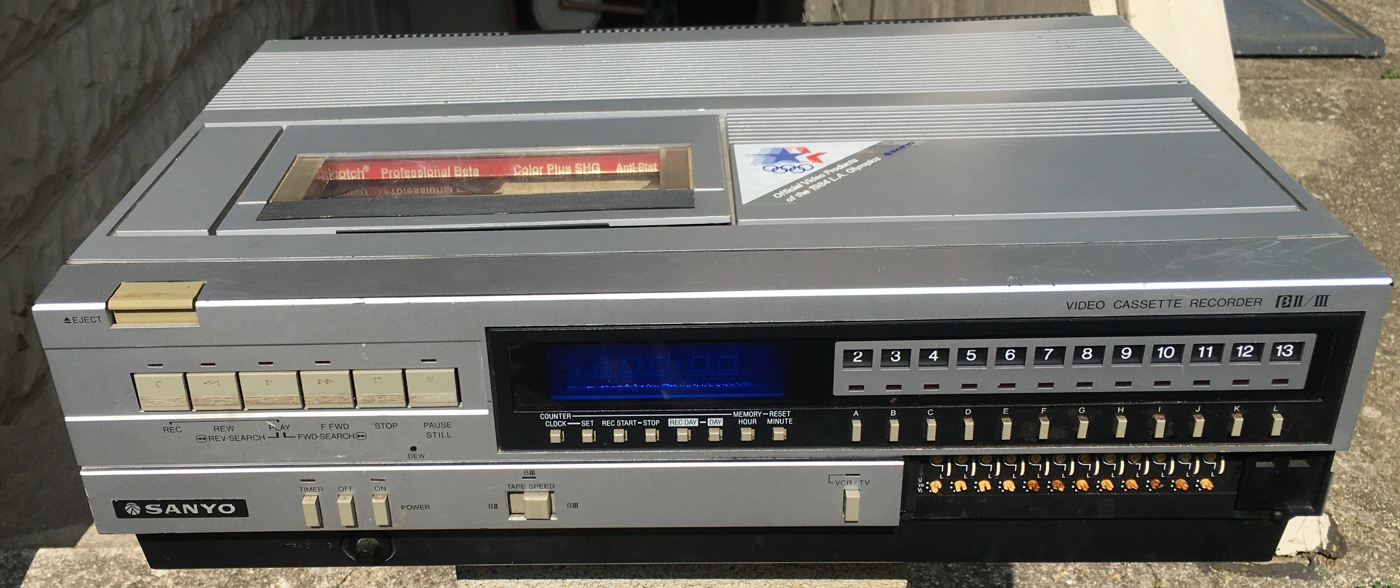

The terms could become interchangeable in casual conversation, especially in a household whose only recorder happened to use VHS. They were not identical. VCR meant videocassette recorder; VHS identified a particular cassette recording system.
Sony’s Betamax system arrived in 1975, before JVC’s VHS introduction in 1976. Both offered the enticing possibility of recording television for later viewing. The cassettes and recording systems were different, so a tape belonging to one format wasn’t simply another brand of cassette to insert in the other machine.
That distinction mattered when families bought equipment, borrowed a tape, or encountered somebody else’s home-video setup. A perfectly good cassette could be useless in the machine waiting beside your television. Being approximately the right kind of rectangular object was not sufficient.
The history of the competing formats is bigger than the household job of recording tonight’s program. Here, the useful point is practical: a memory of an eighties recorder shouldn’t automatically be labeled VHS without checking the machine or tape involved.
The names could make a borrowing arrangement unravel before anyone pressed play. Someone had brought the right program, in a perfectly good recording, on a cassette the other household’s machine couldn’t use. The evening then needed a different plan, or a visit to the house with the compatible equipment.
The cassette was a small object with consequences
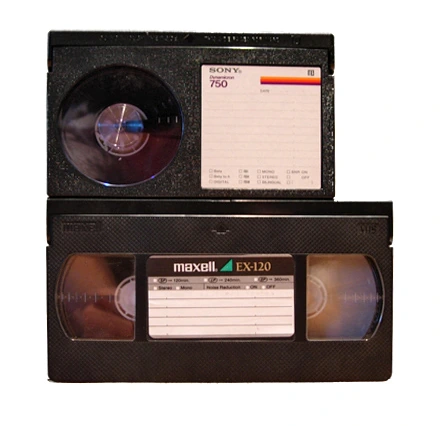

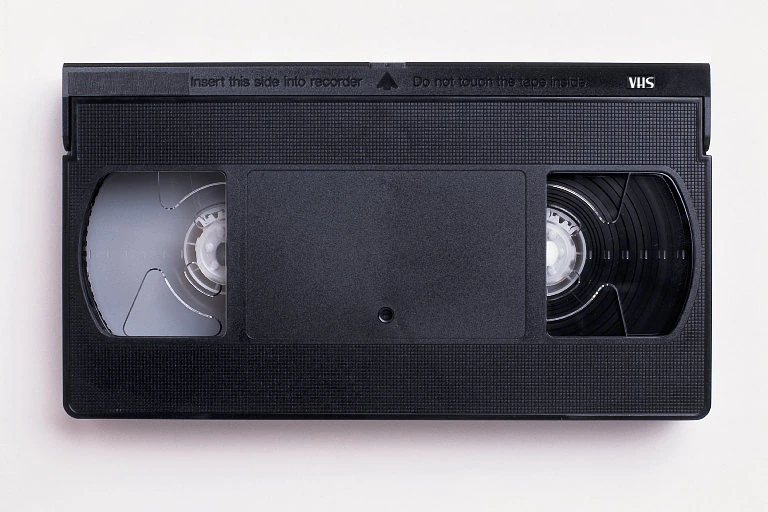
A VHS cassette looked reassuringly self-contained. The tape lived inside a hard shell rather than arriving as exposed reels somebody had to mount. You could put the cassette in a case, write on a label, and slide it onto a shelf beside other recordings.
That convenience didn’t make it anonymous. A particular tape could become associated with a program, a holiday, a performance, or the family member who had declared its contents untouchable. Several similar black rectangles could carry very different levels of household authority.
A blank cassette also represented a decision about future space. Recording wasn’t an unlimited act. Something occupied the tape, and the amount still available mattered. A person could be tempted to treat an apparently unimportant recording as an invitation to reuse the cassette, which was an excellent way to discover that someone else considered it extremely important.
The label was supposed to help. It could contain a useful title and date, a crossed-out earlier title, several titles in increasingly small handwriting, or a description so general that it invited a fresh investigation.
A tape marked simply with the name of a show might contain an entire recording, a fragment, a favorite scene, or something that had replaced the program without the label receiving the news. The cassette could keep a broadcast. It couldn’t make its owner maintain an accurate filing system.
The clock had a job beyond telling you it was midnight
The clock on a VCR wasn’t decoration. It was the employee you left in charge of Tuesday night. If it was blinking 12:00 after a power outage, the machine had forgotten the one thing it needed to know. Families learned this lesson the expensive way: by coming home to a perfectly labeled cassette containing absolutely none of the show they wanted.
A familiar flashing display could therefore become a warning about more than appearance. A household might learn to ignore it while using the machine manually, then rediscover its importance when trying to leave a program to the timer.
The controls varied by model. Some machines made the process feel reasonably direct; others appeared to have been designed for a person who enjoyed a more committed relationship with instruction booklets. A family member willing to master the buttons could acquire a useful and frequently requested specialty.
That person could also become the default suspect when something failed. The household remembered who had demonstrated the system confidently. It did not always remember who had touched the controls afterward.
The joke about a blinking clock survives because it catches the gap between the machine’s promise and the ordinary home’s patience. Recording the future sounded easy. Convincing the equipment which hour of the present it currently occupied could be the part nobody wanted to undertake.
Two, four, or six hours was a decision about the picture
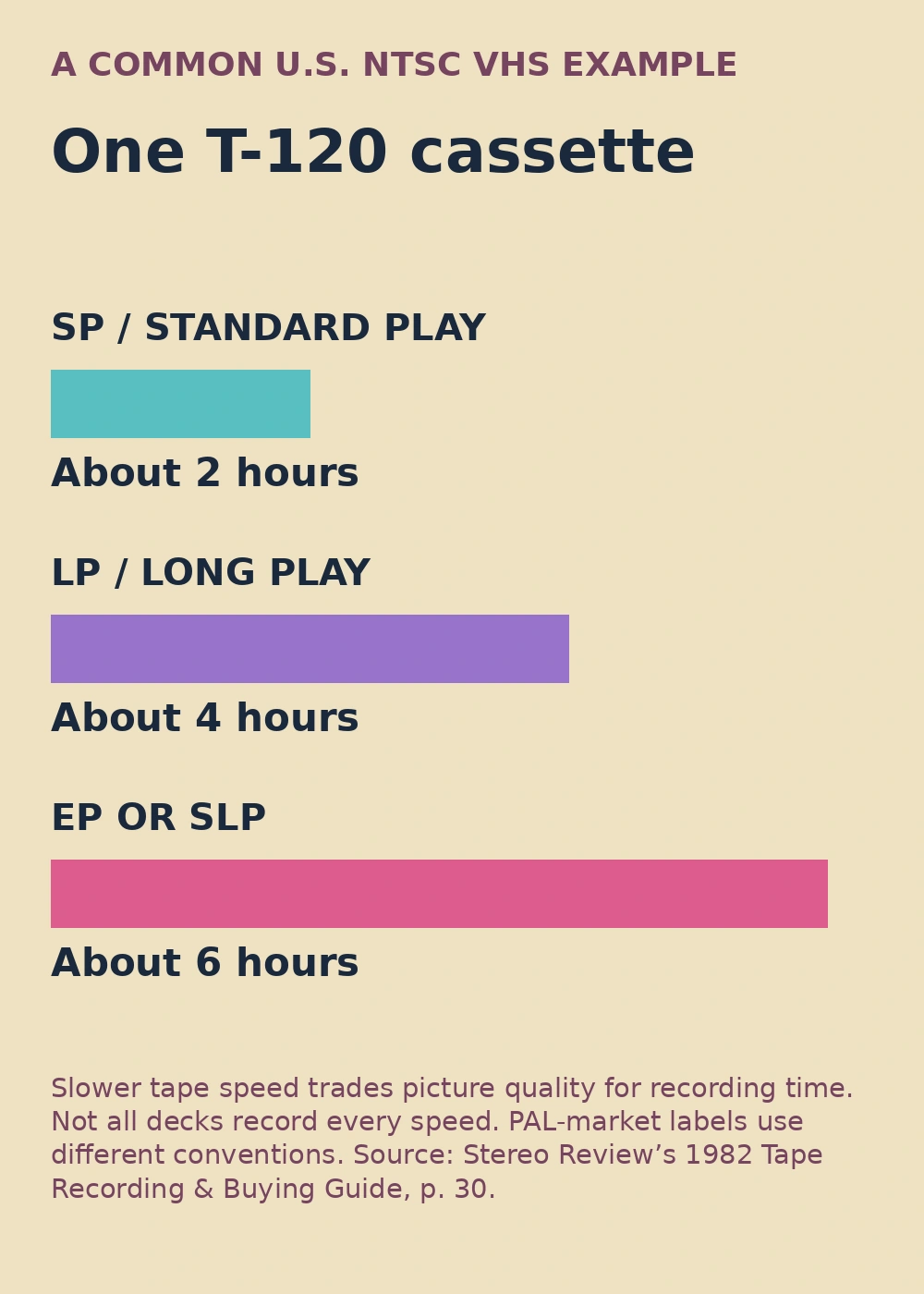
A common U.S. VHS arrangement gave a T-120 cassette roughly two hours at Standard Play, four at Long Play, or six at the slowest setting, called Extended Play or Super Long Play. The labels SP, LP, and EP or SLP described different tape speeds, not three separate compartments inside the cassette.
Slower recording stretched the available tape at a cost in picture quality. That made the choice more interesting than a simple contest in which six hours obviously defeated two. A favorite film or performance might deserve the better-looking recording. A collection of ordinary weekly episodes might make longer playing time more tempting.
The machine’s capabilities mattered too. Not every deck offered every recording speed, even when it could play tapes recorded elsewhere. A family could not acquire an extra setting merely by reading a longer list of possibilities on the cassette’s packaging.
The decision could become a small argument about value. Someone wanted to fit more onto the tape. Someone else wanted the image to remain respectable. A third person had no strong opinion until the playback looked worse than expected, at which point they developed one immediately.
The choice also made the recording feel deliberate. You were preparing space for a program, deciding how important it was and how much of the cassette it could occupy. A shelf of tapes represented not only things watched, but a long series of little judgments about which evenings deserved the better speed.
The number on a European tape wasn’t your U.S. timetable
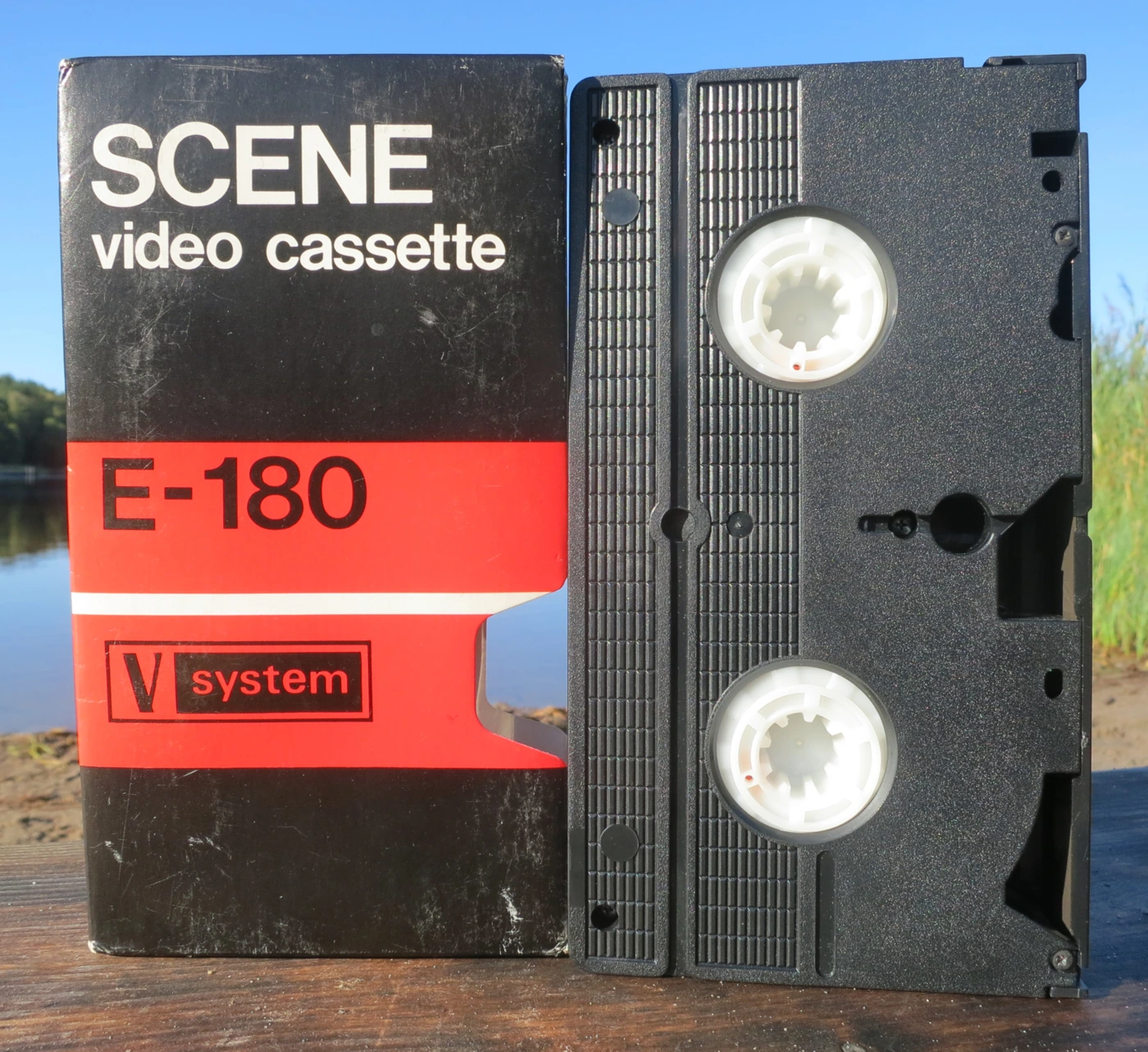

VHS was used in more than one television system. A cassette marked E-180 in a PAL-market setting shouldn’t be read as though its label supplied a universal recording time for every American deck. Format compatibility and recording duration depended on more than recognizing the VHS name.
That matters when looking back at the equipment as well as when borrowing it. A period machine photographed in a European collection is a real part of VHS history. Its channel controls, television standard, and timing conventions may differ from the setup someone remembers in an American home.
The SCENE cassette pictured here has a useful documented connection to a Swedish advertisement in 1981. It illustrates an actual period blank tape. It does not establish that a U.S. family used that brand or received the same length of recording under its own television standard.
Those differences weren’t always apparent to a child encountering a tape as a familiar black rectangle. The practical lesson usually arrived when something refused to play properly. A recording could be sound, the machine could be working, and the combination could still be the wrong one.
The domestic promise remained appealing across those variations: save a broadcast and watch it later. The details deciding whether that promise reached the screen belonged to the particular cassette, machine, and signal, rather than to the reassuring appearance of the box.
The channel on the television wasn’t necessarily the channel being recorded
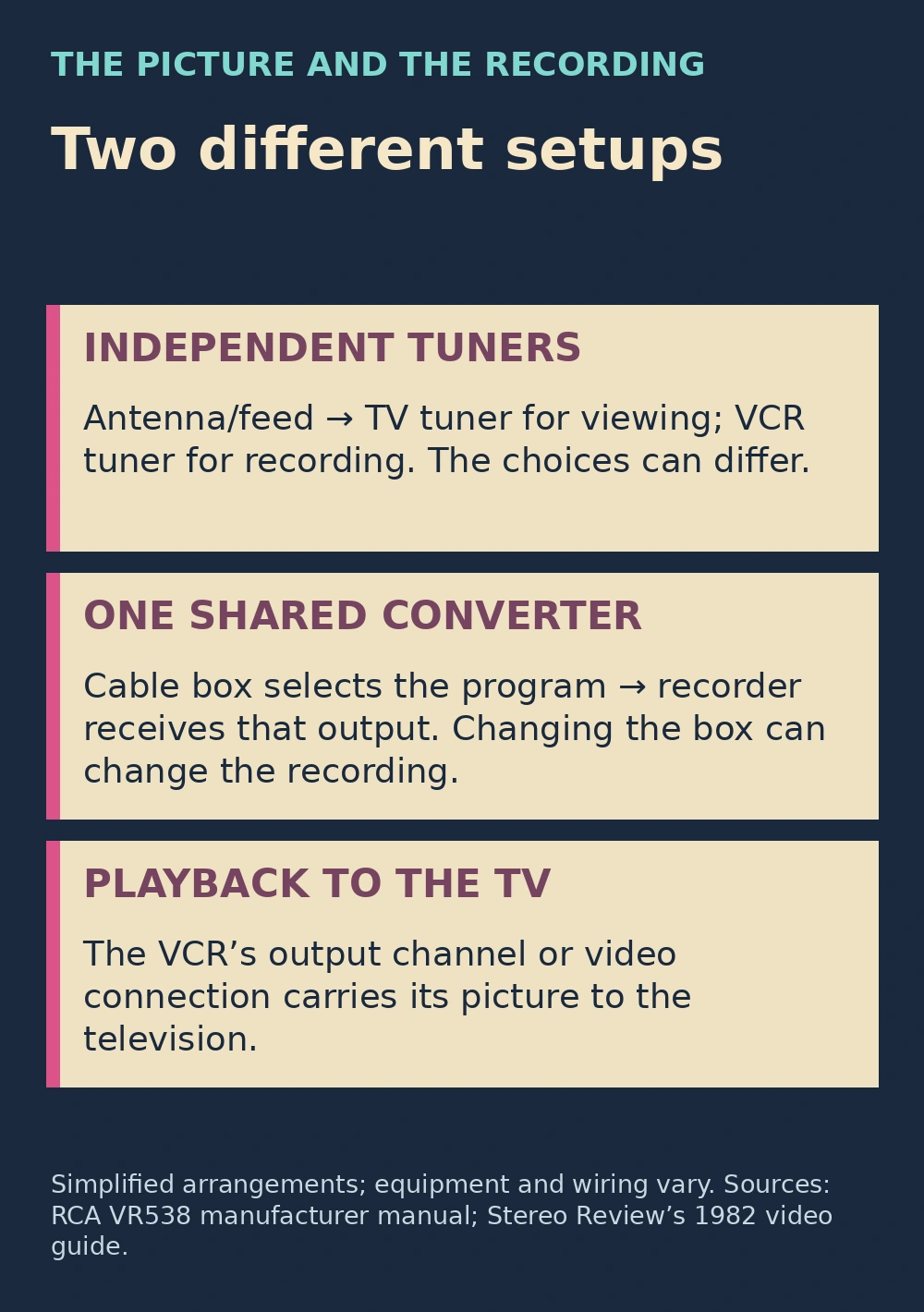
Here was the trap: watching a channel and recording that channel were two different instructions. A VCR with its own tuner could be set to one station while the television showed another. That was handy until somebody assumed the machine was following along, pressed Record, and preserved sixty minutes of the wrong program for future generations.
That separation was the basis of a great selling point: recording one broadcast while watching another, when the equipment and connections supported it. It was also the basis of an entirely avoidable disappointment if somebody believed the picture currently on the screen was proof of what the tape was receiving.
Playback added another part to the arrangement. With an RF connection, the television could be tuned to the recorder’s output channel, commonly three or four in U.S. equipment. That number identified how the television was receiving the VCR’s output. It wasn’t necessarily the original station whose program had been recorded.
Once understood, the distinction became fairly ordinary. Before it was understood, the family could conduct a vigorous discussion involving several channel numbers that were all correct in different parts of the setup.
The machine wasn’t trying to be mysterious. It had an incoming program, a recording path, and a way to send a picture to the set. The household had several buttons bearing familiar words and a strong desire for all of them to mean the same thing.
A cable box could add another person to the assignment
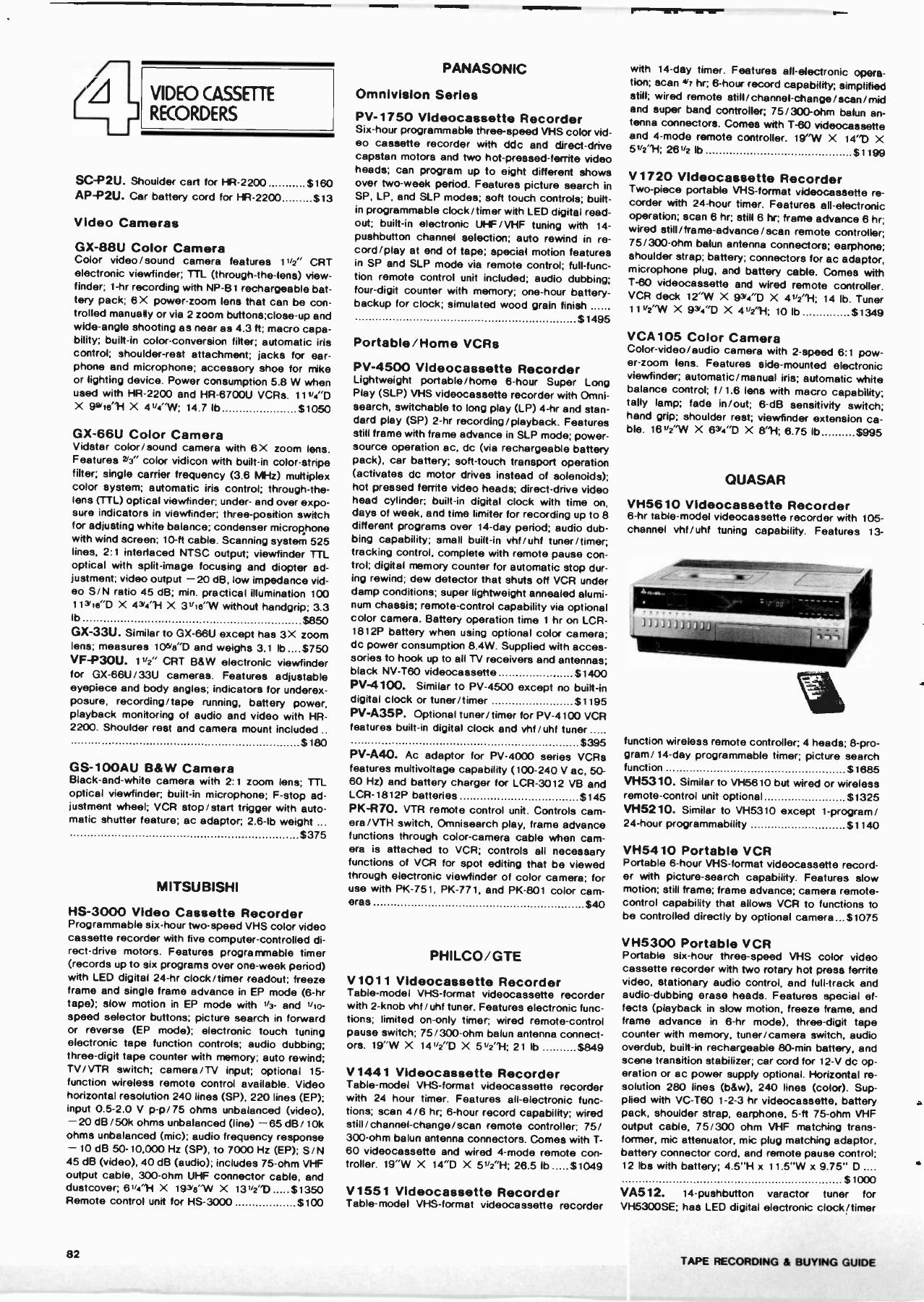
Add a cable box and the whole operation gained a second manager. If the box supplied the channel, it had to stay on the right one while the VCR did its work. One family member changed the converter to catch a movie, another came home expecting a carefully recorded episode, and suddenly the equipment wasn’t the only thing receiving a lecture.
Someone could program the timer correctly and still leave the box on the wrong channel. Someone else could arrive later, change the converter to watch something, and unknowingly alter what the recorder was receiving. The equipment had followed the household’s instructions. The household had supplied conflicting instructions.
That is why the simple promise of watching one thing while taping another came with conditions. Separate tuners, scrambled channels, converter arrangements, and the particular wiring could decide which choices were genuinely available.
The experience belongs alongside getting cable in the eighties, but a recorder gave it another consequence. The channel wasn’t only tonight’s live choice. It might be the source of a program somebody intended to watch tomorrow.
A note beside the controls could therefore become part of the technology. Don’t change this channel. Don’t turn this off. The electronics had expanded the family’s freedom, then recruited the family into guarding the arrangement until the recording finished.
The timer needed an evening, not just a number
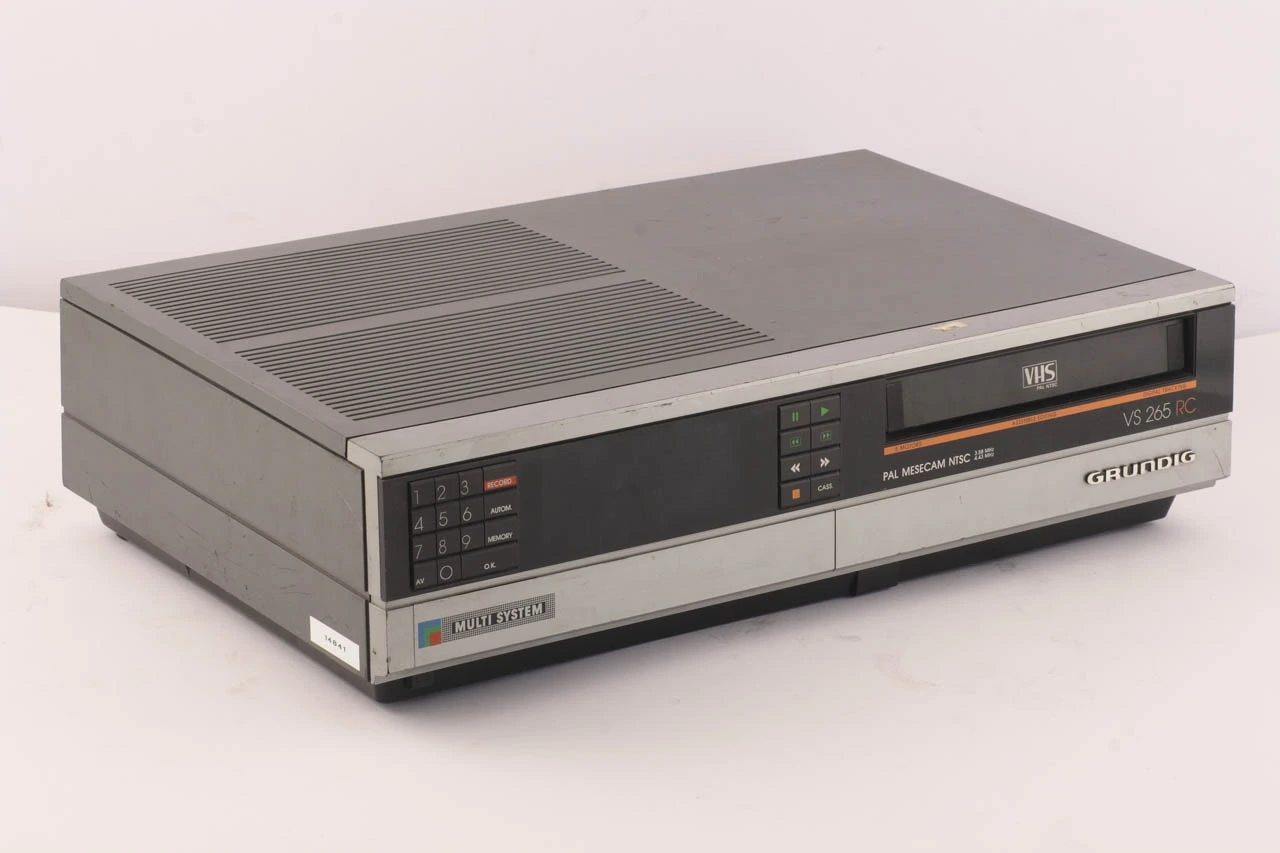

Programming the timer meant entering the date, start time, stop time, channel, and tape speed into a machine whose buttons rarely seemed to agree on a sensible order. On paper, those were five ordinary facts. In front of the flashing display, they became a little aptitude test. The real test arrived the next morning when you pressed Play.
Morning and evening were a classic place for an apparently sensible number to become the wrong instruction. Eight looked like eight until the recorder interpreted it as an hour when the household was preparing for an entirely different part of the day.
A recording crossing midnight could make the date important in a way a casual plan didn’t acknowledge. To the viewer it was the late movie on the same evening. To a timer, the next calendar date might already have begun.
Models differed in how many events they could remember, how far ahead they could be set, and how the recording was armed. A family member who understood one machine could still need the booklet when visiting a house with another.
The result could be a little performance of confidence. The settings had been entered, the display inspected, and the instructions repeated to everyone else. Leaving the room then required trusting that all those sensible-looking numbers described the same future hour the program intended to occupy.
The remote might still have a wire attached
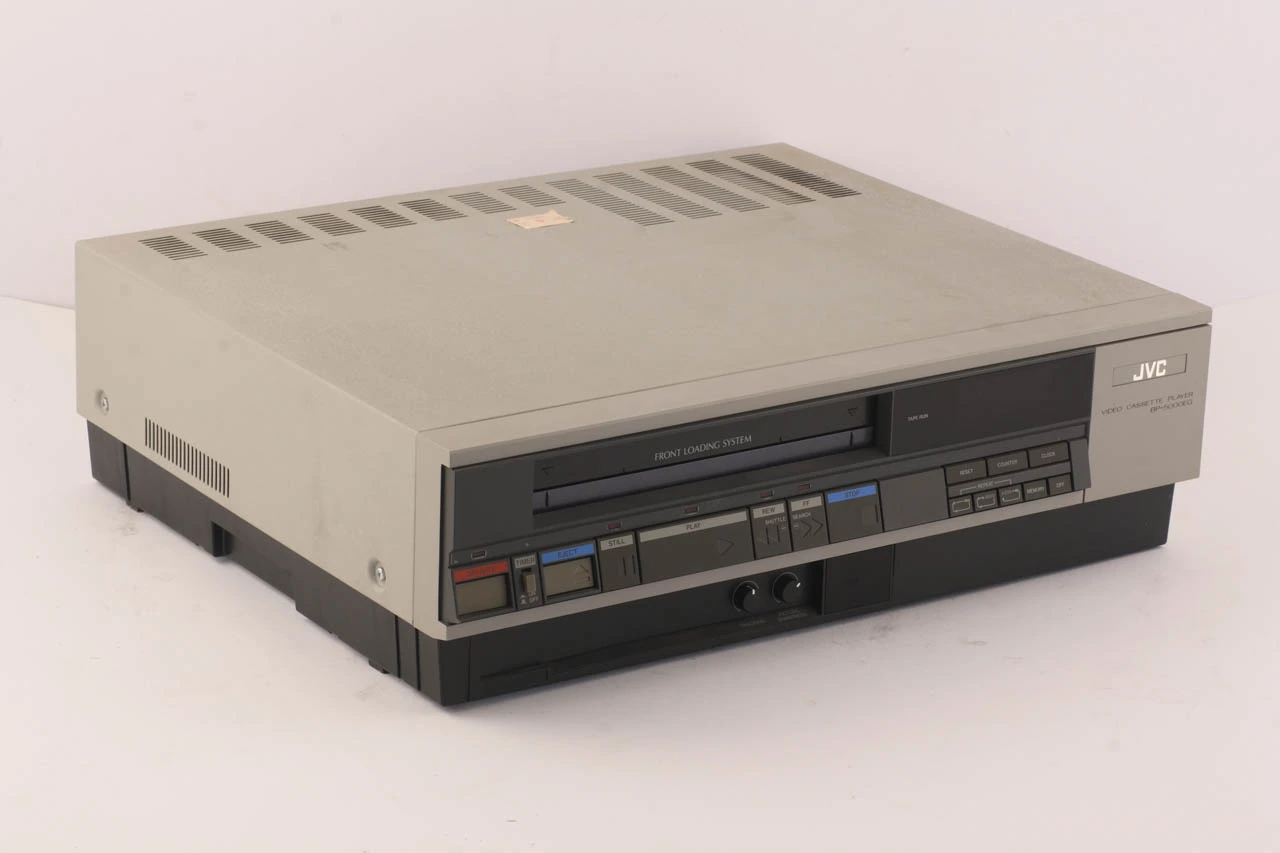

Not every remote let you rule the living room from a comfortable distance. Some earlier video equipment came with a wired controller, a very literal arrangement that meant the cable stretched from the machine to your seat. It worked until somebody needed to cross the room, at which point the remote became an unexpected piece of household obstacle-course equipment.
That could be useful without being especially glamorous. A pause or playback function was closer to hand. The rest of the setup still belonged at the machine, and the cord imposed its own opinion about where the operator should sit.
The JVC player in the museum photograph is one example of that earlier equipment world. Its controls and wired remote belong to the period’s variety, rather than a promise that every eighties recorder worked exactly the same way.
Such differences help explain why a visitor who knew one family’s equipment could still need a demonstration at another house. The familiar cassette was only part of the arrangement. The controls, the connections, and the preferred chair could all have changed since the last successful recording.
The guide was a plan; the station could still change its mind
Setting the timer from a printed listing was an act of trust in a schedule prepared earlier. A recorder didn’t know that a sports event had run long, that a station had changed a program, or that the opening had been delayed.
The person entering the times had to decide how much room to allow. A little extra at the start might preserve the opening. Extra at the end could protect a conclusion. Both used tape, and available space was part of the plan too.
The longer the event, the less pleasant it was to discover that the final minutes had wandered outside the recording window. Two hours of a movie without its resolution could be a remarkably effective demonstration that the last scene mattered.
TV Guide’s weekly listings remained useful. They supplied the intended broadcast, not a private agreement that the entire television evening would stop changing after the magazine went to press.
Recording therefore didn’t remove the schedule from family life. It gave the household a new way to work around it, with a small cushion of uncertainty at either end of the tape. The viewer could be absent. The broadcast still had its own evening to get through.
A thirty-second test could save a two-hour disappointment
The most reassuring evidence was a short recording played back before the important program. A machine could look busy, display a sensible time, and produce a picture on the television while the intended result remained less certain than everybody hoped.
A test connected the whole arrangement. Was the correct source arriving? Was there a recording? Did it play? Had the sound made the trip too? Those were practical questions the equipment could answer more reliably than a confident explanation from the person standing beside it.
The trouble was that testing required time at the exact moment someone usually wanted to be finished preparing. The family was leaving. The program was starting. A coat was already on, and somebody had misplaced the keys.
That was when the little temptation arrived: it had worked last time, so surely it would work now. Sometimes it did. Sometimes last time became an unhelpful fact mentioned repeatedly while the wrong program played after the family returned.
A successful recording could make all of this disappear from the memory of the evening. You sat down and watched. A failed one made the preparation unusually memorable, including who had said there was no need to check.
Editing out the commercials was a small live performance
If somebody was home while recording, the pause button offered a tempting form of control. Stop the recording during the advertisements, restart when the program returned, and keep a cleaner version of the show.
That job required attention. The operator had to notice the break, decide when the actual program resumed, and remember that the tape was waiting. An ordinary distraction could turn an ad-free episode into an episode missing part of a conversation.
The most irritating mistake was pausing successfully and forgetting to resume. The person doing the editing had been watching the screen the whole time, so the absence of those scenes on the tape could feel particularly unfair afterward.
There was also judgment involved. A station promotion might resemble the return of the program. An advertisement might end abruptly. The household’s designated editor could acquire opinions about which breaks were easy to recognize and which seemed deliberately arranged to catch them out.
The imperfect results are now part of what makes surviving home recordings distinctive. A sudden jump, a fragment of a local ad, or a missing word can reveal a person’s hand at the controls. The recording contains the show and a little evidence of how somebody tried to improve the evening.
A label was only as honest as its last update

A handwritten label was an act of optimism. ‘Christmas Specials’ looked wonderfully organized on a fresh cassette until somebody taped over half of it with a football game. Soon there were crossed-out titles, arrows, dates, and the occasional warning in capital letters: DO NOT ERASE. That warning was often the surest sign that somebody already had.
Then the tape was reused. A title was crossed out. Another program was added after the first. The case and cassette were separated, reunited incorrectly, and returned to the shelf with all the confidence of a solved problem.
Dates could be especially useful for a weekly series. The name alone didn’t necessarily identify which episode was inside. A stack of similarly labeled cassettes could turn a simple wish to watch a favorite into an evening spent sampling openings.
Handwriting supplied a second, unofficial source of information. A family member might recognize who had made the recording, how carefully they usually labeled things, and whether their idea of a complete episode included the first several minutes.
Those little habits gave a tape library personality. The cassettes weren’t merely interchangeable containers. They carried decisions, shortcuts, promises to update the label later, and occasional mysteries that nobody in the room was prepared to claim.
A missing plastic tab could be a very good thing
A VHS cassette had a physical way to discourage accidental recording: its record-protect tab. Removing the tab left an opening the machine could detect, preventing ordinary recording onto that cassette. A piece of plastic had become the last line of defense for something the household wanted to keep.
That was a useful distinction between a tape considered available and a tape considered finished. A warning written on the label depended on somebody reading it. The missing tab could stop the recording even when the person at the controls had skipped that step.
It wasn’t a promise that the cassette could never be reused. The opening could be covered to enable recording again. But doing so required an extra action, rather than a casual press of the record button by someone who had assumed the tape was unimportant.
The tiny feature captures a great deal about a home-video library. A treasured recording occupied the same kind of object as a disposable one. Its safety depended on a combination of hardware, handwriting, and family members agreeing that the thing inside mattered.
When that agreement held, the system worked quite nicely. When it didn’t, the family could end up discussing a missing tab with the seriousness usually reserved for a much larger broken object.
The tracking control was an invitation to keep hoping
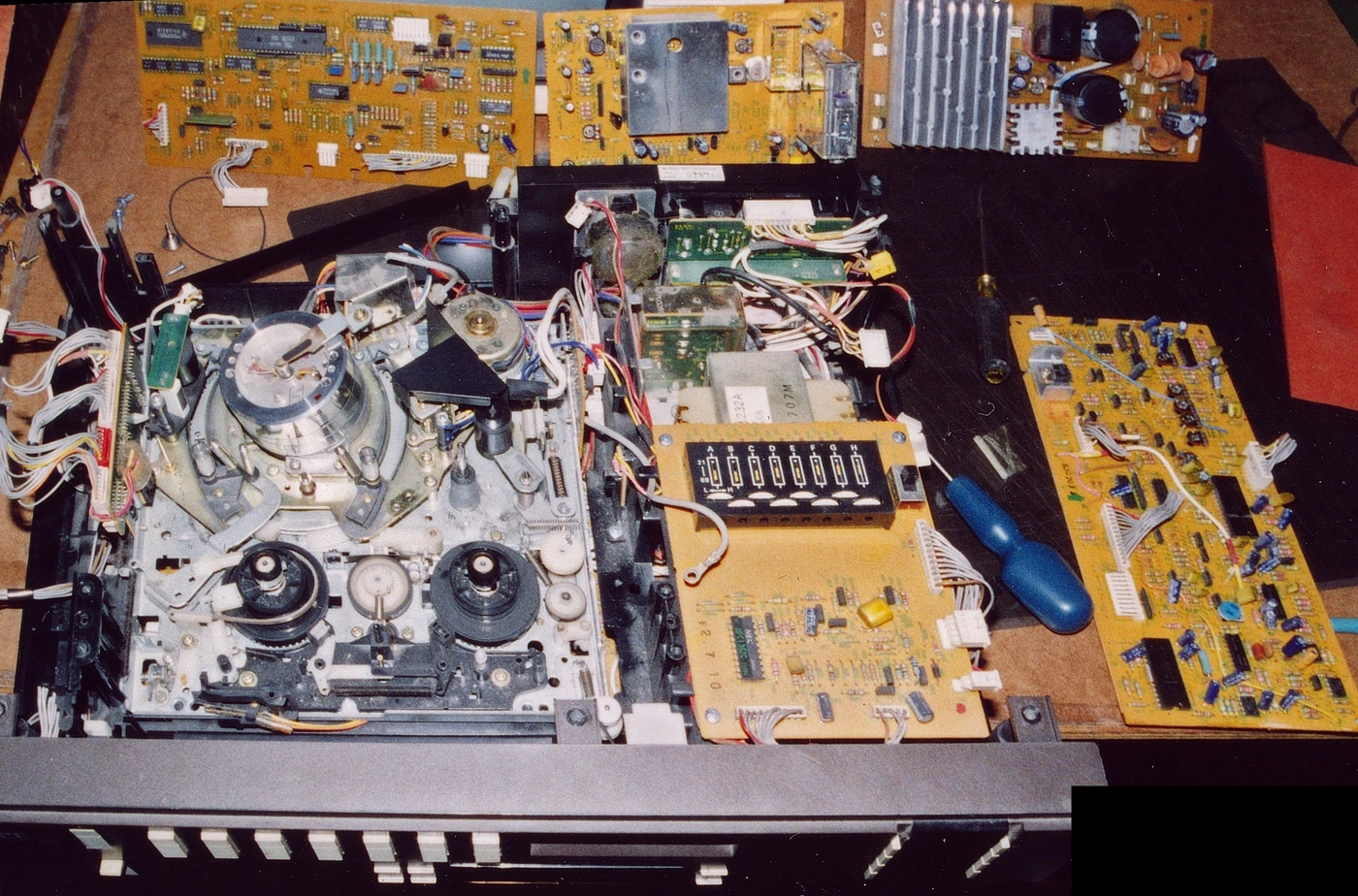

A tape borrowed from another machine could play with an irritating band of interference. Tracking adjustment could help the playback heads follow the recorded tracks more cleanly, improving a picture that looked as though it had acquired an unwelcome stripe.
The experience varied with the deck and recording. Some machines handled more of that work automatically. Others supplied a control that encouraged the viewer to make small adjustments while the room offered immediate and occasionally contradictory opinions about the result.
The control didn’t repair everything. A badly damaged tape, a poor original signal, and an episode recorded from the wrong channel were different problems. Tracking could not discover the scene somebody had failed to put on the cassette.
Still, the possibility of improvement could keep a person trying. A favorite program deserved another small turn of the control. A borrowed recording might be the only available way to see it, making an imperfect picture preferable to abandoning the evening entirely.
That willingness to accommodate the image is part of the memory of home recording. The program was there, held on a physical tape. Receiving it in its best possible form could require a little cooperation from the machine, the recording, and the person adjusting things while everybody else watched.
The counter remembered a place, approximately
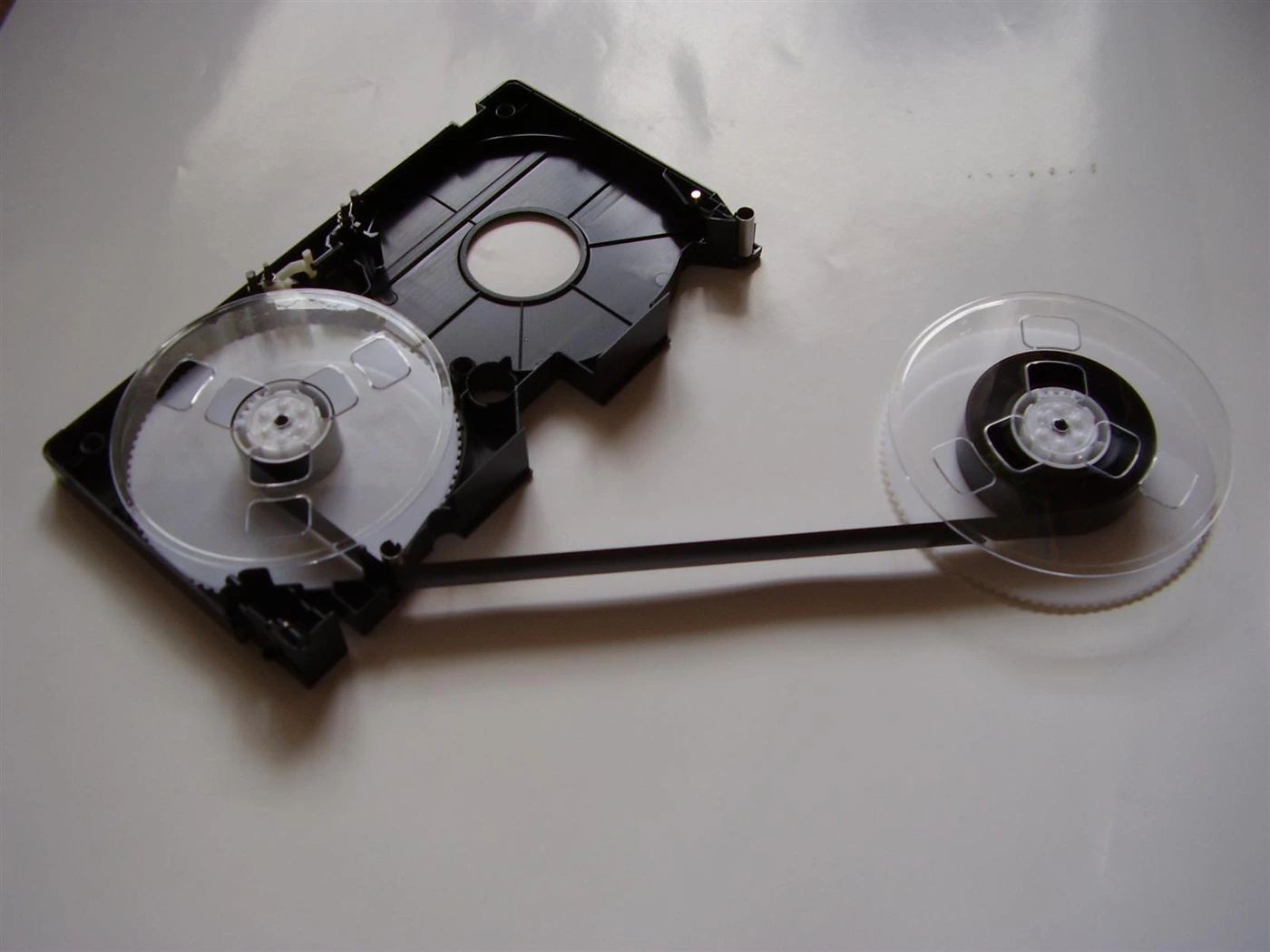

A tape counter offered a way to find something again, especially if somebody remembered to reset it at a useful point. A number could become shorthand for the beginning of an episode, a favorite performance, or the spot where a second recording had been added.
Older counters weren’t necessarily elapsed-time clocks. A sequence of digits might describe the movement of the mechanism rather than minutes and seconds. Treating every number as a precise timestamp could produce considerable disappointment.
That didn’t make the counter useless. A household using one machine could learn its behavior and develop a workable little geography. The beginning was here, the next show was around there, and the favorite scene required stopping a little before the remembered number.
A handwritten note could preserve that geography until somebody reset the display, rewound from a different point, or used another machine. The system was practical without being especially portable.
It asked more of the viewer than clicking directly on a scene, but it also made finding a program feel like handling a collection. You knew the cassette, had an idea of what lived on it, and moved through the tape with enough familiarity to recognize when the right opening was approaching.
Being finished with a program didn’t mean the tape was ready
Finishing an episode didn’t rewind the cassette for the next person. If somebody left the tape halfway through, the next viewer began in the middle of a mystery, an infomercial, or a patch of snow. The fix involved another few minutes of mechanical whirring and someone impatiently asking whether the machine was done yet.
Rewinding was part of the housekeeping. It took time, made its own mechanical sound, and could be postponed by a person who felt the evening’s principal work had already been completed.
The next viewer might then inherit the delay. A promised show was available, but first the reels needed to take it back to a usable starting point. In a household already trying to get several people settled, that little wait could become remarkably unpopular.
There was a pleasure to the physical process too. The machine accelerated, the cassette moved, and the program became available again through a visible piece of work. Repetition wasn’t an invisible reset; the equipment prepared the tape for the next visit.
For a family collection, the useful habit was simple to understand and therefore easy to resent when someone else hadn’t done it. Nobody needed an elaborate theory of media to explain why the favorite episode was currently waiting at the wrong end of the cassette.
The tape still had your label when your show was gone
Accidental erasure had a particularly irritating form. The cassette looked the same. The handwriting remained reassuring. The case could be exactly where it belonged, while the program somebody had wanted to keep had been replaced by something else.
A partial replacement could be worse to investigate. The opening survived, encouraging the viewer to settle in. Then the recording changed abruptly, leaving an unrelated program occupying the part where the original story had once continued.
That was why a tape described as available needed a more precise conversation. Available from the beginning? Available after the first program? Available according to the person who owned it, or according to the person currently looking for something to put in the machine?
A family could develop its own rules, including reserved tapes, recognizable labels, and cassettes nobody was supposed to touch. Those rules didn’t always travel well to a visitor or a younger child who had understood only that the machine required a tape.
The loss was ordinary enough to become a household story and specific enough to remain annoying. Someone else’s perfectly good recording could still be unwelcome when it had taken the place of the thing you thought was safe.
A big television night could become a cassette worth guarding
The final M*A*S*H broadcast on February 28, 1983 offered an obvious reason for a household with recording equipment to think beyond ordinary weekly reuse. An ending people had been anticipating could become something they wanted to revisit rather than remember through conversation alone.
That occasion belongs to the 1982–83 television season. It doesn’t mean every viewer made a recording, or that every home had a machine ready. It shows the kind of event that could make the recorder’s promise especially attractive.
M*A*S*H’s early-eighties farewell was a specific broadcast. A household trying to save a long event had to consider tape space, speed, and the intended running time rather than assume any cassette already in the machine would do.
The resulting recording could acquire a different status from an ordinary episode. It might receive a clear label, a protected tab, and a place somebody could remember. It could also end up in the same busy cupboard as everything else, waiting for the family to rediscover how important it had once seemed.
Those special tapes make sense as personal keepsakes. The recorder let a viewer keep something from the shared television schedule, even when the object preserving it was as modest as another black cassette on a shelf.
The regular week could require more planning than the special
A one-time event came with its own urgency. A weekly favorite could be easier to neglect because it was always expected to return. Then the family went out, an evening changed, or another program won the room, and the familiar show became the one somebody wished had been recorded.
During the 1984–85 television season, a viewer following Family Ties could plan around a returning household rather than a single television occasion. A recorder offered a way to keep that appointment while changing the hour at which it was actually watched.
Several episodes could also share a cassette, depending on the speed and available tape. That made the library less tidy than the simple idea of one label per show. The next recording had to begin after what was already there, with enough room remaining for what was coming.
A comedy such as Cheers could become familiar repeat company on a home tape. The appeal wasn’t necessarily completing a formal collection. Sometimes the household simply liked having a few visits available without waiting for the station to choose them again.
Recording family sitcoms made the machine part of a routine. It wasn’t only a spectacular new appliance brought out for big occasions. It was the thing somebody had to remember to prepare before the family left on a Thursday.
A mystery without its last minutes was a household emergency
There are few eighties disappointments quite like watching fifty-eight minutes of a mystery and discovering that the VCR stopped before the murderer was revealed. You had the suspects, the clues, the tense music—and then a blank screen. The tape didn’t care that Jessica Fletcher was about to explain everything. A mistimed recording could turn one night’s entertainment into a family grievance.
For someone enjoying Murder, She Wrote, the final conversation wasn’t a decorative extra. It was the part that made the evening’s puzzle cohere. A timer set too tightly could keep the question and lose the answer.
That is one reason recording habits became attached to genres. A viewer following eighties mysteries had a practical reason to guard the ending. A person saving a musical performance might be especially concerned about capturing the beginning, where the introduction or first notes could disappear.
The machine didn’t make those judgments itself. It recorded during the interval it had been given. Deciding where a program’s value lay remained a very human part of preparing the cassette.
When a recording worked, the viewer could forget all that preparation and enjoy the explanation. When it failed, the family suddenly acquired another mystery, this one about why nobody had allowed an extra few minutes.
The recorder could negotiate with bedtime
A later program could be attractive for exactly the reason it was inconvenient: it belonged to the part of the evening the viewer couldn’t always stay up to see. A recorder offered the possibility of moving it into a more forgiving hour.
A teenager interested in Moonlighting, for example, might value the freedom to watch an episode after another obligation rather than compete with the original broadcast. The point was the practical change in access, not a requirement that every household kept identical bedtime rules.
That bargain still depended on the recording. The viewer might go to bed or leave the room while the machinery did the waiting. The next day carried a small uncertainty until playback proved that the intended program had actually arrived.
It also changed what it meant to miss a show socially. Other people could have seen it already. The person with the tape wanted a chance to watch before being told every useful development by someone who considered yesterday’s broadcast safely available for discussion.
Recording made television more flexible while leaving the rest of the audience on its own schedule. A household could postpone the episode. It couldn’t necessarily persuade a friend to postpone the plot summary.
A favorite performance could be watched until the room knew it too
A music appearance, a comedy routine, or an especially satisfying scene could become the reason to keep a recording long after the whole program stopped receiving equal attention. The tape offered another visit to the part the viewer wanted most.
That could lead to a very personal kind of repetition. One person watched the performance again. Another person, somewhere nearby, learned it involuntarily. A favorite acquired an audience that hadn’t necessarily voted to become quite so familiar with it.
The recording could also be imperfect in a way the viewer accepted. The opening was late, an announcer spoke over a moment, or a bit of local television remained attached to the end. Those flaws belonged to the available copy, and the available copy was better than not having the performance.
Finding the right place required a little patience with the tape. A remembered counter position helped. So did recognizing what came immediately before the scene. The person who knew the cassette best could locate a favorite with a confidence that looked mysterious to everyone else.
That familiarity was one of home recording’s pleasures. Something supplied once by a distant schedule had become a small piece of the household’s own entertainment, ready to be played again as soon as the person controlling the set agreed.
Lending the cassette meant lending the only copy you had
A home recording could travel to another house, giving someone else a chance to see an episode or event they had missed. The practical gesture was friendly. It also involved letting a physical object containing your recording leave the room.
The borrower needed a compatible machine, some understanding of what was on the tape, and ideally a willingness to bring back the same cassette with its contents intact. Those requirements were straightforward enough to seem hardly worth stating until one of them failed.
A tape could remain at the other house longer than expected. It could return in a different case. The borrower might have stopped halfway through and left the next viewer a small puzzle about where the program began.
None of that required malicious intent. It was ordinary handling applied to something whose value was more specific than its appearance suggested. To one person it was a cassette to be returned later. To another it was the only recording of the thing everybody had been talking about.
That material dependence gave lending a different texture from recommending a program. The recommendation could be repeated freely. The tape had to find its way home.
A television recording wasn’t automatically a family movie
The cassette on the shelf could contain a broadcast, a commercially released film, or material made with a camera. Those were different sources sharing part of a household’s video life, rather than proof that everyone who owned a VCR was also making home movies.
Camera equipment required another purchase or arrangement. The small cassettes used by some camcorders also needed to be distinguished from full-size VHS. A familiar-looking label didn’t make every compact video format ready to insert into an ordinary deck.
That variety could make the family shelf more complicated. A television episode might sit near a birthday recording, while a rented film temporarily occupied a case nobody in the home owned. The machine at the center of the setup could be asked to play several kinds of material without those materials having the same history.
For the person organizing the collection, the difference could be crucial. A replaceable recording of a rerun and a family’s own footage did not carry the same consequences if reused by mistake.
The practical lesson was less about becoming an expert in every video format than about knowing what the cassette contained before treating it as available. The reassuring shape of the object didn’t tell you whose memory, favorite show, or rented evening was waiting inside.
A collection could grow without anyone deciding to become an archivist
The shelf often began with immediate purposes. Save this episode. Keep that special. Leave room after the first movie for something later. A formal plan for an archive was not required for the cassettes to begin multiplying.
Each addition introduced another small decision about storage. Keep it near the set or put it away? File by title, by family member, or by whichever space remained? A system that seemed adequate for three tapes could become less convincing when the number increased.
Some homes maintained careful labels and orderly cases. Others had a more exploratory approach. The person looking for a particular episode might have to recognize a piece of handwriting, a damaged sleeve, or a cassette whose identifying information had been reduced to a single confident word.
The library could also preserve changing tastes. A show once important enough to save might remain untouched while another favorite took over the schedule. The old tape stayed, partly because it was still useful and partly because nobody had decided what should happen to it.
That makes a surviving collection a record of attention as well as television. The tapes show what somebody expected to want again, including a few things the future viewer may be surprised to find.
The part you didn’t mean to keep can be the part that survives best
A recording made for a show could carry other material around it: the end of a local announcement, a fragment of an advertisement, a station voice, or a promotion for the following evening. At the time, those pieces might have seemed like clutter before the useful program began.
Years later, the surrounding material can be remarkably evocative. A national episode may be familiar through reruns. The local furniture commercial, weather introduction, or station announcement belongs to a narrower place and moment.
That doesn’t make every surviving home tape a complete account of its broadcast. A label can be wrong, a cassette can combine recordings from different times, and the context may require careful checking. Familiarity is a clue, not a date stamp.
But the accidental material can preserve an experience that a clean episode alone doesn’t contain. It restores a little of the television evening around the story, including the ordinary interruptions someone had originally tried to skip.
The household pressing record didn’t need to predict that future interest. It was trying to save a program. The station and the advertisers sometimes came along for the ride.
The recorder arrived at different houses in different years
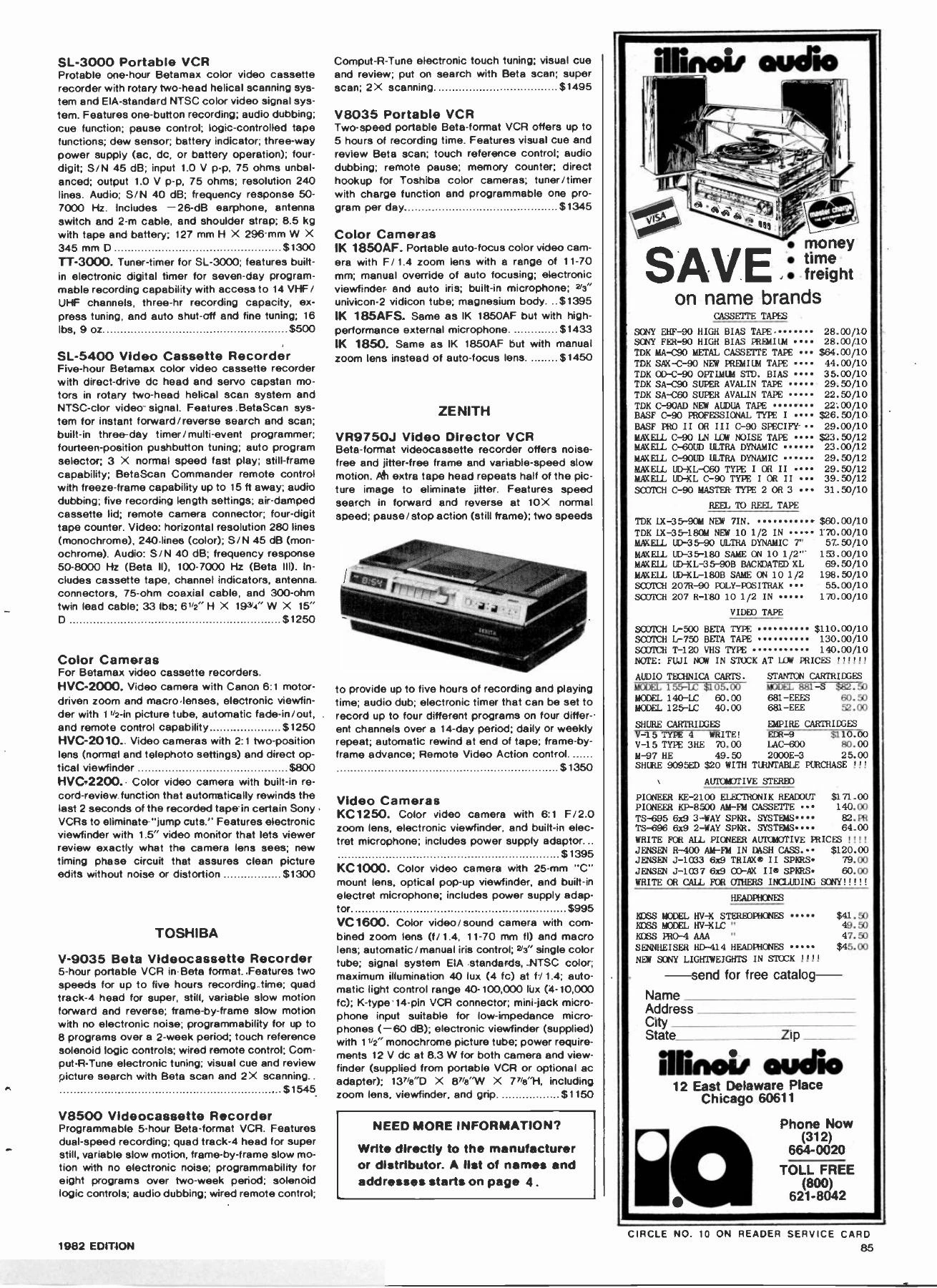
It is easy to let a vivid late-eighties memory spread backward across the entire decade. A household might have become skilled at recording by then without having owned a machine when the decade began.
The equipment was a purchase, and the purchase was only part of the cost. Blank tapes, additional accessories, and the decision about where the machine would go all belonged to ordinary family resources. Not every home adopted the same arrangement at the same time.
That difference shaped what it meant to miss a show. A friend might have a cassette ready while another family was still waiting for a repeat. The contrast could feel personal to a child even when it reflected practical decisions made by adults.
The recorder also entered homes with existing television habits. An enthusiast might begin keeping regular episodes immediately. Another owner might use the machine chiefly for rented or purchased material, reaching for the timer only occasionally.
The shared memory is richer when those differences remain visible. There were people taping, people borrowing, people still watching live, and people trying to persuade the person who understood the controls to arrange something before everyone left.
The machine gave the evening another chance
When it worked, the whole arrangement became pleasantly unremarkable. Insert the cassette, find the beginning, and watch the program at an hour the household had chosen. The successful preparation disappeared behind the thing it had preserved.
That was a substantial change in eighties television. The schedule still mattered, but it no longer had an absolute claim on every viewer’s presence. A program could make its first trip through the house while the person intending to watch was elsewhere.
The flexibility wasn’t frictionless. Reels needed rewinding. Labels needed updating. A tape could be misplaced or overwritten. A clock could insist, with complete electronic confidence, that the important hour had arrived twelve hours too late.
Still, the reward justified a remarkable amount of household troubleshooting. A favorite episode, a farewell, or an ordinary comedy could wait in a cassette instead of disappearing with the original broadcast.
The person returning home could settle down with a little anticipation and press play. For a moment, the future arranged earlier in the day either appeared on the screen or became the subject of another family investigation. Both outcomes left a memory. One of them also left the right show.
A few questions before anybody presses record
Did VHS and Betamax use the same cassettes?
No. They were competing systems with different cassette formats. A Betamax recording could not be played simply by putting its tape in a VHS deck. VCR is the general machine description; VHS and Betamax identify particular recording systems.
How long could a T-120 VHS tape record?
In the common U.S. NTSC arrangement, approximately two hours at SP, four at LP, or six at EP/SLP, where the recorder supported those speeds. PAL-market labels such as E-180 should not be substituted directly into that timing table.
Could a VCR record one channel while the television showed another?
Often, with suitable independent tuners and connections. A setup relying on a single cable converter could impose different limits. What the television displayed was not, by itself, proof of what the recorder was receiving.
Why did people remove the tab from a VHS cassette?
Removing the record-protect tab discouraged accidental recording over material they wanted to keep. The machine detected the opening. Covering it could allow recording again, so it was a safeguard rather than an irreversible lock.
Sources & Further Reading
- Period equipment and recording features: 1982 Tape Recording & Buying Guide
- RCA manufacturer instructions for VHS connections, speeds and recording
- Sony recorder and player history
- Panasonic’s 1977 VHS history
- IEEE milestone: development of VHS in 1976
- Paley catalogue: MASH final broadcast