The A-Team in the 80s: How Chaos Became Appointment TV

The A-Team in the 80s: How Chaos Became Appointment TV
The cast, the van, the workshop rescues—and why this improbable team became a real television hit.
By Gizmo
ONE VAN.
NO QUIET EXIT.
INSIDE THIS ARTICLE19 sections • Jump to your favorite part
The bad guys have made a terrible mistake. Not the usual mistake of deciding to shake down a shopkeeper, run somebody off their land or threaten a family who just wants to be left alone. They’ve locked the A-Team in a building full of tools. A welding torch, a few barrels and an abandoned truck? Gentlemen, you’ve practically gift-wrapped your own defeat. Give B.A. an hour and that junkyard will have something moving in it that probably wasn’t approved by the Department of Transportation.
If you grew up watching NBC in the eighties, you knew how this would go. Hannibal would grin around that cigar. Face would locate whatever supplies were missing, preferably by convincing someone important that he was also someone important. Murdock would make B.A. wish the building came with a soundproof room. Then the doors would burst open, three enemy vehicles would overturn in an impressive display of poor parking, and everybody would somehow climb out reasonably intact.
That was the magic of The A-Team. Four fugitives, one instantly recognizable van, a whole lot of improvised hardware and the glorious possibility that the little guy might finally get some help. You didn’t have to know what had happened the week before. You just needed to know that somebody was in trouble, the authorities were no use and Hannibal Smith was about to have a very good afternoon.
The series ran on NBC from 1983 through 1987 and made George Peppard, Dirk Benedict, Dwight Schultz and Mr. T a lineup even people who barely watched could identify. We can admit the plots got repetitive. We can admit that sedating B.A. to put him on a plane was a lousy thing to do to a friend. We can even admit that the villains possessed the combined shooting accuracy of an entire squad of stormtroopers. None of that quite explains away the pleasure of watching these four men turn a hopeless situation into an enormous, noisy, ridiculous win. For a broader look at the decade’s action-show obsession, this gang is a fine place to start.
Before Tuesday nights, there were two different Sundays
The A-Team didn’t simply appear on a Tuesday night and become part of everyone’s routine. Its first outing, the feature-length Mexican Slayride, aired on Sunday, January 23, 1983. It was the introduction to Hannibal’s peculiar little family, and it included a casting surprise for anyone who discovered the show later in reruns: Tim Dunigan played Face in the pilot. The Dirk Benedict version we all picture in our heads took over afterward. That’s right. The original Face had a different face.
The following Sunday, January 30, NBC placed Children of Jamestown after Super Bowl XVII. That’s the episode that received the giant football lead-in, not the original pilot. Somewhere along the way, the two Sundays have been blended into one in retellings. But you don’t need an elaborate network-history lecture to understand what NBC was doing. If millions of people are already sitting on their couches with snacks and nowhere urgent to go, you might as well introduce them to four men who are very good at blowing up vehicles.
Stephen J. Cannell and Frank Lupo created a premise that could be explained in about the time it took someone to refill a bowl of chips. Former military men were framed for a crime they didn’t commit. They escaped, stayed on the run and used their unusual talents to help people who couldn’t find help anywhere else. Each week could bring a different client, location and villain, while the central group stayed reassuringly familiar. It was the television equivalent of knowing exactly what you’d ordered and looking forward to it anyway.
The opening episodes also had some of the roughness that comes with a new series figuring itself out. Character relationships hadn’t settled into their most familiar shape; the van wasn’t yet carrying years of accumulated television legend; and the performers were still working out how broad the comedy could get without losing the adventure. A good pilot introduces a possibility. A good weekly series makes you want to see that possibility again next week.
Once the show moved into its regular Tuesday-night life, it became remarkably easy to join. Miss an episode? Nobody was going to hand you a three-page recap. Hannibal was still the guy with the plan, Face still needed a convincing story and preferably a clean shirt, Murdock was still a walking flight-risk joke, and B.A. still had the one job nobody else was remotely qualified to do. A few familiar faces and one unmistakable theme were enough to tell a kid that the evening had officially begun.

Four men, four different ways to take over a scene
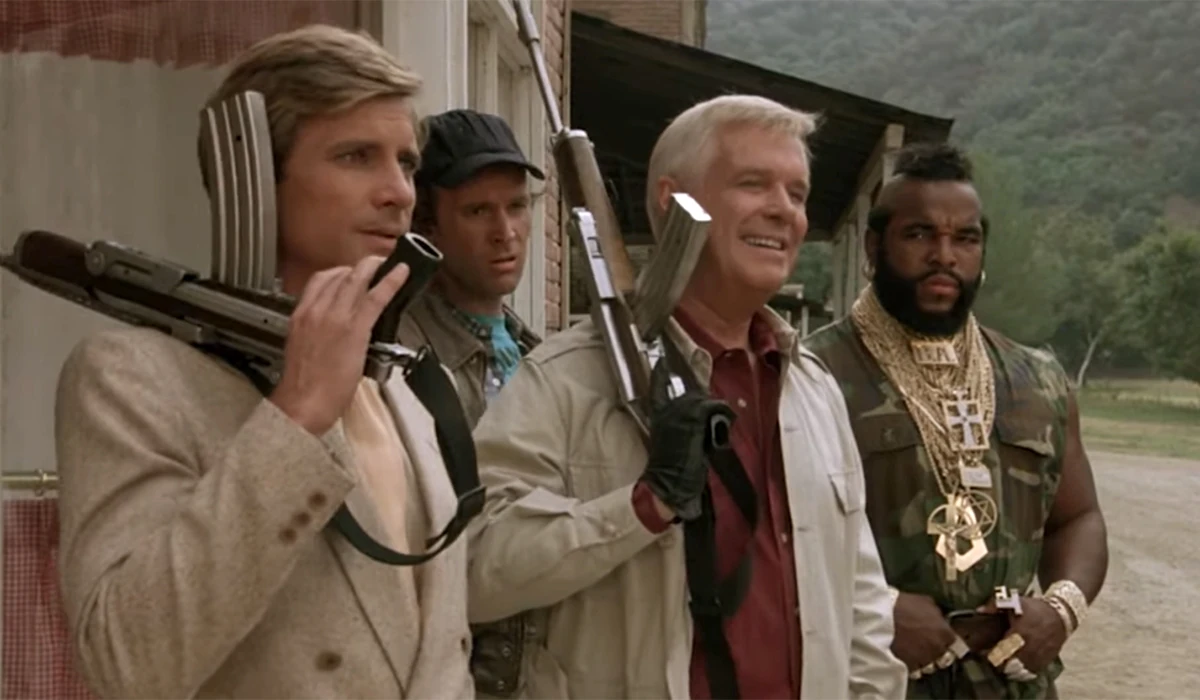
Try to imagine The A-Team with four versions of Hannibal. All that confidence, all those cigars, absolutely nobody willing to admit the van needs fixing. Or four Faces, each trying to talk somebody else into providing the equipment. You’d get a very elegant disaster. The whole point was that these men were good at different things and, even better, they were capable of driving one another up the wall.
George Peppard brought old-school movie-star authority to Hannibal. Dirk Benedict made Face an operator who could look comfortable anywhere until the bill arrived. Dwight Schultz made Murdock seem like he was receiving a completely different television channel from everyone else. And Mr. T’s B.A. had the physical presence, mechanical brains and short fuse needed to bring the entire enterprise back to earth. Put those four personalities in the same vehicle and an ordinary drive across town could become a pretty entertaining argument.
What made the group work wasn’t simply that each man had a specialty. It’s that the specialties kept colliding. Hannibal would announce a daring plan. Face would immediately have concerns about the part involving personal discomfort. Murdock would adopt a fresh personality at the exact wrong moment. B.A. would look at the three of them as though he had been assigned to supervise a field trip nobody told him about. Then, when it mattered, all four would do their jobs.
That last part is important. A television team only feels like a team if everybody gets to contribute. Face could con his way into a warehouse long before anyone started cutting locks. Murdock could land an aircraft where landing one sounded like a very poor idea. B.A. could turn junk into an escape vehicle. Hannibal could look at the situation and see a route through the mess. The show rarely asked us to believe one man was secretly doing all the thinking while the others smiled for the publicity picture.
The downside was that the writers eventually learned which buttons always got a response. Another Hannibal grin. Another Face complaint. Another B.A. flying tantrum. Another Murdock act. The audience laughed because it recognized the routine, but familiarity can turn into autopilot. The best episodes put those familiar people in a situation that gave the joke a fresh reason to happen. The weaker ones practically checked the reactions off a list.
Still, there’s a reason the quartet survives in memory as a group rather than four separate TV celebrities. They looked like people who knew exactly how annoying their friends could be and would still show up when those friends needed them. For a series packed with fake explosions and miraculous engineering, that friendship was probably the most believable thing in it.
Hannibal was enjoying this far too much
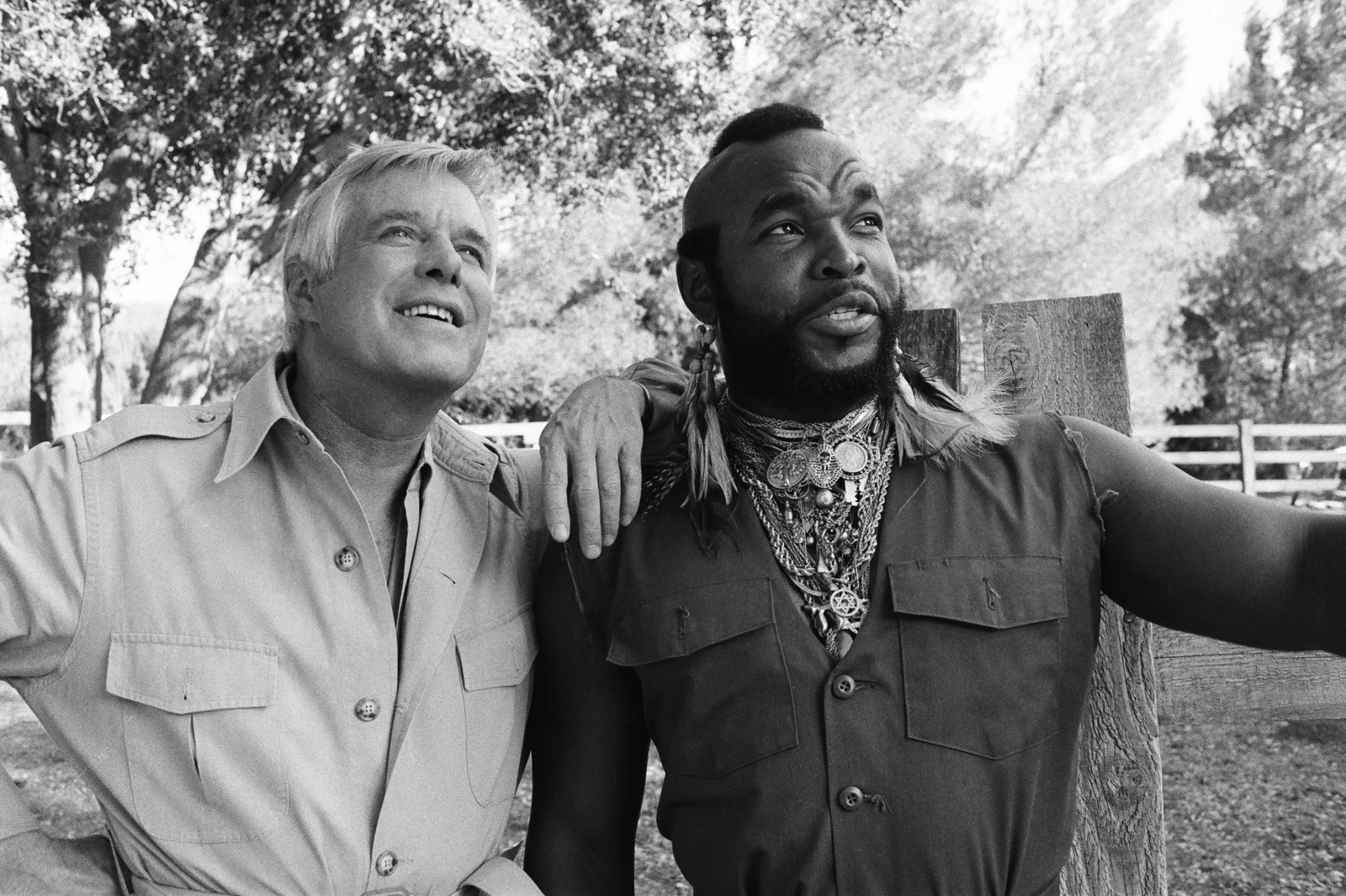
Hannibal Smith was a fugitive being chased by the military, and somehow he frequently looked like the happiest man on television. Most people would consider having armed pursuers on their trail a serious lifestyle problem. Hannibal treated it as a scheduling inconvenience, especially if the day’s assignment involved disguises, a daring bluff and an opportunity to surprise somebody who thought he had the upper hand.
George Peppard could make that cigar and little half-smile do a remarkable amount of work. You always had the sense that Hannibal knew something the bad guy didn’t. Occasionally that something turned out to be an improvised tank built from equipment that shouldn’t reasonably have formed a tank, but anticipation was the important part. Hannibal looked delighted before the big reveal, and his delight was contagious.
He was also a showman. One of the great running jokes was his willingness to play the screen creature Aquamaniac when the occasion called for it. Here’s a man supposedly trying to avoid notice while actively volunteering to dress as a movie monster. His understanding of the phrase ‘keep a low profile’ was clearly different from everybody else’s. Yet it made sense for Hannibal: disguises were useful, but he wasn’t going to pretend he didn’t enjoy the performance.
There was a good leader underneath the theatrics. When a teammate was genuinely in danger, Peppard knew when to wipe the grin away. The confidence became something more serious, a reminder that he felt responsible for the men following him into these absurd situations. He might love a spectacular plan, but losing one of his people was not supposed to be part of it. Those moments gave his usual pleasure a little weight.
The catchphrase about a plan coming together worked because we had watched the trouble unfold first. Hannibal could be hopelessly optimistic, and the plan might depend on a villain making six consecutive bad decisions, but by the time the smoke cleared you were rooting for the man with the cigar. Some heroes spend an entire episode proving how much danger has cost them. Hannibal spent most of his showing how much he was enjoying the challenge.
Of course, put him beside Jim Rockford and the difference is hilarious. Rockford wanted a client who paid, a car that started and preferably an afternoon without being punched. Hannibal was liable to hear about the same situation and start looking around for welding supplies. Both men came out of that Stephen J. Cannell television world, but only one of them seemed to think getting locked in an industrial building was an opportunity for a little fun.
Face could sell the villains their own furniture
Every team needs somebody who can get through the front door without kicking it down. Face could walk into an office, compliment the receptionist, introduce himself as a perfectly legitimate executive and leave with keys to a helicopter he didn’t own. Dirk Benedict made the scam look so effortless you almost forgot that, in any normal business, somebody would eventually call security and ask a few basic questions.
He was the team’s fixer, con man and resident enthusiast for nicer accommodations. If Hannibal announced that the mission involved three days in a damp shed, Face reacted like a man whose travel agent had committed a personal betrayal. If the operation required a wealthy disguise, he was suddenly a model employee. It was a perfectly consistent system of priorities, even if the rest of the team didn’t always share them.
Benedict’s expressions did half the comedy. The confident smile presented to an unsuspecting official would vanish as soon as the official turned away and Murdock did something alarming. You could almost watch Face calculating how long it would take to rescue the lie before it collapsed. Sometimes he was every bit as clever as he believed. Sometimes he was a beautifully dressed man trying to salvage an increasingly terrible afternoon.
The earlier casting is fun to revisit because Tim Dunigan’s Face in Mexican Slayride is unmistakably different. He played the role in the launch; Benedict made it his own for the weekly run. The point isn’t that the pilot should be treated like a wrong answer. It’s that television characters sometimes find their definitive rhythm only after the network has already introduced them. Once Benedict settled in, Face became the smooth-talking operator we’d recognize on sight.
The romantic side of Face hasn’t aged quite as comfortably. The show often treated a pretty woman as somebody who would naturally fall for the man in the nice jacket. That was common enough eighties television shorthand, but the funnier scenes were the ones where a woman actually had her own agenda and Face had to work harder than expected. A con artist is always more entertaining when the other person hasn’t conveniently agreed to be fooled.
None of that takes away his importance. When the villains had the bigger guns, Face often gave the team the first advantage without firing anything. A convincing name, an invented appointment, a borrowed uniform and an air of certainty got the men into places where a frontal assault would have been a ridiculous choice. The appeal of The A-Team was never just that its heroes could fight. It was that they could find another way in, and Face was very often holding the door open.
B.A. Baracus had more to offer than a scowl
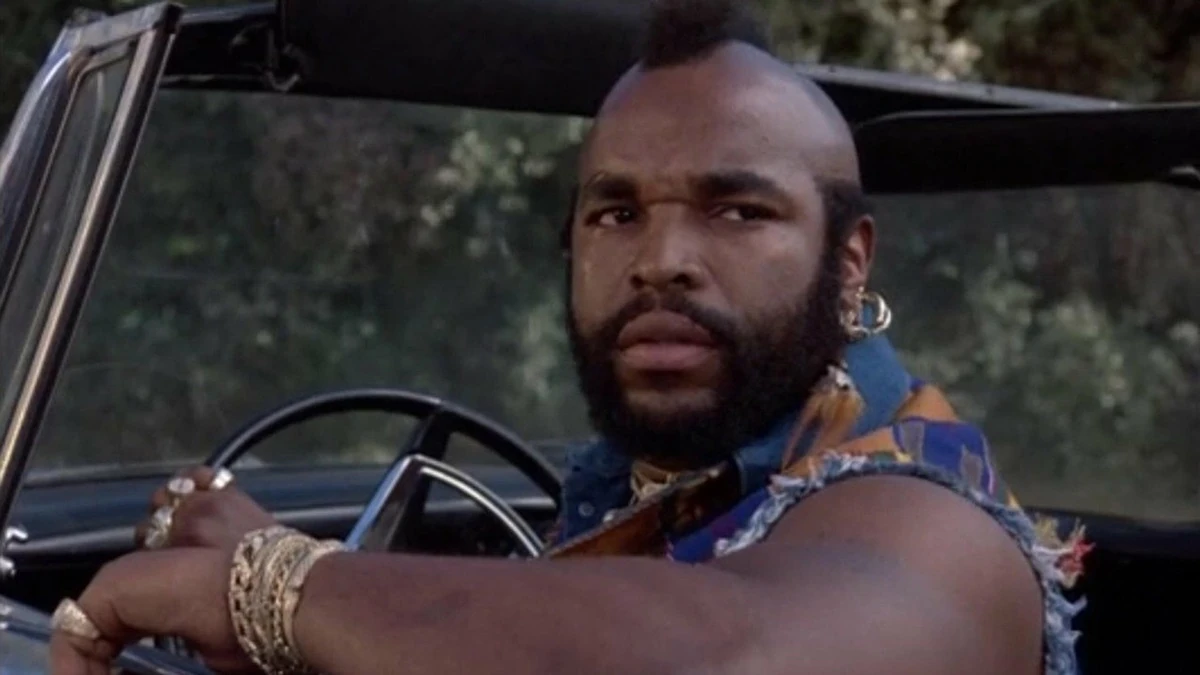
You could identify B.A. Baracus from across a toy-store aisle. The haircut, the gold chains, the dark stare, the sheer quantity of Mr. T squeezed into one television character—he was impossible to confuse with anybody else. Children could imitate the attitude, and they certainly tried. What they sometimes missed was that B.A. was doing an extraordinary amount of actual work while everybody else was talking.
He was the mechanic. Not the guy who happened to carry a big wrench for publicity photographs, but the man who understood engines, metal, tools and what could be built with the supplies the villains had been foolish enough to leave behind. Hannibal could draw a plan on a napkin. Somebody still needed to make it run, and usually that somebody was B.A. The famous improvised escapes were as much his show as the leader’s.
Mr. T also knew how to make an enormous man look gentle without making the gentleness seem out of character. B.A. often had time for kids, frightened clients and people the bullies had dismissed. Watch the way his posture changes when someone vulnerable needs reassurance. The voice softens; the patience appears. Beneath the intimidating package is a guy who understands exactly what it feels like when a bigger person thinks they can push somebody around.
There were great opportunities to put that tough exterior in unfamiliar territory. Della Reese played his mother in Lease with an Option to Die, and the sight of this imposing television figure answering to his mom was more entertaining than another roomful of thugs bouncing off furniture. Reese didn’t have to out-shout him. She had been dealing with him for considerably longer than any of the team, and that supplied all the authority she needed.
And then there was the flying. B.A. hated it. Murdock flew planes for a living. You could see the problem before anybody opened the hangar door. The show returned to it constantly, usually with the others finding some way to trick or knock B.A. out so they could get him aboard. As children we were meant to laugh at the contrast: huge intimidating man, tiny airplane, instant panic. Watching now, it’s harder not to think that drugging your friend because he won’t board a flight is not a particularly admirable team-building exercise.
That doesn’t mean the Murdock-and-B.A. routine stopped being funny altogether. Mr. T’s exasperation had beautiful comic timing, and Dwight Schultz knew exactly how far to push a bit before earning another furious reaction. It means the joke had a downside the show didn’t spend much time considering. You can laugh at two performers’ chemistry and still acknowledge that some of the writers’ favorite shortcuts would be pretty rotten behavior outside a television studio.
The most lasting thing about B.A., though, isn’t the gold. It’s the surprising combination of muscle, brains and protectiveness. He was an essential member of a team that really needed him, and Mr. T could move from an angry glare to genuine warmth in the same scene. That’s a better reason to remember the character than his ability to threaten anyone who looked at the van the wrong way. Though, to be fair, you probably shouldn’t have looked at the van the wrong way.
Murdock: the best pilot and the least predictable passenger
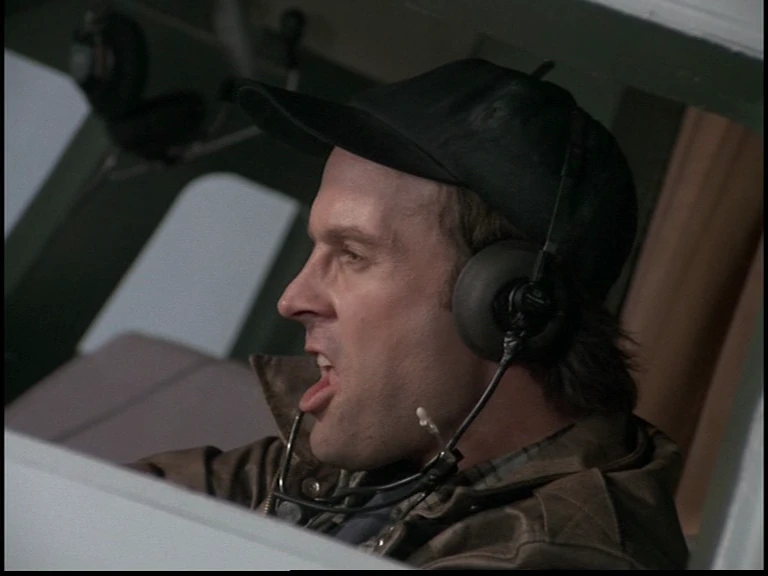
Murdock was what happened when somebody told Dwight Schultz that the team needed a pilot and he apparently heard, ‘Great, and you may also invent seventeen other characters along the way.’ One week he’d have a new voice. The next he’d be arguing with someone nobody else could see or behaving as though the van had become a traveling theater company. B.A. generally received these developments with all the enthusiasm of a man discovering a flat tire in the rain.
The important detail is that Murdock was genuinely good at flying. Give him a helicopter, a plane or a situation where the chances of a safe landing looked discouraging, and the clowning often disappeared. That switch made the character work. He wasn’t simply the weird friend everyone tolerated out of pity. He brought an ability the team couldn’t replace, and when he focused on the job, the others trusted him to get them out alive.
Schultz was an amazingly nimble comic performer. He could turn from a ridiculous accent to a serious expression without making the transition feel like two different actors had wandered onto the set. The pleasure came from watching someone who seemed impossible to predict nevertheless know exactly when a scene needed an extra dose of nonsense—and when it needed him to stop. Not every invention was a winner. Some probably deserved to remain safely inside Murdock’s imagination. But the unpredictability gave the team a spark the others couldn’t supply.
His residence in a veterans’ psychiatric hospital was also part of the formula. Hannibal and company regularly needed to get him out for a mission, which provided another familiar obstacle to overcome. The show played all of this very broadly, often treating psychiatric care and mental illness as ready-made comic scenery. That’s one element that deserves a less comfortable look now. Murdock was a beloved character; the scripts weren’t consistently thoughtful about the world surrounding him.
It’s possible to enjoy Schultz without pretending The A-Team offered a reliable picture of psychological conditions or treatment. The writers changed the rules whenever a good joke or escape required it. Murdock might seem brilliantly resourceful, childlike, reckless, vulnerable or completely clearheaded depending on what the hour wanted. That looseness was part of television’s appetite for a wild-card character. It shouldn’t be mistaken for carefully observed medical drama.
The moments when he was seriously threatened made the friendship feel much more real. In Curtain Call, Murdock is wounded, and suddenly the team has no interest in the usual argument about whether he’s being ridiculous. Their friend could die. The series uses memories of earlier missions, but it’s the concern in the present that gives those familiar scenes a point. Nobody needs to explain that he belongs to them; the way they react tells us.
That’s why the pairing with B.A. has survived alongside the catchphrases. They were complete opposites in presentation: the pilot who never stopped performing and the mechanic who would like him to stop immediately. Yet when something truly went wrong, the affection underneath all that bickering was unmistakable. A man can make you crazy and still be your friend. The A-Team understood that part a great deal better than it understood psychiatry.
Amy Allen and the view from outside the van
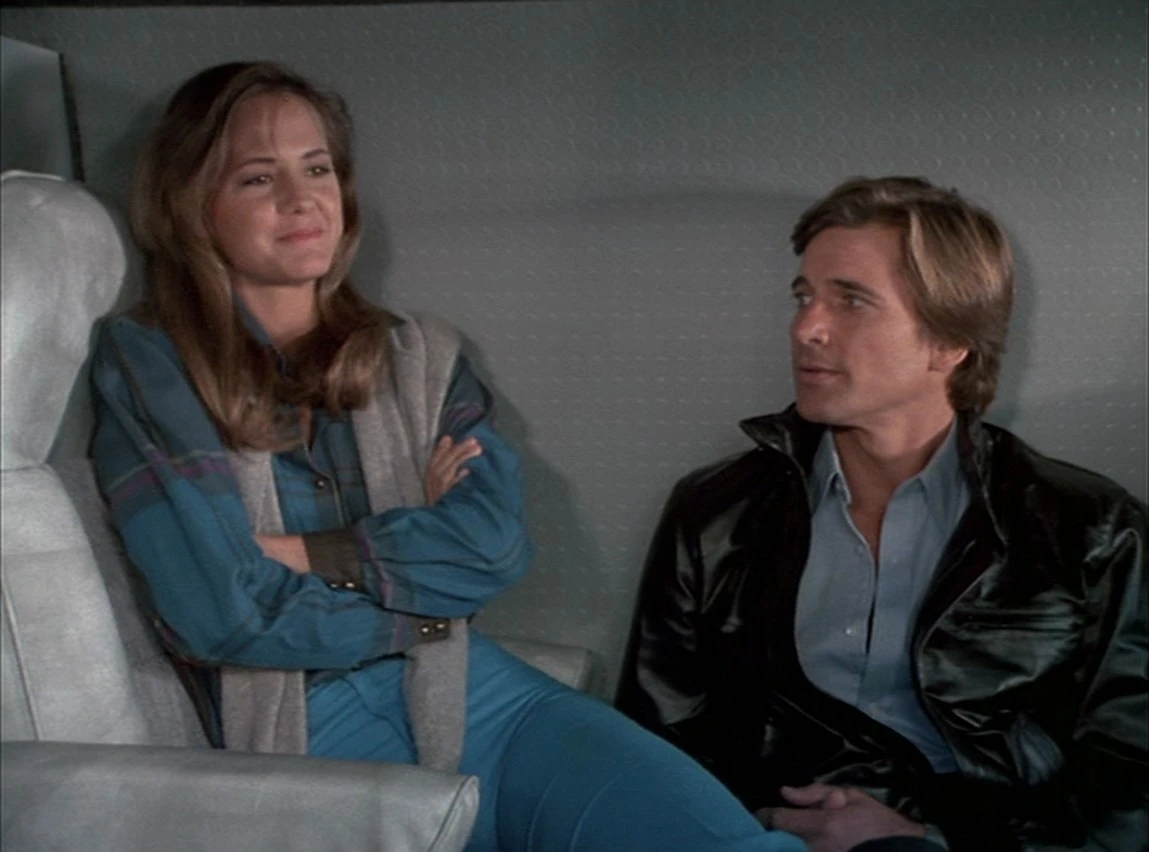
It’s easy to look at an old A-Team cast photo and remember only the four men. The opening adventure, however, needs someone to find them. Melinda Culea’s Amy Amanda Allen is a reporter searching for the elusive fugitives, and that gives the pilot its way into the story. We meet the legend because somebody else has heard about it and is determined to track down the truth.
Amy wasn’t another mechanic, pilot or con man, and she didn’t need to be. Her value was that she saw the group from outside its own strange family arrangement. She could ask the questions the regulars had stopped asking one another. Why are we doing this? Who’s paying for it? Does this plan have an actual plan attached? When you’re surrounded by four men who consider launching a homemade armored vehicle a reasonable afternoon activity, an outsider asking questions is a useful thing to have around.
The trouble was that The A-Team wasn’t always sure what to do with her once the shooting, pretending and garage-building began. She could investigate, help connect clients with the team and push back against assumptions, but too often the story returned to the guys and left her waiting for the next meaningful job. That weakness wasn’t invented by critics looking back decades later; viewers and reviewers were noticing during the original run that the female reporter could get squeezed out of the action.
Culea departed during the second season, and Marla Heasley’s Tawnia Baker later occupied part of that reporter role. Neither presence fundamentally changed the series into an ensemble where the women had as many opportunities as Hannibal, Face, Murdock and B.A. The question isn’t whether every show has to divide screen time with perfect mathematical equality. It’s whether the people introduced as capable get enough to do to prove that capability matters.
The men were allowed to be foolish and competent in complicated combinations. Face could be charming and self-absorbed. B.A. could be furious and tender. Murdock could be impossible and reliable. Amy deserved the same freedom to have more than one function. A sharper reporter who challenged the men and occasionally surprised them would have added energy, not stolen some finite allotment of fun.
Remembering her also changes the usual account of the team’s early days. The pilot isn’t just a dress rehearsal for the definitive publicity shot. It is a story in which a determined woman goes looking for four supposed criminals and discovers that the official version of events doesn’t tell the whole truth. That’s a good entrance. If the series had continued making equally strong use of her point of view, we might remember another indispensable member whenever we hear the theme music.
The workshop rescue was the real main event
Sooner or later, an A-Team villain would do the single dumbest thing available: lock the heroes in a garage. You could almost hear children across the country leaning forward on the couch. The bad guys thought they’d neutralized the threat. We knew they’d just started the best part of the hour. A stack of pipes, a few tires and a welding rig meant an escape vehicle was about to be born, and probably not one anyone should have driven on a public road.
This was the show’s signature pleasure. Hannibal looked around and saw a plan. B.A. saw usable machinery. Face found whatever additional materials a respectable-looking stranger might be persuaded to hand over. Murdock provided commentary, distraction and, on a particularly ambitious day, a form of help that was difficult to describe in advance. Everybody contributed. The team wasn’t merely fighting together; it was building together.
The montage was practically a ritual. Sparks flew. Music kicked in. Metal pieces changed shape. Somebody attached an object to a vehicle that had clearly not come from the original manufacturer’s showroom. The villains carried on outside as though they had safely contained the problem. Anyone watching at home knew they were about to discover why leaving skilled men alone with power tools was a serious error in judgment.
And then came the payoff: doors smashed open, vehicles scattered, tires spun, and the team emerged behind the wheel of something that looked like a weekend science project with a considerable insurance risk. Did the physics make sense? Rarely. Did the entire sequence feel satisfying? Absolutely. The production understood that anticipation is half the fun. You watched a machine being made because you wanted to see what it would do.
When it worked best, all that action had a specific human purpose. The Taxicab Wars sent the men into a struggle involving a local cab business under pressure. A threatened livelihood is easier to care about than another interchangeable crook barking orders over a desk. The equipment and collisions become a way of helping people whose problems we understand. An ingenious breakout is fun; an ingenious breakout that saves someone’s business is better.
That’s also where the stronger A-Team episodes differ from the filler. Sometimes the client mattered, the bad guy was satisfyingly awful and the workshop improvisation fit the situation. Other times you could feel the show steering toward the garage scene because it had reached that point on the schedule. The build would be entertaining, but the reason everybody was there had become a little hazy. If you ever wondered whether the writers started with the homemade tank and worked backward toward a plot, you weren’t alone.
There was a cousin to this pleasure in MacGyver, which found adventures in making the impossible possible with unlikely supplies. The A-Team version was louder, larger and had four people arguing about the approach. Both shows knew how to turn practical ingenuity into entertainment. Neither should be mistaken for a home-improvement instructional series. Please do not attempt to turn your father’s station wagon into a battering ram because a television montage made it look manageable.
A van with a personality of its own
That black-and-gray GMC van with the red stripe deserves its place in eighties television history. You didn’t need an actor to be standing beside it. A glimpse of the paint scheme was enough. Before social media feeds, streaming menus and endless recommendation algorithms, a vehicle could become famous simply by showing up on television every week and looking like nothing else in the neighborhood.
It was B.A.’s pride, the team’s rolling headquarters and the closest thing the foursome had to a dependable shared address. Four men who couldn’t safely put their real location in the phone book could still pile into that van and go find a client. Inside, Face complained, Murdock performed, Hannibal plotted and B.A. tried to operate a motor vehicle without having his patience permanently damaged. It was an entire sitcom living inside an action show.
The paint job was one of the smartest design decisions the series made. A dark body, bright red slash and tough-looking wheels were easy to recognize even when the screen was small and the reception wasn’t perfect. You could draw an approximation on a school notebook, and anyone in the playground would know what you meant. That simplicity made the van perfect for toy shelves, model kits and the imaginations of kids whose own family vehicle had exactly zero cool stripes.
Of course, the actual vehicle was less magical than memory sometimes makes it. The team used plenty of other cars, trucks, motorcycles and aircraft during the run. The van wasn’t present in every scene, and a well-placed shot of it could do more promotional work than ten minutes of dialogue. Its fame came from recognition, not from being the only thing the heroes ever drove. We remember the silhouette the way we remember a title theme.
Other eighties action television had its beloved machinery. Knight Rider gave KITT a voice and a personality. Airwolf put a nearly mythical helicopter at the center of its adventures. The A-Team didn’t need its van to talk. Four people were already doing plenty of that. The vehicle’s personality came from B.A.’s attachment and the group of men constantly arguing inside it. It was part transportation and part warning that a very noisy solution was on its way.
There is also something pleasantly down-to-earth about its status. A Ferrari might have been the dream, but a van suggested you could carry your friends and all your gear along for the ride. Granted, most vans are not filled with fugitives or used to rescue towns from corrupt businessmen. Still, of all the fantastical machines on television, this one looked just familiar enough to tempt a kid into imagining that the adventure might start at the end of his own driveway.
The violence argument was there from the beginning
An astonishing number of vehicles went airborne on The A-Team, and the occupants generally emerged looking as though they’d had a rough afternoon rather than an encounter with basic physics. Guns fired, glass shattered, trucks rolled and villains were launched into haystacks with the apparent durability of cartoon characters. The sound department must have maintained a very impressive collection of crash noises. The local hospitals, on the other hand, were strangely underemployed.
That’s part of what made the show accessible to kids. The action was loud and exciting, but the result was usually reassuring. The bad guys were beaten, the innocent people went home and the four heroes prepared for another adventure. The danger felt like an amusement-park ride. You knew the vehicle was going to turn over, and you also knew you were meant to enjoy the spectacle rather than worry about everybody inside.
Critics weren’t imagining things when they objected. A machine-gun battle where nobody seems to suffer much can make violence look like a reliable way to settle a disagreement without paying the bill. The program offered a highly sanitized version of mayhem, often to an audience young enough to understand the excitement long before they understood the real consequences. Whether that made the whole enterprise unacceptable was debated at the time, but the contradiction was right there on the screen.
It’s also inaccurate to insist that nobody was ever seriously injured or killed in The A-Team. Murdock’s injury in Curtain Call matters precisely because the team might lose him. General Fulbright dies in The Sound of Thunder. Face is shot in Without Reservations. Those episodes don’t cancel the show’s usual approach, but they do mean the old claim about absolutely bloodless action isn’t true. The normal setting was cartoonishly forgiving; the exceptions were part of the series too.
Looking back, the real question isn’t whether we must pretend the explosions were realistic. Of course they weren’t. Most people knew a truck rolling into a ditch was not a perfectly safe event. The issue is how often the show made fighting look clean, effective and almost entirely free of consequences. That’s worth noticing without pretending every kid who watched it was about to build a cannon in the backyard.
The thing I still appreciate is how much the spectacle depended on actual stunt work and coordinated production. Cars didn’t flip themselves. Actors, drivers, stunt crews, editors and effects people had to create all that fictional chaos while trying to keep the real work controlled. The camera might show four heroes tossing together a machine in five minutes, but the people making the episode had a rather different job. That craftsmanship was hiding in plain sight between the ridiculous bangs.
Vietnam was the history beneath the adventure
The A-Team had an unusually serious explanation for an unusually lighthearted show. The men were former soldiers pursued over a crime the audience understood they hadn’t committed. They’d fought together, escaped together and learned that the authorities who should have protected them could instead become the people hunting them. That’s a much darker starting point than ‘four guys own a van and enjoy helping strangers.’
For the most part, though, the show turned that background into an excuse for fresh adventures. The team’s official fugitive status kept them moving and gave them reason to distrust some military figures. It also meant the ordinary person in trouble might have better luck finding four wanted men than finding anyone in uniform willing to intervene. Authority had the paperwork. Hannibal and the boys had the solution and, frequently, a welding torch.
That reversal was appealing to a generation watching all kinds of Vietnam stories appear on screens. These veterans were not portrayed as helpless or forgotten. They were skilled, funny, fiercely loyal and able to act when everyone else hesitated. The series was fantasy, and it didn’t try particularly hard to conceal that. Its version of postwar life was arranged to deliver a satisfying rescue by the end of the hour. The story could make injustice the premise without making grief the dominant mood.
Murdock’s portrayal was part of the contradiction. His life in a psychiatric hospital supplied jokes and escape problems while hinting at damage the show rarely examined seriously. The team also carried memories of war, betrayal and danger, but those memories seldom interrupted the weekly adventure for long. On The A-Team, an old wound was most useful when it gave the men a reason to trust one another or a villain who deserved to be beaten.
Sometimes the background came closer to the center. The Sound of Thunder takes the story back toward Vietnam and brings Fulbright’s search into a much more personal place. His death jars because the series usually trains us to expect people to survive even wildly improbable action. Suddenly the consequences are harder to wave away with a grin. The episode doesn’t transform the entire show into a serious war drama, but it reminds us there was a heavier story beneath the easy rescue formula.
You can recognize that without asking The A-Team to speak for every veteran or explain American politics. A weekly action show built to entertain families wasn’t going to settle the country’s arguments about Vietnam. What it did give viewers was the fantasy of men who had been treated unfairly and still chose to help other people. For all its absurd machinery and miraculous escapes, that was the heart of the setup. The fugitives weren’t the threat. They were the ones you called when the threat arrived.
A genuine hit, followed by a genuine decline
There was a stretch of the eighties when The A-Team wasn’t just popular with kids trading impressions of Mr. T. It was one of the biggest shows on television. The first partial season, arriving in January 1983, tied for tenth in the U.S. household ratings at 20.1. The following full season, 1983–84, reached fourth with a 24.0 rating. That’s not simply nostalgia making the audience look bigger. Those were genuine network-hit numbers.
In 1984–85 the show still finished sixth, with a 21.9 household rating. Tuesday night on NBC was a pretty inviting destination if you liked adventure. The A-Team came alongside Riptide and Remington Steele, which offered different flavors of detective work and television chemistry. You could spend an evening watching heroes talk themselves into trouble, outsmart some crooks and, depending on the hour, cause significant damage to a perfectly serviceable automobile.
The success also made the cast unavoidable. Mr. T was on merchandise. The van lived in miniature on store shelves. The title music could announce a joke before somebody had even finished humming it. You didn’t need a home video collection to keep up. If you wanted to spend time with Hannibal’s crew, there was a night for it, and the network made sure you knew when to tune in. That’s what appointment television meant before a phone asked whether you’d like the next episode automatically.
But the numbers didn’t stay that high. In 1985–86, The A-Team slipped to thirtieth, with a 16.9 rating. That’s a big drop from fourth place, and it happened before the fifth-season overhaul. Some viewers had simply seen too many versions of the same rescue. New programs were competing for attention. Familiarity, which had helped the audience return every week, began to make the next hour easier to predict.
It’s tempting to blame one particular guest star or one especially silly episode for the decline. That makes a neat story, but television audiences rarely leave in one orderly parade after the same commercial break. The formula could feel worn, and the network tried new things to bring people back. A viewer who loved the early missions might be getting older or looking for something else on Tuesday. The audience changed while the show’s machinery kept making a familiar noise.
I wouldn’t turn those ratings into an obituary for everything fun about the later seasons. There were still performances worth enjoying and occasional stories that remembered why the group worked. But pretending the show ruled television for five uninterrupted years does it no favors. The rise was spectacular, the peak was real and the slide was real too. That’s a more interesting legacy than an imaginary invincible ratings machine—and it explains why NBC eventually made a change that left the series feeling like a different show.
The opening sold the mission before the mission began
Few eighties television themes can put an entire show back in your head as quickly as The A-Team’s. The moment that familiar music starts, you can practically see the van turning a corner. The opening narration lays out the setup: wrongly accused soldiers, a daring escape, a life underground and the possibility that people in trouble might find them. It sounds grim on paper. Then the music arrives and assures you that the next hour will be considerably more fun than the background briefing.
Mike Post and Pete Carpenter composed the theme, and it has that almost absurdly confident stride. No hesitant little melody wondering whether you might enjoy the show. It practically marches into the living room and announces that the adventure is already under way. The opening pictures give every major character a moment. Hannibal looks amused, Face looks prepared, Murdock looks capable of causing an entirely new problem and B.A. looks ready to end somebody else’s.
John Ashley’s narration became part of the ritual. It wasn’t necessary to recite every word to know the promise. These men were hard to locate because they were being pursued, but if you were desperate enough and found a way through, they might help. That’s a terrific hook for an adventure series. It turns finding the heroes into the first obstacle, and it makes their eventual arrival feel like something the client earned.
That beginning did useful work for casual viewers. Missed three weeks? Caught an episode halfway through? You still knew the essentials. The characters weren’t waiting for you to memorize a complicated mythology before the first explosion. The opening taught you what you needed and then made you want to see the cast do it again. In an era of three major networks and the remote control occasionally sitting somewhere nobody could find it, getting the audience on your side quickly mattered.
The sound also distinguished the show from other action favorites. Knight Rider had a cooler electronic pulse, the sort of music that sounded as if the dashboard might know something you didn’t. The A-Team sounded like a gang of skilled troublemakers rolling up their sleeves. The difference was there before anyone spoke. One show promised a futuristic machine; this one promised a bunch of old friends and a wildly overengineered rescue.
If the music still makes you smile, that’s not simply because you were young when you first heard it. The opening did its job. It introduced a recognizable world with energy, personality and a sense of fun. The stories varied. The theme was ready every week, right on cue, to make you believe somebody was about to have a very bad day—and it probably wouldn’t be the heroes.
When the guest star became the occasion
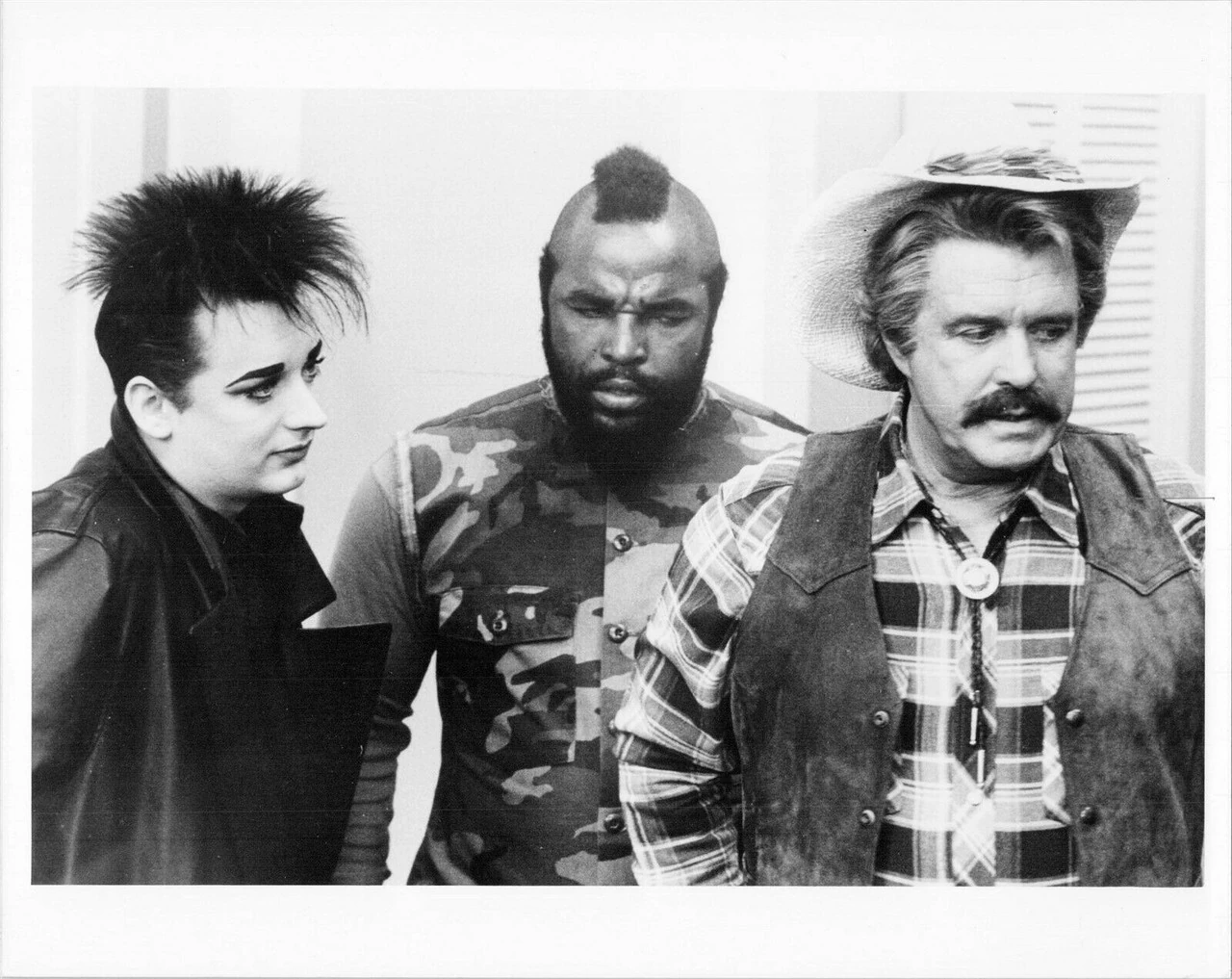
Now imagine turning on The A-Team and finding Mr. T, George Peppard and Boy George sharing a television episode. That’s not a fever dream assembled from three different eighties posters. Cowboy George really happened in February 1986. A booking mix-up sent Culture Club into a place expecting a country performer, and Hannibal found himself doing some musical pretending of his own. On paper it sounds like somebody tipped the contents of two entertainment magazines into the same script.
The result is a little piece of peak eighties television. Boy George had a gigantic pop identity, Mr. T was one of television’s most recognizable figures and the series loved any excuse for a disguise. Putting them together was an event before you even got to the bad guys. There is real entertainment value in watching characters from different corners of pop culture collide, especially when none of them seems especially surprised that this has become their afternoon.
Hulk Hogan appeared in the A-Team universe as well, including Body Slam, where the adventure involves a youth center. That crossover made a different kind of sense. Professional wrestling’s larger-than-life energy had plenty in common with The A-Team’s broad heroes, obvious villains and spectacular but generally forgiving physical action. You could imagine the same kid getting excited about both. In the eighties, networks were well aware of that possibility.
Guest appearances weren’t automatically bad. A recognizable performer could bring a new flavor to an hour, and a comic situation could benefit from a visitor whose reputation the audience already understood. The problem came when the casting seemed to be the whole reason for the episode. If the regular characters spend too much time standing around an attraction, the adventure starts to feel like a promotional event with a few scenes attached.
By the fourth season, The A-Team was already fighting the danger of repetition. A spectacular guest could create a reason to tune in, but it couldn’t permanently refresh the friendship, client stories and mechanical rescues that had made people tune in originally. The appearance might be remembered longer than the plot. That’s a useful distinction. A stunt casting can give us a very fun television night without proving it was a long-term solution for a tiring formula.
Still, I have a soft spot for the sheer audacity of a show that would look at Boy George and Hannibal Smith and decide they needed to meet. Television used to serve up strange collisions simply because everybody was sharing the same enormous pop-culture neighborhood. Some worked beautifully, some were spectacularly awkward and some remain impossible to explain to someone who wasn’t there. Cowboy George belongs in that last category, with bonus points for the cowboy hat.
Stockwell changes the deal
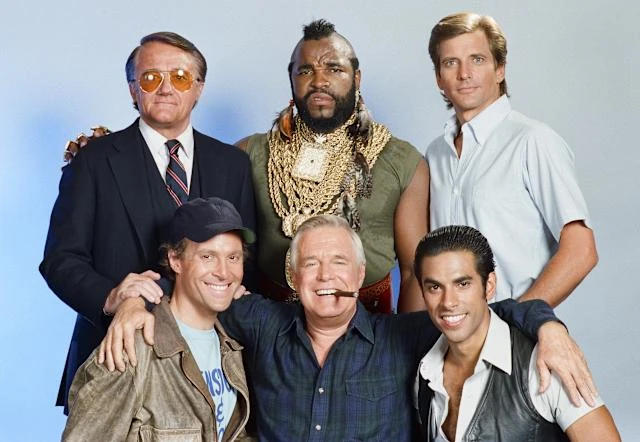
By the fifth season, NBC was trying something more dramatic than a special guest. The A-Team was no longer just a band of fugitive rescuers making its own decisions. The men were captured and dragged toward trial and the possibility of execution. Then Robert Vaughn arrived as General Hunt Stockwell with a proposal: carry out missions for him, and he could help them obtain pardons. Suddenly the show had a new boss and a different reason for getting into trouble.
Vaughn was an inspired choice if your goal was to bring cool, controlled authority into a room previously run by Hannibal’s grin. He knew how to make a conversation feel like a chess match in which he had already moved the pieces. Where the old military pursuers were often people to outwit and escape, Stockwell was somebody the team had to negotiate with. He could offer what they wanted, but only if they accepted his assignments.
Eddie Velez also joined as Frankie Santana, bringing special-effects skills and another personality into a group that had spent four seasons developing a very specific balance. That’s a tough job for any newcomer. The audience knew how Face would respond to Murdock, how B.A. would respond to Face and how Hannibal would react when a bad guy underestimated him. Frankie had to fit into a family whose inside jokes had already been told a thousand times.
The change gave the writers new possibilities. International missions, covert operations and big secrets replaced some of the old neighborhood and small-business rescue stories. There was room for different action, a different kind of pressure and a bigger story about the team’s future. On paper you can see why somebody at NBC thought the plan was worth trying. The earlier formula was getting tired, and the ratings had already proved it.
But a lot of the original fun came from the heroes choosing to help. A desperate shop owner could find Hannibal’s men, and they would decide to step in because someone was being pushed around. Under Stockwell, missions began to arrive as assignments from a man holding the promise of freedom over them. The group was still resourceful, but the emotional bargain had changed. Helping a neighbor and retrieving a secret for a government handler aren’t the same kind of story.
A louder or more elaborate mission didn’t necessarily make a more satisfying episode. The old clients were often ordinary people with obvious problems. You knew why saving their taxi company or business mattered. The new intrigue could be bigger and somehow feel less personal. The series was trying to be fresh but had disturbed something that made it easy to love in the first place.
I don’t think the fifth season should be dismissed as though everyone involved had suddenly forgotten how to make television. There are performances to enjoy, and the changed circumstances give the actors things to play against. But the van no longer felt quite like it was arriving on its own terms. The show that once promised ordinary people an unlikely rescue was now answering to a man with a very expensive office and a list of demands. That’s a pretty different deal.
The last broadcast was not the farewell in the usual order
Television endings don’t always happen in the order the people making a show intended. The A-Team is a good example. The Grey Team aired on December 30, 1986, and has the flavor of a last adventure. But Without Reservations, another fifth-season episode, didn’t air until March 8, 1987. That later broadcast makes it the final previously unseen installment of the original NBC series, even though the story itself wasn’t arranged as some grand farewell for the whole franchise.
That’s the kind of odd detail that could drive an old TV Guide collector crazy. Did the show end in 1986 or 1987? The practical answer is that its regular concluding stretch came at the end of 1986, but a new episode was shown in March 1987. You can see why two people who remember the series might supply different years and each have a piece of the story right. Television schedules didn’t always have the tidy, numbered endings we’ve become accustomed to seeing on streaming services.
Without Reservations leaves Face in serious danger during a restaurant hostage situation. It’s not the light, victory-parade ending a fan might have imagined after years of the team driving away from another successful mission. Then again, the original series was never really built around one enormous mystery that needed to be solved. Its continuing promise was that the group would keep helping people and finding their way through trouble. Whether another mission was broadcast wasn’t the same thing as whether we could imagine another mission happening.
By that point the show had made 98 commonly cataloged installments across five seasons, depending on how feature-length broadcasts are split. The group had changed, the ratings had fallen and the early magic was harder to summon. Yet it’s difficult to picture Hannibal, Face, B.A. and Murdock having a quiet retirement party. The characters seem designed to hear about one more rotten landlord, corrupt boss or terrified shopkeeper and decide somebody ought to do something about it.
If the last year felt a little awkward, that almost suits the history of television in that period. Shows could fade from the schedule without an elaborate social-media countdown, a three-part cast interview and a cinematic send-off. Sometimes you found out a favorite wasn’t coming back because the night arrived and something else was on. The van kept driving in your imagination long after NBC stopped telling you where it was headed.
Why the team still works, and where it does not
Put on a good early episode of The A-Team and the thing that comes back first isn’t necessarily the explosion. It’s the feeling that these four guys really like working together, even when they have absolutely had enough of one another. Hannibal sees a possibility. Face sees a problem with the accommodations. Murdock invents a new personality before lunch. B.A. has already decided none of this is funny. Then someone needs help, and suddenly all four are moving in the same direction.
That is still an appealing idea. A person with no connections and no power finds people who can do something. The heroes don’t ask for a stack of forms or tell the client to wait six weeks for a committee. They take the complaint seriously and go to work. The fantasy is outrageous, but the wish underneath it isn’t. Who hasn’t watched someone get pushed around and wanted a group of capable friends to show up and put a stop to it?
The parts that haven’t aged well are easier to see now. The action can be repetitive. Too many villains seem to have graduated from the same school of poor decisions. Women sometimes appear primarily to need rescue, while the male characters are allowed much richer personalities. Murdock’s psychiatric treatment is played for laughs in ways that feel dated. And B.A.’s fear of flying is repeatedly handled by his supposed friends in ways we really shouldn’t wave away just because the theme music is playing.
None of those complaints requires turning off the television in disgust. They mean a rewatch is more interesting if you remember that affection isn’t the same as declaring every choice perfect. The same episode can contain a genuinely funny argument, an exhilarating stunt and a joke that makes you wince. That’s true of plenty of the shows we grew up with. The fun doesn’t have to vanish when our judgment catches up with it.
For a place to begin, Mexican Slayride shows the launch before all the ingredients settle. The Taxicab Wars brings the rescue formula into a recognizable local fight. Curtain Call makes the team’s friendship feel much more serious. Cowboy George captures the willingness of eighties television to bring two seemingly unrelated celebrity worlds into the same room. And the fifth-season episodes reveal what happened when the producers tried to replace a worn routine with a whole new arrangement. Together they tell a more interesting story than a hundred identical summaries of the guys building another homemade weapon.
The toys, shirts, vans and catchphrases are part of the legacy, too. These characters lived well beyond their weekly hour. A kid didn’t need to remember the name of the guest villain to remember that B.A. built something incredible or that Murdock had managed to irritate him again. The format was easy to imitate on a playground because the roles were so clear. Someone got to be Hannibal. Somebody had to be B.A. And inevitably there was an argument about who had to play the guy getting chased.
Most of all, I miss the unapologetic fun of the team turning a bad situation into a project. Eighties television gave us plenty of serious men doing serious things. The A-Team gave us four guys who could rescue a family, destroy a suspicious number of vehicles and still find time for a running argument about a plane ticket. When that combination clicked, there was nothing quite like it. If you hear the theme and instinctively expect a van to come around the corner, the show did its job.
And please, if you’re going to lock anyone in a workshop, at least take away the welding equipment first.
If this sends you looking for another television rabbit hole, there is plenty more where it came from: 1970s TV, where some of these adventures first found their roots; 1990s TV, when the genre moved in new directions; and the shows that defined Gen X childhood, where the van has some equally memorable company.
Questions about The A-Team in the 80s
When did The A-Team originally air?
The original NBC run began January 23, 1983. The last previously unaired episode turned up March 8, 1987, after the regular concluding run in December 1986. Five seasons, 98 commonly cataloged installments—and more overturned vehicles than anyone ought to attempt counting.
Was the pilot shown after the Super Bowl?
Nope. Mexican Slayride premiered a week earlier, on January 23, 1983. Children of Jamestown got the slot after Super Bowl XVII on January 30. NBC knew there were millions of people already parked in front of their televisions.
Why does Face look different in the first episode?
Because it really is a different actor. Tim Dunigan played Face in the feature-length pilot. Dirk Benedict took over for the rest of the series and became the version everybody remembers.
Did anyone ever get seriously hurt?
Yes. The series usually treated crashes and gunfire like a noisy cartoon, but Curtain Call leaves Murdock badly wounded, General Fulbright dies in The Sound of Thunder, and Face is shot in Without Reservations. The old “nobody ever gets hurt” line is more catchy than accurate.
Who wrote the theme?
Mike Post and Pete Carpenter composed that instantly recognizable theme. If it still makes you picture the black-and-red van before the first brass flourish finishes, it did exactly what a great television theme is supposed to do.
Why is the fifth season so different?
The ratings were falling, and the producers tried a new formula. Robert Vaughn’s Stockwell brought government assignments and the promise of pardons; Eddie Velez joined as Frankie Santana. It gave the show new story possibilities, but changed the independent-rescuer idea that had made the early adventures so much fun.
Sources and further reading
- Paley Center: Mexican Slayride premiere catalog and original credits.
- Television Academy: A-Team interview index and series overview.
- Episode titles and original broadcast dates.
- TVmaze: final original broadcast sequence.
- Mary Harron’s July 1983 New Statesman review, reproduced in the Tim Dunigan archive.
- The Circle, October 6, 1983, page 5: contemporary review.
- Apple TV: Curtain Call story and original date.
- TV Guide: fourth-season stories.
- TV Guide: fifth-season stories.
- 1982–83 schedule and season rankings.
- 1983–84 schedule and season rankings.
- 1984–85 schedule and season rankings.
- 1985–86 schedule and season rankings.
- Historical Super Bowl lead-out list.