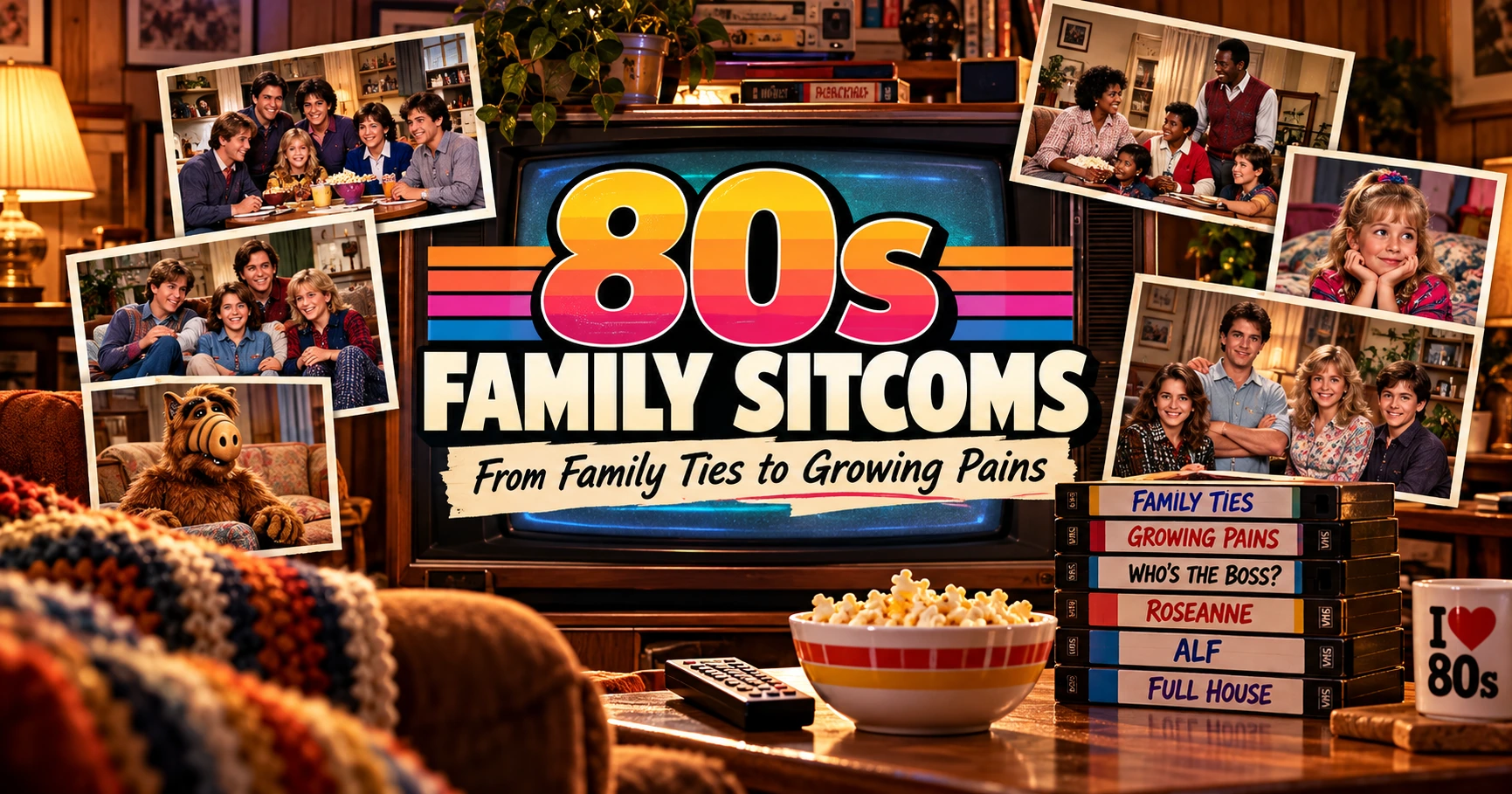
80s Family Sitcoms: From Family Ties to Growing Pains
Before every kid had a screen in a pocket, one television could pull an entire house into the same room. These are the 1980s family sitcoms that owned that room — the Keatons, Huxtables, Seavers, Micellis, Conners, Tanners, Lawsons and all the other TV families Gen X knew almost as well as the people next door.
What were the defining 80s family sitcoms?
Family Ties, The Cosby Show, Who’s the Boss?, Growing Pains, ALF and Roseanne sit at the center of the decade, but the real story is wider. Diff’rent Strokes, Silver Spoons, Webster, Gimme a Break!, Punky Brewster, Mr. Belvedere, Kate & Allie, 227, Full House and a whole shelf of syndicated oddities helped make family comedy one of the defining sounds of 1980s television.
Why 80s Family Sitcoms Took Over Television
The easiest way to remember 1980s family television is to picture the room, not the show. One TV. Maybe another little set in somebody’s bedroom if your house was fancy. A remote that either had four buttons or was still technically a kid being told to get up and change the channel. Everybody watched what was on because everybody was in the same room.
That made the family sitcom almost perfect for the era. Parents could recognize the arguments about money, work, school and teenagers. Kids could watch characters their own age get away with things they would never try at home. Teenagers could obsess over Alex P. Keaton, Mike Seaver, Samantha Micelli or whoever had become the latest reason the phone suddenly needed a twenty-foot cord. A half-hour comedy could hit three generations without feeling like it was written for a focus group.
The form was old, of course. Television had been putting families around kitchen tables since long before Gen X showed up. What changed in the 80s was the range of families the networks were willing to build a show around. Two ex-hippies could raise a Reagan-loving son. A divorced advertising executive could hire a widowed former baseball player as her housekeeper. Two divorced women could combine households. A foster child could become the center of a new family. A working-class mother could yell from a worn-out kitchen instead of a spotless set that looked like nobody had ever spilled Kool-Aid there.
If you want the bars, courtrooms, offices and adult ensembles too, start with our guide to the best 80s sitcoms. Here, we’re staying at home — the kitchens, couches, staircases and dinner tables where the family comedy boom really lived.
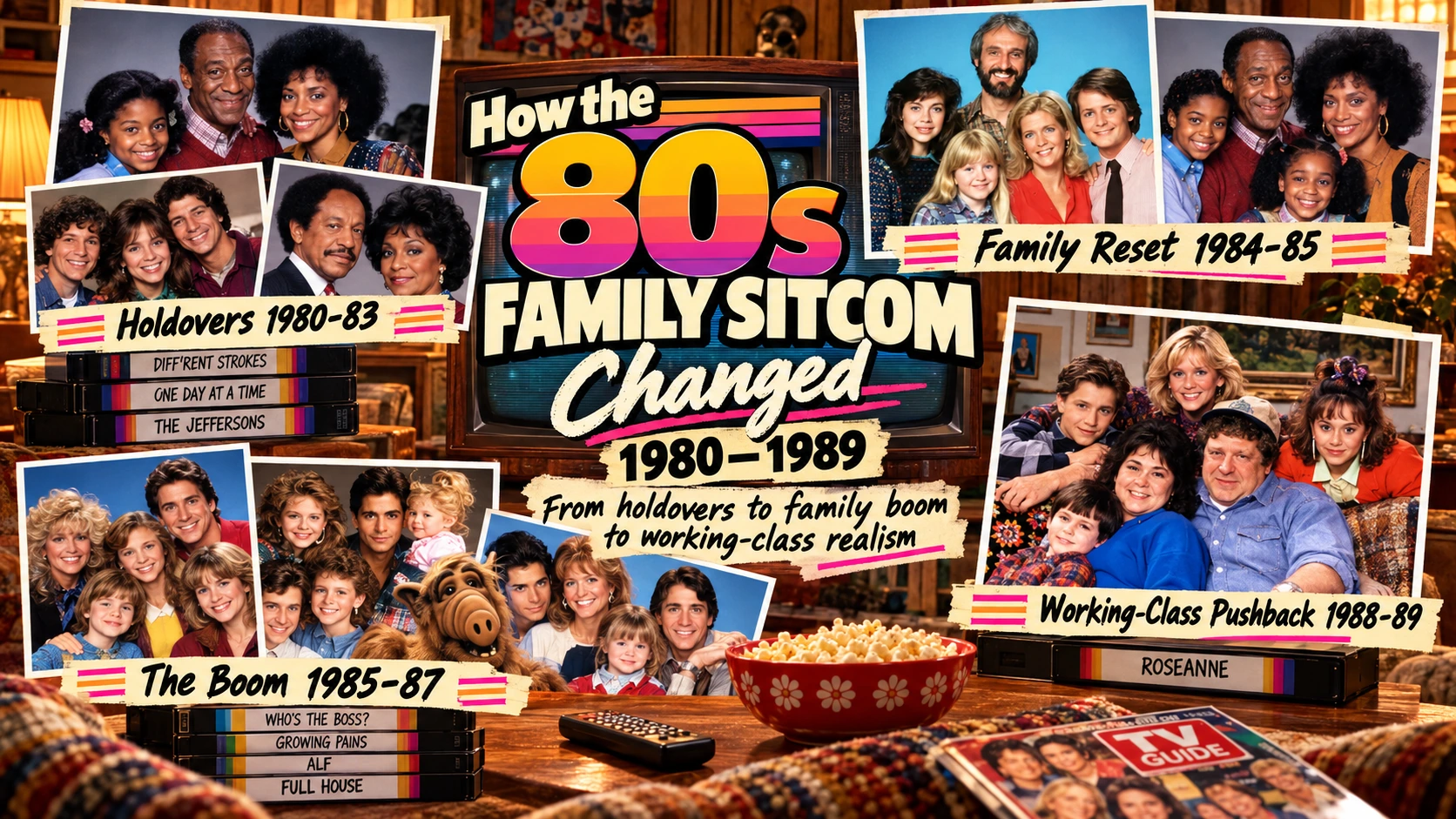
How the 80s Family Sitcom Changed From 1980 to 1989
There was no single formula for 1980s family sitcoms. The version you watched in 1981 was not the version dominating prime time in 1986, and by 1989 the whole thing was already being challenged from inside the house.
If you want the whole television landscape around those shifts, the 1980s TV hub connects the sitcom boom to the dramas, action shows, cartoons, network battles and yearly Nielsen rankings happening around it.
25 Best 80s Family Sitcoms That Defined the Decade
Some of the best 80s family sitcoms were ratings monsters. Some were after-school rerun machines. Some were strange enough that you would have trouble convincing a teenager today that network executives really put them on television. Together, these 25 shows explain what family comedy felt like when Gen X was growing up.
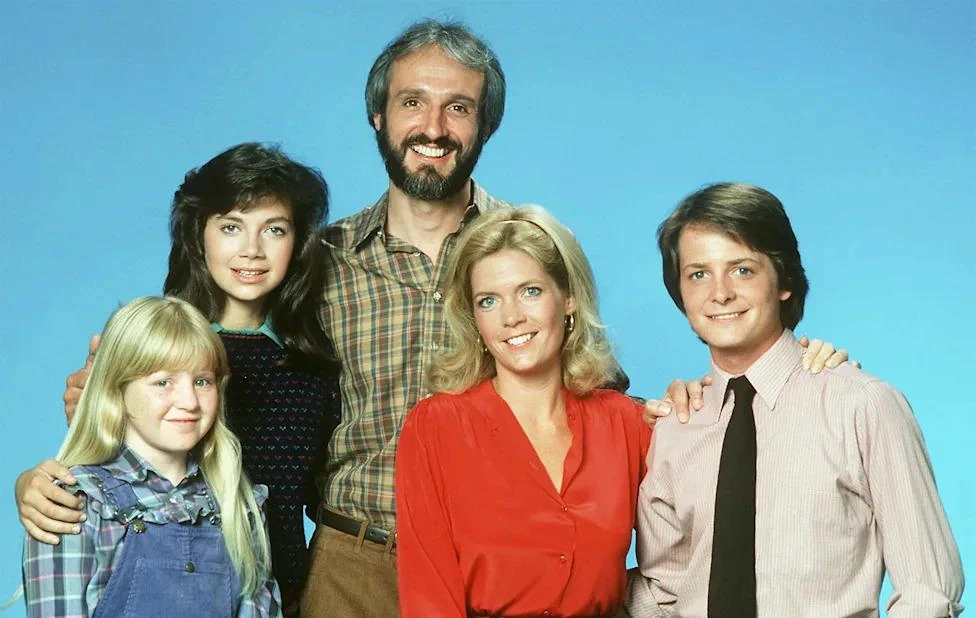
Family Ties
Family Ties may be the purest family sitcom of the decade because the joke was built directly into the generational handoff. Steven and Elyse Keaton had come out of the 1960s and 70s carrying liberal politics, idealism and the assumption that their children would naturally inherit the same worldview. Then Alex P. Keaton walked downstairs in a tie, worshipping markets, money and Ronald Reagan.
Michael J. Fox became the breakout star, but the series worked because Alex needed the rest of the Keatons pushing back. Mallory’s fashion-and-boyfriend priorities, Jennifer’s dry observations and the parents’ exasperated affection kept Alex from turning the show into a one-man ideological machine. The comedy was political without usually feeling like a lecture because the arguments ended where family arguments tend to end: somebody still had to sit down for dinner.
For Gen X, it also captured something real about growing up in a house where parents and kids often seemed to come from entirely different countries. The 60s generation was raising 80s teenagers, and the friction was sitting right there on the couch every Thursday night.
The show also understood that the Keatons were not simply political opposites arranged around a dinner table. They were affectionate enough to make disagreement safe. Alex could needle his parents, Steven could be disappointed in him, Elyse could call him on his nonsense, and none of it threatened the basic idea that this was home. That warmth is a big reason the series still feels like an 80s family argument rather than a collection of topical jokes.
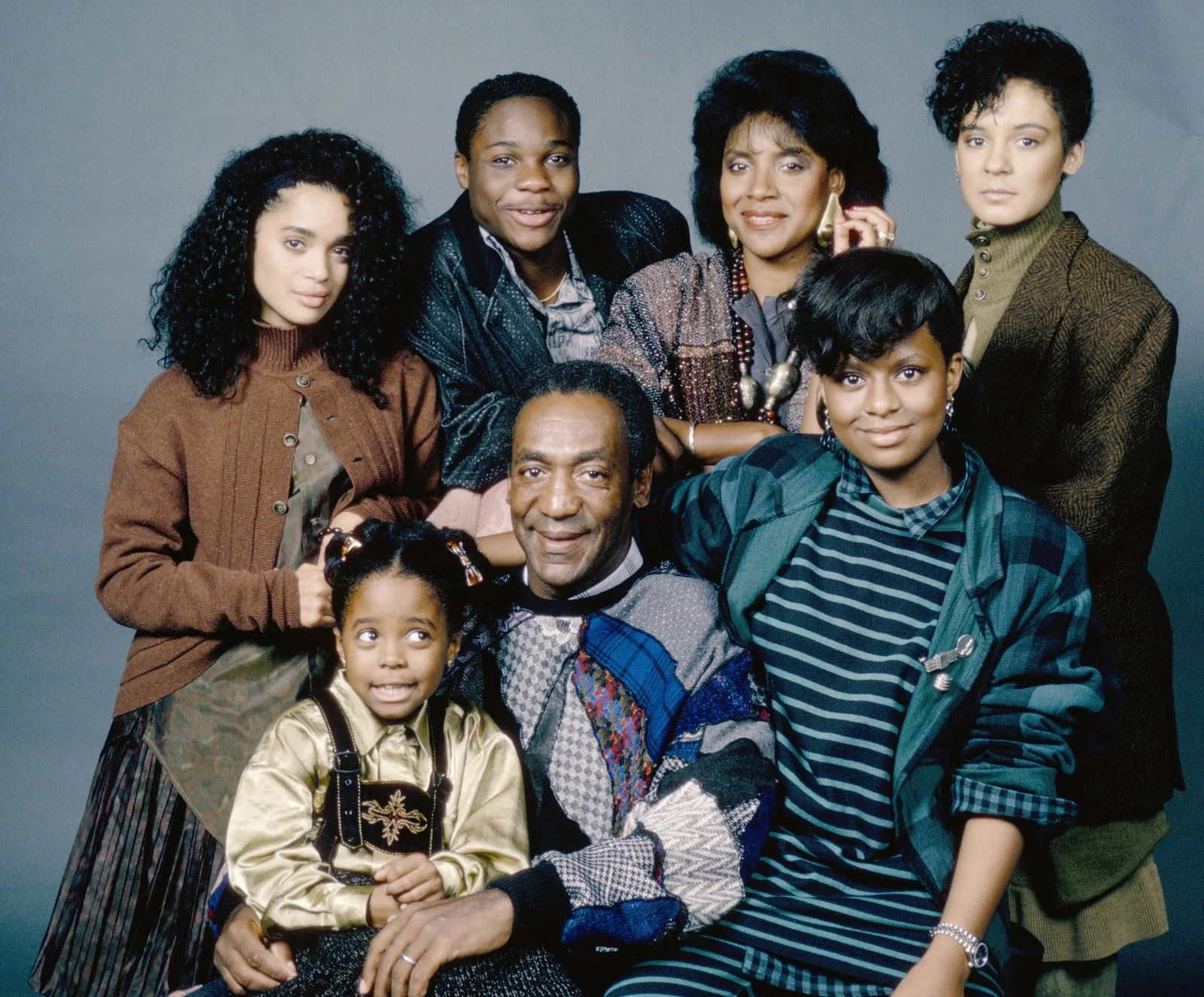
The Cosby Show
Whatever complicated feelings surround the series now, its place in 1980s television history is enormous. The Cosby Show arrived in 1984 and changed the temperature of network comedy almost immediately. The Huxtables were affluent, educated, affectionate and unmistakably Black, living in a Brooklyn brownstone that became one of the most recognizable homes on television.
The family stories were usually small on purpose: a bad grade, a boyfriend, a child who thought adulthood looked easier than it was, a parent who knew exactly when to let a lesson land. That scale was part of the show’s power. It did not need a giant weekly premise. The premise was that ordinary family life could be enough.
Its ratings success also reshaped NBC’s entire week. The network could build Thursday around a huge family audience, and nearby shows benefited from the traffic. The later sexual-assault allegations and legal cases involving Bill Cosby changed how many viewers revisit the series, but they do not erase how central the show was to the business and culture of 1980s television.
It also changed what the television living room could look like. The Huxtable house was full of grandparents, cousins, boyfriends, girlfriends, college talk, music and arguments that rarely required the family to be in crisis. For millions of viewers, Thursday night became less about waiting for a huge plot and more about dropping in on a household that already felt familiar. That sense of routine was one of the most powerful things the show sold.
Who’s the Boss?
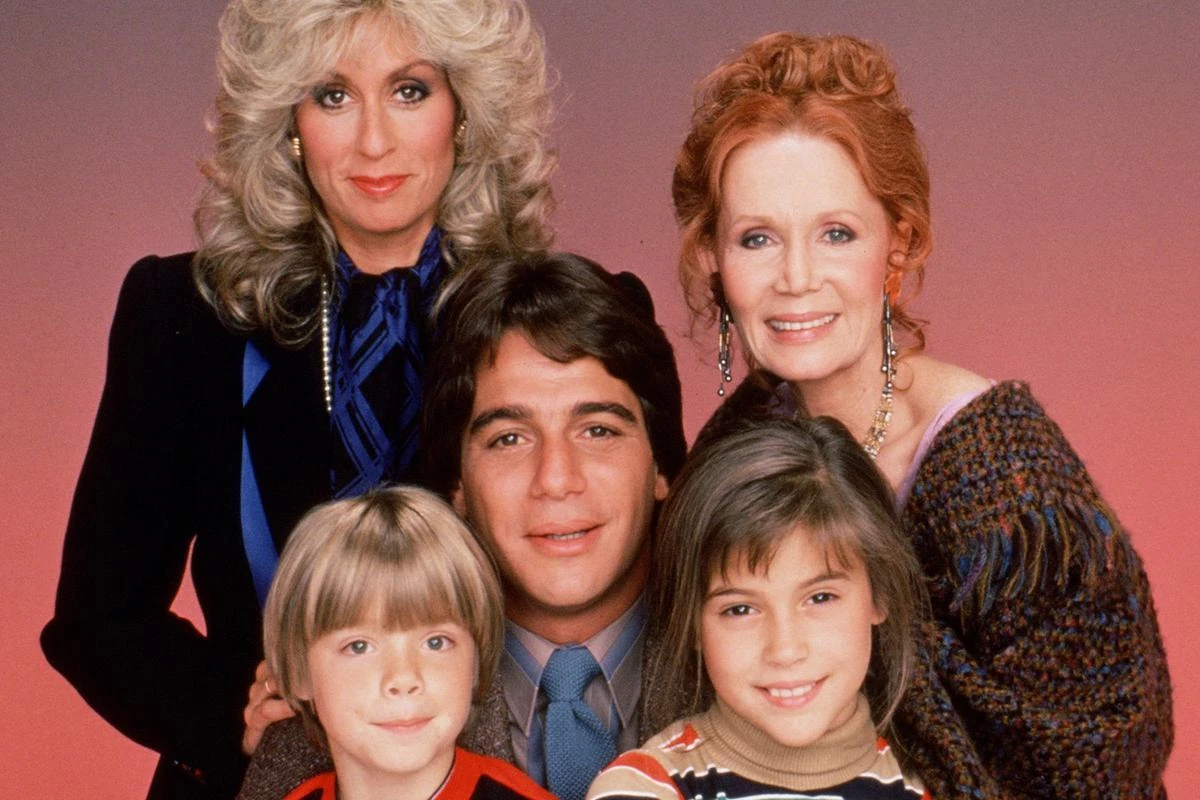
The basic setup still sounds smart: Tony Micelli, a widowed former baseball player from Brooklyn, moves to Connecticut with his daughter Samantha and becomes the live-in housekeeper for divorced advertising executive Angela Bower. In 1984, that role reversal gave ABC a family sitcom with an instantly understandable hook.
But the show lasted because the household felt less like a gimmick once everybody settled in. Tony parented Samantha and, in practice, helped parent Jonathan. Angela had a career and a home life that did not require television to punish her for being ambitious. Mona could walk in and turn the temperature of a scene up ten degrees without even sitting down.
Then there was the Tony-and-Angela question hanging over everything. The family was already functioning long before the adults knew exactly what to call their relationship. That made Who’s the Boss? a perfect 80s bridge between traditional domestic comedy and the more flexible households television would normalize later.
The series was especially good at letting the children grow inside that unusual arrangement. Samantha was not frozen as Tony’s little girl, and Jonathan was not just there to trigger household jokes. As the seasons went on, the adults had to adjust to kids who were becoming more independent while the adults themselves were still figuring out what kind of family they had become. That slow change gave the show more emotional weight than the original role-reversal pitch suggested.
Growing Pains
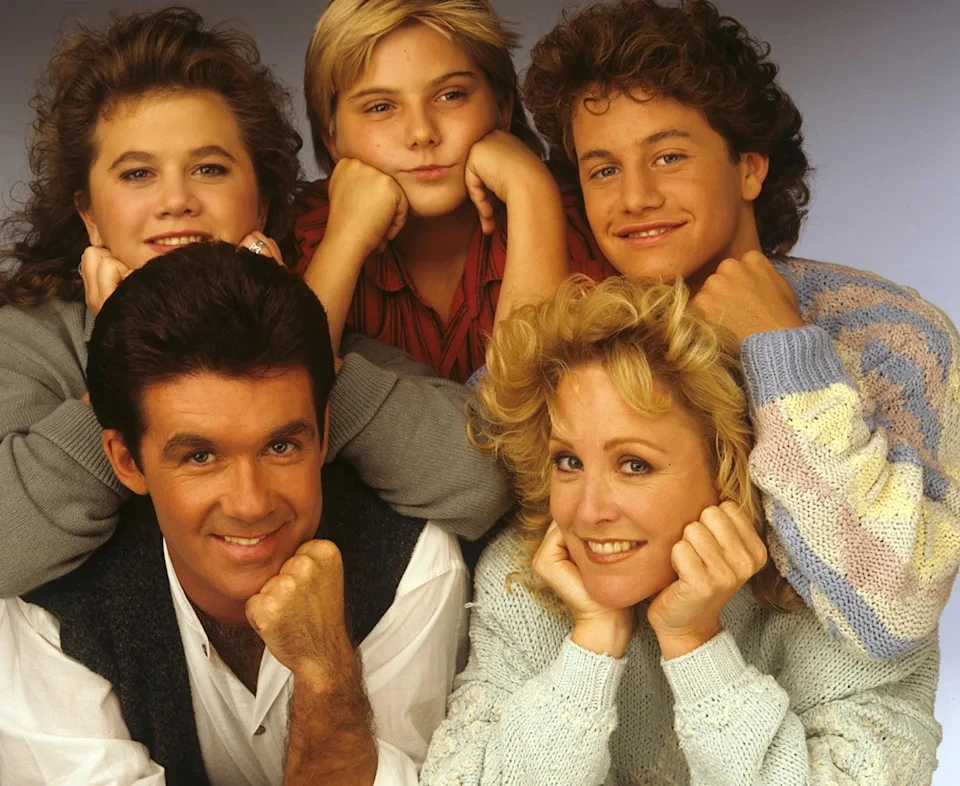
The Seavers looked like the default suburban family sitcom until you noticed the setup had already been flipped. Maggie went back to work as a reporter, so psychiatrist Jason moved his practice home and became the parent most likely to be standing in the kitchen when Mike, Carol or Ben came through the door.
Mike Seaver quickly became the gravitational center for younger viewers. Kirk Cameron had the grin, the schemes and the ability to make getting caught feel like part of the plan. Carol gave the show its overachieving counterweight, while Ben was the younger sibling watching both of them and learning exactly which mistakes not to make — or at least which ones looked fun.
What makes Growing Pains so 80s is the way it combined aspirational comfort with constant parenting anxiety. The house was nice. The parents loved each other. The kids were basically fine. And yet every week somebody still found a new way to make adulthood look exhausting.
The Seavers also hit the sweet spot between parent-viewing and kid-viewing. Adults could recognize Jason and Maggie trying to stay one step ahead, while younger viewers mostly wanted to know what Mike was going to get away with next. That split made the show ideal family-room television: everybody was technically watching the same story, but each age group had a different character they thought understood the situation correctly.
Roseanne
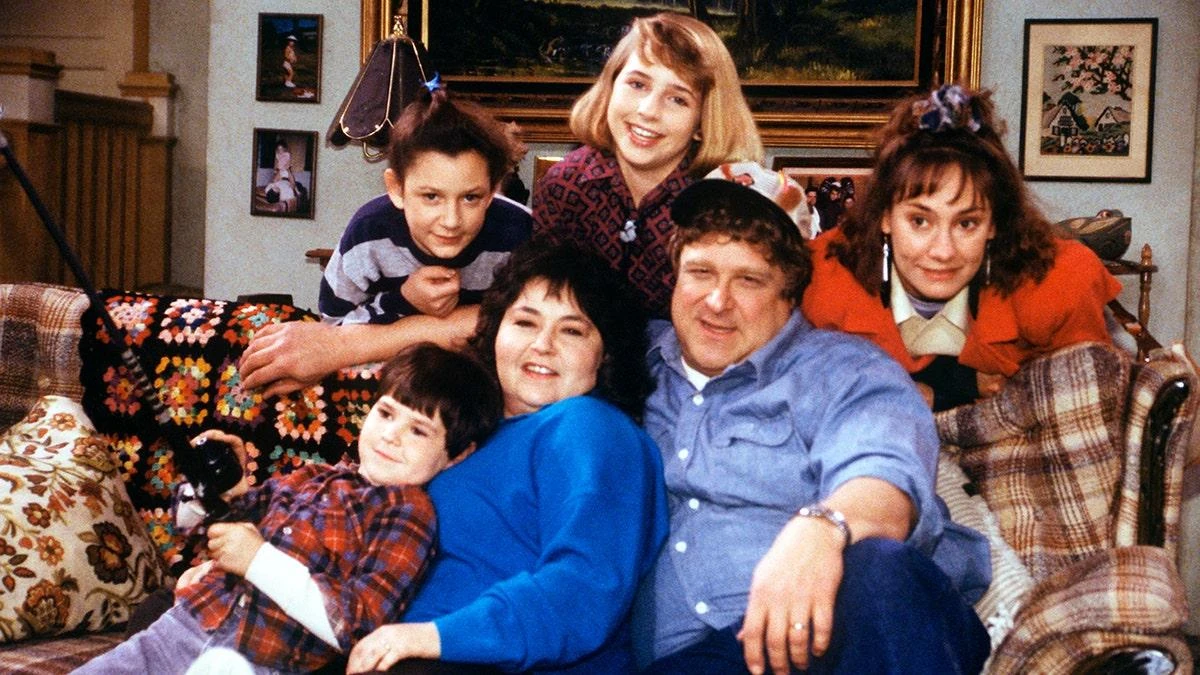
Roseanne showed up in 1988 looking like somebody had finally let an actual family use the sitcom set before the cameras rolled. The couch looked lived on. The kitchen looked busy. The adults worried about work and bills. The kids talked back without sounding like a punch line had been approved by a committee.
The Conners were not television poor; they were working-class in a way network sitcoms had often sanded smooth. Dan and Roseanne could love each other and still be tired, irritated, broke or angry. Becky, Darlene and D.J. were not there to provide adorable closing hugs. They had their own personalities, rivalries and ways of wearing their parents down.
By the end of the decade, that mattered. Family comedy had spent several years getting shinier and more comfortable. Roseanne proved audiences were ready for something messier. It did not end the classic 80s family sitcom. It exposed how much room the form still had to grow.
Even the way the Conners argued felt different. Nobody stopped sounding like themselves just because the episode was reaching the lesson. Sarcasm stayed in the room. Resentment sometimes stayed too. That mattered because it made reconciliation feel earned rather than scheduled. The family could be loving without becoming soft-focus, and the house could be a refuge without pretending the people inside it were not under financial and emotional pressure.
ALF
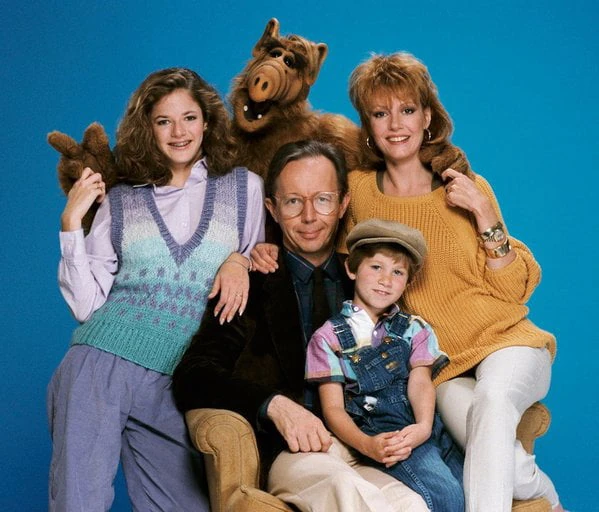
Only the 80s could take an ordinary suburban family, crash a sarcastic alien into the garage and somehow make the result feel like a family sitcom first and science fiction second. The Tanners spent most episodes hiding ALF from neighbors, government agents and common sense while also trying to stop him from eating the cat.
That ridiculous premise worked because Willie, Kate, Lynn and Brian reacted to ALF like exhausted relatives dealing with the world’s worst houseguest. The laughs came from the collision between suburban routine and a creature who had absolutely no respect for the rules that kept suburbia running.
For kids, ALF was the star. For adults, the Tanners were the joke delivery system. That split audience is exactly why the show belongs here: the whole family could watch the same episode and laugh at different things.
The strangest part is how quickly the alien stopped being the strangest part. After a while, the Tanner house ran on the same things as every other family sitcom: parents trying to hold the place together, kids wanting more freedom and one relative who could ruin dinner simply by opening his mouth. ALF just happened to be covered in fur and from Melmac. That normalcy inside the absurdity is what made the premise last longer than the joke should have.
Diff’rent Strokes
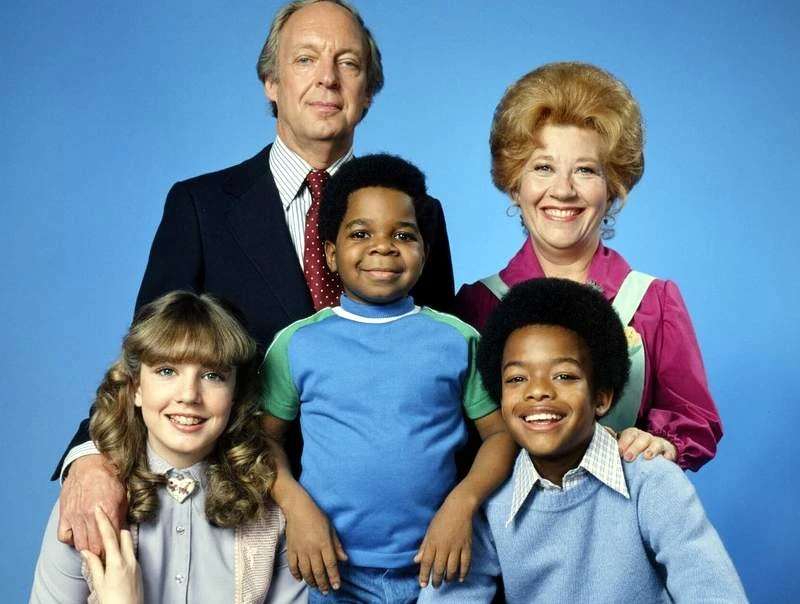
Diff’rent Strokes began in 1978, but Arnold and Willis Jackson remained part of early-80s childhood long enough that leaving the show out would make the decade feel fake. The premise — two Black brothers from Harlem adopted by wealthy white businessman Philip Drummond — built family comedy around race, class and adoption while still giving Gary Coleman one of the most recognizable kid characters on television.
Arnold’s timing and catchphrase made him a pop-culture phenomenon, but the show’s deeper legacy is tied to its willingness to suddenly stop being silly. Child abuse, drugs, kidnapping and other heavy topics could arrive in episodes that viewers had entered expecting jokes.
That tonal whiplash would become a signature of family television in the decade. One week you got the bike, the date or the school problem. The next week the music got quiet and everybody realized this was going to be one of those episodes.
The series also carried the complicated 70s habit of mixing broad comedy with sudden seriousness straight into the 80s. One week could be built around Arnold’s timing and Willis rolling his eyes; another could take on drugs, abuse, racism or strangers in ways that were impossible to miss. The tonal shifts can feel wild now, but for kids watching then, they were part of the package. Sitcoms were allowed to stop being funny for twenty-two minutes when adults thought we needed to hear something.
Silver Spoons
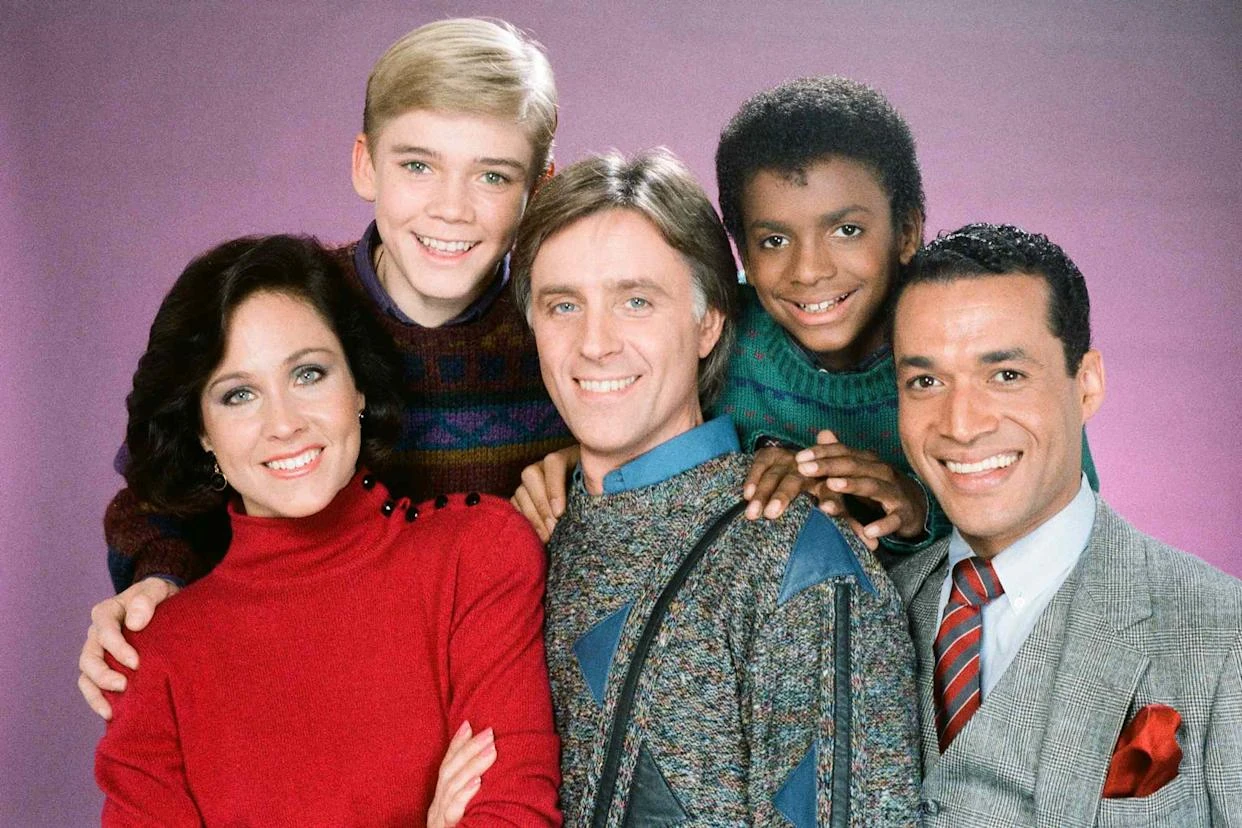
Silver Spoons sold a childhood fantasy before the first commercial break. Ricky Stratton moved into the mansion of the wealthy father he barely knew and discovered a house with an arcade cabinet, a full-size train and enough toys to make every kid watching reconsider the square footage of their own bedroom.
The trick was that Edward Stratton was the irresponsible one. Ricky often seemed more mature than his father, so the show could play with the same role-reversal energy that powered a lot of 80s family comedy. The mansion was the hook, but the relationship between father and son was the engine.
It is also one of those shows where the set itself became memory. You might forget entire plots, but that train running through the house? That stayed.
Ricky Stratton’s mansion was also pure kid fantasy: arcade games, trains, gadgets and a father who often seemed like a bigger kid than his son. Underneath all of that hardware, though, the show kept returning to a basic reversal. Ricky was usually the responsible one, while Edward had to learn how to be a parent. That made the house look like a dream while the stories kept asking who was actually raising whom.
Webster
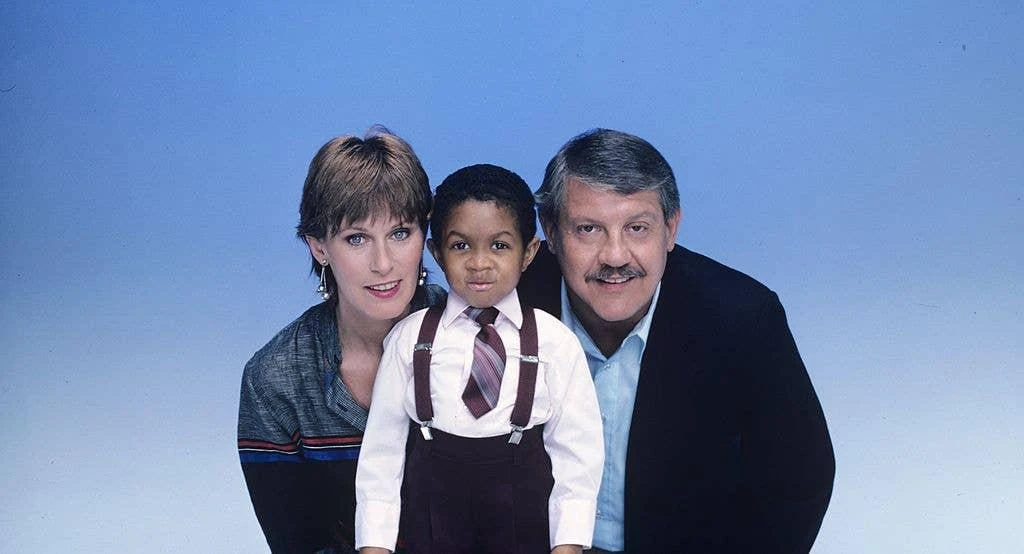
When young Webster Long lost his parents, he went to live with George and Katherine Papadopolis, a newly married couple who had not exactly planned on instant parenthood. That gave Webster a family structure built around grief, adoption and improvisation instead of the standard mom-dad-kids setup.
Emmanuel Lewis was the obvious center of attention, but Alex Karras and Susan Clark gave the show enough adult weight that it did not feel like a kid had wandered into somebody else’s sitcom. George and Katherine had to learn how to be parents at the same time Webster was learning how to belong to a new household.
It could be broad and sentimental, sometimes in the same scene, which was hardly unusual for 80s family television. The important thing was that the family was assembled rather than assumed.
What keeps Webster from being only a cute-kid vehicle is the way the adoption changes George and Katherine too. They begin as adults whose lives have been rearranged overnight, and the show lets them be confused, protective and occasionally overwhelmed. Webster is small enough for the premise to look adorable in a promo photo, but the emotional center is a household learning how to become a family after the decision has already been made for them.
Gimme a Break!
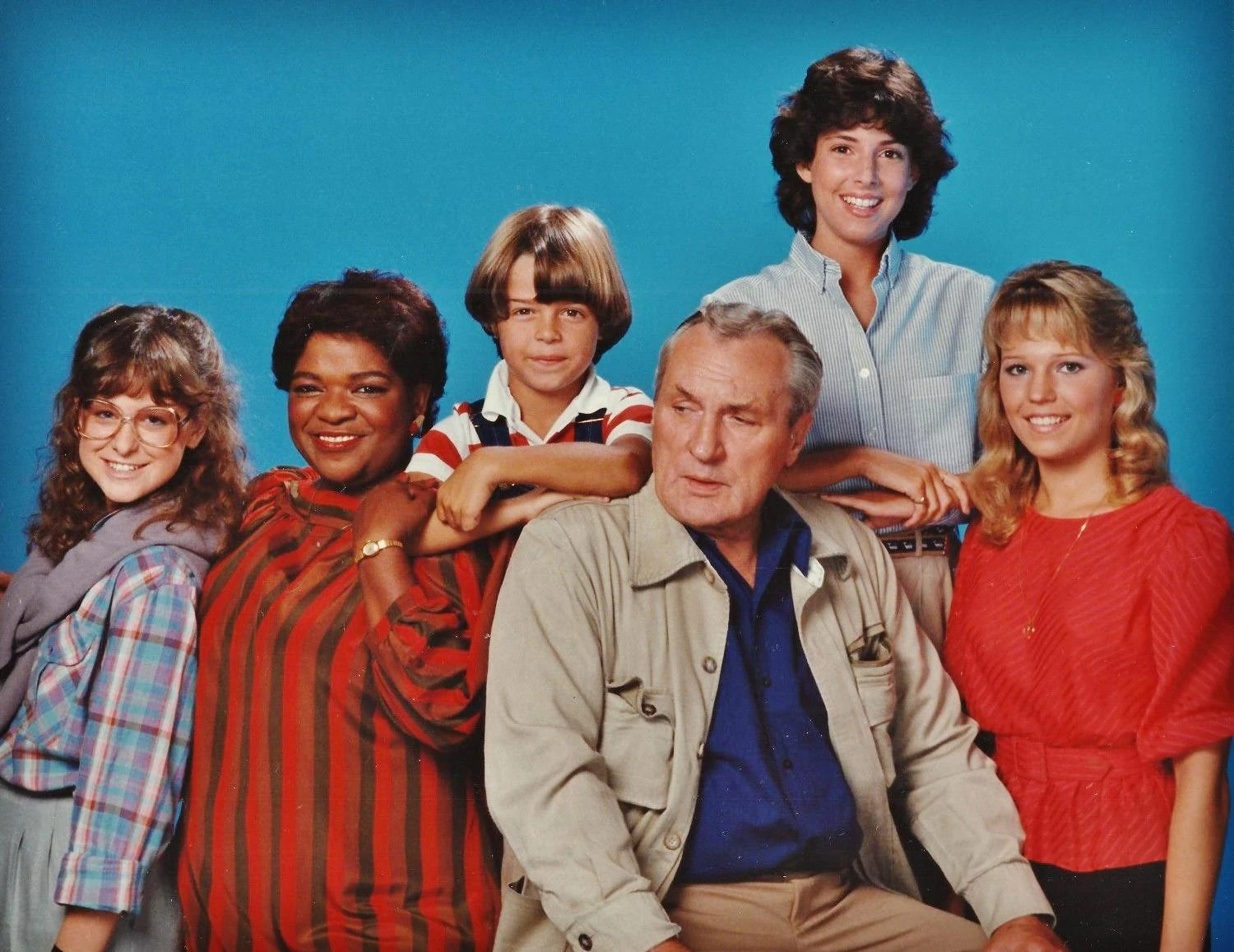
Nell Carter’s Nell Harper moved in to help widowed police chief Carl Kanisky raise his daughters after the death of his wife. That put a Black woman at the center of a white family household in a way that could have been reduced to a supporting-role stereotype; instead, Carter’s personality was too big for the show to pretend Nell was peripheral.
The series bounced between family stories, workplace stories and emotional episodes, but the household was always the anchor. Nell could discipline the girls, fight with Carl, sing, joke or carry a serious plot without needing the show to change gears around her.
It is one of the best examples of how 80s family sitcoms were quietly widening the definition of who actually held a family together.
Nell Harper was the reason the setup had more bite than a standard housekeeper comedy. She could discipline the Kanisky girls, fight with the Chief, protect the family and still have a life that did not revolve entirely around fixing everybody else’s problems. Nell Carter’s force of personality made the household feel less like one adult had hired another and more like two stubborn parents had somehow ended up running the same home.
Punky Brewster
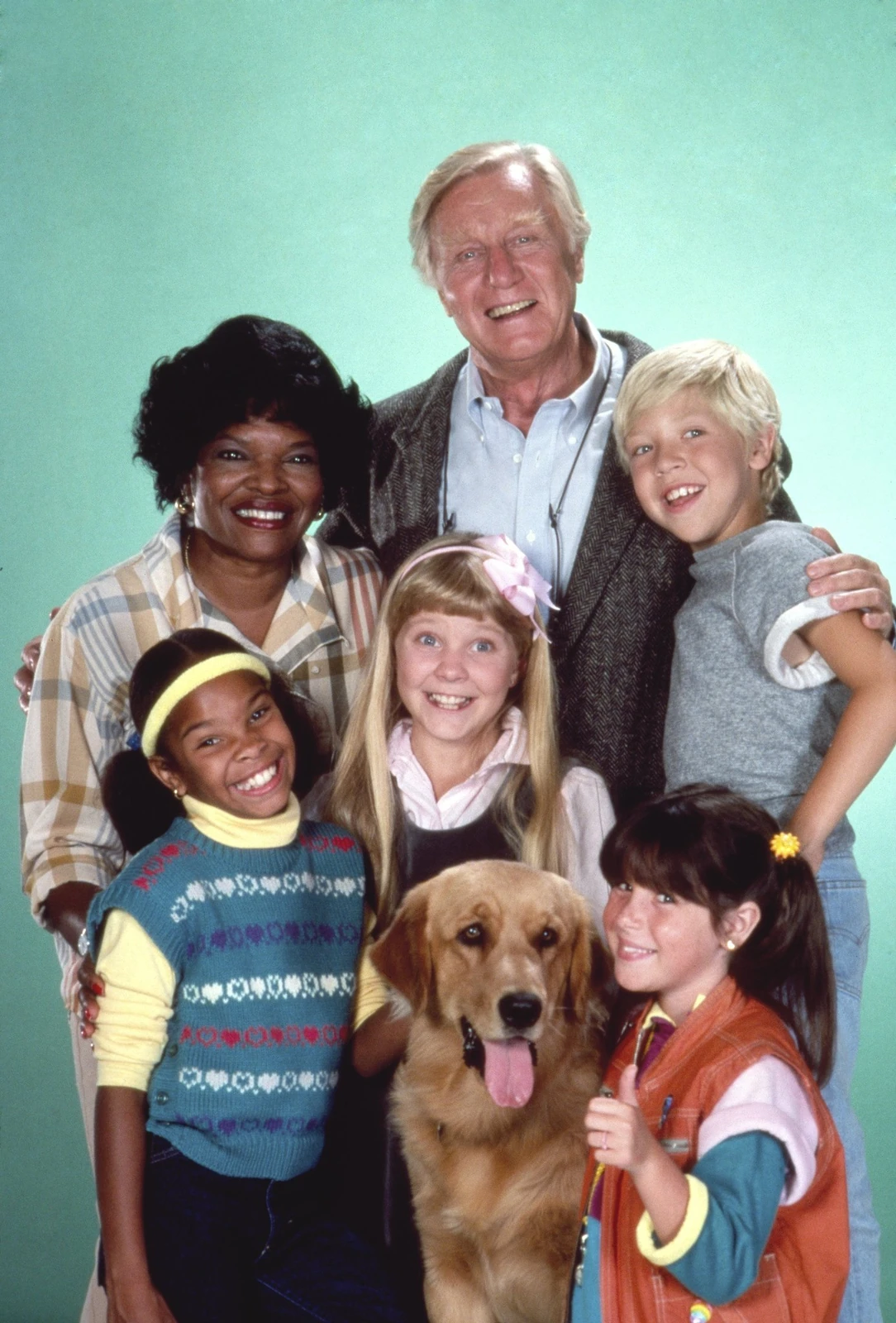
Punky was abandoned by her mother and eventually taken in by older photographer Henry Warnimont, which meant the show built its family around two people who had almost nothing in common except the fact that each needed the other. For kids, Punky’s mismatched clothes, bright colors and confidence made her instantly recognizable. For adults, Henry gave the premise a surprisingly tender center.
The show could be pure kid fantasy one week and unexpectedly heavy the next. The infamous refrigerator episode still sits in a corner of Gen X memory because the sitcom did not always warn you before it turned serious.
More importantly, Punky Brewster treated chosen family as family, period. That idea shows up all over the decade once you start looking for it.
For younger Gen X viewers, the appeal went well beyond Punky’s mismatched clothes. The show took a kid who had been abandoned and gave her a home without pretending that finding Henry instantly erased what had happened. It could be goofy, bright and very 80s, but underneath the colors was a story about a child choosing to trust an adult again. That is heavier material than the opening credits ever let on.
Mr. Belvedere
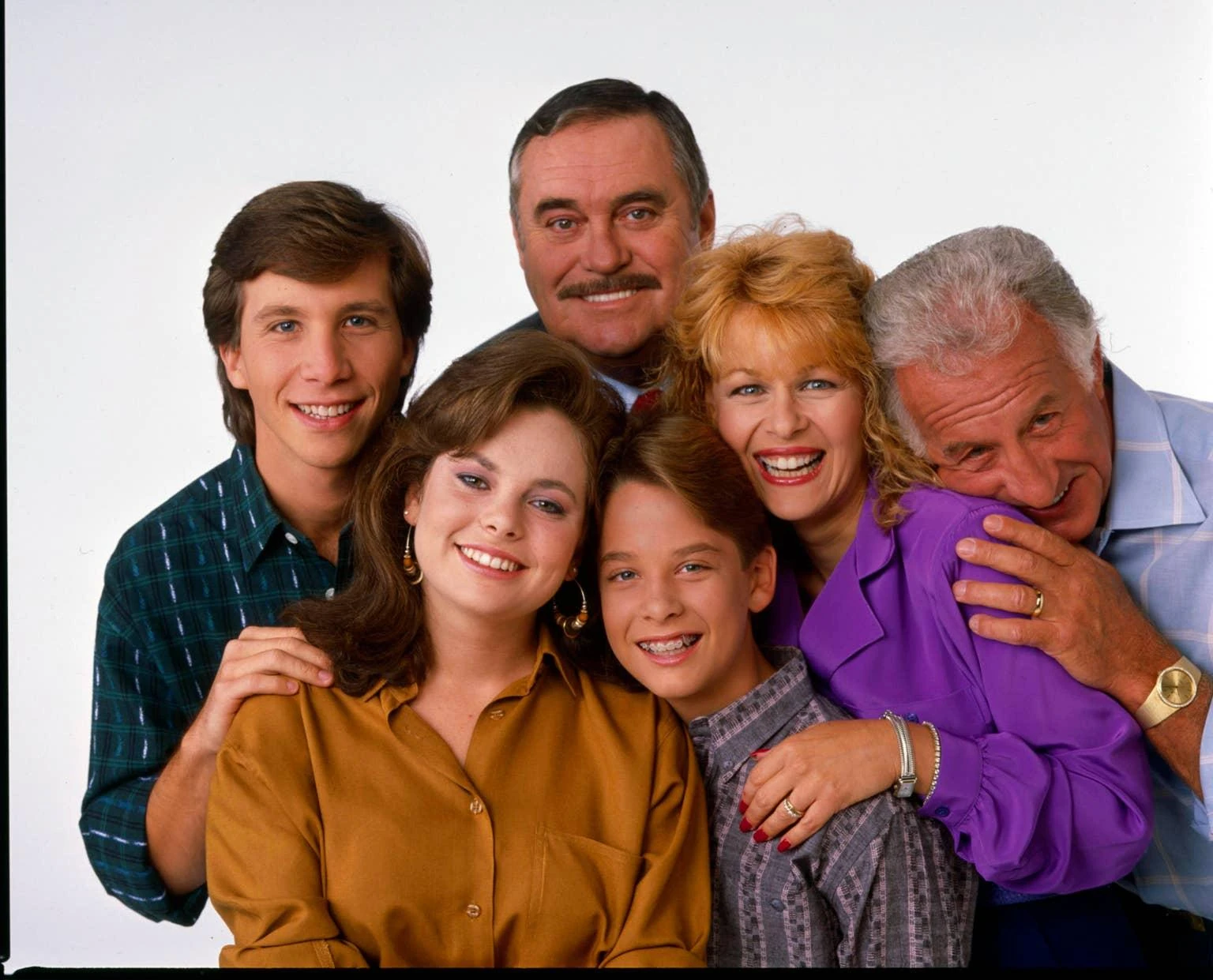
The Owens family hired an English butler and somehow ended up with one of the decade’s most durable odd-couple household setups. Mr. Belvedere was formal, dry and perpetually surrounded by people who treated the house like an obstacle course.
George Owens, played by Bob Uecker, gave the show a wonderfully different dad energy: blunt, sports-minded and frequently annoyed that Belvedere was more composed than anybody else under his roof. Wesley, meanwhile, made it his personal mission to test the limits of that composure.
The show is a classic example of syndication memory outrunning prestige. It was never the decade’s biggest family sitcom, but for a lot of Gen X viewers it feels like it was always on somewhere.
A lot of the show’s charm came from watching Belvedere act as if he had wandered into the Owens house from an entirely different kind of television program. His manners, vocabulary and running commentary bounced off a family that was much louder and less composed. By the time he sat down to write in his journal at the end, the joke was usually that this supposedly detached observer had become one more person emotionally tangled up in the household.
Kate & Allie
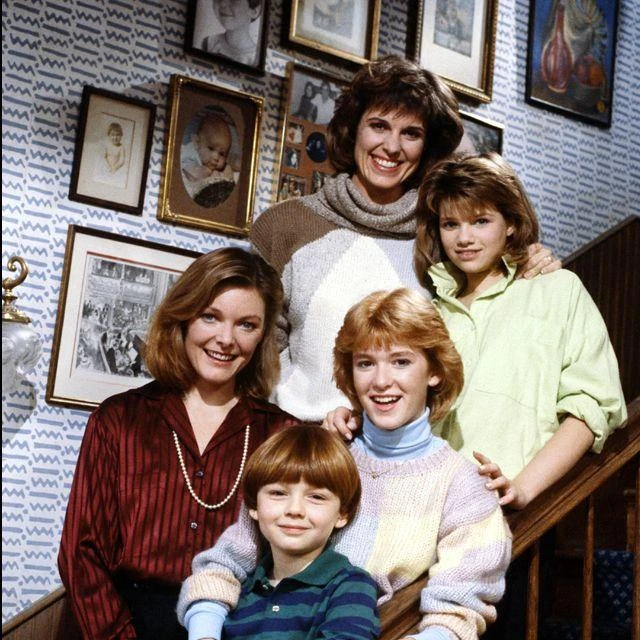
Two divorced women combining households to raise their children gave CBS a family sitcom that felt genuinely modern without needing to announce itself as a revolution. Kate and Allie had different personalities, different parenting styles and enough shared history to make the household believable.
The kids mattered because the arrangement mattered. This was not a temporary setup waiting for a traditional family to arrive and replace it. The women built the family themselves, and the series let that be normal.
In a decade full of widowers, single moms, live-in helpers and improvised households, Kate & Allie may be one of the clearest reminders that the “traditional 80s family sitcom” was never as traditional as nostalgia sometimes makes it sound.
The apartment itself was part of the idea. Two divorced women combining households in New York meant kids sharing space, adults negotiating money and privacy, and everybody learning that family could be assembled after the traditional version had come apart. The show rarely needed to announce how modern that was. It simply treated the arrangement as a workable life, which made the point more effectively than a speech would have.
227
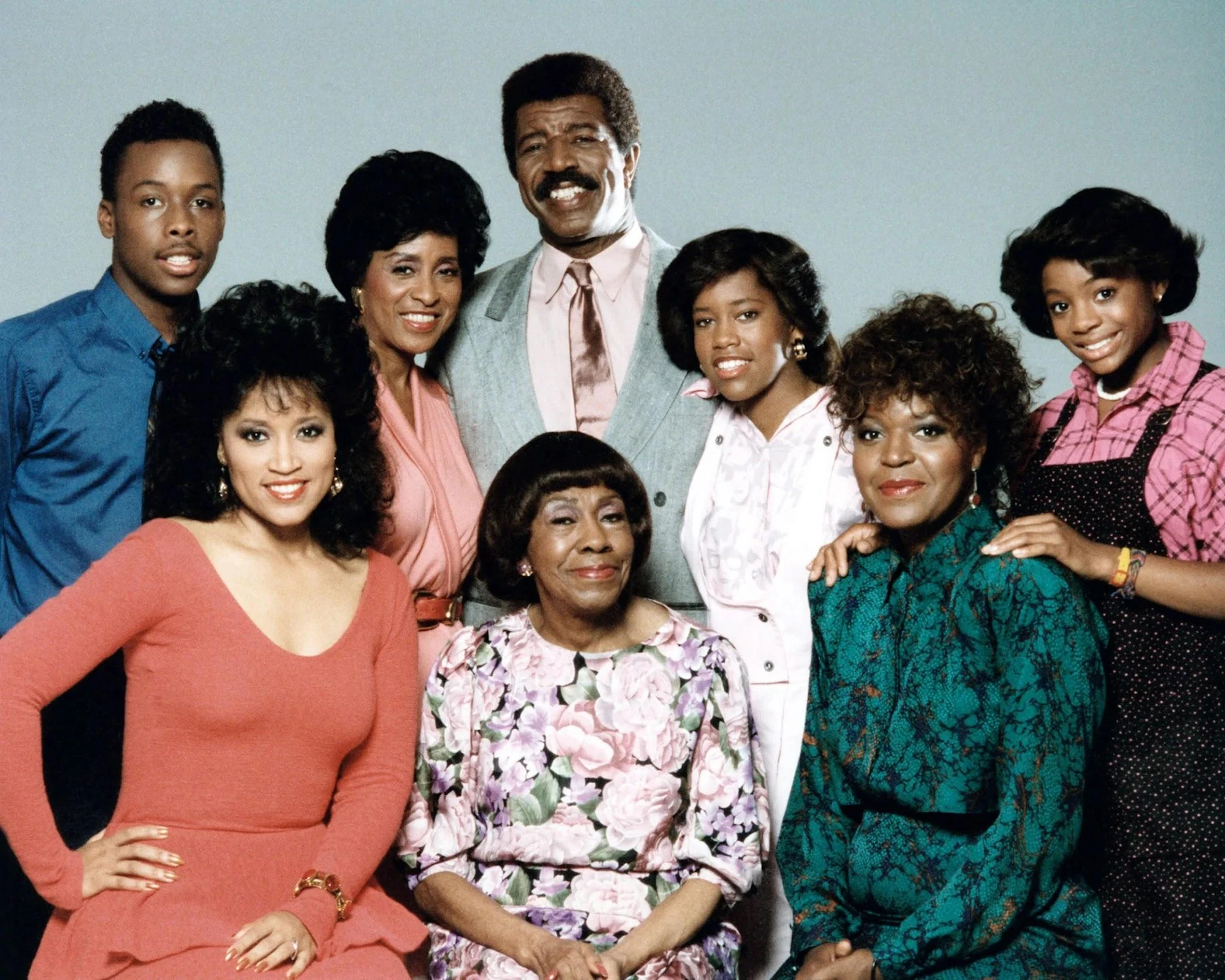
227 centered on Mary Jenkins, her husband Lester and daughter Brenda, but the apartment building widened the show into a neighborhood comedy. Mary knew everybody’s business because everybody’s business was usually happening within shouting distance.
Marla Gibbs brought the steady center, while Jackée Harry’s Sandra Clark could take over a room just by entering it. That balance let the show be about one family without trapping every story inside the Jenkins apartment.
It also gave NBC another Black family sitcom during the same era as The Cosby Show without copying the Huxtables’ class, tone or setting. The family was part of a community, and the community was part of the comedy.
The building gave 227 something a suburban family sitcom could not: the front stoop, hallway and neighbors were extensions of the Jenkins home. Sandra could drift through with a line, Pearl could know everybody’s business, and a family story could become a neighborhood story without changing sets very much. That communal feeling made the show warmer and busier than a sitcom built only around parents and kids behind one front door.
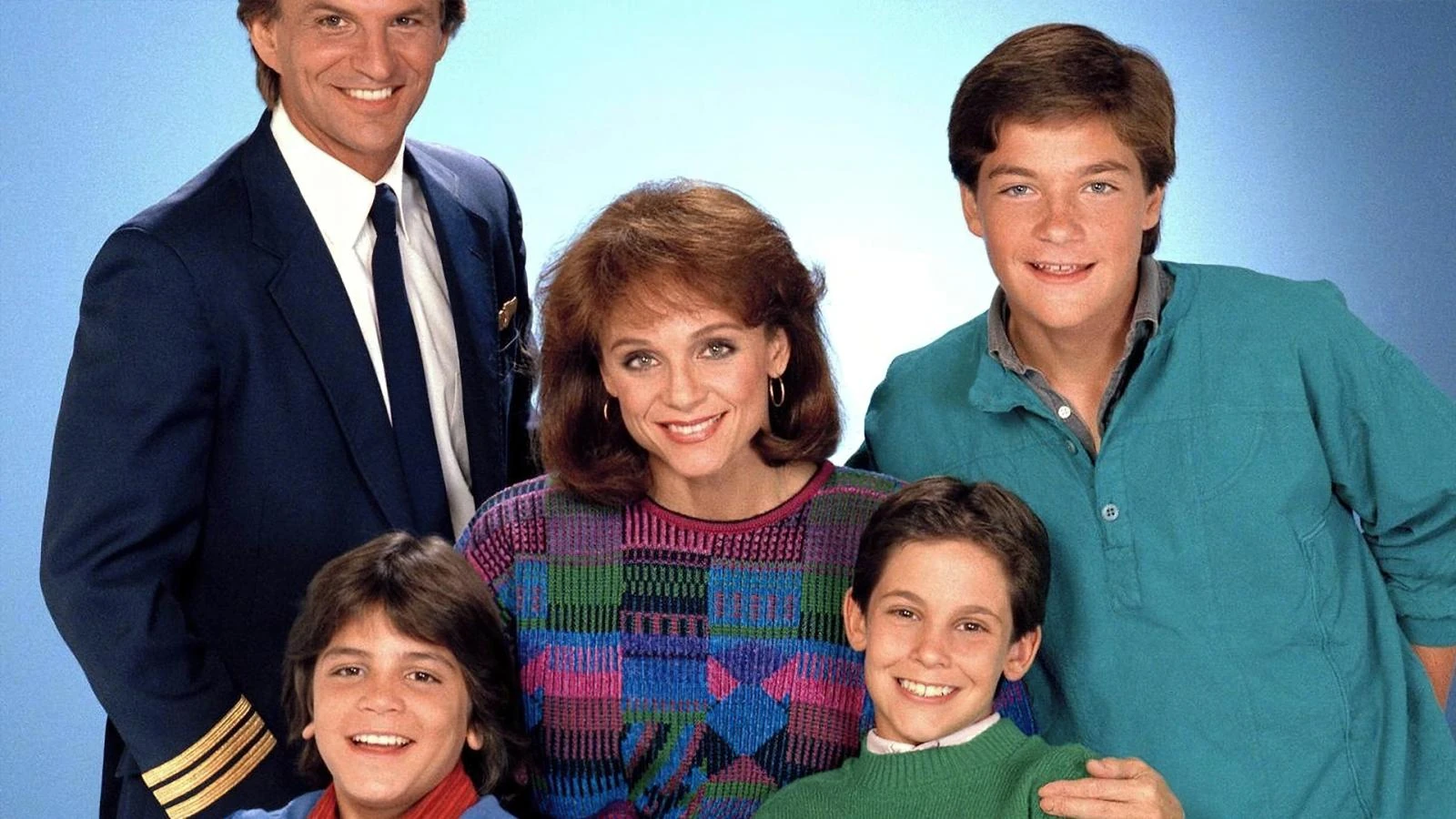
Valerie / Valerie’s Family / The Hogan Family
Few sitcoms better demonstrate how weird television survival can be. The series began as Valerie, centered on Valerie Harper’s mother raising three boys while her airline-pilot husband was frequently away. After a very public contract dispute, Harper left the show, her character was killed off, and Sandy Duncan joined the family as Aunt Sandy.
The title changed, the household changed and the series kept going. Jason Bateman’s David Hogan became an increasingly important part of the show, while the younger brothers gave it the usual sibling chaos.
That evolution is part of why it belongs in the 80s family story. Network television could lose the person whose name was literally in the title and still decide the family itself was strong enough to survive.
What viewers experienced in real time was almost stranger than the fiction. The series changed names, changed its central adult presence and then kept asking the audience to stay with the boys and the household. Remarkably, many did. That endurance says a lot about how attached viewers had become to sitcom families themselves. Once a house, a kitchen and a group of kids felt familiar enough, television could lose a major piece and still feel like somewhere we knew.
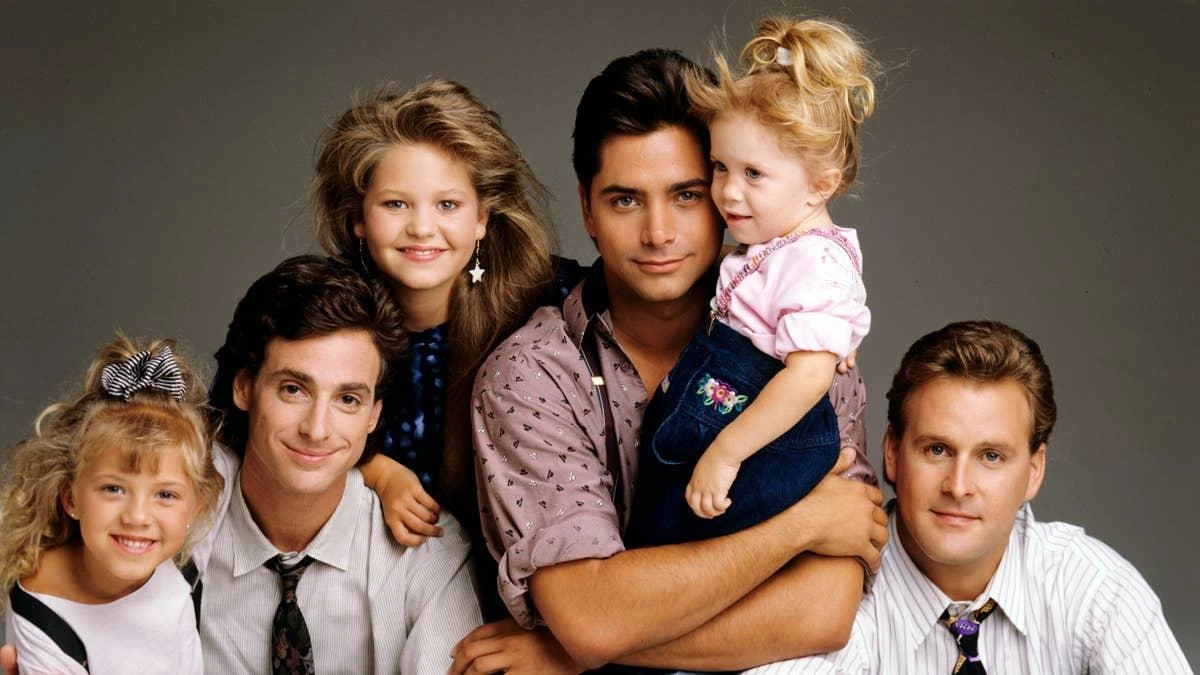
Full House
Full House arrived in 1987 with a premise built around loss: widowed father Danny Tanner needed help raising three daughters, so brother-in-law Jesse and best friend Joey moved in. What followed became one of the most durable family-comedy machines ever built.
The formula was unapologetically sentimental. Somebody made a mistake. Somebody got hurt. Danny talked. Music softened. The family regrouped before the credits. It became easy to mock because it was so dependable, but dependability was exactly what made it work for kids.
Most of the show’s cultural saturation came in the 90s and in syndication, so we’re staying with its 1987–89 launch here. Those late-80s seasons matter because they show the family sitcom already moving toward the TGIF world that would define ABC’s next decade.
The Tanner house also pushed the definition of fatherhood wider than the title suggested. Danny was the parent, but Jesse and Joey were not occasional helpers who disappeared when the lesson arrived. They packed lunches, worried, disciplined, embarrassed the girls and slowly built adult lives around responsibilities they had not planned on. The arrangement was sentimental, absolutely, but it also made three men doing daily caregiving feel completely ordinary to a generation of kids.
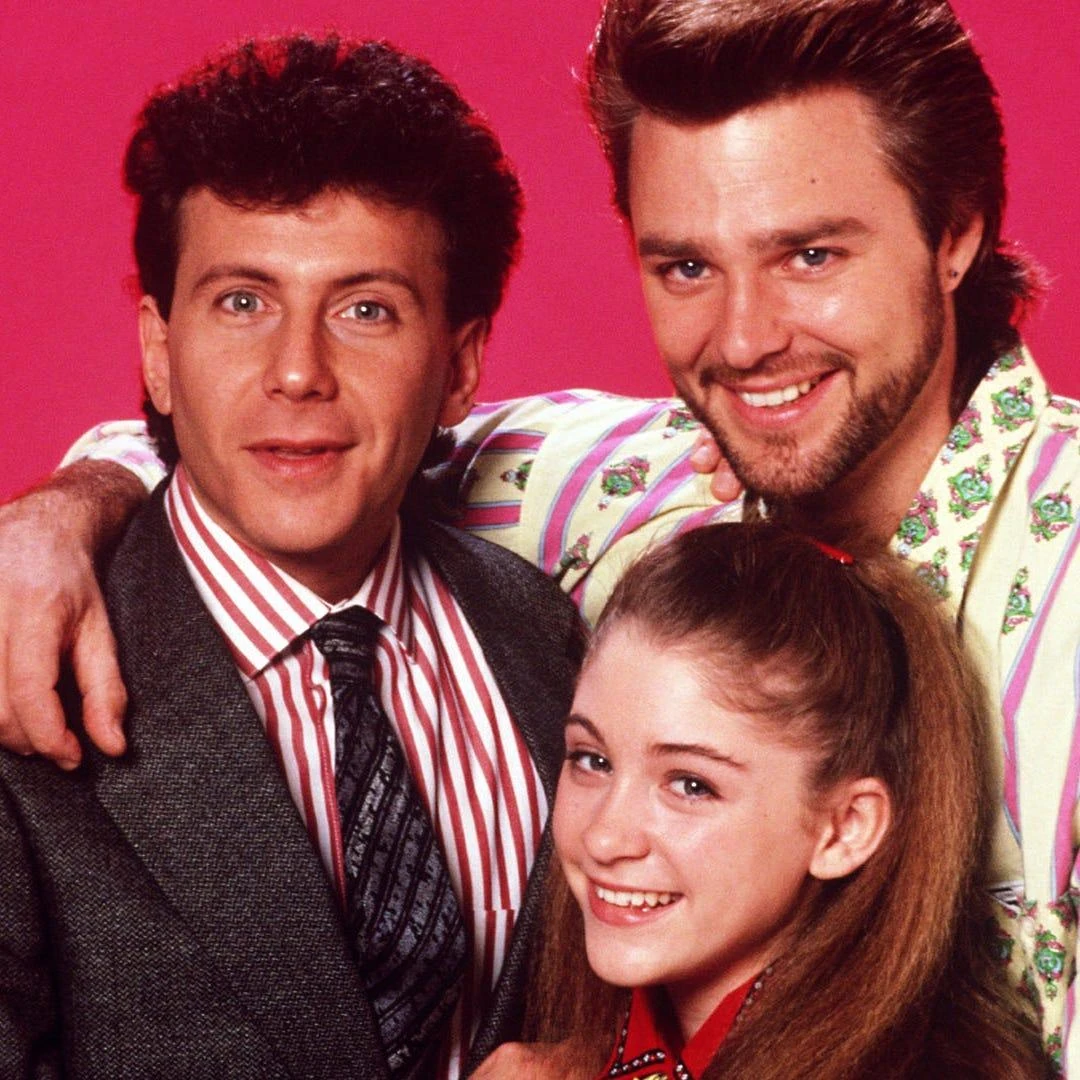
My Two Dads
A teenage girl’s mother dies and leaves her in the care of two men who both might be her biological father. That is an extremely 1980s sitcom sentence, but My Two Dads used it to build a co-parenting household years before television had much language for that kind of family.
Michael and Joey were opposites: one more controlled and professional, the other artistic and loose. Nicole was not simply the kid between them; she was the reason both men had to become more responsible than either expected.
The paternity question supplied the hook. The real point was that biology became less important once the three of them had built a life together.
The apartment made the arrangement feel even more like a sitcom experiment in shared parenting. Michael and Joey could disagree about rules, work, dating and what Nicole needed, but neither one was allowed the easy escape of being the secondary adult. Both had to show up. The show played the uncertainty of paternity for comedy, yet its more lasting idea was that parenthood was something the men proved through repetition rather than a test result.
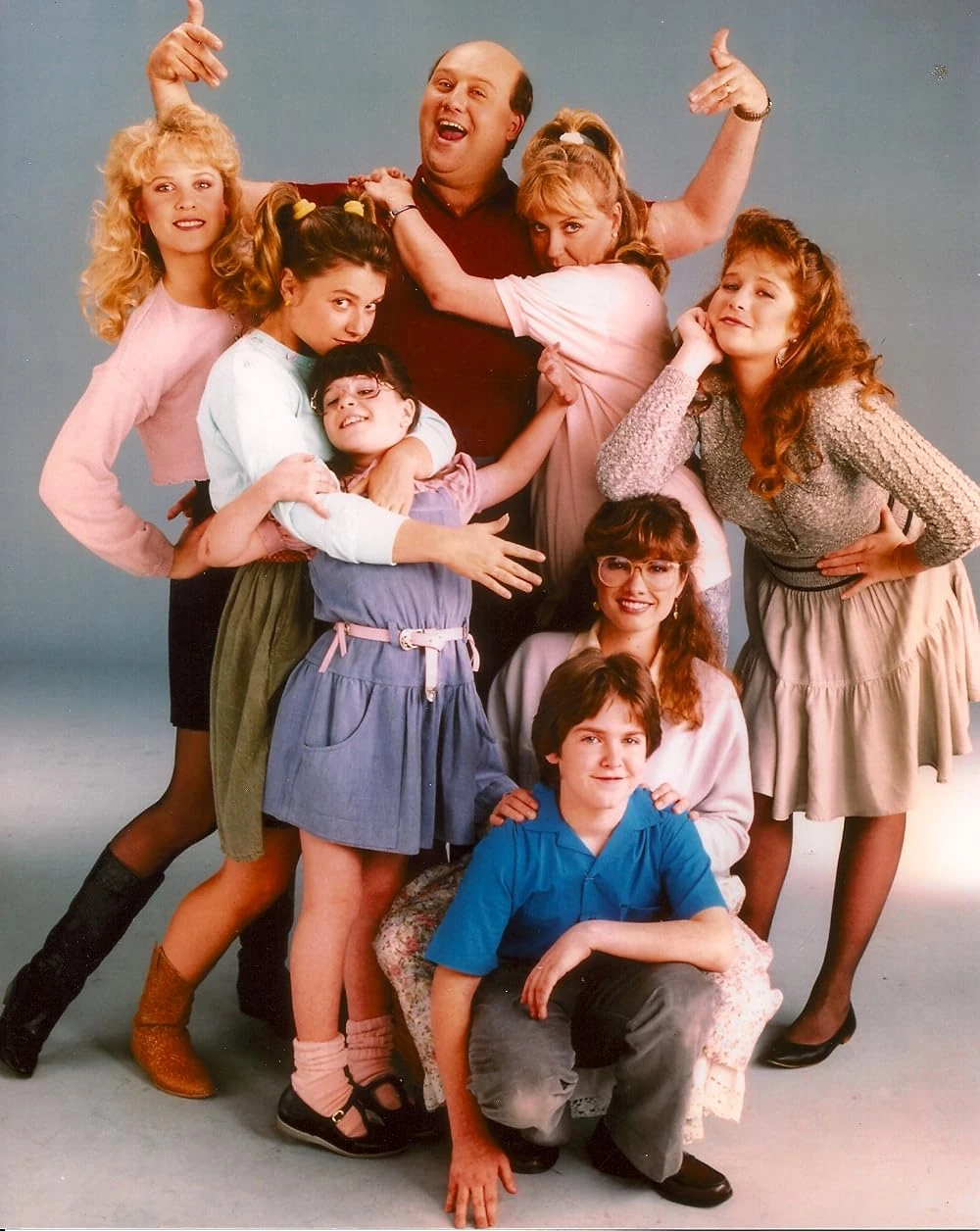
Just the Ten of Us
A spinoff of Growing Pains, Just the Ten of Us took Coach Graham Lubbock, moved his enormous family to California and leaned into the logistical comedy of trying to raise eight kids on one salary.
The crowded house gave the show a different rhythm from the polished four- or five-person sitcom family. Privacy was a luxury. Money mattered. Siblings formed alliances. The Lubbock daughters became the show’s strongest comic group and eventually gave it an identity beyond its spinoff origin.
It only lasted two seasons, but it captures an important part of the decade: by the late 80s, ABC could spin off a supporting family character from one sitcom and reasonably expect viewers to follow him into another household.
The Lubbock family also gave the late-80s family boom a sense of scale that most shows could not touch. With that many siblings, no child could monopolize the household for long. Bedrooms, meals, clothes, dates and school all became negotiations. The crowdedness was the joke, but it was also the show’s identity: this was a family where being noticed required volume, strategy or several sisters willing to back you up.
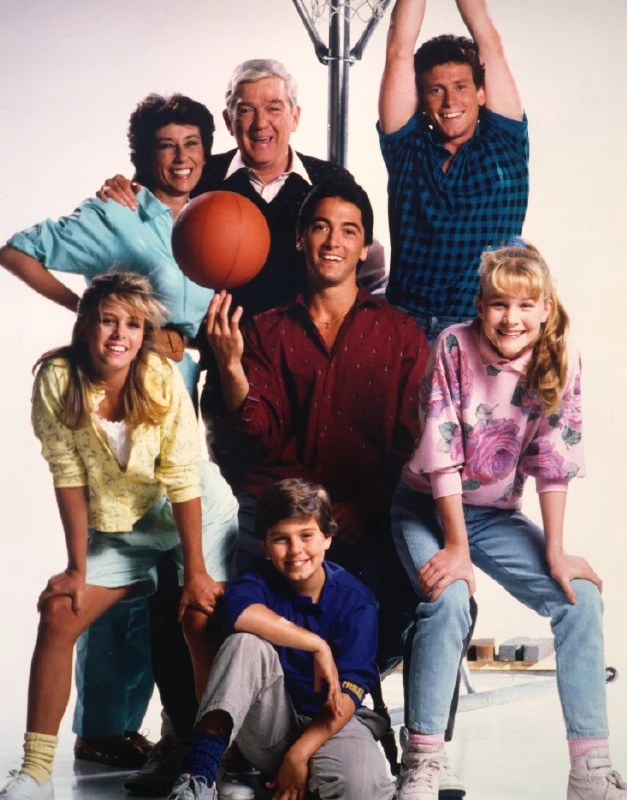
Charles in Charge
The premise put a college student in charge of children while he lived in the family’s home, which is the kind of arrangement sitcom logic can make seem perfectly normal after about six minutes. Scott Baio’s Charles became part babysitter, part older brother and part substitute parent.
The unusual part is how the show survived. It began on CBS with the Pembroke family, disappeared, then returned in first-run syndication with the Powell family occupying the same basic setup. The household changed, but the concept was sturdy enough to keep going.
That network-to-syndication life is one reason some Gen X viewers remember it as bigger than its original CBS run really was. We kept seeing it.
Charles also sat in a strange generational middle. He was young enough to understand what the kids were trying to pull, but old enough to be the person who had to stop them from doing it. That made him useful to both sides of the family-sitcom equation. He could be the cool older guy for younger viewers and still end the episode discovering why the adults had rules in the first place.
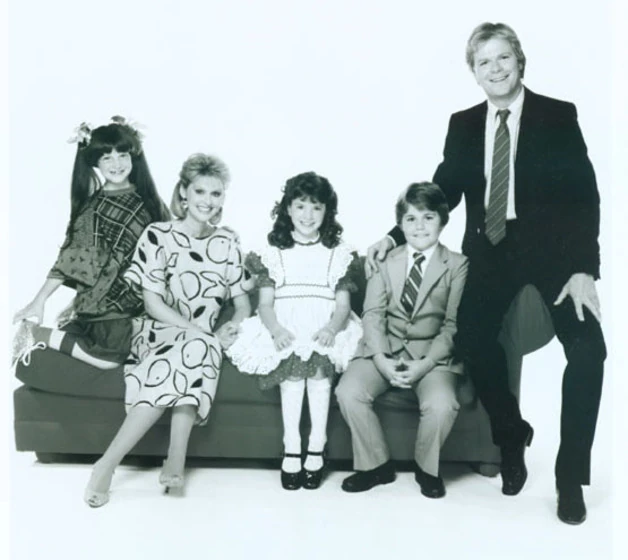
Small Wonder
The Lawsons looked like a suburban family except for one detail: their “daughter” Vicki was a robot built by dad Ted and hidden in plain sight. The joke was that nobody around them seemed capable of noticing that the little girl next door spoke like an appliance manual.
As ridiculous as the premise was, the show still used standard family-sitcom machinery: sibling jealousy, nosy neighbors, school problems, parenting lessons and the constant threat that somebody would discover the household secret.
First-run syndication gave Small Wonder a weird omnipresence. It could show up at odd hours on local stations and become part of childhood without ever feeling like one of the major network events of the week.
Vicki’s deadpan delivery turned ordinary kid behavior upside down. She could follow an instruction too literally, reveal information nobody wanted repeated or expose how irrational the humans around her were simply by behaving logically. The show was never subtle, but subtlety was not what made it stick. It was the combination of bright suburban normalcy and a premise so ridiculous that local-station reruns could still stop you mid-channel-surf decades later.
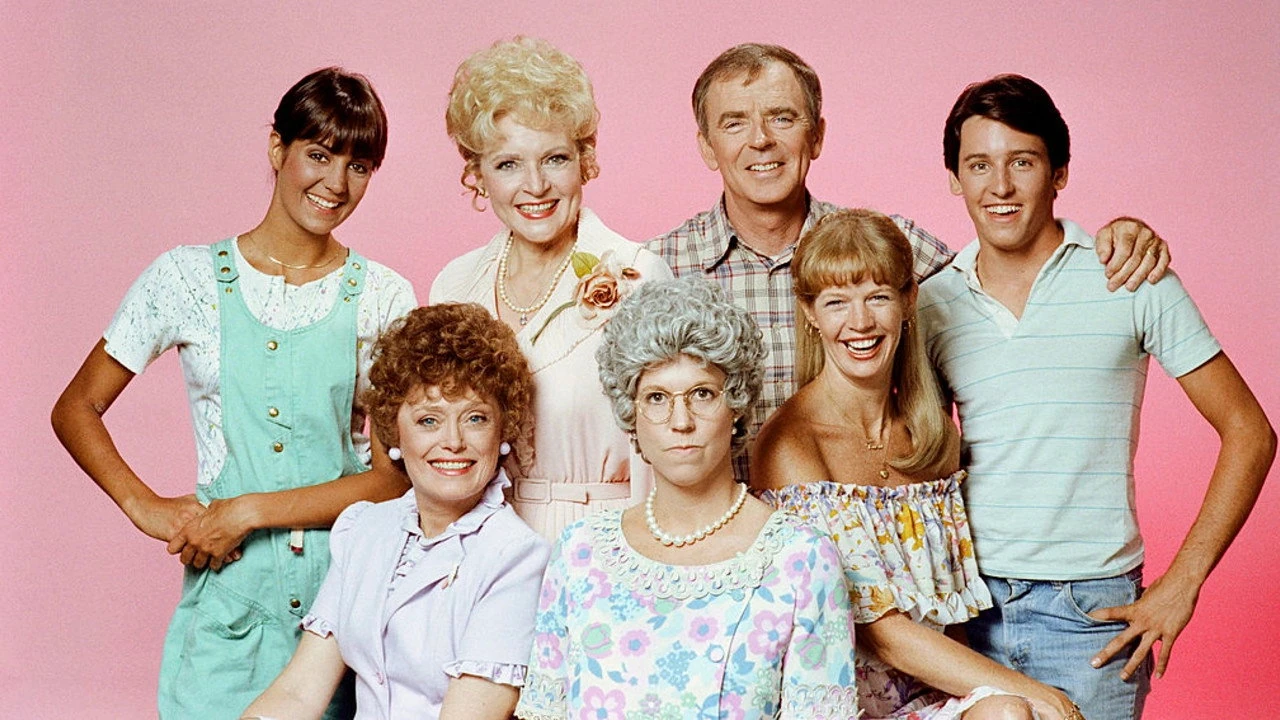
Mama’s Family
Thelma Harper’s family was the opposite of aspirational. Everybody had a grievance, somebody was always irritated, and the house felt like generations of arguments had soaked into the walls. Vicki Lawrence made Mama simultaneously exhausting and impossible to ignore.
The series also had one of the decade’s classic second lives. After its NBC run ended, it returned in first-run syndication with a retooled cast and became more successful in reruns than plenty of shows that had once looked bigger.
It belongs in the family-sitcom conversation because it showed another side of family permanence: you may drive each other crazy, but apparently nobody is leaving.
The Harper house also felt older than most 80s sitcom homes. It carried history. Adult children, in-laws and grandchildren could all bring old grudges back through the same door, and Mama remembered every one of them. That made the comedy less about parents raising kids and more about what happens when a family never really stops being a family, no matter how old everybody gets or how badly they would sometimes like to.
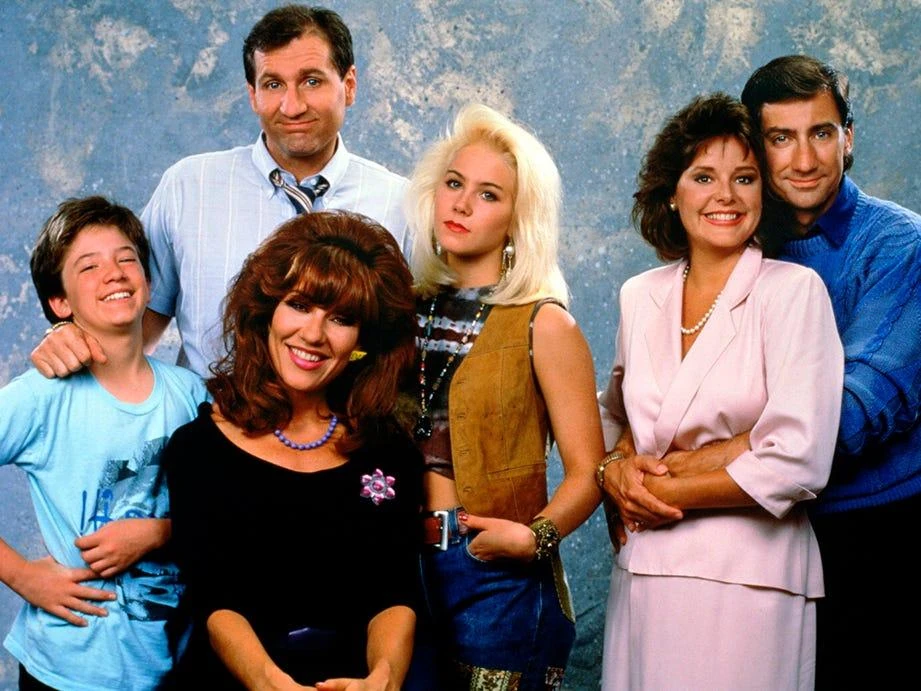
Married… with Children
Fox launched Married… with Children in 1987 and basically asked what would happen if a family sitcom hated the idea of family sitcoms. Al Bundy was miserable, Peggy was bored, Kelly and Bud were weapons pointed at their parents, and the Bundy house treated warmth like a suspicious new product nobody had ordered.
The show was crude on purpose, but the target mattered. By the late 80s, television had spent years presenting family comedy as the safest, most dependable part of prime time. The Bundys existed to puncture that polish.
That makes the series an essential endpoint for this decade. You cannot understand how dominant the family sitcom had become without noticing how satisfying it suddenly felt for a new network to make fun of the whole thing.
Fox understood that the Bundys were funniest when placed directly against the expectations created by the decade’s nicer television families. Al did not have an inspiring career. Peggy was not organizing the perfect home. The kids were not learning tasteful lessons. Yet they remained weirdly loyal to one another when outsiders pushed too hard. Even the anti-family family had a line nobody else was allowed to cross.
Too Close for Comfort
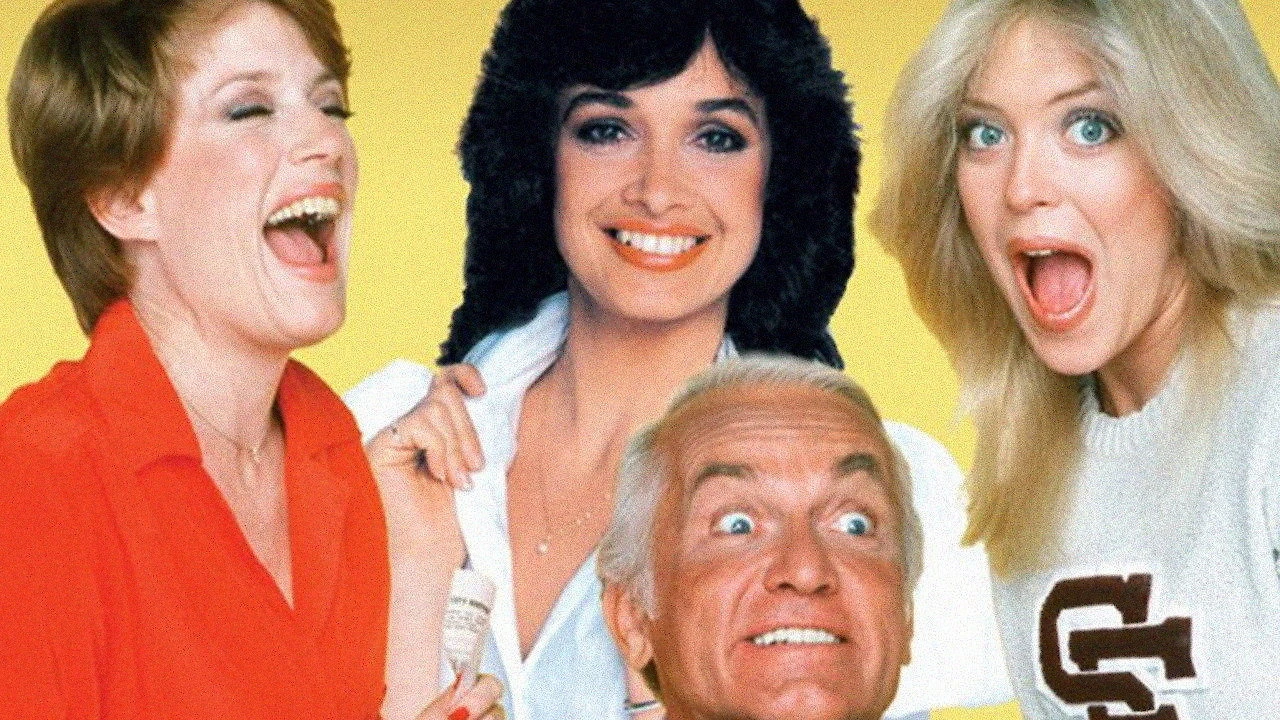
Ted and Muriel Rush lived downstairs while their two grown daughters occupied the apartment above them, which gave Too Close for Comfort a family setup built around one of parenting’s harder realities: the kids have technically moved out, but not far enough for anybody to stop interfering.
Ted Knight’s Henry Rush could turn fatherly irritation into an entire scene, especially when the daughters’ dating lives or Monroe’s presence pushed him past his tolerance limit. The show began on ABC, then continued in first-run syndication, making it another example of a family comedy that survived by changing how it reached viewers.
It sits on the early edge of the decade, but its multi-generation apartment arrangement foreshadowed how often 80s sitcoms would stop treating the nuclear family in one suburban house as the only available format.
The arrangement also let the show play with the blurred line between adult independence and parental supervision. Jackie and Sara had their own place, but Henry only had to climb a flight of stairs to interfere. That physical closeness turned ordinary generational tension into a weekly engine. It was a useful 80s reminder that moving out did not always mean escaping the family sitcom; sometimes it just changed which door Dad knocked on.
Out of This World
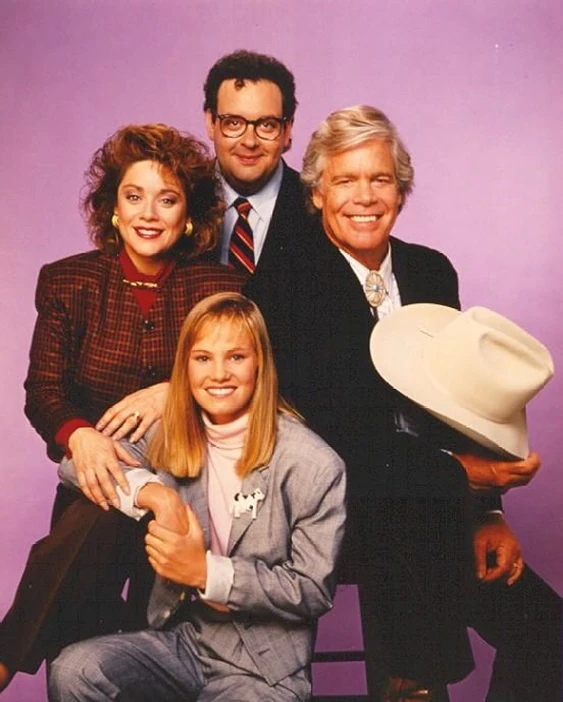
Evie Garland looked like an ordinary California teenager until she discovered she could freeze time because her father was an alien. Her mother Donna was raising her largely on her own, while dad Troy checked in from another planet through a glowing crystal cube. Again: the 80s were not afraid of a premise.
Underneath the science-fiction gimmick, the series was still a family comedy about a teenager testing boundaries, hiding secrets and learning that having a special power does not make being sixteen any less awkward. Donna’s role mattered because the show’s real home base was the relationship between mother and daughter.
Like Small Wonder, it lived in first-run syndication and became one of those shows many viewers remember less from a specific network night than from the feeling that it was always turning up somewhere on the dial.
Evie’s power to stop time was the fantasy every teenager thought they could use responsibly for about five minutes. Naturally, the show kept finding reasons that shortcuts created bigger problems. That made the alien gimmick work with familiar family lessons instead of replacing them. Donna remained the grounded adult in a house where the most impossible thing was treated as another complication of raising a teenager.
Empty Nest
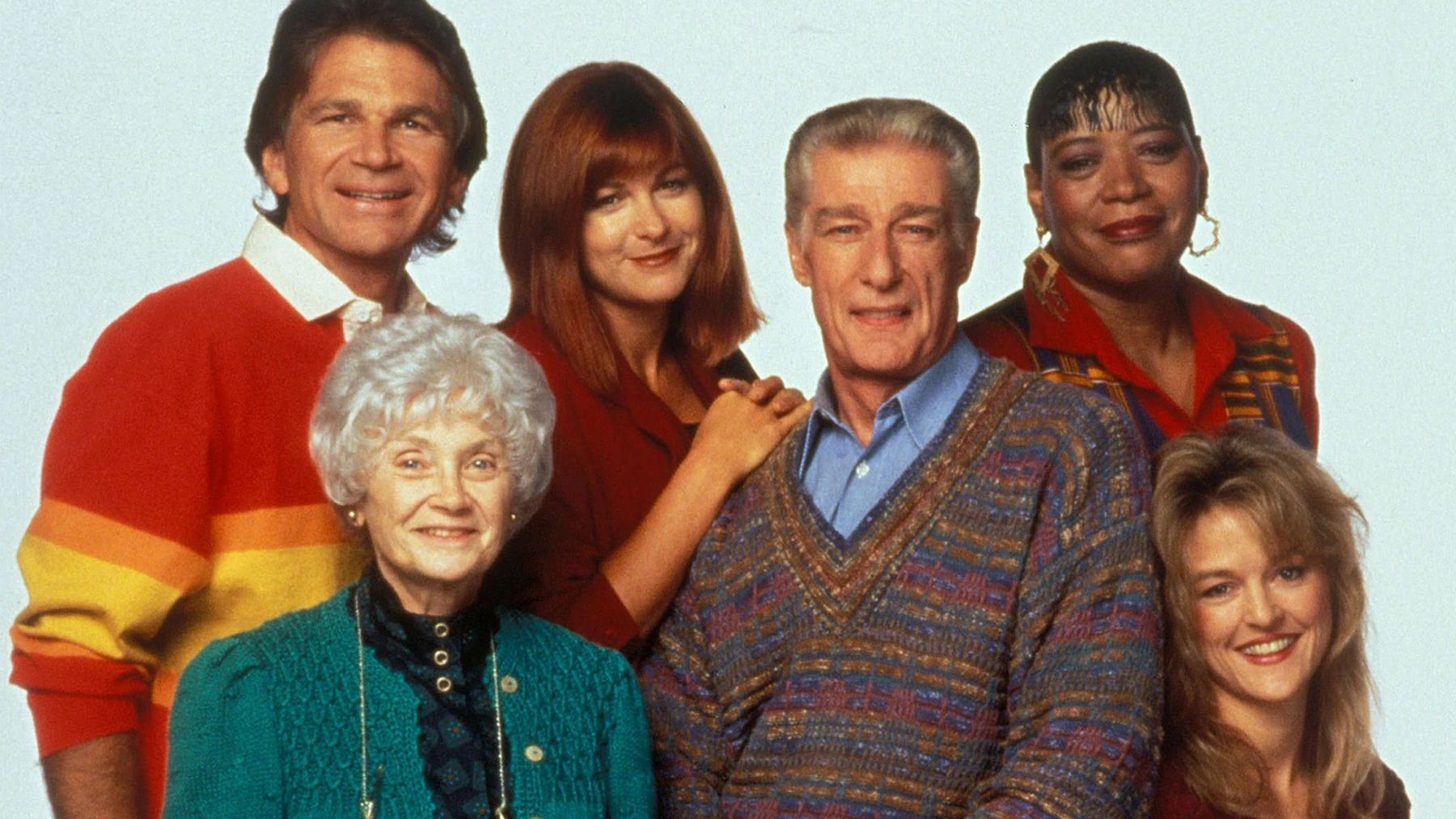
Empty Nest flipped the family-sitcom age range. Widowed pediatrician Harry Weston was not raising little kids; he was dealing with adult daughters who remained deeply involved in his life, plus neighbor Charley and a house that never seemed quite as empty as the title promised.
That made it an important late-80s variation on the format. Family comedy did not have to end when the children grew up. Parents could still worry, interfere, give advice and discover that adulthood had not magically made anybody self-sufficient.
Its connection to The Golden Girls also showed how efficiently television was building comedy neighborhoods by the end of the decade. A successful household could lead to another household, another cast and another reason to stay on the same channel.
Harry Weston’s problem was right there in the title: the nest was supposed to be empty, but family kept returning. Barbara and Carol could be independent adults and still fall back into daughter roles the second they walked through the door. That gave the show a different kind of generational comedy and widened the family-sitcom audience. Parents who had survived teenagers now had a sitcom about discovering that grown children were not necessarily less work.
How 80s Family Sitcom Parents Rewrote the Rules
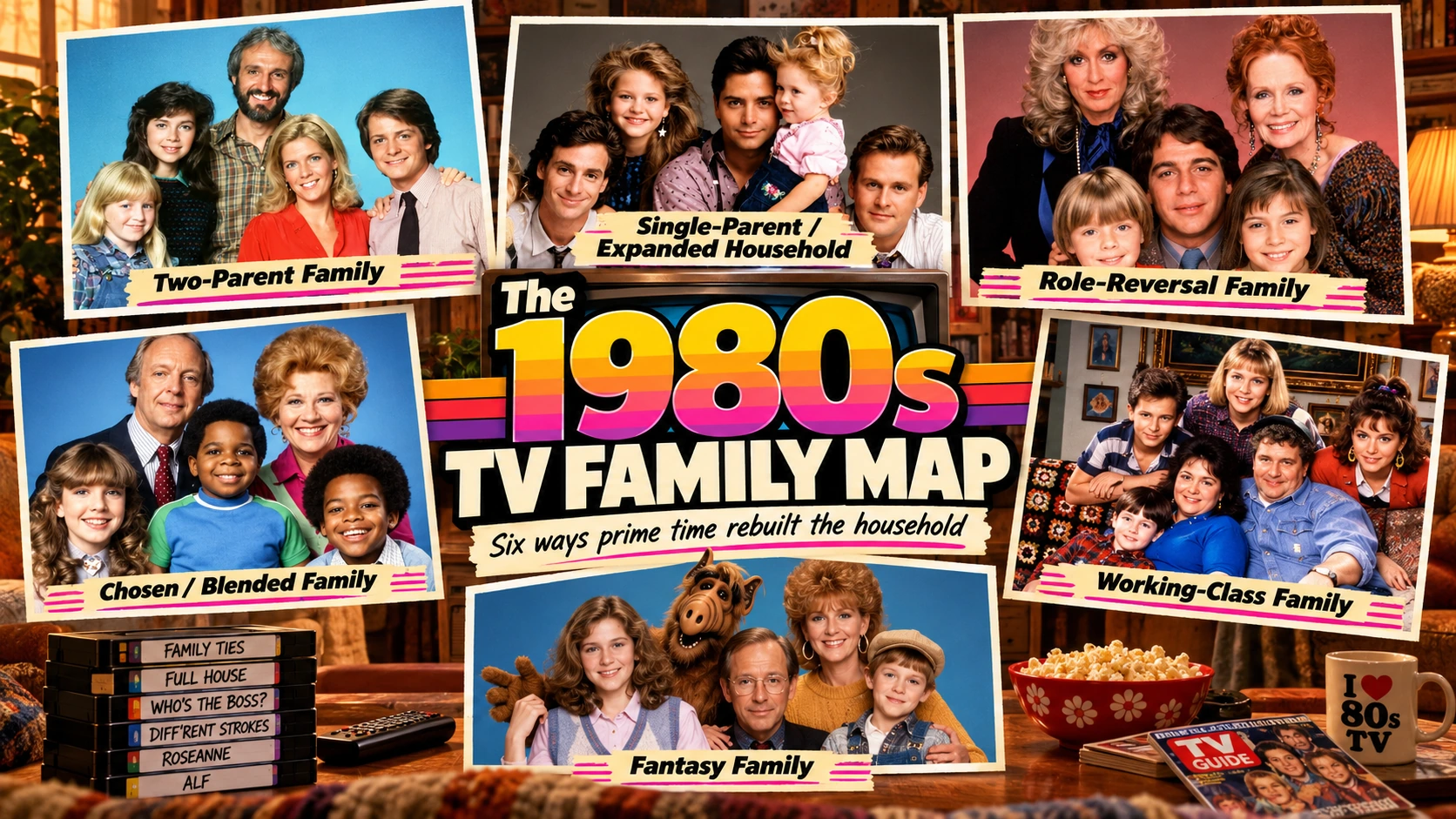
The stereotype says 80s family television was a parade of tidy two-parent households. There were plenty of those, but the decade is more interesting when you look at how many shows were already pulling that template apart.
Dads moved into the house
Jason Seaver worked from home while Maggie pursued her career. Tony Micelli literally became the housekeeper. Danny Tanner needed two other men to help raise his daughters. Henry Warnimont became a father late in life without planning on it. Joey and Michael co-parented Nicole without even knowing which one was biologically related to her.
The dad was no longer automatically the guy who disappeared to work until the plot needed him. Family sitcoms increasingly made fatherhood the plot — a shift that runs through the TV dads of the 1980s.
Moms got to be more than “Mom”
Elyse Keaton was an architect. Angela Bower was an advertising executive. Maggie Seaver returned to journalism. Roseanne Conner worked because the family needed the money, not because television wanted to deliver a message about having it all.
The characters were still written inside the limits of network comedy, but the range was wider than the nostalgia shorthand suggests. The decade’s TV moms were working, parenting, dating, arguing and carrying far more of the story than the old stereotype remembers.
Single parents and chosen families were everywhere
Look across the decade and the number of improvised households is striking. George and Katherine Papadopolis became parents to Webster after a tragedy. Henry Warnimont took in Punky. Nell Harper became essential to the Kanisky household. Danny Tanner raised his daughters with Jesse and Joey. Kate and Allie combined two post-divorce families under one roof. Tony Micelli and Angela Bower built a family before they could even define their own relationship.
That does not mean 1980s television had suddenly become radically realistic about every kind of family. It still had blind spots and plenty of tidy endings. But the weekly evidence on screen was clear: a family could be created by adoption, friendship, necessity, divorce, death, work, remarriage or sheer stubbornness. The sitcom house was becoming less about one approved blueprint and more about who kept showing up for dinner.
How 80s Family Sitcom Kids Became the Reason We Watched
Gen X did not just watch these shows because our parents had the remote. The decade produced a ridiculous number of kid and teen characters who could pull an audience by themselves.
Michael J. Fox’s Alex P. Keaton became so magnetic that Family Ties shifted around him. Gary Coleman could land a reaction faster than most adult comics. Ricky Schroder had kids staring at the Stratton mansion. Soleil Moon Frye turned Punky’s clothes into a whole visual language. Alyssa Milano became a teen idol while Samantha Micelli grew up on camera. Kirk Cameron made Mike Seaver the troublemaker every kid knew would somehow talk his way through the consequences.
That visibility changed the relationship between sitcoms and young viewers. We were not only watching somebody else’s parents. We were watching kids argue with those parents, make terrible decisions, get grounded, date, fail tests, hide things and occasionally learn the exact lesson the rest of us hoped our own parents were not watching closely enough to notice.
If the kids were your main reason for watching, the kids who grew up on 80s sitcoms deserve a whole guide of their own. The point here is simpler: family comedy worked because the children became full comic characters instead of reasons for adults to enter the room.
Money, Class and Working-Family Life in 80s Family Sitcoms
One of the strangest things about rewatching 80s family sitcoms is how different the houses look once you stop treating them all as generic television homes. The Huxtables lived in a beautiful Brooklyn brownstone with two professional parents. The Strattons had cartoon-level wealth. The Bowers lived comfortably in Connecticut. The Seavers had the kind of suburban stability television could frame as normal. That contrast is part of what makes the iconic TV houses of the 1980s worth remembering.
Then Roseanne arrived and reminded everybody that a huge portion of the audience did not live like that. The Conners worried about overtime, bills, factory work and the cost of everyday life. The furniture did not look rented for a catalog shoot. The kitchen did not suggest that somebody off-camera polished the counters between scenes.
The contrast mattered because both versions were part of 80s America. Family television had room for aspiration and recognition, but those were not the same thing. Sometimes viewers wanted the giant mansion and indoor train. Sometimes they wanted to see a family that looked like it knew why the electric bill was sitting unopened on the counter.
That late-decade shift is one reason Roseanne’s 1988 arrival deserves its own story. It did not simply add another hit family to the schedule. It changed what network executives could imagine a hit family looking like.
How 80s Family Sitcoms Took Over the Nielsen Ratings
The ratings sequence tells the story better than nostalgia does. Early in the decade, family comedy was part of the schedule. By the middle of the decade, it was driving the schedule.
The mid-decade surge is inseparable from NBC Thursday night, where The Cosby Show and Family Ties turned one evening into a weekly habit.
For the full season-by-season standings, use the 1980s TV by year rankings. Here, the point is the pattern: once family sitcoms started pulling huge audiences, every network went looking for its own household.
Very Special Episodes and the Serious Side of 80s Family TV
There is a particular Gen X memory that is hard to explain to people who did not live through it: you sat down for a normal sitcom and somewhere around minute eight realized nobody was joking anymore.
Family comedies became delivery systems for lessons about drugs, drinking, abuse, racism, peer pressure, grief, eating disorders, kidnapping, sex and whatever else adults were worried kids might encounter before the next commercial break. Sometimes the episodes were thoughtful. Sometimes they were clumsy. Sometimes they were terrifying in ways the regular show had absolutely not prepared you for.
Diff’rent Strokes became especially famous for the format, but it spread across the decade. Punky Brewster, Family Ties, Growing Pains and others all had moments when the house lights seemed to dim and a sitcom suddenly became a public-service announcement with characters you trusted.
That is part of why these shows stuck. They were not just background comedy. Network television still assumed millions of families were watching the same episode at the same time, so a sitcom could become the place where a difficult subject entered the house.
How Syndication Made 80s Family Sitcoms Feel Even Bigger
A network rating measures who watched when an episode was new. Gen X memory is messier. We remember first-run episodes, summer reruns, local-station reruns, cable reruns and shows that were made directly for syndication all stacked on top of one another.
That is why a show such as Charles in Charge, Small Wonder or Out of This World can feel enormous in memory even if it never occupied the same ratings stratosphere as The Cosby Show. Repetition did the work. The shows Gen X watched in after-school reruns could become daily visitors whether or not they had ever been top-ten hits.
Syndication also blurred the decade. In 1988 you could watch a brand-new Growing Pains in prime time, an early-80s Diff’rent Strokes after school and a first-run syndicated Small Wonder on the same television within a few hours. Nobody experienced the decade in neat chronological order.
That layered viewing habit is part of the larger story of what watching television in the 80s was actually like. The schedule mattered, but so did the rerun ecosystem that filled every gap around it.
Why 80s Family Sitcoms Still Feel Like Home to Gen X
We remember the houses because television was more physical then. Shows had a night. They had a time. They had a place in the week. You did not discover Growing Pains because an algorithm noticed you liked another family comedy. You watched because it was Tuesday, because somebody else in the house turned it on, or because the theme song started while you were still finishing homework.
That shared schedule turned television families into recurring visitors. We knew which staircase Alex would come down. We knew where Willie Tanner would stand when ALF had done something stupid. We knew the Conner kitchen, the Seaver living room, the Bower house and that absurd Stratton mansion. The sets became memory palaces.
Syndication deepened it. A show could stop producing new episodes and still show up after school for years. Younger Gen X viewers often met early-80s sitcoms in reruns at the same time they were watching late-80s hits in prime time. The decade piled up on itself.
That is also why the TV shows that defined Gen X childhood are not necessarily identical to the biggest Nielsen winners. Ratings tell us who watched first. Reruns tell us who never really left.
80s Family Sitcoms: Frequently Asked Questions
What were the most popular family sitcoms of the 1980s?
The Cosby Show, Family Ties, Who’s the Boss? and Growing Pains were among the decade’s biggest family comedies, with Roseanne becoming an immediate ratings force after its 1988 debut. The exact order changed by season, which is why the yearly Nielsen pages are the better place for precise rankings.
Why were family sitcoms so popular in the 80s?
They fit the way television was watched: families often shared one main set, and a half-hour comedy could give parents, teenagers and younger kids different reasons to watch the same show. The success of NBC’s mid-80s comedy lineup also pushed every network to invest heavily in family comedy.
Were all 80s family sitcoms traditional two-parent families?
No. The decade included widowed parents, divorced parents, adoptive families, foster families, combined households, role-reversed households, chosen families and even two men jointly raising a teenage girl. The “traditional 80s sitcom family” was much less uniform than nostalgia often remembers.
Does Full House count as an 80s sitcom?
Yes, but only partly. Full House premiered in 1987, so its launch belongs to 1980s TV history. Most of its run and much of its cultural saturation happened in the 1990s, so here it works best as a late-80s bridge.
Why is Married… with Children on a family-sitcom page?
Because it was built around a family and because its entire joke depended on viewers knowing the polished family-sitcom formula it was attacking. The Bundys make more sense as the decade’s anti-family family sitcom than as something outside the category.
What is the difference between this page and the main 80s sitcom guide?
Here we’re staying inside the home: parents, kids, blended families, single parents and household comedy. The main 80s sitcom guide covers the whole comedy landscape, including workplace shows, adult ensembles, bars, courtrooms and other formats.