Mr. Belvedere in the 80s: The Sitcom That Lived in Syndication Memory
Leon Redbone’s singing. George already has something to say, and Wesley’s hoping he won’t have to explain.
Belvedere will hear him out. He has a few thoughts of his own.
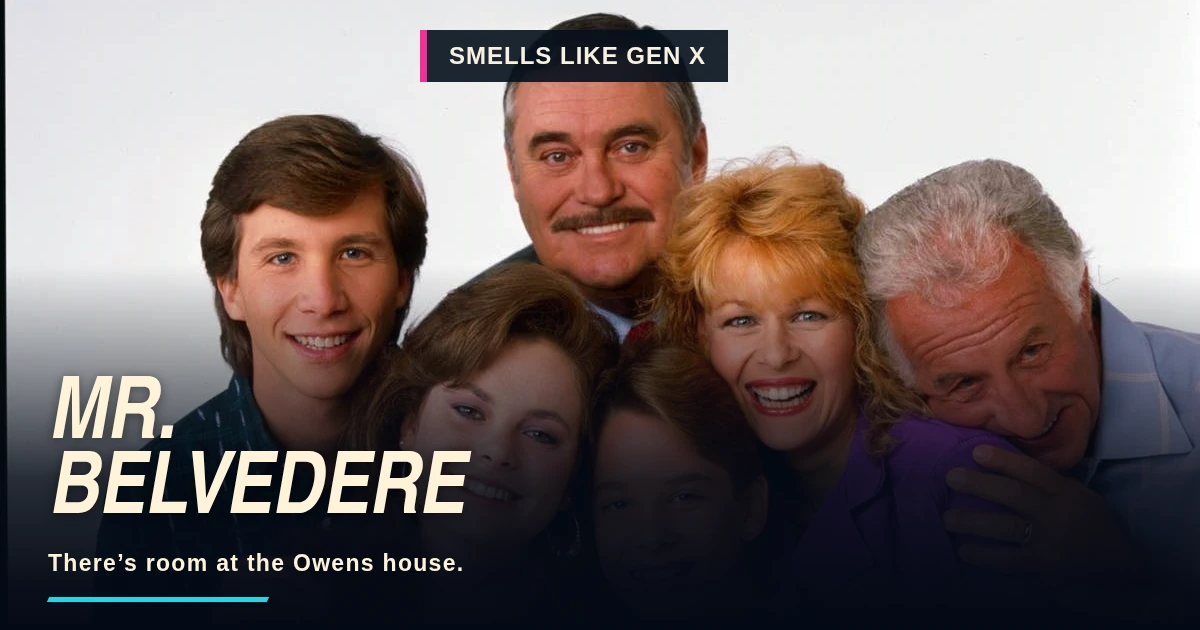
I can get most of the way back to Mr. Belvedere from two sounds. One is Leon Redbone singing over the opening. The other is Bob Uecker sounding as if he’s already heard enough of whatever Christopher Hewett is about to tell him. Give me those two sounds and I can see the Owens house. There’s a good chance Wesley is somewhere in it, hoping nobody has noticed what he just did.
This was an ABC show that began in March 1985 and made it to July 1990. I also understand anybody who remembers it as a rerun they fell into in the middle of the day. A show like this could keep its place in your head long after you’d stopped knowing where it was on the schedule. You heard the voice, you knew the house, and you gave yourself half an hour.
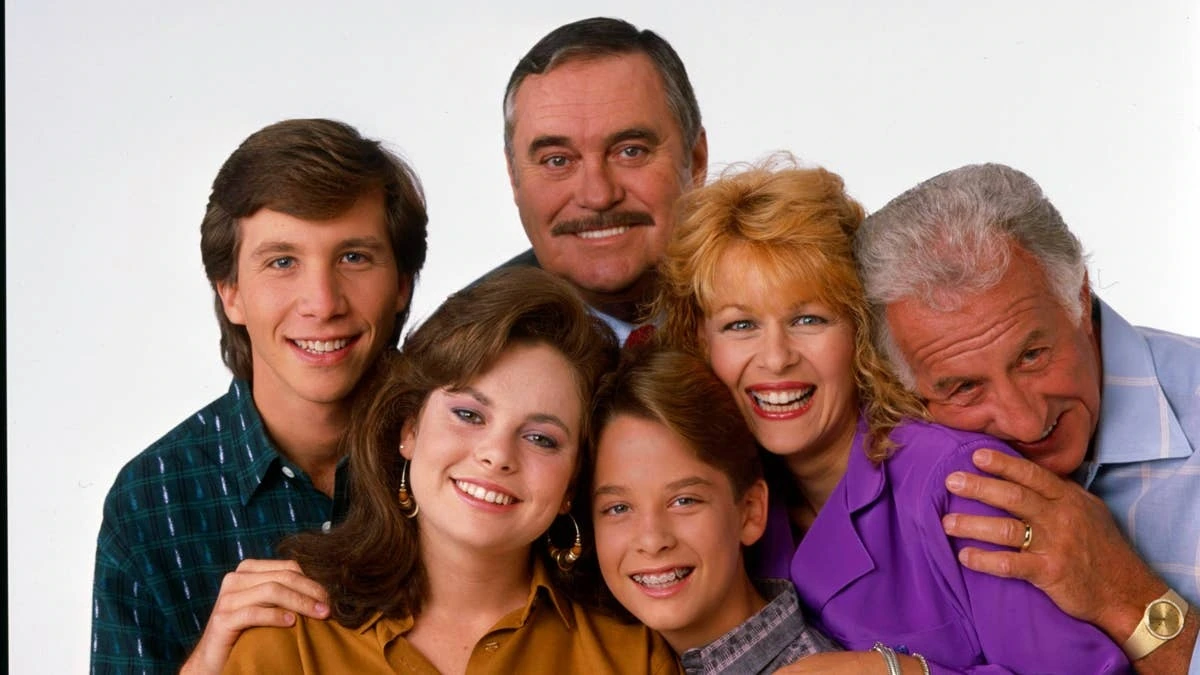
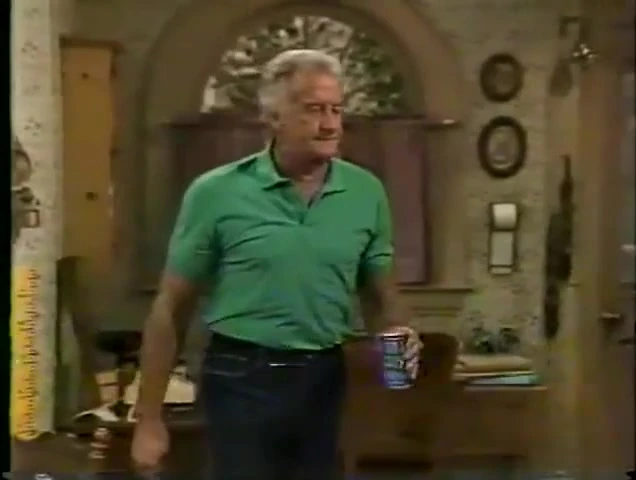
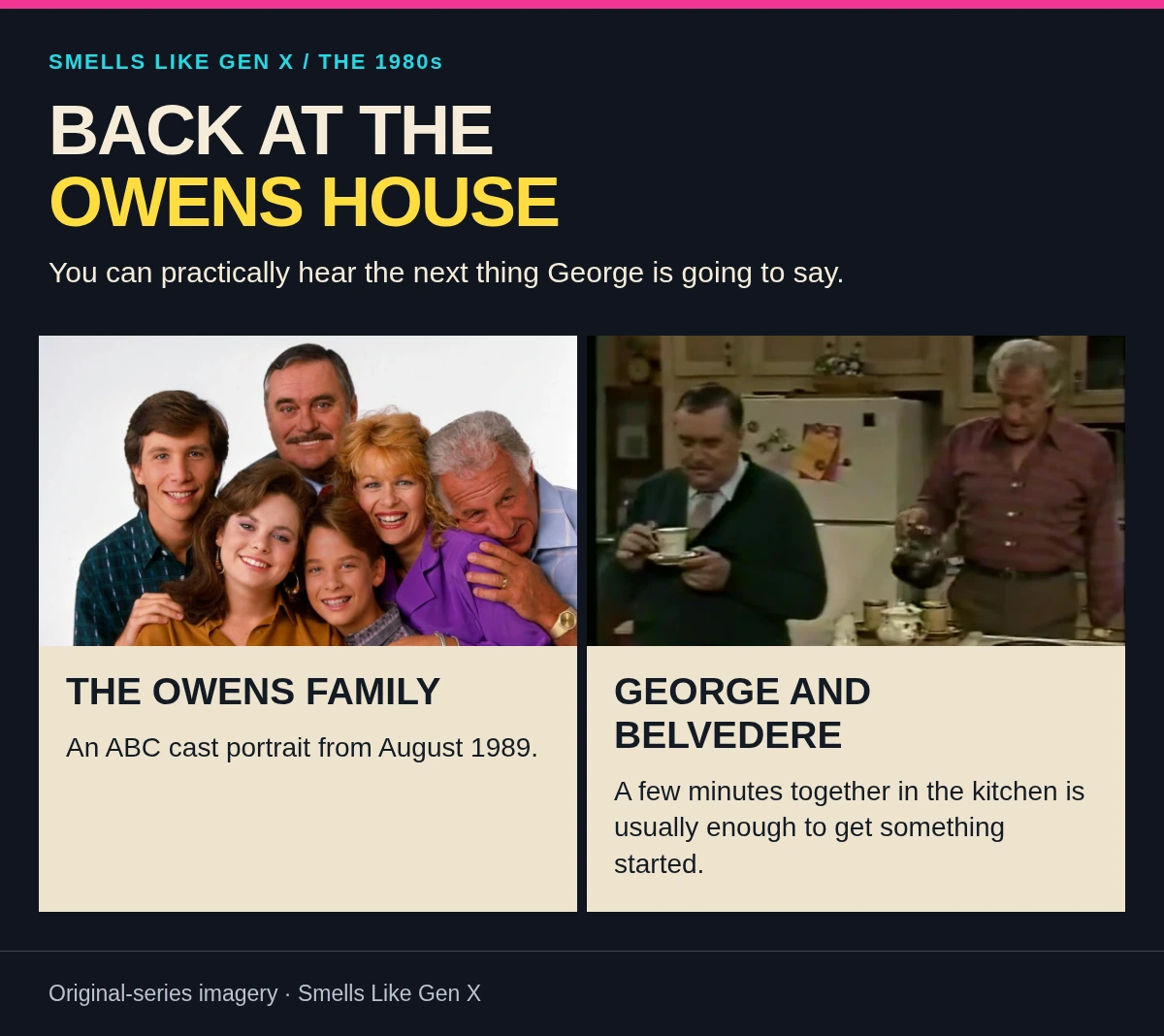
Hewett played Lynn Belvedere, an English housekeeper working for the Owens family in suburban Pennsylvania. Uecker’s George wrote about sports. Ilene Graff’s Marsha was working toward a law degree when we met her. They had Kevin, Heather, and Wesley, which already gave the house enough to deal with before an Englishman showed up and started saying what he thought of the way they were doing it.
Inside This Article
- The Owens house had room for one more opinion
- Bob Uecker and Ilene Graff made it feel like their house
- Kevin and Heather got older while Wesley kept the house busy
- The Friday when Wesley had to think about a friend
- The opening song and the book at the end
- One more visit to the Owens house
- Questions about Mr. Belvedere
The Owens house had room for one more opinion
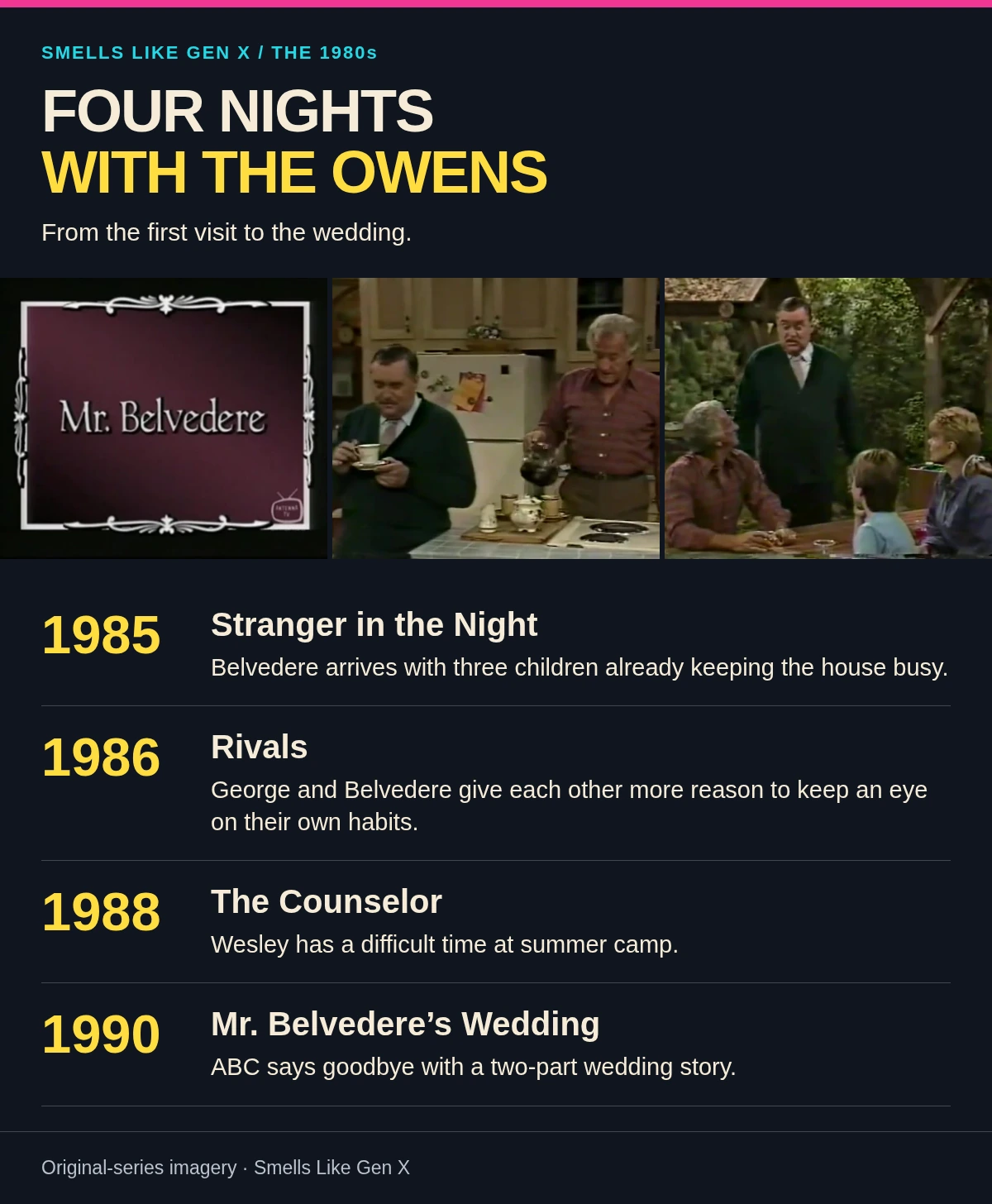
In “Stranger in the Night,” Belvedere turns up at a house in the middle of having three children. Kevin has a report card he’d rather discuss some other time. Heather has a boyfriend situation. Wesley’s hamster is loose. I love the decision to make the visiting Englishman walk into a house already in motion. Anybody who’s ever tried to get a family to be on its best behavior for a visitor can guess how that goes.
Hewett could stand in a doorway and make you believe he’d sized up the whole place. There was a terrific confidence to it. You get the sense that he knows what things should look like when they’re done right, and that he’s willing to keep talking until the rest of the room has the same picture. George usually already has a picture. Uecker lets you hear how reluctant George is to give it up.
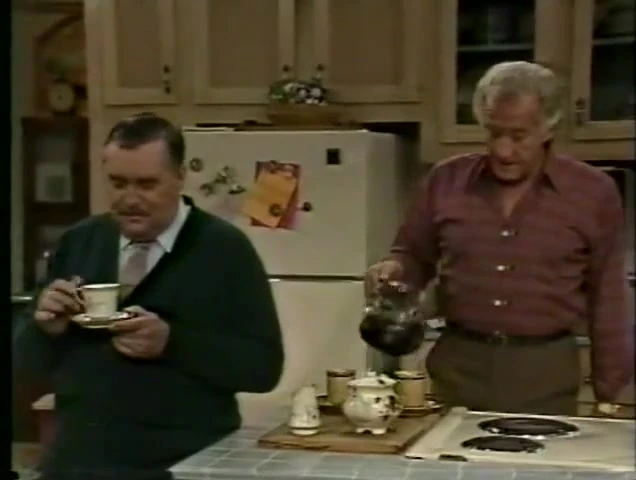
There’s a version of this show where the family gets the sensible visitor and proceeds to learn a lesson every week. What I enjoy watching is how much George and Belvedere can get on each other’s nerves. “Rivals” puts the two in a contest over their own habits. George is trying to give up smoking and Belvedere is trying to lay off junk food. A private decision would have given both men a chance to get on with their day. They’ve made a contest of it, so each has to worry about what the other one is eating or smoking and whether either of them gets to say he won.
Hewett had spent the previous television season on another ABC set, playing Lawrence in the last year of Fantasy Island. I have a soft spot for the distance between the two jobs. On the island, somebody stepping off the plane came with a whole new wish to sort through. At the Owens house, Hewett might have a problem with a hamster and a kid who knows exactly where he last saw it.
Bob Uecker and Ilene Graff made it feel like their house
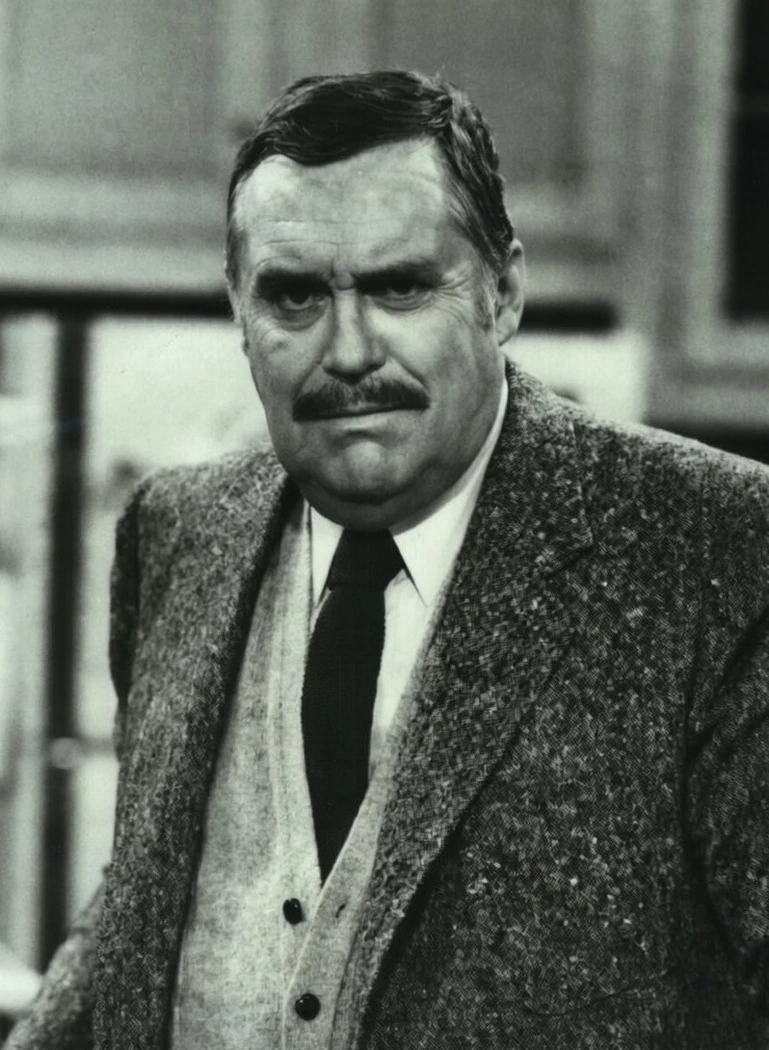
Some of us had heard Uecker call a ballgame before we saw him stand next to Hewett. Some of us heard him on a game later and recognized George. The fact that he spent decades calling Milwaukee Brewers games is easy to fit alongside the memory of his delivery on this show. He could make a plain answer sound like the best part of the conversation without changing the volume much.
George takes that voice with him when he coaches Wesley’s baseball team in “The Field.” He puts enough pressure on Wesley to bring his own history as a player into the discussion. The episode understands the awkward part of having your dad as a coach. If he’s your ride home, you’re going to keep hearing his thoughts on the game after everybody else gets to go home with theirs.
Marsha was doing something I remember seeing real adults do and seldom understanding as a kid. She was studying while the house went on around her. In “The Dropout,” she’s having a rough time with exams and thinks about giving it up. Graff makes it easy to see why you’d get to that point. Whatever you have planned after dinner still has to happen in a house where people think you might be free after dinner.
I think the decision to give Marsha work she cared about makes a difference to every little thing the family asks of her. There’s a reason to have someone in the house who can pick up a responsibility without needing her to explain the whole thing first. And there’s something funny about watching that person turn out to have his own very definite way of doing every job.
Kevin and Heather got older while Wesley kept the house busy
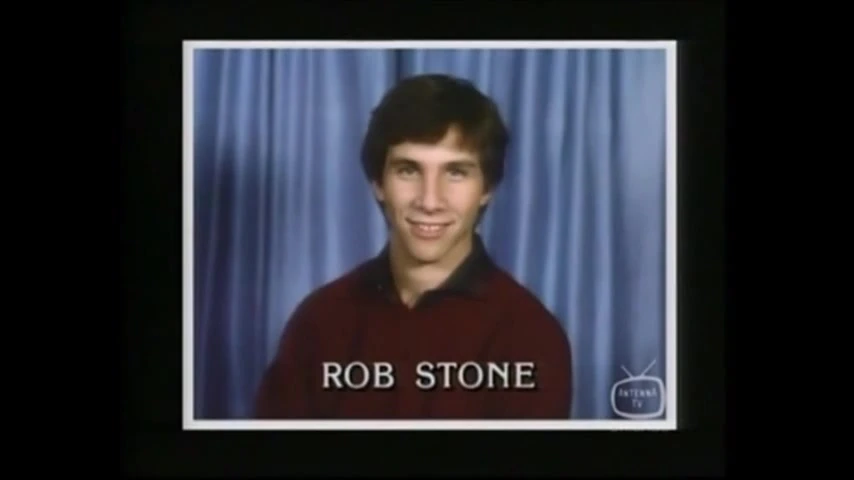
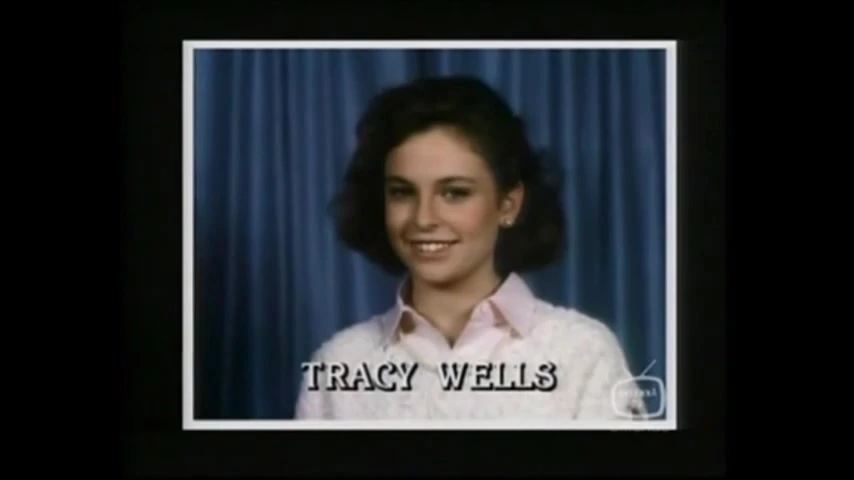
Rob Stone’s Kevin, Tracy Wells’s Heather, and Brice Beckham’s Wesley feel like siblings who know how to leave each other alone for exactly as long as it takes to make the next thing somebody else’s problem. Kevin’s working on that move from being a kid with a room to somebody trying to live away from home. Heather’s got school, friends, and enough opinions of her own to keep the rest of them from speaking for her. Wesley has figured out how much time an adult will give him to explain himself if he looks innocent at the right moment.
I like “The Outcasts” for the way it leaves Wesley in charge of one of his own choices. He’s among the kids who don’t get invited to a classmate’s party. Belvedere suggests he throw his own. Then the invitation arrives and Wesley walks out on the kids who came to his. You can see why he takes the invitation. You can also see how it feels to be in the house he’s leaving. A lot of growing up happens in the space between those two pictures.
“Heather’s Tutor” starts with a parent’s familiar decision to get help for a kid who’s struggling in class. Heather needs help with French. She’s excited to hear the tutor is a boy and has her own assumptions to get past when she finds out he’s blind. That’s a story Heather gets to carry, and I’m glad the show gave her an afternoon without expecting her to be there mainly to tell Wesley he was annoying.
By the time Kevin has a roommate who keeps a goat in the apartment, in “Roommates,” the Owens kids have grown far enough to bring in a different kind of trouble. Moving out sounds like a pretty clean break until you’re standing in an apartment wondering why someone else thought a goat was a reasonable part of the arrangement. I can see why it felt natural to check in on Kevin even when the interesting thing was happening away from the house.
The Friday when Wesley had to think about a friend
“Wesley’s Friend” aired January 31, 1986. Danny, a boy Wesley knows from school, has AIDS. Parents are frightened, the boy is taken out of school, and Wesley takes what he’s hearing to heart. Beckham has to play a kid trying to put adult conversations together from what he’s heard. The confusion has consequences for somebody he likes.
There’s a detail in that setup I still find hard to shake. Danny’s used to seeing Wesley at school. A friendship that had been a regular part of his day now depends on whether somebody will come to see him. Kids notice who is standing next to them, who makes an excuse to leave, and which adults have begun talking over their heads. The episode gives that experience room on a Friday night in early 1986.
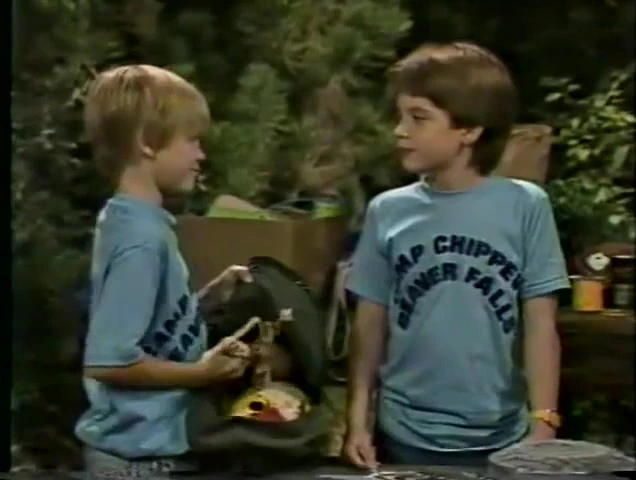
Putting it next to an episode about a hamster tells you quite a bit about the time the Owens family spent on television. One week you could be there to see whether a kid would get away with something. Another week you could watch him have to take responsibility for the way he had treated a friend. You knew enough about him to have some idea how hard it would be for him to admit what he’d been doing.
“The Counselor,” two seasons later, follows Wesley after a camp counselor touches him inappropriately and asks him to keep it secret. It’s another episode about who a kid can talk to when an adult has put him in a position he shouldn’t have had to deal with. The family is already familiar by then, which gives the conversations between them room to be about what just happened. They have a shared life that existed before the episode and has to go on after it.
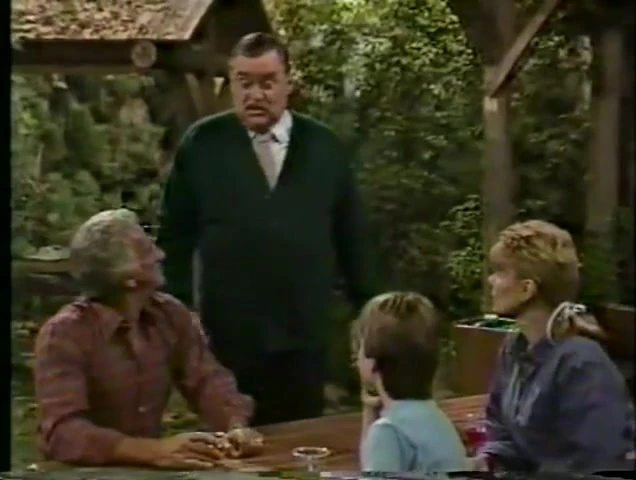
When I go back to those episodes, I also like to spend a little time with George and Marsha in the parts of the evening when neither one of them has much to do. The short conversations over the counter make it feel like a family you could visit any week. There’s room in that kitchen to be somebody who’s got a whole day to catch up on and still listen when a kid comes downstairs with something bigger.
The opening song and the book at the end
The theme is “According to Our New Arrivals,” written by Gary Portnoy and Judy Hart Angelo and performed by Leon Redbone. I can hear the grain in his voice before I can remember a single word. He sounds as if he’s been invited to play in the living room and already knows everybody there. That’s about as good a way into a sitcom as I can think of.
The photograph-album look of the opening fits the show too. It asks you to look at people who already know each other’s habits. You can join a family sitcom because you have time for a few jokes and find yourself interested in how the family has changed since the last time you saw it. Kevin looks older. Marsha is closer to doing what she’s been studying for. George will give you an opinion about any of it.
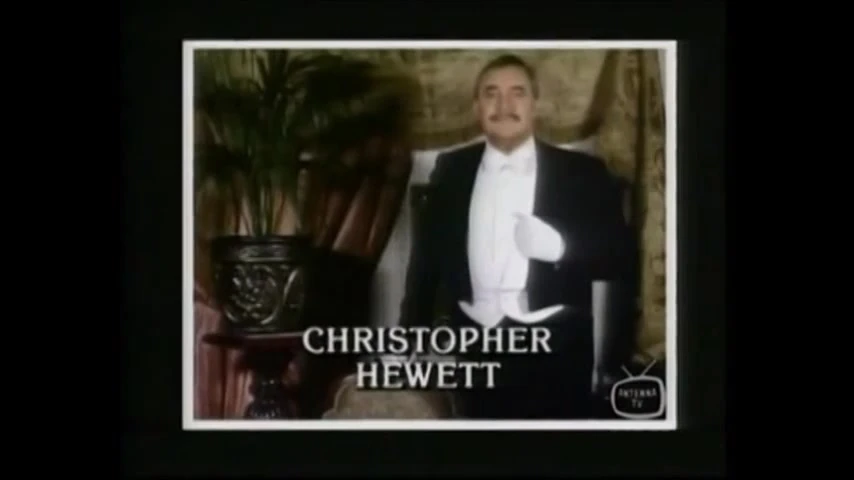
At the end, Belvedere would sit with his journal and get the last word. I liked the feeling that he was going to remember the evening after the rest of the house had turned in. After half an hour of hearing him spar with George, you got a moment to hear how he put the whole thing together on his own. It made the next week feel like another entry in a book he was going to keep.
The journal is one reason I can imagine wandering into an episode after the opening and still knowing where I am by the end. Reruns could scramble where a person was in the family’s story. Belvedere still sat down to write. Redbone still sang the song when you caught it from the top. Those were familiar sounds in a house you could recognize with the volume turned down.
One more visit to the Owens house
If you have time for one, I’d go back to “Stranger in the Night” and enjoy how many different things the family is already doing when he walks in. Try “The Outcasts” after it if you remember Wesley as being permanently one smart answer away from trouble. “Rivals” is a nice place to listen to Uecker and Hewett work. And there’s something worth sitting with in “Wesley’s Friend,” particularly if all you’ve remembered for years is the beginning and end of the show.
Mr. Belvedere made it through the rest of the decade and into 1990, when ABC aired its two-part wedding story. The end finally gave the family a reason to think about who was leaving the house. If you remember the series from the other things that were on when it arrived, the 1984–85 television lineup brings back the company it had in those first months. If it’s the kids and their family arguments you’re after, there’s more of that feeling in the ’70s years of One Day at a Time, right down to the amount of life that could happen between people in one room.
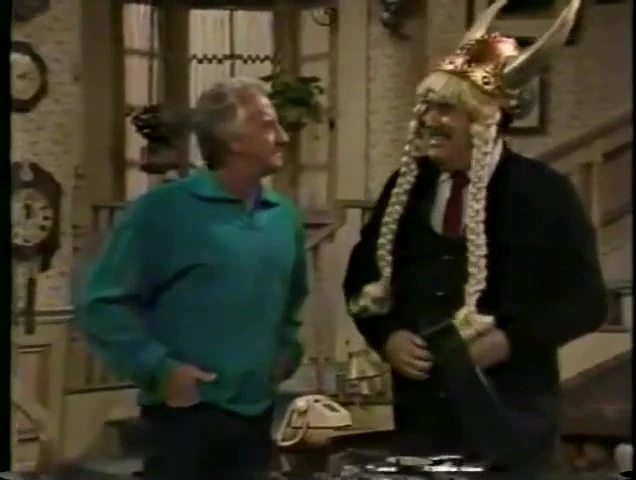
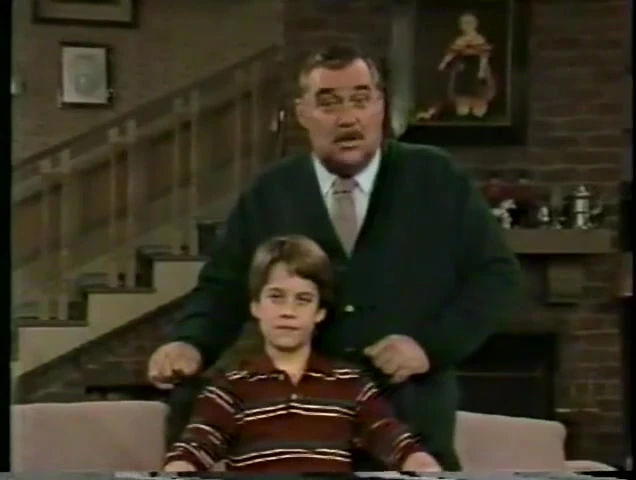
I mostly want to hear the music again and give George a minute to have a reaction to something. There’ll be a place in the house to stand while Wesley decides what to do next. If the show closes with a few lines in the journal, I’ll be happy to wait around and see what Belvedere made of it.
Questions about Mr. Belvedere
When did Mr. Belvedere originally air?
ABC aired Mr. Belvedere from March 1985 to July 1990, across six seasons. It began with “Stranger in the Night” on March 15, 1985, and ended its ABC run with the second half of “Mr. Belvedere’s Wedding” on July 8, 1990.
Who played Mr. Belvedere and the Owens family?
Christopher Hewett played Lynn Belvedere. Bob Uecker and Ilene Graff played George and Marsha Owens. Rob Stone played Kevin, Tracy Wells played Heather, and Brice Beckham played Wesley. It’s a household that’s very easy to recognize from a single conversation between Hewett and Uecker.
Who sang the Mr. Belvedere theme?
Leon Redbone sang “According to Our New Arrivals.” Gary Portnoy and Judy Hart Angelo wrote it. The theme’s voice and the scrapbook opening are two of the things that bring the show back quickest.
Was Mr. Belvedere based on an earlier character?
Yes. Lynn Belvedere came from Gwen Davenport’s novel Belvedere, and Clifton Webb played the character in three earlier films, beginning with Sitting Pretty. The ABC series put Christopher Hewett’s Belvedere in the Owens household.