Friends: How Six Twenty-Somethings Redefined 90s Adulthood
FRIENDSHow Six Twenty-Somethings Redefined 90s Adulthood
As a 90s sitcom, Friends made adulthood look less like having everything figured out and more like six people, two apartments, one coffeehouse and somebody answering the phone when your life went sideways.
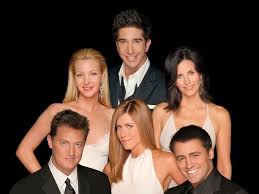
Why Friends Changed 90s Television
Friends changed 90s television by making chosen family the emotional center of young-adult life. Dating, jobs, rent, bad bosses, breakups and uncertain futures mattered, but the real promise was that the six friends would keep showing up for one another. The series turned that idea into one of the biggest sitcoms in America and helped make apartments, coffee shops and friend groups a mainstream picture of adulthood.
Why Friends Redefined 90s Adulthood
If you watched Friends in the 90s, the fantasy was never really the giant apartment. The fantasy was that the people you loved were always close enough to walk in without knocking.
That distinction is why Friends in the 1990s felt different from a lot of sitcoms around it. Plenty of shows had groups of friends before 1994. Plenty had young single adults. But Friends made the friend group feel like the primary household—the place where adulthood was processed, argued about, laughed at and survived.
Parents existed. Siblings existed. Jobs existed. Romantic partners came and went. But when something important happened, everybody ended up back in Monica’s apartment or on the couch at Central Perk.
That was a powerful picture of adulthood for a generation moving through a decade when the old markers of being “grown up” were already becoming less predictable. You could have a job and still not know what you were doing. You could be divorced in your twenties. You could move to the city without a plan. You could change careers, lose jobs, live with roommates and still be building a life.
Friends did not invent any of that. It made it look normal, funny and strangely reassuring.
That is why the series belongs near the center of our larger look at 1990s TV shows, sitcoms and prime-time classics. Its particular story is about what happened when the family room stopped being the only believable center of sitcom life.
How Friends Was Created by David Crane and Marta Kauffman
The creators did not begin by trying to build a global phenomenon. They were trying to get another pilot made.
David Crane and Marta Kauffman had just come off a short-lived series when they developed the idea that became Friends. In the Television Academy’s 30th-anniversary oral history, Kauffman said they wanted an ensemble comedy and that the material was close to them because they had lived it. Warren Littlefield, then president of NBC, remembered that they were writing what they knew from New York.

That is an important origin because the show’s basic emotional architecture is not complicated: the period in life when your friends can matter more day to day than your biological family because they are the people physically there.
The original concept went through titles and network notes before becoming the show we know. Crane and Kauffman have described NBC’s feedback, the casting process and James Burrows’ role in setting the pilot’s tone. The cast was not assembled as one star with five supporting players. The gamble was that all six would matter.
That ensemble decision is probably the single most important production choice the series made.
Jennifer Aniston, Courteney Cox, Lisa Kudrow, Matt LeBlanc, Matthew Perry and David Schwimmer brought six very different comic rhythms. Burrows understood early that the chemistry was the thing. The Television Academy’s oral history repeatedly comes back to the cast as a unit, not as interchangeable pieces around a premise.
The series premiered on NBC on September 22, 1994. The Television Academy lists the original run as September 22, 1994 through May 6, 2004: ten seasons and 236 episodes.
Friends premieres on NBC and starts building a Thursday-night audience.
The series becomes a top-ten hit and moves into the cultural center of NBC’s comedy machine.
Friends finishes the 1995–96 season at #3 and becomes one of television’s biggest shows.
The friend group is a national pop-culture institution, with Ross and Rachel driving enormous attention.
The show finishes the 1998–99 season at #2, proving it remained elite even after Seinfeld left NBC.
Friends wins the Emmy for Outstanding Comedy Series.
The Friends Cast: Why All Six Characters Mattered
The six characters are broad enough to identify instantly and complicated enough to survive 236 episodes.
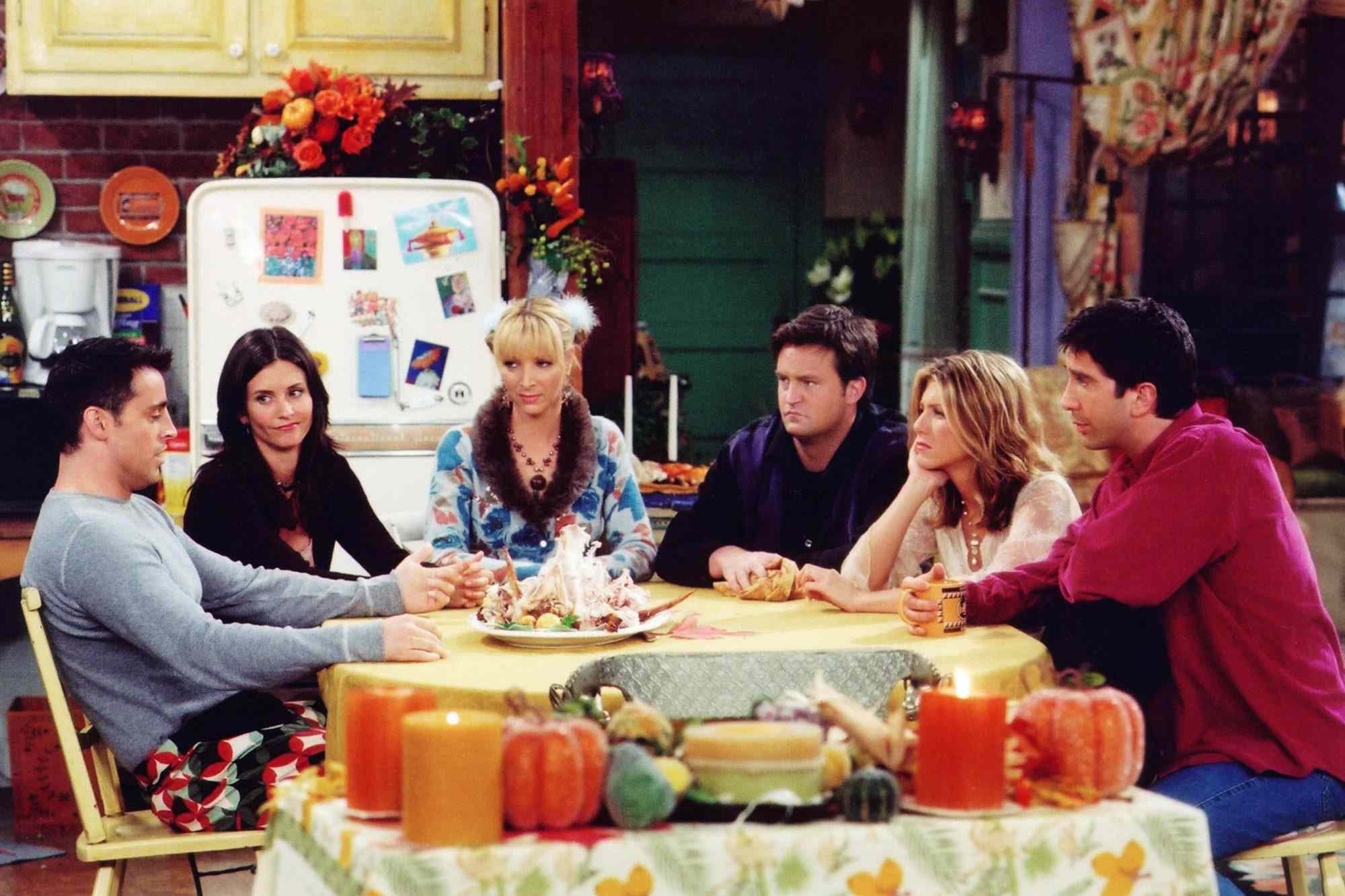
The balance matters. The show could temporarily center Ross and Rachel without becoming The Ross and Rachel Show. Monica and Chandler could become the most stable couple without pushing Joey and Phoebe into the background. Rachel could become a fashion icon without turning the rest into sidekicks.
That equality is hard to maintain over ten seasons. Most ensemble comedies eventually reveal who the real star is. Friends kept negotiating the center.
It also meant viewers could find different entry points. Some people identified with Chandler’s nervous humor. Some with Monica’s need to control the room. Some with Rachel’s late start. Some with Ross’s romantic intensity, Joey’s loyalty or Phoebe’s refusal to behave like anybody else.
How Friends Made Chosen Family the Center of 90s Adulthood
The series begins with Rachel leaving one family structure and immediately being absorbed into another.
She runs from Barry, finds Monica, and within minutes the show has announced its emotional thesis: adulthood does not have to begin with a spouse, a house or a perfect plan. Sometimes it begins with a couch and people who will let you sleep there.
That idea becomes stronger because the six are not just buddies who meet for jokes. They help move apartments. They sit through bad dates. They show up at hospitals. They celebrate holidays when relatives are far away. They loan money, cover rent, babysit, lie for each other and occasionally ruin each other’s lives before helping repair the damage.
The emotional center is practical. Friendship means access.
That is one reason the show traveled so well beyond its original decade. The exact clothes, phones and hairstyles date it beautifully, but the fear underneath does not date: What if I do not have everything figured out yet? What if the career is wrong? What if the relationship ends? What if my family does not understand what my life looks like?
Friends answers with six keys and a coffee shop.
The wider television shift from family-centered sitcoms toward apartments, dating and chosen-family adulthood is explored in why 90s sitcoms started being about friends. Here, the point is how completely these six made that model feel like home.
The Friends Apartments: Why Monica’s Place Became the Center of the Show
Eventually every discussion of Friends reaches the apartment question: how could they afford those places?
The show itself gives some explanation for Monica’s apartment through rent control and family history, but the larger point is obvious. The apartments are television spaces. They are big enough for six people, camera crews, entrances, exits and stories.
Still, focusing only on real-estate math misses why those rooms became iconic.
Monica’s apartment is not aspirational because of the square footage. It is aspirational because everybody is there. The purple door, the kitchen table, the couch and the window become visual shorthand for the place where life gets processed.
Across the hall, Chandler and Joey’s apartment is the looser male version: foosball, recliners, television, food, bachelor clutter and whatever ridiculous object has entered that week.
The apartments also let adulthood stay communal. Nobody disappears into a suburban house after getting a job. Even when relationships become serious, the show keeps pulling people back into shared space.
That lifestyle fits the broader rise of the single-adult sitcom in the 1990s, but Friends made the arrangement look less like a temporary holding pattern and more like a complete life stage.
Central Perk: Why the Friends Coffee Shop Mattered
Before coffee shops became laptop offices and delivery-app pickup zones, Central Perk looked like the place where you could somehow always find your people and the good couch.
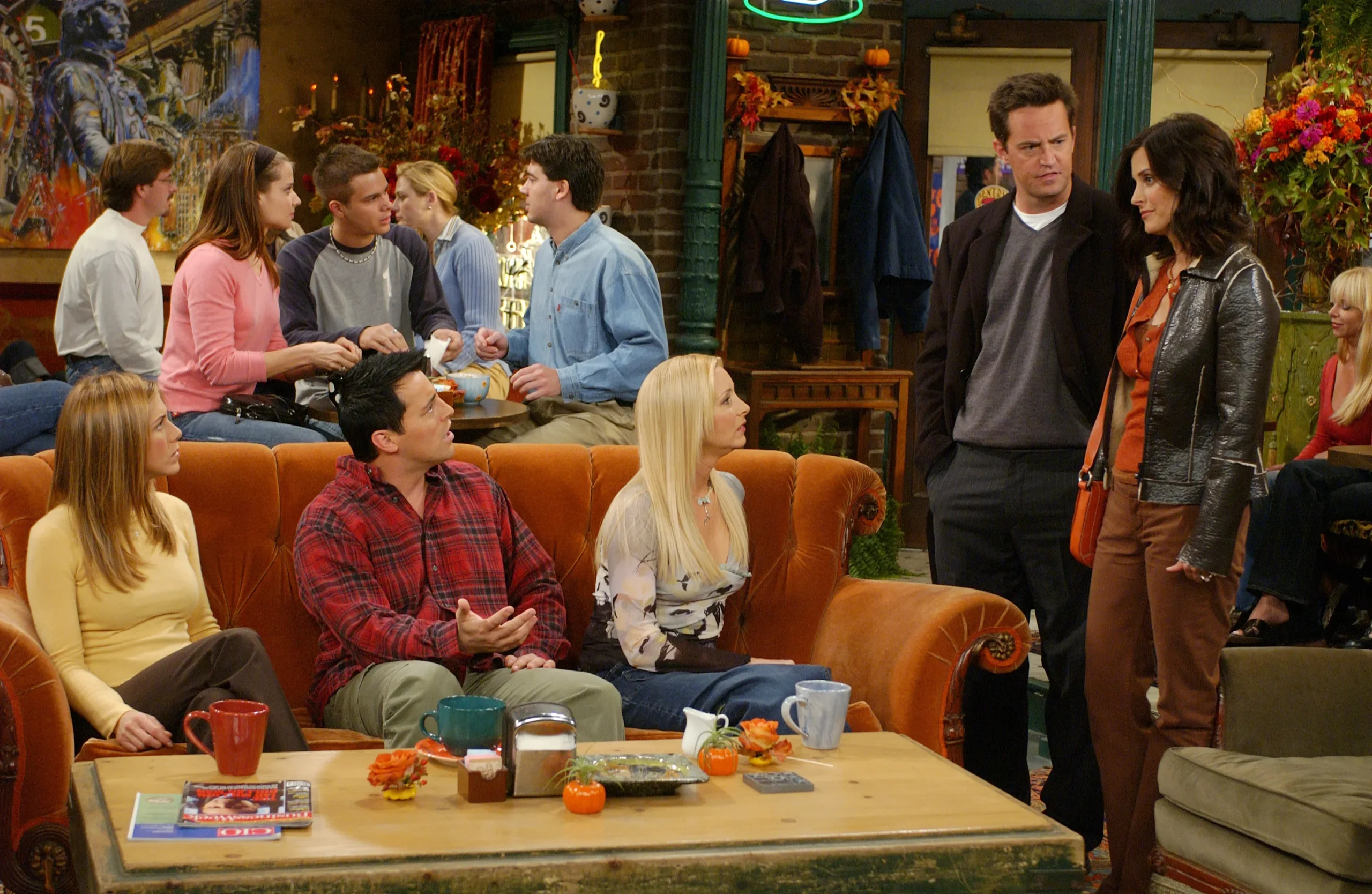
The coffee shop works because it is public and private at the same time. Other customers exist. Gunther exists. The city exists outside. But the orange couch operates like reserved seating.
That visual is essential to the show’s adulthood fantasy. The group has homes, but it also has a third place—a social room nobody owns.
Central Perk gives the characters somewhere to be when they are between things: between jobs, dates, decisions, apartments, shifts and crises. They can arrive with information and leave with a plan.
It also changes the rhythm of the sitcom. A family sitcom naturally gathers people at home. Friends can gather them in public without needing a workplace premise. The coffee shop is simply where the group is.
Gunther becomes the perfect supporting presence because he lives inside that routine. He watches Rachel. He serves coffee. He quietly exists at the edge of the group without ever becoming part of the six.
The set became culturally recognizable because the show repeated it constantly. The couch, brick walls, mugs and oversized cups were not branded as nostalgia while we were watching. They became nostalgia because repetition turned them into memory.
Rachel Green: From Runaway Bride to Independent 90s Icon
Rachel enters the series in a wedding dress because the show wants us to see the exact second her old life stops working.
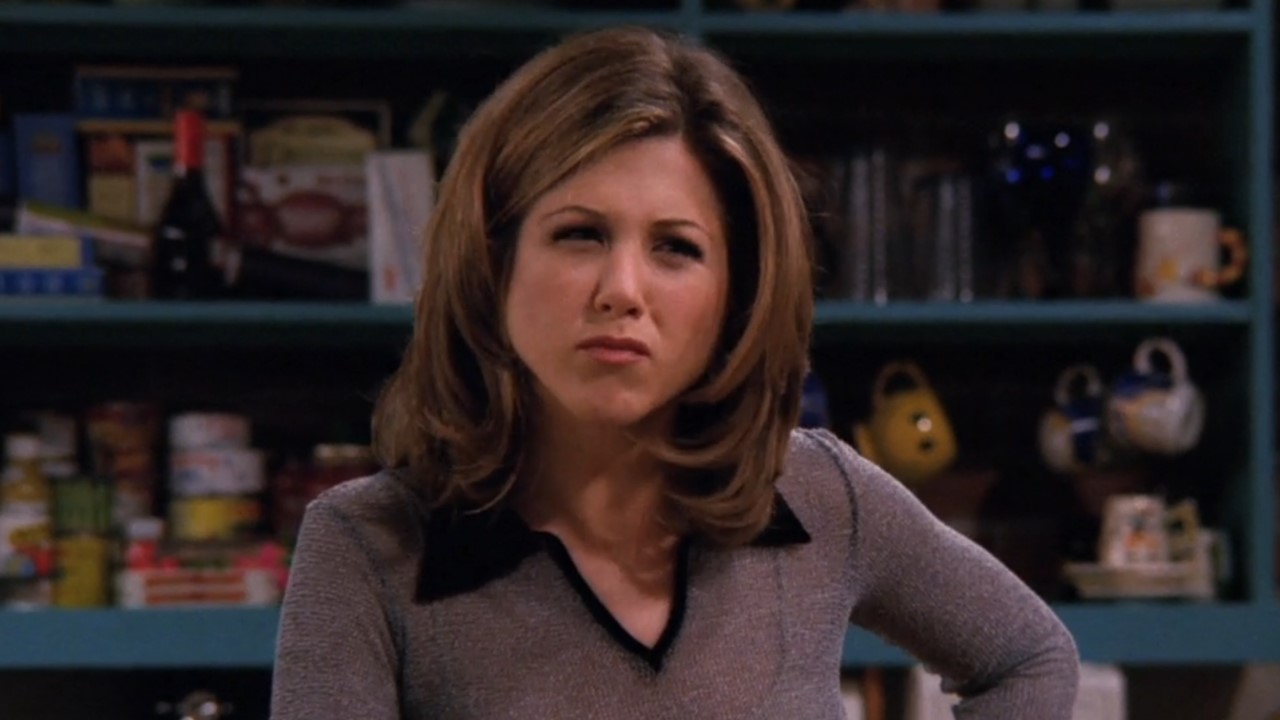
She has money behind her, but not independence. She knows what kind of life she was expected to live and has almost no idea how to create another one.
That makes her the audience’s doorway into the group. Monica already has a career. Ross is already divorced and employed. Chandler has an office job. Joey is pursuing acting. Phoebe has already survived enough life for three sitcoms. Rachel is starting.
Her first jobs are not glamorous. The coffeehouse work matters because it makes independence physical: shifts, tips, bad customers, being tired, being bad at something and having to keep showing up.
Then the fashion career starts to take shape. Rachel’s growth is not only romantic, though pop culture sometimes reduces her story to Ross. By the later seasons she has built professional competence, ambition and identity separate from who she is dating.
That arc helped make her such a strong 90s figure. The clothes and hair made her iconic, but the deeper fantasy was reinvention.
You could leave the expected path and become somebody else.
Ross and Rachel: Why Their Relationship Took Over 90s TV
If you watched the show while it aired, Ross and Rachel were not merely a storyline. They were an ongoing public referendum.
The series starts planting Ross’s feelings early. Rachel grows into the possibility more slowly. Once they get together, the show discovers the engine that will power years of anticipation, jealousy, reconciliation and argument.
The creators understood that putting them together permanently too early would remove tension. Warren Littlefield recalled in the Television Academy’s oral history that Crane and Kauffman knew how much of the series hung on Ross and Rachel and the roadblocks between them.
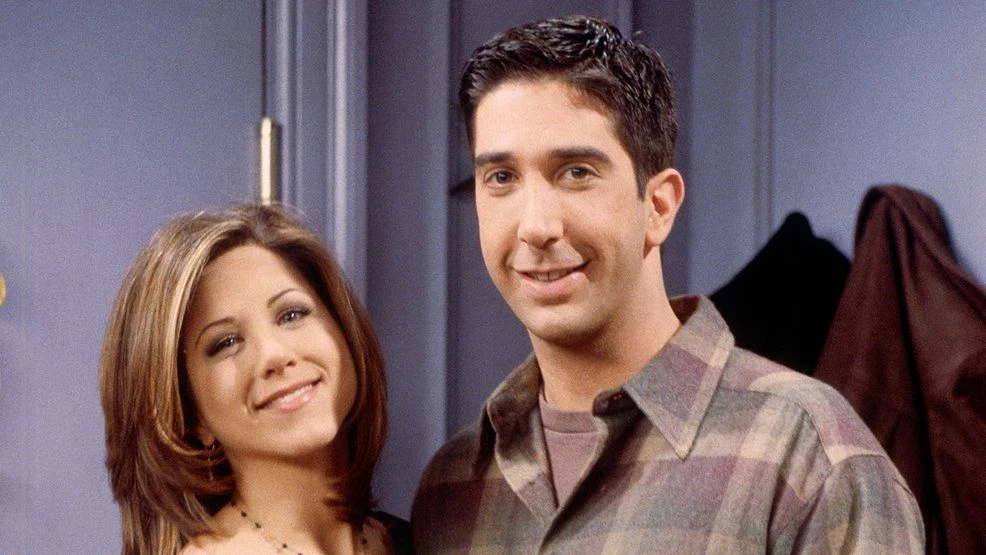
The famous break becomes the perfect Friends argument because both sides can explain themselves. Ross hears separation. Rachel hears space. Ross acts. Rachel feels betrayed. The phrase becomes cultural shorthand because the show never lets the disagreement resolve cleanly.
That ambiguity is more useful than a simple answer.
Ross and Rachel also reveal the difference between Friends and Seinfeld. Seinfeld can build an episode around why a tiny habit disqualifies somebody from dating. Friends wants the relationship to matter deeply, even while making the mess funny.
Romance is not incidental here. It is one of the ways adulthood is negotiated.
That is also why the eventual child, Emma, changes the story without instantly turning the series into a family sitcom. Ross and Rachel become parents, but the six-person social structure remains intact.
Monica and Chandler: The Friends Romance That Grew Up With the Show
Ross and Rachel were the romance everybody expected. Monica and Chandler were the one that grew into something steadier.
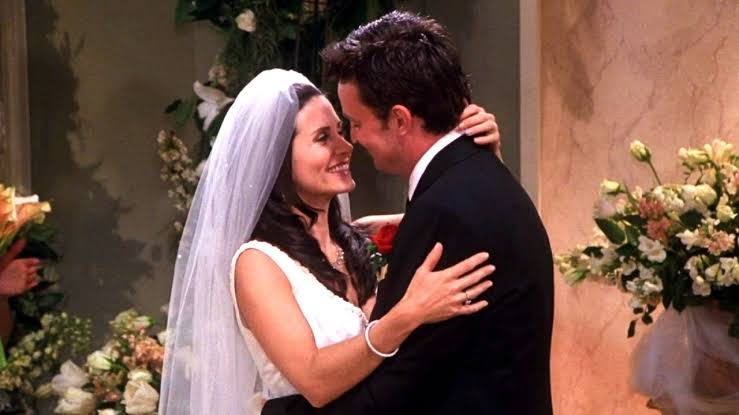
The creators have said the London hookup was not originally designed as the permanent future of the series. It worked so well that they followed it.
That flexibility matters. Monica and Chandler have years of friendship behind them before romance begins. The audience already knows how they annoy each other. They already share the group. They already have history.
So when the relationship starts, it feels less like two characters being paired because a sitcom needs a new couple and more like the social map quietly changing.
Chandler benefits enormously. His sarcasm begins as emotional armor. Monica does not remove the humor, but the relationship gives him room to become less afraid of commitment, family and responsibility without becoming a different person.
Monica also gets a partner who appreciates the part of her intensity that other characters sometimes treat as exhausting. He can make fun of the labels, the cleaning and the competitive streak while still choosing the whole package.
Their infertility and adoption story later gives the series one of its most adult arcs. The fantasy of 90s young adulthood has to grow up eventually. Monica and Chandler become one way the show lets it.
They do not replace the group. They become a family inside the chosen family.
Chandler and Joey: Why Their Friendship Mattered
The recliners, foosball table and endless sandwiches are the visual jokes. The real story is how much these two men love each other without needing the show to make a speech about it every week.
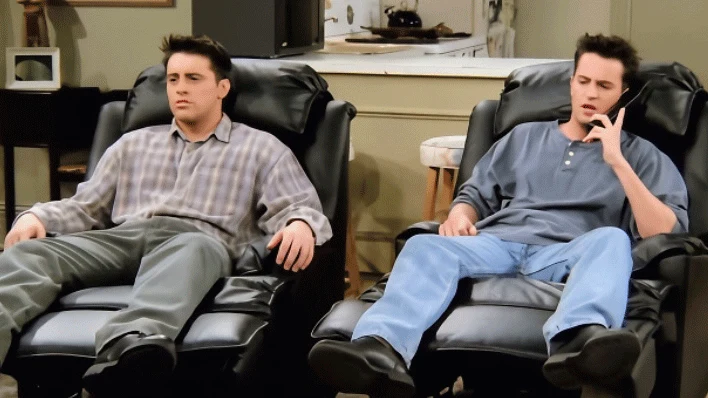
Chandler supports Joey financially and emotionally. Joey gives Chandler a relationship where vulnerability can hide inside stupidity until it is safe to come out.
Their roommate stories are among the show’s purest sitcom material because the stakes can be tiny: furniture, television, food, a pet chick, a duck, a missing item, a bad audition.
But the friendship becomes emotionally serious whenever it has to. Moving out matters. Chandler getting married matters. Joey’s fear of being left behind matters.
The show lets male friendship be affectionate without apologizing for it. They hug. They worry. They become jealous of replacement roommates. They build rituals.
That tone was not revolutionary in isolation, but the scale of the show made it culturally visible. Millions of viewers watched two adult men treat friendship as one of the central relationships in their lives.
And the comedy works because their personalities fit like damaged puzzle pieces: Chandler thinks too much; Joey thinks just enough to keep walking.
Phoebe Buffay: Why the Weirdest Friend Was Also the Toughest
Phoebe can be easy to reduce to songs, crystals and weird stories. Then you remember the stories involve homelessness, parental abandonment and a childhood with almost no stability.
That contrast gives Lisa Kudrow room to make the character both absurd and tough.
Phoebe is not naive. She has simply decided that conventional rules deserve to prove themselves before she follows them.
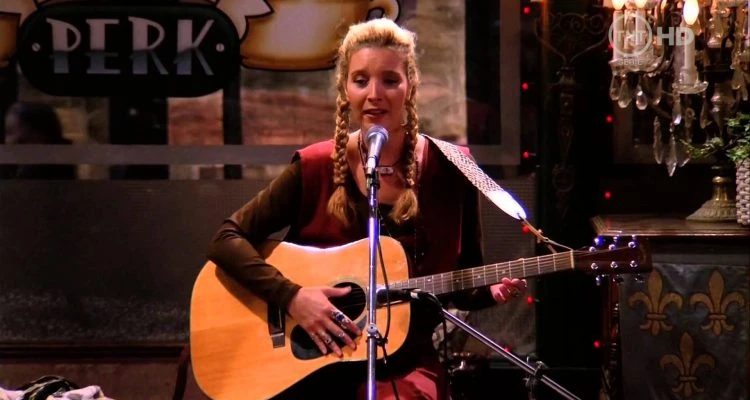
Her music works the same way. “Smelly Cat” is funny because it is sincere. Phoebe does not perform like a comedian trying to be bad. She believes the song deserves an audience.
The surrogate pregnancy storyline, developed after Kudrow became pregnant, gives Phoebe one of the series’ most emotionally substantial arcs. Crane and Kauffman have said the writers saw the real-life pregnancy as an opportunity and built a story with genuine stakes around it.
Phoebe can also challenge the group’s comfortable assumptions because she comes from a different economic and family background. She is the least impressed by polish.
When Friends risks becoming too glossy, Phoebe is often the person who reminds us that life outside those apartments can be strange, unfair and impossible to organize.
Jobs on Friends: How the Sitcom Made Career Confusion Feel Normal
One of the most accurate things about the series is how few characters begin with the career they end up wanting.
Starts in a coffee shop and gradually builds a fashion career through entry-level work, office politics and ambition.
Knows she wants to be a chef, but that does not protect her from bad restaurants, unemployment, humiliating jobs or difficult bosses.
Has a stable office career almost nobody can clearly explain—including his friends—and eventually decides stability is not the same thing as satisfaction.
Lives the unstable actor life: auditions, commercial gigs, sudden success, sudden unemployment and the possibility that lunch is the most dependable part of the day.
Has the most conventionally defined career, but paleontology becomes both genuine expertise and a reliable source of jokes about how nobody else understands why he cares.
Works outside corporate adulthood almost entirely, building a life around massage, music and the kind of flexible identity the others sometimes envy.
This matters to the show’s picture of adulthood. Careers are important, but they are not clean ladders.
Rachel’s evolution is probably the clearest. She does not simply discover she is talented and jump to the top. She gets bad work, learns, makes mistakes and gradually becomes professionally credible.
Chandler’s story is the opposite. He has the adult-looking job first and only later admits he does not want it.
That was a useful 90s message without becoming a message episode: adulthood is not a straight line from school to perfect career.
Money on Friends: When the Sitcom Admitted Young Adulthood Was Expensive
For a show famous for suspiciously spacious Manhattan apartments, Friends could be surprisingly sharp when it let class differences into the room.
“The One with Five Steaks and an Eggplant” is the key example. Some of the group can afford expensive dinners, concerts and celebrations. Others cannot. The richer friends think they are being generous. The poorer friends feel embarrassed and controlled.
That is adult friendship in a sentence.
Money changes the balance even when nobody intends it to. One friend can casually say yes to a plan another friend has to calculate.
The episode works because it refuses to make either side cartoonishly wrong. Generosity can feel like pity. Pride can make help harder to accept. Group traditions cost money.
The larger series often floats above financial realism, but moments like this keep the adulthood fantasy connected to something true.
Rachel’s early dependence, Joey borrowing money from Chandler, Monica’s employment problems and Phoebe’s different background all create pressure underneath the glossy surface.
That pressure is part of why the group matters. Friendship is emotional support, but sometimes it is also somebody covering dinner.
Friends Fashion in the 90s: The Rachel and the Look of the Decade
You can argue about the most influential hairstyle in 90s television, but you cannot have the argument without Rachel Green.
“The Rachel” became a cultural event: layered, face-framing hair copied far beyond the show’s audience. Marta Kauffman has joked in Television Academy interviews that creators do not set out to make people wear their hair or dress like characters, but that is exactly the kind of influence Friends acquired.
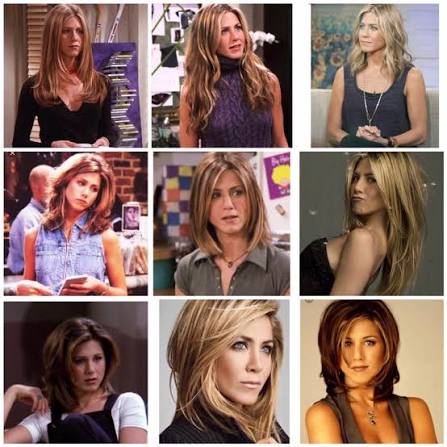
Jennifer Aniston eventually became more ambivalent about the hairstyle than the public was, but by then the look had escaped the show.
Fashion mattered because the characters represented different versions of 90s adulthood. Rachel could move with trends. Monica was cleaner and more practical. Phoebe could layer patterns and textures like rules had never reached her neighborhood. Chandler’s oversized shirts and sweater vests now date episodes instantly. Joey’s leather jackets and simple basics fit his confidence. Ross often dresses exactly like a paleontologist trying not to look like a paleontologist.
The clothes become a timeline. Early seasons still carry some leftover early-90s volume and color. Later seasons move toward the cleaner shapes of the late decade and early 2000s.
That visual change is part of the pleasure of rewatching. Nobody announces, “It is now 1998.” The silhouettes tell you.
And because the show had such an enormous audience, the relationship worked in both directions. The series reflected fashion and helped amplify it.
Friends Catchphrases: How You Doin’, Pivot and the Lines Everyone Repeated
The show was warmer than Seinfeld, but it was just as capable of sending phrases out into real life.
The phrases work because the performances matter more than the words. “How you doin’?” is not funny on paper. Joey’s confidence makes it a character.
Chandler’s speech pattern becomes cultural shorthand because Matthew Perry can stretch stress and emphasis until an ordinary sentence reveals panic.
The show also builds recurring verbal rituals rather than only catchphrases. Ross correcting people. Monica escalating. Phoebe making a bizarre claim and moving on before anybody can challenge it.
By the late 90s, the series had become one of those shows where a line could be repeated at school or work the next day and everybody knew the source.
Friends Supporting Characters: Janice, Gunther, Richard and the People Around the Six
A long-running sitcom needs people who can walk into the room and change the temperature immediately.
Janice is the perfect example. Maggie Wheeler’s voice announces the problem before Chandler has time to react. She begins as a girlfriend Chandler cannot quite escape and evolves into a recurring force of fate.
Gunther works in the opposite direction. He is quiet, always present and emotionally defined by his unreturned feelings for Rachel. Central Perk feels like a real place partly because Gunther seems to exist there even when the six are not paying attention.
Tom Selleck’s Richard gives Monica a relationship with genuine adult weight. The age difference matters, but so does the fact that Richard is stable in ways the six are not. Monica eventually has to decide whether emotional comfort is enough when their futures do not line up.
Carol and Susan widen Ross’s family story and were significant recurring lesbian characters on a giant network sitcom. Their wedding episode drew an estimated 31.6 million viewers in January 1996 according to Nielsen figures reported by the Los Angeles Times.
Mr. and Mrs. Geller, Rachel’s sisters, Phoebe’s family, Joey’s acting contacts and Chandler’s parents all let the show bring outside history into the apartments.
Guest stars eventually became part of the machine too, but the strongest supporting characters work because they reveal the six rather than distracting from them.
Friends Thanksgiving Episodes: Why They Became a 90s Tradition
If Friends has a sacred holiday, it is Thanksgiving.
The annual episodes matter because Thanksgiving is the family holiday most easily reassigned to friends when you are young, broke, far from home or simply avoiding relatives.
Monica cooking becomes the ritual center. Everybody arrives with expectations. Somebody ruins something. Old stories surface. Relationships shift.
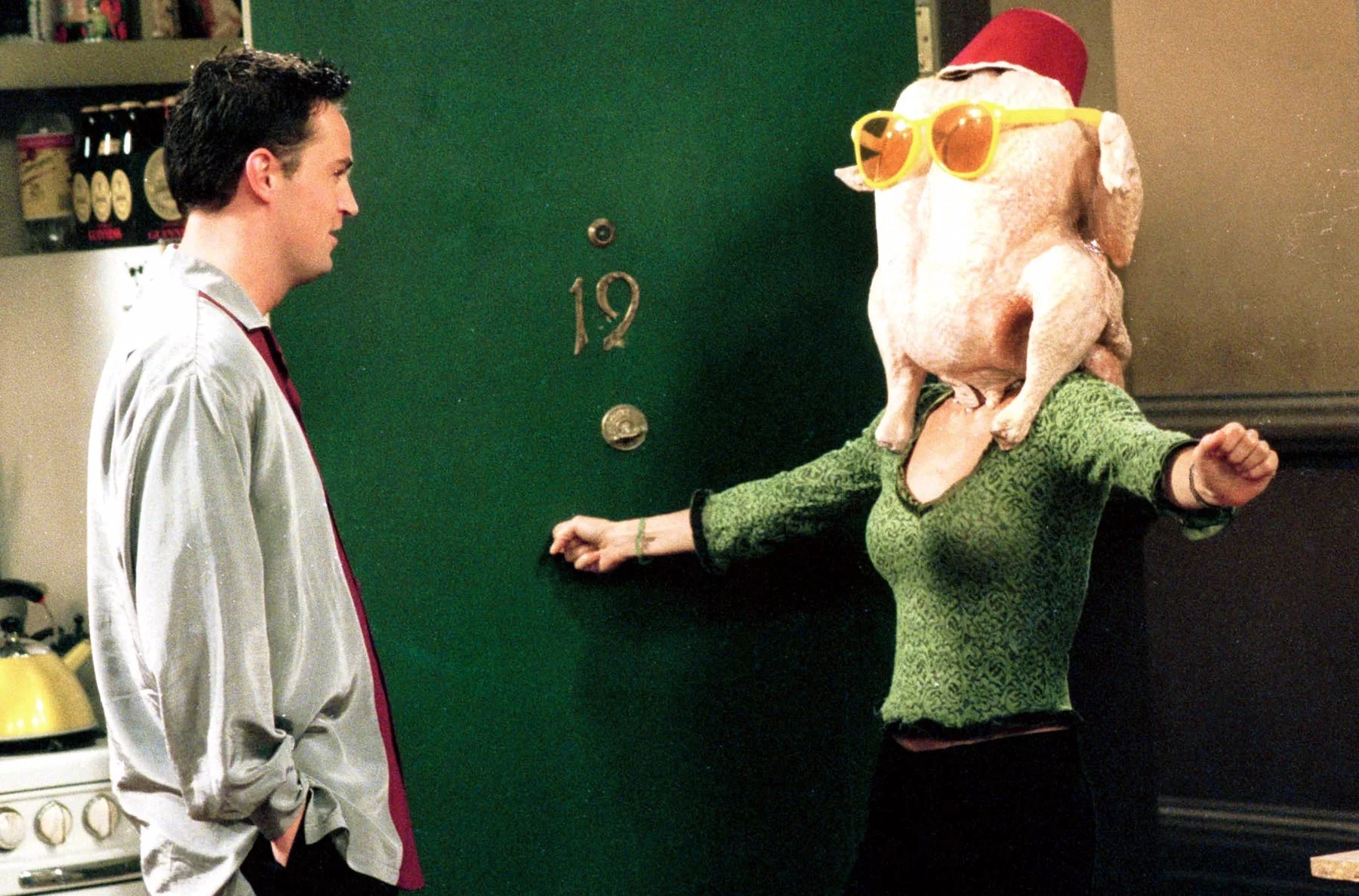
The flashback episodes use Thanksgiving to expose earlier versions of the characters: Monica before her weight loss, Chandler before his later emotional growth, Rachel before independence, Ross before the current romantic mess.
Those episodes are funny because they turn nostalgia into evidence. Everybody has a past the rest of the group remembers differently.
Thanksgiving also makes the show’s chosen-family idea visible without explanation. The people at the table are the household.
For viewers, repetition turned the episodes into appointment viewing inside appointment viewing. Thursday night was already a ritual. Thanksgiving Friends became another layer of it.
Essential Friends Episodes That Explain Why the Series Mattered
This is not a ranking. These are episodes that reveal different pieces of the show’s emotional and comic machinery.
“The One Where Monica Gets a Roommate”
The pilot establishes the whole premise through Rachel’s arrival: leave the expected life, enter the friend group, figure the rest out later.
“The One with the Prom Video”
Ross and Rachel’s history becomes emotional evidence, and the phrase “He’s her lobster” enters the show’s permanent language.
“The One with the Lesbian Wedding”
Ross’s former wife Carol marries Susan in an episode that reached a massive network audience and placed their family structure inside mainstream prime time.
“The One with the Morning After”
The Ross-and-Rachel break explodes into the emotional argument that would follow the series for years.
“The One with Ross’s Wedding”
London changes the long-term map of the series: Ross says the wrong name, and Monica and Chandler quietly begin something the writers would decide to keep.
“The One Where Everybody Finds Out”
Monica and Chandler’s secret turns into a perfect ensemble farce, with Phoebe and Chandler trying to out-commit each other while everybody else watches.
“The One with Ross’s Sandwich”
Ross’s stolen lunch becomes a workplace breakdown, while the episode also captures the late-90s moment when the show could make almost any phrase stick.
“The One Where Rachel Has a Baby”
The chosen-family premise has now grown into actual parenthood without dissolving the group that carried everyone there.
Friends Ratings: How the Sitcom Became One of the Biggest Shows of the 1990s
The cultural memory can make it seem like Friends was always inevitable. The ratings show something more interesting: it rose quickly, then stayed elite for years.
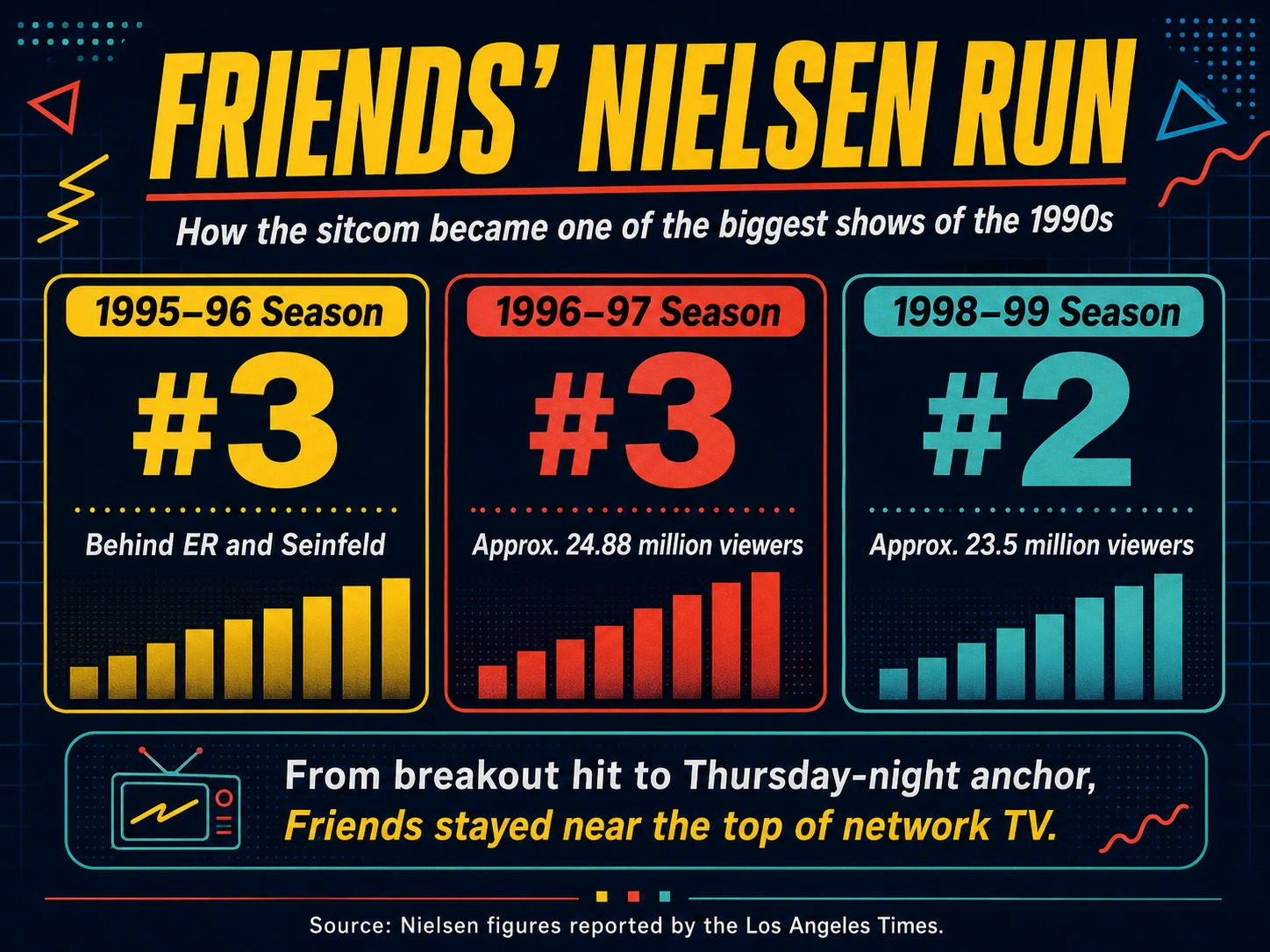
The 1995–96 ranking matters because it puts the show inside the extraordinary NBC Thursday stack: ER #1, Seinfeld #2, Friends #3. Our guide to the top TV shows of 1996 shows the larger board.
The following season was even stranger at the network level. NBC placed seven of the top ten programs in 1996–97. Friends averaged about 24.88 million viewers. The 1997 Nielsen rankings and our breakdown of how NBC put seven shows in the 1997 Top 10 show how concentrated the audience had become.
By 1998–99, after Seinfeld ended, Friends finished #2 with about 23.5 million viewers, behind only ER. That is why the top TV shows of 1999 matter to this story: the sitcom did not fade when the Thursday lineup changed. It became even more important to NBC.
If those numbers feel impossible now, our explainer on why 90s TV ratings were so much larger puts the network-era scale in context.
The point is not that ratings automatically equal quality. The point is that the show’s picture of young-adult life was being delivered to a truly mass audience.
Friends and Must See TV: How NBC Made Thursday Night an Event
For a big stretch of the 90s, Thursday night did not feel like one program. It felt like a block.
Friends became especially valuable because it could open the night. Viewers entered with six young adults and could remain on NBC through the rest of the comedy lineup and into ER.
The Television Academy’s creator interviews specifically discuss the show’s move into NBC’s Must See TV Thursday lineup and the early success that followed.
That schedule placement helped, but the relationship ran both ways. NBC gave Friends enormous exposure. Friends gave NBC a young, culturally loud hit that could define the beginning of the evening.
The strength of the night also gave NBC room to surround its anchors with comedies that could become huge for a season or two. That stranger side of the lineup lives in our look at the forgotten Must See TV sitcoms that were actually huge.
Our larger history of how NBC owned Thursday night with Must See TV follows the network strategy across the decade. Here, what matters is how the schedule became part of the memory of the show.
You did not merely watch an episode at some point. You watched it Thursday.
That is the difference between streaming familiarity and 90s appointment television. The clock was part of the experience. So was Friday morning.
A Ross-and-Rachel development, a guest star, a Thanksgiving episode or a giant cliffhanger did not wait for everyone to catch up at their own pace. Culture moved on the schedule.
Friends vs. Seinfeld: Two Opposite Visions of 90s Adulthood
Put the two shows next to each other and you can see how flexible the friend-group sitcom had become.
Both are centered on single adults in New York. Both live on NBC Thursday. Both use apartments, dating and friendship as major engines.
Then they split.
Seinfeld turns friendship into a committee on social violations. Friends turns friendship into emotional shelter.
Seinfeld asks what tiny habit makes another person impossible. Friends asks whether the person you love will still be there when you figure yourself out.
Seinfeld is suspicious of learning. Friends depends on growth.
Neither approach is more “90s.” Together they show why the decade’s sitcom center changed so dramatically.
For viewers, that meant Thursday could deliver both irony and sincerity without either show feeling like the other one.
What Friends Got Right—and Wrong—About Family and 1990s New York
The series is rightly criticized for how overwhelmingly white its version of New York was. That limitation is impossible to ignore in hindsight.
At the same time, some of its recurring family stories were unusually visible for a giant 90s network comedy.
Carol and Susan are the clearest example. Ross’s ex-wife and her partner are not a one-episode issue story. They recur, raise Ben and eventually marry.
The wedding episode aired in January 1996 and, according to Nielsen figures reported by the Los Angeles Times, drew an estimated 31.6 million viewers. Whatever the limits of the writing, that is enormous mainstream exposure for a lesbian wedding in mid-90s network television.
Phoebe’s surrogacy story later presents another nontraditional route to family. Monica and Chandler’s infertility and adoption story does the same near the end of the run.
The series did not stop being a broad commercial sitcom while doing these stories. That is part of their significance.
It also means the show’s legacy deserves both appreciation and criticism. Cultural influence is not the same thing as perfection.
Friends Theme Song: Why “I’ll Be There for You” Became Part of the Show
There are television themes you recognize. Then there are television themes that can make a room full of people clap in the right place without discussing it first.
“I’ll Be There for You” by the Rembrandts became inseparable from Friends, but the reason it fits is deeper than familiarity. The title says the whole premise.
The song does not promise success. It promises presence.
Your job is a joke. You are broke. Your love life is not going well. The answer is not that everything will suddenly work out. The answer is that somebody will be there.
That is the series in under a minute.
David Crane and Marta Kauffman have discussed the theme’s development in their Television Academy interviews, including music by Michael Skloff and the opening-title sequence built around the cast.
The fountain images are also a strange kind of perfection because they are not pretending to be documentary New York. They are pure television iconography: umbrellas, couch, water, six people having fun together.
Once the show became huge, the theme stopped functioning only as an opening. It became an audio logo for 90s television.
That is why hearing the first few notes can pull the whole visual world back instantly: purple apartment door, orange couch, oversized coffee mugs, Rachel’s hair, Chandler’s vest, Joey looking for food.
Theme songs were still part of how network television built ritual. You did not skip them. They marked the beginning of the half hour.
Friends Guest Stars: When Appearing on the Show Became an Event
Once a sitcom reaches a certain level, famous people stop feeling like casting and start feeling like evidence.
Friends eventually attracted an absurd list of guest performers: Julia Roberts, George Clooney, Brad Pitt, Bruce Willis, Reese Witherspoon, Christina Applegate, Gary Oldman, Susan Sarandon, Danny DeVito and many more.
The best appearances work because the celebrity is not the whole joke.
Bruce Willis plays against his action-star image as the intimidating father of Ross’s younger girlfriend and then becomes emotionally vulnerable in increasingly uncomfortable ways. Christina Applegate and Reese Witherspoon give Rachel sisters who explain, immediately, what Rachel escaped from and what parts of that upbringing still live inside her.
Brad Pitt’s Thanksgiving appearance works because the casting creates one expectation and the character’s history with Rachel creates another.
Tom Selleck’s Richard is different because he is not merely a stunt appearance. He becomes part of Monica’s emotional history and one of the most important relationships outside the core six.
The guest-star parade could have swallowed a weaker show. Friends usually survives it because the six-person chemistry remains the stable environment. Famous people enter their world rather than replacing it.
The Television Academy’s award history also shows how effective some of those appearances were. Bruce Willis won a guest-actor Emmy for his work on the series, and Christina Applegate won for playing Amy Green.
By the late 90s and early 2000s, appearing on Friends meant entering one of television’s most visible rooms.
That visibility is another way to understand the show’s scale. It was not merely popular with viewers. It had become a place other stars wanted to visit.
Friends as a 90s Time Capsule: Life Before Texts, Apps and Group Chats
A huge amount of the show’s plot machinery depends on a world where you cannot instantly know where everybody is.
There are landlines. Answering machines. Notes. Office phones. Surprise visits. People physically showing up.
If somebody leaves the apartment, information can actually miss them.
That sounds trivial until you compare it with modern storytelling. A smartphone can kill a misunderstanding in thirty seconds. Friends has room for missed connections because the technology allows them.
The same is true of work. You go to the office. You call the apartment. You leave a message. Somebody else answers.
The coffee shop matters more in that environment too. Central Perk is not merely aesthetic. It is a place where you know people might be.
Even dating feels different because online identity is not the default. You meet through work, friends, chance encounters and old relationships.
Watching now, those logistics can feel quaint. Watching then, they were invisible because they were simply life.
That is why the show can trigger memory so quickly. Sometimes it is not the plot. It is the sound of an answering machine.
Watching Friends in the 90s: When Thursday Night Was an Event
What I remember is not needing to explain the premise. Everybody already knew who Ross and Rachel were.
You did not have to be a superfan. The show was simply in the air.
The haircut was in the air. “How you doin’?” was in the air. The theme song was in the air. People argued about the break like they had been asked to testify.
That is what a mass-audience sitcom could do in the network era. It gave the country recurring reference points.
The show was also comforting in a way that is easy to underestimate now. You could turn it on and know the rooms. Monica’s apartment. Chandler and Joey’s place. Central Perk.
You knew the entrances and rhythms. Joey would be hungry. Chandler would make the joke. Monica would organize. Phoebe would destabilize something. Ross would explain too much. Rachel would arrive with another piece of adult life to figure out.
Comfort does not mean nothing changed. The relationships shifted constantly. Jobs changed. Children arrived. People moved.
But the show always knew where home was.
That is probably why reruns worked so well. The episodes were not only stories. They were places you could revisit.
Friends Finale: Why the Keys on the Counter Were the Perfect Ending
The final episode aired on May 6, 2004, outside the 90s—but its emotional logic closes the adulthood story the 90s began.
Ten seasons earlier, the group’s lives are built around proximity. By the finale, that structure cannot stay frozen.
Monica and Chandler are leaving the apartment. Parenthood has changed the household. Ross and Rachel finally make a decision. Joey and Phoebe have moved into different stages of life.
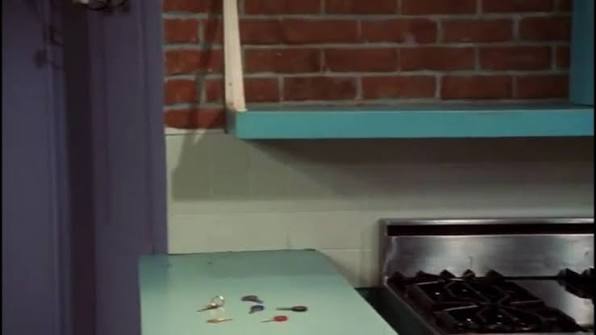
The keys left on the counter work because the apartment has always been more than a set. It is the physical symbol of the chosen family’s shared phase of adulthood.
The creators have said they wanted to end the show in a way that felt right, and the finale does not pretend the six will stop loving one another. It acknowledges something harder: friendship can remain even when the architecture changes.
That is a more adult ending than simply keeping everybody in the same room forever.
The Television Academy’s finale anniversary interview with Crane and Kauffman makes clear how little they originally expected the show to become a lasting institution. The fact that people still watch it at enormous scale remains surreal to them.
The finale works because the series finally does what young adulthood eventually has to do.
It leaves the apartment.
Friends Emmy Awards: When the Sitcom Finally Won Outstanding Comedy Series
The show’s popularity arrived long before its biggest series-level Emmy win.
The Television Academy lists 62 Emmy nominations and six wins for Friends. In 2002, the series won Outstanding Comedy Series.
That timing is interesting because it came in season eight, not during the earliest wave of cultural mania.
By then the show had already survived cast fame, giant contracts, shifting romances and years of expectations.
Jennifer Aniston won Outstanding Lead Actress in a Comedy Series in 2002. Lisa Kudrow had earlier won Supporting Actress. Guest performers including Bruce Willis and Christina Applegate also won.
Awards are not the reason the show lasted, but the 2002 Comedy Series win recognizes something the early “haircut and catchphrases” coverage sometimes obscured: the machine was durable.
Writing six characters, multiple romances, guest stars and long arcs inside a multi-camera network sitcom for that many years requires craft.
Friends’ TV Legacy: How It Changed the Friend-Group Sitcom
The television legacy of Friends is not that every later sitcom copied the orange couch. It is that the six-person social unit became normal enough that television no longer had to explain why friends could function like family.
Six adults whose primary day-to-day support system is each other no longer needed explanation.
Apartments, dating, work frustrations, chosen family and recurring hangout spaces became familiar sitcom architecture.
You can see that architecture echoed in later ensemble comedies even when the tone, city or characters are completely different.
The series also demonstrated the value of balancing romance with friendship. A show could have major couples without reducing everybody else to spectators.
Its enormous international afterlife amplified that model even further. New generations met the six through reruns and streaming rather than Thursday night, but the central fantasy remained understandable.
That is why Friends remains such an important companion to the larger story of 90s friend-group sitcoms: the trend was broader than one series, but this series became one of its most durable symbols.
Why Friends Still Matters Decades Later
The clothes date. The phones date. The apartments remain suspiciously large. The emotional promise barely dates at all.
That is why the show can be both a perfect 90s time capsule and a series people discover decades later.
It gives viewers an adulthood where uncertainty does not equal isolation.
Rachel can start over. Chandler can change careers. Monica can fail professionally and keep moving. Joey can fail auditions. Ross can survive divorce. Phoebe can build stability out of an unstable past.
Nobody does it alone.
The show’s limitations are real. Its New York is narrow. Its economics are often fantasy. Some jokes have aged better than others.
But the core idea survived because the need survived.
At its best, Friends is not about six unusually lucky people who got the perfect couch.
It is about six people becoming the place the others can land.
Monica Geller: The Character Who Quietly Held Friends Together
Take Monica out of the middle and the show loses more than one character. It loses the room everybody returns to.
Monica is easy to reduce to cleaning, competition and labels because the show makes those traits enormous. But underneath the jokes is the person who creates structure for everybody else.
She cooks. She hosts. She remembers. She turns holidays into events and ordinary nights into gatherings. Her apartment becomes the center of the group because Monica behaves like somebody who believes being together requires maintenance.
That is not always glamorous. Sometimes it means controlling the seating, obsessing over towels or reacting to a dirty surface like somebody has violated federal law.
But the same instinct makes her dependable.
Her professional story matters too. Monica knows what she wants—to be a chef—but knowing the destination does not make the road clean. She loses jobs, takes humiliating work, deals with sexist environments and keeps pushing.
That perseverance separates her from the stereotype of the “organized one.” Monica is ambitious.
Her relationship with food also carries family history and insecurity. The show’s flashbacks to her younger weight are often played broadly and not always gracefully, but they reveal how much of Monica’s adult control is built from an old fear of being judged.
Courteney Cox makes the contradiction work. Monica can be the most competent person in the room and still become the least rational person in the room if somebody says she is not competitive.
That contradiction is adulthood too.
Then Chandler arrives as the relationship that lets Monica keep her intensity without being punished for it. He jokes about the control. He does not ask her to stop being the person who labels the label maker.
By the end, Monica’s story has moved from being the apartment host to building a family outside the apartment. That is one of the quietest ways the series shows its original adulthood phase ending.
Ross Geller: Why the Show Got Funnier When His Dignity Fell Apart
Early Ross is introduced as the wounded romantic: newly divorced, quietly in love with Rachel, earnest enough that the audience is supposed to feel for him.
That version works. The later version is much funnier.
As the show gets more confident, David Schwimmer is allowed to make Ross physically and emotionally ridiculous. The leather pants. The spray tan. The sandwich. The whitening strips. The couch on the staircase. The inability to accept that a small inconvenience might remain small.
Schwimmer’s physical comedy is a major reason the character survives his more difficult traits.
Ross can be jealous, controlling and exhausting. He can also turn saying “pivot” into a full-body emergency.
That duality is important to the show’s longevity. A ten-season romantic lead cannot remain solemn. The character has to become funny enough to survive his own mistakes.
Ross also represents one version of traditional adulthood that keeps breaking. He has the advanced degree. He has a serious career. He becomes a father early. He gets married repeatedly.
On paper, he should be the most settled person in the group.
Instead, his life is chaos with a museum ID badge.
That is one of the show’s better jokes about adulthood. Credentials do not create emotional competence.
His relationship with Ben also makes him a different kind of young-adult sitcom character from the start: he is a divorced father still embedded in a single-friend social world. The show does not force him to choose one identity.
And for all the cultural debate around Ross and Rachel, Schwimmer’s comic evolution is one of the biggest reasons Ross remains watchable outside the romance. The show learns to let him fail spectacularly.
Joey Tribbiani: Why the Joke Never Erased the Loyalty
Joey gets broader as the series goes on. The intelligence level drops. The appetite gets bigger. The misunderstanding becomes almost a superpower.
But Matt LeBlanc keeps one thing stable: Joey loves his friends.
That is the difference between a lovable idiot and a disposable joke machine.
Joey can fail auditions, misunderstand words, eat somebody else’s food and make romantic decisions based on confidence no available evidence supports. Yet when the group needs him emotionally, the character often becomes startlingly clear.
His friendship with Chandler is the most obvious example. Joey may not understand Chandler’s job, but he understands Chandler.
When Chandler moves out, Joey feels abandoned. When Chandler falls in love with Monica, Joey eventually becomes the keeper of the secret. When the group changes, Joey often feels the loss first because the group is so central to how his life works.
The acting career also keeps him tied to a less secure version of adulthood. Success arrives in bursts. “Days of Our Lives” can make him feel established, then the job can disappear.
That instability makes Joey a useful contrast with Ross and Chandler. One has a profession. One has corporate stability. Joey has auditions and hope.
His romantic persona could have made him shallow, but the show repeatedly lets him be tender in ways that complicate the pickup line.
Even the famous “How you doin’?” works because LeBlanc plays confidence without cruelty. Joey is convinced it will work because Joey is convinced most things will work.
There is something appealing about that level of optimism in a group where Chandler expects disaster and Ross analyzes disaster after it has already happened.
Why Was Friends So Popular in the 1990s?
The easy answer is chemistry. The better answer is chemistry plus timing, structure, schedule and a fantasy viewers could actually imagine entering.
The six actors fit together unusually well. That is the foundation. But plenty of talented casts never become cultural institutions.
Friends also arrived at exactly the moment network television was ready for young-adult friend groups to move to the center of prime time. NBC had the Thursday platform. Seinfeld had already expanded what single-adult comedy could look like. The culture was primed for apartments, dating and work problems to feel like complete sitcom subjects rather than the waiting room before marriage.
Then the series made the fantasy accessible.
Viewers might not believe they could afford Monica’s apartment. They could believe in wanting the group.
The show also understands repetition. Central Perk. The apartment. Joey walking in. Chandler’s rhythm. Monica feeding people. Repeated locations and behavior create comfort, and comfort is powerful television.
Romance adds stakes without making every episode romantic. Ross and Rachel can drive anticipation while Joey and Chandler are arguing about furniture in the next story.
The show is also bright. Even when characters are unemployed, heartbroken or afraid, the visual world remains warm and populated. Loneliness rarely lasts an entire episode because somebody comes through the door.
That matters more than it sounds.
Finally, NBC’s Thursday schedule amplified everything. The show did not have to fight for discovery in isolation. It was part of a night viewers already trusted. That helped turn habit into scale, and scale into cultural conversation.
The result was not simply a successful sitcom. It was a show people used as a social reference point.
Friends in New York: The 90s City Fantasy Behind the Sitcom
The series is set in New York, shot largely in Burbank, and emotionally interested in the city less as geography than as promise.
This is not Law & Order New York. It is not NYPD Blue grit. It is a city where jobs, dates, roommates and restaurants keep generating new possibilities.
The apartments are too large. The coffee shop is too available. Everybody somehow has enough time to be together.
That is the fantasy, and television knows it is a fantasy.
What the city provides is density. Exes can reappear. Jobs can change. A new relationship can begin through somebody somebody knows. You can leave one apartment and still remain physically close to your social world.
That density makes chosen family believable.
It also distinguishes the show from suburban family sitcoms where adulthood is already geographically settled. Friends wants adulthood to feel mobile.
The city is where Rachel can reinvent herself, Joey can keep auditioning, Monica can chase restaurant jobs and Chandler can eventually abandon the career nobody understands.
New York becomes a giant permission slip to keep changing.
That version of the city is narrow and economically unrealistic, but it is central to the show’s appeal. The series is selling not just friendship, but possibility within walking distance.
Friends FAQ: cast, ratings, run and 90s legacy
When did Friends first air?
Friends premiered on NBC on September 22, 1994. Its final episode aired May 6, 2004.
Who created Friends?
David Crane and Marta Kauffman created the series. Kevin S. Bright was a key executive producer, and James Burrows directed the pilot and helped establish its ensemble rhythm.
How many seasons and episodes did Friends have?
The Television Academy lists 10 seasons and 236 episodes.
Why was Friends so popular in the 90s?
It combined six-character ensemble chemistry, romance, workplace frustration, aspirational New York settings and the emotionally powerful idea of friends functioning as family. NBC’s Thursday-night platform amplified that appeal to a huge audience.
How highly rated was Friends?
It finished #3 in 1995–96, #3 again in 1996–97 and #2 in 1998–99 according to contemporary Nielsen figures published by the Los Angeles Times.
Did Friends win Outstanding Comedy Series?
Yes. Friends won the Emmy for Outstanding Comedy Series in 2002. The Television Academy lists 62 nominations and six Emmy wins overall.
Why is Central Perk important?
Central Perk functions as the group’s public living room: a recurring third place where the six can gather outside work and home. It visually reinforces the show’s chosen-family premise.
What is Friends’ biggest television legacy?
Its biggest legacy is helping make friend-group adulthood—apartments, dating, jobs, roommates and chosen family—a mainstream sitcom center rather than a temporary stage before “real” family life.
Friends history, ratings and awards sources
- Television Academy Interviews — Friends, for creators, cast, run dates, episode count, production history and creator interview material.
- Television Academy — “Friends at 30: The One With the Oral History”, for the origin story, casting, Ross/Rachel, Monica/Chandler and cultural impact.
- Television Academy — Friends finale 20th anniversary, for David Crane and Marta Kauffman reflecting on the ending and legacy.
- Television Academy — Friends Emmy record, for 62 nominations, six wins and the 2002 Outstanding Comedy Series victory.
- Los Angeles Times — 1995–96 Nielsen rankings, for the #3 season finish.
- Los Angeles Times — 1996–97 Nielsen rankings, for the #3 finish and approximately 24.88 million average viewers.
- Los Angeles Times — 1998–99 Nielsen rankings, for the #2 finish and approximately 23.5 million average viewers.
- Los Angeles Times — January 1996 Friends ratings, for the estimated 31.6 million viewers for the Carol and Susan wedding episode.