SIRENSPRIVATE EYESPRECINCTSONE MORE QUESTIONUNMARKED CARSCASE FILESTHEME SONGSLATE-NIGHT RERUNSSIRENSPRIVATE EYESPRECINCTSONE MORE QUESTIONUNMARKED CARSCASE FILESTHEME SONGSLATE-NIGHT RERUNS
ON AIRCHANNEL 70s TV GUIDEPRIME-TIME CRIME • ONE CASE • ONE HOUR • NO STREAMING MENU
Smells Like Gen X • The streets were dangerous and the theme song told us exactly who was coming
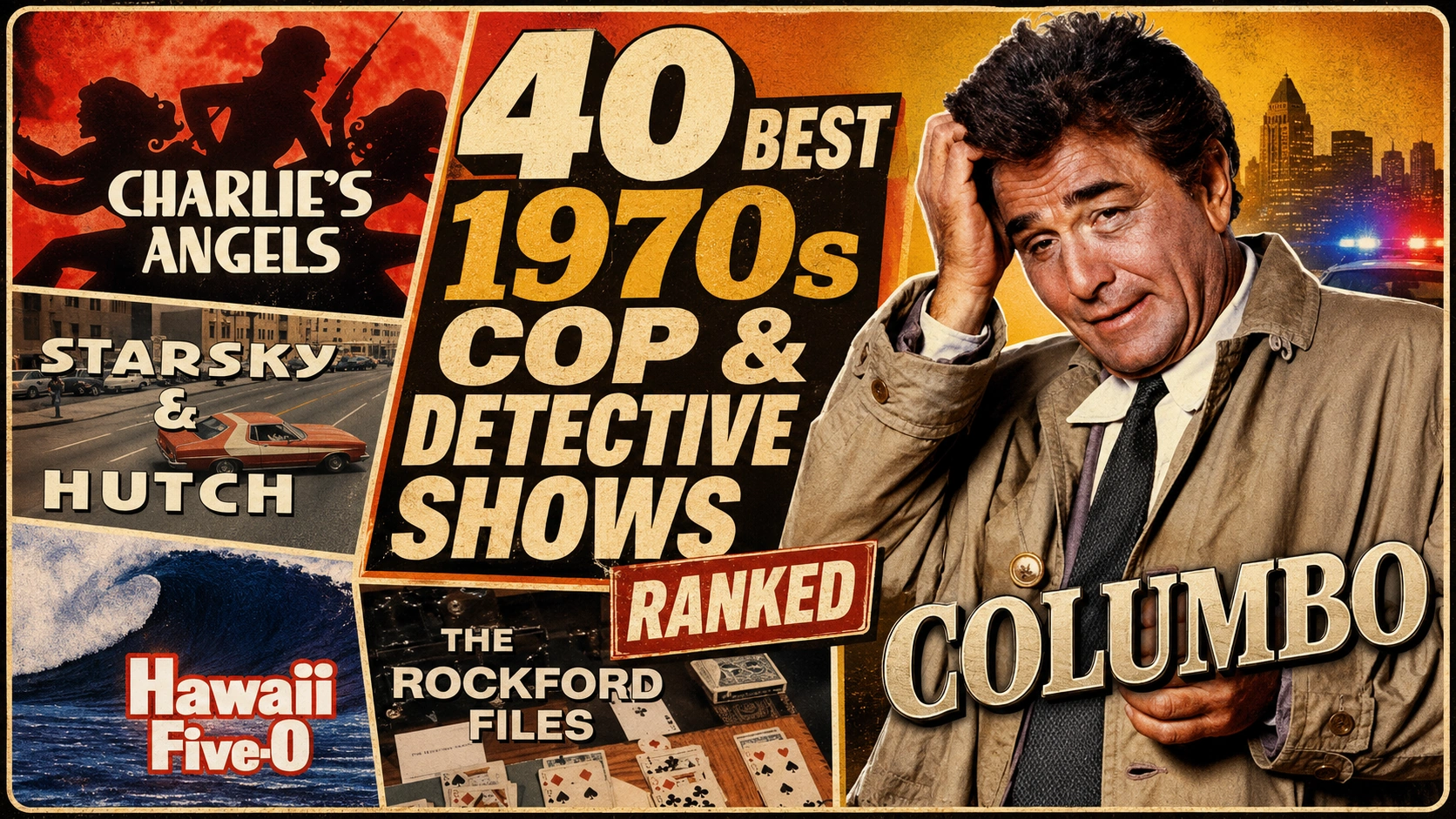
40 Best Cop and Detective Showsof the 1970s, Ranked
Private eyes, precinct veterans, undercover officers, forensic investigators and one rumpled lieutenant who always came back through the door.
The cars were enormous, the phones were attached to walls and every detective had a method we could recognize before the first commercial.
Quick Answer • Prime-Time Crime Desk
Best 70s Cop and Detective Shows: The Top Five
Columbo ranks first. The Rockford Files, Kojak, The Streets of San Francisco and Police Story complete the top five, followed by Hawaii Five-O, Starsky and Hutch, Cannon, Mannix and McCloud.
One television. Three networks. Forty ways to solve the case.The siren started, the bass line hit and the room knew what kind of hour had begun.
The fast answer
What Were the Best 70s Cop and Detective Shows?
The best 70s cop and detective shows begin with Columbo, The Rockford Files,
Kojak, The Streets of San Francisco and Police Story. That top five covers the
decade’s great puzzle detective, working-class private eye, city cop, partner procedural
and department-wide drama without pretending every crime series followed one formula.
These classic 1970s police shows arrived with their own sound and silhouette: a siren,
a bass line, a lollipop, a battered Pontiac, a perfect suit or a red-striped Gran Torino.
We could be in the kitchen and still know which detective had entered the room.
Gen X often found these 1970s detective shows in reruns—after school, before the late movie
or during summer afternoons when local television treated an old crime drama like dependable
furniture. The adults remembered premieres. We remembered Rockford’s answering machine,
the Hawaii Five-O wave and Columbo turning back at the door.
The order also reflects what happens after the famous car or catchphrase wears off.
The highest-ranked series still have a method, a mood and a lead performance worth following
through an entire case. Lower down, the pleasures become more specific: a perfect locked-room
puzzle, a rare kind of hero, a city that does half the acting or a one-season show that still
deserves another night on the dial. The full decade beyond the crime shelf is in the
complete 1970s TV guide.
THE COUNTDOWN40detectives, private eyes, patrol officers and specialized unitsTHE TOP SHOWCOLUMBOthe rumpled lieutenant who let arrogance solve half the caseTHE DIAL3 NETWORKSand enough crime shows to fill nearly every nightTHE PROMISEONE HOURto follow the clue, expose the lie and close the file
Before the siren
How We Ranked the Best 1970s Cop Shows and Detective Series
We ranked these 1970s crime shows by lead character, case construction, supporting cast,
atmosphere, replay value and how clearly each one owns its corner of the genre. A famous car
can break a tie, but it cannot carry a weak hour. A short run such as Harry O,
Ellery Queen or Toma can outrank a longer series when the voice and craft
remain stronger.
Shows that began in the late 1960s qualify when a meaningful stretch of their run shaped
1970s television. Hawaii Five-O, Mannix, Adam-12,
Ironside, The Mod Squad and The F.B.I. were still part of
what the decade looked and sounded like. The calendar mattered less than what was actually
playing in our living rooms.
The investigation, police work or weekly case has to sit at the center. This is not every
action show that ever flashed a badge. The larger story of why the networks kept ordering
another precinct, private eye or specialized unit belongs in
Why Cop Shows Ruled 1970s Television.
Replay value matters because nostalgia can get a show through the opening credits but not
through the whole episode. The best classic detective series still work after the novelty of
the pay phones, wide lapels and enormous sedans settles. The characters have a recognizable
way of thinking, and the case gives that method something worth testing.
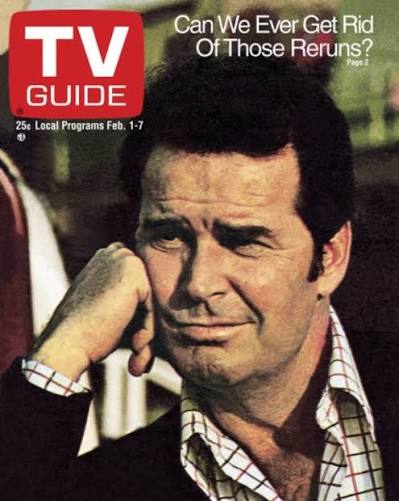
A Rockford Files TV Guide cover catches the era when detectives and private eyes seemed to occupy every night of the week.
The complete case board
All 40 Classic 1970s Police Shows, Private Eyes and Detective Series
Use this quick case board to jump to any show. The top ten receive the largest files;
ranks eleven through forty keep the detail moving without turning one broad ranking into
forty separate histories.
The 10 Best 70s Cop Shows, Detective Series and Crime Dramas
These are the classic 70s cop shows and detective series with the clearest point of view.
Each one could announce itself through a method, voice, city, partner or opening theme before
the week’s suspect had finished lying.
1
1968 pilots; regular 1971–1978.
Columbo
Columbo
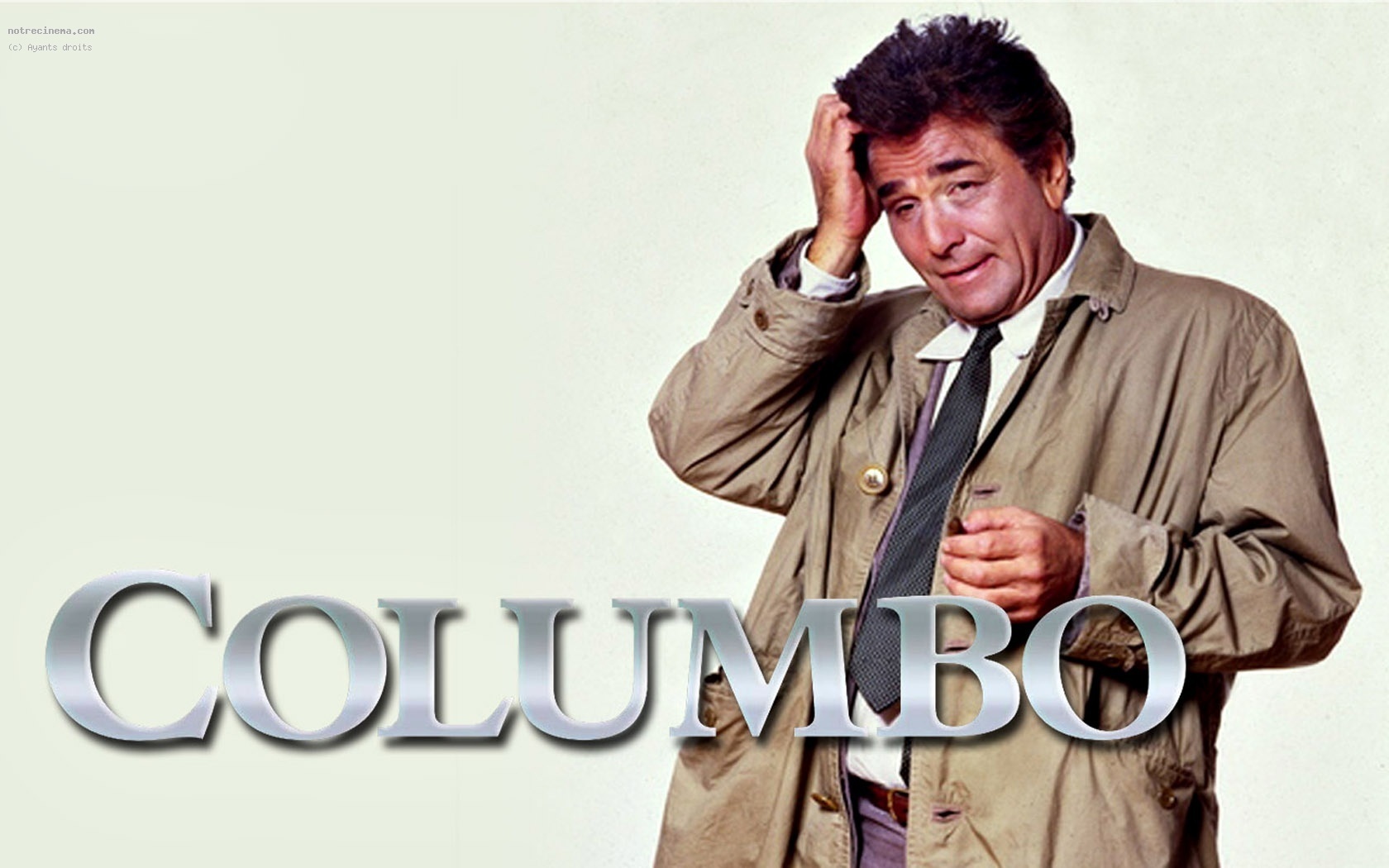
The murderer was usually known before the first commercial, which moved the suspense from who did it to how Lieutenant Columbo would prove it. Peter Falk turned rumpled clothes, false exits and one more question into a complete investigative method.
What made it work was not merely the trick of revealing the murderer first. The show understood that a rich, polished killer could still be terrified by a man who appeared socially harmless. Columbo wandered through mansions, studios, laboratories and private clubs looking as if he had entered through the service door by mistake. That imbalance gave every conversation a second meaning. The suspect kept trying to dismiss him, and the audience kept waiting for the tiny inconsistency that would make the whole elegant alibi collapse.
Its influence reaches far beyond mystery television. The character proved that eccentricity could be method, that repetition could become ritual and that a detective did not need physical dominance to control an episode. Decades later, viewers still imitate the turn at the door because the gesture contains the whole show: the suspect thinks the conversation is over, while Columbo knows it has finally begun.
What comes back first: Watch the suspect relax around him. The coat and distracted questions are bait, and we know it long before the killer does.
Why it ranks here: The decade’s most distinctive detective and one of television’s most durable mystery formats.
Jim Rockford lived in a trailer, charged two hundred dollars a day plus expenses and preferred talking to fighting. James Garner made reluctance, charm and bruised decency feel more heroic than invincibility.
Rockford’s world felt used rather than designed. The trailer had clutter, the Firebird got dented, clients lied about money and Angel Martin could turn a simple favor into a week of trouble. That texture mattered. Jim was not a fantasy of total independence; he was self-employed, which meant every bad decision threatened the rent, the car and his relationship with his father. James Garner made the humor look effortless, but the show’s real strength was its sympathy for a decent man who knew the system was crooked and still tried to help somebody.
The series also changed the emotional temperature of the private eye. Rockford could be scared, irritated, broke and exhausted without losing dignity. That humanity is why the show remains easy to recommend to viewers who have little patience for older television. It does not ask us to worship Jim Rockford. It asks us to recognize him.
What comes back first: Listen to the answering machine, watch Rockford measure the odds and notice how often survival matters more than looking tough.
Why it ranks here: It reinvented the private eye as a working man who could lose the case, the money and the fistfight.
Theo Kojak owned the room with a lollipop, a shaved head and absolute New York authority. Beneath the style was a serious police drama rooted in city locations and a detective who understood people as well as procedure.
Kojak worked because Telly Savalas could make command feel playful and dangerous at the same time. The bald head, tailored suits and lollipop became instant shorthand, but the performance underneath them was alert and human. Theo Kojak knew when to lean on a suspect, when to protect a frightened witness and when to let silence do the work. The New York streets were not generic urban scenery. They gave the show noise, cold air, crowded hallways and a sense that every case had roots beyond the squad room.
Kojak’s afterlife often gets reduced to “Who loves ya, baby?” and the lollipop. The episodes reveal something tougher and more interesting: a detective whose style never separated him from empathy. He could perform authority for a room and still understand the fear of the person sitting quietly in the corner.
What comes back first: The lollipop gets remembered, but the real pleasure is the way Kojak reads a room and makes New York feel like part of the interrogation.
Why it ranks here: Few crime heroes fused character, catchphrase and urban identity so completely.
Karl Malden’s veteran Mike Stone and Michael Douglas’s younger Steve Keller worked cases across a city that looked steep, windy and genuinely lived in. The location work gave the procedural unusual physical presence.
The partnership between Mike Stone and Steve Keller gave the show more than a veteran-and-younger-cop formula. Stone carried experience without becoming a fossil, while Keller brought energy without being written as a fool. Karl Malden and Michael Douglas made disagreement feel useful. The city did the rest. Those steep streets, waterfronts and neighborhoods turned even an ordinary pursuit into something visually specific. You could land on the show halfway through an episode and know exactly where you were before either detective said a word.
The series is also a reminder that location shooting was not cosmetic. The hills determined how cars moved, the neighborhoods changed the social world of each case and the partnership developed while traveling through a city viewers could believe in. That physical honesty gives the show much of its staying power.
What comes back first: The hills, traffic and weather keep the cases moving. San Francisco never feels pasted behind the detectives.
Why it ranks here: It is the classic partnership procedural: solid cases, strong actors and a city that never feels like a backlot.
Created by former officer Joseph Wambaugh, this anthology focused less on a single hero than on the strain of police work across different assignments and personalities. The tone could be bleak, procedural and morally complicated.
Because Police Story could move among different officers and assignments, it avoided the comfort of believing one heroic detective could represent the entire profession. The job changed depending on the shift, partner, neighborhood and pressure coming from above. Some episodes were action stories; others were about fear, exhaustion, family damage or the quiet compromises people make inside an institution. That range made the series less instantly lovable than a star vehicle, but it also gave it a seriousness few weekly crime shows could match.
Police Story’s importance is easier to see across the later history of television than in any single iconic image. Ensemble police dramas, rotating perspectives and stories about the damage of the job all owe something to the space this series opened. It made the profession larger than the weekly hero.
What comes back first: Pay attention to the strain around the badge: partners, families, fear and the small compromises that a more heroic show might skip.
Why it ranks here: It brought a stronger claim of institutional realism to prime-time crime drama.
6
1968–1980.
Hawaii Five-O
Hawaii Five-O
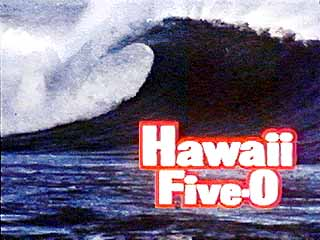
Steve McGarrett’s state-police command, Jack Lord’s granite presence and the island locations created a crime series with instant identity. The theme music and opening montage alone could bring people into the room.
Hawaii Five-O sold command. Steve McGarrett did not need to be rumpled, funny or self-deprecating. Jack Lord stood straight, listened hard and issued decisions as though the islands themselves had granted him authority. Around him, the location work opened the series beyond the usual city streets. Ocean, mountains, hotels, military spaces and dense Honolulu traffic gave the cases scale. Even viewers who barely remembered a plot remembered the wave, the pounding theme and the final order to book the suspect.
The show’s longevity turned its opening into one of television’s permanent memories. Even people who cannot name a specific case know the wave, the theme and the rooftop image. That is not a small achievement. It means the series created a visual and musical identity strong enough to survive beyond plot.
What comes back first: The opening theme and island montage can pull you back before the first line. Then Jack Lord’s stillness takes command.
Why it ranks here: A long-running bridge from the 1960s into the 1970s whose look and sound became permanent television memory.
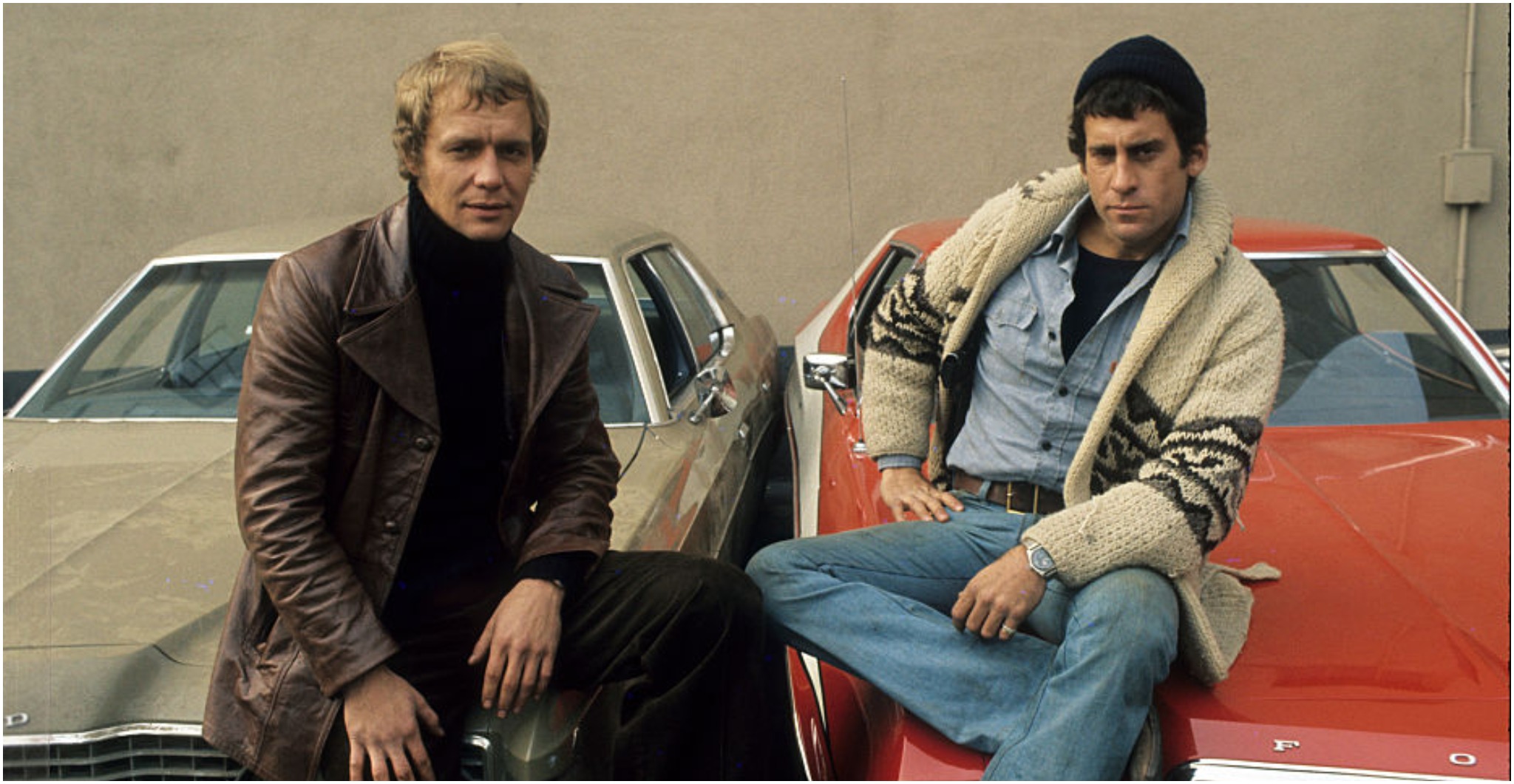
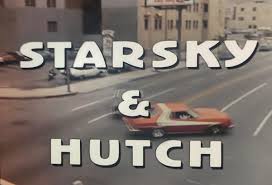
The red-striped Gran Torino got the posters, but the core was the trust between two detectives whose partnership felt personal. Paul Michael Glaser and David Soul brought movement, banter and emotional loyalty to the street-cop format.
The show’s action could be loud and the fashions could be louder, but the friendship was the lasting part. Starsky and Hutch looked like men who had spent enough time together to recognize danger in each other’s faces. The banter never erased the dependence. When one was hurt, missing or losing control, the other changed. That emotional loyalty gave the chases weight and helped create the buddy-cop rhythm that later movies would treat as a discovery. The Gran Torino was the poster; the partnership was the weekly reason to return.
Later buddy-cop stories often increased the jokes or explosions, but the foundation was already here: two men whose confidence came from knowing the other one would be there. That loyalty is what keeps the show from becoming only a Gran Torino surrounded by wide collars.
What comes back first: The Gran Torino supplies the motion, but the weekly reason to return is the trust between two partners who never feel interchangeable.
Why it ranks here: It helped establish the modern buddy-cop rhythm years before movies claimed it as their own.
William Conrad’s Frank Cannon was a private investigator with money, taste and physical presence far removed from the lean young action hero. His intelligence and confidence powered a traditional mystery engine.
Frank Cannon entered a genre built around lean, restless men and simply refused to apologize for taking up space. William Conrad’s voice, intelligence and confidence made the character formidable before the story gave him a gun or a clue. Cannon also enjoyed good food, expensive cars and comfortable living, which separated him from broke private eyes such as Rockford. The show was traditional in structure, but its lead challenged a narrow idea of what an action hero was supposed to look like.
Cannon still feels refreshing because the series never made his body the mystery that needed solving. He was the investigator, full stop. The confidence of that presentation mattered then and remains unusual enough to notice now.
What comes back first: William Conrad’s voice and confidence do most of the work. Cannon never acts as though he needs permission to belong in the center of the frame.
Why it ranks here: Cannon proved a television detective did not need to fit one body type or one style of masculinity.
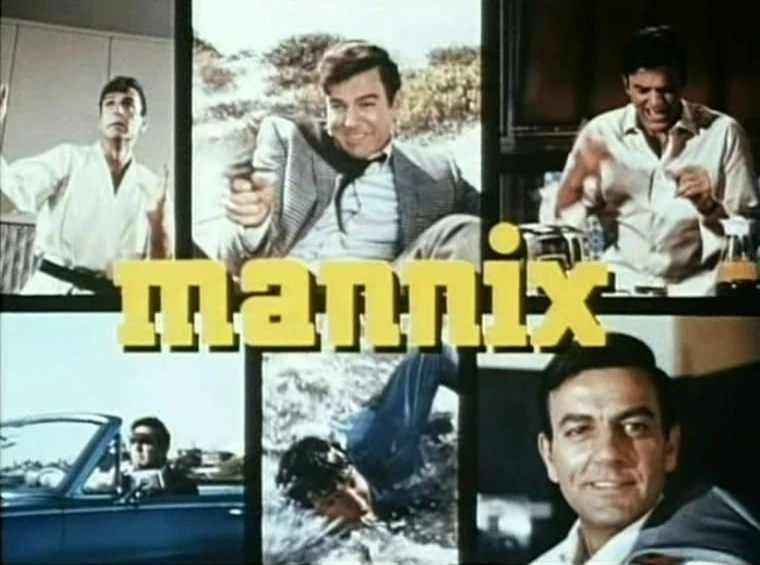
Joe Mannix took beatings, drove hard and kept moving through cases with a stubborn moral center. The later seasons gave the 1970s one of its most reliable private-eye heroes and one of television’s most recognizable themes.
Mannix belonged to the older, bruising school of private-eye television, but Mike Connors gave Joe Mannix enough warmth to keep the weekly violence from turning mechanical. He was hit, shot at, chased and knocked unconscious with astonishing frequency, yet the character still felt grounded by loyalty and a stubborn belief that the client deserved an answer. Peggy Fair was also essential. Her competence and the ease between the two characters made the office feel like a relationship instead of a place where exposition happened.
The show’s bridge status is part of its value. Mannix carries the physical punishment and moral certainty of older private-eye drama while moving toward the warmer character relationships and modern location work that defined the 1970s.
What comes back first: Mannix gets knocked down with almost comic regularity, yet the stubborn decency underneath the action keeps the show from feeling hollow.
Why it ranks here: A muscular, character-driven bridge between classic private eyes and the more self-aware detectives that followed.
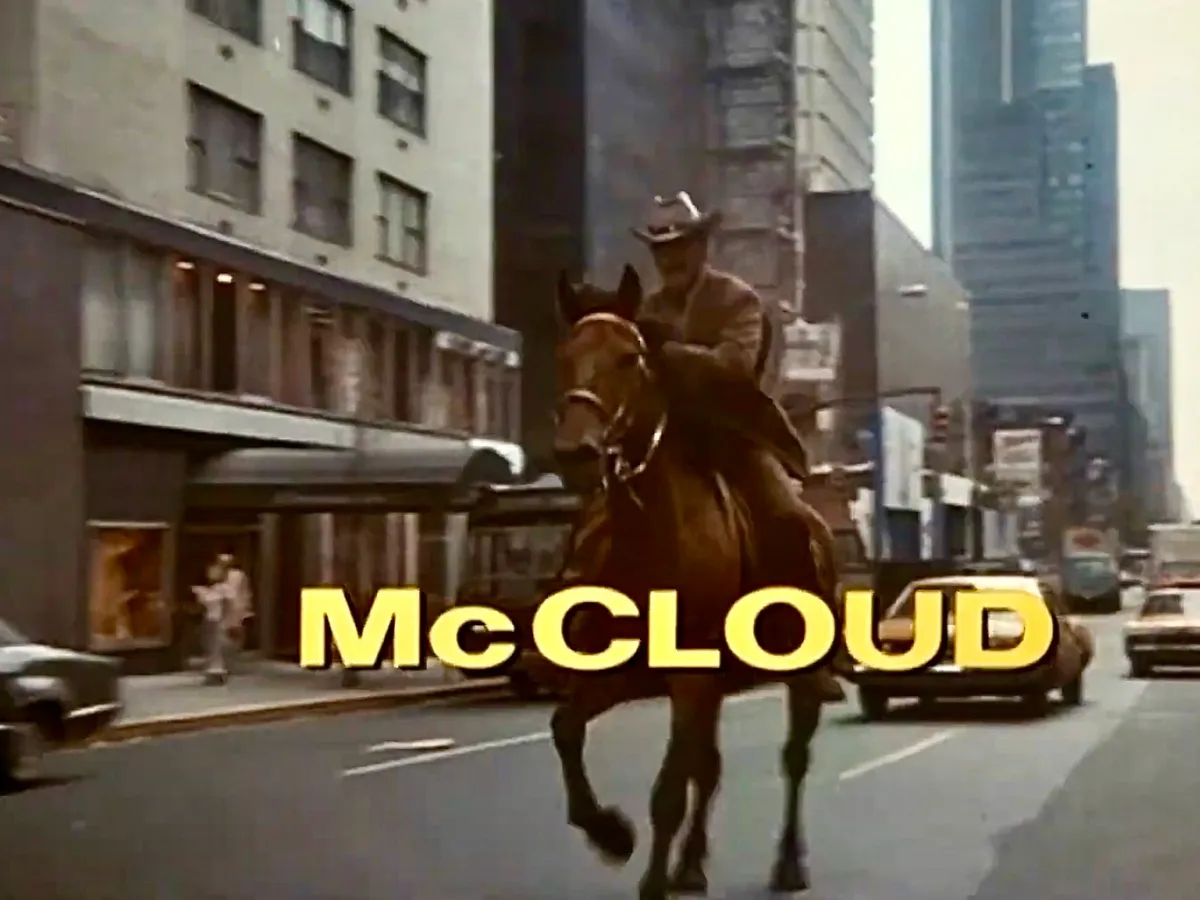
A New Mexico marshal working in Manhattan sounded like a gimmick, but Dennis Weaver made the cultural collision the show’s durable strength. McCloud’s patience and rural instincts unsettled both criminals and city cops.
McCloud’s premise could have collapsed into a single joke about a cowboy in Manhattan. Dennis Weaver kept that from happening by playing the marshal’s rural manner as patience rather than ignorance. City detectives assumed he was slow; McCloud simply took longer to reveal how much he had noticed. The contrast between New Mexico calm and New York impatience created comedy without making either world entirely foolish. It also gave the series a flexible engine for cases that moved across class, geography and police culture.
McCloud also showed how a rotating movie-length format could let a premise breathe. The longer stories gave the cultural contrast room to become more than a gag, and Weaver made the marshal’s courtesy feel like a form of control.
What comes back first: The city keeps underestimating the New Mexico marshal, and Dennis Weaver lets patience become the character’s sharpest weapon.
Why it ranks here: It turned the fish-out-of-water setup into a flexible mystery format with personality to spare.
The Complete 1970s Cop and Detective Show Ranking: 11 Through 40
The second half of the list is where the decade’s crime shelf gets wonderfully specific:
medical examiners, elderly sleuths, whistleblowers, foot patrolmen, tribal law enforcement,
confidence games and short-lived mysteries that deserved more than one season.
11
1976–1979 in the decade.
Quincy, M.E.
Quincy, M.E.
Jack Klugman’s medical examiner treated every body as a question somebody wanted ignored. The mysteries often became arguments about public health, institutions and preventable harm.
Quincy was less interested in the neat end of a murder mystery than in the trouble that began once the evidence was understood. A body could point toward industrial negligence, addiction, unsafe products, public indifference or an agency protecting itself. Jack Klugman’s anger became part of the formula: the autopsy found the truth, then Quincy had to force everyone else to care. Long before forensic shows filled their laboratories with glowing screens, this series made medical evidence feel urgent, political and personal.
What comes back first: Wait for the lab result to turn into an argument. Quincy rarely stops at what happened when somebody powerful helped it happen.
Why it ranks here: It pushed forensic investigation and issue-driven crime drama toward the center of television.
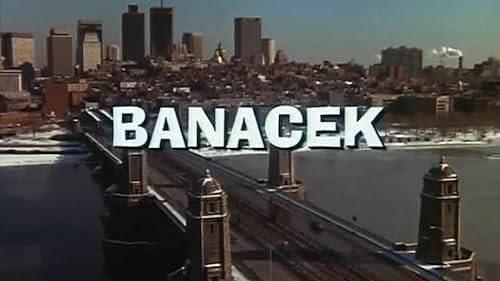
George Peppard played a polished Boston insurance investigator who solved impossible thefts and enjoyed letting everyone know he was the smartest person in the room. The puzzle plots gave the show a distinctive clockwork pleasure.
Banacek’s cases were built around objects that seemed impossible to steal: a huge vehicle, a valuable collection, something protected by layers of security. The pleasure came from watching Thomas Banacek reject the obvious explanation and reconstruct the hidden mechanics. George Peppard played him as polished, vain and thoroughly entertained by his own cleverness. That attitude could have been unbearable, but the puzzle plots were strong enough to justify it. The show was a short run with a very clear promise, and it kept that promise better than many longer series.
What comes back first: The fun is in the impossible theft. Banacek works best when the explanation feels both outrageous and completely fair once revealed.
Why it ranks here: Its brief run delivered some of the decade’s most elegant how-could-it-have-happened mysteries.
13
1971–1977.
McMillan & Wife
McMillan & Wife
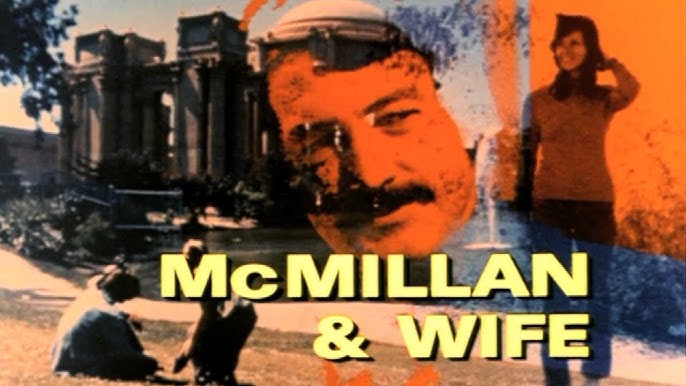
Rock Hudson and Susan Saint James mixed murder cases with married banter and social comedy. The mysteries were lighter than Columbo’s, but the relationship gave the NBC Mystery Movie another clear flavor.
McMillan & Wife understood that a mystery could share the hour with marriage, social comedy and the mild chaos of a comfortable home. Rock Hudson brought relaxed authority, while Susan Saint James gave Sally enough curiosity and personality to keep her from becoming the spouse who waited offscreen. Their chemistry made the cases feel like interruptions in an ongoing relationship. As part of the NBC Mystery Movie rotation, the series also benefited from longer stories that had room to breathe.
What comes back first: The murder matters, but so does the married rhythm. Rock Hudson and Susan Saint James make the case feel like part of an ongoing life.
Why it ranks here: It made domestic chemistry part of the investigative formula without turning the crimes into background noise.
Sabrina, Jill, Kelly and the Angels who followed brought women investigators into one of the decade’s biggest pop-culture machines. The glamour was undeniable, but so was the sight of women driving the cases and action.
Charlie’s Angels was sold with glamour, but the weekly structure still depended on women taking assignments, entering dangerous spaces and solving the case. Sabrina, Jill and Kelly had different temperaments, and the changing lineup never fully erased the original chemistry. The show also captured the strange contradiction of its moment: it expanded who could lead an action hour while marketing that breakthrough through posters, hair, fashion and fantasy. Gen X kids often met the image before they understood the debate around it.
What comes back first: Look past the posters and fashions. The Angels drive the investigation, switch identities and keep the hour moving on their own terms.
Why it ranks here: Its posters and fashions were only part of a larger shift in who could occupy the center of a crime show.
Angie Dickinson’s Pepper Anderson worked undercover assignments that could be progressive and exploitative in the same episode. The contradictions are part of the show’s historical importance.
Police Woman carried similar contradictions in a more conventional department setting. Pepper Anderson was experienced, capable and central, yet undercover assignments frequently required the show to package her in ways male detectives never faced. Angie Dickinson gave the character steadiness through all of it. The important fact was visible every week: a woman officer was driving the investigation, briefing colleagues and carrying an hour-long network drama. The scripts did not always rise to the breakthrough, but the breakthrough was real.
What comes back first: Pepper’s undercover work shows both the breakthrough and the compromises network television placed around a woman leading a police drama.
Why it ranks here: It placed a woman police officer at the center of a successful hour-long network drama.
Buddy Ebsen’s older private investigator relied on patience, observation and persistence more than speed. Lee Meriwether’s Betty Jones made the office a genuine partnership rather than a decorative home base.
Barnaby Jones moved at the pace of somebody who had learned that rushing usually helps the liar. Buddy Ebsen’s age was not treated as a weakness that needed to be overcome in every episode. It was the source of the character’s patience, judgment and ability to let people underestimate him. Betty Jones, played by Lee Meriwether, gave the office intelligence and continuity. Together they made the series feel less like an old man hanging onto the job and more like a small investigative business built on trust.
What comes back first: Barnaby wins by waiting, watching and asking the question a younger detective would rush past. Betty Jones is part of the engine, not office decoration.
Why it ranks here: The show’s steady appeal came from competence, decency and an investigator who never needed to pretend he was young.
Pete Malloy and Jim Reed handled routine patrol calls, traffic stops, domestic disputes and crimes without the mythology of a lone genius. The radio language and procedural repetition created authenticity for a generation of viewers.
Adam-12 made procedure feel like atmosphere. The codes, radio calls, report language and ordinary stops gave viewers the sense of riding through a complete shift rather than waiting for one enormous crime. Pete Malloy and Jim Reed were not eccentric geniuses. Their appeal came from professionalism and the way partnership turned routine decisions into drama. A traffic stop could become dangerous, a domestic call could turn sad and a quiet street could change before the officers reached the next intersection.
What comes back first: The radio chatter and routine calls are the hook. The show makes a normal shift feel unpredictable without turning every stop into a national emergency.
Why it ranks here: It made ordinary police work the subject and showed how much drama could exist between major cases.
Three young officers entered a changing profession while their wives and personal lives remained part of the story. The format mixed action with the strain of learning the job in public.
The Rookies placed uncertainty where older police dramas often placed confidence. These officers were still becoming the people the job required, and their mistakes or fears followed them home. The marriages and personal lives were not detachable side stories; they showed how the work entered the rest of the week. That gave the series a softer, younger energy without removing the danger. It also helped bridge traditional police drama and the more openly emotional ensemble shows that would become common later.
What comes back first: The cases matter, but the home lives keep reminding us that the young officers are still learning the cost of the job.
Why it ranks here: It brought youth, uncertainty and domestic consequence into the police ensemble.
Robert Blake’s Tony Baretta worked undercover with an unpredictable streetwise style, a pet cockatoo and the famous warning not to do the crime. The show carried the rougher energy of mid-decade urban television.
Baretta arrived with enough memorable pieces for three shows: the cockatoo, the apartment, the street disguises, the warning about doing the crime and Robert Blake’s jittery intensity. Yet the series was not merely a collection of gimmicks. Tony Baretta felt connected to informants, small-time criminals and people living close to trouble. The show’s urban world was rougher and less controlled than Kojak’s. Baretta often looked as though he belonged to the same streets he was trying to police.
What comes back first: The cockatoo and catchphrase are easy memories. The rougher street mood and Robert Blake’s restless performance are what give the series its charge.
Why it ranks here: A volatile lead performance and strong atmosphere made it one of the era’s unmistakable crime hits.
Eddie Albert’s retired cop and Robert Wagner’s reformed con man used scams to catch scammers. The chemistry and confidence-game structure gave the series a lighter, polished alternative to gritty police drama.
Switch offered a relief from the heavier precinct dramas without abandoning the pleasure of seeing a criminal trapped. The retired cop understood procedure; the reformed con man understood greed. Together they built elaborate deceptions that let the target reveal exactly who he was. Eddie Albert and Robert Wagner gave the partnership polish and ease. The show worked best when the viewer could enjoy both layers at once: the surface performance and the machinery underneath it.
What comes back first: The setup is the pleasure. Watch the former cop and former con man build a trap that lets the target defeat himself.
Why it ranks here: It understood that a good con could be as satisfying as a chase.
21
1975–1976.
S.W.A.T.
S.W.A.T.
A specialized tactical unit, an urgent theme and hardware-heavy action made S.W.A.T. feel designed for immediate impact. The run was short, but the identity was strong enough to survive in memory and later revivals.
S.W.A.T. was one of those shows whose identity arrived almost before the story. The pounding theme, team briefing, dark uniforms, van and specialized equipment promised a harder, more tactical hour. The plots could be simple, but the unit concept was strong. Children remembered the gear and adults recognized the appeal of a squad built for the cases ordinary patrol officers could not handle. Its short run still left a long shadow because later television kept returning to the same promise.
What comes back first: The theme, briefing and equipment announce the hour immediately. It is television crime boiled down to mission, team and impact.
Why it ranks here: It distilled the decade’s appetite for team action and branded police units.
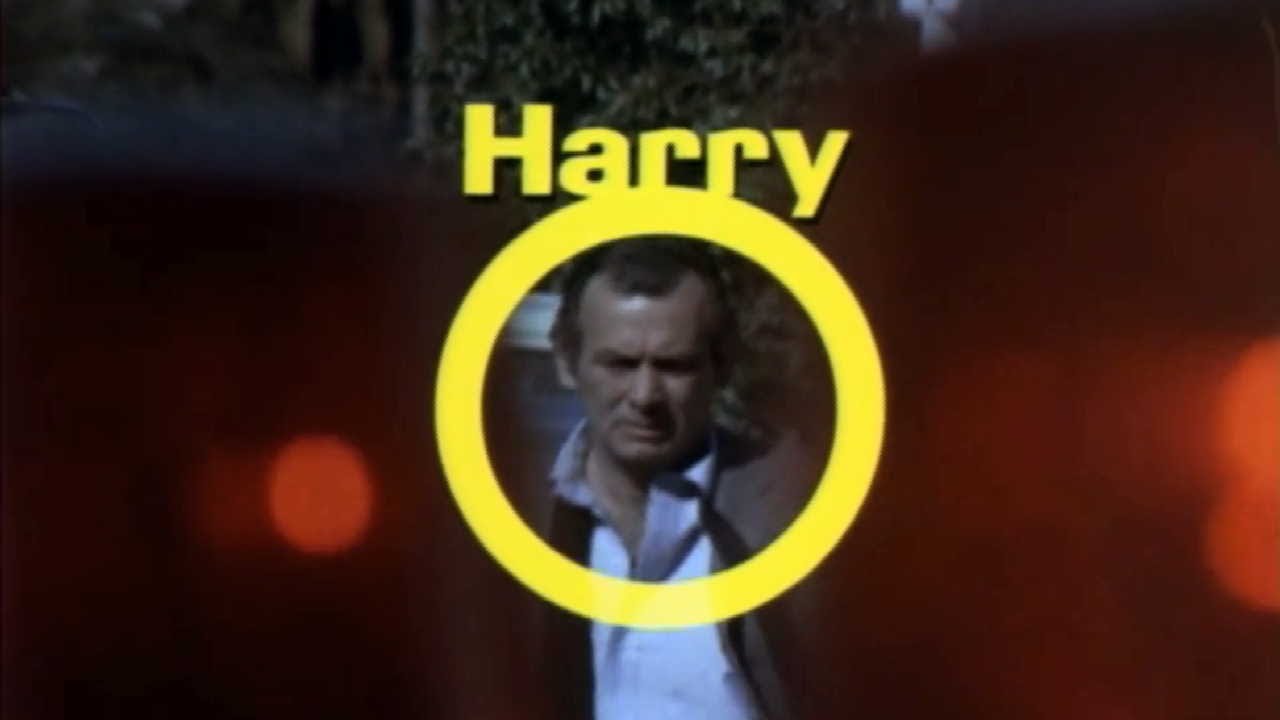
David Janssen’s Harry Orwell was an injured former cop who worked private cases with fatigue, intelligence and little interest in glamour. The San Diego setting and reflective tone set it apart.
Harry O carried the sadness of a man who had already paid for his career. Harry Orwell’s injury, quiet manner and reluctance separated him from the more aggressive private eyes. David Janssen played fatigue without making the character passive. The San Diego setting gave the show open sky and a slower rhythm, while the cases often depended on observation rather than force. It remains one of the decade’s best examples of a strong series that never received the cultural afterlife its quality deserved.
What comes back first: David Janssen lets weariness become intelligence. The quiet San Diego atmosphere separates Harry Orwell from the louder private eyes around him.
Why it ranks here: It is one of the decade’s finest melancholy private-eye series and deserves a larger audience.
23
1975–1976.
Ellery Queen
Ellery Queen
Jim Hutton’s absent-minded mystery writer solved period murders while the show openly invited viewers to identify the killer before the reveal. The structure celebrated fair-play detection.
Ellery Queen was a deliberate throwback in a decade crowded with sirens and location chases. The period setting, Jim Hutton’s distracted charm and the direct challenge to viewers made deduction the event. When the show paused to ask whether we had solved the case, it treated the audience as a participant rather than a passenger. The mysteries were fair enough to reward attention, and the warmth between Ellery and Inspector Queen kept the puzzle from feeling like a sterile exercise.
What comes back first: Play along when the show turns to the audience. The invitation to solve the case is a reminder that television mysteries once trusted us to keep up.
Why it ranks here: A warm, clever throwback that made the audience part of the final deduction.
24
1972–1974.
The Snoop Sisters
The Snoop Sisters
Helen Hayes and Mildred Natwick played elderly sisters who wrote mysteries and found real ones. Their age, wit and curiosity made them unusual leads in any decade.
The Snoop Sisters made age part of the point without making age the limit. Helen Hayes and Mildred Natwick played women whose curiosity, literary instincts and complete lack of intimidation drew them into murder. They did not need disguises that made them younger or action scenes that pretended they were physically invincible. Their intelligence and social confidence carried the stories. Even within the roomy NBC Mystery Movie era, the series felt unusual.
What comes back first: The sisters’ age is never a punch line that cancels their intelligence. Their curiosity and timing make the whole enterprise warmer than the average murder hour.
Why it ranks here: The show proved detection did not belong only to hard-boiled men or youthful action heroes.
25
1974–1975.
Get Christie Love!
Get Christie Love!
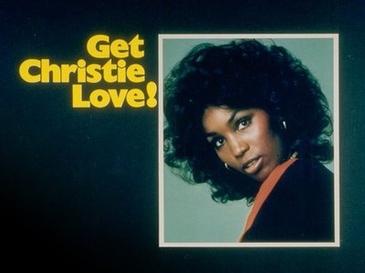
Teresa Graves starred as an undercover officer with style, confidence and a place in television history as a Black woman leading an hour-long network drama. The series was shaped by its era’s limits, but the breakthrough remains real.
Get Christie Love! deserves more than a footnote built around one catchphrase. Teresa Graves brought humor, style and authority to an undercover officer who carried a network drama at a time when Black women were rarely allowed that space. The show could lean on the fashions and attitudes of its period, but Christie remained active rather than symbolic. She entered the danger, controlled the scene and closed the case. That weekly visibility mattered.
What comes back first: Teresa Graves brings command and style to a series that television history should remember more often than it does.
Why it ranks here: Christie Love widened the image of who could carry a police series in prime time.
26
1978–1979 in the decade.
Vega$
Vega$
Robert Urich’s Dan Tanna cruised the Strip in a red Thunderbird, worked out of a converted showroom and solved cases in a city built for television spectacle. The locations were half the appeal.
Vega$ arrived near the end of the decade looking like a bright sign for what crime television might become in the 1980s. Dan Tanna’s Thunderbird, showroom home and constant movement through casinos gave the series a complete visual world. Robert Urich played him with an easy modern cool that was different from Rockford’s weariness or Cannon’s authority. The mysteries were often less important than the route through neon, back rooms and desert-night glamour.
What comes back first: The Thunderbird, showroom home base and neon Strip do half the storytelling before Dan Tanna finds the first clue.
Why it ranks here: It turned late-1970s Las Vegas into a bright, fast crime playground with a hero tailored to it.
Three young outsiders worked undercover for the police, allowing the series to enter youth culture, protest and counterculture spaces traditional officers could not. Its style could be heavy-handed, but the premise was unmistakably of the era.
The Mod Squad carried the hopes and awkwardness of television trying to understand young people from the outside. Its three undercover leads could enter spaces traditional officers could not, which gave the show access to protest, drugs, counterculture and generational conflict. The language sometimes sounded written by adults listening through a wall, but the premise still captured a real shift. Crime television was trying to follow the audience into a changed America.
What comes back first: The clothes and slang date quickly, but the premise still shows how urgently television wanted a bridge into youth and counterculture.
Why it ranks here: A key transition between 1960s social television and the crime boom of the 1970s.
28
1967–1975.
Ironside
Ironside
Raymond Burr’s Robert Ironside continued police work after becoming a wheelchair user, commanding a team with intelligence and blunt authority. The show’s representation was significant even when the scripts reflected period attitudes.
Ironside centered a wheelchair-using lead at a time when television rarely allowed disabled characters any authority, much less command over a team. Raymond Burr gave Robert Ironside the blunt certainty of a man accustomed to being the smartest person in the room. The show could reflect dated attitudes, but it never treated him as decorative inspiration. He strategized, pushed colleagues and solved cases. The chair changed how the work happened without becoming the only thing the show knew about him.
What comes back first: The strongest scenes are strategic. Ironside leads by seeing the shape of a case and making the team move around that insight.
Why it ranks here: A major long-running detective series built around strategy, leadership and a lead television rarely centered.
29
1965–1974.
The F.B.I.
The F.B.I.
Efrem Zimbalist Jr.’s Inspector Erskine represented federal authority with almost ceremonial seriousness. The series brought national cases, location changes and institutional confidence into the early part of the decade.
The F.B.I. feels formal now because formality was part of its appeal. Inspector Erskine represented federal authority without irony. The narration, suits, offices and location changes created a world where the institution appeared disciplined and national in reach. By the early 1970s, that confidence was already beginning to look older than the culture around it. Watching the series beside Kojak or Rockford shows how quickly crime television moved from official certainty toward skepticism and personality.
What comes back first: Everything is formal: the narration, the suits, the federal authority. That stiffness now makes the show a revealing marker of how fast the decade changed.
Why it ranks here: Its formal style feels like a different era, which makes it essential to understanding how fast crime television changed.
30
1973–1974.
Toma
Toma
Tony Musante played a real-life-inspired New Jersey detective known for undercover work and resistance to bureaucracy. The show aimed for grit and psychological detail.
Toma burned briefly but left evidence behind. Tony Musante played David Toma with nervous concentration and a resistance to bureaucracy that made the undercover work feel personal. The series was based on a real detective and aimed for more psychological grit than many network shows could comfortably sustain. When Musante left, the basic idea helped lead to Baretta. That connection makes Toma more than a failed one-season experiment; it is a missing link in the decade’s evolution.
What comes back first: Tony Musante keeps the undercover work tense and personal. The short run feels less like a failed experiment than a rough draft for what followed.
Why it ranks here: Its short run directly fed the creation of Baretta and remains one of the decade’s important near-misses.
31
1976–1977.
Serpico
Serpico
David Birney took on the role of the whistleblowing New York officer after the film’s success. The series focused on corruption and the isolation of a cop who challenged his own institution.
Serpico brought the whistleblower story to weekly television, where the conflict could not be resolved by catching one outside criminal. Frank Serpico’s danger came from refusing to accept corruption inside his own department. David Birney had the difficult task of following a famous film performance, and the series never fully escaped that comparison. Still, its central question was unusually sharp for network television: what happens when the institution behind the badge becomes the thing being investigated?
What comes back first: The conflict is not only with criminals. The real pressure comes from a cop challenging the institution that is supposed to stand behind him.
Why it ranks here: It brought a more distrustful view of police systems into weekly television, even if it could not match the film’s impact.
32
1975–1976.
The Blue Knight
The Blue Knight
George Kennedy played Bumper Morgan, a veteran Los Angeles patrolman approaching retirement but deeply tied to the streets he served. The series emphasized experience and neighborhood knowledge.
The Blue Knight stayed close to the street. Bumper Morgan was nearing retirement, but George Kennedy played him as a man whose experience had deepened rather than hardened him. He knew shopkeepers, residents, troublemakers and the difference between a dangerous person and a frightened one. The neighborhood scale made the show humane. It also offered a counterweight to the decade’s growing fascination with elite squads, glamorous investigators and expensive cars.
What comes back first: Bumper Morgan’s neighborhood knowledge gives the show its human scale. He knows the streets because he has spent a career walking them.
Why it ranks here: A sturdy, humane police drama centered on an older officer rather than a flashy specialist.
33
1976–1977.
Delvecchio
Delvecchio
Judd Hirsch played an Italian American detective studying law while working cases in Los Angeles. The series combined procedural work with a lead already questioning the boundaries of the job.
Delvecchio gave its lead a foot in two worlds. He was a working detective and a law student, which meant every case carried questions about what the police could do, what the law required and where those two things failed to meet. Judd Hirsch’s intelligence made that tension feel natural. The series lasted only one season, but the character already suggested the more self-questioning professional leads television would embrace later.
What comes back first: Judd Hirsch makes the law-school ambition feel like more than a character quirk. Delvecchio is already wondering where police work ends and law begins.
Why it ranks here: Hirsch’s intelligence and the legal ambition gave the short-lived show a distinctive angle.
34
1975–1976.
Joe Forrester
Joe Forrester
Lloyd Bridges starred as a uniformed foot patrolman who knew his neighborhood one block and one person at a time. The series grew from a Police Story character.
Joe Forrester was built around the idea that a patrol officer could know a city block better than a detective knew a file. Lloyd Bridges brought calm authority to a man who spent much of the job on foot, speaking with people rather than racing past them. The slower scale gave the series unusual intimacy. It also made the neighborhood itself a continuing character, full of grudges, loyalties and information that could not be found in a central office.
What comes back first: The foot patrol changes the pace. Joe Forrester cannot race past the neighborhood because the neighborhood is the case.
Why it ranks here: Its street-level scale offered a quieter alternative to detectives with sports cars and special units.
35
1974.
Nakia
Nakia
Robert Forster played a Navajo deputy sheriff in New Mexico, bringing tribal jurisdiction and rural policing into a network drama. The representation was limited by the era but notable for its central premise.
Nakia attempted something network television almost never tried: a crime series centered on a Navajo deputy sheriff working in New Mexico. Robert Forster gave the character seriousness and restraint, while the setting brought tribal jurisdiction, rural distance and community relationships into the cases. The show was still filtered through the limitations of 1974 network production, but its central perspective was rare. Even its short life makes it worth remembering and reconsidering.
What comes back first: The New Mexico setting and tribal jurisdiction give the series a point of view rarely centered in network crime television of the period.
Why it ranks here: A rare attempt to build a crime series around a Native American lawman and Southwestern community.
36
1976–1977.
Most Wanted
Most Wanted
Robert Stack led an elite unit assigned to high-priority criminals. The show leaned into urgency, surveillance and coordinated action.
Most Wanted concentrated crime television into an elite team chasing high-priority offenders. Robert Stack’s presence gave the series immediate authority, and the surveillance, briefings and coordinated assignments anticipated the specialized-unit dramas that would multiply later. The format could feel mechanical, but that was also the attraction: identify the target, assemble the team and close the distance. It was television learning to turn the unit itself into the weekly star.
What comes back first: The assignments, surveillance and team briefings show the genre leaning toward the specialized-unit formulas that would crowd later schedules.
Why it ranks here: It is a compact example of the decade’s fascination with specialized teams and national manhunts.
37
1978.
Richie Brockelman, Private Eye
Richie Brockelman, Private Eye
Dennis Dugan’s youthful investigator was frequently underestimated, which became his greatest advantage. The character had already appeared in The Rockford Files universe.
Richie Brockelman, Private Eye had a hero who looked too young to be taken seriously, which became the joke and the advantage. Dennis Dugan played Richie with enough intelligence to make the underestimation useful without turning him into a smug prodigy. The connection to The Rockford Files gave the character a familiar world, but the lighter tone belonged to him. The brief run remains one of the decade’s most likable near-misses.
What comes back first: Richie’s youthful appearance keeps getting him dismissed, which gives the character an advantage and the show its easiest charm.
Why it ranks here: A smart, likable private-eye variation that deserved more than its brief run.
38
1978–1979.
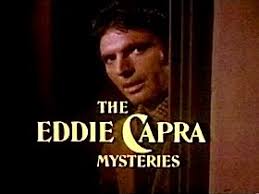
The Eddie Capra Mysteries
The Eddie Capra Mysteries
Vincent Baggetta played a defense lawyer who investigated cases himself, mixing courtroom logic with detective work. The scripts favored intricate puzzles and eccentric details.
The Eddie Capra Mysteries leaned toward viewers who enjoyed the arrangement of clues as much as the chase. Capra was a defense attorney who refused to leave investigation entirely to the police, giving the series room to move between legal reasoning and detective work. The stories liked intricate setups and odd details. It arrived late in the decade, when puzzle mysteries had become less fashionable, but that old-fashioned concentration is exactly what makes it interesting now.
What comes back first: The pleasure is in the construction. The series asks viewers to follow a knotty problem instead of waiting only for a chase.
Why it ranks here: A late-decade mystery for viewers who liked deduction as much as action.
39
1976–1977.
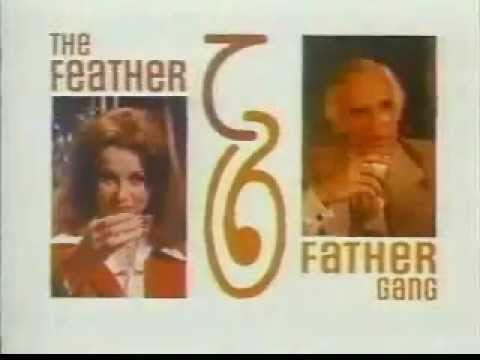
The Feather and Father Gang
The Feather and Father Gang
Stefanie Powers played an attorney whose con-man father and his old associates helped her solve cases. The family dynamic and scams gave the series a comic caper tone.
The Feather and Father Gang used crime plots to keep a family relationship in motion. Stefanie Powers played an attorney, while Harold Gould’s con-man father brought a lifetime of tricks and questionable friends to the case. Their affection made the scams warmer, and the old associates gave the show a loose repertory feeling. It was never the decade’s hardest crime drama, but it understood that a clever deception and a good father-daughter argument could carry the same hour.
What comes back first: The con-man father and attorney daughter give the mysteries a family rhythm that is lighter than the precinct shows without becoming weightless.
Why it ranks here: An appealing bridge between legal mystery, confidence games and father-daughter comedy.
40
1979.
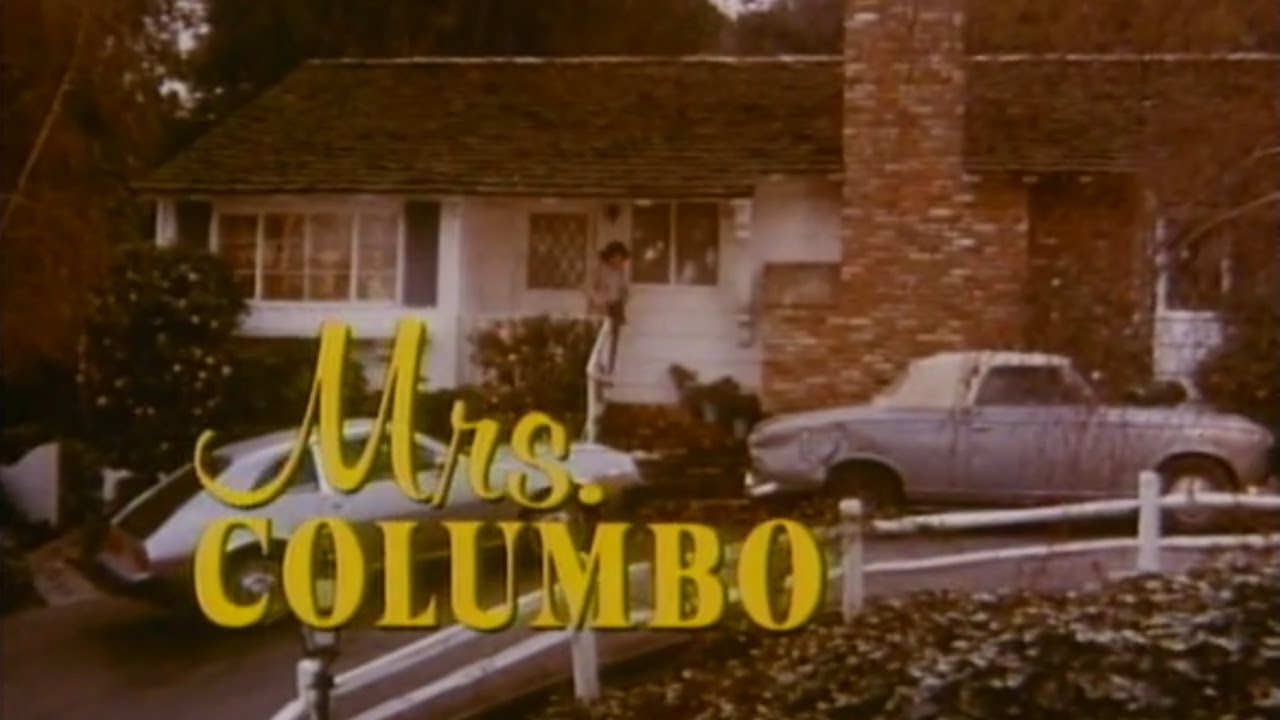
Mrs. Columbo
Mrs. Columbo
Kate Mulgrew played the previously unseen detective’s wife as a reporter solving mysteries. The premise created continuity problems and never matched the parent series.
Mrs. Columbo remains fascinating because the original series had spent years making Columbo’s wife vivid without ever showing her. Viewers knew her through stories, preferences, relatives and the lieutenant’s endless references. Creating a young reporter and attaching that unseen identity to her caused immediate friction with what people believed they knew. Kate Mulgrew was not the problem; the premise was. The show belongs here because few spin-offs reveal more clearly how much power an absent character can accumulate.
What comes back first: Watch it as a fascinating television oddity: an unseen spouse made visible, then rebuilt into a character the original series never prepared us to meet.
Why it ranks here: Its ranking is modest, but it remains one of television’s strangest attempts to extend a famous detective universe.
The Streets of San Francisco made the city itself part of every case—cable cars, steep hills and neighborhoods you could recognize before Stone or Keller said a word.
The evidence on the board
What the Best 1970s Police Shows Had in Common
The best 1970s police shows did not repeat one formula. They offered puzzle mysteries,
working-class private eyes, street partnerships, institutional dramas and forensic cases,
each with a different promise for the next hour.
CASE NOTE 1
Method beat muscleColumbo studied vanity, Rockford read risk, Kojak controlled the room and Quincy followed evidence into places that wanted the case closed. The method made the hero memorable.
CASE NOTE 2
The outsider stayed useful
A private eye could annoy the police, distrust the client and enter worlds a department
show could not. See Best Private-Eye Shows of the 1970s
CASE NOTE 3
The department became a world
Radios, reports, partners and supervisors made the department part of the story.
Continue with Best Police Procedurals of the 1970s
CASE NOTE 4
Women moved toward the centerPolice Woman, Get Christie Love! and Charlie’s Angels
widened who could drive the case. Their full story is in
Best Female Detectives and Crime Fighters of 1970s TV
CASE NOTE 5
The city did half the acting
New York, San Francisco, Hawaii, Los Angeles and Las Vegas gave every case its own
pavement and speed. Revisit the look in
The Cars, Clothes and Street Style of 1970s Cop Shows
CASE NOTE 6
The theme opened the case
Some of these shows were recognizable in three notes. The bass, brass and sirens continue
in 70s TV Theme Songs
The weekly mystery offered something the decade itself rarely did: an answer before bedtime. It was not always justice, but somebody finally named what happened.
Pick tonight’s mood
The Best 1970s Detective Shows to Watch First
Do not turn forty old detective shows into homework. Start with the mood you want:
a puzzle, a city, a partnership, a patrol shift or one reluctant private eye wondering
whether the client will ever pay.
The strongest shows on this list are not preserved by nostalgia alone. Their best episodes still understand attention. Columbo notices the detail arrogance overlooks. Rockford notices when a client’s story will cost him more than the fee. Kojak notices who controls the room. Quincy notices when an official explanation protects the wrong person. That act of noticing is the real special effect.
They also give Gen X a physical world that modern television cannot reproduce by adding a filter. The squad rooms are crowded. Files are paper. Phones are attached to walls. Cars take up half the street. Detectives wait for information instead of receiving it in seconds. The slower machinery changes the storytelling because people have time to lie, worry, improvise and make a bad decision before the answer arrives.
Not every attitude or plot has aged well. That honesty belongs in the rewatch too. Some shows confuse toughness with cruelty, treat women as decoration after giving them authority or trust institutions more completely than many viewers can now. The better series survive those problems because they contain enough character and observation to be argued with rather than merely excused.
Most of all, these classic 70s crime shows understood the comfort of a complete hour.
The streets could look dangerous and the institution could be imperfect, but somebody
followed the clue to the end. For a generation that watched adults argue about Watergate,
inflation, crime and whether anything worked the way it was supposed to, that weekly answer
had power. The case closed even when the decade did not. Then the local station ran it again
ten years later and we watched from the carpet as though the outcome might change.
The rest of that shared dial is waiting in
1970s TV: Shows, Sitcoms, Cartoons & Prime-Time Classics.
Ten years of case files
1970s Cop and Detective Shows by Year
These year guides put the police dramas and private eyes back beside the sitcoms,
family shows, movies and specials that shared the same television schedule.
Frequently Asked Questions About 70s Cop and Detective Shows
What is the best 1970s detective show?
Columbo ranks first because its inverted mystery, Peter Falk’s performance and the pleasure of watching an arrogant killer underestimate the same rumpled lieutenant still feel completely distinctive.
What is the best private-eye show of the 1970s?
The Rockford Files ranks highest among the private eyes. Jim Rockford feels like a working man rather than a fantasy detective: he worries about money, gets hurt, avoids unnecessary fights and still takes the case.
What is the difference between a private-eye show and a police procedural?
Private-eye shows follow investigators working for clients outside a department. Police procedurals keep the precinct, patrol unit, reports, supervisors and institutional routine visible as part of the weekly story.
Why are Hawaii Five-O, Mannix and Adam-12 included if they began in the 1960s?
They continued meaningfully into the 1970s and helped define what the decade’s crime schedule looked, sounded and felt like. Viewers did not separate the reruns and current episodes as neatly as a calendar does.
Which 1970s crime shows featured women as leads?
Police Woman, Get Christie Love!, Charlie’s Angels, The Snoop Sisters and The Feather and Father Gang are prominent examples, each revealing both the opportunities and limits women faced in network crime television.
Why were cars so important to 1970s cop shows?
The cars supplied movement, character and instant recognition. Rockford’s Firebird and the Starsky and Hutch Gran Torino did not merely transport the heroes; they announced which world had just arrived on screen.
Why is Barney Miller not in this ranking?
Barney Miller is a police sitcom rather than a crime drama or mystery series. It belongs with the decade’s comedies in 50 Best Sitcoms of the 1970s, Ranked.
What was the NBC Mystery Movie?
It was a rotating umbrella that gave feature-length mystery series such as Columbo, McCloud and McMillan & Wife room to alternate rather than appear in the same weekly slot every time.
Which 1970s detective shows hold up best now?
Columbo and The Rockford Files remain the easiest recommendations because their lead performances and point of view matter more than period technology. Kojak, Police Story and Harry O also reward viewers willing to settle into the slower rhythm.
Program histories, oral histories and awards records were used to check dates, formats and production context. The ranking reflects the judgment of Smells Like Gen X.