Timing
The pause after an explosive line was often as important as the line itself.
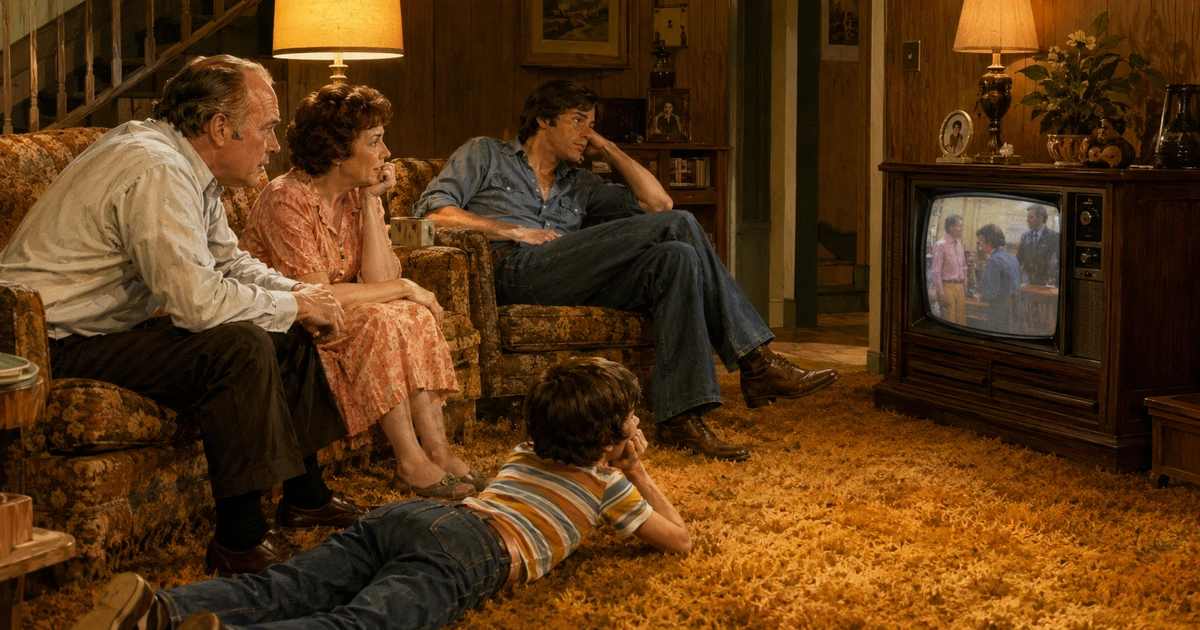
Norman Lear did not merely put arguments on television. He made the American sitcom sound like the country outside the window—loud, divided, funny, bruised and impossible to settle before the next commercial.
For Gen X viewers, the revolution often arrived in reruns. We knew Archie’s chair, Edith’s voice, George’s strut and Schneider’s complete disrespect for knocking before we understood that comedy had once been afraid of these rooms.
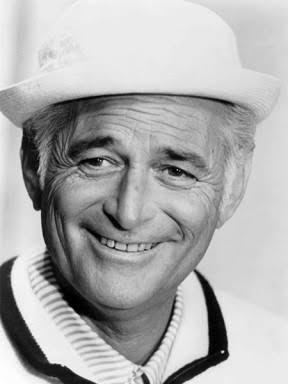
Norman Lear changed television by proving that the American sitcom could confront race, class, feminism, divorce, politics, religion and generational conflict without losing its humor or its mass audience. Across All in the Family, Good Times, The Jeffersons and One Day at a Time, he widened who could lead a comedy, what a TV family could look like and how much honest disagreement could fit inside one living room.
For a lot of Gen X kids, Norman Lear entered the house before we understood who he was. We knew the voices first. Edith’s softness. Archie’s grumble. George Jefferson strutting in like a man who was not asking permission. Florida Evans carrying more weight than the kitchen table. Schneider barging through a door like he paid rent there. We heard the laugh track and the arguments at the same time, and even when the adults got the sharper joke, we knew these people were not talking the way TV people used to talk.
To understand how Norman Lear changed television, you have to look beyond one controversial character and see the production system, performers and connected households that followed.
That is the part worth remembering. Lear did not merely make a few daring sitcoms. He helped move television from reassurance toward friction. His homes felt like places where politics followed you in from the street, money trouble sat down at dinner, and women did not have to pretend the old arrangement still worked just because a sitcom preferred a tidy ending.
The old line about television being a mirror never completely fits. TV has always been too selective, too commercial and too weird to be a clean mirror. But Lear did something close enough to feel radical. He let a medium built for broad comfort start sounding more like the country itself—loud, defensive, funny, bruised, stubborn and impossible to settle in twenty-two minutes without leaving a few dents in the furniture.
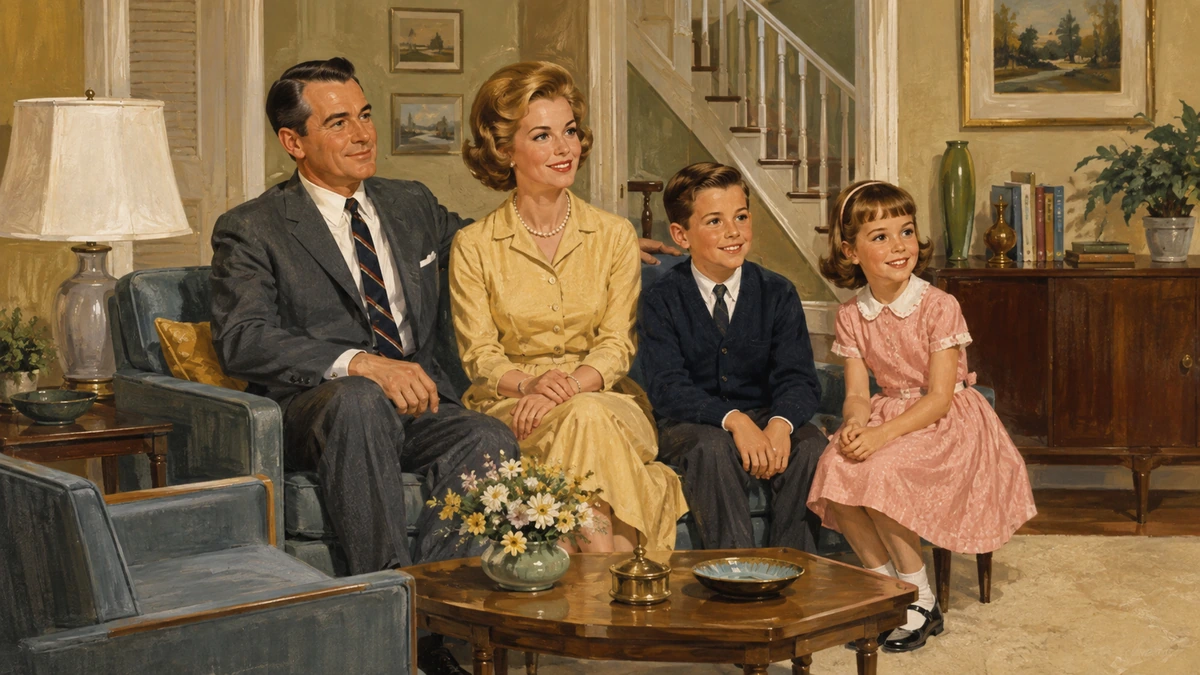
The American sitcom already had a long and successful history before Lear came crashing through the wallpaper. Many of the programs gathered in 50 Best Sitcoms of the 1970s, Ranked grew from that earlier tradition. But the default family-comedy model was built around containment: a father dispensed authority, a mother stabilized the room, the children generated manageable trouble, and whatever disorder appeared was expected to leave by the closing tag.
That tone made sense for the industry that built it. Television depended on sponsors, network caution and the broadest possible audience. Nobody wanted dinner-table explosions if they could get smiles, familiarity and a clean handoff to the next commercial. Even when class differences or personality clashes showed up, they usually stayed within the boundaries of comfort. The family itself did not feel fundamentally contested.
By the late 1960s, that approach was starting to look increasingly unreal. The country outside the set was dealing with Vietnam, civil-rights struggle, campus unrest, second-wave feminism, antiwar politics, urban inequality and a deep collapse in trust toward old authority. Lear did not invent those pressures, but he understood that television could not keep floating above them forever and still claim to be speaking to a mass audience. The living room had become part of the argument. TV still behaved as if the room was soundproof.
That is why Lear’s arrival felt bigger than a hit show. He did not simply put sharper dialogue into the same old container. He altered the emotional premise. Instead of assuming that the home existed to restore order, he treated the home as the place where order itself was being disputed.
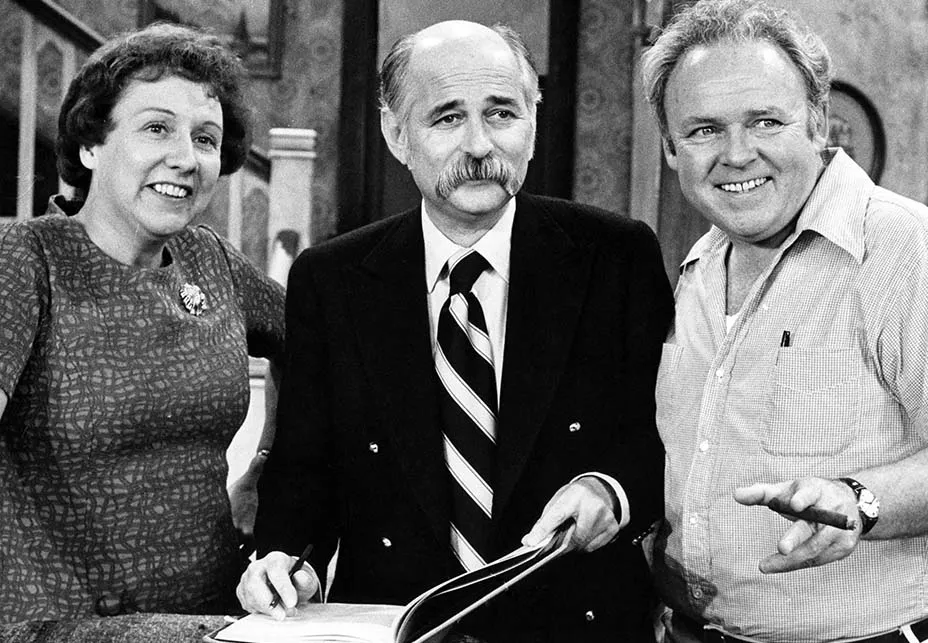
It is tempting to tell the story as if Lear appeared from nowhere, stormed the networks and forced them to grow a spine. Real history is less cinematic and more interesting. By the time he changed television, Lear already knew how television worked. He had written for variety, worked in film, sold material inside the system and spent years learning what producers, sponsors and network executives would tolerate. That matters, because revolutions on television usually come from people who understand the wiring well enough to overload it on purpose.
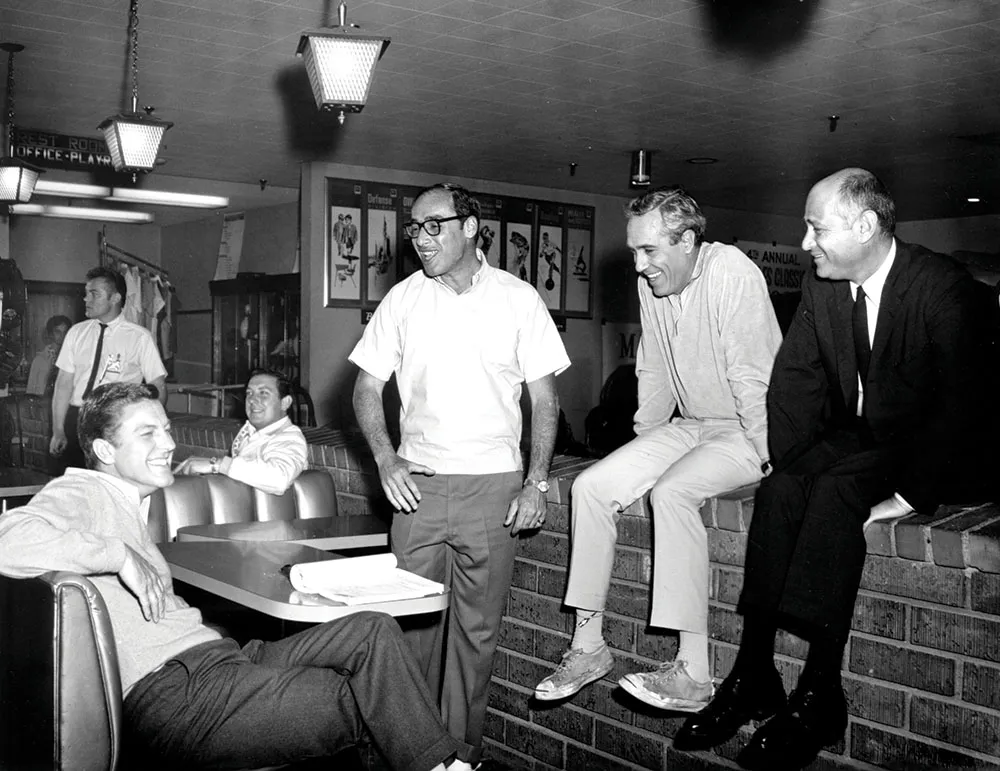
Lear’s partnership with Bud Yorkin gave him a production base and a way to scale ideas across multiple projects. He also understood how to build a room full of writers and collaborators rather than imagining the creator as a lone genius dropping perfect pages from the mountain. That practical side gets overlooked because the shows themselves were so loud and memorable, but it explains why the breakthrough could continue instead of burning out after one gamble.
He also had a rare instinct for character as collision. Plenty of producers could identify a “timely” topic. Lear understood that television did not live or die on topics. It lived or died on whether the audience wanted to spend time with the people in the argument. That is why his world did not become a stack of issue-of-the-week pamphlets. He built people whose resentments, blind spots, needs and charms kept dragging the audience back in.
The British series Till Death Us Do Part supplied the basic format that eventually became All in the Family, but the American leap was not mechanical. Lear and his collaborators had to test the idea, rework the tone and survive more than one failed pilot attempt before CBS finally put it on the air. The lesson there is pure network-era television: even great transformations usually arrive after somebody fails in public a couple of times first.
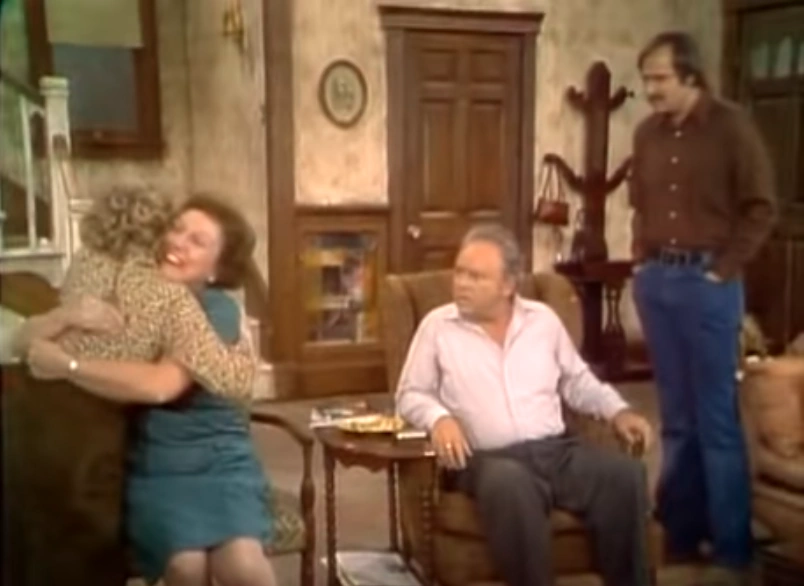
When All in the Family premiered on CBS on January 12, 1971, the network understood it was walking into a fight. The opening disclaimer was famous for a reason. Everybody involved knew that Archie Bunker was combustible material. But the show’s force came from more than a provocative central figure. Lear and the cast built a complete emotional circuit around him.
Archie worked because he was not written as a decorative symbol. He was a man frightened by change, proud of his own bluntness, shaped by habit and grievance, often funny and often ugly, sometimes ridiculous and sometimes more emotionally legible than the people mocking him. He was satire, but he was also recognizably human, which made him far harder to dismiss. Carroll O’Connor’s performance did the dangerous job of making Archie watchable without making him clean.
Just as important, the people around Archie were not cardboard opposites. Mike was the liberal son-in-law, yes, but he could be smug and self-satisfied. Gloria had more than one role to play; she was daughter, wife and witness to a generational war that never stayed abstract. Edith, meanwhile, was the show’s quiet engine. Her kindness was not an absence of intelligence. It was a different kind of intelligence, one the room kept underestimating until she cut straight through it. That balance is why the series still feels alive. Nobody was purely there to deliver the approved opinion.
The hit mattered not just because it was brave but because it was huge. All in the Family became the top-rated show in America for five straight seasons. That fact changes everything. A daring show that reaches a niche audience can influence artists. A daring show that dominates the ratings changes executive behavior, advertiser tolerance and what other writers are suddenly allowed to pitch.
What scared viewers and critics was exactly what made the show durable: everybody in the room could be right about one thing and terribly wrong about the next.
Archie Bunker was not funny because the show endorsed him. He was funny because the show let him expose himself while still protecting the emotional truth of the family around him. The scripts constantly put his certainties under stress. Yet the show avoided flattening him into a monster to be booed from a safe distance. That tension is why the satire still sparks arguments today. Some viewers mistake depiction for approval. Lear’s smarter move was trusting the audience to feel the discomfort and the laughter at once.
A lot of lesser topical TV traps itself by turning supporting characters into megaphones. Lear’s best writing refused that shortcut. Edith’s compassion changed the temperature of scenes. Mike’s righteousness could curdle into vanity. Gloria had to navigate loyalty, frustration and selfhood inside the same apartment. The politics mattered, but the family dynamics made them hurt in familiar ways. That is the difference between a debate and a sitcom people remember in their bones.
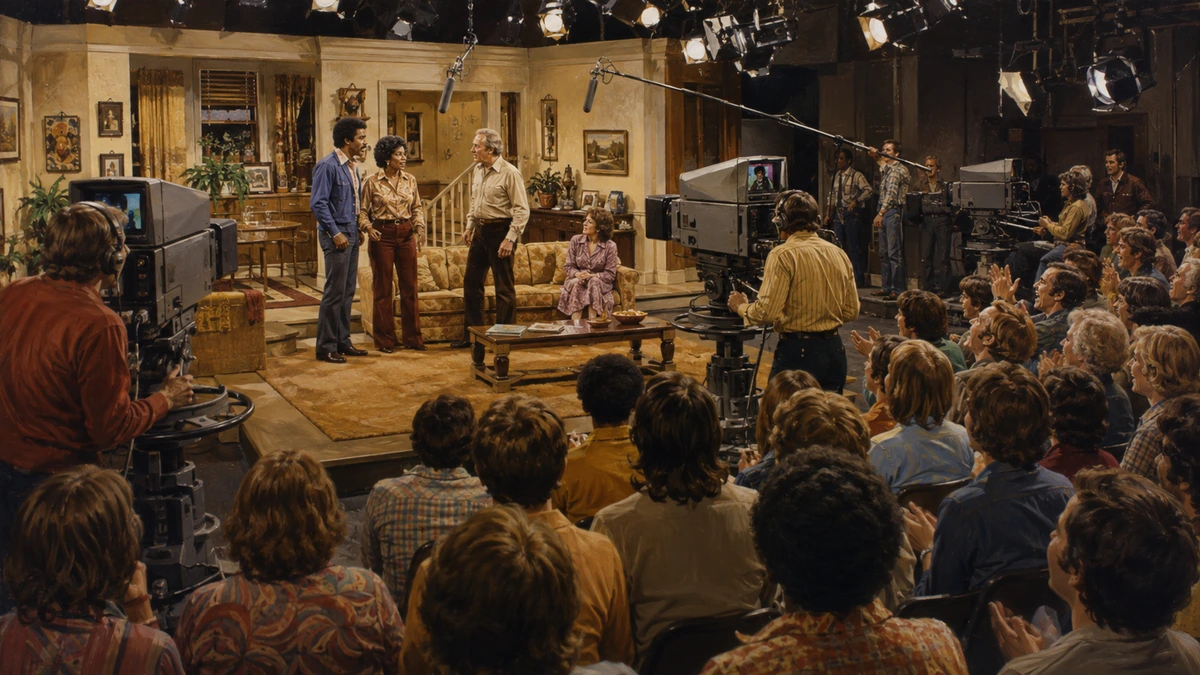
One reason Lear’s shows feel different from the canned, flattened version of “topical television” people sometimes imagine is the role of the live audience. The laughter was not just sweetener. It was timing, pressure, release and sometimes a moral weather report. When a line landed, you heard it. When a room hesitated, you felt that too.
That mattered because Lear’s comedies were built on rhythm. A scene could pivot from a laugh to a wince to a surprising note of tenderness in a few beats, and the actors played those beats in front of an audience that became part of the experience. The best performances on Lear shows have a stage-trained muscularity to them. They know when to hold, when to pounce, when to let a silence do the work. Without that live response, the scripts would still be sharp, but the electricity would not be the same.
There is another reason the audience mattered. It forced the show to prove that its social nerve and its comedy nerve were not separate talents. If the scene only congratulated itself for being important, the room would cool off. The laugh had to be earned. That requirement kept the best Lear material from turning into television civics class.
The pause after an explosive line was often as important as the line itself.
Actors had to balance broad comedy with emotional truth, sometimes in the same beat.
A joke touching race, sex or politics had to survive a real crowd instead of an abstract boardroom.
The audience response turned ordinary rooms into events people remembered the next day.
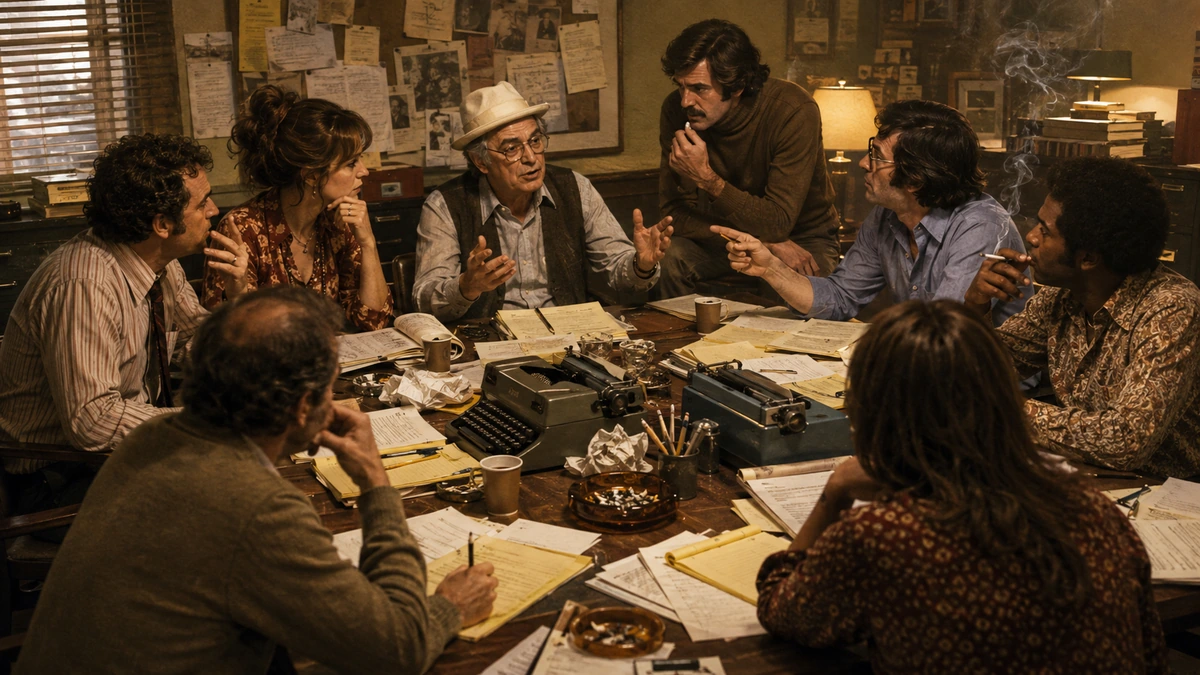
Lear’s influence was never limited to one title. He built a working television factory. That meant writers’ rooms, development pipelines, spin-off logic, casting instincts and a willingness to trust that viewers could follow relationships across shows and settings. Long before people started using fancy franchise language for everything, Lear had already shown how a family of connected shows could grow organically from character and theme rather than a logo pasted onto another show.
Tandem Productions and the broader Lear machine did not replicate the same family under different names. The smarter move was widening the social map. One show could stay in a blue-collar white household. Another could move to a Black family in a housing project, another to upwardly mobile Manhattan, another to a divorced mother raising daughters, another to a daytime satire that looked like no network sitcom at all. You could feel the body of work talking to itself.
This reach across an entire schedule is the part that separates Lear from a single-show legend. He changed what producers thought they could build. He showed that a strong point of view could scale, that spin-offs did not have to be cynical leftovers, and that a creator’s signature could become legible across different premises without flattening them into copies.
The breakthrough that made political and generational conflict feel like core sitcom material.
A different comic rhythm, rooted in working-class struggle, hustling and father-son friction.
A fierce female lead who expanded what a middle-aged sitcom woman could be allowed to say.
Black family life, money pressure and the arguments over representation moved into the center of prime-time comedy.
Success, class movement and a married Black couple became the center of a major network hit.
A divorced mother and two daughters made a changing family structure feel like ordinary family life.
Television satire became stranger, drier and less interested in obeying the old sitcom rules.
If there is one mistake people make when they reduce Lear to “that guy who did issue sitcoms,” it is missing how varied the shows actually were. All in the Family was not Sanford and Son with different wallpaper. Good Times was not simply The Jeffersons without money. One Day at a Time did not sound like any of them. Lear’s larger contribution was opening the form so different classes, races and household structures could occupy prime time without being forced to imitate the old TV family blueprint.
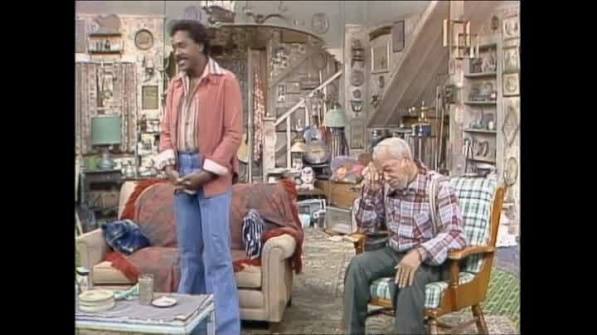
Adapted from the British Steptoe and Son, Sanford and Son premiered in 1972 and gave Redd Foxx a showcase that did not behave like a polite network inheritance. Fred and Lamont Sanford were hustling, feuding, needling and surviving. The comedy was broader, faster and often more openly performative than All in the Family, but it widened prime-time possibility in another essential way: working-class Black life could anchor a major network hit without smoothing away the bite.
The junkyard setting helped. It was physical, scrappy and unglamorous. Poverty and hustle were not background details; they shaped the comedy. That made the show feel lived in rather than aspirational. Lear’s influence here was less about cloning his flagship and more about recognizing where another voice could hit the culture from a different angle.
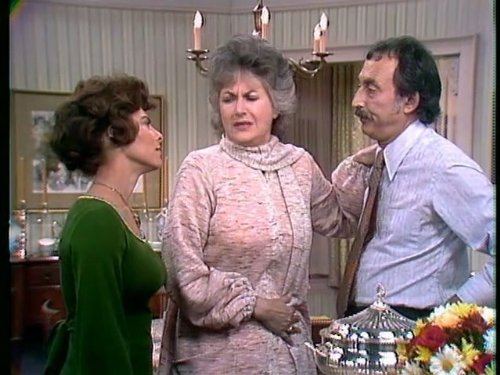
Maude deserves to be remembered not only for controversy but for scale of personality. Bea Arthur’s Maude Findlay was opinionated, difficult, compassionate, overbearing, politically engaged and gloriously unwilling to stay decorative. She expanded what a sitcom woman could be by refusing the old assignment of emotional support with a smile. The character’s sheer size changed the room around her.
That mattered for television beyond one show. A woman could lead comedy without being cute, young, pliant or eternally smoothing conflict for everybody else. She could create conflict, embody conflict and remain the gravitational center.
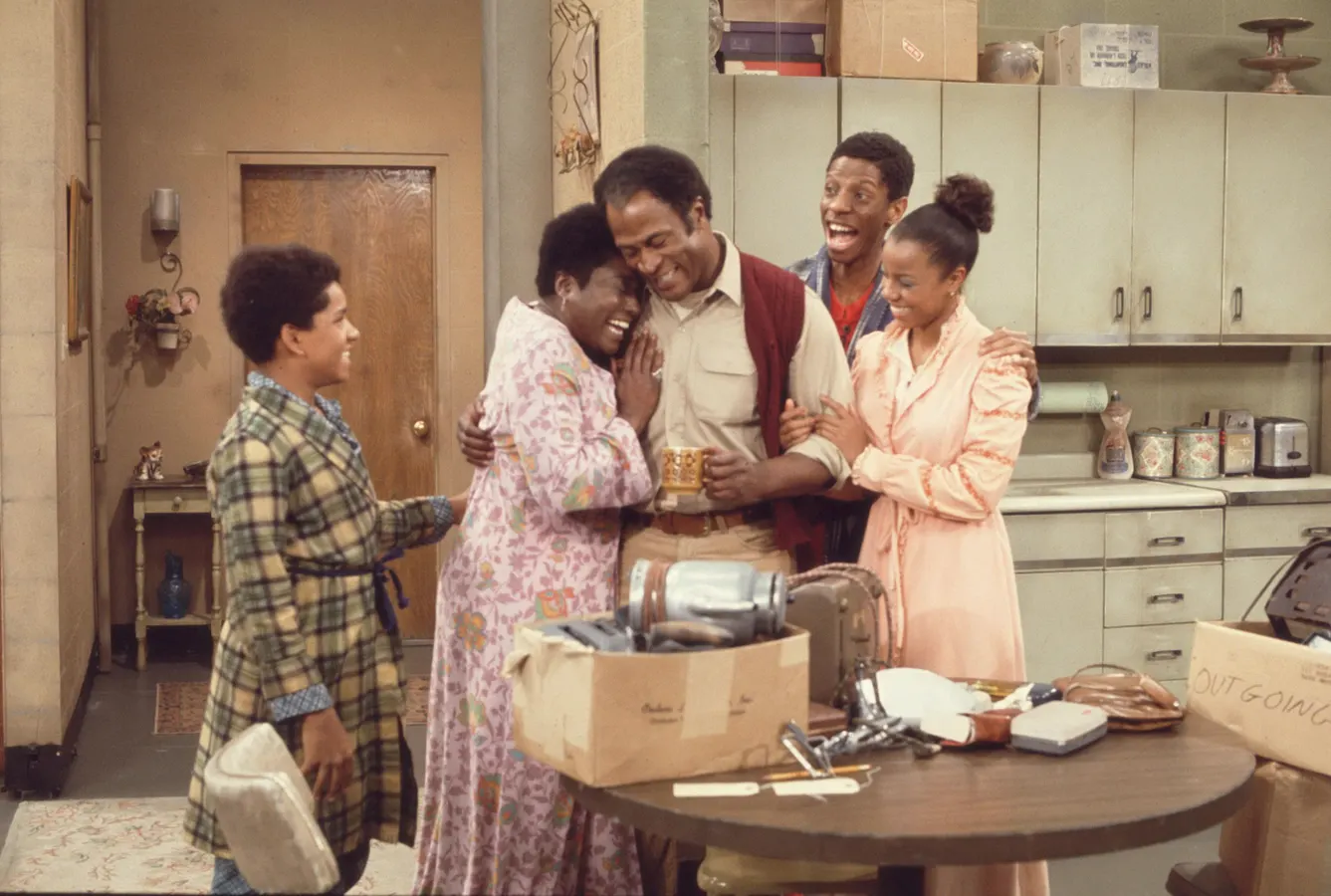
Good Times, which premiered in 1974, is one of the most important and complicated chapters in the whole Lear story. It put a Black working-class family in Chicago at the center of the frame and did not pretend that money pressure was a quirky side note. Bills, jobs, housing and dignity all lived in the same apartment.
That was a meaningful expansion of prime-time visibility. But it also produced some of the fiercest internal disputes in Lear’s world. John Amos and Esther Rolle both pushed back against the show’s drift toward emphasizing J.J. Evans’s buffoonish side at the expense of family balance and seriousness. Those conflicts matter because they reveal something honest about representation: getting more people into the center of the screen is not the same thing as settling how they should be written.
Lear’s legacy includes that tension. The work opened doors, but the rooms behind those doors were still argued over in real time.
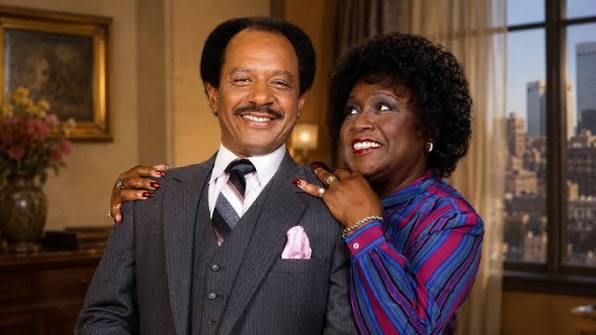
The Jeffersons arrived in 1975 and immediately proved that upward mobility could be sitcom fuel instead of a tidy ending. George and Louise Jefferson had money, confidence and a new address, but they did not become abstract symbols of success. George’s ego, Louise’s steadiness, interracial social tension and ongoing class friction kept the show moving.
The phrase “movin’ on up” became part of the culture because the show understood both the pleasure and the strain of arrival. Success did not eliminate history. It changed the setting in which history got argued.
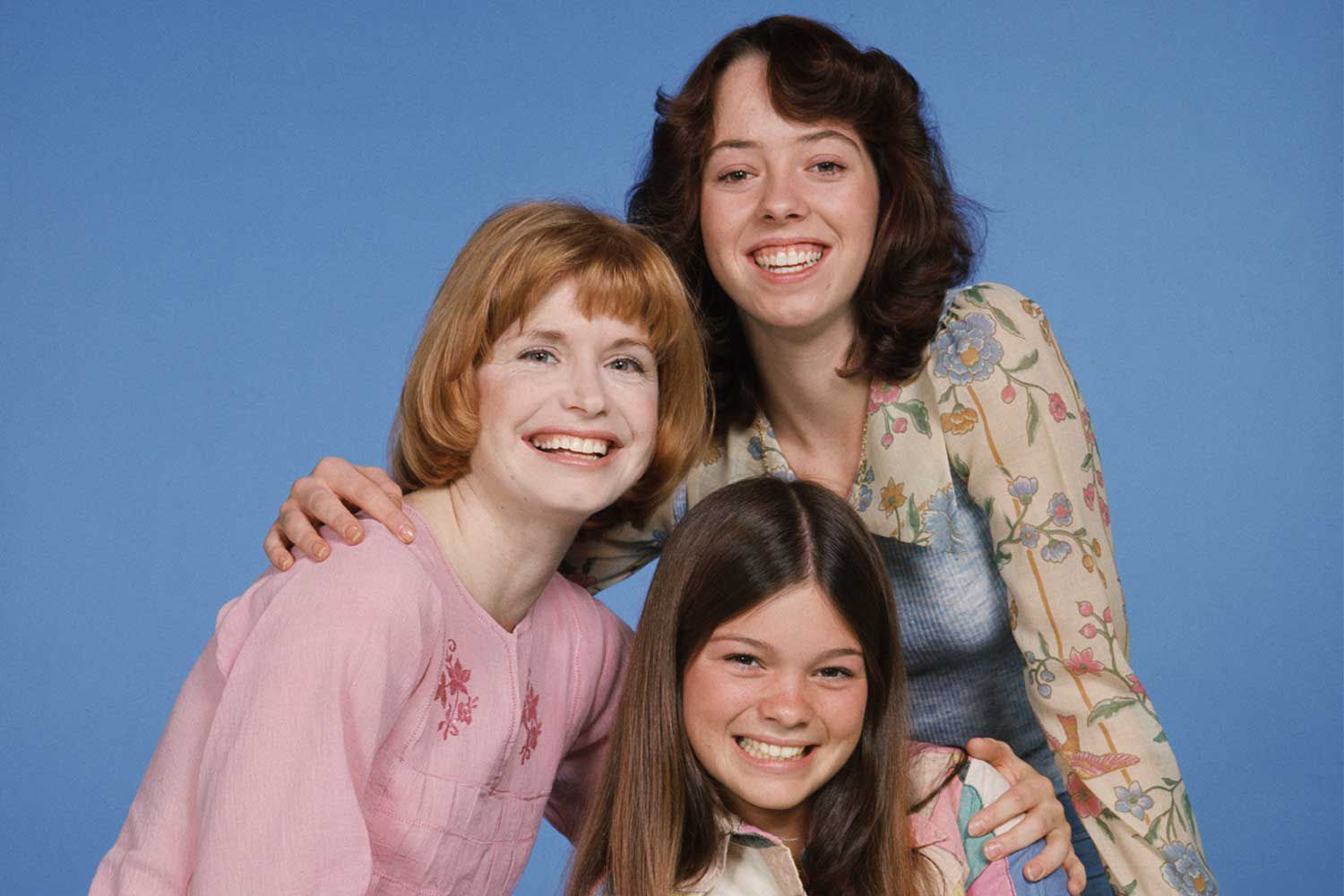
When One Day at a Time premiered in late 1975, it pushed another old television assumption aside. A divorced mother raising two daughters did not have to be treated as a social anomaly requiring restoration. It could simply be the family. That shift sounds obvious now, which is usually how you know television has successfully normalized something it once handled nervously.
Bonnie Franklin’s Ann Romano had to balance work, parenting, self-respect and exhaustion without pretending the old domestic hierarchy still ran the place. The show widened the emotional vocabulary of TV family life in ways that later series would treat as basic inheritance.
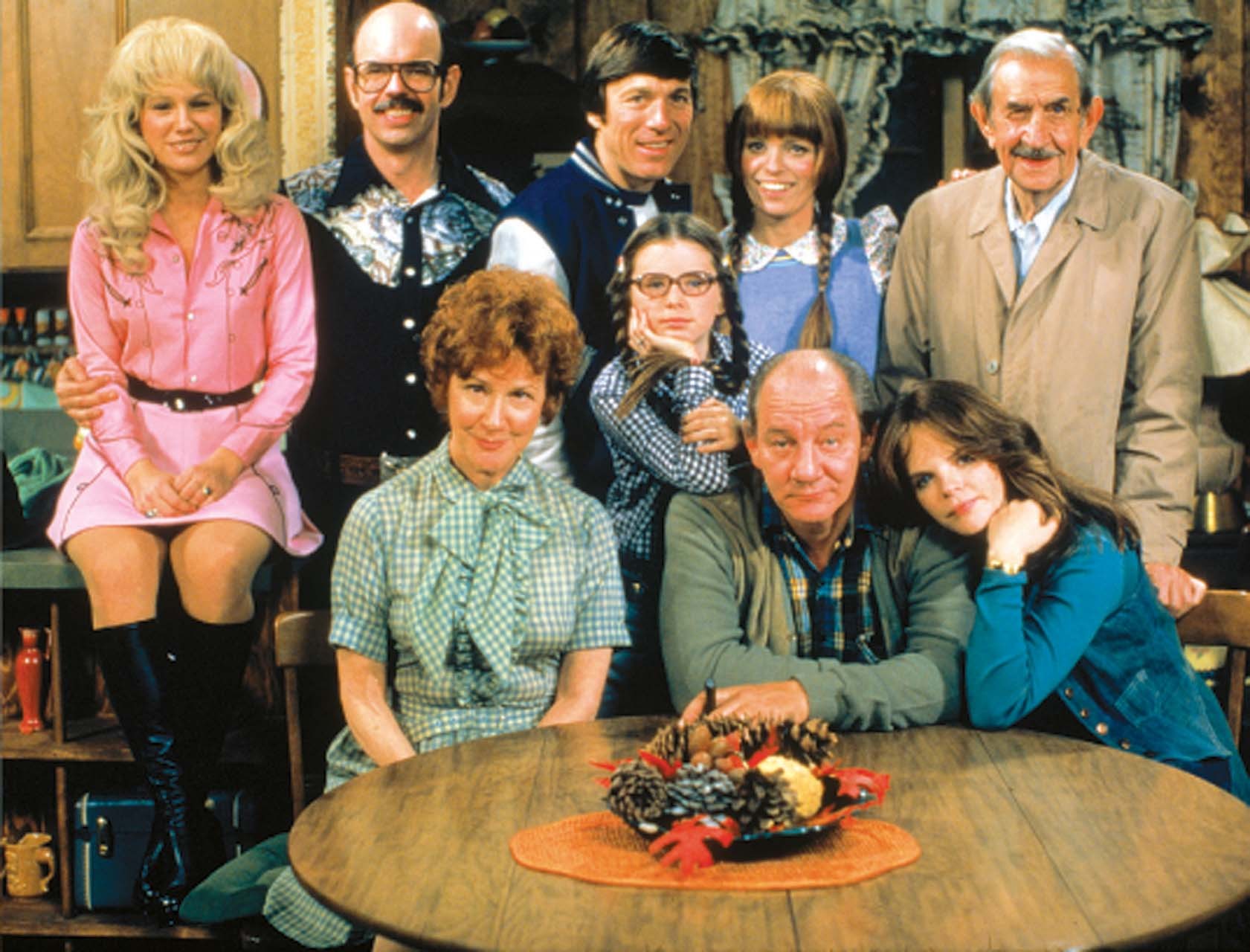
Lear’s influence even extended into projects that barely looked like standard prime-time sitcoms. Mary Hartman, Mary Hartman took soap opera form, deadpan satire and suburban breakdown and mixed them into something gleefully unstable. It was a reminder that once television accepted sharper social absurdity, the storytelling toolbox itself could open wider.
It would be too neat to say Lear “gave television social relevance.” Television had relevance before him, and not every Lear production solved its own contradictions. What he did was shift the center of gravity. Black households, working-class tension, women’s autonomy, old male authority under siege, the collapse of easy consensus—these were no longer occasional departures from the normal sitcom map. They became part of the map.
That change was cultural, not just formal. Viewers started seeing more homes that looked less like fantasy calm and more like places where pressure accumulated. Men could be wrong without the show quietly repairing their authority by the end. Women could challenge the structure instead of merely soothing its rough edges. Black family life could be represented through multiple class positions rather than one acceptable image. Money trouble could stop being invisible.
That broader set of concerns is one reason Lear’s work still matters, even where it has aged unevenly. You can draw lines from his shows to later series that assumed family was a site of negotiation instead of a settled hierarchy. He helped normalize the idea that comedy could carry conflict rather than hide it.
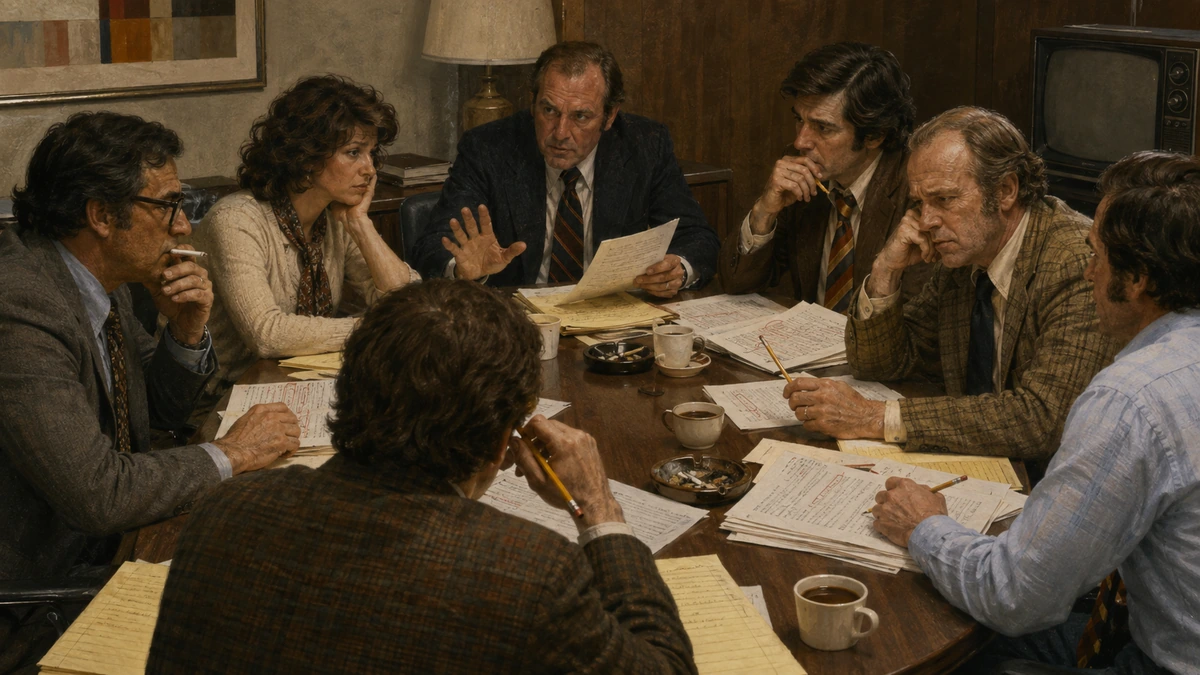
Lear’s transformation of television did not happen because the networks suddenly became brave institutions. It happened because ratings created leverage, because the culture was already shifting, and because the material kept proving it could survive in the marketplace. But every bold script still had to pass through standards, affiliates and sponsor nerves.
The famous Maude abortion episodes from November 1972 remain one of the clearest examples. The very fact that a prime-time sitcom could address abortion so directly was remarkable. The backlash was immediate, and so was the evidence that television had become a national civic stage whether executives liked it or not. Lear did not eliminate network caution; he kept forcing it to negotiate with the audience’s appetite for something more honest.
The Good Times disputes tell a different but equally important story. Conflict was not always between the creator and outside moral guardians. Sometimes the argument was inside the production itself, over whether broad comedy was undermining the dignity and complexity of the people being represented. Those disputes make Lear’s history richer, not weaker. They show a body of work serious enough to generate consequences rather than coast on safe applause.
It pushed prime-time comedy toward race, class, abortion, divorce, generation gaps and political anger at a scale few earlier sitcoms had risked.
Some caricature, broadness and representational choices now look strained, and not every internal criticism was answered by the fact that the shows were popular.
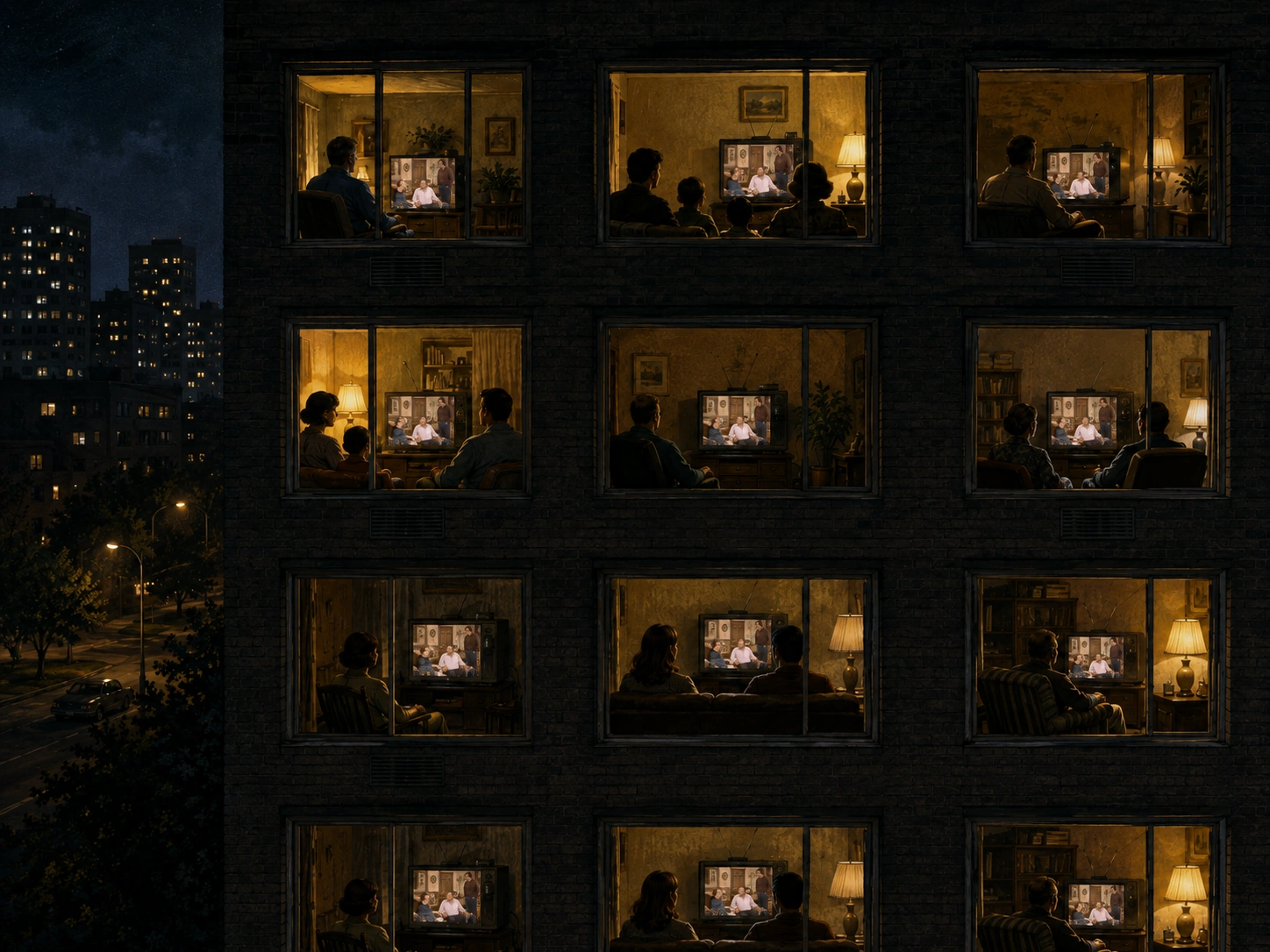
The simplest explanation is the right one: they were funny, well acted and emotionally direct. But there is another layer. Lear’s shows did not ask viewers to earn their way into a private intellectual club. They used familiar forms—family, home, marriage, work, neighborhood, parent-child conflict—and loaded those forms with more pressure than television usually tolerated. That meant millions of people could recognize the shape of the scene even if they disagreed with what happened inside it.
The timing also mattered. The so-called rural purge at CBS and broader shifts in early-1970s network programming created openings for more urban, contemporary and socially pointed material. Lear’s work arrived when network television was reassessing what modern America might look like in prime time. He was not the only reason for the shift, but he became its most vivid proof that the idea could work.
Syndication then amplified everything. These series did not vanish after original broadcast. They lived on in reruns, afternoon blocks and local station schedules. That is how so many Gen X viewers met them: half in real time, half in repetition, with jokes sinking in differently as we got older. Lear’s impact cannot be separated from that afterlife. The shows became part of the furniture, and furniture changes people in quieter ways than headlines do.
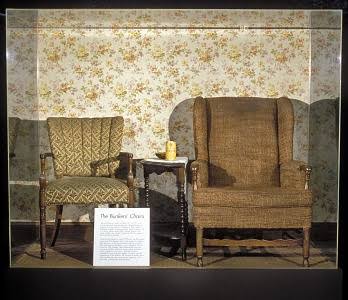
The best parts of Lear’s work aged well because they were built on human friction rather than topical novelty alone. The details of argument change, but stubborn fathers, exhausted mothers, status anxieties, money pressure, racial discomfort and generational superiority still read clearly. The shows also trusted adult contradiction. That usually travels better through time than neat moral certainty.
Where the work needs context is usually where the broadness tips into caricature or where the politics of representation inside the shows did not fully catch up to the doors the shows were opening. Some performances, jokes and narrative habits feel more strained now. That is not a reason to flatten the achievement. It is a reason to watch honestly. Lear did not create a utopia. He created television dynamic enough to keep arguing with the present.
The larger legacy is impossible to miss. Later sitcoms inherited more freedom because Lear and his collaborators spent network capital proving that audiences could handle friction. You can trace his influence through family comedies that embraced disagreement, workplace shows willing to expose hierarchy, and later television built around distinctive producers and writers that expects a television voice to extend across multiple programs instead of one isolated success.
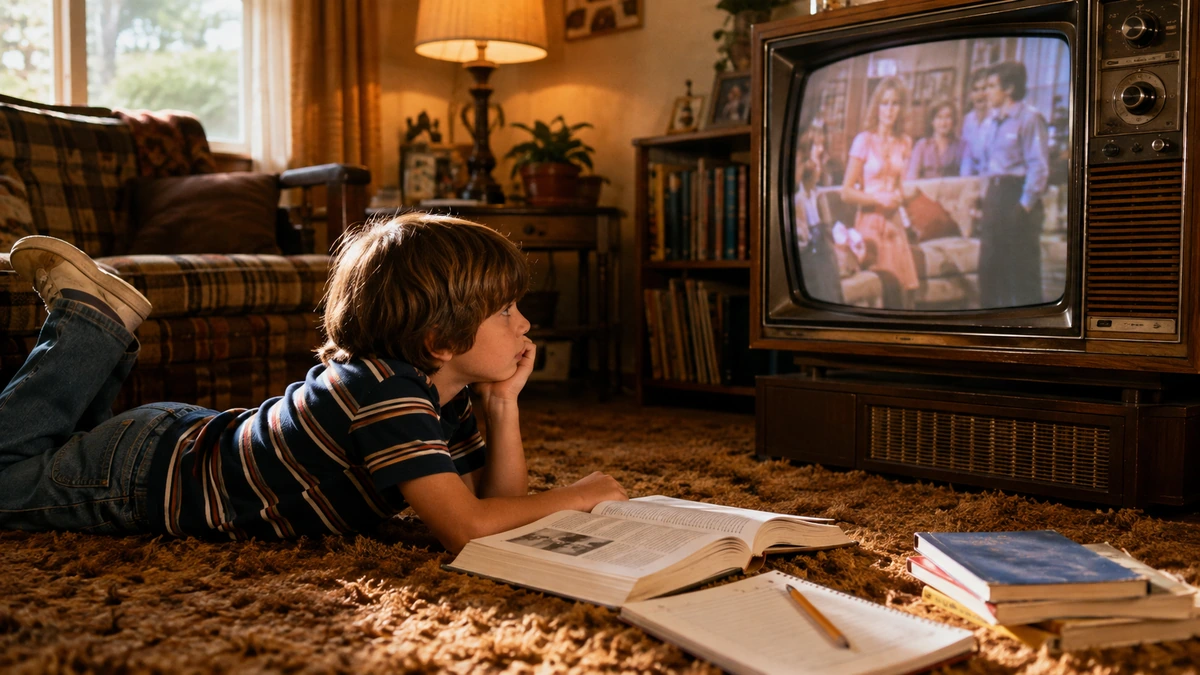
There is the formal TV-history version of Norman Lear, and then there is the carpet-level version. The carpet-level version is how many of us got him: after school, in syndication, half-watching while homework sat open, or hearing adults laugh harder at a line that did not fully make sense yet. That second memory matters because it explains how the work stayed alive. The shows were not museum objects first. They were habits.
That is why even people who never sat down to study “television history” can still feel the difference when a Lear show is on. The voices are louder. The room is hotter. Somebody is always a little more wounded, defensive or right than the format used to allow. You may not know the production timeline, but you can hear the medium stretching.
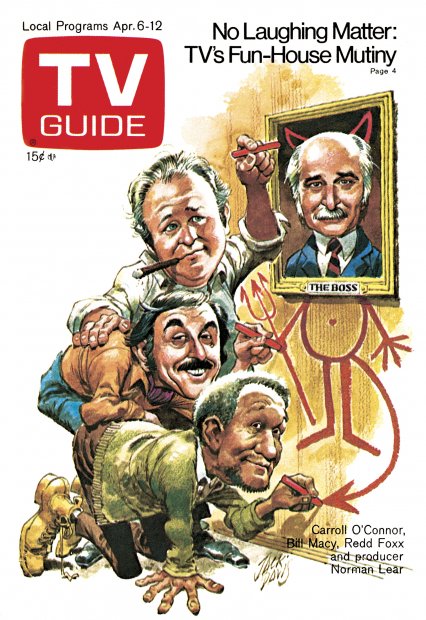
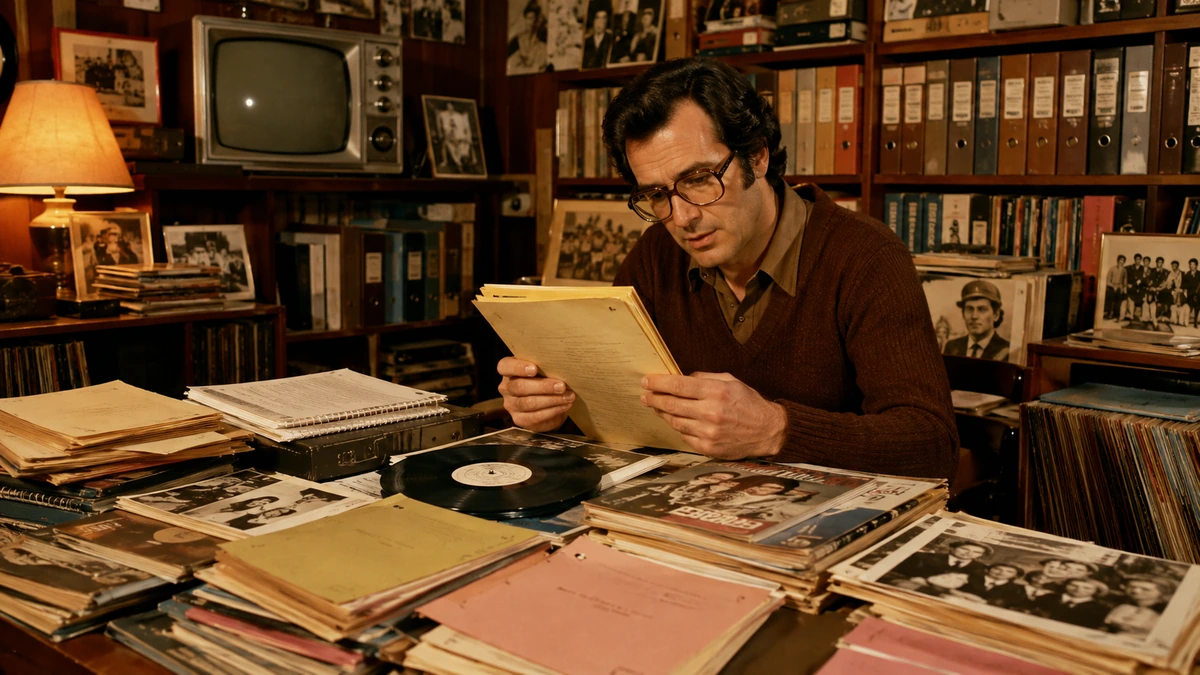
Television is supposed to be ephemeral. One night, one broadcast, and then it vanishes into memory. But Lear’s shows stuck around because reruns kept them moving and because viewers kept preserving the paper trail—TV listings, interviews, scripts, production memories, theme songs, local station blocks and the endless small evidence that a show had become a recurring part of home life.
That endurance matters because it turned the work from controversy into inheritance. A show that scandalizes one season can become, a few years later, something families casually quote at dinner. By the time Gen X grew up with reruns, the original panic around some of these programs had cooled, but the energy inside them had not. That is the mark of durable television. It survives the specific battle that introduced it.
Lear’s legacy is bigger than All in the Family, even though that series remains the cleanest demonstration of his impact. He changed who could be centered, what subjects could survive in comedy, how a creator could build a recognizable body of work across multiple programs, and how television could trust audience discomfort without surrendering mass appeal.
He also left behind a more useful model of what television history looks like. It is messy. It is collaborative. It is commercial and artistic at the same time. It produces hits, backlash, compromise, overreach and genuine breakthroughs all in the same decade. Lear did not solve television’s contradictions. He made better use of them than almost anybody else.
That is why the title does not need to say he changed only 1970s television, even though that decade is where the shock landed hardest. He changed television, period. The American sitcom after Norman Lear was more argumentative, more socially alive, more structurally flexible and more willing to admit that the family living room was never just a neutral place to sit. It was where the country kept showing up in slippers.
One easy way to measure Lear’s impact is to imagine taking him out of the chain of TV history and then seeing what starts wobbling. You can still get modern comedy without him, of course. Television is too collaborative and too messy to belong to one man. But the route later shows take gets a lot harder to picture. The idea that a sitcom can hold real resentment without breaking its own comic form? Lear helped make that feel normal. The idea that a family comedy can be anchored by unresolved disagreement instead of tidy moral settlement? Same story. The idea that a creator’s worldview can spread across several distinct series and still feel coherent rather than repetitive? Lear again.
That inheritance runs in more than one direction. Some later shows borrowed his willingness to argue. Others borrowed his willingness to center people television had either softened, ignored or treated as occasional guests in somebody else’s supposedly universal world. Some borrowed his mix of theatrical performance and social friction. Even programs that do not sound much like Lear often live in a television landscape he helped clear. Once audiences and executives accepted that conflict could be part of the pleasure rather than a threat to it, the medium could widen.
You can see pieces of that inheritance in later family sitcoms that treat intergenerational conflict as the point rather than the obstacle. You can see it in workplace comedies where systems and authority get openly challenged. You can see it in dramedies that assume a laugh can sit right beside embarrassment or pain. And you can absolutely see it in the modern expectation that a television creator might have a recognizable voice, moral weather and set of concerns that travel from one project to the next.
There is also a practical inheritance. Lear’s success taught networks that a point of view could be turned into a profitable hit if it was attached to strong characters and broad enough comic storytelling. That is not the glamorous part of the history, but it matters. Television usually changes when artistry and business temporarily agree that risk is profitable. Lear gave the industry multiple examples of risk paying off. Once that happens, the boundaries do not disappear, but they move.
Before creator culture became a prestige brand, Lear was already showing what a producer’s recognizable voice across a schedule could look like in a mass medium. He was not writing every frame alone, and nobody serious should pretend he was. But his body of work carried a discernible point of view. The questions kept recurring. Who gets listened to in a family? Who gets treated as the default American? What happens when social reality refuses to stay out of the joke? What does money do to intimacy and dignity? Those are authorial questions even when dozens of collaborators are helping shape the answer.
That model made later television easier to imagine. It gave the industry another way to understand value. A creator could offer more than efficient production. A creator could offer an angle on the country. That did not mean every show needed to become an ideological trumpet. It meant television could increasingly recognize the commercial and artistic usefulness of a strong social lens.
Lear also helped refine the spin-off into something more substantial than a desperation move. In weaker hands, a spin-off is often a sign that a network likes one ingredient and wants to stretch it past the point of flavor. In Lear’s hands, it often functioned like social expansion. A side character or connected household did not simply carry over familiar bits. The new show widened the map. Maude let a forceful middle-aged woman dominate her own room. The Jeffersons changed class position and neighborhood dynamics. Good Times moved the center to a different Black family under different economic pressure. The logic was not just recycling a successful name. It was a new household with a new set of pressures.
That is why the body of work feels larger than the sum of ratings charts. Each new show said, in effect, that the previous success had not exhausted the culture around it. There was more to see, more to hear and more people who could plausibly hold the screen.
Maybe the most durable inheritance is emotional rather than structural. Lear helped prove that argument itself could be entertainment when attached to character, comic timing and stakes the audience could feel. This sounds obvious now because the culture is saturated with televised conflict. But there is a huge difference between loudness and dramatic argument. Lear’s best scenes were not simply people yelling because the writers wanted heat. They were scenes where different values, class positions or generational experiences collided inside relationships the audience cared about.
That form has survived because it fits real life. Families do not live by lesson plans. Couples do not move through social change in smooth agreement. Parents and children do not line up as “old” and “new” without dragging years of loyalty and resentment into the room with them. Lear’s comedies made use of that mess instead of pretending the mess was bad for business.
And that, finally, is why the legacy keeps feeling current. Every time television rediscovers that people will watch sharp, uncomfortable, funny disagreement if the characters are worth the trouble, it is walking across ground Lear helped make habitable.
Television history gets flattened whenever it searches for one heroic figure who single-handedly changed everything. Lear was transformative, but the work only happened because performers, writers, directors, editors and fellow producers turned those scripts into something electrically specific. Carroll O’Connor, Jean Stapleton, Bea Arthur, Redd Foxx, Isabel Sanford, Sherman Hemsley, Esther Rolle, John Amos, Bonnie Franklin and many others were not decorative passengers on somebody else’s bus. They were part of the engine.
That collaborative truth matters for two reasons. First, it keeps the history honest. Second, it shows how hard the achievement really was. It is one thing to have a thesis about television needing to grow up. It is another to build the rooms, casts and production structures capable of carrying that growth week after week. Lear’s talent was not just conceptual courage. It was the practical intelligence to surround himself with people who could make volatile material playable, funny and emotionally legible to millions.
Take the performances. Without Jean Stapleton, Edith Bunker might have been written off as a stock type. Stapleton turned her into one of the deepest reservoirs of feeling in 1970s television. Without Carroll O’Connor, Archie might have slid into pure cartoon or pure villainy. Without Bea Arthur, Maude’s force might have looked merely abrasive instead of monumental. Without Esther Rolle, the emotional center of Good Times would not have carried the same gravity. Without Isabel Sanford, Louise Jefferson would not have grounded George’s swagger with that particular mix of warmth and steel. Lear’s genius includes seeing what those performers could hold.
The writers mattered just as much. Lear’s name sits on the marquee of history, but the episodes were built in rooms where stories got broken, arguments got refined and comic shape got found in the mess of current events and domestic detail. That is why the work did not become monotone. It contained different rhythms, different comic muscles and different emotional registers because television, at its best, is not a solo instrument.
It also matters that collaboration did not always mean harmony. Disagreement inside the process often sharpened the work. Sometimes those disagreements exposed real fault lines, as with the tensions around Good Times. Sometimes they protected a character from becoming too simple. Sometimes they corrected a joke that was punching in the wrong direction. Lear’s world was not valuable because everyone agreed about art and politics. It was valuable because disagreement was built into the process the same way disagreement was built into the shows.
That may be the most Norman Lear thing of all. The method resembled the product. Friction was not proof of failure. It was often the condition of honesty.
Another reason to stress the collaboration is that it protects the legacy from becoming over-sanitized. Television history loves to turn dangerous work into a neat sequence of milestones. Then all the edges vanish. Lear deserves better than that. The shows were alive because they were unstable in useful ways. They could be big, messy, overly broad, piercingly true, generous and exasperating, sometimes in the same episode. That is not a flaw in the legacy. It is evidence that the work was genuinely in contact with life instead of pre-chewed by reputation.
Once history files somebody under “important,” there is a temptation to treat the art as homework. Lear’s best episodes resist that fate. They are too funny, too bruised and too argumentative to sit quietly in the display case. They still push back. That is one of the reasons Gen X viewers and later audiences keep rediscovering them. The shows do not merely represent a past moment; they still create present-tense reactions.
In the end, maybe the clearest legacy is this: after Norman Lear, television had fewer excuses. It could no longer pretend the mass audience was too fragile for conflict. It could no longer pretend only one kind of household felt universal. It could no longer pretend comedy had to choose between popularity and seriousness. Later television still failed those possibilities all the time, of course. But failing them is different from never having seen them proved possible in the first place.
That is what true change in a medium usually looks like. Not a permanent victory. Not a straight line. Just a widening of what can be imagined, sold, acted, argued and remembered. Lear widened the lane. A lot of television has been driving through it ever since.
He changed both subject matter and structure. Lear helped make prime-time comedy comfortable with race, class, politics, feminism, divorce and generational conflict, and he proved that television shaped by a producer’s distinct point of view could scale across multiple distinct shows instead of living in one isolated hit.
No. All in the Family was the breakthrough, but Lear’s larger influence runs through Sanford and Son, Maude, Good Times, The Jeffersons, One Day at a Time and other projects that widened who and what could anchor television comedy.
Because they brought real social conflict into comedy and did it in front of a mass audience. Race, abortion, class inequality, divorce and political anger were not treated as faraway problems. They happened inside familiar homes and relationships.
Much of the character writing, performance energy and social boldness still holds up. Some jokes, broad character choices and representational limits need context. The legacy stays strong because the shows still feel alive enough to argue with.
Because syndication kept them everywhere. Even viewers too young for the original broadcasts often met the shows in afternoon reruns, local station blocks and family living rooms where the arguments stayed in the air long after first run.