The Year Toys Started Beeping From Every Backpack
Top 10 Toys of 1997: Tamagotchi, Nintendo 64 & Digital-Pet Mania
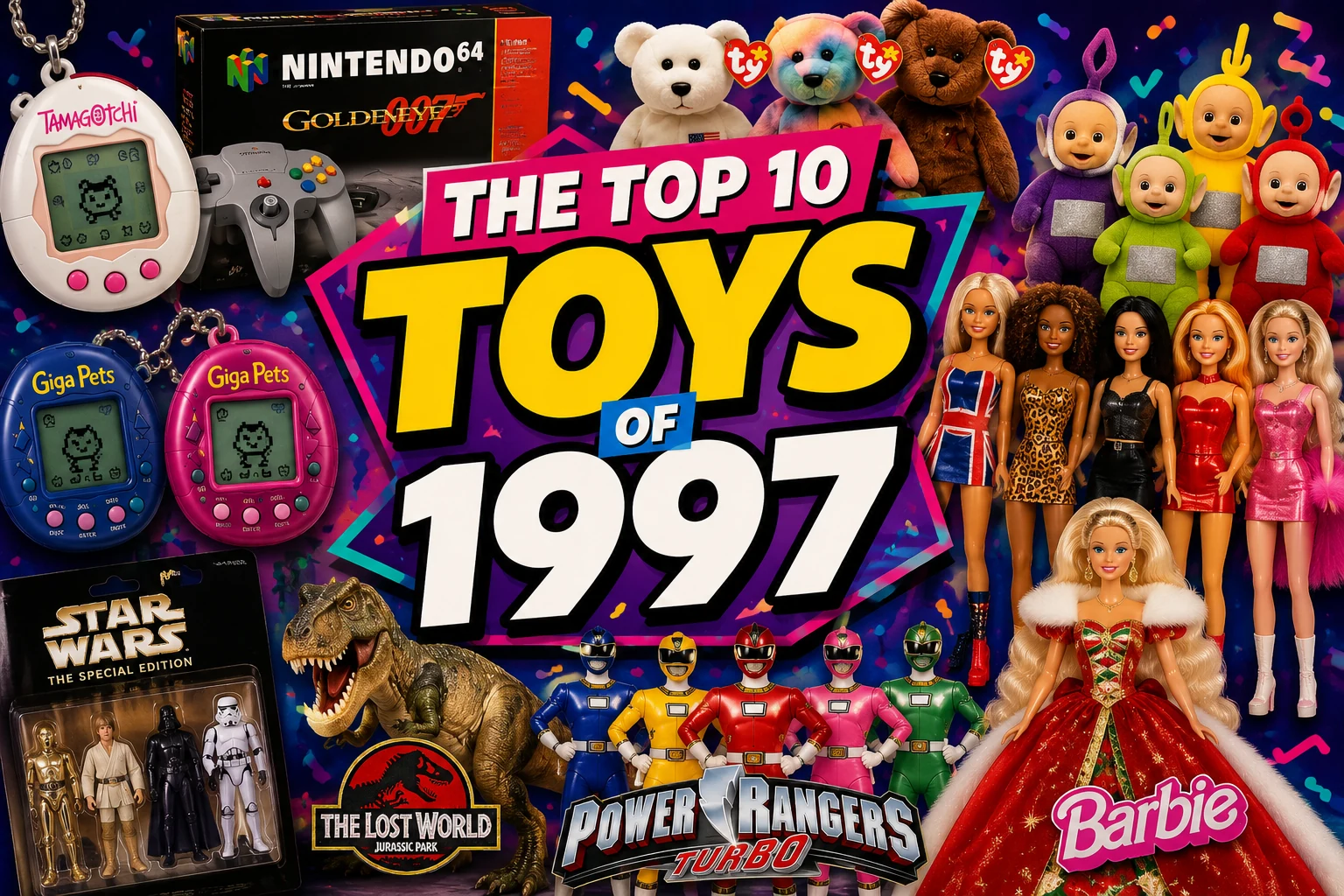
The top toys of 1997 were Tamagotchi, Nintendo 64, Beanie Babies, Giga Pets and Nano Pets, Teletubbies plush toys, Spice Girls dolls, The Lost World: Jurassic Park toys, Power Rangers Turbo, Star Wars Special Edition toys and Barbie.
This was the year the toy aisle became portable, collectible and emotionally needy. Digital pets beeped during class, Nintendo 64 owned the living room, Beanie Babies turned adults into amateur market analysts and entertainment brands moved from screens to shelves almost instantly.
The Short Answer
What Were the Most Popular Toys of 1997?
The most popular toys of 1997 included Tamagotchi, Nintendo 64 and GoldenEye 007, Beanie Babies, Giga Pets and Nano Pets, Teletubbies plush toys, Spice Girls dolls, The Lost World: Jurassic Park toys, Power Rangers Turbo, Star Wars Special Edition toys and Barbie.
Tamagotchi ranks first because it best defines the year’s portable digital-pet craze. Nintendo 64 was the larger big-ticket entertainment platform, while Beanie Babies represented the collector frenzy that had moved well beyond ordinary child behavior.
The Fast Rewind
Top 10 Toys of 1997 at a Glance
Start with the complete ranking, then jump directly to any toy for the full explanation.
- #1TamagotchiThe tiny virtual pet that demanded food, care and constant attention
- #2Nintendo 64 and GoldenEye 007Four-player couch gaming turns the console into sleepover infrastructure
- #3Beanie BabiesPlush collecting becomes scarcity mythology and adult speculation
- #4Giga Pets and Nano PetsTamagotchi opens the door to a crowded digital-pet aisle
- #5Teletubbies Plush ToysPreschool television becomes a colorful plush retail event
- #6Spice Girls DollsGirl Power moves from radio and MTV into collectible plastic
- #7The Lost World: Jurassic Park ToysBlockbuster dinosaurs return with figures, vehicles and capture gear
- #8Power Rangers Turbo ToysA new season supplies new suits, vehicles and Zords
- #9Star Wars Special Edition ToysThe original trilogy returns and nostalgia becomes a modern retail strategy
- #10Barbie Dolls and Holiday BarbieThe permanent doll empire survives another year of louder crazes
How the List Came Together
How the Top Toys of 1997 Were Ranked
This is a transparent editorial ranking. No single complete public chart cleanly compares digital pets, consoles, collectible plush, celebrity dolls, preschool characters, movie merchandise, action figures and evergreen fashion dolls across the year.
Holiday demand and schoolyard visibility
The ranking weighs Christmas-list energy, retail availability, commercial presence, backpack and classroom visibility, and whether children discussed the product even when it was technically supposed to be turned off.
Portability and social behavior
Tamagotchi, Giga Pets and Beanie Babies traveled easily, while Nintendo 64 gathered people around one television. The strongest products changed daily behavior, not just the contents of a toy box.
Media and collector power
Teletubbies, Spice Girls, Jurassic Park, Power Rangers and Star Wars arrived with recognition already built in. Beanie Babies created a different kind of media: price guides, retirement rumors and collector conversation.
How clearly each toy defines 1997
The strongest entries capture the year’s specific personality: needy digital pets, GoldenEye multiplayer, Beanie speculation, pop-star dolls and old franchises returning as fresh retail events.
The Late 90s Become Portable
Why 1997 Changed Toy Culture
The year matters because toys increasingly followed children through the day. They hung from backpacks, beeped in class, traveled in pockets and became visible markers of taste, responsibility and status.
Toys started demanding ongoing care.
Tamagotchi made neglect part of the game. Feeding, cleaning and checking the pet created a loop that continued after playtime was supposedly over.
Console ownership became social power.
Nintendo 64 gained enormous strength from multiplayer games. The household with the console and extra controllers became the destination.
Collectibles gained financial mythology.
Beanie Babies connected toys to retirement rumors, condition rules and expected future value, pulling adults into the craze at scale.
Fandom moved faster from media to merchandise.
Spice Girls dolls, Teletubbies plush and movie toy lines show how quickly screen or music visibility could become shelf inventory and exact-character demand.
Five Demand Engines in One Late-90s Aisle
What Actually Drove the 1997 Toy Market?
The year becomes clearer when the toys are grouped by the type of behavior and pressure they created. Each force receives a full-width horizontal card.
The Pocket Responsibility Craze
Tamagotchi, Giga Pets and Nano Pets transformed a small screen into a continuing obligation. The toy could interrupt school, dinner or travel because its needs existed on its own schedule.
The low price and portable shape helped the category spread quickly, while different animals and brands encouraged more than one purchase.
The Multiplayer Living Room
Nintendo 64 became more valuable as a social system once GoldenEye 007, Mario Kart 64 and other multiplayer games gave four controller ports a purpose.
The console created a physical gathering place and turned hardware ownership into neighborhood status.
The Plush Stock Market
Beanie Babies used affordability, frequent variation, retirements and scarcity rumors to make repeated buying feel rational.
The tag became condition evidence, collector guides became research and small plush animals acquired an alarming amount of financial vocabulary.
The Instant Fandom Product
Spice Girls dolls and Teletubbies plush translated current cultural visibility into products with almost no learning curve. Fans already knew the names, colors, personalities and favorite characters.
The product functioned as an identity badge as much as a conventional toy.
The Returning Franchise Engine
Jurassic Park, Power Rangers and Star Wars proved that sequels, seasonal resets and theatrical re-releases could make familiar toy systems feel current again.
The larger movie and television toy pipeline allowed older characters to compete directly with digital newcomers.
From #10 to #1
The Top 10 Toys of 1997 Countdown
Ten products and one year where portable electronics, multiplayer gaming, plush speculation and media fandom competed for the same attention.
Pink-Aisle Immortality
Barbie Dolls and Holiday Barbie
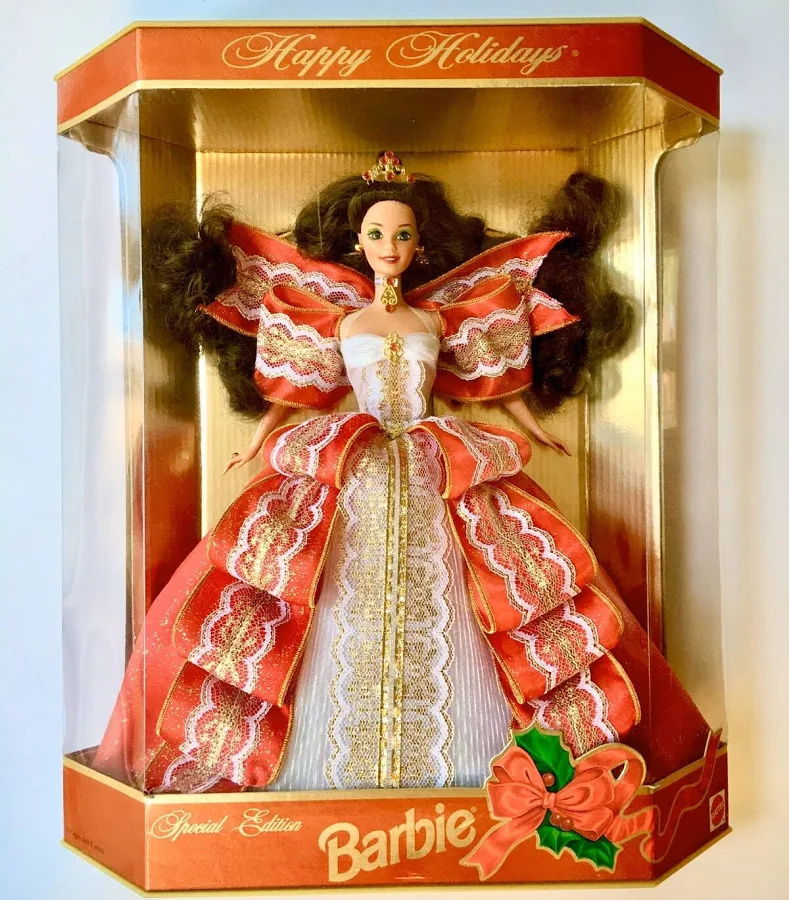
Barbie opens the countdown because the 1997 shelf was packed with digital pets, consoles and collector crazes, yet the fashion-doll empire remained one of the safest and most expandable gifts in the store.
The strength was not one universal release. Barbie could serve children looking for active play, adults buying Holiday Barbie as a display collectible and relatives choosing an outfit, vehicle or playset at nearly any gift level.
That breadth protected the brand from the year’s volatility. A Tamagotchi could sell out and a Beanie Baby could become “retired,” but the Barbie aisle still offered recognizable products connected to a collection that already existed.
Holiday editions also reflected the growing overlap between toy buying and adult collecting. Some dolls entered bedrooms and playrooms, while others remained boxed because the package itself was part of the object adults valued.
Barbie ranks tenth because the list emphasizes year-specific heat, not because the brand had become small. Permanent infrastructure is simply less dramatic than a digital pet causing a classroom emergency.
For Gen X, Barbie in 1997 felt like the one toy institution that could watch every new craze arrive, change one outfit and remain exactly where it had always been.
Nostalgia Becomes a Current Retail Event
Star Wars Special Edition Toys
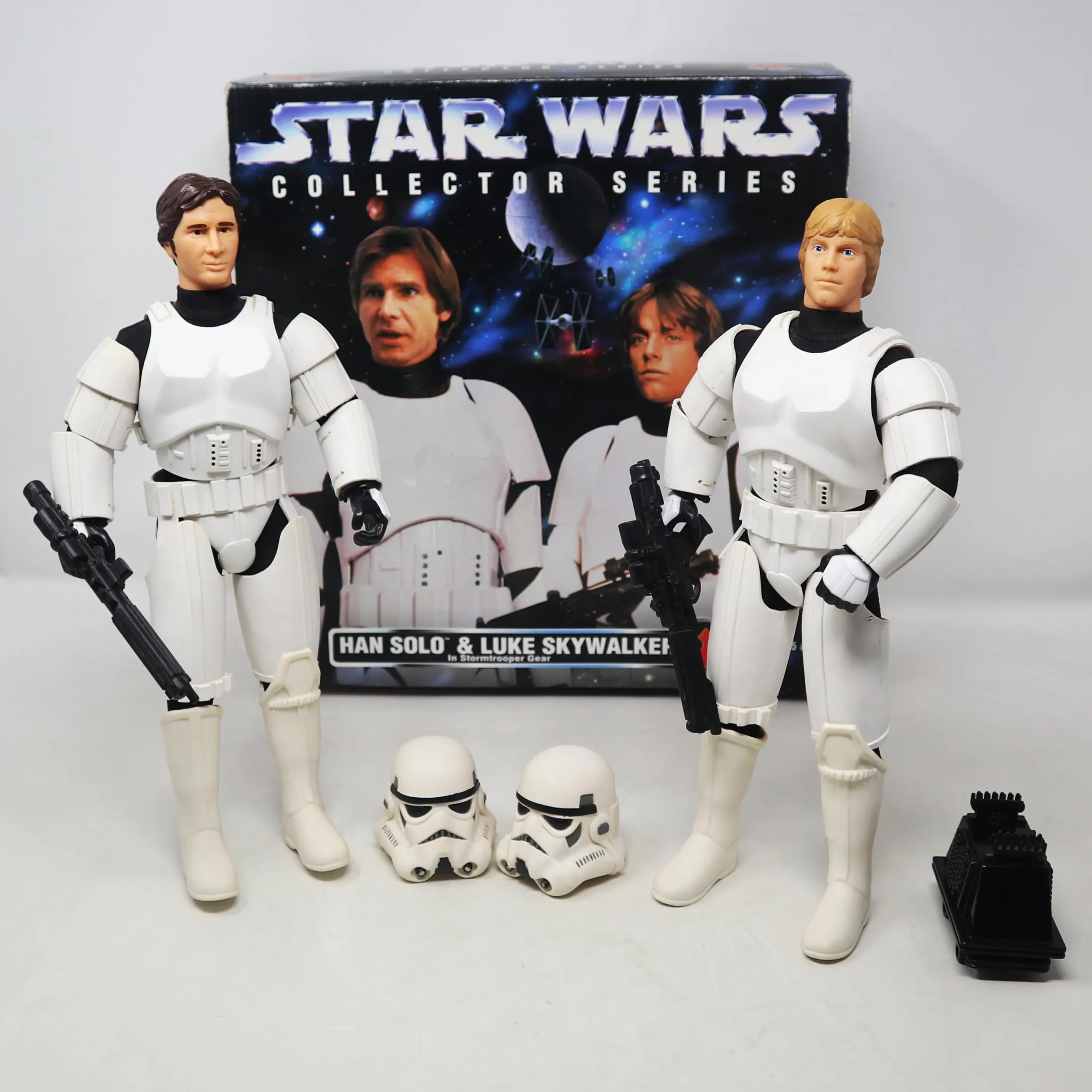
Star Wars Special Edition toys rank ninth because the theatrical return of the original trilogy gave familiar characters a fresh retail moment instead of leaving them as older-sibling mythology.
Luke, Leia, Han, Vader, stormtroopers, vehicles and lightsabers remained easy to understand. The movies returned the visual world to theaters, and the toy aisle supplied a new generation of products for children who had not experienced the original release cycle.
The line also benefited from two audiences. Kids could treat the figures as current action toys, while adults could revisit a franchise tied to their own childhood. Nostalgia became a purchase justification with suspicious efficiency.
Star Wars demonstrated that an older property could be repackaged without losing its basic play value. Characters, ships and conflict still worked, and the re-release made the merchandise feel current enough to compete with newer digital trends.
Inside the wider 90s action figure wars, Star Wars helped normalize the idea that classic franchises could return repeatedly and still claim modern shelf space.
For Gen X adults, 1997 Star Wars toys offered the perfect arrangement: buy the child an action figure and somehow end up preserving one for yourself.
New Vehicles, New Zords, Same Collection Problem
Power Rangers Turbo Toys
Power Rangers Turbo toys rank eighth because the franchise remained skilled at turning a new season into a complete retail refresh.
New suits, vehicles, weapons and Zords gave children a reason to re-enter a system they already understood. The weekly television schedule explained the changes and supplied repeated reminders that the newest equipment mattered.
Turbo leaned especially hard into vehicles, which gave the line a clear visual difference from earlier seasons while preserving the core color-coded team fantasy. Individual Ranger identity still worked, but vehicles and combining machines carried the larger gift value.
The line’s continuing presence shows how powerful planned obsolescence could become in franchise toys. Last year’s items did not stop functioning, but the story made them feel less current.
The broader action figure market was becoming crowded with digital pets and collectibles, yet Power Rangers still held space because television kept supplying an active narrative.
For Gen X parents and older siblings, Turbo was another calm explanation that the previous robot had served honorably and was now apparently ancient.
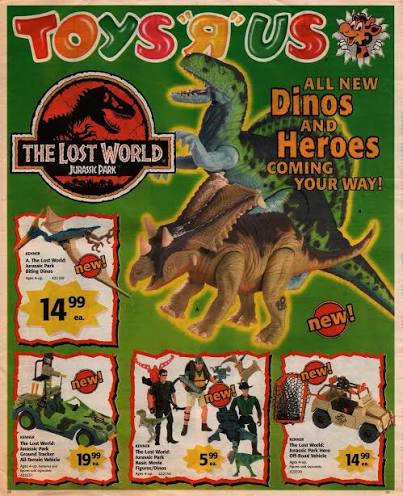
The Dinosaur Aisle Gets Another Blockbuster
The Lost World: Jurassic Park Toys
The Lost World: Jurassic Park toys rank seventh because dinosaurs remained one of the easiest sales pitches in the entire store, and the movie supplied another round of screen-sized urgency.
Large creatures, smaller dinosaurs, human figures, vehicles and capture gear supported several kinds of play. The dinosaurs carried the visual excitement, while vehicles and equipment let children recreate the idea that humans remained wildly overconfident around prehistoric animals.
The product line benefited from immediate recognition. A child did not need a detailed explanation of why a chomping dinosaur was desirable, and the movie logo made the toy feel connected to a larger event.
Action features also translated well to commercials. Roaring, biting, stomping and capture mechanisms created obvious demonstrations and made the plastic creature look active before the box opened.
The Lost World line represents the part of 1997 that still belonged to theatrical spectacle even while the hottest new crazes were becoming smaller, portable and electronic.
For Gen X, the dinosaur aisle remained refreshingly honest: here is a large plastic predator, it bites things, and yes, another one is probably necessary.
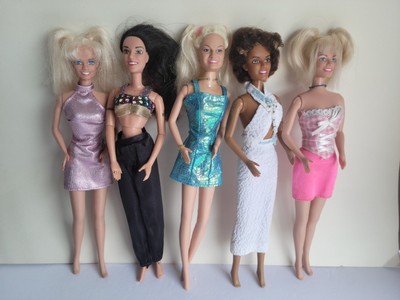
Girl Power Becomes Shelf Power
Spice Girls Dolls
Spice Girls dolls rank sixth because the late 90s could translate pop stardom into toy-store inventory at remarkable speed.
Each member already carried a recognizable nickname, fashion identity and personality. The dolls did not need to invent characters; music videos, magazines, television appearances and radio had completed that work.
The five-member structure also encouraged set completion. One favorite could begin the purchase, but the group concept made a single doll feel narratively incomplete. Apparently even Girl Power required full retail harmony.
The line connected fashion play to active fandom. Clothing, hairstyles and accessories mattered because they represented specific public identities rather than anonymous doll styling.
Spice Girls dolls reveal how wide the toy market had become. Music fandom could now create a toy line with the same speed and intensity previously associated with cartoons, films or action franchises.
For Gen X, the dolls marked the moment the mall, MTV, radio and toy aisle stopped pretending they were separate commercial environments.
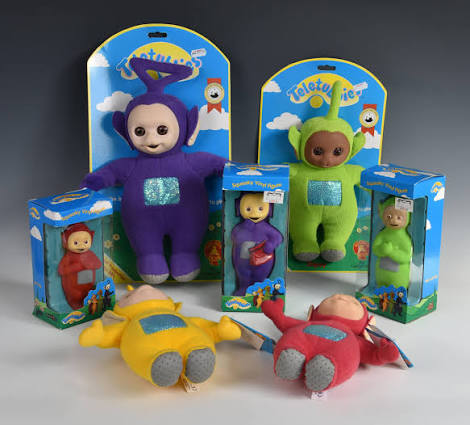
Preschool Television Creates a Plush Rush
Teletubbies Plush Toys
Teletubbies plush toys rank fifth because the brightly colored characters became one of the year’s clearest examples of preschool television turning into serious retail demand.
The plush format was a natural match. Tinky Winky, Dipsy, Laa-Laa and Po already had simple shapes, strong colors and recognizable silhouettes, making them easy for young viewers to identify across a store.
Character choice created collecting pressure without requiring complex mythology. A child could have a favorite, while adults immediately understood the uncomfortable possibility that all four might eventually be requested.
The craze was especially intense in the United Kingdom, where the program and licensed plush became a major holiday story. That international strength matters because the 90s toy market was increasingly connected to global television properties.
Older children and adults could find the characters baffling, but preschool recognition was the only opinion the product actually needed. Repetition on television supplied more than enough familiarity.
For Gen X adults, Teletubbies plush represented the ancient parental discovery that a character does not need to make sense to you in order to become unavailable everywhere.
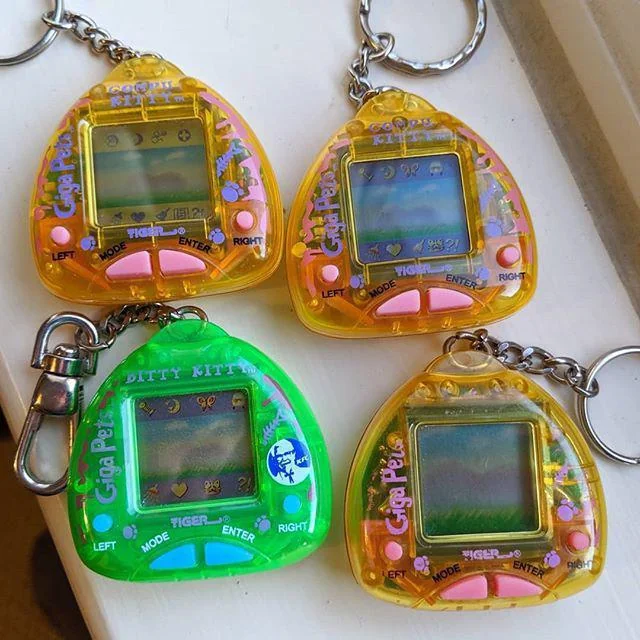
The Virtual-Pet Aisle Multiplies
Giga Pets and Nano Pets
Giga Pets and Nano Pets rank fourth because Tamagotchi did not remain one isolated success. Competitors rapidly turned the idea into a full electronic-toy category.
Different animals and branded versions gave children choices beyond one egg-shaped device. Cats, dogs, dinosaurs and other creatures kept the basic responsibility loop while changing the identity on the screen.
The category spread because the core appeal was easy to copy and easy to explain. Feed it, clean it, play with it and respond when it beeps. The toy created an ongoing relationship without requiring expensive hardware.
Competition also made virtual pets more visible. A classroom or backpack could hold several brands at once, turning product differences into conversation and encouraging children to compare care routines, lifespan and features.
These alternatives mattered because they transformed a hit into an aisle. Digital-pet responsibility became one of the defining play patterns of the year rather than the property of one company.
For Gen X teachers and parents, the category looked like several tiny electronic landlords had moved into the same household and all wanted service immediately.
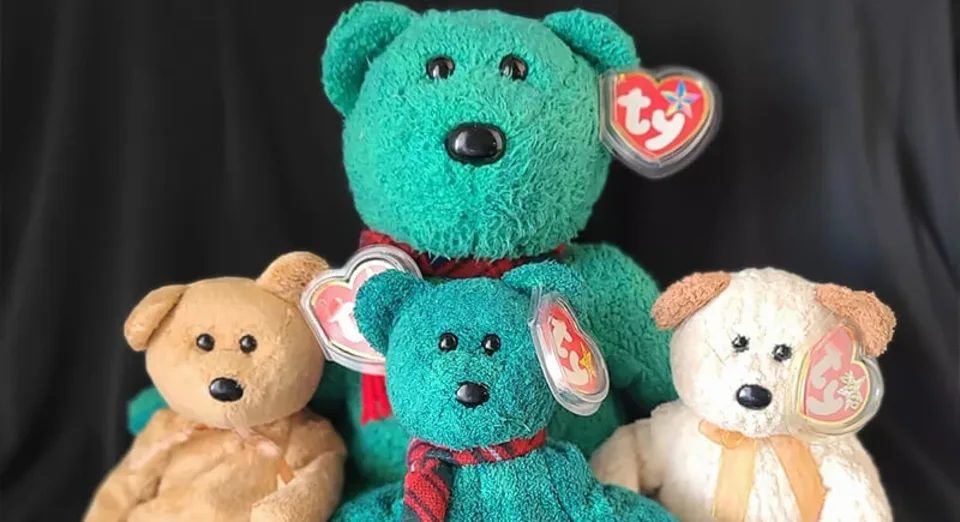
The Tag-Protector Economy Reaches Peak Anxiety
Beanie Babies
Beanie Babies rank third because 1997 was one of the crucial years when the plush craze became a mainstream adult collecting phenomenon.
Retirements, limited supply and collector rumors created the belief that ordinary retail availability might disappear quickly. That belief changed shopping behavior and gave every small plush a possible second identity as an investment.
The hang tag became part of the collectible object. Condition rules, tag generations and plastic protectors introduced an unusual seriousness around items originally designed to be soft and held.
The Princess bear intensified the emotional and collector attention late in the year, but the broader system was already established: repeated store visits, guidebooks, value conversations and adults monitoring product changes.
Beanie Babies are central to the wider 90s collectible craze because the market story mattered as much as the physical toy. Scarcity mythology became part of the design.
For Gen X adults, Beanie Babies were the moment a plush frog could sit in a display case and somehow generate the language of retirement planning.
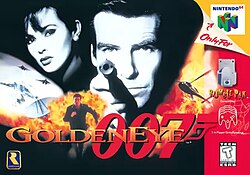
Four-Player Couch War Becomes a Cultural Institution
Nintendo 64 and GoldenEye 007
Nintendo 64 ranks second because 1997 turned the console from a spectacular launch product into social infrastructure.
GoldenEye 007 gave the four controller ports a defining purpose. Split-screen matches created instant rules, rivalries, map knowledge and arguments about weapon choices that could continue long after the console was turned off.
Mario Kart 64, Star Fox 64 and Super Mario 64 strengthened the platform from different directions, giving the system racing, action, multiplayer and exploration appeal within the same year.
The console also changed the geography of friendship. The child with the system, enough controllers and the right cartridges controlled where the group gathered. Hardware ownership became a form of social hosting power.
Nintendo 64 remains below Tamagotchi only because the digital pet better captures the year’s broad craze. As a premium gift and shared entertainment system, the console had the larger physical presence.
For Gen X households, GoldenEye turned a living room into a low-resolution diplomatic crisis where proximity mines were remembered longer than apologies.
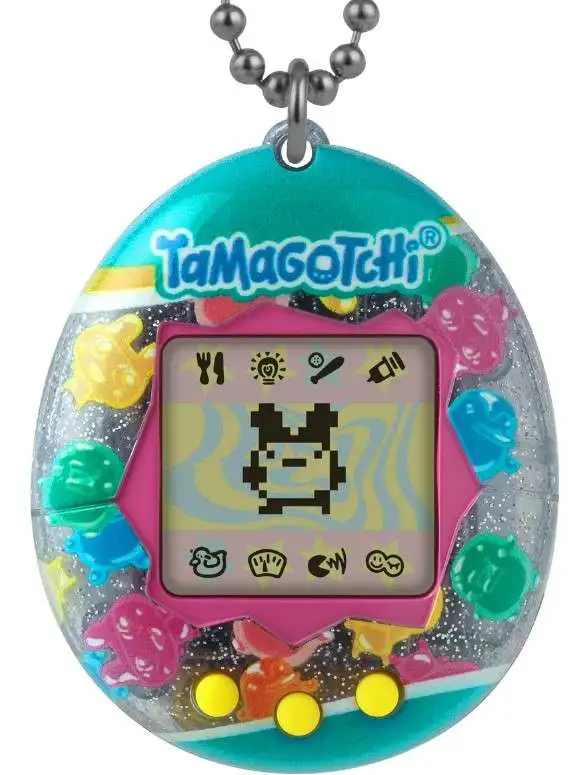
The Pocket-Pet Takeover
Tamagotchi
Tamagotchi takes the number-one spot because no other product defined 1997 kid culture with the same portable, needy and conversation-generating force.
The device created an ongoing care loop through feeding, cleaning, discipline, games and attention. The pet existed on its own schedule, which meant the toy could demand action during school, dinner, travel or sleep.
That persistence made Tamagotchi emotionally different from a conventional handheld game. A player could set down a game without consequence. A neglected virtual pet created guilt, failure and a strong reason to check the screen again.
The small size and accessible price helped the craze spread widely. The device could hang from a keychain or backpack, making ownership visible and allowing children to compare pets, growth stages and care outcomes throughout the day.
Tamagotchi also opened the door for a larger digital-pet market. Competitors appeared quickly because the basic combination of portability, responsibility and simple graphics had clearly connected.
For Gen X adults watching the next toy generation arrive, Tamagotchi looked like childhood responsibility condensed into an egg-shaped pager with worse timing.
The Toy Follows You Now
1997 Made Toys Portable, Collectible and Harder to Ignore
The year’s defining products were not confined to one play session. They traveled through school, stores, car rides, bedrooms and social groups.
The Portable Loop
Digital Pets Turned Ownership Into a Schedule
Tamagotchi and its competitors remained active even when the child was expected to be doing something else.
Constant Visibility
The keychain shape made the device easy to carry and easy for other children to recognize.
Ongoing Consequences
Ignoring the pet changed the outcome, creating guilt and urgency instead of a clean pause button.
Category Expansion
Giga Pets and Nano Pets proved one successful behavior could support several brands and creatures.
The portable argument: playtime no longer ended when the toy left the room.
The Toy Box Afterlife
Collecting Toys From 1997 Today
Exact version, condition, completeness, working electronics, original packaging and current completed-sale demand matter much more than age alone.
Digital pets need model and screen verification.
Tamagotchi, Giga Pets and Nano Pets should be checked for exact shell, release, manufacturer, display condition, buttons, sound, battery corrosion, packaging and whether the device actually starts and saves correctly.
Nintendo 64 value depends on hardware and bundle details.
Test the console, controllers, analog sticks, cables, expansion accessories and cartridges. Original boxes, manuals and exact bundle combinations can matter more than loose hardware alone.
Beanie Babies require exact tag identification.
Character, tag generation, condition and verified sales matter. Avoid treating every spelling or manufacturing difference as proof of rarity.
Figures and dolls lose value through missing parts.
Spice Girls, Star Wars, Power Rangers, Jurassic Park and Barbie items may depend on clothing, weapons, vehicles, Zord parts, accessories, packaging and release-specific details. The guides to 90s collectible crazes and forgotten 90s toys provide broader context.
What the Wish List Felt Like
Christmas Morning 1997 Came With Beeps, Tags and Controller Arguments
The room could contain several digital pets, one premium console, collectible plush, celebrity dolls and movie franchises from multiple generations.
The device began assigning responsibility before the wrapping paper had been cleared.
Four players selected positions, maps and deeply temporary friendships.
The stuffed animal arrived soft; the conversation about keeping the tag perfect arrived immediately.
More than one device meant several unrelated pixel creatures could demand care at once.
One doll represented a favorite; five dolls represented the full commercial interpretation of friendship.
Two generations of movie merchandising met in the same carpet ecosystem.
The memory: the room beeped, the television hosted a four-player war, somebody protected a cardboard heart tag and the next generation of toys became impossible to ignore.
Under Fluorescent Lights
What the 1997 Toy Store Looked Like
The store was divided between pocket electronics, premium gaming, collectible displays and media properties moving at different age levels.
The digital-pet peg wall
Egg shapes, keychains and several competing animals made one new craze look like an instant category.
The console display
Nintendo 64 hardware, extra controllers and major cartridges turned one purchase into a growing entertainment system.
The collectible plush area
Beanie Babies created frequent inventory checks, tag inspection and repeat visits built around what might disappear next.
The media-merchandise lanes
Spice Girls, Teletubbies, Jurassic Park, Power Rangers and Star Wars served different audiences while using the same recognition advantage.
The full 90s Toy Store Culture guide follows the mall trips, catalogs, glass cases, collector displays and holiday rituals that made the search for the toy part of the memory.
Commercial-Break Pressure
Watch the 1997 Toy Commercial Energy
Digital-pet ads sold responsibility. Nintendo sold multiplayer status. Spice Girls dolls sold identity, Teletubbies sold favorite characters and movie lines used familiar worlds to make the shelf feel current.
The strongest 1997 advertising showed that the product did more than sit there: it needed care, gathered friends, completed a set or connected directly to a current obsession.
The 90s Toy Commercials & Videos archive is the direct next stop for the advertising behind Tamagotchi, virtual pets, Nintendo 64, Beanie Babies, Spice Girls dolls, Teletubbies and movie toy lines.
The Rest of the Year
Keep Rewinding 1997
The toy aisle was only one part of a year filled with giant ballads, glossy pop, R&B crossovers, network television, dinosaurs, aliens, presidential action and one extremely large ocean liner.
The 1997 Toy Aisle Verdict
Why These Toys Define 1997
The top 10 toys of 1997 capture a year when play became more portable, collectible and socially visible. Tamagotchi is an obligation in a pocket. Nintendo 64 is a group gathered around one television. Beanie Babies are a toy market adults believe they can analyze.
Giga Pets make the digital-pet craze an aisle. Spice Girls dolls and Teletubbies turn current fandom into plastic and plush. Jurassic Park, Power Rangers and Star Wars prove older toy logic still works when a media event refreshes the story.
For Gen X, 1997 feels like the point when the next toy generation fully claimed the decade. The mall and commercials remained familiar, but the products now beeped, traveled, demanded updates and built entire systems around collecting or repeated attention.
Questions From the Toy Aisle
Top Toys of 1997: Frequently Asked Questions
What were the most popular toys of 1997?
Popular toys of 1997 included Tamagotchi, Nintendo 64, Beanie Babies, Giga Pets, Teletubbies plush toys, Spice Girls dolls, Lost World dinosaurs, Power Rangers Turbo, Star Wars toys and Barbie.
What was the biggest toy of 1997?
Tamagotchi takes the number-one spot because the portable digital pet became the year’s defining toy craze and spread through backpacks, classrooms and holiday lists.
Why is Tamagotchi ranked above Nintendo 64?
Nintendo 64 had the larger hardware legacy, but Tamagotchi better captures the broad, portable and highly visible craze specific to 1997.
Why was Tamagotchi so popular?
It combined a low price, portable design and ongoing care loop. The pet needed feeding, cleaning, play and attention, which made the toy emotionally persistent.
Were Giga Pets and Nano Pets popular in 1997?
Yes. They helped turn the original Tamagotchi success into a wider digital-pet category with several animals, brands and licensed versions.
Why was Nintendo 64 so important in 1997?
Nintendo 64 became a major social platform through GoldenEye 007, Mario Kart 64 and four-player couch gaming.
Were Beanie Babies still growing in 1997?
Yes. Beanie Babies became increasingly tied to retirements, tag condition, guidebooks, scarcity rumors and adult collector participation.
Why are Teletubbies plush toys included?
The television characters became a major preschool merchandising story, especially in the United Kingdom, where plush demand became a notable holiday craze.
Why were Spice Girls dolls popular?
The group already had distinct names, fashions and identities. The dolls allowed fans to collect favorite members or complete the entire lineup.
Why are Lost World toys on the list?
The 1997 movie renewed demand for dinosaurs, figures, vehicles and capture gear inside the movie-to-toy pipeline.
Were Power Rangers still popular in 1997?
Yes. Power Rangers Turbo refreshed the franchise with new suits, vehicles, role-play items and Zords.
Why did Star Wars toys return in 1997?
The Special Edition theatrical re-releases made the original trilogy current again and gave figures, vehicles and role-play toys new two-generation visibility.
Why is Barbie only number ten?
The ranking emphasizes year-specific heat. Barbie remained a major permanent toy system, but the strongest 1997 stories were digital pets, multiplayer gaming and collector mania.
What made 1997 toys different from 1996 toys?
1996 was defined by Elmo scarcity and major console launches. In 1997, portable digital pets, multiplayer software and collector behavior became more central.
What were the hottest Christmas toys of 1997?
Hot Christmas toys included Tamagotchi, Nintendo 64, Beanie Babies, Giga Pets, Teletubbies plush, Spice Girls dolls, Jurassic Park toys, Power Rangers Turbo, Star Wars toys and Barbie.
Are toys from 1997 valuable today?
Some can be, but value depends on exact version, working electronics, condition, completeness, packaging and verified demand. Use the 90s collectible toy guide for broader context.
Was there one official top-10 toy chart for all of 1997?
No single complete public list cleanly compares every toy category across the full year. This page uses a transparent editorial method based on holiday demand, cultural visibility, portability, platform impact and category strength.
Where can I watch commercials for 1997 toys?
The 90s Toy Commercials and Videos archive connects Tamagotchi, virtual pets, Nintendo 64, Beanie Babies, Spice Girls dolls, Teletubbies and movie toys with the advertising behind the demand.
Move Through the Decade
Explore the Top Toys From Every Year of the 90s
Follow the aisle from Turtle Power and Troll comebacks into digital pets, collector bubbles, Furby, Pokémon and the final Y2K toy rush.