What Were the 6 Biggest Fads of 1980?
1980 was the year the decade arrived wearing several different personalities at once. One crowd wanted cowboy boots and a mechanical bull. Another wanted a polished preppy costume. Everybody else was either checking the label on somebody’s jeans, standing near an arcade cabinet or discovering that headphones could make ordinary walking feel cinematic.
The year still carried late-70s leftovers, but the new decade was already changing behavior. Games became celebrities, brands became identity, music became private and portable, and a puzzle could turn a kitchen table into a psychological endurance test.
Basically, 1980 handed Gen X a joystick, a cassette, a back-pocket logo and several ways to look ridiculous with confidence.
The biggest fads turned identity into an activity.
Play it, wear it, ride it, solve it or disappear into headphones. The new decade rewarded people who could perform their trend in public.
What Were the Six Biggest Fads of 1980?
The six biggest fads of 1980 were Pac-Man mania, the Urban Cowboy and mechanical-bull craze, designer jeans, Walkman and personal-stereo culture, the preppy look, and Rubik’s Cube. Together they capture a year when arcade games, movie-inspired nightlife, branding, portable music, aspirational fashion and puzzle obsession all became public pieces of identity.
Why 1980 Felt Like the Decade Had Finally Opened
The strongest 1980 fads were highly visible and easy to copy. Pac-Man needed a quarter. Urban Cowboy needed boots and nerve. Designer jeans needed the right label. Walkman culture needed headphones. Preppy style needed careful casualness, and Rubik’s Cube needed more patience than most owners actually possessed.
The year felt transitional because late-70s style had not disappeared, but new behavior was arriving quickly. Electronics, branding and personal media were beginning to matter more, while movies and advertising showed people complete identities they could reconstruct.
Products started selling a version of the owner
Designer jeans, Walkman players and preppy clothes did more than perform a function. They communicated status, taste, ambition or privacy. The object and the identity were increasingly sold together.
Entertainment escaped its original container
Pac-Man moved beyond the arcade. Urban Cowboy moved beyond the movie theater. Once a hit started changing clothes, nightlife, products and conversation, it had crossed into genuine fad territory.
How Fads Spread in 1980 Before Social Media
Trends moved through visible evidence. A crowd around Pac-Man created curiosity. A Walkman looked futuristic before anyone heard it. A label on the back pocket turned fashion into public comparison.
Pac-Man’s escape from the arcade became even clearer when the character reached television. The Pac-Man Saturday-morning cartoon opening and TV adaptation shows how completely the game had become a mainstream entertainment property.
How These 1980 Fads Were Ranked
The countdown weighs visibility, everyday participation, cultural reach, copyability and long-term Gen X memory. A fad ranks higher when it changed how people dressed, spent money, spent weekends or presented themselves to other people.
Pac-Man takes the top spot because the game reached all ages and escaped into merchandise and television. Urban Cowboy ranks second because it caused mass imitation across clothes, music and nightlife. Designer jeans, the Walkman, preppy style and Rubik’s Cube each changed behavior, but with slightly narrower 1980 saturation.
The Rest of 1980: Music, Movies, TV and Toys
The fad list was only one part of the year. Blondie, Pink Floyd, Queen and Diana Ross filled the radio. The Empire Strikes Back, 9 to 5 and Stir Crazy filled theaters. Network television still organized the household, while electronic toys and puzzles pushed childhood toward the fully 80s version.
Why These Six Belong on the 1980 List
A real fad has to become behavior. It must change where people go, what they wear, what they buy, how they spend time or what they suddenly believe belongs in daily life.
Every item here crossed that line. Rubik’s Cube created public frustration. Preppy style sold aspiration. Walkman culture made music private. Designer jeans made labels social. Urban Cowboy changed nightlife, and Pac-Man turned an arcade cabinet into a celebrity.
The six trends also cover different parts of the year—puzzles, fashion, technology, branding, movies and gaming—without reducing 1980 to one visual cliché.
What 1980 Looked and Sounded Like From Inside the Mall
Pac-Man noises leaked from the arcade. A Walkman appeared clipped to somebody who suddenly had no interest in outside conversation. Designer-jeans labels faced outward. A preppy outfit looked carefully effortless.
Nearby, somebody discussed a mechanical bull as though it were a legitimate test of character. Rubik’s Cube sat in a hand with one side solved and five sides destroyed. The decade had not gone fully neon yet, but subtlety was already packing its things.
The 1980 Fad Countdown
- #6 Rubik’s CubeThe international breakout begins, setting up the larger puzzle obsession that follows.
- #5 The Preppy LookPolos, loafers and pastel aspiration become a mass-market lifestyle costume.
- #4 Walkman CulturePortable headphones turn everyday movement into private soundtrack territory.
- #3 Designer JeansDenim becomes status, advertising, controversy and back-pocket branding.
- #2 Urban CowboyA movie turns boots, country nightlife and mechanical bulls into national imitation.
- #1 Pac-Man ManiaAn arcade game becomes a character, product category and all-ages cultural event.
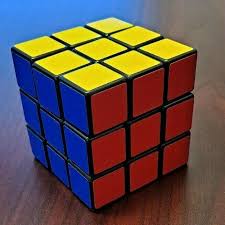
Rubik’s Cube
Rubik’s Cube looked simple enough to insult the owner personally. Six colors, a few turns and the belief that the solution was probably close. Then the cube became a geometric crime scene.
In 1980, the wider obsession was beginning. The puzzle had the right combination: colorful, portable, difficult and easy for spectators to understand.
The cube encouraged public comparison. Somebody always claimed to know a method. Somebody else had solved one face and was treating the remaining damage as a temporary setback.
It also traveled easily. No batteries, screen or special place were required. A cube could appear at a kitchen table, school desk or car ride and immediately recruit another attempt.
It ranks sixth because 1980 was the launchpad rather than the full peak, but the year still marks the beginning of one of the decade’s most recognizable obsessions.
The One-Side Victory
Solving one color felt impressive until the cube was turned and the other five sides testified.
The Sticker Option
Rearranging the colored squares created a solved appearance and a permanent cloud over the achievement.
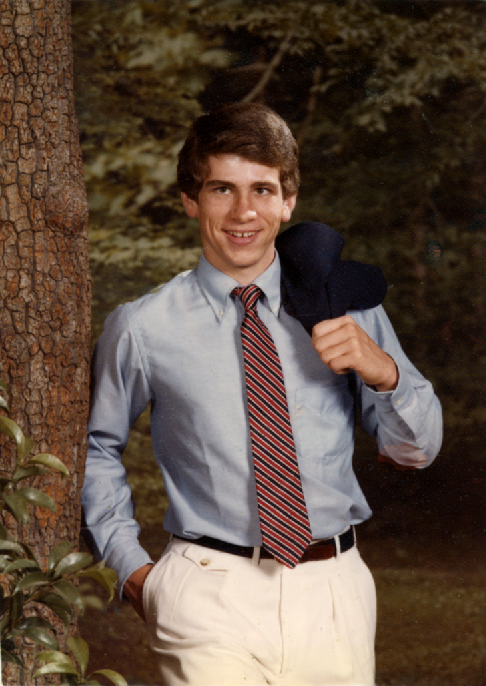
The Preppy Look
Preppy style sold more than polos and loafers. It sold the appearance of old money, country-club confidence and summers spent somewhere with boats.
The genius of the fad was that the fantasy could be assembled by people with no connection to the lifestyle supposedly being referenced.
Oxford shirts, cable-knit sweaters, khakis, loafers, pastel colors and carefully casual layering became a recognizable public uniform.
The look also promised organization. Preppy clothing suggested the wearer knew where things were, had plans for the weekend and possibly understood sailing terminology.
Once the aesthetic was packaged and explained, it became easy to reproduce. A social code was converted into a retail checklist.
The Retail Identity Kit
Polos, loafers and pastels let ordinary shoppers buy the visual language without joining the actual club.
The Carefully Effortless Problem
The look advertised ease while requiring considerable attention to appearing as though no attention had been paid.
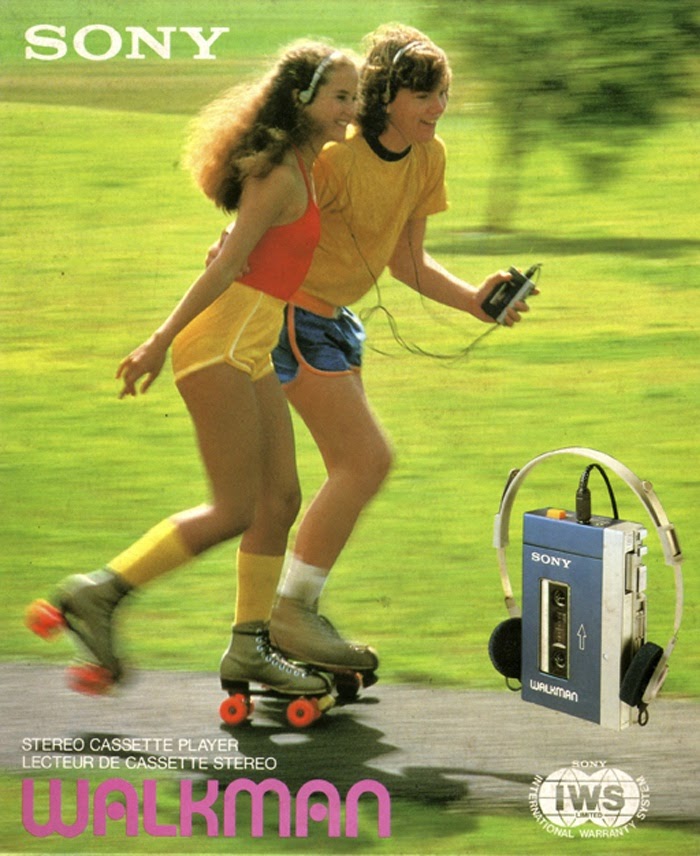
Walkman and Personal-Stereo Culture
The Walkman changed something people now take for granted: music could travel privately. Headphones separated the listener from the room and made ordinary movement feel self-directed.
The machine looked modern because it changed behavior immediately. Walking, jogging and waiting could now carry a soundtrack chosen by one person.
Before personal stereos, recorded music was usually shared through a radio, home stereo, car or boombox. The Walkman created a private zone in public.
That privacy became part of the style. Headphones signaled that the wearer had selected a different experience from everybody else standing nearby.
The cassette also encouraged curation. Albums, copied tapes and carefully planned mixes could travel, creating the early version of carrying an entire listening identity around all day.
The Private Soundtrack
A walk to the store could suddenly feel cinematic even when the destination remained completely ordinary.
The Social Mute Button
Foam headphones communicated that outside conversation had been temporarily removed from the schedule.
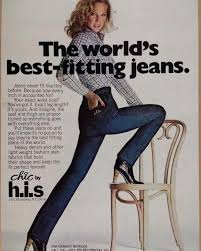
Designer Jeans
By 1980, jeans were no longer anonymous. The label, stitching and fit carried social information. Gloria Vanderbilt, Jordache, Calvin Klein and Sasson turned everyday denim into a status system.
The back-pocket logo often handled the introduction before the wearer did.
Designer denim worked because it upgraded something familiar. People already wore jeans, so the fad did not require adopting a completely new garment. It required adopting a more expensive and publicly recognizable version.
Advertising pushed the category beyond retail. The campaigns mixed glamour, controversy and image-consciousness until jeans became a cultural conversation.
The fad also taught an important lesson of the coming decade: ordinary objects could become luxury signals when the brand was visible enough.
The Back-Pocket Billboard
Stitching and labels turned the rear of the garment into a public status announcement.
The Familiar-Object Upgrade
Denim did not need explanation. The brand simply added aspiration, price and social comparison.
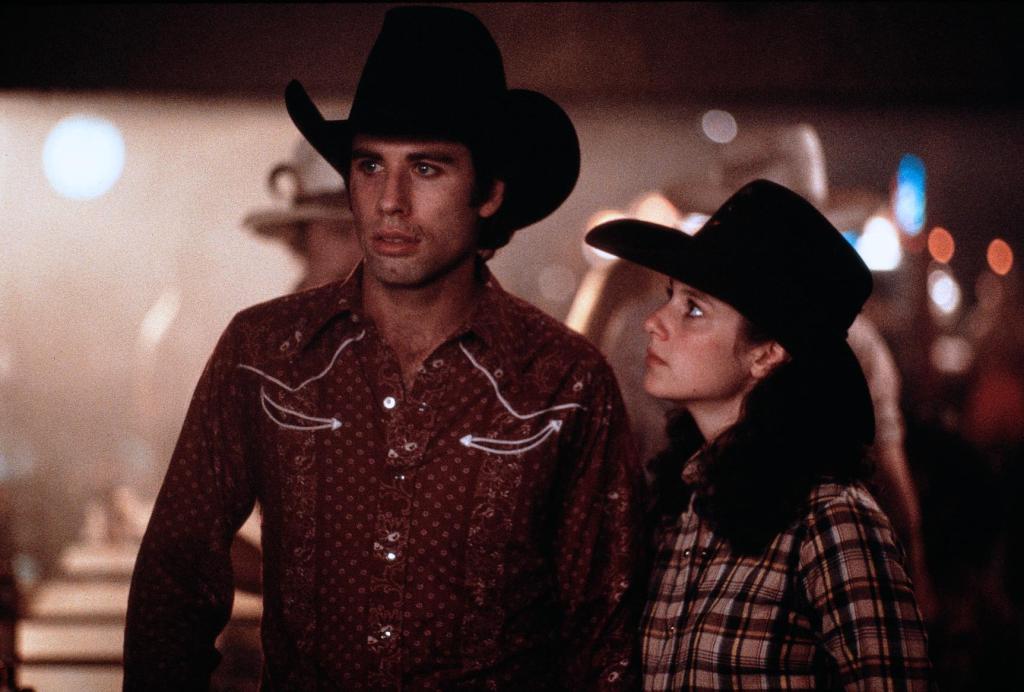
Urban Cowboy and the Mechanical-Bull Craze
Urban Cowboy arrived with a complete participation kit: boots, hats, western shirts, country music, honky-tonk nightlife and a mechanical bull.
People did not only watch the movie. They went looking for a place where the movie could happen to them.
The mechanical bull became the perfect mascot because it was theatrical, risky-looking and easy for spectators to judge. A ride created a story even when it lasted several seconds.
The soundtrack strengthened the craze by carrying country music deeper into mainstream pop culture. Bars and dance floors could reproduce the mood long after the movie ended.
The fad spread nationally because every part was copyable. A town did not need Texas geography. It needed western clothes, music, a bar and preferably one machine capable of removing dignity in public.
The Copyable Night Out
The movie supplied clothes, music, setting and activity, making imitation unusually complete.
The Bull-Ride Story
Duration mattered less than retelling. Every fall became longer, faster and more heroic by the following week.
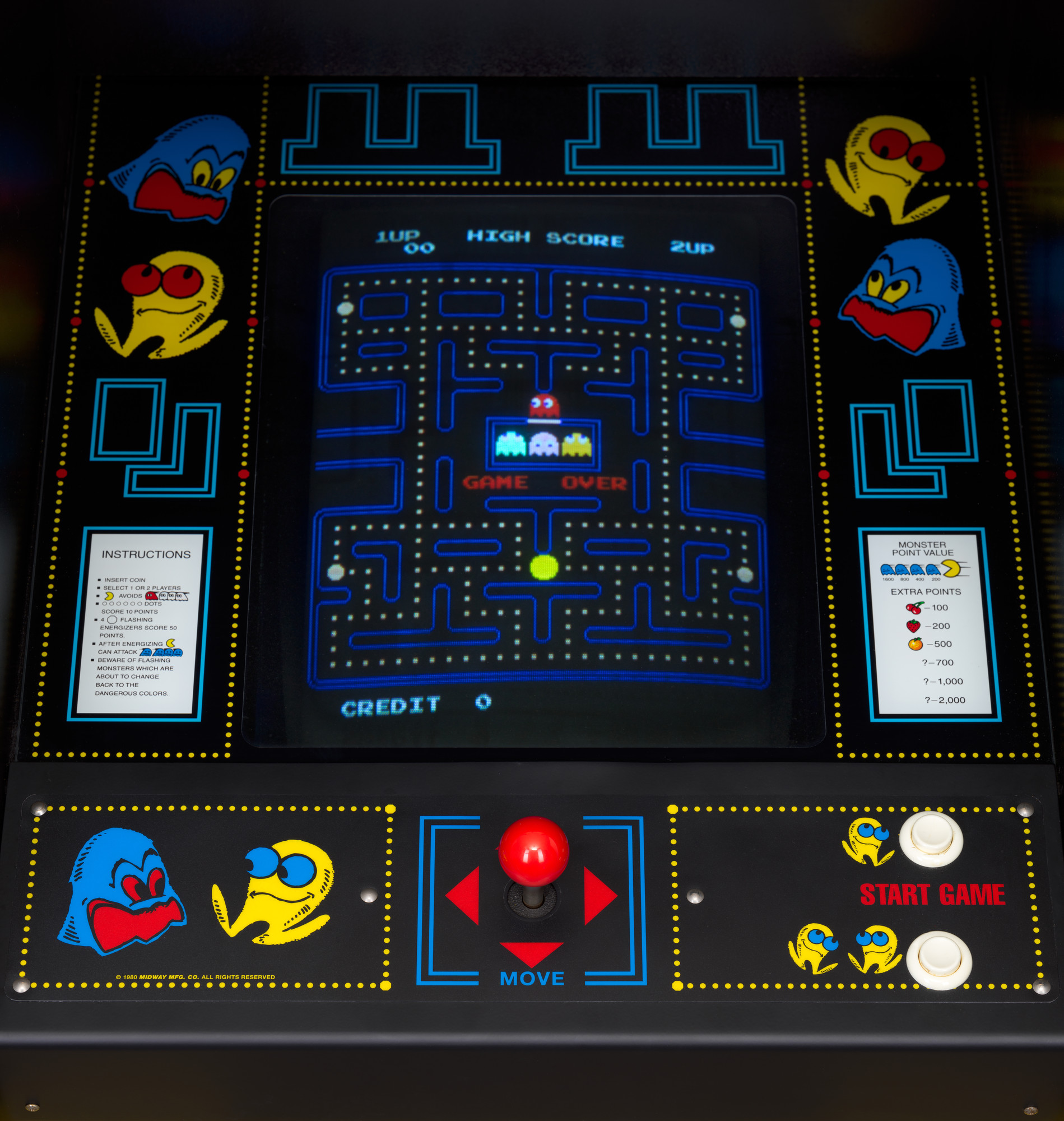
Pac-Man Mania
Pac-Man felt different from the shooter-heavy arcade world around it. The maze, ghosts and bright character made the game easy to understand, appealing to kids, teenagers and adults at the same time.
That broad appeal gave the cabinet unusual gravitational pull wherever it appeared.
The game created spectators as efficiently as players. The maze was readable from behind the controls, so crowds could follow mistakes, near escapes and the exact moment confidence entered a corner too quickly.
Pac-Man became a genuine fad when the character escaped the arcade. Merchandise, advertising and television transformed a game image into a mainstream celebrity.
The Pac-Man Saturday-morning cartoon opening and animated TV series captures the point where the arcade craze became a broader entertainment property.
The All-Ages Cabinet
The game attracted people beyond the usual arcade audience because the goal was obvious and the character was approachable.
The Cultural Escape
Once Pac-Man reached products and television, the craze no longer depended on standing near an arcade machine.
What Happened to the Biggest Fads of 1980?
Several fads became permanent behaviors. Portable private listening never went away. Branded denim remained ordinary. Pac-Man became gaming history rather than a temporary character.
Others remain tied more tightly to the year. Urban Cowboy’s mechanical-bull phase and the first giant wave of designer-jeans advertising still carry a particularly sharp 1980 timestamp.
The Final Verdict on the Biggest Fads of 1980
1980 was a year of visible identity. The strongest trends gave people something to perform, display, ride, play or carry through public space.
Pac-Man wins because the game crossed age groups and escaped into mainstream culture. Urban Cowboy follows because it turned a movie into a weekend lifestyle. Designer jeans, Walkman culture, preppy style and Rubik’s Cube each introduced behaviors that would continue shaping the decade.
Put a Pac-Man cabinet beside a Walkman, a cowboy boot, a back-pocket logo and one damaged cube, and 1980 identifies itself before anybody checks the calendar.
Keep Exploring 1980
Rebuild the rest of the year through the music, movies, television, toys and Pac-Man video page surrounding these trends.
Questions About the Biggest Fads of 1980
What were the biggest fads of 1980?
The six biggest fads were Pac-Man mania, the Urban Cowboy and mechanical-bull craze, designer jeans, Walkman culture, the preppy look and Rubik’s Cube.
What was the number-one fad of 1980?
Pac-Man ranks first because the arcade game reached multiple age groups, created immediate public participation and quickly expanded into merchandise and television.
Why is Pac-Man ranked above Rubik’s Cube?
Rubik’s Cube had major 1980 momentum, but its absolute craze intensified afterward. Pac-Man delivered a more concentrated debut-year takeover in 1980.
Why was Urban Cowboy such a big fad?
The movie supplied a complete copyable lifestyle through boots, western shirts, country music, honky-tonk nightlife and mechanical-bull riding.
Why were designer jeans popular in 1980?
Recognizable labels, advertising, fit and back-pocket branding turned ordinary denim into a visible status signal.
Why does the Walkman count as a fad?
The Walkman changed public behavior by making music private, portable and part of personal style rather than remaining only a home or car experience.
Was preppy fashion really popular in 1980?
Yes. The look became easier to package and sell to mainstream shoppers, turning an affluent social code into a recognizable retail identity.
Did Rubik’s Cube become popular in 1980?
Yes. The international breakout and U.S. introduction gave 1980 strong Rubik’s Cube momentum, although the larger craze continued building afterward.
How did fads spread in 1980?
They spread through arcades, movies, television, malls, magazines, retail displays and direct word of mouth.
Which 1980 fad had the longest legacy?
Walkman culture created the lasting behavior of private portable listening, while Pac-Man and Rubik’s Cube remained permanent global icons.
How did Pac-Man escape the arcade?
The character expanded through merchandise, advertising and television, including a Saturday-morning cartoon, which made Pac-Man recognizable beyond game players.
What else defined pop culture in 1980?
Blondie, Pink Floyd, Queen, The Empire Strikes Back, 9 to 5, network television and electronic toys all helped define the opening year of the decade.