How the Television Family Changed During the 1970s
SMELLS LIKE GEN X
1970s TELEVISION • FAMILY SPECIAL
ONE SCREEN • MANY DEFINITIONS OF HOME
1970s TV • The family portrait stopped holding still
How the Television Family Changed During the 1970s
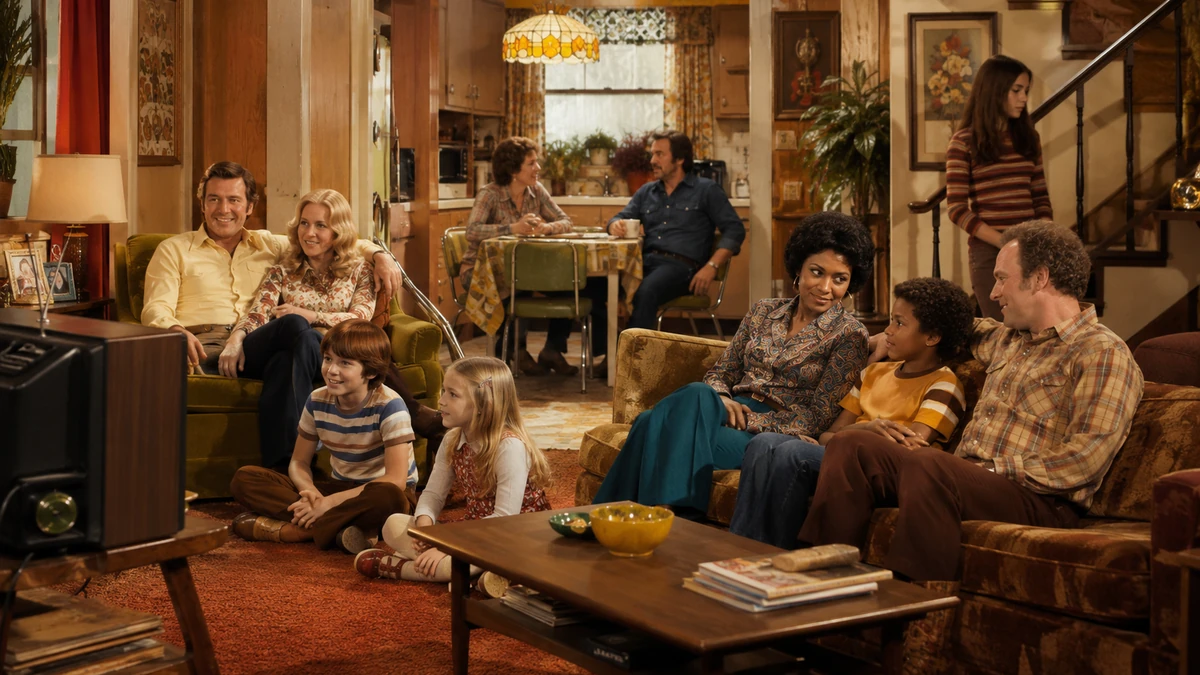
The decade kept the couch, kitchen and dinner table. It changed who belonged there, who held authority and whether the argument had to be solved before the closing theme.
Working-class anger, Black ambition, divorce, blended households, women at work, rural comfort, adoption and chosen family all entered the same shared living room.
One decade. One shared screen. Many new definitions of home.
The quick answer
How did television families change during the 1970s?
Television families became more varied in class, race, household structure and emotional tone. Working-class families, Black families across different economic positions, divorced mothers, blended homes, widowed fathers, adoptive households, serious domestic dramas and workplace families all became more visible.
The central shift
One ideal became many households
The decade did not abolish the traditional family. It placed enough alternatives beside it that one polished suburban household could no longer represent everybody.
The couch was the classroom
Gen X learned there was no single normal family before anyone explained the lesson
WATCH • 1970s FAMILY TELEVISION PROMO
The promo sold a whole evening of households
Network promotion turned family series into weekly destinations and placed very different versions of home inside the same shared prime-time schedule.
For Gen X viewers, the changing television family rarely arrived as a formal argument. It arrived as a channel change. One night the household was a crowded Depression-era home on Walton’s Mountain. Another night it was a Queens living room where Archie Bunker and Mike Stivic could turn dinner into a national referendum. After school, the Bradys still occupied their spectacular staircase. Later, Ann Romano was trying to raise two daughters without a husband installed as the automatic authority.
We absorbed the differences before we had the vocabulary for them. Some families had money and still could not communicate. Some had almost no money and communicated at full volume because every bill affected everybody. Some parents were divorced, remarried or widowed. Some children were adopted, stepchildren or nearly adults who still came home to argue. Some of the closest relationships on television existed at a newsroom, precinct, garage or radio station rather than around a dining table.
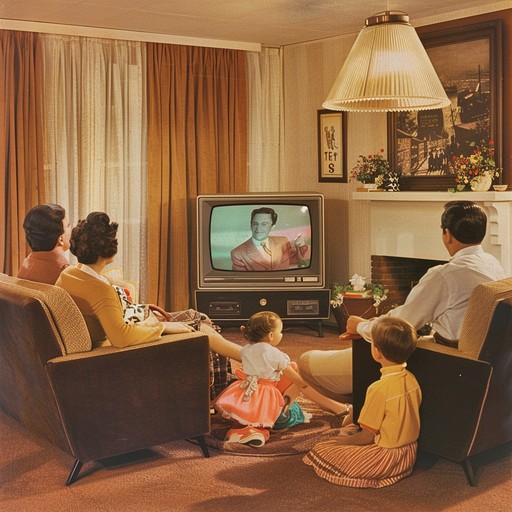
The television itself made the lesson communal. Most households still had one main set, often placed where everybody could see it and nobody could completely ignore it. Adults chose much of prime time, children negotiated for their shows, and the whole family learned the characters together. That shared screen gave changing household structures unusual power: the new family entered millions of real living rooms at once.
The decade did not erase the old ideal. It placed alternatives beside it until the ideal could no longer pretend to be the only arrangement worth showing. Television kept the familiar furniture—couch, kitchen, front door, dinner table—but changed who sat there, who paid the bills, who spoke with authority and whether the argument had to be solved by the closing theme.
ONE TELEVISIONONE COUCHMANY DEFINITIONS OF HOME
Before the floor plan changed
The old television family was designed to make the country feel orderly
For much of early television, the family sitcom offered a controlled version of domestic life. The father held final authority, the mother maintained the emotional and physical household, the children created manageable trouble, and the episode restored the original structure before the credits. Money existed mostly in the background. Work happened somewhere else. Serious political conflict rarely crossed the threshold.
That structure was never a complete portrait of American households. It was a broadcast ideal shaped by sponsors, network caution and the desire to create programs that could enter millions of homes without creating too much discomfort. The family looked stable because instability had been edited out of the format.
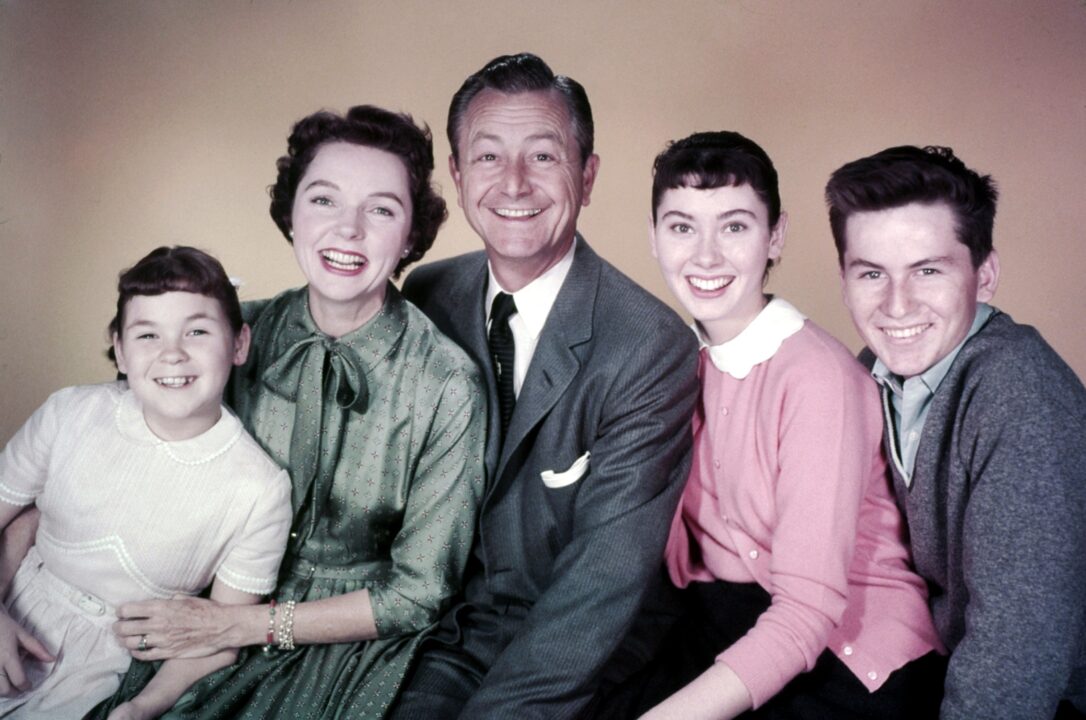
Even shows that bent the model often protected its emotional assumptions. A widowed father, an unusual guardian or a supernatural mother could create a fresh premise while the household still returned to familiar roles. The home remained a secure place where adult wisdom eventually prevailed.
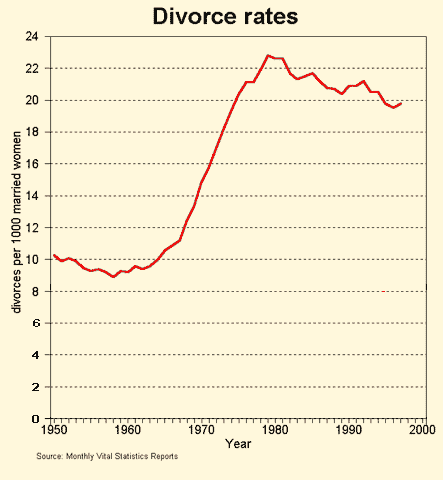
By the beginning of the 1970s, that calm floor plan looked increasingly detached from the country outside the studio. The civil-rights movement had changed public life. The women’s movement challenged the idea that domestic service was a woman’s natural destiny. The Vietnam War widened the generation gap. Inflation, unemployment and housing costs made money harder to keep offscreen. Divorce and remarriage were visible in more communities.
Television did not respond with one coordinated revolution. It produced competing answers. Some series brought present-day conflict into the house. Others looked backward to rural or historical families for reassurance. Some normalized divorce and blended homes. Others shifted emotional intimacy away from relatives and toward coworkers. The decade’s importance lies in that crowded competition.
The household outside the studio
Real American family life was changing faster than the old sitcom could hide
The changing television family did not appear in a vacuum. During the decade, the proportion of American households organized around a husband-and-wife family declined, while households with no spouse present and nonfamily households increased. The Census Bureau’s late-1970s income reports described that changing composition as one reason household averages were shifting.
Women’s labor-force participation also rose sharply. Bureau of Labor Statistics historical data shows the participation rate for women moving from the low forties at the beginning of the decade to roughly half by the end, depending on the series and population definition used. For mothers, paid work was becoming increasingly common. A television mother who never discussed employment, child care or exhaustion represented a narrower slice of reality than she had before.
Economic pressure mattered just as much as household structure. Real median household income did not rise smoothly through the decade. The recession of the mid-1970s, inflation and job insecurity made money a daily concern. That pressure gave working-class television families a different dramatic engine. Rent, layoffs, groceries and medical costs could no longer be treated as temporary misunderstandings.
The decade also forced television to confront the gap between demographic change and representation. Black families had been excluded, flattened or placed inside reassuring formulas for much of television history. The 1970s did not solve the problem, but it made one approved image impossible to maintain. The Sanfords, Evanses and Jeffersons occupied different neighborhoods, economic positions and comic traditions.
The screen changed unevenly because networks still filtered reality through commercial assumptions. Most families remained conventionally attractive, heterosexual and easy to explain in a thirty-second promo. Many communities remained absent. Yet the range became broad enough that viewers could recognize the old television household as one option rather than a national law.
The argument moved inside
All in the Family made the generation gap part of the architecture
All in the Family did not invent family disagreement. It changed the scale, subject and permanence of the disagreement. Archie Bunker and Mike Stivic were not fighting about a borrowed car or missed curfew. They argued about race, war, patriotism, religion, gender, labor, welfare and whether the country’s changes represented progress or collapse.
The Bunker house gave the conflict physical form. Archie’s chair was a territorial claim. The front door admitted people and ideas he could not control. The dining table forced political abstractions into family relationships. A national argument became more uncomfortable when the person speaking was also somebody’s father, husband or son-in-law.
Archie was not merely an opinion assigned to lose. Carroll O’Connor gave him fear, pride, humor and vulnerability, which made the satire more useful and more dangerous. Viewers could understand how economic resentment and inherited prejudice lived inside an ordinary man. Understanding did not make him right, but it prevented the show from pretending intolerance belonged only to obvious villains.
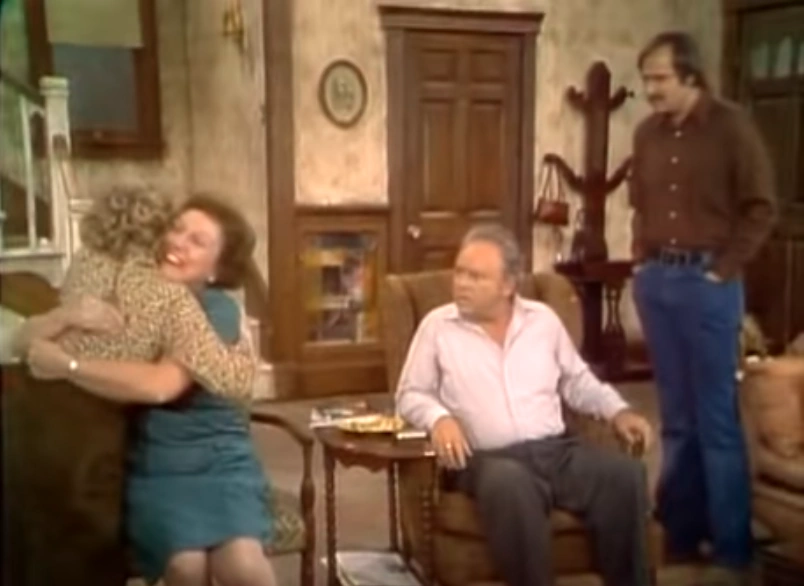
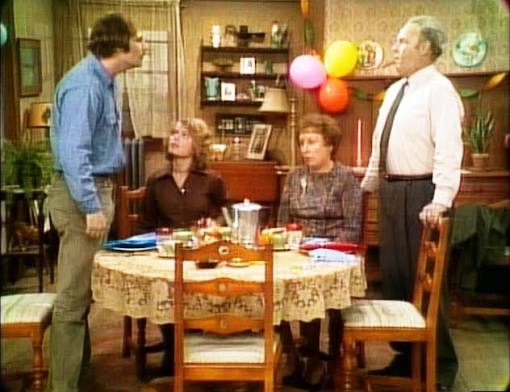
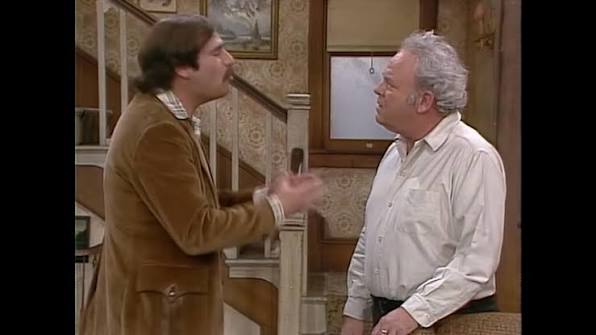
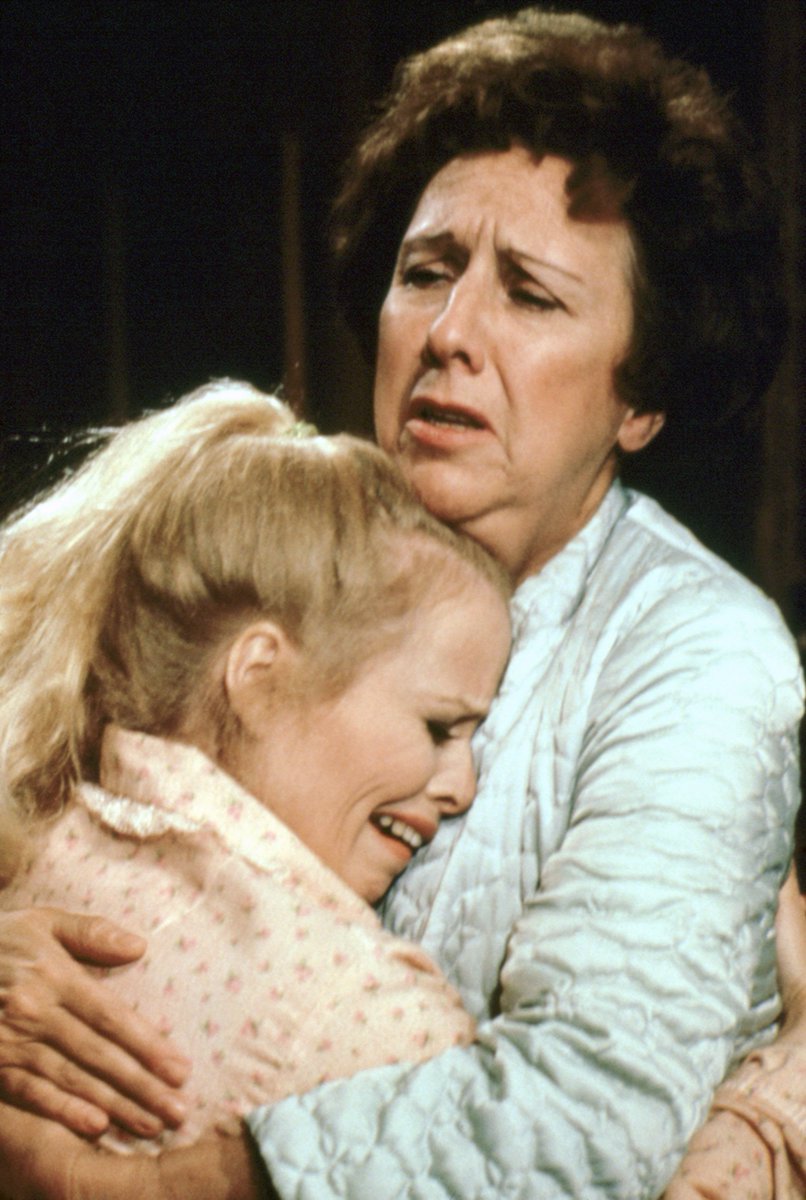
Edith changed the moral balance. Her kindness was not ignorance; it was attention. She saw people Archie turned into categories and often understood the emotional truth before the educated characters finished explaining it. Gloria and Mike represented a younger generation with stronger language for equality and plenty of their own ego.
The crucial change was structural. The family did not achieve permanent agreement. Love remained real without proving that the conflict was harmless, and conflict remained serious without ending the family. The household could survive unresolved contradiction.
For a closer look at the Bunker living room and the national arguments that moved inside it, read How All in the Family Changed Television. The family sitcom would never again be able to pretend politics stopped at the front door.
Money entered the room
Working-class families made rent, wages and dignity part of prime time
The old television family often appeared financially secure even when the father’s occupation was ordinary. The house was spacious, the children were fed and the emergency of the week rarely involved whether the family could remain housed. The 1970s made economic position harder to separate from family life.
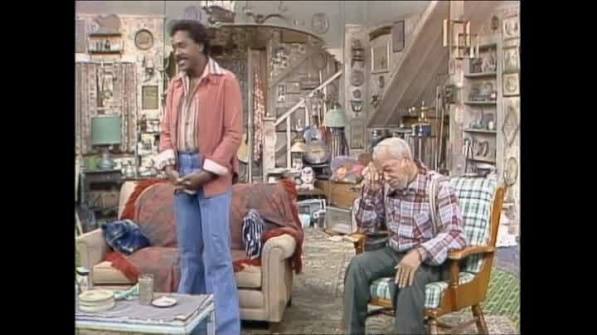
Sanford and Son centered a widowed Black father and his adult son running a junk business in Los Angeles. Fred Sanford’s manipulation, theatrical illness and endless schemes were comedy, but the business and neighborhood gave the relationship material stakes. Lamont’s desire for independence collided with responsibility to his father and the reality that the family livelihood depended on both men.
Good Times placed the Evans family in a Chicago public-housing project and made unemployment, discrimination, rent, crime and inflation recurring conditions rather than one-week problems. James and Florida fought to preserve authority and dignity inside pressures they could not solve through a better attitude.
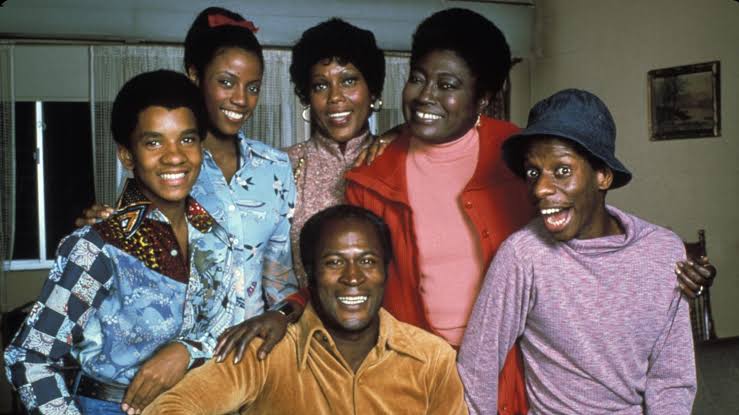
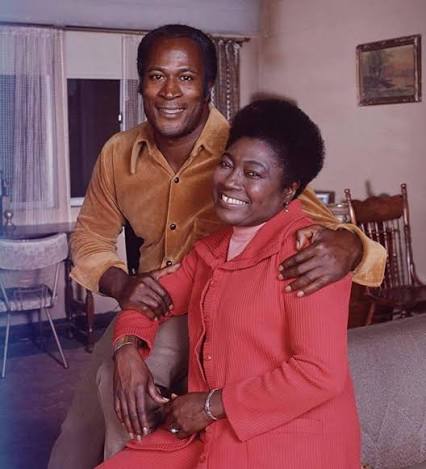
The family’s love was not sentimental decoration. It was a survival system. Every decision affected everyone because there was little margin for error. A lost job, broken appliance or medical expense changed the emotional weather of the whole apartment.
Working-class representation also changed comedy. The joke could arise from pride, scarcity, improvisation and the gap between what a family needed and what institutions offered. Laughter did not remove the pressure; it gave the family another way to live through it.
These portrayals were not identical or uncontested. Creative teams, network executives and performers disagreed over realism, stereotypes and which characters received attention. That tension belongs to the history. A working-class family could finally become central while the people portraying it still had to fight over who controlled the image.
More than one address
Black television families were finally allowed different classes, neighborhoods and arguments
The 1970s expanded Black family representation by refusing—however imperfectly—to keep every Black household inside one approved image. Sanford and Son, Good Times and The Jeffersons were all comedies, but they represented different economic circumstances, generational structures and relationships to the American promise.
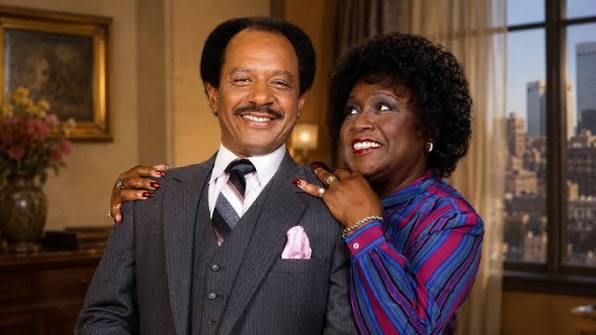
Fred and Lamont Sanford ran a small business and shared a home shaped by widowhood, obligation and constant insult. The Evanses confronted poverty and institutional pressure while trying to maintain a two-parent household. George and Louise Jefferson moved into a luxury Manhattan apartment after George built a successful dry-cleaning business.
The Jeffersons’ success mattered because television had often treated Black hardship as the only serious Black story or Black respectability as the only safe one. George was wealthy and still angry, proud, prejudiced, funny and frequently wrong. Louise understood the social distance they had traveled without pretending money solved every conflict.
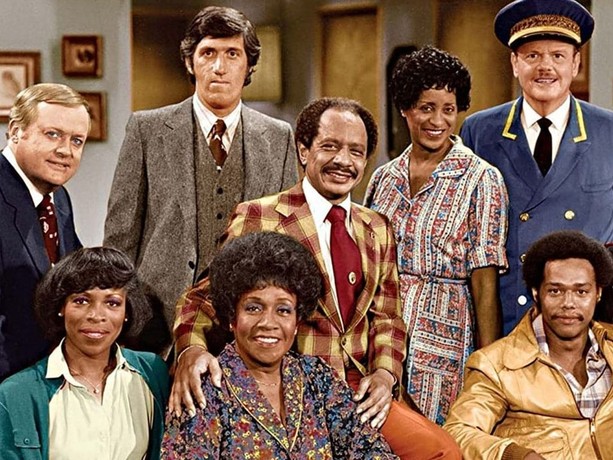
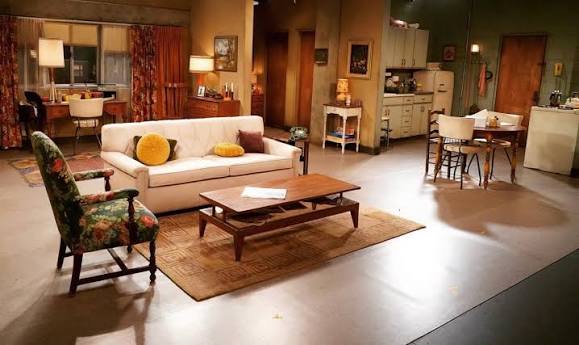
The supporting world widened representation further. Florence challenged George inside his own home. Tom and Helen Willis made an interracial marriage part of a continuing network sitcom. Lionel and Jenny represented a younger generation navigating race differently from their parents.
Progress remained tangled with stereotype. George’s comic excess, J.J. Evans’s popularity and the writing of Black women generated disagreement among performers, critics and viewers. Esther Rolle and John Amos objected when Good Times seemed to move away from the grounded family they believed they had agreed to portray.
The argument itself shows why representation could no longer be measured by presence alone. Who wrote the family, who received dignity, which behavior became the joke and whether success or hardship was treated as authentic all mattered.
The decade’s Black family sitcoms did not produce one final answer. Their achievement was making one answer impossible.
The Sanfords
A widowed father and adult son whose junk business turns obligation into daily comedy.
The Evanses
A two-parent household confronting poverty, discrimination and the cost of holding the family together.
The Jeffersons
An affluent Black family proving upward mobility could create new conflicts without erasing old ones.
Representation could fight with popularity
The J.J. Evans debate revealed who controlled the family image
J.J. Evans became one of the most recognizable television characters of the decade. His physical comedy, confidence and “Dyn-o-mite!” catchphrase gave Good Times a pop-cultural identity that traveled beyond the program.
That popularity created a conflict inside the show. Esther Rolle and John Amos worried that the emphasis on J.J.’s comic persona weakened the serious portrayal of a Black working-class family. Their concern was not that the character should never be funny. It was that the network and audience might reward the broadest image while neglecting James, Florida, Thelma and Michael.
The disagreement exposed an old television problem in a new setting. A breakout character can reshape a series because ratings respond to immediate recognition. When the character also carries racial meaning, the shift becomes more than a creative preference. It affects which image reaches the public most often.
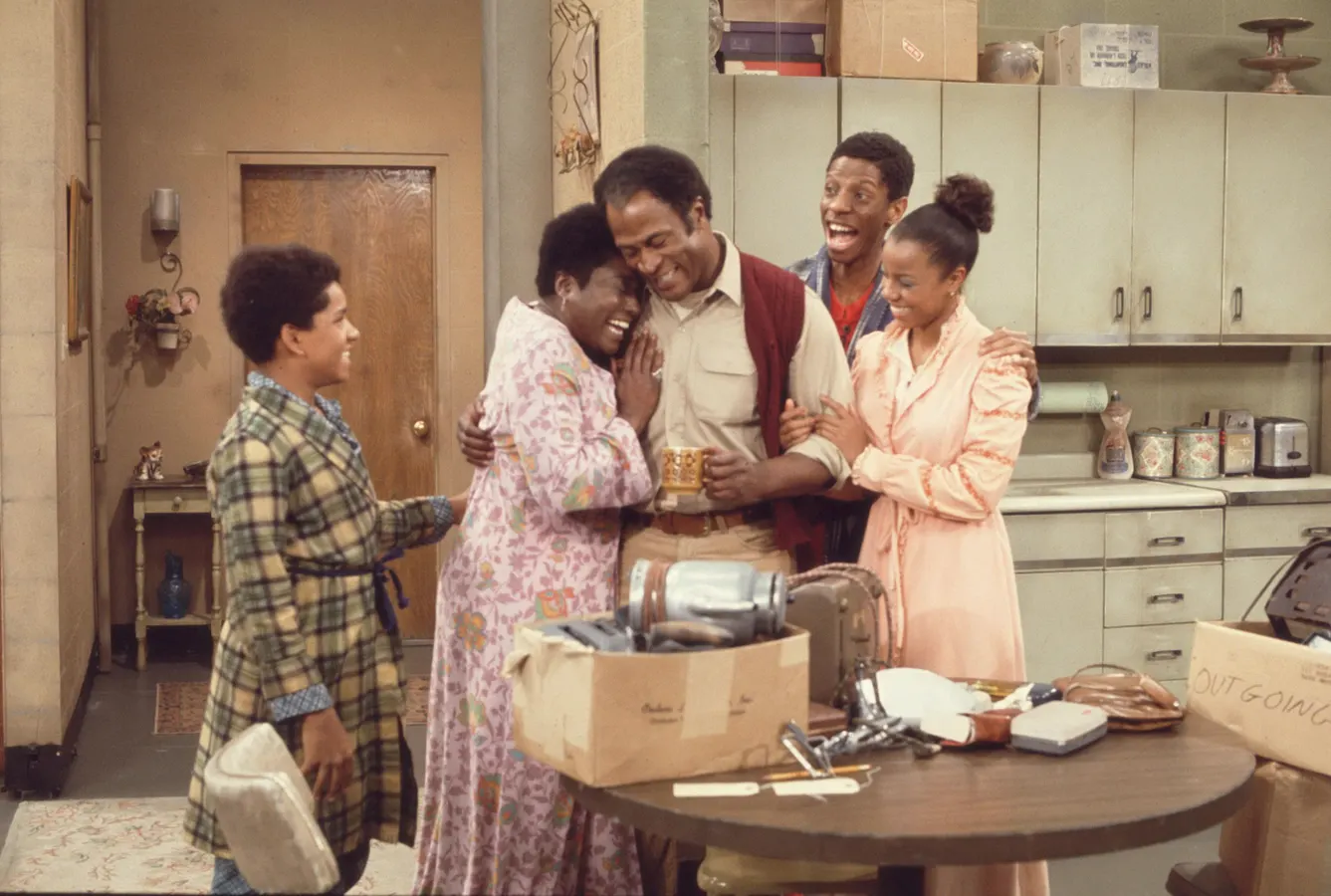
John Amos’s departure and Esther Rolle’s temporary exit altered the family’s center. The show continued, but the absence of James and then Florida demonstrated how much authority those characters had supplied.
A modern rewatch can recognize Jimmie Walker’s comic talent and the performers’ concerns at the same time. The choices do not need to be flattened into a simple verdict. The family became historically important because it was loved, argued over and contested by the people making it.
The conflict surrounding J.J.’s enormous popularity is explored in Good Times and the Complicated Legacy of J.J. Evans. The disagreement mattered because the Evans family had become important enough for viewers and performers to fight over what the portrayal should mean.
The marriage certificate stopped defining the story
Divorce moved from backstory to the center of family television
Earlier television sometimes included widowed parents because death preserved the moral image of marriage. Divorce was more disruptive. It implied that adults had chosen to end the household structure the medium often treated as permanent.
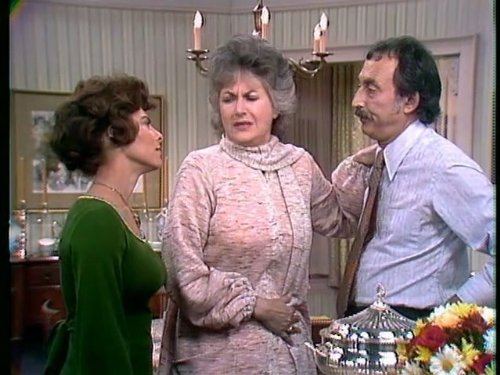
Maude placed a divorced and remarried woman at the center of a sitcom and allowed her history to become part of her authority. Maude Findlay lived with her fourth husband, Walter, her divorced daughter Carol and grandson Phillip. The home was not a failed version of an ideal family. It was the family.
The series also treated marriage as a relationship that could contain political and personal conflict rather than a fixed arrangement. Maude’s feminism, Walter’s expectations, Carol’s independence and the presence of multiple generations made the home a negotiation.
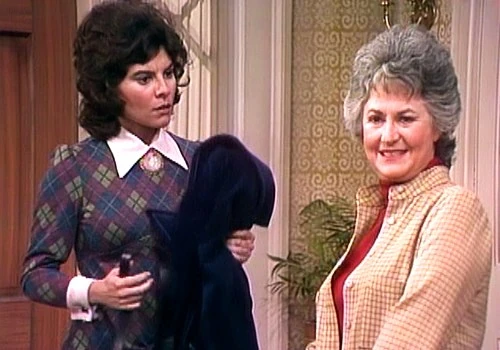
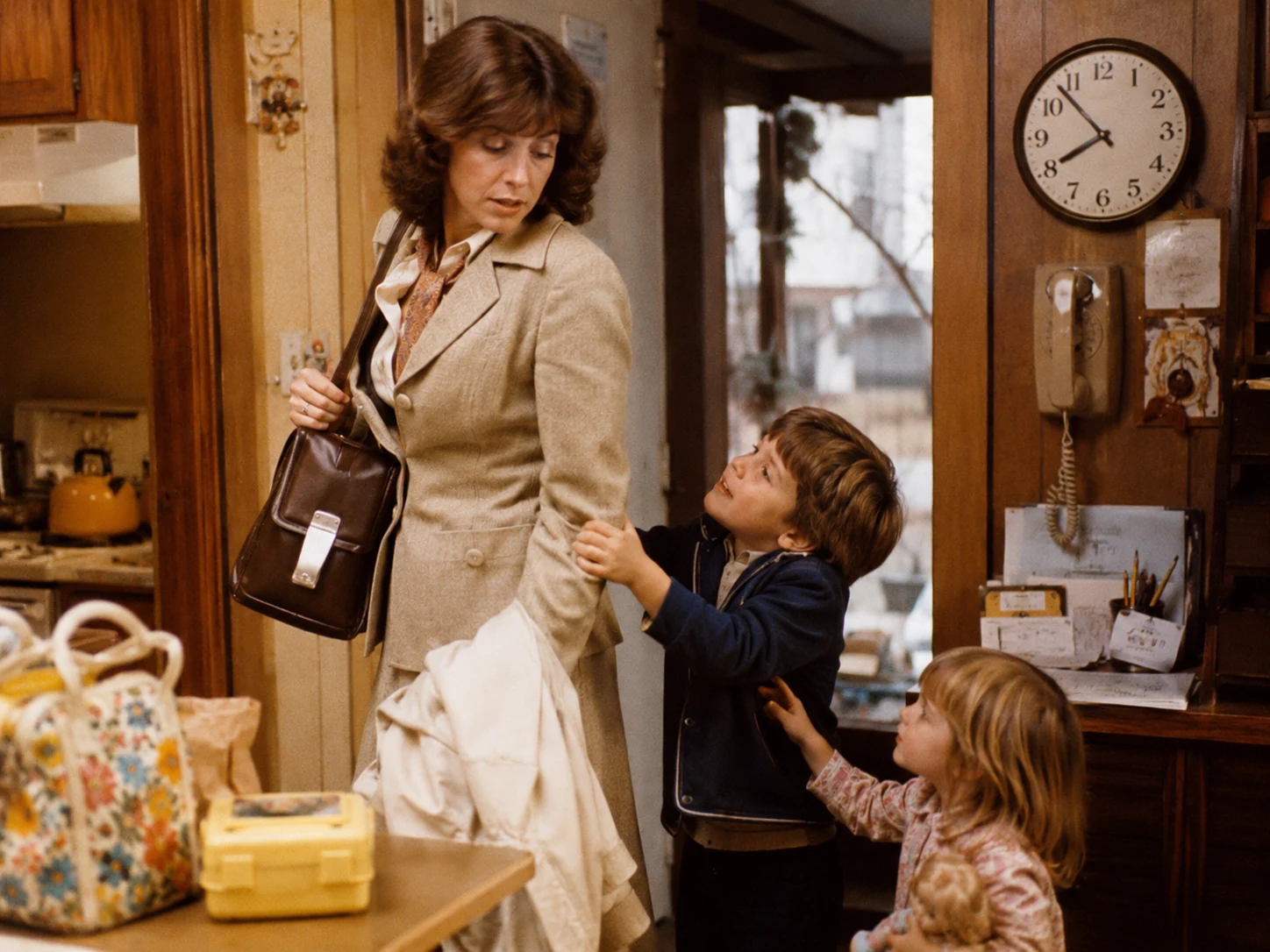
One Day at a Time made the post-divorce household even more direct. Ann Romano was raising Julie and Barbara while returning to work, dating and trying to establish authority without a husband serving as the automatic final answer.
The show did not install a replacement father to validate the family. Schneider was a recurring male presence, but his affection and interference did not turn him into the household’s legal or moral center. Ann’s choices, mistakes and labor defined the home.
Julie and Barbara were not grateful symbols of resilience. They could resent, challenge and embarrass their mother. Ann could be overwhelmed or wrong without the series treating divorce itself as the cause of every problem.
That distinction was a major shift. A family altered by divorce no longer needed to apologize for existing.
A mother could lead without being perfect
One Day at a Time made independence look like daily work instead of a slogan
Ann Romano’s independence was not presented as glamorous freedom from responsibility. It was responsibility without the traditional support structure. She worked, budgeted, dated, disciplined daughters and tried to preserve an adult identity while everybody needed something from her.
That made the series closer to the experience of many women entering or returning to paid work. Bureau of Labor Statistics data shows women’s participation rising throughout the decade, including mothers with children under eighteen. Television could no longer assume that home and workplace belonged to separate genders.
Bonnie Franklin’s performance allowed Ann to be energetic, exhausted, romantic, angry and uncertain. The character’s authority came from continuing to make decisions, not from possessing perfect wisdom.
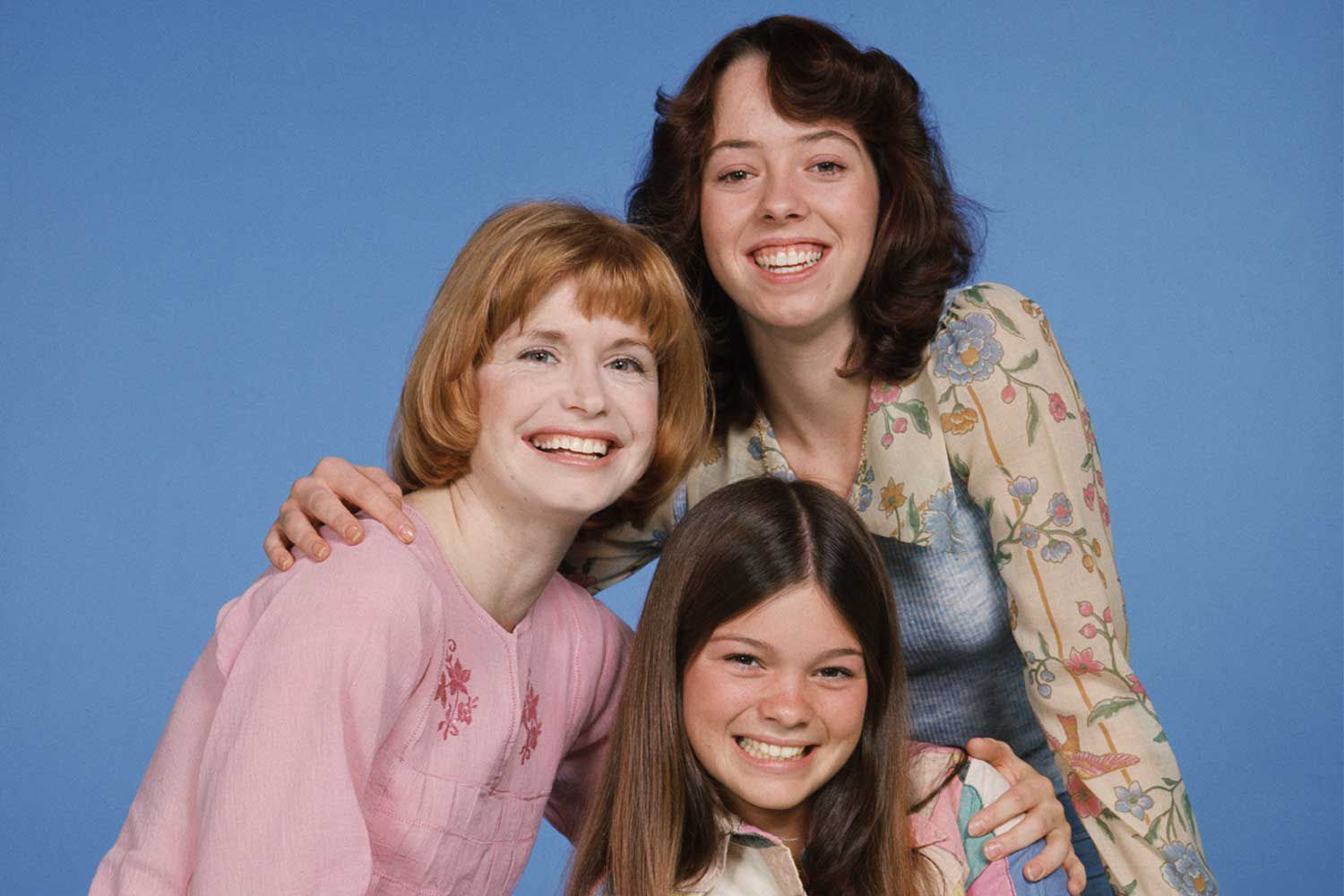
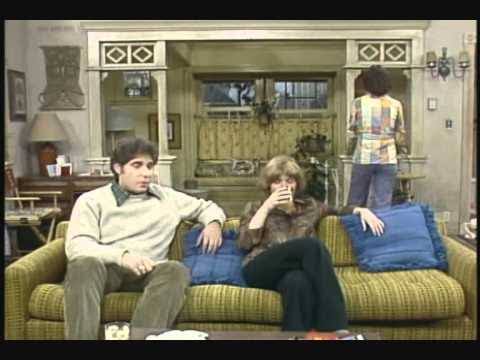
The daughters gave the premise its pressure. Julie’s volatility and Barbara’s more controlled resistance created different versions of adolescence. Ann could not use one parenting strategy on both girls, and the show did not pretend a speech solved the underlying conflict.
The Indianapolis apartment mattered. It was smaller and more ordinary than the classic suburban television house. The front door brought in Schneider, dates, friends and problems, but the household’s identity remained with the three women.
Ann Romano’s household comes into sharper focus in One Day at a Time and the Changing American Family. Her apartment made the larger change unmistakable: a woman did not need to remarry before television could treat her family as complete.
The father was no longer automatically the old authority figure
Widowers and single dads opened another route into the changing household
Television had used widowed fathers before the 1970s because widowhood altered the household without challenging marriage. The decade still found new emotional possibilities inside that familiar setup.
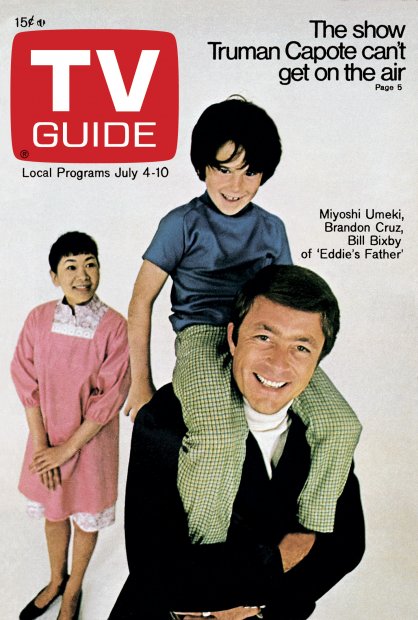
The Courtship of Eddie’s Father centered Tom Corbett and his young son Eddie. Their relationship was affectionate, conversational and more emotionally open than the stern father model. Eddie took an active interest in his father’s romantic life, turning the child into a participant in rebuilding the household.
The series also included Mrs. Livingston, whose presence gave the home care, humor and perspective without pretending she was a replacement wife. The arrangement demonstrated that a family could rely on people outside the biological pair.
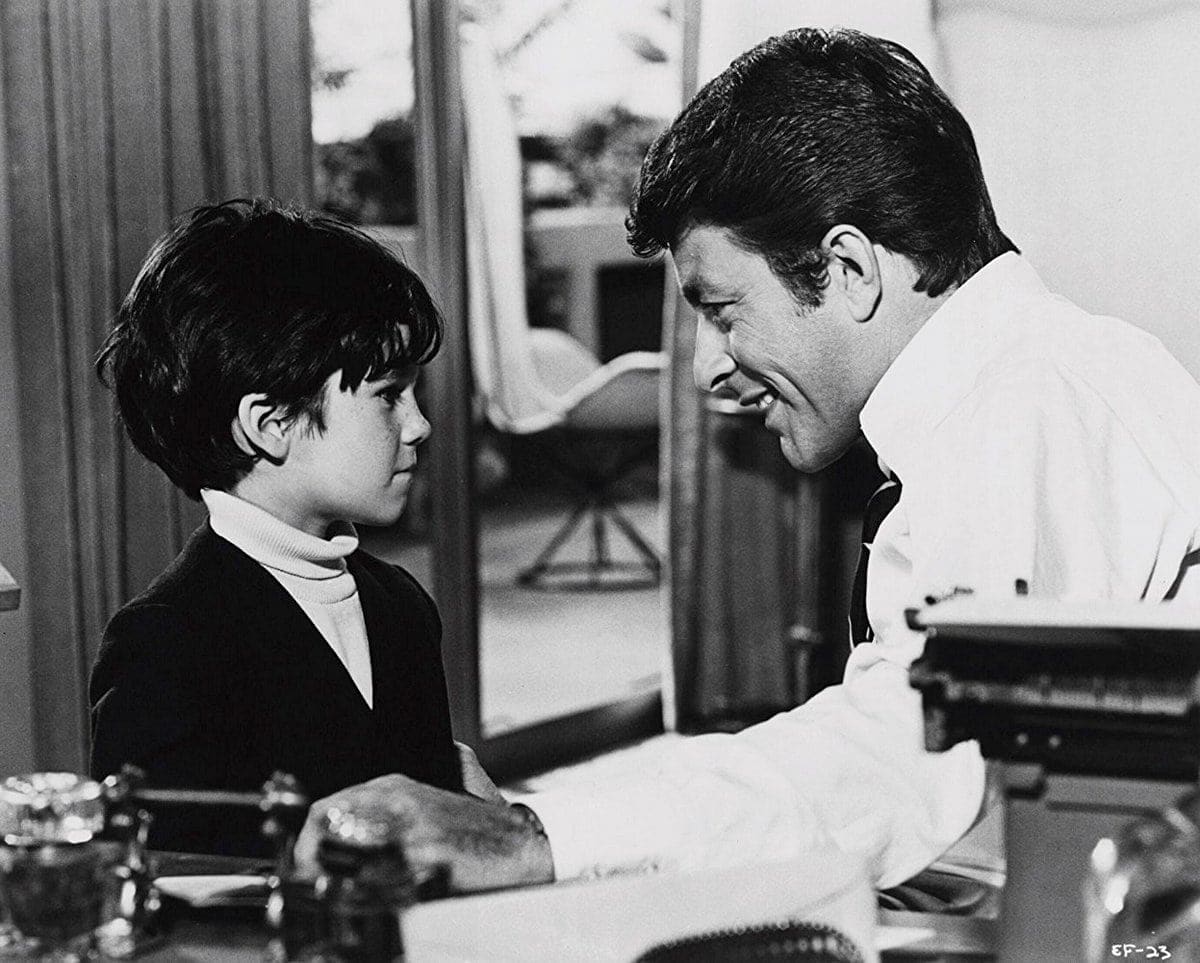
Sanford and Son offered the opposite emotional style. Fred and Lamont’s love was buried under insult, obligation and manipulation. Fred’s dependence on his son was obvious even when he used pride to disguise it.
These single-father homes expanded the father’s dramatic range. A man could need emotional help, fear abandonment, depend on domestic support or discover that authority did not automatically produce closeness.
The shows remained shaped by gender assumptions. Women often supplied care around the central male relationship, and widowhood remained easier for networks than divorce. Still, the father could no longer be treated only as the person returning from work with the final lesson.
The changing television family required fathers to become characters inside the household rather than symbols above it.
The staircase became a family tree
The Brady Bunch normalized the blended family by refusing to treat it as permanent damage
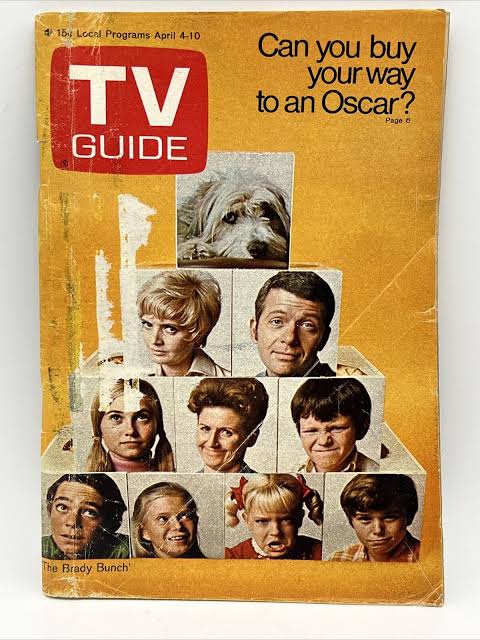
The Brady Bunch premiered in 1969, but its cultural life belongs deeply to the 1970s. Mike and Carol combined six children under one roof and treated the blended household as an accomplished fact.
The series avoided many difficult realities of remarriage. The children’s other parents were largely absent from the continuing story. Money rarely created sustained pressure. Alice provided domestic labor that most blended families could not summon with a bell.
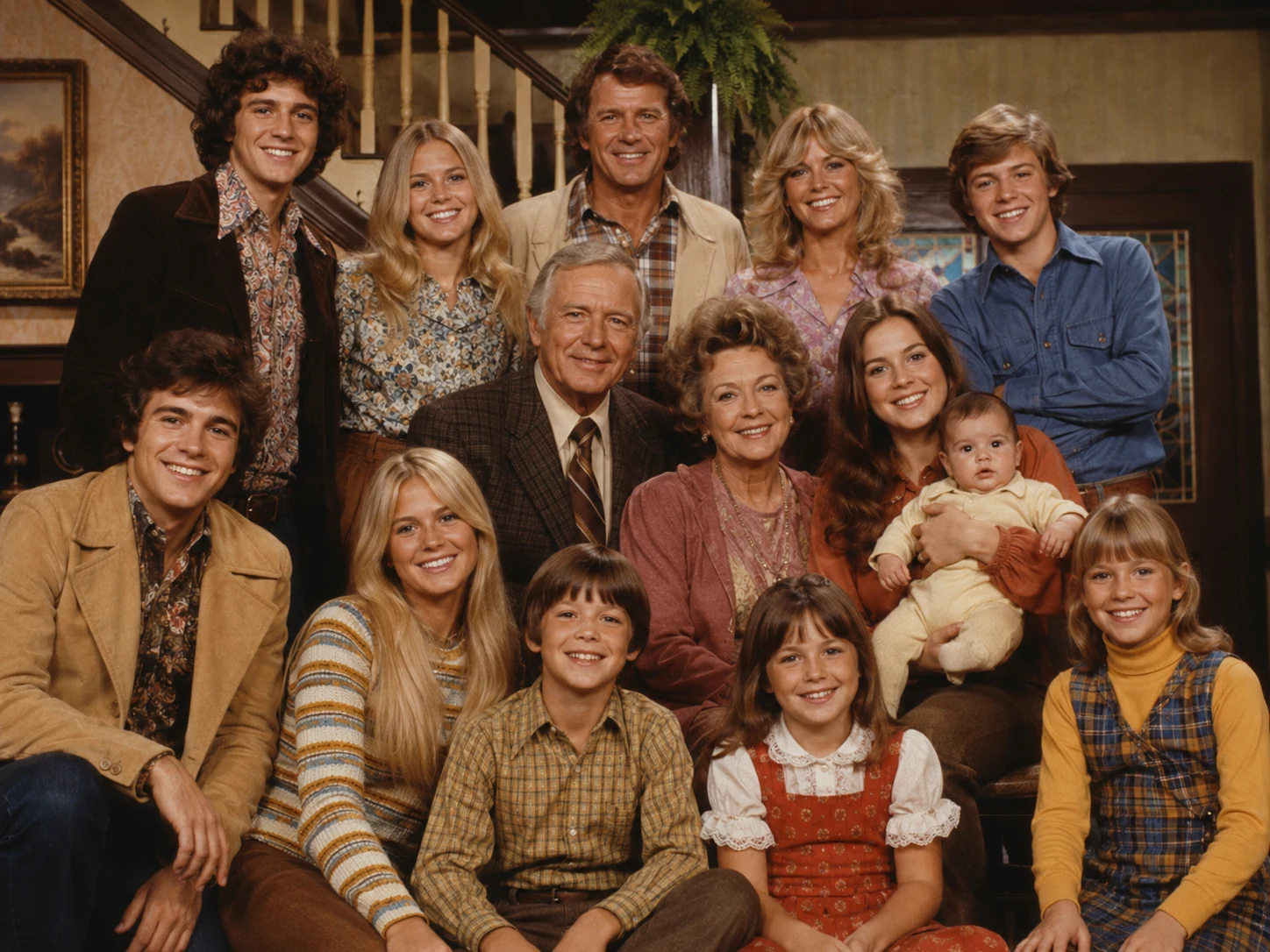
That unreality was part of the show’s comfort, but the premise still mattered. Stepbrothers and stepsisters were not introduced as temporary obstacles. The opening grid placed all nine faces inside one design, visually insisting that the family existed because the households had joined.
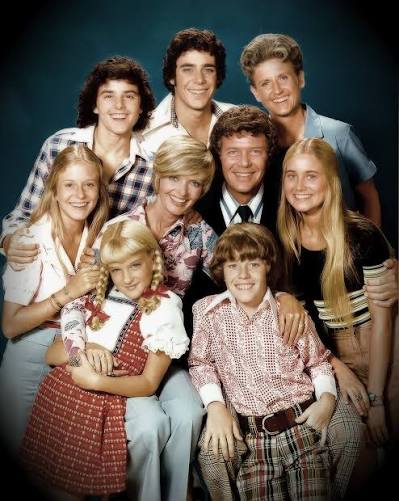
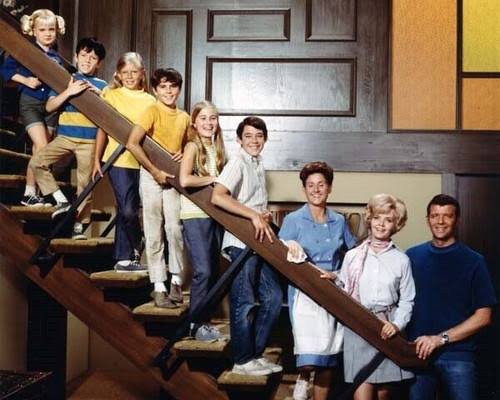
The show’s original ratings were less dominant than its later reputation suggests. Its power expanded through syndication, when daily after-school reruns reached children who had not watched the network run. Gen X absorbed the Bradys through repetition.
For many children living through divorce, remarriage, working parents or latchkey afternoons, the Bradys were both ridiculous and desirable. The family solved problems too neatly, but the house offered a fantasy of attention: adults noticed every problem, siblings remained available and the household had enough time to process a bruised ego.
That afterlife is explored in The Brady Bunch and the Family That Never Really Left Television. Its larger historical contribution was making the blended family familiar enough to become ordinary rerun furniture.
A family could change after the pilot
Eight Is Enough allowed loss and remarriage to alter the household instead of resetting it
Eight Is Enough arrived late in the decade with a household already too large for a simple formula. Tom and Joan Bradford had eight children at different stages of adolescence and adulthood, which made the family less like one unit than a crowded collection of overlapping emergencies.
The death of actress Diana Hyland, who played Joan, forced the series to confront change beyond its original design. The mother’s death became part of the family story, and Tom later married Abby.
That transition mattered because the show could not pretend a new woman restored the original household. Abby entered relationships already shaped by grief, loyalty and different memories of the mother who had died.
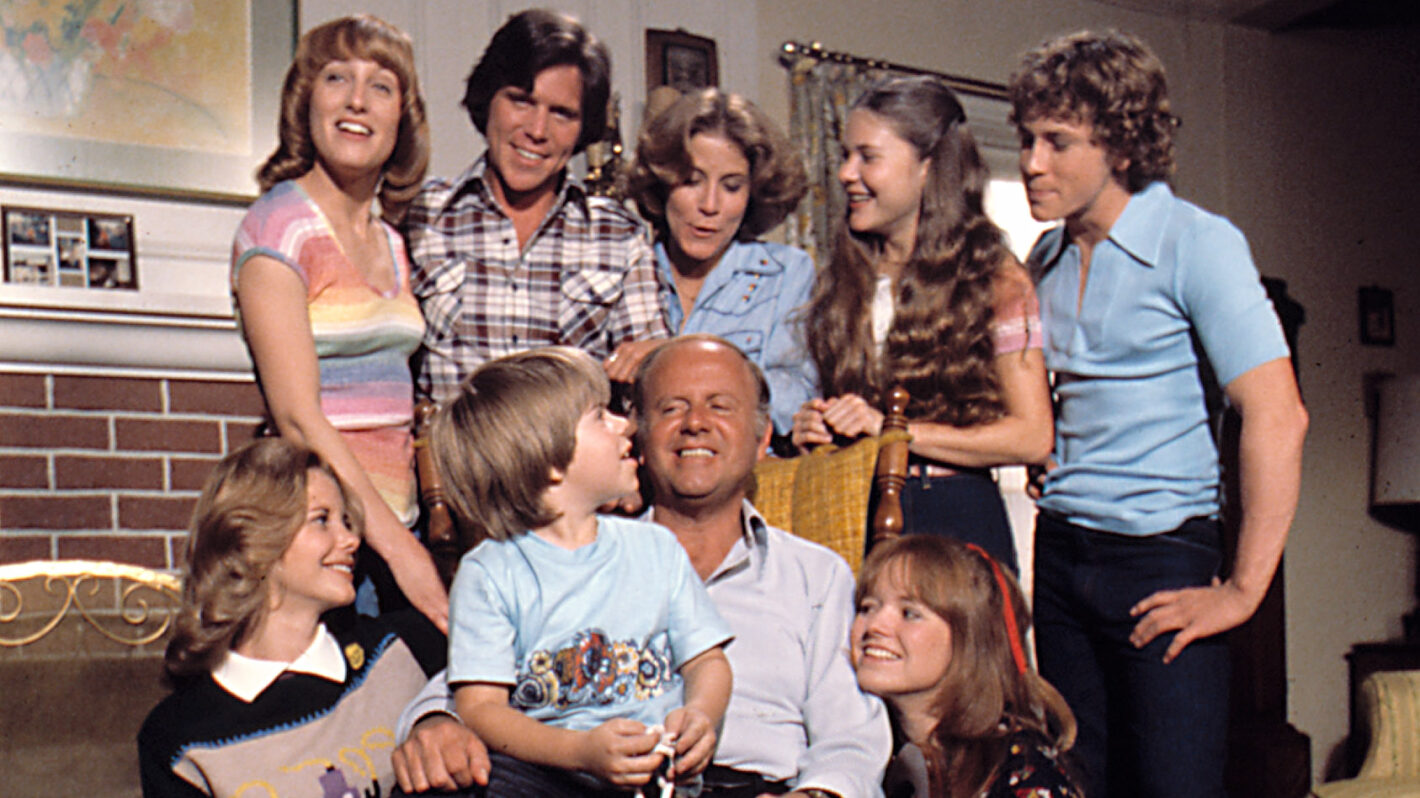
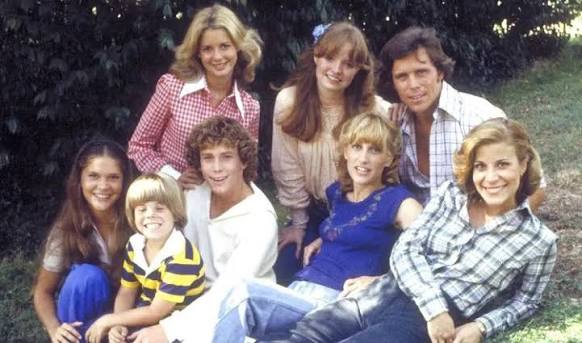
The children were old enough to carry separate lives. Dating, work, school, marriage and conflict extended the family beyond the house. The home remained central, but the series acknowledged that a large family changes as children approach adulthood.
The tonal mixture also reflected the decade. Comedy could move into grief, and domestic drama could make room for broad family chaos. The show existed between the clean sitcom reset and the heavier prime-time soap that would expand in the 1980s.
The Bradford family’s life after loss is explored in Eight Is Enough and the Changing Television Family. The household mattered because it was allowed to absorb death, remarriage and growing children instead of remaining frozen in its original arrangement.
The family story followed women beyond the kitchen
Working women changed what counted as domestic television
The rise of women at work affected family television even when the show was not centered on a household. A single woman with a career could have continuing emotional bonds, obligations and conflicts that looked unmistakably familial.
The Mary Tyler Moore Show made Mary Richards’s adult life legitimate without treating marriage as the missing ending. Her apartment, friendships and newsroom formed overlapping communities. Rhoda and Phyllis brought neighborly intimacy; Lou, Murray and Ted created a difficult work family.
That chosen-family structure mattered because the decade’s changing households left more adults living outside the old model. Divorce, delayed marriage, geographic mobility and women’s employment created lives that television needed to organize around something other than husband, wife and children.
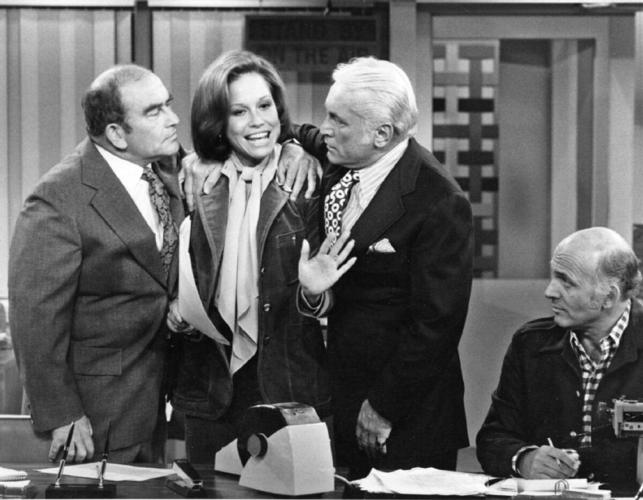
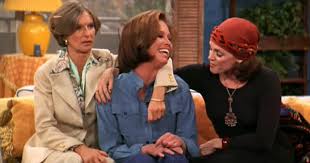
The newsroom did not become sentimental home. It remained a workplace with authority, ambition and unequal power. That made the bond more convincing. The characters cared about one another without pretending competence and affection were the same thing.
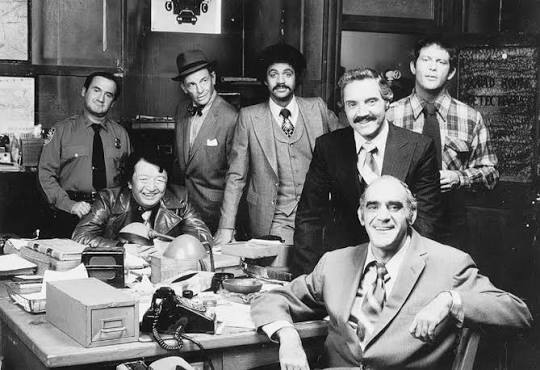
Other workplace ensembles followed. Barney Miller, Taxi and WKRP in Cincinnati placed adults inside communities formed by repetition, pressure and shared labor. The characters might never choose one another socially, yet they knew who was missing and who needed help.
Mary Richards’s independence and newsroom life come together in The Mary Tyler Moore Show and the Reinvention of the TV Woman. WJM proved that intimacy, loyalty and belonging no longer required a shared last name.
Home was no longer the only place that noticed your absence
Workplace ensembles became chosen families without pretending to be relatives
Chosen family became one of the decade’s quietest structural revolutions. Television needed ongoing relationships for characters who were single, divorced, geographically separated or simply more connected to work than to relatives.
The workplace solved the problem without forcing a conventional marriage. A precinct, garage, newsroom, radio station or taxi company created recurring contact. The same people returned each week because the job required it, and affection developed inside irritation.
Barney Miller made the precinct a low-key community where detectives brought different ethnic, generational and personal histories into one room. The family resemblance came from endurance: everybody had seen too much of everybody else to maintain a polished image.
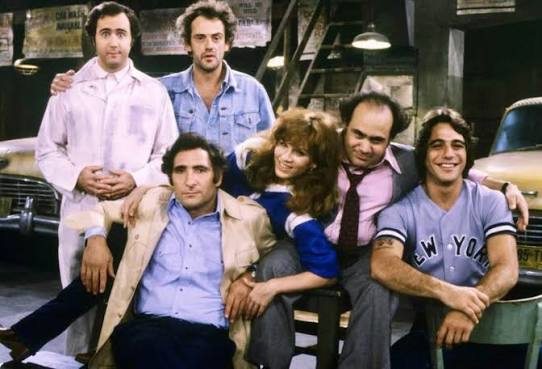
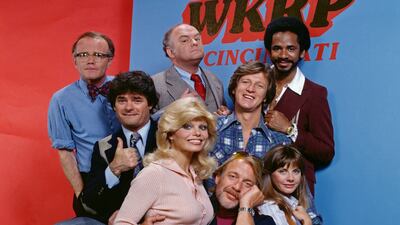
Taxi assembled people who believed driving was temporary while their real dreams waited elsewhere. That shared disappointment created loyalty. WKRP in Cincinnati built a radio-station family from people whose professional competence varied wildly but whose identities depended on the group.
For Gen X viewers, these programs offered a preview of adulthood that proved accurate in ways the perfect suburban family did not. Many adults would spend more waking time with coworkers than relatives. The people who irritated you every day might still be the people who noticed when something was wrong.
Chosen family did not replace biological family on television. It widened the emotional map. The weekly ensemble could carry belonging, conflict and care without a marriage license or shared childhood.
The past became a shelter with splinters
The Waltons and Little House proved social change increased the appetite for family comfort
While topical sitcoms pulled current conflict into the living room, The Waltons looked backward to a Depression-era family in rural Virginia. The series offered a large multigenerational household connected by work, storytelling, faith and the ritual of voices calling goodnight through the dark.
The comfort was not based on easy circumstances. Money was scarce, illness arrived, children faced disappointment and history pressed toward war. The reassurance came from the family’s ability to absorb hardship into a continuing community.
Little House on the Prairie used a nineteenth-century setting to explore similar anxieties. The Ingalls family faced crop failure, injury, disease, prejudice, economic insecurity and the vulnerability of depending on neighbors.
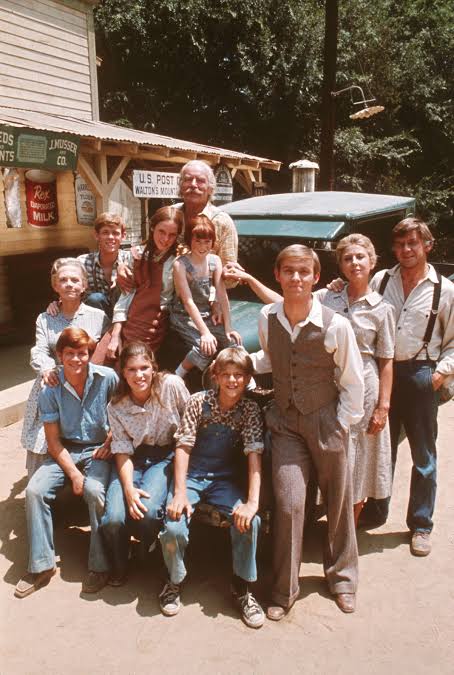
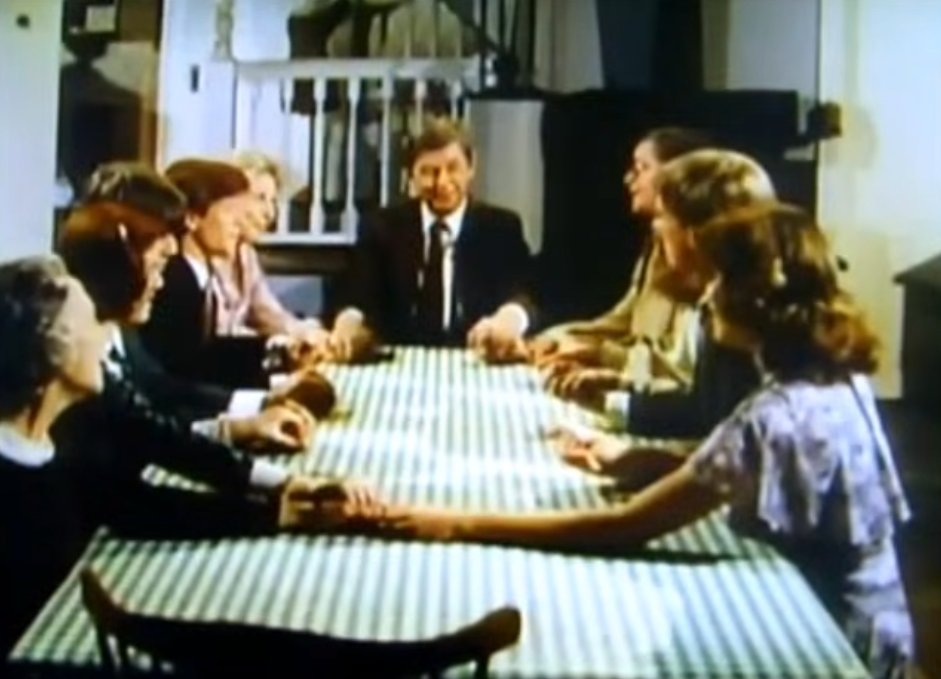
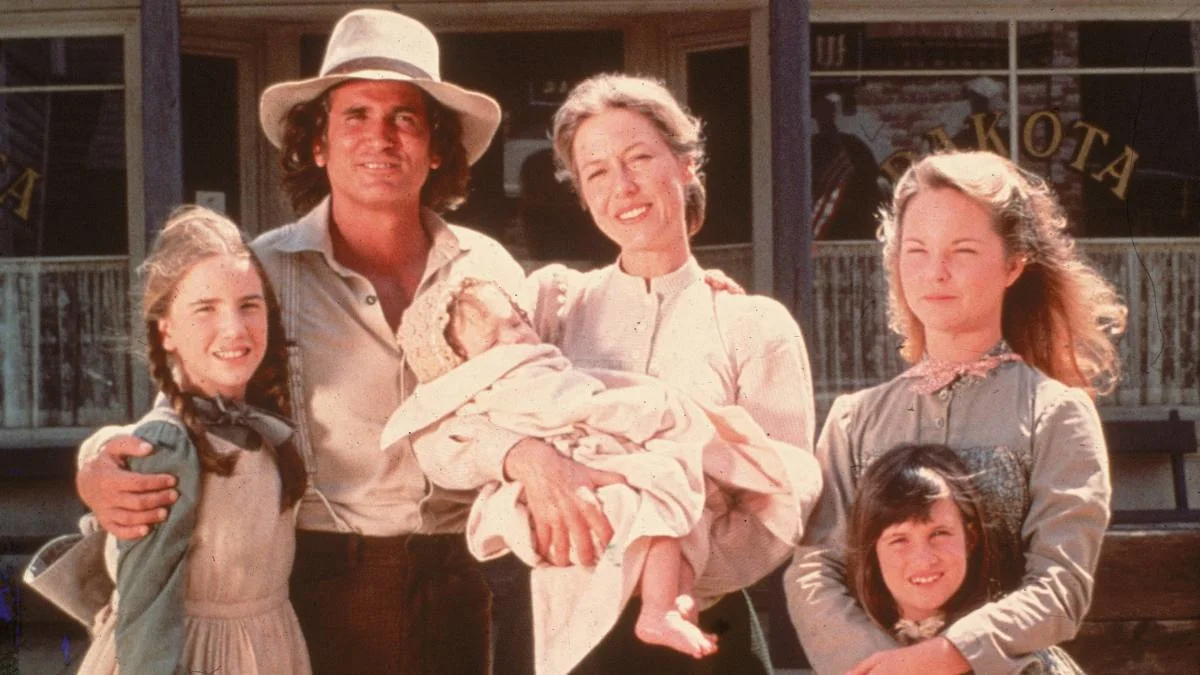
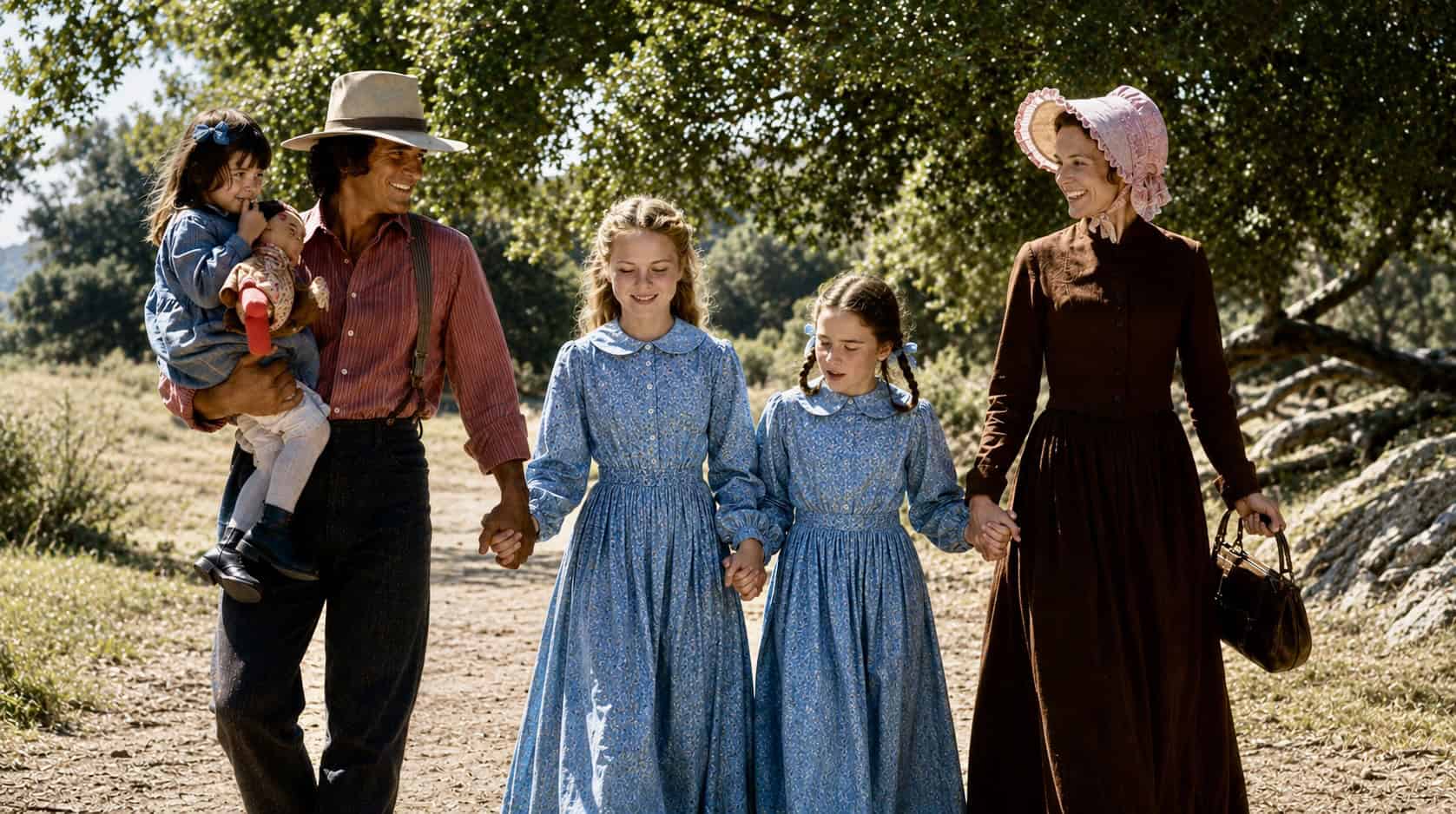
Historical distance made the stories feel safer while allowing them to address contemporary fears. During a decade of inflation, political distrust and changing social roles, the past offered a world where hardship could be named and moral responsibility remained visible.
These programs are sometimes treated as simple retreats from the sharper television around them. That misses the relationship. The more television admitted that present-day family life was unstable, the more valuable a strong image of endurance became.
The decade’s two great shelters are revisited in The Waltons and the Comfort of Walton’s Mountain and Little House on the Prairie and the Power of Family Television. Their popularity did not resist social change. It revealed how strongly change increased the hunger for endurance and home.
The decade wanted shelter and argument
Comfort television and socially relevant television were not opposites
The easy version of 1970s television divides the decade into brave, realistic sitcoms and sentimental family dramas. The schedule was more complicated. Viewers could love the Bunkers and the Waltons because the programs answered different needs.
All in the Family made conflict visible. The Waltons made endurance visible. One refused to let the household hide national division; the other insisted that a household could remain meaningful despite economic and historical pressure.
Both depended on specificity. The Bunker living room felt worn and territorially defended. Walton’s Mountain felt rooted in memory, place and extended community. The emotional response came from believing the family belonged to its environment.
The contrast also reveals how the family functioned as television’s most flexible form. A household could carry satire, nostalgia, melodrama, political debate or moral teaching. Networks did not need to abandon family programming to address a changing country. They needed to stop assuming every family produced the same story.
That same longing for rooted places runs through Best Rural and Small-Town TV Shows of the 1970s. Comfort became one of several competing family truths rather than an escape from the decade’s sharper arguments.
The decade’s great achievement was not choosing between realism and reassurance. It made room for both on the same television set.
The punch line was no longer required
Family made ordinary domestic life serious enough for an hour-long drama
The ABC series Family, which began in 1976, treated a suburban household with the sustained attention usually reserved for crime, medicine or war. The Lawrence family faced marriage problems, illness, grief, adolescence and disappointment without a sitcom reset.
The initial miniseries drew a strong audience and became a continuing series. Its success demonstrated that viewers would follow everyday emotional life when the writing and performances treated it as consequential.
Sada Thompson’s Kate and James Broderick’s Doug were recognizable parents rather than symbols of perfect authority. Their adult children carried histories that did not disappear when they entered the family home. Kristy McNichol’s Buddy gave younger viewers a teenager whose interior life mattered.
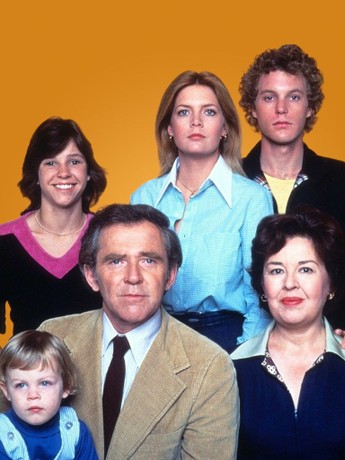

The hour-long format changed the pace. Silence, ambivalence and consequences could remain after the obvious dramatic moment. A family problem did not need to become a misunderstanding that disappeared at minute twenty-two.
The series also helped prepare prime time for the family dramas and soaps that expanded at the end of the decade and through the 1980s. The household could now sustain continuing emotional history.
The Lawrence family receives a closer look in Family and the Serious Side of 1970s Domestic Drama. Its lasting achievement was proving that ordinary household life could carry the weight of an adult drama.
The polished portrait lost its protective glass
An American Family broke the wall between television family and real family
In January 1973, PBS began airing An American Family, a twelve-hour documentary series following the Loud family of Santa Barbara. The cameras recorded daily life, marital tension, separation and the public presence of eldest son Lance Loud.
The series had no conventional sitcom engine and almost none of the protective structure viewers associated with television family life. The Louds were not characters designed to complete an arc. Their alliances, frustrations and self-consciousness became the story.
The camera complicated the idea of truth. Viewers could ask whether observation revealed the family or changed it. The Louds became public figures because the household had been turned into television, and their awareness of the camera became part of the material.
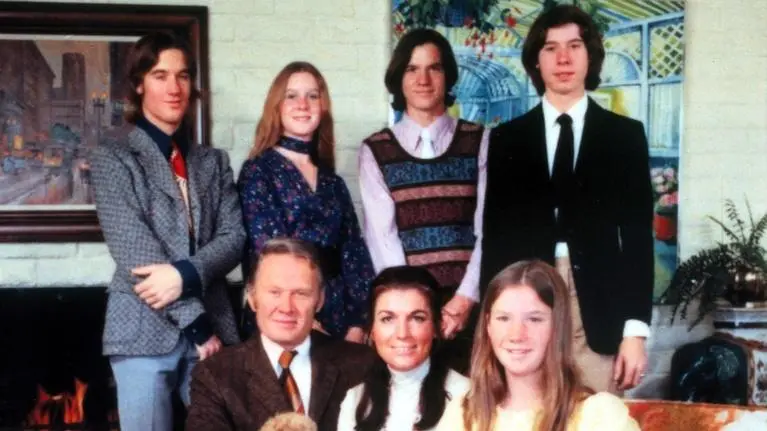
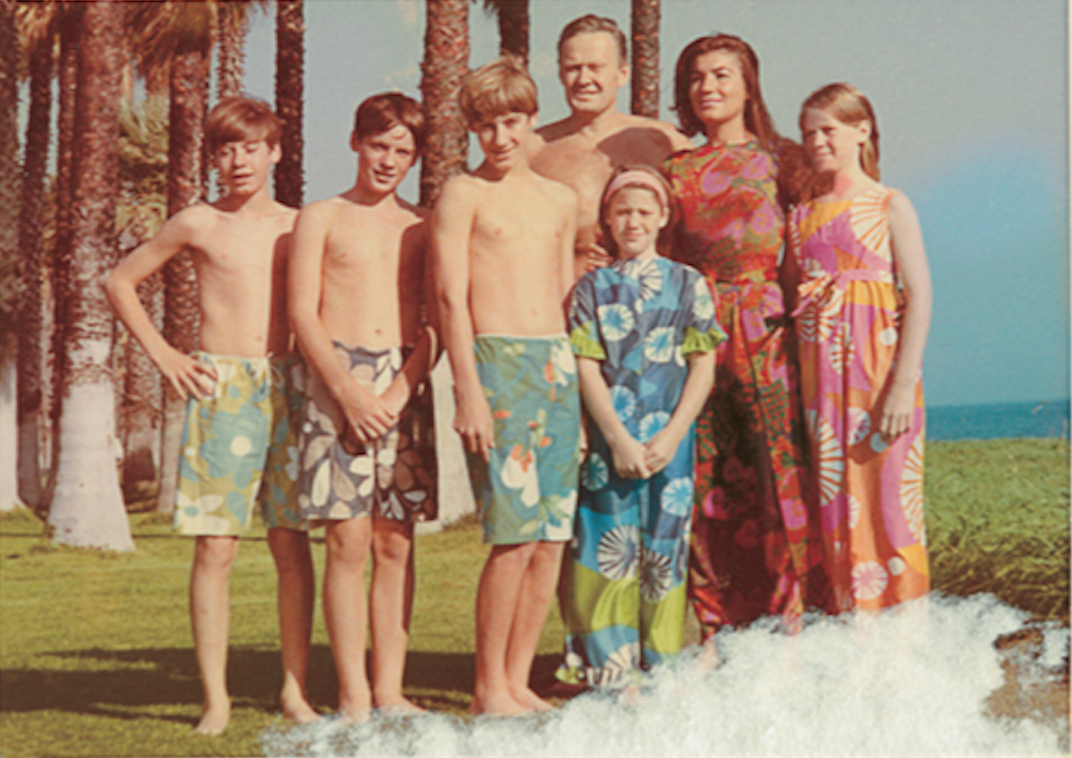
Pat Loud asking Bill to leave gave viewers a separation without fictional distance. Lance’s openness made him the first openly gay person to appear on television as an integral member of an American family, according to PBS’s history of the series.
The documentary made the old family ideal look even more constructed. A real household contained boredom, performance, resentment and change that could not be restored by a closing theme.
Later reality television would use conflict, editing and domestic access in very different ways, but the conceptual break had arrived. A family did not need writers to become serialized television.
The series belongs to the changing-family history because it made viewers compare fictional households with a family whose instability could not be dismissed as plot.
Children became people with interior lives
Teenagers stopped existing only to learn the parent’s lesson
Earlier family programs often organized children around the parents’ wisdom. The child created a problem, the adult explained the mistake and the family returned to order. The 1970s increasingly allowed young characters to possess conflicts adults could not solve from above.
Gloria Stivic was an adult daughter caught between her father and husband, able to recognize failures in both. Julie and Barbara Cooper responded differently to divorce, work and their mother’s authority. Buddy Lawrence in Family carried emotional life that did not exist only to develop her parents.
The Bradford children in Eight Is Enough occupied different stages of adolescence and adulthood. Their jobs, marriages, ambitions and mistakes stretched the family story beyond one generation’s point of view.
Programs aimed more directly at youth also reflected the shift. James at 15 treated adolescence as a perspective worthy of sustained drama. Welcome Back, Kotter made school misfits into a group whose humor protected complicated home lives and uncertain futures.
The change matched a culture more willing to discuss generational identity. Baby boomers had challenged older authority; Gen X children watched the resulting arguments replayed through television families.
Young characters were still written through adult assumptions, and many experiences remained simplified. Yet the child no longer had to be the problem waiting for a parent’s answer. The parent could be part of the problem.
Patriarchy became character instead of law
1970s television fathers could be afraid, unemployed, nurturing or plainly wrong
The classic father represented stability whether or not the audience knew much about him. The 1970s turned fatherhood into a range of performances rather than one unquestioned position.
Archie Bunker clung to authority because the world no longer confirmed it. James Evans possessed dignity and strength while facing institutions that repeatedly denied him control. Fred Sanford depended on Lamont while pretending dependence was manipulation. John Walton led through steadiness and shared labor rather than volume.
Charles Ingalls offered emotional warmth and physical competence, but the family’s vulnerability meant he could not guarantee safety. Tom Bradford had to parent children approaching adulthood and later rebuild the household after loss.
These fathers were not equally progressive. Some reproduced harmful assumptions; others represented reassurance. What changed was the willingness to make authority visible as behavior. A father’s decision could be questioned, and the series did not always restore him as correct.
Economic instability intensified the change. When employment and wages were uncertain, fatherhood could no longer be reduced to providing money from an offscreen job. The inability to provide became a source of shame, conflict and vulnerability.
The decade also made affection more visible. A father could speak emotionally, depend on children or admit fear without the program treating masculinity as completely broken.
Television did not abandon the patriarch. It placed him under enough light that viewers could see the effort required to maintain the role.
The mother moved from service to authority
1970s television mothers gained histories, jobs, anger and limits
The traditional television mother often maintained the household so smoothly that her labor disappeared. The 1970s began making the work, resentment and authority visible.
Edith Bunker’s patience gradually revealed itself as moral judgment. Florida Evans carried the emotional center of a family living under constant financial pressure. Louise Jefferson understood both the cost of George’s ambition and the contradictions inside their new class position.
Ann Romano made motherhood inseparable from paid work, dating and post-divorce identity. Maude Findlay refused to reduce womanhood to domestic agreement. Kate Lawrence in Family had an interior life serious enough for hour-long drama.
Carol Brady remained closer to the older ideal, but even her blended household represented a second marriage and a family built after previous lives. Abby Bradford entered a grieving family rather than a blank domestic role.
The decade did not free mothers from expectations. Women still performed most emotional labor, and working mothers often carried the job and home simultaneously. Television sometimes celebrated independence without showing the full infrastructure required to sustain it.
Yet mothers could now be angry without becoming monsters, ambitious without automatically losing the family and mistaken without proving women should not lead.
The changing family became visible when the mother was allowed to be a person inside it.
The grocery bill became plot
Inflation and work changed the emotional weather of television homes
Economic pressure transformed the family story because money affects every relationship while pretending to be a separate subject. The 1970s recession, inflation and uneven income growth made the old financially weightless household less convincing.
In Good Times, unemployment or a rent problem could reorganize the entire episode because the Evans family had little buffer. In Sanford and Son, the business tied father and son together even when Lamont wanted a different life. In One Day at a Time, work was necessary to Ann Romano’s independence.
The Waltons used historical distance, but the Depression setting made scarcity central. The family’s cohesion depended on shared labor and a community where resources circulated through relationships.
THE TWO-SHIFT HOUSEHOLD
Paid work did not replace domestic work. For many women, television’s changing family meant carrying both—and negotiating authority in a home still built around older expectations.
Economic stories changed parental authority. A father who could not find work might feel his identity collapse. A mother entering paid employment changed schedules and expectations. Teenagers took jobs or understood that college, transportation and privacy depended on money.
Class also shaped how audiences judged families. The Jeffersons’ apartment made Black prosperity visible, while George’s insecurity demonstrated that status did not erase the memory of exclusion. The Bradys’ large house and Alice’s labor created a fantasy whose comfort depended on resources the show rarely discussed.
The decade’s family television became more honest when the walls stopped hiding the paycheck.
The set carried the argument
Living rooms, kitchens and front doors became storytelling machines
The changing family was not only written through dialogue. The set explained who had power, where conflict happened and how much privacy the household allowed.
Archie’s chair made authority visible before he spoke. The Bunker front door introduced people and ideas he could not keep outside. The Evans apartment made crowding and shared consequences unavoidable. The Jeffersons’ luxury apartment announced mobility while placing George in a building full of people capable of challenging him.
The Brady staircase organized nine characters into constant circulation. Bedrooms created sibling alliances; the kitchen gave Alice access to information everybody else believed was private. Walton’s Mountain expanded the family into a community where home and environment could not be separated.
Authority had a permanent seat, and every visitor had to enter its territory.
Crowding turned every financial decision into family business.
A blended household became visible as constant movement between floors and siblings.
A luxury apartment announced success while exposing the insecurity that followed George upstairs.
Apartment sitcoms changed family geography. Ann Romano’s home was smaller, more permeable and closer to work and dating. Mary Richards’s apartment could function as independent home, friendship center and evidence that an unmarried woman’s life was not temporary.
The dinner table remained television’s most efficient pressure chamber. It required characters to face one another, connected politics to food and made departure visible. Somebody could storm away, refuse to sit or remain trapped while the argument continued.
A good family set was memory architecture. Gen X viewers can often reconstruct the room more easily than a specific episode because the room taught us how the family worked.
Ten years of changing homes
The television family changed year by year across the 1970s
The transformation did not move in a straight line. Traditional comfort, political conflict, Black representation, divorce, rural nostalgia and workplace community overlapped throughout the decade.
The timeline shows how quickly new household structures moved from unusual premise to familiar television language.
The old and new models share the schedule
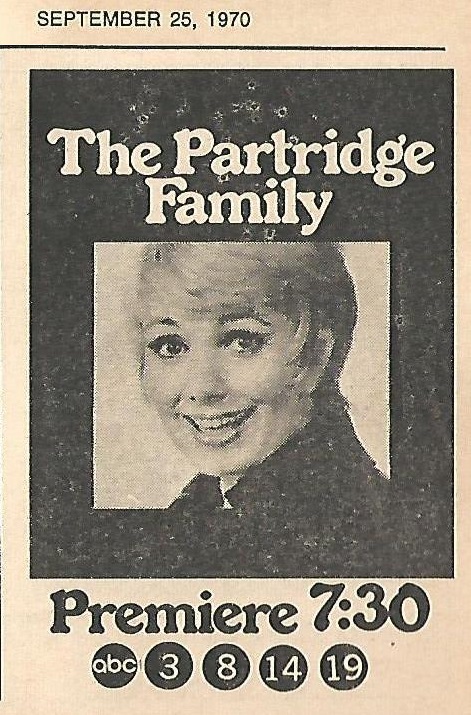
The Brady Bunch, The Courtship of Eddie’s Father and The Partridge Family present blended, single-parent and musical households while traditional family comfort remains strong.
The Bunker living room changes the argument
All in the Family makes race, politics, war and generational conflict central to the family sitcom.
Working-class and rural families expand the map
Sanford and Son and The Waltons show how far the family form can stretch—from a Watts junk business to Depression-era Walton’s Mountain.
The real family enters the frame
An American Family exposes marital breakdown and gay family life without fictional protection, while the Brady household remains a familiar network ideal.
The Evanses and Ingalls families arrive
Good Times and Little House on the Prairie offer radically different responses to hardship, one contemporary and urban, the other historical and rural.
Divorce and Black prosperity become continuing premises
One Day at a Time and The Jeffersons place a divorced mother and an affluent Black couple at the center of popular sitcoms.
Domestic life becomes serious drama
Family gives ordinary household emotion an hour-long form and treats teenagers, marriage and illness with sustained attention.
Eight Is Enough makes the household evolve
The Bradford family brings a large, changing home into prime time and later absorbs death and remarriage into the continuing story.
Adoption and alternative households widen late-decade television
Diff’rent Strokes introduces a wealthy white widower adopting two Black brothers, a premise that expands representation while carrying major class and racial complications.
The family is now everywhere
Traditional, blended, divorced, working-class, affluent, adoptive, rural and chosen families coexist as the decade hands its expanded television vocabulary to the 1980s.
The late decade widened the family and exposed new problems
Adoption and cross-racial households entered prime time with complicated baggage
Diff’rent Strokes premiered in 1978 with wealthy widower Philip Drummond adopting Arnold and Willis Jackson after their mother’s death. The premise created an adoptive family across race and class, making the household immediately different from older sitcom models.
The series gave two Black children central roles inside a mainstream family comedy and allowed affection to develop across the new household. It also placed enormous economic inequality at the foundation of the arrangement.
A modern reading must hold both realities. The show normalized adoption and cross-racial family bonds for a wide audience. It also relied on a rescue structure in which wealth and white authority determined the children’s future.
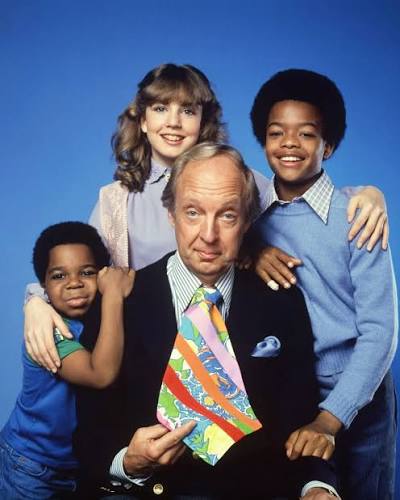
The housekeeper, Mrs. Garrett, supplied emotional continuity and later became the bridge to The Facts of Life, another example of television shifting family functions into institutional and chosen communities.
Late-decade television was increasingly willing to build families through adoption, guardianship and circumstance. The programs did not always understand the power relationships they introduced, but the old biological household was no longer the only structure viewers recognized.
The change prepared the 1980s for sitcoms built around adoption, remarriage, foster relationships and households assembled by premise rather than blood.
The gallery was larger and still incomplete
Who remained missing from the changing television family
The 1970s broke the single-family model without producing a complete portrait of American life. Many communities remained absent, marginal or filtered through stereotypes.
Gay family life appeared most clearly through Lance Loud in An American Family, but continuing fictional television rarely allowed gay adults to build ordinary family lives. Indigenous families, immigrant households, Asian American families and Latino families remained severely underrepresented in prime time.
Disability was often used for a special episode rather than treated as part of an ongoing household. Poverty could become moral theater. Working-class families were sometimes granted dignity only when they remained conventionally respectable.
The decade’s interracial households also carried uneven power. Diff’rent Strokes and the Willises on The Jeffersons made important images visible, but network storytelling often centered the comfort of the mainstream audience.
Women gained authority while continuing to perform most emotional labor. Divorce became visible, but domestic violence, reproductive choice and child care were addressed selectively and under intense network pressure.
Nostalgia should not turn partial progress into completion. The decade matters because it widened the frame enough that the exclusions became easier to see.
The honest legacy is expansion and unfinished work.
The decade in one living-room wall
Ten ways the television family changed during the 1970s
The shows differed in tone and purpose, but their combined effect can be seen in ten structural changes.
Together, these shifts made the old one-family-fits-all portrait impossible to restore.
Politics entered the house
All in the Family made national conflict inseparable from family relationships.
Money became continuing pressure
Good Times, Sanford and Son and historical dramas made wages, rent and scarcity part of the household.
Black families occupied different class positions
The Sanfords, Evanses and Jeffersons prevented one family image from representing every Black household.
Divorce became a premise, not a shameful secret
Maude and One Day at a Time treated post-divorce family life as continuing life.
Blended and remarried homes became familiar
The Brady Bunch and Eight Is Enough normalized households formed after previous relationships and loss.
Women’s work changed domestic authority
Ann Romano and Mary Richards showed that employment, independence and family connection could coexist.
Fathers became emotionally legible
Archie, James, Fred, John Walton and Tom Bradford revealed different fears inside authority.
Children gained interior lives
Teenagers and adult children could challenge parents without disappearing from the family.
Coworkers became chosen family
Newsrooms, precincts, garages and radio stations carried belonging beyond the biological home.
Real family life entered television
An American Family made marital breakdown and identity visible without a fictional reset.
The adult rewatch
What aged well, what needs context and what still feels painfully familiar
The adult rewatch changes the balance. What looked ordinary to a child can reveal radical structure, and what once felt progressive can show the limits of its era.
The best 1970s family television survives because it does not reduce belonging to agreement. The weakest moments appear when a complex household becomes a stereotype or a social issue is solved for the comfort of the audience.
A thoughtful rewatch can hold affection and criticism together. Nostalgia is stronger when it does not require amnesia.
Conflict does not cancel love
The strongest shows allow family members to remain connected without pretending disagreement is harmless.
Class changes every relationship
Money, work and housing determine how much freedom a household can realistically exercise.
Chosen family is real family
Workplace ensembles remain convincing because adulthood often creates intimacy through repetition and shared pressure.
Stereotypes can survive inside progress
Visibility did not guarantee control, dignity or freedom from comic shorthand.
Women still carried the invisible work
Independence expanded while mothers and female coworkers continued to manage everyone else’s emotional needs.
The perfect household was always partly fantasy
Even viewers who mocked the Bradys could envy a home where adults noticed every problem.
The old portrait could not be restored
What the changing 1970s television family left behind
By the end of the decade, television had a larger vocabulary for family. A household could be working-class, Black, affluent, blended, divorced, widowed, adoptive, rural, historical or formed through work.
The 1980s inherited those structures. Family sitcoms could mix traditional warmth with adoption, remarriage, working mothers and chosen community because the 1970s had already taught audiences how to read the arrangements.
Prime-time drama also inherited the change. Continuing family history, emotional consequence and intergenerational conflict helped prepare viewers for domestic soaps and ensemble dramas.
The decade did not eliminate the idealized family. It made idealization self-conscious. A program choosing the old structure now existed beside visible alternatives and could be understood as a choice.
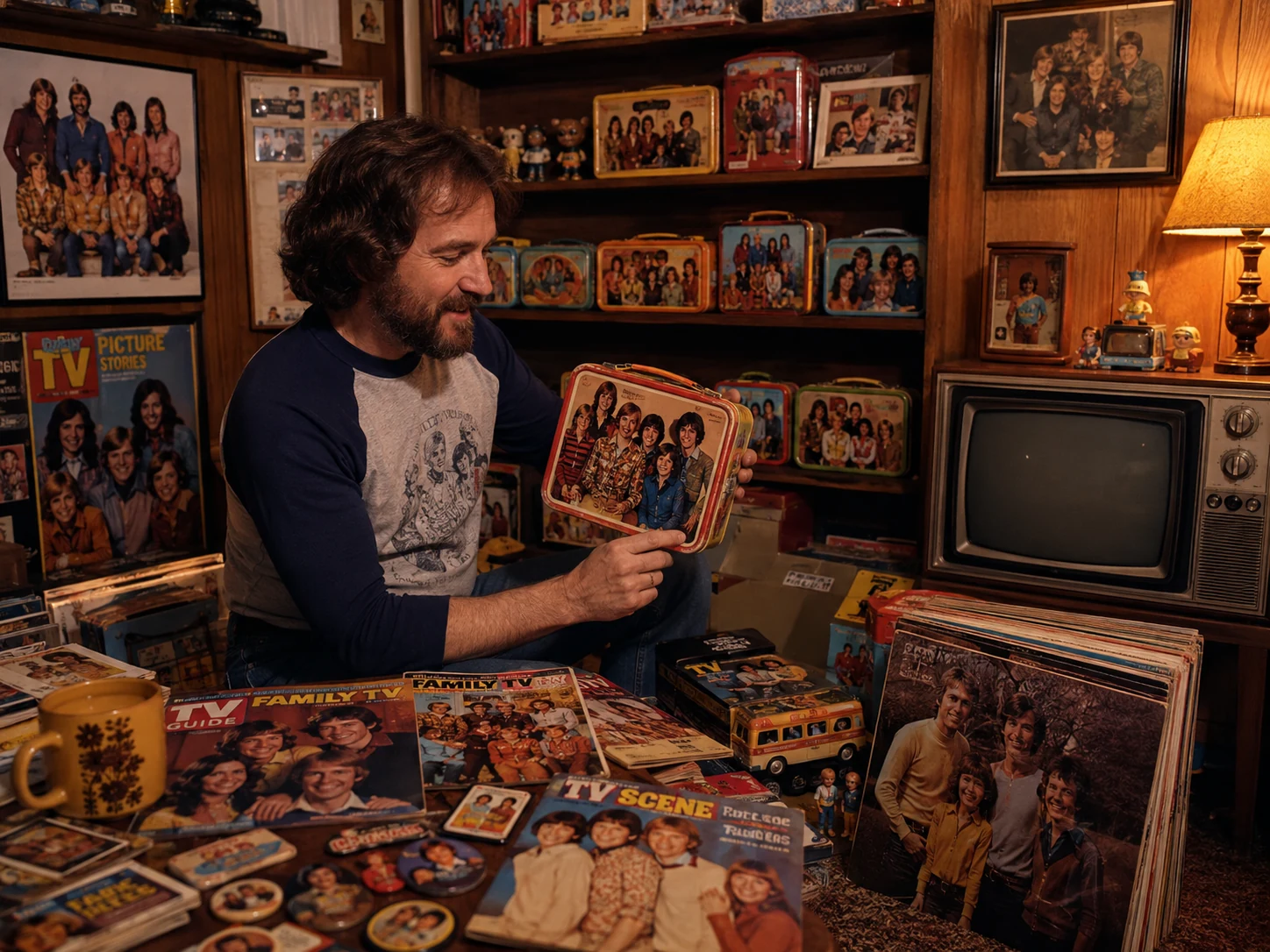
For Gen X, the legacy is personal. We learned the family map from reruns and prime time before many of us understood our own households. The programs gave us imperfect evidence that normal was broader than adults sometimes admitted.
To revisit the households themselves, see 40 Best Family TV Shows of the 1970s, Ranked. Together, those programs show how television stopped using one family portrait as the frame for everybody.
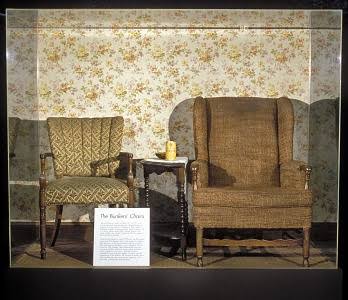
The furniture remained. The people, power and definition of home changed.
The Gen X memory:
We did not need a sociology course to notice that every television family had different rules. We needed one television, a dial and enough patience to see what the next house looked like.
Rewind the shared schedule
Follow the changing family through every year of 1970s television
The family revolution shared the schedule with detective shows, variety hours, medical dramas, news and the rest of prime time.
Choose a year to see what else was sharing prime time when these households first arrived.
CH70
TOP TV SHOWS1970
CH71
Return these changing households to the full prime-time schedule and ratings story of 1970.
TOP TV SHOWS1971
CH72
Return these changing households to the full prime-time schedule and ratings story of 1971.
TOP TV SHOWS1972
CH73
Return these changing households to the full prime-time schedule and ratings story of 1972.
TOP TV SHOWS1973
CH74
Return these changing households to the full prime-time schedule and ratings story of 1973.
TOP TV SHOWS1974
CH75
Return these changing households to the full prime-time schedule and ratings story of 1974.
TOP TV SHOWS1975
CH76
Return these changing households to the full prime-time schedule and ratings story of 1975.
TOP TV SHOWS1976
CH77
Return these changing households to the full prime-time schedule and ratings story of 1976.
TOP TV SHOWS1977
CH78
Return these changing households to the full prime-time schedule and ratings story of 1977.
TOP TV SHOWS1978
CH79
Return these changing households to the full prime-time schedule and ratings story of 1978.
TOP TV SHOWS1979
Return these changing households to the full prime-time schedule and ratings story of 1979.
Questions from the living room
Frequently asked questions about changing television families in the 1970s
These answers cover the main household shifts, influential programs and limits of representation across the decade.
How did television families change during the 1970s?
They became more varied in race, class, household structure and emotional tone. Working-class families, Black families across different economic positions, divorced mothers, blended homes, widowed fathers, adoptive households, serious family dramas and workplace families all became more visible.
Which show most changed the television family in the 1970s?
All in the Family was among the most influential because it made political, racial and generational conflict central to a mass-audience family sitcom. No single program created the entire shift, however.
Why was One Day at a Time important?
It centered a divorced mother raising two teenage daughters and treated the post-divorce household as a complete family rather than a temporary problem waiting for remarriage.
How did Black family representation change in the 1970s?
Sanford and Son, Good Times and The Jeffersons presented different generations, neighborhoods and economic positions, making one approved Black family image impossible to maintain.
Was The Brady Bunch a major ratings hit?
It never became a regular top-ten Nielsen program during its original network run. Its enormous cultural influence grew through syndication, daily after-school reruns and later revivals.
Why were The Waltons and Little House on the Prairie popular?
They offered historical family stories built around endurance, work and community during a decade of political distrust, inflation and changing social roles.
What did An American Family change?
The 1973 PBS documentary series followed the real Loud family through marital separation and changing identity, challenging polished fictional family images and helping establish the possibilities of reality television.
How did women’s work affect television families?
More women were entering or returning to paid work. Programs such as One Day at a Time and The Mary Tyler Moore Show made employment, independence and female authority part of continuing television life.
What was a chosen family on 1970s television?
Workplace ensembles in newsrooms, precincts, garages, radio stations and taxi companies created continuing communities for single, divorced and geographically mobile adults.
Which 1970s show featured a serious family drama rather than a sitcom?
Family, which began in 1976, used an hour-long format to explore marriage, adolescence, illness, grief and everyday domestic life.
Did 1970s television represent every kind of family?
No. Gay families, immigrant households, Indigenous families, Asian American families, Latino families and families including disability remained absent, rare or narrowly portrayed.
What is the lasting legacy of 1970s family television?
The decade broke the assumption that one polished nuclear household could represent every family. Later television inherited a broader range of blended, divorced, adoptive, working-class and chosen families.
Sources
Where the history comes from
Census and labor data document the changing household, while museum, public-television and Television Academy archives preserve the programs and people discussed here.
- U.S. Census Bureau — Money Income in 1978 of Households in the United States
- U.S. Bureau of Labor Statistics — Women in the Workforce, historical participation rates
- National Museum of American History — The Bunkers’ Chairs
- Television Academy Interviews — All in the Family
- Television Academy Interviews — One Day at a Time
- Television Academy Interviews — Good Times
- Television Academy Interviews — The Jeffersons
- Television Academy Interviews — The Waltons
- Television Academy Interviews — The Brady Bunch
- Television Academy Interviews — Maude
- Television Academy Interviews — Family
- PBS — An American Family anniversary history