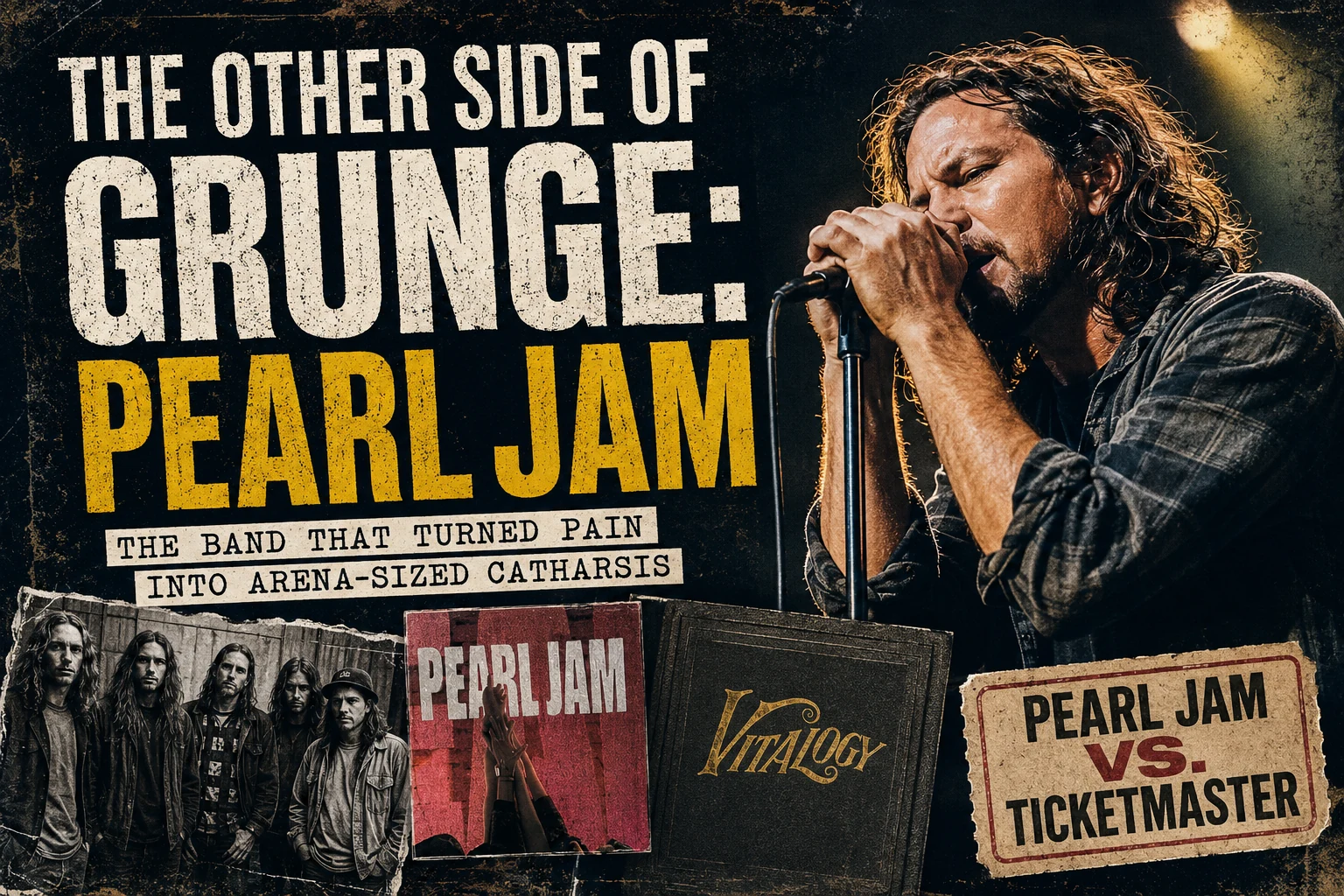
The Other Side of Grunge: Pearl Jam
Pearl Jam were the grunge band that sounded like they were trying to survive the decade in real time. Nirvana made the door explode. Pearl Jam walked through it with arena-sized guitars, wounded-kid lyrics, a voice that sounded like it had swallowed an entire weather system, and the most emotionally intense fan base in the flannel economy.
This is Pearl Jam’s place in 90s Alternative & Grunge Hub: not the sarcastic rupture of Nirvana, not the heavy weirdness of Soundgarden, not the haunted darkness of Alice in Chains, but the cathartic, live-wire, emotionally overloaded side of the Big 4 of Grunge.
Why Was Pearl Jam the Other Side of Grunge?
Pearl Jam were the other side of grunge because they turned Seattle’s alternative explosion into something bigger, warmer, more classic-rock-shaped, and more emotionally communal. Where Nirvana changed 90s music with rupture, sarcasm, punk tension, and sudden cultural detonation, Pearl Jam made grunge feel like a live exorcism. They were heavy, but not cold. They were alternative, but not small. They were skeptical of fame, but somehow built one of the most loyal audiences in rock.
Pearl Jam made the lonely-bedroom feeling into a crowd chant. Ten turned trauma, grief, family damage, shame, survival, and alienation into songs that could fill arenas without pretending everything was fine. That is why Pearl Jam still matter: they made huge rock feel bruised, human, and suspicious of its own spotlight.
- Nirvana felt like collapse, static, and the sound of glossy 80s rock finally cracking.
- Pearl Jam felt like release, grief, survival, and 20,000 people yelling the same wound back at the stage.
- Ten made them massive, but Vs. and Vitalogy showed they were not interested in being a product line with guitars.
- Eddie Vedder became one of the defining voices of Gen X because he sang like pain had a body and finally found a microphone.
- The live shows turned Pearl Jam from a 90s grunge-era radio band into a long-term community.
Pearl Jam Did Not Sound Like the End of the World. They Sounded Like the Morning After.
In the early 90s, grunge was never one clean thing. That is what made it dangerous, and also what made every marketing department immediately sprint toward it with a flannel shirt and absolutely no shame. The word got slapped onto almost anything with distortion, long hair, a Seattle mailing address, or a video that looked like it was shot in a damp basement with one working light bulb.
But inside the actual movement, the major bands were wildly different. The Big 4 of grunge worked because each band hit a different nerve. Nirvana had punk damage and pop instincts. Soundgarden had heavy, weird, psychedelic muscle. Alice in Chains had doom, harmony, and haunted-metal gravity. Pearl Jam had human-scale heartbreak blown up to arena size.
That difference mattered. Pearl Jam were not less grunge because they had classic-rock bones. They were grunge because they took all the emotional wreckage of the moment — alienation, divorce-kid confusion, broken masculinity, distrust of authority, survivor guilt, depression, anger, shame — and made it feel shared instead of private.
Pearl Jam’s best 90s songs did not wink at pain. They walked straight into it, which was its own kind of rebellion in a decade that kept using irony as emotional body armor. They made the lonely bedroom feeling into a crowd chant. That is why “Alive,” “Black,” “Jeremy,” “Release,” “Daughter,” and “Better Man” did not just become songs people liked. They became songs people carried around like emotional contraband.
Nirvana sounded like a joke turning into a breakdown, then turning into a chorus you could not escape. Their biggest songs had pop shape, but they felt dragged through thrift-store carpet, amplifier smoke, and resentment.
Pearl Jam did not sound embarrassed by rock’s size. They understood that giant guitars could still feel wounded. They were not trying to shrink the room. They were trying to make the room confess something.
Soundgarden brought Sabbath weight, odd shapes, psychedelic darkness, and Chris Cornell’s ridiculous vocal range into the Seattle story.
Alice in Chains carried the metallic sludge, ghostly harmonies, addiction shadows, and dread that made grunge feel like the basement had a basement.
Before Pearl Jam: Seattle Grief, Mother Love Bone, and a Band Built From Aftershocks
Pearl Jam’s story did not start as a clean origin myth. It started with loss, unfinished ambition, and a Seattle scene where bands overlapped so much it sometimes felt like everyone was one drummer away from being in three groups.
Before Pearl Jam, Stone Gossard and Jeff Ament were part of Mother Love Bone, a Seattle band with glam flash, hard rock ambition, and a frontman, Andrew Wood, who seemed built for some bigger, stranger stage. Wood’s death in 1990 left a hole in the Seattle scene and pushed the musicians around him into a period of grief, uncertainty, and reinvention.
That matters because Pearl Jam did not emerge from nowhere with a marketing plan and a rack of plaid shirts. They came out of a local music community where bands overlapped, mourned each other, borrowed each other, and sometimes turned tragedy into something that could keep moving. The rise and fall of Seattle grunge was not just a sound. It was a network of people, clubs, labels, friendships, rivalries, grief, and timing.
Gossard and Ament connected with Mike McCready, whose lead guitar brought bluesy fire and classic-rock lift. Eddie Vedder entered the picture from San Diego after hearing instrumental demos and sending back vocals and lyrics. That origin already explains a lot: Pearl Jam were Seattle, but not only Seattle. They carried local roots, arena-rock DNA, punk suspicion, surfer-outsider energy, and a deep sense that whatever this was, it was not guaranteed to last.
The early Pearl Jam lineup had an emotional charge before the audience even caught up. This was not a band trying to sound gloomy because gloom was suddenly fashionable. This was a group built around people who had seen the ground disappear under them. That is one reason their early songs feel so urgent. They were not simply inventing a style. They were trying to get through something.
Pearl Jam came from a real local ecosystem before “grunge” became a mall-window costume with a markup.
The band mixed guitar sweep, punk suspicion, grief, groove, and outsider urgency into something bigger than basement rock.
Pearl Jam’s early power came partly from unresolved grief. The songs felt urgent because the band came out of unfinished business.
Temple of the Dog and the Emotional Blueprint
You cannot fully understand early Pearl Jam without talking about Temple of the Dog. The Chris Cornell-led tribute to Andrew Wood became one of the emotional bridges between Mother Love Bone, Soundgarden, and Pearl Jam. It captured the Seattle scene before the entire world started staring at it, and it showed how much grief was sitting underneath the heavy guitars.
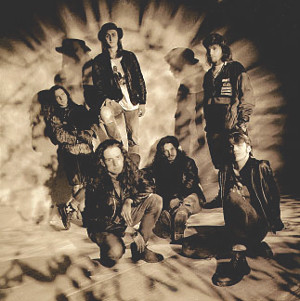
For Pearl Jam, that project mattered because it placed Eddie Vedder inside the Seattle circle before Pearl Jam had become a cultural force. His vocal turn alongside Cornell on “Hunger Strike” was not just a cool pre-fame trivia nugget for people who alphabetized their CDs. It was a signal. Vedder could hold emotional space with one of the most powerful rock singers of the decade, and he did it without sounding like a guest trying to prove himself.
Temple of the Dog also helps explain why Pearl Jam’s version of grunge was never just about distortion. It was about mourning, brotherhood, memory, and the strange obligation to keep playing after someone was gone. Pearl Jam would carry that feeling into Ten, where songs about survival, damage, and release became the band’s core language.
That emotional blueprint separated Pearl Jam from a lot of rock bands that only borrowed grunge’s surface signals. Pearl Jam did not just sound serious. They sounded burdened. There is a difference. Serious can become a pose. Burden sounds like something you have to carry even when the lights come on.
Ten: The Album That Made Grunge Feel Huge
Ten did not explode instantly the way retroactive nostalgia sometimes pretends. It grew. It traveled by MTV, radio, touring, word of mouth, older siblings, CD binders, dubbed tapes, bedroom posters, and kids saying, “You have to hear this,” which was basically social media before everybody became a brand manager against their will.
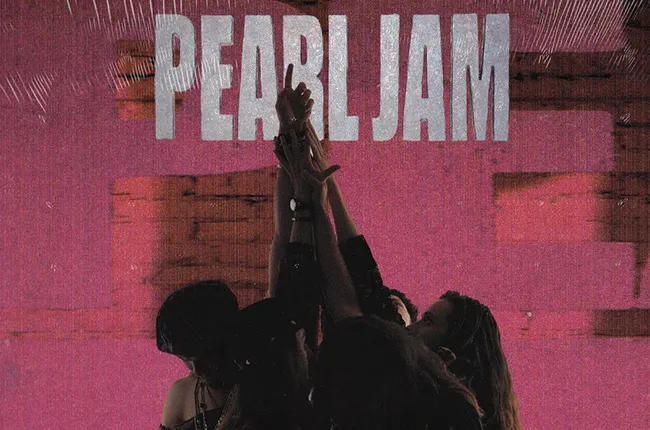
What made Ten different was scale. A lot of alternative rock before this had thrived on refusal: refusing polish, refusing radio expectations, refusing arena gestures, refusing the old rock-star pose. Pearl Jam did not reject size in the same way. They made size feel wounded. The guitars opened wide. The choruses rose up. The rhythm section moved with force. Vedder’s voice did not mutter from the corner; it climbed the wall.
That could have gone terribly wrong. In weaker hands, this kind of emotional seriousness becomes sweaty theater-kid rock, all forehead veins and zero truth. But Pearl Jam had the songs. Ten is stacked with tracks that feel less like singles and more like origin stories: “Alive,” “Even Flow,” “Jeremy,” “Black,” “Once,” “Porch,” “Release,” “Why Go,” “Oceans,” “Garden,” and “Deep.” It is almost annoyingly loaded.
The album also arrived at exactly the moment when rock fans were ready for something that did not feel laminated. Glam metal had become too cartoonish for a generation drowning in divorce, recession anxiety, suburban boredom, and a general sense that the adults were winging it in ugly furniture. Pearl Jam did not offer escape from that feeling. They offered volume for it.
Ten also gave Pearl Jam a strange problem: it made them huge before they had time to figure out what kind of huge they wanted to be. The record was sincere, dramatic, heavy, and accessible. That combination made it easier for mainstream audiences to enter grunge through Pearl Jam than through some of the scene’s stranger or harsher corners. But it also put the band in the crosshairs of the exact machinery they distrusted.
Pearl Jam used guitar scale without sounding glossy. The riffs had weight, but the emotional center stayed raw. It was arena rock with scuffed sneakers.
The songs dealt with family damage, homelessness, alienation, violence, grief, and emotional abandonment without turning them into cardboard melodrama.
Even on record, Pearl Jam sounded like a band that needed the stage. The songs seemed built to expand once a crowd got inside them.
Ten gave mainstream rock fans a way into grunge that felt huge, human, dramatic, and still suspicious of polish.
The Slow Burn of Ten: How Pearl Jam Became Massive Without Feeling Instant
One reason Ten feels so mythic now is that memory compresses everything. It is easy to imagine 1991 as one giant flannel explosion where every kid woke up, threw away their Poison tape, bought Nevermind, Ten, and Badmotorfinger, and immediately began discussing authenticity near a lava lamp. Real life was messier.
Ten had to build. The album’s rise depended on repetition: MTV airplay, touring, radio adds, friends pushing the CD across a bedroom floor, and the growing sense that Pearl Jam were not just another band in the Seattle wave. The songs had hooks, but they did not feel disposable. They sounded like they were carrying stories with consequences.
That slow burn helped the bond. Pearl Jam did not feel like a band that arrived fully shrink-wrapped by the industry. They felt discovered, even when they were becoming gigantic. That distinction matters for Gen X nostalgia because discovery was part of the ritual. You did not just click a recommendation. You heard a song on MTV at midnight, asked three people who it was, hoped the record store had it, and then guarded the CD like it contained state secrets.
Pearl Jam’s rise also changed what a mainstream rock frontman could look and sound like. Vedder was intense, physical, guarded, and uncomfortable with the role even as he became one of the most watched singers in the world. He did not project the old rock-star fantasy. He looked like fame had cornered him and he was deciding whether to fight it, climb it, or jump from it into the crowd.
The Songs That Made Pearl Jam Impossible to Ignore
Pearl Jam’s early run worked because the songs did different jobs. Some were anthems. Some were confessions. Some were public service announcements from the basement of the soul. Together, they made Ten feel less like a debut and more like a greatest-hits record from a band that had somehow skipped the first decade.
“Alive” is the strange miracle at the center of Pearl Jam’s mythology. It is a song with painful personal roots, but once it reached audiences, the chorus became something bigger and more communal. A private wound became a public affirmation, which is one of Pearl Jam’s defining tricks: trauma turning into survival when thousands of people sing it back.
“Even Flow” is Pearl Jam at their most kinetic: riff-heavy, restless, full of motion, and impossible to separate from early images of Eddie Vedder treating stage architecture like a personal challenge. The song’s subject — homelessness and social neglect — gave it more bite than the groove alone suggested.
“Jeremy” became one of the decade’s defining MTV moments because it did what 90s alternative videos often did best: it made mainstream viewers uncomfortable on a weeknight. The song is dark, tragic, emotionally loaded, and impossible to fully separate from the video that pushed Pearl Jam into households that may not have known what to do with them.
“Black” became one of Pearl Jam’s most beloved songs because it captured the specific 90s skill of making heartbreak feel like weather. It does not turn loss into a neat lesson. It just sits in the after. For a generation raised on shrugging things off and pretending everything was fine, that was almost radical.
“Porch” is where Pearl Jam’s live reputation starts to make complete sense. On record, it is intense. On stage, it became a launching pad: enough structure to hold together and enough open space to turn into something dangerous.
“Release” closes Ten with one of the band’s most spiritual early moments. Not spiritual in a shiny inspirational-poster way. Spiritual like a person talking to a ghost in a room with bad carpet and one lamp. It became proof that Pearl Jam could turn private grief into something almost ceremonial.
This is why Pearl Jam belongs in any real conversation about 90s grunge songs that still hit hard and essential grunge songs. Their early songs did not all repeat the same mood. They created a vocabulary: survival, shame, anger, grief, release, motion, and the uneasy relief of realizing you were not the only one carrying it.
Eddie Vedder’s Voice Made Pearl Jam Feel Like a Confession With a Marshall Stack
Eddie Vedder’s voice became one of the most imitated sounds of the 90s, which is both a compliment and a tragedy. By the middle of the decade, every third post-grunge singer sounded like he was trying to sing from the bottom of a laundry hamper while clenching a marble. That was not Vedder’s fault. The copycats flattened what made him powerful.
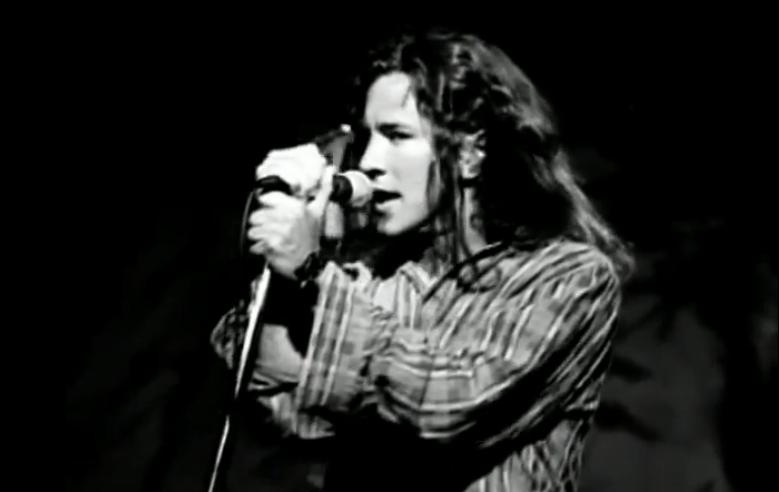
Vedder’s voice worked because it carried contradictions. It was deep but not detached. Muscular but vulnerable. Dramatic but not theatrical in the old rock way. It could sound like anger, grief, tenderness, shame, and defiance within the same phrase. He did not simply sing melodies. He seemed to wrestle them into the open.
That voice also helped define Pearl Jam’s connection to Gen X. This was a generation famous for irony, withdrawal, and pretending not to care. Vedder cared loudly. Not in a polished motivational-speaker way. In a “somebody has to say this before the whole room goes numb” way.
The danger of Vedder’s influence is that later singers copied the low vowels, the dramatic weight, and the clenched intensity without the emotional intelligence. That is how you get a decade of discount growlers confusing seriousness with depth. Vedder’s power was not just the sound. It was the feeling that he was trying to make the song survive him.
Pearl Jam as Arena Grunge
“Arena grunge” sounds like an insult until you remember that rock music is allowed to be big. The problem was never size. The problem was fake size — songs inflated with hairspray, chrome, and corporate-approved rebellion. Pearl Jam made big rock feel bruised again.
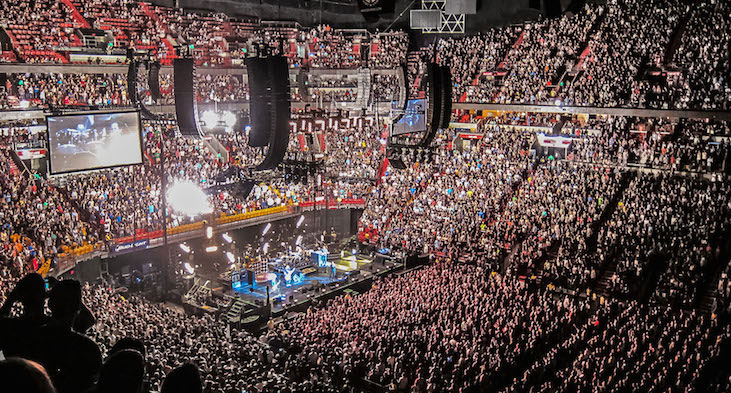
Their music had roots in classic rock, punk, hard rock, folk, and the Seattle underground. But the way those influences combined was distinctly 90s. Pearl Jam were not trying to cosplay Led Zeppelin in flannel. They were taking the emotional directness and instrumental sweep of older rock and pushing it through a decade that distrusted heroes.
That is why their rise felt complicated. Pearl Jam could fill huge rooms, but the songs did not celebrate fame, excess, or conquest. They were not singing about limousines, backstage mythology, or being too sexy for basic shirt buttons. They were singing about kids in pain, people on the margins, broken families, moral disgust, grief, and trying to remain human while the machine got louder.
In that sense, Pearl Jam made arena rock answer for itself. They kept the scale but changed the emotional contract. The crowd was not there to worship untouchable rock gods. The crowd was there to feel less alone.
This is where Pearl Jam’s place in the best 90s grunge albums conversation gets interesting. They were accessible enough to become enormous, but emotionally heavy enough to avoid feeling like simple mainstream rock. That balance made them a bridge: between underground credibility and arena communion, between classic rock and alternative suspicion, between 70s guitar drama and 90s emotional fallout.
Why Pearl Jam Resisted Fame Differently
Pearl Jam’s discomfort with fame is one of the most important parts of their story, but it can be misunderstood. They did not reject their audience. If anything, their entire career proves the opposite. They protected the audience so intensely that it sometimes put them at war with the systems that helped make them famous.
Nirvana’s fame crisis often felt internal, philosophical, and existential: what happens when the underground becomes the mainstream thing it used to mock? Pearl Jam’s fame crisis was more practical and ethical: what happens when the machinery around rock music starts controlling access, prices, images, narratives, and the relationship between band and fan?
That is why Pearl Jam’s choices in the 90s sometimes seemed baffling from the outside. They reduced their video presence. They fought ticketing power. They made less obviously commercial albums after Ten. They kept touring central. They behaved like a band trying to keep a human-scale relationship alive while the industry tried to turn them into grunge-brand infrastructure.
To a record company, this probably looked like a nightmare. To fans, it became part of the bond. Pearl Jam’s resistance was not always clean, easy, or successful, but it gave the band an identity beyond songs. They were the grunge band that asked what success was costing everybody else.
This is also why Pearl Jam’s anti-fame stance worked differently than a simple “we hate being popular” pose. They did not disappear into obscurity. They built an alternate kind of bigness. Less video-cycle dependency. More touring. Less celebrity gloss. More fan community. Less “please consume this image.” More “show up, listen, and be part of the night.”
MTV, Unplugged, and the Live Reputation
Pearl Jam’s early MTV presence helped make them huge, but the band’s most important visual document may not be a traditional video at all. Their 1992 MTV Unplugged performance captured what made Pearl Jam different: the songs still felt huge after the volume dropped.
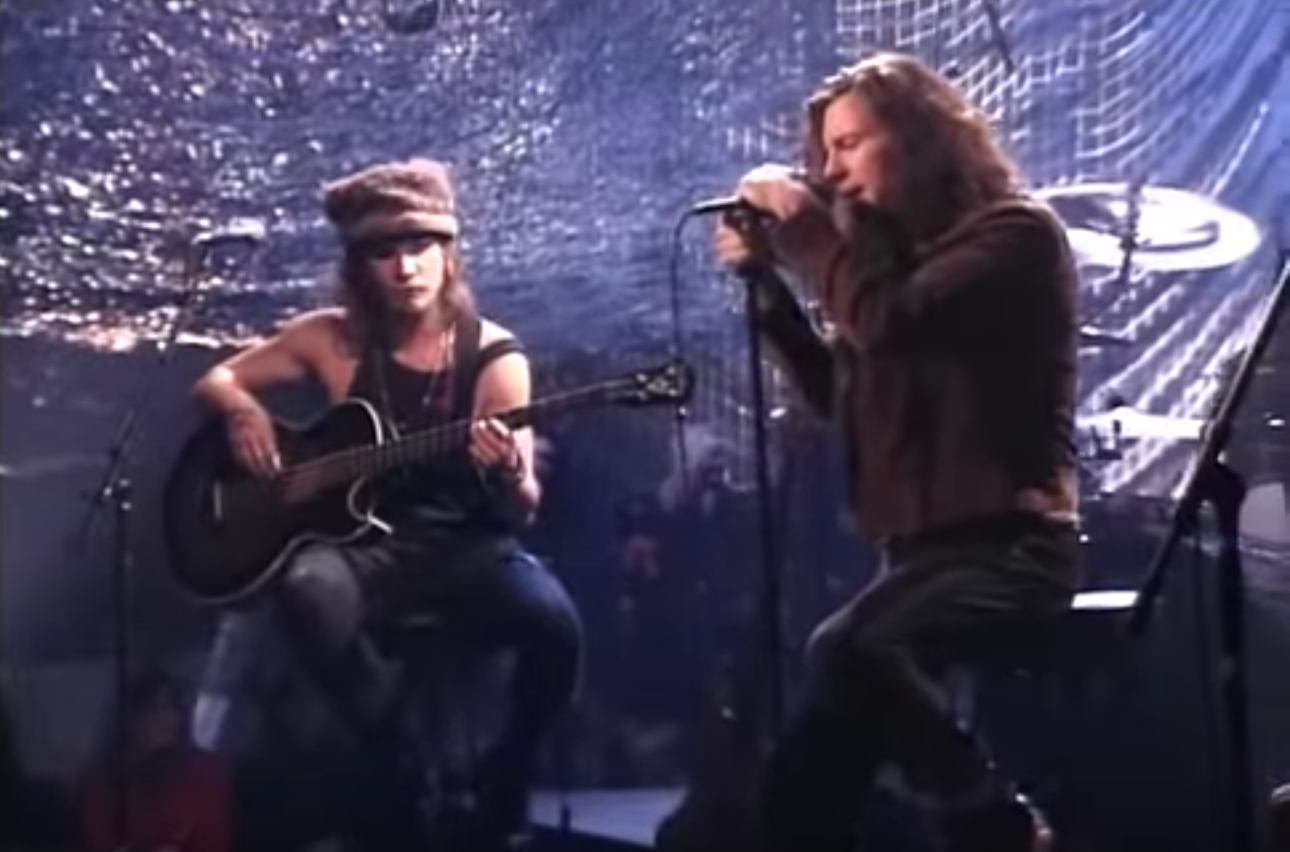
That mattered. A lot of bands can hide behind amplification. Pearl Jam could sit down, strip the songs back, and still sound like the room was barely containing them. “Black,” “Jeremy,” “Alive,” “Porch,” and the rest of that performance showed that the band’s power was not just distortion. It was tension, dynamics, voice, and the sense that every song had something unresolved inside it.
Their live reputation grew from that same place. Pearl Jam concerts became famous for intensity, shifting setlists, long performances, fan devotion, and the feeling that the band treated the night as a shared event rather than a reproduced commercial. In an era when so much music television turned artists into repeatable images, Pearl Jam made the live show feel like the real text.
That is why Pearl Jam belong naturally beside the softer side of grunge on MTV Unplugged. Their unplugged performance did not make them gentle. It made them exposed. The same songs that could shake an arena could also sit in a smaller room and stare you down.
Vs.: When Pearl Jam Got Bigger and More Defensive at the Same Time
Vs. is the sound of a band becoming massive and immediately bracing against the impact. If Ten opens outward, Vs. pushes back.
By the time Vs. arrived, Pearl Jam were no longer the band people were discovering. They were one of the biggest rock bands in the world, and the industry wanted the next Ten like a raccoon wants an unsecured trash can.
What Pearl Jam delivered was rawer, angrier, and less interested in smoothing out the edges. “Go” starts like the band is kicking the door open from the inside. “Animal” is tense and explosive. “Daughter” shows their acoustic side without losing emotional weight. “Elderly Woman Behind the Counter in a Small Town” became one of their great character songs, proof that Pearl Jam could go intimate without going small. “Rearviewmirror” turned escape into propulsion.
Vs. also made clear that Pearl Jam’s politics and social conscience were not accessories. Songs like “W.M.A.” and “Glorified G” showed a band wrestling with power, violence, identity, and American ugliness. This was still rock music built for big crowds, but the subject matter was not trying to flatter the crowd. Pearl Jam expected listeners to sit with discomfort.
The album’s title itself feels like a posture. Pearl Jam versus fame. Pearl Jam versus the industry. Pearl Jam versus expectation. Pearl Jam versus the flattening process that turns human songs into marketing assets. Even when the tracks are catchy, the album has its shoulders up.
A frantic opener that makes Vs. feel like an argument already in progress. No warm-up. No handshake. Just impact.
A quieter song that became massive because it understood shame, misunderstanding, and family pain without overexplaining them.
One of the band’s great motion songs: escape, anger, clarity, and forward momentum all packed into one highway exorcism.
Proof that Pearl Jam could write small-town melancholy with empathy instead of sneering at the people stuck inside it.
A clenched, explosive track that feels like Pearl Jam staring back at the machinery that wanted to own them.
A closing track that sounds exhausted but not empty, like a candle still burning after the room has given up.
Vitalogy: The Weird, Wounded Album That Refused to Behave
By Vitalogy, Pearl Jam sounded like they were actively trying to complicate their own hugeness. The album has some of their most direct songs and some of their strangest detours. It is messy, tense, brilliant, frustrating, and very 1994 — which is to say it sounds like success had become a haunted house.

“Better Man” gave the band one of its most enduring songs, even though its emotional center is anything but simple. “Corduroy” may be the clearest statement of Pearl Jam’s relationship with commodification and image: the feeling of being turned into something people can buy, copy, and misunderstand. “Not for You” is basically the anti-branding manifesto every 90s kid wanted to write on a notebook in black marker.
Then there are the stranger pieces: “Bugs,” “Aye Davanita,” “Hey Foxymophandlemama, That’s Me.” These tracks annoyed plenty of casual listeners who wanted more clean anthems, but that irritation is part of the point. Pearl Jam were not content to become a reliable emotional vending machine. They were disrupting the album’s own commercial expectations from inside the package.
In hindsight, Vitalogy is crucial because it shows Pearl Jam fighting to remain a band instead of becoming a monument. It is not always smooth. Good. Smooth would have been suspicious.
The great anti-fame Pearl Jam song. It sounds like the band realizing the culture is trying to turn their discomfort into a costume and their identity into a purchase.
A song that feels gentle until you actually sit with it. It is one of Pearl Jam’s most enduring tracks because it turns resignation into quiet devastation.
Basically the sound of Pearl Jam slamming the door on anyone trying to make the band easier to sell.
One of the band’s most haunting songs from the era, full of exhaustion, atmosphere, and unresolved dread.
The Ticketmaster Battle: Pearl Jam Versus the Machine
Pearl Jam’s 90s fight with Ticketmaster is one of the clearest examples of the band’s fan-first identity. It was also one of the clearest examples of how hard it is to fight the infrastructure once the infrastructure owns the doors.
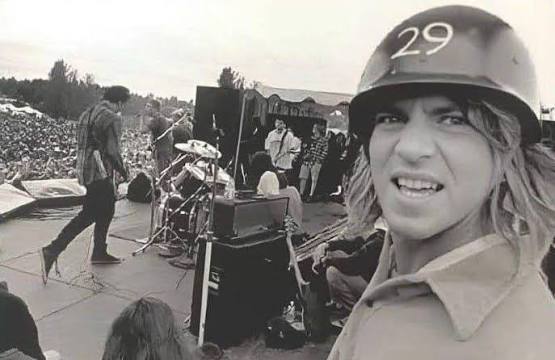
In 1994, Pearl Jam challenged Ticketmaster over service fees and ticketing control. The band wanted to keep tickets affordable and objected to the way extra fees affected fans. The fight included an antitrust complaint and an attempt to tour outside Ticketmaster-controlled venues. It was idealistic, messy, expensive, and difficult to sustain.
The band did not “win” in a simple movie-ending way. They ran into the reality that major venues, promoters, ticketing systems, and industry power were deeply connected. Trying to route around that system created logistical chaos. But the fight became part of Pearl Jam’s long-term identity because it showed they were willing to absorb real career damage over something that affected fans directly.
Decades later, the argument looks less naive than prophetic. Pearl Jam saw the fan-cost problem early. They were mocked by some, dismissed by others, and probably gave several accountants migraines, but they were pointing at a problem that never went away.
Bootlegs, Setlists, and the Pearl Jam Fan Culture Machine
Pearl Jam’s long-term survival cannot be explained by radio hits alone. The band built one of rock’s most devoted fan cultures by making concerts feel like living documents. Setlists changed. Deep cuts returned. Covers appeared. Songs stretched. Nights had personalities. A Pearl Jam show was not just a reproduction of the album. It was an event with its own memory.
This mattered in the 90s because live culture was still physical and obsessive. Fans traded tapes. People chased versions. A song from one night might become legendary because of a vocal change, a solo, a speech, or the emotional temperature in the room. The bootleg world gave Pearl Jam a second life beyond MTV and radio.
That also made Pearl Jam different from bands whose identity depended more heavily on a few videos or singles. Pearl Jam’s catalog became something fans lived with, argued over, and tracked. The band’s audience did not just consume the hits. They became students of the shows, which is exactly how a grunge-era band turns into a decades-long institution.
The shows rewarded fans who paid attention, traveled, traded recordings, and cared about more than the radio songs.
Pearl Jam made album tracks, B-sides, covers, and live versions part of the fan relationship.
The audience believed the band would treat each night like it mattered, which is how loyalty gets built.
Why Pearl Jam Lasted Longer Than the Rest of the Big 4
Pearl Jam’s survival was not an accident. It came from choices: touring, fan trust, setlist culture, refusing to chase every trend, and building a band identity that could age without pretending to stay 27 forever. Revolutionary concept, apparently.
Pearl Jam fans did not just like albums. They followed shows, collected bootlegs, compared setlists, and treated concerts like chapters in a continuing story.
Pearl Jam had a defining frontman, but the band’s identity was also musical and communal. The catalog was bigger than one myth.
Pearl Jam did not spend the rest of their career remaking Ten. They made difficult records, quieter records, political records, loose records, and live records.
The Ticketmaster fight, bootleg culture, long shows, and resistance to obvious marketing all fed the same larger message: this band cared about the relationship.
The tragic truth of the Big 4 is that survival was not equally available to everyone. Nirvana ended with Kurt Cobain’s death in 1994. Alice in Chains were deeply affected by Layne Staley’s struggles and death. Soundgarden’s story was later shadowed by Chris Cornell’s death. Pearl Jam’s longevity does not make them “better” than the others. It makes them the Big 4 band that got to keep answering the question: what does grunge become when it grows older?
The Gen X Connection: Why Pearl Jam Hit So Hard
Pearl Jam made music for people who were tired of being sold confidence they did not feel. That was very Gen X. Also very “raised by television and suspicious of every brochure.”
For a lot of listeners, Pearl Jam arrived right when the old rock fantasies felt useless. The 80s promised excess, glamour, and conquest. The early 90s offered recession anxiety, latchkey loneliness, divorce fallout, college debt, dead malls, underemployment, and the dawning realization that adults had no secret manual. Pearl Jam did not fix that. They named the pressure.
Their songs worked because they made vulnerability feel strong without turning it into greeting-card mush. “Alive” could be painful and triumphant at the same time. “Black” could be devastated without becoming weak. “Rearviewmirror” could be angry and liberating. “Better Man” could be tender, tragic, and quietly furious.
Gen X did not always want clean answers. Clean answers sounded like guidance counselors and corporate training videos. Pearl Jam offered something messier: recognition. The songs said, “Yes, this is heavy. No, you are not the only one carrying it. Also, please turn the guitar up.”
Pearl Jam’s Shadow Over Post-Grunge
Pearl Jam influenced plenty of bands that came after them, but not always in ways that helped. The band’s emotional intensity, low-register vocals, earnest delivery, and big guitar drama became extremely copyable on the surface. Unfortunately, surface copying is how you get a whole radio era full of singers who sound like they swallowed a bar stool and decided to process feelings at medium tempo.
The difference is that Pearl Jam’s early music had tension, nuance, and a real relationship with live performance. Many later bands borrowed the vocal tone and seriousness but lost the weirdness, the risk, the band chemistry, and the sense that the songs were fighting against their own bigness.
That is why Pearl Jam’s legacy should not be reduced to “they inspired post-grunge.” They did, but they also showed how hard it is to make vulnerable arena rock without turning it into therapy-brochure sludge. The imitators prove how difficult the original formula actually was.
For the wider story, that bridge matters. Pearl Jam sit between the MTV alternative rock takeover and post-grunge becoming radio rock. They helped create a lane that later bands used, flattened, inflated, and occasionally drove into a ditch.
Best Pearl Jam Starter Albums and Songs
Starting with Pearl Jam can be weird because the catalog is huge, the fan favorites are passionate, and somebody will absolutely tell you their favorite 2003 bootleg version of “Immortality” is the only true doorway. Respectfully: breathe, Brendan. Start here.
- Ten — The essential debut, the cultural earthquake, and the place most people should begin.
- Vs. — Rawer, angrier, less polished, and proof Pearl Jam were not content to repeat themselves.
- Vitalogy — The difficult classic, full of tension, beauty, weirdness, and anti-fame static.
- No Code — The pivot point for anyone ready to hear Pearl Jam leave the obvious 90s-grunge lane.
- Yield — A strong next step that balances accessibility, craft, and late-90s maturity.
- “Alive”
- “Even Flow”
- “Jeremy”
- “Black”
- “Daughter”
- “Rearviewmirror”
- “Elderly Woman Behind the Counter in a Small Town”
- “Corduroy”
- “Better Man”
- “Yellow Ledbetter”
Pearl Jam and the 90s Grunge Timeline
Pearl Jam’s 90s story sits inside the fast-moving alternative explosion. The band went from Seattle grief and club-scene roots to MTV saturation, arena crowds, anti-fame battles, and long-term fan culture in just a few years. Normal decade. Very chill.
After the loss of Mother Love Bone’s Andrew Wood, the pieces that would become Pearl Jam begin moving into place. Stone Gossard, Jeff Ament, Mike McCready, Eddie Vedder, and early drummers shape the band’s first identity.
Ten arrives and slowly becomes one of the defining albums of the 90s alternative explosion. Keep the wider year in view with 1991 Songs.
MTV, touring, “Alive,” “Even Flow,” “Jeremy,” and Unplugged push Pearl Jam into the center of mainstream rock culture. Rewind the wider moment with 1992 Songs.
Vs. arrives rawer and more confrontational, proving Pearl Jam were not interested in simply remaking Ten. Keep going with 1993 Songs.
Vitalogy deepens the band’s anti-commercial tension while the Ticketmaster fight turns their fan-first stance into a public battle. See the broader music year with 1994 Songs.
No Code signals that Pearl Jam’s future will not be a straight-line continuation of grunge’s commercial peak.
Yield and “Do the Evolution” show a band still pushing forward as the first grunge wave gives way to post-grunge radio and late-90s alternative rock.
Keep Rewinding the 90s Alternative and Grunge Story
Pearl Jam are only one side of the 90s alternative explosion. To really understand why this music changed the decade, keep moving through the bands, albums, songs, MTV moments, radio shifts, fashion fallout, and Seattle mythology around them.
Keep Rewinding the Other Corners of Grunge
Pearl Jam make the most sense when the rest of the basement is still humming around them. Keep moving sideways through the pages that explain the other parts of the 90s alternative explosion.
FAQ: Pearl Jam and 90s Grunge
Why is Pearl Jam called the other side of grunge?
Pearl Jam are the other side of grunge because they brought a warmer, more emotionally open, arena-sized sound to the same 90s alternative explosion that made Nirvana, Soundgarden, and Alice in Chains famous. They were heavy, skeptical of fame, and rooted in Seattle, but their music leaned more toward catharsis than collapse.
Was Pearl Jam really grunge?
Yes. Pearl Jam were one of the central bands of the Seattle grunge movement, even if their sound had more classic-rock influence than some of their peers. Grunge was never one exact sound. Pearl Jam fit because of their Seattle roots, heavy guitars, anti-gloss attitude, dark subject matter, and role in the 90s alternative takeover.
How was Pearl Jam different from Nirvana?
Nirvana sounded more punk, sarcastic, abrasive, and internally conflicted about mainstream success. Pearl Jam sounded bigger, more earnest, more live-oriented, and more emotionally communal. Nirvana cracked the mainstream open; Pearl Jam helped make grunge feel like a long-term generational language.
What made Ten so important?
Ten became important because it combined huge guitars, dark subject matter, emotional vocals, and songs that worked on radio, MTV, albums, and live stages. It made Pearl Jam one of the defining bands of the 90s and helped bring grunge into mainstream rock culture.
What are Pearl Jam’s most important early songs?
Pearl Jam’s most important early songs include “Alive,” “Even Flow,” “Jeremy,” “Black,” “Porch,” “Release,” “Daughter,” “Rearviewmirror,” “Elderly Woman Behind the Counter in a Small Town,” “Corduroy,” and “Better Man.”
Why is Eddie Vedder’s voice so famous?
Eddie Vedder’s voice is famous because it combined depth, power, vulnerability, and emotional intensity. It became one of the defining vocal sounds of 90s rock, though many later imitators copied the surface without capturing the feeling that made Vedder compelling.
Why did Pearl Jam stop making music videos for a while?
Pearl Jam backed away from traditional music videos after “Jeremy” because they were uncomfortable with how songs could become tied to promotional images and industry machinery. Their decision made them unusual in an MTV-driven decade and strengthened their reputation as a band suspicious of easy marketing.
Why is Pearl Jam’s MTV Unplugged performance important?
Pearl Jam’s 1992 MTV Unplugged performance is important because it proved the band’s songs did not rely only on volume. Even stripped back, tracks like “Black,” “Jeremy,” “Alive,” and “Porch” kept their intensity and showed the emotional strength underneath the distortion.
What was Pearl Jam’s fight with Ticketmaster?
Pearl Jam challenged Ticketmaster in the 1990s over service fees and ticketing control. The band wanted tickets to remain affordable for fans and tried to tour outside the Ticketmaster system, but the effort ran into major logistical and industry obstacles.
Did Pearl Jam win against Ticketmaster?
Not in a simple legal or business sense. Pearl Jam’s attempt to tour outside Ticketmaster-controlled venues was extremely difficult and did not permanently break the system. But the fight became an important part of the band’s identity and looks increasingly ahead of its time in hindsight.
Why did Pearl Jam last longer than many other grunge bands?
Pearl Jam lasted because they built a strong live community, protected fan trust, avoided relying only on their early image, and kept evolving beyond the first grunge wave. Their survival also reflects circumstances that were not available to every band in the scene.
What Pearl Jam album should beginners start with?
Beginners should usually start with Ten, then move to Vs. and Vitalogy. That path shows Pearl Jam’s breakthrough sound, their rawer response to fame, and their more complicated mid-90s identity.
Is Pearl Jam more classic rock than grunge?
Pearl Jam had strong classic-rock influences, especially in their guitar work and live scale, but that does not remove them from grunge. Their Seattle roots, 90s alternative context, lyrical darkness, and resistance to rock-star polish place them firmly inside the movement.
What is Pearl Jam’s best grunge album?
Ten is the essential Pearl Jam grunge album for most listeners, but Vs. may be the better example of the band sounding raw, pressured, and defiant. Vitalogy is the stranger, more difficult classic.
How does Pearl Jam fit with Soundgarden and Alice in Chains?
Pearl Jam fit with Soundgarden and Alice in Chains as part of the Seattle-centered Big 4, but each band occupied a different lane. Soundgarden were heavier and weirder, Alice in Chains were darker and more metallic, and Pearl Jam were more emotionally open and arena-ready.
Why did Gen X connect with Pearl Jam?
Gen X connected with Pearl Jam because the band captured alienation, family damage, distrust of institutions, grief, and survival without turning those feelings into glossy slogans. Pearl Jam made vulnerability feel loud, communal, and believable.
What came after Pearl Jam’s grunge peak?
After their early grunge peak, Pearl Jam moved into a long career built around touring, fan loyalty, evolving albums, political concerns, and deep catalog culture. They became less dependent on radio trends and more defined by their live community.
Why did Pearl Jam fans care so much about live shows?
Pearl Jam fans cared about live shows because the band changed setlists, stretched songs, played deep cuts, and treated each night like its own event. That live culture helped the band build loyalty beyond radio singles and MTV videos.
Did Pearl Jam influence post-grunge?
Yes. Pearl Jam influenced post-grunge through their emotional vocal style, big guitars, serious tone, and arena-ready alternative sound. Many later bands copied the surface of Pearl Jam’s sound, though few captured the band’s live chemistry, tension, and emotional depth.
What is Pearl Jam’s place in 90s alternative rock?
Pearl Jam are one of the defining bands of 90s alternative rock because they helped bring grunge into the mainstream while building a long-term career around albums, concerts, fan trust, and resistance to easy commercialization.
Keep the Flannel Damage Coming
Get more 70s, 80s, and 90s nostalgia, music rabbit holes, TV memories, toy chaos, and Gen X cultural therapy from Smells Like Gen X.