CBS Controlled the Dial
Seven of the ten programs aired on CBS, including every show in the top four and six of the top seven.
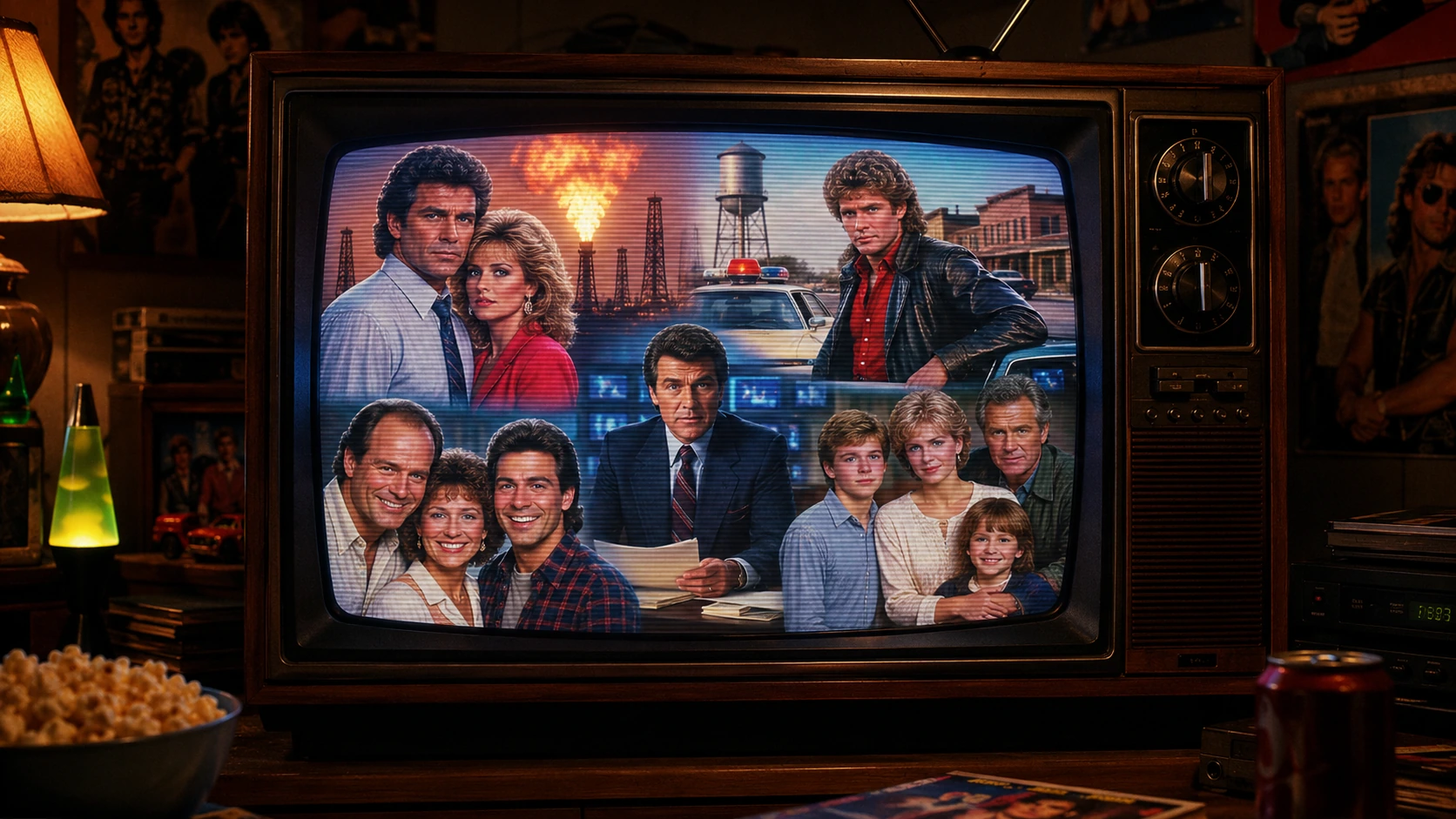
According to the Nielsen rankings for the 1980–81 television season, Dallas was America’s most-watched show. The Dukes of Hazzard, 60 Minutes, M*A*S*H and The Love Boat completed a top five that could only have existed in early-80s network television.
This was the shared-living-room era: three networks, one glowing set and no safety net if you missed the episode. Oil-rich betrayal, impossible car jumps, serious journalism, wartime comedy and celebrity romance all lived on the same national schedule.
 Now Broadcasting
Dallas ranked number one in the 1980–81 Nielsen season with a 34.5 rating. The Dukes of Hazzard was second, 60 Minutes was third, M*A*S*H was fourth and The Love Boat was fifth.
Nielsen measured network television by season rather than January through December, so this countdown uses the season that ended in 1981. House Calls and Three’s Company officially tied at number eight; both are preserved here, with ten individual show sections for readability.
CBS captured the first four positions and seven of the ten programs shown here. ABC supplied two comfort-TV giants, while NBC’s Little House on the Prairie kept frontier family drama inside the national top 10.
The decade was only getting started, but the formula was already visible: serialized spectacle, kid-friendly action, durable sitcom ensembles and mass-audience programs that gave the whole country something to discuss the next day.
Seven of the ten programs aired on CBS, including every show in the top four and six of the top seven.
Continuing family warfare and cliffhanger momentum turned weekly prime-time drama into national appointment viewing.
A soap, action comedy, newsmagazine, war dramedy, cruise-ship romance and several sitcoms all shared the same top 10.
Before cable fragmentation and on-demand viewing, a hit could become part of the national conversation almost overnight.
Little House on the Prairie was proof that a show did not need car chases, cliffhangers, or shoulder-padded corporate warfare to hold a huge audience. By 1981, Michael Landon’s frontier family drama had already been on the air for years, but it still had a powerful grip on viewers because it did something a lot of other network hits only pretended to do: it made people care. Not in a vague “family values” sort of way, but in the very specific, emotional, sometimes mildly traumatic way this show specialized in.
Set in Walnut Grove and loosely based on Laura Ingalls Wilder’s books, the series turned frontier life into a weekly mix of warmth, hardship, loss, resilience, and moral conflict. Charles Ingalls was the sturdy center of the family, Caroline held things together, and Laura gave the show much of its heart and perspective. The writing knew exactly when to lean into sentiment and when to push viewers into something sadder or more serious. For all its wholesome reputation, Little House could absolutely wreck an evening if it felt like it.
That emotional sincerity is why it stayed popular. Even in 1981, when network television was getting glossier and more cynical in other corners, Little House on the Prairie still made room for stories about decency, sacrifice, family, and community without feeling fake about it. For Gen X kids, it was the show you sometimes rolled your eyes at right up until it unexpectedly punched you in the feelings.
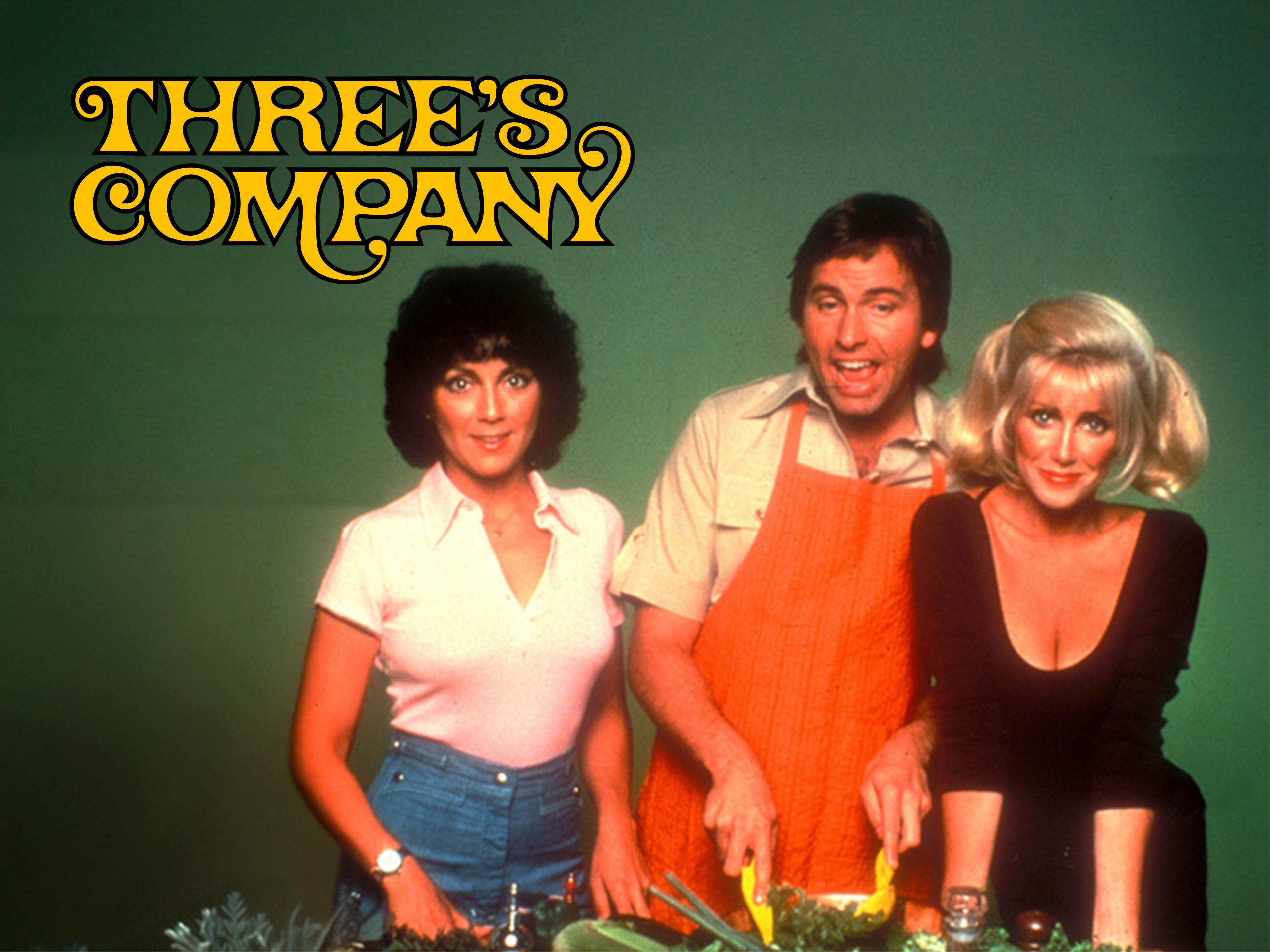
Three’s Company was still one of the most efficient mass-appeal sitcom machines on television in 1981. The premise was already legendary: one man sharing an apartment with two women, all under the watchful suspicion of landlords who would definitely not approve if they thought the arrangement was even slightly scandalous. That setup gave the show enough social mischief to feel edgy for the time, but it stayed accessible enough for a giant mainstream audience.
The real star, though, was John Ritter. Ritter’s physical comedy is the reason this show still holds up better than a lot of other sitcoms built around innuendo and misunderstandings. He could take a decent joke and turn it into a great bit with timing, panic, a pratfall, or one of those full-body reactions that made him look like his skeleton had briefly become independent. Joyce DeWitt and Suzanne Somers helped define the show’s image and chemistry, but Ritter was the engine that made the whole thing race.
What kept Three’s Company ranking this high was simple: it knew exactly what it was. It was bright, fast, silly, flirtatious, and never burdened by the need to be important. In a television environment where some hits asked viewers to invest in plots, issues, or emotional stakes, this one mostly asked them to enjoy the chaos. America said yes.
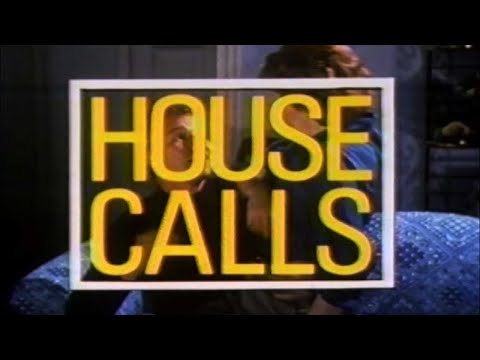
House Calls is one of the most interesting entries on this list because it reminds you how much bigger some shows were in their own moment than they are in nostalgia memory now. In the 1980–81 season, this was not some background sitcom quietly filling airtime. It was tied for the eighth spot in the Nielsen rankings, right there with one of the era’s most famous comedies.
Set in a hospital, the series revolved around surgeon Charley Michaels and hospital administrator Ann Anderson, using the workplace setting as a framework for romantic tension, comic ego battles, and polished adult sitcom energy. Wayne Rogers brought easy charm to the role of Michaels, while Lynn Redgrave gave the show sophistication and bite. Together, they helped make House Calls feel like something slightly more grown-up than the broader family sitcoms around it.
What makes the show so useful in a year-by-year TV post is that it adds texture to the list. Not everything in the early 1980s was a mega-franchise title that lived forever in reruns and merch. Some hits were simply very, very good at being what the network era needed in the moment: smart, accessible, star-driven entertainment with enough personality to make millions of viewers come back next week.
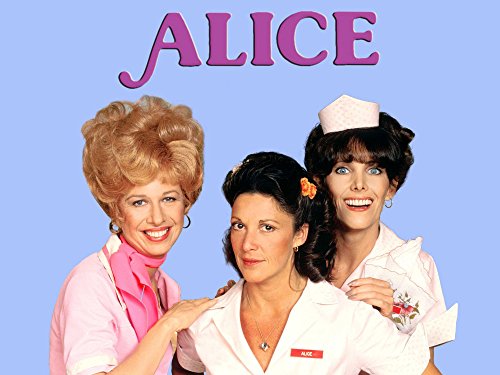
Alice stayed high in the ratings because it nailed one of television’s most reliable pleasures: a workplace full of people you enjoy spending time with. On paper, a show about a widow trying to rebuild her life while working at a diner does not sound like flashy prime-time entertainment. In execution, it turned into one of the most durable sitcoms of the era.
Linda Lavin’s Alice Hyatt brought exactly the right energy to the role. She was capable, funny, tired, practical, and clearly not interested in anyone’s nonsense. Around her, the supporting cast gave Mel’s Diner its identity. Mel was gruff and cheap, Vera was sweetly scattered, and Flo delivered the sort of sassy attitude that could turn a single line into a cultural catchphrase. The show’s rhythm came from those personalities bouncing off each other inside a setting that felt familiar to almost anyone watching.
What gave Alice extra staying power was that it never felt too precious. It was funny, yes, but it also reflected adult struggle, working life, and the daily grind in a way that made it more grounded than some brighter, frothier sitcoms. For Gen X, this was one of those shows that formed part of the background architecture of growing up — always there, always watchable, and somehow more substantial than it first looked.
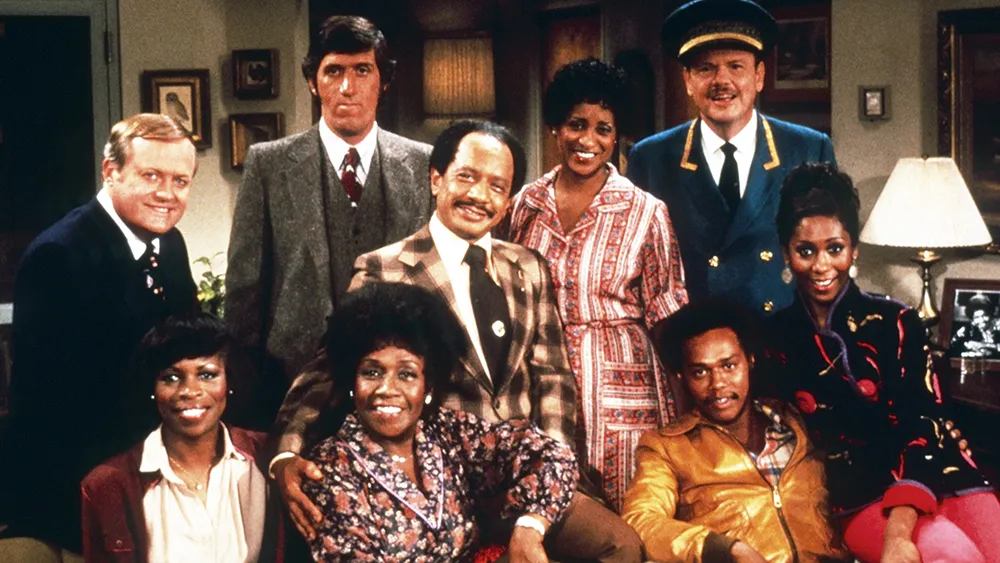
By 1981, The Jeffersons was already an established classic, but it still had enough juice left to stay firmly in the top 10. That makes sense, because the show had something a lot of sitcoms never fully achieve: a central couple with truly electric chemistry. George Jefferson was loud, petty, proud, funny, ambitious, and forever ready to argue with anyone who looked at him sideways. Louise “Weezy” Jefferson was warmer, steadier, and usually the smartest person in the room.
Sherman Hemsley and Isabel Sanford made that dynamic work so well that the show could handle both fast sitcom humor and bigger social issues without losing momentum. Coming out of the Norman Lear universe, The Jeffersons had more on its mind than a lot of network comedies. It dealt with race, class, success, and the awkward realities of upward mobility, all while still remembering that viewers had tuned in to laugh.
That balance is what made it important. It was not just a popular sitcom; it was a culturally significant one. And unlike some “important” television, it never felt like homework. It had edge, speed, personality, and one of the best theme songs in the business. For a Gen X audience, the show felt both bigger than life and completely lived in at the same time.
The Love Boat was one of the great comfort-food hits of the era, but calling it lightweight undersells how expertly it was built. The formula was deceptively simple: put a bunch of passengers on a cruise ship, add romance, confusion, celebrity guest stars, and a few emotional resolutions, then let Captain Stubing and the crew guide everybody safely to the credits. It was practically a floating entertainment delivery system.
What made the show so effective was its flexibility. It could be funny, sentimental, mildly dramatic, and campy all in the same episode. Because each installment featured different passengers, the writers had endless opportunities to bring in recognizable faces and fresh story combinations. That gave viewers the comfort of a familiar setting without making the series feel stale. The crew — Stubing, Doc, Gopher, Isaac, and Julie — provided the continuity, but the weekly parade of guest stars gave the show its sparkle.
In 1981, that formula was still catnip for viewers. It fit perfectly into ABC’s broader strategy of slick, accessible, escapist television. For Gen X, The Love Boat is pure memory-trigger material. You hear the title and half the audience can already hear the theme song whether they want to or not.
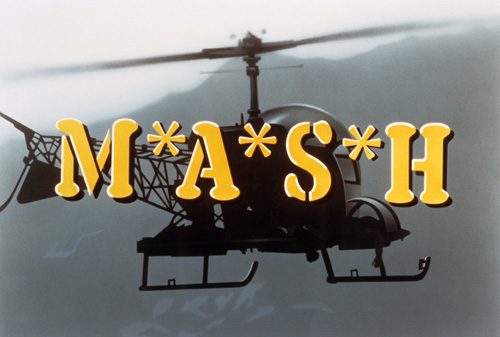
M*A*S*H still ranking this high in 1981 is one of the clearest signs that it was not just another long-running TV hit. Most series that stay on the air that long eventually flatten into routine. M*A*S*H kept its intelligence, its emotional depth, and its sense of purpose. Set in a Mobile Army Surgical Hospital during the Korean War, it used comedy as both a coping mechanism and a delivery system for sadness, frustration, and antiwar commentary.
Alan Alda’s Hawkeye Pierce was central to the show’s success because he made all of those tones feel natural. Hawkeye could be smart, funny, irreverent, caring, exhausted, and deeply human without seeming like a pile of contradictions. Around him, the ensemble built a world that felt like a pressure cooker: people trying to stay sane, stay useful, and stay emotionally intact in an impossible environment.
What made M*A*S*H more than just a popular comedy was the way it respected its audience. It trusted viewers to follow it from humor into pain and back again. It never had to shout its importance. It just quietly kept being better than most of the television around it, which is why it remained both a ratings powerhouse and one of the most acclaimed series of the entire era.
The fact that 60 Minutes was the third-biggest show tied to 1981 tells you almost everything you need to know about how different the network era was. This was not filler viewing, background noise, or the thing you tolerated until the “real” entertainment started. It was prime-time appointment television built around reporting, interviews, investigation, and the sense that what you were watching actually mattered.
That sort of success does not happen by accident. The format was sharp, efficient, and authoritative, and the correspondents carried themselves with the kind of credibility that made the show feel essential. When viewers turned on 60 Minutes, they expected substance. More impressively, they kept showing up for it in huge numbers even while the rest of the TV landscape was offering them soaps, sitcoms, and pure escapism. That is a remarkable achievement and one of the reasons the show became a television institution.
For Gen X kids, 60 Minutes might have registered as “that serious adult show,” but in the broader story of television history, it was a monster. In the same season that Dallas and The Dukes of Hazzard were tearing through the ratings, a newsmagazine still landed at #3. That’s not a fluke. That’s cultural dominance.
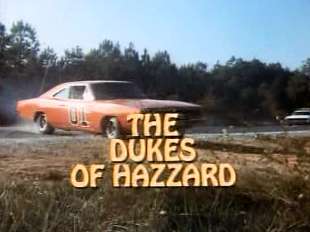
In 1981, The Dukes of Hazzard was not just a popular show. It was a full-blown cultural object. The premise was simple, which is usually a sign of genius in mass entertainment: two good-hearted cousins, a corrupt local boss, an incompetent sheriff, a hot orange muscle car, and a steady stream of chases, stunts, and narrowly escaped disasters. That formula gave viewers exactly what they wanted and did it with enough confidence that the series barely needed to overcomplicate itself.
The General Lee was a huge part of the show’s power. It wasn’t just a prop. It was one of the most recognizable vehicles in television history and a major reason the series exploded into merchandising, toys, lunchboxes, and backyard reenactments. Add Daisy Duke, Uncle Jesse, and Waylon Jennings’ narration, and the show had a whole ecosystem of instantly recognizable elements.
What pushed The Dukes of Hazzard so high in the ratings was how easy it was to love. You could drop into almost any episode and know the deal immediately. The good guys were fun, the bad guys were cartoonishly corrupt, and the action always delivered. For Gen X kids, this was not passive viewing. This was inspiration for terrible bicycle decisions all weekend long.
Dallas being the number one show tied to 1981 feels exactly right, because by this point the series had fully turned prime-time drama into a national obsession. The show centered on the wealthy Ewing family and their empire of oil money, land, ego, and betrayal. At the center of it all was J.R. Ewing, one of the most deliciously manipulative characters television had ever produced.
Larry Hagman made J.R. magnetic in a way that explains the show’s dominance almost by itself. He was charming enough to keep viewers fascinated and ruthless enough to keep the story moving. Around him, the rest of the Ewing family created a pressure-cooker world where marriages, business alliances, personal grudges, and family loyalty were all subject to collapse at any given moment. That instability was the engine of the show. Every episode felt like another step toward somebody getting betrayed, exposed, or strategically destroyed.
What made Dallas so important in television history was its serialized momentum. You didn’t just watch because the show was glamorous. You watched because you needed to know what happened next. That energy helped turn cliffhangers into national events and made Dallas the definitive prime-time soap of the early 1980s. For Smells Like Gen X, this is one of the core shows of the decade — not just a hit, but a cultural force.
The top TV shows of 1981 explain why network-era television hit differently. The number-one program was a glossy prime-time soap built on wealth, manipulation and weekly betrayal. The runner-up was a car-jumping action comedy. Third place belonged to a serious newsmagazine. A wartime dramedy, cruise-ship romance and several completely different sitcoms all thrived beside them.
That variety is the real story of the 1980–81 television season. Mainstream audiences were still broad enough to make wildly different programs enormous at the same time, and the limited number of channels made those hits feel unavoidable. Theme songs, characters and cliffhangers escaped the television set and became next-day conversation.
For Gen X, these were more than Nielsen winners. They were household rhythms, parental background noise, lunchbox imagery, bad bicycle decisions and the shows we absorbed before realizing we were building a permanent nostalgia problem.
Television was only one part of the year. Keep moving through the music, MTV launch, movie theaters, toy aisles, fads and the larger 80s archive.
Kim Carnes, Rick Springfield, Air Supply and the year-end hits that made early-80s radio enormous.
Explore the Songs → WatchThe moment music television signed on and the decade suddenly became much more visual.
Watch the Launch → MoviesThe box-office hits from the year adventure, comedy, drama and blockbuster momentum kept building.
Explore the Movies → ToysRubik’s Cube, Atari, Strawberry Shortcake and a toy aisle moving toward full 80s power.
Explore the Toys → FadsMTV, VCRs, arcades, aerobics, royal-wedding mania and the crazes that announced the decade.
Explore the Fads → The Full DecadeMusic, toys, movies, television and the rest of the decade’s Gen X pop culture.
Enter the 80s →Move through the decade one Nielsen season at a time, from the network-heavy opening of 1980 to the changing prime-time landscape of 1989.
Clear answers about the 1980–81 Nielsen season, the official tie at eighth place, the top five and the network that dominated the rankings.
Dallas ranked number one in the Nielsen ratings for the 1980–81 television season with a 34.5 rating.
Network television ratings were reported by season rather than calendar year, so a ranking associated with 1981 normally uses the season that ended in 1981.
The top five were Dallas, The Dukes of Hazzard, 60 Minutes, M*A*S*H and The Love Boat.
The programs earned the same 22.4 Nielsen rating and officially tied at number eight. The countdown gives each show its own section while preserving that tie.
CBS placed seven programs in this countdown and controlled the first four positions. ABC had two entries, and NBC had one.
The series combined wealth, family conflict, betrayal and cliffhanger storytelling into weekly appointment television, with J.R. Ewing as one of the era’s most magnetic villains.
New articles, countdowns, videos and whatever other corner of the Gen X television schedule gets unlocked next.