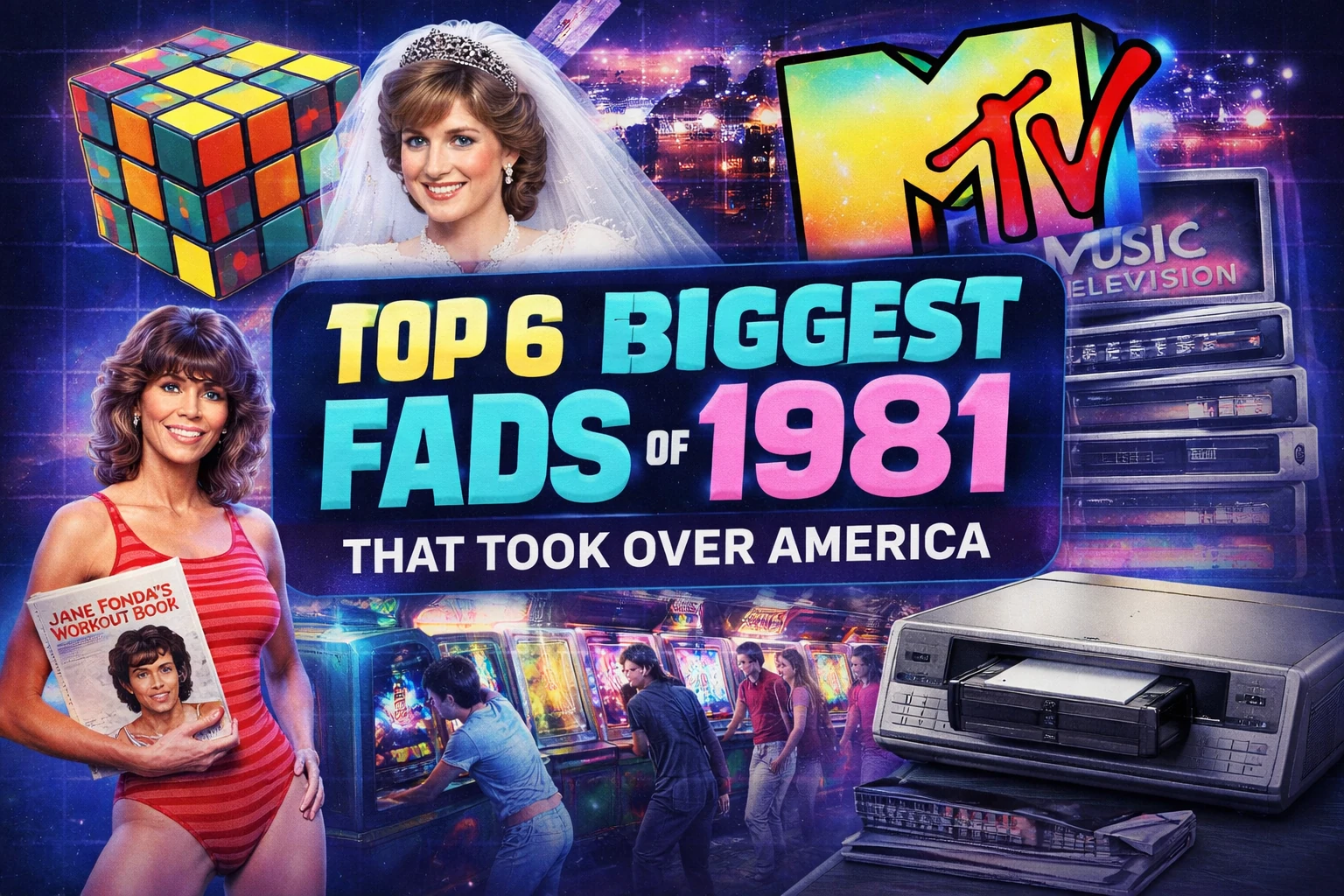
What Were the 6 Biggest Fads of 1981?
1981 was the year the decade stopped introducing itself and started rearranging the furniture. Music suddenly needed pictures, television could be recorded, arcades became destinations, aerobics became a personal mission and one small cube turned patience into a national endurance test.
It was also a year of spectacle. A royal wedding became appointment viewing on a global scale. MTV made the screen feel younger overnight. Every new gadget seemed to promise control, convenience or at least enough blinking lights to justify the price.
Basically, 1981 gave Gen X a cube, a quarter, a blank tape and several new reasons to stare at the television.
The biggest fads promised control over something.
Solve the cube. Master the game. Record the show. Follow the workout. Watch music whenever the channel decided to cooperate. The future looked interactive, even when the instructions were terrible.
What Were the Six Biggest Fads of 1981?
The six biggest fads of 1981 were Rubik’s Cube mania, MTV, Princess Diana and royal-wedding mania, arcade fever, the VCR and home-video boom, and Jane Fonda’s aerobics movement. Together they capture a year when puzzles, music television, celebrity spectacle, gaming, recording technology and fitness all changed how people spent time and talked about the future.
Why 1981 Felt Like the Decade Suddenly Sped Up
The strongest 1981 fads made ordinary life feel more visual, more interactive and more urgent. The cube needed solving. The arcade needed quarters. MTV needed watching. The wedding had to be seen live. The VCR suggested television could finally be controlled instead of simply obeyed.
This is what separates 1981 from a simple list of popular products. The year’s biggest crazes changed routines. Families planned around screens, kids planned around arcades and adults began turning fitness into a visible lifestyle.
The screen became more important than the speaker
MTV’s arrival gave music a permanent visual layer. Album art and concert footage were no longer enough. Artists needed recognizable videos, clothes, movement and images that could survive repeated rotation.
Technology promised personal control
VCRs offered the fantasy of recording a show and watching it later. Arcade games offered direct response. Rubik’s Cube placed the entire challenge in the user’s hands. The decade was beginning to reward participation instead of passive attention.
How Fads Spread in 1981 Before Social Media
The year’s trends moved through visible proof. A solved cube attracted a crowd. A new machine invited questions. A royal-wedding magazine stayed on a coffee table for weeks. MTV supplied a shared reference point for anyone who could receive it.
The launch itself deserves a full rewind. Watch the original MTV launch footage from 1981 and you can see the channel introducing not only a network, but a new way of packaging music.
How These 1981 Fads Were Ranked
The countdown weighs visibility, everyday participation, cultural reach, behavior change and long-term Gen X memory. A fad ranks higher when it created repeated action instead of simple recognition.
Rubik’s Cube takes the top spot because it was portable, universal and endlessly repeatable. MTV ranks second because it permanently changed the visual language of music. Princess Diana created a global spectacle, arcades created a youth scene, VCRs changed expectations and aerobics pointed directly toward the decade ahead.
The Rest of 1981: Music, Movies, TV and Toys
The fad list was only one part of the year. Kim Carnes, Rick Springfield, Air Supply and Diana Ross filled the radio. Raiders of the Lost Ark and Superman II powered the box office. Network television still organized the family schedule, while electronic toys and puzzle culture kept pushing childhood toward the fully 80s version.
Why These Six Belong on the 1981 List
A real fad has to move beyond publicity and become behavior. It must change how people spend time, what they discuss, what they buy or what they suddenly believe they should be able to do.
Every item here crossed that line. Aerobics became a lifestyle goal. VCRs changed expectations. Arcades became social spaces. Princess Diana became an international fascination. MTV altered music itself, and Rubik’s Cube made millions of people believe one more twist might fix everything.
The six trends also cover different parts of 1981—fitness, technology, gaming, celebrity, music and puzzles—without reducing the year to one kind of nostalgia.
What 1981 Looked and Sounded Like From Inside the House
A Rubik’s Cube sat on the table with two solved sides and no realistic plan. Somebody wanted the television for a show, somebody else wanted to test the VCR and someone was already arguing that the blank tape could be reused.
Quarters gathered near the door for the arcade. Royal-wedding coverage filled magazines and television. MTV looked strange, unfinished and immediately necessary. The decade was beginning to feel less like a date and more like a new operating system.
The 1981 Fad Countdown
- #6 Jane Fonda and AerobicsFitness becomes a visible lifestyle project with celebrity authority and early-80s aspiration.
- #5 VCR and Home VideoRecording and replaying television begins to feel like the future entering the house.
- #4 Arcade FeverMachines, high scores and crowds turn gaming into a destination and youth scene.
- #3 Princess Diana ManiaThe royal wedding becomes appointment viewing, merchandise and global celebrity obsession.
- #2 MTVMusic gains a permanent visual identity and television begins shaping the sound of the decade.
- #1 Rubik’s CubeThe puzzle becomes a portable compulsion, public skill test and national frustration machine.
Jane Fonda and the Aerobics Boom
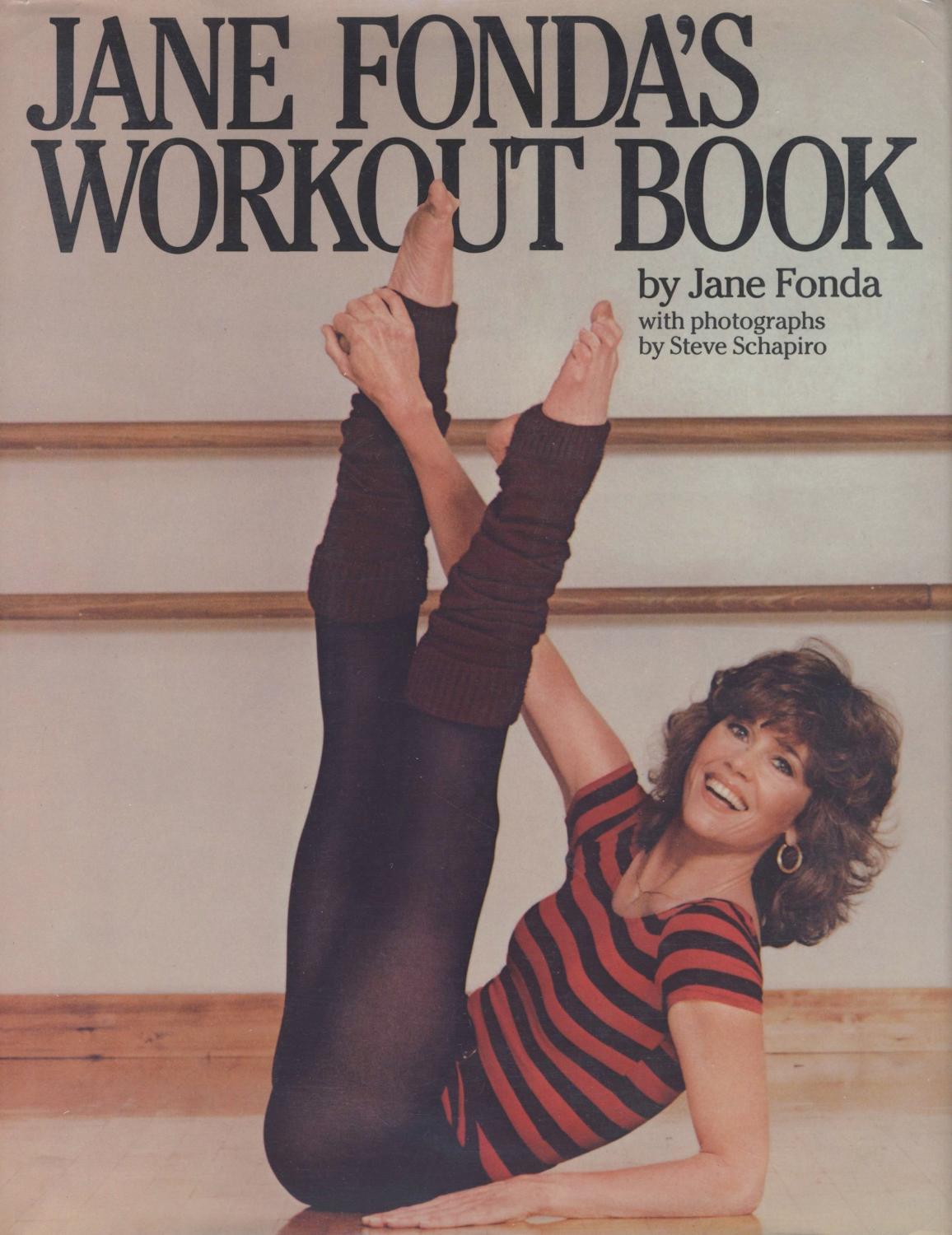
Jane Fonda’s 1981 workout book helped make exercise feel less like a private chore and more like a visible lifestyle. Fitness could now be organized, photographed, discussed and sold as part of a better version of the self.
The full home-video explosion would accelerate afterward, but the cultural machinery was already moving. Exercise was becoming fashionable, commercial and emotionally tied to discipline.
The appeal was larger than one routine. Aerobics combined movement, fashion, celebrity and the promise that effort could remake the body and improve the rest of life at the same time.
That promise fit the decade perfectly. Self-improvement was not supposed to remain invisible. It came with schedules, gear, enthusiasm and enough public commitment that abandoning the plan required an explanation.
The early phase matters because it shows how a health activity became a consumer identity. People were not merely exercising. They were joining a movement that would soon occupy gyms, television screens, living rooms and an impressive amount of brightly colored fabric.
The Book Before the Tape
The 1981 workout book helped establish the system and celebrity authority before home video made the routine even easier to repeat.
The Self-Improvement Package
Exercise was sold as discipline, appearance, confidence and personal control rather than a simple set of movements.
The VCR and Home-Video Boom
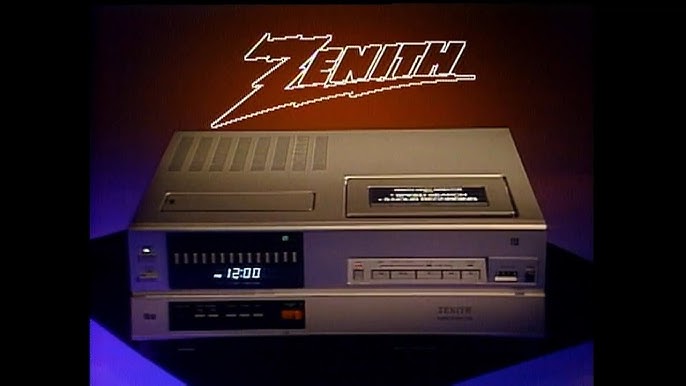
Before home video, television simply happened when the network said it happened. Miss the show and the show continued without you. The VCR challenged that arrangement by suggesting viewers could record, replay and build their own small libraries.
In 1981, the machine still looked expensive and slightly intimidating, which only made it feel more futuristic.
Families wanted the VCR for practical reasons, but gadget desire was part of the appeal. The machine looked like proof that the household had entered a new phase of entertainment.
Recording a program required planning, blank tapes and confidence in a timer interface that often appeared designed to punish optimism. Still, the idea mattered more than the friction. Television no longer had to be temporary.
Home video also changed the value of repetition. A movie, concert or television special could become something the family owned informally, watched again and handed to somebody with a warning not to record over it.
The Blank-Tape Economy
Labels, handwritten titles and arguments over available recording space became part of the household system.
The Blinking Clock
A machine advanced enough to control television could still spend years announcing that nobody had set the time.
Arcade and Video-Game Fever
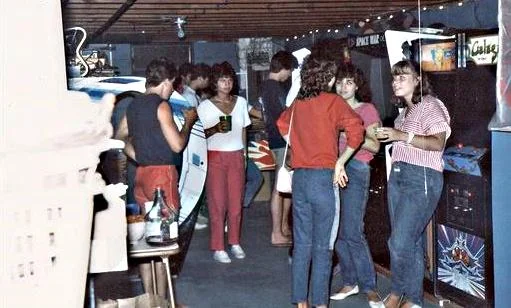
By 1981, the arcade was no longer a corner containing machines. It was a scene with sound, light, spectators, high scores and a clear hierarchy based on who could survive longest on one quarter.
Even people waiting to play participated by watching, judging and learning which cabinet had the largest crowd.
This broader arcade fever deserves separation from one-game mania. The attraction was the whole environment—the cabinets, competition, new releases, shared language and feeling that every visit might reveal something better.
High scores created public status. The machine displayed proof. Spectators could see whether somebody was genuinely good or simply had access to more quarters than everybody else.
Arcades also shaped how kids socialized. They were destinations inside malls, pizza places and dedicated game rooms, making electronic play part of being out in public rather than staying home.
The Quarter Strategy
One coin could produce three minutes or an entire audience, depending on skill and the honesty of the machine.
The High-Score Reputation
Initials on a screen created a temporary public record and enough local prestige to justify another visit.
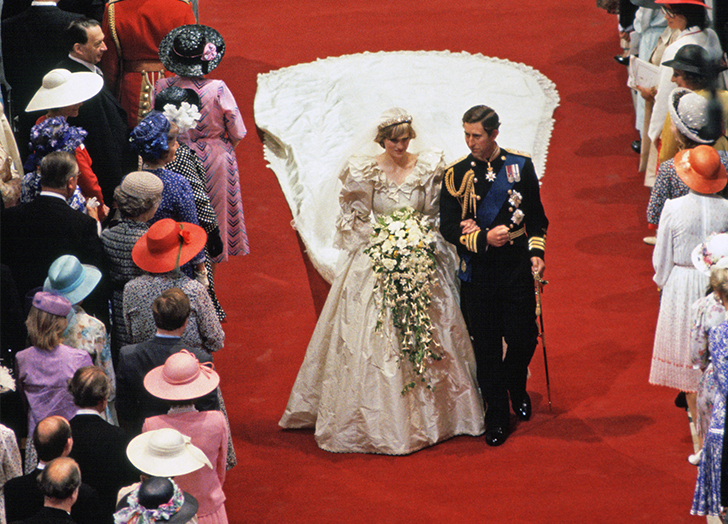
Princess Diana and Royal-Wedding Mania
The royal wedding became one of those events people remember watching, hearing about or being surrounded by even when they were not personally invested in monarchy. The scale made participation nearly automatic.
Princess Diana became the center of the fascination because she looked young, emotionally readable and different from the distant formality people expected.
The wedding combined live television, fairy-tale imagery, fashion and ceremony. It offered something for news viewers, romantics, magazine readers and anyone willing to inspect a dress with the concentration normally reserved for evidence.
Souvenirs and coverage extended the event far beyond the broadcast. Plates, magazines, photographs and commemorative objects turned one day into a full commercial season.
Diana’s appeal continued because the public interest was not limited to the ceremony. Her clothes, expressions and personality became recurring subjects, making the fad feel personal even to people who had never been near a palace.
The Appointment-Viewing Scale
The event pulled multiple generations toward the same screen at the same time, creating rare shared media memory.
The Souvenir Afterlife
Commemorative objects kept the fascination visible in homes long after the broadcast ended.
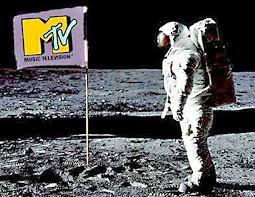
MTV and the Music-Video Takeover
MTV did not simply add music to television. Music had already appeared on television for years. The change was continuity: videos, personalities, graphics and attitude organized into a channel aimed at making music feel visually current all day.
The early feed looked experimental and occasionally improvised, which only made it feel more alive.
Once music videos gained a dedicated home, artists were judged through clothes, movement, sets, editing and recognizable images as much as sound. A song could become larger because the video gave it a world.
MTV also created repeated exposure. The same clip could return several times, allowing viewers to study every jacket, hairstyle and gesture until imitation became inevitable.
The original 1981 MTV launch footage and opening broadcast captures the rough-edged excitement before the channel became one of the decade’s largest cultural machines.
The Look Became Part of the Song
A memorable video could define how listeners pictured the music every time it returned to the radio.
The New Shared Waiting Game
Viewers kept the channel on hoping the next video would be the one they wanted, which turned passive waiting into loyalty.
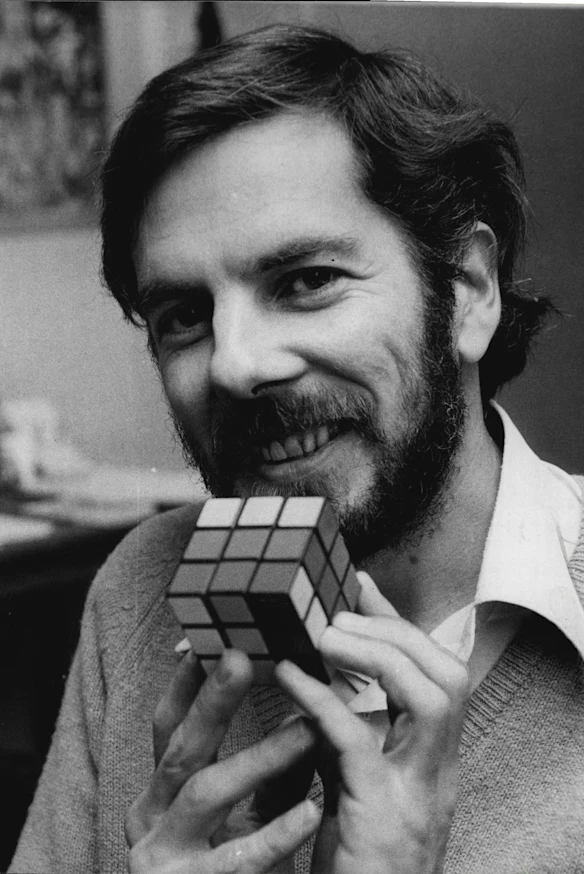
Rubik’s Cube Mania
Rubik’s Cube was the perfect fad object: small, colorful, cheap enough to spread and difficult enough to create obsession. It made the owner believe the solution was close even when the cube had become a geometric crime scene.
The puzzle traveled everywhere because it required no screen, batteries or special setting. One cube could attract an audience almost anywhere.
The challenge created public status. Solving one looked like proof of intelligence, memory or secret knowledge. People who could do it quickly were treated as though they had found a loophole in reality.
Everyone else developed strategies. Some memorized moves. Some solved one face and considered that progress. Some removed stickers, producing an object that looked solved but felt morally compromised.
The cube also encouraged repetition. Failure did not end the activity because one more twist always looked reasonable. That loop—hope, adjustment, damage, denial—gave the fad enormous staying power.
The One-Side Victory
Solving one color felt briefly impressive until turning the cube revealed what had happened to the other five.
The Sticker Temptation
Rearranging the colored squares could create visual success while permanently disqualifying the achievement.
What Happened to the Biggest Fads of 1981?
Several of these fads became infrastructure. Home video changed how entertainment worked. MTV changed how music was marketed. Aerobics created a model that continued through tapes, DVDs, cable, apps and streaming.
Rubik’s Cube had the cleanest afterlife because the object never stopped functioning. The same puzzle can still create the same combination of confidence, irritation and suspicious sticker inspection.
The Final Verdict on the Biggest Fads of 1981
1981 was the year participation became part of the sales pitch. People solved, recorded, watched, exercised, played and followed spectacle together.
Rubik’s Cube wins because nearly anyone could join the obsession immediately. MTV follows because it changed music’s visual rules. Princess Diana created a global shared event, arcade fever created a youth scene, the VCR promised control and aerobics previewed the lifestyle decade ahead.
Put a cube beside an arcade token, a blank VHS tape, a royal-wedding magazine and an MTV screen, and 1981 identifies itself before anybody asks who moved the coffee table.
Keep Exploring 1981
Rebuild the rest of the year through the music, movies, television, toys and original MTV footage surrounding these trends.
Questions About the Biggest Fads of 1981
What were the biggest fads of 1981?
The six biggest fads were Rubik’s Cube mania, MTV, Princess Diana and royal-wedding mania, arcade fever, the VCR and home-video boom, and Jane Fonda’s aerobics movement.
What was the number-one fad of 1981?
Rubik’s Cube ranks first because it was portable, affordable, highly visible and capable of turning almost anyone into an active participant immediately.
Why is Rubik’s Cube ranked above MTV?
MTV had deeper long-term media impact, but Rubik’s Cube created more direct everyday participation across age groups during 1981 itself.
Why was MTV such a big deal in 1981?
MTV gave music videos a dedicated channel and made image, fashion, movement and visual storytelling permanent parts of how artists were marketed.
Why was Princess Diana mania a fad?
The royal wedding combined global television, fashion, magazines, souvenirs and continuing fascination with Diana herself, giving the event enormous saturation.
Why did arcades become so popular in 1981?
Arcades combined new games, public competition, high scores, crowds and youth social life, turning electronic play into a destination.
Why does the VCR boom make the list?
VCRs changed how people imagined television by introducing recording, replaying and personal control over the network schedule.
Was Jane Fonda’s workout video released in 1981?
Her influential workout book appeared in 1981. The famous home-video phase followed, which is why the 1981 entry focuses on the aerobics movement and the book’s role in making fitness aspirational.
How did fads spread in 1981?
They spread through television, magazines, malls, arcades, retail displays, schools and direct word of mouth.
Which 1981 fad had the longest legacy?
MTV had the deepest media legacy, while home video changed entertainment infrastructure and Rubik’s Cube remained a permanent global puzzle.
Was Rubik’s Cube really that difficult?
Yes for most casual owners. The puzzle’s difficulty was part of the craze because solving it became a public skill while partial progress encouraged repeated attempts.
What else defined pop culture in 1981?
Kim Carnes, Rick Springfield, Raiders of the Lost Ark, network television, electronic toys and the growing influence of music video all helped define the year.