Smells Like Gen X • Top Toys of 1973
Top Toys of 1973: The 10 Toys Gen X Kids Remember
The top toys of 1973 capture a year when the early-70s toy box was still gloriously analog, but the wow factor was starting to shift. These were hands-on toys, floor toys, art-table toys, car-track toys, fashion dolls, action figures, and craft kits built around creativity, transformation, and the kid actually doing something instead of just watching a screen do all the work.
Quick Answer:
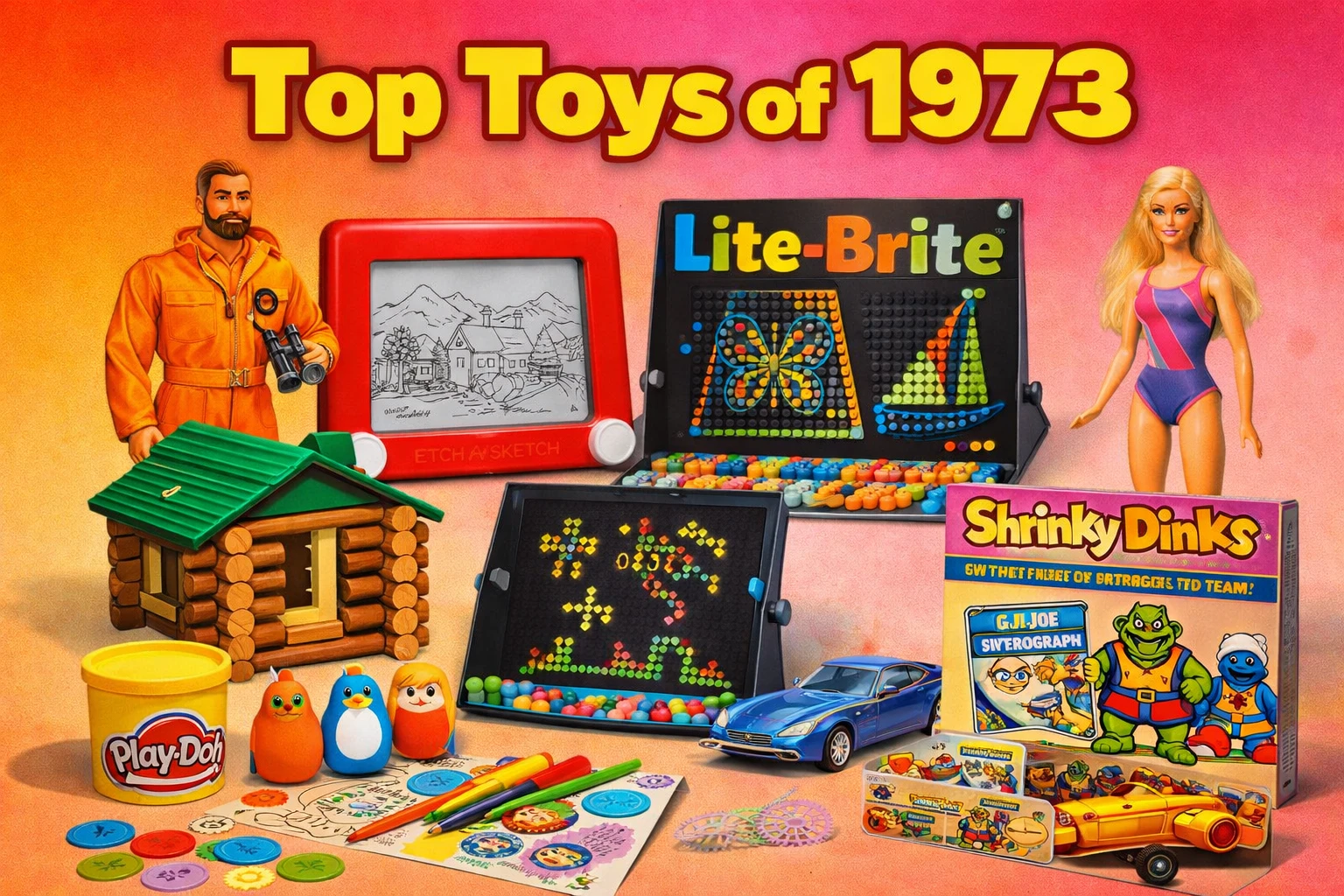
The biggest toys of 1973 included Shrinky Dinks, Barbie, Hot Wheels, Spirograph, G.I. Joe Adventure Team, Lite-Brite, Etch A Sketch, Play-Doh, Weebles, and Lincoln Logs. This list uses a strongest-signals editorial method because there is no single official public toy-sales chart for 1973.
Quick List: The Top 10 Toys of 1973
- #10 — Lincoln Logs
- #9 — Weebles
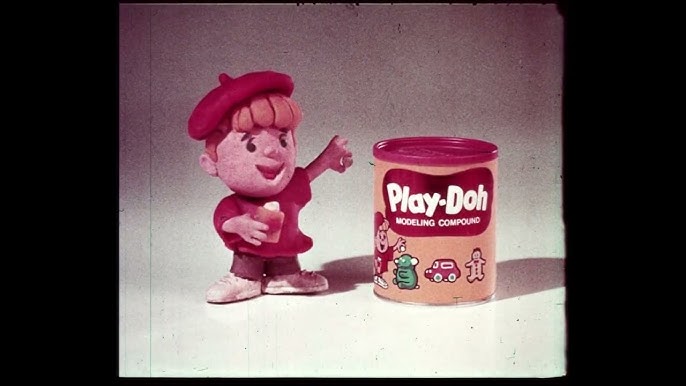
- #8 — Play-Doh
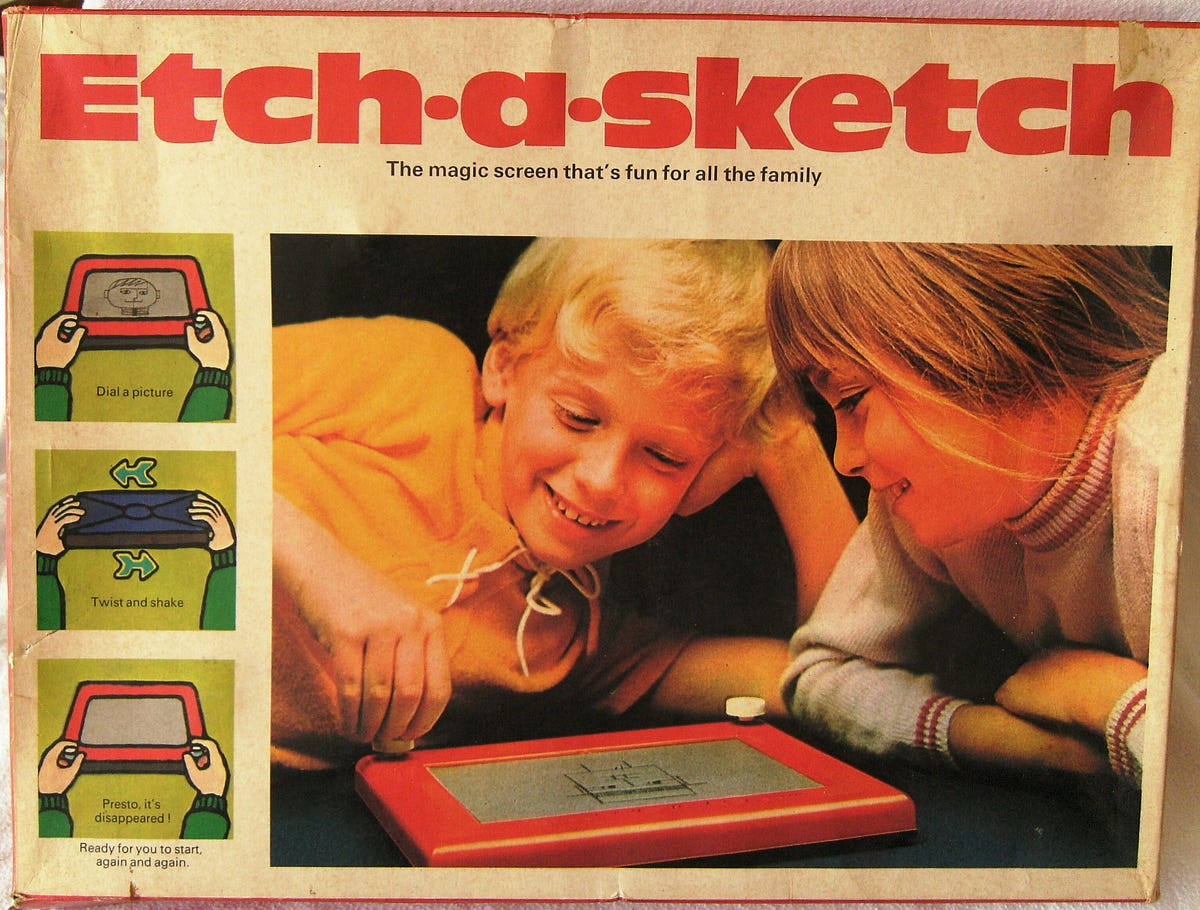
- #7 — Etch A Sketch
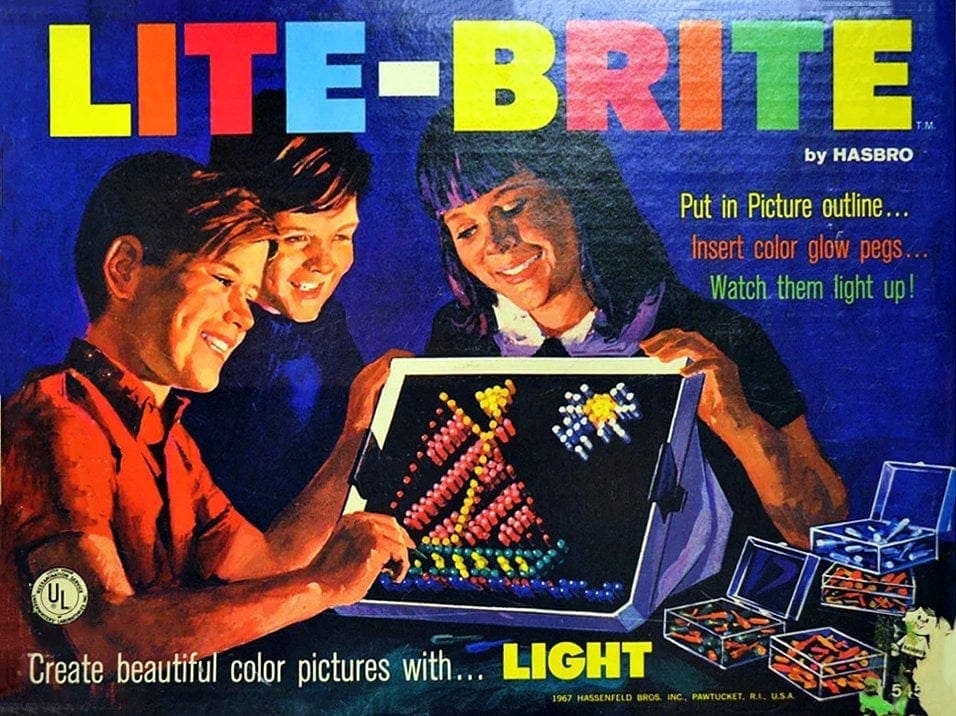
- #6 — Lite-Brite
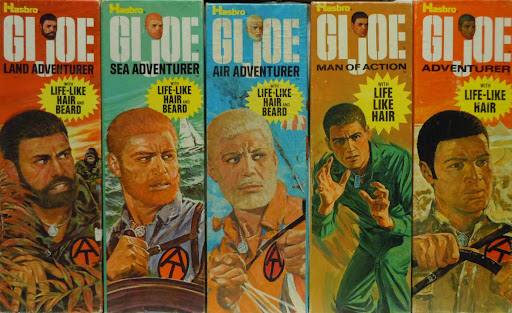
- #5 — G.I. Joe Adventure Team
- #4 — Spirograph
- #3 — Hot Wheels
- #2 — Barbie
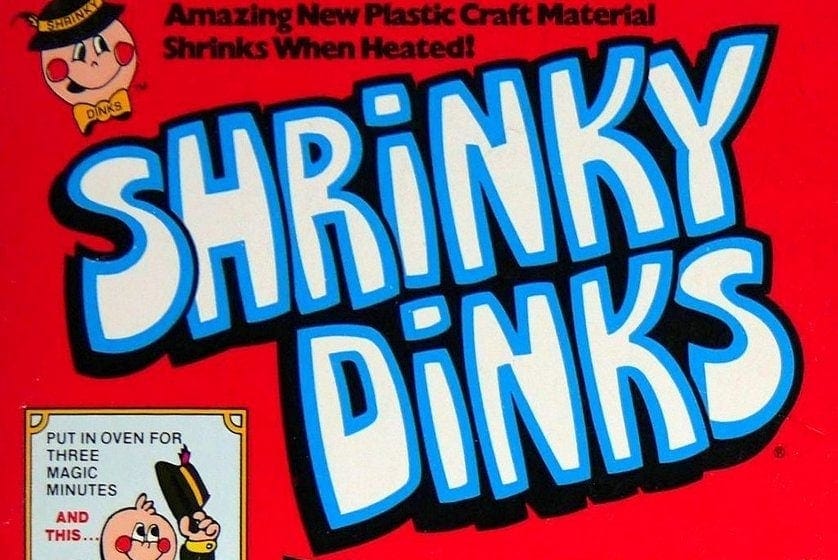
- #1 — Shrinky Dinks
The toy aisle in 1973 still had the warm analog soul of the early decade: tactile, colorful, physical, and heavily dependent on the child’s imagination. But the year also feels fascinated with change, process, and reveal. You are not just building, rolling, drawing, or molding anymore. You are watching something happen.
That is what makes 1973 such a fun year in the series. The old guard is still here. Barbie still rules her lane. Hot Wheels are still tearing up the floor. Spirograph still makes kids feel like accidental design geniuses. G.I. Joe still turns one figure into a whole mission ecosystem. But the year’s defining toy energy is a little different. It is more magical, more crafty, and a little more “wait, do that again.”
Like the earlier posts, this is a best-supported editorial countdown rather than a fake official chart. Toys do not come with one clean yearly ranking source like songs or TV shows do, so this list is built to reflect the toys that most strongly defined the 1973 season: shelf logic, cultural stickiness, era fit, and the kinds of gifts that would have completely hijacked a living room floor by Christmas morning.
Ranking Method:
This 1973 toys countdown uses a strongest-signals approach based on toy-history evidence, cultural staying power, era fit, product momentum, nostalgia footprint, and how strongly each toy represents the 1973 toy box. Since there is no single clean public unit-sales chart for 1973 toys, this ranking is built around the toys with the strongest overall case.
Gen X Note:
1973 still has the same warm analog soul, but now the aisle wants to impress you with magic tricks, reveal moments, and “wait, do that again” toys.
Keep Rewinding 1973
The toy aisle was only one piece of 1973’s bigger cultural shift. Music was getting warmer, funkier, softer, heavier, and harder to pin down. Movies were deep in the New Hollywood zone, where theaters felt grittier, stranger, and much less interested in behaving themselves. Television was still built around shared living-room habits, before cable sprawl and streaming algorithms turned everyone into their own little programming director.
If you want the full 1973 rewind, keep the year together, jump back to the 70s Toys Hub for the full decade toy aisle, or watch the ads that sold the whole thing in the 70s toy commercials and forgotten toy videos archive. The toys show what kids wanted on the floor and at the kitchen table. The commercials show how those toys became Christmas-list emergencies. The songs show what was coming through the radio. The movies show where the decade’s darker cinematic identity was heading. The TV rankings show what families were still watching together before the culture fully splintered.
70s Nostalgia Hub
The main decade hub for 70s toys, music, movies, TV shows, fads, commercials, and Gen X nostalgia.
70s Toys Hub
The full 1970s toy aisle by year, from Nerf, Weebles, UNO, and Shrinky Dinks to Atari, Star Wars figures, and late-decade plastic chaos.
70s Toy Commercials & Forgotten Toy Videos
The vintage ad-break side of the decade, with toy commercials, retro video rewinds, and the clips that made 70s toys feel impossible to live without.
Toys Hub
The full toy hub for Gen X Christmas lists, decade-by-decade toy countdowns, and nostalgic toy aisle chaos.
Top Toys of 1972
The previous 70s toy year, where UNO, Barbie, Hot Wheels, Spirograph, and hands-on play still ruled the floor.
Top Toys of 1974
The next 70s toy year, as the decade keeps moving toward stronger characters, bigger brands, and more memorable Christmas-list energy.
Top 10 Songs of 1973
The Billboard year-end songs that made 1973 sound like soul, soft rock, funk, pop, and early-70s radio weirdness.
Top 10 Movies of 1973
The box-office year of New Hollywood grit, massive cultural moments, and movies that felt much less interested in behaving themselves.
Top TV Shows of 1973
The Nielsen-ranked TV shows families were still watching together in the shared living-room era.
Countdown: The Top 10 Toys of 1973
1973
#10 — Lincoln Logs
Classic Builder Holdout
Toy TypeBuilding toy
Brand LaneOpen-ended construction play
1973 Rank#10
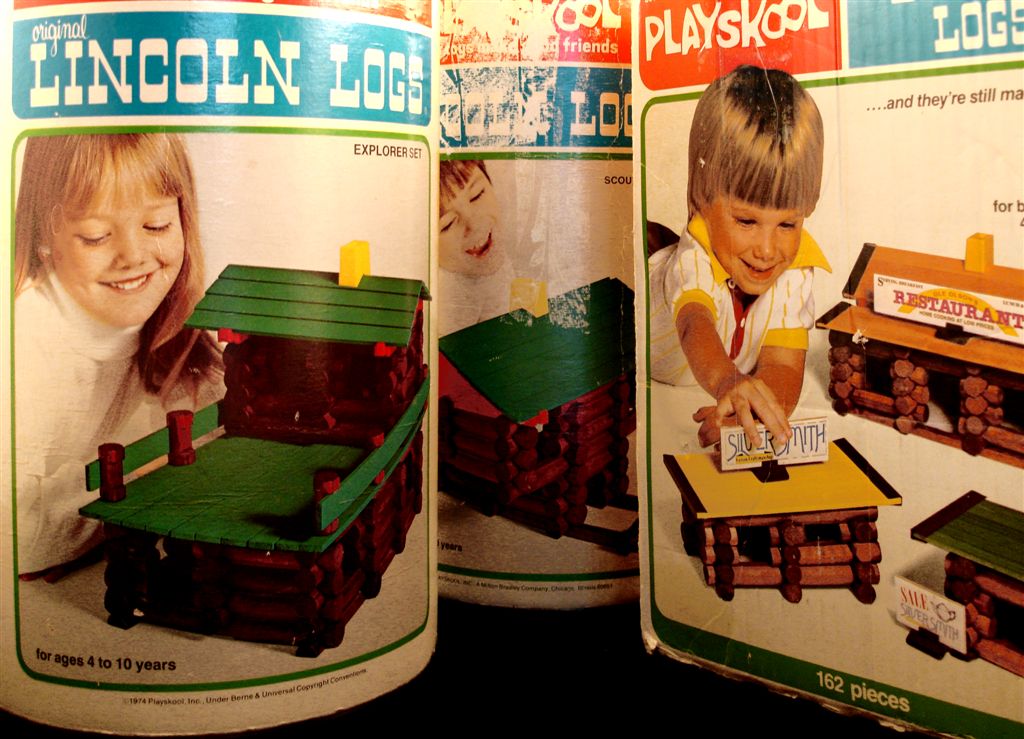
Lincoln Logs still make the 1973 list because the early 70s had not fully abandoned old-school building play. The toy aisle was getting flashier, more segmented, and more visually aggressive, but there was still real room for a product that amounted to “here are some wooden pieces, now go make a frontier structure and act like this is completely normal modern entertainment.”
That staying power matters. Lincoln Logs represent the older analog backbone still visible beneath all the newer toy energy. They are not the most dramatic product on the list, but they show how much of the era’s play was still driven by imagination, repetition, and floor-space occupation rather than one big engineered gimmick.
In 1973, they almost function like a control group. Once you get deeper into the ranking, the year starts getting more visually theatrical and transformation-heavy. Lincoln Logs remind you where the decade started: with parts, possibility, and the assumption that kids could make their own worlds.
That simple build-and-rebuild lane is one of the core threads in the larger 70s Toys Hub: toys that gave kids pieces, floor space, and the freedom to make their own little worlds without a screen doing the heavy lifting.
Fun Fact / Why It Still Matters
Lincoln Logs stayed alive because simple, open-ended building toys can survive nearly any trend cycle if the play loop is strong enough.
1973
#9 — Weebles
Wobble-and-Smile Staple
Toy TypeRoly-poly preschool toy
Brand LanePersonality-based preschool play
1973 Rank#9
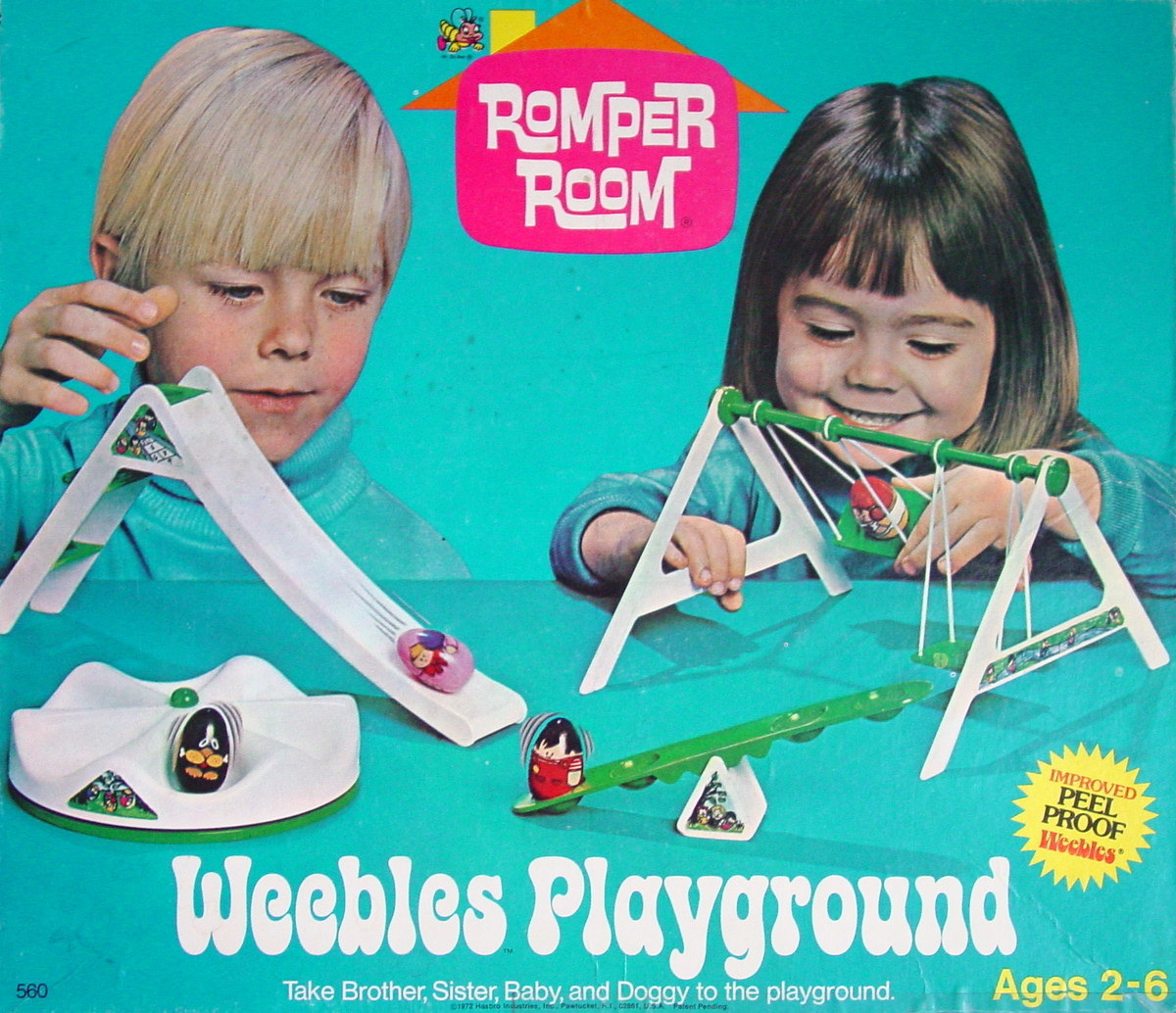
Weebles remain in the top 10 because once a toy line nails both physical behavior and visual identity, it usually sticks around for more than a single holiday. The wobble still works. The characters still feel instantly appealing. And the whole line still carries that gentle, preschool-friendly energy that made it such a clean breakout.
What changes in 1973 is not that Weebles disappear. It is that the aisle around them gets weirder and more visually impressive. They are still charming, but now they are competing against toys that offer more dramatic “watch this” moments. That pulls them lower without erasing their relevance.
In the context of the year, Weebles also help prove that preschool toy charm still mattered even as the broader toy market got more novelty-driven. Not every hit had to transform in the oven or create a dazzling pattern to stay important.
Weebles also fit the larger 70s toy aisle shift toward small character worlds, playsets, and toy personalities that could expand beyond one simple object.
Fun Fact / Why It Still Matters
Weebles stayed visible because their simple wobble gimmick and clear character identity kept them memorable long after their initial breakout.
1973
#8 — Play-Doh
Messy Tactile Classic
Toy TypeModeling compound
Brand LaneSensory creative play
1973 Rank#8
Play-Doh stays planted in the 1973 toy box because the early 70s still loved anything tactile, repeatable, and just messy enough to make adults slightly regret their own generosity. The appeal remained almost foolproof: open the cans, touch the material, start inventing things, destroy them, and start again.
In a year that increasingly rewards visual wow and transformation, Play-Doh stays relevant by being the opposite of fussy. It does not need a reveal moment. The sensory experience is the reveal. That kind of direct physical satisfaction is one reason the brand never needed to panic in the face of newer toy crazes.
It also helps anchor the list in the decade’s analog core. Even when 1973 starts chasing more magical and process-driven products, there is still plenty of room for a toy that says: here is a compound, now go be chaotic.
That messy, hands-on table energy is exactly why Play-Doh belongs inside Craft Kits Made a Mess, along with Shrinky Dinks, Lite-Brite, Spirograph, Etch A Sketch, yarn, paint, glue, and the kitchen-table damage nobody talks about enough.
Fun Fact / Why It Still Matters
Play-Doh stayed powerful because the material itself was already fun before the child even decided what to make.
1973
#7 — Etch A Sketch
Analog Challenge Legend
Toy TypeDrawing toy
Brand LaneSkill-and-frustration play
1973 Rank#7
Etch A Sketch remains solid in 1973 because there was still a market for toys that politely let children believe they were about to achieve greatness and then immediately humbled them. Two knobs, one gray screen, infinite optimism, and a repeat loop built on failure recovery — that is a surprisingly durable formula.
What makes the toy especially interesting in 1973 is that it feels more severe compared with some of the year’s more magical or forgiving hits. Shrinky Dinks change in the oven. Lite-Brite glows. Spirograph creates elaborate patterns. Etch A Sketch just stares back at you and demands competence.
That difference is part of why it lasts. The toy feels earned in a way some of the easier wow-factor products do not. And in a decade still deeply shaped by analog challenge, that matters.
It also belongs with the drawing, peg, pattern, and craft-table toys in Craft Kits Made a Mess, even if Etch A Sketch mostly made a mess of your confidence.
Fun Fact / Why It Still Matters
Etch A Sketch stayed relevant because it turned frustration into ritual and ritual into obsession.
1973
#6 — Lite-Brite
Glow-Board Showmanship
Toy TypeLight-up art toy
Brand LaneVisual creative play
1973 Rank#6
Lite-Brite stays in the top half because it remains one of the best examples of a toy taking simple activity and giving it visual drama. Put the pegs in, dim the room, and suddenly the child’s design feels more theatrical than the actual work required to make it.
In 1973, that theatricality fits especially well. The year likes reveal toys, process toys, and products that offer a visible payoff. Lite-Brite absolutely belongs in that mood. It may not physically transform the way Shrinky Dinks do, but it still gives children a kind of mini stage show.
It also remains deeply of its era aesthetically. Color, glow, decoration, and bold visual effect were still huge in the early 70s, and Lite-Brite feels almost impossibly well matched to that whole sensory world.
And the missing pegs? Pure 70s craft-kit chaos. Lite-Brite was beautiful in the dark and deeply committed to leaving tiny plastic evidence in the carpet.
Fun Fact / Why It Still Matters
Lite-Brite lasted because it let kids feel like they were making illuminated art instead of just filling a grid.
1973
#5 — G.I. Joe Adventure Team
Expandable Adventure System
Toy TypeAction figure line
Brand LaneMission-based pretend play
1973 Rank#5
G.I. Joe Adventure Team stays high because it is still one of the best examples of a toy line operating like an expandable world. The figure matters, but the real draw is everything around it: the vehicles, the outfits, the equipment, the scenarios, and the constant sense that each new piece creates another mission.
In 1973, that keeps G.I. Joe relevant even as the broader toy aisle gets more crafty and visually process-driven. This line still satisfies the need for rugged scale, adventure fantasy, and accessory-heavy backyard drama. It gives the post some muscle.
It also helps show how broad the year really is. 1973 can crown Shrinky Dinks without losing its appetite for big, gear-heavy play. That balance is part of what makes the year interesting.
G.I. Joe also points straight at one of the bigger 70s Toys Hub themes: the move from standalone toys toward expandable systems with gear, missions, vehicles, and more reasons to beg for one more box.
Fun Fact / Why It Still Matters
G.I. Joe stayed powerful because it sold kids an adventure framework, not just a single hero figure.
1973
#4 — Spirograph
Design-Table Heavyweight
Toy TypeDrawing system
Brand LaneGeometric creative play
1973 Rank#4
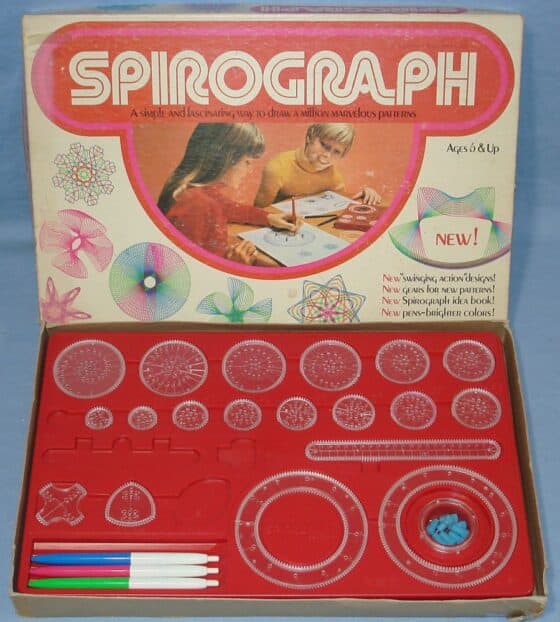
Spirograph pushes high again because 1973 is still extremely friendly to toys that blend creativity with visible “wow.” The gear system lets kids make patterns far prettier and more complex than their ordinary drawing ability would suggest, which makes the toy feel smarter than it is and the child feel more talented than they probably are.
That illusion is exactly why it works so well. A great toy often makes the user feel more capable than they walked in feeling. Spirograph does that while also aligning beautifully with the era’s appetite for color, pattern, and decorative visual excess.
It also remains one of the strongest examples of how the early-70s toy box was becoming more design-aware. This is not just a toy that fills time. It creates artifacts — little patterned records of the afternoon.
Spirograph is a core part of Craft Kits Made a Mess, because nothing says early-70s art-table ambition like one perfect looping design followed by five attempts ruined by a slipping gear.
Fun Fact / Why It Still Matters
Spirograph stood out because it turned plastic gears and a pen into instant design authority.
1973
#3 — Hot Wheels
Speed-System Institution
Toy TypeDie-cast cars and track system
Brand LaneCollect-and-race obsession
1973 Rank#3
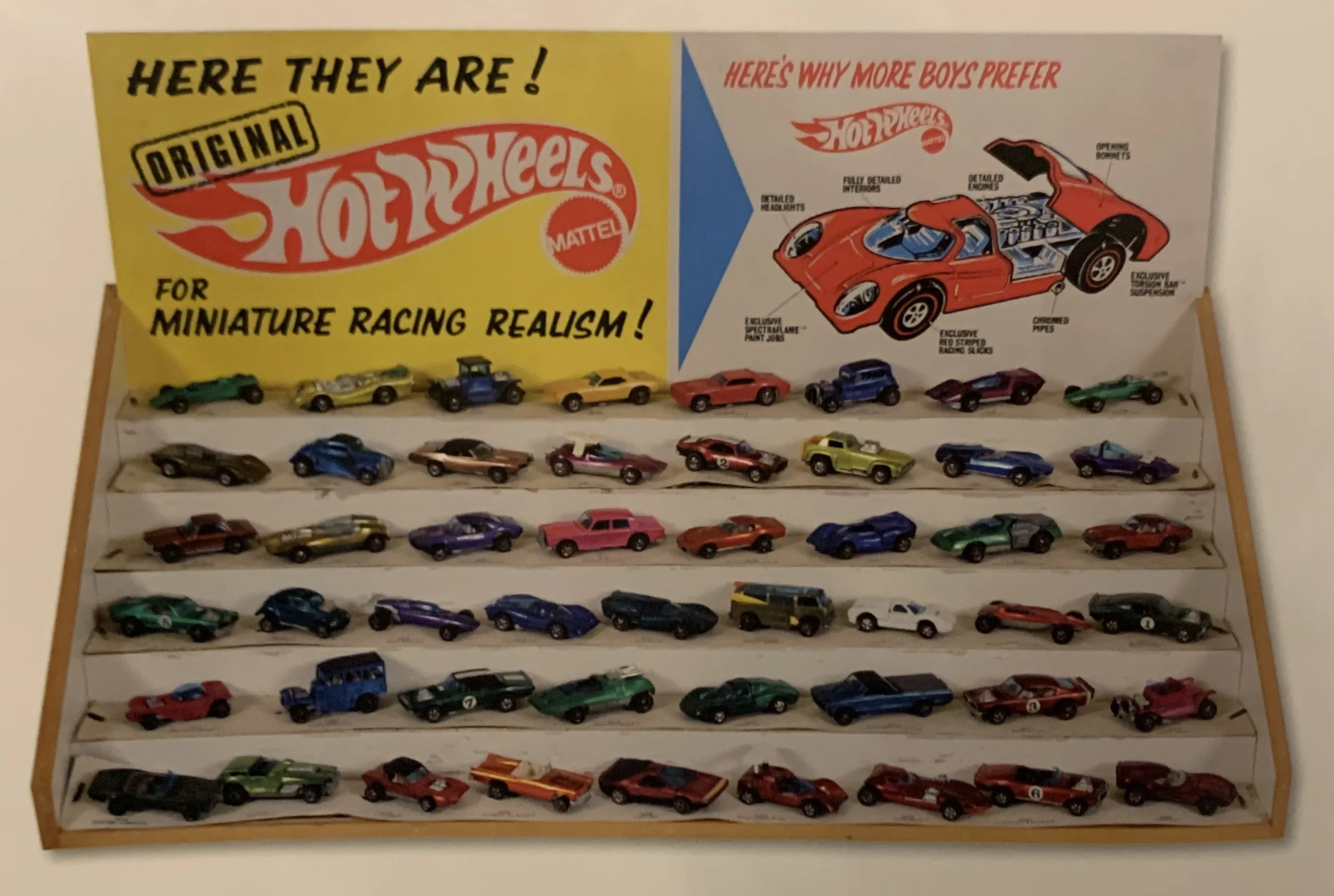
Hot Wheels remain top-tier because by 1973 they feel less like a toy line and more like installed household infrastructure. The cars still trigger object desire, but the real engine is the system: tracks, launchers, boosters, layouts, crashes, and all the endless reconfiguring that turns a hallway into a speed lab.
What keeps them so high is the balance between collectibility and activity. Hot Wheels are fun to own and fun to use, which is a harder combination than it sounds. Plenty of toys do one of those well. Fewer do both.
In the context of 1973, they also anchor the list in motion and physical repeat play. Even as the year leans toward transformation and tabletop creativity, Hot Wheels still remind you how much of the decade’s best play was built on speed, spectacle, and rerunning the same loop until the adults complained.
For the full die-cast, orange-track, garage, ramp, Matchbox, Tonka, and living-room road-system story, take the tiny cars into Carpet Cities & Tiny Roads.
Fun Fact / Why It Still Matters
Hot Wheels stayed huge because they turned a few small cars into a whole ongoing engineering and racing ecosystem.
1973
#2 — Barbie
Endless Fashion-and-Fantasy Empire
Toy TypeFashion doll line
Brand LaneLifestyle world-building
1973 Rank#2
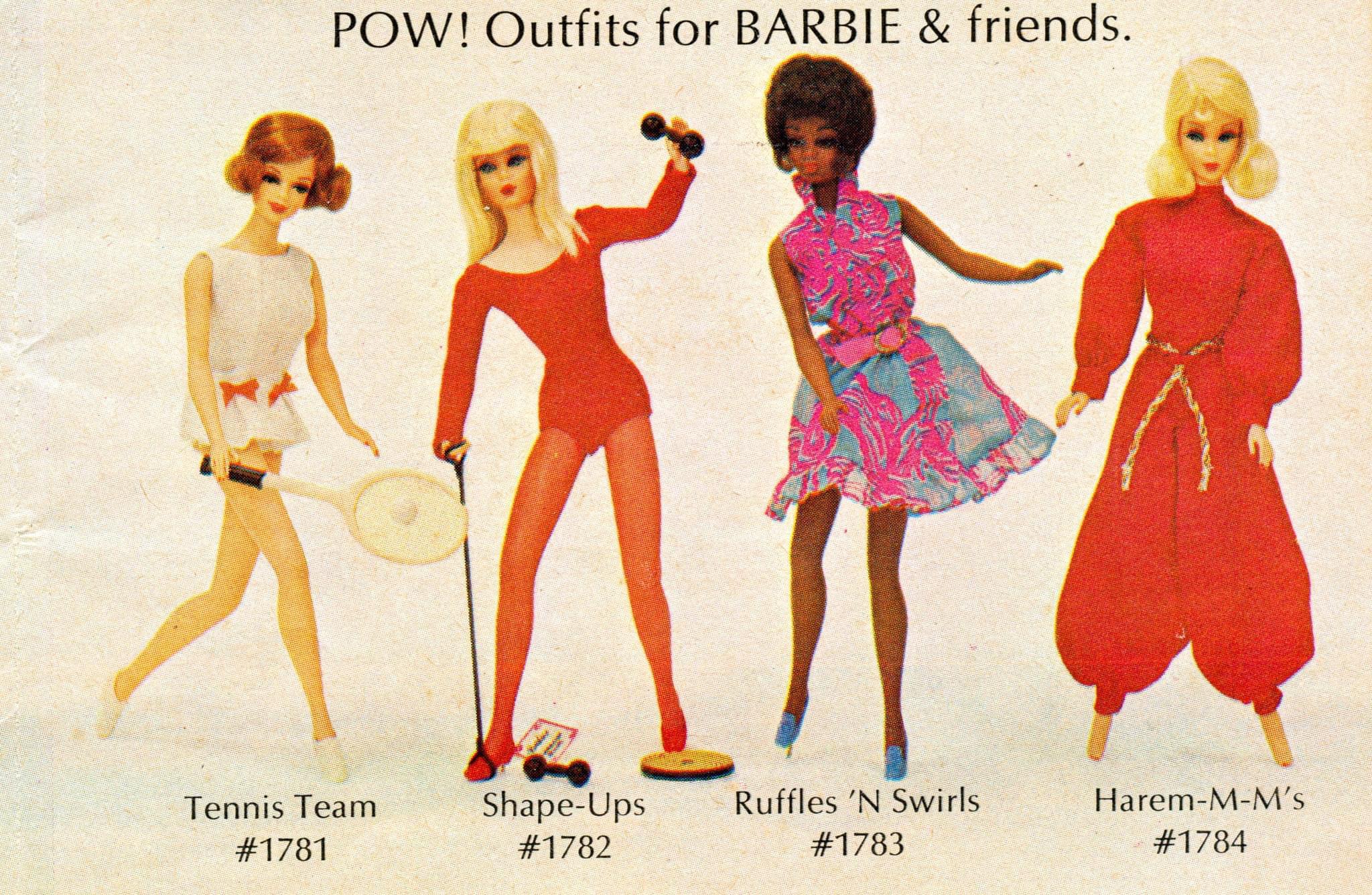
Barbie holds #2 because by 1973 she is still operating on a scale most toy lines cannot approach. She is not just a doll. She is an expandable fantasy economy: outfits, accessories, social settings, role-play, image, aspiration, and the promise that one gift can lead to half a dozen more gifts later.
That is why Barbie remains so hard to move. She does not need one brilliant gimmick because the entire line functions as a renewable world. The fantasy keeps changing with the culture, and Barbie just keeps absorbing it.
In 1973, Barbie also serves as proof that the year’s toy evolution did not wipe out the giants. Shrinky Dinks can break out. Spirograph can surge. Hot Wheels can dominate. Barbie still remains a continent unto herself.
For the full dollhouse, fashion, tiny furniture, homemade accessories, and miniature soap-opera side of the decade, head into Dolls, Houses & Domestic Drama.
Fun Fact / Why It Still Matters
Barbie stayed near the top because she was already functioning like a self-renewing lifestyle system, not a one-box toy.
1973
#1 — Shrinky Dinks
Transformation-Magic Breakout
Toy TypeCraft and activity kit
Brand LaneTransformational creative play
1973 Rank#1
Shrinky Dinks take the top spot because they feel like the purest expression of what changed in 1973. The appeal is not just that you color a shape. It is that you watch the thing transform. It curls, shrinks, thickens, and becomes something else in front of you. That is an enormous amount of toy-box magic packed into a very simple concept.
What makes Shrinky Dinks such a strong #1 is that the process is the spectacle. The toy is creative, yes, but it is also performative. Kids do not just make something. They witness something. That difference matters. It makes the whole experience feel bigger than the object you end up holding in your hand.
It also fits 1973 beautifully because the year seems increasingly hungry for toys that offer a visible “before and after.” The decade is still analog, but its imagination is getting more transformation-driven. Shrinky Dinks capture that perfectly.
And from a memory standpoint, they are ideal. People do not just remember the finished charm or trinket. They remember the oven, the curling plastic, the suspense, and the weird thrill of seeing flat art become a hard little object. That is real toy magic, and it is exactly why Shrinky Dinks are the headline act in Craft Kits Made a Mess.
Fun Fact / Why It Still Matters
Shrinky Dinks hit #1 because they made transformation itself the toy, turning a simple craft into one of the most memorable reveal experiences of the decade.
Also Huge in 1973:
the songs that made 1973 radio feel warmer, funkier, and harder to pin down,
the movies that pushed New Hollywood deeper into the decade,
the TV shows families were still watching together,
the bigger 70s nostalgia hub,
the full 70s Toys Hub,
the 70s toy commercials and forgotten toy videos,
the craft kits that made a mess,
tabletop crafts, living-room floor builds, kitchen-table art projects, die-cast car crashes, and the very 70s belief that a toy could be magical without needing batteries.
Rewind Verdict
The top toys of 1973 show the early-70s toy aisle discovering that transformation can be as powerful as motion, collecting, or dress-up. The old analog strengths are still there — builders, dolls, race systems, art toys, and action figures — but the year’s emotional center shifts toward products that let kids witness a change happening right in front of them.
That is why Shrinky Dinks feel so right at the top. They are not just crafty or cute. They stage a reveal. They let a child color something, watch it warp in the oven, and end up with a little hardened object that feels like it came out of magic instead of a kitchen appliance.
At the same time, 1973 is not abandoning the physical soul of the decade. Barbie still rules her lane. Hot Wheels still dominate speed and system play. Spirograph still owns the art-table wow factor. G.I. Joe still turns a figure into a whole world of gear and mission logic. The year expands the toy box without betraying it.
For Gen X memory, 1973 feels like the year the early 70s got a little more theatrical — not louder in an electronic sense, but more enchanted by process, reveal, and the joy of seeing a toy do something visually unforgettable. The commercial side of that memory lives in the 70s toy commercials and forgotten toy videos archive, where the ad-break pitches turned craft kits, cars, dolls, games, and weird plastic magic into must-have moments. It also plugs directly into the bigger 70s toy lanes: craft kits, toy cars and carpet cities, dolls and houses, board games, backyard chaos, and the early electronics waiting later in the decade.
FAQ: Top Toys of 1973
What were the most popular toys of 1973?
The most popular toys of 1973 included Shrinky Dinks, Barbie, Hot Wheels, Spirograph, G.I. Joe Adventure Team, Lite-Brite, Etch A Sketch, Play-Doh, Weebles, and Lincoln Logs.
What was the biggest toy of 1973?
Shrinky Dinks are the strongest editorial choice for #1 because they were a breakout 1973 toy and perfectly capture the year’s fascination with transformation-based play.
What toys did kids want for Christmas in 1973?
Common 1973 Christmas-list toys included Shrinky Dinks, Barbie, Hot Wheels, Spirograph, G.I. Joe Adventure Team, Lite-Brite, Etch A Sketch, Play-Doh, Weebles, and Lincoln Logs.
Was there an official annual toy chart for 1973?
No. Like the earlier toy posts, this is a best-supported editorial ranking built from period context, toy-history evidence, cultural staying power, and nostalgia footprint rather than one official year-end source.
Why are Barbie and Hot Wheels still ranked so high in 1973?
Because this series ranks the toys that most strongly shaped the year’s toy box, not just brand-new toys. Barbie and Hot Wheels were already deeply established powers by 1973.
Why is Shrinky Dinks ranked number one for 1973?
Because Shrinky Dinks best represent the year’s transformation-based toy energy. Kids did not just color a shape — they watched it shrink, curl, harden, and become something new. For more of that kitchen-table chaos, see Craft Kits Made a Mess.
What changed from 1972 toys to 1973 toys?
1973 feels a little more transformation-driven and visually magical. It still shares the same analog foundation as 1972, but the standout energy is less “group play” and more “watch this change.”
What kind of toys dominated 1973?
A mix of creative toys, fashion dolls, vehicle systems, action figures, preschool toys, building toys, and activity sets dominated 1973 — basically a toy aisle that still loved hands-on play but was getting more theatrical about how it delivered wow.
Why do 1973 toys matter for Gen X nostalgia?
Because many Gen X kids either played with these toys directly or inherited them through older siblings, cousins, classroom bins, basements, and family toy boxes. They are part of the early analog foundation that shaped 70s childhood.