Bob Hartley
A Chicago psychologist whose patience was real, whose avoidance was even more real and whose face became the show’s most reliable reaction shot.
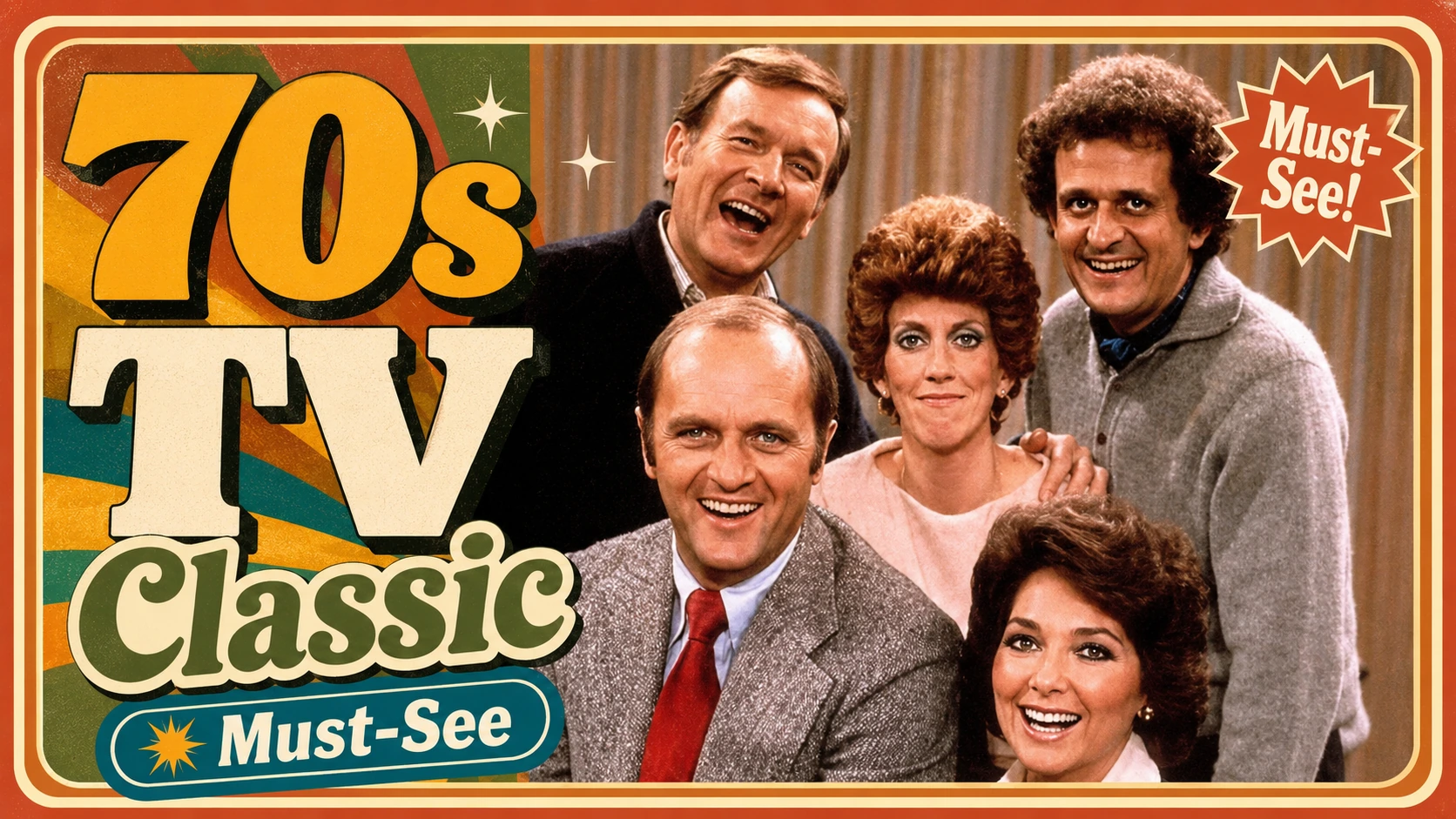
Before we knew anything about therapy, adulthood or the exact cost of a Chicago apartment, we understood Bob Hartley’s face. It was the look of a man trying to remain reasonable while Howard opened the door without knocking, Jerry offered the wrong advice and one of Bob’s patients turned a perfectly normal sentence into a three-minute detour.
For Gen X viewers who found the show in reruns, The Bob Newhart Show could seem almost too quiet beside the louder sitcoms of the decade. Then the rhythm clicked. The pause was the joke. The stammer was a warning light. Suzanne Pleshette’s dry answer was the pin that let the air out of Bob’s dignity. This was not a show about a calm man living in a calm world. It was about a calm man surrounded by people who considered boundaries optional.
The Bob Newhart Show was a 1970s sitcom that proved restraint could be every bit as funny as shouting. Bob Newhart played Chicago psychologist Bob Hartley as a decent, intelligent man whose great comic weapon was not a punch line but the increasingly desperate effort to keep a conversation sensible. Suzanne Pleshette made Emily his equal rather than his audience, while Howard, Jerry, Carol and the therapy group kept testing how long one reasonable person could remain reasonable. Across six seasons and 142 episodes, the series made marriage, work, friendship and neurosis funny without cruelty, sermons or a child learning a lesson before the credits.
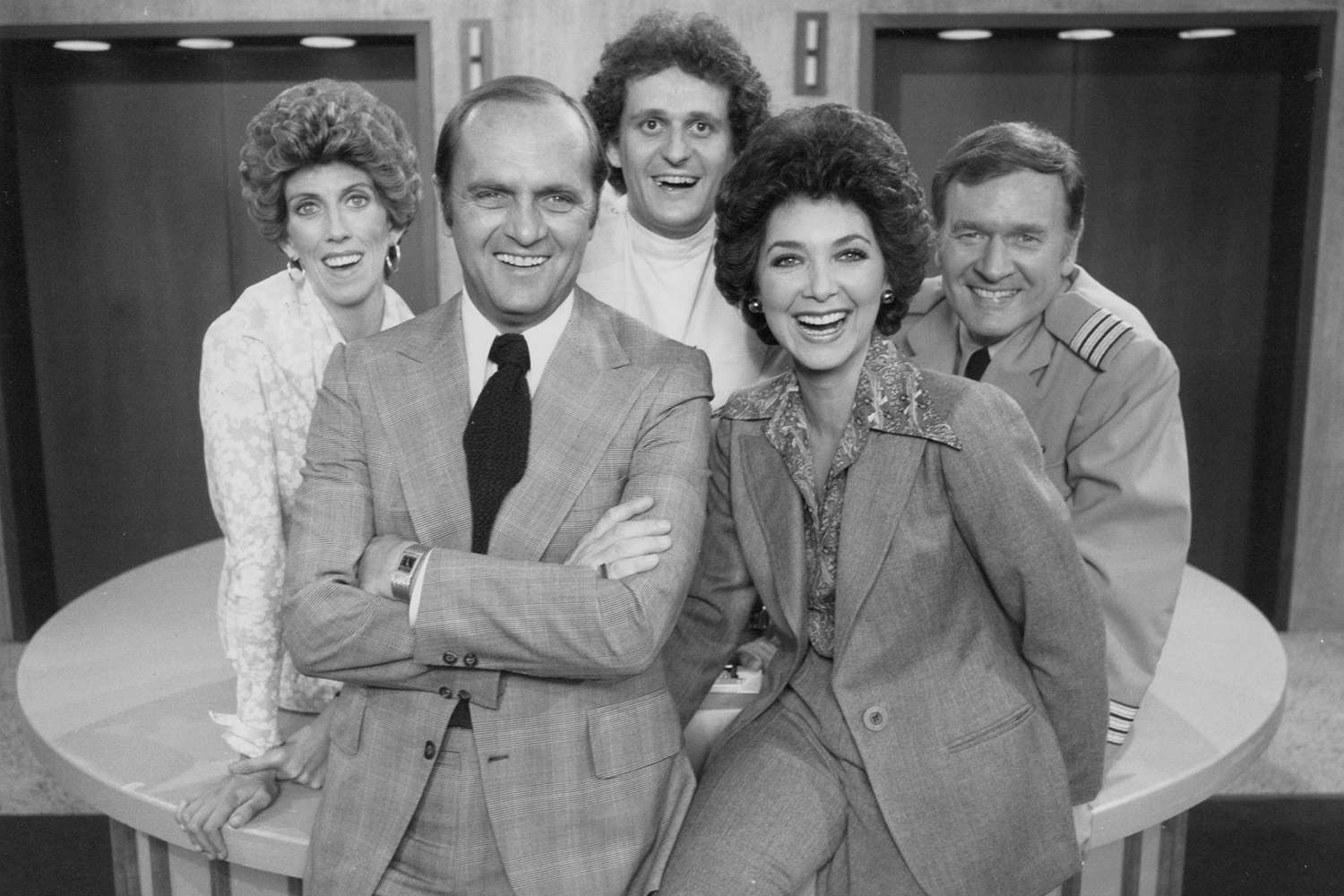
Bob Hartley had an office full of problems and an apartment full of people who knew where he lived.
The Bob Newhart Show followed Chicago psychologist Bob Hartley across two worlds that were equally determined to ruin his composure. It ran for six seasons and 142 episodes on CBS from 1972 through 1978. At work, Bob shared a reception area with orthodontist Jerry Robinson and secretary Carol Kester while leading a weekly therapy group. At home, he lived with his wife Emily in a Chicago high-rise where neighbor Howard Borden treated the Hartleys’ apartment as a kitchen, sitting room and emergency parenting center.
That gave the show two comic engines without turning Bob into two different characters. At the office, he was supposed to be the trained professional—the man who listened, interpreted and gently redirected. At home, Emily expected him to be a husband rather than a caseworker. The joke was that Bob often carried the same cautious therapeutic language into a marriage that could see through it before he reached the second sentence.
The series did not need a complicated weekly premise. A patient could misunderstand a harmless suggestion. Howard could need a favor. Jerry could discover a new version of maturity that lasted until lunch. Carol could announce that everybody’s schedule had collapsed. Emily could ask one direct question Bob would spend the episode trying not to answer.
In the larger story of 1970s television, the show belongs to the moment when network comedy became interested in adults whose families were built from spouses, neighbors, coworkers and the people who kept appearing every Thursday at the same group-therapy session.
The creators did not ask Newhart to become a traditional sitcom father. They built the show around what he already did.
Bob Newhart entered the 1970s with a comic identity already fully formed. His record albums had made one-sided telephone conversations, bureaucratic absurdity and the slow collapse of ordinary logic into a national style of comedy. The challenge was not finding something funny for him to do. It was building a weekly television world that would let that rhythm breathe.
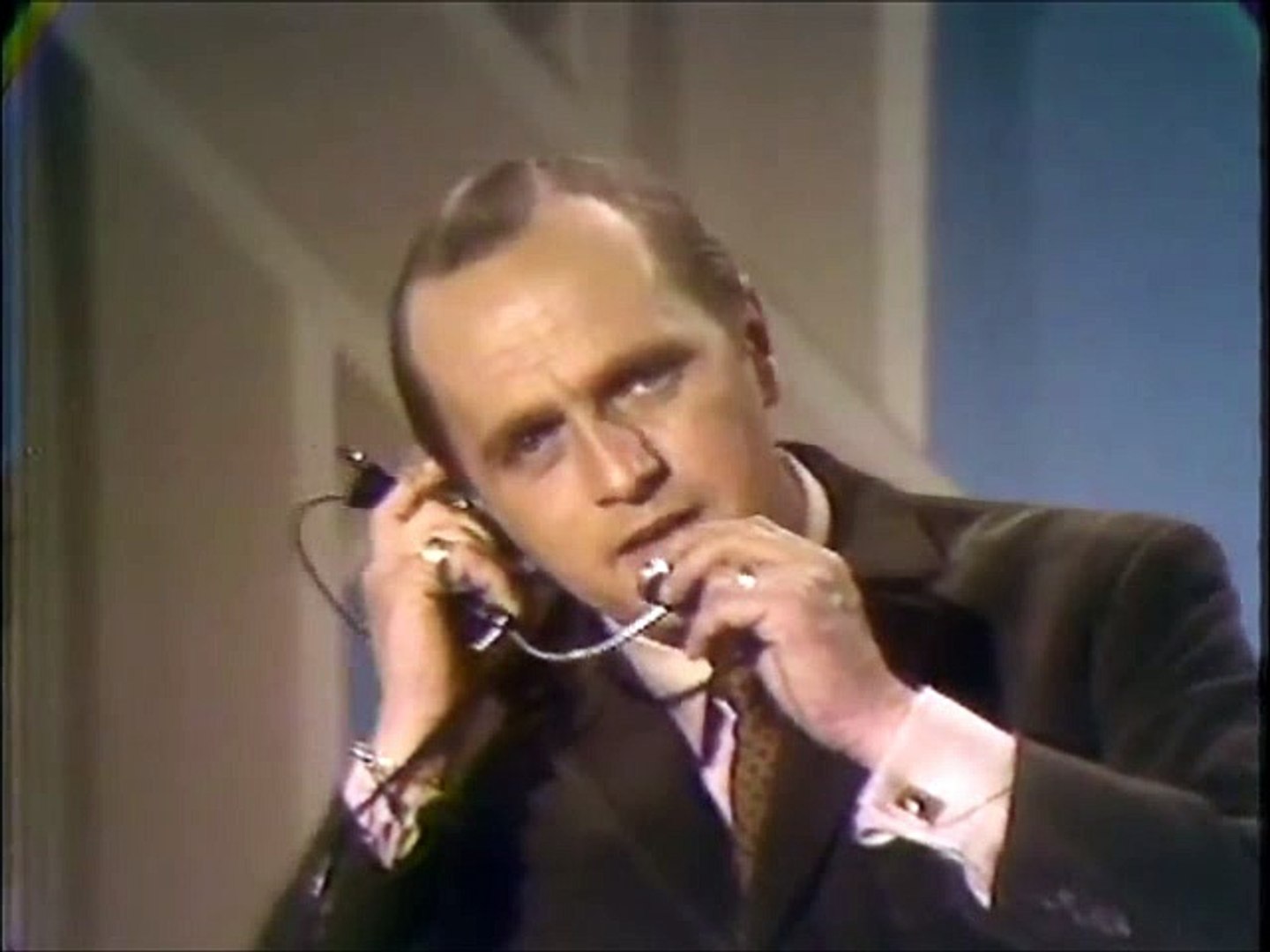
Newhart had already survived a short-lived NBC variety series in 1961–62, so another television show was not automatically attractive. The Television Academy interview archive records how Grant Tinker and the MTM organization approached him, while creators David Davis and Lorenzo Music developed a character who could plausibly spend each week listening to other people talk. A psychologist was nearly perfect. Bob Hartley could ask a question, wait, absorb a bizarre answer and let Newhart’s expression finish the joke.
The series arrived on September 16, 1972, in a CBS schedule that was already becoming one of television’s great adult-comedy neighborhoods. The 1972 television lineup included shows willing to trust grown-up viewers with marriages, careers and characters who did not need to become better people every week.
The production also emerged from the same MTM culture that had made The Mary Tyler Moore Show feel modern. The resemblance was not imitation so much as a shared confidence: character could carry a story, the workplace could become a second family and a joke did not need to be underlined after it landed.
The most important creative decision was to avoid giving Bob and Emily children. Newhart did not want the show to become another sitcom about a baffled father. That left the Hartleys free to be an adult married couple with jobs, friends, private jokes, disagreements and the occasional realization that they had invited Howard over so often he no longer understood the concept of being invited.
The quieter he became, the more clearly we could hear the room falling apart.
Bob Hartley was not a passive character. He was an active listener trapped in a world that mistook listening for permission to continue. Newhart’s performance turned self-control into escalating physical effort: the tightened jaw, the delayed blink, the slight recoil and the careful repetition of a sentence whose meaning had somehow failed to survive its first trip across the room.
His famous stammer was not a gimmick pasted onto the dialogue. It showed Bob assembling a safe path through conversational wreckage. The more outrageous the situation, the more precisely he tried to speak. That gave other performers room to push harder because Newhart did not compete with them for noise.
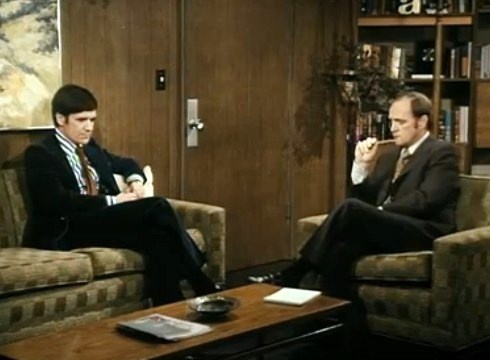
At the office, Bob wanted to be ethical, useful and professionally respected. He was not a miracle worker, and the show did not pretend therapy produced a tidy breakthrough every week. His patients returned with the same habits, new vocabulary and slightly more elaborate ways of explaining why the problem belonged to somebody else.
At home, Bob’s professional calm could become avoidance. Emily knew when he was using the voice. She could identify the moment her husband stopped having a conversation and began facilitating one. That made his restraint funny from another angle: sometimes the calmest person in the room was also the person working hardest not to say what he meant.
Newhart understood that dignity is funniest when it has become impossible to maintain but the character keeps trying. Bob rarely exploded. When he finally did raise his voice or commit to a bad idea, the departure from his normal rhythm made it feel enormous.
The performance belongs beside the best central-comic work of the decade because it never begged for attention. Bob Hartley could stand in the middle of six louder people and remain the reason the scene worked. Calm was not the absence of comedy. It was the surface the comedy kept hitting.
Emily did not exist to admire Bob’s patience. She knew exactly when it was becoming an excuse.
Suzanne Pleshette’s Emily Hartley was one of the great sitcom marriages of the 1970s because she was neither a scold nor a worshipful audience. Emily was warm, funny, employed, impatient, affectionate and fully capable of letting Bob discover that the reasonable argument he had prepared was not going to survive contact with his wife.
Pleshette’s voice had its own dry music. She could stretch Bob’s name into a complete diagnosis. A raised eyebrow often told us she had already followed his logic to the embarrassing destination he was still trying to avoid.
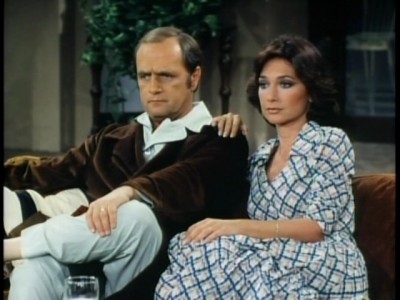
Their marriage felt modern because the show allowed both partners interior lives. Emily taught school, had opinions about her work and did not treat Bob’s career as the household’s only serious business. Bob could be jealous, stubborn or quietly selfish. Emily could be impulsive, sarcastic or determined to win an argument long after the original issue had disappeared.
The decision not to give them children kept the relationship at the center. They were not simply “Mom” and “Dad” waiting for the plot to arrive from another bedroom. They could go to dinner, worry about aging, negotiate career changes and discover that being happily married did not mean being permanently delighted with one another.
Newhart later spoke about the chemistry between Bob and Emily, and the series trusted that chemistry enough to let silence carry affection. They did not need a speech every time the episode returned them to the apartment. Sometimes Emily’s look and Bob’s exhausted retreat toward the couch told us the marriage was secure precisely because neither person had won.
Pleshette earned consecutive Emmy nominations in 1977 and 1978. The recognition fit a performance that could be overlooked because it seemed so natural. Emily did not announce that she was an equal. She simply behaved like one.
Bob held the center, but Suzanne Pleshette, Bill Daily, Peter Bonerz, Marcia Wallace and Jack Riley each found a different way to knock the room off balance.
A Chicago psychologist whose patience was real, whose avoidance was even more real and whose face became the show’s most reliable reaction shot.
Bob’s witty, independent wife and the only person who could identify the therapeutic voice before he finished clearing his throat.
An airline navigator, divorced father and neighbor who considered the Hartleys’ apartment shared airspace.
Bob’s orthodontist friend and office mate, forever certain the latest haircut, date or theory had finally made him sophisticated.
The office receptionist whose laugh, timing and impatience kept the professionals aware of who actually knew the schedule.
The group’s resident misanthrope, armed with contempt, suspicion and the certainty that therapy was useful mainly for proving everyone else was worse.
Gentle, anxious and perpetually overwhelmed, Peterson could turn one soft-spoken worry into a full group emergency.
Bob’s sister, whose relationship with Howard gave the apartment storyline a romantic complication and Howard a chance to misunderstand adulthood in new ways.
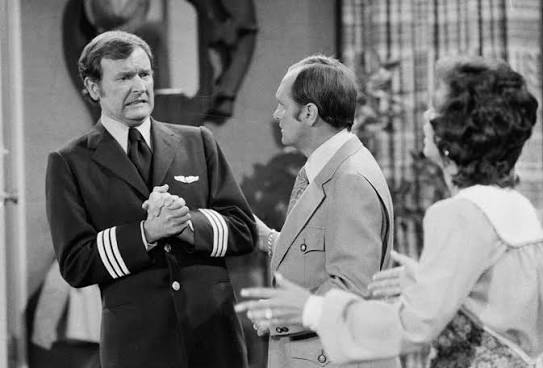
The ensemble never felt assembled from sitcom job descriptions. Each character placed a different kind of pressure on Bob. Howard created domestic chaos without malice. Jerry made professional adulthood look like a jacket he had bought one size too large. Carol punctured office pretension. Carlin treated every attempt at optimism as an insult.
That range mattered because Newhart’s style needed contrast. The show could place him opposite Bill Daily’s eager innocence, Jack Riley’s hostility, Marcia Wallace’s verbal speed or John Fiedler’s tremulous worry and still remain recognizably the same comedy.
The supporting performers also built relationships that did not always require Bob. Jerry and Carol could feud. Howard and Emily could negotiate a favor while Bob watched the apartment stop belonging to him. The therapy group could become its own social organism, with Carlin functioning as the member who had arrived prepared to reject progress on principle.
The Hartleys were not waiting for their real life to begin. This was the life.
Television marriages had often been organized around children, household mishaps and the assumption that the husband came home from the important world outside. The Hartleys offered something different. Both had careers. Both had friends. Their apartment was not a staging area for parenting stories. It was where two adults returned after separate days and discovered what the other one had decided while they were gone.
That let the show explore marriage at a quieter scale. Who gets to make a career decision? How much emotional labor should one spouse provide after listening to other people all day? When does professional advice become personal evasion? How many meals can Howard eat before somebody changes the lock?
The affection was visible without becoming sticky. Bob and Emily enjoyed one another. They had private jokes, shared history and the confidence to be annoyed without threatening the entire relationship. Their arguments did not need a moral because marriage itself was not presented as a weekly problem to solve.
Where Maude and Walter Findlay turned marriage into open combat, Bob and Emily found the comedy in smaller negotiations: one withheld answer, one raised eyebrow and the moment both people realized Howard had wandered in again.
The series occasionally flirted with conventional pressure to add a baby, but Newhart resisted a permanent pregnancy storyline. That choice protected the show’s central identity and left room for a kind of couple network television did not often trust as enough.
Their marriage also separates this page from a broad family-sitcom history. The larger rankings belong on the best sitcoms of the 1970s. What belongs here is the Hartley-specific achievement: domestic comfort without domestic complacency.
The professionals had credentials. Carol had the information. Everyone had lunch plans.
Bob’s office did not look glamorous, and that was part of its appeal. The waiting room, Carol’s desk and the separate practices gave the show a believable professional geography. Patients crossed paths with dentists. Personal gossip moved through the reception area faster than medical confidentiality could catch it.
Carol was the office’s operational center. Bob and Jerry could claim professional authority, but Carol knew who had canceled, who was late, who had called and which crisis was going to consume the next twenty minutes. Marcia Wallace’s sharp delivery made competence feel comic without making it cold.
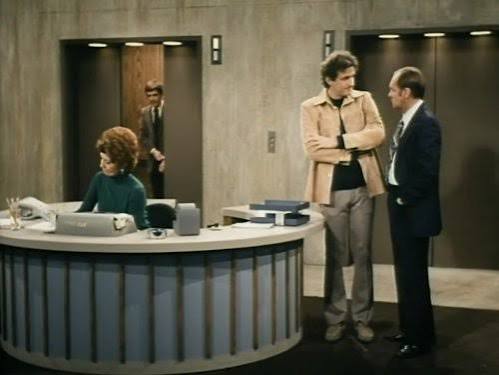
Jerry functioned as Bob’s peer and opposite. He wanted adulthood to be visible: the clothes, the dates, the stories and the certainty that everybody had noticed. Bob wanted dignity to look effortless, which meant Jerry could destroy it simply by asking a question too loudly.
The series belongs in the wider history of 1970s workplace sitcoms, but comparisons should stay concise. WJM was a newsroom, the 4077th was a military hospital and WKRP was a radio station in permanent crisis. Bob’s office was quieter. Its tension came from people bringing their private confusion into a professional building and expecting the adults behind the desks to have escaped confusion themselves.
That made the workplace relatable long after the therapy language dated. Every office has a Jerry who announces too much, a Carol who actually runs the place and a Bob trying to close the door before somebody notices he is eating lunch.
The group did not arrive to be cured by the closing credits. They arrived because Thursday had come again.
The therapy group gave the show a recurring community that could be reorganized for almost any story. Members entered with anxieties, resentments, rivalries and the unspoken understanding that Elliot Carlin would eventually say the least helpful thing available.
Jack Riley’s Carlin became the breakout patient because he refused the sentimental rules of television therapy. He did not want to hug, share or celebrate somebody else’s progress. His hostility was comic armor, and Riley delivered it with the precision of a man who had spent the week preparing objections.
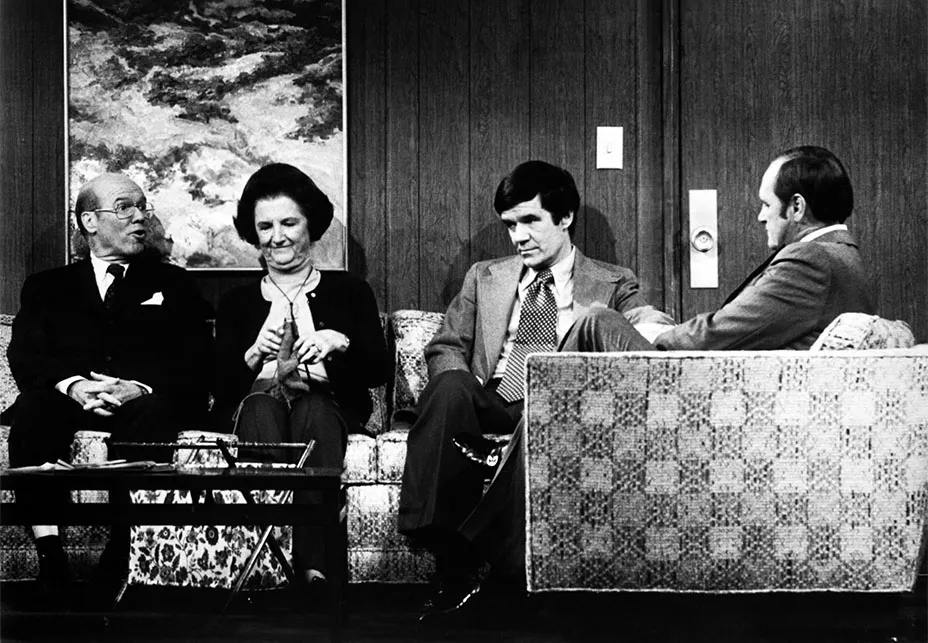
Mr. Peterson provided the opposite energy. John Fiedler’s soft voice and visible worry made every statement sound as though it might collapse before reaching the verb. Around them, recurring patients gave the group an institutional memory. They remembered old humiliations, alliances and phrases Bob wished he had never introduced.
Some of the psychology and language are unmistakably from the 1970s. The show could use neurosis as a comic label and did not always distinguish between laughing at a condition and laughing at the social behavior surrounding it. Yet the strongest scenes treated the patients as people with continuing lives rather than disposable weekly oddities.
Bob was not presented as all-knowing. The group could challenge him, manipulate him and expose how much a therapist’s authority depends on everybody agreeing, at least briefly, to remain in the chairs.
That recurring structure also gave the series a family it could never fully dismiss. Bob might want professional distance, but Carlin, Peterson and the others knew him too well. They had seen the pauses. They knew when the doctor was having a week.
The comedy came from pressure, timing and one man refusing to move at everybody else’s speed.
Newhart’s pauses were never empty space. They were calculations. Bob was deciding whether to correct the sentence, ignore it or leave the room and begin a new life under another name. The audience could watch the decision happen before he spoke.
The stammer gave language resistance. Bob knew what he wanted to say, but the social danger of saying it forced the sentence to restart. The hesitation made politeness visible as labor.
Most ensembles assign the straight man a supporting role. This show placed him at the center. Bob’s normality did not make him dull because normality became the object under stress. Every Howard visit and Carlin objection tested how much shape it could retain.
The camera trusted Newhart and Pleshette. A scene could land on Bob’s face, Emily’s eyebrow or Carol’s delighted disbelief and allow the audience to finish the thought. Nothing had to be explained twice.
Other 1970s sitcoms could thrive on arguments, catchphrases or broad physical setups. This one used them selectively. Its confidence came from knowing that a quiet room could become hilarious if the wrong person asked one more question.
That is why the series pairs so well with Barney Miller. Both trusted low-key central performances and recurring eccentrics. The resemblance ends there: Barney managed a public institution under pressure, while Bob tried to protect a private practice from the people already sitting inside it.
The instrumental did not announce a star. It carried Bob from the office back to Emily.
The theme song from The Bob Newhart Show was the instrumental “Home to Emily,” credited to series co-creator Lorenzo Music and Henrietta Music. The title explained the whole opening: Bob was not merely commuting through Chicago. He was traveling from one half of the series to the other.
The bright instrumental had movement without urgency. City streets, trains, sidewalks and elevators carried Bob toward the apartment, where Emily represented home without becoming a domestic reward waiting at the end of a masculine workday.
The sequence also made Chicago more than a line in the premise. The city felt lived in: professional, crowded, slightly gray and full of places where a man could reconsider whether he had actually turned off the office lights.
It belongs among the memorable 70s TV theme songs because it told a story without lyrics. By the time Bob reached Emily, the show had already reminded us that adulthood happened in two locations and calm had to survive the journey between them.
Start with the pilot, the therapy-group battles, the famous Thanksgiving episode and the finale that let change enter the room without blowing up the furniture.
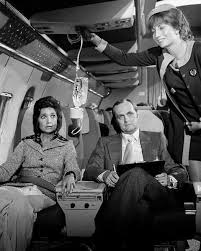
The premiere sends Bob’s fear-of-flying group into the air and immediately establishes the series formula: the doctor is not safely outside the problem. His own anxiety joins the group before the plane leaves the ground.
Bob becomes entangled in a patient’s romantic confusion, giving the show an early chance to demonstrate how professional distance disappears when everybody keeps asking personal questions.
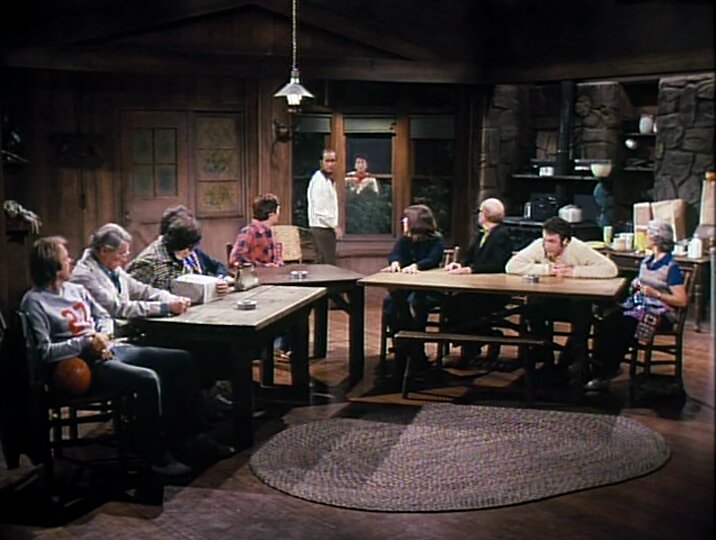
Competing therapy groups turn emotional growth into territorial warfare. The episode uses the full patient ensemble and lets Carlin approach cooperation as a hostile takeover.
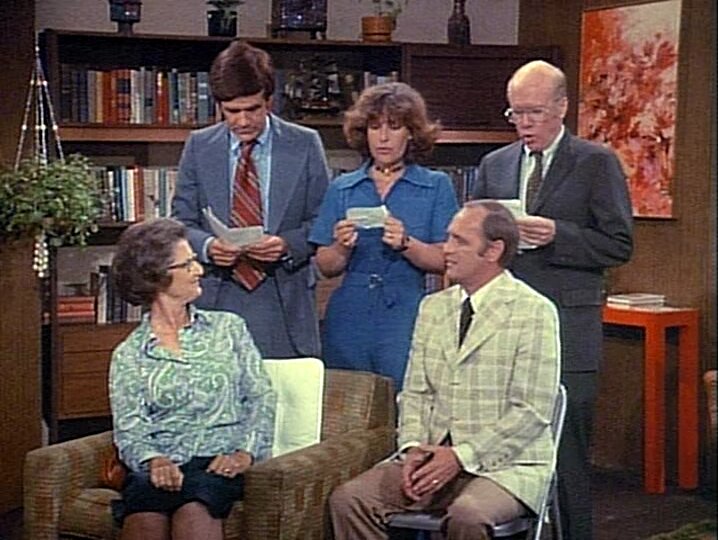
Bob’s accidental encounter with death produces guilt, anxiety and the kind of escalating logic Newhart could carry almost silently. The ordinary title becomes funnier each time the situation grows less ordinary.
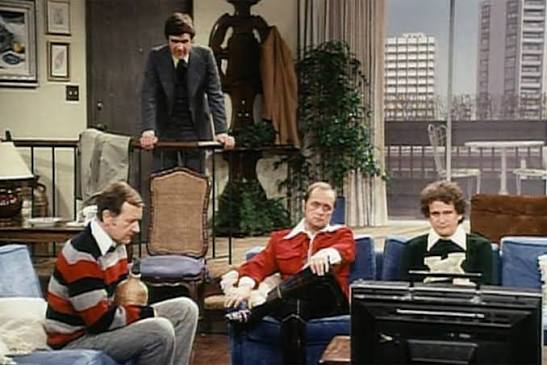
With the women away for Thanksgiving, Bob, Jerry, Howard and Carlin spend the holiday together, drink too much and order an absurd amount of Chinese food. It became the show’s most beloved ensemble episode because the men’s maturity lasts about seven minutes.
A hospital stay turns Bob into the patient and strips away the professional pose. The long title suits an episode that lets discomfort, advertising language and adult fear collide on Christmas Eve.
Mortality returns in a story that shows how easily Bob’s calm can become fixation. The series repeatedly understood that the straight man’s imagination could be as irrational as anyone else’s.
The finale gives Bob a job offer in Oregon and allows the ensemble to imagine life after the familiar rooms. The ending is affectionate without pretending change can be avoided forever.
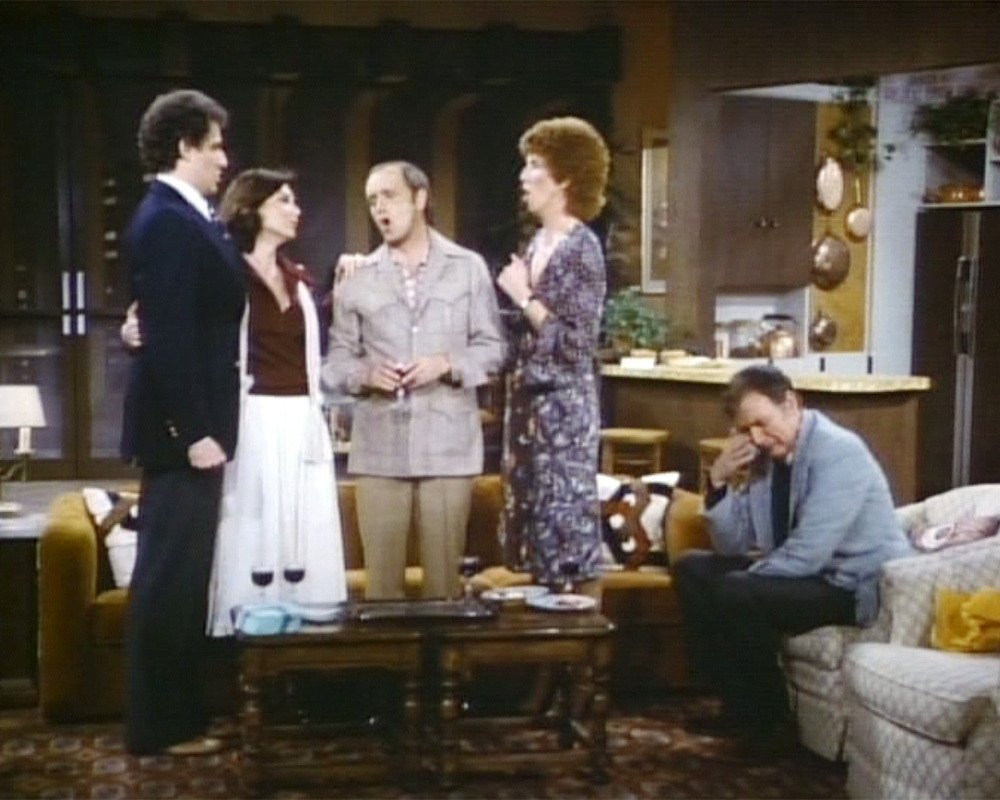
This is a viewing path rather than a ranking of all 142 episodes. The selection covers the pilot, the group, Bob’s anxiety, the male friendships, the marriage and the ending.
The larger decade-wide placement belongs on the 1970s sitcom ranking. Here the point is simpler: these episodes reveal how many forms the same comic rhythm could take.
The production understood that Newhart’s rhythm needed characters, not decoration.
The creators gave Bob a profession that made listening plausible, a marriage that could expose his avoidance and a workplace full of adults who could return without resetting. Lorenzo Music also helped create the theme that connected office and home.
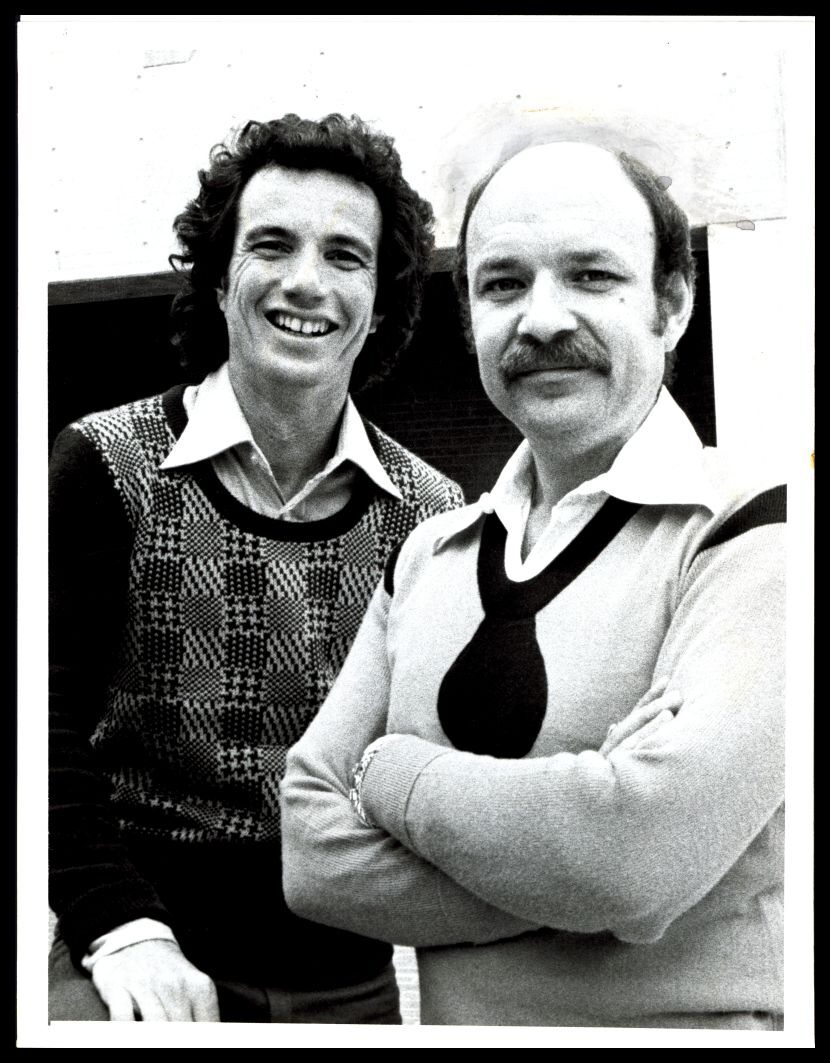
Grant Tinker’s company had already demonstrated that sophisticated comedy could be warm, specific and commercially successful. The production valued ensemble chemistry and writers who understood that character consistency made smaller jokes larger.
Sandrich directed the pilot and helped establish a multicamera style that stayed out of the actors’ way. Later directors, including Dick Martin, Peter Bonerz and Michael Zinberg, preserved the performance-centered rhythm.
Tom Patchett and Jay Tarses became central producer-writers, helping the show expand Bob’s group patients and sharpen the office world. Their work understood that Carlin was funniest as part of a social system, not simply as a weekly insult machine.
Pleshette could match Newhart’s dryness. Daily could accelerate past him. Wallace could puncture a scene before the professionals caught up. Bonerz could make Jerry’s confidence visibly fragile. Riley could stop warmth at the door. The casting turned rhythm into character.
It did not need to be the loudest show on CBS to become one of the night’s foundations.
The series premiered in the middle of CBS’s legendary Saturday comedy block, sharing the night with programs such as All in the Family, M*A*S*H, The Mary Tyler Moore Show and The Carol Burnett Show. The exact order changed across seasons, but the experience became part of television folklore: one night, one network and a run of shows that trusted viewers to stay on the couch.
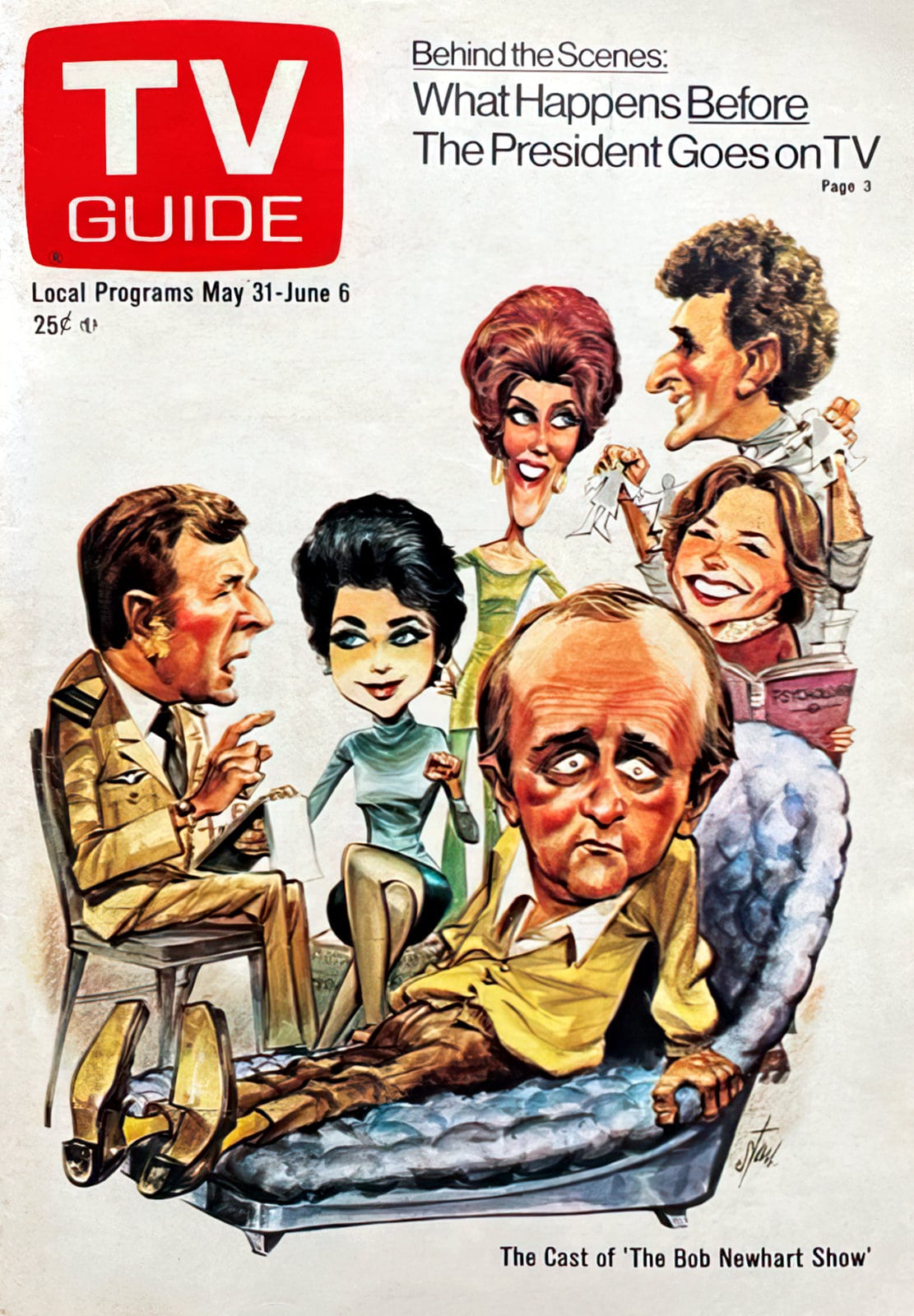
The Bob Newhart Show fit because its quietness changed the night’s temperature. Archie Bunker could fill a room with conflict. The 4077th could move from jokes to trauma. Mary Richards navigated a changing workplace. Bob Hartley absorbed pressure until one syllable could release it.
The Television Academy lists an Outstanding Comedy Series nomination in 1977, while Suzanne Pleshette received lead-actress nominations in 1977 and 1978. The recognition arrived late, after the show’s style had become familiar enough to look effortless.
The show also created the “Hi, Bob” drinking-game legend, a strange afterlife for a series whose hero rarely looked as though he approved of anybody overdoing anything. The catchphrase was not written as a slogan. It became memorable because so many characters entered Bob’s space with the confidence of people expecting him to solve the next problem.
A lot of us met the game in syndication rather than during the original Saturday-night run. The rule was simple enough to spread through dorm rooms and first apartments: somebody said “Hi, Bob,” and the room reacted. It was a rowdy afterlife for one of television’s least rowdy leading men.
In reruns, the series separated from its original Saturday context and proved it could survive without the famous lineup. The pace rewarded familiarity. Viewers learned exactly how long Bob would wait before answering and found the wait funnier each time.
Bob Newhart decided six seasons were enough; “Happy Trails to You” let the show leave with the office, marriage and friendships still recognizably intact.
The Bob Newhart Show ended because Newhart chose to leave after six seasons, not because the premise had been destroyed inside the story. In his Television Academy interview, he discussed deciding the series had run its course and the writers’ earlier interest in changing the Hartleys’ family structure.
The final season moved to an earlier Saturday time slot and aired during the 1978 television season. By then, the show had already produced enough episodes for a long syndication life and established every central relationship.
“Happy Trails to You,” broadcast April 1, 1978, gives Bob an attractive teaching offer in Oregon. The possibility of leaving forces the ensemble to confront what the familiar office and apartment have become. The finale does not manufacture a catastrophe. It lets change enter the rooms and watches everybody respond.
The ending also fits Newhart’s style. There is affection, resistance and no need to pretend the characters have completed emotional development. Carlin remains Carlin. Howard remains capable of making Bob’s decision about Howard. The relationships matter because they are unfinished.
Four years later, Newhart returned with another CBS sitcom, but this page should not become a full Newhart history. The later series belongs to the 1980s. Its famous finale matters here only because Suzanne Pleshette’s reappearance proved how permanently Bob and Emily had remained lodged in television memory.
The series grew from a comic rhythm Newhart had already spent a decade perfecting.
Newhart’s first comedy album turns his telephone routines and deadpan logic into a national phenomenon.
The Bob Newhart Show premieres on CBS on September 16.
The office, apartment and therapy group become recurring comic communities rather than weekly setups.
“The Battle of the Groups” demonstrates how fully the patients can carry an episode together.
“Over the River and Through the Woods” becomes the defining male-ensemble episode.
The series receives an Outstanding Comedy Series nomination and Suzanne Pleshette earns a lead-actress nomination.
The finale airs April 1, closing the six-season CBS run.
Pleshette’s surprise appearance in the Newhart finale turns the 1970s marriage into one of TV’s great final jokes.
The clothes and office furniture aged. The conversational discomfort did not.
The Bob Newhart Show still feels modern because it understood that adulthood is largely a series of conversations we are not prepared to have. Bob could know the correct therapeutic principle and still fail to tell Emily what he wanted for dinner. Expertise did not cancel personality.
The show also trusted a marriage without constant crisis. Bob and Emily loved one another, enjoyed one another and occasionally found one another impossible. That balance remains more recognizable than sitcom relationships built entirely from insult or idealization.
Its workplace influence is quieter but substantial. The office was not merely a backdrop for patients. It was a recurring culture with schedules, gossip, professional vanity and people who knew which version of Bob had entered that morning.
Newhart’s central performance became a blueprint for later comedies built around a reasonable character surrounded by escalating eccentrics. The important word is “reasonable,” not “normal.” Bob had pride, fear, jealousy and avoidance. He simply packaged them in a lower voice.
The series also helped prove that low-key comedy could live beside louder hits. That lesson runs through WKRP in Cincinnati and other ensemble shows that trusted viewers to notice character behavior between the obvious jokes.
We came back for “Hi, Bob,” Howard at the door and Carlin preparing to ruin group. What stayed was the art of restraint: the idea that the funniest person in the room might be the one trying hardest not to react.
The Bob Newhart Show never needed to announce that it was sophisticated. It simply trusted adults, marriages, offices and silences to be funny. Bob Newhart made restraint feel dangerous, Suzanne Pleshette made equality feel effortless and the ensemble made every room one interruption away from collapse. The art was not staying calm. The art was showing us exactly what staying calm cost.
Cast, episode count, Bob and Emily, the theme song, Thanksgiving and the finale.
The series followed Chicago psychologist Bob Hartley, his wife Emily, neighbor Howard Borden, office friends Jerry and Carol, and a recurring therapy group led by the permanently unhappy Elliot Carlin.
The show ran for six seasons from 1972 through 1978. The official Bob Newhart site and standard complete-series episode guides count 142 episodes.
The principal cast included Bob Newhart, Suzanne Pleshette, Bill Daily, Peter Bonerz and Marcia Wallace. Jack Riley and John Fiedler were among the best-known recurring therapy-group performers.
Suzanne Pleshette played Emily Hartley, Bob’s witty schoolteacher wife. She received Emmy nominations for the role in 1977 and 1978.
Bob Hartley was a fictional Chicago psychologist. The profession was chosen because it fit Bob Newhart’s listening-based comedy and gave the series a recurring group of patients.
The instrumental theme was “Home to Emily,” credited to Lorenzo Music and Henrietta Music. The opening followed Bob’s trip from work through Chicago and back to Emily.
“Over the River and Through the Woods” is the episode most often singled out. Bob, Jerry, Howard and Carlin spend Thanksgiving together, drink too much and order an absurd amount of Chinese food.
Bob Newhart decided to end the series after six seasons. The finale, “Happy Trails to You,” aired on April 1, 1978.
No. The show kept Bob and Emily childless, allowing the marriage to remain centered on two working adults rather than shifting into conventional parenting stories.
Suzanne Pleshette returned as Emily in the 1990 finale of Newhart. The final scene revealed the entire 1980s series as a dream Bob Hartley had while sleeping beside Emily.
Television Academy interviews and awards, official Bob Newhart pages, Paley records and episode guides.
Bob Hartley belonged to a remarkable decade of adult workplace and marriage comedy.