Pop bands and celebrity travel
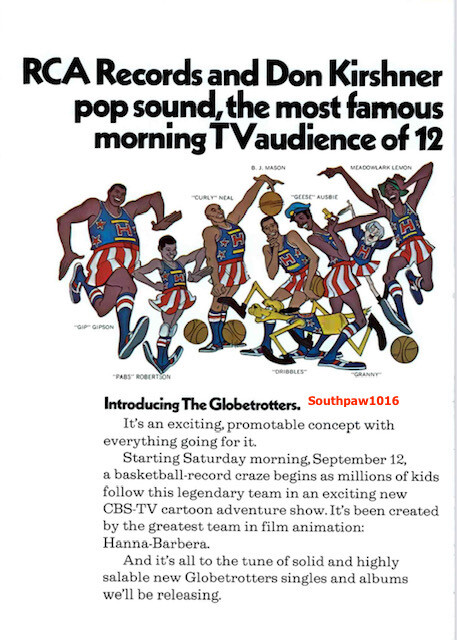
Josie and the Pussycats and the Harlem Globetrotters show Hanna-Barbera combining music, familiar names and the freshly powerful Scooby-style road formula. See the complete schedule in Top TV Shows of 1970.
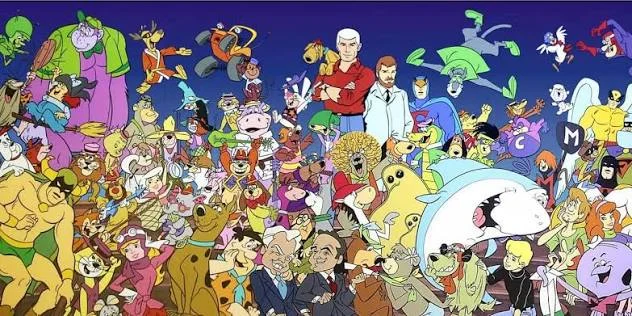
Mystery vans, talking sharks, superhero teams and one hallway we had definitely seen before. Hanna-Barbera turned television limits into a complete Saturday language.
We knew the running sound, the chase cue and half the voices before we knew the studio name.
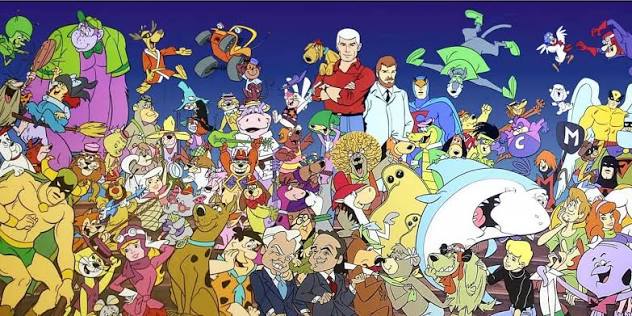
Hanna-Barbera dominated 1970s Saturday morning television by turning limited budgets and relentless deadlines into a character factory. Scooby-Doo supplied a mystery engine, Super Friends built a weekly superhero universe, and shows such as Hong Kong Phooey, Dynomutt, Jabberjaw, Captain Caveman and Laff-A-Lympics proved that a strong voice, theme and silhouette could outlast a very short original run.
We saw the repeated hallway and heard the same crash. The best characters still made the morning feel like their own.
Most of us did not sit in front of the television thinking about animation studios. We knew the important information: which theme had started, whether the mystery van was moving, whether the Hall of Justice doors had opened and whether the talking animal on screen was worth abandoning the cereal bowl for.
Hanna-Barbera announced itself through repetition. The running feet sounded familiar. A character passed the same doorway again. The crash had been heard in another cartoon. A voice that belonged to one dog last week seemed to be coming from a completely different animal this morning.
None of that broke the spell. The repetition was part of the spell. Saturday morning was built from rituals, and Hanna-Barbera understood ritual better than almost anyone making television for children.
Hanna-Barbera cartoons of the 1970s did not need to move like theatrical animation to feel alive. The studio learned that a silhouette, a voice and an opening theme could carry more memory than a room full of expensive movement.
That is why a one-season show could become permanent. The same episodes returned in network reruns, local packages and later cable blocks until a character with thirteen adventures seemed to have been with us for years.
The studio’s formulas were obvious, but formulas are not automatically empty. Some characters broke free of them. Others were the formula wearing a new costume. The fun now is remembering which was which. The larger world surrounding those mornings lives in 1970s TV: Shows, Sitcoms, Cartoons & Prime-Time Classics.
William Hanna and Joseph Barbera entered the television era after years of theatrical animation and the shutdown of MGM’s animation department. They founded their studio in 1957 and immediately faced a different problem from the one theatrical shorts had solved.
Television needed episodes constantly. The budgets were smaller, the deadlines were tighter and the audience expected new programs every season. A beautifully animated seven-minute short could not simply be stretched into a weekly half hour.
The early successes—Yogi Bear, The Flintstones, The Jetsons and Jonny Quest among them—proved that television animation could work when character, voice and premise did more of the labor.
By the 1970s, Hanna-Barbera had become less like a boutique studio and more like a weather system. The company supplied such a large share of the morning that the logo could feel invisible. We did not always notice it because it seemed to be everywhere.
Hanna and Barbera also understood that different programs could share a production system without sharing the same emotional temperature. Scooby-Doo could be nervous and funny. Super Friends could be solemn. Hong Kong Phooey could be gloriously foolish. The machinery underneath was related, but the voice at the top could still change.
The studio’s greatest strength was not that every idea worked. It was the ability to create enough clean, readable characters that the winners became almost impossible to remove from memory.
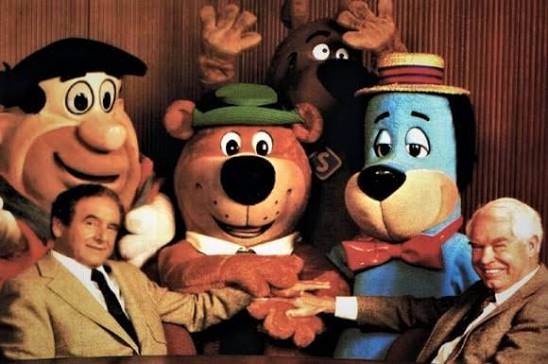
The Hanna-Barbera decade did not move in a straight line. It kept rebuilding itself around whatever the networks wanted next: music, celebrities, mysteries, superheroes, mascots, instruction and giant packages.
The timeline below is less a complete production ledger than a memory map of how the studio’s Saturday identity changed.
Josie and the Pussycats and the Harlem Globetrotters show Hanna-Barbera combining music, familiar names and the freshly powerful Scooby-style road formula. See the complete schedule in Top TV Shows of 1970.
The Funky Phantom, Hair Bear Bunch and teenage Pebbles and Bamm-Bamm prove the studio can rebuild the lineup from familiar pieces without making the mornings feel identical.
The New Scooby-Doo Movies gets bigger while Sealab 2020 and The Roman Holidays test science and family comedy in different directions. See the complete schedule in Top TV Shows of 1972.
Speed Buggy, Goober, Butch Cassidy, Jeannie and Super Friends make 1973 one of the studio’s defining launch years. See the complete schedule in Top TV Shows of 1973.
Hong Kong Phooey, Wheelie, Devlin and Valley of the Dinosaurs move from martial-arts parody to stunt drama and lost-world adventure. See the complete schedule in Top TV Shows of 1974.
Grape Ape, Mumbly, Dynomutt, Jabberjaw and Clue Club demonstrate the power of one clean silhouette, one voice and one easily explained gimmick.
The All-New Super Friends Hour, Laff-A-Lympics and Captain Caveman make the schedule feel like every familiar character has entered the same building. See the complete schedule in Top TV Shows of 1977.
Challenge of the Superfriends, Godzilla, Yogi’s Space Race and The New Shmoo close the decade by expanding brands and recombining the studio library. See the complete schedule in Top TV Shows of 1978.
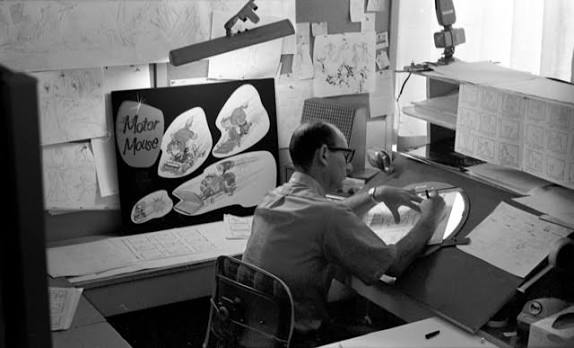
The limited animation behind Hanna-Barbera Saturday morning cartoons was a response to a television problem. Weekly budgets could not support the fluid movement of theatrical shorts, so the studio relied on held poses, reusable walk cycles, repeated backgrounds and characters built from movable parts.
A head could turn while the body remained fixed. A mouth could move over a pose that had already appeared. A chase could pass the same lamp and framed picture several times without asking the background department for another hallway.
Children noticed. We knew when Scooby and Shaggy had already run past that door. We also knew the monster was still one beat behind them, the music was getting faster and the sandwich was probably about to fly apart.
The studio’s real skill was deciding where to spend attention. Character silhouettes needed to read instantly. The voice needed to create motion. The theme needed to explain the entire premise before the first commercial.
When the system worked, economy became style. When it did not, the cartoon felt like a familiar engine with no character strong enough to drive it.
The interesting history is not whether Hanna-Barbera reused animation. It did. The interesting history is how often the company turned that reuse into something children could identify from another room. The contrast becomes clearer beside Filmation Cartoons of the 1970s, where another studio turned similar television limits into a very different sound and visual rhythm.
A character could keep the same pose while the mouth, eyes or head supplied just enough change.
Running, sneaking and panic cycles returned because a weekly schedule could not redraw every step.
Repeated backgrounds let the chase feel long even when Scooby and Shaggy had passed the same lamp before.
A gasp, stammer, mutter or perfectly timed panic made a still drawing feel alive.
Music and sound effects told the room how fast the action was supposed to feel.
A talking car, invisible dog, mechanical sidekick or giant purple ape made the premise clear in seconds.
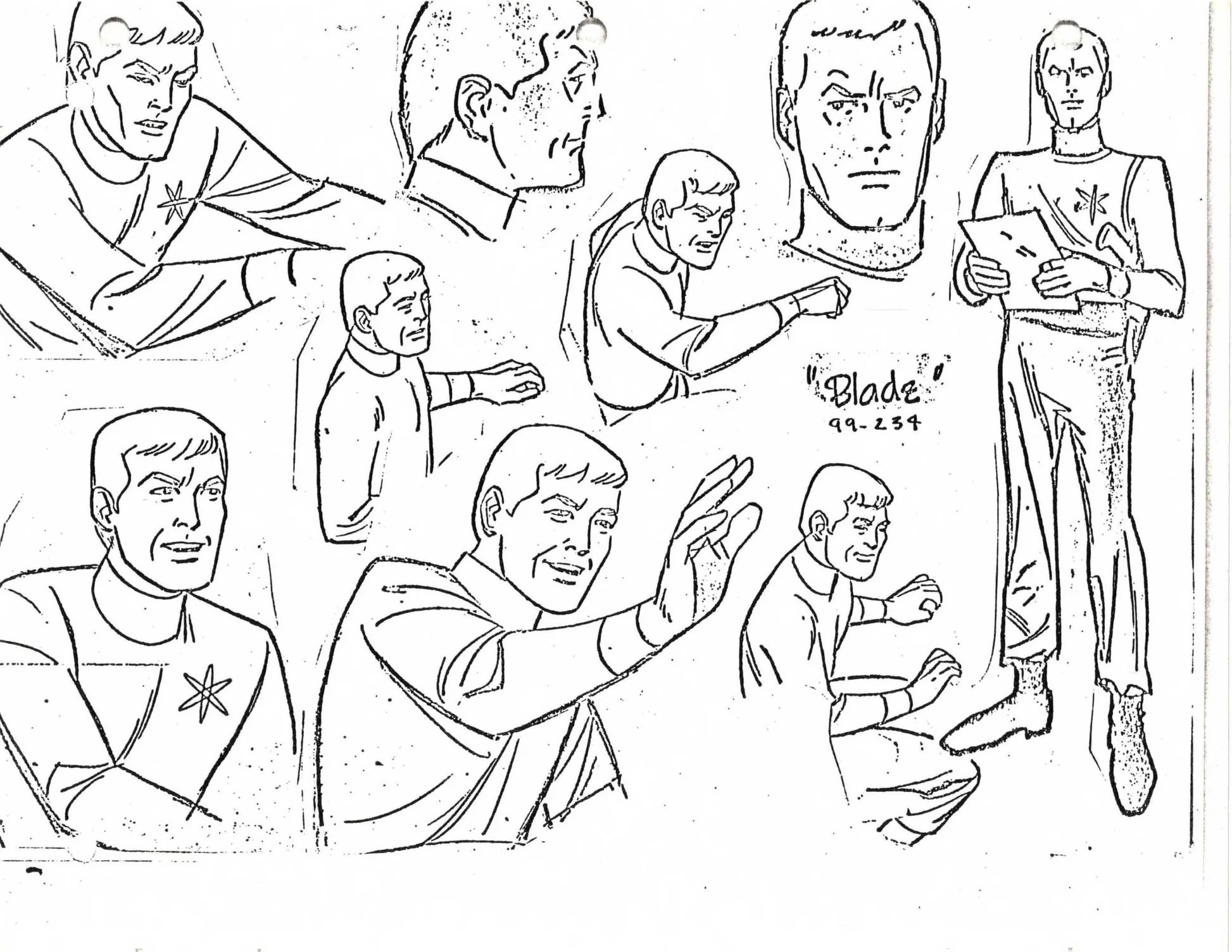
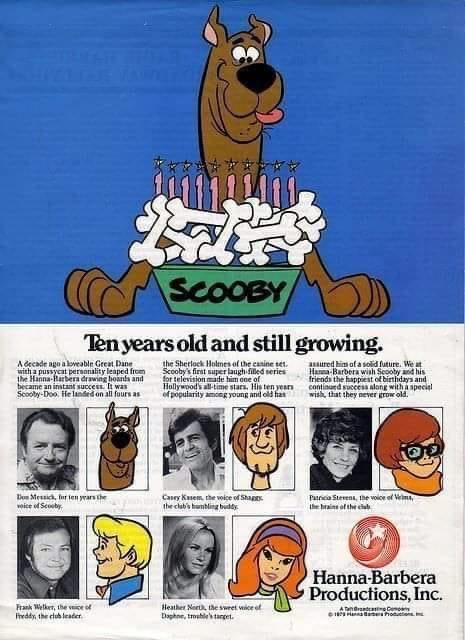
Hanna-Barbera television was populated by a repertory company. Don Messick, Daws Butler, Frank Welker, Casey Kasem, Janet Waldo, John Stephenson, Mel Blanc and many others seemed to be everywhere because, in practical terms, they often were.
A familiar rhythm connected unrelated shows. The same performer could become a nervous dog, a villain, an authority figure or a strange animal with a completely different face. Children did not need the credits to recognize the energy.
Voice acting supplied physical behavior. A stammer created panic. A mutter created stubbornness. One breathless cry could make a held pose feel like a sprint.
The sound-effects library performed the same trick. Running feet, ricochets, scrambles, impacts and mechanical noises created a shared language. A crash did not merely report that something had happened. It told us which studio’s universe we were in.
Theme songs did the biggest work of all. They introduced the premise, named the character, established the joke and called children back into the room. We could hear which show had begun before we saw the screen.
That is why the sound survives even when the episode plot does not. The ear often remembers Hanna-Barbera more clearly than the eye.
Scooby-Doo, Where Are You! began in 1969, but the formula belonged to the 1970s. A mobile group, a frightened comic companion, a fake supernatural threat, a chase and a rational explanation created one of television animation’s most reusable engines.
The structure solved several network problems at once. It offered scares without real monsters, danger without much violence and teamwork that ended safely.
The group roles were easy to read. Someone organized the investigation. Someone noticed the clue. Someone wandered into danger. Scooby and Shaggy turned fear into comedy without stopping the plot.
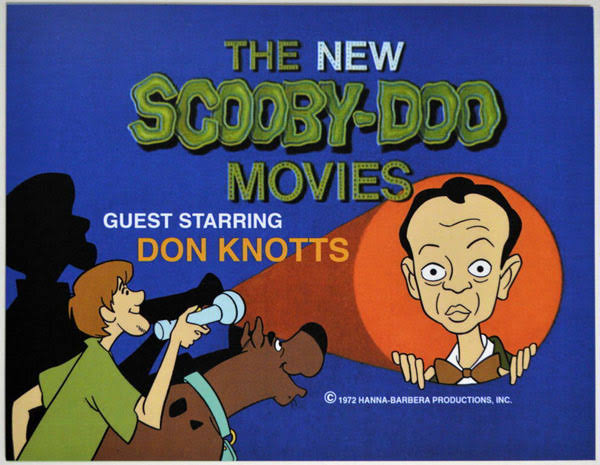
The New Scooby-Doo Movies expanded the idea into hour-long events with celebrities and fictional guests. For a child, the crossovers made Scooby-Doo feel less like one show than the place every other corner of television eventually visited.
The full franchise story belongs in How Scooby-Doo Took Over Saturday Morning Television. Here, the important point is what the hit taught the studio: a dependable structure could support endless new hooks.
The formula became so familiar that the audience could judge a variation immediately. We did not ask whether the new team borrowed from Scooby-Doo. We asked whether the ghost, dog, car or band was good enough to deserve another van.
The Funky Phantom, Goober and the Ghost Chasers, Speed Buggy and Clue Club all reveal how aggressively Hanna-Barbera rearranged the Scooby engine.
The similarities were not subtle. Teenagers traveled. A comic companion complicated things. The threat looked supernatural until the story explained it. The chase arrived right on schedule.
What separated the shows was the hook. A talking dune buggy could be funny enough to carry a familiar structure. A Revolutionary-era ghost could give the group a different rhythm. An invisible dog could create one visual trick the audience waited to see.
The weaker variations felt like somebody had changed the mascot and forgotten to add a personality. Children noticed that too. We were young, not undiscerning.
The mystery-team wave also demonstrates how television habits shape memory. One of these shows might have had a short original run, but reruns placed it back on the schedule until the small episode count felt enormous.
That is why forgotten-cartoon conversations become so intense. A program does not need years of original production to occupy years of childhood.
More of those strange, briefly unavoidable programs belong in Forgotten Saturday Morning Cartoons of the 1970s.
Hanna-Barbera talking-animal cartoons could communicate faster than a complicated backstory. Give the character one strong contradiction, one unmistakable voice and one clean silhouette, and the audience was ready.
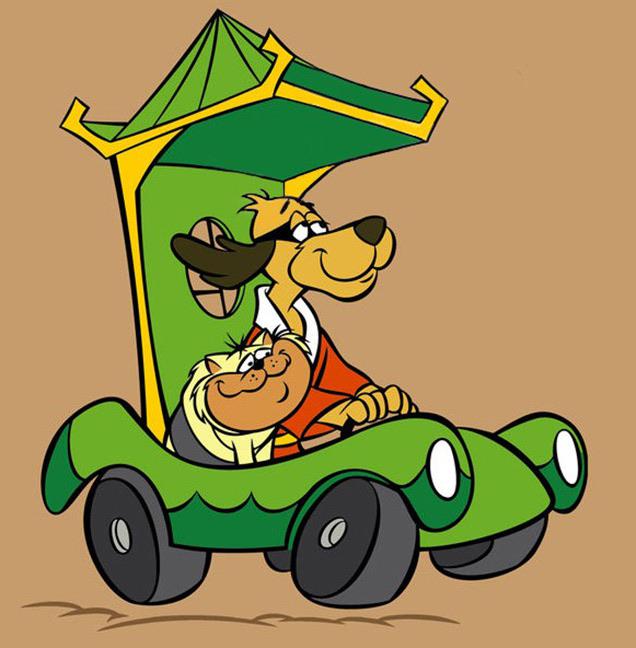
Hong Kong Phooey was a hero who rarely understood how the case had actually been solved. Spot did the competent work while Penry took the bow. Scatman Crothers supplied enough confidence to make incompetence sound triumphant.
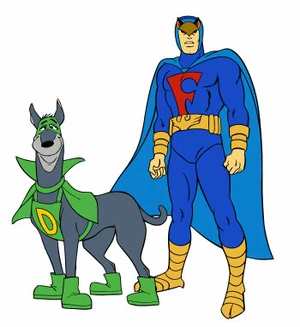
Dynomutt was a mechanical dog built for superhero work and permanently failing at it. Blue Falcon’s straight-faced patience made the malfunction funnier.
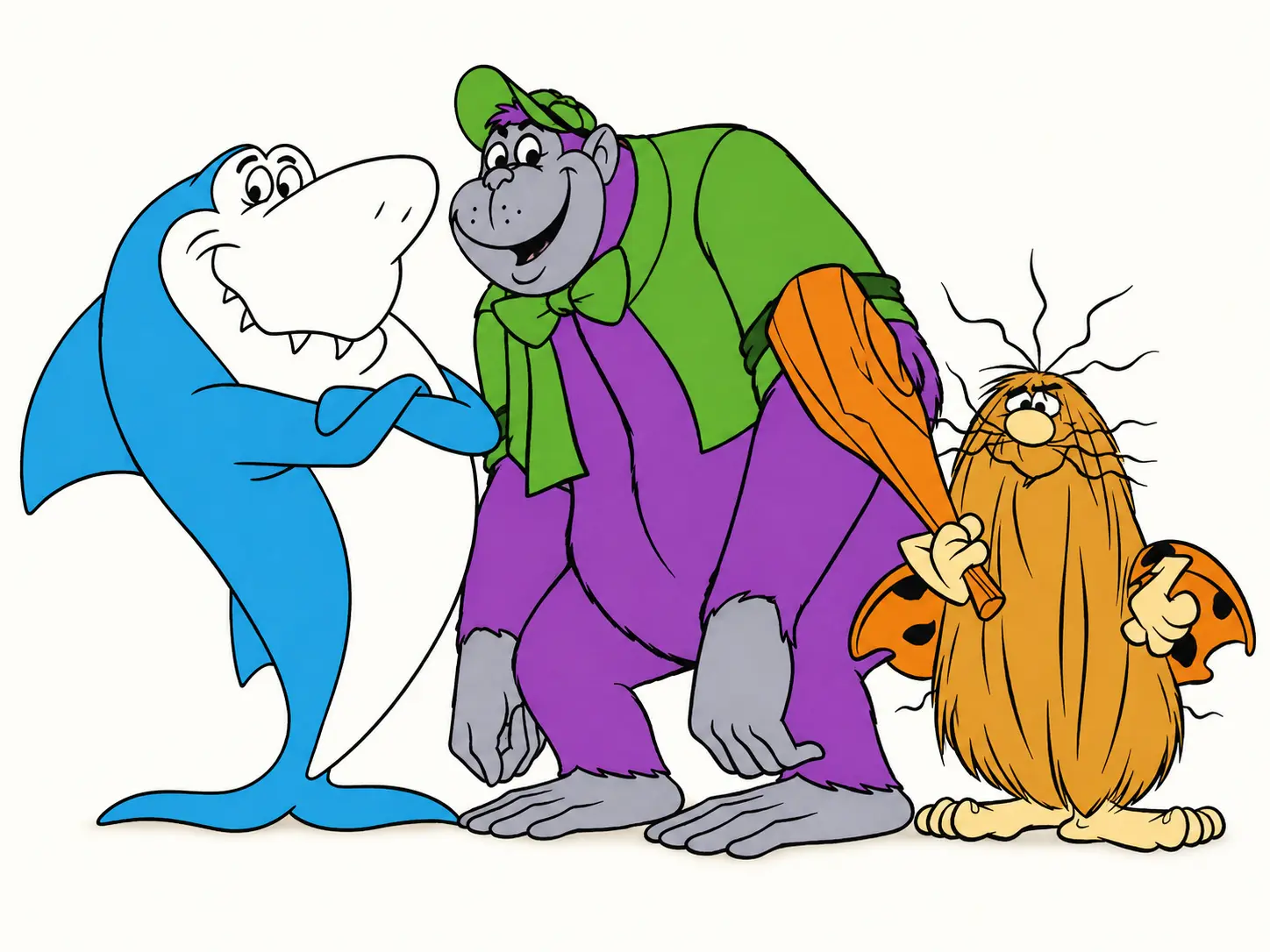
Jabberjaw was a shark, a drummer and a voice demanding respect in an underwater future. None of those pieces needed to make sense together because the theme song and catchphrase completed the arrangement.
Grape Ape turned scale into identity. Captain Caveman turned his own name into a siren. Mumbly turned a vocal noise into a whole detective personality.
These characters explain why clean design mattered. A child had to recognize the joke before the dialogue finished. The silhouette did not merely help animation production. It was the sales pitch.
Some of these shows were thin. The strongest characters were not. A short run could survive because the voice and outline were more memorable than the episode.
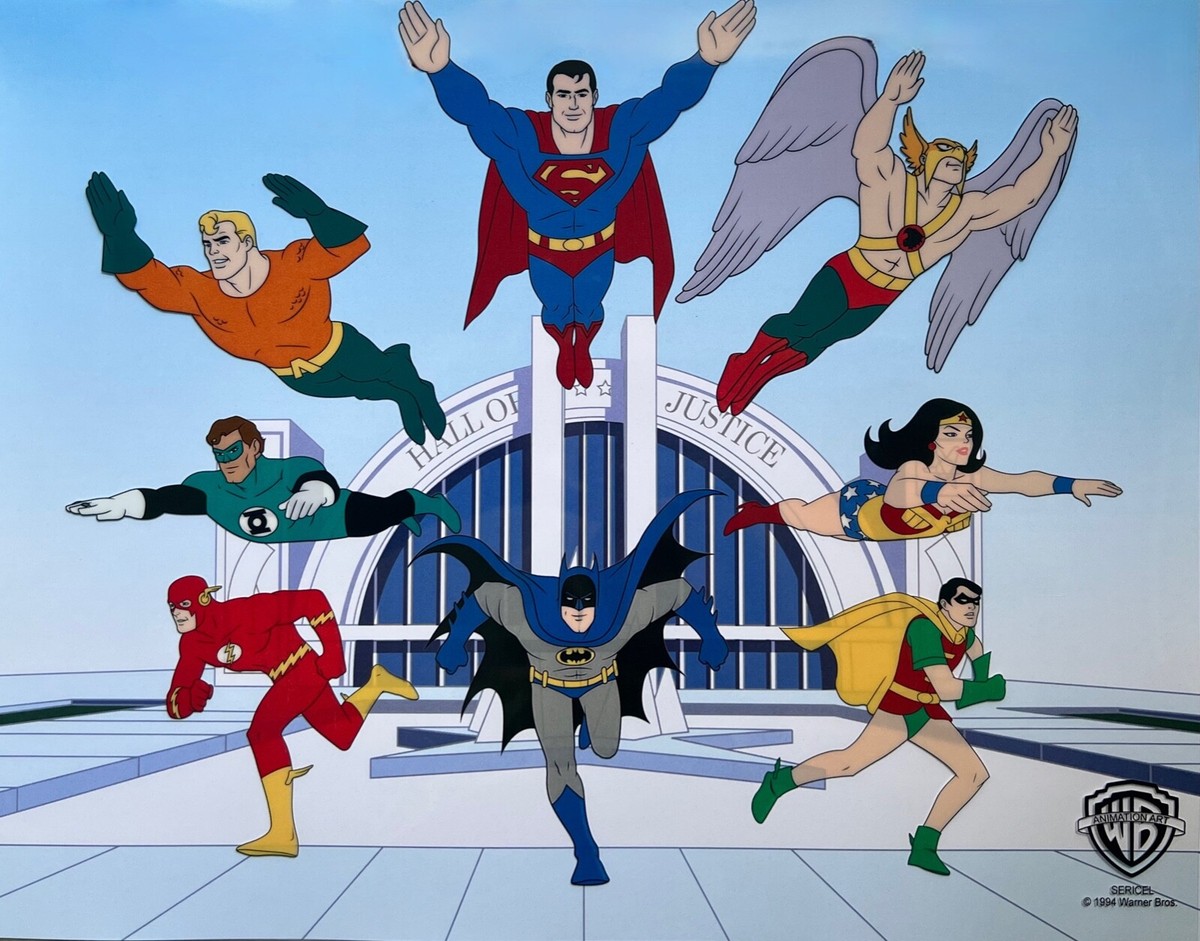
For many Gen X children, the Justice League was not first encountered in a comic shop. It arrived through the Hall of Justice, a mission alert and a team of heroes speaking with complete certainty.
The early series softened combat and often emphasized rescue, natural disaster or cooperation. That caution could frustrate comic readers, but it also made the heroes available to a huge television audience.
The format kept changing. Wendy, Marvin and Wonder Dog gave way to the Wonder Twins and Gleek. The Legion of Doom raised the villain stakes. New titles promised a new season even when the Hall of Justice remained the center.
The Wonder Twins’ transformation ritual became playground language. Children repeated it because the show understood one of the oldest truths in children’s television: a ritual is more useful than an explanation.
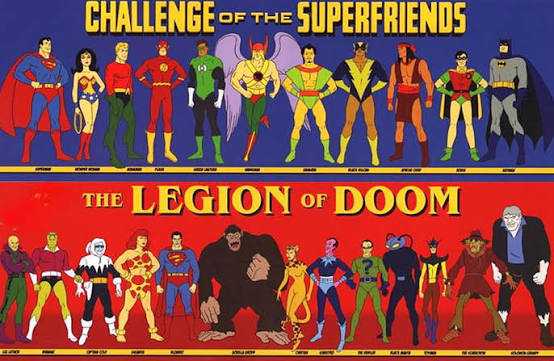
Challenge of the Superfriends gave the franchise its mythic rerun form. The Legion of Doom and Hall of Doom created a villain image strong enough to compete with the heroes.
The complete story belongs in Super Friends and the Saturday Morning Superhero Boom. Inside the Hanna-Barbera catalog, the series proves the studio could turn a comic-book universe into dependable weekly television.
For the larger field of capes, monsters and animated action, continue with Best 1970s Superhero Cartoons.
Hanna-Barbera is remembered most easily for comedy and mystery, but the 1970s catalog kept reaching toward serious adventure.
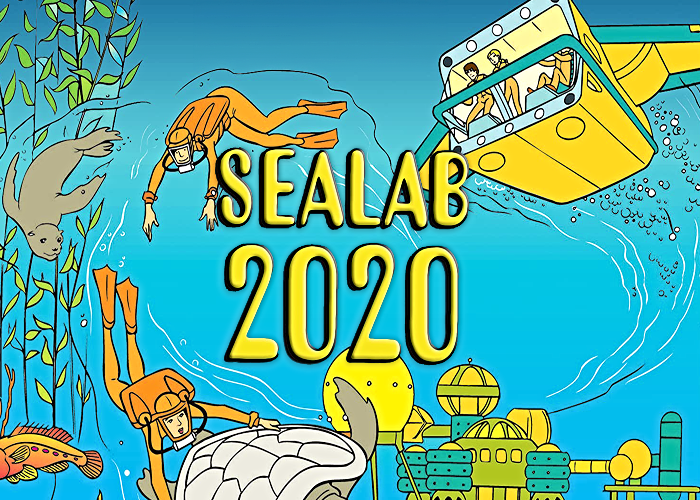
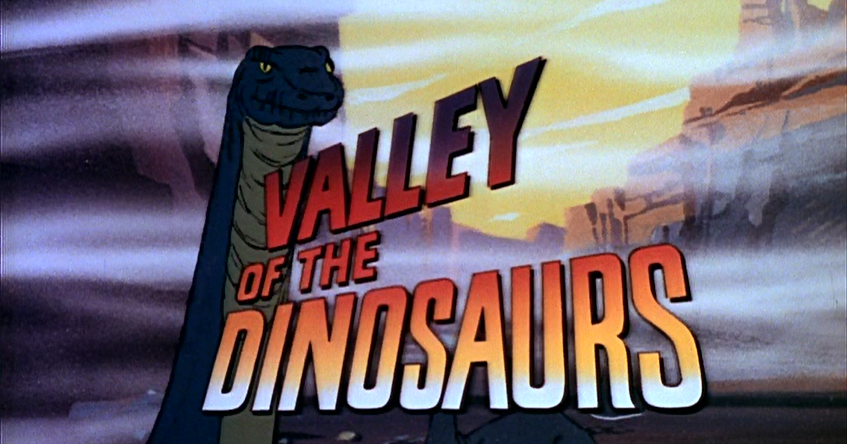
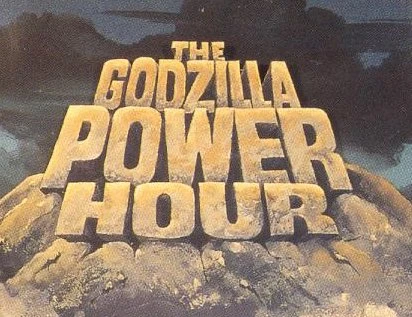
Sealab 2020 imagined families and scientists inside an undersea research colony. Valley of the Dinosaurs stranded a modern family in a prehistoric world. Godzilla placed a giant monster beside the crew of the Calico.
These concepts demanded scale, movement and danger—the exact things weekly television budgets resisted. The studio compensated with dramatic designs, vehicles, music and narration.
A monster entering frame did not need dozens of fluid drawings if the score announced the size correctly. A vehicle could imply a much larger world than the episode could fully show.
The gap between concept and budget is part of the fascination now. We can see the machinery, but we can also remember how willingly children completed the missing scale.
The best of these programs demonstrate that limited animation did not require limited imagination. The weaker ones demonstrate how quickly a grand concept could become another hallway and another chase.
The serious adventure programs make the studio’s 1970s catalog feel less predictable than the standard summary suggests. Sealab’s science-minded ambition also belongs beside Best Educational TV Shows and Cartoons of the 1970s.
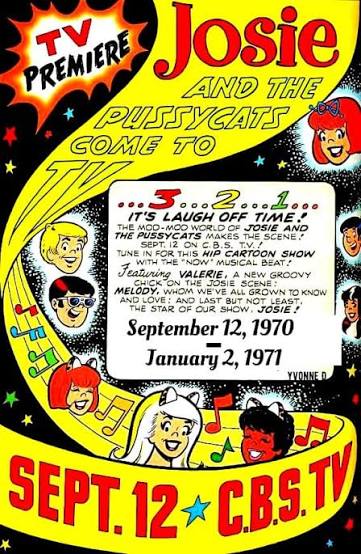
Josie and the Pussycats combined a girl group, mysteries, travel and songs. The Harlem Globetrotters turned real sports fame into animated problem-solving.
The strategy was practical. A recognizable name or musical premise reduced the amount of explanation required before the adventure began.
Music also improved the visual rhythm. A song could carry repeated movement and transform a modest production into something that felt connected to radio, records and youth culture.
Josie, Valerie and Melody remain visually durable because the group was designed as a complete unit. The music, costumes and character contrast made the show readable before the mystery started.
The Globetrotters brought prominent Black sports stars into Saturday animation, even though the cartoon versions simplified public personas into a network-friendly adventure format.
These shows are time capsules of what television believed children would recognize and what other industries wanted Saturday morning to promote.
They also remind us that the cartoon block was never sealed away from the rest of popular culture. Records, sports, celebrity appearances and animation were already trading audiences.
Hanna-Barbera entered the 1970s carrying the enormous legacy of The Flintstones. It kept testing whether television animation could again support family comedy outside the Saturday morning structure.
Where’s Huddles? moved the domestic sitcom into professional football. The Roman Holidays relocated the family format into ancient Rome. The Pebbles and Bamm-Bamm Show aged familiar characters into teenage school stories.
Wait Till Your Father Gets Home, which began in 1972, aimed older and dealt more directly with contemporary family and political tensions. It belongs in the studio’s larger decade even though it does not fit comfortably beside the child-centered Saturday catalog.
These experiments reveal how powerful the Saturday machine had become. The mystery, mascot and superhero structures were easier to sell repeatedly than adult animated family comedy.
The studio did not stop trying different rooms. It simply became most culturally dominant in the part of the house where children controlled the television before adults reclaimed it.
That morning ownership shaped Gen X memory. Prime-time cartoons could be discussed as programs. Saturday cartoons were routines.
This is not a production ledger of every package title, rerun banner and briefly renamed block. It is the core shelf that explains how the studio occupied the decade.
The groups below are organized by the experience they delivered rather than by a dry alphabetical list.
Full histories stay with the Scooby-Doo and Super Friends pages. The broad ranking compares Hanna-Barbera with Filmation and every other studio. Here, the point is the studio signal.
A football-family sitcom that entered the decade still chasing the prime-time dream that had worked so well for The Flintstones.
The Flintstones children became teenagers dealing with school, music and friendships in Bedrock.
A working family faced jobs, landlords and domestic problems in ancient Rome.
The live-action magical sitcom became a younger animated school comedy.
Hour-long mysteries paired Mystery Inc. with celebrities and fictional guest stars.
How Scooby-Doo Took Over Saturday Morning Television →A girl group traveled through mysteries and spy plots while songs connected the cartoon to the record business.
Teen mystery solvers traveled with a Revolutionary-era ghost and his cat.
Three teenagers and a talking dune buggy entered races and mysteries.
A teenage band doubled as secret agents under instructions from a computer.
Teenagers investigated hauntings with a dog capable of turning invisible.
Four teenagers, two talking dogs and a computer solved clue-driven mysteries.
The shape-shifting comic-strip creature joined teenagers on mysteries.
Three bears repeatedly outsmarted a zoo director using invisible motorcycles and elaborate schemes.
A janitor became an overconfident martial-arts hero while Spot quietly did the real work.
A giant purple ape traveled with Beegle Beagle and turned scale itself into the joke.
A trench-coated dog detective mumbled and wheezed through cases.
A malfunctioning mechanical dog assisted the Blue Falcon in superhero cases.
A talking shark played drums in an underwater future band.
A prehistoric superhero joined three teenage mystery solvers and shouted his own name into immortality.
Families and scientists lived inside an earnest undersea research colony.
DC heroes assembled at the Hall of Justice through several evolving formats.
Super Friends and the Saturday Morning Superhero Boom →A one-inch detective solved cases for a large agency.
A motorcycle stunt family traveled and performed dangerous exhibitions.
A modern family became trapped in a prehistoric world and adapted with local allies.
A heroic red car faced troublemaking motorcycles in an all-vehicle world.
The Wonder Twins and Gleek joined team adventures and short instructional segments.
Super Friends and the Saturday Morning Superhero Boom →The Legion of Doom supplied the franchise’s most famous villain team.
Super Friends and the Saturday Morning Superhero Boom →The giant monster defended the Calico crew while Godzooky supplied child-friendly comedy.
The famous basketball team became animated traveling problem-solvers.
Hanna-Barbera characters competed in teams across a worldwide cartoon sports event.
Familiar and new characters competed in science-fiction races that fed later spin-off segments.
A cartoon did not arrive alone. It sat inside a network schedule filled with commercials, public-service announcements, rival studios and whatever program came before the one we actually wanted.
Hanna-Barbera understood how to make a show readable in seconds. The title named the gimmick. The theme explained the cast. The opening images promised the chase, transformation or team mission.
This mattered because children wandered in and out of rooms. We found the cereal, argued with siblings, checked another channel and returned without needing a recap.
The studio also understood packaging. Characters returned inside anthology blocks, crossover events and renamed combinations. A familiar face could sell a supposedly new lineup without asking the audience to learn an entirely new world.
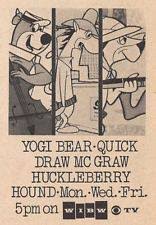
The network ad below captures the abundance. It is less a museum object than a memory trigger: too many boxes, too many titles and the impossible belief that the whole morning could somehow be watched.
The complete history of that scheduling system belongs in The Complete History of Saturday Morning Cartoons in the 1970s.
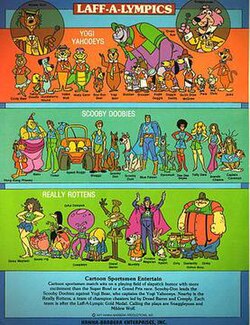
Laff-A-Lympics felt enormous because it rewarded accumulated familiarity. The show did not need to introduce every character from the beginning. We already knew who belonged where.
Characters were organized into teams, sent around the world and turned loose inside a sports format that existed mainly to create more combinations.
The pleasure was not suspense about who would win. The pleasure was recognition. A character from one corner of childhood could suddenly stand beside somebody from another.
The show made Hanna-Barbera’s library visible as a single place. The cartoons had always shared voices, effects and production habits. Now they were openly sharing the same event.
Yogi’s Space Race used a similar recombination strategy. Familiar stars and newcomers could be arranged into another package because the company’s real asset was no longer one series. It was the population.
This library logic anticipated the franchise and crossover culture that later television would make ordinary.
For a child in 1977, it simply felt like every cartoon character had arrived at school on the same day.
Original episode counts do not explain Gen X familiarity. Availability does.
A one-season cartoon could remain on television through reruns, syndicated packages and local schedules until the same small group of stories felt endless.
We did not experience the catalog in clean production order. Old shows returned beside new ones. A character from 1971 could feel current in 1977 because the television had never announced that the original run was over.
This repetition built expertise. Children knew the villain before the mask came off, remembered which trap would fail and waited for a favorite line anyway.
Reruns also flattened quality differences. A strong character from a weak series could become more familiar than a better show that disappeared from the schedule.
That is why Hanna-Barbera nostalgia is full of arguments about programs that barely existed in original time. Television repeated them until they became part of the room.
The larger ranking at 50 Best Saturday Morning Cartoons of the 1970s, Ranked separates durability from actual quality. The memory is real even when the show was not great.
The episode ended. The character did not.
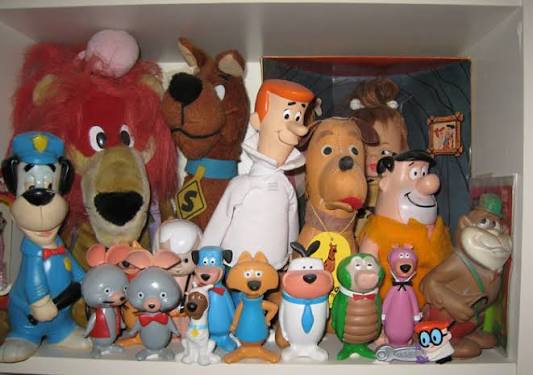
Hanna-Barbera’s clean designs reproduced easily on lunch boxes, records, books, toys, puzzles and View-Master reels. A silhouette built for limited animation was also built for merchandise.
The object extended the show into school and bedrooms. A lunch box could keep Hong Kong Phooey or Super Friends visible even when the network had changed the lineup.
Records and story albums let the voices continue without the screen. Toys turned a character built from repeated poses into something children could move themselves.
These objects also explain why memory often centers on artwork rather than episodes. We may not remember the plot, but we remember the orange lunch box, the stiff plastic figure or the record sleeve on the floor.
The merchandise was not separate from the television experience. It was the afterimage.
A strong memorabilia photograph belongs here because the physical objects make the history feel lived rather than cataloged.
The strongest characters still announce themselves immediately. Scooby-Doo, Hong Kong Phooey, Dynomutt, Captain Caveman and the Wonder Twins do not need a long explanation.
The voice work often ages better than the motion. Comic timing, panic and vocal contrast remain effective even when the drawing count is obvious.
The themes remain powerful because they were designed as miniature mission statements. They explain who the character is and why the next twenty minutes should matter.
The best formulas also remain useful. A mystery with a rational explanation, a superhero briefing or a malfunctioning sidekick can still provide a clean story engine.
The crossovers are more interesting now because we understand how much library management was happening underneath the fun.
What survives most clearly is the studio’s ability to create a signal. The show could be cheap, strange or brief. If the signal was strong, the memory stayed.
Nostalgia does not require pretending every program aged well.
The factory produced repetition because the schedule rewarded repetition. Some mystery teams were barely disguised copies. Some revivals existed because a familiar name was easier to sell than a new idea.
Period stereotypes, shallow cultural caricatures and gender roles appear throughout the catalog. A character design or voice that seemed ordinary in the 1970s can require clear context now.
Celebrity cartoons simplified real public figures into safe television personalities. Representation could be meaningful and still limited by the assumptions of the network era.
The studio’s large output also means there is no honest way to label every show a classic. Some are durable. Some are fascinating failures. Some are remembered mainly because they were on before something better.
The right rewatch keeps affection and judgment together. The shortcuts are real. The artistry, performances and cultural impact are real too.
The best route is comparative. One episode supplies nostalgia. A few carefully chosen programs reveal the system.
The roles, fear, chase and unmasking reveal the engine before the variations arrive.
The hour format shows how quickly the studio learned to make a hit feel like the center of television.
Compare an early mission with a Wonder Twins episode and a Legion of Doom story.
Hong Kong Phooey and Dynomutt show how voice and sidekick structure can rescue a very simple premise.
Wheelie, Sealab 2020 or Valley of the Dinosaurs reveals how far the factory occasionally wandered.
Once the library is familiar, the giant crossover feels like a class reunion held at cartoon speed.
By the time Cartoon Network launched, Hanna-Barbera possessed something more valuable than one current hit: an enormous library.
The network gave older characters a new home and taught another audience to treat decades of television animation as one continuous culture.
For Gen X viewers, the cable era was both familiar and strange. Shows that had once belonged to specific Saturday slots returned in curated blocks without the cereal commercials and network competition.
The second life also encouraged reassessment. Children who had accepted every rerun could now compare the stronger programs with the filler.
Later revivals and parodies proved how durable the original designs were. A simple silhouette built for television economy could survive reinterpretation because the identity remained clear.
This is the studio’s larger legacy. Hanna-Barbera helped create the idea that a television cartoon character did not need to disappear when production stopped.
That second life is why Hanna-Barbera cartoons of the 1970s still feel less like old programming than a language television kept teaching to new children.
Saturday morning shared the television year with prime-time sitcoms, crime shows, variety programs, movies and whatever adults reclaimed after lunch.
These guides restore the launches to the wider schedule.
Put the studio’s Saturday launches back beside the rest of television.
Put the studio’s Saturday launches back beside the rest of television.
Put the studio’s Saturday launches back beside the rest of television.
Put the studio’s Saturday launches back beside the rest of television.
Put the studio’s Saturday launches back beside the rest of television.
Put the studio’s Saturday launches back beside the rest of television.
The quick answers cover the founders, production method, mystery formula, reruns and where to begin.
William Hanna and Joseph Barbera founded the studio in 1957 after MGM closed its animation department.
Television budgets and weekly deadlines encouraged reusable animation, shared character construction and repeatable formats. Voices, music and silhouette supplied much of the distinction.
Yes. Scooby-Doo generated direct follow-ups and inspired a long run of mystery-team variations built around teenagers, a comic companion, a chase and an explanation.
Yes. Hanna-Barbera produced the changing Super Friends formats beginning in 1973 using DC Comics heroes.
Reruns, syndicated packages and local scheduling kept the same small groups of episodes in circulation long after original production ended.
No. The studio also produced family sitcoms, superheroes, science adventures, talking-animal comedies, celebrity properties and giant crossover packages.
This page follows one studio’s 1970s methods, characters and catalog. The ranking compares cartoons from every studio and format.
Begin with Scooby-Doo, Super Friends, Hong Kong Phooey, Dynomutt and Laff-A-Lympics, then sample the stranger one-season experiments.
These institutional biographies, oral histories and official program records document the founders, productions and studio legacy.