The Best Black Sitcoms of the 1970s

The Best Black Sitcoms of the 1970s
ON AIR CHANNEL 70s TV GUIDE BLACK SITCOMS • FAMILY • WORK • NEIGHBORHOOD • RERUN MEMORY
Smells Like Gen X • The rerun block made them one television neighborhood

The Best Black Sitcoms of the 1970s

The decade finally put more Black families, workers, teenagers and neighborhoods at the center of comedy—then revealed how much television still had left to learn.

For Gen X, Fred’s junkyard, the Evans apartment, George’s elevator and Rob’s Place could all belong to the same afternoon.

Quick Answer • Channel 70 Ranking Desk

What were the best Black sitcoms of the 1970s?

Sanford and Son ranks first, followed by The Jeffersons, Good Times and What’s Happening!! The list stops at ten because network television still created far too few Black-led comedies. That scarcity belongs in the history instead of being hidden by a padded countdown.

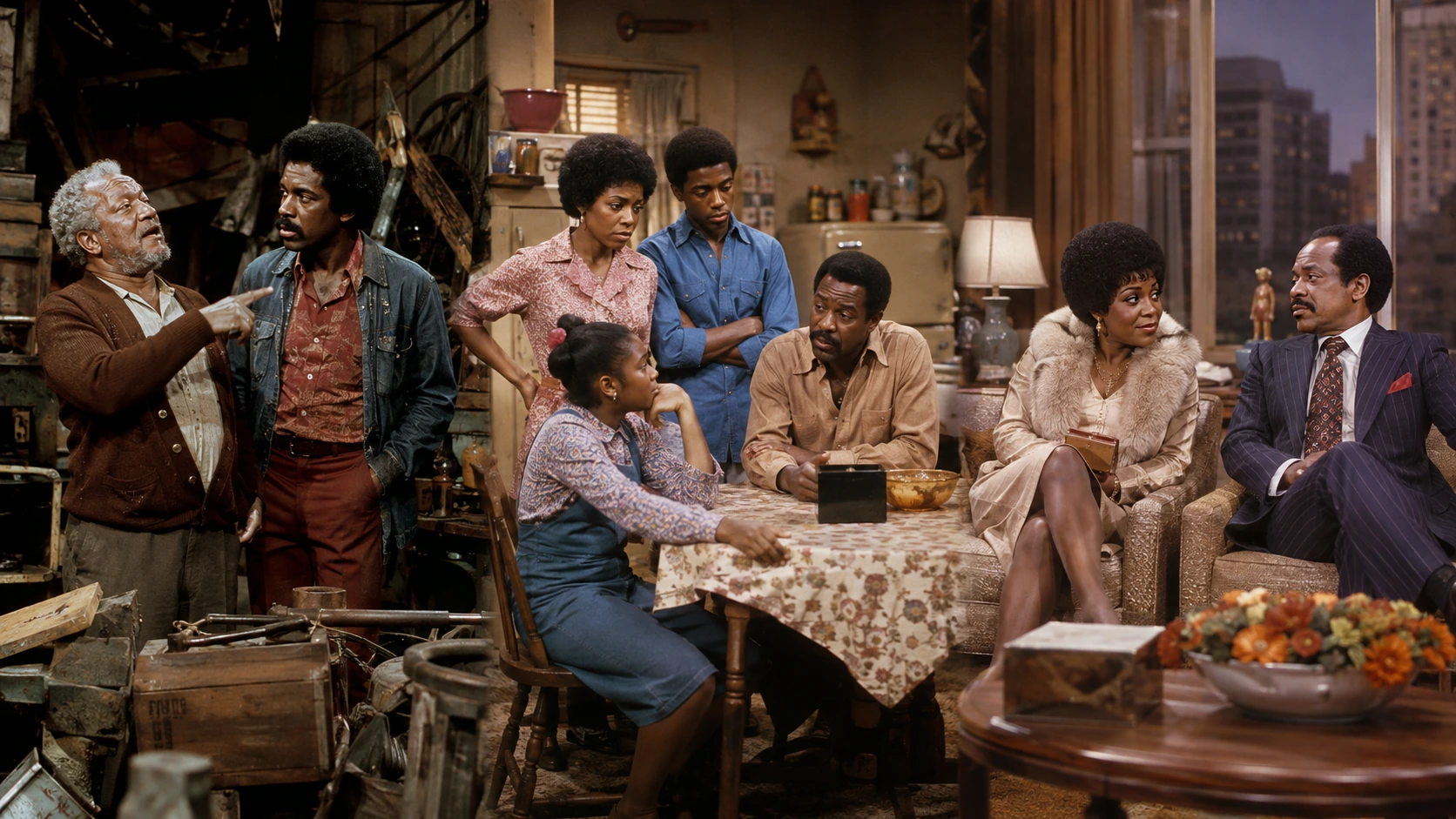
1970s Black sitcom families represented across working-class and upwardly mobile homes
Ten shows. Four unforgettable rooms. One decade finally opening the door. The screen got wider, even when the network doorway stayed too narrow.
The after-school block made them neighbors

Why 1970s Black Sitcoms Felt Bigger in Reruns

For Gen X, the best Black sitcoms of the 1970s often arrived as one long afternoon instead of a careful network history. Fred Sanford’s junkyard could lead into the Evans apartment, and George Jefferson’s elevator might open before dinner.

Local stations placed the shows beside one another and created a television neighborhood the original schedule never offered in quite the same way.

We learned the rooms before we knew any of the backstage stories. The junkyard had its own clutter and rules. The Evans apartment could go from loud to heavy in one piece of news. The Jeffersons’ front door and elevator were built for entrances. Rob’s Place felt like somewhere the gang had already been hanging out before we arrived.

The differences mattered. One family was fighting to keep the rent paid. Another had moved into a deluxe apartment. Fred owned a working-class business. Raj, Rerun and Dwayne were allowed to be teenagers without carrying every issue in every scene.

Together, the shows contradicted the old television habit of treating one Black household as the whole story.

The list is only ten shows long because there were still far too few. That scarcity belongs in the ranking right beside the laughter.

No padded countdown

How this ranking of 1970s Black sitcoms works

The order weighs how funny each show still is, how well its characters hold up, how big a mark it left, how long it lasted and how much new room it created for the shows that followed.

A breakthrough alone does not guarantee first place. The program still has to work as comedy once the history lesson is over.

Eligibility requires a Black lead or a predominantly Black central family or ensemble. Variety shows, dramas and sitcoms with one important Black supporting character are not included.

The page stays focused on comparison. The complete stories of Sanford and Son, The Jeffersons, Good Times and What’s Happening!! belong on their linked show pages.

That boundary keeps the countdown honest. The ranking compares the shows without pretending one page can hold every cast change, episode guide or production fight.

The small field is not a weakness in the article. It is evidence of how narrow the network doorway still was.

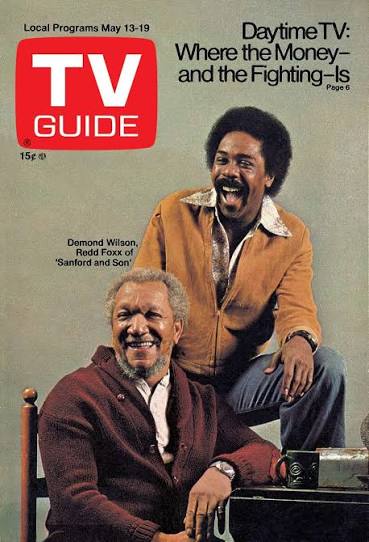
Vintage TV Guide cover featuring Sanford and Son
Sanford and Son became one of the decade’s defining hits and helped widen what a network sitcom could center.
Ten shows is not a triumph by itself

Why There Were So Few Black-Led Sitcoms to Rank

Ten entries can look tidy on a screen. In television history, it is a reminder of how little room the networks were willing to make.

The decade produced enough Black-led sitcoms of the 1970s to create real contrast, but not enough to remove the pressure from any one show. Good Times could be treated as a statement about every working-class Black family. The Jeffersons could be treated as proof that prosperity had solved the problem. Sanford and Son could be treated as the acceptable comic image because it delivered ratings.

That was an impossible burden. No single white sitcom family was expected to explain an entire population, but Black television families were often watched, praised and criticized as though every choice represented everybody.

The solution was never a perfect show. It was more shows: more neighborhoods, more marriages, more workplaces, more teenagers, more regional voices and more room for one series to be uneven without making the whole experiment look fragile.

That is also why this ranking stays separate from 50 Best Sitcoms of the 1970s, Ranked. The broad list measures the whole comedy decade. This one keeps the scarcity, breakthroughs and differences between Black-led series in full view.

The ten shows did not finish the job. They proved the audience was already there.

The complete countdown

The Best Black Sitcoms of the 1970s, Ranked

The entries stay focused enough to compare the shows without turning every ranking card into a mini-biography.

Follow the linked show histories when one of the big four sends you back to the junkyard, the Evans apartment, the East Side or Rob’s Place.

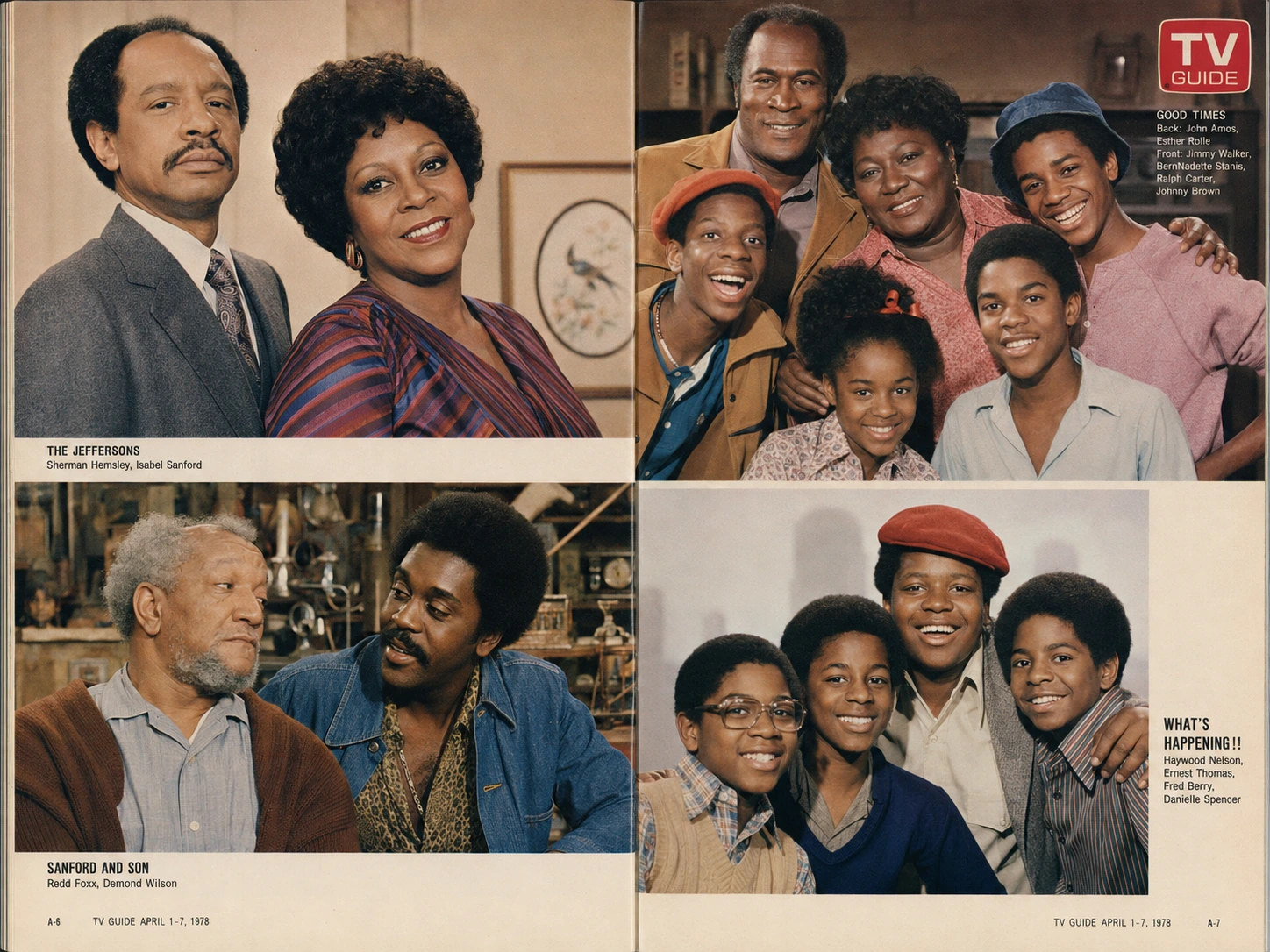
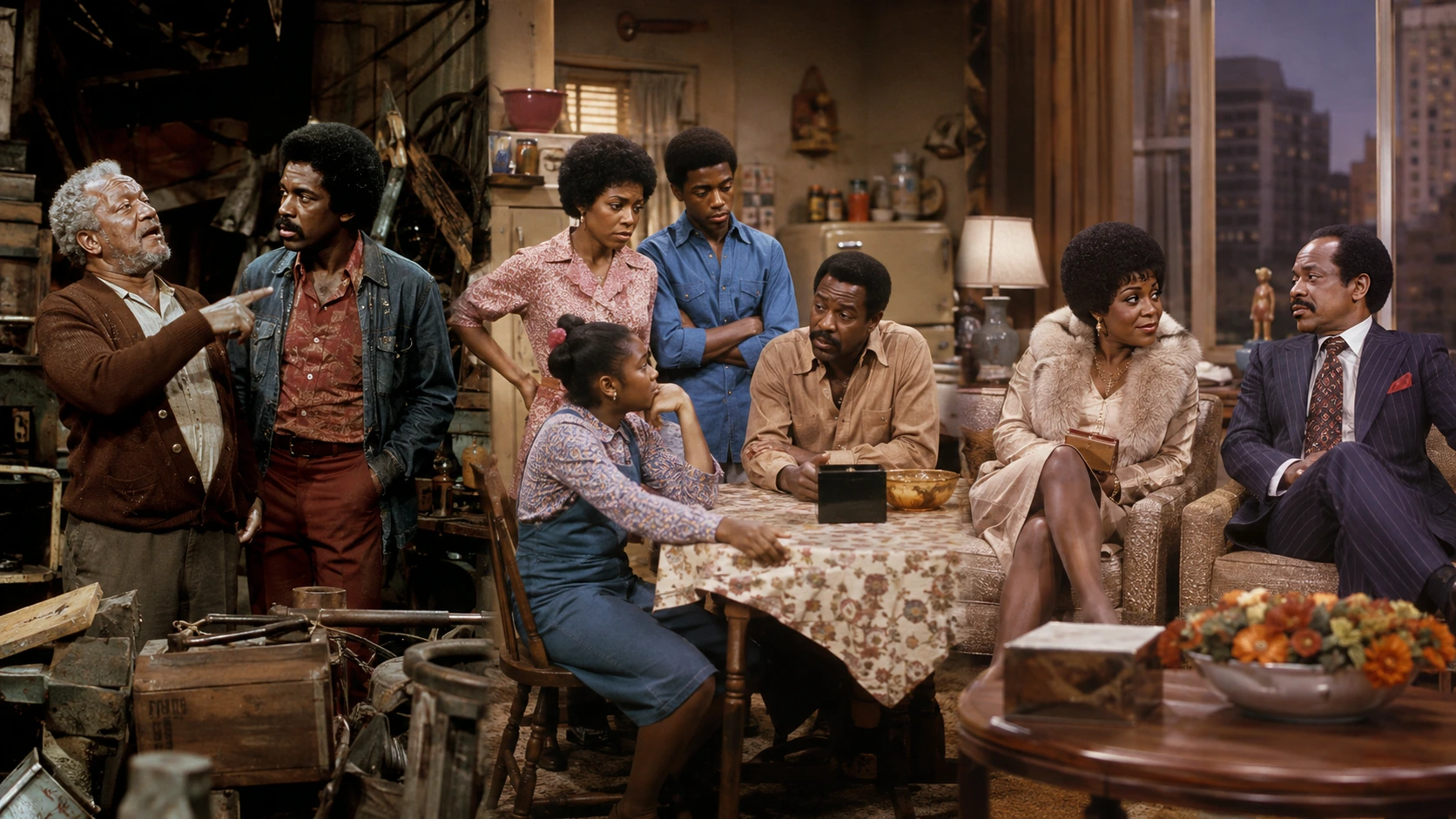
Vintage TV Guide spread featuring The Jeffersons, Good Times, Sanford and Son and What’s Happening
A 1978 TV Guide spread captured how these shows had become a shared television neighborhood by the end of the decade.
1
The junkyard king

Sanford and Son

1972–1977

Fred and Lamont Sanford made a Watts junkyard the center of one of NBC’s biggest comedies. Redd Foxx brought nightclub timing, streetwise rhythm and complete command of the pause, while Demond Wilson made sure Lamont never became scenery around him.

The show was loud, broad and sometimes rough around the edges, but the father-son bond kept it from floating away as pure performance. Fred could fake a heart attack, insult half the neighborhood and still reveal how badly he needed Lamont to stay. The junkyard mattered too. This was a working business, a home and a place where every new customer or relative could become part of the argument.

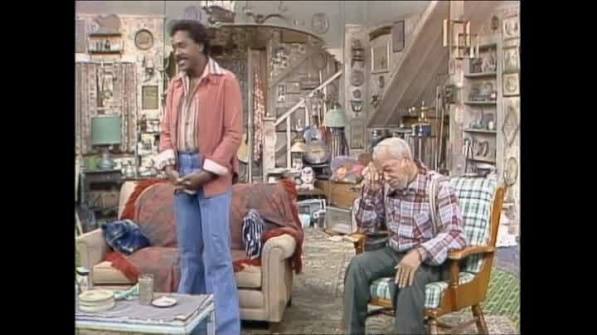
Fred and Lamont Sanford together in the junkyard on Sanford and Son
Fred and Lamont made the Watts junkyard feel like a business, a home and a running argument that never quite ended.

Why it ranks here: It ranks first because it was a genuine breakthrough hit with a mostly Black cast and a comic voice no other series could imitate.

Read Sanford and Son and the Rise of Redd Foxx →
2
The deluxe apartment

The Jeffersons

1975–1979 in the decade

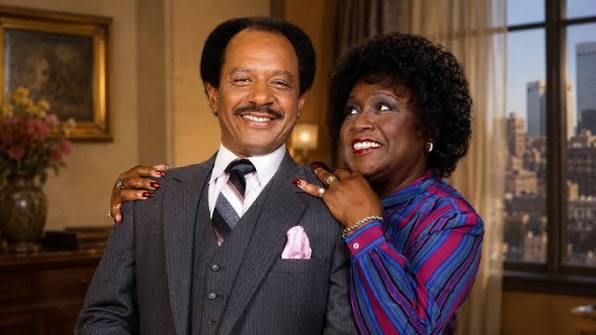
George and Louise Jefferson moved from Queens into a Manhattan apartment without leaving race, marriage or class behind. George’s success was neither apology nor fantasy. It was the starting point for a new set of arguments.

Sherman Hemsley could enter the room already in mid-performance, while Isabel Sanford knew exactly how long to let him go before bringing the scene back to earth. Florence, the Willises, Bentley and the extended family turned the apartment into a neighborhood of its own. The series made Black prosperity visible and then refused to pretend money solved insecurity, prejudice or marriage.

George and Louise Jefferson together in their Manhattan apartment
George and Louise moved on up, but the apartment only gave their marriage a bigger stage.

Why it ranks here: It ranks second for putting Black success, a long marriage and an interracial neighboring couple at the center of a durable television world.

Read The Jeffersons and the Sitcom That Moved On Up →
3
The Evans apartment

Good Times

1974–1979

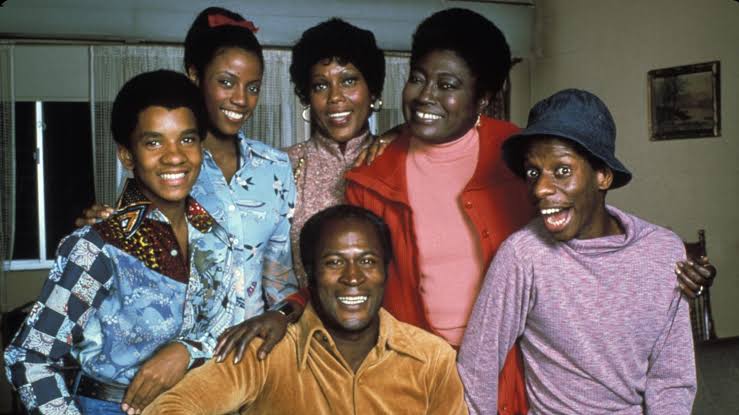
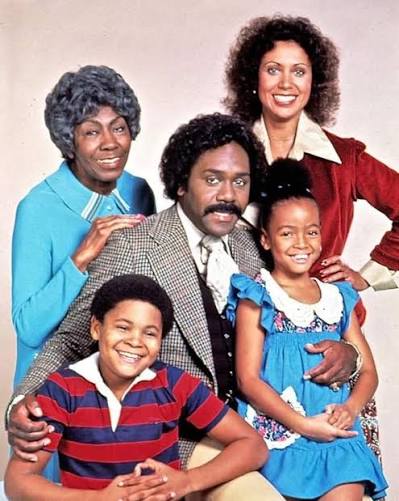
The Evans family faced layoffs, rent, discrimination and danger while protecting humor and dignity inside a home where every problem became everybody’s problem.

Florida and James gave the early seasons authority and tenderness. Thelma, Michael and J.J. each found a different way to imagine a future beyond the apartment. Jimmie Walker’s breakout popularity brought real joy, but it also changed the balance of the show and helped drive the conflict involving Esther Rolle and John Amos. That tension is part of the story, not a reason to stop loving the reruns.

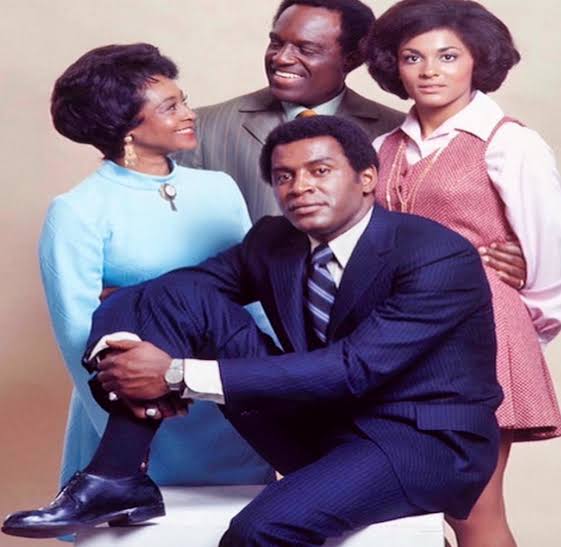
The Evans family together on Good Times
The Evans family made working-class pressure, love and humor feel like parts of the same crowded room.

Why it ranks here: It ranks third because its strongest episodes placed Black working-class family life at the emotional center of prime time.

Read Good Times and the Complicated Legacy of J.J. Evans →
4
The neighborhood hangout

What’s Happening!!

1976–1979

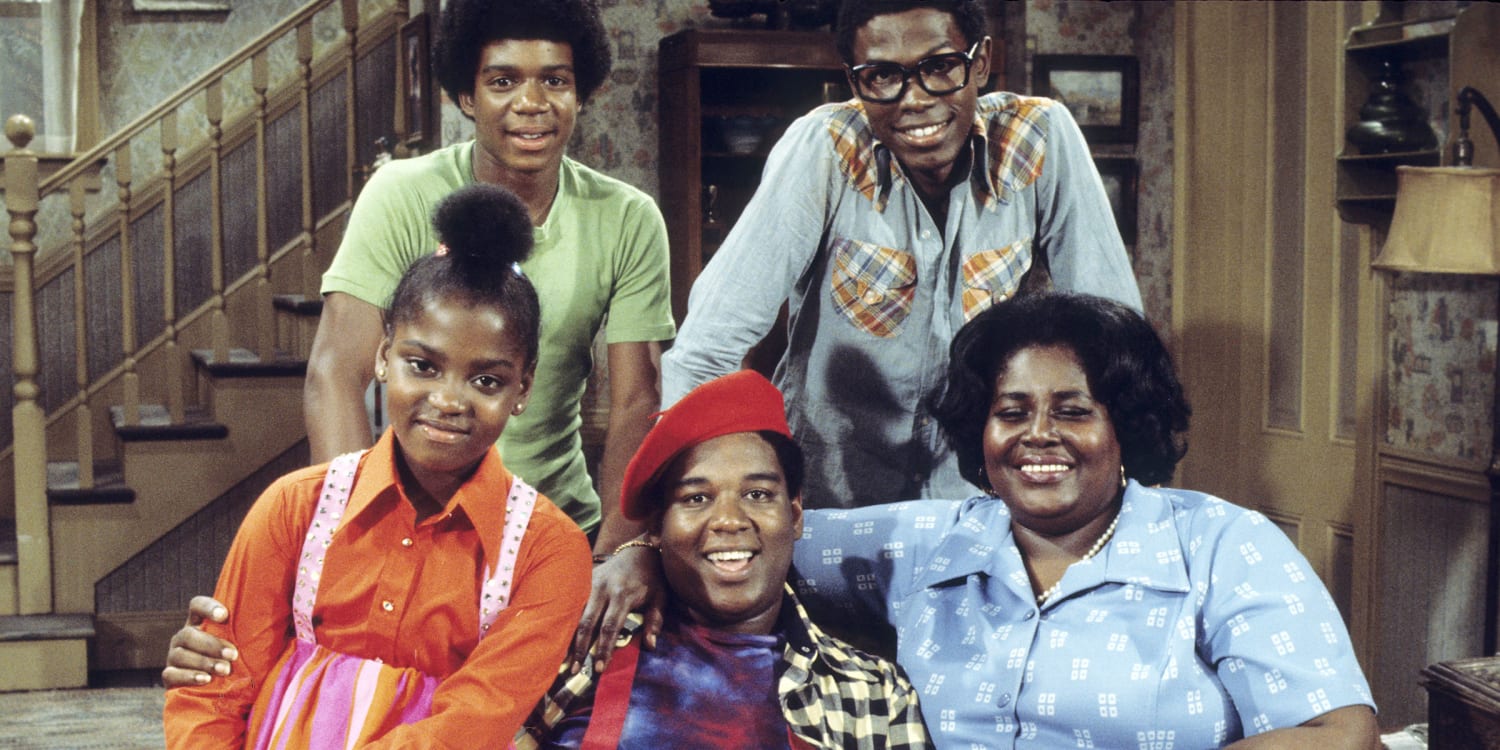
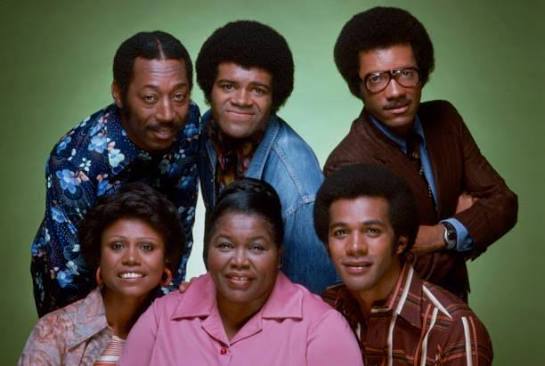
Raj, Rerun and Dwayne moved through adolescence with Mabel, Dee and Shirley keeping the comedy connected to home, school and the neighborhood.

The pleasure came from friendship as much as plot. The boys could chase a scheme, argue about girls, dance, worry about school and get demolished by Dee without every episode being asked to carry the full weight of television history. That ordinary room to be funny mattered. For a generation of rerun viewers, Rob’s Place felt as familiar as any kitchen or living room on television.

Raj, Rerun, Dwayne and the What’s Happening cast together
Raj, Rerun and Dwayne gave Black teenagers room to be funny, loyal, foolish and completely recognizable.

Why it ranks here: It ranks fourth for giving Black teenagers joy, friendship and hanging-out comedy without turning every minute into a lesson.

Read What’s Happening!! and the Joy of Hanging Out →
5
The coach

The Bill Cosby Show

1969–1971

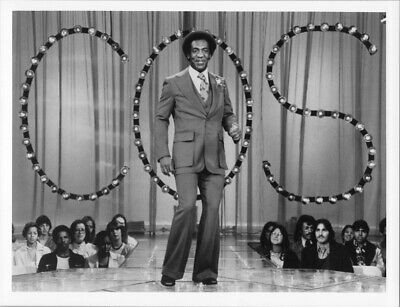
Chet Kincaid was a Los Angeles high-school coach living a normal professional life without a weekly premise built entirely around racial conflict.

That apparent simplicity mattered. The character worked, had friends, dealt with students and moved through the community as a complete adult rather than a visiting symbol.

What makes the show stand out now is how little it seemed to need a giant explanation for Chet Kincaid’s presence. He worked, dated, dealt with students and moved through Los Angeles as an adult whose life did not require a weekly justification.

That normalcy can look almost modest beside the louder breakthroughs that followed, but it helped prepare viewers for Black leads who could simply occupy a profession, a neighborhood and a social circle without the whole premise stopping to announce it.

For Gen X viewers who found the reruns later, the show could feel quieter than Sanford and Son or The Jeffersons. That restraint is exactly why it matters in the progression.

Chet Kincaid from The Bill Cosby Show
Chet Kincaid’s ordinary professional life helped make a Black sitcom lead feel less like an exception.

Why it ranks here: It ranks fifth because it gave network television a Black sitcom lead whose identity included work, friendship and community rather than stereotype.

6
The barbershop

That’s My Mama

1974–1975

Clifton Curtis’s Washington barbershop and the force of his mother Eloise supplied a neighborhood sitcom rooted in generational expectations.

The jokes could be broad, but the setting had personality. The barbershop allowed customers, friends and family to keep the world moving beyond one household.

The barbershop gave the series a setting with traffic. Customers, friends and family could move through the room, bringing gossip, advice and a fresh problem before Clifton had finished dealing with the last one.

Eloise’s presence also kept the comedy tied to generational expectation. Clifton was an adult, but adulthood did not mean his mother had stopped having opinions about how he should live it.

The run was short, yet the show offered a Black neighborhood space that felt social rather than isolated. It may not have reached the polish or staying power of the top four, but it widened the map.

The cast of That’s My Mama
That’s My Mama used the barbershop and family pressure to build a neighborhood comedy with its own rhythm.

Why it ranks here: It ranks sixth because its short run expanded the number of Black domestic and community spaces visible in prime time.

7
The returning husband

Baby, I’m Back

1977–1978

Raymond Ellis returned after years away and discovered that his wife Olivia had built a stable life and planned to remarry.

The farce worked because abandonment, responsibility and forgiveness stayed underneath the setup. Demond Wilson’s second major sitcom lead gave the premise more weight than a simple reset button.

The premise worked best when Raymond’s return was treated as a disruption instead of a romantic shortcut. Olivia had built a life in his absence, and the comedy had to acknowledge that walking back through the door did not erase the years he had missed.

That gave Demond Wilson a very different kind of role after Lamont Sanford. Instead of the son trying to escape a father’s schemes, he played the man whose own choices had created the family mess.

The show did not run long enough to explore every consequence, but the central tension had more emotional weight than the title might suggest.

Demond Wilson with the cast of Baby, I’m Back
Baby, I’m Back gave Demond Wilson a very different family mess from the one he left in the Sanford junkyard.

Why it ranks here: It ranks seventh for building domestic comedy around a family that had already learned to survive without the man trying to walk back through the door.

8
The military unit

Roll Out

1973–1974

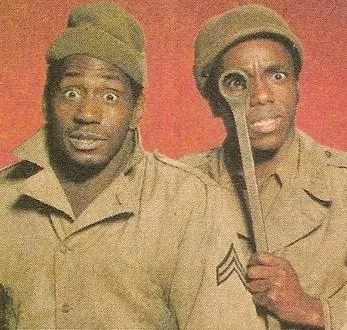
A Black transportation unit serving during World War II allowed the show to enter the military-sitcom form from a perspective network television rarely centered.

The men dealt with hierarchy, prejudice and daily absurdity inside a familiar genre that suddenly looked different because of who was allowed to occupy it.

The military setting also separated the show from the family and neighborhood comedies around it. The men were part of a unit, answering to command, dealing with prejudice and trying to keep their sense of humor inside a system built on rank.

That gave the series a different kind of pressure. The characters were not arguing over rent, marriage or a business. They were trying to hold onto identity and friendship inside an institution that expected obedience.

The show’s short life kept the world from deepening, but even a brief run demonstrated that Black characters could occupy familiar television genres without being treated as visitors.

The cast of Roll Out
Roll Out put a Black transportation unit inside the military-sitcom form and changed who the familiar genre centered.

Why it ranks here: It ranks eighth because its brief run still widened the picture of who could lead a network military comedy.

9
The uneasy experiment

Love Thy Neighbor

1973

Two neighboring families—one Black and one white—were used to stage arguments about race through broad comedy.

The American adaptation was controversial and often clumsy. That does not make it disposable. It belongs in the record because the failures reveal how badly television wanted an easy comic formula for material that resisted one.

The series often reached for confrontation before it had built enough character underneath it. That could make the arguments feel like setups instead of lived relationships.

Still, the failure is useful because it shows how badly network television wanted race to become a repeatable comic formula. The easiest version was two households exchanging insults. The harder work was giving everyone enough depth that the conflict came from recognizable people.

It ranks low because the execution rarely matched the ambition, but leaving it out would make the decade look cleaner than it was.

The cast of Love Thy Neighbor
Love Thy Neighbor belongs in the record because its ambitions and failures reveal the limits of the era’s racial comedy.

Why it ranks here: It ranks ninth as an example of both the era’s willingness to attempt racial comedy and the limits of that attempt.

10
The young marriage

Barefoot in the Park

1970

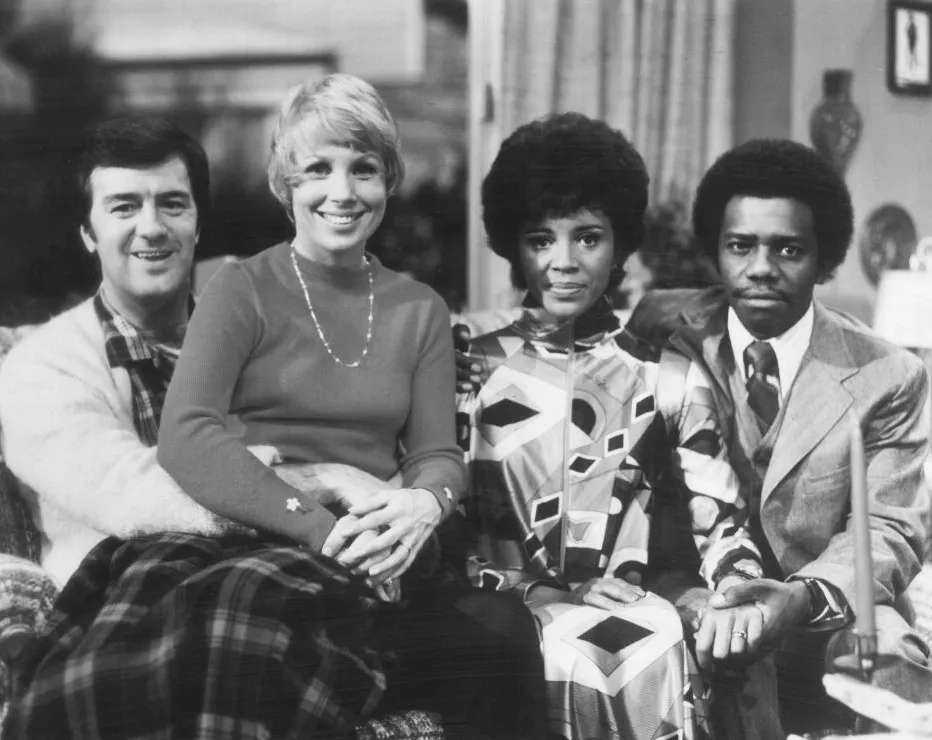
Based on Neil Simon’s play, the sitcom starred a predominantly Black cast led by Scoey Mitchell and Tracy Reed.

Fights over the show and its direction ended the run quickly, but the image of a young Black married couple at the center of a network sitcom still mattered.

A young Black married couple at the center of a network sitcom was still a striking image in 1970, especially when the premise was not built around poverty or crisis.

Scoey Mitchell and Tracy Reed were asked to carry a familiar marital-comedy format while also standing in a space television had barely opened. Creative disputes and cancellation ended the run before the show could settle into itself.

The series survives more as a glimpse of possibility than as a fully developed classic. That makes it a fitting tenth-place entry: brief, imperfect and still important enough to remember.

Scoey Mitchell and Tracy Reed in Barefoot in the Park
Barefoot in the Park centered a young Black married couple before network television was ready to keep that door open.

Why it ranks here: It ranks tenth because its importance comes less from longevity than from opening a door television did not leave open long enough.

The decade in order

How Black Sitcoms Moved Across 1970s Television

Syndication made the shows feel like one giant afternoon. The original timeline shows how slowly the door actually opened.

Some years brought a major breakthrough. Other years revealed how quickly the networks could retreat to the same narrow habits.

1970

The door is open, but only a crack

Barefoot in the Park puts a young Black married couple at the center of a network sitcom, while The Bill Cosby Show carries Chet Kincaid into the new decade.

1971

The field is still painfully small

The Bill Cosby Show ends, and network television has not yet built a reliable lane for Black-led situation comedy.

1972

Sanford and Son becomes the breakthrough hit

Redd Foxx and Demond Wilson turn the Watts junkyard into a Friday-night destination and prove the audience was never the problem.

1973

Networks try several directions at once

Roll Out brings Black characters into military comedy, Love Thy Neighbor attempts racial confrontation through broad farce, and George Jefferson arrives fully formed on All in the Family.

1974

The television map widens

Good Times brings the Evans family into prime time, while That’s My Mama opens the barbershop and neighborhood world around Clifton Curtis.

1975

The Jeffersons move on up

George and Louise enter the East Side apartment, giving network comedy a prosperous Black family at the center of a long-running hit.

1976

What’s Happening!! lets Black teenagers hang out

Raj, Rerun and Dwayne bring friendship, school, schemes and neighborhood rhythm into the middle of the comedy.

1977

Another family premise arrives

Baby, I’m Back gives Demond Wilson a new lead role built around abandonment, responsibility and the difficulty of walking back into a life that moved on.

1978

The biggest hits keep carrying the weight

Good Times, The Jeffersons and What’s Happening!! remain visible while the number of new Black-led sitcoms still falls far short of the audience they serve.

1979

The decade closes with unfinished business

Good Times and What’s Happening!! end their original runs, while The Jeffersons continues into the 1980s and carries the breakthrough forward.

You knew the room before the first joke

Four television spaces that Gen X could recognize instantly

The Sanford junkyard looked like a business, a home and an argument that had been going on for years. Every object felt like something Fred might sell, hide or claim had enormous value.

The Evans apartment was small enough that money, school, grief and ambition all entered the same room. Nobody could pretend a problem belonged to only one person.

The Jeffersons’ apartment announced success before George opened his mouth. The elevator delivered neighbors, relatives and trouble with almost perfect sitcom timing.

Rob’s Place gave Raj, Rerun and Dwayne a neighborhood hangout where friendship could carry the episode without the boys being turned into symbols every minute. The complete story continues in What’s Happening!! and the Joy of Hanging Out.

Those settings kept the shows from collapsing into one generic category. The rooms told us about class, age, family and possibility before the dialogue began.

That is why the reruns stayed vivid. We were not simply returning to a title. We were returning to a place.

What changed on screen

How 1970s Black sitcoms widened family, work and neighborhood life

Black family life became the story, not the background. Good Times and The Jeffersons placed marriage, parenting and generational disagreement at the center without pretending one household represented everyone.

Working-class comedy carried anger and survival. Sanford and Son and Good Times let money shape choices without making hardship the only thing the characters were allowed to be.

Black success became visible. George Jefferson’s dry-cleaning business changed the visual map of network television while Louise and Florence made sure success never became a one-man victory speech.

Teenagers got to be funny. What’s Happening!! gave Black adolescents room for friendship, schemes, school, dancing and neighborhood life.

Women carried authority in different ways. Florida, Louise, Florence, Mabel, Dee, Willona and others did not perform one version of strength.

One show was never enough. The Evans family, Jeffersons, Sanfords and the What’s Happening!! crew corrected one another’s limits simply by being different.

The family stories also belong beside How the Television Family Changed During the 1970s, because the Evanses, Jeffersons and Sanfords expanded the decade’s picture of who could occupy the living room.

The line on the page was only the beginning

The Actors Who Made 1970s Black Sitcoms Feel Lived In

Redd Foxx, Esther Rolle, John Amos, Isabel Sanford, Sherman Hemsley, Marla Gibbs, Jimmie Walker, Mabel King and the rest brought stage, nightclub, theater and lived experience into rooms often shaped by executives far away from those communities.

A plain line could become a complete character statement through a pause, a look or the refusal to soften it.

Foxx could hold the room before the punch line. Sanford could let George exhaust himself and then restore the emotional truth. Rolle could make one look remind every child in the apartment who still had authority. Gibbs could beat a shouting man by refusing to hurry.

That performance knowledge is why the best scenes survive even when a joke or episode has aged unevenly.

The actors did not simply carry the breakthrough. They gave it timing, posture, affection and resistance.

The shows were historic because they reached the screen. They became beloved because the people on that screen knew what to do once the red light came on.

The laugh and the fight behind it

Why the Biggest Laughs Also Started Fights Behind the Scenes

Getting these families on the screen did not mean the actors had the final say over what happened to them.

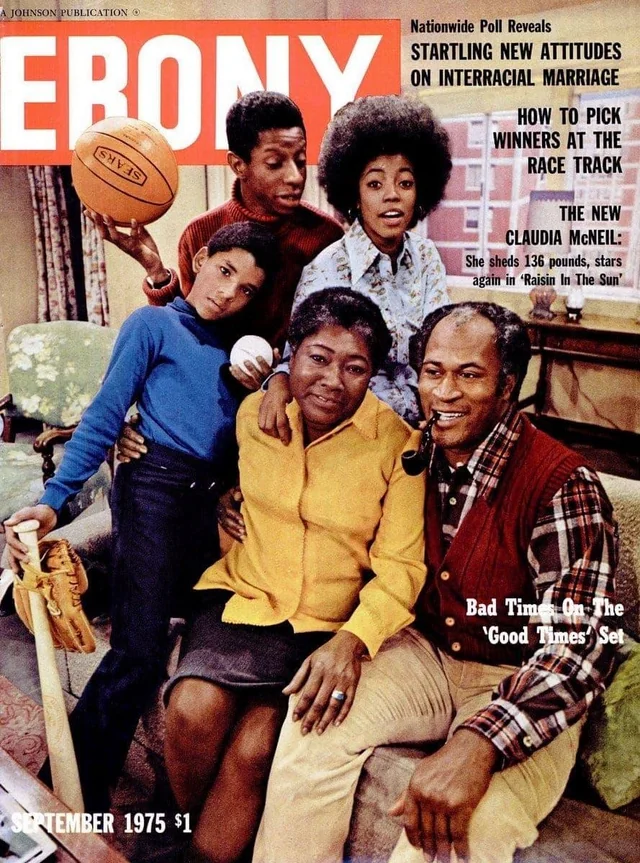
The Good Times conflict made that visible. Jimmie Walker’s J.J. became a phenomenon, while Esther Rolle and John Amos worried that the broadest version of the character was replacing the family balance they believed mattered most.

That does not require viewers to stop laughing. It asks us to notice what the network kept requesting once one laugh became easy to sell.

Similar pressure followed every successful image. A catchphrase, walk, insult pattern or broad character could become the part promotion wanted repeated until the rest of the room had less oxygen.

The performers often understood the danger because they knew how few other Black families television had available.

Knowing the backstage argument does not ruin the rerun. It explains why some episodes feel fuller than others.

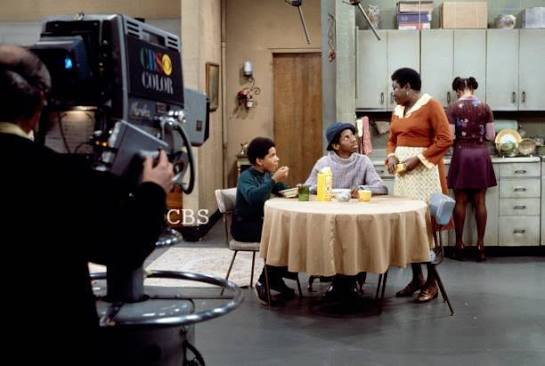
Behind-the-scenes photograph from Good Times
The breakthroughs on screen were shaped by serious arguments over character, tone and control.

The wider production story runs through How Norman Lear Changed Television, but the actors’ pushback matters because they were the people carrying these families into millions of homes.

What still lands and what feels different now

What Still Lands—and What Feels Different Now

Some jokes have aged badly. Some episodes use a stereotype as a shortcut. Some short-run shows never had time to become more than a promising setup.

The right response is not to place the shows behind glass or pretend every minute was perfect.

Watch who gets the last word. Fred may control the volume, but Lamont’s reaction tells us whether the scheme worked. George can own the entrance while Louise owns the truth. J.J. can take over the scene while Florida’s face restores the family hierarchy.

Watch how money changes the comedy. In the junkyard, it creates a scheme. In the Evans apartment, it shapes survival. In the Jeffersons’ apartment, it creates pride and class friction.

Watch whether a broad character gets to exist beyond the joke. The strongest performances usually contain more humanity than the easiest stereotype can hold.

The shows remain worth loving because they are funny, specific and lived in—not because nostalgia requires us to ignore what missed.

The after-school inheritance

How Syndication Turned These Shows Into One Gen X Neighborhood

Local television ignored the original network boundaries. Shows that had premiered years apart could run back-to-back and feel like one giant neighborhood.

The theme songs announced different kinds of possibility before the first line. Sanford and Son brought the groove of hustle. Good Times sang about light inside pressure. The Jeffersons turned upward mobility into a gospel celebration. What’s Happening!! arrived with teenage bounce.

Daily repetition made supporting characters as important as stars. Florence, Willona, Dee, Aunt Esther, Grady, Mabel and the rest became part of the ritual.

Once we knew the plot, we watched the timing. The familiar entrance, pause, look or insult became the reason to stop changing channels.

The rerun block also created comparison without announcing it. One household struggled, another prospered, another ran a junk business and another let teenagers hang out.

That contrast was where a fuller picture finally began.

The shows were never interchangeable. You knew the room before the first joke: the junkyard, the Evans apartment, the Jeffersons’ front door or Rob’s Place. Each one carried its own rules and its own version of home.

That shared after-school block is part of the larger 1970s TV memory: different shows, different rooms and one television carrying all of them into the same house.

Authentic 1970s network advertisement promoting Black sitcoms
Network promotion increasingly treated Black-led sitcoms as a real part of the prime-time schedule, even while the field remained too small.
Before the credits

Frequently asked questions about 1970s Black sitcoms

These quick answers cover the ranking, the short field, Good Times, The Jeffersons and where a first-time viewer should begin.

What was the most successful Black sitcom of the 1970s?

Sanford and Son, Good Times and The Jeffersons all became major hits. This ranking places Sanford and Son first for its impact, comic influence and Redd Foxx’s singular performance.

Why are there only ten shows in the ranking?

The list requires a Black lead or a predominantly Black central family or ensemble. Network television created too few qualifying sitcoms, and padding the list would hide that scarcity.

Why is The Bill Cosby Show included?

Its run extended into 1970 and 1971, and its portrayal of high-school coach Chet Kincaid belongs to the transition into the decade’s Black sitcom breakthrough.

Was Good Times created by Norman Lear?

The series was developed within the Lear and Yorkin television world, while Eric Monte and Mike Evans are credited as its creators.

Why is J.J. Evans described as a complicated legacy?

Jimmie Walker’s performance made J.J. enormously popular, while Esther Rolle and John Amos objected when the broadest version of the character began crowding out the Evans family’s original balance.

Which 1970s Black sitcom is best for a first-time viewer?

Start with Sanford and Son for comic force, The Jeffersons for marriage and class, Good Times for family pressure, and What’s Happening!! for friendship and neighborhood rhythm.

Which show had the longest run?

The Jeffersons continued beyond the 1970s and ultimately ran for eleven seasons.

Where can I read the full histories of the major shows?

The ranking links directly to the SLGX histories of Sanford and Son, The Jeffersons, Good Times and What’s Happening!!

The television neighborhood stayed with us

Why These Black Sitcoms Still Belong Together in Gen X Memory

The best Black sitcoms of the 1970s did not give us one version of Black life. Their staying power comes from the differences.

Fred Sanford could run a junk business, fake another heart attack and still reveal how much he needed Lamont. Florida and James Evans could protect dignity inside a home where the money never stretched far enough. George and Louise Jefferson could reach the deluxe apartment and discover that success created a new kind of pressure instead of ending the old one. Raj, Rerun and Dwayne could spend an episode chasing a bad idea because teenagers deserved ordinary foolishness too.

That range looks obvious only after the door has been opened. At the time, every one of those rooms had to fight against the assumption that one household was enough.

Gen X did not always receive the shows in order. We received them in blocks, after school, on independent stations and on channels that cared more about filling the schedule than explaining television history.

That accident helped create a fuller memory. The junkyard, the Evans apartment, the East Side apartment and Rob’s Place sat close enough together that comparison happened naturally.

We noticed that money changed the argument. We noticed that the women often knew the truth before the men finished performing. We noticed that a theme song could tell us whether the next half-hour would be about hustle, survival, prosperity or friendship.

We also noticed, even before we had the language for it, that some characters were allowed to be complicated while others were pushed toward the easiest laugh.

Loving the shows now means keeping both things in view: the joy of the performances and the pressure surrounding them.

Redd Foxx was funny enough to bend the rhythm of network television around himself. Esther Rolle and John Amos made the Evans family feel like a real household before the catchphrase threatened to become the whole room. Isabel Sanford gave Louise Jefferson authority without needing to outshout George. Marla Gibbs proved that stillness could beat bluster. Mabel King, Danielle Spencer, Haywood Nelson, Ernest Thomas and Fred Berry helped create a teenage world that felt lived in rather than borrowed.

The shorter-run shows matter because they show the paths television tried and then abandoned too quickly: young marriage, military comedy, neighborhood business, returning-family farce and professional life without a weekly crisis attached.

Not all of them became classics. They still belong in the picture because the decade was not built only by the shows that lasted.

The list ends at ten because there were only ten that truly fit. That number should still bother us a little.

But the laughter remains. Fred reaches for his chest. George charges through the door. Florence waits him out. Florida gives the look. Dee lands the final line. Rerun starts moving before the music has decided what to do with him.

That is the part Gen X remembers first—and probably always will.

The breakthrough was real, but the memory is personal: one television, one shared room and a lineup of families who made the screen feel bigger than it had before.
Oral histories and interviews

Sources

Get the Weekly Gen X Drop

New videos, rewinds, and savage nostalgia — first.

SUBSCRIBE WATCH VIDEOS

MORE REWINDS